Sunday, December 28, 2025

Trump says Israel, Iran came ‘almost simultaneously’, saying ‘peace’

The US President also thanks Qatar for “seeking peace in the region”  
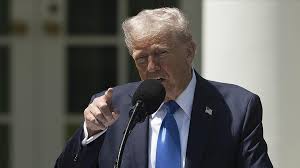
Stating that Israel and Iran approached him “almost simultaneously”, saying “peace”, US President Donald Trump also thanked Qatar for “seeking peace in the region”  

“I’d like to thank the Highly Respected Emir of Qatar for all that he has done in seeking Peace for the Region. Regarding the attack today at the American Base in Qatar, I am pleased to report that, in addition to no Americans being killed or wounded, very importantly, there have also been no Qataris killed or wounded. Thank you for your attention to this matter!”, the White House said on ‘X’ posting President Donald Trump’s statement

The White House also posted another statement claiming that Israel and Iran approached him almost simultaneously seeking peace.   

“Israel & Iran came to me, almost simultaneously, and said, “PEACE!” I knew the time was NOW. The World, and the Middle East, are the real WINNERS! Both Nations will see tremendous LOVE, PEACE, AND PROSPERITY in their futures. They have so much to gain, and yet, so much to lose if they stray from the road of RIGHTEOUSNESS & TRUTH. The future for Israel & Iran is UNLIMITED, & filled with great PROMISE. GOD BLESS YOU BOTH!,” he posted on his Truth Social platform.

Trump announced that Israel and Iran have agreed to a “complete and total ceasefire” which would be phased in over 24 hours.

“CONGRATULATIONS TO EVERYONE! It has been fully agreed by and between Israel and Iran that there will be a Complete and Total CEASEFIRE (in approximately 6 hours from now, when Israel and Iran have wound down and completed their in progress, final missions!), for 12 hours, at which point the War will be considered, ENDED!,” he also wrote

Trump had made similar claims in the case of the India-Pakistan stand-off. However, dismissing Trump’s claim of mediation in the India-Pakistan ceasefire, Prime Minister Narendra Modi unequivocally told the US President that India never asked for and will never accept any third-party mediation to resolve the issue of Pakistan’s illegal occupation of parts of Jammu and Kashmir.

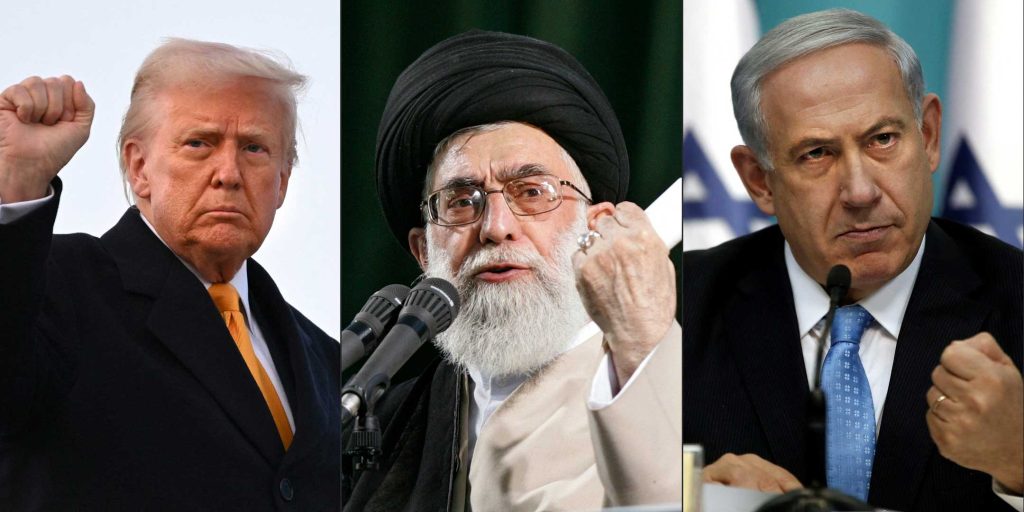
Markets celebrate after ceasefire announcement 

Heaving a sigh of relief, Indian benchmark indices—Sensex and Nifty—posted gains in early trade on Tuesday following  US President Donald Trump announcing a ceasefire agreement between Iran and Israel.

Around 9:50 a.m., the BSE Sensex was up 535 points at 82,431, while the NSE Nifty rose 170 points to 25,142. 

The ceasefire eased geopolitical tensions and sent oil prices lower, which is good for India, a major energy importer. 

US President Donald Trump announced on Monday that Israel and Iran have agreed to a “complete and total ceasefire” which would be phased in over 24 hours.

“CONGRATULATIONS TO EVERYONE! It has been fully agreed by and between Israel and Iran that there will be a Complete and Total CEASEFIRE (in approximately 6 hours from now, when Israel and Iran have wound down and completed their in progress, final missions!), for 12 hours, at which point the War will be considered, ENDED!,” the US President posted on his Truth Social platform on Monday.

‘Complete and total ceasefire,’ says Trump, Iran says “no agreement on any ceasefire”

If Israel stopped its attacks then Tehran would also stop firing, says Iran

US President Donald Trump announced on Monday that Israel and Iran have agreed to a “complete and total ceasefire” which would be phased in over 24 hours.

“CONGRATULATIONS TO EVERYONE! It has been fully agreed by and between Israel and Iran that there will be a Complete and Total CEASEFIRE (in approximately 6 hours from now, when Israel and Iran have wound down and completed their in progress, final missions!), for 12 hours, at which point the War will be considered, ENDED!,” the US President posted on his Truth Social platform on Monday.

However, confusion continued to prevail over the actual situation as the Israeli military claimed another wave of missiles from Iran, leading to activation of sirens across many cities.

Iranian Foreign Minister Abbas Araghchi said that there was no ceasefire agreement with Israel as of now, but if it stopped its attacks then Tehran would also stop firing.

“As Iran has repeatedly made clear: Israel launched war on Iran, not the other way around. As of now, there is NO “agreement” on any ceasefire or cessation of military operations. However, provided that the Israeli regime stops its illegal aggression against the Iranian people no later than 4 am Tehran time, we have no intention to continue our response afterwards. The final decision on the cessation of our military operations will be made later,” he wrote on X

According to ground reports, sirens were activated across several cities, including Jerusalem, while residents took cover in underground parking lots and other safe places after receiving alerts on their phones. 

Analysts also questioned the “silence” of Israeli Prime Minister Benjamin Netanyahu on the issue. Netanyahu had not commented on Trump’s announcement till the filing of this report. Limited news is filtering out of the region but according to some local reports, Netanyahu held a Security Cabinet meeting that extended into the early hours of Tuesday with instructions to top-officials and ministers to not comment on the said ceasefire.

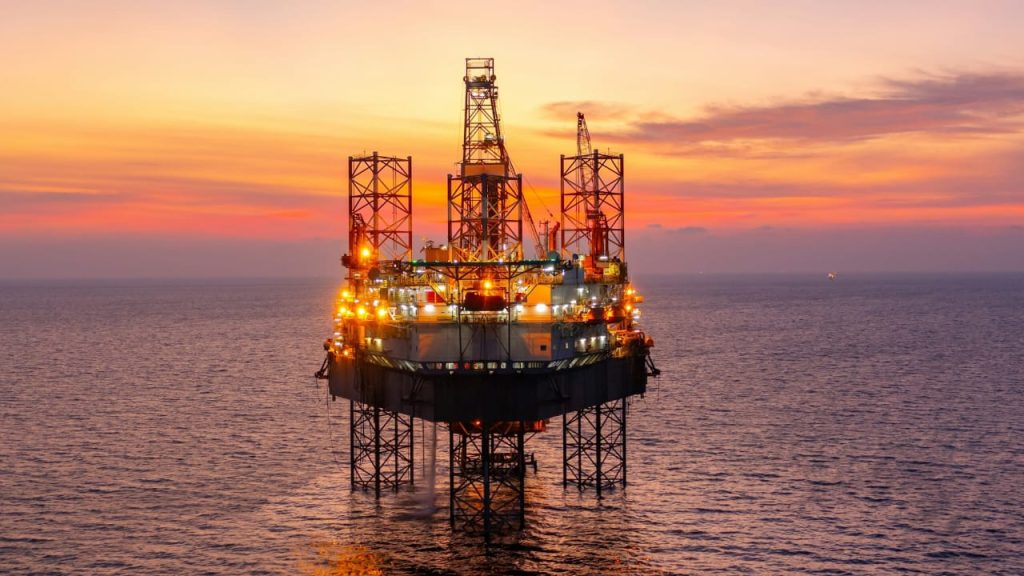
Israel-Iran conflict raises energy security concerns, but oil supply growth will outpace demand soon

With intensifying geopolitical strains and heightened uncertainty about global economic prospects, oil markets are undergoing structural changes as the key drivers of supply and demand growth of the past 15 years start to fade, according to International Energy Agency’s medium-term outlook.

China – which has driven the growth in global oil demand for well over a decade – is set to see its consumption peak in 2027, following a surge in electric vehicle sales and the continued deployment of high-speed rail and trucks running on natural gas. At the same time, US oil supply is now expected to grow at a slower pace as companies scale back spending and focus on capital discipline – although the United States remains the single largest contributor to non-OPEC supply growth in the coming years.

In this context, global oil demand is forecast to increase by 2.5 million barrels per day (mb/d) between 2024 and 2030, reaching a plateau of around 105.5 mb/d by the end of the decade. At the same time, global oil production capacity is forecast to rise by more than 5 mb/d to 114.7 mb/d by 2030.

This growth is set to be dominated by robust gains in natural gas liquids (NGLs) and other non-crude liquids. The strategic shift towards higher non-crude capacity is driven by strong global demand for petrochemical feedstocks and the development of liquid‑rich gas resources.

The OPEC+ alliance has started to unwind production cuts, reshuffling oil supply trajectories. However, the report finds that increased output from the United States, Canada, Brazil, Guyana and Argentina is set to be more than sufficient to cover the growth in global demand in the coming years. In the absence of major supply disruptions, the latest medium-term forecast sees a comfortably supplied oil market through 2030 – though significant uncertainties remain, especially given rising geopolitical risks and heightened trade tensions.

“When we look at oil market trends over the past decade, we see a remarkable double act – thanks to the shale revolution, the United States has accounted for 90% of oil supply growth worldwide, while 60% of the rise in global demand has come from China. But these dynamics are shifting,” said IEA Executive Director Fatih Birol. 

“Based on the fundamentals, oil markets look set to be well-supplied in the years ahead – but recent events sharply highlight the significant geopolitical risks to oil supply security. When it comes to energy security, there is no room for complacency. The IEA remains deeply committed to working with energy producers and consumers to safeguard energy security,” Birol added.

According to the report, accelerating sales of electric cars – which reached a record 17 million in 2024 and are on course to surpass 20 million in 2025 – have kept a peak in global oil demand on the horizon. Based on the current outlook, electric vehicles are set to displace a total of 5.4 mb/d of global oil demand by the end of the decade. The replacement of oil with natural gas and renewables for power generation in the Middle East, particularly in Saudi Arabia, is also expected to weigh on global oil demand growth in the coming years.

With the petrochemical industry now poised to become the dominant source of oil demand growth from 2026 onwards, the report finds the industry is on track to consume one in every six barrels of oil by 2030. Demand for oil from combustible fossil fuels – which excludes petrochemical feedstocks and biofuels – may now peak as early as 2027 even as the consumption of jet fuel continues to grow.

Since petrochemicals are mostly produced from non-refined products such as NGLs, these trends are set to increasingly impact the refining sector. The report sees net refinery capacity far exceeding demand for refined products in 2030, which is likely to result in more capacity shutting down in the interim.

Congress backs Iran, criticises Trump, Modi government

India enjoys close and friendly relations with both Israel and Iran as also the US and had expressed the need for early restoration of peace and stability in the region at the very beginning of the crisis.

Opposition Congress today backed Iran, calling 

President Donald Trump’s decision to “unleash US airpower on Iran a mockery of his own calls for the continuation of talks with the country”.

It also criticised the Narendra Modi Government for “unequivocally neither criticising nor condemning the US bombing and Israel’s aggression, bombings and targeted assassinations” in Iran

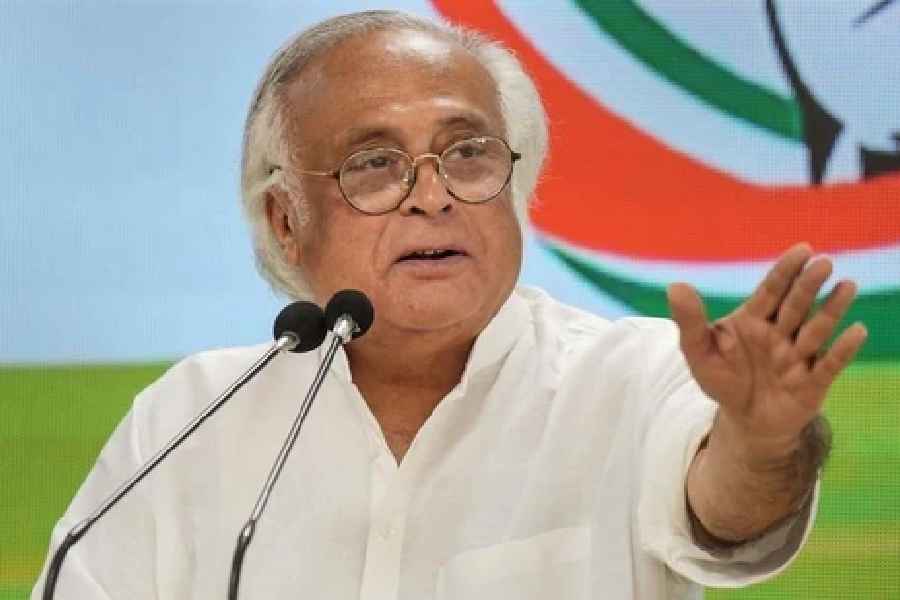
“The Indian National Congress reiterates the absolute essentiality of immediate diplomacy and dialogue with Iran,” Congress leader Jairam Ramesh said

“The Government of India must demonstrate greater moral courage than it has so far. The Modi Government  has unequivocally neither criticised nor condemned the US bombing and Israel’s aggression, bombings and targeted assassinations. It has also maintained a deafening silence on the genocide being perpetrated on the Palestinians in Gaza,” he said.

US President Donald Trump on Thursday said that he will allow two weeks for diplomacy to proceed before deciding whether to launch a strike in Iran and get directly involved in its conflict with Israel as there was a “substantial chance” for renewed negotiations over Tehran’s nuclear programme, he also said, according to reports.

However early Sunday morning US stealth bombers struck Iran’s three nuclear sites. 

Trump announced the bombing saying: “We have completed our very successful attack on the three Nuclear sites in Iran, including Fordow, Natanz, and Esfahan. All planes are now outside of Iran air space”.

Iran called the US strikes betrayal of diplomacy.

Iranian revolutionary guards was quoted as saying that they will not be intimidated by the noise made by Trump “or criminal gangs ruling the White House and Tel Aviv.”  By striking Iran’s nuclear sites, the US had placed itself directly “at the front line of aggression,” they said 

India enjoys close and friendly relations with both Israel and Iran as also the US and has already expressed “deep concern” about the rising tensions in the region. It has expressed the need for early restoration of peace and stability in the region at the very beginning of the crisis.

Gopalpur gang rape—NHRC takes suo motu cognizance , calls for detailed report within two weeks

The National Human Rights Commission (NHRC) has taken suo motu cognizance of a media report that a 20-year-old woman college student was allegedly subjected to gang rape by around 10 men on the Gopalpur sea beach of Ganjam District in Odisha on June 15

Reportedly, the victim had gone to the beach along with a male friend to celebrate a festival. The perpetrators after overpowering her friend sexually assaulted her, according to an NHRC statement

“The Commission has observed that the contents of the media report, if true, raise a serious issue of violation of human rights. Therefore, it has issued notices to the Chief Secretary and Director General of Police, Odisha, calling for a detailed report on the matter within two weeks. The report is expected to include the status of the investigation in the case, the victim’s health and compensation/ counseling, if any, provided to her by the state authorities,” it said

“According to the media report, carried on June 16, 2025, the victim has been sent to the MKCG Medical College and Hospital in Berhampur for medical examination. The police have detained seven suspects in the case,” it added

The incident has sparked a massive controversy in the state ruled by the BJP.

The Congress last week organised a protest rally to highlight “growing atrocities on women in the wake of the Gopalpur gang rape case, which was followed by a similar case in Keonjhar on Wednesday, the home district of Chief Minister Mohan Charan Majhi, according to media reports.

Rising temperatures, extreme weather hit Asia hard—WMO

Asia warming at twice the global average; Sea surface temperature record high in 2024; Marine heatwaves worst on record; Glacier melt accelerated; Floods and droughts destroyed lives and livelihoods

Asia is currently warming nearly twice as fast as the global

average, fuelling more extreme weather and wreaking a heavy toll on the region’s economies, ecosystems and societies, according to the World Meteorological Organisation (WMO).

The WMO’s State of the Climate in Asia 2024 report says that 2024 was the warmest or second warmest year on record (depending on the dataset), with widespread and prolonged heatwave and the warming trend between 1991–2024 was almost double that during the 1961–1990 period.

“In 2024, heatwaves gripped a record area of the ocean. Sea surface temperatures were the highest on record, with Asia’s sea surface decadal warming rate nearly double the global average.

“Sea level rise on the Pacific and Indian Ocean sides of the continent exceeded the global average, heightening risks for low-lying coastal areas. Reduced winter snowfall and extreme summer heat were punishing for glaciers in the central Himalayas and Tian Shan.,” according to the latest climate report.  

The State of the Climate reports are flagship reports of WMO and provide policy-relevant information for national and regional decision-making.

According to the report, as many ast 23 out of 24 glaciers suffered mass loss, leading to an increase in hazards like glacial lake outburst floods and landslides and long-term risks for water security. “Extreme rainfall wreaked havoc and heavy casualties in many countries in the region, and tropical cyclones left a trail of destruction, whilst drought caused heavy economic and agricultural losses,” it added

“The State of the Climate in Asia report highlights the changes in key climate indicators such as surface temperature, glacier mass and sea level, which will have major repercussions for societies, economies and ecosystems in the region. Extreme weather is already exacting an unacceptably high toll,” said WMO Secretary-General Celeste Saulo.

“The work of National Meteorological and Hydrological Services and their partners is more important than ever to save lives and livelihoods,” she said.

US bombs Iran: Sensex plummets, oil hits five month high, India energy supply stable

Asian markets crumbled on Monday after the US bombing of three Iranian nuclear sites heightened the Middle East crisis. 

In India equities crashed in early trade plummeting over 800, while Nifty lost nearly 250 points.  Around 9:45 am, Sensex stood at 81,560 points and Nifty at 24,859 points, according to reports.

Meanwhile, oil prices too hit five-month highs, albeit briefly, amid concerns of disruption to energy markets due to the US action.

The  US joining Israel against Iran has escalated fears of Iran closing the critical Strait of Hormuz

So far as India is concerned, Union Petroleum and Natural Gas Minister Hardeep Singh Puri on Sunday assured that India’s energy supply was stable, citing significant diversification of oil import routes in recent years.

“We have diversified our supplies in the past few years and a large volume of our supplies do not come through the Strait of Hormuz now,” Puri said in a social media post. 

Pahalgam springs back to life as tourists return after terror attack

Srinagar –  Jammu and Kashmir Chief Minister Omar Abdullah on Sunday shared scenes of a revived Pahalgam, noting that the famous hill station is once again bustling with visitors just two months after a deadly terror attack brought the region’s tourism to a standstill.

Posting photos of crowded streets and picnickers braving the rainy weather, Abdullah wrote on X, “The last time I was in Pahalgam I cycled through a market that was all but deserted. Today I came back to a Pahalgam that was bustling with activity. Tourists from various parts of the country competed for space with local picnickers who were enjoying the cool climate & rainy weather.”

Tourist footfall had dropped sharply after the April 22 terror attack in Pahalgam’s Baisaran Valley, which claimed 26 lives, mostly tourists. However, local residents credit the recent launch of Kashmir’s first Vande Bharat Express for helping restore confidence and attracting visitors back.

Prime Minister Narendra Modi flagged off the Vande Bharat service on June 6, connecting Jammu’s Katra with Srinagar via the completed Udhampur-Srinagar-Baramulla rail link, offering faster and more comfortable travel to Kashmir.

“It’s very satisfying to see the efforts my colleagues & I have been putting in slowly bearing fruit,” Abdullah said, referring to a series of steps his government has taken to revive tourism.

Since June 14, parks and other attractions closed after the attack have been gradually reopened. According to locals, this reopening, combined with the new train service, has encouraged tourists to return in increasing numbers.

Strait of Hormuz: will Iran close the crucial maritime passage 

Escalating tensions in the Middle East, especially after the US bombing of the nuclear facilities in Iran, have led to rising fears of the Strait of Hormuz being closed by Iran.

Escalating tensions in the Middle East, especially after the US bombing of the nuclear facilities in Iran, have led to rising fears of the Strait of Hormuz being closed by Iran.

Iran’s Parliament, the Majlis, has reportedly approved the closure in response to the attacks by the US, however, the final decision lies with the Supreme National Security Council.

A crucial maritime passage, the Strait of Hormuz connects the Persian Gulf with the Gulf of Oman and the Arabian Sea. It handles 20% of global oil and gas transportation. Major oil-producing nations of the region, Saudi Arabia, Iraq, UAE, Qatar, Iran, and Kuwait, depend upon it for their exports.

So far as India is concerned, according to Crisil Ratings titled “Middle East situation: Limited impact on India Inc for now”,  “repercussion of any further significant increase in the crude oil prices from the current levels would vary across sectors that are directly or indirectly exposed to it and impact on profitability will depend on the ability to pass on the cost increase”

There are also fears of sectors like basmati rice and fertilisers being impacted if war continues 

“So far, the ongoing uncertainties in the Middle East have not had a significant impact on India Inc’s global trade.

“However, if the situation deteriorates, some sectors such as basmati rice could see heightened impact and will require monitoring, while others like fertilisers and diamonds — both cut and polished — may also see some impact,” it says

Iran is one of the largest importers of Indian basmati along with Saudi Arabia, Iraq and the United Arab Emirates.

Iran and Israel accounted for 14% of India’s basmati rice exports in 2025 fiscal, as per the report.

MOST POPULAR

HOT NEWS