The upcoming Census may change India’s caste politics, shape of Parliament
The Central government on Monday issued a gazette notification for the caste census—a mega exercise which will begin from March 1, 2027. According to the notification, the census proceedings for snow-bound parts will begin on October 1, 2026.
“The reference date for the said census shall be 00.00 hours of the 1st day of March, 2027, except for the Union territory of Ladakh and snow-bound non-synchronous areas of the Union territory of Jammu and Kashmir and the States of Himachal Pradesh and Uttarakhand,” the notification read, adding for snow-bound states and union territories, the exercise will begin at 00:00 hours of the 1st day of October, 2026.
The last Census was conducted in 2011.
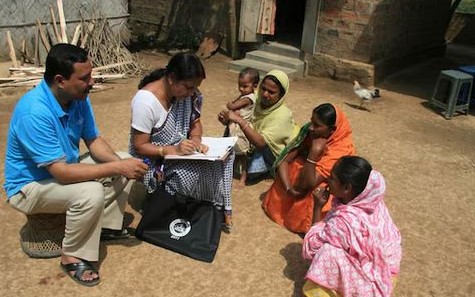
Armed with digital devices, enumerators, supervisors and census functionaries will conduct the exercise in two phases – Houselisting Operation (HLO) and Population Enumeration (PE).
Under HLO, data on the housing conditions, assets and amenities of households will be collected.
Under PE, data regarding demographic, socio-economic, cultural and other details of every person in each household will be collected.
Census politics
Initially when the Congress-led Opposition made the demand for a caste census, the ruling BJP accused it of attempting to “divide the nation on caste lines”. However, in April the Centre announced the exercise with Prime Minister Narendra Modi-headed Cabinet Committee on Political Affairs (CCPA) clearing caste enumeration as a part of the upcoming Census.
In the upcoming Census, the counting of castes will go beyond the Scheduled Castes and Scheduled Tribes, thereby opening new possibilities in India’s caste-based politics and perhaps also a new shape to the Parliament.
Using aids like mobile apps, online self-enumeration and near-real-time monitoring, the upcoming Census will be the first digital census in India’s history,
It will also be the first time since 1931 when caste data for all communities will be collected.
Caste enumeration was a regular feature of census exercises during British rule from 1881 to 1931. However, after Independence the government decided to discontinue the practice. In the first Census of independent India in 1951 only SCs and STs were noted.
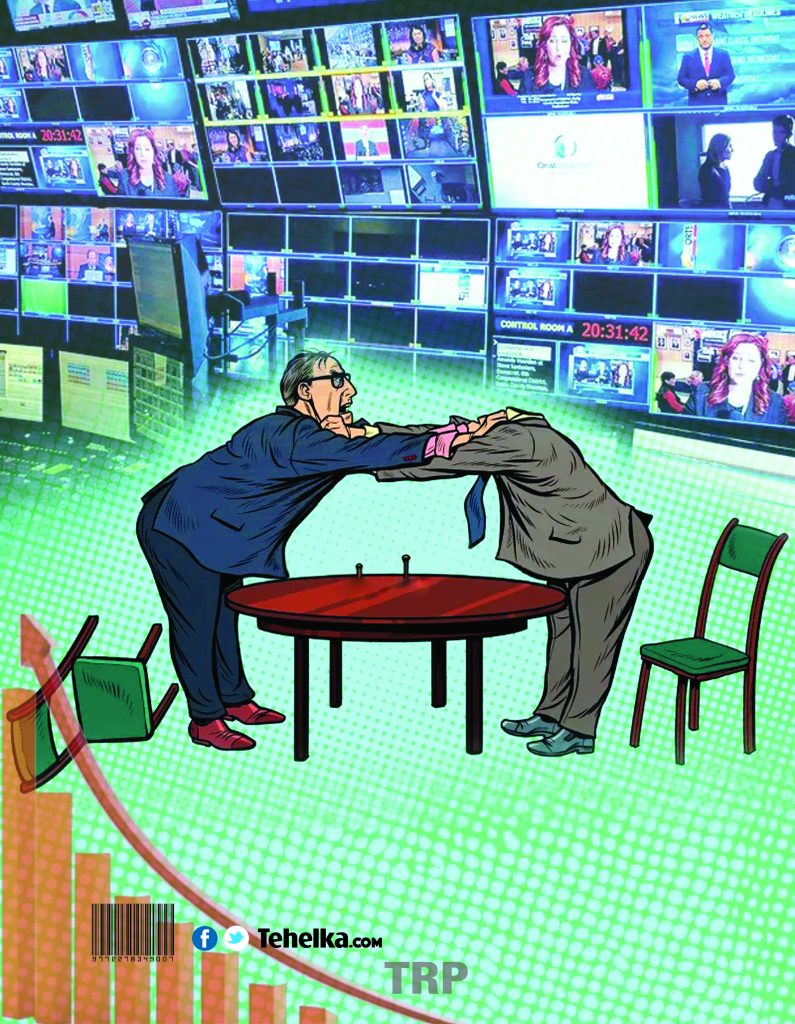
A Tehelka SIT report reveals how Hindu-Muslim TV debates are often scripted and staged, driven by political agendas, personal ambition, and the lure of financial gain
“A news director from a leading national news channel once called me for a TV debate and, because I’m a Muslim, asked me to support ISIS—a terrorist organization—on his show that was going live that night, just to boost weekly viewership and Television Rating Points (TRP). I refused,” said Javed-Ul Hasan Qasmi [name changed] to Tehelka’s undercover reporter.
“On another occasion, I was on a debate panel for a different top news channel. During the show, the anchor—one of the channel’s leading lights—asked me and my Hindu co-panelist to start shouting at each other for effect. We both refused,” Javed told Tehelka.
“I’ve been appearing on debate shows across almost all major national news TV channels for the past 12 years. I know exactly how these debates are managed. If we perform as per the channel’s wishes, we’re paid well,” said Shadaab Ali [name changed] to the reporter.
“Being a Muslim, I’ve had no problem attacking fellow Muslim panelists on-air if the channel asks for it. These debates are scripted,” Shadaab added.
“My friend, who is a Maulvi, has been a regular face on Hindu-Muslim debates across national news channels for years. It’s these debates that brought him all his wealth—money, two houses in Delhi, and even a government job. It was because of his TV appearances that a political party approached him during a Lok Sabha election and paid him handsomely,” said Mushtaq Khan [name changed] to Tehelka’s undercover reporter.
In recent years, there has been a sharp rise in Hindu-Muslim debates on almost all news channels—a trend that continues into the 11th year of his government. Tune in to any news channel between 5 p.m. and 11 p.m., and you’ll likely see religious leaders from both communities shouting at each other in TV studios. Political analysts believe this trend is aimed at reinforcing a polarizing Hindu-Muslim narrative, while news channels enjoy the boost in TRPs.
But in the process, these Hindu-Muslim TV debates have turned toxic. What were once discussions have morphed into street fights. Across India, there have been several instances where TV panelists have exchanged slaps and punches live on air. It’s no longer just religious leaders clashing on screen—even political party spokespersons have come to blows. During one debate organized by Zee News, BJP’s Gaurav Bhatia and Samajwadi Party’s Anurag Bhadoria were seen physically pushing each other.
Who can forget the tragic death of Congress spokesperson Rajiv Tyagi in 2020? Tyagi, 52, suffered a cardiac arrest shortly after appearing on Dangal, a debate show hosted by the late Rohit Sardana on Aaj Tak. During the debate, Tyagi appeared visibly uneasy—he fidgeted and then gasped. He died within half an hour of the show. Though there is no medical evidence to link the cardiac arrest to the debate on 12th August 2020, the incident raised serious questions about the emotional toll these aggressive formats may take on the participants.
Former Parliamentarian and senior RSS leader Prof Rakesh Sinha once made headlines when he revealed that an anchor from a prominent news channel had asked him to use derogatory language against a Muslim man during a televised debate. According to Sinha, the anchor had suggested that mocking the Muslim panelist’s “darhi and topi” (beard and skullcap) would make the debate “a hit.” After that, Sinha stopped appearing on that channel.
Several panelists Tehelka spoke to described feeling stressed and humiliated by the toxic culture of TV debates. Riyasat Ali, a renowned Muslim scholar from Agra and once a regular guest on news panels, has stopped participating altogether, calling the debates toxic and degrading. Maulana Uzair Alam, also from Agra, echoed a similar sentiment.
Television channels have long been criticised for turning debates into shouting matches. Heated arguments, abusive name-calling, and even fistfights have become a normal sight on these TV shows. But are these confrontations real—or scripted for TRPs? To find out, Tehelka launched a much-anticipated and exclusive undercover investigation into a subject that has long been discussed, but never probed in this manner.
As part of our sting operation, we posed as representatives of a new TV channel. We approached several Muslim religious leaders with fake offers, claiming our friend was launching a new TV channel and we needed panelists for Hindu-Muslim debates. In the first of these conversations, we reached out to Shadaab Ali [name changed] from Agra. We told him openly that our channel would do anything for TRPs. Shadaab assured that he wouldn’t disappoint us.
In the following exchange, our reporter probes Shadaab about his experience with TV debates. The discussion uncovers how participants must often prepare intensely and sometimes engage in loud, combative discourse to make their point. Shadaab confidently asserts his readiness, emphasizing his familiarity with the format.
Reporter -Abhi tak aapne kis subject par debate kiya hua hai?
Shadaab- Maine bataya na koi bhi subject ho.
Reporter – Hamare ek dost ka naya TV channel aa raha hai. Wo mujhse keh rahe they ki aise log batao jo TV debate mein aa sakte hain. TV debate mein aapko maloom hi hai kya hota hai cheekha chillai.
Shadaab- Wo sab hame maloom hai. Aapki dua se in sab cheezon ke aadi ho chuke hain, bakki kabhi kabhi aisi isthithi aati hai ki TV debate k channel wale bolte hain aapko bada forcefully baat karni hai, matlab apni baat ko poori taiyari se rakhna hai.. chahe wo virodh mein ho ya paksh mein. Kafi tajurba hai in baaton ka.
Reporter -Matlab cheekha chillai kar lenge aap TV debate mein?
Shadaab- Aji sahib, bilkul..sirf cheekhna chillana nahi tark par hoti hai baat..jis subject par debate ho rahi hai to poori taiyari k saath bethete hain.
[We learn that although televised debates may seem like mere shouting matches, a fair amount of preparation goes in before participants take the stage. Shadaab’s candid remarks reflect a seasoned realism about media theatrics.]
In this revealing exchange, our reporter puts forth a questionable request—asking Shadaab to criticize political parties like BJP or Congress on command, based on a channel’s agenda. Shadaab responds with calm confidence, citing his long-standing experience in handling such editorial pressures. He implies that he’s aware of how media narratives are shaped and agrees to go along with the expectations.
Reporter- Kai baar channel bolta hai hamare hisab se cheezein ho.
Shadaab- Haan mein wahi baat keh raha hoon.. channel wale ki jo policy hoti hai usko bhi manage kiya jata hai.
Reporter -Jaise ke TV channel wale kehte hain ki Musalmaan aadmi aaye aur BJP ko gali de?
Shadaab- To haan ye sab possibility hai.. ya Congress ko gali de.
Shadaab (continues)- Dekhiye aisa hai aapki dua se kareeb 10-12 saal ka ye experience hai.. aur koi aisa channel nahi hai News 18 ho ya Zee TV ho ya phir ABP…in sab par meine live aur recording dono tareekey se kaam kiya hai.
[Some TV debates, as we see, are steered more by the demands of channels than by the pursuit of truth. Shadaab’s response reveals how media insiders often adapt to this controlled environment.]
In this frank exchange, Shadaab openly admits that his appearances on TV debates are shaped by what the channels expect from him. He explains how payments are tied to performance, not principles, and even shares details of a heated moment with BJP MP Sambit Patra in a TV debate What emerges is a picture of a media space where shouting matches are staged, and loyalty often shifts with the script.
Reporter – Kabhi jhadak padak hui hai aapki?
Shadaab- Khoob hui hai.. Sambit Patra se hi hui hai Taj Mahal wali debate mein, aap kahenge to mein aapko bhej dunga (the debate’s clip).
Reporter- Ye paise bhi dete hai ya nahi?
Shadaab- Ek do ne diya.. baki ne nahi.
Reporter -Kitna diya aapko?
Shadaab- Kisi ne 3000 kisi ne 2000..aap kya karwayenge hamare liye..sabse badi baat hoti hai jo performance par depend karti hai..bhai channel ke hisab se hum performance denge to usi hisab se payment hota hai..bahut baar isthithi aisi aati hai ki channel wale gadi bhej kar bula lete hain Noida etc mein…Agra mein kai debates mein hamara bhi naam tha.
[We see how TV debates can be more about ‘performance’ than truth. What we learn here is how news platforms sometimes reward drama over honest discussion, turning debates into paid acts.]
In this revealing interaction, Shadaab lays bare how a number of TV debates are pre-arranged. TV Channels decide in advance who should be targeted, and panelists are paid based on how well they ‘perform’ and meet those expectations. What should be open discussion turns into a managed act, where news often takes a back seat to scripted drama.
Reporter- Ye sab business ka chakker hota hai TV debate bhi?
Reporter- To ‘match fixing’ karte hain ye TV debate wale?
Shadaab- Bilkul! Bata dete hain tumhe ispar attack karna hai ye hai.. Mein apne mooh se apni badai karun to acha nahi rahega..ab aapke dost jo news channel khol rahe hai aur agar wo humko mauka dete hain to hamari performance par dependkarega.
[We learn that some TV debates are more like stage shows, where roles are assigned and payments follow performance. It’s a reminder of how easily truth can be moulded for the TV screen.]
In this striking exchange, Shadaab is asked if he would insult a fellow Muslim on air if a channel demanded it. Without hesitation, he agrees, explaining that such clashes are now routine on TV. According to him, channels prefer to show Muslims attacking each other—it creates a narrative without needing outside voices. What he describes is less debate and more a scripted spectacle.
Reporter- Accha agar koi Musalman ko Musalman se ladwaye gali galooch karwaye to kar loge?
Shadaab- Arey aap usse itminaan rakhiye…kehne se koi fayda nahi hai…ek to aisa hota hai ki current mein jo situation mil rahi hai usko handle karna hai aapko…kyunki wahan koi sawal khada kar diya to hazir jawabi itni honi chahiye aapke pass ki usko aap jawab de sake.
Reporter – Lekin koi kahe ki Musalmaan ko gali dena hai to kya de doge?
Shadaab- Arey to channels par dete nahi hai gali? Bhai Musalman Musalman ko gali de uske peeche bhi logic hota hai na kuch..bhai mein agar usko criticise karta hoon to mere pass hona bhi to chahiye kuch masala..bhai TV channel par yahi to chal raha hai… Musalman ko Musalman se bhidwa do aur keh do Musalman hi Musalman ki kaat kar raha hai..ye bhi to hai na…kisi gair Muslim ko karne ki zaroorat nahi hai..ye bhi ek tareeka hai media ka..
[We learn how some media setups push communities to turn against their own, just for drama and to build a false narrative. Shadaab’s easy acceptance shows how deeply performance has replaced principle on these media platforms.]
Next, Tehelka reached out to Javed-ul Hasan Qasmi [name changed], a familiar face in Hindu-Muslim TV debates for many years. Javed shared an incident where a famous TV anchor asked him and a Hindu co-panelist to stage a loud, dramatic fight during a live show. Both refused, saying such behavior had no place in serious discussion. But, surprisingly, even after saying no, he was still called back for many more shows on the same channel.
Javed- XXXX keh raha tha mujhse aur XXXXX se.. ki debate aise karna is baar ki debate karte karte khade ho jana.
Reporter – Subject kya tha debate ka?
Javed- Hindu-Muslim hi hoga… purani baat hai. Keh raha tha ek doosre k uper khade ho jana…live programme tha.
Reporter – Aapne kya kaha?
Javed- Kyun khada honga, mana kar diya..kabhi bhi aise thodi kar sakte hain.
Reporter- XXXX ne bhi mana kiya?
Javed- Mana kya.. hamne gaur hi nahi kiya uski baaton ko.
Reporter- Uske baad aapko bulaya bhi nahi hoga TV debate mein?
Javed- 50 baar…aise kyun unko debate karne wale nahi mil rahe.
[We learn that some anchors try to turn debates into shouting matches just for effect. Javed’s refusal shows that not everyone plays along—but the drama is still in demand.]
In this part, Javed shares a shocking moment with Tehelka’s undercover reporter. He says a senior person from a well-known news channel asked if he would support ISIS during a TV debate to stir controversy, to which Javed replied in negative. He explained that the real aim behind such a request was to boost TRPs, not to inform or discuss honestly.
Reporter- XXXX ne bhi to aapko bola tha kuch XXXXX mein ?
Javed- XXXXX to 3-4 baar phone kiya tha..uska jo coordinator hai usne bola tha ki aap jo ISIS ka fatwa wala aaya tha Assam ka, haan to favour mein bolne ke liye, favour karenge ISIS ka..? Maine kaha tha favour kyun karunga…jo baat sach hogi wo karunga.
Reporter—-XXXXX ne kahi thi ye baat?
Javed- XXXXX ne kaha tha wo to mere pass us waqt record nahi tha..kuch nahi unko bas debate ko hit karana hai, apne number ko aage badhana hai, bas aur koi maksad nahi.
[We learn how far some media outlets might go just to grab more eyeballs, even using sensitive and dangerous topics. Javed’s refusal shows that sometimes some panelists do muster courage to say no to these offers.]
During the investigation, Tehelka met Suhail Siddiq [name changed] in Noida, someone who has never appeared on a TV debate but is interested in joining our “soon-to-be-launched” news channel. He says he enjoys speaking and is open to discussing both religious and social topics. Though he knows that debates can get noisy, he’s still curious to experience one himself.
Reporter- Ek cheez bataiye.. debate ka shauq hai aapko?
Siddiq- Shauk to hai. Bolne ka andaz, baat sahi honi chahiye na..bas baat ye hai, abhi hum beithe nahi hain kahin gaye nahi hain.
Reporter- To shauq hai kabhi na kabhi to pehli baar hoga?
Siddiq- Ghar se bhi ho jayegi baat phone pe?
Reporter- Haan ghar se bhi ho jayegi.
Reporter (continues) – Aap Siddiq ab ek baat batao ki kis topic par aap aaram se baat kar saktey ho.. usi mein bulaye phir aapko?
Siddiq- Baat ye hai ki abhi tak to ham gaye nahi hain…baat deen ki bhi hogi, duniya ki bhi hoti hai usmein. Khilaf bhi bolna padta hai, ho halla bhi hota hai… isliye abhi gaye hi nahi hai.. jab jayenge tab pata chalege.
[It becomes clear that even those outside the media world are drawn to the noise of TV debates. It shows how public speaking and visibility now often matter more than real dialogue.]
In this part, Suhail Siddiq is told that the channel will inform him in advance what to say during a TV debate. He agrees to this arrangement and adds that he would prepare accordingly.
Reporter- Nahi, mauzoo [topic] aapko pehle hi bata diye jayega.
Siddiq- Accha.
Reporter- Jaise mein aapko example de raha hoon Sambhal ki Jama Masjid hai…iska koi survey ka mamla chal raha hai, court ka koi direction aaya…usper debate hui, aapko hamare yahan se call aayega, channel wala aapko bata dega ki aapko ye bolna hai.. wo fix kar dega ki aapko ye bolna hai, ispar aap bataiye.
Siddiq- Haan mutala [research] karna padega Masjid ka.
[Though new to debates, Siddiq seems ready to follow a scripted line if given time to study the topic. It shows how planned and controlled these shows can be, leaving little room for honest opinions.]
Tehelka’s investigation now moved to another level and met Mushtaq Khan [name changed] in Delhi. This time, it wasn’t about TV channels fixing debates—it was about a Maulvi who gained wealth through these debates. Mushtaq revealed that his friend, who has been appearing in Hindu-Muslim TV debates for decades, was approached by a political party during the 2009 Lok Sabha elections. According to Mushtaq, while his friend used the money he received from the party to purchase two houses in Delhi, he himself was kept in the dark about the transaction the entire time. Despite staying in the same room and being close, Mushtaq says he found out only later about the transaction
Reporter- Jo unhone ghar banaya Lok Sabha k election mein bana liya..2009 ke election mein XXXXXX zinda they. Unhone paise diye inhone bana liya..usmein aap bhi to saath they aapko kyun nahi diye paise?
Mushtaq- Mujhe lekar gaye hi nahi..ab wo to wahi jaane.
Reporter- Bilkul nahi diye?
Mushtaq- Bilkul nahi janab.
Reporter- Aap mujhse to itni baar naraaz ho jaatey ho.. unse narazgi nahi hui aapko?
Mushtaq- Nahi.. mein pehle kabhi naraz hua honga aapse..jo reason hue honge…wo mujhe bataya hi nahi inhone ki inki saudebaazi ho rahi hai.
Reporter- Aap to inke saath hi rehte they… ek hi kamre mein?
Mushtaq- Wo baat to pehle ho chuki hogi.. hame kahan bataya…
Reporter- Aapko kab pata chala ki XXXX ko payment ho gayi?
Mushtaq- Jab aapne bataya.
Reporter- Mujhe to aapne bataya?
Mushtaq- To mujhe phir baad mein bataya hoga jab ghar le liya.
[We learn that deals over TV debates during elections are often kept secret, even from close friends. Mushtaq’s calm reaction shows how silence and personal gain can quietly shape relationships behind the scenes.]
In this part, Mushtaq Khan reveals that his friend received Rs 15 lakh from a political party during the 2009 Lok Sabha elections and how he used that money to buy a house. He also believes that others in the group received much more—possibly around Rs 1 crore in total. Mushtaq says he had no idea at the time and only learned about it later. However, he added that he had no hard feelings toward anyone.”
Reporter- Kitna payment hua hoga XXXX saheb ko?
Mushtaq-Ye teen log they..inke peeche jo aur log they unko bhi mila hai. Mujhe lag raha hai 4 log they. Inko shayad kam mila ho par jo aage wale they unko shayad zyada mila ho. Mujhe maloom hai ki inke back par kuch log they aur jinhone inko aage badhaya tha.
Reporter- XXXX saheb ko?
Mushtaq- Ji.
Reporter- Paisa kitna mila tha total?
Mushtaq- 15 lakh mila tha.
Reporter- Akele inko.. XXXX saheb ko?
Mushtaq- Ji.
Reporter- Auron ko?
Mushtaq- Unko zyada mila hoga.. mujhe lagta hai ki 1 crore liya hoga, XXXX ne diya hoga.. 4-5 mein distribute hua hoga.
Reporter- XXXXXX matlab XXXX party se mila hoga inko.. to kam mila phir?
Mushtaq- Jo mila hoga le liya hoga.
Reporter- Magar inhone 15 mein ghar to kharid liya?
Mushtaq- Bilkul.
Reporter- 2009 mein 15 ki keemat bahut zyada thi?
Mushtaq- Bahut zyada.
Reporter- Aapko bhanak bhi nahi lagi?
Mushtaq- Mein bakhuda bata raha hoon.
Reporter- Aapko jab bataya to bura nahi laga.
Mushtaq- Kar kya saktey hain.
[We learn how money can quietly change hands during elections, often hidden even from close associates. Mushtaq’s calm acceptance shows how common and quietly accepted such dealings may be.]
In this part, Mushtaq Khan admits that his friend not only made money through TV debates but also secured a government job using the connections built along the way. Though Mushtaq was close to him, he chose not to question the gains, fearing it might spoil their relationship.
Reporter- Inhone TV debate mein aakar.. XXXX saheb ne pehle to apna ghar banaya.
Mushtaq- Apni salaihiyat [qualities] hai.
Reporter- Nahi aapki inse itni gehri dosti hai aap inse baat kar saktey hain…to aapko poochna chaiye tha ki jab 15 lakh mile to hamara bhi fayda karate?
Mushtaq- Ussey kya hota..tallukaat [relations] hi kharab ho jaate.
Reporter- Bhai kuch bhi ho..XXXX saheb ne gazab fayda uthaya.
Mushtaq- Ye to hai.. aur ye naukri bhi inko isi buniyaad par mili hai. Oonchey taluk bana kar bhi insaan sochta hai kahin na kahin fayda hoga…
[As Mushtaq acknowledges that his friend played smart and took full advantage of the system, we see how some people turn public debates on TV into personal gain—earning money, building contacts, and even securing jobs.]
Over the years, TV debates, especially the Hindu-Muslim ones, have earned a bad name for themselves. Some say they take a toll on participants’ mental health; anyone who appears regularly on these debates is bound to feel stressed, although different people react differently to that stress. Some have even distanced themselves from most TV debates. According to those Tehelka spoke with during this investigation, TV debates often seem like fixed matches where guests use abusive language, fight, or have heated arguments. This Tehelka investigation into Hindu-Muslim TV debates, which had never been done before, showed that guests are often asked to take specific positions. It also exposed small-time Muslim clerics who have gained fame and wealth through these staged debates. Ultimately, the findings raise serious questions about the ethics and authenticity of such televised discussions.
PM Modi is scheduled to arrive in Canada by Monday evening, marking the second leg of his three-nation tour
Prime Minister Narendra Modi is scheduled to arrive in Canada by Monday evening, marking the second leg of his three-nation tour.
His visit to Canada at the invitation of Canadian Prime Minister Mark Carney to participate in the G-7 Summit is being seen as a fresh new chapter in the relations between the two countries
Under former Canadian Prime Minister Justin Trudeau India-Canada relations witnessed major hiccups, and PM Modi’s visit is being seen as a step towards improving relations that went south in 2023.
Carney, an economist and political newcomer, took charge as Canada’s PM in March. PM Modi received a call from Carney earlier this month, during which he extended the invitation for the G-7 meeting. The call was also an occasion for the two prime ministers to reflect and talk about India-Canada relations, how they can be taken forward, MEA spokesperson Randhir Jaiswal told media persons last week.
India is not a member of the G-7—the grouping of seven of the world’s richest countries the US, UK, Germany, France, Italy, Canada and Japan—however, it has been invited to join the summit every year since 2019. India, which has been ranked at the fifth spot, in 2025 overtook Japan to become the fourth-largest economy in the world, according to International Monetary Fund data.
PM Modi’s three-nation tour to the Republic of Cyprus, Canada and Croatia is his first foreign trip after Operation Sindoor – India’s precision strikes on terror camps in Pakistan in the aftermath of April 22 Pahalgam terror attack that killed 26 innocent people, mostly tourists.
India is home to over 200 million Muslims, yet religious tensions have lingered since the bloody partition of 1947. In recent years, a new and troubling front has emerged: the rise of communal television debates. In the name of “dialogue,” TV news channels routinely stage confrontations between Hindus and Muslims, often featuring religious figures and political spokespersons who shout at each other across the studio tables. These programmes are presented as rational debates, but in reality, they usually devolve into spectacles of outrage.
Rather than encouraging constructive discourse, these debates appear engineered to provoke. Critics argue that such shows serve a larger political purpose: stoking communal sentiments and reinforcing nationalist narratives that align with the interests of the ruling party. In turn, the networks reap higher TRPs—and with them, greater advertising revenue.
Tehelka’s investigative cover story, “Inside Hindu-Muslim TV Debates”, sheds light on this disturbing trend. Undercover reporters posing as representatives of a fictional news channel approached several Muslim clerics with offers to appear on TV debates. The investigation reveals that many of these so-called debates are carefully choreographed—scripted to serve political agendas, personal ambition, and the financial interests of media conglomerates.
Panelists are often coached to take extreme positions, escalate confrontations, and insult their opponents for maximum drama. In return, they receive fleeting fame and monetary rewards. Anchors, far from neutral moderators, reportedly encourage inflammatory rhetoric to drive viewership. The consequences are grave. Some former panelists have withdrawn from participation, citing psychological distress and public humiliation. This rise of a “spectacle culture” not only deepens communal divisions but also trivializes the real and urgent concerns of marginalized communities.
Beyond the bright studio lights, the repercussions are tragic. In recent years, members of minority communities have been lynched over baseless accusations. Their businesses face boycotts, their homes are bulldozed, and their places of worship come under attack. The spread of conspiracy theories, like “Love Jihad” or the myth of Muslims’ “outbreeding” Hindus, gains oxygen in these televised spaces. But the data tells a different story: the Muslim fertility rate has dropped from 4.4 in 1992 to 2.3 in 2020. Ironically, this community makes up nearly 15% of the population, yet holds fewer than 5% of parliamentary seats.
In a democracy, the media’s role is to serve as a watchdog, not a matchstick. When televised debates become orchestrated battlegrounds, they betray the very essence of journalism. They do not inform—they incite. They do not challenge power—they parrot it.
Our Special Investigative Team (SIT) report comes at a time when the nation is still reeling from the shocking aviation disaster in Ahmedabad. India, which boasts of one of the world’s fastest-growing aviation markets, now faces hard questions. The Aircraft Accident Investigation Bureau must answer for the Boeing 787 Dreamliner crash, which claimed the lives of passengers, crew, and civilians on the ground.
President Trump’s withdrawal of billions in federal funding has stalled California’s ambitious high-speed bullet train project, sparking protests and federal-state tensions, while raising concerns over immigrant deportations by Gopal Misra
During his first term, President Donald Trump had cancelled federal assistance of USD one billion to the California Bullet project in 2019. Six years later, his Administration withdrew a four billion USD financial grant to the ongoing ambitious project, a dream of Californians. In the next five years, it is expected to be connecting the state’s major cities with high-speed bullet trains. This cancellation is accompanied by accelerating the process of deportation of the immigrants, who comprise the cheaper workforce engaged in the construction.
The federal action has caused widespread protests in major cities like Los Angeles. Further, in a bid to expedite the deportation and quelling the protests, Washington has already moved federal troops and marines. It, however, is being challenged before judicial authorities as a violation of the state’s constitutional autonomy. The ongoing aggressive exchanges between the federal and state leaders appears to be a faux-paus for the country’s decision makers.
Meanwhile, FBI Director Kash Patel’s caution that the Communist Party of China (CCP) is working round-the-clock to deploy operatives and researchers to infiltrate American institutions could be traced to Washington’s apathy towards the bullet train project. However, Trump has quietly diluted the much trumpeted heavy tariff proposals against China.
Trump has done it again. It is yet to be ascertained whether his Administration has seriously studied the immediate impact and long-term implications of the denial of funds to California’s high-speed rail line project on the delicate state-federal power-sharing constitutional mechanism. It is doubtful that Trump has cared to revisit the financial strength of California, a state known as a major economic powerhouse, perhaps, the fourth largest economy in the world. Its gross domestic product in 2024 is estimated to be 4.1 trillion USD. It surpasses countries like Japan.
For the people of California, any delay in the proposed bullet train—expected to run at speeds of up to 220 miles (402 km) per hour between Los Angeles and San Francisco by 2029, and later extended to San Diego and Sacramento—is unacceptable.
Trump’s blow hot-blow bold policy towards Beijing cannot be called sudden. Therefore, few were surprised, when recently Sean Duffy, the US transportation secretary, issued a controversial compliance review report claiming that “California High Speed Rail Project is beset by mismanagement, waste and ever-growing costs”. Duffy’s observation is being interpreted as a bid to stop Chinese companies’ participation in this high-investment project. They were in the forefront of this project since 2013, when the then Governor of California, Jerry Brown, had visited China and sought China’s assistance for California’s bullet train. Meanwhile, the US secretary for treasury, Scott Bessent, and commerce secretary, Howard Lutnik, are optimistic about the ongoing tariff and trade talks between the US and China in London and Zurich, Chinese Premier He Lifeng, has so far refused to comment on the negotiations.
Therefore, if the talks do succeed, Trump’s opposition to the proposal of the China Railway International offering a comprehensive package including design expertise, construction, equipment procurement, and rolling stock may also end. It had also proposed financing from the Export-Import Bank of China to the project.
Earlier, it may be recalled that during the tenure of President Barack Obama, these shady Chinese investments were seldom discussed. In 2019, however, the federal assistance to the project was stopped. With Duffy’s criticism, who has also stated, “Here’s the cold, hard truth – there’s no viable path to complete the rail project on time or on budget. California is on notice,” thus, the issue has cropped up in the US media, being further complicated by the deployment of the federal forces. Interestingly, only last month, China had agreed to help build a high-speed link between Las Vegas and Los Angeles.
Seeking Chinese assistance
It may be noted that since 2013, the successive governors of California have been pleading with Beijing for liberal financial assistance. They used to state that China in 2012 had invested 77.6 billion USD on overseas investments; therefore, they could easily pump in 68-billion USD in the project. It was soon followed by the setting up of the China-California Joint Task Force and the California Trade Mission in China.
Seventeen years after the approval of a 10 billion USD bond to help pay for the project and a decade since construction began in the Central Valley, California high-speed rail is now facing impediments in a pivotal year that could make or break the ambitious project. It has already been beset by an ever-escalating price tag and a schedule that has slipped well beyond initial calculations. Meanwhile, the California High-Speed Rail Authority and Governor Gavin Newsom are busy working out new strategies for saving the project from being buried.
In 2017, the trade war against China during Trump’s first term, which extended during Joe Biden’s presidency, resulted in an almost ten percentage decrease in China’s share of US non-oil goods imports to 16 per cent in 2024. Yet, over this period, China’s share of global goods exports remained near its all-time high of 15 per cent. These statistics reconfirm that Trump’s anti-China trade policy has almost failed.
On the other hand, China’s highly competitive manufacturers, instead of suffering any financial loss, have embarked upon new markets across the continents. Their tie-ups with local manufacturers in other countries such as electrical vehicle producers in Germany, supporting the steel industry in Brazil, toys in Vietnam and electronics in India, have become new industrial hubs. It may appear that they are causing competition to the goods imported from China, but indirectly, are helping the Chinese economy.
In a bid to keep the project on track, Governor Newsom has decided to highlight the ongoing construction, especially in the Central Valley, instead of rebutting the federal government’s claim. The California High-Speed Rail Authority, however, has also issued a number of statements refuting the Trump Administration’s claims that they do not reflect the project’s progress. Meanwhile, Washington is also intrigued by the recent reports that the Chinese companies have offered comprehensive assistance to the project, including investment and technology support. They have proposed that under “appropriate loan conditions,” the Export-Import Bank of China could “satisfy the financing needs of the project.”
Indian Experience
In India, the construction of a bullet train between Mumbai-Ahmedabad with Japanese assistance is nearing its completion. It has enabled Indian companies like Larsen &Toubro, Megha Engineering, Infrastructures Limited (MEIL), DRA Infracon-DMRC JV and KEC International-Rahee JV to gain experience in the construction of the bullet train. It is not known whether they have made any attempt to assist in the Californian project or explored any such possibility in recent weeks.
Meanwhile, undeterred by Washington, China has recently clinched contracts in Russia, the latest in an aggressive push to procure high-speed rail deals overseas. It is likely to get such projects in Mexico and Indonesia also this year.
In New Delhi, the experts in geo-economics are dismayed by Washington’s policies towards China. They feel that the tariff issue cannot help the American economy unless the manufacturing is revived in the country. The discontinuation of the financial assistance to California Bullet Train project has an overtone of politics instead of resolving the difficulties the project is facing. The Chinese companies have already set up units in Southeast Asia and Mexico to outsource production, thus bypassing US tariffs. The US administration decision to close this loophole, threatening reciprocal tariff rates as high as 49 per cent on Vietnam, Cambodia and Bangladesh might not be as effective as claimed. In this backdrop, Newsom has said: “We have withstood these difficulties and I have all the confidence in the world that we will move forward.”
With the issue of the immigrants’ deportation haunting California, the coming weeks are expected to further unfold the implications of this confrontation between California and federal authorities, which may entail international ramifications.
The death of veteran Akali leader Sukhdev Singh Dhindsa has once again put the spotlight on the state of Shiromani Akali Dal and reignited calls for its revival, with both allies and adversaries stressing the need for warring factions to unite and restore the party’s relevance, writes Aayush Goel
The death of veteran Akali leader and former Union Minister Sukhdev Singh Dhindsa has once again put a spotlight on the Shiromani Akali Dal (SAD) and an urgent need for its revival. The 89-year-old Akali stalwart Dhindsa breathed his last on May 28 in Mohali. A veteran Akali and second most senior leader of the party for around 15 years, Dhindsa turned rebel and parted ways during fag end of his political career. What he was saying in internal meetings of the party started becoming public in 2019.
Dhindsa turned rebel while questioning the leadership of Badals and had constituted his own SAD (Democratic), which he had later merged with another SAD veteran, late Ranjit Singh Brahampura’s SAD (Taksali), and together they had formed SAD (Sanyukt). However, Dhindsa was again back to SAD-led by Badals before being expelled again for alleged “anti-party activities”. While he remained at loggerheads with SAD President Sukhbir Singh Badal, his demise is being considered the ultimate cue for the resurrection of a united SAD.
It was at Dhindsa’s prayer meet that Punjab’s BJP President Sunil Jakhar gave a clarion call to the Akali Dal factions to unite and put up a strong political front, citing a strong regional party as the ultimate need of Panth, Punjab and the Nation. Echoing his views, Sukhbir Badal also said that Dhindsa also wanted to see a “united Akali Dal for the sake of Punjab and its people.” Sukhbir, while addressing the prayer meet, said this was probably his last wish. “I met him just a few days before his demise. Even then, he told me that “Sukhbir, please unite our party, our Panth.” Only then can we serve people. For the sake of Punjab, he wanted to see Akali Dal united,” said Sukhbir.
The current state of SAD
The SAD’s decline has been stark. In the 2024 Lok Sabha election, its candidates forfeited deposit in 11 of Punjab’s 13 seats, scraping just 13.24 per cent of the vote — a historic low. Earlier, in the 2022 state election, the party won only three of 117 seats with 18 percent of the vote. Internal dissent has since grown. Following dismal performances in Lok Sabha and Vidhan Sabha, inter-party feuds spilling into public and the party facing its worst existential crisis, it is working to rise back from the ashes. It started with the re-election of Sukhbir Badal in April 2025 as the president of SAD after facing religious censure. While the re-election established Badal’s dominance in the party, it’s an acid test for Badal scion. Sukhbir’s latest term is primarily focused on two issues – SAD’s contribution in Sikh history and Punjab and lashing out at its once close ally, the Bharatiya Janata Party (BJP) for weakening the Sikh religious institutions and the Akalis. Sukhbir was declared ‘Tankhiaya’ (guilty of religious misconduct) by the Akal Takht (the highest temporal seat of the Sikhs) for mistakes committed by his party between 2007 to 2017 on November 16, 2024. Serving his penance, Sukhbir created ripples and managed to win back the party’s core base with impassioned appeal. His statements like “Punjab da asli waris SAD hai, Qaum ate Punjab di apni jathebandi hai SAD (Punjab’s real successor was SAD, SAD was the party of the Sikh community and Punjab). SAD is not a party of any leader,” seem to be making some impact.
Currently, the SAD led by Sukhbir Singh Badal is facing a major challenge from a group of dissidents, including senior leaders such as sitting SAD MLA Manpreet Singh Ayali, Gurpartap Singh Wadala, Iqbal Singh Jhundan, Santa Singh Umedpur, and former SGPC President Jagir Kaur among others.
After the Lok Sabha rout, Banga MLA Sukhwinder Kumar Sukhi defected to the Aam Aadmi Party (AAP), while Dakha MLA Manpreet Singh Ayali refused to work under Sukhbir. Meanwhile, a group of top leaders, including Gurpartap Singh Wadala, Prem Singh Chandumajra and Bibi Jagir Kaur, briefly formed a reformist faction before disbanding in December, apparently to reunify the party.
In a notable political development, Sohan Singh Thandal has returned to the SAD months after campaigning for the BJP in the Chabbewal bypolls. Thandal’s return to the SAD underscores widespread discontent with the AAP government’s policies in Punjab, which Thandal and Badal claim have led to increased corruption and lawlessness. As Badal voiced confidence that Thandal’s comeback will prompt further defections to SAD as it seeks to restore peace and development in the region, it got a shot in the arm when Preeti Malhotra, former president of AAP’s women’s wing, also joined SAD, giving a boost to the party in its revival. The comeback of a former cabinet minister like Anil Joshi is also being seen as a promising move.
The party is banking heavily on the ongoing recruitment drive by the special committee founded by Shri Akal Takht. The committee claims that it has taken them two and a half months to deepen the understanding of unity and illustrate its vital importance for Punjab and the Panth. The committee is working with warring conventional factions of Panthic parties to unite by putting aside ego, political arrogance, and stubbornness. However, with Sukhbir’s re-election as party President, the skepticism has only deepened. For Sukhbir, the challenge is twofold: to reunite a fractured party and restore its credibility.
Why is BJP batting for SAD revival?
Ever since his re-election, Sukhbir Badal has been gunning for the BJP, holding them responsible for the crises in SAD. Surprisingly, however , the BJP has been openly batting for the revival of the party. Apparently, leading the campaign, party president Sunil Jakhar recently called for the Akali Dal’s revival. “As a Punjabi, I believe that the SAD is as important for Punjab as it was in 1920 (when it was formed). I respectfully appeal to our highest religious body, the Shri Akal Takht Sahib, to ensure guilty individuals recognise their mistakes and are appropriately reprimanded. However, it is also essential to safeguard the Panthic party,” he wrote on social media.
Addressing the gathering at Dhindsa’s prayer meet, Jakhar emphasized the point, saying, “It must also be kept in mind that due to internal differences, Punjab’s great heritage should not be usurped by others, lest the Panth, the community, and Punjab have to bear the consequences.”
“The true tribute to Dhindsa would be to safeguard and preserve the ideology he stood for throughout his life. For him, the issues of qaum (community) and Panth were his priority. We must unite and save our Punjab, the land of the Gurus. I appeal to all with folded hands, that a strong, united panthic party is not just a necessity for the Panth or Punjab, but the country also needs it. Please keep your differences aside and unite. Punjab may have to see black days again if outsiders take over.”
BJP and Punjab’s oldest 100-year-old regional party, Shiromani Akali Dal (SAD), ended its over two-decade alliance in 2020 over the three farm laws. Even as the contentious farm laws were later rolled back by the BJP-led Centre, the alliance failed to be restored. However, facing a tough challenge from the ruling AAP, the BJP sees the SAD as its only hope to counter AAP in the next Vidhan Sabha elections.
Sambhar, a world fame name for its salty water lake and as India’s largest saline wetland, also designated as Ramsar Site (recognized wetland of international importance), enticing not only the tourists, but also thousands of migratory birds from northern Asia and Siberia from November to February, came into hot news last week not for its beauty’s attraction, but due to a strange step of its villagers to raise their grievances and attract the attention of the Rajasthan government towards the difficulty they face due to acute shortage of water not enough even to quench their thirst in this scorching heat days of May and June.
The villagers allege that the water supply services are so bad that they get water for only about 25-30 minutes every 72 to 96 hours. On the other hand, the central government claims that under Jal Jeevan Mission (JJM) – ‘Har Ghar Jal’, it is implementing the provision of potable water to every rural household of the country, through functional tap water connection i.e. at a service level of 55 litre per capita per day (lpcd).
The finance minister of India, while replying a budgetary question on 17 march,2025 stated , “Since August 2019, Government of India in partnership with States is implementing Jal Jeevan Mission (JJM) – ‘Har Ghar Jal’ to make provision of potable water to every rural household of the country, through functional tap water connection i.e. at a service level of 55 litre per capita per day (lpcd), of prescribed quality (BIS:10500), on regular and long-term basis.”
Why are the governments failing to supply potable water at level of 55 litre per capita per day (lpcd), as provisioned and that too why not on a daily basis?
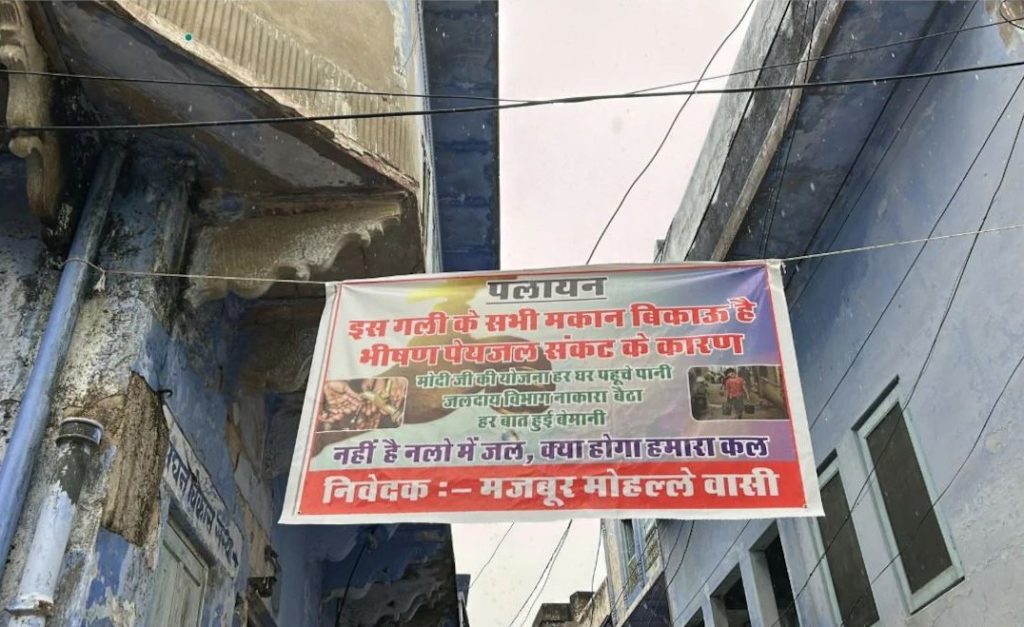
Facing the brunt of water scarcity, some Sambhar inhabitants have pasted posters on their houses as “House on Sale” and even on the entry points of the streets they displayed the banners showing – ‘Bhishan payjal sankat ke karan, is gali ke sabhi makan bikau hain’ (Due to severe drinking water problem, all the houses in this street are for sale), as per media reports.
Times Now on June 4, quoting a resident, writes- “The angry residents held a meeting at Charbhuja Mandir and Dadudwara and took a big decision—to sell their houses and leave Sambhar. ‘For sale’ posters have been pasted on the houses in the streets. Local people say that despite repeated complaints, the water supply department does not pay heed to them.”
Quoting Gautam Singhania, local BJP councillor from the area who represents ward 23, NDTV on June 3, states–“For the past 7 years now, we have no dedicated water tank that will supply water to our homes via pipelines. About 200 people from this ward got together and said it’s better to migrate from here. If there will be no water, then what is the point of living here? The water works department is not worried, we have put up posters on every street and these have come up at 150 homes. In the last two years, people have been moving out but this water crisis has come to a head this summer.”
There were about 3,500 people here, but that number now stands at 1700, said the councillor, adding that even those left behind plan to move out soon.
Media reports state that Vidhyadhar Chaudhary, Congress MLA from the area, claimed that he had also raised this issue in the Vidhan Sabha on January 31st.
Now the question arises -Despite Central government’s ‘Har Ghar Jal Yojana’ (Water to every house scheme), which was to be implemented before the end of year 2024, why the residents of Sambhar and other areas are facing the acute shortage of even the potable water? Why the completion target of the scheme of supplying potable water as per Jal Jeevan Mission was not fulfilled as it was promised to be completed upto 2024?
Stating the Jal Jeevan Mission ‘A Milestone in India’s Rural Water Revolution,’ a central government’s PIB release on 14 AUG 2024 states- “The Jal Jeevan Mission (JJM) was launched by Prime Minister Narendra Modi on August 15, 2019, with the ambitious goal of providing tap water supply to every rural household by 2024. At the time of its inception, only 3.23 crore (17%) of rural households had tap water connections. The mission aims to bridge this gap by providing nearly 16 crore additional households with tap water by 2024, ensuring the functionality of existing water supply systems, and directly benefiting over 19 crore rural families. This initiative is intended to reduce the rural-urban divide and enhance public health.”
Replying a question in Parliament on current status of Jal Jeevan Mission (JJM), Finance Minister during her budget speech 2025- 26, presented the data as on 17 March 2025, which shows that the target of JJM was still lagging behind the target of 2024 and so she announced extension of Jal Jeevan Mission until 2028 with an enhanced total outlay.
She added that at the start of the Mission, only 3.23 Crore (16.7%) rural households were reported to have tap water connections. So far, as reported by States/ UTs as on 17.03.2025, under Jal Jeevan Mission (JJM) – Har Ghar Jal around 12.30 Crore additional rural households have been provided with tap water connections. Thus, as on 17.03.2025, out of 19.36 Crore rural households in the country, more than 15.53 Crore (80.20%) households are reported to have tap water supply in their homes and works for the remaining 3.83 Crore households are at various stages of completion as per saturation plan of the respective State/ UT.
Opposition raises questions
Rajasthan State Congress president and former minister, Govind Singh Dotasra @GovindDotasra on his x account on June 9, 2025 comments, “The BJP government could neither provide irrigation water to the farmers nor it is able to provide drinking water to the common people in this scorching heat. The entire state, including Sanganer, the constituency of Chief Minister Bhajan Lal ji, and Jodhpur, is facing severe water shortage.
When people in cities are worried about every drop of water, what would be the situation in the desert and far-flung areas. That too when the condition of the dams of the state is not good.”
Dotasra adds, “Out of the total 691 dams in the state, 368 dams are almost empty, there are 176 dams where some water is left and there are only 7 dams where there is full water. So far, only 46% water has been stored in these 691 dams of the state, which is almost half compared to this period last year.”
Dotasra warns the government of the crisis to come, “Despite the water crisis, the BJP government of the state is completely inactive, if a concrete plan for water management is not made in time, the water crisis in many districts can deepen further.”
Congress Member of Parliament, since 2014 continuously, from Churu, Rajasthan, Rahul Kaswan @RahulKaswanMP 0n June 7, challenging the figures of JJM in his Churu Lok Sabha constituency says, “Under Jal Jeevan Mission, the officials have uploaded false figures of 70 percent work completion in Churu district on the portal, whereas the situation on the ground is different.
The works approved in 2019 under JJM in Churu, Sujangarh, Ratangarh and Sadulpur have not been completed yet. Due to delay and indifference, there has been a deviation in the budget, due to which the works of JJM in the above tehsils (like- in some places new tanks could not be built, in some places tanks have been built but are not being connected to the pipeline) are in limbo. Hence, we said that despite the work of approved tanks not being completed, action should be ensured by investigating against the officials who uploaded wrong data on the portal.
Kaswan adds, “Many flaws have come to light in the preparation of DPR of the works to be done under JJM in the area. Hence, we have asked the officials to hold a meeting regarding JJM in Churu and ensure that the works are done with proper planning; so that the common people can get the benefits of the scheme properly.”
Will the Government succeed to achieve the JJM target even upto 2028?
After central government’s failure to achieve the Jal Jeevan Mission target to be completed upto 2024, it has extended the span for the next four years upto 2028. But, if we analyse the progress of JJM in three months from 17 March, 2025 to 13 June 2025 the progress of this mission seems very slow and it will be impossible to achieve the target even upto 2028, if it runs at the same speed. As on 17 March the achievement was 15.53 crore and as on 13 June it is 15.65 crore as per JJM web portal. In this way only 12 lacs new taps with water supply were installed in these three months, giving an average figure of 4 lacs per month, whereas to achieve the target upto the end of 2028 the average of 8.83 lacs water supply taps will have to be installed within remaining 42 months from June 25 to December 2028.
Why does the government fix such targets, which it cannot complete in time? Is the government lethargic or there is scarcity of funds? The voice and grievance of the inhabitants of Sambhar, who are ready to evacuate their ancestral village, should not only be heard with a soft heart, but also should be resolved. Rajasthan and the central government should take the potable water crisis on priority. Will they? (Ground Post).
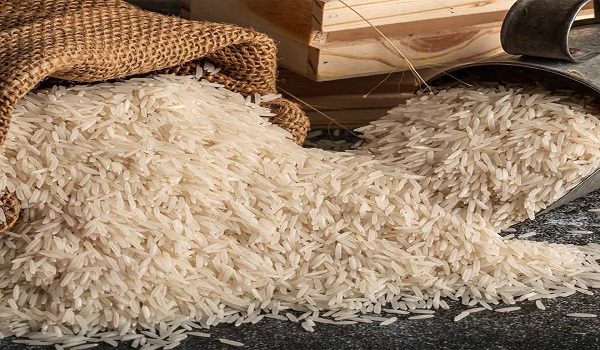
The escalation of the Israel-Iran conflict has the potential to seriously affect the export of India’s aromatic, long grain rice basmati, fear exporters.
Iran is one of the largest importers of basmati along with Saudi Arabia, Iraq and the United Arab Emirates. Several ships carrying basmati to Gulf countries are currently in transit, and any disruption in the Strait of Hormuz can “seriously affect the basmati exports from India,” says
Ranjit Singh Jossan, vice president of the Basmati Rice Miller and Exporter Association
India’s maritime regulator—the Directorate General of Shipping—has already asked Indian shippers and maritime stakeholders to remain vigilant while transiting through the Strait of Hormuz, one of the world’s busiest trade routes,
“In view of the same, all Indian-flagged vessels and Indian seafarers calling at ports of Iran and transiting through the Strait of Hormuz are advised to exercise due caution while operating in or navigating through the region,” according to a maritime advisory on Friday.
Jossan says the side-effects of the conflict are being felt in economies, including India’s agricultural exports and the worst affected may be the basmati exports to Iran. “Iran is one of largest and most important buyers, and if the war continues the entire system will be affected, we are really worried,” he added.
“Disruption in this route can delay bulk rice shipments, leading to temporary price increases in Gulf markets while depressing prices in Indian markets. Cargo insurance through the Red Sea and Persian Gulf corridors has already increased by 20%,” says Jossan
Iran has been the largest importer of Indian basmati rice, accounting for about 30–35% in peak years. However, over the past five years, trade has declined due to various reasons, including external sanctions and domestic issues, he adds.
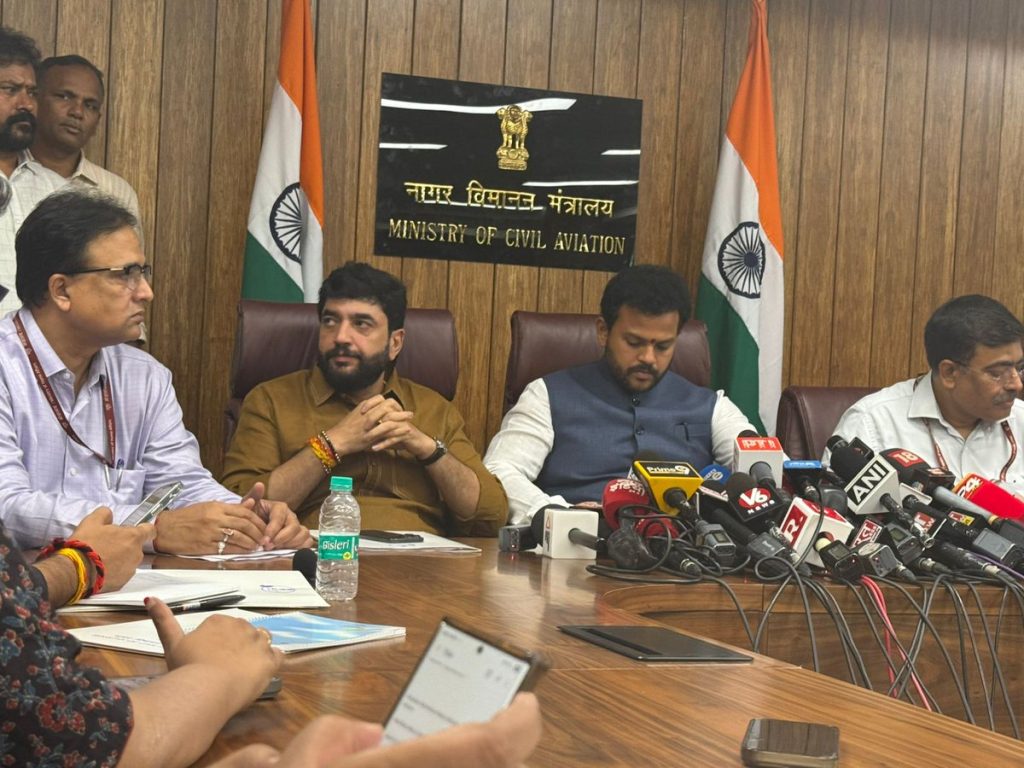
Eight Boeing 787 Dreamliner aircraft have already undergone inspection following the fatal crash of an Air India 787 in Ahmedabad, Civil Aviation Minister Kinjarapu Ram Mohan Naidu today said, adding that the government will carry out comprehensive surveillance of all Dreamliner aircraft operating in the Indian fleet.
“There are 34 in our Indian aircraft fleet today. I believe that eight have already been inspected and with immediate urgency, all of them are going to be done,” Naidu told media persons.
“The ministry is taking utmost seriousness of the incident. The accident shook the entire nation and my deepest condolences to the families,” he added.
Meanwhile, the Aircraft Accident Investigation Bureau (AAIB) has also added two new members—specialists in forensics and medical analysis—to strengthen the investigation.
The minister also chaired a high-level meeting to review and reassess aviation safety measures which was attended by top officials from the Directorate General of Civil Aviation (DGCA), Airports Authority of India (AAI), and other key stakeholders.
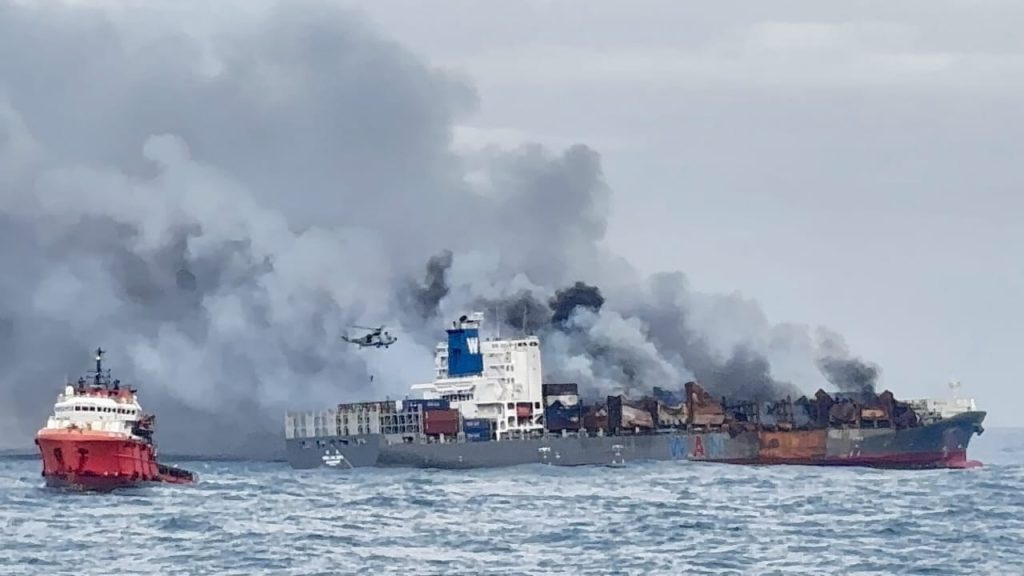
In a major development in the firefighting and salvage operation of Singaporean Vessel MV Wan Hai 503 on Friday, the Indian Coast Guard (ICG), along with the Indian Navy and Indian Air Force, successfully transferred the tow of the distressed container vessel to the ocean-going tug Offshore Warrior.
The ICG had been holding the vessel away from the Kerala coast for several days, but sudden deterioration in weather conditions and strong westerly winds caused it to dangerously drift toward the shoreline, according to a statement by the Ministry of Defence
A massive fire broke out below the deck of MV Wan Hai 503, on June 9. The ship was sailing nearly 70 nautical miles off the Kerala coast near Kozhikode on Monday.
Despite adverse weather that restricted aerial operations and delayed salvage crew boarding, a Navy Sea King helicopter launched from Kochi on June 13 successfully winched salvage team members onto the vessel under extremely challenging conditions.
The team then managed to connect a 600-metre tow rope to Offshore Warrior approximately 20 nautical miles off the coast of Kochi. The vessel is now being towed westward at a speed of 1.8 knots and is nearly 35 nautical miles offshore, the MoD said
Three ICG Offshore Patrol Vessels are continuing to escort the container ship and sustain firefighting operations. At present, only thick smoke and a few isolated hotspots remain onboard, a testament to the ICG’s effective firefighting efforts that have helped avert a major environmental disaster.
The ICG is closely coordinating with the Directorate General of Shipping to ensure the vessel remains at least 50 nautical miles from the Indian coastline until its fate is determined by the owners, in accordance with international norms. The situation is expected to further stabilise with the anticipated arrival of additional firefighting tugs, it added.