Saturday, December 27, 2025

Body and Mind

Walk your way to lifelong health

Recently, the Delhi government launched three new digital health initiatives to improve healthcare services in the capital. Delhi Chief Minister Rekha Gupta hailed it as a progressive step, saying that the government aims to make treatment more accessible, affordable, and transparent for residents while driving a new revolution in the health sector. Doctors are essential for the sick, but to remain healthy, you don’t always need a doctor. So what should one do to stay healthy for life?

In truth, a person should prioritise six basic rules to maintain good health: pure air, clean water, wholesome and nutritious food, hygiene, a stress-free life, and daily physical activity—be it exercise or a morning walk. However, in today’s fast-paced life, with polluted air and water and adulterated food, following these six rules has become nearly impossible. Yet, if you want to stay healthy, you must make an effort—or be ready to frequent doctors. So at the very least, learn how to follow some of these rules:

Try to eat easily digestible, health-boosting food and drink clean water. Maintain cleanliness—not only of your body, but also your clothes, home, office, and belongings. Avoid fast food and adulterated products. You can’t escape inhaling harmful carbon and toxic gases present in the air, but you can counter the effects through fresh morning air, drinking warm water early in the day, and cleansing your lungs with steam inhalation, yoga, and other methods. Alongside this, walk at least 5–6 kilometres every morning or engage in physical exercise daily. If your work already involves hard physical labour, the requirement is lesser.

Recent studies have found that walking 7,000 steps a day significantly improves health. Research shows that taking 7,000 steps daily reduces mortality rates by 47%, lowers heart disease cases by 25%, Type-2 diabetes by 14%, dementia by 38%, and depression by 22%. These findings emerged from 57 studies involving more than 160,000 adults worldwide. Senior cardiac nurse June Davison from the British Heart Foundation also believes everyone should make walking an integral part of their lifestyle to stay healthy. She says it helps reduce the risk of heart disease.

Based on this study, Professor Melody Ding from the University of Sydney’s School of Public Health advises those who do not exercise to walk at least 7,000 steps daily. However, those already walking 10,000 steps should stick to their routine. Meanwhile, Dr Daniel Bailey from Brunel University, London, recommends 10,000 steps a day for better health. This research, involving more than 160,000 people, is the first of its kind to claim that walking has such a positive impact on health and is an effective way to reduce mortality risk. Therefore, every adult should make it a rule to walk at least 7,000 steps a day. If doing it all at once is difficult, spread it throughout the day. If you still fall short, take the stairs instead of the lift.

Only someone who has been ill knows the pain and trouble sickness brings. So, before illness strikes, follow these health rules to stay fit and avoid unnecessary suffering.
Upgrading relationship to ‘strategic partnership,’ India, Philippines sign agreements on defence, trade and more

Strengthening of New Delhi-Manila axis: India-India and Philippines to work on reviewing the India-ASEAN Free Trade Agreement and pursue a bilateral Preferential Trade Agreement; “India and the Philippines are friends by choice, and partners by destiny. From the Indian Ocean to the Pacific, we are united by shared values. Ours is not just a friendship of the past, it is a promise to the future,” PM Modi

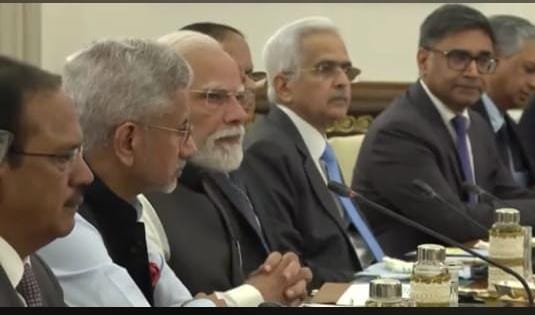
India and the Philippines on Tuesday signed key agreements aimed at bolstering ties, including defence documents laying the groundwork for deeper collaboration, agreements on maritime security, trade and economic cooperation mutual, legal assistance, science and technology, tourism among others.

Philippines President Ferdinand R Marcos Jr arrival in New Delhi marked the start of a five-day visit that carries significant geopolitical significance for the region and bolstering ties between India and Philippines. The meeting followed an India-Philippines joint naval exercise in the disputed South China Sea for the first time, which was not liked by China. 

India-Philippines: long association

New Delhi and Manila go a long way, pointed Prime Minister Narendra Modi in his statement.

.Extending a warm welcome to the Philippines President and his delegation on the occasion of the 75th anniversary of diplomatic relations between the two countries, PM Modi highlighted the deep historical and cultural ties, including shared epics like the Filipino version of the Ramayana, between the two nations.

PM Modi said India and the Philippines are united by shared values and a vision for a peaceful and prosperous future, not just as historical friends, but as strategic partners committed to mutual growth and cooperation.

Marcos said his visit to India is a reaffirmation of the bilateral partnership that “we are strengthening”. He also asserted that Manila wants to build on the existing ties with New Delhi and explore “many opportunities” that have arisen in the past few years.

Strengthening New Delhi-Manila axis—key outcomes

Both countries committed to a free, open, and rules-based Indo-Pacific region with India supporting the Philippines’ upcoming ASEAN chairmanship in 2026.

“India and the Philippines are friends by choice, and partners by destiny. From the Indian Ocean to the Pacific, we are united by shared values. Ours is not just a friendship of the past, it is a promise to the future,” PM Modi said.

Supported by a comprehensive action plan, the aim is to upgrade the relationship to a strategic partnership. This includes cooperation on trade and economic cooperation.

The PM said bilateral trade has surpassed $3 billion and India and the Philippines will work on reviewing the India-ASEAN Free Trade Agreement and pursue a bilateral Preferential Trade Agreement. In this context collaboration across sectors like digital technology, health, automobiles, infrastructure, and minerals was emphasised.

In the science and technology sector, joint research is ongoing in fields such as AI, virology, and additive manufacturing. A new science cooperation plan has been signed; while in agriculture the International Rice Research Institute in Varanasi is working on healthier rice varieties, benefiting both countries, he added

The PM said India will increase quick impact projects in the Philippines and extend support for developing sovereign data cloud infrastructure in the Philippines. In defense and maritime cooperation, he talked of Indian naval ships participating in exercises in the Philippines for the first time. He also welcomed the Philippines to join India’s International Fusion Center for the Indian Ocean Region.

Thanks Philippines for condemning Pahalgam attack 

India thanked the Philippines for condemning the recent terrorist attack in Pahalgam and supporting India’s fight against terrorism. Agreements were signed on legal cooperation, he said

Meanwhile the Philippines will offer visa-free entry to Indian tourists and India will offer free e-visas to Filipino tourists. Plans are underway to start direct flights between Delhi and Manila. A new Cultural Exchange Programme will further deepen cultural links

Why is China upset

The growing synergy between New Delhi and Manila on key issues like defence and trade deals are being closely watched by Beijing which lays claim on most of the South China Sea—a key global trade rout

These claims have led to issues with countries like the Philippines, Vietnam, Malaysia and Taiwan which too claim share of contested waters.

In this context India-Philippines joint exercise has sent a strong message to China.

The two-day joint military deployment that started Sunday upset China, who accused the Philippines of “rallying an external force” in disputed waters and conducted a maritime patrol of its own in response.

Philippine Chief of Staff Romeo Brawner Jr said the joint sail took place inside his country’s exclusive economic zone. “We did not experience any untoward incidents, but there are still those shadowing us – as we had already expected,” Brawner was quoted as saying, without naming China.

South China Sea, particularly Malacca Strait, is a lifeline for Chinese oil imports and exports but there is also a strategic, geopolitical issue.  Analysts say China does not consider it in its interest India getting closer in military or other cooperation with countries surrounding China. China has been trying that with its outreach to countries surrounding India like Pakistan, Bangladesh, Maldives and Sri Lanka.

“Our military cooperation with countries like Philippines, Vietnam, Malaysia, Myanmar etc can serve as a reciprocal pressure point for China in case the pressure is applied on India for example Bangladesh. For example if China ups the ante by supplying some latest generation military equipment to Bangladesh India can do the same through a country like Philippines,” they add

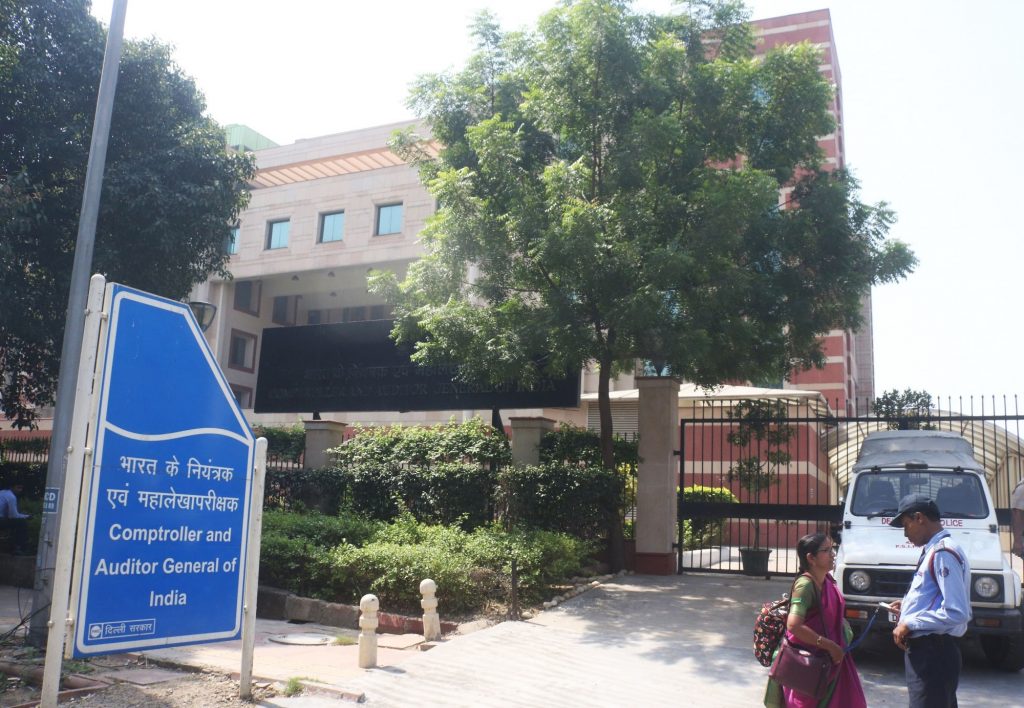
Underused funds, Delhi trails far behind national average: CAG

File Photo

The Comptroller and Auditor General (CAG) has raised serious concerns over the underutilisation of welfare funds and weak implementation of worker-related schemes in the national capital.

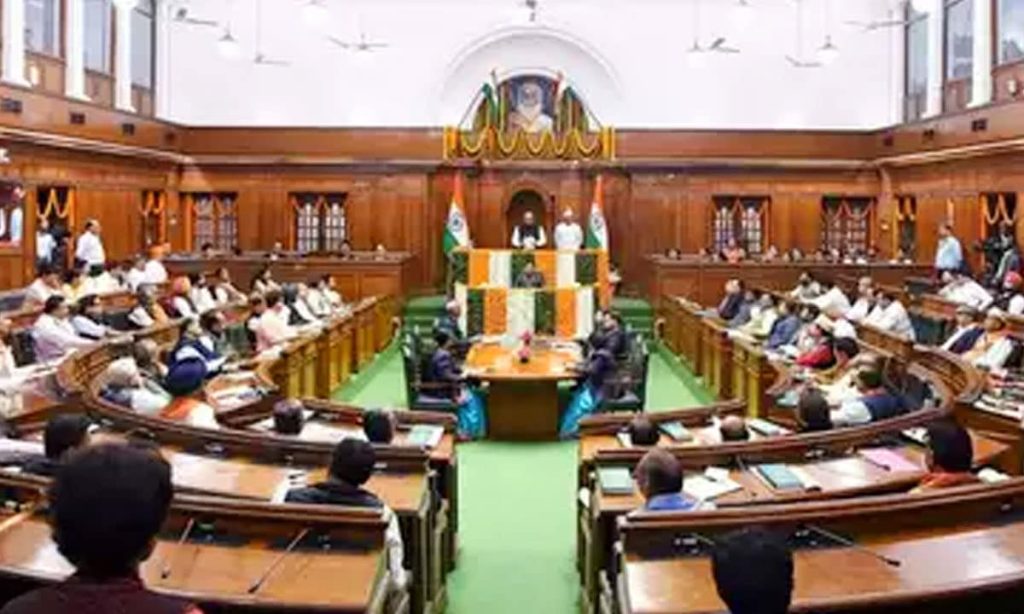
According to the performance audit report which was tabled in the Legislative Assembly by Delhi chief minister Rekha Gupta on Monday, the national capital renewed only 7.3 per cent of construction worker registrations between 2019 and 2023, significantly lower than the national average of 74 per cent.

The report, covering the four-year when the Aam Aadmi Party (AAP) was in power in Delhi found several discrepancies related to funds, and cess collection.

“There was a huge difference in figures of cess amount collected as per records of cess collectors, district records and the Board. The difference in figures of the cess as per District records and as per the Board for four years amounted to Rs 204.95 crore. The differences were not found reconciled,” the report said.

The audit found that out of 6.96 lakh registered workers, the Delhi Building and Other Construction Workers’ Welfare Board was able to provide complete details for only 1.98 lakh. Within this group, over 1.19 lakh beneficiaries were linked to 2.38 lakh photographs, raising concerns about duplicate records and shortcomings in the IT system used to manage registrations.

“The presence of multiple images for the same individual, blank images, and duplication suggest the system lacked the capability to flag inconsistencies,” the audit noted.

It further said, the department did not maintain a reconciled database of cess assessed, collected and remitted and thus lacked a system to ascertain the quantum of cess due and its timely collection. Cases of incorrect assessment, short and deposit and realisation of cess were observed.

According to the report,  expenditure on welfare schemes ranged between 9.53 and 11.33 per cent only of total receipts except in 2021-22 when ex-gratia payments were made to the BOCW for tiding over the Covid pandemic period.

“Benefits were given only under 12 out of 17 schemes during 2019-20 to 2022-23 as no expenditure was incurred in five schemes viz Financial assistance for miscarriage, Advance for purchase or construction of house, Loan for purchase of work related tools, Grant for the purchase of work related tools; and Insurance Policy,” it stated.

The audit also reported that no inspection of construction sites was carried out either by the selected districts of labour department to ensure availability of various facilities required to be provided by employers as per the BOCW Act nor by the Directorate of Industrial Safety & Health entrusted with the enforcement of safety and health measures for construction workers under the Building and Other Construction Workers’ (Regulation of Employment and Conditions of Service) Act 1996 during four years of audit period.

Modi to release postage stamp to honour MS Swaminathan on Aug 7

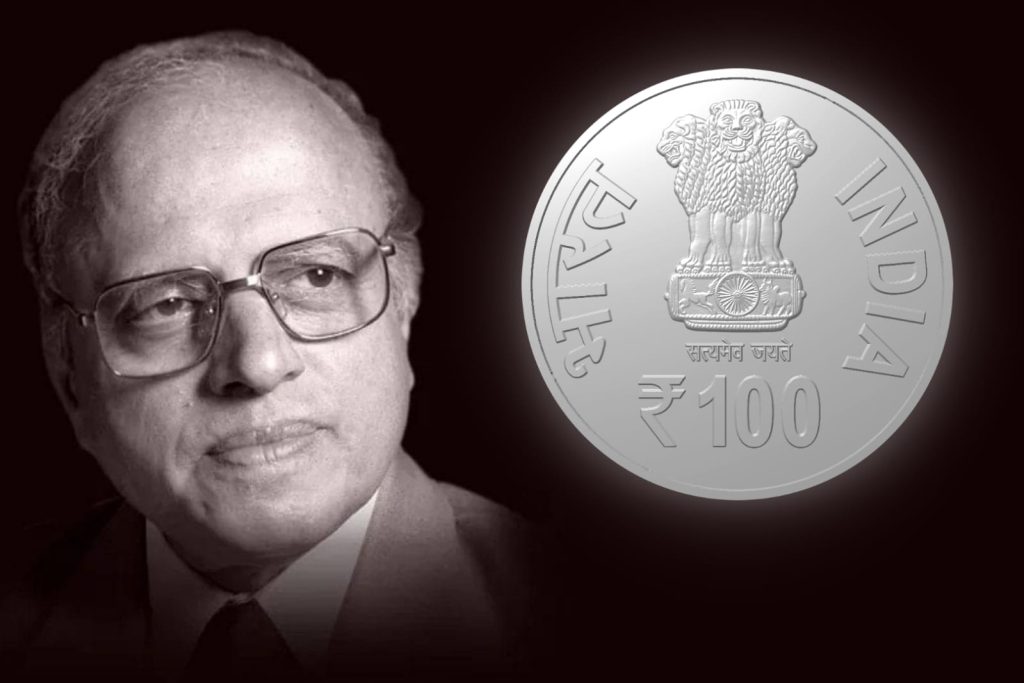
The Prime Minister Narendra Modi will inaugurate the MS Swaminathan International Conference on August 7 and will release a commemorative centenary coin and a postage stamp to honour the legacy of Prof. Swaminathan.

This two day conference will be held at the National Agricultural and Science Complex (NASC) to honour and celebrate the 100 birth anniversary of Prof. MS Swaminathan, Bharat Ratna awardee and father of India’s Green Revolution.

Dr. Soumya Swaminathan, Chairperson, MS Swaminathan Research Foundation said, “My father’s vision of biohappiness was deeply personal—he believed that true progress meant ensuring every farmer, every family, could live with dignity and hope. Today, as we face climate change and food insecurity, his holistic approach to agriculture offers the path forward. This conference is not just about honouring his memory but about translating his ideals into action for the next generation.”

The conference is themed “Evergreen Revolution: The Pathway to Biohappiness,” and is poised to be a landmark gathering of global scientists, policymakers, small and grassroots farmers, youth, and civil society leaders.

The conference will witness the presence of various dignitaries and ministers, including agriculture minister Shivraj Chouhan, minister of state for Science & Technology and Earth Sciences, Dr. Jitendra Singh, Dr. Ramesh Chand, Member, NITI Aayog.

During the event, launch of the MSS100 Global Call to Action A visionary framework for biohappiness, climate-resilient agriculture, and equitable development will be announced on August 9.

Dr. Mangi Lal Jat, Director General, Indian Council of Agricultural Research (ICAR) said, “Prof. Swaminathan’s revolutionary work through ICAR and NARS institutions transformed Indian agriculture and inspired a generation of scientists. His emphasis on farmer centric research, climate-resilient practices and biodiversity conservation remains at the core of our mission. The MSS100 Conference represents our commitment to continuing his legacy of science-driven solutions that directly benefit farming communities across India.”

Biohappiness – Undercurrent Theme of the Conference Prof. Swaminathan’s term “biohappiness” describes agriculture that ensures both human wellbeing and ecological health.

It means farming systems that produce nutritious food, preserve biodiversity, maintain soil and water resources, and provide economic security for farmers.

Meanwhile, Dr. C. Viswanathan, Joint Director (Research) and Principal Scientist, Indian Agricultural Research Institute (IARI) said, “As we celebrate Prof. Swaminathan’s centenary at IARI—the institute where his pioneering research laid the foundation for India’s Green Revolution, transforming the country from a ‘begging bowl’ into a food-secure nation, one of the most significant achievements of the Nation. We are reminded that his most profound contribution was making science accessible to farmers. Today’s conference upholds that legacy by integrating cutting-edge research with farmer-centric and environmentally sustainable solutions.” 

Ministry of Textiles launches “Haat on Wheels” as part of 11th National Handloom Day celebrations

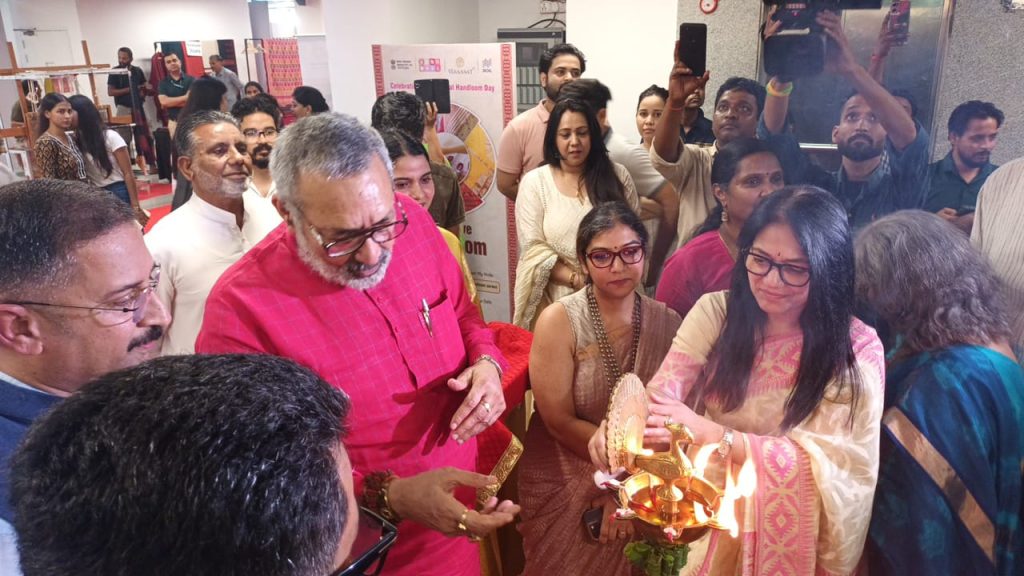
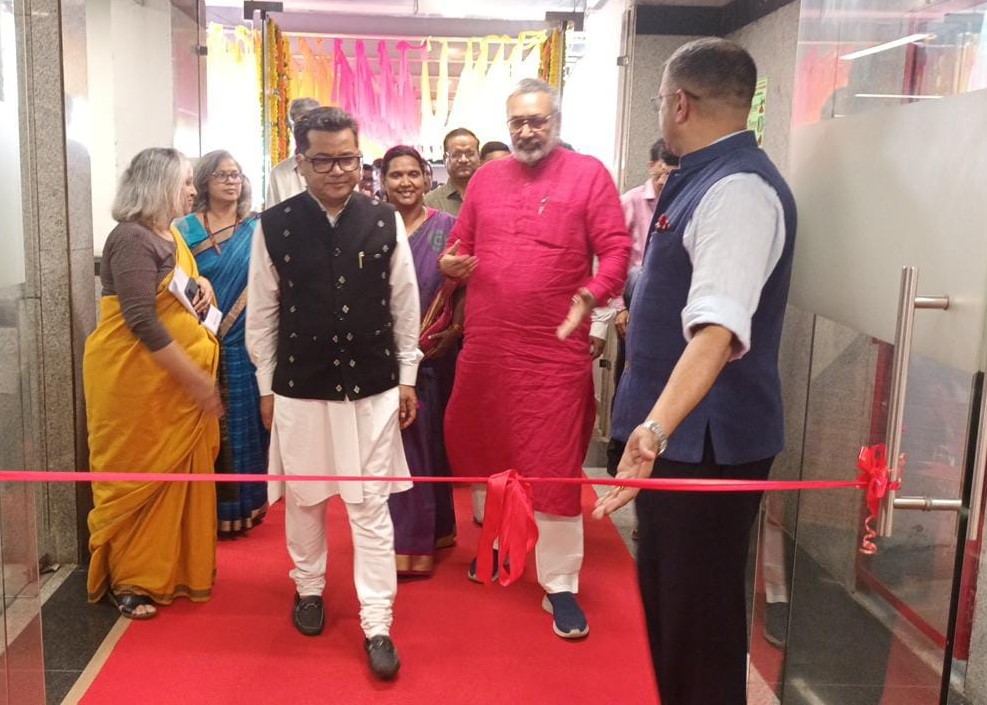
Union Minister of Textiles Giriraj Singh inaugurated the Exclusive Handloom Expo and the “Haat on Wheels” at Handloom Haat, in New Delhi.

The event was a celebration of 11th National Handloom Day organized by the ministry of textiles, in collaboration with the National Handloom Development Corporation (NHDC).

It witnessed the presence of Minister of State for External Affairs and Textiles Pabitra Margherita and Secretary Textiles Neelam Shami Rao.

While  inaugurating the event Union Minister of Textiles, Giriraj Singh, underscored the government’s unwavering commitment to the promotion and preservation of India’s traditional weaving practices.

Handlooms are not only a symbol of our cultural identity but also a significant contributor to the rural economy and livelihood of millions of weavers across the country, the Union minister said. 

The government is reinforcing its commitment to strengthening the handloom sector by supporting artisans, enhancing market access, and driving sustainable economic growth. The ‘Haat on Wheels’ initiative is another step towards bridging the gap between weavers and consumers, promoting self-reliance, and taking authentic, locally made products directly to the masses, Singh added.

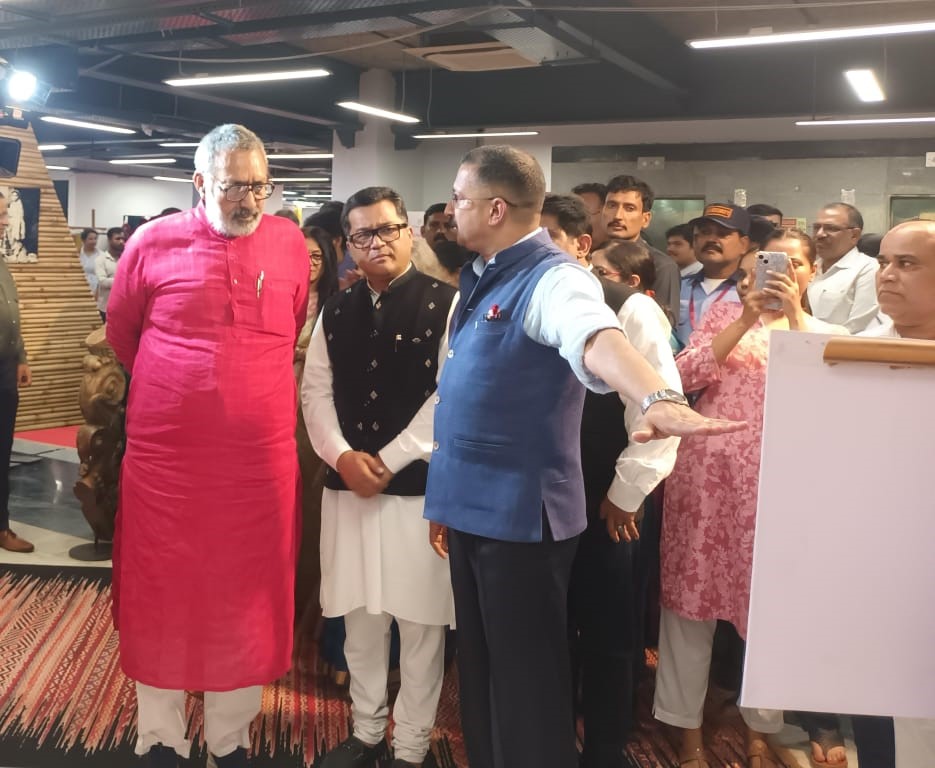
He visited the exclusive Handloom expo and interacted with weavers in the presence of the minister of State for textiles Secretary Textiles, DC Handlooms, DC Handicrafts and other senior officials from the ministry.

This year’s event focuses on “My Handloom, My Pride; My Product, My Pride” and showcases 116 distinct weaves from across India — highlighting the country’s rich and diverse textile legacy.

Meanwhile, the launch of “Haat on Wheels” marks a pioneering step in the retail landscape of Indian handlooms. 

As a mobile handloom marketplace, the initiative will enable direct outreach to consumers across Delhi NCR, taking authentic, high-quality handloom products from artisans to bustling urban neighborhoods and cultural hotspots.

Starting from Janpath, the vehicle will journey across key public areas — including markets, residential societies, and art zones — bridging the gap between heritage crafts and modern consumers. 

The Handloom Expo, open to the public till 10 August, at Handloom Haat, brings together master weavers from across India, retailing region-specific handloom products and showcasing 116 unique weaves. The exhibition also features live weaving demonstrations as well, offering an immersive and educational experience for visitors, students, and craft enthusiasts alike.

As the country celebrates the 11th edition of National Handloom Day, the Ministry’s focus remains centered on bringing Indian weavers into the national spotlight and ensuring their traditions are both honored and sustained.

AAP Govt pushed capital into fiscal deficit: CAG

File Photo

Delhi chief minister Rekha Gupta on Monday tabled a Comptroller and Auditor General (CAG) during the monsoon session of assembly, highlighting that the previous government under the Aam Aadmi Party spent way beyond its means leading the state into fiscal deficit.

According to the report, the national capital was in surplus of Rs 4,566 crore during the year 2022-23. However, the fiscal deficit increased consistently during 2019-20 to 2023-24 from Rs 416 crore to Rs 3,934 crore respectively.

The fiscal deficit refers to the difference between revenue and spending of the government.

“The revenue receipts decreased by 9.42 per cent and so the percentage of revenue receipts over GSDP decreased from 6.18 per cent in 2022-23 to 5.13 per cent in 2023-24,” the CAG stated.

It further added, “The continuous mismatch between receipts and expenditure indicates rising fiscal stress. The State has different sources of receipts such as State Own Tax Revenue, Non-tax Revenue, Grants-in-aid and non-debt capital receipts. The State Government’s expenditure includes expenditure on revenue account as well as capital expenditure.”

According to the report, due to pensionary liabilities of Rs 2,023 crore and the expenditure on account of the Delhi Police amounting to Rs 11,123 crore being borne by the Union Government, the Government of NCT of Delhi could register a revenue surplus of Rs 6,462 crore in 2023-24, which would have turned to revenue deficit of Rs 6,684 crore if the above two liabilities were to be borne by the state government.

It said that power subsidies constituted a significant portion, ranging from 66.96 per cent (2019-20) to 70.39 per cent (2020-21) of the total subsidies during this period.

“In the non-committed expenditure, there is an increasing trend of subsidies, which increased from Rs 3,593 crore in 2019-2020 to Rs 4,840 crore in 2023-24, from 9.06 per cent of the total revenue expenditure in 2019-20 to 9.62 per cent in 2023-24,” it added.

The report also highlighted the discrepancies in the supplementary grants which were obtained by the previous government in anticipation of additional expenditure.

“Scrutiny of Appropriation Accounts for the year 2023-24 revealed that supplementary grants amounting to Rs 1,625.43 crore, were obtained in anticipation of higher expenditure. However, the final expenditure was even less than the original grant, thereby defeating the intended purpose of the supplementary grant,” it added.

Audit further noted that in nine grants there were total savings of Rs 12,969.72 crore in which an amount of Rs 6,763.76 crore was surrendered and Rs 6,205.96 crore of total savings lapsed at the end of March 2024. Excessive savings in some departments deprive other departments of the funds which they could have utilized.

NDA meeting: MPs laud PM Modi for ‘exceptional leadership, he praises Shah—India’s ‘longest serving’ HM

The meeting comes amid repeated disruptions in Parliament over Opposition’s demand for a discussion on the Special Intensive Revision of electoral rolls in Bihar

Prime Minister Narendra Modi on Tuesday praised Amit Shah for becoming the longest-serving home minister. The PM was addressing a National Democratic Alliance (NDA) Parliamentary meeting where he was felicitated for his government’s “firm response” to the Pahalgam terror attack under Operation Sindoor. Notably, this is the second time MPs of the BJP-led ruling NDA alliance met during a Parliament session since June 2024—when the third tenure of Pm Modi started.

The meeting at the Parliament Library Building was chaired by the PM

NDA members also passed a resolution praising the success of the recent anti-terror operations—Operation Sindoor and Operation Mahadev. The meeting of the leaders of the ruling NDA came amid a deadlock in the ongoing Monsoon Session of the Parliament. Both houses –the Lok Sabha and the Rajya Sabha—have been witnessing repeated disruptions over the opposition’s demand for a discussion on the Special Intensive Revision (SIR) of electoral rolls in Bihar.

The Opposition is also pressing for the withdrawal of the revision exercise.

MPs hail NPM Modi’s “exceptional leadership”

NDA leaders hailed Modi’s “exceptional leadership,” saying that his unwavering resolve, visionary statesmanship and resolute command steered the nation with purpose but ignited a renewed spirit of unity and pride in the hearts of all Indians.

The resolution also noted recent global developments showing support for India’s stand against terrorism, including recent developments regarding The Resistance Front (TRF), which was behind the Pahalgam attack, being deemed a Foreign Terrorist Organisation and a Specially Designated Global Terrorist group.

It also noted that the BRICS Joint Declaration condemning the Pahalgam attack, avowing to “ensure zero tolerance for terrorism and reject double standards in countering terrorism,” reflected a win for India’s diplomatic stance against terrorism inflicted on its soil by Pakistan, reflecting New Delhi’s rising clout on the global stage and international affirmation.

PM Modi ensured that 59 MPs from across parties visited 32 countries to present India’s point of view. This is one of the most comprehensive global outreach ever launched by India, highlighting how the country has been a victim of terror and why a terror attack in any one part of the world is a crime against humanity across the globe, the resolution added.

Apart from berating the Modi government over repeated “ceasefire” claims between India and Pakistan by US President Donald Trump, the opposition has also been calling the other countries’ response, “lack of support for India,” as they call it, a total “failure of foreign policy”. Recently senior Congress leader Mani Shankar Aiyar also took a swipe at party MP Shashi Tharoor’s foreign visits as part of India’s global outreach, saying that none of the 33 countries where India sent MPs to present the country’s views on Pakistan’s state policy of sponsoring terrorism blamed that country for the terror attack in Pahalgam that killed 26 tourists.

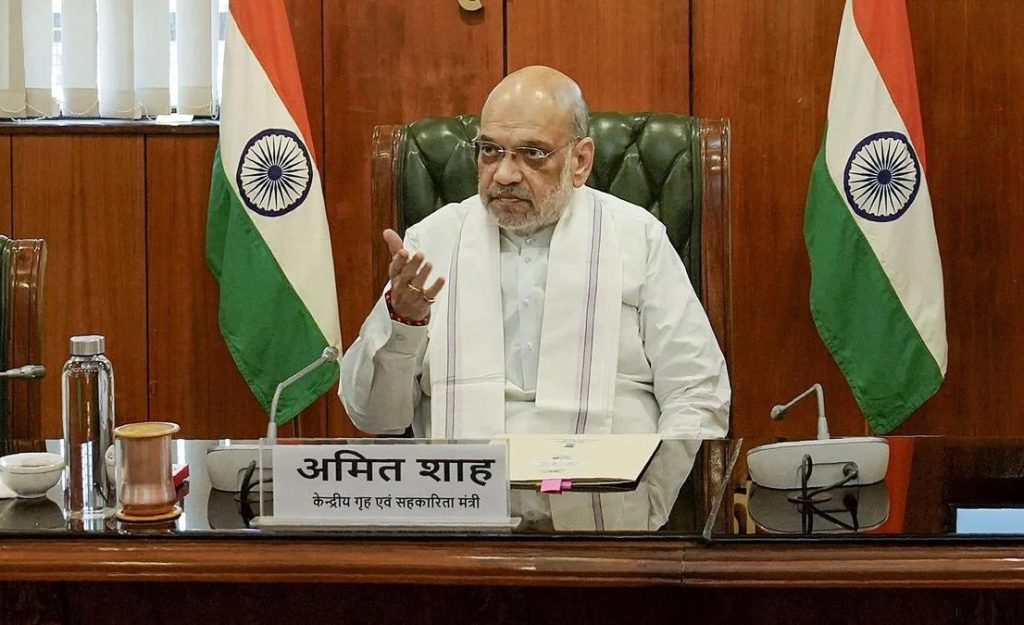
Amit Shah- India’s longest serving HM

Meanwhile, with 2,258 days in office, Shah has become the longest-serving Union Minister of Home Affairs, surpassing the previous record held by BJP veteran Lal Krishna Advani.

Shah assumed office Modi government 2.0 on May 30, 2019.

Significantly, the milestone in Shah’s political career came on August 5—the date he announced the abrogation of Article 370 in Parliament in 2019, ending the special status of Jammu and Kashmir.

In office since May 30, 2019, he completed 2,258 days on August 4, according to reports.

On July 25, 2025, PM Modi became the second longest serving Prime Minister of India in consecutive terms, surpassing former Prime Minister Indira Gandhi’s record. The record for the unbroken stint is held by first Prime Minister Jawaharlal Nehru, although PM Modi has matched his three successive Lok Sabha elections—2014, 2019 and 2024.

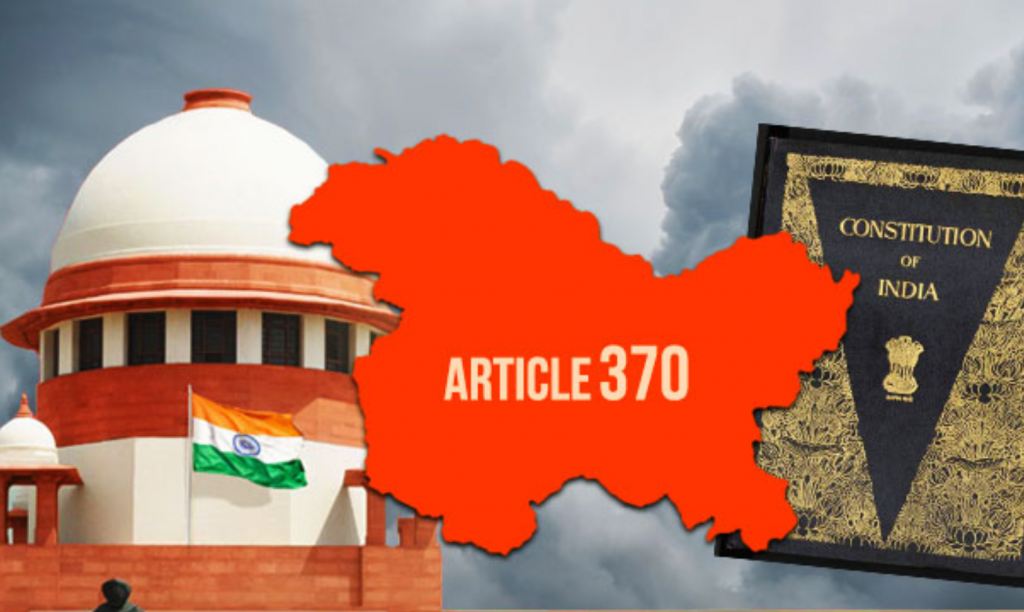
Supreme Court to hear plea seeking restoration of J&K statehood on August 8

File Photo

The Supreme Court will on August 8 hear a plea urging the Union government to restore the statehood of Jammu and Kashmir, the Live Law reported today. 

The application was mentioned today before Chief Justice of India BR Gavai by Senior Advocate Gopal Sankaranarayanan, who requested that the matter not be removed from the cause list for that day. The CJI agreed to the request.

The application has been filed as a Miscellaneous Application in the already disposed of case regarding Article 370, in which the Supreme Court had upheld the Centre’s 2019 move to abrogate the region’s special status. However, the verdict had not ruled on the constitutionality of the Jammu and Kashmir Reorganisation Act, which downgraded the erstwhile state into a Union Territory, citing an assurance from the Solicitor General that statehood would be restored.

In its judgment, the Court had merely noted, “Restoration of statehood shall take place at the earliest and as soon as possible,” but did not fix any deadline.

The fresh application has been filed by college teacher Zahoor Ahmed Bhat and activist Khurshaid Ahmad Malik. They argue that despite the Solicitor General’s assurance during the hearings, the Union government has taken no steps towards restoring statehood even eleven months after the judgment.

They contend that the continued delay violates the principle of federalism, which is part of the basic structure of the Constitution. The applicants also pointed out that the recent peaceful Assembly elections indicate there are no security concerns or disturbances that would justify withholding statehood.

Incidentally, today marks six years since the abrogation of Article 370 on August 5, 2019.

India-Philippines maritime exercise: If China is upset, India is on right path’, say analysts: Philippines President in India

India and the Philippines first joint sail and naval exercises in the disputed South China Sea has upset China with Beijing is accusing the Philippines of “rallying an external force” in disputed waters

Philippines President Marcos Jr. is in India, where he will be holding bilateral talks with PM Narendra Modi on issues like defence ties, maritime security, and Indo-Pacific cooperation. 

India and the Philippines have staged their first joint sail and naval exercises in the disputed South China Sea.

A day after Philippines President Marcos Jr. landed in India, where he will be holding bilateral talks with Prime Minister Narendra Modi on issues like defence ties, maritime security, and Indo-Pacific cooperation. 

The visit marks a significant step in strengthening India–Philippines bilateral relations.

Joint exercise 

The two-day joint military deployment that started Sunday has upset China, which claims nearly the entire key waterway and has separate territorial disputes with the two Asian countries.

The Indian and Philippine navies maritime exercise in the South China Sea drew sharp criticism from Beijing. China accused the Philippines of “rallying an external force” in disputed waters and conducted a maritime patrol of its own in response.

Philippine Chief of Staff Romeo Brawner Jr said the joint sail took place inside his country’s exclusive economic zone. “We did not experience any untoward incidents, but there are still those shadowing us – as we had already expected,” Brawner was quoted as saying, without naming China.

Why is China upset

One is that South China sea, particularly Malacca Strait, is a lifeline for Chinese oil imports and exports  Then is the strategic, geopolitical issue 

Analysts say “China does not consider it in its interest India getting closer in military or other cooperation with countries surrounding China. China has been trying that with its outreach to countries surrounding India like Pakistan, Bangladesh, Maldives and Sri Lanka. 

“Our military cooperation with countries like Phillipines, Vietnam, Malaysia, Myanmar etc can serve as reciprocal pressure point for China in case the pressure is applied on India for example Bangladesh. For example if China ups the ante by supplying some latest generation military equipment to Bangladesh India can do the same through a country like Phillipines”

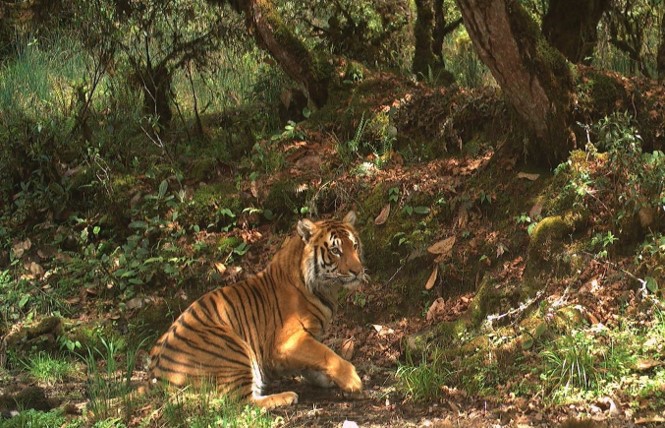
Climate crisis clouds Bhutan’s tiger conservation plan

Similar to India’s situation, tigers are increasingly at the centre of human-wildlife conflict due to the loss of habitats and a dwindling natural prey base in Bhutan. Both these issues could be attributed to a changing climate. A report by Deepanwita Gita Niyogi

About 80 percent of the Bhutanese Population are agrarian and live close to tiger habitats. Image taken from Bhutan Tiger Action Plan 2024-25

Our neighbouring Bhutan is one of the eight countries in the world where a breeding tiger population is found in the wild. The tiger is listed as a fully protected species and is included in Schedule 1 of the Forest and Nature Conservation Act of Bhutan, 1995.

Whereas India has an estimated 3682 tigers, the estimated number of tigers in Bhutan stands at 131. However, the country is an important tiger conservation area in the global Tiger Conservation Landscape, in addition to being the source population for tigers.

Globally, there were almost 100,000 tigers in the beginning of the twentieth century. It has plummeted to estimated 5572 individuals, with India holding over 70 percent of the global tiger population.

Bhutan has prepared a Tiger Action Plan for 2024-2033. The plan says that the country’s commitment to tiger conservation traces its roots back to 1989. It was also followed by a pugmarks survey carried out in 1998. Over the past two decades, breakthroughs in technology have triggered a transformation in tiger protection. Bhutan has recorded a 27 percent increase in tigers since 2015, when the count stood at 103. Since its inception of Project Tiger in 1973, India has also seen a steady growth in the number of tigers in the wild.

Growing conflict and community participation

Though Bhutan is considered a safe haven for the tiger, in recent years a number of factors have emerged which threaten the species. Just like in India, even in Bhutan, tigers are at the forefront of human-wildlife conflict due to the loss of habitats and a dwindling natural prey base. Both could be due to climate change. As a result, the animals turn to livestock for food.

Climate change may directly impact the physiology of tigers, with temperature and water stress affecting their development, survival and reproductive success, says a study “Getting Climate-smart with the Royal Bengal Tiger in Bhutan”. A possible effect of physiological stress could be their migration to upland areas where temperatures are cooler, but resources fewer.

A study carried out under a grant of the United Nations Development Programme (UNDP) showed that in Dangchu gewog (a gewog is a group of villages), which comes under Wangdue Phodrang district in central Bhutan, there have been increasing incidences of human-tiger conflict, as the animals turn to livestock depredation for food. Conflict is exacerbated by a changing climate.

About 80 percent of the Bhutanese population are agrarian and live close to tiger habitats. According to the Global Tiger Centre, there could be about six tigers frequenting the gewog. The centre is a government-based tiger and cats conservation and research wing under the Department of Forests and Park Services, Ministry of Agriculture and Forests.

In rural areas, the loss of valuable livestock at times leads to retaliatory killings and even the migration of the rural population to urban areas in Bhutan. Apart from retaliatory killings, poaching of tigers for economic benefits is also escalating in the gewog. Tigers are killed mainly through poisoning and snaring.

Mitigation measures

To mitigate the retaliatory killing of tigers by local communities and prevent poaching, the Chubar Dendupcholing Community Forest Management Group, in collaboration with the Wangdue Forest Division and the local administration, provided farming support to communities. To reduce people’s dependence on forests, a number of measures were undertaken from 2019-2020. One of these is the cultivation of mushrooms and another is growing fruit trees. The UNDP project covered an area of 42311.76 acres and benefitted 193 households and 1134 people. 

Conflict also escalates at times due to the collection of firewood for cooking. This is also true in India. In the Melghat tiger reserve in Maharashtra, non-profits handed over free smokeless chulhas to people to reduce human-tiger conflict. This also reduced people’s dependence on forests.

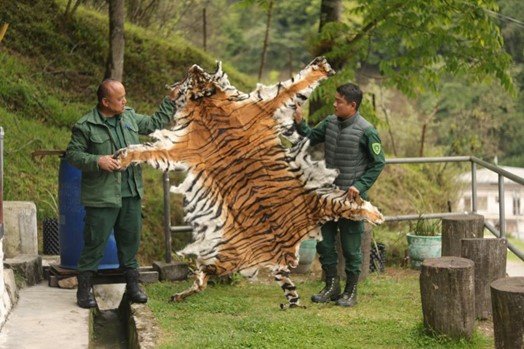
Skin of a tiger killed in a snare set up for wild pigs in Trongsa district in central Bhutan. Photo by -Tashi Dhendup

In Bhutan, mostly men and young boys enter deep forests for gathering firewood whereas in India, it is mostly women. However, this is not regular. For annual firewood needs in Bhutan, communities usually source it from peripheral forests which are regulated by the forest department or government forest management units, said Tenzin Wangchuk, who headed the UNDP project on tigers in Bhutan. Wangchuk worked in the GEF-SGP (Global Environment Facility’s Small Grants Programme Management) of UNDP Bhutan from May 2020 to July 2023.

“With almost 99 percent grid electricity coverage in Bhutan, readily available fuelwood, rice cookers and first 100-unit free electricity for the rural population since about nine years ago, wood consumption may have reduced,” said Wangchuk.

The programme implemented by the UNDP, in partnership with the Royal Government of Bhutan, complements the country’s tiger conservation efforts outside protected areas. While national parks remain the primary habitats of tigers in Bhutan, the National Tiger Survey found that tigers also thrive outside protected areas. In India too, tigers are spilling outside protected areas, resulting in human-tiger conflict escalation. Conflict needs smart management to reduce losses on both sides.

In Bhutan, new tiger photographs and pugmarks have emerged from different parts which are encouraging signs for conservation. This has been possible, thanks to camera trap images. But human-tiger conflict needs a proper solution.

It is important to protect tigers at a time when they are threatened by several factors. A common issue in a changing climate is the drying up of water sources needed for survival of wildlife, including that of tigers. Providing water resources can reduce conflict and increase chances of tiger survival.

In India’s Sariksa Tiger Reserve, there are about 30 tigers. To ensure the survival of tigers, the park management has concentrated on rewilding, an attempt made to naturalise an area. In the reserve’s Talvrisksh range, solar-powered borewells ensure that there is never a dry day for animals.

Conservation efforts on the part of both the countries are important as there have been news reports of a tiger from Sikkim crossing the international border and entering Bhutan. High-altitude tigers need special focus.                                                                                              

MOST POPULAR

HOT NEWS