Sunday, December 28, 2025

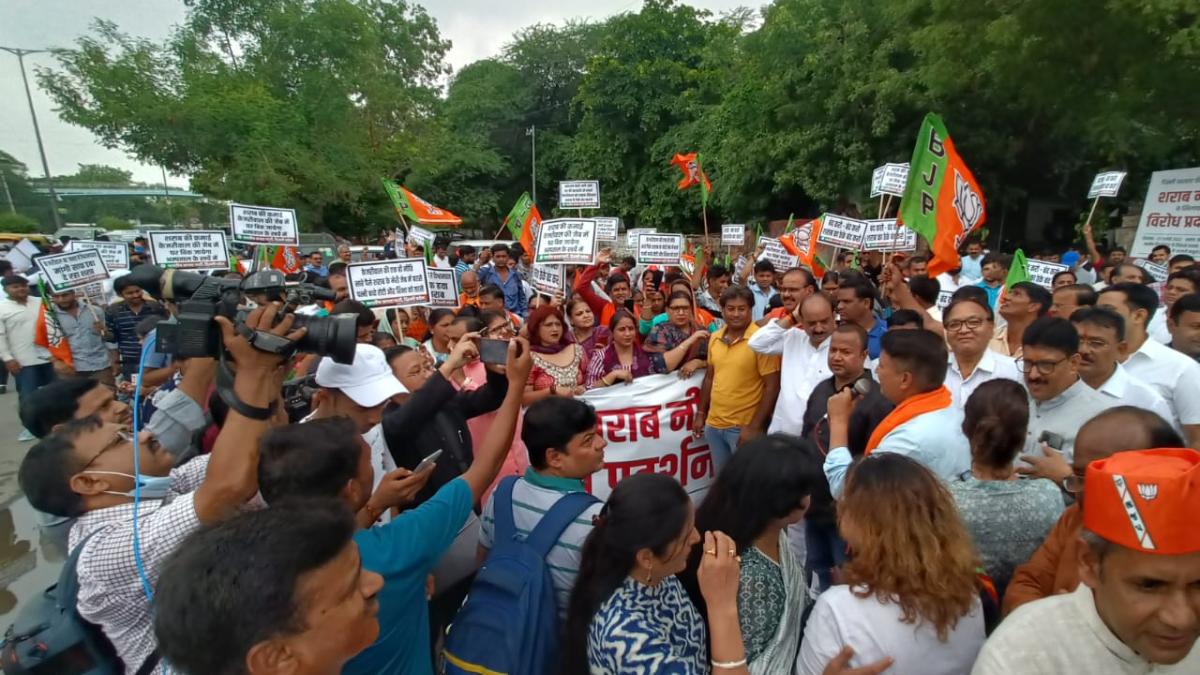
Can Sisodia case have a bearing on Gujarat election result?

While BJP is using Sisodia’s alleged involvement in Delhi’s liquor policy scam to dent AAP’s ‘clean party’ image, AAP has claimed that Delhi deputy CM is being hounded by agencies to prevent him from campaigning in the poll-bound Gujarat, writes  Aayush Goel

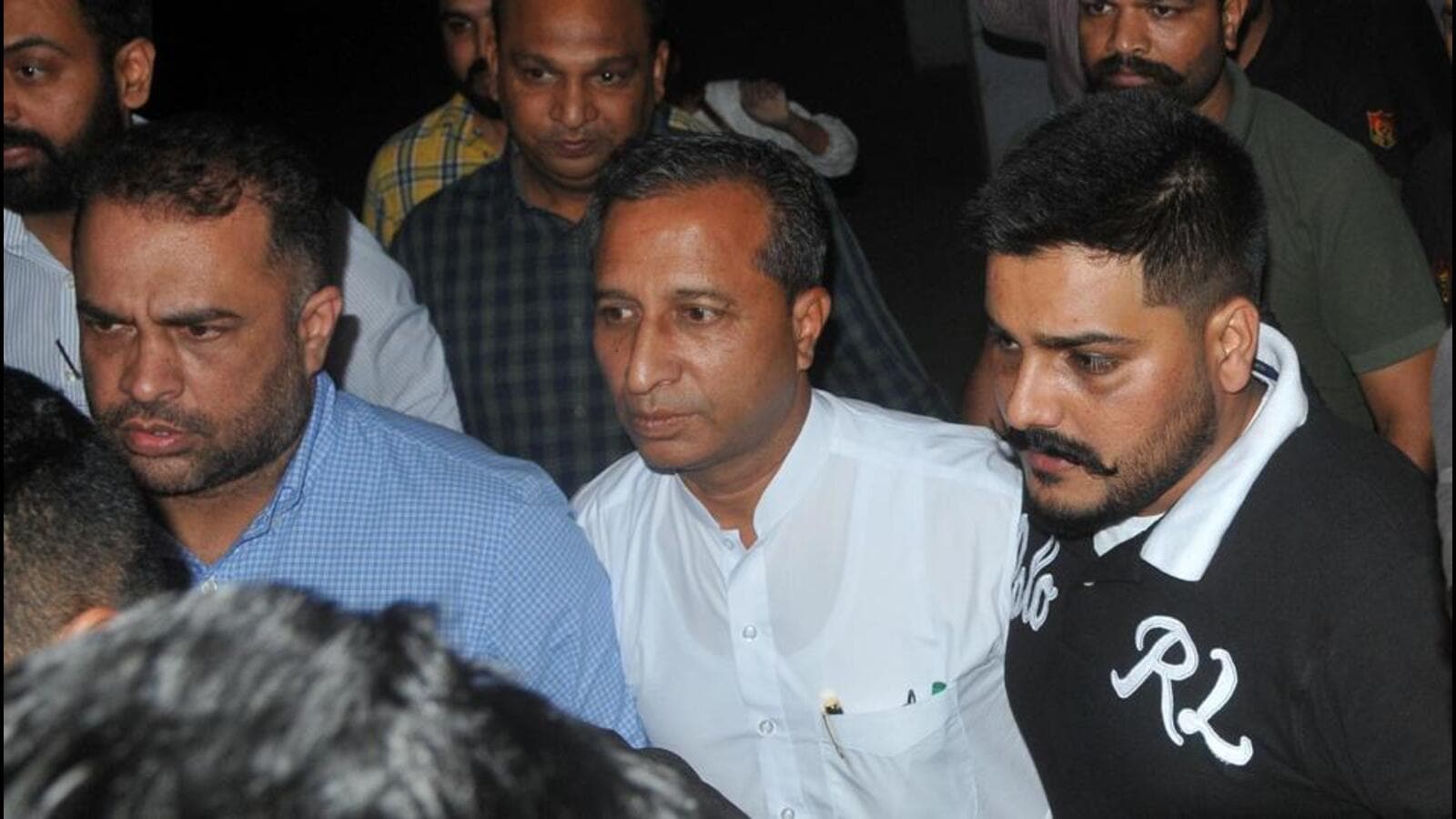
Other than the usual issues of unemployment and inflation it is Aam Aadmi Party’s (AAP) star leader and Delhi’s deputy CM Manish Sisodia who is at the centre of political tug of war in poll-bound states of Gujarat and Himachal. Sisodia who has been one of the most popular AAP leaders and often dubbed as face of educational renaissance in Delhi is star campaigner for forthcoming polls in both states.

While Bharatiya Janata Party (BJP) is using Sisodia’s alleged involvement in Delhi’s liquor gate to rupture AAP’s ‘saaf suthari party” image, AAP has declared Sisodia as modern day Bhagat Singh who is being witch hunted because the party is emerging stronger in both the states. So while Sisodia continues to be quizzed by the Central Bureau of Investigation (CBI) day after day, he says it’s a ploy to arrest him because BJP wants to prevent him from campaigning for the party in poll-bound Gujarat. As all parties gear up putting everything in for the mighty battle of Gujarat, all eyes are set on Sisodia who can prove to be a game changer.

The CBI, in August, began a probe into the alleged irregularities and corruption in framing and implementation of Delhi excise policy 2021-22, following a recommendation from Delhi Lieutenant Governor V.K. Saxena to probe the case. The now withdrawn excise policy was in force in Delhi between November 2021 and August 2022. “Raid was conducted at my house for 14 hours, it revealed nothing. My bank locker was scanned, nothing was found. They found nothing in my village (during a search). Now they have summoned me to CBI headquarters. I will go and extend all cooperation,” Sisodia said in a tweet in Hindi. He was summoned and questioned for about 9 hours on October 17. Manish Sisodia after coming out of interrogation said that a fake case was built against him. He claimed that he was told to leave AAP, else cases would continue. “They said I can also get the chief minister’s chair. But I refused the offer. The entire case is fake. I told them that when a rickshaw puller’s child gets a degree, I feel happy. I am here for education,” he said.

The CBI however said that nothing of that sort had happened and the questions were strictly about the excise policy case. “CBI strongly refutes these allegations and reiterates that examination was carried out in a professional and legal manner strictly as per the allegations against him in the FIR. The investigation of the case will continue as per law,” read the agency’s statement.

BJP scared of AAP: Kejriwal

AAP leadership is convinced that it is not merely posturing in the battle of Gujrat but fighting to win. They insist that it is their determination and might and performance in Delhi and Punjab that has riled up the BJP to use the crudest weapons in its arsenal against AAP. Sisodia is just the latest target of this effort.
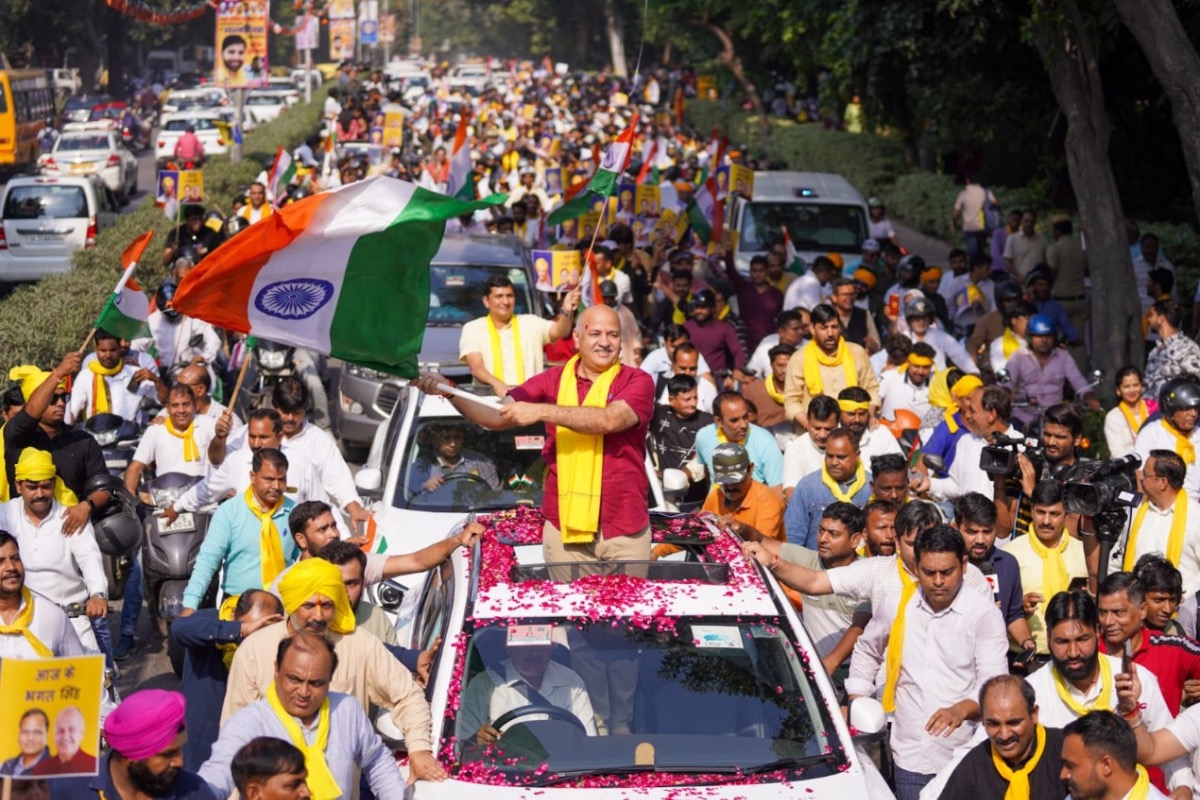
“Gujarat results will be out on December 8. These people will cook up a reason and keep Sisodia in jail till then. So that he does not go for campaigning in Gujarat elections,” says party supremo and Delhi CM Arvind Kejriwal. The tactics however will not deter AAP that called the liquor gate episode as a second freedom struggle. “Jail bars and hanging nooses could not deter Bhagat Singh’s lofty intentions. This is the second fight for freedom. Manish Sisodia and Satyendra are today’s Bhagat Singh. After 75 years, the country got an education minister who gave the poor a hope for a brighter future by giving them good education. The blessings of crores of people are with us,” tweeted Kejriwal.

Even though the popular perception in media circles is that BJP cannot be defeated in Gujarat, Arvind Kejriwal has made it clear that he is in it to win it. After its landslide victory in Punjab, the AAP has turned its focus on Gujarat where the party is trying to hardsell its ‘Delhi model’ and project itself as a political alternative. Kejriwal claims that the BJP is scared of the AAP. The voter mobilisation in AAP’s favour in Gujarat in a matter of a few months has been unprecedented. Even if one is to go by independent surveys such as the tracker poll conducted by C-Voter, AAP was getting 17 per cent votes in early October.

The Times Now –ETG survey, gave the party a much higher vote share of 24 per cent (against BJP at 48 per cent and Congress at 21 per cent) in September. The party however is relying more on an Intelligence Bureau report which Arvind Kejriwal claims that AAP will form government in state even though with a thin margin of victory.

If the AAP continues to attract a quarter of its voters from the BJP and the Congress collapses, it might finally convert the decades-long anti-incumbency against the BJP in Gujarat into a rare defeat.

AAP plays the victim card

AAP’s comparison of Sisodia with Bhagat Singh led to a major uproar as BJP lashed out at the party for drawing ‘shameless’ comparisons to allegedly hide its vices. BJP general secretary (organisation) B L Santhosh said, “Anarchist party leader Arvind Kejriwal compares his minister in jail, Satyendra Jain, and Dy CM Sri Manish Sisodia who is facing probe by ED-CBI, to Shaheed Bhagat Singh. From agitation against corruption through Lokpal to shameless stand about corrupt leaders who are being investigated.”

BJP spokesperson Shehzad Jai Hind alleged that the AAP leaders are playing the victim card. He said, “We have PAN card, Aadhar card and AAP has a permanent victimhood card. Witch hunting is not ours, but screaming “victim victim” is their only weapon. They played this for Tahir Hussain, then Satyendra Jain! Both are still in jail! If everything is fake then why did Kejriwal roll back the corrupt excise policy?”.

The BJP states that the party has already lost its ground as per the exit polls and thus playing a diversionary victim card. BJP’s Kapil Mishra, who was once a minister in the AAP government, has challenged Sisodia to appear for a lie-detector test over his claim that the CBI tried to pressure him into quitting the AAP for the BJP.

Who will gain from Sisodia row?

The recent C-voter survey held in Gujarat sort answers for the question that the Sisodia controversy will benefit whom? According to a survey, 42 percent voters feel BJP will be benefitted as it shatters AAP’s zero corruption image while 34 percent feel that AAP will garner more support riding on the victim card with the party alleging witch hunting by the BJP. Twenty five percent feel that while both parties are fighting over it, Congress will be hugely benefited as it will be more focused on voter outreach. However 9 percent of those surveyed feel it’s just another media hype and will die soon as Gujarat will look at local AAP leaders rather than Sisodia. However, going by the events and amplification of the issues, it appears both parties will be benefited with more media attention with new developments in the case.


SGPC sees red as parties cosy up to Dera head in poll-bound Haryana

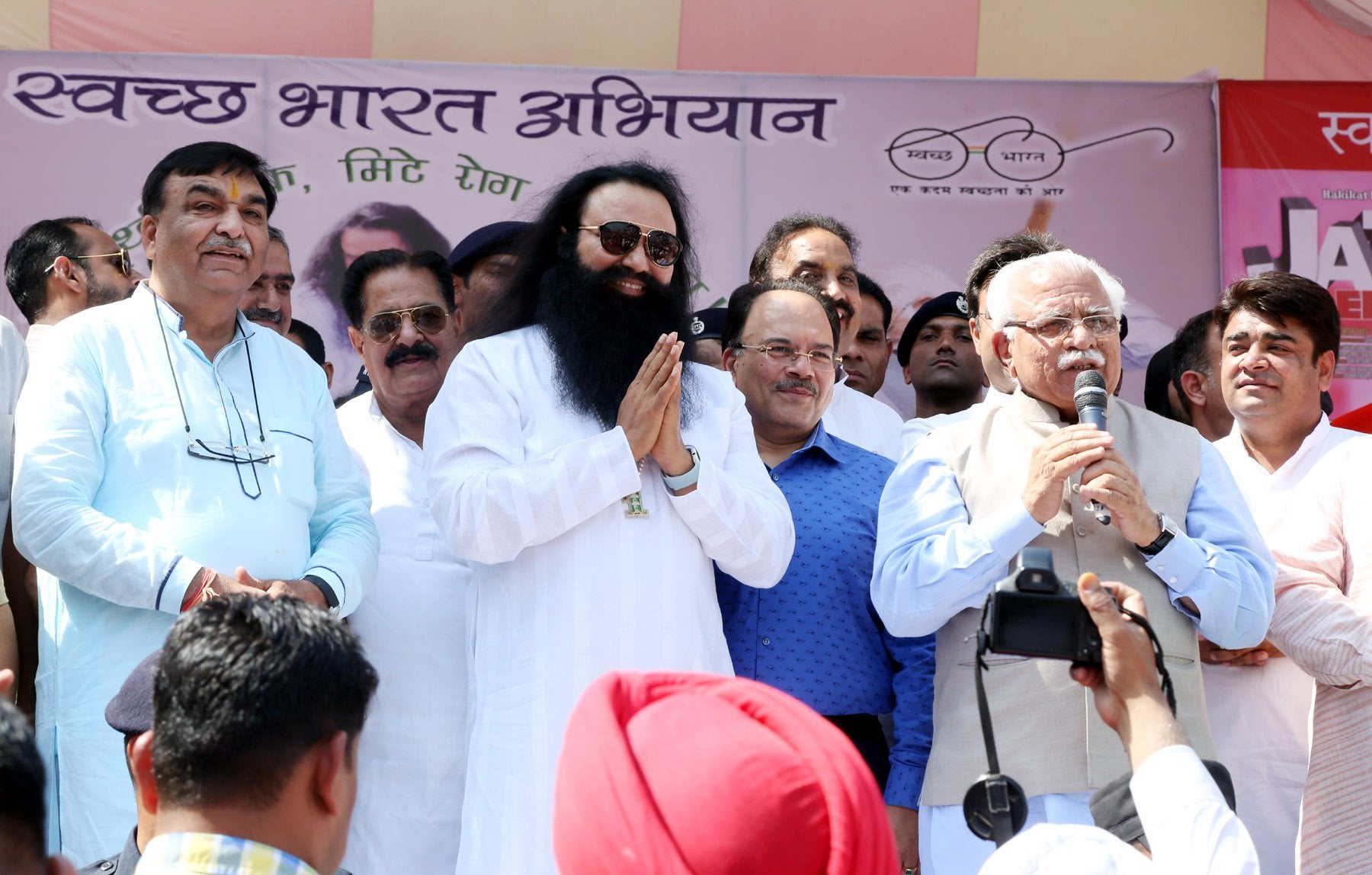
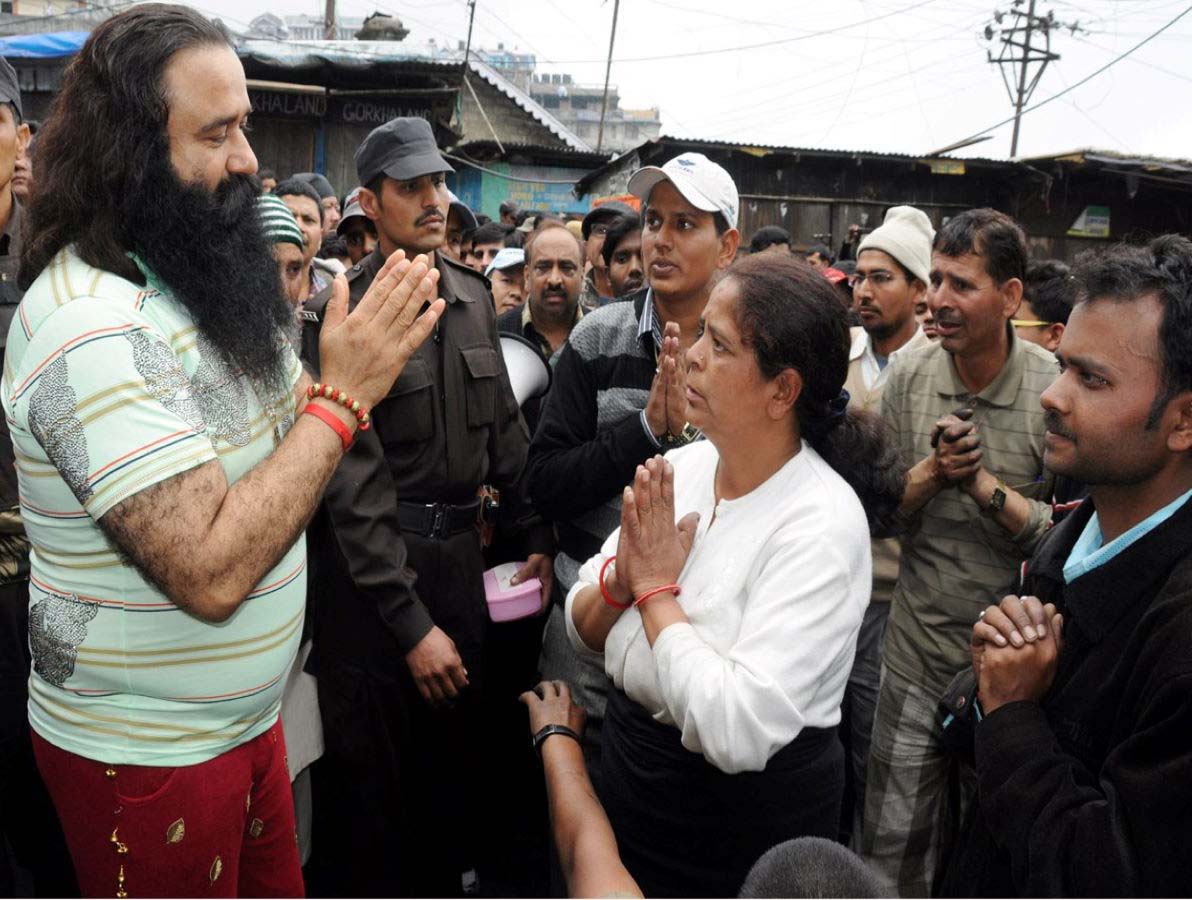
As political leaders bow before Dera Sacha Sauda head Gurmeet Ram Rahim Singh, a convist in murder and rape case who is currently out on parole, ahead of polls in Haryana, the SGPC in the neighbouring Punjab has sought a ban on his activities., A report by Rajesh Moudgil

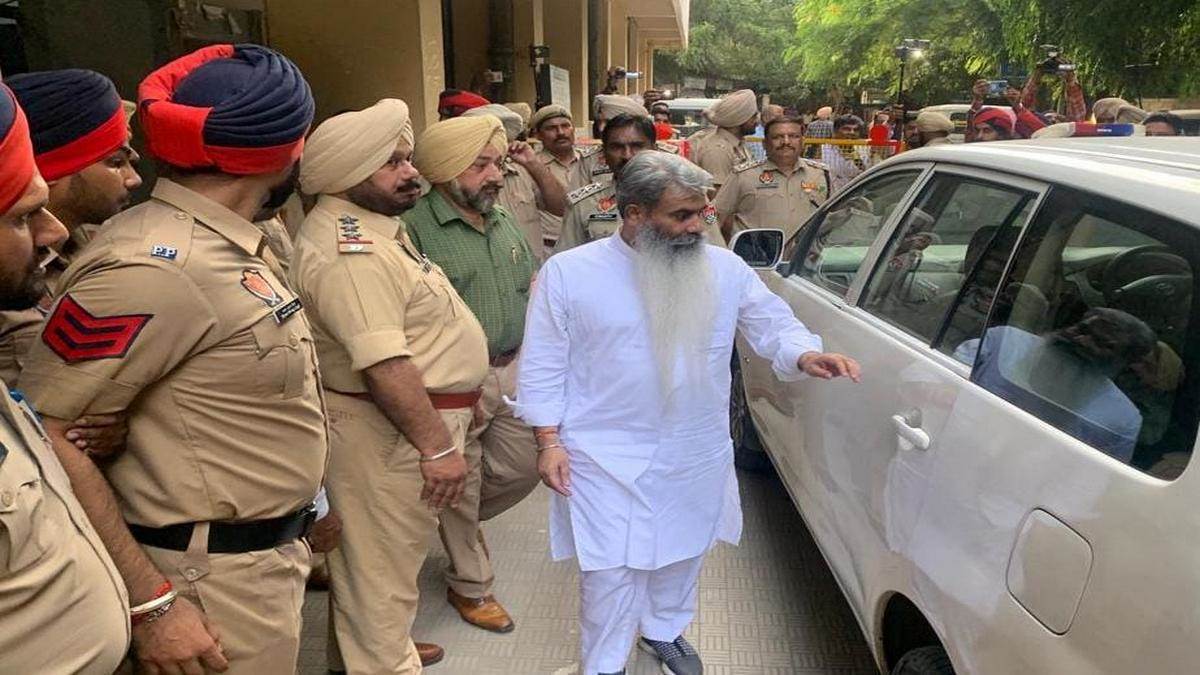
Undergoing 20-year imprisonment for murder and rape in Sunaria jail, Rohtak, in Haryana, the Dera Sacha Sauda head Gurmeet Ram Rahim Singh is currently out on a 40-day parole since October 14 last, ahead of upcoming Adampur bye-election and panchayat polls. And even though the ruling BJP leadership in Haryana maintains that the timing of the parole granted to Dera head has no connection with politics or the upcoming polls, several of the saffron party leaders have already been seen seeking his blessings.

Headquartered at Haryana’s Sirsa district, the Dera Sacha Sauda has, for long, tacitly supported different political parties in Haryana, Punjab, Himachal Pradesh and Rajasthan where it has a huge influence and has a large number of followers.

Prominent among those who have already sought his blessings is Haryana include the state assembly deputy speaker Ranbir Gangwa, the BJP MLA from Nalwa in Hisar, who was seen – in an online interaction of the Dera head with his followers – seeking his blessings and hailing various welfare activities undertaken by the Dera head.

Another BJP leader was Karnal mayor Renu Bala Gupta who too interacted with the Dera head and sought his blessings for the upcoming polls. Karnal is also the Haryana chief minister Manohar Lal Khattar’s constituency.

However, the BJP leadership vehemently defends Gangwa and other party leaders on the issue.

The state BJP president O P Dhankar told the media that it was a matter of faith and that it had nothing to do with polls or politics. He held that the Dera head had faced the law and was convicted. Likewise, the law provided equal rights to all to follow any religion and faith, he added.

Gangwa, who also interacted with the newspersons, held that his family had since long been a disciple of the Dera Sacha Sauda and it had also donated a part of ancestral land to the Dera. He went on to say that Dera has been known for social service in various fields and a large number of people had quit liquor and drugs following the teachings and instructions of the Dera.

The Haryana prisons minister, however, held that it was the legal right of any convict to be released from the prison on parole or furlough, after the completion of a requisite period of imprisonment inside jail.

Meanwhile, the Congress candidate for upcoming Adampur bye-election, Jai Prakash, also held that he was a real follower of the Dera. Stating that the Dera head had never participated in any electoral activity nor did he send out any message to his followers, Jai Prakash held that Dera head knew that I was a real follower and not like these fake ones, media reports say.

For record, till 2014, the political leaders used to make a beeline before the Dera head for his blessings in Haryana. However, the downfall of the Dera head began in 2017 when he was convicted for the first time by the special CBI court in Panchkula, on charges of rape of two of his women disciples.

The conviction of the Dera head triggered a violent clashes between hundreds of his followers and the armed forces who were already camping in Panchkula; this led to killing of over 30 people which further whipped up protests pan-Haryana. The army had to be deployed at several places in the state to control the law and order. The Dera head was taken out of the CBI court in Panchkula in a chopper to the Rohtak jail.

The Dera head had in the past been granted parole thrice in 2021 and twice in 2022 – for 21 days in February and for a month in June, though the timing of the his repeated releases did raise eyebrows; On February 7, this year he was granted furlough just days before the Punjab assembly polls and granted Z-plus security cover reportedly in the wake of a serious threat to his life from pro-Khalistan elements.

It may also be recalled that Haryana chief minister Manohar Lal Khattar had on that occasion, flatly rebuked any connection between the Dera head’s release and the polls and held that it was as per the provision for the law.

The Dera chief, first convicted in August 2017 by a special CBI court in Panchkula, is currently serving a 20-year jail term for raping two of his women disciples at the Dera headquarters in Sirsa. In 2019, Ram Rahim and three others were convicted for the 2002 murder of journalist Ram Chander Chhatrapati. Last year, he, along with four others, was convicted for hatching a conspiracy to kill the Dera’s former manager Ranjit Singh, who was shot dead, also in 2002.

SGPC for a ban on Dera head’s activities

Meanwhile, in the bordering state of Punjab, the Shiromani Gurdwara Parbandhak Committee (SGPC) president Harjinder Singh Dhami has reacted sharply against the activities of the Dera head Gurmeet Ram Rahim Singh and asked the Centre and state government to immediately stop them.

It is pertinent to mention here that Dhami’s demands are subsequent to the demand of Dera followers to set up a Dera at Punjab’s Sunam town during a recent online congregation held by Dera head from his Dera in Baghpat, Uttar Pradesh.

With this came strong reactions not only from SGPC but also from Sikh clergy and preachers.

Stating that such a move could spoil the peaceful atmosphere of the state, Dhami said that convicted in rape and murder cases, the Dera head was also the main accused in sacrilege cases in Punjab.

Dhami further alleged that Dera head was a controversial person and that the announcement to open Dera in Punjab had hurt the sentiments of Sikhs. Dhami also went on to add that any activity of the Dera head would not be accepted in Punjab and urged the Centre and the state government to stop the online speeches of the Dera head while he was out on parole.

According to media reports, Sikh preacher Amritpal Singh has also said that no Dera would be allowed to come up in Punjab at any cost and that a person who had been involved in the sacrilege of Guru Granth Sahib could not be allowed to run a Dera in Punjab.


Parties vie to woo rape-convict Ram Rahim without qualms

Recently, the controversial head of the Dera Sacha Sauda was released on 40-day parole with Adampur by-election and panchayat polls round the corner in Haryana. Baba keeps an eye out for the election as it signals his release on parole violating rules, writes Pawan Kumar Bansal

Gurmeet Ram Rahim, a controversial head of the Dera Sacha Sauda, Sirsa district in Haryana, currently undergoing life sentence in Sunaria Jail in Rohtak district on murder and rape charges, keeps an eye out for the election as it signals his release on parole violating rules and regulations. Recently, he was released on 40-day parole with Adampur Assembly by-election and polls of Panchayati Raj institutions round the corner in Haryana. He was convicted by CBI Judge Jagdeep Singh. The victims of Baba’s atrocities adorn Justice Jagdeep Singh’s photo in their houses indicating the relief they got from the judgement.

The ruling BJP in Haryana believes that this will earn goodwill for the party among thousands of his supporters spread across the state, particularly in Bhiwani, Sirsa, Hisar and other districts of the state, in Adampur Assembly by-election and polls of Panchayati Raj institutions in the state. Ram Rahim also reciprocates the gesture by ensuring that his supporters cast their votes in favour of BJP candidates.

It is interesting to mention here that after forming the government in Haryana, almost the entire cabinet had visited Dera Sacha Sauda headquarters in Sirsa to convey their thanks to Ram Rahim for the support extended to the BJP candidates.

Just after his recent release on parole, reportedly at the instance of political bosses in view of Adampur assembly by-election and elections of Panchayati Raj institutions in the state, Ram Rahim has released a video in which he had indirectly appealed his supporters for voting in favor of BJP candidates. Right from Om Parkash Dhankar, State party Chief, to Karnal Municipal Corporation Mayor, Renu Bala Gupta and Ranbir Gangwa, deputy speaker of State assembly, everybody who is somebody in the party have got in touch with Dera Sacha Sauda chief and the government doesn’t tire of lauding the social services rendered by the followers of Ram Rahim.

Gangwa says that he was supporter of Baba since long and his parents were followers of Baba too adding that his family had donated their ancestral land to Baba for performing social services. He has praised the social work done by followers of Baba which includes tree plantation and blood donation camps. He said that thousands of people had quit the drugs influenced by the preaching of the Baba.

While efforts to contact Jails Minister, Ranjit Singh about his version for granting frequent paroles to Baba, bore no results, Haryana BJP president, Om Parkash Dhankar has justified the parole given to the Baba. Dhankar told Tehelka, “There is nothing special in giving parole to Baba Ji as according to law every convict has a right to get parole.” Dhankar said that Ram Rahim is undergoing sentence for his crime but that cannot stop his followers from worshiping him.

Clearly worried over Ram Rahim’s support to BJP, Jai Parkash, a Congress candidate from Adampur Assembly by elections, has claimed that he is the real follower of Ram Rahim. He also claimed that as Dera head never indulges in any political activity, hence there was no question of any video having been released by him asking his followers to vote in favour of the BJP candidates.

Former Chief Minister, and Indian National Lok Dal supremo, Om Parkash Chotala has criticized the government decision to grant parole to Baba reportedly with an eye on the  votes of his followers in support of party candidates.

Meanwhile Ram Rahim’s release has sent shock waves among victims of Baba including witnesses against him in court cases which had led to his conviction, particularly in Sirsa.

It is not the first time that Baba has been released on parole. He was released on parole a few months ago on the eve of Punjab Assembly election where he has a sizable number of followers particularly in Malwa belt. He was also released during elections of municipalities in Haryana. Anshul Chattarpati, son of late firebrand journalist, Ram Chandar Chattarpati, who had launched tirade against atrocities of Baba which led to murder of his father is shocked over the decision of Haryana Government frequently granting parole to Baba. He took a swipe at the BJP saying that those who raise slogan ‘Beti Bachao Beti Padhao,’ has no shame in seeking blessings of Baba, who is convicted of rape, for the sake of votes.

He wonders how they are talking about Baba’s right as a convict for getting parole whereas the same Baba has challenged the law and even judiciary when thousands of his supporters had created mayhem in the town of Panchkula through the incidents of arson and violence when he was produced in court.


India slipping in Global Hunger Index 2022 and the whole truth!

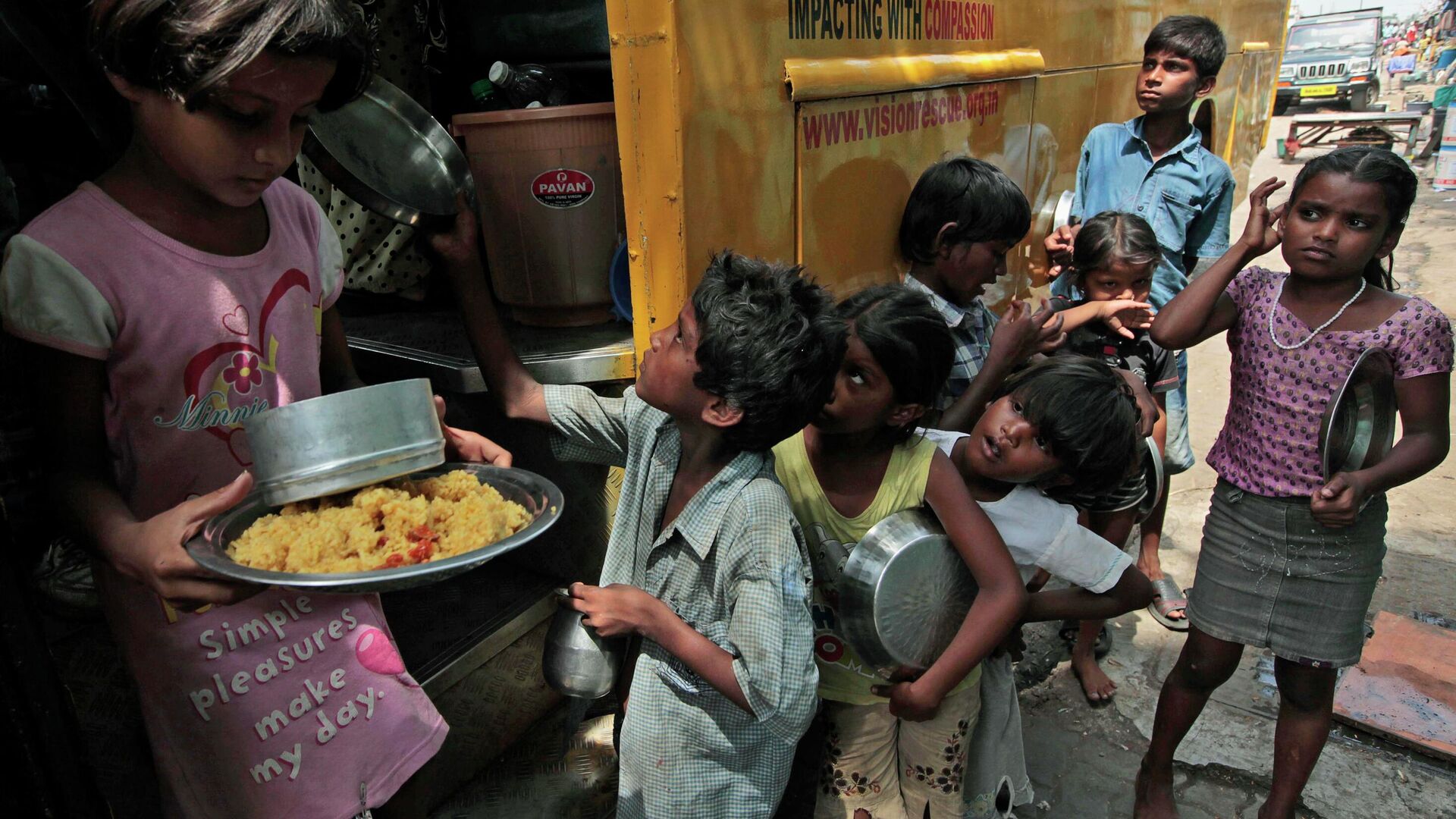
The Union Government has rubbished the Global Hunger Index 2022, which has shown India slipping further to the 107th position out of 121 countries from last year’s rank of 101

The Global Hunger Index 2022 has shown India slipping further to the 107th position out of 121 countries from last year’s rank of 101 and even being behind Pakistan, Bangladesh and Nepal.  However, the Union Government has rebutted the report and said, “consistent effort is yet again visible to taint India’s image as a Nation that does not fulfil the food security and nutritional requirements of its population”.

India’s performance on the UN Sustainable Development Goals that mandate zero hunger by 2030 shows that it lags in the goal of zero hunger. As per the Sustainable Development Goals 2021 report, India’s ranking fell to 120 from 117 among 193 countries since its performance on hunger, stunting, wastage, anaemia, drinking water and gender equality remained dismal.

Though agriculture production in the country has risen by six times since Independence, the Global Hunger Index 2022, released on October 13, shows that India’s rank in the world has slipped further – from 101 last year to 107 this year – in terms of this important indicator of conditions of hunger and malnutrition. Afghanistan, a war-torn country, is the only country in South Asia below India in terms of its Global Hunger Index rank. In the global context, India alone accounts for about a third of people suffering from chronic hunger and a quarter of people struggling with food insecurity.

As per the National Food Security Act, the government has a constitutional mandate to provide subsidised food grain to at least 75 per cent of rural population and 50 per cent of urban population as per the last population census.  Has high inflation in prices of food coupled with rising unemployment resulted in this situation?

However, the Ministry of Women and Child Development in a statement said, “Misinformation seems to be the hallmark of the annually released Global Hunger Index. The Global Hunger Report 2022 released by Concern Worldwide and Welt Hunger Hilfe, non-government organisations from Ireland and Germany, respectively, has ranked India at 107 among 121 countries. The index is an erroneous measure of hunger and suffers from serious methodological issues. Three out of the four indicators used for calculation of the index are related to the health of children and cannot be representative of the entire population. The fourth and most important indicator estimate of Proportion of Undernourished (PoU) population is based on an opinion poll conducted on a very small sample size of 3000”.

The report is not only disconnected from ground reality but also chooses to deliberately ignore efforts made by the government to ensure food security for the population especially during the Covid pandemic. Taking a one-dimensional view, the report lowers India’s rank based on the estimate of Proportion of Undernourished (PoU) population for India at 16.3%. The FAO estimate is based on “Food Insecurity Experience Scale (FIES)” Survey Module conducted through Gallop World Poll, which is an “opinion poll” based on “8 questions” with a sample size of  “3000 respondents”. The data collected from a miniscule sample for a country of India’s size through FIES has been used to compute PoU value for India which is not only wrong and unethical, it also reeks of obvious bias. The publishing agencies of the Global Hunger Report, Concern Worldwide and Welt Hunger Hilfe, have evidently not done their due diligence before releasing the report.

The government had taken up with FAO not to use such estimates based on FIES survey module data in July 2022 as the statistical output of the same will not be based on merit. Though an assurance was forthcoming that there will be further engagement on this issue, the publication of the Global Hunger Index report irrespective of such factual considerations is regrettable.

Some of the questions asked to the respondent are: “During the last 12 months, was there a time when, because of lack of money or other resources: You were worried you would not have enough food to eat? You ate less than you thought you should? It is evident such questions do not search for facts based on relevant information about the delivery of nutritional support and assurance of food security by the Government.

The per capita dietary energy supply in India, as estimated by FAO from the Food Balance Sheets, has been increasing year-on-year owing to enhanced production of major agricultural commodities in the country over the years and there is absolutely no reason why the country’s undernourishment levels should increase.

What has Modi Govt done?

During the period, the government had taken a series of measures to ensure food security.  The government is running the largest food security programme in the world. In the wake of economic disruptions caused by the unprecedented outbreak of Covid-19 in the country, the government in March 2020 had announced the distribution of additional free-of-cost food grains (rice/wheat) to about 80 crore National Food Security Act (NFSA) beneficiaries at the scale of 5 kg per person per month under the PM Garib Kalyan Anna Yojana (PM-GKAY), over and above the regular monthly NFSA food grains – regular entitlements of their ration cards.

So far, under the PM-GKAY scheme, the Government allocated a total of almost 1121 lakh MT food grains to the States/UTs equivalent to about Rs 3.91 lakh crore in food subsidy. The scheme has been extended till December 2022. The distribution has been done through state governments, who on their own further supplemented the efforts of the central government by providing pulses, edible oils and condiments etc to the beneficiaries. Under Anganwadi services, since Covid-19 pandemic, supplementary nutrition was provided to approximately 7.71 crore children up to the age of 6 years and to 1.78 crore pregnant women and lactating mothers. 5.3 million metric tonnes of food grains (comprising 2.5 million metric tonnes of wheat, 1.1 million metric tonnes of rice, 1.6 million metric tonnes of fortified rice and 12,037 metric tonnes of jowar and bajra) was supplied.

The distribution of supplementary nutrition was undertaken by anganwadi workers and helpers across 1.4 million anganwadis in India. Take home ration was delivered to beneficiaries at their homes every fortnight. Under the Pradhan Mantri Matri Vandana Yojna, more than 1.5 crore registered women were provided Rs 5,000 on the birth of their first child for wage support and nutritious food during pregnancy and post-delivery period.

The three other indicators apart from PoU, included in Global Hunger Index relate primarily to children viz. stunting, wasting and under-5 mortality. These indicators are outcomes of complex interactions of various other factors like drinking water, sanitation, genetics, environment and utilisation of food intake apart from hunger, which is taken as the causative/outcome factor for stunting and wasting in the GHI. Calculating hunger based on mainly indicators relating to health indicators of children is neither scientific nor rational. Indeed there is enough food for thought!


AAP govt relentless in its drive against corruption in Punjab

More than 200 people have been arrested so far in Punjab for corruption after the AAP government came to power early this year. The government set the ball rolling by arresting its own Health Minister, Vijay Singla for seeking bribe. Subsequently, the axe has fallen on three former ministers of previous Congress government, writes Rajendra Khatry

A crusade against corruption has been carried out by the Aam Aadmi Party (AAP) in Punjab ever since it came to power early this year. Strict action in this regard has been taken against several politicians and government officials. Such has been the sustained effort in this regard by the ruling party that it has not hesitated to take action against its own leaders if found guilty of any misdemeanour.

AAP has taken certain measures to check corruption in the state. More than 200 people have been arrested so far in Punjab for corruption since the AAP formed the government in March this year. The vigilance bureau arrested 135 government officials as well for accepting a bribe. AAP also started an anti-corruption helpline in Punjab and has taken several other measures to check graft.

Complaints in the helpline alone led to the arrest of 61 persons and the registration of more than 40 FIRs. The government received 4135 complaints with audio/video recordings.

In its move against corruption, AAP did not spare politicians either. So far the axe has fallen on three former ministers in the previous Congress government, namely Sunder Sham Arora, Bharat Bhushan Ashu and Sadhu Singh Dharamsot.

Last year Aam Aadmi Party (AAP) MLA and the then leader of opposition in Punjab assembly, Harpal Singh Cheema had asked chief minister Charanjit Singh Channi to register cases against five former ministers who were embroiled in controversies during the previous Capt Amarinder Singh-led Congress government in the state.

Cheema had said that the AAP has been seeking action against cabinet ministers Sadhu Singh Dharamsot, Balbir Singh Sidhu, Rana Gurmit Singh Sodhi, Bharat Bhushan Ashu and Sunder Sham Arora on corruption charges. But the ruling Congress government paid no heed to Cheema’s request. But with AAP in power now, three of those five leaders that Cheema had named have been arrested so far.

For a change, Punjab Chief Minister Bhagwant Singh Mann did not even spare his own cabinet Health minister Vijay Singla and sent him to jail on corruption charges. Mann first dismissed Vijay Singla, the health and family welfare minister from the Punjab cabinet on charges of corruption, got him arrested and sent him to jail. It is alleged that there was concrete evidence that Singla was demanding one per cent commission from officials for getting the work done

Bhagwant Mann’s action against his own minister earned praise from many quarters., Aam Aadmi Party chief Arvind Kejriwal said, “Proud of you Bhagwant. Your action has brought tears to my eyes. Whole nation today feels proud of AAP.”

But the excessive zeal shown by Bhagwant Mann led the AAP government to prove that it was in a hurry to act against corruption in Punjab also backfired when he tried to get arrested former AAP leader Kumar Vishwas and BJP leader Tejinder Pal Singh Bagga.

AAP government in Punjab had filed an FIR against BJP leader Bagga. The complainant alleged that Tejinder Pal Singh Bagga had made provocative statements. He also spread rumours and tried to create religious and communal enmity. It was also said that Bagga allegedly threatened Delhi CM Arvind Kejriwal during a protest on March 30.

Both Kumar Vishwas and Bagga went to the High Court which dismissed the FIRs filed against them. This came as a jolt to the AAP government in Punjab. Not that it dampened the spirit of AAP to carry on with its crusade against corruption.

Former Punjab minister Sham Sunder Arora was arrested by the state vigilance bureau for allegedly offering a bribe of Rs 50 lakh to one of its officers to “settle” the ongoing inquiries against him. In fact this was a rare case of a ‘reverse trap’ in a corruption case.

Generally persons offering bribes are immune to prosecution, while officials accepting it are prosecuted. But in reverse trap cases, persons offering bribes are arrested and prosecuted but the bribe receivers are exempted from prosecution and this is what happened in the case of Sham Sunder Arora, a former Punjab  minister in the Congress government under Capt Amarinder Singh. After the Congress went out of power in Punjab earlier this year, Arora quit the party to join the BJP.

Earlier, the Aam Aadmi Party’s claims to have freed Punjab of corruption in just 20 days was pooh-poohed by the opposition as well as the general public in Punjab alike. Political experts have pointed out that out of the AAP’s 92 winning candidates in the 2022 Assembly polls in Punjab, as many as 57 per cent have criminal cases registered against them.

Sunder Shyam Arora was arrested on charges of offering Rs 50 lakh bribe to AIG Vigilance Manmohan Kumar Sharma. He is now facing a disproportionate assets case. Arora is also accused of committing some serious irregularities during his tenure as the commerce and Industries minister in the Captain Amrinder Singh-led Congress government.

Incidentally, Arora had been under vigilance scanner for the alleged irregularities in the allotment of industrial plots of the Punjab Small Industries and Export Corporation and the sale of a 32-acre of the commercial plot of JCT Electronics Limited in Mohali to a realty firm when he was the industries minister in the previous government.

According to reports, Sunder Sham Arora had contacted AIG Manmohan Kumar Sharma and requested him to help him clear his name in the corruption inquiries. He reportedly offered a bribe of Rs 1 crore to him and promised that Rs 50 lakh would be paid first and the balance amount later.

Senior Congress leader and former Punjab minister Sadhu Singh Dharamsot was arrested on corruption charges. The Social Welfare and Forest Minister in the Amarinder Singh government was arrested by the state’s Vigilance Bureau from Amloh.

Another Punjab minister and Congress leader Bharat Bhushan Ashu was arrested by the Punjab Vigilance Bureau in August in connection with the alleged food grains transportation tenders scam. He was remanded to police custody for a week.

Meanwhile, presenting the report card of seven months performance of the Aam Aadmi Party (AAP) in Punjab, Cabinet minister Aman Arora claimed that the government has ushered in a new era of politics. He claimed this has been done by eliminating the corruption and mafia culture which was patronised by previous governments in Punjab.

The Punjab Housing and Urban Development Minister Aman Arora castigated the previous Congress, Shiromani Akali Dal (SAD) and BJP governments for pushing Punjab into a debt trap. Arora alleged that most of the leaders of those parties indulged in rampant malpractices. He said the AAP government has now adopted a zero-tolerance policy against corruption to bring back lost glory of the state.

Keen to spread its wings in other states namely Himachal Pradesh, Haryana and Gujarat, AAP wants to showcase Punjab as an exemplary state for honesty and good governance.. However, many of AAP leaders, including Satyendra Kumar Jain, Manish Sisodia and Punjab’s Horticulture Minister Fauja Singh Sarari have been facing corruption charges.


After Azad, Congress consigned to the margins of J-K politics

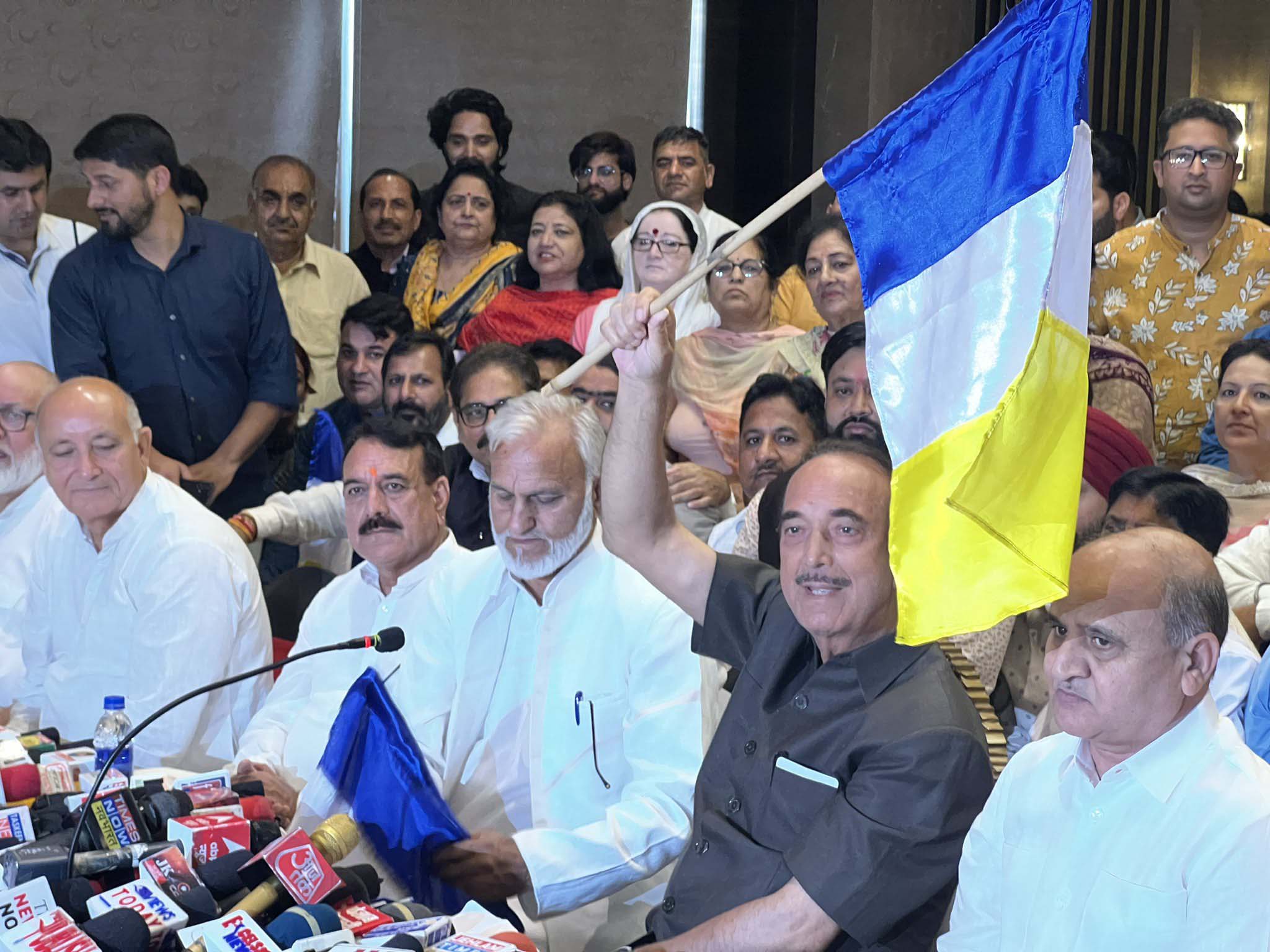
With around 50 Pradesh Congress Committee (PCC) members joining Democratic Azad Party (DAP), floated by Ghulam Nabi Azad, the grand old party has ceased to be a viable political force in the state with hardly any vote-gathering leader left in the party, writes Riyaz Wani

While Ghulam Nabi Azad’s exit from Congress may not have made much of a difference to the fortunes of Congress at the national level, it has dealt a big blow to the Congress in Jammu and Kashmir.

With Azad floating Democratic Azad Party (DAP), most of the prominent Congress leaders in the union territory have joined the new party, further depleting the local Congress ranks. Congress, as a result, has ceased to be a viable political force in Jammu and Kashmir with hardly any vote-gathering leader left in the party.  Among them are leaders like Taj Mohiuddin, Ghulam Mohammad Saroori,  Pirzada Mohammad Sayeed, and the like.  Around 50 Pradesh Congress Committee members have since left the party to join Azad.

This is expected to enable DAP to make deep inroads into the constituencies of the other parties, particularly the Muslim vote bank in the Jammu division which may or may not go to the advantage of the BJP in the future Assembly election expected to be held later this year or early next year.

Meanwhile, local Congress sans Azad has been left without any identifiable support base. Let alone not being charismatic, the new president Viqar Rasool is known to be a political lightweight. He isn’t a mass leader unlike some of the leaders in the regional parties such as the National Conference and the PDP. Nor is the former president Ghulam Ahmad Mir or anyone else.

This has hobbled the party in the union territory. Making things worse, Congress in the UT has no engaging political narrative to draw support from the public. Its position on the revocation of Article 370 remains ambiguous. The party has reconciled to the withdrawal of J&K autonomy but has expressed its opposition to the manner in which it was done. It has also singularly failed to highlight the BJP’s failures in the UT.

To top it all, after Azad’s exit, Congress in the UT is riven by internal rumblings with several factions confronting one another. This is the time for the Congress high command to act. This is critical not only for the Congress revival but also for the survival of the party in the union territory. The party has witnessed a steep fall in its electoral fortunes in the state-turned union territory since the landslide victory of the BJP in the Jammu division in 2015 Assembly elections. The saffron party won 25 of the 37 seats in the division enabling it to be a part of the coalition government with the PDP which got 28 seats.

From 2002-2015, Jammu and Kashmir has had three successive coalition governments – PDP-Congress, NC-Congress and PDP-BJP.

The coalitions began with the advent of the PDP in 1999. The party formed by the former Congress leader Mufti Mohammad Sayeed and his daughter Mehbooba Mufti morphed into a credible opposition by 2002 when it ended the NC’s vaunted political hold on Kashmir in the then Assembly polls. The new reality turned Congress into a kingmaker over the following twelve years. With the Valley’s seats split between them, the NC and PDP were hardly in a position to form the government without Congress’s support.

But in 2015 polls when Congress was decimated in Jammu, the BJP stepped into the breach, obliging the single largest party PDP to share power with the saffron party.

Ever since the BJP has been on a roll not only in J&K but also across the country. Would the Congress mount a serious challenge to the party in the fresh assembly polls in the UT likely to be held in near future? This will largely depend on how the party will politically rejuvenate itself. And also, what political narrative the party propagates. Together with that of the other parties, Congress’s electoral performance would be crucial in determining who rules J&K once elections are held.


Wounds of November 1984 Sikh Genocide still tender: Harjinder Singh Dhami

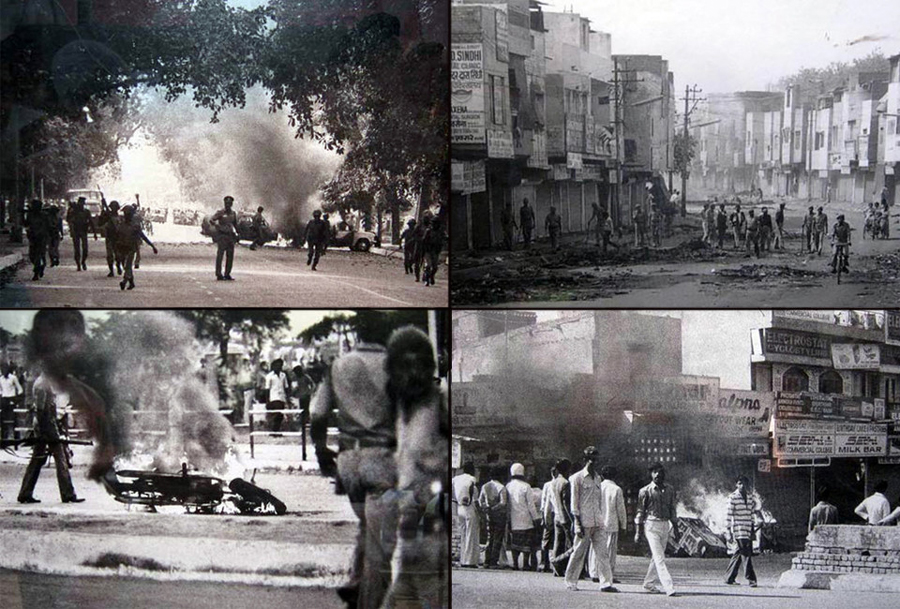
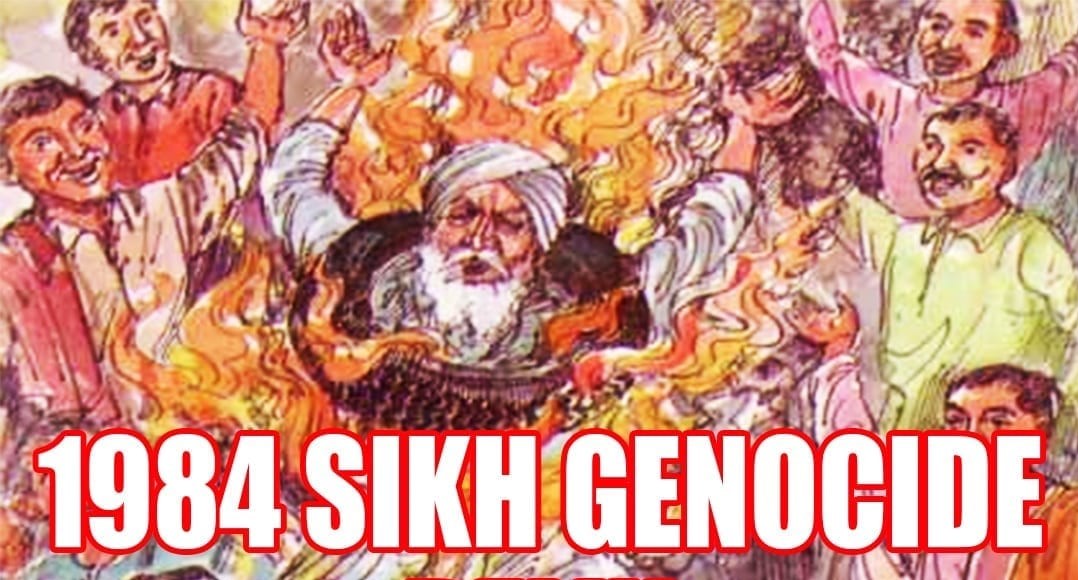
The 1984 anti-Sikhs riots was a riot directed against Sikhs in India, by anti-Sikh mobs, in response to the assassination of Indira Gandhi by her Sikh bodyguards, there were more than 3000 deaths.

SGPC President Harjinder Singh Dhami in a statement issued from his office said that the wounds of November 1984 Sikh Genocide by the then Congress government are still tender and it is highly unfortunate that even after passage of 38 years, the community has not received justice.

Harjinder Singh Dhami said that in November 1984, at the behest of the then government, tyranny was unleashed on Sikhs for several days, which shook every sensitive human being in the world to the core.

“November 1984 Sikh Genocide was a cruel act against humanity at the behest of government and Congress can never be acquitted from this crime. The culprits of Sikh Genocide should have been punished, on the contrary even today Congress is protecting them. Rewarding culprits of Sikh Genocide by giving them big positions in Congress is done to hurt Sikh sentiments”, said Harjinder Singh Dhami.

He said that the Sikhs who sacrificed more than 80% for the freedom of the country are being cheated repeatedly and as soon as the month of November comes, the wounds of the Sikh community begin to ooz, but the government has not punished the culprits till date.

Women’s IPL is coming, promises to be a game-changer

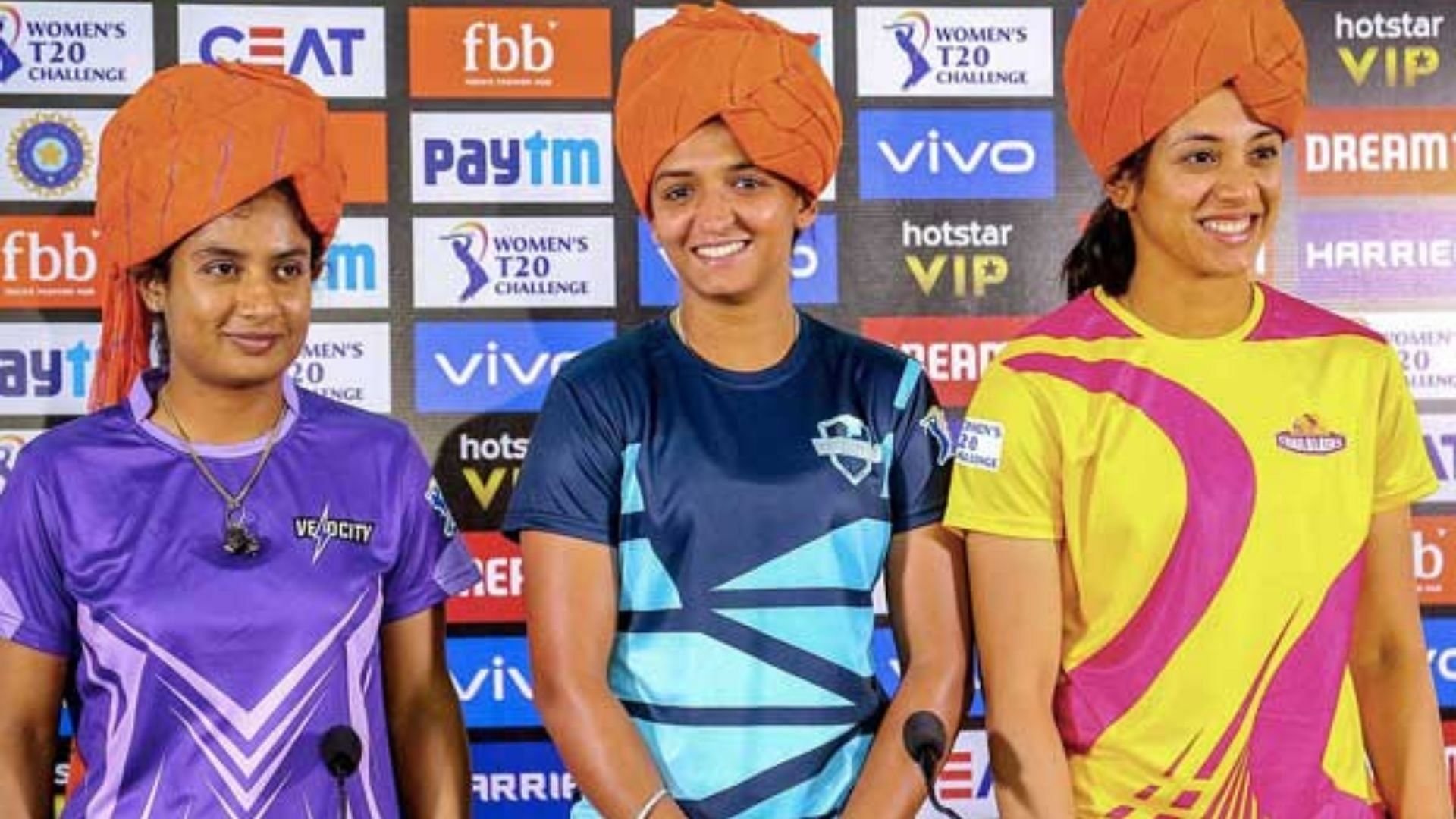
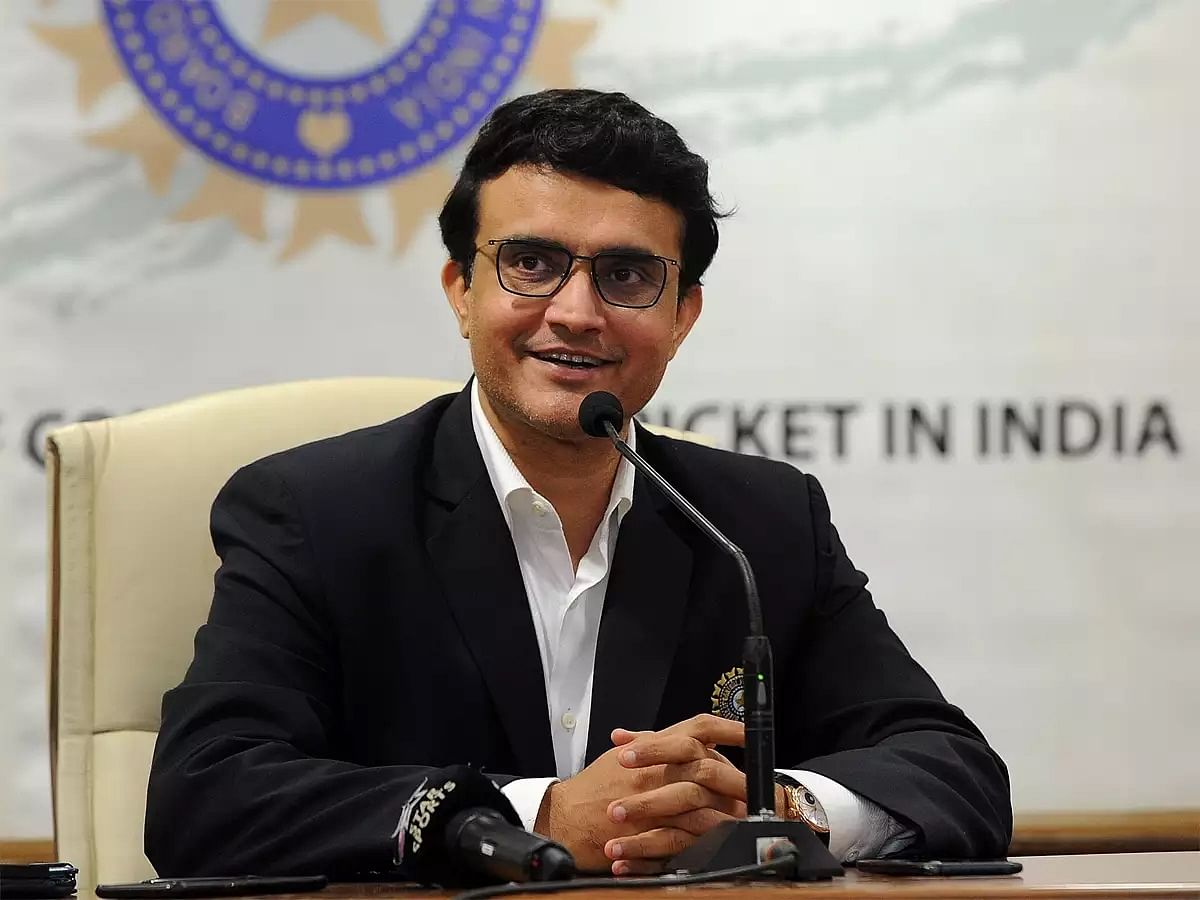
The IPL heralded a new era in the cricketing world, and now a women’s version of the marquee tournament is set to become a reality in early 2023. The BCCI move comes months after its then president, Sourav Ganguly had hinted at the start of women’s IPL next year., writes Sunny Sharma

 Start of first edition of the Women’s IPL will have as many as five teams and is set to happen in March 2023 before the start of the men’s version. According to a BCCI note, the tournament shall consist of 20 league games with teams playing each other twice. The members of the IPL Governing Council include Brijesh Patel, Chairman, Jay Shah, Honorary Secretary, BCCI, Member, Arun Singh Dhumal, Honorary Treasurer, BCCI, Member, M Khairul Jamal Majumdar, Member, Pragyan Ojha, Member (ICA representative) and CM Sane, CAG Nominee, Member.

As per the BCCI note, the table toppers enter the final directly, while the second and third-place sides will face off in the Eliminator. There will be a maximum of five overseas cricketers in the playing eleven for each team.

With this, India will be following in the footsteps of the likes of Australia and UK with their own women’s T20 league. The idea was first broached in 2017 and now is all set to translate into a reality. It was much needed and will be good for the game. Many of our players are already playing in foreign leagues and now we shall see players from outside India playing in India in a cash-rich T20 league.

The Indian Premier League, a men’s T20 franchise cricket league, was founded by the Board of Control for Cricket in India in 2007. On 13 September 2007, in the wake of India’s victory at the 2007 T20 World Cup, the BCCI announced a franchise-based competition called Indian Premier League. The first season started in 2008. The league’s format was similar to that of the Premier League of England and the NBA of the United States

Now the IPL has become the most-attended cricket league in the world. The brand value of the IPL in 2019 was Rs 47,500 crore (US$5.9 billion).

According to the BCCI, the 2015 IPL season contributed Rs 1,150 crore (US$140 million) to the GDP of the Indian economy. The 2020 IPL season set a massive viewership record with 31.57 million average impressions and with an overall consumption increase of 23 per cent from the 2019 season. So far there have been 15 seasons of the IPL tournament. The current IPL title holder franchise is Gujarat Titans, who won the 2022 season of IPL.

Experts say that the women’s IPL can replicate the success of the men’s IPL tournament. The dates and schedule are yet to be announced but by next year, we shall be seeing two IPLs back to back. Women’s cricket has come forward by leaps and bounds in the last five years or so and a Women’s IPL is that much-needed boost for our Women in Blue. The last season of the IPL offered a total prize money of Rs 60 crore with the winning team netting Rs 20 crore The first and second runners up received Rs 12.5 crore and Rs 8.75 crore respectively. The IPL rules mandate that half of the prize money must be distributed among the players.

What BCCI note says

“To have a well balance of domestic & international players and to have competitive teams, it has been tentatively decided to have five teams for WIPL. Each team can comprise maximum of eighteen players where no team can have more than six overseas players. Further, no more than five overseas players – four from Full Members of the ICC and one from the Associate Members of the ICC – can be part of the playing XI of each team,” read the BCCI note.

“Like IPL, it will be a challenge to play in home-away format in WIPL, as with five to six teams it is not possible to have a match every day. It is suggested that tournaments can be played in caravan style where after finishing ten matches at one venue next ten matches to be played at the next venue,” the note added.

“Therefore, ten matches each to be played across two venues in 2023 WIPL season, ten each in the next two venues in 2024 season and for 2025 season ten matches in remaining one venue and remaining ten in one of the venues from 2023 season. As far as the sale of teams are concerned, it may take place zone wise with the board shortlisting two cities for each zone: Dharamsala/Jammu (North zone), Pune/Rajkot (West), Indore/Nagpur/Raipur (Central), Ranchi/Cuttack (East), Kochi/Vizag (South) and Guwahati (North-East). Alternatively, teams in WIPL can be sold and matches may take place at venues that currently host IPL matches,” the note went on to add.

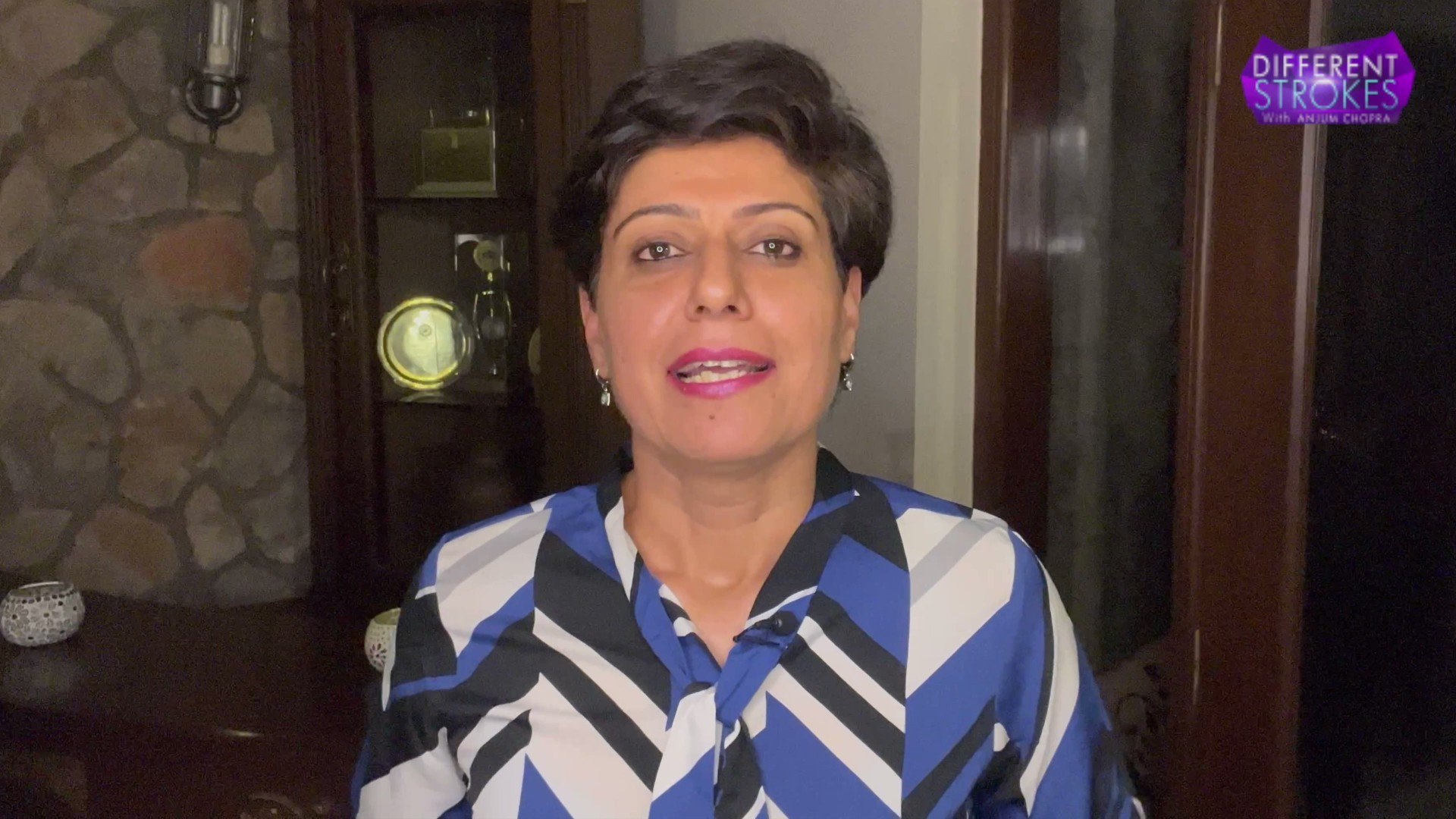
Anjum Chopra’s take

Former India women’s team captain Anjum Chopra quips, “In the initial few seasons, there could be a trend of foreigners taking the lead in the coaching setup, a template that IPL has followed over the years. BCCI has a very structured coaching programme. With the women’s IPL approaching, there might be a similarity initially in leaning back on home coaching talent playing second fiddle to foreign coaches, but there is no surety. It will become crucial for Indian women coaches to put their hands up and be counted in”.

Anjum Chopra says, “The tournament will improve the quality of competition in women’s cricket. March 2023 will see the women take centre stage prior to the already established world-class product that is the men’s Indian Premier League. While it will enhance the women’s game with more competitive cricket, it will be in complete contrast to the men’s game, which has had an overload of game time. But the women’s game is in the progression stage and might not take a very long time to pick up speed but yes, any compromise in the basics of the game might pose a challenge”.


Connecting youth with nature to mitigate climate change

Leading a multi-pronged, socio-environmental mission, comprising youth, activists and media, Green Hills Trust –Almora is working towards environment protection and waste management in Himalayas in order to arrest the impact of global warming, writes Kulsum Mustafa

“Our aim is to prove wrong and eliminate forever the age-old saying which conveys that “pahadon ka pani aur pahado ki jawani kabhi yahan ke kaam nahi aati (the youth and water of hilly regions do not benefit their home turf), says Dr. Vasudha Pant, secretary of Green Hills Trust,

A proud Uttarkahnadi, hailing from an illustrious family of freedom- fighters and visionaries  Dr Vasudha, is a strong believer that individual efforts matter. She has been working on hill environment issues for almost a decade. Her passion to return to her roots was triggered when at a competitive examination she was asked by the interviewer whether it was true that in the hills generally after sunset all that the youth cared about was liquor and rest.

“It made me think and I decided that I will work towards ensuring that our youth stays motivated and awakened and will work towards sensitizing them towards improving their environment both ecologically and economically,” she said. This way, she said the youth will contribute towards the development of their state. With this vision, her home turf  Almora became her karambhoomi. And today she is striding ahead toward her goal with all passion and zeal. Her small but steady steps have impacted her life and surroundings. Frequent interactions with the locals in small groups followed by taking these issues and concerns to the authorities has really worked. Her single-minded determination and selfless devotion to the cause were soon recognized. Soon people realized that they all had to chip in, it was not just the question of their present but was the concern of the survival of their future generations. Dr. Vasudha’s sincere efforts have in the past few years empowered her mission and created a community that is focused – working towards environment protection and waste management in the Himalayas.

Stressing that it is important that we do not weigh down our hills with litter, she said for her it was important to start work at the surface. The vision was to keep the environment clean. The Trust volunteers’ work on solid waste management in the initial years impacted many policies and provided practical solutions for the municipal bodies to adopt as best practices.

For the last few years, the organization has started work on river rejuvenation by building ponds, pits, and water harvesting. Through small interactions, the Trust tries to convey the concern of water scarcity in the hills. Conserving and protecting all water bodies is the only way of ensuring that we have adequate water. How the public has taken shine to this program has been heartening.

Advocate Bhawana Joshi, Scio-Legal Consultant, Ministry of Social Justice and Empowerment, and an activist, is a volunteer with the Trust.

“I feel happy that God has chosen me to contribute to my motherland, the revival of springs and rivulets and ponds through community help and advice from experts will surely help fight potable water scarcity and aid in mitigating the effects of global warming,” says Ms. Joshi.

Work towards river rejuvenation is also seen as a way towards women’s empowerment as traditionally fetching water is women’s work, and often they have to walk miles to fulfill the water needs of the family.

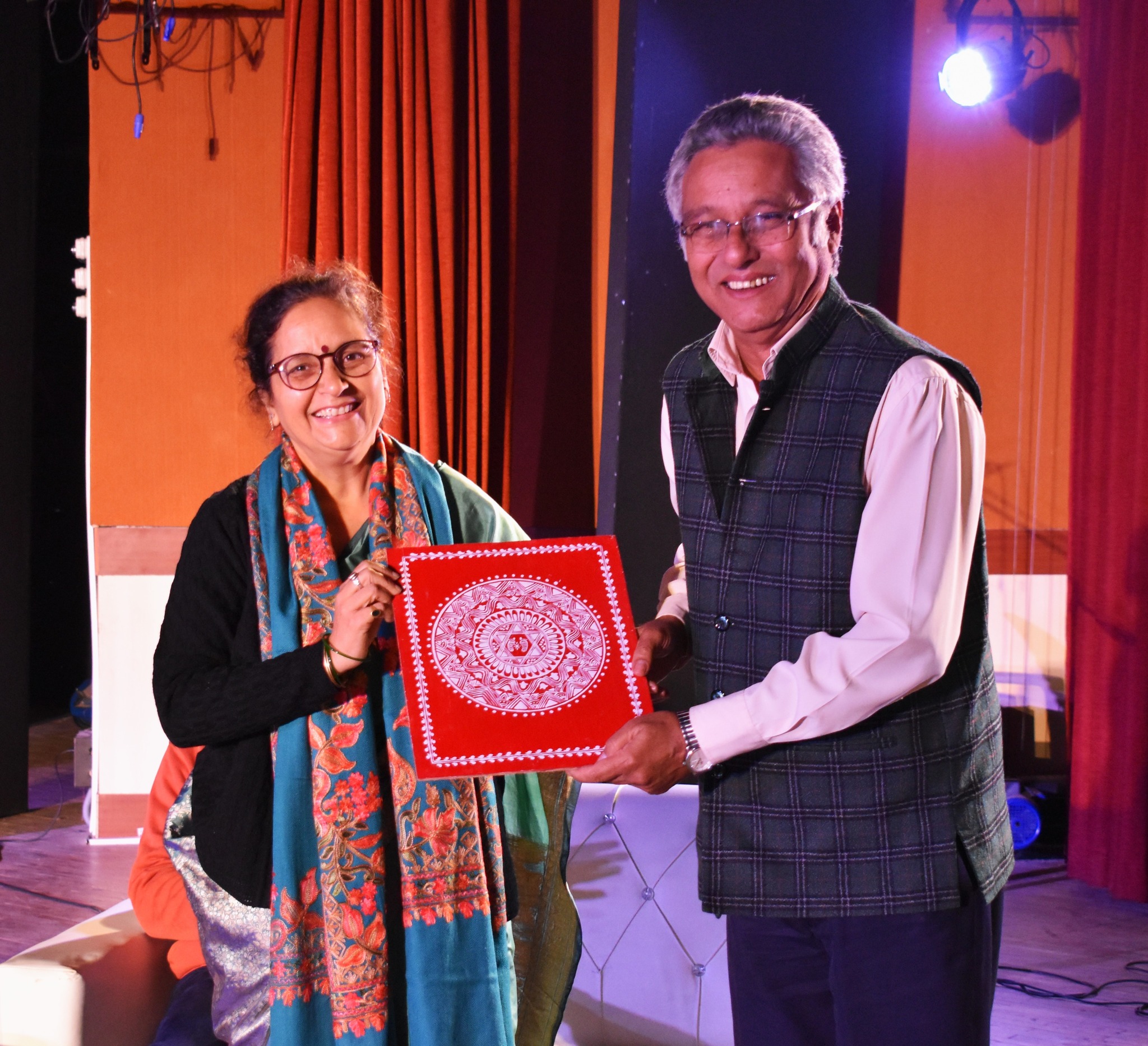
Mahatim Yadav, the dynamic DFO, Almora, appreciated the work of the Trust while speaking at the national symposium organised by Green Hills Trust in Almora  on ‘Role of Media in promoting and protecting the Socio-Environmental Causes of Uttarakhand’.

In his presentation at the symposium, Yadav stressed coordination and synergy between forest resources and the locals. The delicate balance between use and misuse by the locals must be maintained in order to ensure that nature is not disturbed while the residents also can take care of their livelihood through these forests.

Inviting more public participation, he said that forest fires are a major threat to the hill environment and controlling these fires is not just the task of the forest department and the district administration but it needs people’s participation as well. Yadav said that the Trust has done wonders in instilling in the residents the great need for community participation in preventing and fighting these fires. The more awareness is spread the more the people will realize that it is ‘everyone’s business,’ because ultimately it is going to affect everyone.

The rain-lashed October afternoon symposium saw the presence of both the three-time Congress MLA, Kailash Sharma, and ex-BJP MLA,  Manoj Tewari.  They both articulated their concern about the ecology of Uttarakhand and also expressed their appreciation of the Green Hills’ ground-related work.

Tewari dwelled at length on the reasons for migration. According to statistics, Almora comes second in a migration after Pauri. The politician said that there are three chief reasons for migration. He quoted a lack of medical and education facilities, and very less employment avenues which have led to this state of affairs.

Prof  Syed Hamid Ali, who hails from Lucknow but has settled in Almora now and calls it his home even as he stressed the role of alternative media, which includes social media. He was of the view that alternative media can be very effective in projecting and tackling environmental issues.

“It is important that we explain to our youth the mountain geology and how water flows beneath the rocks, rivulets form and travel underground before reaching the surface. How important are recharge structures like contour trenches, deep pits and percolation pitches, which in turn help revive the springs,” said the Director of Vivekanand Hills Agricultural Research Institute, Dr. Laxmikant. In his concluding remarks at the symposium, he said that in this age, the importance of media has not been diminished and despite the popularity of social media, mainstream media remains an authentic way of disseminating information.

It is true that the beautiful horse saddle-shaped Almora, the cantonment town situated on a ridge of the Kumaon Hills, surrounded by thick forests of pine and fir trees, caressed by the two rivers Koshi and Suyal is famous for its wildlife, culture, and cuisinesIt is undoubtedly a paradise for nature lovers. It is a hill resort to which tourists flock, but for how long ? The ground realities cannot be ignored. Global warming is already showing its impact – and this includes the rise in landslides, dwindling water bodies, rains in the no rains months, and the destructive forest fires that destroy nature’s hard work of hundreds of years.

The culture and nature freaks should be cautioned against the bleak future if no action is taken now. And who can do this better than media and activism?

No wonder Green Hills Trust is going all out to convey the message of  SoS – Save the Devbhoomi (Land of God) now, because otherwise it will be too late.

(Kulsum Mustafa attended the organization’s national Symposium in Almora  on ‘Role of Media in promoting and protecting the Socio-Environmental Causes of Uttarakhand’. Her report is from ground zero.)


Kharge has his task cut out as he sets out to resurrect Congress

His experience in dealing with the regional parties as
Leader of the Opposition in Parliament may come in handy for the new Congress president in putting together a broad opposition front against the ruling BJP ahead of the 2024 national polls, writes Amit Agnihotri

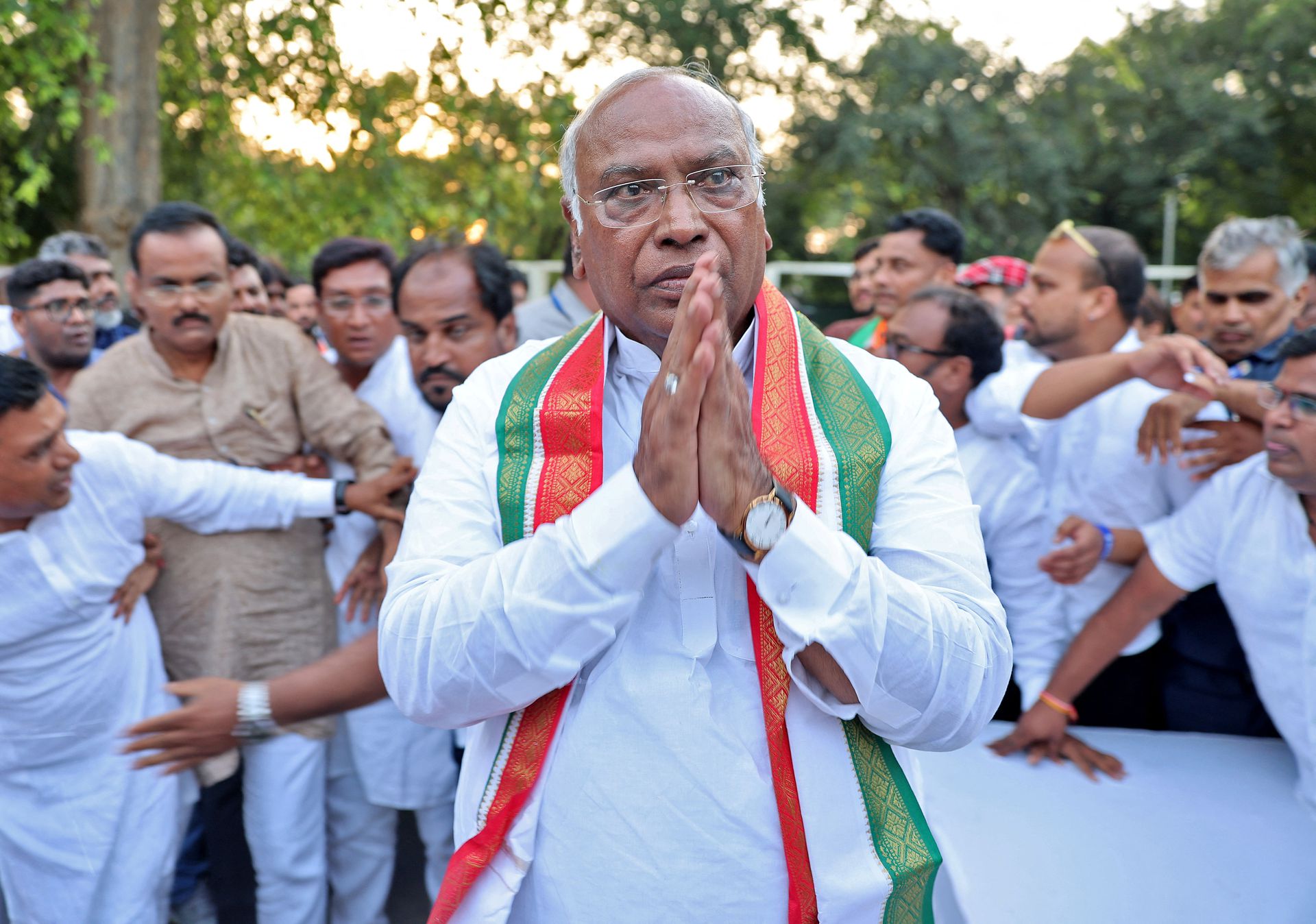
Mallikarjun Kharge, 80, who took over the baton from Sonia Gandhi, 75, faces an uphill task in reviving the Congress as its president ahead of the 2024 national elections.

The Congress had lost the 2014 and the 2019 Lok Sabha polls and is trying hard to take on the ruling BJP in the 2024 national elections.

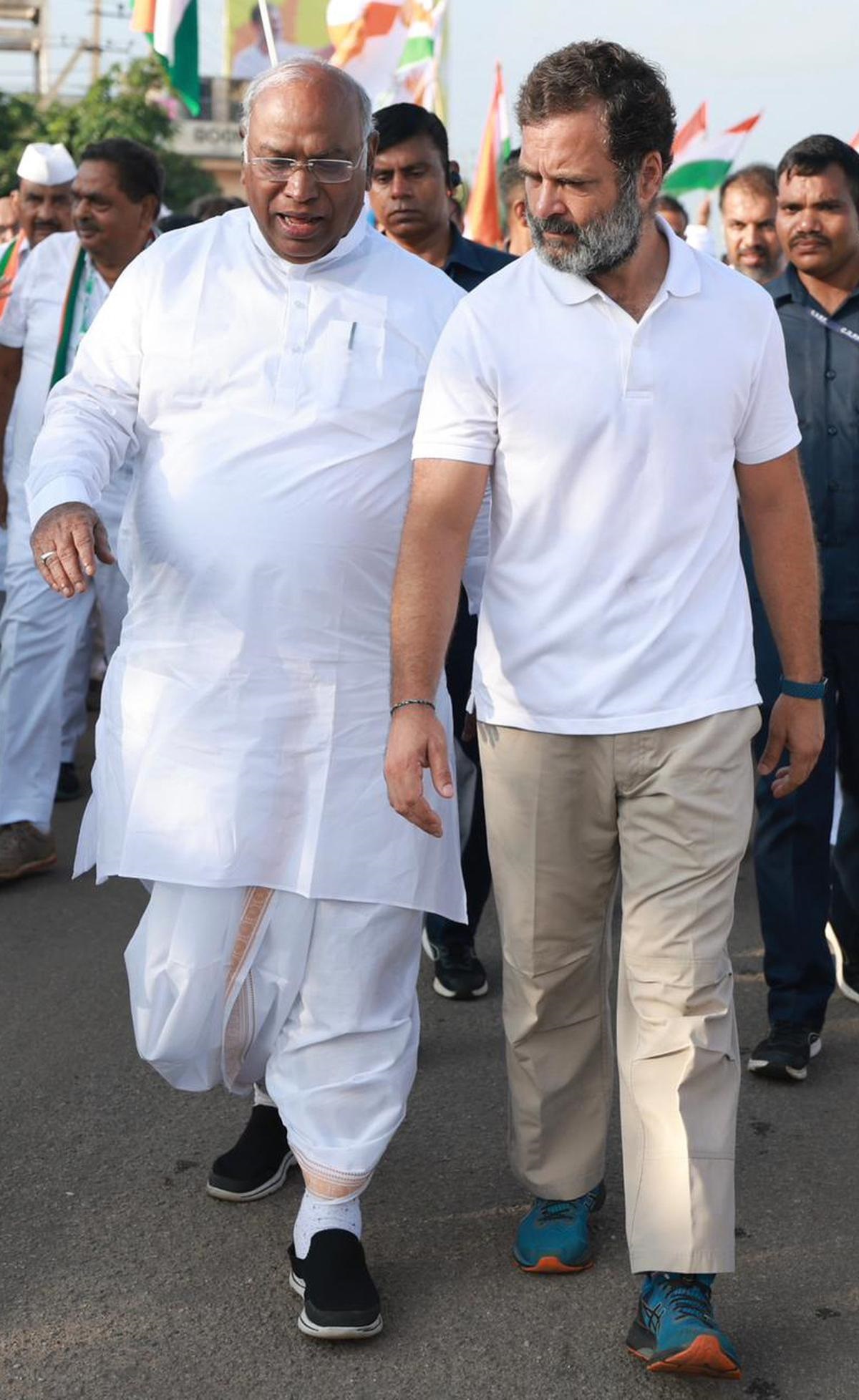
To achieve that objective, the party had launched the nationwide Bharat Jodo Yatra from Kanyakumari in Tamil Nadu on September 7. The 3,500 km yatra from south to north India is being led by former party chief Rahul Gandhi and is getting a huge public response.

Alongside, the grand old party also conducted the polls for the post of president after a gap of 22 years. The last presidential contest took place in 2000 when Sonia Gandhi became party chief defeating Jitendra Prasada by a heavy margin.

Kharge, who resigned as the leader of the opposition in the Rajya Sabha defeated his rival, Thiruvananthapuram Lok Sabha MP Shashi Tharoor by a heavy margin.

As Congress president, Kharge would primarily be tasked with strengthening the organization and coordinating with the like-minded opposition parties to build a national forum against the BJP for the 2024 Lok Sabha polls.

The new arrangement would mean that Rahul will be the leader of the Congress while Kharge would run the organization.

Kharge’s election to the top party post is also important as a non-Gandhi has taken over the reins of the Congress after a gap of 24 years.

The last non-Gandhi party chief was Sitaram Kesri, who was elected to the office by defeating Sharad Pawar and Rajesh Pilot in 1996. However, during Kesri’s tenure, the party suffered from factional fights prompting Sonia Gandhi to take charge of the Congress in 1998.

Sonia ran the party till 2017 when she passed the baton to her son Rahul Gandhi who was elected party chief unopposed.

Rahul resigned from the post in 2019 taking responsibility for the party’s Lok Sabha poll loss. Sonia was then brought back as interim chief till the party had a full-time elected president.

Over the past months when the polls were announced, there was speculation that Rahul would agree to assume the party president’s role again but the Wayanad MP refused to file his nomination papers saying it was time a non-Gandhi took charge of the grand old party.

Tharoor, who had been talking about internal elections since 2019, had expressed his desire to contest the polls but was never seen as someone who had the backing of the Gandhis.

In contrast, Kharge was widely perceived to enjoy the blessings of the Gandhis though the Congress had denied that the veteran was the party’s official candidate.

Central Election Authority chairman Madhusudan Mistry clarified that “there was no official candidate” and urged the state units to accord similar courtesies to both the candidates.

Mistry also asked the AICC office bearers and spokespersons to resign from party post if they wished to campaign for either candidate. The CEA chief also asked the AICC in charge of states to vote either in their home states or at the national headquarters so they were not able to influence the polling on Oct 17.

He also ensured that the voting took place through a secret ballot to protect information about the choices made by the over 9000 PCC delegates who formed the electorate for the key polls. The CEC had issued special QR code-based identity cards to all the PCC delegates to ensure a transparent election.

The counting of votes took place on October 19. The total votes polled were 9,385. Kharge got 7,897 votes while Tharoor got 1,072 votes. There were 416 invalid votes. Kharge took charge on October 26 in the presence of the Gandhis and the top brass of the party from across the country.

The choice

Initially, Sonia Gandhi had chosen Rajasthan chief minister Ashok Gehlot as her successor but later opted for Mallikarjun Kharge at the eleventh hour.

Gehlot dropped out of the presidential race after he failed to get a one-line resolution, authorizing Sonia to decide the next Rajasthan chief minister, passed by the party MLAs.

The MLAs loyal to Gehlot rebelled when Kharge had gone to Jaipur on Sep 25 as an AICC observer to ensure the change of guard. The rebels were against Sachin Pilot getting the chief minister’s post and wanted someone from their own camp as Gehlot’s replacement.

Shocked by the Rajasthan rebellion, Sonia asked veteran Digvijay Singh to remain on stand-by as a presidential nominee but finally chose Kharge for the key post.

Digvijay withdrew from the race paving the way for Kharge who filed his papers on September 30, the last day for filing of nominations, hours after Tharoor submitted his documents to the CEA.

A third person KN Tripathi from Jharkhand too had filed his papers for the top party post but his documents were rejected by the CEA, leaving Kharge and Tharoor in the fray.

Right from the beginning, Kharge appeared to have an edge over his rival who kept saying that there was no level playing field in the internal polls. Notably, most of the party veterans had come out in support of Kharge while Tharoor was left to manage his own campaign.

In Tharoor’s words, he did not get the kind of reception that Kharge enjoyed from the various state units. On his part, Kharge avoided responding to the charges.

Yet, both the candidates pointed out that it was a friendly fight between two party leaders and irrespective of who won, the Congress would emerge stronger.


Humble origins

Kharge, who has a five-decade old public life, comes from a humble Dalit background. He started his political career in 1972 when he became an MLA and went on to win nine terms in the Karnataka assembly till 2009. Then he got into the Lok Sabha from 2009 to 2014. He was the leader of the opposition in the Lok Sabha from 2014-2019. He was shifted to the Rajya Sabha in 2020 and made the leader of the opposition in the upper house in 2021.

Kharge has rich administrative experience as he served as a minister both at the state and Centre and headed the crucial labour and employment ministry during the previous UPA government.

Since 2021, he has been coordinating the opposition strategy in Parliament and playing a role in keeping the like-minded parties together.

His experience in dealing with the regional parties would come in handy as Congress president ahead of the 2024 national polls when the grand old party aims to forge a big anti-BJP front.

Linked to that aim is the revival of the Congress where Kharge would have to work closely with Rahul who is leading the party’s largest-ever mass contact program.

Kharge’s story represents the rise of an ordinary Dalit boy to the post of the Congress president and would help the opposition party project its inclusive character.


Internal democracy

In his post-election address to the media, Kharge said that his election had presented an example on how to strengthen democracy in the country.

Kharge appreciated Sonia’s sacrifice for the party and recalled how she revived the party and brought it to power at the Centre in 2004 and again in 2009. The veteran appreciated Rahul’s yatra saying the entire country was associating with the foot march.

He appealed to the workers to support the yatra wholeheartedly and noted that all were equal before him.

Targeting the BJP, without naming the party, he said that the Congress needed to fight the fascist forces who come under the garb of communalism and said the grand old party would have to defend the Constitution and democracy, which were under attack.

As Congress president, Kharge said his focus would be on fighting the challenges like unemployment, price rise and growing economic disparities in the country.

Tharoor had billed the election as change vs status quo and Kharge’s election to the top party post has indicated that there may not be any drastic changes in the party although the veteran had promised to implement the Udaipur Declaration which stipulated that 50 percent of all office bearers would be below 50 years of age, there would be one person, one post norm and only one person from a family would get a ticket in elections.


MOST POPULAR

HOT NEWS