Sunday, December 28, 2025

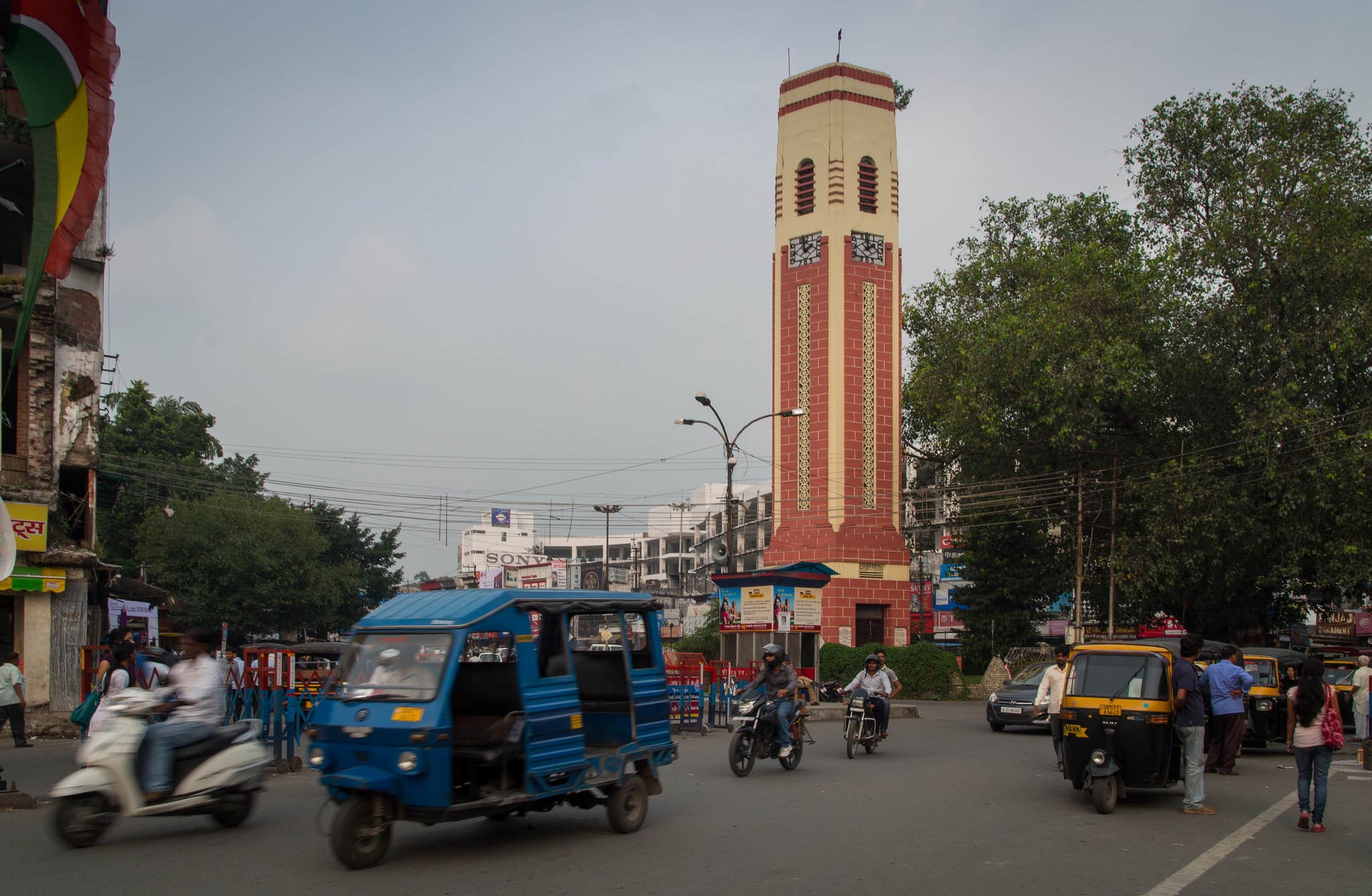
Why Uttarakhand hits the headlines for wrong reasons?

The basic problems the state was born with remain as they were, with some only worsening with passage of time because politicians lack the will to find solution and bureaucrats are a happy lot enjoying the sunshine of Dehradun, writes Amitabh Srivastva

Vaulting ambitions and misplaced priorities of bureaucrats give Uttarakhand the tag of a State where disasters never cease.

On November 9, the state carved out of Uttar Pradesh in 2000 after a prolonged struggle, and movement, led mostly by women, completed 22 years of its ‘scary’ existence.

The situation is scary because a state which was named and conceived by late Indramani Badooni, founder of Uttarakhand Kranti Dal, has seen tenures of only BJP and Congress rule while the wife of Diwakar Bhatt, the firebrand UKD leader, committed suicide because he lost the first election in Uttarakhand. Badooni had died in depression because he could not see the state in his lifetime.

Scary because the state called Devbhoomi continues to see several pilgrims and passengers perishing in road accidents. Recently, a chopper mishap resulted in the death of six Kedarnath pilgrims and the pilot. This is a regular phenomenon since 2020 which goes up many times during the Char Dham Yatra season.

Scary because the state which was considered one of the safest place for girls in the country in its formative years is currently in news for the suicide of a 19-year old Ankita Bhandari who was reportedly forced into taking her own life because she refused to sell her body while working at a resort owned by a BJP leader.

Scary because instead of taking the case to its logical conclusion and ordering a CBI inquiry, the leaders who know the culprits are trying to blame the ‘modern lifestyle’ where children don’t share their phones with their parents.

This writer was personally present at one such meeting on Women Safety in Uttarakhand Sadan in Delhi where one leader was rueing about live-in relationships becoming the fashion and some such rubbish. Ironically, at the same meeting, women activists revealed that Ankita Bhandari was not the only case of this kind in Devbhoomi Uttarakhand. And yet there were no fireworks. Everyone went home having waved each other goodbye cordially.

The only “positive” development during these 22 years is that 11 Chief Ministers got the chance to adorn the CM seat in this period who kept going out and coming in from a revolving door. This means two years on an average for one man.

The longest tenure has been that of veteran Congress stalwart Narain Dutt Tewari who, ironically, was credited with a famous line – ‘Uttarakhand would be formed over my dead body’ – which has not been contradicted to date.

In retrospect, the stars seem to have conspired against Uttarakhand ever since it was born as instability had hit the Nityanand Swamy government from the first day itself with some ministers refusing to take oath but relenting later. However within one year, the “gentleman” Swamy’s tenure was cut short by a revolt by BJP MLAs, paving the way for Bhagat Singh Koshyari to take oath in October 2001.

This midway change of horses that had failed in Delhi and elsewhere failed here too as BJP lost the first election in Uttarakhand in 2002 and ND Tewari was anointed as CM.

Since then, the state has seen the BJP and Congress coming to power alternatively and in-fighting, especially in the BJP, has resulted in several faces like Ramesh Pokhriyal Nishank, Bhagat Singh Koshyari, BC Khanduri (twice), Trivendra Singh Rawat, Tirath Singh Rawat and now Pushkar Singh Dhami adorning the position. It must be admitted that these leaders have been honest to a fault and have never hesitated in levelling corruption charges against their own leaders!

But where does all this merry-go-round take Uttarakhand or Dev Bhoomi? Literally in circles, leading nowhere.

Having watched the growth of the state from an infant state (this writer covered the state as a correspondent for a national daily in 2000) to an adult of 22 and talking to various stakeholders, one can ‘safely’ conclude that the basic problems the state was born with remain as they were, some have only become worse because politicians have no solution and bureaucrats are a happy lot enjoying the sunshine of Dehradun while the rest of India is fighting pollution and early morning fog.
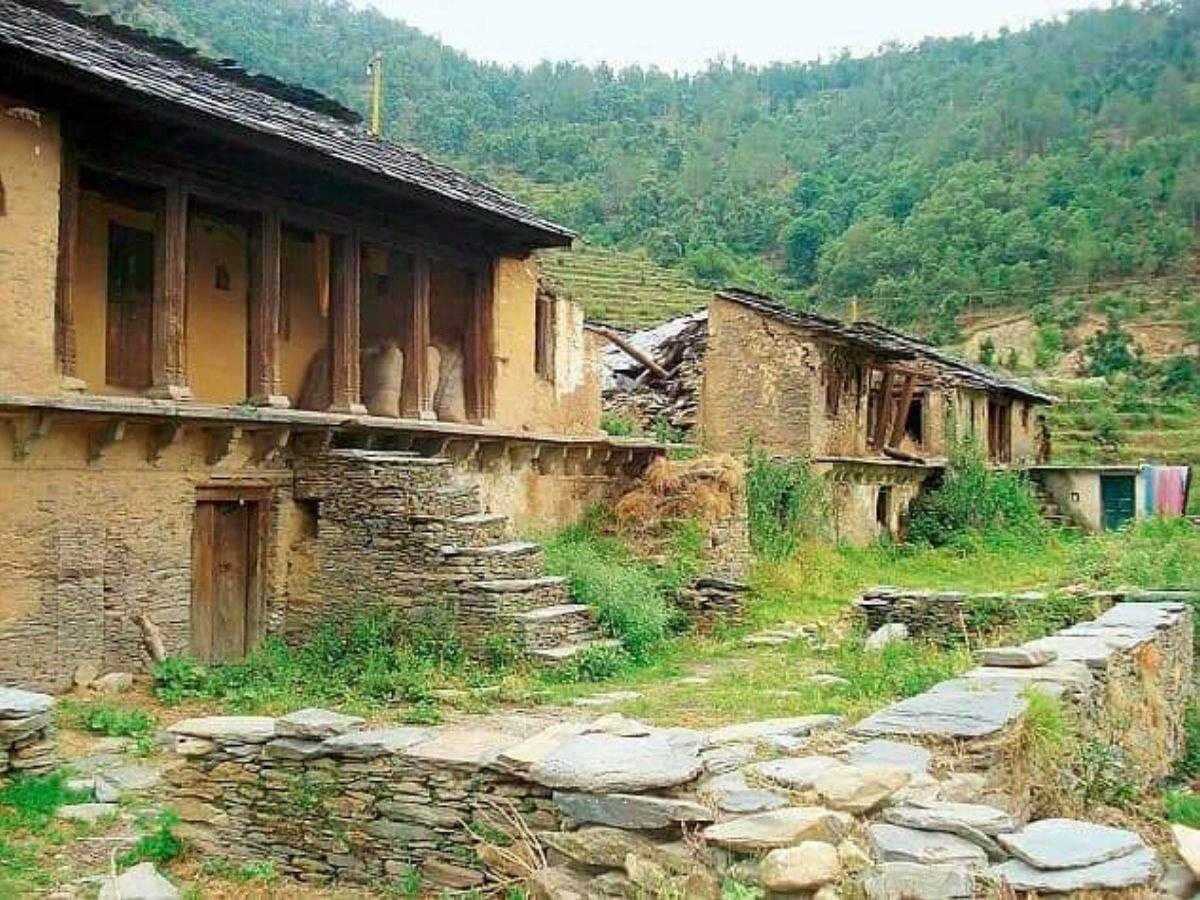
The biggest challenge before the state to restore the balance between the remote villages, some with only a few families and those nearer the big cities remains unresolved as is reflected in the figures given out by the Election Commission in 2017.

Of the 70 assembly constituencies in the state, 12 have a population of less than 90,000. The maximum population of 1.93 lakh happens to be in Dharampur (Dehradun) and the least in Purola 78,000 (Uttarkashi). Others in the under 90000 category are Tehri, Dhanolti,

Lansdowne, Pratap Nagar, Deoprayag, Gangotri, Gopeshwar, Kedarnath, Narendranagar and  Chaubattakhal.

When the state was carved out as an independent state from Uttar Pradesh, the main grouse of the people was that decisions taken in Lucknow were not percolating down to the remote hill areas.

Only the names seem to have changed since then. Today all development activities are centred around Dehradun, Hardwar and Udhamsingh Nagar which are considered plains while the hill areas are witnessing migration on a big scale.

As many as 764 villages have been declared ‘ghost villages’ where no one wants to live and the Electoral list reveals that out of 78.15 lakh voters 3.83 lakh had left their homes in 2017.

Interestingly, every party, with the possible exception of the Uttarakhand Kranti Dal, admits that migration is a real problem but dismisses the issue as inconsequential at the same time.

Talking about this issue, Harish Rawat, former Chief Minister and senior most leader of the Congress, said, “Migration is not bad per se. If a qualified doctor or professional is in demand in any part of the country or the globe, no one should stop him. Yes, migration should not be due to lack of  job opportunities. That has to be stopped by providing employment in the constituency itself. During  my tenure, the unemployment index had come down to 1.5 which has gone up to 9.5 today.”

Dr. Devendra Bhasin, vice-president of the state BJP, while tracing the migration story to history echoes the sentiment.

“Migration and unemployment have been with us historically, even when the state was not born. But migration is of two kinds, one for the opportunity of availing good jobs which should be welcomed. But the other is due to lack of employment which we are trying to check.”

This talk of migration so glibly reminds me of my first posting to Dehradun in 1998. I was shocked to hear from Suryakant Dhasmana, vice-president of UPCC at present, that youths were leaving villages in desperation, so much so that in several villages they could not find four youths to carry a dead body to the pyre. Not much has changed after 22 years and leaders are least bothered because most of their own children are happily settled abroad.


But some side-effects of this mass migration in Uttarakhand have been brought out very succinctly in a paper titled “Bringing forward the left-behind: Impact of male out-migration on women in hill districts of Uttarakhand” by Prakriti Sharma, Consultant at Athena Infonomics. She brought out some very interesting facts while working on a research paper in 2019 for TERI School of Advanced Studies.

Talking about her study, she said, “We conducted our study in four villages of Almora (but others were doing it in almost all villages of Uttarakhand) from January to May to find out how the migration of men was affecting the women who were left behind to take care of both the home and the fields.”

One was of course that agriculture in these villages was becoming feminine-oriented by default. Secondly, the workload of women had doubled but it was convenient for the men to let it remain so even when some of them had returned. They are conventionally lazy and they need their booze in the evening.” So the line “Sooraj ast Pahad mast” holds as good today as it did then.

The study revealed one positive side-effect of this exodus of men in that the education level of girls went up. But unfortunately the aim was not to uplift their awareness but only to increase their matrimonial eligibility.

The decreasing area of agricultural land and agricultural produce has been another cause of worry about which this report says:

“With agriculture as the primary activity of most households, 60.25% of households owned about 17,000 sq.ft. of land or less. Out of which, 89% women did not have property rights over that land which restricted their control and ownership over land”.

The 2011 census report has it on record that there were 968 ghost villages in Uttarakhand (a government survey in 2017 put it at 764) and about 70,000 hectares of land was non-agricultural, though unofficially the figure is said to be 1 lakh hectares.

None of this seems to worry the politicians of the state, most of whom prefer to remain in Dehradun or cities like Hardwar and Udhamsingh Nagar.

This is the height of hypocrisy because when the choice of a capital for the new state was being discussed there were noises to make Gairsain, a desolate area placed almost mid-way between Garhwal and Kumaon as the capital.

The then CM Nityanand Swamy announced Dehradun as the ‘interim’ capital because Dehradun was the only city with the best rail, road and air connectivity. However  it remains as ‘Interim’ till date because no politician worth his salt dares to openly speak out against making Gairsain the state capital. Shivanand Chamoli, one of the founding members of the Uttarakhand Kranti Dal, says,”We have not moved ahead because we got third class bureaucracy and third class leaders imposed from Delhi. Corruption among the bureaucrats is rampant because the political leaders are illiterate and totally dependent on the bureaucracy.”

This is reflected in black and white in the latest Performance Grading Index released by the Government which shows Uttarakhand at Number 35 among 37 states and UTs in the country, better only than Meghalya and Arunachal Pradesh.

Anoop Nautiyal, a Dehradun based social activist and founder of Social Development of Communities (SDC) Foundation, who briefly dabbled in politics five years ago when he joined the Aam Aadmi Party, says, “The big change that has come about in 22 years is that while earlier leaders like Nityanand Swamy were worried about being pulled up by the high command if newspapers reported against them, today no one is bothered about what the media writes. You can sit in a dharna and even die but it does not change things any bit.”

He adds, “As we prepare to celebrate the 23rd Foundation Day of the state, we must be self critical. Lack of governance and apathy at all levels is the reason for such abysmal and poor outcomes. I urge the political leadership and senior officials who are engaged in the profession of school education or healthcare or any other issue to deeply reflect on these and promise to make changes to better the situation.”

But the incumbent Chief Minister Pushkar Dhami guided by ‘intelligent’ inputs by his close officials including some ex-IPS officers looking after the media relations have already found the Brahmastra for all his troubles.

Uttarakhand is one of the first states in the country to have already implemented the Common Civil Code to polarise voters who have so far remained non-communal in the state.

In today’s India, polarisation is the only sure shot formula for success at the hustings. Nothing else matters.
 

Wary Ladakhis seek safeguards on demography, regional identity

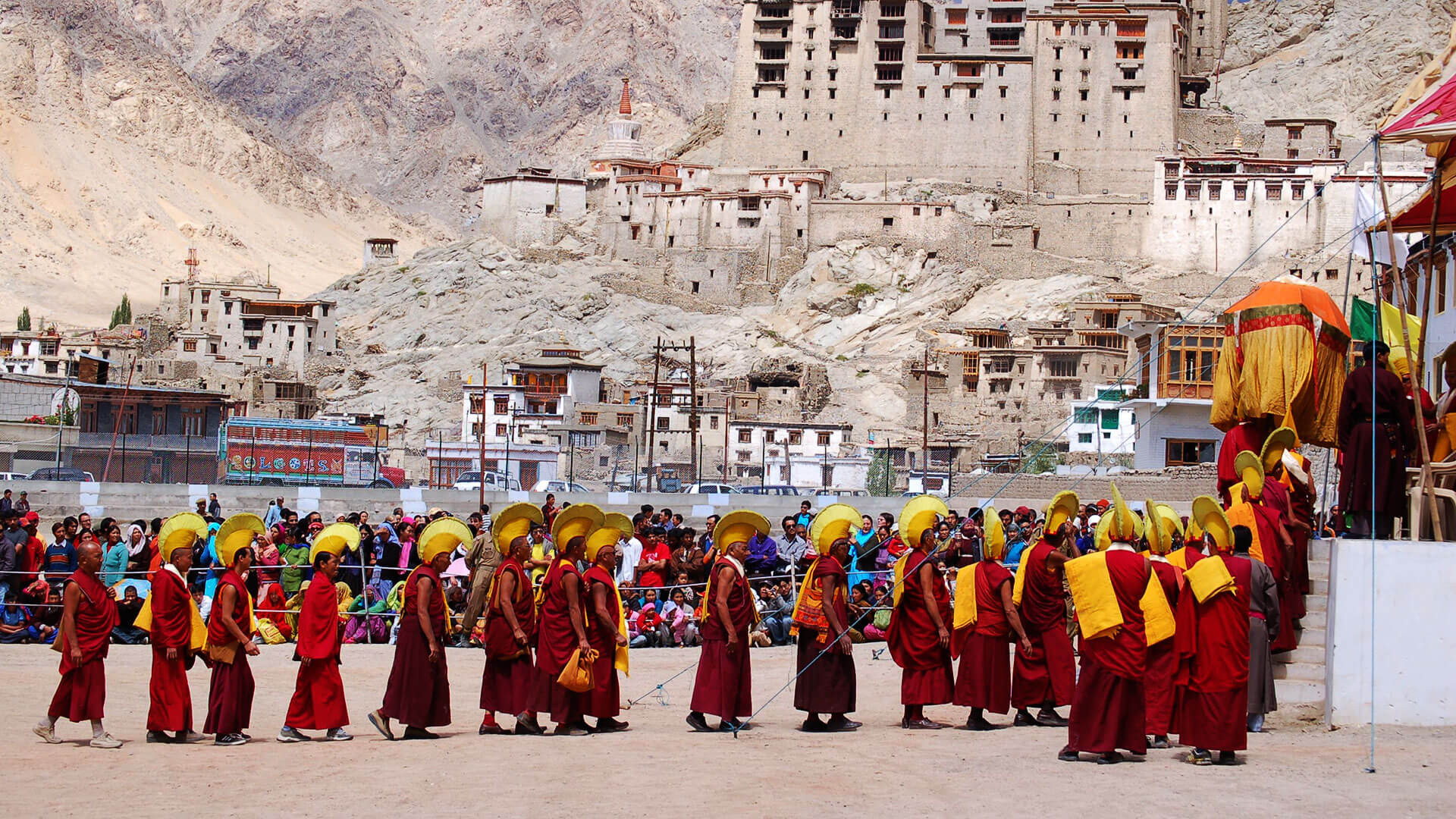
After Article 370 was revoked in August 2019, a UT status was granted to Ladakh fulfilling the long-standing demand of its residents. But Ladakhis now rue that the move has disempowered them and made region vulnerable to demographic change. A report by Riyaz Wani

On November 9, the BJP-led Ladakh Autonomous Hill Development Council, Leh passed two resolutions seeking constitutional safeguards.

One was about constitutional safeguard for Ladakh under a suitable provision of the Indian Constitution and the second sought protection for unique regional identity along the lines of the 6th Schedule of the Indian Constitution

A special session of the general council meeting of Ladakh Hill Development Council – a democratic body that acted autonomously before the revocation of Article 370 –  was held under Chairman LAHDC Leh, Tashi Gyalson, ironically a BJP leader. The speakers sought safeguards for land, employment, socio-economy, culture, environment, and trade.

Gyalson said he hoped that the Union Government under the able leadership of Prime Minister Narendra Modi and Home Minister Amit Shah would definitely take a major decision in the interest of the people of Ladakh.

Over the last two years, the Leh Apex Body and Kargil Democratic Alliance, an amalgam of different political groupings of the region have been seeking statehood for Ladakh, with constitutional safeguards on the lines of the 6th schedule to safeguard the demography, environment, and identity of Ladakh.

They also want two Lok Sabha seats for the region, a Rajya Sabha seat, and a filling up of 10,000 to 12,000 vacancies to overcome unemployment in the region.

Time was in the nineties when Ladakh, an erstwhile part of J&K state, only demanded a union territory status for itself. Once the unimaginable demand was suddenly fulfilled on August 5, 2019, when Article 370 which granted J&K an autonomous status under India’s constitution was withdrawn.

With UT demand granted, Ladakhis have suddenly become conscious of the drawbacks of the move, which they think has disempowered them and also made them vulnerable to demographic change. Hence the demand for constitutional safeguards under 6th Schedule.

In the new scheme of things, the democratically elected LAHDCs, both of Leh and Kargil, which acted autonomously in undivided J&K  have become redundant. The region is now directly ruled by the centre through a Lieutenant Governor. So, LAHDCs effectively mean little for regional empowerment.

Last year, the centre took steps to address the region’s anxiety about any potential change to its demography by giving it Article-370 like safeguards. The administration of Ladakh announced that it would issue “Resident Certificates” only to holders of Permanent Resident Certificates as was the case before the withdrawal of J&K autonomy when Ladakh was a part of Jammu and Kashmir.

This is unlike Jammu and Kashmir where the administration has allowed outsiders who have stayed in the region for a particular duration to apply for permanent residency rights and also buy land.

According to the Ladakh Resident Certificate Order 2021, “any person who possesses a Permanent Resident Certificate (PRC) issued by the competent authority in the districts of Leh and Kargil or belongs to a category of persons who would have been eligible to be issued PRC shall be eligible to receive the ‘Resident Certificate’.”

Ladakh has now been making a strong pitch for statehood for the region. But the region hardly qualifies for statehood with a population of just three lakh. This has created a quandary for the union government. More so, at a time when it has no immediate plans to even restore statehood to Jammu and Kashmir.

The total population of Ladakh, according to the 2011 census is 2.74 lakh. While Leh with a population of 1,33,487 is Buddhist majority,  and Kargil with a population of 1,40,802 is Muslim majority. Overall, Ladakh has a slim Muslim majority.

The fear of the change in demography has brought the people of Leh and Kargil together. It is the first time in decades, the two Ladakh districts have been on the same page in pressing the union government to fulfill their demands for statehood and protection of rights. The ball is now in the centre’s court.


Solar lift irrigation comes to the farmers’ rescue

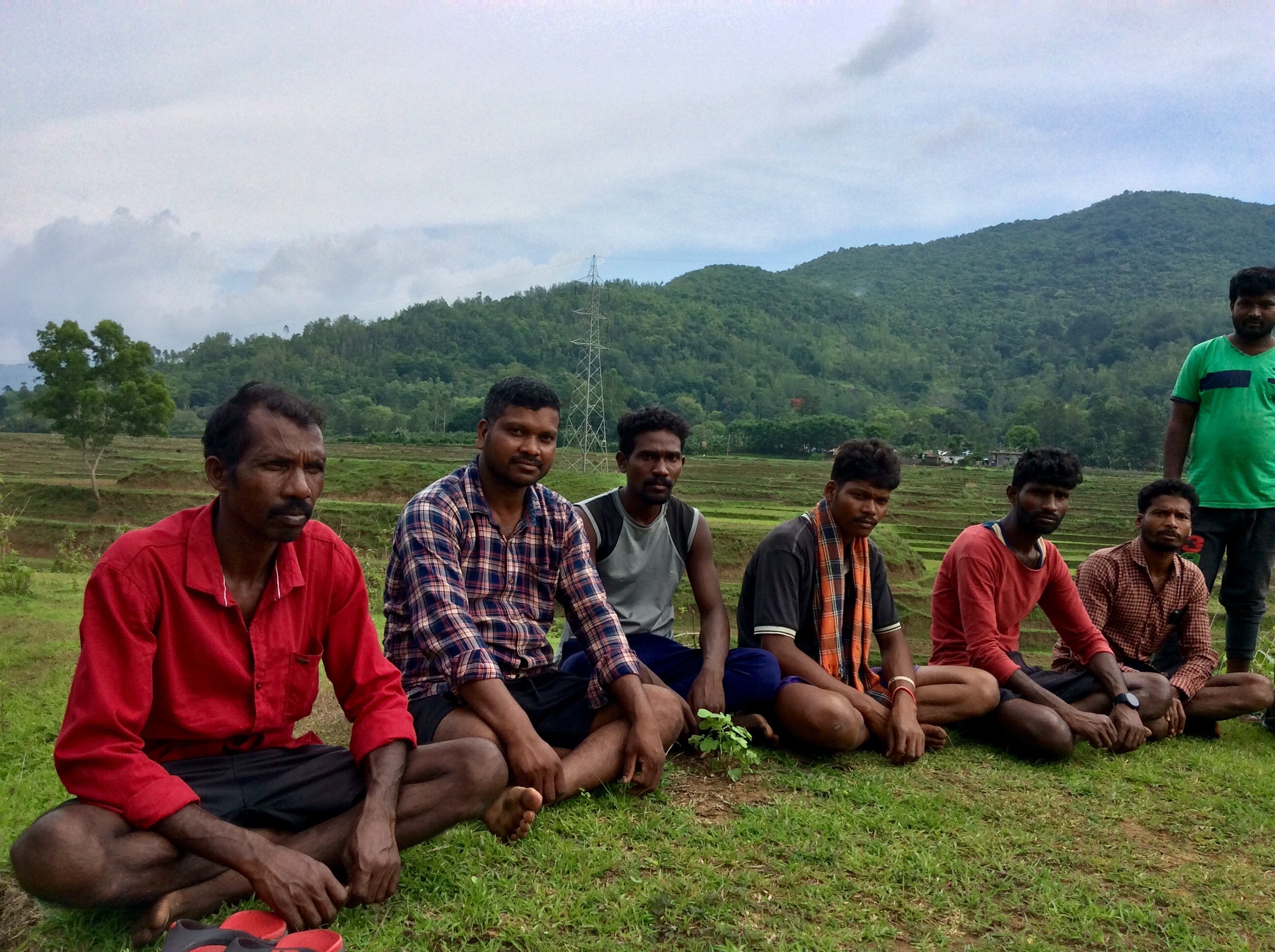
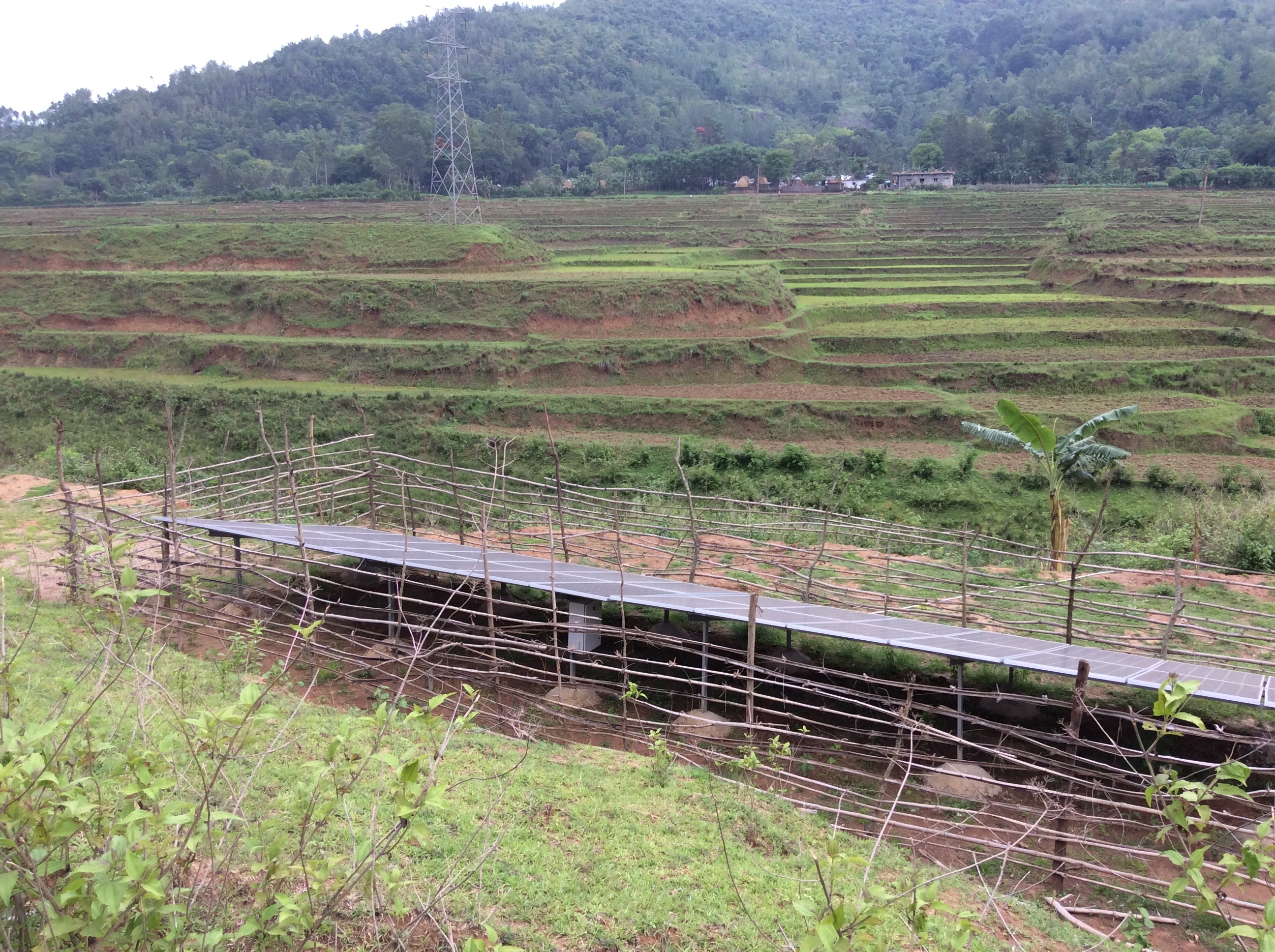
In Pedagaruvu, a tribal village in the Araku region of Andhra Pradesh, a community-based solar lift irrigation project launched last year is helping in the cultivation of extra crops. A report by Deepanwita Gita Niyogi

Farmer Navaghana Murthy owns five acres of land in which he cultivates paddy during the monsoon. Murthy is a resident of Pedagaruvu, a tribal village, comprising only 74 families. It comes under the Hukumpeta mandal in Andhra Pradesh’s newly formed Alluri Sitharama Raju district.

Despite receiving good monsoon from June to September, agricultural lands in the village are left fallow during almost seven months starting from November to May. At that time, many people migrate to cities in search of work.

To prevent migration and create assets in the village, Hyderabad-based non-profit WASSAN helped develop and design a community-based solar lift irrigation project last year.

The aim was to help farmers cultivate lands during November to May in the absence of rainfall and ensure additional income generation. For this, the water of a nearby perennial stream, known as Pedda Gedda, was diverted to farmers’ fields through a network of outlet pipes. The farmers, who are part of the initiative, agreed to its usage on a sharing basis.

According to Murthy, on an average extra income worth Rs 40,000 has been ensured for all the beneficiaries under this project. “I am hopeful that I would be able to grow vegetables in the winter with the help of solar-powered irrigation. I also own one acre of Podu land, which is usually sloping uplands, in Araku.”

Pedagaruvu’s dominant Adivasi communities are the Konda, Kammara, Kotia, Konda Dora and Valmiki. Though agriculture is the main economic activity in the village, people also depend on labour work offered through MGNREGA. Some are also into masonry and goat rearing.

A total of 200 acres of land is available in the village for cultivation. Farmers mainly grow crops like groundnut, Korrasama, a short-duration variety of little millet, turmeric, ginger, ragi and paddy during the Kharif season, thanks to good monsoonal showers.

Apart from these crops, indigenous varieties of turmeric and long pepper are also grown. The duration of these crops is 18 months. Farmers choose specific plots which offer shade to the crops and can retain moisture for a longer period of time. About 20 percent of the total land area in the village is occupied by these crops.

Coming to farmers’ rescue

Several initiatives have been carried out in the tribal areas of Andhra Pradesh for utilising surface water either through the means of gravity or by lifting it to channelize it into fields. However, due to the lack of three phase electricity connectivity in the village, farmers in Pedagaruvu were unable to use pump sets to lift water from the perennial stream for irrigating fallow lands. A few tried using diesel sets but could not continue due to an increase in the cost.

In Pedagaruvu, the perennial stream which flows close to farm lands, finally joins the main river. As the lands are situated at an elevation, rainwater which falls on the ground directly goes into the water body. For a long time, farmers were unable to use this water. But the solar irrigation project has given them access to irrigation. Last November, when the project started, many beneficiaries earned an additional income of Rs 30,000 to Rs 40,000 per acre.

For this initiative, a field team undertook a participatory planning with Pedagaruvu’s farmers and explored several possibilities on how to secure crops in the summer and winter months when lands remained fallow. A transect walk was carried out during which lands and water source points were mapped.

The perennial stream flows 15 metres below the elevation of the land. In the absence of electricity, farmers like Murthy banked on solar power to lift water from this stream and supply it to their fields. As per technical knowledge, 10 HP solar power can be used to irrigate 50 to 60 acres of land. The beneficiary farmers have divided their lands into two patches to an extent of almost 60 acres each.

The total project estimate is worth Rs 13 lakh. Farmers started exploring possibilities to invest as part of their contribution towards the project. With support from the Azim Premji Philanthrophic Initiatives, approximately Rs 6.5 lakh was mobilised. The remaining project cost was borne by the community.

Growing extra crops

Farmers identified their fields through the help of Google Earth and marked their individual plots for clubbing them into two patches as per the compactness of the land. In one patch, there are 22 farmers who own 55 acres together. The second patch is yet to be done.

“The solar panel situated near the stream helps lift water and channelize it to the fields. Whereas earlier, 80 percent of the land remained fallow, now solar energy is being used to grow crops from October-November onwards. Most farmers have turned to cabbage, carrot and tomato in the winter,” said Sanyasi Rao, who works for WASSAN.

Till now, 15 acres of land have been covered under the project since last November. It is hoped that by this year’s winter, more acreage would be irrigated with the help of solar power. It is hoped that by this year winter, more acreage would be irrigated with the help of solar. There is a plan to establish the land plots as a compact block to ensure coverage by crops throughout the year.


United Sikhs Team meets Ukrainian Members of Parliament

United Sikhs team met Ukrainian Members of Parliament in Washington DC this week. They discussed the humanitarian situation in the wake of the escalation of the Russian attacks in Ukraine, and the resulting humanitarian challenges that lie ahead.

United Sikhs has been providing humanitarian assistance along the borders and interiors of Ukraine since the beginning of the Russian invasion nine months ago.

The teams also pointed out the need for bracing up for harsh winter conditions in the coming months from a humanitarian standpoint. They feared that the winters would be more difficult this year. Power infrastructure has been damaged heavily during the Russian attacks which might cause electricity shortages and difficulties in keeping homes warm.

Speaking about it, Sarandeep Singh UNITED SIKHS Trustee said, “Our volunteers are aware of the immediate humanitarian relief requirements on the ground and they continue to serve. The purpose of the meeting was to explore the possibilities to work further with the Ukrainian government to maximize the reach of humanitarian assistance in the most vulnerable areas of Ukraine.”

Appreciating the work of UNITED SIKHS, Ukraine MP, Yevheniia Kravchux said, “Ukraine is growing to triumph through these unprecedented times. We value the humanitarian work UNITED SIKHS has been doing in Ukraine. Contribution of organizations like United Sikhs should be recognized and celebrated globally for standing up for humanity.”

Will I have to touch feet of PM to get MGNREGA funds: Mamata

West Bengal Chief Minister Mamata Banerjee on Tuesday questioned whether she will have to touch the feet of the Prime Minister Narendra Modi to get the dues of the state government on account of Mahatma Gandhi National Rural Employment Guarantee Act (MGNREGA) scheme.

“To get the Central funds for the 100-day job scheme under MGNREGA scheme is our right. I personally met the Prime Minister and spoke to him in the matter. Will I have to touch his feet now? The Union government will have to pay our dues at any cost. Else the positions of power have to be vacated, ” the Chief Minister said while addressing the birth anniversary celebration of iconic tribal freedom fighter, Birsa Munda at Jhargram on Tuesday afternoon.

Incidentally, Leader of the Opposition in West Bengal assembly, Suvendu Adhikari has filed a public interest litigation seeking a CBI probe and an audit by the CAG in the implementation of MGNREGA scheme in the state.

Without directly referring to that development, the Chief Minister said that some leaders from West Bengal are constantly appealing to the Union government so that the Central funds to the state government are blocked.

“What do they want? Do they want to conspire with the Union government to keep the people of West Bengal starved? I would request the people of the tribal community to hit the streets with bows, arrows and traditional musical instruments in protest, ” the Chief Minister said.

Speaking on the occasion, the Chief Minister said that besides MGNREGA, the Union government is also not providing the funds for the housing schemes.

“Construction of over 50 lakh houses is being held back because of the lack of funds. This is not a charity that the Union government is making to us. This is the genuine dues to the state government as the Union government is also not giving us the state’s share in goods & services tax, ” she said.

Reacting to the chief minister’s statements, BJP national vice-president and party’s Lok Sabha member, Dilip Ghosh said that it has been over 11 years that Mamata Banerjee has become the chief minister. “So, what she had been doing for so many years. Actually, these are lame excuses on her part as she had understood that the tribal vote bank is slowly moving away from Trinamool Congress, ” said Ghosh.

Harbhajan Singh in AAP’s star campaigners’ list for Gujarat polls

Cricketer-turned-politician Harbhajan Singh is one of the star campaigners of the Aam Aadmi Party for the Assembly elections in Gujarat, to be held in two phases on December 1 and 5.
AAP’s list of star campaigners for Gujarat comprises 20 names, including Delhi Chief Minister Arvind Kejriwal, Punjab Chief Minister Bhagwant Maan, Sanjay Singh and Raghav Chadha, among others.
The list also has the name of Deputy CM of Delhi, Manish Sisodia, who was recently under the radder of central probe agencies in connection with the alleged irregularities in Delhi’s liquor policy.
Political parties including the BJP, Congress, Samajwadi Party and few others, have submitted their list of star campaigners to the Election Commission for the upcoming Assembly polls in Gujarat.
The BJP’s list of 40 star campaigners include PM Narendra Modi, party chief J.P. Nadda and many senior ministers, including Amit Shah, Rajnath Singh, Nitin Gadkari and others.
Similarly, Congress’ list also has 40 names, including Sonia Gandhi, Rahul Gandhi, Priyanka Gandhi, Mallikarjun Kharge, Ashok Gehlot, Bhupesh Baghel and others.
Samajwadi Party’s list of 20 star campaigners include party chief Akhilesh Yadav, Jaya Bachchan and others.
Bahujan Samaj Party (BSP) has also submitted its list of 40 star campaigners, including Mayawati, Akash Anand and others.
Polling will be held on December 1 and 5 in Gujarat, while counting of votes will be taken up on December 8.

Can have petrol and diesel under GST if all states agree, says Hardeep Puri

New Delhi:  Petroleum Minister Hardeep Puri on Monday said that if states are ready, then the Centre can bring petrol and diesel under the GST regime.

Puri, who was in Srinagar, told media persons that for bringing petrol and diesel under GST, the states need to have a consensus. So if the states are ready, then the Centre would also be prepared as it has been ready for it all along, he added, as per reports.

At the same time though, he noted that how would be implemented, is another issue altogether, and this should be addressed to the Finance Minister.

Puri also expressed doubts whether states would agree to bringing petrol and diesel under GST, as per the reports.

BJP will sweep Gujarat Assembly polls, says Amit Shah

Union Home Minister Amit Shah on Tuesday exuded confidence that BJP will once again romp to power with a thumping majority breaking all records in next month’s Assembly polls.
Till now, Congress holds the record of winning the maximum number of seats ever. In 1985, under Chief Minister Madhavsinh Solanki’s leadership, it bagged as many as 149 seats in the 182-member Assembly.
Home Minister Shah, accompanied party’s Naranpura candidate Jitendra Patel, Ellisbridge candidate Amit Shah and Sanand candidate Kanu Patel while they filed their candidature forms before the election officer.
Ina veiled attack on AAP, he said people of Gujarat have never voted for a third party and this party’s candidates will lose its deposits.
Under the leadership of Prime Minister Narendra Modi and Chief Minister Bhupendra Patel the state has continued to grow on a development path, achieving new heights in development, said Shah.
According to party sources, the Union Minister is busy clearing hurdles on complicated seats. Still the party is yet to finalise four candidates for Manjalpur and Raopura of Vadodara city, Mansa (Gandhinagar) and Kheralu of Mehsana district.
He is also busy placating workers and local leaders who are upset over selection of candidates.

Synthetic drugs smuggled from Pakistan being sold in 10 states

Information reveals, consumption of synthetic drugs being illegally smuggled from Pakistan via Punjab has witnessed nearly 18% increase in past some time in nearly 10 districts in the country including Haryana, Punjab, Delhi, Jharkhand, Rajasthan, Utter Pradesh, Madhya Pradesh, Andhra Pradesh, Odisha and and Bihar. Synthetic drugs are manufactured in laboratories with mixing chemicals like in case of medicines and the demand of such drugs fast increasing with much increased profits in this illegal business.

A survey reveals that opium has much demand and consumption in Haryana state as compared to other drugs being supplied from the states Rajasthan, Utter Pradesh and Madhya Pradesh. Whereas, drugs like heroine and charas are in much demand in Delhi, Haryana, Punjab and Utter Pradesh states. Ganja is widely used in Haryana state especial in much demand in rural areas being smuggled from various states including Utter Pradesh, Bihar, Odisha and Rajasthan.

Narcotic Control Bureau led by a senior IPS officer Shrikant Jaghav was set up in Haryana state some time ago with the efforts of Home Minister Anil Vij when the state become a hub of drugs in North which arrested large number of drug smugglers and suppliers in the state in past one year and seized huge stocks of drugs including opium, heroine, charas, ganja poppy husk, intoxicated tablets, capsules and injection from drug smugglers. State government took a decision to introduce bulldozer scheme in Haryana and demolished large number of industrial and commercial structures built illegally in the state with the earning from sale and smuggling of drugs by hard core criminals and gangsters in order to wipe out drugs completely from the state.    

According to information by Narcotic Control Bureau information nearly 460 cases have been registered in the state in which 4683 drug smugglers, suppliers were arrested. Shrikant Jaghav told that Haryana state police during year 2022 till November 8 has registered 3350 cases under NDPS Act as compared to 3975 cases registered during year 2021 in the state.

There are few drug smuggling cases reported recently in Haryana state in  which police succeeded in recovery of huge stocks of drugs which include a case in which custom department during a raid at Guhla-Chika in Kaithal district seized nearly 6 kg  heroine of value worth Rs 42 crore which was being smuggled from Pakistan via Punjab, besides police also recovered cash amount worth Rs 33. 84,000. In another case, STF team Gurugram recovered a consignment of drugs at Rai in Sonipat district in which two drug smugglers from Panipat carrying ganja in a canter were arrested. Narcotic Control Bureau team from Hisar seized huge stock of drugs being carried on the Railway Road at Jind. Similarly, Chandigarh police recovered heroine of value worth over Rs 15 lakh a few days ago. Recently, Narcotic Control Bureau busted a gang at Palwal involved in supply of intoxicated injections with the arrest of two youths and recovered from them 4000 injections which were purchased by them at the rate Rs 7 each and being sold at the price up to Rs 400 each injection.


Service books of 2.32 L employees verified: Haryana Chief Secretary

Chandigarh:  Haryana Chief Secretary Sanjeev Kaushal on Monday said the government employees will no longer face any problem in matters relating to promotion and holidays as more facilities have been extended for the employees online through e-service books.

Presiding over a review meeting in connection with the Human Resource Management System (HRMS) portal with officials of the Human Resource Department, the Chief Secretary said e-service books of about 2, 32, 000 employees out of 2, 65, 000 have been verified on the HRMS portal, adding the remaining about 33, 000 employees should also get their e-service books verified latest by November 30.

He said after November 30, the employees whose service books will not be verified may have to face salary-related problems. He also directed the heads of all the departments to strictly adhere to these instructions.

All service-related activities and digital service books of the employees of various departments, boards and corporations have been uploaded on the Human Resource Management System portal.

On this portal, the e-salary system of Integrated Financial Management System (IFMS) along with integrated workflow and information of the employees is available round the clock.

The data available on HRMS helps the government in taking right decisions as well as proper monitoring of employees, planning, recruitment, posting, promotion, Assured Career Progression (ACP) scheme, service extension and transfer of employees on the basis of skills, etc.

MOST POPULAR

HOT NEWS