Saturday, December 27, 2025

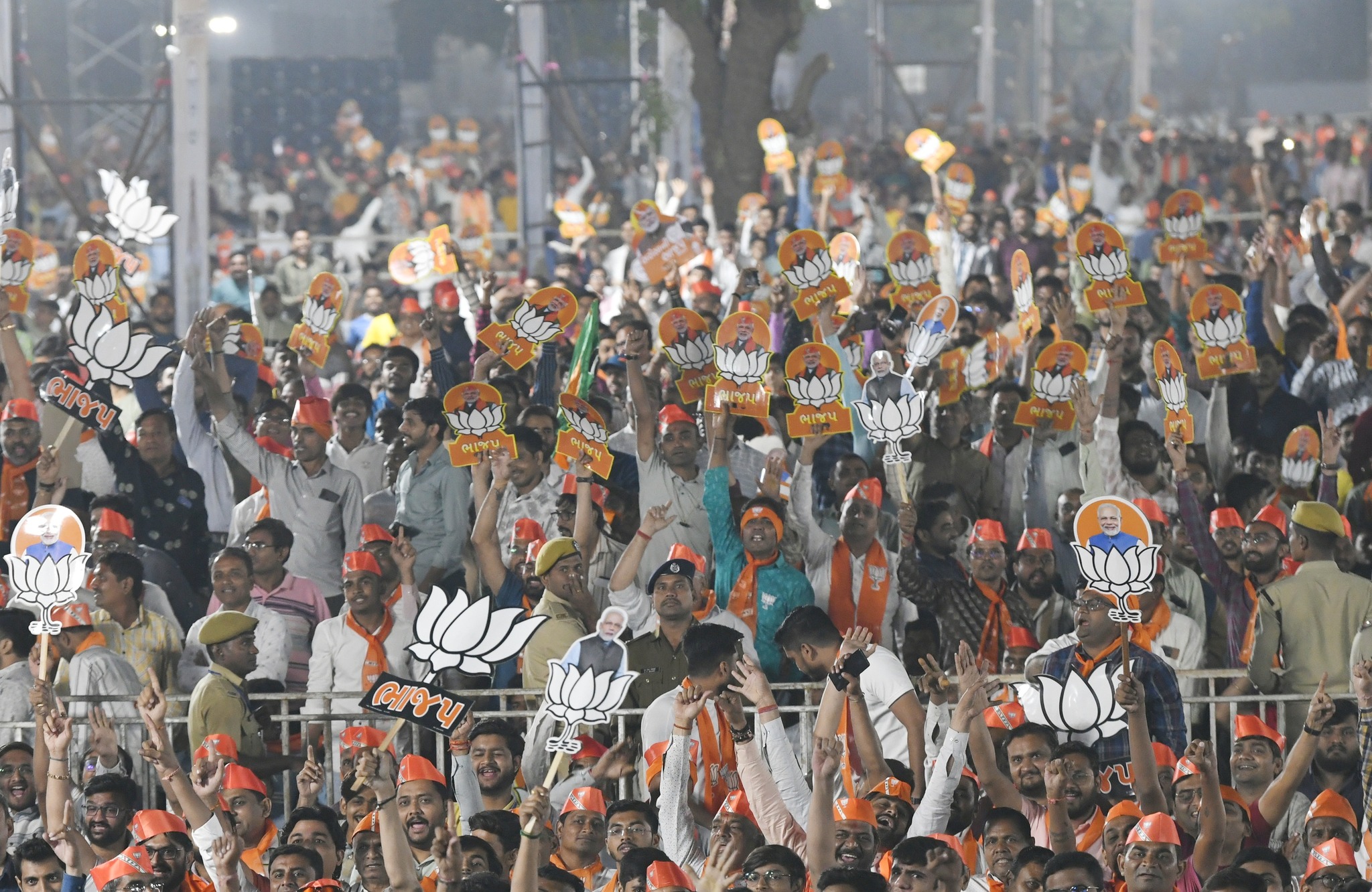
BJP in throes of unprecedented rebellion in Gujarat, Himachal

The BJP burnt its fingers in Himachal where rebels were in fray in 21 of the total 68 seats when the state went to polls earlier this month. The malaise has now spread to Gujarat as the party is fighting rebellion on at least 10 pc of the total 182 seats in the state, reports Aayush Goel

Though confident of its win in states of Himachal and Gujarat, Bharatiya Janata Party (BJP) is fighting an unprecedented battle against party rebels. Though it’s part of the game for leaders sulking or revolting when denied tickets in elections, it’s probably for the first time that the lotus wagon is facing a large-scale revolt. What triggered in Himachal Pradesh has now spread to Gujarat which goes to polls on December 1 and 5 as the party struggles to keep its house together while waiting for results on December 8. The party has burnt its fingers in Himachal as 21 rebels (68 member assembly) from party were in fray while state voted earlier this month and cracks are wide open over CM candidature. Things are no different in Gujarat as the party is fighting rebellion on at least 10 percent of the seats in the 182-member assembly.

19 leaders suspended

Having ruled the state for 27 years with party leaders always accepting the high command’s decisions without a question, BJP had to suspend 19 rebels in Gujarat. While seven were suspended after filing of the nomination papers for the first phase of elections and the remaining 12 after the second phase nominations after attempts to pacify and convince them otherwise failed. While most rebels are in fray as independent candidates three chose Congress and one went on to AAP. Those on Congress’s side are Khatubhai Pagi (Shehra seat), Chhatrasinh Gunjariya (Dhrangadhra) and Kuldeepsinh Raulji (Savli). Raulji is being deemed as a major loss to the party. He is a director at the Baroda Dairy and very popular in Savli. He debuted and won as an independent candidate in 2009 and then went on to join BJP in 2012 recording a win then and repeating it in 2017. Ketan Patel, a tribal leader from the Pardi constituency in Valsad district has switched to AAP. In the Padra constituency of the Vadodara district, Dinesh Patel alias Dinu Mama, a former two-term BJP MLA is contesting as independent. He has been a winner for a party that has managed to bag the seat every term since 1985 until 2017 when it went to congress. Last election’s loss is being cited as a reason for denial of ticket to Patel. Patel’s exit would impact the voting patterns in the Padra constituency, where he is still said to have a support base. Politician, actor and producer Madhu Shrivastav too has gone independent this elections. Shrivastav is the sitting Waghodia MLA since 1995. BJP’s Harshad Vasava, a former two-time MLA and the president of its tribal cell, has filed his nomination papers as an independent candidate from Nandod in Narmada district. In Lunawada of Mahisagar district, the BJP suspended SM Khant and JP Patel, both of whom filed nominations as independents. The party suspended Ramesh Zala and Amarsinh Zala in Anand for filing nominations against party candidates from Umreth and Khambhat constituencies respectively. Rebellion is rampant even in North Gujarat territories like Mehsana, Patan, Banaskantha, Aravalli, Sabarkantha and Gandhinagar districts. The party has suspended several party leaders here including Dhavalsinh Zala, Ramsinh Thakor, Mavji Desai and Lebaji Thakor who are now fighting as independent candidates. In the Saurashtra region, BJP leaders Arvind Ladani, Bharat Chavda, Uday Shah and Karan Baraiya have been suspended from the party.

Party betrayed us: Rebels

“The party has betrayed us. I am a north Indian so I was sacrificed. In some cases people who gave their entire life to the party lost tickets to congress turncoats. They have been trying to pacify me but I have more responsibility towards people who have always voted for me. I will fight and win as an independent for them,” says Waghodia MLA Madhu Srivastava. Srivastava refused to meet state minister Harsh Sanghavi, who had been dispatched to Vadodara by the high command to soothe rebels. Others who boycotted damage control meetings with him were Dinesh ‘Dinu Mama’ Patel and Satish Nishaliya. “The party is betraying us all and are overlooking all committed workers. If they don’t need us even we don’t need them,” said Harshad Vasava who is contesting from Nandod as an Independent after quitting as BJP Scheduled Tribe Morcha president.

BJP is now Congress Yukt: Rebels

One of the key reasons for rebellion is being cited as the BJP giving tickets to almost all the MLAs who crossed over from Congress at the cost of their own candidates. BJP leader from Karjan Satish Patel says he was ignored for the sitting MLA Akshay Patel, who defected from the Congress in 2020. “They started fighting for Congress mukt Gujarat but now we are Congress yukt BJP. They have ignored old party leaders for Congress imports and turncoats in name of winnability. We kept the party in power here for 27 years and now we cannot win?” he quips. Amongst the ‘imports, the most noted are Hardik Patel who shot to fame as the leader of the Patidar Anamat Andolan Samiti (PAAS), the agitating group demanding reservation for patidars or the patel community. Known for his brickbats for the BJP while in Congress, he is now with the saffron party and its candidate from Viramgam seat near Ahmedabad. Alpesh Thakor, who was also with the Congress in the last polls and was part of the opposition and played a major part in reducing BJP’s winning margins, has also moved to the BJP and is the party’s candidate from the Gandhinagar south assembly constituency.

Reconciliation efforts fail

While senior party leaders dismiss the possibility of the rebels denting the prospects of official candidates, they are leaving no stone unturned to pacify them. In addition to regular reconciliation meetings, PM Narendra Modi and Home Minister Amit Shah are intervening to tone down protests and angry statements by leaders. Shah professed a “love and compassion” approach for rebels asking senior party leaders to hold one-on-one discussions with discontented leaders. The rebels however want nothing but tickets and the party is in no mood to bow. “More than 4,000 people applied for a ticket, but the party can’t hand it out to everyone. Party and organisation is above individual leaders and those who believe that they define a party’s victory in any area will soon have an answer. There are many criteria for tickets and “winnability” tops it. What will we achieve if we cannot secure a victory? Second is giving new people a chance. In many cases, candidates have been fighting for two decades and now need to create space for young people. Rebels will soon realise their mistake and be back home. This will not impact the party’s prospects in the state,” said Jayantibhai Kavadiya, state BJP vice-president.

Trouble still brewing in Himachal

While BJP is busy dousing fire in Gujarat, rebellion continues to simmer in Himachal even after polling. While the party was expecting the storm to have died down with voting, the rebels or independent candidates planned to create a pressure group and bring the party to its knees.

Independent candidates are fancying their chances if the assembly election results present a hung house. Three BJP rebels who fought the elections as independent candidates, namely Kirpal Singh Parmar (Fatehpur), Manohar Dhiman (Indora) and Sanjay Prashar (Jaswan Pragpur), held a meeting recently. Sources say that to form a pressure group, these candidates have contacted Jagjivan Pal, a former Congress MLA from Sullah, who had also contested the elections as an independent candidate after the party denied him ticket. Audio clips of conversations among the BJP leaders which have been shared multiple times point towards the fact that the party may not be able to come to power amid resentment over wrong distribution of tickets, swapping of assembly constituencies and other factors.

One amongst the most viral is allegedly that of former BJP MLA from Dalhousie, Renu Chaddha, who was denied a ticket this time. She can be heard saying that Congress will form a government in the state as the party ignored local leaders. She is reportedly heard saying that local leaders fighting as independent would defeat ‘outsiders’ who were given tickets from various constituencies like Arki, Dalhousie, Fatehpur, Nalagarh, Sujanpur, Jwalamukhi and Dehra. A Congress turncoat, working party president and sitting MLA, Pawan Kajal, who was given a BJP ticket from Kangra has alleged sabotage and written to party President JP Nadda. The BJP leader, in a letter to the party chief JP Nadda, named three Kangra party office bearers who allegedly indulged in anti-party activities and supported the Congress nominees in three constituencies. Former cabinet minister Gulab Singh Thakur, who was denied a ticket from Joginder Nagar, in a now viral audio, alleged that tickets were sold by the BJP. Former chief minister Shanta Kumar has also been hinting that wrong ticket distribution could cost the party. Nobody can forget the viral audio.
BJP in a fix as Oppn parties bat for restoration of OPS

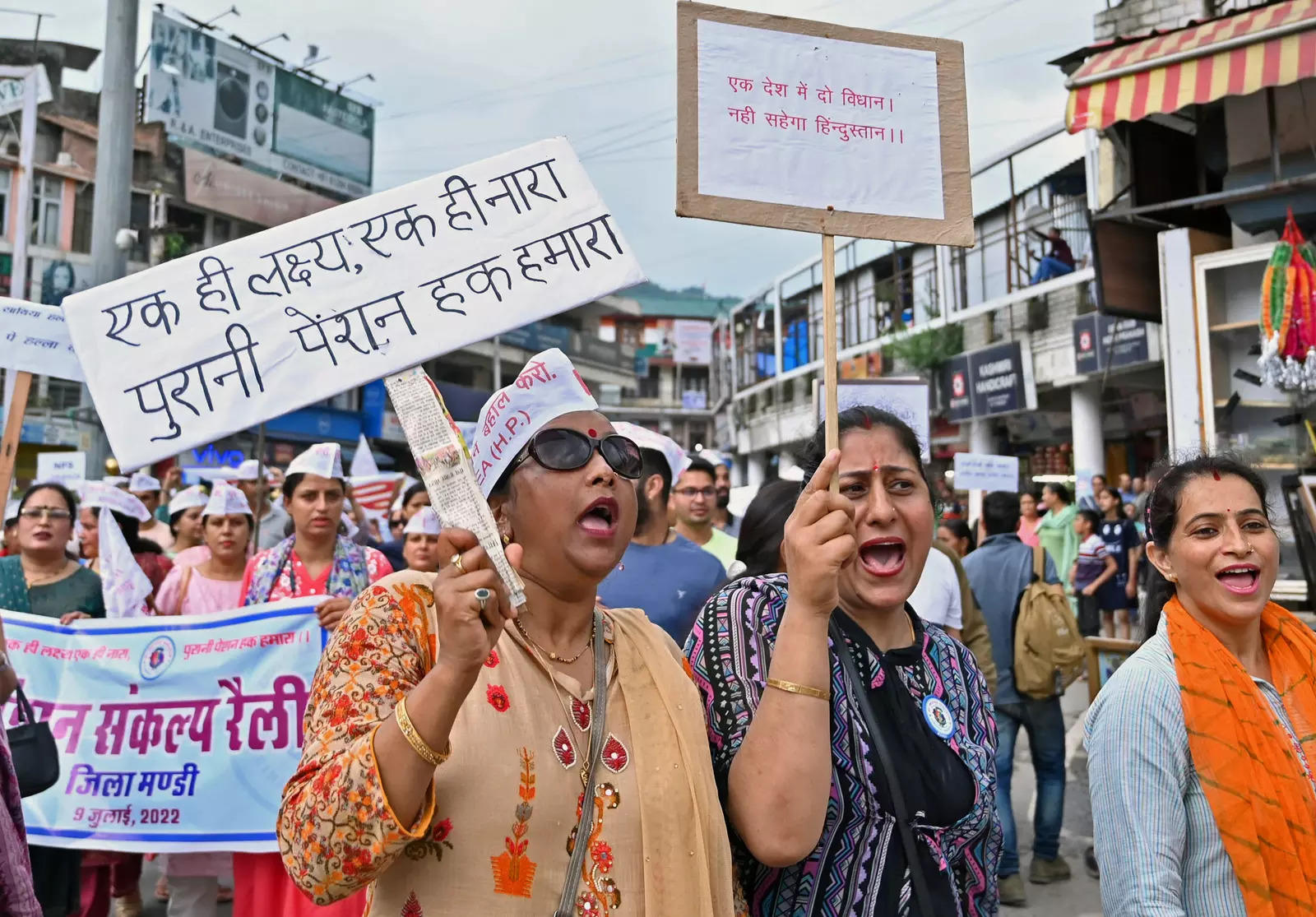
Congress and AAP have made restoration of Old Pension Scheme a major poll plank during poll campaigns in Himachal Pradesh and Gujarat. However, turning the clock back on reforms may fetch electoral gains to parties, but is certainly not good economics, writes Rajendra Khatry

The demand for restoration of the old pension scheme has been there for several years in the country. But of late it has gained momentum, especially in the light of the assembly elections in some states.

In fact, demand for the old pension scheme has become a major election issue in some states which want the new scheme to be rolled back and the old pension scheme restored. Opposition in BJP-ruled states like Himachal Pradesh and Gujarat, especially, are promising to restore the old pension scheme knowing fully well that such a promise will lure voters, while it will be difficult for the BJP to make any such announcement.

Earlier, Congress-ruled Rajasthan said it will bring back the old pension scheme in the state from the next financial year, and Chhattisgarh is expected to follow suit. Both the Congress and the Aam Aadmi Party (AAP) have promised the electorates in Himachal Pradesh and Gujarat that if they come to power there they will restore the old pension scheme.

Meanwhile, the ruling AAP in Punjab has already announced the restoration of the old pension scheme after a cabinet nod. AAP hopes the action in Punjab and the promise of the old pension scheme implementation in Himachal Pradesh and Gujarat if the party comes to power will help it garner a huge chunk of votes in their favour.

Similarly, the Congress hopes that the announcement in Rajasthan and promise in Himachal Pradesh will improve its election prospects in the upcoming polls.

However, the issue has put the BJP in a dilemma. The BJP which is in favour of status quo, has not made any such announcement with regard to the pension scheme. The BJP knows that any announcement in some states in favour of implementing the old pension scheme will be critical for it. With such an announcement by the BJP, there will be similar demands from other BJP ruled states in the country, which the party will find it very difficult to fulfil for the sheer economic burden it will incur on the national exchequer.

Under the old pension scheme, employees got a pension under a predetermined formula which was half of the last drawn salary. They also got the benefit of the revision of Dearness Relief (DR), twice a year. The payout was fixed and there was no deduction from the salary.

The government introduced the National Pension System (NPS) with effect from January 2004 (except for armed forces). In 2018-19, to streamline the NPS and make it more attractive, the Union Cabinet approved changes in the scheme to benefit central government employees covered under NPS. The NPS was launched as a way for the government to get rid of pension liabilities.

According to a report, from the early 2000s, India’s pension debt was reaching uncontrollable levels. On introduction of NPS, the Central Civil Services (Pension) Rules, 1972 was amended. The NPS allows subscribers (government employees) to decide where they want to invest their money by contributing regularly in a pension account throughout their career.

Under the scheme, after retirement, the beneficiaries could withdraw a part of the pension amount in a lump sum and use the rest to buy an annuity for a regular income.

Incidentally, the implementation of NPS is being implemented and regulated by PFRDA (Pension Fund Regulatory and Development Authority) in the country. National Pension System Trust (NPST) established by PFRDA is the registered owner of all assets under NPS.

The All Citizens Model of the NPS allows all citizens of India (including NRIs) aged between 18 – 70 years to join NPS. It is a participatory scheme, where employees contribute to their pension corpus from their salaries, with matching contributions from the government. The funds are then invested in earmarked investment schemes through Pension Fund Managers. In the year 2019, the Union Finance Ministry said that Central government employees have the option of selecting the Pension Funds (PFs) and Investment Pattern. At retirement, they can withdraw 60 per cent of the corpus, which is tax-free and the remaining 40 per cent is invested in annuities, which is taxed.

The old pension scheme was discontinued in 2004 by the NDA government in the country. According to experts, longer life spans mean more pension payout which puts burden on the exchequer. For instance, employees retiring at 60 and having an average lifespan of nearly 85 years or more have to be paid for over two decades after superannuation. Even after the death of the pensioner, their spouses are entitled for a portion of the pension under the OPS.

The old pension scheme (OPS) led to a massive pension burden on the Union and state governments. Under the old scheme, employees got a pension under a predetermined formula which is half of the last drawn salary. They also get the benefit of the revision of Dearness Relief (DR), twice a year. The payout is fixed and there was no deduction from the salary.

Under the OPS, there was the provision of the General Provident Fund (GPF). But the new pension scheme (NPS) requires employees to deposit 10 per cent of the basic pay, along with the dearness allowance. There is no GPF advantage and the amount of pension is not fixed. The major issue with the scheme is that it is market-linked and return-based.

This means that the payout is uncertain. The Pension Fund Regulatory and Development Authority was established by an enactment of the Parliament, to regulate, promote and ensure orderly growth of the National Pension System (NPS). It works under the Department of Financial Services under the Ministry of Finance. It performs the function of appointing various intermediate agencies like Pension Fund Managers, Central Record Keeping Agency (CRA) etc. It develops, promotes and regulates the pension industry under the NPS and also administers the APY (Atal Pension Yojana).

It is true that there will be short-term gains for the states if the old pension scheme is restored but as pension liabilities will increase over time, the space for more productive forms of expenditure will be curtailed. This will be harmful to those states in the long run.

What is not being talked about by any party today is that the burden of funding these pensions will fall on future generations. Instead of focusing on the immediate return and relief, political parties need to take a long term view. They should resist the temptation for such fiscally imprudent moves.


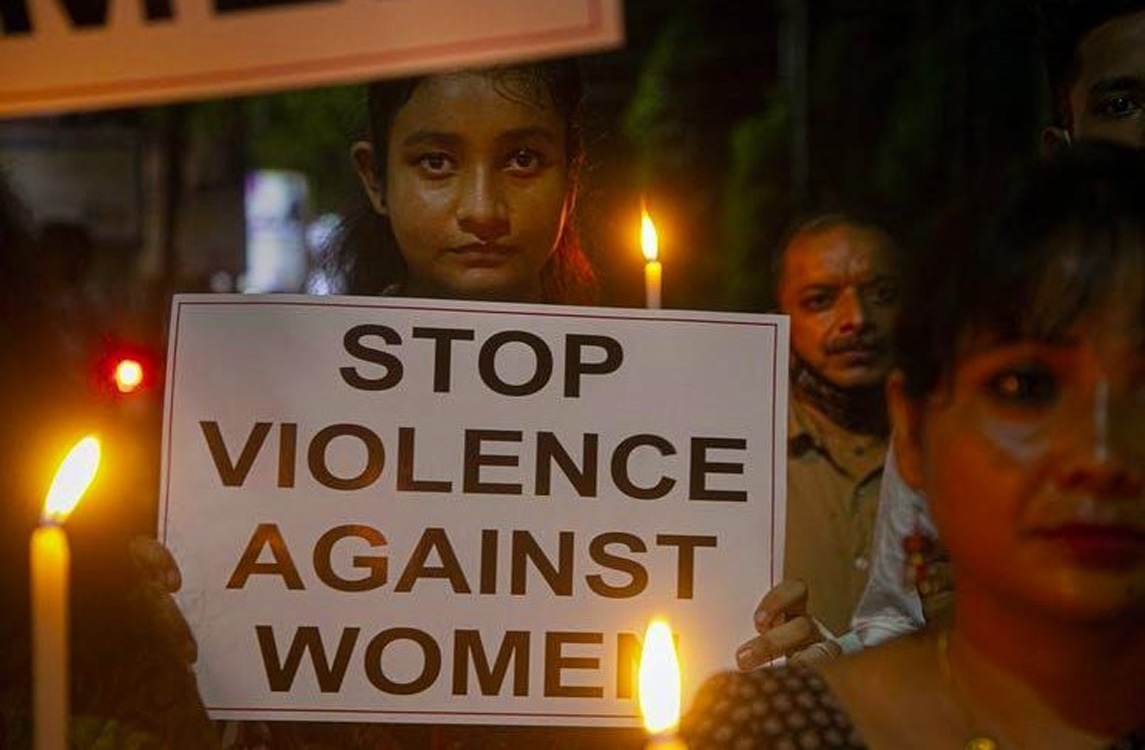
Shraddha Walkar murder case: When women are not safe even at homes

NCB 2021 reports that every hour 49 offences are committed against women in India. Seventy five per cent of the perpetrators of violence against women go unpunished mainly because of immunity granted to them by a casteist and patriarchal system

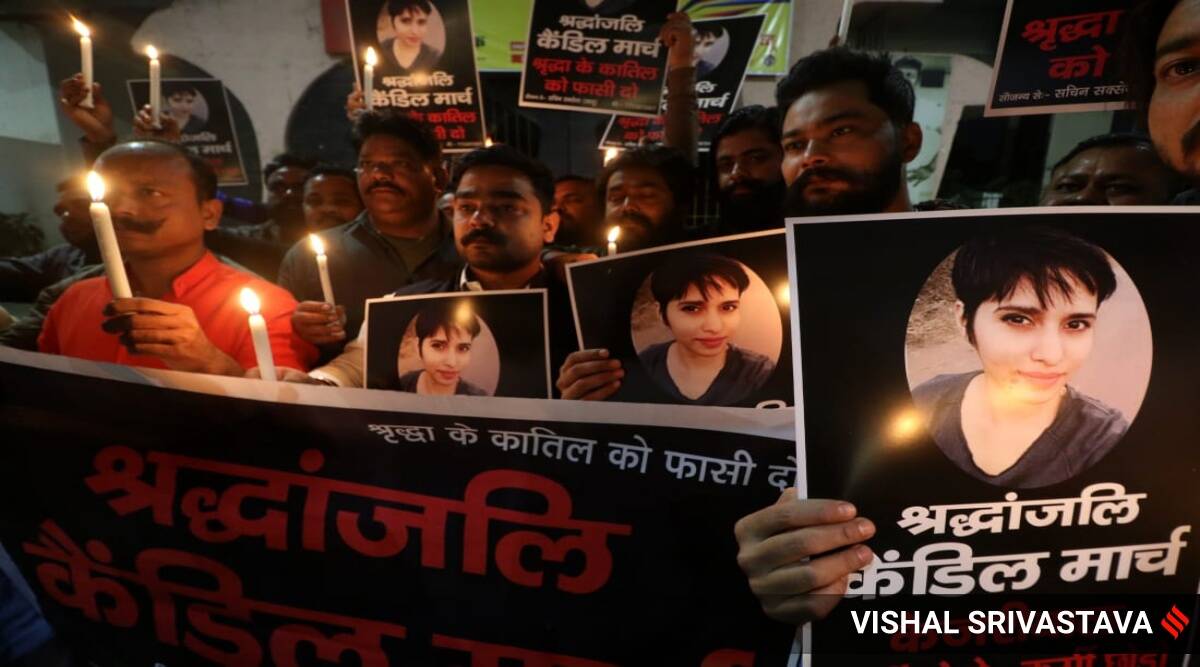
In the context of gruesome Shraddha murder, we must ponder over as to how safe are women inside their home?  Is there life beyond the maternal home? Why has the accused’s religion and the word ‘live-in’ has hogged the limelight than the societal mindset?

It was not long ago that courts held the live-in relationship legal. However, in this case the narrative has been weaved around putting the blame on the live-in relationships. This simply amounts to moral policing and holding the women victims responsible for the crime. Little sympathy for the young woman, nor pricking the conscience of society but finding fault with the victim. Shraddha fell in love with Aftab at Mumbai, came to Delhi but found that she was not safe even at her chosen ‘home’. She was strangled to death by her loved partner who chopped her body into 35 pieces, stored it in a fridge and used the silence of city nights to spread the body parts across the Lutyens Delhi.

Cases show a pattern

 Around the time this terrible crime was detected in Delhi, in Azamgarh in Uttar Pradesh, a young woman was killed and cut into six parts by her ex-boyfriend.  Another woman in Sitapur district was killed by her husband and her body hacked into pieces and dumped in a field. The communalisation of violence against women in India is a highly dangerous weapon which will further subvert the judicial process and rendering of justice. In The Bilkis Bano case, the affidavit of the Gujarat government in the petition opposing the release of the gang rapists and killers specifically mentions that before their release, sanction was given by the union home ministry.

When union minister Kaushal Kishore suggested that the ‘educated women’ should get registered first before staying away with the ‘live in partners’ , it amounted only to our masculine beliefs. Had they got registered, would she be able to save her life?

As per the data of National Commission for Women (NCW), the domestic violence complaints whereas in the first week of March before the lockdown was imposed stood at 30; it shot up to 69 in the first week of lockdown only (March 23- April 1). The rising complaints led to NCW starting a WhatsApp number for registering complaints. The root of the violence is the patriarchal family structure.  It must be understood that domestic violence is an undeclared war against women which has taken more victims through the years than any conventional war.

Five years ago, the #MeToo movement exploded, sparking global mobilization in preventing and responding to violence against women and girls but thereafter, it was back to square one.  In fact there has been a rise in anti-feminist groups and a rise in attacks against women human rights defenders and activists.  The answer lies in the existing social structure ridden with misogyny when women are often socially ostracised for making their choices without their parents, and crossing the boundaries set by the family structure. When abused and away from the paternal home, often women withdraw themselves for making a wrong ‘choice’.  Little doubt, the abuser goes scot-free, and the sufferer continues to suffer.

The recent revelation about Shraddha that she was admitted to hospital in Mumbai with bruises in 2020, far before she came to Delhi indicates that she has been into this abusive relationship for long.  The reports suggest that she filed a report with the police but later withdrew it when police came to check with the couple.

A woman killed every 11 minutes

Ahead of International Day for the Elimination of Violence Against Women on November 25, the United Nations chief António Guterres urged world leaders to increase funding by 50 per cent to women rights organisations and movements by 2026. In his message, he said that every eleven minutes, a girl or a woman is killed by an intimate partner or family member. Calling for a collective action towards ending violence against women, he said, “Now is the time for transformative action that ends violence against women and girls.” Guterres further said, “Let’s proudly declare: We are all feminists.”

A report titled “Progress on the Sustainable Development Goals: The gender snapshot 2022” published by the United Nations Women and the UN Department of Economic and Social Affairs in September this year had identified gender-based violence against women as one of the factors that could delay achieving global gender equality by 286 years. The report highlighted that one in every 10 women and girls aged 15-49 across the world was subjected to sexual and/or physical violence by an intimate partner in 2021.

In India, the rate of reported cases of cruelty by husbands and relatives marked an increase of 53 per cent between 2001 and 2018, with the middle socio-demographic index states housing the highest burden of this crime. “A total of 15,48,548 cases were reported under cruelty by husband or his relatives over 18 years from 2001 to 2018, with 5,54,481 (35.8 pc) between 2014 and 2018 alone.

The reported rate of this crime in India was 18.5 in 2001 and 28.3 in 2018 per 100,000 women aged 15–49 years, marking a significant increase of 53 pc over this period, finds the study published in BMC Health, an open access peer reviewed journal on health services.

The National Crime Bureau 2021 reports that on an average, every day, 86 women are raped and whose cases are registered. Every hour there are 49 offences committed against women registered under the IPC, every day on an average 18 women lose their lives in dowry related domestic violence— 6,589 dowry deaths registered in a single year. The National Family Health Survey- 5 shows that one third of all women surveyed said they had faced domestic or sexual violence.

The statistics should make any country hang its head in shame. But in India there has not been a single word from the government. One of the causes is that perpetrators of violence have an immunity granted to them by a casteist and patriarchal system due to which 75 per cent of perpetrators of violence against women remain unpunished. This low rate of conviction is directly a result of biased investigations by the police, long delays in the court system and social pressures on the survivors of violence to compromise. There is a need to intensify the struggle to defend the rights of women guaranteed in the constitution and to enforce the laws against violence on women must be waged with renewed vigour.


India keeps its fingers crossed as new Pak Army chief takes charge

Gen Asim Munir’s role in the on-going tussle between Sharif-led coalition government and former PM Khan will be keenly watched. It also remains to be seen whether he will continue with the ‘dovish’ approach adopted by his predecessor, Gen Bajwa towards India, writes Riyaz Wani

With the appointment of the new Pakistan Army chief General Asim Munir, his predecessor General Qamar Javed Bajwa’s contentious six-year tenure has come to an end. The latter’s last year as chief will always be remembered for the ouster of Imran Khan as prime minister and the political turmoil that followed it culminating in an assassination attempt on Khan.

The turmoil still prevails in Pakistan and it would be interesting to see how General Munir would seek to resolve it.  And whether he would act neutral in the true sense of the term amid the on-going tussle between the current coalition government and Khan, who is currently leading a march against the government.

To predict General Munir’s future moves won’t be easy but knowing where he comes from would certainly help. General Munir has been a close aide of Gen Bajwa ever since he commanded troops in the Force Command Northern Areas as a brigadier under the outgoing army chief, who was then Commander X Corps.

He was later appointed Military Intelligence director general in early 2017, and in October next year was made the Inter-Services Intelligence chief.

However, his stint as the top intelligence officer turned out to be the shortest ever, as he was replaced by Lt Gen Faiz Hamid within eight months, on the insistence of the then Prime Minister, Imran Khan. So General Munir is expected to be not sympathetic to Khan and rather be more inclined to continue supporting Shahbaz Sharif’s government.  But under the circumstances, when Khan has emerged as the most popular Pakistani leader, such an approach would mean continuing instability in the country in the run up to next year’s national election. Khan, who sees his ouster as part of a regime-change conspiracy encouraged by the United States, has been demanding an early election.

However, beyond what General Asim does to resolve Pakistan’s ongoing turmoil, it would be interesting to see his approach towards India and also vis-a-vis the situation in Kashmir.  During Bajwa’s term in office, Pakistan largely exercised restraint in its dealings with India. This despite the fact his term witnessed the 2019 Pulwama attack that killed over 40 security personnel leading to the first aerial dogfight between the two neighbours in 48 years. Earlier in 2016, Pakistan didn’t respond when India carried out a surgical strike across the LoC.

What is more, Pakistan stopped short of militarily escalating the situation when in August 2019,  New Delhi revoked Article 370 that granted J&K an autonomous status under the Indian constitution – albeit, it did raise diplomatic ante which, in turn, achieved nothing. Pakistan also didn’t escalate militancy in Kashmir, as many analysts had warned. A year later, in a dramatic turn of events, Pakistan engaged in a back-channel dialogue with India and by February 2020 the two countries re-affirmed the 2003 ceasefire agreement along Line of Control.

There was suddenly a brief spell of bonhomie between the two countries. Both the then Pakistan Prime Minister Khan and the Army chief Bajwa called for dialogue and resolving the Kashmir issue in a peaceful manner. Bajwa even said that it was time for the two countries to “bury the past,” and move on. India, however, remained cool to these overtures.

Pakistan wanted to place Kashmir at the front and centre of its dialogue with New Delhi which is unacceptable to the government in New Delhi led by Prime Minister Narendra Modi. Islamabad is also reported to have asked India to restore Article 370 that granted J&K its special status. However, India sees it as irreversible.  The unmistakable signal to Pakistan has been to temper its expectation about the extent to which India can accommodate it on Kashmir.

As always, India wants terrorism to be the central issue and wants Pakistan to stop supporting militancy in Kashmir. Pakistan doesn’t accept it backs terrorism. The result is that the two neighbours have failed to build on the goodwill. There have been no further measures, nor does it look likely there will be one in the near future. New Delhi seems in no hurry to do this. If anything, this only goes on to show that India feels little need or pressure to relent

Will he toe Gen Bajwa’s line?

Under General Bajwa, we saw the Pakistan Army chief calling for “geo-economics” to replace geopolitics as a way to ensure peace and prosperity in the region. But while he presented a mellowed face of the Pakistan Army, little headway was made in ending the diplomatic freeze that came about in the wake of the Pulwama terror attack and the constitutional changes in the special status of Jammu and Kashmir. It’s crucial to recognise that Shehbaz Sharif currently leads an unsteady coalition government and that Imran Khan isn’t ready to take it lying down despite losing the no-confidence motion in the National Assembly.

There seems little possibility of extending the peace that had been brought about by the resumption of the 2003 ceasefire along the LOC. Or for the dialogue between the neighbours to resume. More so, with the two countries scheduled to go to polls in the next two years – Pakistan in 2023 and India in 2024.

Would General Munir review the policies of his predecessor internally and externally? Internally, it remains to be seen whether he takes steps to resolve the current crisis in the country and order elections ahead of their due date, as demanded by Khan. But considering he was removed as DG ISI by Khan, it seems unlikely he will take the side of Khan in the ongoing political tussle in the country. And this is also why he is believed to have been selected by Prime Minister Shahbaz Sharif in the first place. In such a situation, the current  instability in Pakistan is likely to continue.

As for India, General Bajwa adopted a dovish approach, choosing never to escalate the situation, not even in the wake of the withdrawal of Article 370 when Pakistan was expected to react more aggressively to India’s action. In fact, the militancy in the valley over the last three years has been at its lowest ebb. It has predominantly been led by the local Kashmiri youth, most of whom have been killed in encounters with the security forces.

Would General Munir be any different? Again, it remains to be seen.  But considering the tough geopolitical and the economic situation Pakistan is in, there is little room for Pakistan to flex its muscles. In any case, the coming weeks and months will be crucial in gauging how General Munir chooses to deal with Pakistan’s challenges.


How Shehbaz prodded Pak Army into turning over a new leaf

In his last address before demitting office as Pakistan army chief, Gen Bajwa said the top army brass have agreed to remain politically neutral . Only time will tell how the new Army chief, Asim Munir will ensure ‘apolitical’ role of military in the coup-prone country, writes Gopal Misra

With the Pakistani Prime Minister Shehbaz Sharif appointing Lt Gen Asim Munir as the new Pakistani army chief and Lt Gen Sahir Shamshad Mirza as the Chairman of the Joint Chiefs of Staff on November 24, the uncertainty regarding the top jobs in the uniform is finally over.

Meanwhile, in his last address as the army chief, General Qamar Jawed Bajwa, asserted that the political interferences of the army has harmed Pakistan as a country and army as an institution. He reiterated that the top commanders have agreed that we have to remain politically neutral, and army is going to observe this discipline in coming years.

The crucial appointments accompanied by Bajwa’s historical observations, according to political analysts, have also given a setback to the ongoing grand march of former PM Imran Khan, who had plans to  storm Rawalpindi and Islamabad to prevent the crucial appointments. In Rawalpindi, the army headquarters are situated and Islamabad, near Lahore, is the seat of the federal government. Earlier, his demand for having a say in the appointment of the army chief, was rebuffed by the government.

It is quite known that for getting Khan’s favourite appointed as the new army chief, his supporters had unleashed a grand plan of using the fifth generation social media platforms abusing and blackmailing armed forces and also forcing the government to order early elections.

During the past fortnight or so, Pakistan being a nuclear weapon country, the issue of the appointment of the army chief had drawn worldwide attention. There was also a last minute uncertainty regarding Munir’s elevation, who was set to retire on Nov 27, two days before the present incumbent Qamar Jawed Bajwa demitted his extended tenure on November 29.

A little delay on the part of the GHQ in sending the summary about the generals to be considered for the top post to the PM office had also caused anxiety in the corridors of power in Pakistan. All the speculations, however, were put to rest, when the final summary also included the names of Lt Gen Sahir Shamshad Mirza, Lt Gen Azhar Abbas, Lt Gen Nauman Mehmood, Lt Gen Faize Hameed and Lt Gen Muhammad Amir. It is stated that Gen Faize Hamid was the choice of Imran Khan.

Khan’s Grudge

Imran Khan, a cricketer-turned politician, had adopted a confrontational approach against the army in recent months. He is not fighting for the civilian supremacy, but wants that the army and the ISI should have ensured his government’s political stability. Following his ouster in a no-confidence vote in April this year, he lost majority in the National Assembly with 174 votes cast in favour of the no-confidence resolution in the 342-strong House. He used to brand the leaders of other political parties as corrupt and anti-national.

It is a well-known fact that Khan’s political outfit, Pakistan Tehreek-i-Insaf (PTI) was established with the active support of the army’s dreaded secret institution, Inter-Services Intelligence (ISI). During the 2018, polls, ISI had successfully rigged the elections, thus ensuring the victory of PTI, paving the way for Khan’s elevation as the country’s PM.

It is also known that the ISI had deliberately implicated in cooked up corruption and money transfer cases against the leaders of the country’s two mainline political parties, Pakistan Muslim League-Noon (PTI-N) and Pakistan’s Peoples Party (PPP).

The main focus was on Nawaz Sharif, his younger brother, Shehbaz Sharif (now PM) and daughter, Maryam, and the PPP chairperson, Asif Ali Zardari, one of the finest political negotiators of Pakistan’s tumultuous political spectrum. Nawaz Sharif, the three-time PM, was the main target of the army and the ISI. The GHQ also manipulated higher judiciary to get Nawaz Sharif convicted.

Fortunately, on the medical ground, Nawaz Sharif was allowed to go to London’ but he continued to stay there despite the efforts of the Khan government to seek his return to Pakistan from the British authorities.

His daughter, Maryam, now a Federal Minister, has recently been exonerated by the courts, but Shehbaz is still facing the allegations of corruption levied by the National Accountability Bureau (NAB). Even after being sworn-in as PM, he regularly attends the court hearings.

Sitting in the Kot Lakhpat Prison

Earlier, Shehbaz Sharif was brought to the same Kot Lakhpat jail in Lahore, where in August, 2019, his niece; Maryam Nawaz was put behind the bars. She was arrested, when she had gone to meet her father, Nawaz. It is believed that during his solitary confinement, Shehbaz pondered about the overall political situation in the country, and decided to win back the armed forces support or make it a politically neutral institution.

His success in this mission could be attributed to the non-performance of the Khan Government, and thus he convinced the GHQ that political neutrality would be in the interest of the armed forces.

For this, he also convinced his brother, Nawaz Sharif, indeed, a herculean task. Initially, the senior Sharif had refused to trust Bajwa. However, with the passage of the no-confidence resolution against the Khan government, the neutrality of the GHQ was established, but Bajwa faced the fire from Khan’s social media platforms.

Interestingly, the strategy Shehbaz might have conceived in the high-wall enclosure of the Kot Lakhpat that the necessary law should be enacted in the National Assembly for extension of Bajwa tenure without any hassle. It has also ended the confrontation between the opposition parties under the banner of the PDM with the establishment.

In its 75 years of history, the Pakistani army never faced unprintable abuses in public gatherings, which unfortunately were hurled on the force by Khan’s supporters and his cronies. He did not spell out any plan for rescuing the country’s economy. Since the army had installed Khan’s government, the people were now disenchanted with the armed forces. It was blamed for imposing ‘a non-performing’ hybrid government on the people of Pakistan.

It is stated that the wrath of common people against army was so loud that finally Bajwa and his corps commanders decided to keep a distance from the political cesspool, and this has forced them to remain politically neutral. Bajwa, perhaps was re-echoing these sentiments in his last address.

Democracy Finally Knocks

During the high-pitch drama relating to the appointment of the new army chief, Shehbaz, is being admired for successfully steering his position as the PM, and thus outwitting Imran Khan. He quietly overruled Bajwa’s advice for the top position, as he, perhaps, was keen to anoint one of his favourites as his successor. He, however, found himself on a back-foot, when suddenly a website disclosed his fabulous wealth. Shehbaz showing his magnanimity has reportedly adjusted Bajwa’s nominee as the CJCS.

Meanwhile, the sudden visit of Asif Zardari, a former president, to the Prime Minister’s House in Islamabad is being attributed for an amicable settlement of the tricky issues related to the key postings in the army. It is stated that Zardari, being a former president has prevailed upon the President, Arif Alvi, to adhere to the advice of the PM regarding the appointments. Alvi, however, has denied hatching any mischief against the government, but claimed that he was asking Imran Khan to see reason and adhere to the constitutional provisions.

Bajwa’s Fabulous Wealth

It is for the first time that the financial details of a Pakistani army chief are being openly discussed worldwide. The credit for this stunning revelation goes to a Pakistani journalist, Ahmad Noorani’s report on the website, Fact Focus. It is supported by a lot of data that looks into the financial dealing of Bajwa’s family including his wife Ayesha Amjad, his daughter-in-law Mahnoor Sabir and other close family members. It is being claimed that since his elevation as the army chief, the Bajwa family had started new businesses, purchased farmhouses in prominent Pakistani cities and also bought foreign properties, making billions of dollars in the process.

“The total worth of the assets of his daughter-in-law were declared zero in the last week of October 2018, it jumped to more than one billion (Rs 1271 million) just one week before her marriage on November 02, 2018,” Ahmad Noorani claims.

Earlier, Ahmad Noorani had exposed a Quetta Corps Commander Lt Gen Asim Saleem Bajwa. According to the website, Asim has earned the notoriety as “General Papa Jones” or “General Pizza” after an expose of how his family had invested tens of millions of dollars in the Papa Jones Pizza chain in the US. His sons were also given lucrative contracts when he had been occupying key positions in the GHQ.  During his tenure as the chairman of the Chinese funded CPEC (China Pakistan Economic Corridor) Authority, he had halted its activities causing huge financial loses to China. He was also accused of siphoning off huge public funds, but the Imran Khan government allowed him to leave the country without any enquiry.


Were prison conditions better in the years passed by?

Where are prison diaries and books of the day? Why don’t prisoners write, so that we know what’s taking place in there? Are prisoners of the day discouraged from offloading their everyday experiences?

What can be termed as a series of shockers are reports coming in right from this summer of 2022 of several jailed inmates, imprisoned in the jails of Uttar  Pradesh, testing  positive for  HIV. And some of the HIV infected also testing positive for TB.

Focusing  on the  news reports published earlier in June, about  22  inmates in the Saharanpur jail tested positive for  HIV,  and  6  inmates in the  Gonda  jail. And in early September, 26 inmates of the district jail at Uttar Pradesh’s Barabanki tested positive for HIV. News reports stated that the tests were conducted by the health department during a three-phase HIV camp held at the jail from August 10 to September 1, and of the 26 people, two were undergoing anti-retroviral treatment at Ram Manohar Lohia Hospital in Lucknow.

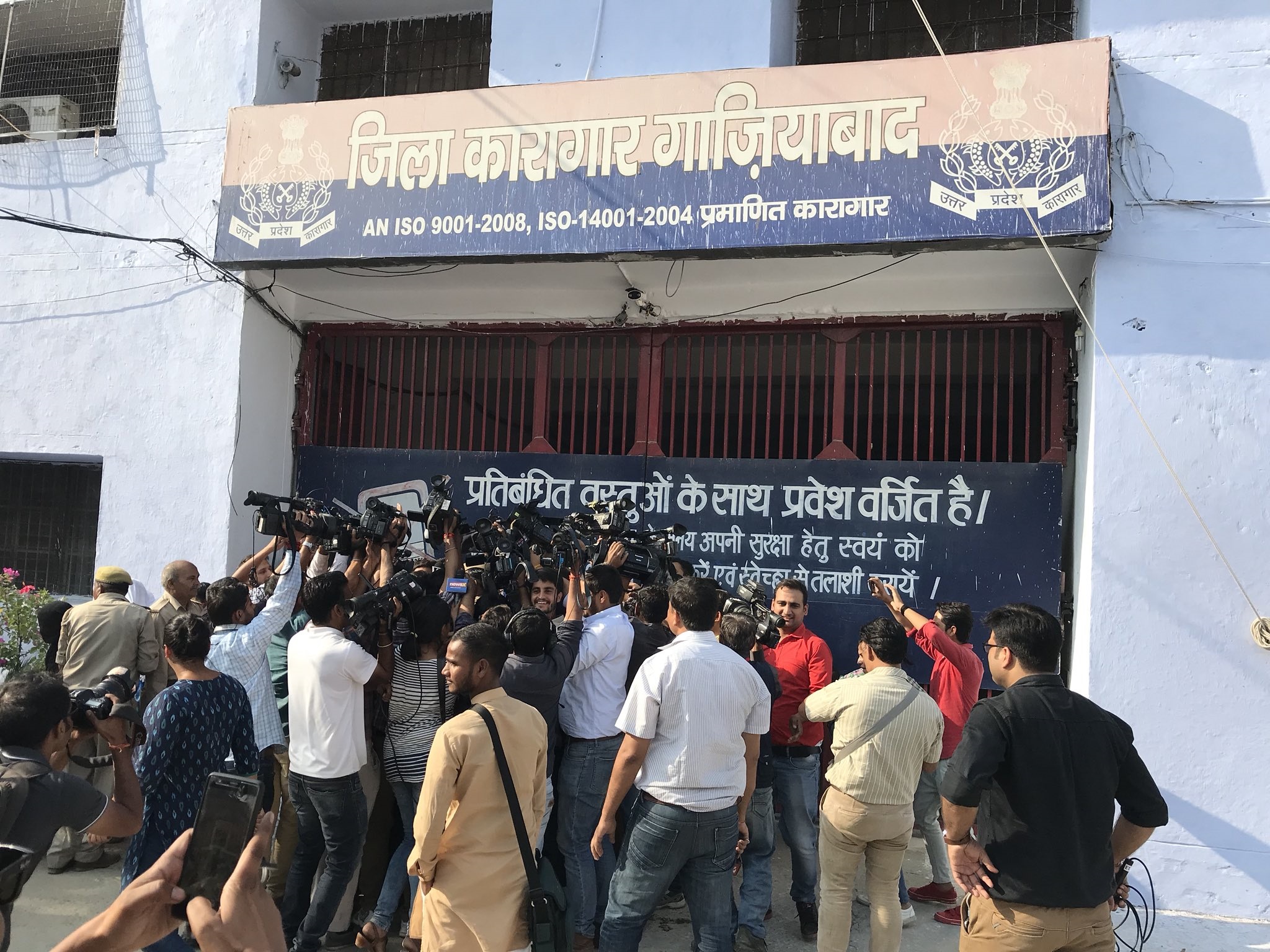
And now, in November, comes in news from Ghaziabad situated Dasna Jail –  that  out of 5,500 inmates 140 are HIV positive, and 35 of them also have TB. These are officially released figures, together with this disturbing fact – currently, around 5,500 inmates are lodged in Ghaziabad situated Dasna jail against a capacity of 1,706 inmates.

How does one react to this? Shocking, to say the least. The only positive here is that at least the State has admitted this alarming fact – that is,  HIV infected prisoners are there, imprisoned in those  jails. Mind you, in all probability they couldn’t have been infected when they were initially jailed, because it is mandatory to conduct medical tests before imprisonment.

Relevant queries do come up: How did they get HIV infected in the confines of these jails and prisons? Why weren’t medical tests conducted on the prisoners when the initial symptoms came up? What steps are undertaken for deadly infections, including the tuberculosis infections, not to further and infect many more of the jailed population? What steps are being implemented or undertaken to lessen the overcrowding aspect to jails? Is the concept of open- jails a better option; with prisoners able to breath fresh air and move about along a larger stretch? Above all, what is the State doing for the under-trials? Technically innocent, as yet to be proven guilty yet they sit languishing for years, if not for decades. Wasted lives with sheer nothingness holding out!

Where are prison diaries and books of the day? Why don’t prisoners write, so that we know what’s taking place in there? Are prisoners of the day discouraged from offloading their everyday experiences or inner most thoughts and emotions? Are the imprisoned men and women reduced to such levels of hopelessness that they don’t want to yield the pen or else try to key in, that is, if computers and laptops are even available in the prisons in these ‘developed’ times? Also, is there that basic freedom for the imprisoned to write fearlessly and freely and in that ongoing way, day after day, in that imprisoned state?

When one thinks of prisoners of today, it gets significant to mention that perhaps prison conditions were relatively, rather significantly better, in those years passed by.

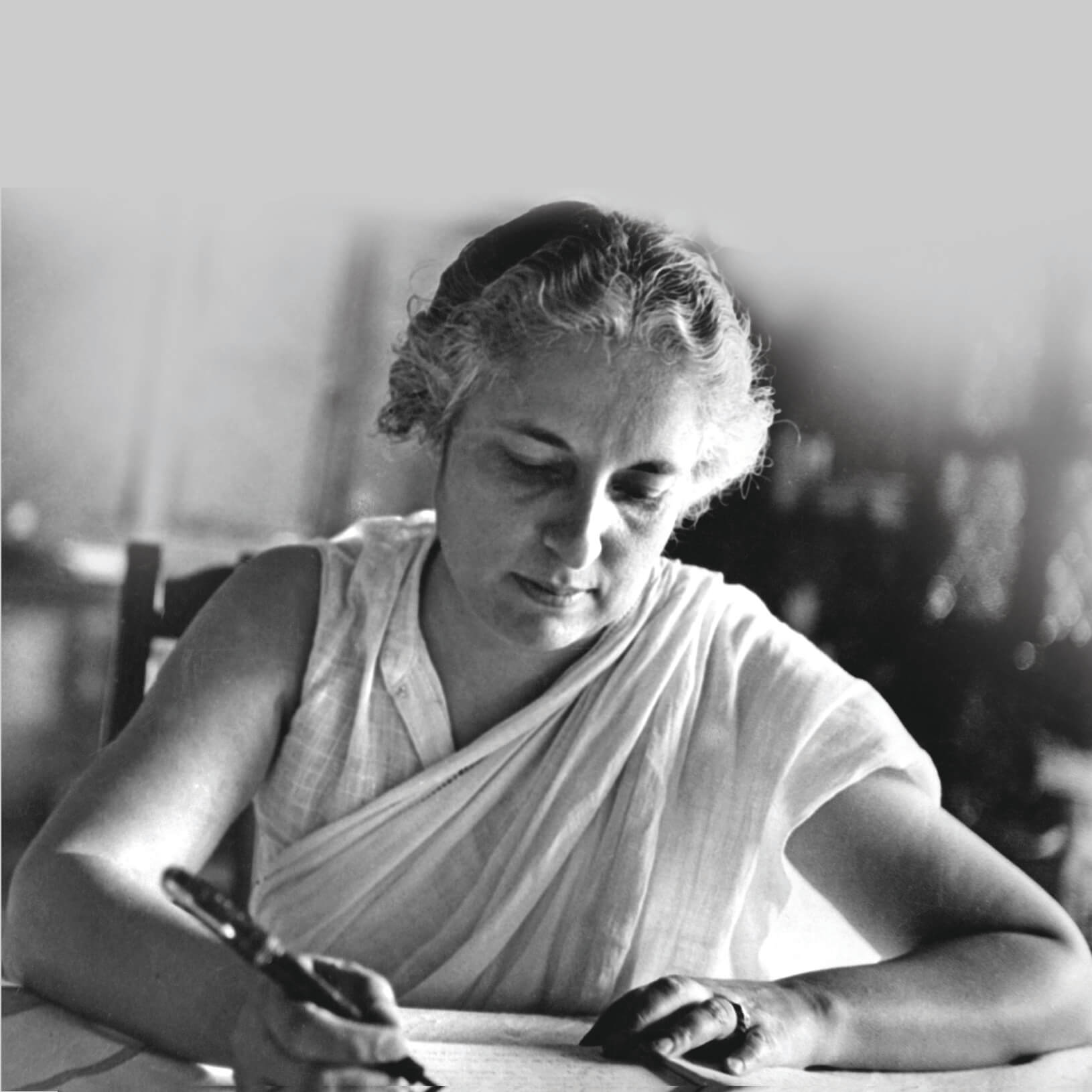
I just re-read this  book – ‘Prison Days’ (Speaking Tiger) by Vijaya Lakshmi Pandit, with a foreword by her daughter, Nayantara Sahgal. This prison diary was written by her in the early 1940s, and as one reads through what comes out is the ground reality of that historic phase when hundreds of the who’s who were imprisoned. And these included Pandit Jawaharlal Nehru and members of his family.

To quote Nayantara Sahgal from the foreword – “My mother, Vijaya Lakshmi Pandit, wrote this prison diary during her third and last imprisonment under British rule. It begins on 12 August 1942, six days before her forty-second birthday. World War11 was on, Allahabad, like the rest of the country was under military rule. Arrest and imprisonment took place without trial. Several lorries filled with armed policemen arrived that night at Anand Bhawan at 2 a.m. to arrest one lone, unarmed woman, who, along with her husband, Ranjit Sitaram Pandit, and her brother Jawaharlal Nehru, had committed her life to the non-violent fight to free India from British rule, under the leadership of Mahatma Gandhi…My father was already a prisoner in the Naini Central jail in Allahabad, where she was taken, and he would later be transferred to a jail in Bareilly, where he would fall mortally ill, and finally be released only to die. My uncle was imprisoned ‘somewhere in India’. It was not made public until much later that he and other leaders of the Indian National Congress were held in the Ahmednagar Fort. My older sister, Chandralekha, aged eighteen, and my cousin, Indira Gandhi, aged twenty-five, were arrested later and taken to Naini Jail.”

In this book, there is no mention of physical tortures inflicted on Vijaya Lakshmi Pandit but then as she writes in the preface, “This little diary does not attempt to record all the events which took place during my last term of imprisonment… the treatment given to me and to those shared the barrack with me was, according to the prison standards, very lenient – the reader must not imagine that others were equally well treated. When the truth about that unhappy period is made known many grim stories will come to light, but that time is still far away.”

After one has read through this slim book, one wonders where are the books written by prisoners of the day.

Lily Swarn Saba’s book of ghazals

Chandigarh-based poet Lily Swarn Saba’s book of  ghazals –Yeh Na  Thi  Hamari  Qismat-   published in Urdu and  Hindi ( yet to be  translated in English) holds out on the  sheer strength of her ghazals. Hitting, powerful and touching.

I’d first  met  Lily  around 2019 at the  South Asian literary-poetry meet organized by Ajeet  Cour, in New  Delhi, and what  had  immediately struck was Lily’s pair of eyes.  There was a certain sadness spread out on her beautiful face, with the eyes relaying emotional strain or call it sadness. And over lunch as we got talking, she’d told me that her young son succumbed to cancer, leaving her and the family immensely pained and in deep sorrow.

In fact,she has dedicated her this book to her son – Gobind  Shahbaaz  Singh.

Though  one is  tempted to write  one ghazal after another from her book as each ghazal holds out  but space constraints come in way. Leaving  you, with these lines from her book:

Dard hota nahin hai sabhi  ke liyai

Yeh  to  tohfa  bana  hai  kisi  ke  liyai…

(This pain is not  for everyone, a present  only for someone…)

CBI chargesheet nails aides in Sonali Phogat murder case

Having probed into the August 23 shocking murder of Haryana’s BJP leader and a TikTok celebrity Sonali Phogat in Goa, the CBI in its chargesheet filed recently, has claimed she was killed by her two aides with a motive to grab her property,  reports Rajesh Moudgil

The Central Bureau of Investigation (CBI) in its about 500-page chargesheet in the Haryana BJP leader and TikTok star Sonali Phogat’s murder case in the wee hours of August 23, filed before the Mapusa court in Goa recently, has held that she was killed by her two aides, namely, Sudhir Sangwan and Sukhwinder Singh, who were accompanying her in Goa reportedly for a shoot of a film, with an aim to usurp her property.

The court has listed the next hearing for December 5 for further arguments in the case.

Though, the Goa police had initially opined that Sonali had died of a heart attack, but later leaned towards the murder angle after the family insisted it was a planned murder by her aides with a motive to grab her property. Subsequently, however, more damning evidence surfaced. Even the post-mortem report revealed multiple blunt force injuries on her body, necessitating further probe by the police.

Meanwhile, Sonali’s younger brother Rinku Dhaka who had rushed to Goa after getting news about his sister’s death the next day, in his complaint alleged that Sonali was brought to Goa on the pretext of some film shoot by the two accused.

Rinku told police that accused Sangwan told the family members that a film shooting was on August 24, though it was learnt that the hotel rooms were booked for only two days – August 22 and August 23. Moreover, there was no shooting nor any actors to be seen, he told police.

Rinku further told police in his complaint that she had spoken to her brother-in-law Aman Punia on August 22, and had alleged she was not feeling well and that she had been served food laced with some intoxicant.

He further held that his sister had also told Punia that Sangwan and his friend had committed a theft at her house in Hisar about three years ago and that she would lodge a case with the police when she returned to Hisar, her home-town.

He further held in his complaint that his sister had also said that Sangwan had given her some intoxicant, made a video with her and was threatening to make the video viral on social media in the past. He further held that Sangwan had kept her two mobile phones, property documents and house keys in his possession.

Based on Riku’s complaint, the Goa police thus registered a case of murder against Sonali’s personal assistant (PA) Sudhir Sangwan and his accomplice Sukhwinder Singh, under Section 302 of IPC and other charges and started investigation. Both accused were arrested from Goa by the local police soon after.

However, the family of Sonali Phogat demanded investigation by the CBI while expressing dissatisfaction over the investigation by the Goa police, following which the Haryana police also recommended to the Goa government to transfer the case to the CBI in view of the demand of the family members. The CBI, thus, took over the probe into the death of Sonali Phogat in Goa in September and re-lodged the FIR on a reference from the union ministry of home affairs. The teams of the CBI, along with the CFSL experts, conducted a thorough analysis of the crime scene and forensic material.

Subsequently, according to reports, the police arrested five persons in connection with the case, including the two named in the CBI chargesheet, two alleged drug suppliers, Dattaprasad Gaonkar and Rama Mandrekar, and the owner of the restaurant Edwin Nunes. According to media reports, it was alleged that Gaonkar had provided drugs to Sukhwinder Singh and Sangwan and that Mandrekar had sold the drugs to Gaonkar.

The police after getting the inputs from the CCTV grabs of August 22, found that Sonali Phogat who could be seen unable to barely walk on her own after the “drink’’ forced by Sangwan, was taken to the hotel, Grand Leonny, by her associates where they were staying. Subsequently, she was rushed to St Anthony’s Hospital a few hours later, where she was declared brought dead.

According to police, Sonali was brought dead to the St Anthony’s Hospital at Anjuna in the wee hours of August 23 after she spent the previous night at the Curlies’ nightclub, where she was allegedly drugged with methamphetamine (MDMA) by Sangwan and Sukhwinger Singh, the two persons who accompanied her to the club.

In the earlier CCTV footage of the restaurant, she was seen dancing with Sangwan, police said, adding that another video showed Sonali being escorted out of the restaurant by her aides and she could be seen staggering and almost falling near the staircase on her way out.

The arrests

The CBI which took over the probe from the Goa Police around mid-September after the Haryana government acceded to demands from her family and wrote to the Union government, said in its chargesheet that Sangwan and Sukhwinder Singh had been charged under section 302 of the IPC with sections 34 and 36.

Pertinently, earlier, Edwin Nunes, the owner of Curlies restaurant, was arrested by the Telangana police from Anjuna in Goa in a drug case. He was among the five persons arrested after the death of Sonali Phogat, though he was later let out on bail.

Nunes is among dozens of drug dealers wanted by the police in Hyderabad, following a drug-bust in Telangana three months ago.

Phogat hailed from Hisar district in Haryana. A former TikTok star with a huge following and a contestant on the reality TV show “Big Boss’’ in 2020, Sonali, 43, had arrived in Goa with her two male aides – Sudhir Sangwan and Sukhwinder Singh – a day before the incident. She had joined BJP in 2008. She had contested the 2019 assembly polls, as had faced a drubbing at the hands of Kuldeep Bishnoi, then a Congress leader who recently joined BJP. Her husband, Sanjay Phogat, who was active in politics and social activities, had died six years ago. She was also in the news when she publicly thrashed a government official for allegedly making indecent remarks against her in June, 2020.


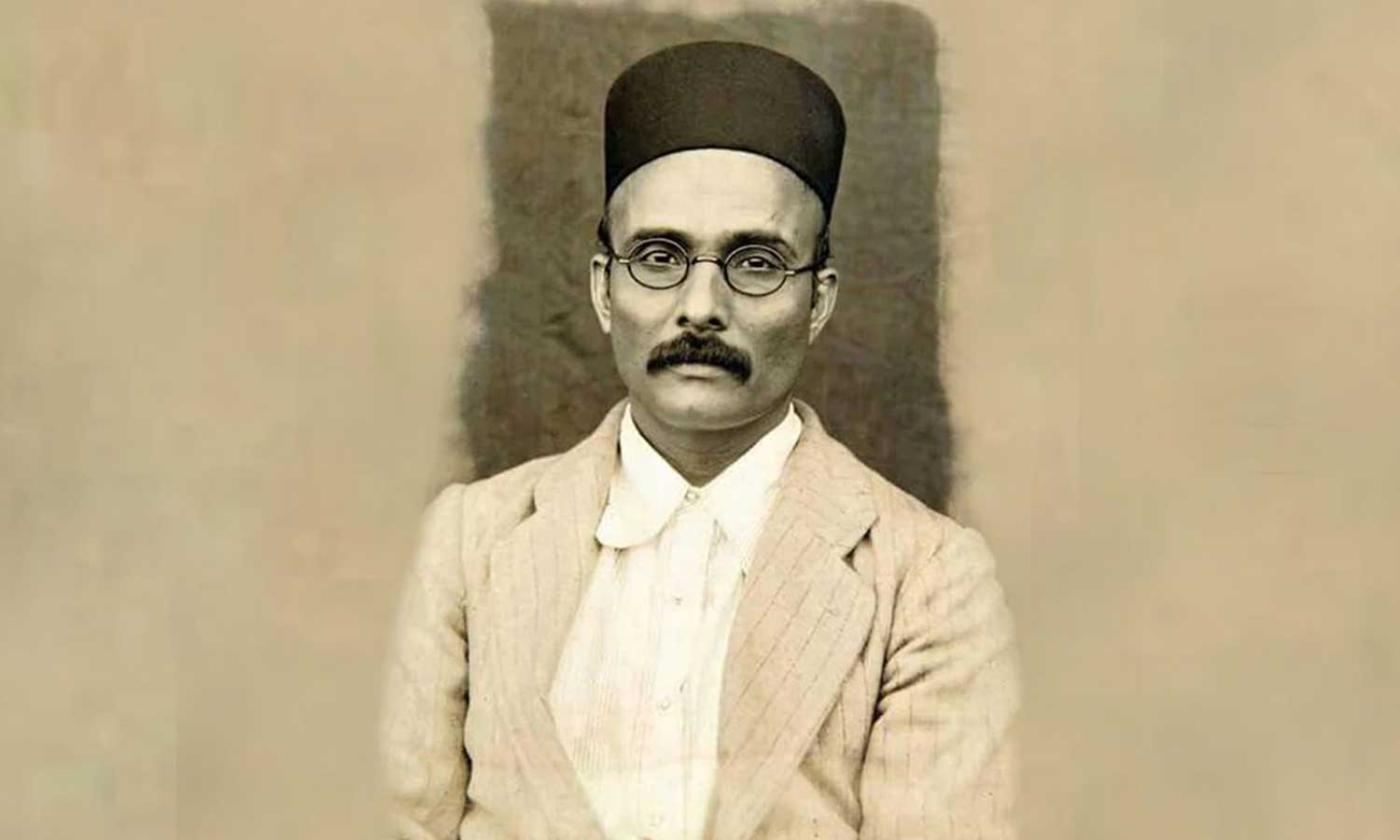
Rahul’s Savarkar remarks give ammo to BJP in Gujarat

Rahul Gandhi’s comment claiming Savarkar had apologised to the British government also irked  Shiv Sena Uddhav Thackeray faction, but the Congress soon realised the faux pas and managed to mollify its ally in Maharashtra before the row could escalate further, writes Amit Agnihotri 

A huge political controversy erupted over VD Savarkar’s mercy petition before the British government after former Congress chief Rahul Gandhi targeted the BJP icon.

The problem started during the Maharashtra leg of the Bharat Jodo Yatra when the Congress leader slammed Savarkar at an event in Washim to pay tribute to Tribal leader Birsa Munda. “Despite the British offering him land, (Birsa Munda) refused to bow down; he chose death. We, the Congress party, consider him our idol. For the BJP and RSS, Savarkarji, who wrote mercy petitions to the British and accepted pension, is an idol,” said Rahul.

A few days later while addressing a press conference in Buldhana, Rahul faced a query over his remarks on Savarkar.

In his reply, Rahul read out from Savarkar’s letter and accused the BJP icon of betraying freedom movement stalwarts like Jawaharlal Nehru, Sardar Vallabhbhai Patel and Maulana Abul Kalam Azad, who too had been sent to jail by the British but never apologised.

“I am very clear that he helped the British. Savarkar signed this letter whereas Mahatma Gandhi, Pandit Jawaharlal Nehru and Sardar Vallabhbhai Patel remained in prison for years…did not write any letter. I believe Savarkarji signed this letter because of fear,” the Congress leader said.

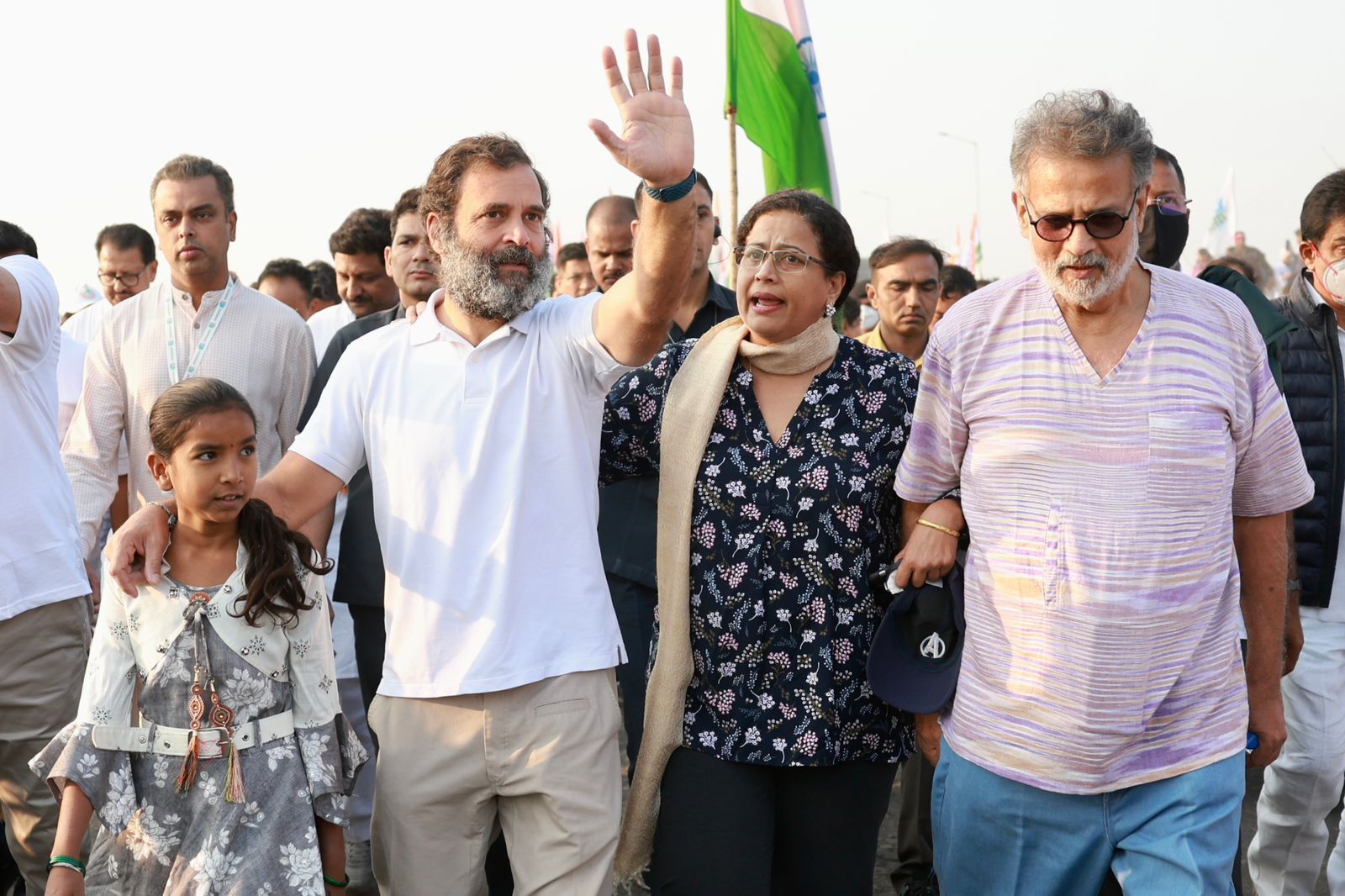
Rahul, who had targeted Savarkar in 2020 as well, again provoked the BJP, which launched an attack on him. VD Savarkar’s grandson Ranjit Savarkar lodged an FIR against the former Congress chief, even as Mahatma Gandhi’s great grandson Tushar Gandhi joined Rahul’s yatra.

In the process, Rahul’s remarks also irked the grand old party’s ally Shiv Sena Uddhav Thackeray faction, which said that it would not tolerate any disregard to Savarkar and threatened that the incident could impact the regional party’s alliance with the grand old party.

Shiv Sena Uddhav Thackeray spokesperson Sanjay Raut said that Savarkar was a hero for his party and they will continue to idolise him.

“Our party chief Uddhav Thackeray made it clear that we love, admire and have immense faith in Savarkar. We, therefore, do not agree with Rahul Gandhi’s views,” he said.

“What Rahul Gandhi said about Veer Savarkar will cause cracks in the MVA alliance,” Raut said, adding “The MVA would not collapse. It would certainly cause bitterness… there will be cracks in our alliance which is not a good sign.”

Shiv Sena used to be an old ally of the BJP but Udhhav Thackeray opted out of the alliance in 2019 and joined hands with the NCP and the Congress to form a coalition.

The MVA government was defeated in a trust vote five months ago when Sena rebel Eknath Shinde became the chief minister with the help of BJP which named Devendra Fadnavis as his deputy.

Though Raut was critical of Rahul on the Savarkar issue, he also noted that as the Bharat Jodo Yatra was attracting public response and uniting people, there was no need for the Congress leader to rake up the issue.

Raut further targeted the BJP saying that while the Sena had been demanding a Bharat Ratna for Savarkar for long, it was the BJP at the Centre which was delaying the national award.

Later, the Sena Uddhav faction and the Congress patched up after Rahul and party leader Jairam Ramesh spoke to Raut over the phone.

“We agreed to disagree. The MVA is doing fine,” said Ramesh.

“In spite of strong differences of opinion on some issues, inquiring with your political colleague is a sign of humanity!” Raut said in a Twitter post.

“I appreciate his empathy for feeling the pain of a political colleague who has spent 110 days in jail. In times of bitterness, such gestures are becoming rare. Rahulji is focusing on love and compassion in his yatra. Hence, he is getting a massive response,” Raut said.

Raut also said that Rahul was one such person who stayed connected as a friend irrespective of ideological and political differences. “I have friends in BJP as well but they were happy when I was in jail, this is politics of Mughal era,” Raut said, referring to the period he spent in jail in an alleged case of money laundering.

Gujarat polls

The Savarkar and Shivaji controversies provided the Congress an opportunity to slam the BJP ahead of the Gujarat assembly elections on December 1 and 5.

During a TV debate, Congress spokesperson Rohan Gupta asked Sudhanshu Trivedi to apologise for allegedly insulting Shivaji Maharaj while the BJP leader argued that he never made a mention about the Maratha icon’s apology before the Mughal ruler.

The BJP too picked up the Savarkar issue to slam the Congress. Maharashtra Deputy Chief Minister Devendra Fadnavis said letters cited by Rahul Gandhi while making critical remarks against freedom fighter VD Savarkar were common during the British rule and even Mahatma Gandhi used to write such missives.

Addressing a rally in Bhavnagar, Gujarat, the BJP leader said Rahul was fond of insulting national heroes except those belonging to the Gandhi-Nehru family.

“Whatever Rahul Gandhi said was childish. The kind of letters he is showing…I want to tell him that Mahatma Gandhi had also written such letters. People have published them, too. He always insults our respected national figures except those from the Gandhi-Nehru family,” said Fadnavis.

“He does not believe in Savarkar, or Netaji Subhas Chandra Bose or Sardar Patel. Instead, he always tries to defame them,” he said.

Union minister Anurag Thakur too slammed Rahul.

“Earlier, he used to talk about Hindu terrorism and also went to the JNU (Jawaharlal Nehru University in New Delhi) to express support for those who wished to break India into pieces. Now, he is criticising Savarkar,” Thakur said at a rally in Surat.

The Congress, which often attacks the BJP over its celebration of VD Savarkar, was in for a major embarrassment in September when a banner put up at Aluva in Ernakulam, Kerala, to mark Rahul Gandhi’s Bharat Jodo Yatra passing through the area, contained photos of icons such as Chandrashekhar Azad, Rabindranath Tagore, Govind Ballabh Pant, Abul Kalam Azad – and Savarkar.

BJP IT cell in charge Amit Malviya had said that “Although belated”, it was a “good realisation for Rahul Gandhi, whose great grandfather Nehru signed a mercy petition, pleading the British to allow him to flee from Punjab’s Nabha jail in just 2 weeks.”

Congress media chairman Pawan Khera had hit back saying, “Typical Malviya BS that is peddled as history. Nehru spent a total of almost ten years in jail and never ever submitted a mercy petition like Savarkar first and later Vajpayee and others.”


Are we bringing up neat monsters like Dexter?

It is disturbing to see a generation of intolerant , entitled and privileged men who can’t bear rejection from women. We have to, one way or the other get a grip on our children and youth, else, we will continue to be shocked by such demonic crimes as Shraddha Walker murder case.

Time was when the men in our country bore rejection by a woman with grace and more often than not left quietly without making a scene. Of course the man would be hurt, angry and some would nurse a grudge against the girl or even spread rumours against her. But it was rare for someone to turn their romantic interest into psychotic rage and throw acid on her face, rape her or cut her up into many pieces. They took it on the chin like a man and those were the standards of gentlemanly behaviour that we grew up with.

So, it’s disturbing to see that the very same people seem to have brought up a generation of spoilt, intolerant, entitled and privileged men who can’t seem to take rejection from women they have romantic feelings for. Who have egos so huge that they overshadow any respect for womankind they might have and lead to uncontrolled violent behavior that can only be expected of a sociopath or worse psychopath.

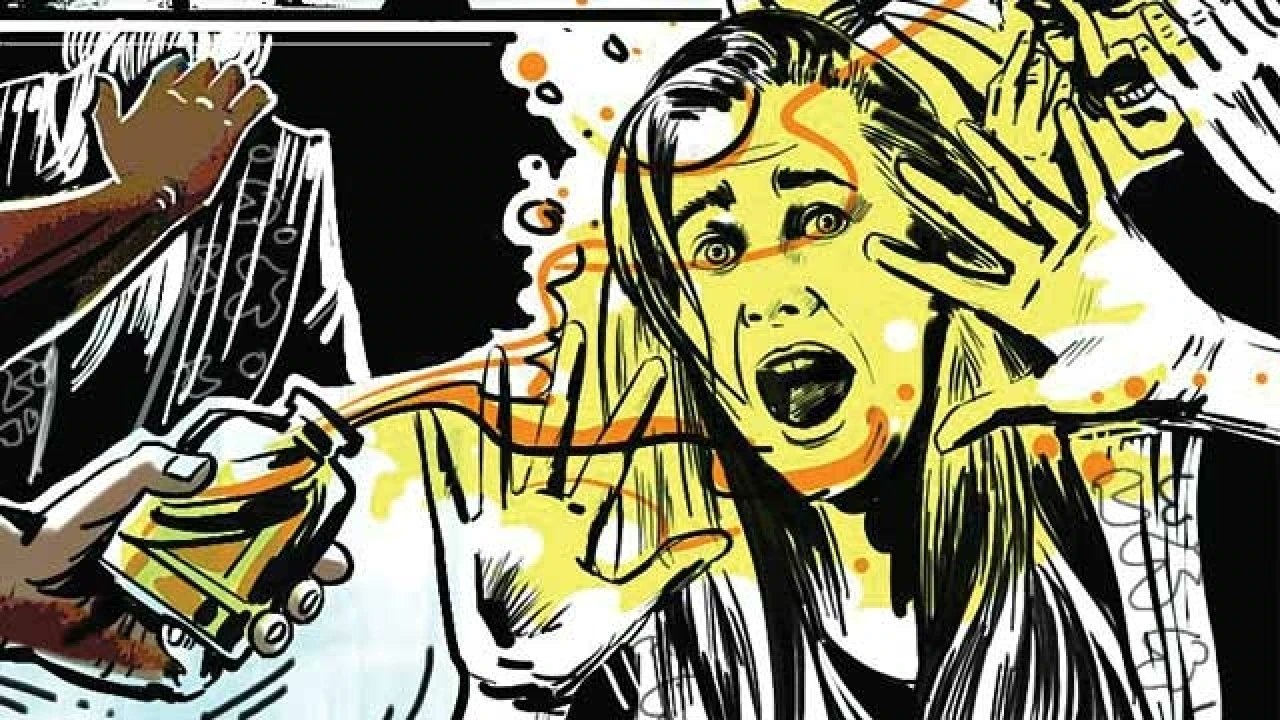
Just look at the number of acid attacks on women these days. On August 2 this year, the Union Government in a written reply in the Lok Sabha revealed that 386 cases of acid attacks on women were registered between 2018-2022. Minister of State for Home Affairs Ajay Kumar Mishra told the Lok Sabha that a paltry 62 people were convicted during this period for the heinous crime which ruined the lives of 386 women and forced them to live in constant pain, heartbreak, seclusion, and led to loss of eyesight, education, jobs, all the joys of life and burdened them with heavy medical expenses.

Then, we have many horrifying cases where men who could not take rejection from a woman either killed her, raped her or got her gang-raped. Recently, a girl in Madhya Pradesh’s Khandwa district was stabbed multiple times by a man for allegedly turning down his marriage proposal. The incident came a week after a schoolgirl was set on fire by her stalker for turning down his proposal in Jharkhand’s Dumka. The man allegedly poured petrol on the 16-year-old girl from outside the window of her room when she was sleeping and set her on fire. She succumbed to her injuries later. There are numerous such cases across the country where girls have been killed by unrequited lovers.

Some men have even resorted to raping the girl or getting her gangraped and brutalized for spurning them. The most famous case that comes to mind is the chilling gangrape, brutalization and murder of a 19-year-old girl by three men in 2012 in Chhawla. The girl had rejected the proposal of one of the men. So, as revenge he and two of his friends abducted her, took her to a mustard field in Rewari district, Haryana and gangraped her. They brutalized her with car tools, tortured her with burning cigarettes and poured acid into her ear and eyes. She died as a result of these injuries and her parents have been running from pillar to post since then trying to bring the demons to justice.

But then, this Gender Based Violence (GBV) is not something that is limited to India. Disturbingly, it is a global phenomenon. According to UN chief Antonio Guterres, a woman or a girl is killed every 11 minutes by an intimate partner or a family member. Guterres has said that GBV is the most pervasive “human rights violation” in the world and called on governments to implement national action plans to tackle this scourge.

Guterres’ remarks come at a time when the country has been rocked by a series of shocking crimes that have come to light in the last few weeks. First and foremost was the Shraddha Walker murder case. Aftab Poonawala allegedly strangled Shradaha Walkar and sawed her body into 35 pieces, which he then dumped across Delhi over several days. According to media reports, Shradaha’s close friends have revealed that she wanted to break up with Aftab because he had “mentally tortured and physically assaulted her several times.” However, Shraddha had to continue being in the relationship since Aftab “emotionally blackmailed” her, and threatened to kill himself if she left him. In the end, he ended up killing her and the details of the case seem to have sparked off a series of copycat crimes!

A young man, Prince, strangulated Aradhana Prajapati, a resident of village Ishaqpur in Uttar Pradesh with the help of his cousin, Sarvesh. The duo chopped the body into pieces and threw them into a well on November 10. The police recovered the head 6 kms away from the well. The crime took place because Aradhana and Prince were in a relationship, but the girl was married off by her family to someone else in February this year. Prince was pressurizing Aradhana to break off her marriage but she refused to comply with his wishes, resulting in her murder and the gruesome dismembering of her body.

Then there was another equally shocking case in which Abhijit Patidar, a resident of Patna, killed his girlfriend Shilpa Jharia by slitting her throat and posting her last moments in a chilling video on her Instagram account, for allegedly being unfaithful to him. The video shows Abhijit hissing, “Bewafai Nahi Karne Ka (do not be unfaithful)”, and lifting a sheet to reveal the woman lying in bed, with her throat slit and taking her last breaths on the blood soaked bed.

These are just a few cases that have caught the media’s attention, but each day there are many more such cases that are reported but which don’t come into the limelight. Crimes against women have become so rampant now that it is only cases that are really macabre or shocking that grab the headlines.

So, the big question is, where did we go wrong? Parents of Millennials and Gen-Z have to ask themselves this question. How did a generation, that itself was by and large respectful and obedient towards its parents, elders and the opposite sex, bring up a generation of oversensitive, entitled, privileged, hot headed, cruel, sadistic, depraved men who can’t face rejection? Where did we go wrong? They say that the playground is the biggest teacher in life and most of life’s lessons are learnt there. Children learn teamwork on the playground, as well as facing rejection if they don’t get chosen for a game by their friends for a team sport. They face instant retribution for a wrong deed or rude word which teaches them that actions and words have consequences. They also learn to take teasing in their stride and how to respond and cope with it. They learn to deal with tough times, rejection and also learn trust, love, bonding and building lasting relationships and friendships. They learn to look out for each other, stand up for their friends and they experience success by winning a game and disappointment by losing one. More importantly they learn how to deal with the ups and downs of life on their own.

By being overprotective and ensuring monitored activities and armchair games instead of a healthy, freewheeling playtime with friends in the playground, by badgering schools into giving their children participation prizes or consolation prizes, by treating them like little princes and princesses of the world, by giving in to every whim and tantrum, by “clapping for baby” for the smallest achievement, by providing our children with a cloistered world, which is their oyster, we are guilty of unleashing on the world individuals who are ill-equipped to handle the big, bad real world. Also, by sparing the rod, we have spoilt the child because our children don’t grow up fearing the consequences of their actions.

Don’t get me wrong, I’m not saying beat you kids to pulp, but some sort of punishment and discipline is necessary to bring up a child who understands the concept that actions have consequences. Don’t wrap your children in cotton wool when they are young, else you will be bringing up dysfunctional adults who can’t cope with real life. For those belonging to the lower end of the wealth spectrum, I have this to say: don’t bring up your children beyond your means. Educate them, but don’t send them to expensive schools out of your reach where they feel small, or left out. Because then you will have an angry, malcontent on your hands, unable to fit into the two different worlds. Too many aspirations and little or no means to fulfill those aspirations will lead to heartburn, anger, resentment or worse, crime.

However, it would be unfair to lay all the blame at the door of the parents because we are living in times where technology plays a major role in our lives, and social media rather than real life social interactions define the lives of people. This has led to lack of communication among people. As a result, instead of resolving problematic issues through talks more and more people resort to verbal spats or violence.

As we are living in an aspirational society where everyone wants instant gratification, people are working hard to fulfill those goals; whether it is students aspiring to get good grades or people working in offices. So what we have is a stressed out society with too many worries, frustrations and a lowered threshold for tolerance and poor anger management.

Plus, we also are dealing with normalisation of aggression, extreme behaviour, sexual and physical violence through television, cinema, social media and OTT platforms. Clinical psychologists and behavioural science experts say that studies have shown that people who watch violent shows experience an increase in aggression and impressionable adolescents and young people become desensitized and immune to these things. According to experts at NIMHANS, violent films impact people in different ways. Some have a higher level of aggression and impulsivity and find a symbolic expression of their anger in such films. They may even watch such films to plan and prepare for a crime, like Aftab watched the show Dexter. Plus, piling up of stresses and issues, old grudges and an anti-social lifestyle can lead to a sudden burst of anger in some, causing an increase in crime.

Sadly, visiting a therapist is considered taboo in India and mental health issues are largely ignored. So, no recourse for anger management and lack of communication make a heady cocktail which can lead to crime in a fit of rage.

These are a lot of issues to handle, to rework and rectify and we as a society must do a lot of introspection. Law enforcement authorities must do a better job of getting the offenders convicted and the Government must bring out policies that help the youth better their lives. We have to, one way or the other, get a grip on our children and youth, else, we will continue to be shocked by such demonic crimes. We can’t let our society spiral out of control.

Ayush admission scam a blow to UP govt’s anti-corruption plank

The state government has suspended 891 students from Uttar Pradesh Ayush colleges for taking admission without scoring the necessary cut-off marks in NEET. As many as 22 of these students are those who got admission without even taking NEET-2021 examination, writes Mudit Mathur

A major scam broke out in Uttar Pradesh in granting admission to hundreds of ineligible candidates, who appeared in the online counselling process to join Ayurvedic, Homoeopathic and Unani medical courses in the various government and private colleges, fudging and corrupting the merit list declared after National Eligibility Cum Entrance Test (NEET) for 2021-2022 session. Even the candidates who did not appear in NEET got admission in some of the good colleges. The government suspended 891 such students who failed to score necessary cut-off marks in NEET but maliciously manoeuvred admissions, marred with a deeply rooted scam. It was seen as a major blow to the much-hyped plank of corruption-free governance in the BJP-ruled state.

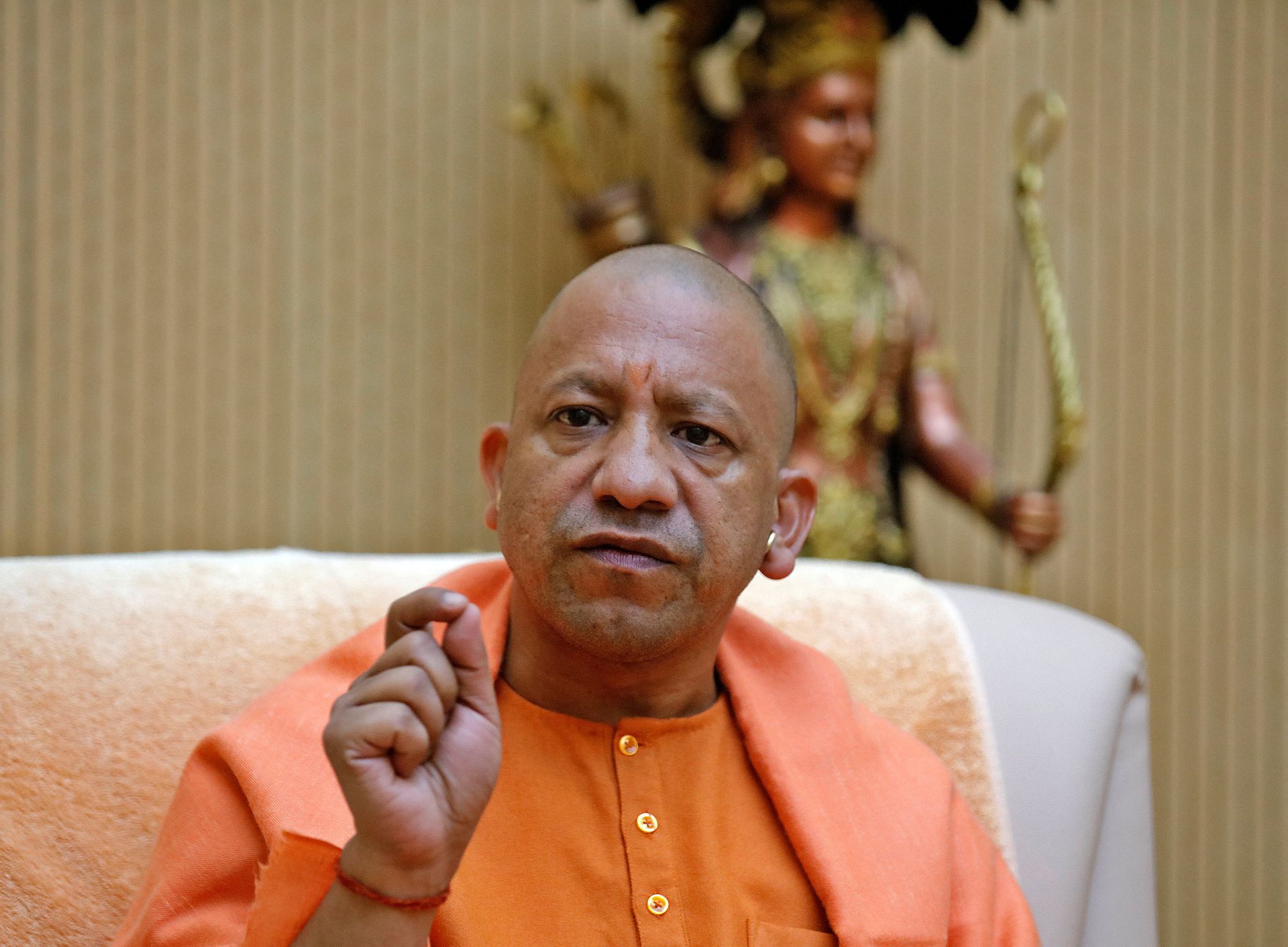
Looking into the seriousness of the scam, the UP chief minister Yogi Adityanath referred the probe to Central Bureau of Investigation (CBI) showing his zero tolerance over it. Meanwhile, the Special Task Force (STF) arrested 12 persons including the complainant, the Director, Ayurveda Services, Prof. S.N. Singh for his alleged connivance in the scam. The preliminary probe also revealed that the original order of the merit was not followed in many cases. Surprisingly, in 22 cases, the selected students did not even appear for the NEET 2021-22 examination.

The Ayush department has ordered colleges to suspend 891 students who allegedly secured admission through fraudulent means, if colleges find their NEET results do not match the required cut-off, or if they fail to submit documents to support their admission.

It also surfaced during the probe that Director SN Singh was allegedly involved in the admission racket, conniving with two other officials and the outsourced private firm, V3 Soft Solution Private Limited, which presumably fiddled with the data of NEET merit list which they procured from the office of Director General Medical Education. The UP government has appointed Prof Prakash Chandra Saxena as new Ayurveda Director. A departmental action has also been recommended against Dr Mohd Wasim, in charge of the Unani directorate, and Dr Vijay Pushkar, joint director (education) at the Homeopathy directorate.

The FIR was filed earlier by the then Director, Ayurveda, Prof. S.N. Singh with the Hazratganj police station shifted entire blame on the shoulders of outsourcing agency Uptron Powertronics Ltd, its hired vendor V-3 Soft Solution Private Limited and its representative Kuldeep Singh, who executed the entire process of online counselling for the admission to three medical courses. The FIR has been lodged under IPC sections 120-B (conspiracy), 420 (cheating), 468 (forgery for purpose of cheating), 471 (fraudulently or dishonestly used as genuine), and Section 66 of the IT Act.

However, the unexplained delay in filing FIR also creates suspicion over the role of the Ayurveda Directorate. Why did the Director, Ayurveda, and his subordinates sit on the directive of the government till 4th November from 12 October, giving a long rope to Kuldeep Singh to flee from the scene with evidence stored in his laptop?.

The FIR revealed that in the year 2021-22, the Directorate of Ayurveda had constituted a board for online counselling. Due to the absence of an IT cell in the department, the contract for online counselling was given to a private agency V3 Soft Solutions Pvt Ltd through the government-nominated executing agency Uptron Powertronics Ltd, under the supervision of the board. The government-approved agency, Uptron Powertronics Ltd. had been nominated to conduct the same. The counselling process, which started on February 1, 2022, was completed in four phases by May 19, 2022.

Significantly, the admissions were done on 6797 seats out of 7338 seats in the government and private colleges of the state. From counselling to verification, the responsibility was that of the private agency. Seat allotment was also carried out after admission. Even though the records of 1181 students were not found in the merit list of NEET and 22 names were found who never appeared in the NEET examination but all of them got admission. Seats were allotted to 927 out of 1181 of these students but finally, 891 of them had joined colleges after depositing fees.

The state government suspended Prof SN Singh, director of Ayurveda, and Dr Umakant Yadav, the nodal officer for counselling and initiated departmental action against Dr Mohd Wasim, in charge of the Unani directorate, and Dr Vijay Pushkar, joint director (education) at the Homeopathy directorate. It is a matter of record that Dr Umakant procured a merit list from DGME and handed it over to Kuldeep of V3 Soft Solutions. UP STF is investigating whether the NEET merit list got altered at Ayurvedic Directorate level or the vendor played fraud. The vendor’s representative is absconding after getting a clue of the scam heading for police investigations.

After the irregularities came to light, the directorate of Ayurveda matched the list of candidates who passed NEET in the year with the data from the office of the director general of medical education, and found that the admission of 891 candidates to the mentioned colleges was doubtful in the initial fact-finding report of the AYUSH department. In the NEET-2021 counselling, out of the 7,338 sanctioned seats, 6,797 were filled.

As many as 891 first-year students of the traditional medicine systems in Uttar Pradesh are under scanner after the state government initiated a probe into ‘fraudulent admissions’ at Ayurveda, Unani and Homeopathy colleges. Six Ayurveda college students in Lucknow had already been suspended in this connection. Details of candidates in counselling sheets were allegedly altered to give admissions to those who scored low marks, at Ayurveda, Unani and Homeopathy colleges in the state via NEET-2021, officers privy to the probe revealed.

It has come to light that out of 891, 43 students got admitted in government Ayurveda colleges while 473 others had secured admissions to private Ayurveda colleges; six students to state-run and two to private homeopathy colleges; and 367 are Unani students. It is alleged that these students were given admission despite their scoring below the cut-off marks.

The modus operandi of the scammers detected, wherein the details of a candidate, who scored well, were changed and then they were replaced by non-deserving and fraudulent candidates. They ensured that the candidates whose details were changed were from outside the state to avoid complications and getting caught.

The scam of fake admission was unearthed after a girl student complained to the President of India that students having less marks than her had been given admission on high-ranking seats. The complaint was forwarded to the Union Ministry of Ayush which directed the UP government to conduct an enquiry into the matter. This is how a big scam came to light.

NEET examination is conducted at all-India level. Out of total seats of Ayurvedic colleges, 15 percent seats are filled at national level and 65 percent seats are kept for the students at state level in the merit list drawn by NEET result. The scamsters intruded into the real data of NEET result and replaced it with fraudulent entries of 1181 aspirants for the course after allegedly collecting hefty sums from them ranging Rs 5-10 lakh per candidate.

“We have ordered an inquiry. The guilty will be punished after a proper investigation,” said Dayashankar Mishra ‘Dayalu’, Uttar Pradesh Ayush Minister while addressing the media. Further investigations into the matter are being conducted by the Special Task Force (STF). Despite the request of the state government, the CBI is yet to take over the investigations of the scam and STF is investigating further designs behind the scam.


MOST POPULAR

HOT NEWS