Saturday, December 27, 2025

Warm welcome of Maulana Abul Kalam Azad Trophy at GNDU

Maka Trophy result of student-player ‘s hardwork  says Vice-Chancellor

Amritsar : There was celebration atmosphere at Guru Nanak Dev University campus when the country’s coveted Maulana Abul Kalam Azad Trophy reached here after the gap of  two years. the trophy was warmly received by players, coaches, principals of affiliated colleges, sports department of University and other officials in the presence of Prof. Jaspal Singh Sandhu, Vice Chancellor. Prof. S.S. Behl, Dean Academics, Prof. Hardip Singh, OSD to Vice Chancellor, Prof. Karanjeet Singh Kahlon, Registrar, Prof. Anish Dua, Dean Student’s Welfare, Dr. Kanwar Mandeep Singh,  In-charge Sports Department of the University were present on this occasion. First Lady of the University, Prof. Shweta Shenoy, Head,  MYAS-GNDU Department of Sports Sciences and Medicine of the University was especially present.

Chief Minister Punjab  Bhagwant Singh Mann also congratulated Vice Chancellor and University fraternity for the winning of MAKA Trophy. Gurmit Singh Meet Hayer, S. Kuldip Singh Dhaliwal, Dr. Inderbir Singh Nijjer, S. Harbhajan Singh ETO, all Cabinet Minister, S. Satpal Singh Sokhi, member of Senate of the University, members of Syndicate and Senate of University and other eminent persnailites also congratulated Vice Chancellor and University for this achievement.

The trophy was kept in flower decorated jeep and some players who won medals in international sports events were riding on open jeep moved in form of contingent led by sports department of the University started from main gate to major departments of the University and finished at Sri Guru Granth Sahib Bhawan Auditorium. During this student players and their coaches expressed their joy by dancing bhangra on the beat of drums.

A special function was organized in the Auditorium to mark the victory of this trophy. Vice Chancellor Dr. Jaspal Singh Sandhu presided over the function. A large number of student-players, coaches, principals of affiliated colleges and others were present.

Dr Mehal Singh president GNDU Sports Committee (Men) and principal Khalsa College,  welcomed the chief guest and others while Sh. Kanwar Mandeep Singh presented the detailed report of the department. Dr. Mrs. Ajay Sareen president GNDU Sports Committee (Women) & Principal, HMV College, presented vote of thanks on this occasion

Professor Sandhu in his presidential remarks that this is really moment of pride for all of us to receive this prestigious Trophy after a gap of 2 years and we feel proud to receive this Trophy for 24th time till date. He appreciated the efforts and dedicated hard work of sports personnel of the university and credited the success of this Trophy to them. He said that Guru Nanak Dev University is committed to uplift the sports status of the university and providing maximum sports facility at its Campuses and affiliated Colleges.

He said that existing infrastructure is updated at the international level so that our players can meet International standards. He said that sports quota has already been increased along with sports incentives to encourage and promote Sports. He said that more cash award would be enhanced for sports personal keeping in view their performances at international level in various games. He said that more efforts will be done to attract sports Personnel from other states. He said that this is the only University which facilitate its sports personals due their achievements. He said that shortly synthetic track and all season swimming pool will also be upgraded.

Kanwar Mandeep Singh said that University has achieved good success under the leadership of Vice Chancellor and hoped that next year we will also claim this Trophy again.

Ludhiana court blast case: NIA arrests Harpreet Singh

New Delhi:  In a latest development in connection with the Ludhiana court blast case, the National Investigation Agency (NIA) has arrested most wanted  Harpreet Singh alias Happy Malaysia, from Indira Gandhi International (IGI) Airport, New Delhi, on his arrival from Malaysia.

Earlier, the NIA had announced a reward of Rs 10 lakh for providing information about Singh. A non bailable warrant (NBW) was also issued against him by a Special NIA court and a look out circular was also opened.

The case pertains to the massive bomb blast that took place in the Ludhiana Court Building in 2021. One person died and six persons were injured in the explosion.

The case was initially registered at Police Station Division-5, District Ludhiana Commissionerate of Punjab and later on the probe of the matter was taken ovet by the NIA.

“Investigations revealed that Harpreet Singh an associate of Lakhbir Singh Rode, Pak-based self-styled Chief of ISYF, was one of the conspirators of Ludhiana Court Building blast, alongwith Rode. Acting on the directions of Rode, he coordinated the delivery of the custom-made IED which had been sent from Pakistan, to his India-based associates, that was used in the blast. The arrested accused was also involved and wanted in various cases, including smuggling of explosives, arms and narcotics, ” the NIA said.

Sidhu Moosewala murder mastermind Goldy Brar detained in California

New Delhi:  Canada-based gangster Goldy Brar who masterminded the killing of famed Punjabi singer Sidhu Moosewala, has been detained in California, sources said on Friday.

He has been in police custody for the last seven days, the sources said, adding that further details are awaited.

Brar had claimed the responsibility for the brutal murder of Moosewala on May 29, on behalf of the Lawrence Bishnoi gang.

On June 2, a Red Corner Notice (RCN) was issued against Brar in another murder case.

Satinderjit Singh, alias Goldy Brar, a native of Sri Muktsar Sahib and having gone to Canada on a student visa in 2017, is an active member of Lawrence Bishnoi gang.

The killing of Moosewala was executed by six sharpshooters and four of them were arrested and two shot dead in a police encounter.

Purpose of delimitation to give immediate democracy to J&K: Centre to SC

New Delhi : The centre has told Supreme Court that the purpose of forming Delimitation Commission ahead of its schedule was to give “immediate democracy” to Jammu and Kashmir.

“To wait till 2026 was legislatively found to be unwise,” Solicitor General of India Tushar Mehta told the Bench comprising Justices Sanjay Kishan Kaul and A.S. Oka.

Mehta also told the court that a Delimitation Commission formed to redraw the Legislative Assembly and Lok Sabha constituencies in Jammu and Kashmir was empowered to do so, arguing that the Jammu and Kashmir Reorganisation Act, 2019 does not preclude the establishment of Delimitation Commission by the Central Government.

“It is submitted that Sections 61 and 62 of the 2019 Act do not preclude the establishment of Delimitation Commission by the Central Government under Section 62 of the 2019 Act… It is submitted that the 2019 Act provides for two alternative mechanisms to carry out delimitation for the Union Territory of Jammu and Kashmir,”  Solicitor General of India told the court.

The petition against the Delimitation Commission has among other things challenged the omission of Assam, Arunachal Pradesh, Manipur and Nagaland from the process of delimitation, claiming that it amounts to classification and violates Article 14 of the Constitution.


ASSOCHAM urges RBI to begin halt in rate hikes; provide concessional loans to EVs

New Delhi: Ahead of the bi-monthly meeting of the RBI’s Monetary Policy Committee, the ASSOCHAM has impressed upon  the MPC to moderate interest rate hikes , in order to ensure that the rising cost of borrowing does not have an adverse and disproportionate impact on nascent economic recovery.

At most the new rate hike should not exceed the 25-35 basis points band, the ASSOCHAM said in its letter to the RBI Governor Shaktikanta Das, along with highlighting other issues before the industry. One of the key recommendations advanced by the ASSOCHAM to the RBI is to treat retail loans for purchase of Electric Vehicles (EVs) as priority sector lending, with a concessional rate of interest.

“Retail advances against Electric Vehicles may be included under Priority Sector Lending. This may help in catalysing the India EV story”, ASSOCHAM Secretary General Mr Deepak Sood said in a presentation to the RBI.

In a separate discussion, Mr Sood said, “while India has been marching well on the EV journey, the cost of acquiring an electric vehicle is on the higher side; thus needing a positive discrimination in the interest rates by the banks’’. He said the EV push is required from all sides, including banks.

As regards increasing cost of borrowing, the chamber said that the recovery in the Indian economy is quite noticeable, especially in the backdrop of the global head winds. However, it is still in the nascent stage and needs to be supported. ‘’Signs of inflation peaking are visible when it comes to the domestic economy. Even in the developed markets, early indications of inflation peaking are visible, thus setting a stage for the RBI-MPC to move towards halting the rate hike cycle,’’ Sood said.

In another suggestion, the chamber said RBI may consider a special window of borrowing for IREDA at repo rate (presently for AIFIs such as NHB, NABARD) to ensure availability of low-cost funds for renewable projects.

In a unique proposition, ASSOCHAM urged the central bank to consider a time bound approach for getting all banks under Account Aggregator (AA) framework. The framework helps an individual to access and share information from one financial institution to any other in the AA network securely and digitally. Other financial institutions, regulated by SEBI/ IRDAI may be encouraged to join the framework as information providers and information users.

ASSOCHAM also pressed for easing of norms for infrastructure lending and greater flow of funds for the non-banking finance companies.

To achieve priority sector targets, the Urban Cooperative Banks (UCBs) may be allowed to co-lend to NBFCs as well. ASSOCHAM further said, the tier-4 UCBs may be allowed to appoint Corporate Banking Correspondents to expand their reach. A separate category should be created for sustainable finance under “Infrastructure finance”.

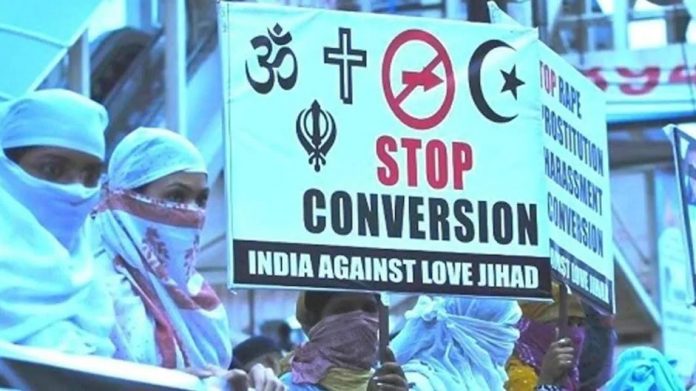
Convert to get married

Tehelka SIT investigation reveals how some Muslim clerics find a way around the anti-conversion law to convert people and pave way for inter-faith marriages

“First of all, convert the Hindu girl into Islam before marrying her. After the marriage, if the girl asks that she wants to leave Islam and go back to Hindu religion, then first politely ask her not to do so. And if she doesn’t listen, then give her slap on the face. But it should not be hard enough to leave a handprint or cause bruising. Beat her in the way that it should not result in any external injury or fracture in bones. You should not leave any evidence of violence on your wife’s body if you want to escape police action for domestic violence,” said Maulana Mohammad Muqeem to Tehelka reporter, who approached him posing as fictitious character for an advice for his Muslim nephew, who is looking to marry a Hindu girl. When Maulana Muqeem gave this advice to the reporter, he was working as Imam of a mosque in Uttar Pradesh city before moving to his present job at Madarsa.

“If your wife continues to practice Hindu religion and refuse to return to Islam even after getting thrashed, then you should take her to the sharia court where she was converted to Islam. Tell the sharia people that the girl has gone back to the Hindu religion after the marriage. Sharia court members will try to persuade her to not to do so. If she doesn’t listen to them also, then the sharia court will tell both of you to divorce each other,” said Maulana Muqeem.

Tehelka contacted Maulana Muqeem after several states of India passed anti-conversion law. Under the new anti-conversion law, interfaith couples must now give two months notice to a district official before getting married.

Currently, under the special Marriage Act, 1954, that governs interfaith marriages in India, couples must give a notice of 30 days. The new law has criminal aspects too, including a jail term of up to ten years if convicted of using marriage to force a spouse to change her faith. Parents, siblings and “any relative” by marriage and adoption can complain against a conversion. Such marriages can also be nullified. The burden of proof lies on the persons converting, or those counselling the persons to convert, to prove the conversion isn’t forced. Tehelka’s reality check was done on Maulana Muqeem after the anti-Conversion law was passed in India’s most populous state, Uttar Pradesh. Maulana Muqeem crossed all limits and advised the reporter to hit her wife if she tries to leave Islam religion and return to Hindu religion after converting to Islam and marrying him. And if she doesn’t budge and insist on going back to Hindu religion, then divorce is the only option.

Reporter…. “Aap keh rahe ho na agar wo apne mazhab par nahin kayam rehti hai to Hindu par chali jaati hai. Islam par nahin rehti hai”.
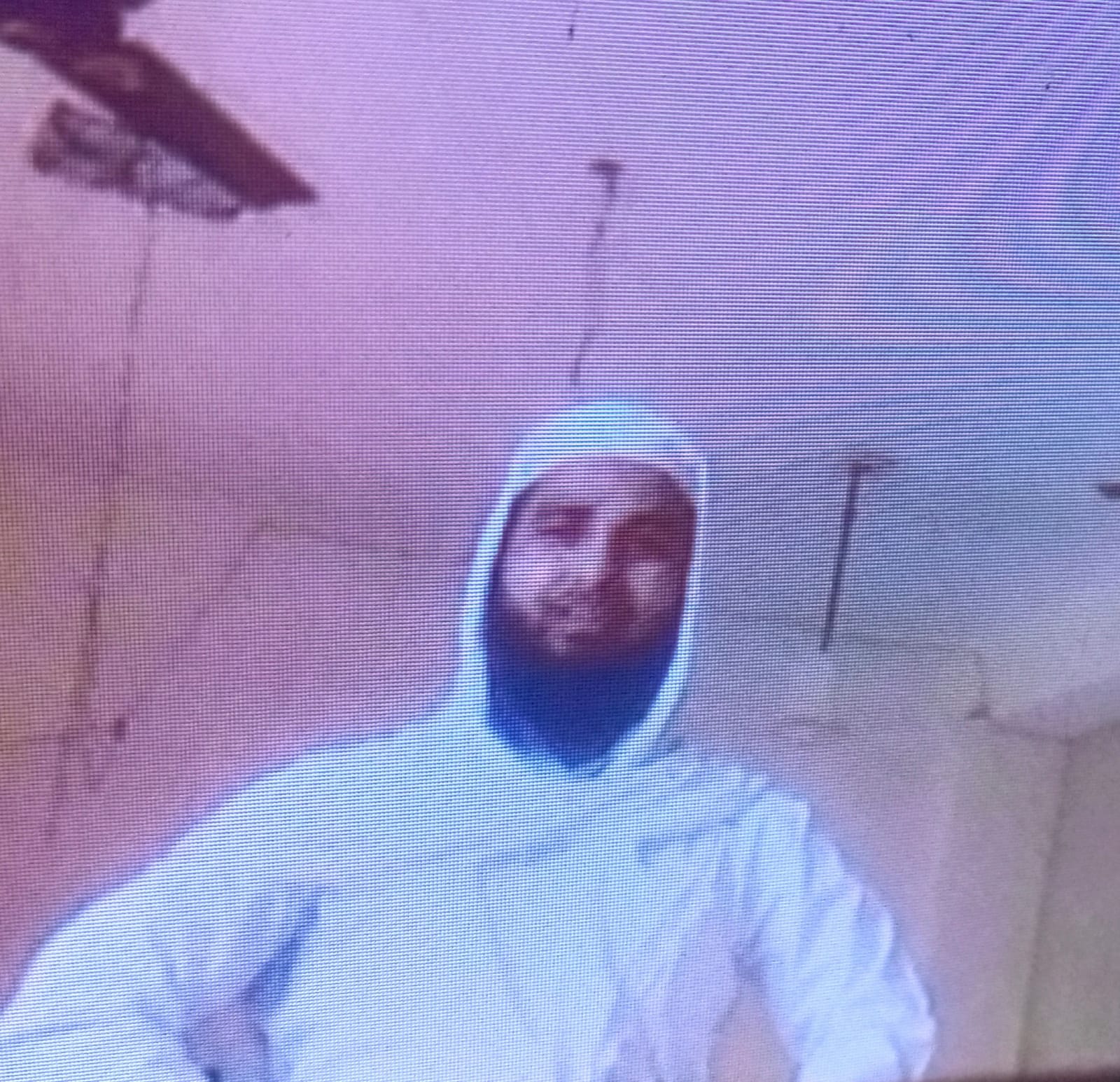
Muqeem… “Haan”.

Reporter…. “To ladka pehley usey samjhaye. Phir tamacha maarey”.

Muqeem…. “Haan”.

Reporter…. “Magar tamacha marey to wo thaney main ilzaam laga sakti hai” ?

Muqeem… “Haan”.

Reporter…. “Ki mere saath maar-peet ki hai. Domestic violence hua hai”.

Muqeem…. “Tamacha.. nahin usmein ye ehtiyaat hai. Samjhaayengey tab ki tamacha aisa maarna ki choodi toot ke haath mein, khoon na nikley. Ya gaal par na maarkar muh chap jaye. Ya ghoonsa na maarkar ki haddi toot jaye. Samjhayengey ki tamacha maarney se matlab ye hai ki hulka-fulka maarna. Usko maarna aisa maarna ki khoon na nikley. Haddi na tootey. Nishaan na padey. Tumhari shikayatein karengey to koi nishaan na dikha sakey.”

Reporter…. “Saboot na ho koi”.

Muqeem…. “Saboot na ho koi. Haan aisa mat marna. Aur phir samjhaye… nahin maan rahi hulka-fulka maar diya. Sharia adalat jahan kalma padaya gaya hai, wahan lekar jaaye. Jee mainey nikaah kiya. Musalman thi. Ab ye nahin maan rahi. Ab ye Hindu banney jaa rahi hai. Ab mujhey kya karna hai. To wo samjhayengey apne tareekey se… baat karengey ussey. Wo maan jaati hai to theek hai. Nahin maanti to wo phir alag kar dengey”.

Reporter…. “Talaaq ho jayega” ?

Muqeem…. “Talaaq ho jayega”.

Reporter…. “Agar ladka-ladki talaaq ke liye tayyar nahin hue”?

Muqeem…. “Wo talaaq ho jayega”.

[Muqeem advised the reporter that if hi wife did not budge from her decision to go back to Hindu religion, then he should approach the sharia court where her wife was converted to Islam. If sharia court members also fail to convince her to return back to Islam then they will be separated by the sharia court]

Tehelka journalist met Maulana Muqeem for his advice, with a fictitious deal that reporter’s nephew, a Muslim, aged 29 is in love with a Hindu girl and the two want to get married. How the interfaith marriage will take place? On this, Maulana Muqeem advised the reporter to first get the Hindu girl converted into Islam; otherwise their marriage will be illegitimate.

Muqeem…. “Bilkul saaf mana kar diya. Musalmaan bachchey ka nikaah Hindu bachchey se nahin ho sakta. Bilkul nahin ho sakta. Ye hai ki ladki deen-imaan main aaye pehley.”

[Muqeem told reporter that Muslim boy or girl cannot marry a Hindu girl or boy without them being converted into Islam first]

To convert Hindu girl into Islam for marriage, Maulana Muqeem gave an idea to Tehelka journalist.

Muqeem…. “Achcha ye to jo ho gaya usool ki baat hai. Doosri ek baat wo hai jo bahut mushkil se milti hai. Taweez ke zariye se. Ek dua jhaad kuch cheez karke usey khila diya jaye”.

Reporter…. “Ladki ko” ?
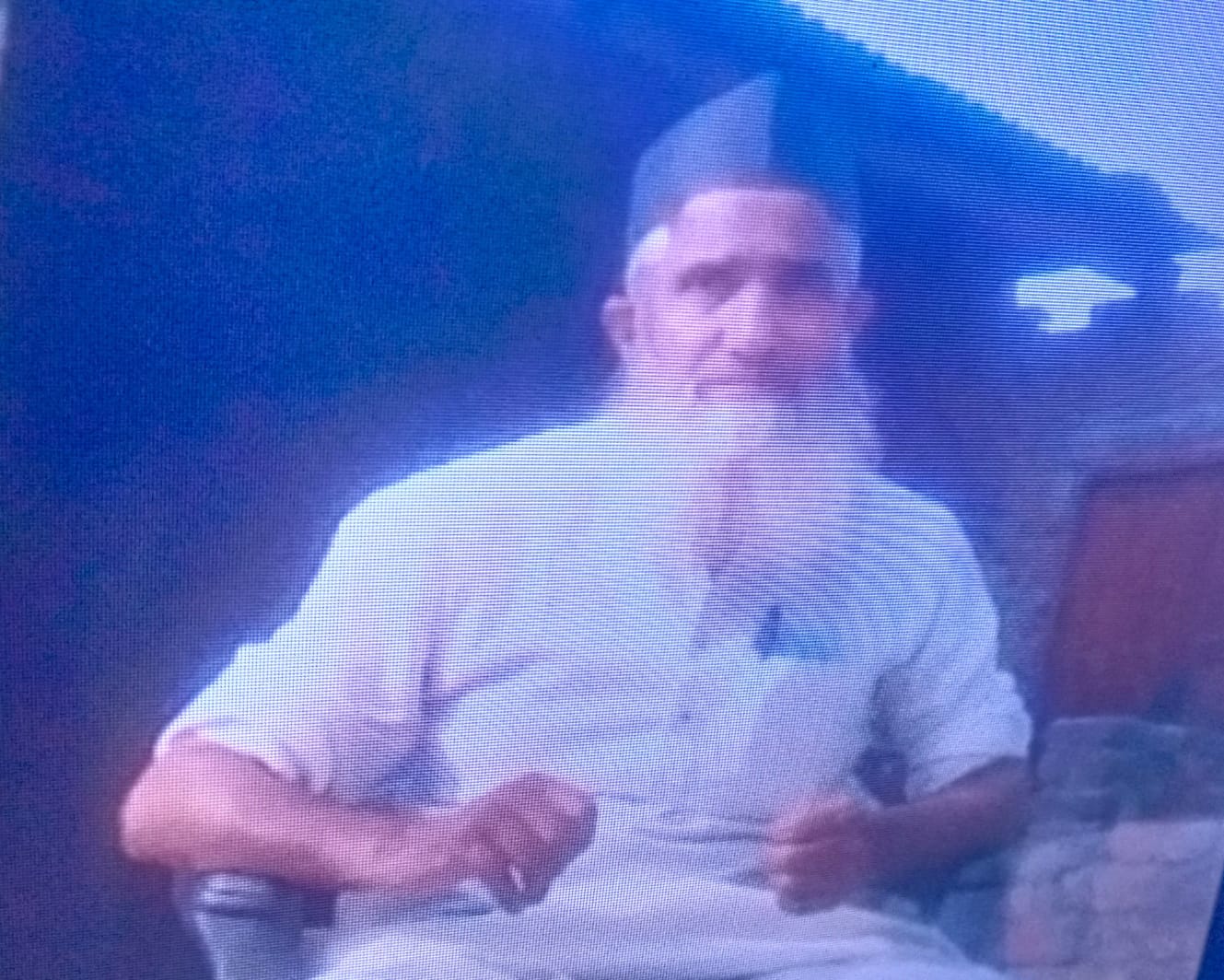
Muqeem…. “Haan ladki ko. Wo udhar maeel ho jaye”.

Reporter….. “Maeel ho jaye matlab” ?

Muqeem….. “Uski taraf jhuk jaye. Ladke ki taraf”.

Reporter…. “Matlab Musalman ho jaye”.

Muqeem…. “Haan”.

[Now, Maulana Muqeem advised the reporter how to convert a Hindu girl into Islam for  marriage. He said that the girl can be converted to Islam with the help of Taweez [amulet/talisman]. Also, something mixed with some “dua” will be given to the girl to eat, which will make her mind tilt towards Islam].

Maulana Muqeem told us that he would send the Hindu girl for conversion to Islamic scholar Kaleem Siddiqui who lives in Meerut. According to Muqeem, Kaleem Siddiqui has a  permission from the government to convert people. Muqeem said he doesn’t  have the permission to convert people. He said that if any Hindu girl comes to him for the conversion, he cannot accede to her request. And if he tried to do so, he would be arrested.

This is to just remind our readers that Islamic scholar, Maulana Kaleem Siddqui, about whom Maulana Muqeem was talking about for the conversion was arrested by the Uttar Pradesh Anti-Terrorist Squad [ATS] from Meerut for allegedly running the biggest conversion syndicate. At the time of filing of this report, he is lodged in a jail.

Reporter…. “Ladki ko agar hum aap ke paas lekar ayengey to aap karwa dengey ladki ko Islam qubool”?
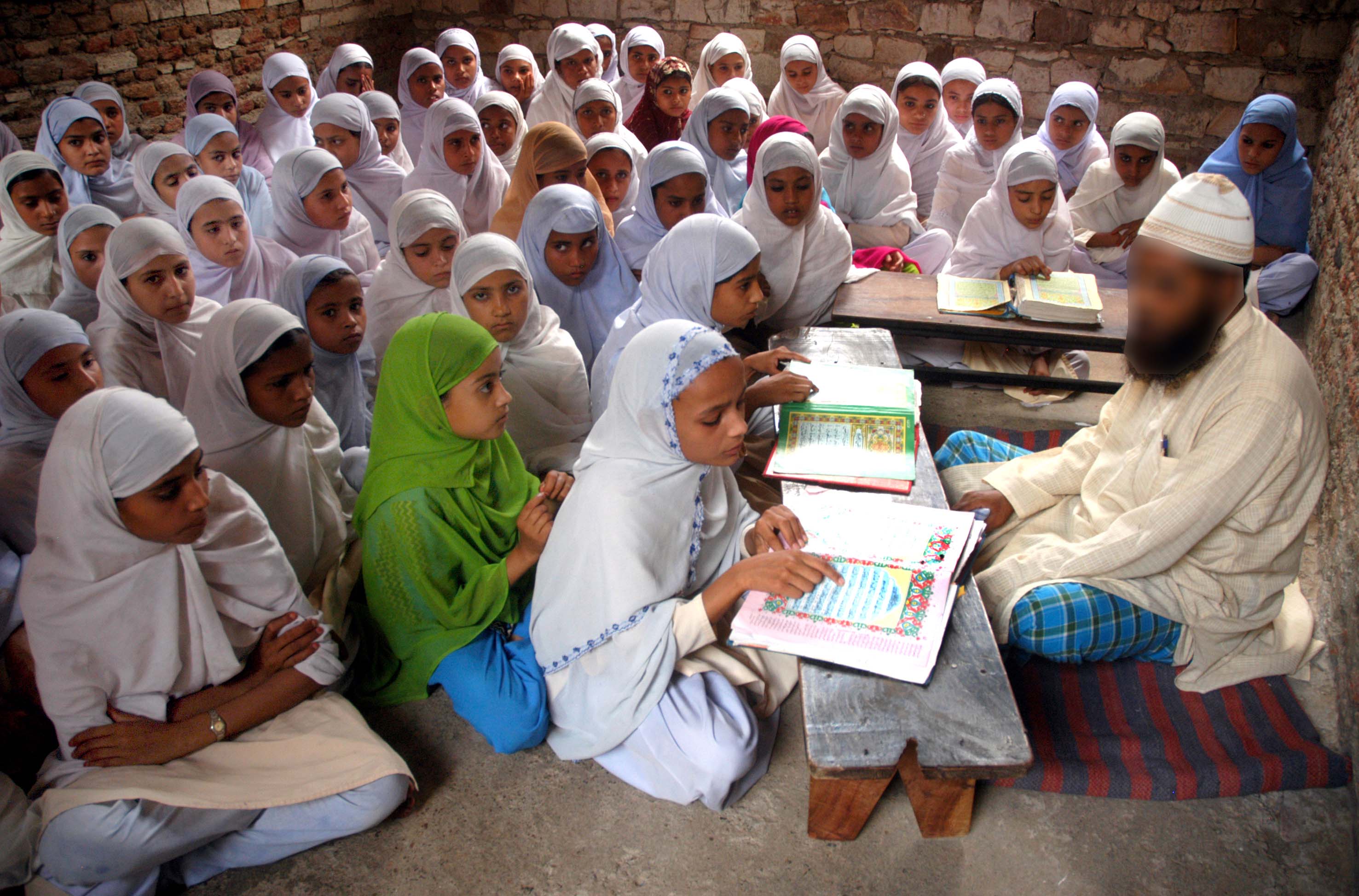
Muqeem…. “Main bhejunga Meerut. Meerut main Fulat mein humarey ustaad ke ustaad hai Kaleem Siddiqui saheb. Jinko sarkaar se aisi permission hasil hai. Agar koi Kalma pada sakta hai to aap usko padaye. Unko ye permission hai sarkaar se. Yahan koi ladki mere paas aati hai. Mujhey permission nahin hai. Mujhey police waley pakad lengey ki kyon kalma padaya aapne. Unke paas permission hai.”

Reporter….. “Kaleem Siddiqui ke paas”?

Muqeem…. “Kaleem Siddiqui saheb”.

Reporter….. “Meerut main kahan rehte hai” ?

Muqeem…. “Wo Fullat main rehte hai” ?

[According to Maulana Muqeem, he will send the Hindu girl for conversion to Maulana Kaleem Siddiqui in Meerut. He said Maulana Siddiqui has the permission from the government to convert people, which he doesn’t have.]

Maulana Muqeem now explained how the introduction of Love-Jihad law had changed the scenario in Uttar Pradesh.

Muqeem….. “Ab ye BJP sarkar na ho. Ye kanoon pass karwa lengey. Kanoon paas ho gaya Love-Jihad ka.”

Reporter…. “Ordinance laye hai ye”.

Muqeem…. “Agar ye na paas hua hota to ye hi kalma, yahin padwa deta. Pakdo nikaah hua bhai. Main ye keh deta ki kalma padwaya hai, nikah padwaya hai. Koi dikkat nahin, kuch nahin.”

Reporter….. “Aap hi karwa dete” ?

Muqeem…. “Haan”.

[Muqeem said if love-jihad law had not come into effect in Uttar Pradesh, he himself would have converted the Hindu girl into Islam and performed the nikah too. However, now he is wary of the Love-Jihad law].

The first meeting with Maulana Muqeem was held at a mosque, where he was working as Imam. After months, we met Maulana Muqeem again, this time at his new workplace, situated in another area of the city. In the second meeting, Maulana Muqeem gave us two ideas of how to marry a Hindu girl by hoodwinking the law. He said that he was open to both the options.

Reporter…. “Court marriage apne-apne mazhab par hogi”?

Muqeem…. “Haan”.

Reporter…. “Bhanja humara Muslim rahega. Ladki Hindu rahegi” ?

Muqeem…. “Apne-apne mazhab par”.

Reporter…. “Lekin aap to keh rahe ho wo shaadi Islam mein jayaz nahin hai”. ?

Muqeem…. “Court mein honey ka matlab sarkar ki taraf se certificate hai. Lekin dono aapas mein saath reh sakte hai. Udhar se humein certificate mil jayega. Idhar hum unka fauran nikah karwa dengey.”

Reporter…. “Udhar certificate milega”?

Muqeem…. “Idhar hum fauran nikah karwa dengey”.

Reporter…. “Nikah aur conversion dono aap hi karwayengey” ?

Muqeem…. “Haan”.

Reporter…. “Aap hi karwayengey”.

Muqeem…. “Haan”.
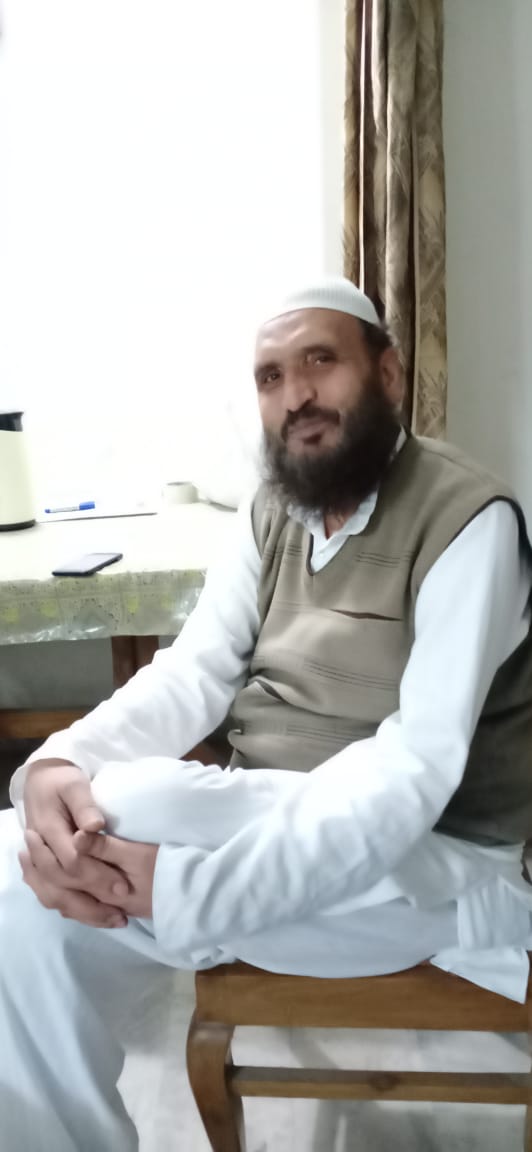
[To avoid controversy of converting a Hindu girl into Islam for the purpose of  marriage, Muqeem gave us an idea that we can first go for the court marriage and get the certificate of marriage to let the government know that we have solemnized marriage without conversion, as per the law of the land. And once the girl becomes the legal wife of the boy and starts living with him, she can then be converted to Muslim faith.]

Muqeem now gave us the second option under which he himself would secretly convert the Hindu girl into Islam at the unknown location in the presence of the selected people and perform the nikah.

Muqeem…. “Aisey ho sakta hai ki ladka-ladki ek jagah jama ho, kahin bhi. Wahan main pahuch jaoo. Wo mere paas aa gaye ladka-ladki ya main unke paas chala jaunga. Phir main unke apne haath par haraab bharke unko main convert karwa dunga. Jo Islam ke kanoon hai, farz hai wo unko bata dunga. Qabool karwa dunga. Aur phir wahin nikah pawda dunga. Aur main jo likh kar certificate dunga ki mainey tumhey convert kar liya hai aur nikah padwa diya. Phir jo hai meri pakad hai. Tumney kaisey padaya nikah inka.? Tumney kaisey certificate diya isko”?

Reporter…. “Nahin ye aap dono tareekey par tayyar hai?

Muqeem…. “Haan”.

[Muqeem told us that he is ready to convert Hindu girl into Islam and perform nikah at a secret location in the presence of selected people].

Maulana Muqeem now told us about how much a muslim cleric charges for conversion and  nikah. He calls them “Wardi Wala”.

Muqeem…. “Jo wardi waley hotey hai”.

Reporter…. “Ji” ?

Muqeem…. “Jo wardi waley hotey hai. Jo 2 number keh lijiye. 11000, koi, 21000, 30,000 wo maangte hai”.

Reporter…. “Ye wardi waley.. police waley”?

Muqeem…. “Nahin-nahin. Humari niyat kharaab ho jaati hai bhai. Kaam to kar dengey. Kaam to ho jayega. Kharcha itna ayega”.

Reporter…. “Apko kitna nazar kar diya jaye”?

Muqeem… “Wo apki marzi hai. Mera kuch nahin hai”.

Reporter…. “Phir bhi ek thoda sa idea andaza” ?

Muqeem…. “Kuch nahin”.

Reporter…. “10,000, 15000” ?

Muqeem…. “Kuch nahin. Jo bhi aap chahyengey”.

[Muqeem commented on Muslim clerics by saying that they demand huge money for such kind of work. But he is not demanding anything from us. Whatever we’ll give him he would  accept that.]

“My main work is conversion. I convert people to Islam. Through this work, I make my living and also run my Madarsa. Due to Love-Jihad law in Uttar Pradesh, I have presently suspended my conversion work for the time being. I earned Rs 35-40k from each conversion and nikah. I am travelling pan India for conversion and nikah. I am converting not only Hindus to Islam but also converting Christians and Jews to Islam. Recently I converted Christian into Islam in Bangalore. Through this, I earned Rs 1 lakh. Till date, I have done 300 conversions”. This is Maulana Altafur Rahman for you, who runs Masjid and Madarsa in another city of Uttar Pradesh.

We approached him after meeting Muqeem with the same fictitious deal that our Muslim nephew has fallen in love with a Hindu girl and wants to marry her. And for that we need his advice. Maulana Altafur Rahman candidly confessed that he does conversions pan India, and also perform nikah of interfaith couples. For our case, he said due to Love-Jihad law, his lawyer has advised him not to give any evidence in the form of conversion and nikah certificates. He also said that without converting Hindu girl into Islam, nikah is not possible.

Altaf…. “Doosrey mazhab mein nikah nahin hota hai. Isliye hum sabse pehley doosrey mazhab walon ko Islam mazhab main laaney ka system hai ek. Application lagana. Kalma padana.”

Reporter…. “Kya kara karke” ?

Altaf…. “Kalma padatey hai. Samjhatey bina kisi ki burai ke. Uske baad hum usko de dete hai certificate”.

Reporter…. “Conversion ka” ?

Altaf…. “ Haan conversion ka”.

Reporter…. “Nikah bhi karwa dete hai” ?

Altaf…. “Nikah bhi karwa dete hai. Court mein bhi karwa dete hai. Teenon kam karwa dete hai”.

Reporter…. “To ye abhi tak karwa rahe they” ?

Altaf…. “Abhi tak karwa raha tha main. Kyonki ye kanoon nikal gaya hai. Kanoon tak jaaney se pehley humarey saath koi badtameezi ho jaye. Hai hullad mach jaye. Us baat ke liye humein wakeel saheb ne mana kar diya hai. Ab nikah bhi padwatey hai to bas bina kagaz ke”.

[ Altaf told Tehelka that before love-jihad  law in Uttar Pradesh, he was converting people, conducting their nikah and performing their court marriages and issuing them certificates. But after this law, his lawyer has advised him not to issue any certificate to avoid any controversy. Altaf also told us that a Muslim cannot marry a Hindu without converting them to Islam].

Now Altaf told Tehelka that after embracing Islam and marrying a Muslim boy, if girl starts showing aversion to Islam, then her punishment is death. Her head should be chopped off.

Altaf…. “Islam qbool karne ke baad agar nafrat ke saath keh de ye deen mujhey pasand nahin hai. To uski saza hai gardan uda di jayee”.

Reporter…. “ To kaun katega gardan” ?

Altaf…. “Islami, Islami ya uski adalat”.

Reporter…. “Shauhar”?

Altaf…. “ Shauhar nahin. Agar shauhar karega to mulzim ho jayega na wo to. Hindustan ke kanoon se bhi aur shariat se bhi. Saza-e-maut jo hai wo dene ka akhtiyaar wo qazi ko hai.

Reporter…. “Aap bhi to qazi hai”?

Altaf…. “Nahin.. main to registered hoon na. Yahan dekhiye hum Islamic mulk mein nahin hai. Agar hum Islamic mulk main hotey to humara faisla chalta”.

[Altaf brazenly told Tehelka that if a girl after marrying and converting to Islam, starts detesting the religion, then her punishment is death. Her head should be chopped off. However he hastened to add that only the sharia court qazi of any Islamic country has the right to pronounce such judgement.]

Altaf agreed to do counselling of a Hindu girl so that she converts to Islam before marrying the Muslim boy. In this instance too, a fictitious nephew of  the Tehelka reporter wanted to marry a Hindu girl. Altaf said that he will use some Taweez [amulet] for the girl so that she starts liking Islam religion and converts to Islam of her own free will.

Reporter….. “Haan to us ladki ko mein aapke paas pehley bhej deta hoon. Aisa ho jaye ki poori tareekey se Islam mein aa jaye. Aap jahan aisa kar de.”

Altaf…. “Baat karte hai”.

Reporter…. “ Ho jayega sir zahan aisa” ?

Altaf…. “ Mujhey poori ummeed hai allah par. Kuch pad kar bhi khila dengey. Meethey mein. Par usmein ladki ko ladki ke maa ka naam yaad hona zaroori hai. Charon ka naam rahega na to kuch ruhon ka bhi asar rehta hai. Hum sab ke saath karte hai. Bade-bade tilak dhaari aatey hai mere paas”.

[ Altaf said he will do counseling of the Hindu girl to become Muslim. He will also use Taweez [amulet] which make her inclined towards Islam.]

Altaf challenged love jihad law of Uttar Pradesh and told Tehelka that no work will stop no matter how many laws you make.

Reporter…. “Ye jo love jihad kanoon ban gaya Uttar Pradesh mein. To ab iski wajah se aagey bhi nahin ho payega” ?

Altaf…. “Kaam sarey honey hai. Kaam sarey honey hai. Chahe kitney hi kanoon bana do”.

[ Altaf said no work will stop. No matter how many laws are made.]

Altaf said because of the love jihad law, he will give us backdated papers of our nephew’s inter-faith fictitious marriage.

Altaf…. “Is waqt jo hai loha garam hai. Loha jab garam ho chot ka asar jaldi hota hai. Jab loha thanda ho jata hai na to chot ka asar utna nahin hota. Is waqt usey taalney main fayeda hai. Baaki main kaam kar dunga apka. Jitna hum back date main hum apko kagaz dengey utna aap usko court mein istemal karengey. Utna apko fayeda rahega.”

Reporter…. “Achcha to back date ke kaagaz mil jayengey” ?

Altaf…. “Haan”.

Reporter…. “Conversion aur nikah dono ka” ?

Altaf…. “Haan conversion aur nikah dono ka”.

Altaf confessed that carrying out conversions and performing nikahs were main parts of his occupation, through which he supported his family and also ran his Madarsa. He admitted that so far he had done 300 conversions in India.

Altaf…. “Barhaal mein conversion bhi karta hoon. Main nikah bhi padata hoon. Door-door tak hindustan ke har soobey main jaata hoon”.

Reporter…. “To aap  conversion Hindu ladko ka bhi karte hai ya ladkiyon ka bhi” ?

Altaf…. “Sabka karte hai”.

Reporter…. “Jo bhi aa jaye” ?

Altaf…. “Jo bhi aata hai, chahe isai ho, yahudi ho, irani ho. Abhi mainey ek isai ko kiya hai Bangalore mein. Usney kum se kum mere oopar ek lakh rupay kharch kiya hai.”

Reporter…. “To apne kitney conversion karwa diye hongey abhi tak” ?

Altaf…. “300 se zyada”.

[ Altaf admitted that converting people to Islam was his main occupation.]

Altaf said that because of that love jihad law in Uttar Pradesh, he has temporarily suspended his practice of coverting people.

Reporter…. “To conversion kis type ka karate hai” ?

Altaf…. “Musalman banata hoon”.

Reporter… “Achcha. Hindu se”?

Altaf…. “Abhi love-jihad ka chakkar chal raha hai abhi isliye thoda sa ruk gaya hoon abhi. Mera main kaam wahi hai. Usi se main apna ghar bhi chalata hoon. Madarsa bhi”.

[Altaf disclosed that because of the love-jihad controversy, he has put on hold his practice of converting people to Islam. Otherwise converting people is his main occupation, which helps him run his house and Madarsa.]

It also came to light that Altaf  has no problem in taking our black money from South Africa and Dubai for his Madarsa.

Reporter… “Meri ek baat samajh lijiye. Wo bank ke through nahin dena chah rahe hai”.

Altaf…. “Koi baat nahin”.

Reporter…. “Unka wo legal money nahin hai”.

Altaf…. “Theek hai”.

Reporter….. “Jaisey wo black money hota hai na us type ka hai. To wo bank ke through dena nahin chah rahe hai. Wo dena India mein, rehte wo South Africa mein”.

Altaf…. “India mein dena chah rahe hai na”?

Reporter…. “Aur ek Dubai mein. To us paisey ko aap videshi mulk se Hindustan main kaisey laoogey” ?

Altaf….. “Hum jaa kar lekar ayengey na. Hum koi rasta nikalengey”.

Reporter….. “Aap aisey koi paisa thodi laogey hawai jahaaz mein. Pakde jaogey custom mein pakdey jaogey”.

Altaf…. “Kitna paisa dengey” ?

Reporter…. “India ke hisaab se se hoga 10-20 lakh rupay”.

Altaf….. “Kuch nahin hota 10-20 lakh rupya. Aap kya samajh rahe ho. Crore rupay bhi dega to hum lekar ayengey”.

Reporter…. “To aap kaisey laogey tareeka to bata do” ?
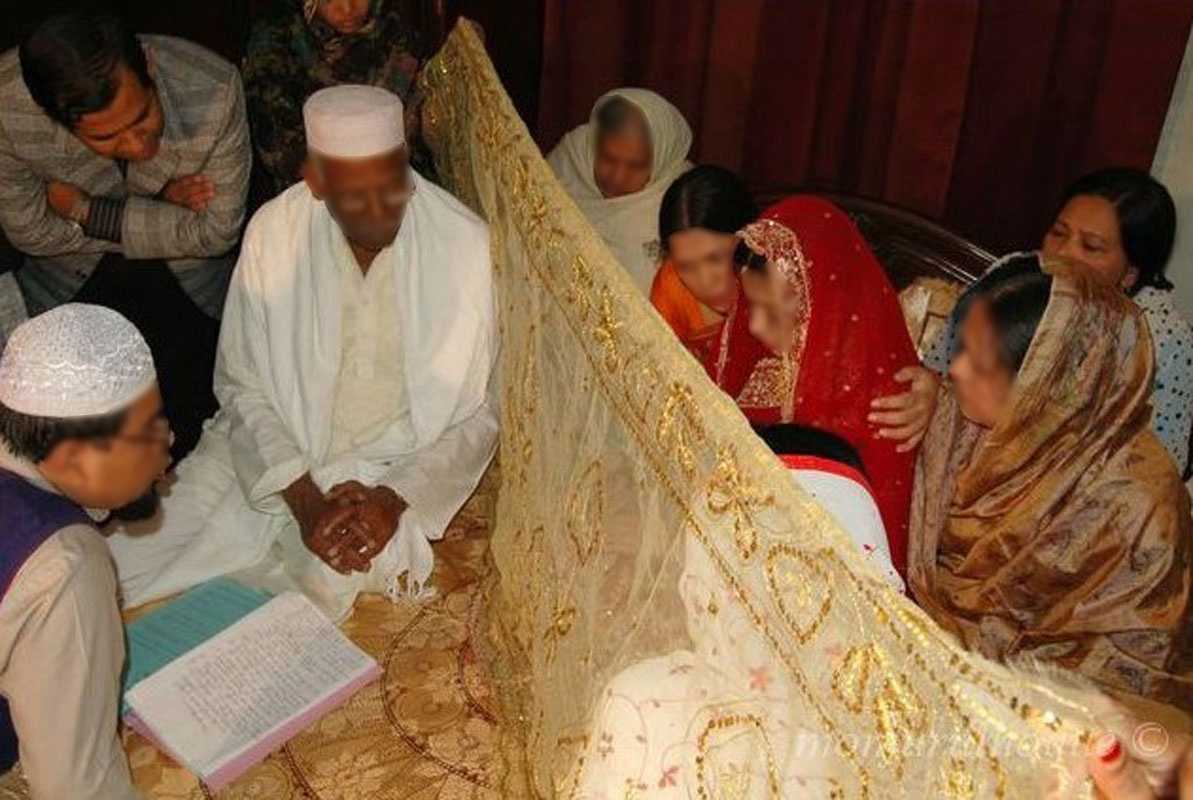
Altaf…. “Uska tareeqa to saath ki saath batayega.. jo humarey aadmi hai wo unse mashwira lengey.. dekhiye business hai unka. Imran hai Thailand mai uska  wo ladki lekar aaya nikah padaya mainey. Wo poori duniya mein jaata hai business karney jeans-pants ka. Wo aisa taana-baana bunega. Apna business dikha kar lekar ayega.”

[Altaf had no hesitation in accepting the black money for his Madarsa. He also told how he would weave a story to hoodwink the authorities and bring the money from foreign shores to India.]

While reacting to Tehelka’s reality check-cum-investigation on conversion, renowned Islamic scholar Dr. Maulana Maqsood-ul-Hasan Qasmi described conversion for marriage as illegal in Islam. According to him, Islam doesn’t endorse conversion for marriage. He said if someone has converted to Islam of her own free will without any force much before their marriage then it is legal in Islam. But if someone is getting converted just for the sake of marriage and that too just a few days before tying the knot, then such act is un-Islamic and against the law of the land. Reacting to what Muqeem and Altaf said during the Tehelka investigation, Maulana Maqsood said, “Such people are insane. They don’t have any knowledge of Islam. And they call themselves Maulvis.”

Khalid Saleem, another renowned Islamic scholar, while reacting to Tehelka’s expose, said, “Such people who talk about hitting women if they refuse  to convert to Islam and talk about chopping of their head if they start disliking Islam should be sent to jail immediately. They are not only un-Islamic but anti-nationals too. Islam is a religion of peace. It does not endorse violence in any form”.



Farce of conversion threatening national security

When recently the Supreme Court described forced religious conversions as a “very serious” matter affecting national security, it once again turned the spotlight on anti-conversion laws.  The Apex Court has issued a notice on a PIL seeking directions to the Centre and states, noting that religious conversion was legal under the Constitution but forceful conversion was not permissible. The PIL alleges that Hindus will soon become a tiny segment of the population of our overpopulated country. The Constitution grants freedom of religion as a fundamental right. Yet the 1984 anti-Sikh riots in Delhi, the 1990 anti-Hindu riots in Kashmir, the 2002 Gujarat riots and the 2008 anti-Christian riots happened.

Tehelka Cover Story “Convert to get married” by our Special Investigation Team reveals how some Muslim clerics have found a way around the anti-conversion law to convert people and pave way for inter-faith marriage. Tehelka Reporter approached Maulana Mohammad Muqeem, Imam of a mosque in Uttar Pradesh, in the disguise of a man seeking to get his Muslim nephew married to a Hindu girl and recorded the entire conversation in hidden cameras. This is what the Imam said, “First of all, convert the Hindu girl into Islam before marrying her. After the marriage, if the girl asks that she wants to leave Islam and go back to Hindu religion, then first politely ask her not to do so. And if she doesn’t listen, then give her a slap on the face.  Beat her in the way that it should not result in any external injury or fracture in bones. You should not leave any evidence of violence on your wife’s body if you want to escape police action for domestic violence.”

It may be recalled that some time back, a prominent Islamic scholar, Maulana Kaleem Siddiqui and eight others were arrested by the Uttar Pradesh Anti-Terrorist Squad on the charge of running the “biggest conversion syndicate”.  Siddiqui is one of the prominent clerics from western Uttar Pradesh and the president of Global Peace Centre as well as Jamia Imam Waliullah Trust. The ATS had claimed that the Trust had received Rs 3 crore in foreign funding including Rs 1.5 crore from Bahrain. It claimed that they were involved in the racket through inducements such as marriage, money, employment, and even coercion.

Now, some states have enacted anti-conversion laws to prevent ‘conversion’ for the purpose of marriage while all states have banned conversion by force, fraud or allurement and inducement of money. However, laws cannot operate in a vacuum and there is the need to check motivated religious indoctrination, coercion and inducements that can negate the freedom of religion and conscience. Already reacting to Tehelka’s reality check, renowned Islamic scholars Dr. Maulana Maqsood-ul-Hasan Qasmi and Khalid Saleem described conversion for marriage as illegal in Islam, castigating those who propagate the idea of hitting women if they refuse to convert to Islam.


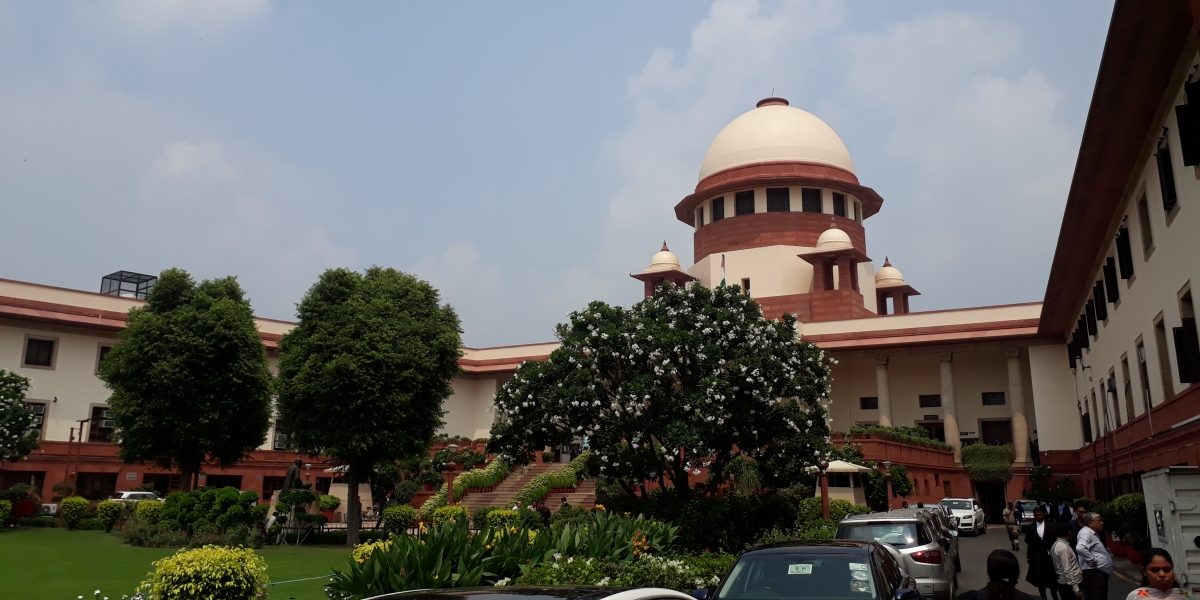
SC grills govt over procedure to appoint ECI members

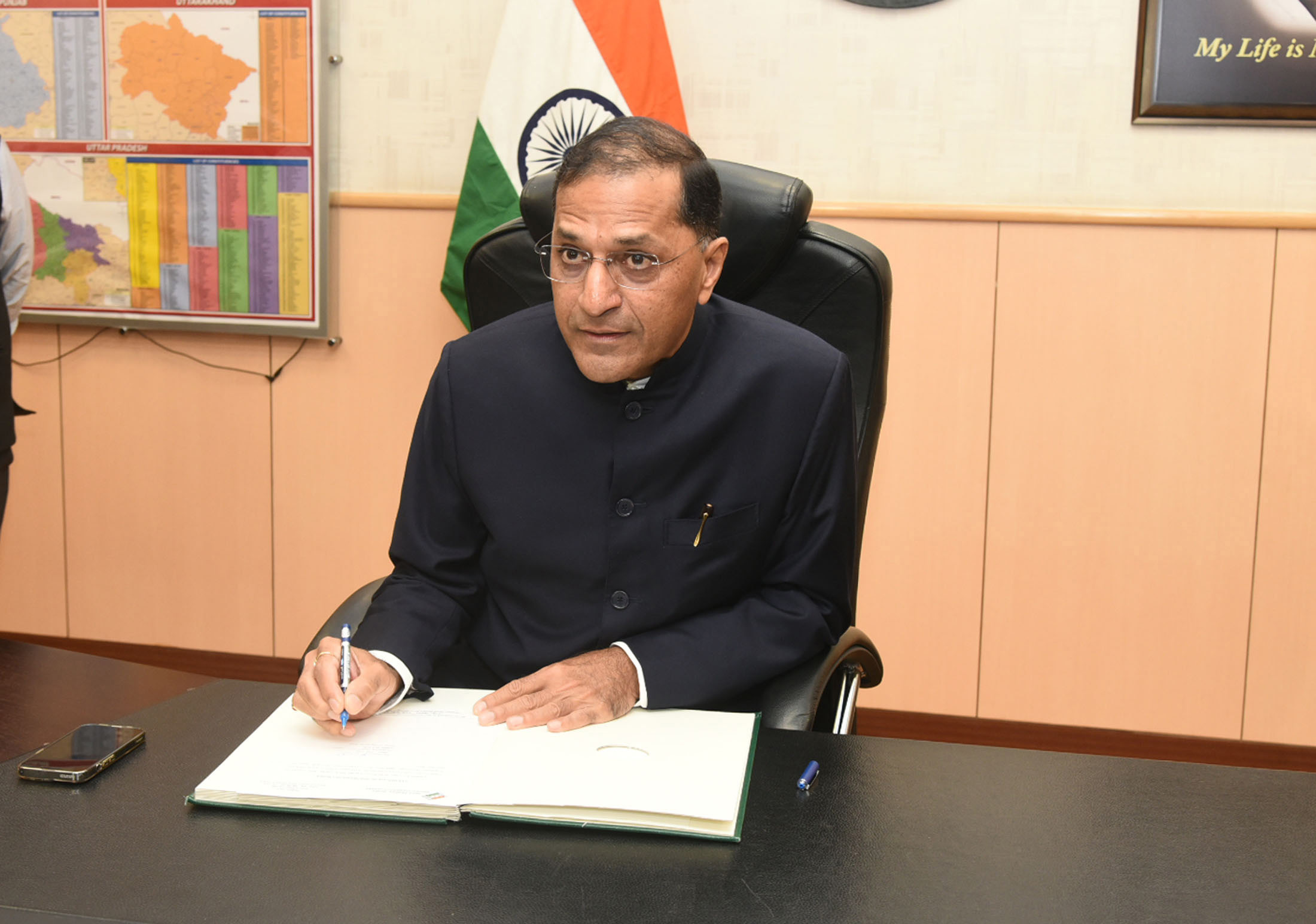
The court questioned the ‘lightening speed’ with which Arun Goel, IAS of Punjab cadre, was appointed Election Commissioner within a day after he voluntarily resigned, and also asked why a person, whose tenure would not last mandatory 6 year period ,was appointed, writes Mudit Mathur

A constitution bench of the Supreme Court of India posed tough and uncomfortable questions with regard to the procedure of appointments adopted by the political executive to select the members of the Election Commission of India (ECI) for less than a fixed period of six years. Undoubtedly, free and fair elections are the roots for the representative form of democratic governance and an independent Election Commission is very vital for the future of democracy as conceived by the founding fathers of the Constitution. But since independence, no law was enacted ensuring just, fair, transparent and reasonable process to appoint the members of the Election Commission which is against the constitutional mandate.

A Constitution bench headed by Justice KM Joseph and Justices Ajay Rastogi, Aniruddha Bose, Hrishikesh Roy and CT Ravi Kumar reserved the judgement after hearing batch of petitions challenging the way the appointment of members for the ECI being made on the many grounds including that the executive enjoys the unbridled power to make appointments in violation of Article 324(2), 14 and basic structure of the Constitution of India. While reserving the judgement on petitions seeking an independent mechanism to appoint Election Commissioners, the bench asked the parties to file brief notes, not exceeding 6 pages, within 5 days.

Advocate Prashant Bhushan had informed the court that while the matter was being heard that a 1985-batch IAS officer Arun Goel got voluntary retirement from service in a single day, his file was cleared by the Law Ministry in a single day, a panel of four names were put up before the Prime Minister and Goel’s name got the nod from the President within 24 hours for appointment on the post of Election Commissioner.

The matter further flared up during the hearing when a new member Arun Goel, IAS of Punjab cadre, was appointed and assumed the charge of the office of Election Commissioner with supersonic lightning speed that provoked the curiosity of the bench to look into the file of appointment to see methodology adopted behind it. Looking at the summoned records on the next day of hearing, Justice KM Joseph asked the Attorney General for India, R Venkataramani why a person, whose tenure would not last a mandatory 6 years period was appointed?

“We don’t have anything against an individual. This man, in fact, is excellent in terms of academics. But we are concerned with the structure of the appointment. On 18th, we hear the case, on the same day you move the file, on the same day the PM says I recommend his name. Why this urgency? It says based on the list maintained, there are 4 names that you have recommended. I want to understand that out of a vast reservoir of names, how do you actually select a name…Someone who was about to be superannuated in December. He is the youngest among the 4 names that were recommended. Is that a criteria? How did you select?”, Justice KM Joseph, the presiding judge of the bench, further asked.

Justice Ajay Rastogi also said that sometimes speed is required in appointments for some or the other reason. However, he pointed out that this vacancy had arisen on 15th May. “Can you show us from 15th May to 18th November, what did you do? What prevailed upon the government that you did this appointment superfast on one day? Same day process, same day clearance, same day application, same day appointment. File has not even travelled 24 hours also. Lightning fast!”, he remarked.

The AG responded that there is a certain basis for shortlisting, such as seniority, retirement, tenure he will have in the EC.  “So that one who is appointed gets at least 6 years as ElectionCommissioner.” Justice Joseph then pointed out that even among the 4 names that were shortlisted, the government selected names of people who will not get even 6 years as Election Commissioner.

“You are required to pick up people who should get 6 years as EC. Now you have not picked up such people who will get an ordinary period of 6 years as EC either.” This is a violation of Section 6 of the Chief Election Commissioner & Other Election Commissioners (Conditions of Service) Act, 1991, Justice Joseph pointed out while inspecting the records.

The procedure of selection to the constitutional post was challenged by batch of petitions, oldest being since 2015, and issue was referred to a constitution bench on 23rd October, 2018 by a two-judge bench comprising the then chief justice and Justice Sanjay Kishan Kaul, observing,

“The matter relates to what the petitioner perceives to be a requirement of having a fool-proof and better system of appointment of members of the Election Commission. Having heard the learned counsel for the petitioner and the learned Attorney General for India we are of the view that the matter may require a close look and interpretation of the provisions of Article 324 of the Constitution of India. The issue has not been debated and answered by this Court earlier. Article 145 (3) of the Constitution of India would, therefore, require the Court to refer the matter to a Constitution Bench. We, accordingly, refer the question arising in the present proceedings to a Constitution Bench for an authoritative pronouncement.”

The petitioners challenged the present system of appointment of chief election commissioner and other commissioners and prayed, “Issue a writ of mandamus or an appropriate writ, order or direction, commanding the respondent to make law for ensuring a fair, just and transparent process of selection by constituting a neutral and independent collegium/selection committee to recommend the name for the appointment of the member of the Election Commission under Article 324 (2) of the Constitution of India etc.”

The Association of Democratic Reforms filed a writ petition through its Founder-Trustee Prof. Jagdeep S Chhokar before the apex court challenging constitutional validity of the present practice of appointing the members of Election Commission solely by the executive being violative of Article 14, 324(2) and basic features of the Constitution.

Citing the Article 324(2) of the Constitution of India which states: “324(2): The Election Commission shall consist of the Chief Election Commissioner and such number of other Election Commissioners, if any, as the President may from time-to-time fix and the appointment of the Chief Election Commissioner and other Election Commissioners shall, subject to the provisions of any law made on that behalf by Parliament, be made by the President.”

The petitioner contended that presently, the appointment of Chief Election Commissioner and Election Commissioner is done solely by the executive. The impugned practice is incompatible with Article 324(2) and is manifestly arbitrary because, “Article 324(2) mandates Parliament to make a just, fair, and reasonable law.”

The Petitioner also seeks writ of mandamus or an appropriate writ, order or direction for constituting a neutral and independent collegium/selection committee to recommend the names for appointment on the vacant post of the members of the Election Commission on the lines of the recommendations of Law Commission in its 255th Report of March 2015; Second Administrative Reform Commission in its fourth Report of January 2007; Dr. Dinesh Goswami Committee in its Report of May 1990; and Justice Tarkunde Committee in its Report of 1975.

In absence of legislation and continuing failure of the state to implement reports of Law Commission and various other committee, the petitioners urged the apex court that to use its extraordinary powers to ensure proper implementation of the rule of law and fill the vacuum occurred on account of the aforesaid inaction till such time the legislature steps in to cover the gap or the executive discharges its role.

The Law Commission of India and these committees more or less pleaded for the appointment of all the Election Commissioners should be made by the President in consultation with a three-member collegium or selection committee, consisting of the Prime Minister, the Leader of the Opposition of the Lok Sabha and the Chief Justice of India.

The petitioners strongly urged the apex court that in the absence of legislation and continuing failure of the state to implement reports of Law Commission and various other committees, it should use its extraordinary powers to ensure proper implementation of the rule of law and fill the vacuum occurred on account of the aforesaid inaction till such time the legislature steps in to cover the gap or the executive discharges its role.


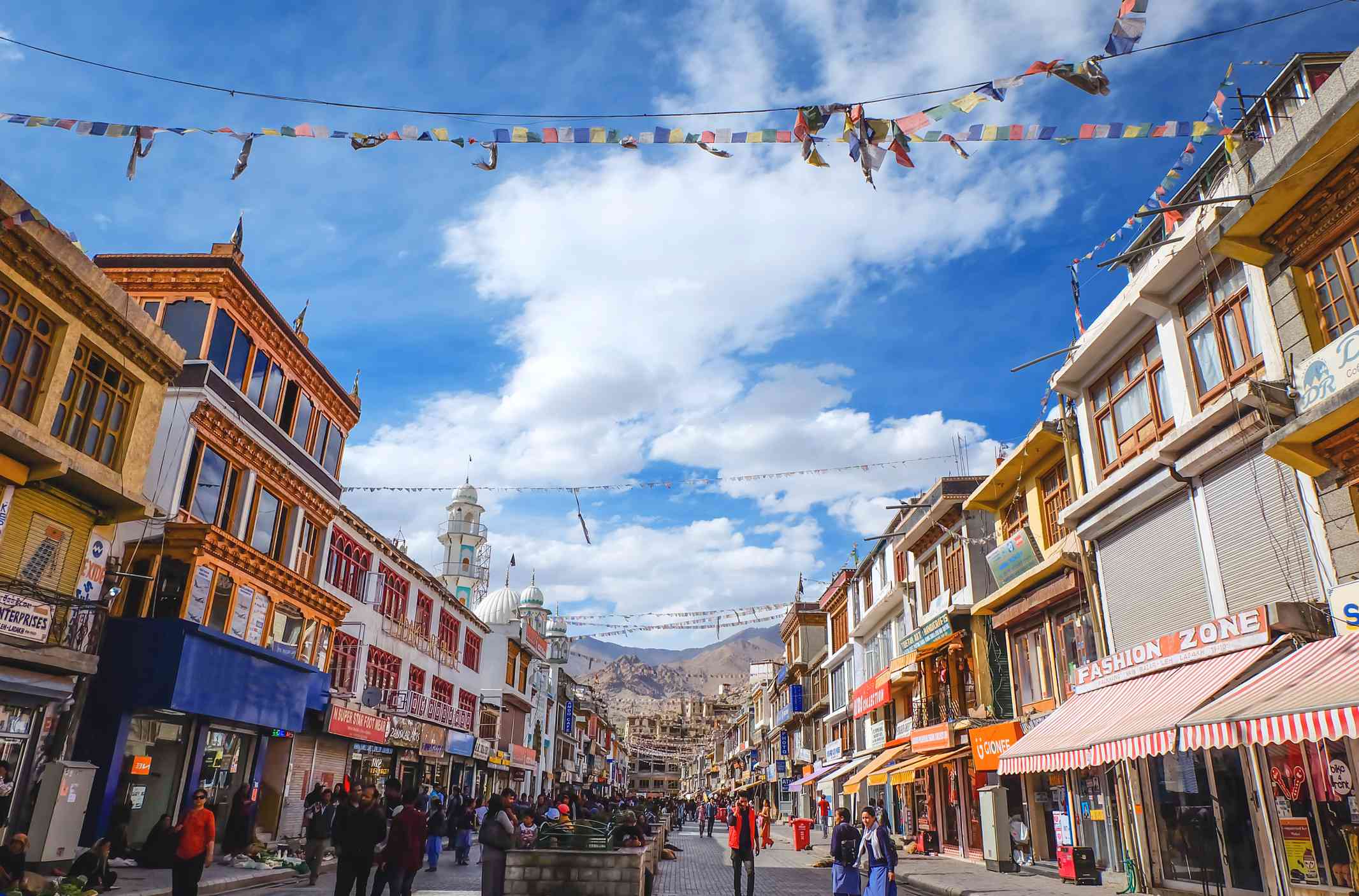
Ladakhis close ranks as their demand for statehood gains momentum

LHDC has  passed second resolution in a month seeking statehood for the UT and constitutional safeguards under 6th Schedule. The apprehension of a change in demography has brought the people of Leh and Kargil together, which was once unthinkable.  A report by Riyaz Wani

In the second resolution in one month, the Ladakh Hill Development Council has demanded statehood, an extension of the sixth schedule, separate Lok Sabha seats for Leh and Kargil and Public Service Commission for the region.

According to the resolution, the public resentment in Ladakh has grown since the state of Jammu and Kashmir was reorganised. “It has further given rise to apprehensions among the public with regards to safeguarding of land, jobs, culture, and ecology,” the resolution read.

“In view of the revocation of Articles 370, and 35-A, of the Constitution of India, the protections provided by these articles, regarding land, culture, jobs, and ecology is no more there. And hence, it has been unanimously agreed across all strata of Ladakh that only the 6th Schedule can ensure the due protection of the land, jobs, culture, and ecology of Ladakh,” it adds.

Ladakh has only one seat in Parliament. Before the re-organization of the erstwhile state of J&K, Ladakh had four MLAs and two MLCs in the Assembly.  Ladakhis are sore that the region has now only one elected representative in the form of a Member Parliament, election for whom polarises its two regions – Leh and Kargil.

“Elections to the Member of Parliament often create a rift between the peaceful Ladakhi populace as it pits the people of Kargil against the people of Leh due to the sole seat of MP,” the resolution reads. “Internal division and rift among the local populace of this strategic location may also prove detrimental to national security. Communal harmony in such a sensitive region becomes of paramount importance, where India faces two warring and belligerent neighbours.”

Earlier on November 9, the BJP-led Ladakh Autonomous Hill Development Council Leh passed two resolutions seeking constitutional safeguards.

One was about constitutional safeguard for Ladakh under a suitable provision of the Indian Constitution and the second sought protection for unique regional identity along the lines of the 6th Schedule of the Indian Constitution.

Ironically, when Article 370 was withdrawn in August 2019, the people in Buddhist majority district of Leh celebrated. More so, when the region was granted a union territory (UT) status which was a longstanding demand among its Buddhist population. But with the UT demand granted, Ladakhis have suddenly become conscious of the drawbacks of the move, which they think has disempowered them and also made them vulnerable to demographic change. Hence the demand for constitutional safeguards under 6th Schedule.

In the new scheme of things, the democratically elected LAHDCs, both of Leh and Kargil, which acted autonomously in undivided J&K  have become redundant. The region is now directly ruled by the centre through a Lieutenant Governor. So, LAHDCs effectively mean little for regional empowerment.

Last year, the centre took steps to address the region’s anxiety about any potential change to its demography by giving it Article-370 like safeguards. The administration of Ladakh announced that it would issue “Resident Certificates” only to holders of Permanent Resident Certificates as was the case before the withdrawal of J&K autonomy when Ladakh was a part of Jammu and Kashmir.

This is unlike Jammu and Kashmir where the administration has allowed outsiders who have stayed in the region for a particular duration to apply for permanent residency rights and also buy land.

According to the Ladakh Resident Certificate Order 2021, “any person who possesses a Permanent Resident Certificate (PRC) issued by the competent authority in the districts of Leh and Kargil or belongs to a category of persons who would have been eligible to be issued PRC shall be eligible to receive the ‘Resident Certificate’.”

Ladakh has now been making a strong pitch for statehood for the region.  But the region hardly qualifies for statehood with a population of just three lakh. This has created a quandary for the union government. More so, at a time when it has no immediate plans to even restore statehood to Jammu and Kashmir.

The total population of Ladakh, according to 2011 census is 2.74 lakh.  While Leh with a population of  1,33,487 is Buddhist majority,  Kargil with a population of 1,40,802 is Muslim majority.  Overall, Ladakh has a slim Muslim majority.

The fear of the change in demography has brought the people of Leh and Kargil together. It is the first time in decades, the two Ladakh districts have been on the same page in pressing the union government to fulfill their demands for statehood and protection of rights. This was once unthinkable.


Taking a dig at looks, stoking fire with words

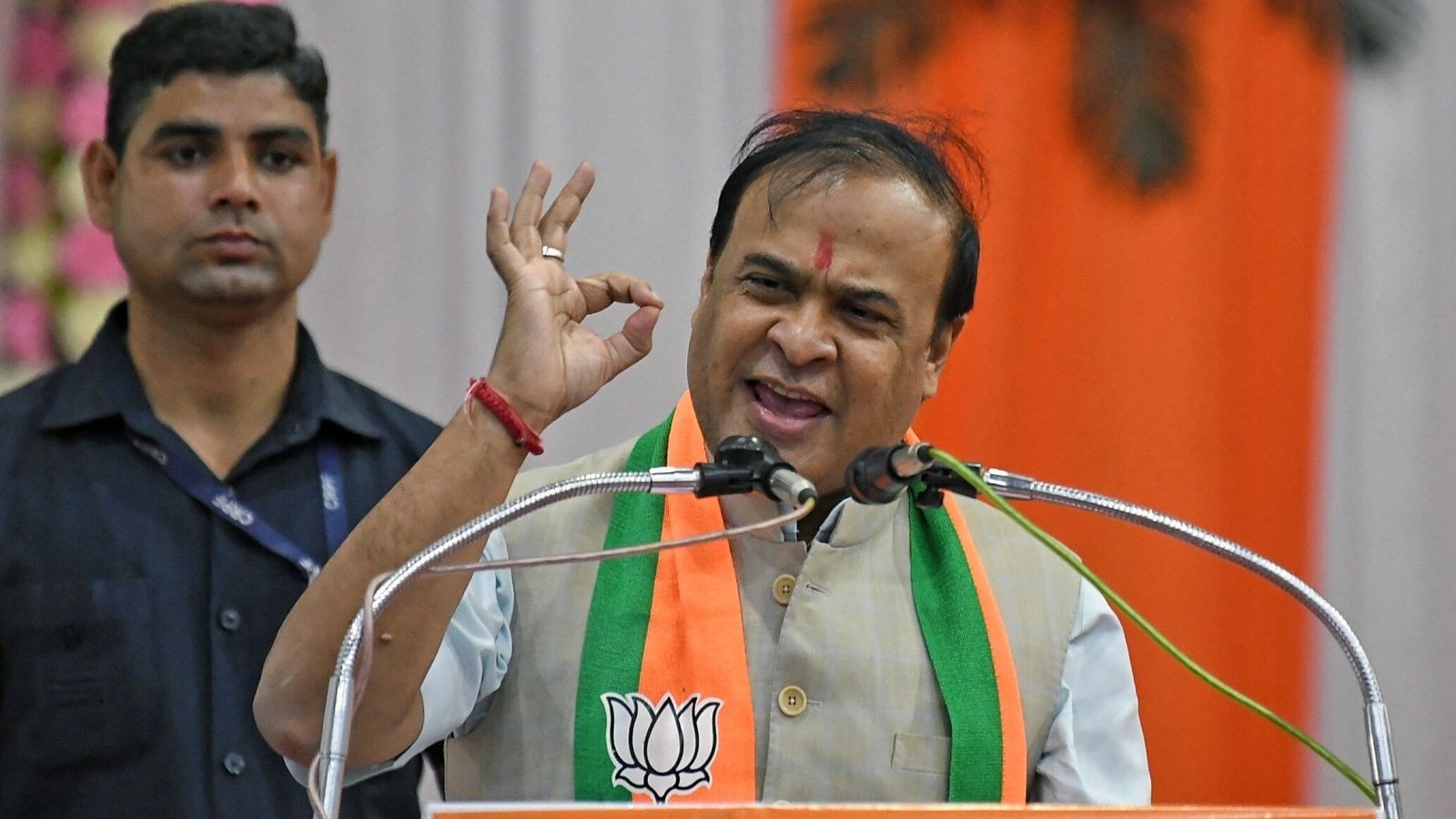
When Himanta Biswa Sarma compared Rahul Gandhi’s face to Saddam Hussein’s it was clear that he had not forgotten the alleged ill treatment meted out to him at the hands of Congress scion

When Assam Chief Minister Himanta Biswa Sarma compared Congress scion Rahul Gandhi’s face to Saddam Hussein’s he was clearly settling a score.

Sarma’s angst with Rahul goes back to his days as a Congressman. He has, perhaps not forgotten the alleged ill treatment meted out to him.

If Sarma’s version is anything to go by, back in those days, Gandhi had preferred to play with his dog Pidi rather than paying attention to what Sarma was saying: “Still remember you busy feeding biscuits to him while we wanted to discuss urgent Assam issues” Sarma had then tweeted.

If that was about behaviour, this time around it is about Gandhi’s looks. To quote Sarma yet again:

“…there is no problem with Rahul Gandhi’s new look. But if you have to change your look, then at least make it like Vallabhbhai Patel or Jawaharlal Nehru. Even better if you look like Gandhiji, but why do you look more like Saddam Hussein now?”

Currently on his mammoth Bharat Jodo Yatra, Rahul Gandhi dons a bearded look.

Quick to hit back, the Congress said that when Prime Minister Narendra Modi grew a beard, the Party said nothing.

It may be recalled that Prime Minister Modi had sported a full grown beard during the pandemic. Some had then compared him to Santa Claus and others to a yogi. Some went as far as saying he looked like Babur or else a character straight out of the Harry Potter series.

Looks and dogs apart, there are substantive issues involved. So if Sarma advised Rahul Gandhi to don the Mahatma’s looks, he was only whipping up a nationalistic fervour: “Rahul Ji, your face should be such that people can see Mahatma Gandhi, and Sardar Patel, but not that in which Saddam Hussain can be seen,” Sarma said.

While Sarma hammered Gandhi, Rahul Gandhi chose Savarkar. During the peaceful yatra which had camaraderie as its theme, Gandhi stoked a fire.

Talking to media persons, Gandhi said that the Hindu ideologue helped the British and also sought mercy from them.

Dangling a paper that claimed was written by Savarkar to the British, Gandhi said: “I will read the last line”, which says, “I beg to remain your most obedient servant”.

Worse still, Gandhi said that his view is that Savarkar signed the letter out of fear and in doing so betrayed Mahatma Gandhi, Sardar Patel, Pandit Nehru and other leaders of the freedom movement: “When he signed this letter…it was fear. He was afraid of the British”, Rahul said.

This was enough to create a furore. Knives were out and Rahul was charged with insulting Savarkar. Critics and political allies said that there was no reason for Gandhi to kick up a storm. If a defamation case was filed against him, threats were hurled on grounds that his remarks on Savarkar’s soil as Maharashtra is seen to be, could adversely affect the alliance.

The Congress, it may be recalled, has formed a political alliance in Maharashtra along with Sharad Pawar’s Nationalist Congress Party and Uddhav Thackeray’s Shiv Sena. Formed in 2019, the state-level coalition is known as Maharashtra Vikas Aghadi.

Having said that, there was enough support that poured in for what Rahul Gandhi had said. If the Mahatma’s great grandson Tushar Gandhi agreed with Savarkar being subservient to the British, there were others decrying Savarkar and Jinnah for introducing the two nation theory. State leaders in the Congress went as far as saying that Savarkar used to draw a pension from the British: some 60 rupees back in those days.

However there is a difference in perspective between the old and new Congress: Indira Gandhi had issued a postage stamp to honour Savarkar; Sonia Gandhi shot off a letter urging the then President of India not to unveil Savarkar’s portrait in the Central Hall of Parliament.

If Sonia Gandhi was not aware of her mother-in-law’s generosity, Rahul Gandhi is perhaps equally ignorant.

But is this about ignorance or politics? Was this an off the cuff remark or part of a strategy to grab eyeballs?

Either way, it has put the Congress in a spot. In September, it ran for cover when Savarkar’s photo found place in a banner on freedom fighters. Once that went viral, state leaders of the Congress covered his photo with Mahatma Gandhi’s. Significant given that the Congress has always given precedence to the Mahatma over Savarkar.

To say that this was a goof-up by Rahul Gandhi may be an overstatement. The fact that he carried a copy of the letter that he showcased to the media substantiates that it was a pre-planned move. That it backfired is another matter.

Having said that, it did bring Rahul Gandhi back in focus. The yatra was grabbing eyeballs but was fading away from memory after its initial impact. That perhaps was the reason why the Congress roped in film stars. Pooja Bhatt joined in Hyderabad, Amol Palekar, Sushant Singh and Riya Sen in Maharashtra: not the top notch but a slice of Bollywood certainly.

But Savarkar did what even Bollywood could not: helped Rahul Gandhi grab headlines. With the BJP guns blazing in on him and critics slamming him, he perhaps touched a chord with the apolitical segments particularly those who had either walked with him or were hugged by him. For optics too, a man walking allegedly selflessly helps people warm up to him and if he is targeted, rightly or wrongly, then there is a natural sympathy that is generated. So also with Rahul Gandhi: irrespective of facts vis a vis Sarvakar, the hit-out and name calling which the Opposition is indulging in, gives him an advantage  which the Congress could well cash in on. That is if they play their cards right.

And this is where the problem lies.

Even while one cannot deny that the Bharat Jodo yatra is a masterstroke, the Congress has not been able to cash in on it the way it could or should have. Unlike the BJP they are not masters of spin so to say. So even if Rahul Gandhi had a trick up his sleeve, the Congress could not match up along expected lines, the Savarkar imbroglio being one such. Having initially raised it, Rahul Gandhi avoiding all reference to the ideologue while touring Maharashtra substantiates this amply.


MOST POPULAR

HOT NEWS