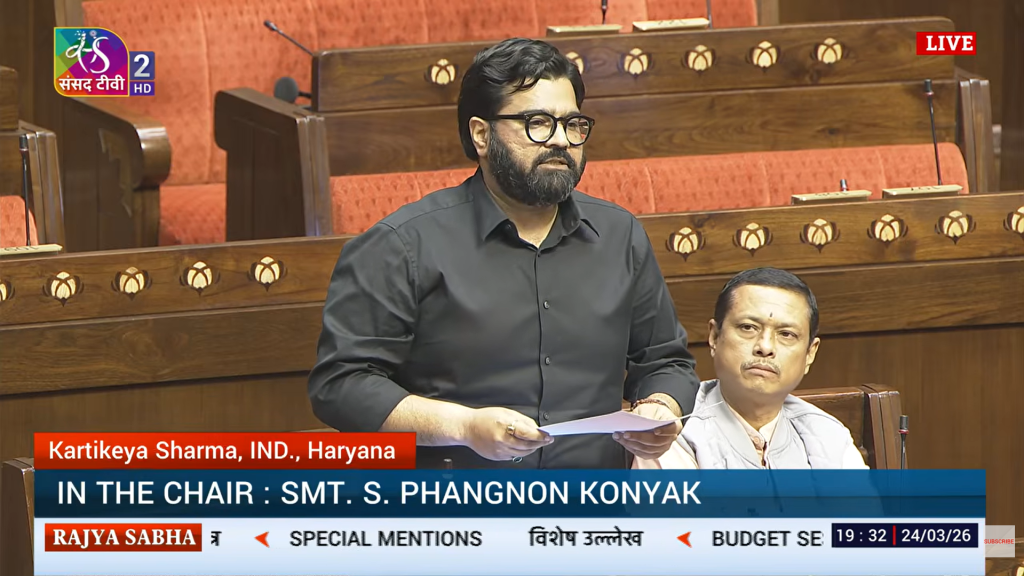
In a substantive intervention in the Rajya Sabha, Member of Parliament Kartikeya Sharma raised a Special Mention today, urging the Government to undertake an urgent and comprehensive review of the salary and service conditions of the Indian judiciary.
Highlighting disparities in judicial remuneration, Sharma noted that judges in India are paid significantly less than their counterparts in several major global democracies. He stressed the need for a compensation framework that reflects international benchmarks while upholding the stature and dignity of the institution. According to him, competitive remuneration is essential to safeguard judicial independence and to attract and retain the most accomplished members of the Bar on the Bench.
Emphasizing the constitutional centrality of the judiciary, Sharma underlined that judges bear the critical responsibility of safeguarding constitutional values, protecting fundamental rights, and upholding the rule of law. He pointed out that these duties are carried out in an increasingly demanding environment, marked by mounting caseloads and rising public expectations. However, he observed that current compensation structures do not adequately reflect the scale of these responsibilities, nor do they maintain parity with comparable roles within India’s constitutional framework.
Sharma cautioned that the absence of parity with other high public offices raises concerns about institutional balance and long-term capacity. He argued that judicial remuneration must be viewed not merely as a matter of pay, but as a structural pillar of judicial independence and institutional credibility. Robust and dignified service conditions, he added, are crucial to insulating the judiciary from external pressures and maintaining public trust in the justice delivery system.
Concluding his intervention, Sharma called on the Government to undertake a forward-looking and holistic review of judicial salaries and service conditions, guided by global standards and the principle of institutional parity. He emphasized that strengthening judicial service conditions is a necessary investment in the independence, efficiency, and credibility of India’s justice system—and vital to ensuring that it continues to be served by the country’s finest legal minds.
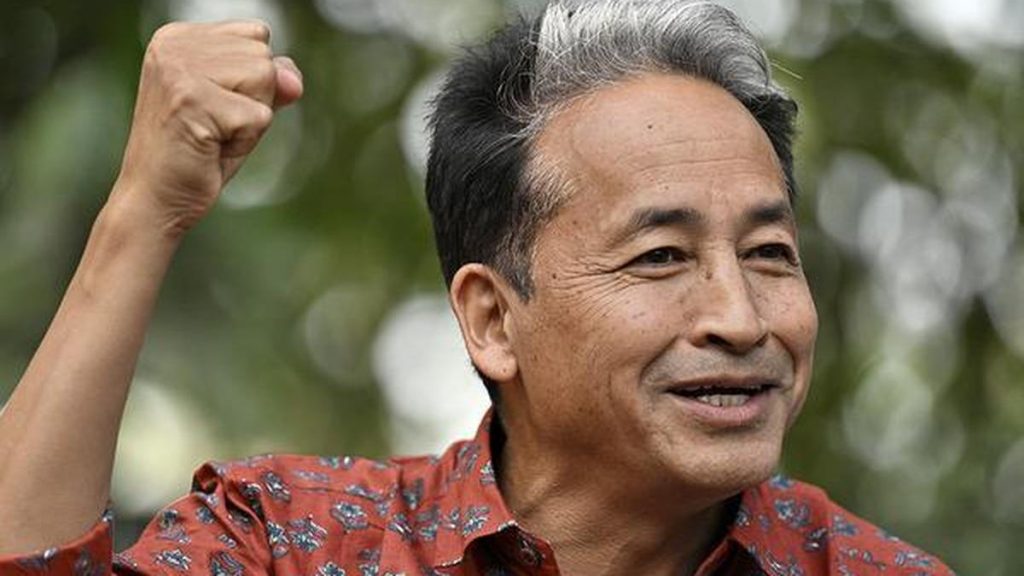
Prominent Ladakh-based climate activist Sonam Wangchuk returned to Leh on Sunday to a warm public reception after spending nearly six months in detention under the National Security Act (NSA).
Wangchuk had been lodged in Jodhpur Central Jail since September 26, 2025. His release came after the Union Government revoked his detention order ahead of a scheduled hearing in the Supreme Court of India.
Thousands of people gathered at the NDS Stadium in Leh to welcome him back. The reception was organised following a call by the Leh Apex Body (LAB) and other local groups. Wangchuk was accompanied by his wife, Gitanjali J Angmo.
Wangchuk had been detained after protests erupted in Leh last year demanding statehood for Ladakh and its inclusion under the Sixth Schedule of the Constitution. The protests later turned violent, leaving four people dead and nearly 100 others injured. Authorities had alleged that provocative statements had contributed to the unrest, a charge that formed part of the basis for his detention.
Addressing the gathering after his return, Wangchuk expressed hope for the future of the movement and emphasised the need for unity. “I am feeling very good. After 170 days, returning to these mountains and meeting people again, I hope a new dawn will come for the cause we are working for,” he said.
He also thanked people across India for their support during his detention and called for dialogue and collective efforts to address Ladakh’s concerns.
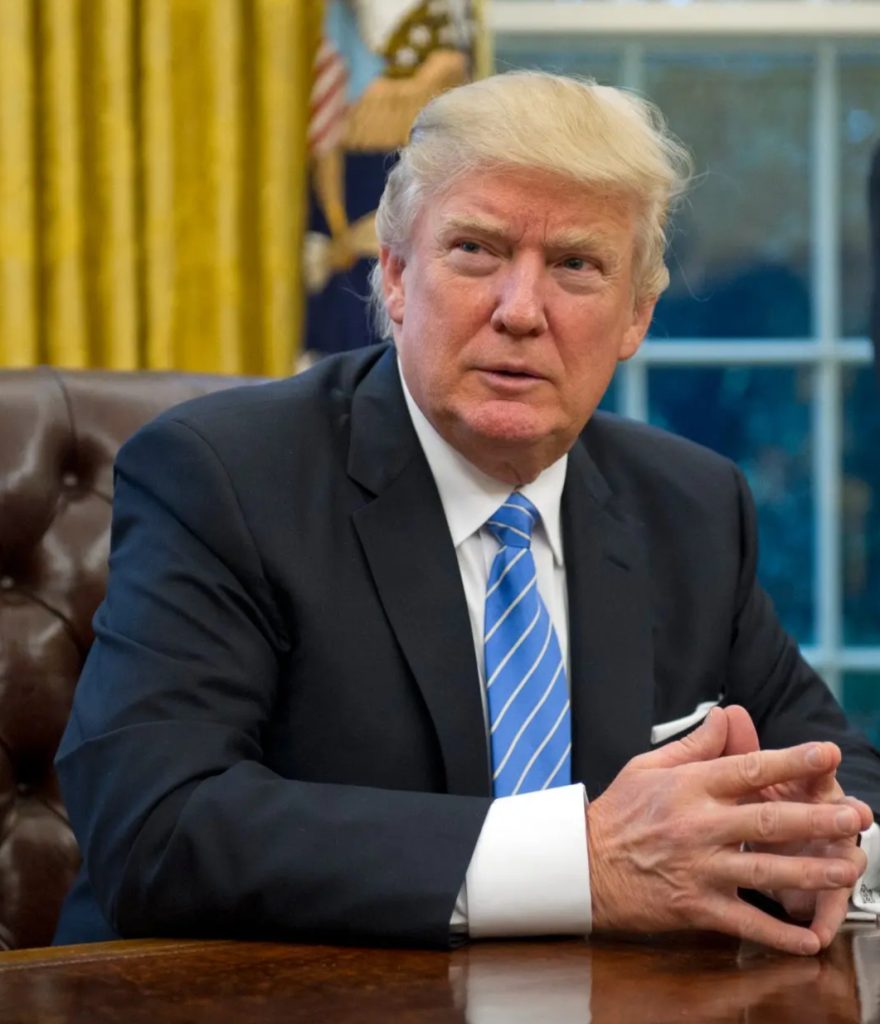
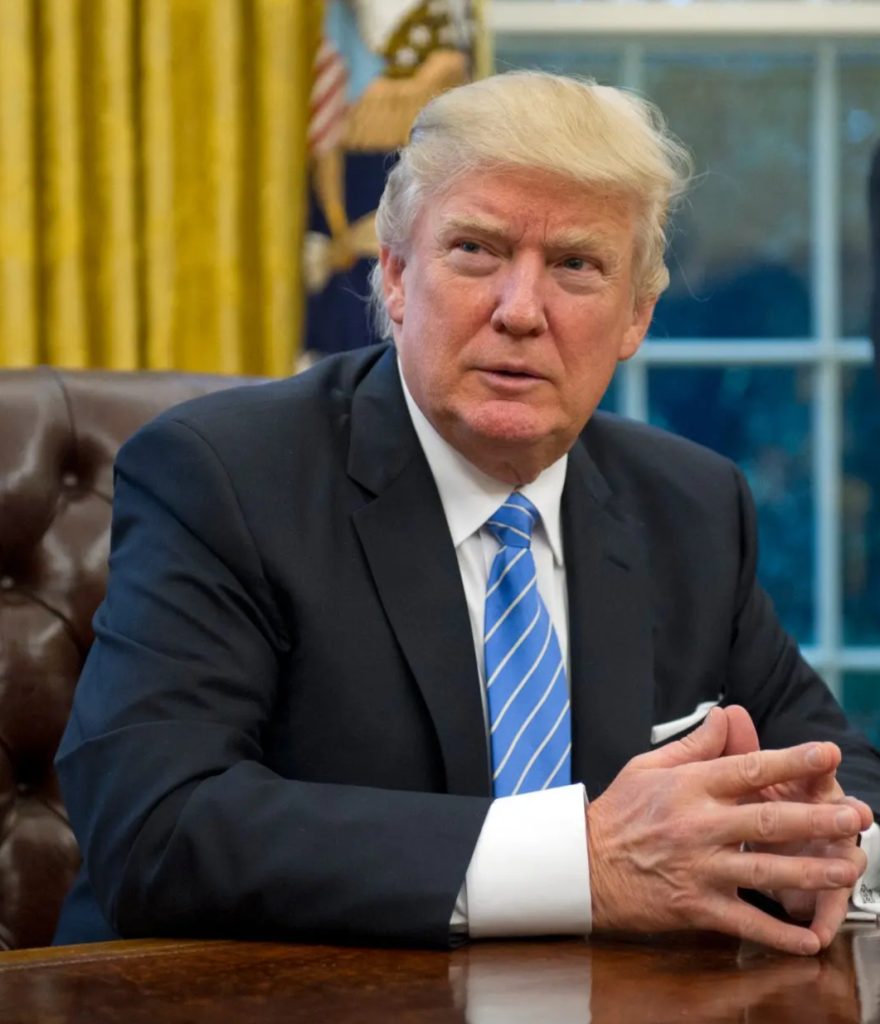
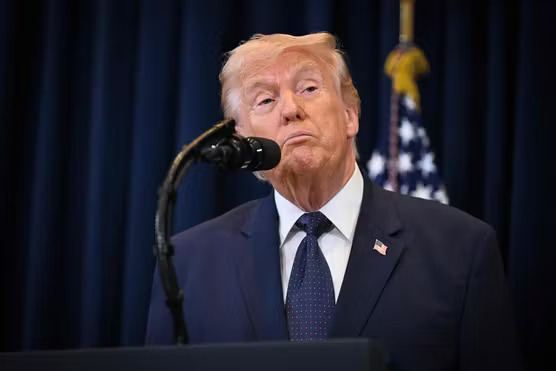
U.S. President Donald Trump has ordered a temporary halt to planned military strikes on Iranian energy infrastructure, signalling a possible opening for de-escalation after days of heightened tensions.
In a post shared on his social media platform X, Trump said the United States would suspend attacks on Iran’s power plants and energy facilities for a period of five days. The decision, he noted, follows what he described as “productive” back-channel communications with Iranian representatives over the past two days.
According to the US President, the pause is intended to provide space for ongoing discussions that could lead to a broader resolution. While no formal agreement has been announced, the move suggests a shift from immediate military action toward a more cautious, diplomatic approach.
The announcement comes at a time when tensions between the United States and Iran had been escalating, with both sides exchanging warnings and preparing for potential strikes targeting critical infrastructure. U.S. officials had reportedly been considering action against Iran’s energy sector, a move that analysts warned could significantly impact regional stability and global energy markets.
Trump indicated that the suspension of strikes is conditional and depends on the progress of ongoing discussions. “We’ll see what happens over the next few days,” he said, suggesting that the pause could either be extended or lifted depending on developments.
Despite the Donald Trump’s remarks, there has been no official confirmation from Iranian authorities regarding direct negotiations. This has led to some uncertainty about the nature of the reported contacts, which are believed to be taking place through indirect or intermediary channels.
The temporary pause has already influenced market sentiment, with investors reacting to the reduced likelihood of immediate disruption to energy supplies. However, experts caution that the situation remains fragile, and the absence of a formal agreement means that tensions could quickly resurface.
Diplomatic observers note that short-term pauses like this have, in the past, created opportunities for dialogue but have not always resulted in lasting agreements. Much will depend on whether the current engagement can move beyond informal exchanges toward a structured negotiation process.
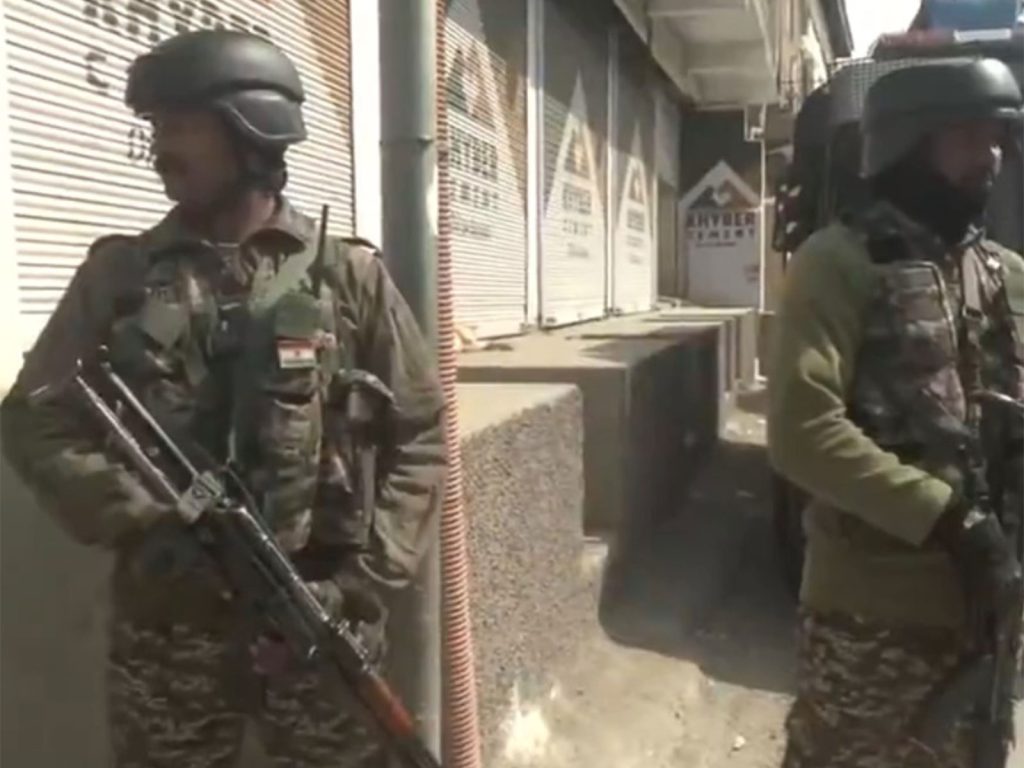
The National Investigation Agency (NIA) on Monday carried out searches at several locations across Kashmir in connection with its ongoing investigation into the Red Fort blast case, officials said.
The raids were conducted simultaneously in north Kashmir’s Handwara and Rafiabad areas, as well as in south Kashmir’s Kulgam district, as part of a coordinated operation by the federal anti-terror agency.
Officials said that in Handwara, NIA teams searched the residence of a businessman in the Guloora area, where certain documents and electronic devices were seized for examination.
In Rafiabad, the agency conducted a search at the residence of Dr Bilal Naseer Malla in the Bonapora Shatloo area. Malla has already been arrested by the NIA in the case. According to investigators, he is accused of providing logistical support to the main accused, Umar Nabi, and allegedly attempting to destroy evidence linked to the case.
Searches were also carried out at several locations in Kulgam district as part of what officials described as a broader probe into suspected militant networks with possible links to the attack. Further details are awaited as the investigation continues.
The case relates to the November 10, 2025 blast near Delhi’s historic Red Fort, in which more than a dozen people were killed and several others injured. Investigators believe the attack was carried out using an explosive-laden vehicle allegedly driven by a suicide bomber identified as Dr Umer-un-Nabi.
The incident had taken place shortly after Jammu and Kashmir Police claimed to have dismantled a suspected “white-collar terror module” believed to be operating in the region.
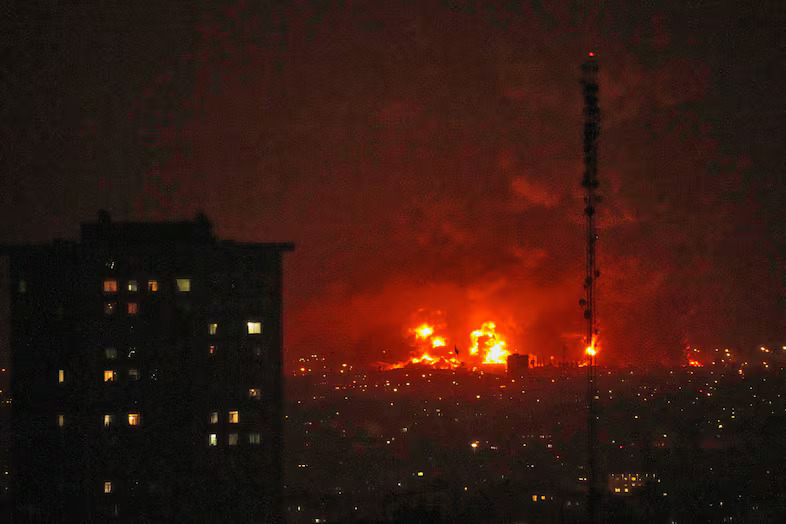
In a dramatic escalation of the ongoing Middle East conflict, U.S. President Donald Trump has issued a stark 48-hour ultimatum to Iran, threatening to launch strikes on the country’s power infrastructure if it fails to reopen the strategically vital Strait of Hormuz.
According to multiple international reports, Trump warned that the United States would “obliterate” Iran’s power plants—starting with its largest facilities—if Tehran does not fully restore maritime traffic through the narrow waterway within the given deadline.
The Strait of Hormuz is one of the world’s most critical energy chokepoints, handling nearly 20% of global oil and gas supplies. Its disruption has already sent oil prices soaring above $100 per barrel, raising alarm across global markets and heavily import-dependent countries like India.
For India, the situation is particularly concerning. India relies on the Gulf region for a significant share of its crude oil imports, and any prolonged disruption could translate into higher fuel prices, inflationary pressure, and volatility in financial markets.
The ultimatum comes amid intensifying hostilities between Iran, Israel, and U.S. forces in the region. Recent weeks have seen missile strikes, air raids, and attacks on key infrastructure across multiple countries, pushing the conflict toward a wider regional war. Iran, for its part, has warned of retaliation against U.S. and allied assets if its territory is attacked, raising fears of a broader confrontation that could engulf the Gulf.
Several global powers, including European nations and Japan, have expressed concern over the blockade and signaled readiness to ensure safe maritime passage. However, there is no unified military response yet, highlighting divisions among Western allies.
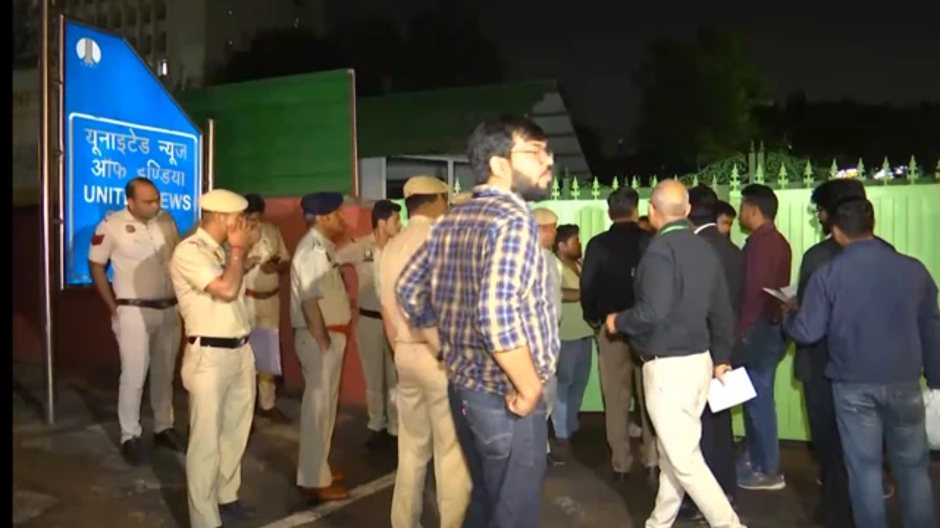
The Editors Guild of India has strongly criticised what it termed as “excessive force” and “undue haste” in the sealing of the premises of United News of India (UNI), following a Delhi High Court order cancelling the agency’s land allotment.
In a statement issued by Guild President Sanjay Kapoor, General Secretary Raghavan Srinivasan, and Treasurer Teresa Rehman, the body said that while it does not question the implementation of the court’s order, it is deeply concerned about the lack of due process and the manner in which it was executed.
The High Court reportedly pronounced its order around 1:30 pm on March 20, 2026. However, within hours—and even before the order was made publicly available online—hundreds of police and paramilitary personnel arrived at UNI’s office at Rafi Marg in New Delhi.
According to journalists present at the site, staff members were forcibly evicted while at work. They alleged that no formal notice was shown, and authorities did not allow time for the management to arrive or for employees to collect personal belongings. Some staff members, including women journalists, also alleged manhandling during the eviction process—claims denied by the police.
The Guild said the swift action and heavy deployment of force sent a “chilling message” to the media. It added that the sealing of the office has disrupted news dissemination to UNI’s subscribers and cast uncertainty over the future of the organisation and the livelihoods of its employees. The Guild urged authorities to act with restraint and avoid actions that could impede the functioning of a free press in a democracy.
Reports indicate that the premises at 9 Rafi Marg were sealed by the Delhi Police after the High Court upheld a decision by the Land and Development Office under the Union Ministry of Housing and Urban Affairs to cancel UNI’s land allotment. The land had originally been allotted for the development of a joint office complex for media organisations.
After evacuating the premises, authorities sealed the gate and posted an official notice stating that possession had been taken in compliance with the High Court’s March 20 order. The notice warned that any unauthorised entry or use of the property would invite legal action.
UNI had challenged the cancellation of the allotment in court, citing financial constraints and delays in approvals. However, the High Court rejected these arguments, noting that despite multiple extensions over several decades, the agency had failed to initiate construction or formalise agreements with co-allottees.
The court observed that UNI had effectively acknowledged its financial incapacity and lack of progress, and termed the delay of over 40 years a serious violation of the allotment conditions. Officials estimate the value of the 5,289.52-square-metre plot at approximately Rs. 409 crore at current market rates.
Meanwhile, The Statesman, UNI’s current owner, also condemned the action, calling it an “unprecedented atrocity” and an attack on media freedom.
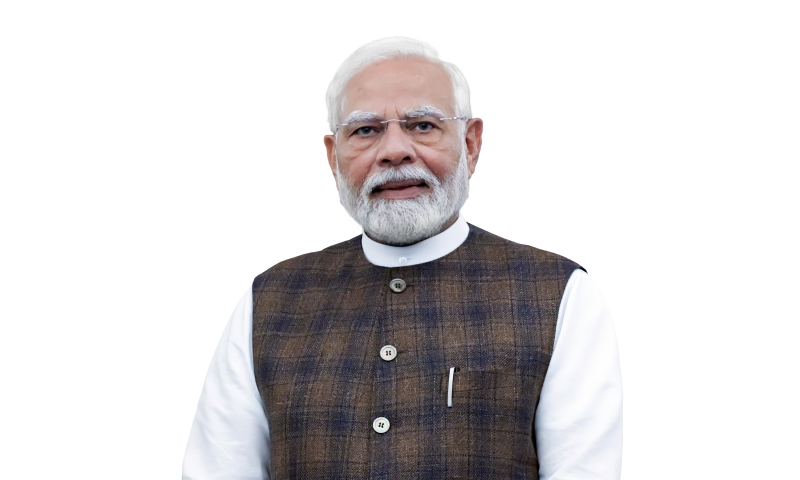
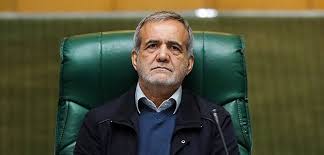
Prime Minister Narendra Modi on Saturday held a telephonic conversation with Iranian President Masoud Pezeshkian, during which he conveyed greetings on the occasions of Eid and Nowruz and emphasized the need for peace and stability in West Asia.
Since the outbreak of the crisis, Modi has actively engaged with several global leaders, including those from Saudi Arabia, the UAE, Qatar, Bahrain, Kuwait, Jordan, France, and Malaysia, reflecting India’s diplomatic outreach to help de-escalate tensions and maintain stability in the region.
In a message shared on X, Modi expressed hope that the festive season would bring “peace, stability and prosperity to West Asia.” The leaders also discussed the rapidly evolving regional situation amid ongoing tensions.
During the call, the Prime Minister strongly condemned recent attacks on critical infrastructure, warning that such actions pose a serious threat to regional stability and disrupt global supply chains. He underlined the importance of safeguarding freedom of navigation and ensuring that key shipping lanes remain open and secure.
This concern is particularly significant given Iran’s strategic control over the Strait of Hormuz, through which nearly 20 percent of the world’s energy supplies pass. Since the conflict began, maritime traffic through the vital corridor has been severely restricted.
Modi also acknowledged Iran’s continued support in ensuring the safety and security of Indian nationals residing in the country.
This marks the second conversation between the two leaders since hostilities escalated following the February 28 attacks on Iran. The strikes by the United States and Israel triggered retaliatory actions by Iran, further intensifying tensions across the region.
Earlier, on March 12, President Pezeshkian had briefed Modi on the situation in Iran and shared his perspective on recent developments. At the time, the Prime Minister expressed deep concern over the deteriorating security environment and reiterated India’s long-standing position that conflicts must be resolved through dialogue and diplomacy.
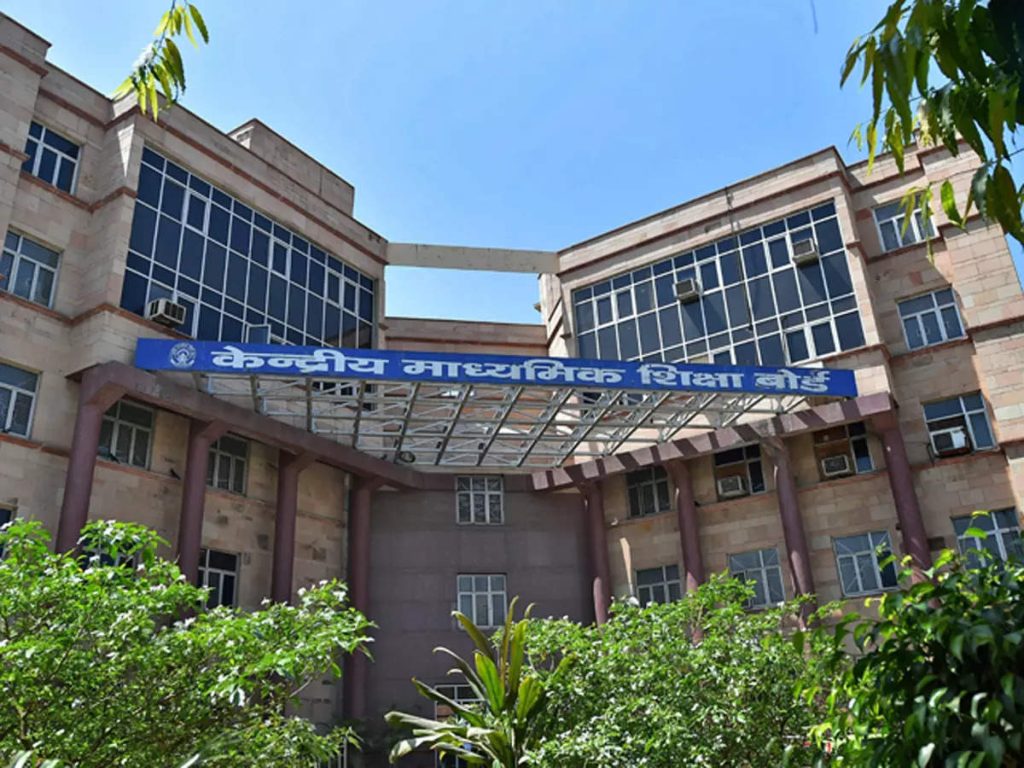
As tensions escalate with Iranian strikes impacting Gulf nations, the ripple effects are now disrupting not just oil supplies and economies, but also the education of thousands of Indian students abroad. The CBSE has a significant international presence, with over 240 affiliated schools across the Gulf region. These schools cater to tens of thousands of Indian and expatriate students, a large proportion of whom are enrolled in Classes 10 and 12.
In a significant move, the Central Board of Secondary Education (CBSE) has cancelled Class 10 examinations across several Middle Eastern countries, citing safety concerns amid the worsening regional conflict.
The decision comes after a critical review of the volatile situation in nations including Bahrain, Iran, Kuwait, Oman, Qatar, Saudi Arabia, and the United Arab Emirates—regions that have witnessed heightened tensions and security risks in recent weeks.
With examination centres located in these areas facing uncertainty, CBSE officials opted for caution over continuity. However, the cancellation is only part of the story.
To ensure that students are not academically disadvantaged, CBSE has rolled out a detailed alternative assessment scheme. While specifics are being fine-tuned, the approach is expected to mirror adaptive strategies used during the COVID-19 pandemic, when the board shifted to internal assessments and hybrid evaluation models after physical exams became impossible.
Education officials indicate that the new scheme will likely consider students’ past academic performance, internal assessments, and school-based evaluations to determine final results. The aim is to maintain fairness while acknowledging the extraordinary circumstances.
For students and parents, the announcement brings a mix of relief and uncertainty. Relief—because safety concerns have been prioritised in a region witnessing instability. Uncertainty—because the absence of final exams raises questions about evaluation standards, college admissions, and future academic prospects.
Teachers across CBSE-affiliated schools in the Gulf are now preparing to adapt once again, revisiting a model many hoped had been left behind after the pandemic era. Schools will play a critical role in implementing the assessment framework, ensuring transparency and consistency across different countries.
Meanwhile, the broader implications of the decision underline a stark reality: global conflicts today are no longer confined to geopolitical arenas—they directly impact everyday life, including education.
As the situation in West Asia continues to evolve, CBSE’s response highlights the growing need for flexible education systems capable of withstanding global disruptions—whether caused by pandemics or geopolitical crises.
Officials indicated that the CBSE has introduced a multi-parameter evaluation model, drawing from precedents set during the COVID-19 pandemic, when board exams were similarly disrupted.
The proposed assessment scheme is expected to include:
Internal assessments conducted by schools
Periodic test scores and pre-board examination performance
Project work and practical evaluations
Moderation mechanisms to ensure standardisation across schools and countries
While CBSE has not publicly disclosed exact weightage distributions, officials confirmed that the framework is designed to maintain parity with students who are able to sit for examinations in India and other unaffected regions.
CBSE-affiliated schools in the affected countries have been instructed to:
Submit student performance records within specified timelines
Ensure uniformity and transparency in internal marking
Provide documentation for audit and moderation by the board
School administrations are also expected to support students through the transition, particularly those concerned about higher education admissions and equivalence of results.
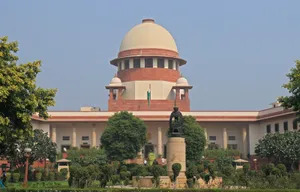
In a development that has sent ripples through both the education system and the legal fraternity, the Supreme Court of India on Friday became the stage for a high-stakes debate—one that sits at the intersection of truth, trust, and the minds of millions of young students.
At the center of the storm is a Class 8 textbook published by the National Council of Educational Research and Training (NCERT), carrying a chapter on corruption in the judiciary. What began as an educational inclusion has now escalated into a matter of national scrutiny.
Representing the Centre, Solicitor General Tushar Mehta addressed a bench led by Chief Justice Surya Kant, alongside Justices Joymalya Bagchi and Vipul M Pancholi. His message was clear: the government has acted—and decisively so.
A powerful expert committee has been constituted to re-examine and redraft the controversial chapter. But this is no ordinary panel.
In a move that underscores the gravity of the issue, the committee brings together some of the most formidable legal minds in the country. Leading the intellectual charge is K K Venugopal, a towering figure in constitutional law. He is joined by Indu Malhotra, known for her sharp judicial insight, and Aniruddha Bose, currently heading the National Judicial Academy.
An academic voice, in the form of a vice chancellor, will add balance—ensuring the final content is not only legally sound but also suitable for young learners.
Behind the legal formalities lies a deeper tension as to how to teach children about corruption in the judiciary without shaking their faith in it. How do you present reality without breeding cynicism?
The courtroom, usually a place for resolving disputes, briefly turned into a forum for confronting these uncomfortable questions.
Sources suggest that the original chapter had raised concerns for potentially painting the judiciary in a negative light without sufficient context. The Centre’s response—swift and strategic—aims to recalibrate that narrative.
Yet, the stakes remain high. For some, this is about protecting the dignity of one of democracy’s most vital institutions. For others, it is about preserving the honesty of education—even when the truth is complex.
As the newly formed committee begins its work, the nation watches closely. What emerges from this exercise may not just rewrite a chapter in a textbook—it could redefine how future generations understand power, accountability, and justice.
The final verdict, it seems, will not just belong to the court—but to history itself.
The intensifying confrontation involving Iran, Israel, and the United States has pushed West Asia into one of the most dangerous geopolitical moments of the past two decades. Military strikes, retaliatory attacks, rising oil prices, and disrupted air routes are sending shockwaves across the global economy. For countries, geographically distant from the battlefield, the crisis may appear remote. For India, however, the stakes are immediate and profound.
India’s energy security, the safety of millions of Indian workers in the Gulf, the stability of global markets, and the delicate balance of India’s foreign policy are all intertwined with developments in West Asia. As tensions escalate, New Delhi faces one of its most complex diplomatic dilemmas in recent years: how to protect national interests without alienating key global partners.
This conflict is not merely about regional rivalry or nuclear anxieties. It raises deeper questions about international law, the limits of military power, the role of global institutions, and the choices that middle powers like India must make in an increasingly polarized world.
West Asia has always been geopolitically volatile, but the current crisis marks a new phase of confrontation. Israeli strikes on Iranian targets, followed by escalating responses and American involvement, have dramatically heightened tensions across the region.
For Israel, Iran represents its most formidable strategic adversary. Israeli leaders have long argued that Iran’s nuclear ambitions pose an existential threat. Iran, for its part, views Israel as an occupying power and accuses the United States of attempting to dominate the region.
The United States has been drawn deeper into the crisis through its longstanding security partnership with Israel. Washington has repeatedly declared that it will not allow Iran to acquire nuclear weapons. However, the manner in which military actions have unfolded has sparked global debate about sovereignty, international law and the legitimacy of pre-emptive strikes.
In India, the Opposition has targeted the government for its silence and failure to condole the death of Iranian leader Ayatollah Ali Khamenei, Iran’s supreme leader, and of the bombings of hospitals and schools in Iran. Officials cite India’s stakes in the region. Now, Mojtaba Ali Khamenei, the slain Ayatollah’s ‘radical’ son who has just lost most of his family, has been chosen as the next Supreme Leader by Iran’s Assembly of Experts. Russian President Vladimir Putin has congratulated Iran’s new supreme leader, Mojtaba Khamenei, following his appointment. Putin said Mojtaba Khamenei would “carry forward and complete the work of his father”, referring to the late Iranian leader Ayatollah Ali Khamenei.
With all these developments, conflict is also spreading beyond the immediate battlefield. Armed groups aligned with Iran across the region—from Lebanon to Iraq and Yemen—have the capacity to widen the confrontation. Any escalation involving these actors could transform a localized conflict into a regional war.
For India and much of the world, the greatest fear is that the crisis may spiral out of control, triggering disruptions far beyond the Middle East.
Wars in energy-rich regions rarely remain confined to the battlefield. The Iran conflict is already sending tremors through global financial markets.
Stock markets across Asia and Europe have reacted nervously, reflecting fears that prolonged conflict could slow global growth. Investors are particularly concerned about the possibility of stagflation—a combination of rising prices and stagnant economic growth.
Such a scenario would be deeply troubling for emerging economies like India, which rely on stable global trade and investment flows.
The conflict also threatens supply chains for petrochemicals, fertilizers, and other products derived from oil and natural gas. These materials are essential for agriculture, manufacturing, and transportation. Any disruption could affect industries worldwide.
For Indian businesses, the implications are significant. Higher energy costs increase production expenses and reduce competitiveness. Industries such as aviation, shipping, chemicals, and transportation are especially vulnerable.
In navigating the Iran crisis, India must keep several strategic priorities in mind.
First is energy security. Ensuring stable and affordable access to oil and gas is essential for sustaining economic growth.
Second is the safety of Indian citizens abroad, particularly the large diaspora in the Gulf.
Third is the preservation of India’s diplomatic flexibility. As a rising global power, India benefits from maintaining constructive relations with multiple geopolitical blocs.
These priorities suggest that India should avoid taking extreme positions while actively promoting de-escalation.
India has long advocated principles such as peaceful coexistence, respect for sovereignty and non-aggression—ideas encapsulated in the doctrine of Panchsheel.
In the current crisis, India could use its diplomatic credibility to encourage dialogue and restraint.
As a country with relationships across competing geopolitical camps, India is uniquely positioned to serve as a bridge between different sides.
This does not mean acting as a formal mediator, but rather supporting diplomatic initiatives, engaging with regional actors, and encouraging multilateral solutions.
The harsh reality is that India cannot directly influence the military dynamics of the conflict. The major actors—the United States, Israel, and Iran—will ultimately determine the course of events. The opposition is quick to pick holes and allege that the PM has been “compromised”.
However, India can shape the diplomatic narrative and advocate a balanced approach rooted in international law and pragmatic interests.
New Delhi must carefully calibrate its response—protecting its economic and strategic interests while avoiding entanglement in great-power rivalries.
In an increasingly polarized world, the ability to maintain strategic autonomy may prove to be India’s greatest asset.
The Iran conflict is more than a regional crisis. It is a test of the international order.
If the conflict escalates, the consequences could include a global energy shock, economic instability, and the erosion of international norms governing the use of force.
At a time when global institutions are already under strain, the world cannot afford another prolonged conflict in one of its most strategic regions.
For India, the challenge is to navigate this crisis with prudence and foresight—defending national interests while contributing to global stability.
In a world where geopolitical storms are becoming increasingly frequent, diplomacy, restraint, and strategic clarity are more essential than ever.
Oil Markets in Panic Mode
One of the most immediate global consequences of the conflict has been a sharp surge in oil prices. Energy markets are highly sensitive to geopolitical risk, particularly in West Asia, which produces nearly one-third of the world’s crude oil.
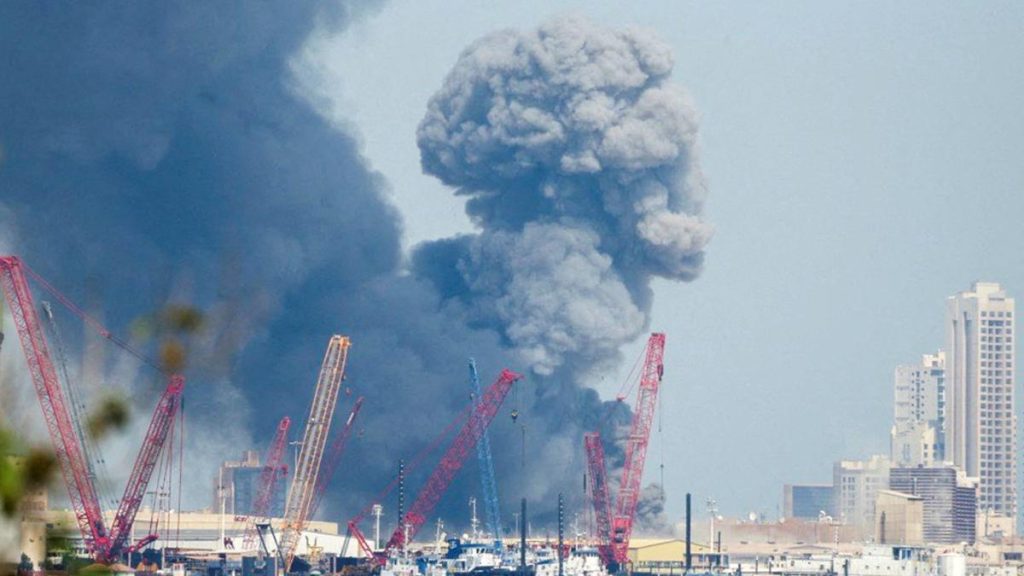
The conflict has raised fears that shipping routes or oil facilities could be targeted. In particular, the strategic Strait of Hormuz—a narrow waterway connecting the Persian Gulf to the Arabian Sea—has become a focal point of global concern. Nearly a fifth of the world’s oil supply passes through this corridor.
Even the possibility of disruption in the Strait has pushed oil markets into a state of panic. Prices have surged to levels not seen in several years, with analysts warning that sustained escalation could push them even higher.
For advanced industrial economies, higher oil prices translate into inflation and slower growth. For developing economies such as India, the impact can be even more severe.
India imports roughly 85 percent of its crude oil. Every spike in global prices increases India’s import bill and exerts pressure on the national budget. Higher fuel costs also drive inflation across the economy, raising the price of transportation, food, and manufactured goods.
The danger is not merely higher energy prices. If the conflict disrupts shipping in the Gulf or damages energy infrastructure, the global economy could face a supply shock reminiscent of the oil crises of the 1970s.
The crisis also intersects with another geopolitical challenge: India’s purchase of discounted oil from Russia following the war in Ukraine.
Since the conflict in Ukraine began, India has significantly increased its imports of Russian crude oil. The discounted prices have helped shield the Indian economy from volatile global energy markets.
However, Washington has been urging countries to reduce purchases of Russian energy. The United States has granted India a limited waiver allowing continued imports for a defined period.
This puts India in a difficult position. If it reduces Russian imports without securing alternative supplies, it risks higher energy costs. Yet continuing large-scale purchases could strain relations with Western partners.
The Iran crisis further complicates this equation by tightening global oil supply and pushing prices higher.
Disrupted Skies
The conflict has also severely disrupted aviation routes across West Asia. Airspace closures over multiple countries have forced airlines to reroute flights or cancel services altogether.
International carriers rely heavily on Middle Eastern air corridors connecting Europe, Asia and Africa. When these routes become unsafe, airlines must take longer and more expensive paths. This increases fuel consumption and operational costs.
For India, which serves as a major aviation hub linking the Gulf with Europe and Southeast Asia, these disruptions have immediate consequences. Flight cancellations and diversions have stranded thousands of passengers, including many Indian workers returning from or travelling to Gulf countries.
Airlines have had to suspend flights to several destinations and operate special evacuation services to bring stranded passengers home. The aviation industry—already struggling with rising fuel prices—faces additional financial stress as insurance costs for flying through conflict zones increase.
Beyond aviation, shipping routes across the Gulf are also under pressure. Tankers transporting oil and liquefied natural gas face heightened security risks, and insurance premiums for maritime transport have surged.
India’s stake in West Asia extends far beyond energy imports. The region is home to one of the largest overseas Indian communities in the world.
More than eight million Indians live and work across Gulf countries, including the United Arab Emirates, Saudi Arabia, Qatar, Kuwait, and Oman.
These workers play a crucial role in the Gulf economies, particularly in construction, services, and healthcare. At the same time, they send billions of dollars in remittances back to India each year.
These remittances represent one of the largest sources of foreign exchange for India and support millions of families across the country.
If the conflict escalates or spreads across the region, the consequences for this diaspora could be severe. Flight disruptions could strand workers. Economic instability in Gulf countries could affect employment. In a worst-case scenario, India might have to undertake large-scale evacuation operations similar to those conducted during earlier crises in West Asia.
Protecting the safety and livelihoods of this diaspora remains one of India’s most urgent concerns.
Diplomatic Tightrope
Amid this turmoil, India finds itself walking a delicate diplomatic tightrope.
New Delhi has neither openly condemned the military actions of the United States and Israel nor endorsed them. Instead, India has called for restraint and dialogue.
This cautious stance reflects the complexity of India’s relationships in the region.
India shares strong strategic and technological ties with Israel. Over the past three decades, Israel has become one of India’s most important defence partners.
At the same time, India maintains long-standing civilizational and economic links with Iran. Iran has historically been a significant supplier of oil to India and a key partner in regional connectivity projects such as the development of the Chabahar port.
India’s partnership with the United States has also deepened dramatically in recent years, encompassing defence cooperation, technology and trade.
Balancing these relationships requires careful diplomacy. A strongly worded condemnation of American or Israeli actions could strain strategic partnerships. Yet silence or perceived endorsement could undermine India’s traditional support for sovereignty and non-interference.
The Debate Over Sovereignty
The strikes on Iranian targets have reignited a fundamental debate in international politics: the legitimacy of pre-emptive military action.
Supporters of the strikes argue that preventing Iran from acquiring nuclear weapons is a matter of global security. Critics counter that attacking another country based on the presumption of future nuclear capability violates international law.
At the heart of this debate lies the principle of sovereignty—the idea that states should not violate the territorial integrity of other states.
Many countries have expressed concern about actions that bypass international institutions and undermine established norms. Yet only a few have openly criticized the United States, reflecting Washington’s influence in global politics.
For India, which has historically championed respect for sovereignty and non-interference, the situation raises difficult questions.
Should India oppose actions that breach these principles? Or should it prioritize strategic partnerships and geopolitical realities?
The Role of the United Nations
The crisis has also exposed the limitations of the United Nations in managing major international conflicts.
The UN was established after World War II to prevent global wars and provide a forum for diplomacy. Yet in many recent conflicts, powerful nations have acted unilaterally or through coalitions without UN authorization.
Critics argue that the UN has become ineffective, particularly because the five permanent members of the Security Council hold veto power.
However, abandoning the UN is not a realistic option. Despite its flaws, the organization remains the only universal forum where nearly all nations can engage in dialogue.
For countries like India, the UN continues to provide an important platform to advocate diplomacy, international law and peaceful resolution of disputes.
The challenge lies not in discarding the institution but in strengthening and reforming it to reflect contemporary geopolitical realities.
MEA Official Version
In the only statement issued by the Official Spokesman of the Ministry of External Affairs on the ongoing conflict in the West Asia region appears pragmatic, keeping in mind the national interests. It says, “We had expressed our deep concern at the commencement of the conflict in Iran and the Gulf region on 28 February, 2026. Even at that time, India had urged all sides to exercise restraint, avoid escalation, and prioritize the safety of civilians. Unfortunately, in the holy month of Ramadan, the situation in the region has deteriorated significantly and continuously. In recent days, we have not only witnessed an intensification of the conflict but also its spread to other nations. The destruction and deaths have mounted, even as normal life and economic activities come to a halt. As a proximate neighbour with critical stakes in the security and stability of the region, these developments evoke great anxiety.
There are almost one crore Indian citizens who live and work in the Gulf region. Their safety and well-being is of utmost priority. We cannot be immune to any development that negatively affects them. Our trade and energy supply chains also traverse this geography. Any major disruption has serious consequences for the Indian economy. As a country whose nationals are prominent in the global workforce, India is also firmly opposed to attacks on merchant shipping. Already, some Indian nationals have lost their lives or are missing as a result of such attacks in the last few days.
In this background, India strongly reiterates its call for dialogue and diplomacy. We raise our voice clearly in favour of an early end to the conflict. Already, many lives have been regrettably lost, and we express our grief in that regard.
Indian Embassies and Consulates in the affected countries remain in close touch with Indian nationals and community organizations, issuing regular advisories as appropriate. They have also extended all possible help to those stranded by the conflict. The Embassies and Consulates will continue to be proactive in addressing various consular aspects of this conflict. We are in touch with the Governments of this region as well as other key partners. The Prime Minister and the External Affairs Minister have held discussions with their counterparts.
The MEA statement concludes with the claim that the Government will continue to closely monitor the evolving situation and take relevant decisions in the national interest.