High COPD disease incidence adds to worry over Covid surge

India accounts for 15.69% of all chronic lung disease cases globally and 30.25% of total respiratory disease deaths, with COPD being the second most common cause of death in the country. The challenges in the field have increased in view of the looming new Covid variant, writes Mudit Mathur

India accounts for 15.69% of all chronic lung disease cases globally while accounting for 30.25% of total respiratory disease deaths, revealed the Global burden of disease report. It chronicles the high number of respiratory cases in India, potentially COPD and Asthma are 55.23 million and 35 million respectively with COPD being the second most common cause of death. The challenges in the field have increased in view of spread of a new variant of Covid in China and reports of some cases in India.
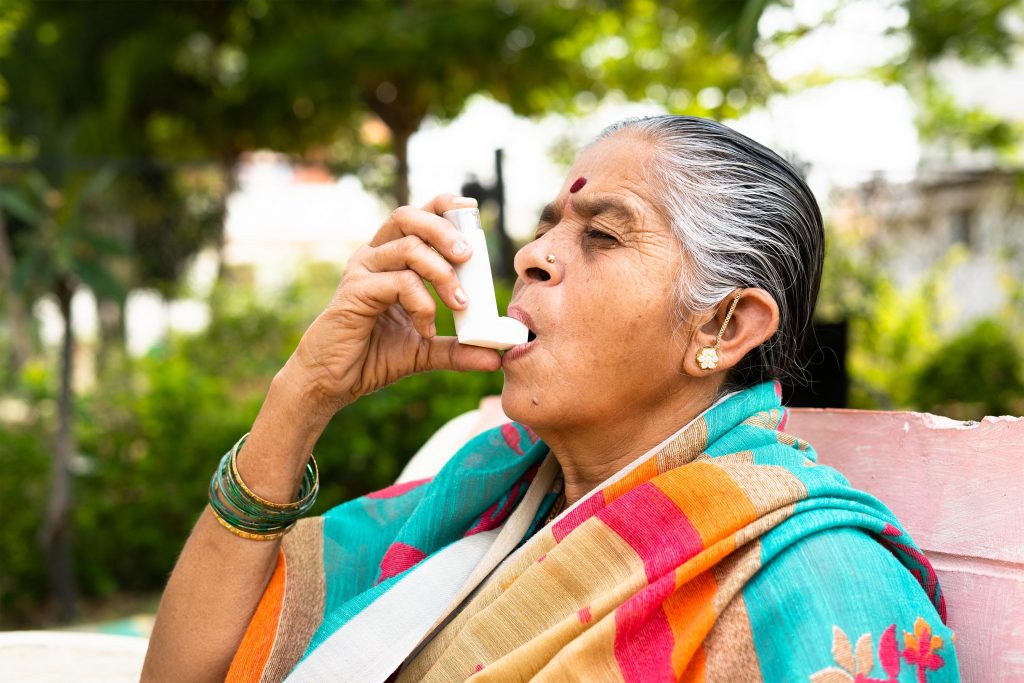
The experts of pulmonary sciences from all over India assembled at Lucknow in its recently held 15th Respiratory and Critical care update 2023, hosted by Midland Healthcare and Research Centre under the aegis of Surya Foundation. The day-long scientific sessions discussed various advancements and challenges to treat Chronic Respiratory disease like COPD, Asthma, ILD, Lung Cancer, Tuberculosis and others are becoming increasingly prevalent posing challenge to evolve new strategies for tackling these diseases effectively. The global burden of invasive fungal infections (IFIs) has shown an upsurge in recent years due to the higher load of immune-compromised patients suffering from various diseases.

While highlighting achievements in the field of pulmonary sciences, Organising Secretary of 15th Respiratory & Critical Care update 2023, Dr B.P Singh, Director and Chairman of Midland Healthcare and Research Centre, Lucknow, welcomed the eminent participants. Dr Singh highlighted that countless advances in contemporary medicine and especially in critical care achieved during the last decades have contributed not only to longer survival of patients, but also to the increasing incidence of opportunistic infections caused by fungi. Critically unwell patients are at increased risk of developing invasive fungal infections with increased risk of morbidity and mortality.

Former Director of All India Institute of Medical Sciences, & Member of the National Task Force & Empowered group for the Govt. of India for COVID-19, Dr Randeep Guleria, Chairman-Institute of Internal Medicine and Respiratory & Sleep Medicine highlighted about Community-Acquired Pneumonia (CAP) as a common culprit causing  approximately 40% of patients with CAP  requiring  hospitalisation and  5% of these need support of  intensive care unit (ICU), primarily due to shock or the need for invasive or non-invasive mechanical ventilation. He also discussed the role of rapid microbiological techniques (multiplex PCR) when dealing with multi-drug resistance pathogens and in guiding targeted antibiotic therapy.

While echoing the thoughts expressed by Dr Guleria, Dr Sharmili Sinha, a senior consultant in the department of critical care at Apollo, Bhubaneshwar, underlined the role of non-invasive ventilation, high flow nasal oxygenation, prone ventilation and lung protective ventilation strategies in acute respiratory distress syndrome (ARDS). ARDS is a serious lung condition where fluid builds up inside the tiny air sacs of the lungs that causes low blood oxygen.

Dr Prahlad Prabhudesai (Senior Consultant, Leelawati Hospital, Mumbai) said that the updates have zeroed in on Interstitial Lung Diseases (ILD) which  is an umbrella term used for a large group of diseases that cause scarring (fibrosis) of the lungs. The scarring causes stiffness in the lungs which makes it difficult to breathe and get oxygen to the bloodstream and the damage from ILDs is often irreversible and gets worse over time. He spoke about a holistic approach, role of Bronchoscopy, transbronchial lung biopsy, transbronchial cryobiopsy and CT Thorax and multidisciplinary discussion to improve accuracy in diagnosis.

Stalwarts in the field of the likes of Dr Vigil Rahulan, KIMS, Hyderabad, shared the history and rise of lung transplant in India. The India Society of Heart and Lung Transplant reported that since 1994 till March 2023, 475 lung transplants have been done in India. While sharing the challenges, he also laid out simple solutions for better framework to aid our patients better.

Dr Apar Jindal  and Dr Murali Krishna from MGM, Chennai, shared at great length the meticulous management of patients on Extracorporeal Membrane Oxygenation (ECMO), pre and post lung transplant while also emphasized on the need for more specialised transplant centres. ECMO is an advanced form of life support used mostly in patients with severe respiratory or cardiac failure when standard therapy fails. ECMO acts a bridge to transplant providing the entire spectrum of support in the form of blood oxygenation, decarboxylation and cardiocirculatory support while the patient awaits lung transplantation.

Dr. Vijay Hadda , Additional professor in the department of pulmonary and sleep medicine at AIIMS, Delhi shone the light on newer biologics in the form of Rituximab, Tocilizumab, Abituzumab, Imatinib, Eculizumab and Alemtuzumab in various CTD-ilds such as scleroderma, mixed connective tissue diseases, Rheumatoid Arthritis- ILD(RA-ILD) Dermatomyositis associated ILDs etc. Patients with ILD, mostly progressively, deteriorate with over reliance on long-term home oxygen therapy which is complicated by Pulmonary Arterial Hypertension (PAH) leading to unfavourable outcomes and causing high mortality and morbidity.

Dr. Raja Dhar, Director and HOD, Department of  Pulmonology at Kolkata Medical Research Institute, enunciated the impact of Pulmonary Arterial Hypertension (PAH) on the quality of life and mortality in patients with lung diseases. PAH is a type of high blood pressure that affects the arteries in the lungs and the right side of the heart presenting as an increase blood pressure in the lungs adding to the breathlessness and discomfort of that patients. Newer therapies were discussed along with a need for a framework for better management.

Dr. Amrita Nene, HOD, Respiratory Medicine, Bombay Hospital laid out in distinct lines the judicious role of steroids in tuberculosis and held that it is a double-edged sword. While it possesses a great deal of benefits that could be rolled out to the patients in cases of tubercular meningitis, tubercular pericardial effusion and patients in adrenal tuberculosis and eventual adrenal insufficiency making steroids mandatory in some while it can also be harbinger of complications.

Dr. Ankit Sharma, from GB Pant Institute of PGMER, New Delhi, compared LUS with other imaging modalities, emphasizing on the several important advantages, such as real-time imaging, use of no-ionizing radiation, reduced equipment cost, portability, and bedside availability.

Dr. Khushboo Pilania, consultant radiologist and Founder of IZEN imagings and interventions, Noida, highlighted the key role of CT thorax and its optimal use in early diagnosis and consequent early intervention. Computed tomography (CT) is widely available and offers the potential for fast triage, robust, rapid, and minimally invasive diagnosis not only in Covid-19 but also in ILDs, extensive and fungal pneumonias amongst others. Furthermore, developments and progress integrating artificial intelligence (AI) with computer-aided design (CAD) software for diagnostic imaging allow for objective, unbiased, and rapid assessment of CT images. Early disease detection is highly important for patient prognosis, with better treatment outcomes and improved quality of life.

Dr Ashish Tandon, Sr. Consultant at the Haridaya Super-speciality Centre, Prayagraj,  discussed the advent of Endobronchial Ultrasound (EBUS)-guided Fine Needle Aspiration Cytology (FNAC) and use of EBUS-guided cryobiopsy to enhance yield not only to precisely differentiate between tubercular or sarcoid associated lymphadenopathy but also in diagnosis and staging of cancers. It is a technique that uses ultrasound along with bronchoscope to visualize airway wall and structures adjacent to it allowing the pulmonologist to take biopsy and other samples under vision.

Dr. Suneel K Garg, senior consultant (Saiman Healthcare, Delhi), elaborated on how a well-orchestrated treatment based on clinical condition of the patient in cohort with the guidelines can improve patients’ outcomes.

The 15th respiratory critical care update imparted latest information and scientific updates to gear up pulmonologists to tackle with the leading challenges in the field of critical care with best possible use of the latest technology to serve patients with favourable outcomes.
From double engine to double election

While the Government’s thrust is a powered partnership between the Centre and the BJP ruled states, the double election is focussing on 2024 and 2029 at one go to electorally deliver a power punch

SPOTLIGHT BY KUMKUM CHADHA

“My sister, don’t worry about anything, your brother is always with you…Aapka baccho ka mama hu mein, I am uncle to your children.”

“My brother has said he will worry about my children and family”.

These are not lines from a film; nor are they scripted. This is a real life situation when incidents took both a dramatic and violent turn.  

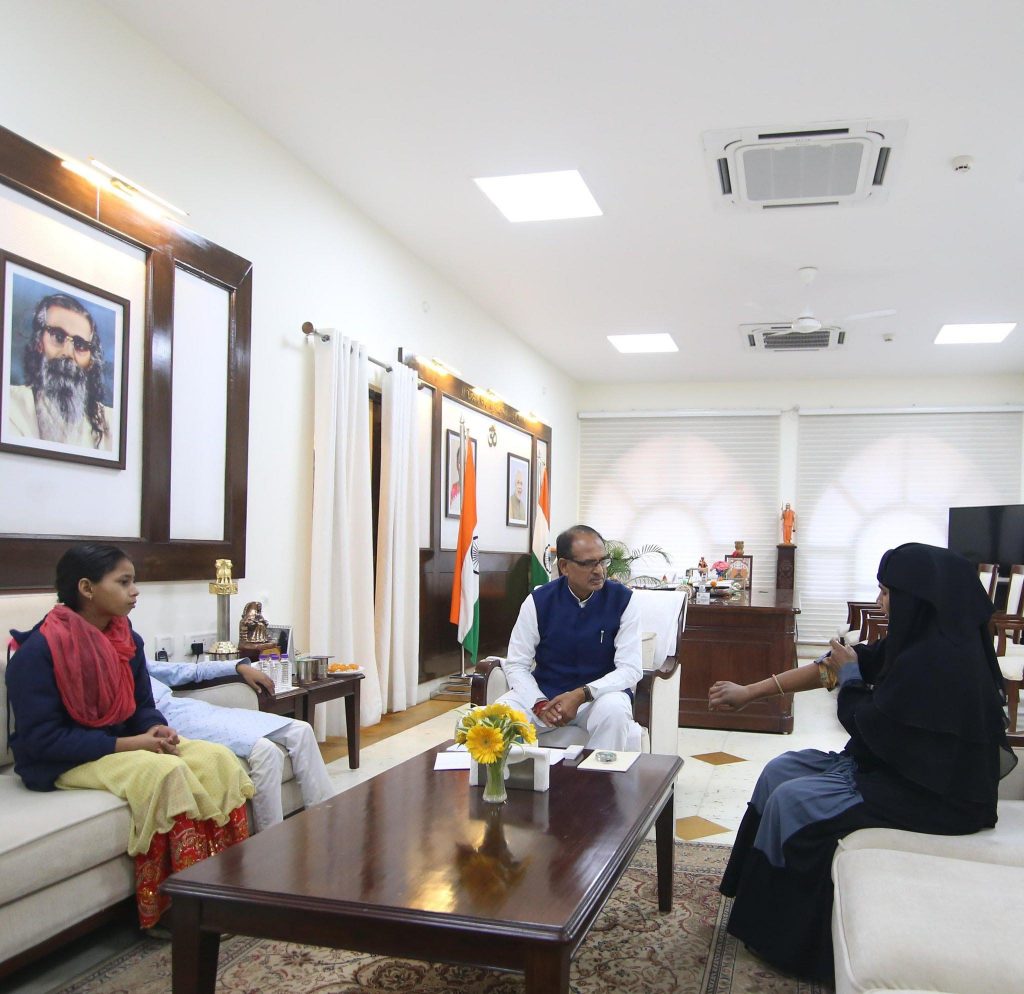
The children’s mamaji was none other than a former Chief Minister of a state that he had ruled for well over sixteen years. And the sister: thirty-year old Samina B. 

When Samina B had reportedly voted for the BJP, she had not fathomed that hell would break loose. That apart, what added fuel to fire was that she went ahead and celebrated the BJP’s victory in the recently concluded Assembly elections. 

Unable to digest what was seen as Samina’s defiance, she was beaten black and blue as it were. Not to give in, Samina filed a complaint alleging that her brother-in-law, Javed, had started abusing her. When she protested, he mercilessly beat her with a stick. “I said I voted for the BJP, that’s why they won. He asked me why I voted for the BJP and later beat me up with a wooden stick,” Samina said, adding that she voted for the BJP because “its policies benefited her.”

Apart from this being inhuman and a gross injustice, this prompted the then Chief Minister of the state Shivraj Singh Chouhan to reach out and offer help; as a brother would to a sister. 

“A sister came to me…she had voted for the BJP,” Chouhan said in Bhopal. Chouhan said that Samina B had exercised her right by casting her vote: a right which everyone enjoys under the Constitution.

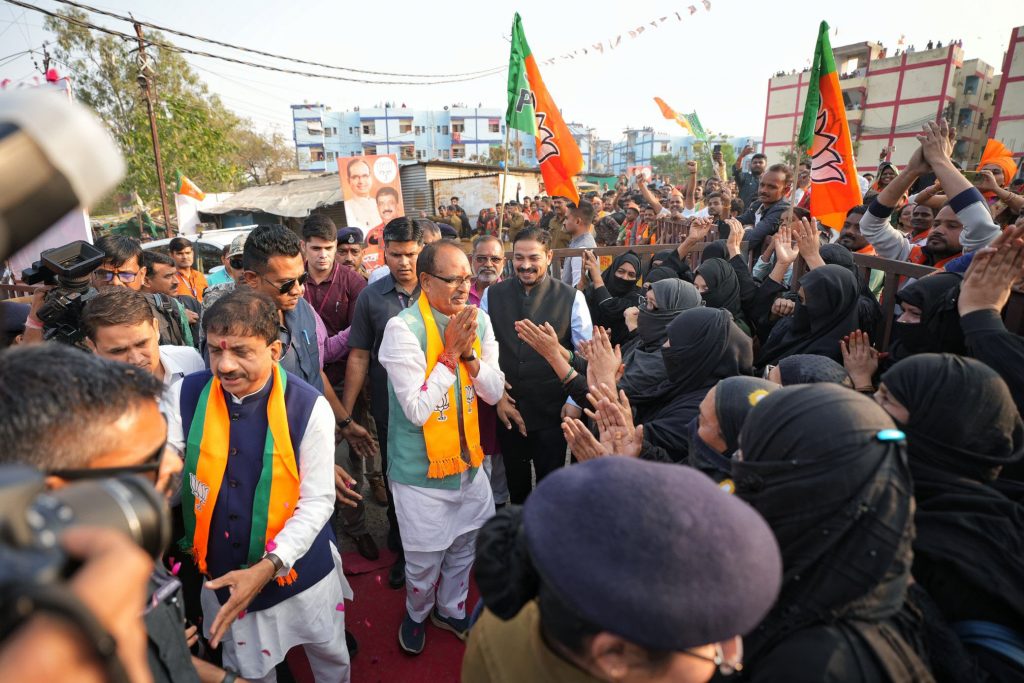
Samina is not alone in reiterating the women centric policies of the BJP. Nor is Madhya Pradesh the only state to take the lead in its women empowerment programmes; be it a monthly cash assistance, two wheelers to meritorious girl students or giving cash benefits at the birth of a girl child. 

Chouhan is credited with wooing women voters and dramatically altering the electoral fortunes of the state despite predictions to the contrary. Women voters are on record to state that women centric schemes, apart from making them financially strong, have inculcated a sense of self respect: “A sense of liberation” as some women described it.  

 If statistics are anything to go by, the women voter turnout rose by 2 percent: from 74 percent in 2018 to 76 percent in this election. This, according to political analysts, was the “game changer”. Some went as far as calling it a “women centric” election. 

While other states may have failed to replicate the women power that steered Madhya Pradesh, at least visibly, there is no denying the fact that the gender quotient did work for the BJP as a whole. 

Samina B may have stood out in backing a party that the Muslim community, to which she belongs, abhors, yet hers is not the rarest of rare cases. There are many outside Chouhan’s state who have perhaps followed Samina B’s footsteps much to the chagrin and perhaps wrath of their respective families. Yet, they stood their ground. 

In this context, one cannot take away the fact that under Prime Minister Narendra Modi, the BJP government banned triple talaq or instant divorce, which even if it does not qualify to be a game changer, certainly did go a long way in demonstrating that women are at the core of this government’s decision making. 

Call it tokenism if you will but the fact that the man pronouncing triple talaq can be punished under the law, gave Muslim women a sense of power that had been so far denied to them. Add to this, the fact that it was a government perceived to be anti-minority that had come forward to do what “secular” governments in the past had not done. 

Muslim women apart, policies and schemes for women in general have been the hallmark of Prime Minister Modi’s nine years in governance.

The list of gender-neutral schemes is rather long but a look at schemes targeted at women tell the story. Call it ‘Nari shakti’ if you will but starting from building toilets to free cooking gas to bank accounts, and you have it all. The cutting edge however is the ownership rights for women in property which apart from giving a push to gender justice also gives them a tool for self-reliance and in one sense stubs patriarchy. 

How much this would really show up on ground only time will tell, but it is a good beginning and a clear signal that women are at the core of Prime Minister Modi’s development agenda. 

Critics have slammed this as yet another of the BJP’s publicity gimmick on grounds that “nothing has actually changed”. Others substitute “nothing” with “not much”. 

Either way, the BJP seems to be on a roll. If the recently concluded elections are any indication wherein the BJP swept the polls, the saffron party has outpolled the Opposition. Of the five states that went to the polls, BJP bagged three, asserting its electoral might in the Hindi heartland. 

Understandably the BJP is gung-ho, happily concluding that the 2024 elections are in their pocket as it were. 

Given that politics is an uncertain game, this may or may not be true. The rank and file may be rejoicing but the leadership is not letting its guard down. While upbeat and claiming to look at “2029 rather than 2024”, it is doing what it takes to further secure its position in the upcoming general elections while paving the way for the “next’s next”: read 2024 and 2029 to put it simply. 

On a lighter note, the BJP seems to have put its double engine ki sarkar slogan to the double election ka lakshya spiel. 

Decode this and it clearly means that while the Government’s thrust is a powered partnership between the Centre and the BJP ruled states for optimum benefit, the double election is focussing on 2024 and 2029 at one go to electorally deliver a power punch, spread well over the next five years. Call it strategy or wishful thinking but the game has clearly begun. That the Opposition is yet to get its act together is another matter. 

Heartland blow may see Cong climb down on 2024 seat deal

With AAP chief Kejriwal backing Cong president Kharge as INDIA bloc’s PM face and ex-Haryana CM Hooda green signalling INLD’s inclusion in the bloc, decks have been cleared for seat sharing among alliance partners in Haryana, Delhi, Punjab and Chandigarh, writes Pawan Kumar Bansal

Although the total number of MPs the states of Haryana and Punjab and the union territories of Delhi and Chandigarh send to the Lok Sabha is only 31, a great significance is being attached to the performance of INDIA bloc constituents in these states. If the on-going parleys for seat adjustments fructify, these parties can pose a serious challenge to the BJP. Presently, the Indian bloc constituents have eight seats in Punjab, with Congress having seven members and AAP just one. The Chandigarh seat is represented by Kiran Kher of the BJP, and in Haryana, the BJP holds all ten seats in the Lok Sabha. In the last elections, all ten Congress candidates, including Bhupinder Singh Hooda and his son Deepender Hooda, lost elections to BJP candidates. This time also, Union Home Minister Amit Shah, at a recent rally in Haryana, appealed to people to gift ten lotus flowers to the party, implying to have the BJP members elected on all 10 seats.

In Delhi, all seven Lok Sabha seats were won by the BJP, although the state is ruled by the Aam Aadmi Party, which accuses the Lieutenant Governor of Delhi of creating troubles in its smooth functioning at the instance of the Centre.

According to political analysts, if seat-sharing among INDIA bloc partners succeeds, it will be a win-win situation for the alliance partners, Congress, Aam Aadmi Party and  INLD with prospects of their candidates’ victories brightening, and in reciprocal gesture, Congress is likely to accommodate AAP  in Gujarat, Rajasthan, and M.P.

For the NDA leadership, it was music to its ears when at a rally in Bathinda district, Arvind Kejriwal exhorted people of Punjab to help his party win all 13 seats in Punjab and one in Chandigarh. In Punjab, the main challenge to the Aam Aadmi Party does not come from either the BJP or the Akali Dal led by Sukhbir Badal, but from the Congress.

It is interesting to mention here that, in a recent rally, Punjab Chief Minister Bhagwant Mann also attacked the Congress, accusing it and the SAD leaders of promoting corruption and nepotism. The Punjab unit of Congress is also opposing any alliance with AAP for Lok Sabha elections, and its leaders are attacking the functioning of Bhagwant Maan-led Punjab Government, though they have been advised not to air their views publicly.

Although at the rally, Kejriwal had made it clear that Congress was also among AAP’s rivals in Punjab, alleging that the Akalis and Congress both are opposing his party, it is said that this is only for public consumption. When leaders of both the parties sit at the table, adjustments will be made, as both have realized the ground realities of the power game, especially after the landslide victory of BJP in the just-concluded elections of Rajasthan, Madhya Pradesh, and Chattisgarh state assemblies. Congress had to pay a heavy price for not accommodating members of the INDIA Alliance, particularly in MP, where Congress leader Kamal Nath not only denied half a dozen seats to Samajwadi Party of Akhilesh Yadav demanded by the latter but also made loose comments about him. Now, the Congress has  realized that it can win only if they remain united; otherwise, there is sure defeat as they have to face a challenge from Narendra Modi and Amit Shah, who had applied the social engineering formula while forming governments in Chhattisgarh, Rajasthan, and M.P. They are also making the Ram Mandir temple inauguration issue a national event to exploit people’s religious sentiments.

In Haryana, Congress was trounced on all the 10 Lok Sabha seats with even former CM Bhupinder Singh Hooda and his son Deepender Hooda biting the dust in the Jatland seats of Sonipat and Rohtak, respectively.

Hitherto, Hooda was opposing the inclusion of I.N.L.D and AAP in the alliance, claiming that Congress was capable of fighting all the seats alone. But now, he has softened his stand, reportedly at the instance of the top party leadership.

He told newsmen at Chandigarh that although his party was capable of contesting all ten seats, he was not opposed to INLD joining the alliance. According to the formula being chalked out at the instance of Nitish Kumar, Congress will contest on seven seats, while leaving the remaining three for the INLD, AAP or any other partner.

Political  Analyst Dr. Ramesh Madaan,  while talking to Tehelka  underlined open communication and coordination, and defined common goals and flexibility in seat allocation as crucial factors in navigating the complexities of contemporary politics and ensuring the effectiveness of political alliance in the ensuing Lok Sabha Elections, 2024.

SYL stalemate: Will it remain an issueless issue for ever?

At a meeting of chief ministers of Haryana and Punjab held under the chairmanship of Union Minister Gajendra Singh Shekhawat, Punjab CM Bhagwant Mann rejected the demand for SYL construction arguing the state did not have a single drop of water to spare, writes Jag MohanThaken

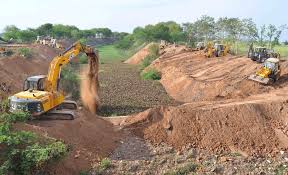
According to the provisions of the Punjab Reorganization Act, 1966, and as per the Government of India’s order dated March 24, 1976, Haryana was allocated 3.5 million acre-feet (MAF) of water from the surplus waters of the Ravi-Beas rivers. However, due to the non-construction of the SYL Canal, Haryana is only using 1.62 MAF of water. As per claim of Haryana government, Punjab, by failing to complete the canal’s construction within its jurisdiction, is unlawfully utilizing approximately 1.9 MAF of Haryana’s share of water. This obstinate attitude of Punjab has left Haryana unable to access its rightful share of 1.88 MAF of water.

On the other hand, excess water of Ravi, Sutlej and Beas is going to Pakistan.

Despite Government of India’s order dated March 24, 1976, the issue of water distribution remained unresolved and after the Indian National Congress came to power in Punjab in 1980, an agreement was reached between Punjab, Haryana, and Rajasthan. All states withdrew their suits from the Supreme Court following the signing of the agreement. On 8 April 1982, Indira Gandhi formally launched the construction of the canal at Kapoori village of Punjab.

While the canal’s portion had been completed in Haryana, the portion in Punjab was not. The Akali Dal government in Punjab under Surjit Singh Barnala started the construction of the canal. But the construction was stopped in July 1990 after a Chief Engineer associated with its construction was shot dead.

In 2002, the Supreme Court directed Punjab to complete the SYL canal within a year. Punjab refused to do so and petitioned for a review of the court order which was rejected. In 2004, the Supreme Court directed the Union government to get the canal completed through a central agency. The Central Public Works Department was appointed on 2 July 2004 to take over the canal work from Punjab government. However, on 12 July 2004, the Punjab Legislative Assembly passed the Punjab Termination of Agreements Act, 2004 which abrogated all its river water agreements with neighbouring states.

The worst day dawned on 15 March 2016, when the Punjab Legislative Assembly unanimously passed the Punjab Satluj Yamuna Link Canal Land (Transfer of Proprietary Rights) Bill, 2016, proposing to return the land that had been taken from owners for building the SYL canal. On 18 March, the Supreme Court ordered the Punjab government to maintain status quo on the land meant for construction of the canal. To arrive at some amicable solution, on 22 February 2017, the Supreme Court stated that the Government of Punjab will have to abide by its order on construction of SYL canal and it will pass a decree if the governments of Punjab and Haryana failed to come to an agreement.

But, despite Supreme Court rulings, Punjab has yet to conclude the construction of the SYL canal.

What Haryana and Punjab claim?

With an aim to reach some amicable agreement, as per the supreme court directions, a meeting of the Chief Ministers of Haryana and Punjab was held on December 28 at Chandigarh under the chairmanship of Union Jal Shakti Minister Gajendra Singh Shekhawat to address the issue of Sutlej-Yamuna Link Canal (SYL).

Haryana CM Manohar Lal Khattar said that as per the agreement, Haryana is not getting its legitimate share of water, but Haryana is managing to avail water at its own level. But despite these efforts, sufficient water is not reaching South Haryana and Aravalli region. Accordingly, as per the decision of the Supreme Court, if Punjab constructs SYL, it does not mean that we will snatch the water. In alignment with the Supreme Court’s decision, the construction of the SYL by Punjab does not imply an intention to forcibly acquire water.

Khattar highlighted that the Bhakhra Channel, presently in operation for approximately 66-67 years, is aging, and he underscored the crucial necessity for constructing the SYL to ensure the uninterrupted flow of water in the event of any future obstructions in this channel. 

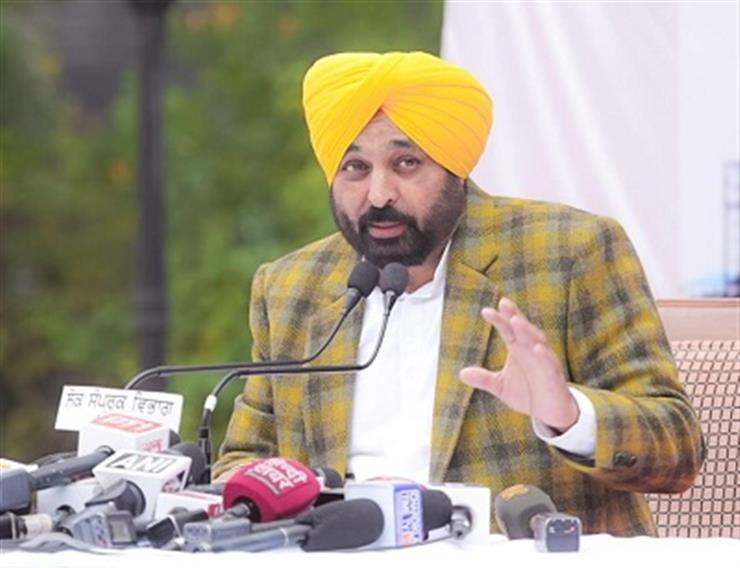
Presenting the state’s concerns, Punjab Chief Minister Bhagwant Singh Mann unequivocally said that the question of constructing the Satluj Yamuna Link (SYL) canal does not arise as the state is not having a single drop of water to share with anyone.

The Chief Minister said that the state needs more than 54 MAF water to cater to its irrigational needs. However, he said that the situation is so grim that Punjab only has around 14 MAF of water, which it is providing to the food growers. In such a scenario there is no question of sharing even a drop of water with any other states therefore Punjab vehemently opposes the construction of SYL.

Mann said that Punjab’s 76.5% blocks (117 out of 153) are over exploited where the stage of ground water extraction is more than 100%, whereas in Haryana only 61.5% (88 out of 143) are over exploited. Rather, water from Ganga and Yamuna should be supplied to Punjab through Satluj river, he said.

Will SYL ever see the light of the day?

In the present scenario, it seems far-fetched that SYL canal ever see the bright sun dawn. On October 7, Shiromani Akali Dal (SAD) president Sukhbir Singh Badal had appealed to Punjabis not to allow any central team wishing to conduct a survey to facilitate supply of Ravi-Beas water from the Sutlej Yamuna Link (SYL) canal to Haryana to enter the State.

Clearly challenging, the SAD president, the former power partner of BJP, also announced that the party would not allow even a single drop of water to go to Haryana come what may. “Be it any direction of the apex court or even the dispatch of the army by the Prime Minister to facilitate transfer of water to Haryana, we will not let this become a reality.” 

In such a situation, will central government dare to get the SYL constructed even after the supreme court strict directions?

Private thermal plant purchased by the Punjab government will be named Sri Guru Amardas Ji  : CM

Chandigarh: In a New Year bonanza to the residents of the state, Punjab Chief Minister Bhagwant Singh Mann on Monday said that the state has created history by purchasing Goindwal power plant owned by a private company GVK Power at a cost of Rs 1080 crore.

The Chief Minister said that for the first time this reverse trend has started that the government has purchased any private power plant whereas in the past the state governments used to sell their assets to the favorite individuals at ‘throw away’ prices. He said that the power plant is the cheapest purchase made by any state/private company as other power plants like Korba West, Jhabua Power and Lanco Amarkantak of capacity 600 MW have been purchased at Rs 1804 crore, Rs 1910 crore and Rs 1818 crore respectively. He said that the 540 MW power plant has been purchased at Rs 2 crore per MW. Bhagwant Singh Mann said that this is much less than other power plants whose acquisition has been made at Rs 3 crore per MW. Bhagwant Singh Mann said that will be named as Sri Guru Amardass Thermal Power plant after the third Sikh Guru.

The Chief Minister said that the available capacity of power plant was 61% whereas it was used only upto 34% but now it will be run to 75-80% thereby augmenting the power generation in the state. He said that with this 33% (1 out of 3 PPA with private thermals) PPAs have been terminated. Bhagwant Singh Mann quipped that on January 1, 2018 units of Bathinda and Ropar thermal power plants were closed permanently but today on 1st Jan, the pro-people government has purchased a private power plant to augment power supply of the state.

The Chief Minister said that as coal from Pachwara coal mine can be used only for government power plants so with purchase of this power plant this coal can be aptly utilized for producing power to provide it to every sector of the state.

The Chief Minister said that this purchase will help in reduction in overall Tariff by over Rs. 1 per unit adding that it will lead to Savings of Rs. 300- 350 crores on power purchase thereby benefiting the consumers of the state. He said that it will also help in higher (More than Double) power generation due to availability of coal from Pachhwara Coal Mine as Plant Load Factor (PLF) is likely to go up to 75 to 80% against average Plant Load Factor (PLF) 34% so far. Bhagwant Singh Mann said that it will also open new Employment opportunities for the youth of the State of Punjab thereby making them an equal partner in the growth and prosperity of the state.

The Chief Minister further said that 540 (2×270) MW GVK Goindwal Sahib Thermal plant, a MOU route cost plus basis project was envisaged in 1992. He said that initially a PPA for a 500 MW plant was signed in 2000, thereafter a MOU for a 540 MW plant was signed in 2006 followed by an amended PPA for 540 MW in 2009. Bhagwant Singh Mann said that the project was commissioned in 2016 but now to purchase it PSPCL along with 11 other contenders ie. Jindal Power, Adani Power, Vedanta Group, Rashmi Metaliks, Sherisha Technologies, Sai Wardha Power, Megha Engineering and Infrastructures, India Coke & Power Pvt. Ltd., RKG Fund (RKG Trust), KLu Resources and Capri Global Holdings & Pvt. Ltd submitted their applications in February 2023 after which PSPCL finally bagged it.

The Chief Minister further said that between 2016-2023, the state government had purchased 11165 million units of power by paying Rs 7902 crore. He said that ironically the GVK thermal plant was paid Rs 1718 crore fixed cost without even getting power adding that average per unit of Rs 7.08 per unit was paid to the power plants. However, Bhagwant Singh Mann said that estimated per unit cost after acquisition with Pachwara coal will now be Rs 4.50 per unit adding that it will save Rs 300-350 crore per annum which will be judiciously utilized for the well being of people.

The Chief Minister said that till December 31 all the pending arrears of the PSPCL have already been paid. He said that with the acquisition of this plant there will be three government and two private thermal plants operational in the state now. Bhagwant Singh Mann recalled that he had performed as an artist in 2009 during the event to start this project but he is fortunate that God has now chosen him to purchase this plant for the state to augment its power supply.

The Chief Minister also announced to review the PPA for the purchase of solar power in the state. He said that the state government has purchased the solar power now at Rs 2.54 paise whereas during the earlier tenures exorbitant amount of even Rs 15 was paid for same purchase. Bhagwant Singh Mann said that this will be reviewed by all means and anyone who had minted money by bringing loss to state exchequer will be brought to book.

Replying to a query, the Chief Minister said that the great martyrs including Shaheed Bhagat Singh, Shaheed Rajguru, Shaheed Sukhdev, Lala Lajpat Rai, Shaheed Udham Singh, Shaheed Kartar Singh Sarabha, Mai Bhago, Ghadari Baabe and others cannot be kept in rejected category. He said that the union government is trying to belittle their contribution and sacrifice of these heroes by not including their tableaus in the Republic Day parade. Bhagwant Singh Mann said that this cannot be tolerated as it is the grave insult of these great patriots and national leaders.

The Chief Minister said that state BJP chief Sunil Jakhar is completely lying on the issue of tableaus as he is yet to master the art of lying as per wish of his masters. He said that Jakhar had recently joined BJP so he is yet to adapt himself in reading the scripts prepared by their high command. Bhagwant Singh Mann said that it is unfortunate that BJP leadership is thinking about tableaus without even bothering to include state in it.

BJP to flag off New Year with ‘Lok Sabha Yojana’ brainstorming across country

New Delhi- BJP is on a mission to secure a massive victory for the third time in the 2024 Lok Sabha elections after 2019 and 2014, and is going to hold ‘Lok Sabha Yojana Baithak’ across the country in the first week of January this year. This is aimed at holding deliberations within the party regarding its preparations ahead of the upcoming parliamentary polls.

The BJP High Command has written a letter to all the state in-charges of the party, state presidents and general secretaries of the party organisation across states.

The party high command has also given instructions to discuss in detail the social and political issues affecting the party organisation, organisational preparations and party activities, publicity campaigns and political narratives run on various platforms and media sources (such as social media etc).

The saffron party is also paying special attention to the time regarding various preparations for the 2024 general election.

As the election dates have not been announced yet, the party has postponed the date of counting of votes from January 10 on the basis of the calendar of dates of Lok Sabha elections held in 2019.

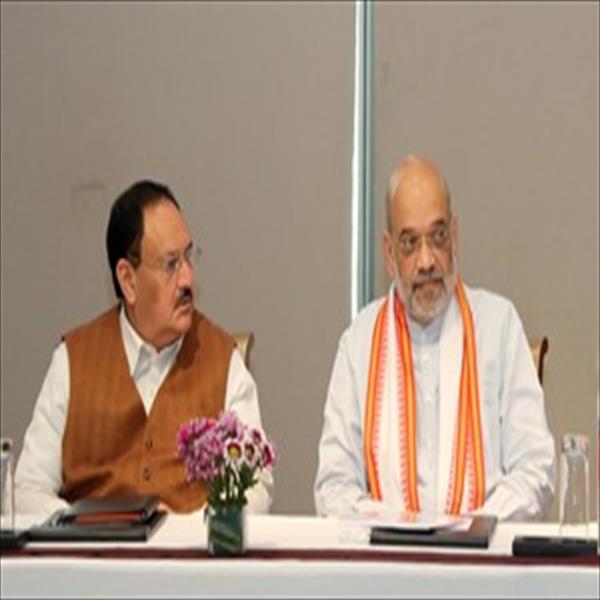
BJP has asked all the state in-charges, state presidents and general secretaries of the party to hold Lok Sabha Yojana Baithak before January 7, and has also directed them to send the details of these meetings to party’s national president J.P. Nadda.

In the guidelines sent by the party’s national general secretary and headquarters in-charge Arun Singh on behalf of Nadda to all the states for the Lok Sabha Yojana Baithak, it has been said that “a meeting should be organised for detailed discussion regarding the preparations for the upcoming Lok Sabha elections in the presence of a national party official before January 7. The expected party representatives in larger states may be between 40-50 and in small states their strength should be 20-30.”

“All discussions held in the Lok Sabha Yojana Baithak will have to be documented and sent to the BJP National President for approval.”

PM Modi urges people not to visit Ayodhya on Jan 22

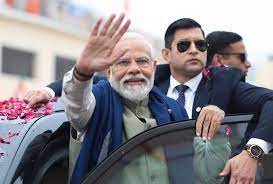
Prime Minister Narendra Modi has urged the public not to visit Ayodhya on January 22 for inauguration of the Ram Temple.

“As bhakts, we would not like to cause any problems to Lord Ram. You all can come starting January 23 till eternity… Ram Mandir is now there forever and ever, ” Prime Minister Modi said on Saturday.

He also asked everyone to light a diya in their house on January 22.

The Prime Minister said that Ram Lalla has got a new permanent home in the form of the Ram temple in Ayodhya after “spending years in a tent”.

He said that houses have been constructed for both Ram Lalla and four crore poor people of the country.

Prime Minister Modi also said that the government is taking steps to improve connectivity to Ayodhya from several places in the country.

He made the remarks after inaugurating the Ayodhya Dham railway station and Maharishi Valmiki International Airport. The Prime Minister also flagged off eight new train routes on the day.

Addressing a public event in Ayodhya, Prime Minister Modi said, “December 30 has been a very historical date in the history of the country. On this day in 1943, Netaji Subhash Chandra Bose hoisted the flag in Andaman and proclaimed the Independence of India.”

He further said that if any country wants to reach new levels of development, it has to preserve its heritage.

Prime Minister Modi said that today’s India is an “amalgam of the old and the new”.

“We are moving ahead in the digital age and are also preserving our heritage. Development must come with preservation of heritage and carry forward Viksit Bharat, ” he pointed out.

The Prime Minister added that the completion of the Ram temple is a moment that the world was waiting and the excitement is palpable on the streets of Ayodhya.

Ayodhya  airport to be named after Maharishi Valmiki now

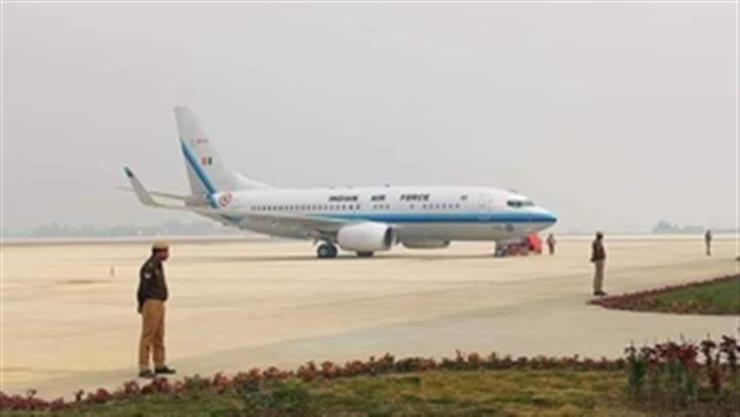
Ayodhya : The airport in Ayodhya, which will be inaugurated on Saturday, has been renamed “Maharishi Valmiki International Airport Ayodhya Dham”.

The airport is being named after the legendary poet Valmiki, who is celebrated as the author of the epic Ramayana.

The airport was earlier called the “Maryada Purshottam Shri Ram Ayodhya International Airport”.

The newly-constructed airport will be inaugurated by Prime Minister Narendra Modi on December 30, days before the consecration ceremony of the Ram Mandir in Ayodhya.

The grand consecration ceremony will be held on January 22, 2024.

On the day it is inaugurated, the first flights will be operated by IndiGo and Air India Express. The two airlines have already announced flights from Delhi, Mumbai and Ahmedabad to Ayodhya, commencing in January 2024.

The cost of the first phase of construction for the airport is estimated to be nearly Rs 1,450 crore.

The new terminal building, spanning 6,500 square metre, is designed to accommodate 600 peak-hour passengers, with an annual handling capacity of 10 lakh passengers.

Sources said that the second phase of development will include the construction of a new terminal building spanning 50, 000 square metre, capable of handling 3,000 passengers during peak hours and 60 lakh passengers annually.

Ram Vilas Vedanti asks Yogi to bring Advani to Ayodhya for Jan 22 event

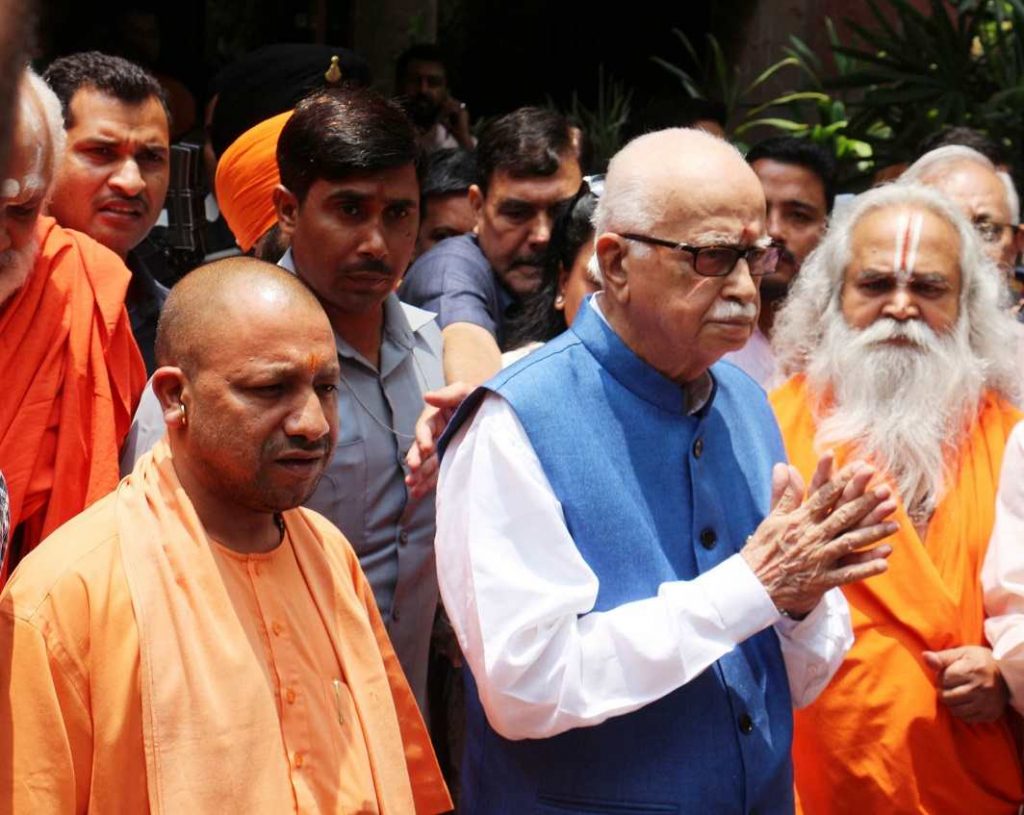
New Delhi : Former BJP MP Ram Vilas Vedanti, who was an accused in the Babri Masjid demolition case in 1992, has urged BJP veteran and former Deputy Prime Minister L. K. Advani to attend the consecration ceremony at the Ram Temple in Ayodhya on January 22.

Vedanti said the Yogi government must make arrangements for Advani’s visit, so that he could witness the grand temple and idol of Shri Ram at the sanctum sanctorum.

The Temple Trust has already sent an invite to Advani, however, there were doubts over him attending the event because of his ill health.

Advani became one of the torchbearers of the final phase of the temple movement when he started his Rath Yatra from Somnath to mobilise support for Ram Temple in September 1990.

“Advani had made a huge contribution to awakening Hindutva in the Ram Mandir movement through his Rath Yatra from Somnath to Ayodhya. Ram Janmabhoomi Teerth Kshetra Trust has invited him for the consecration ceremony. We welcome it. I want that the UP government, especially Chief Minister Yogi Adityanath, should make arrangements to bring Advani to the sanctum sanctorum at the time when Ram Lalla is being seated there, ” Vedanti said.

“Atal, Advani and Joshi have contributed a lot for BJP to reach where it is now. Advani’s contribution to the Ram Janmabhoomi movement is huge. He should witness Ram Lalla enthroned in his temple. This is not just the desire of the country but of Hindus across the globe, ” he said.

Vedanti was one of the 32 accused in Babri Masjid demolition, including Advani, Murli Manohar Joshi, Uma Bharti and Kalyan Singh and was acquitted by the CBI court in September 2020.

He won from Machhlishahr parliamentary seat in 1996 and Pratapgarh in 1998.

Vedanti was the working president of Ram Janmabhoomi Nyas which the Vishwa Hindu Parishad had set up for the construction of Ram Temple during the temple movement.

After the SC verdict in 2019, the Centre set up Shri Ram Janmabhoomi Teerth Kshetra Trust to oversee the construction work, with Nritya Gopal Das as its chairman and Champat Rai its secretary. 

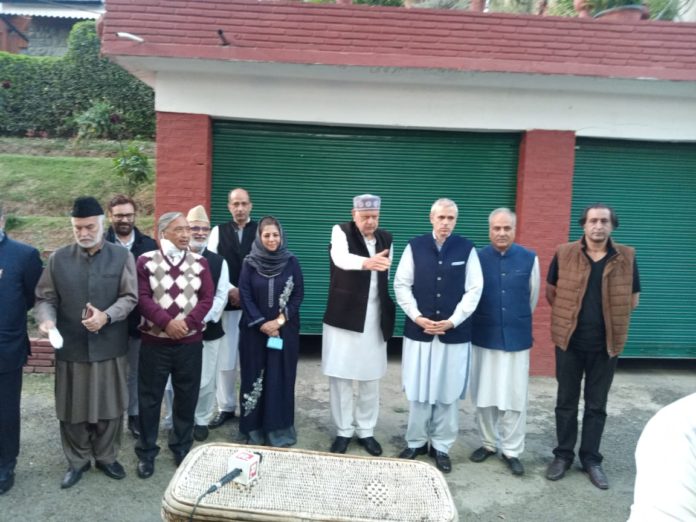
Multi-party alliance in Kashmir mulling review petition on Article 370

The multi-party coalition People’s Alliance for Gupkar Declaration (PAGD) has declared its intention to explore the possibility of lodging a review petition in the Supreme Court, the PAGD spokesman MY Tarigami said. The move is in response to the recent verdict that upheld the Central government’s decision to revoke Article 370 provisions.

Tarigami addressed the media in Jammu, expressing discontent with the Supreme Court’s ruling, stating, 

“What the government of India did on August 5 (2019) is not an ordinary mistake; it was an assault on our basic constitutional rights, rights of people of Jammu, Kashmir, and Ladakh,” Tarigami while revealing the ongoing discussions among stakeholders and petitioners to seek justice and reconsider the apex court’s decision.

The Supreme Court’s five-judge constitution bench, on December 11, upheld the Centre’s decision to annul Article 370 through a presidential order issued in August 2019. The Communist Party of India (Marxist) was among the parties challenging these decisions and expressed dismay at the apex court’s verdict.

Tarigami, representing the Gupkar Alliance—a multi-party front advocating for Article 370 restoration—highlighted the available option to file a review petition. “Why would we construe that doors will not open for us? Some retired justices, who are colleagues, also feel that there is room for a review petition before the apex court,” he added.

Asserting that Article 370 served as a bridge, Tarigami criticized Lieutenant Governor Manoj Sinha and central leaders for allegedly propagating misleading narratives. He contested claims that Article 370 was responsible for terrorism and other issues in the Union Territory, emphasizing its role as a link between J&K and India.

Responding to Sinha’s recent statement attributing the implementation of the Anand Marriage Act to the abrogation of Article 370, Tarigami highlighted that numerous amendments had been made to the article before its revocation, indicating a broader context to the region’s legislative history.

MOST POPULAR

HOT NEWS