Tourism, farming may get hit in Kashmir as snow plays hooky

Everybody is looking hopefully for some snow in February. If it happens, it will not only bring more tourists but will also help replenish the retreating glaciers, which otherwise may lead to diminished river flows, impacting in turn the farming and power generation. A report by Riyaz Wani
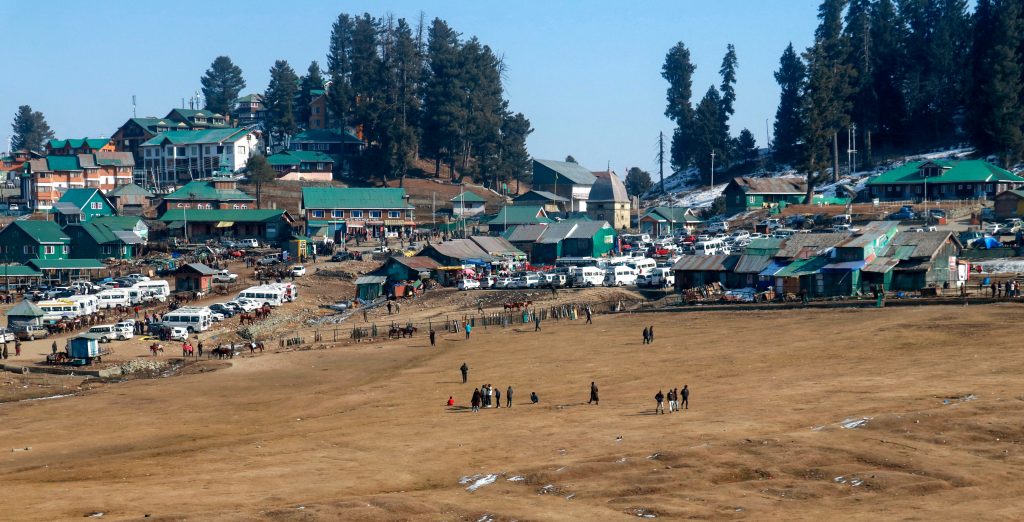
Kashmir is experiencing an unexpected snowless winter with bright blue skies and sun-soaked days. While the warmth may be welcome, beneath the surface, a quiet concern brews, as the absence of snowfall threatens to cast a long shadow over the upcoming summer. It raises alarm for the local economy, as depleted glaciers may lead to diminished river flows, impacting in turn, farming activities and power generation. 

For the past month, daytime temperatures have consistently exceeded the normal levels by approximately 6 degrees Celsius, as reported by Indian meteorological authorities. Typically, during this severe winter period, daytime temperatures are around 5 degrees Celsius.

In December, the Valley witnessed about 80% rain deficit, while there was no precipitation in January’s first week. Most plains in Kashmir have not received any snow while the upper reaches saw less than usual. And as things stand, there are no signs that rain or snow will follow in near future, at least in plains. 

A snowless winter has another troubling dimension: according to scientists, it signals the impact of the worldwide climate change sneaking ever so closer to the Valley. Data reveals that in the past 28 years alone, nine winters have passed more or less snowless – three of them in the last decade – a frequency that has created a deep sense of alarm.

“If we go through the data of the past 127, we have had some snowless Chilai Kalans (the harshest 40 day period of winter beginning from November 20) in the past, but if we look at the amount of snowfall over the last 5-6 decades, it has drastically decreased which is a cause of concern,” says Prof Shakeel Ramshoo, Head of Department of Earth Science at Kashmir University.  “We used to normally receive one meter of snow in plains earlier, but now we have only a few inches, which is mainly attributed to global warming”.

Kashmir  witnesses its heaviest snow during chilai kalan and the snowfall progressively reduces in February and March when spring sets in. But this year chilai kalan was completely dry, the last such seasons were in 2015 and 2018. Last winter, however, was different. Though snow was delayed, January and February in 2023 witnessed recurrent precipitation.

Heavy snow in these two months helps in the glacier formation which in turn charges up the Valley’s water bodies through summer. So increasing frequency of dry winters signals trouble. More so, at a time when the Valley’s major glaciers have shown marked signs of depletion in recent decades. Biggest of them is the Kolahai glacier. The area of Kolahai, says Dr Ramshoo, has retreated to 11.24 square kilometers from 13.87 sq kms since 1976. 

“The annual rate of retreat for the glacier is 0.08 sq km, which is quite alarming,” says Ramshoo. At an altitude of 3600 meters in the upper reaches of Pahalgam tourist resort, Kolahai is the source of Lidder and Sindh, two major tributaries of river Jhelum.  

Similarly, Najwan Akal which was said to be a major glacier in the upper reaches of the Sindh Valley in Ganderbal district, has completely disappeared. Thajwas, Zojila and Naranag glaciers, which once used to last up to October through November,  till a few decades back too have considerably reduced.

Though global climate shift is cited as the main reason, the meteorologists blame the complex nature of the weather phenomenon in Kashmir for the erratic nature of the snowfall.  

“This deviation may be associated with El Niño, a climatic phenomenon marked by elevated sea surface temperatures in the central and eastern Pacific Ocean,” explained Soma Sen Roy, a scientist at the Indian Meteorological Department to the media. “This phenomenon significantly influences worldwide weather patterns.”

The absence of snow can be attributed to the “absence of a potent western disturbance.” Roy clarified, “This disturbance typically transports moisture from the Arabian Sea, resulting in snowfall in mountainous regions.”

Western disturbance is like a  river-like current of air circulating across the globe at upper levels called jet streams. It could still move towards Kashmir and we could have snow, the weather experts say. 

And this is what people in Kashmir are praying for. A snowless winter in Kashmir not only threatens agriculture and horticulture but also tourism.

“Though winter tourism started off well in December, the lack of snow since has spoiled the party a bit,” Deputy Director Kashmir Tourism Ahsan Chisti said. “We have still managed to have a decent occupancy in the hotels in Gulmarg. Skiing too went on smoothly in December. But in January there is not enough snow in the lower reaches even though skiing still goes on in high altitude areas”.

 Everybody is looking hopefully for some snow in February. It will not only bring more tourists but will also help replenish the retreating glaciers. According to Ramshoo, high altitude areas continue to have sub-zero temperatures in February and even in March. “The average temperature along the Karakoram Range remains minus 18 degrees  from November  to April. That is why snow can last there for a longer time,” Ramshoo says. “So, even if it snows now, it will be good for Kashmir”.

But weather experts see no early sign of the jet stream moving towards the South as of now. For Ramshoo this is normal but the growing frequency is worrisome. “Increasing frequency of dry winters will pose an existential problem for Kashmir. By the end of the century, Kashmir could get 30-50 percent  less snowfall, with Srinagar getting the least of it,” says Ramshoo. “In fact, the people from Srinagar might have to venture out to the countryside or hilly areas to witness snow”.

This is a grim prospect for a place which is sustained by the snow.

On January 12, Muslims in various areas of the Valley participated in special congregational prayers, imploring for divine intervention to bring an end to the prolonged dry spell. At Jamia Masjid in Srinagar, the largest mosque in the region, a portion of the worshippers, numbering in the hundreds, shed tears while fervently praying for rain and snowfall.

But the prayers haven’t been answered so far. The public opinion in the Valley is that the region is becoming a victim of global climate change.  

“The absence of the once abundant snow is not merely a disappointment for tourists and ski enthusiasts, it is a stark reminder of the severe impact of climate change on the region’s economy,” read a part of an editorial in a regional daily. “The current dry spell is not merely an isolated incident; it is emblematic of the broader climate crisis.”

INDIA allies’ apathy casts shadow on Rahul Gandhi’s Nyay Yatra

It seems that the managers of Yatra failed to inspire confidence among INDIA bloc partners, who are busy protecting their narrow interests even as the BJP workers, enthused by the Ram Mandir opening, are trying to build emotional connect with the electorate, writes Mudit Mathur

Indifferent attitude of allies of the INDIA alliance and hostility of BJP-led governments in the states seem to put Rahul Gandhi’s Bharat Jodo Nyay Yatra under eclipse. It appears that the managers of Yatra failed to inspire confidence among the allies of the INDIA alliance. The alliance was formed with an aim to take on the thriving BJP but it failed to offer a consensual potential alternative to match the persona of Prime Minister Narendra Modi. Modi is undoubtedly organizationally far better equipped than the Congress and its allies.

While allies of INDIA alliance are busy in protecting their narrow interests, the BJP workers are distributing “Prasad and soil of Ram Janambhoomi” to the Hindu households for developing emotional connect with the electorate at booth level. The allies of Congress-led INDIA alliance are not allowing Congress to occupy its lost space in their respective states as they are not interested in the revival of the grand old party as they don’t want to invite problems for themselves. Most of the regional parties have flourished in their respective states on the strength of which was once the traditional vote bank of the Congress party before it turned its back on the grand old party. They only want the survival of the Congress not the revival as party stalwarts conceived in their mind.

Bharat Jodo Nyay Yatra resumed after two-day off from Jalpaiguri in West Bengal on 28 January, amid high voltage political turbulence precipitated in Bihar by one of its ally Janata Dal (United) as its supremo Nitish Kumar suddenly snapped ties with Congress and Lalu Yadav-led Rashtriya Janata Dal and returned back to BJP led NDA fold. It was a unique example of political opportunism by swapping support for retaining chief ministerial post.

Bharat Jodo Nyay Yatra commenced on January 14 in Manipur and will conclude on March 20 in Mumbai. The organisational weakness and lack of coordination of the Congress had surfaced right from the day one of Nyay Yatra which is designed to unite deprived classes of the society, who could not get benefits of government-led schemes and also raise demand for a nation-wide caste census.

The Yatra faced stiff challenge from the government of Assam led by Chief Minister Himanta Biswa Sarma who had deserted Congress to join the BJP after he met cold response from Rahul Gandhi who was promoting his rival Tarun Gogoi in state politics. In the backdrop of strained relationship with the state’s political head, an FIR was slapped against Rahul Gandhi allegedly as a revengeful action.

The criminal case has been instituted against him following the directive of Chief Minister Himanta Biswa Sarma who challenged Rahul Gandhi to arrest him after the Lok Sabha election. After facing violence in north-eastern states, the safety of Rahul-led Yatra has become the prime concern of the Congress party.

Congress leader Rahul Gandhi repeatedly attacked the Narendra Modi government’s handling of the crisis in the state, particularly the Prime Minister’s failure to visit Manipur since May, when violence began in the state. The Congress also raised with the Central government the issue of assault on its MLA and Manipur party chief at a recent meeting of Meitei legislators called by radical outfit Arambai Tenggol in Imphal. Congress state president K Meghachandra was assaulted by members of the group during the course of the meeting.

Congress President Mallikarjun Kharge also wrote a letter to Trinamool Congress (TMC) chief Mamata Banerjee on Saturday, claiming that he had come to know that some miscreants might foment trouble during Rahul Gandhi’s Bharat Jodo Nyay Yatra in West Bengal.

 “I have been made aware that some miscreants may foment trouble for the yatra. I am not sure that the intention may be to show the state administration in bad light or disrupt the yatra,” Kharge said. In his letter, Kharge also cited Gandhi family’s closeness with Mamata Banerjee and hoped that the West Bengal Chief Minister would ensure that all security concerns are addressed.

Rahul Gandhi’s Bharat Jodo Nyay Yatra, which started in Manipur, entered Bengal’s Cooch Behar district from Assam on 25th January. Rahul Gandhi told a gathering amid loud cheers in Cooch Behar of Bengal, “I am happy to have come to West Bengal. We have come here to listen to you and stand with you. BJP-RSS are spreading hatred, violence and injustice. So, INDIA formation is going to fight Anyay (injustice) together. The rally’s entry into Bengal came a day after Chief Minister and Trinamool Congress supremo Mamata Banerjee, a key member of the INDIA bloc, announced that her side would go solo in the forthcoming Lok Sabha elections in the state.

Kharge’s  letter to Mamata Banerjee came a day after West Bengal Congress State President Adhir Ranjan Chowdhury alleged that the administration did not allow the meeting of Congress workers in Siliguri, and also denied permission to yatra in some places, citing exams of students as the reason. Adhir Ranjan said that after Assam, Rahul Gandhi’s yatra is facing problems in Bengal too. Trinamool MP Santanu Sen later came down heavily on Adhir Ranjan’s remarks and accused him of being an agent of the BJP and alleged that the Congress leader was making these accusations on the instructions of the BJP.

The Congress general secretary in charge of communications, Jairam Ramesh, on the other hand, refuted Banerjee’s allegation that the Congress failed in its courtesy to even inform her about the Yatra passing through Bengal despite Trinamul being an integral part of the INDIA bloc. “Congress president Mallikarjun Kharge had both written to her and e- mailed her informing her of Rahulji’s schedule in Bengal,” Ramesh said. “Mamata Banerjee is one of the most important pillars of the INDIA coalition. She is one of the tallest and most experienced leaders of this country. The Congress and its top leadership respects Mamata Banerjee and we all know that she holds a special place and recognition in the political landscape of this country,” the Congress spokesperson said and added: “We will find a solution to this impasse.” “She had been invited. Our leaders – Mallikarjun Kharge, Sonia Gandhi, Rahul Gandhi – all of them want leaders from TMC to come and participate in Bharat Jodo Nyay Yatra. We especially want CM Banerjee to come, even if it means managing to take 10-15 minutes out of her busy schedule. Her joining the Yatra will enhance its pride and impact,” Ramesh contended.

The first day of Yatra was marred with defection of one of the closest aide of Rahul Gandhi, Milind Deora to Shiv Sena headed by Eknath Shinde. It was another blow to Rahul Gandhi’s choice in Maharashtra after Jitin Prasada (Uttar Pradesh) and Jyotiraditya Scindia (Madya Pradesh) had parted ways after being disillusioned with his leadership.

Now only Sachin Pilot remains among the second line of leadership which was once considered as coterie of Rahul Gandhi. During Rajasthan assembly elections, none other than prime minister Narendra Modi referred to injustice to Pilot and neglect of his Gurjar community. While campaigning in Bhilwara district, Modi said that the Congress is victimising its senior leader, Sachin Pilot, who is also Rajesh Pilot’s son.

Many old guards and senior Congress leaders who raised collective voice against the state of affairs in the party and inertia among top political leadership were either sidelined or they left the party after being disillusioned with its high command. Seasoned leaders like Gulam Nabi Azad, Kapil Sibal, Anand Sharma, Shashi Tharoor, Mukul Wasnik, Bhupinder Singh Hooda, Rajinder Kaur Bhattal, Veerappa Moily, Prithviraj Chavan, Manish Tiwari, Vivek Tankha and Milind Deora were prominent faces who had formed G23.

Digvijay Singh and Kamal Nath remain indifferent to Yatra while Bhupesh Baghel have been entrusted the role of convenor for Bihar after Nitish Kumar episode. The party insiders feel that some sycophants of Gandhi scion, despite their inexperience have grabbed important roles in the party organization.

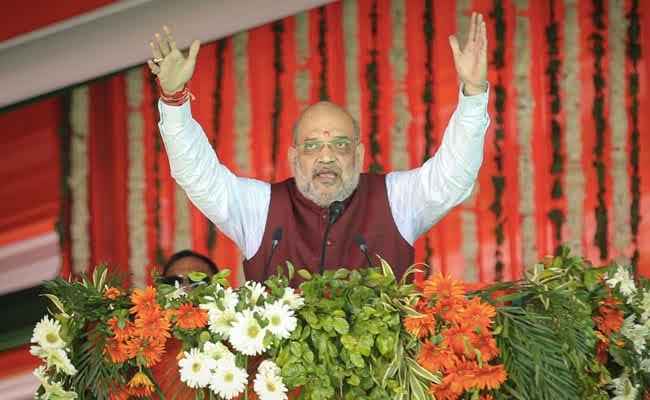
No stone pelting incidents in J&K in 2023: Amit Shah

Union Home Minister Amit Shah said on Wednesday that the Narendra Modi government has successfully rebuilt Jammu and Kashmir, putting an end to an era of terrorism and violence while fostering development through extensive infrastructure and welfare initiatives.

In a series of posts on X in both English and Hindi, accompanied by the #PragatisheelJammuKashmir hashtag, Shah highlighted the transformative efforts of Prime Minister Modi in instilling new hope among the youth of Jammu and Kashmir.

“The Modi government rebuilt Jammu and Kashmir, ending an era of terrorism and violence. The Modi government gave wings to the development of Jammu and Kashmir by rolling out massive infrastructure and welfare schemes, and today it stands as a proud testimony to Bharat’s powerful democracy,” Shah asserted.

He emphasized the rejuvenation of the cultural heritage of Jammu and Kashmir under the Modi government, stating that the Union Territory’s ancient and rich cultural legacy is being revived, contributing to an increase in cultural pride.

Shah alleged that the region had been hindered in its development due to dynastic politics, asserting that the Modi government has strengthened the Panchayati Raj system to provide grassroots-level development, breaking free from dynasty-driven governance.

“Under the leadership of PM Narendra Modi ji, Jammu and Kashmir is now heaving a sigh of relief. After abolishing Article 370, the Modi government has secured the dignity of life in the Valley by crushing terrorism with a zero-tolerance policy,” Shah stated.

In a corresponding post on X, Amit Shah’s office highlighted the historical struggle of Jammu and Kashmir against terrorism and extremism, noting that the Modi government’s abolition of Article 370 has brought peace and stability to the region.

“The picture of the youngsters of Jammu and Kashmir has changed, and they are no longer joining separatism but development,” the post said. It also emphasized a significant achievement, stating, “Not a single incident of stone pelting took place in Jammu and Kashmir in 2023.”

Amit Shah’s office underlined the restoration of the Panchayati Raj system by the Modi government, asserting that it has empowered common people with governance and ushered in a new era of development in the entire region.

No glass ceiling: It’s female first here

Transformed from a post office into a boutique hotel in Khajuraho, Dakghar 606 is ensuring that local women get the first preference in the hospitality industry by employing them in various capacities.  A report by Deepanwita Gita Niyogi

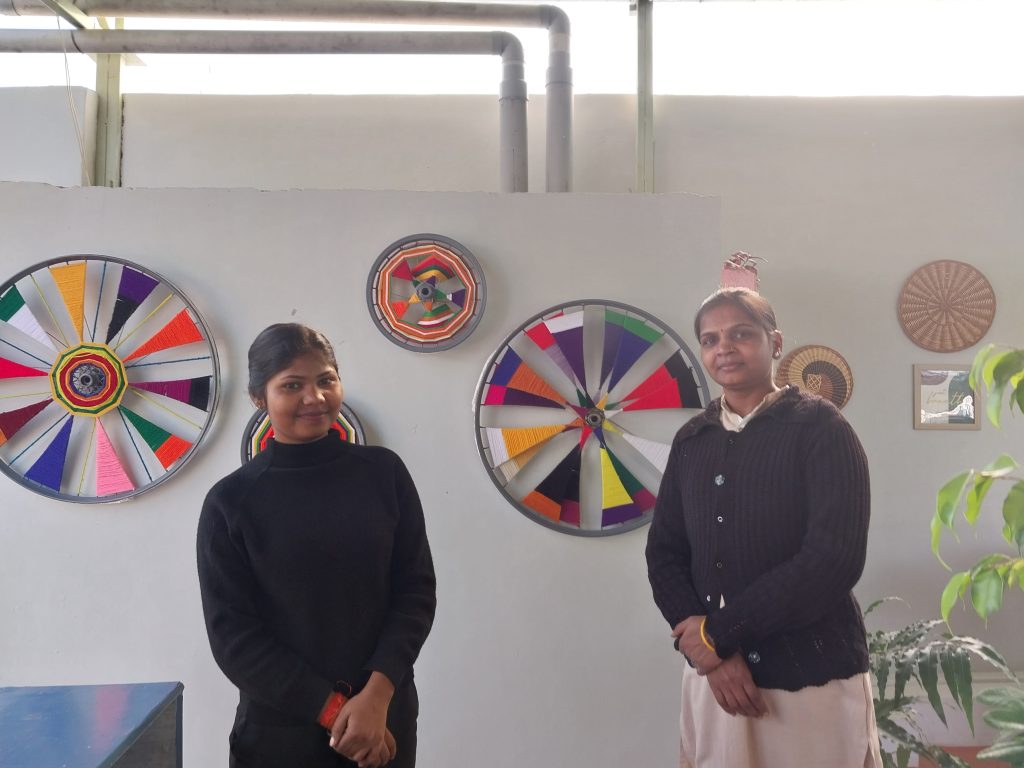
As the soft-spoken Anamika Anuragi placed a cup of creamy cold coffee on a table at Dakghar 606, a boutique hotel facing the Shivsagar Lake, she revealed how she had never applied lipstick before. “My family’s religious leader is of the view that women should refrain from using any
kind of makeup and stay simple. But after I joined this hotel as a housekeeper, I have started using a bit of makeup regularly to appear presentable in front of guests,” Anamika said.

A resident of Khajuraho in Chhattarpur district of Madhya Pradesh, famous for its ornate temples and water bodies, the young woman has not received a proper education in life. Somehow, Anamika can write her name and read a few simple sentences. She explained that more than that is clearly beyond her capacity. But she received proper training before landing in this job. “That has made me confident with visitors who come here to relax.”

To draw the female workforce into the tourism industry, training sessions, ranging from a fortnight to three months, are organized from time to time by non-profits with support from the state tourism board. Many women like Anamika, who used to sit at home, now work in hotels. They are happy to contribute to their families’ income.

Taste of life

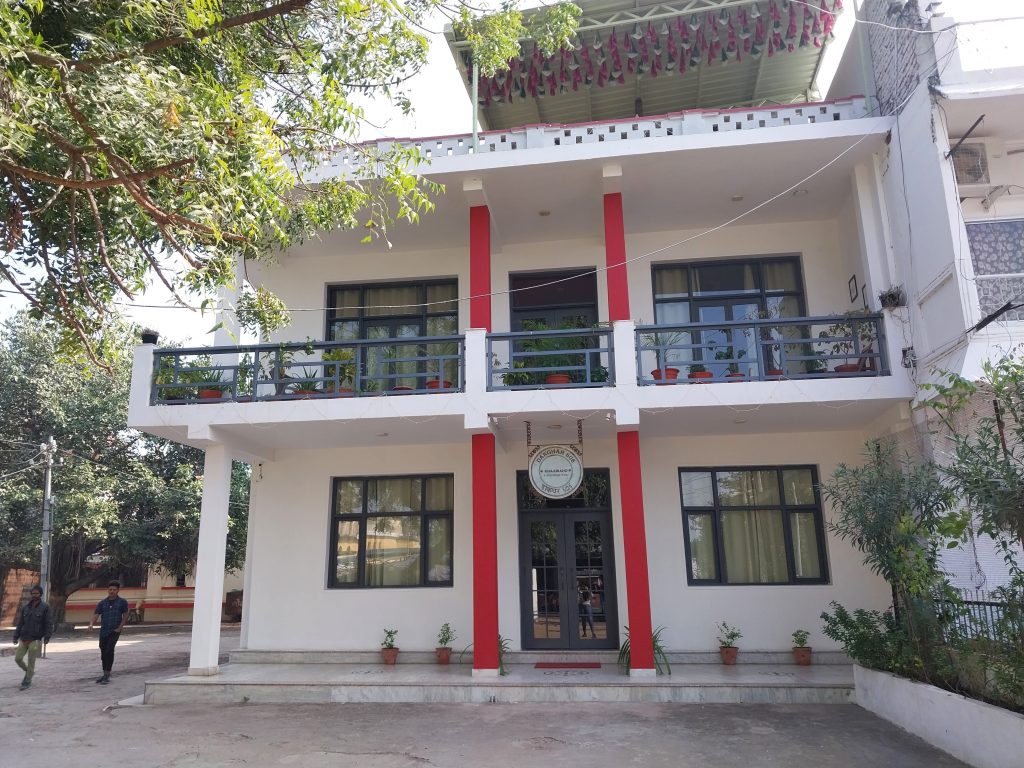
From a post office to a boutique hotel at present, Dakghar 606 is ensuring that local women get the first preference in the hospitality industry by employing them in various capacities. This is also part of Madhya Pradesh’s safe tourism destination for women initiative aimed at making solo female travellers comfortable.

A vendor, who keeps a small shop on the footpath opposite the hotel, remarked that this place where Dakghar 606 stands dates back to the time of royalty. Khajuraho now has a new post office at the bus stand. Vendor Shakeel Khan’s house is in Sevagram, a busy locality in Khajuraho. He serves chai and breakfast to tourists.

Back at the hotel, Anamika informed that her day starts early as her children attend morning school. After seeing them off, she cooks a quick meal at home and packs her tiffin before coming to Dakghar 606 for work. After Anamika received her first salary, she purchased sweets for her family. She is happy to help her husband.

At this cosy hotel, women staff outnumber men. Apart from Anamika, Rani Vishwakarma also belongs to Khajuraho. She comes walking daily and helps with cleaning. “I am happy to work in the morning shift so that I can go back home in the evening. Before this, I used to stay at home. My husband also works in a hotel.”

Women like Anamika and Rani, who work at Dakghar 606, appear confident. Being in jobs has made them smart in outlook. Apart from work, they also take pride in their appearance. “We have been told to use subtle makeup, small earrings and not wear too many bangles while on duty,” Anamika added.

A warm welcome

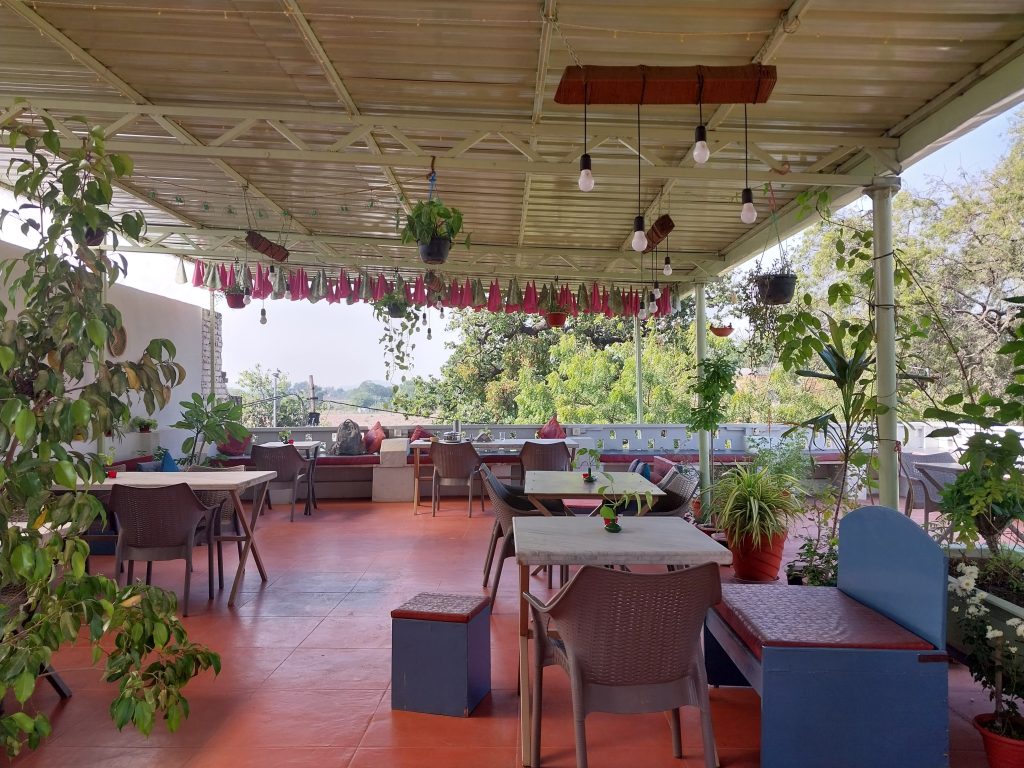
Dakghar 606 has 10 rooms for guests. On the top, there is a terrace where visitors can relax and have food. This space with several nooks and corners have potted plants and attractive wall décor.

A confident Rashmi Anuragi, who is in her B.Sc final year at a college in Chhattarpur, works by the day and studies at night. Her subjects are zoology, botany and chemistry. “I have become a role model for my friends who derive inspiration from me. Working in the hotel has made me smart. My English has also improved,” Rashmi said. Laughing out loud, she informed that life is now unthinkable without smart clothes and makeup.

Rashmi informed that after being trained by Adhar, a non-profit based in Khajuraho’s Lalguwan Road, she landed in Dakghar 606 where she sits at the reception. “My family is happy to see me work at the hotel. Before joining, I led a sheltered life but now I talk to guests freely. When I received my first salary, I bought something special for my mother and presented a saree to my sister in-law.”

In the balcony overlooking the vast Shivsagar lake, gardener Ramswarup informed that he had joined two years back. The elderly man, who used to work in a government nursery before this, reminisced about the bygone days. “There were about 84 water bodies in the city. But unfortunately many of them dried up with time.”

Yashaswani Bhayal is the brain behind Dakghar 606. Originally hailing from Rajasthan, her family shifted to Khajuraho where once her father was the general manager of a five-star hotel. “At that time I was about three years old. My family stayed for 12 years in Khajuraho and then moved elsewhere as my father had a transferable job.” Now, the family has settled down here.

Armed with a mass communication degree, Bhayal, however, always wanted to start a hotel and now runs the place in partnership with her aunt. She named it Dakghar 606 as it was a post office before, the first in fact in Khajuraho, and 606 is the pincode of the city. Bhayal remembered how the place was in the 1980s. There were many foreigners who came to this temple town and sent postcards to their families and friends from here. Indian tourists were hardly seen then.

“I always wanted to hire women and run the hotel entirely by an all-female staff. But being a rural area, Khajuraho still has some restrictions. It is just a matter of time. There is a plan to employ only women in future. It is not impossible but there are certain things to keep in mind, such as, I would have to hire a female guard at night as guests arrive pretty late sometimes.”

Echoes of Arab-Israel Conflict: A Forgotten Lesson

Dr. Maqsood ul Hasan Qasmi

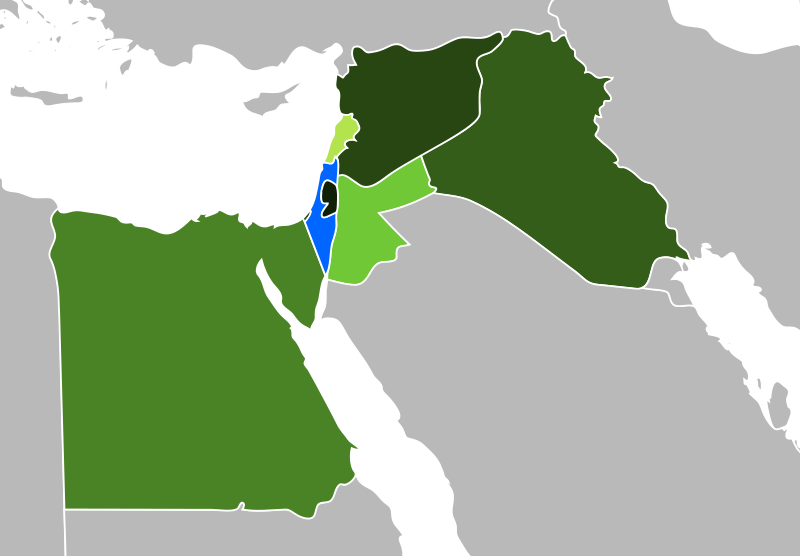
The conflicts, riots, clashes, and wars between Arabs and Jews, or Arabs and Israel have been going for decades. ‘Nakaba’ (Catastrophe), ‘Naksa’ (Setback), and ‘Intifadha’ (Uprising) are well-known terms in Arabic literature, expressing the pain of Palestinians and other Arabs. The major wars or conflicts that caused massive human loss and destruction include the wars of 1929, 1948, 1956, 1967 (Six day War). The ‘First Intifada’ (1987-1993(, and the ‘Second Intifada’ (2000-2005).

  What is noticeable is that each time, the number of casualties and amount of destruction on the Palestinian side has been higher than on the Israeli side. As per statistics (Wikipedia), in the 1948 war, more than 6000 Israeli Jews, including 4000 soldiers and 2000 civilians, were killed, while the Israeli army killed more than 10,000 Arab soldiers including other civilians. In 1956 war, 3000 Arabs lost their lives, while the number of losses on the Israeli side was extremely low. In 1967, Israel lost 796 lives, while Arabs lost 19,000 people. In First Intifada, Israel lost 100 civilians and 60 soldiers, while Arabs lost 1097. In Second Intifada, the total number of casualties on the Israeli side was 1062, while the number of Palestinians killed was between 2739 and 3168.

   It was only during the week of riots from August 23 to 29 in 1929 when the number of casualties on the side of Jews was remarkably higher than Arabs. In this first-ever clash between Arabs and Jews, Arabs killed more than 133 Jews and injured 339. Later, ‘Hagana’ (the old name of the IDF), in a joint venture with the ‘British Mandate Police’, killed 116 Arabs and wounded 232 people. The situation was such that the Jews who had migrated from Europe to Jerusalem and settled in the city were compelled to move to other regions in Palestine.

 Defense experts are of the views that in 1929, Jews in Israel, although they had their army, the ‘Hagana’, were not equipped with the most advanced weapons and an unparalleled air defense system as they are today.

Imagine (Without delving into the right or wrong of the situation) if Israel did not possess air defense capabilities like the Iron Dome missile defense system, through which it has been able to flatten Gaza, Syria, and Lebanon, Israel would have faced greater challenges in dealing with groups like Hamas, Hezbollah, Ansarullah and other Arab militias.

It is a historically proven fact that nations or peoples who are advanced in science and technology have been, and will continue to be, the ones who rule the world, dictating and shaping the global order.

  It is the bitter reality that the Arab and other Muslim worlds have failed to realize. They have not learnt any lesson from their plight. Despite being rich in resources and wealth, they are far behind in science and technology. They lack medical colleges and Universities dedicated to modern education. Their focus only remains on religious debates, while clerics and rulers are engaged in infighting and sectarian violence, labeling each other as ‘Kafir’ (no-believers) while still dreaming of global domination.

(Writer is a prominent Islamic scholar, he has PhD. on Palestinian issue)

Republic Day Parade 2024: Best marching contingents and tableaux awarded

New Delhi : Minister of State for Defence Ajay Bhatt on Tuesday gave away the best marching contingents and tableaux awards for the Republic Day Parade. He announced separate results, one by a panel of judges and the other through an online public vote conducted by MyGov.

Three panels of judges were appointed to assess the performance of Marching Contingents from three Services, Marching Contingents from Central Armed Police Forces (CAPF)/other auxiliary forces, and tableaux from various States/Union Territories and Ministries/Departments.

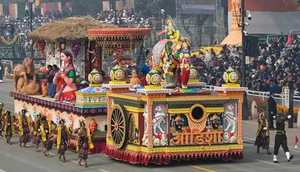
Odisha was adjudged the best state/union territory (UT) tableau by a panel of judges whereas Sikh Regiment Contingent as best marching contingent among the three services, and Delhi Police Women Contingent named best marching contingent among Central Armed Police Forces/other auxiliary forces in both categories, an Ministry of Defence (MoD) official said.

The MoD in a statement added that best states/UTs tableau award was given to Odisha’s Woman Empowerment in Viksit Bharat, followed by Gujarat (Dhordo: A Global Icon Of Gujarat’s Border Tourism) and Tamil Nadu (Kudavolai System in ancient Tamil Nadu — Mother of Democracy).

Ministry of Culture’s tableau based on the theme ‘Bharat: Mother of Democracy’ bagged the top position among Ministries/Departments in the panel of judges section.

Special Prize was given to Central Public Works Department (Central Vista — Viksit Bharat Ka Pratibimb) whereas special memento was given to ‘Vande Bharatam’ – Dance Group, the MoD official added.

The MoD said that in addition to the panel of judges, a web page was created on MyGov platform for online registration of citizens for watching the Republic Day Parade and Beating the Retreat Ceremony 2024 online.

An online poll was conducted by MyGov for the citizens to vote for their favourite tableau from states/UTs and Ministries/Departments as well as among the marching contingents to select the best among the popular choice category.

The online poll for the popular choice was conducted between January 25 to 27 on MyGov web page.

The results mentioned disclosed that best marching contingent among the three services is Rajputana Rifles Regimental Marching Contingent.

Best Marching Contingent among CAPF/other auxiliary forces is CRPF Woman Marching Contingent.

First position for states/UTs tableau was given to Gujarat (Dhordo: A Global Icon Of Gujarat’s Border Tourism) followed by Uttar Pradesh (Viksit Bharat Samradh Virasat), Andhra Pradesh (Transforming School Education in Andhra Pradesh – Making Students Globally Competitive).

The best tableau for Central Ministries/Departments was given to ‘Vibrant Villages’ prepared by Ministry of Home Affairs.

People Matter in business success: CMA

Chandigarh, January 31, 2024 : People are the key to success of any business, said Prof. Charanjit Singh, past president of Chandigarh Management Association (CMA) here today.

Addressing members of CMA, Charanjit Singh, who is a faculty in the School of Media and Communication at Shoolini University, spoke about the changing media scenario and how organizations can take advantage of the emerging technology to effectively communicate their products/services.

He traced the evolution of media from the past where print, radio and tv coverage mattered the most, and the current emergency of mushrooming social media platforms that have empowered corporate and individual professionals to own up their own channels to communicate with targeted audience.

Knowing the people whom you want to be your customers or users is the first fundamental aspect to succeed in any business, and the second being, to be relevant to the people’s needs, aspirations and pain points.   Communication in the digital space is restricted today with numerous algorithmic gatekeepers who are sifting the useful content from the trash, he informed.  Therefore to stay connected to the audience is possible only if one is sharing more relevant, meaningful, and useful content that can help create a brand identity for an individual or a corporate, he emphasized.

Charanjit Singh has four decades of experience of working with media, government, corporate, professionals, and NGO and is currently teaches at Shoolini University, said CMA President Sukhwinder Singh.

SC on internet restrictions in J&K: Not to be kept In cupboard, publish review orders

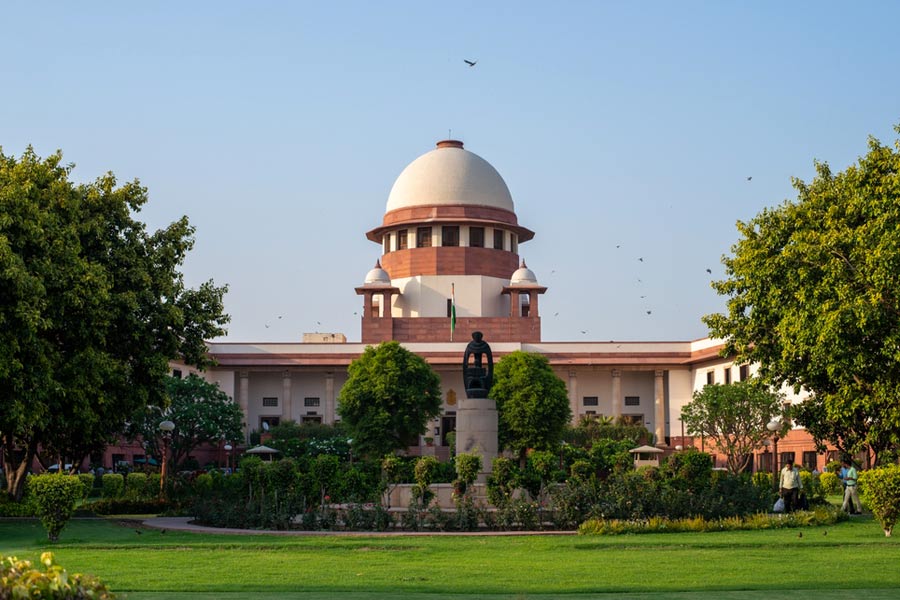
The Supreme Court has ordered the Additional Solicitor General (ASG) K M Nataraj, representing the Union Territory (UT) of Jammu and Kashmir, to publish the review orders related to internet restrictions in the region. The court stressed that these review orders should not be kept in a cupboard but should be made public.

During the hearing of a plea filed by the Foundation of Media Professionals seeking the publication of review orders pertaining to internet restrictions in Jammu and Kashmir, ASG Nataraj informed the bench comprising Justices B R Gavai and Sanjay Karol that the petitioner is seeking the disclosure of information regarding the deliberations on review orders. 

Justice Gavai told Nataraj, “Forget about deliberations, you publish the orders….are you making a statement that review orders will be published?”

Nataraj said he needs to get instructions on the matter.

The plea, represented by Advocate Shadan Farasat, argued that review orders, being statutory, must be published. Although acknowledging national security concerns, Farasat maintained that both the mother order and the subsequent review must be disclosed, as per the apex court’s previous directive.

ASG Nataraj referenced past compliance with prayers during the period of restrictions following the abrogation of Article 370. The court highlighted that the petitioner is now presenting a new prayer regarding a court-issued direction. Citing the Anuradha Bhasin judgment paragraphs, the bench emphasized that review orders should not be concealed and questioned Nataraj to demonstrate why it is not necessary to publish them. 

Bhasin is editor of Kashmir Times, a regional daily in Jammu and Kashmir.

The apex court noted Farasat’s reference to the Anuradha Bhasin case, where it was asserted that even review orders should be made public, and observed that this is not occurring in the UT of Jammu and Kashmir. ASG Nataraj sought a two-week extension to gather instructions on the matter. The court, after considering the submissions, granted the requested time in its order.

President of India nominates Satnam Singh Sandhu to Rajya Sabha

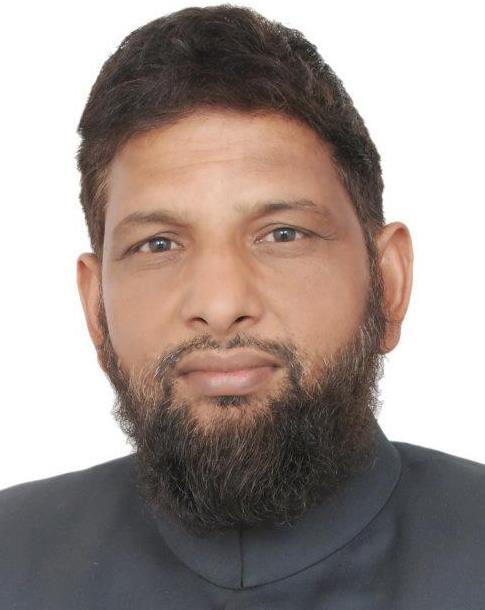
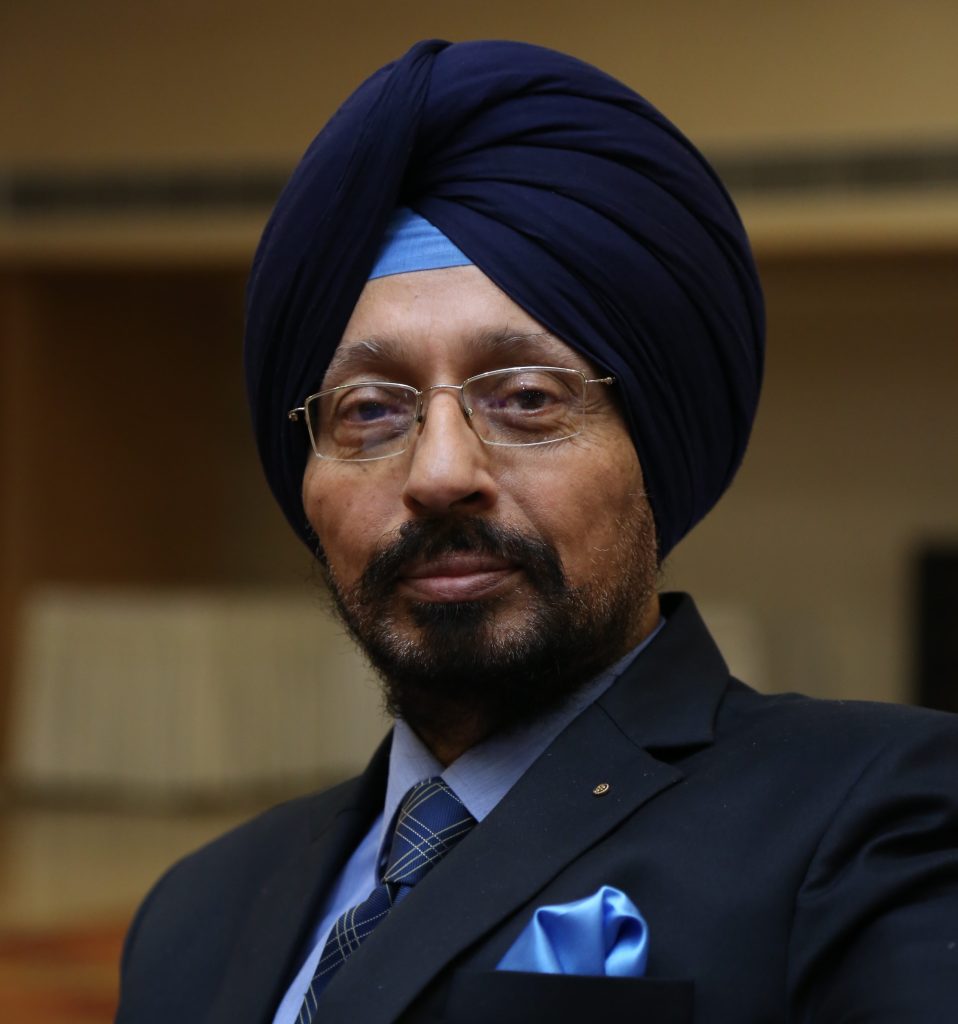
Chandigarh : President Droupadi Murmu nominated Chandigarh University Chancellor Satnam Singh Sandhu to Rajya Sabha on Tuesday.

Prime Minister Narendra Modi has expressed happiness over the nomination.

“I am delighted that Rashtrapati Ji has nominated Satnam Singh Sandhu to the Rajya Sabha. Satnam Ji has distinguished himself as a noted educationist and social worker, who has been serving people at the grassroots in different ways, ” Modi wrote on X.

He said that Sandhu has always worked extensively to further national integration and has also worked with the Indian diaspora.

“I wish him the very best for his Parliamentary journey and am confident the Rajya Sabha proceedings will be enriched by his views, ” the Prime Minister said.

The officials said that Sandhu made creation of world class educational institution his life’s mission by fist laying the foundation of Chandigarh Group of Colleges (CGC) at Landran in Mohali in 2001 and then going a step forward with the formation of Chandigarh University in 2012 which a found a place in QS World Rankings 2023, first among private universities in Asia.

They said that the hardships faced in early life have also seen the Chandigarh University Chancellor Sandhu turn into a staunch philanthropist who has extended financial help to lakhs of students for pursuing quality education.

“He is actively involved in large scale community efforts to improve health and wellness and also to advance communal harmony through his two NGOs ‘Indian Minorities Foundation’ and New India Development (NID) Foundation, ” the officials said.

They said that Sandhu has made a mark with his efforts for national integration at home and has worked extensively with the diaspora abroad.

Nitin Gadkari rolls out highway projects worth Rs 2,367 crore in MP

New Delhi : Minister of Road Transport and Highways Nitin Gadkari on Tuesday inaugurated and laid the foundation stone of nine national highway projects worth Rs 2, 367 crore covering a total length of 225 km in Madhya Pradesh’s Jabalpur district.

He said that the projects that were inaugurated include a 1.5 km long bridge on Jamni river on Tikamgarh-Jhansi road at a cost of Rs 43 crore.

“This will make it easier to reach Orchha, the tourist destination of Rajaram’s temple, ” the minister said.

He said that the construction of a road with a 2-lane paved shoulder from Chandia Ghat to Katni Bypass will bring a qualitative change in connectivity to the coal mines of Katni while widening of Bamitha-Khajuraho road will strengthen tourism in Khajuraho.

“Besides, the social and economic condition of this area will also improve, ” the minister said.

He said that the projects include upgradation work of the road from Gulganj Bypass to Barna River, 2-lane road upgradation work from Barna River to Ken River, upgradation work with 2-lane paved shoulder from Shahdol to Sagartola, Lalitpur-Sagar.

“The construction of a total of 23 VUPs, bridges, service roads in the Lakhnadon section, construction of a total of three foot overbridges at Suktra, Kurai and Khawasa and improvement work of 2 black spots at Ghunai and Banjari valley is included, ” the minister said.

He said that these projects will improve the connectivity of the surrounding campus.

“Time and fuel will be saved and the area will develop from the economic, social and tourism point of view, ” the minister said.

Madhya Pradesh Chief Minister Mohan Yadav, state ministers, as well as MPs and MLAs of the region were also present on the occasion.

MOST POPULAR

HOT NEWS