‘Discord’ in Lalu Prasad’ family—will it affect RJD’s electoral prospects 

The RJD is the largest party in the Mahagathbandhan in Bihar. Infighting in its first family, especially involving siblings Rohini Acharya and Tej Pratap Yadav, may projects instability. Voters may see this as a sign of weak leadership or lack of internal control, the BJP and JD(U) are already using Rohini’s posts and Tej Pratap’s rebellion to attack Tejashwi’s leadership.
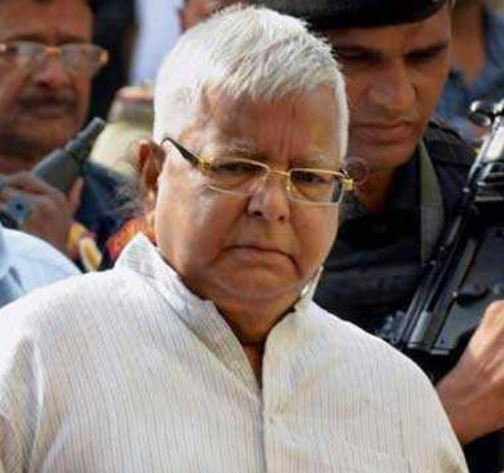
As Bihar heads into elections, cracks seem to have surfaced within the Rashtriya Janata Dal (RJD)’s first family, revealing internal discord that could possibly impact the party’s performance and broader prospects of the Opposition-led mahagathbandhan (grand alliance). Though the party is trying to brush the family discord under the carpet, at the heart of the tension is the growing influence of Sanjay Yadav—political advisor to Tejashwi Prasad Yadav, RJD’s leader and Lalu Prasad Yadav’s younger son. The discontent spilled into public view when Lalu’s daughter, Rohini Acharya, unfollowed both her brother Tejashwi and Sanjay Yadav on X.

“I have fulfilled my duty and dharma as a daughter and a sister, and I will continue to do so. I have no desire for any position, nor do I have any political ambition. For me, my self-respect is supreme,” she wrote in a cryptic post, prompting widespread speculation about rifts within the party’s top leadership.

Earlier, Rohini had flagged a photograph showing Sanjay Yadav occupying the front seat in the party’s campaign van during the ‘Bihar Adhikar Yatra’ — a campaign tour led by Tejashwi that concluded last Saturday. She also reposted a social media comment criticising Sanjay’s prominent visibility at the rally, suggesting that the front seat in the yatra bus should be reserved for either Lalu Prasad or Tejashwi — and left vacant in their absence.

Rohini, who is Lalu Prasad’s second-eldest daughter and a kidney donor to her father in 2022, is seen as a figure of moral authority within the family. Her subtle but pointed posts have provided fodder for the RJD’s political rivals. Reacting to the online fracas, Lalu’s eldest son, Tej Pratap Yadav, came out in support of his sister. “Anyone who insults my sisters will face the Sudarshan Chakra of Lord Krishna.”

Tej Pratap Yadav — an MLA and former Bihar minister — has been a controversial figure within the RJD. He was recently expelled from the party following a row over a now-deleted Facebook post announcing a romantic relationship with a woman named Anushka Yadav. While he initially claimed his account had been hacked, he later defended his actions, stating, “No one would tolerate interference in their personal life.” In response to his expulsion, Tej Pratap launched his own political outfit,

Team Tej Pratap, and has begun announcing candidates for the upcoming elections.

Meanwhile, opposition Janata Dal (United) seized the opportunity to take on the rival with JD(U) spokesperson Neeraj Kumar remarked, “Rohini Acharya is a daughter who donated a kidney for her father. She has expressed her pain through a tweet. Now, Lalu Yadav, as the head of the family, it is your responsibility to decide who is at fault.”

In an apparent attempt to manage the optics around Sanjay Yadav’s role, the RJD moved to downplay his prominence by seating Dalit leaders — including Shiv Chandra Ram and Rekha Paswan — in the front seat of the yatra bus. Rohini acknowledged this saying “It has been the prime motto of Lalu Prasad’s socio-economic justice campaign to bring forward the deprived and people on the last rung of the social ladder. It is heartening to see people from these sections sitting in the front seat in these pictures.”

Whether these efforts will be enough to contain the family feud — and its fallout — remains to be seen. With the Opposition relying heavily on the RJD to deliver a strong performance in Bihar, the internal rift could have implications beyond just one party, affecting the broader fortunes of the mahagathbandhan in the run-up to the elections.
Fresh encounter breaks out in Kishtwar, operations continue in Seoj Dhar

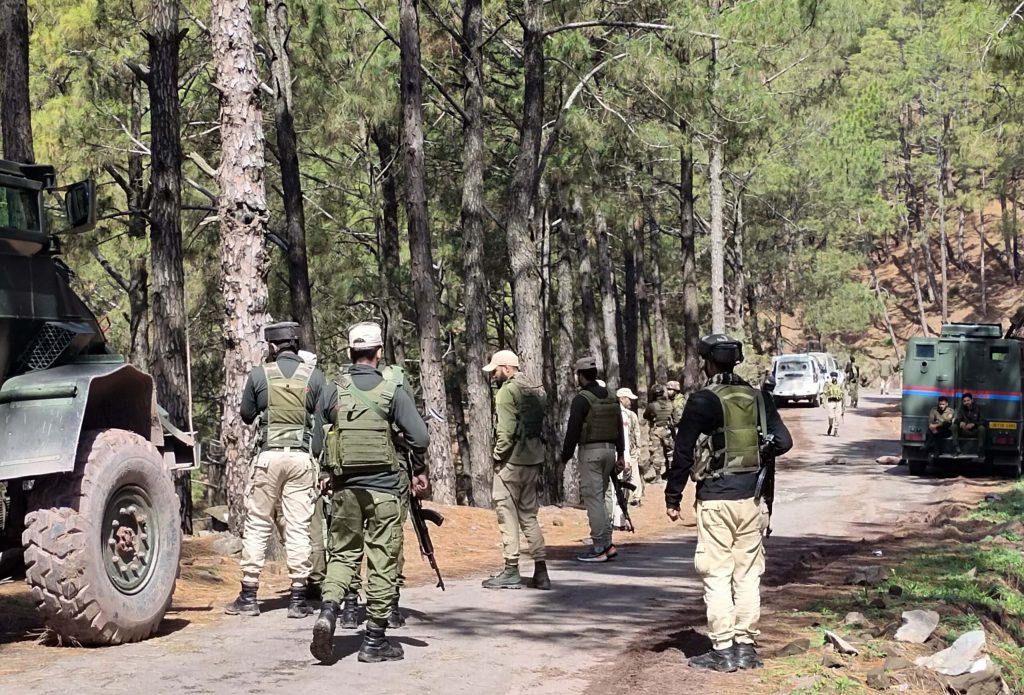
Srinagar: A fresh encounter broke out on Sunday in the Keshwan forests of Kishtwar district after security forces established contact with terrorists during an intelligence-based operation, officials said.

Reinforcements were rushed to the area and a strict cordon was laid around the encounter site. The Army’s Nagrota-based White Knight Corps confirmed the development on its official social media handle, stating that troops came under fire around 1 pm while conducting searches in the Keshwan area. 

“Alert troops of White Knight Corps at around 1 pm today, while carrying out an intelligence-based operation in the general area of Kishtwar, have established contact with terrorists. Fire exchanged with terrorists. Operation is in progress,” White Knight Corps posted, with a tagline ‘Contact with terrorists – Op Keshwan.’

The encounter comes even as security forces continue their anti-terrorist operation in the Seoj Dhar forests, bordering Doda and Udhampur districts, which entered its third day on Sunday.

On Friday night, an exchange of fire in Seoj Dhar claimed the life of Lance Dafadar Baldev Chand of the Indian Army, who had sustained critical injuries. A solemn wreath-laying ceremony was held at Air Force Station Jammu, where senior Army and police officers paid homage before his mortal remains were flown to his native village in Himachal Pradesh.

Meanwhile, the Border Security Force (BSF) on Sunday continued a search operation in R S Pura sector of Jammu, a day after its personnel detected the movement of a drone emerging from across the International Border in Jajowal village. The searches were carried out in coordination with other security agencies.

Shehbaz at UNGA, India watches closely; Jaishankar meeting Rubio, talk on trade, H-1B, likely

Pakistan Prime Minister’s US visit follows defence deal with Saudi; Meanwhile Jaishankar and US Secretary of State Marco Rubio will hold talks on the sidelines of the UNGA session, according to a public schedule released by the US Department of State

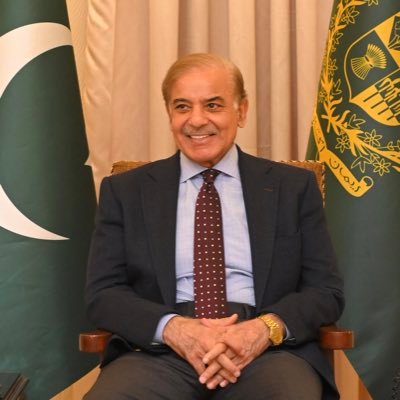
Photo: Shebaz Sharif social media

Prime Minister Shehbaz Sharif will meet US President Donald Trump on the sidelines of the 80th UN General Assembly (UNGA) in New York, where he arrives on Monday for a five-day visit. The meeting, also involving a select group of Muslim leaders, comes at a time when Islamabad has signed a landmark defence pact with Saudi Arabia—an alignment that bolsters Pakistan’s regional standing.

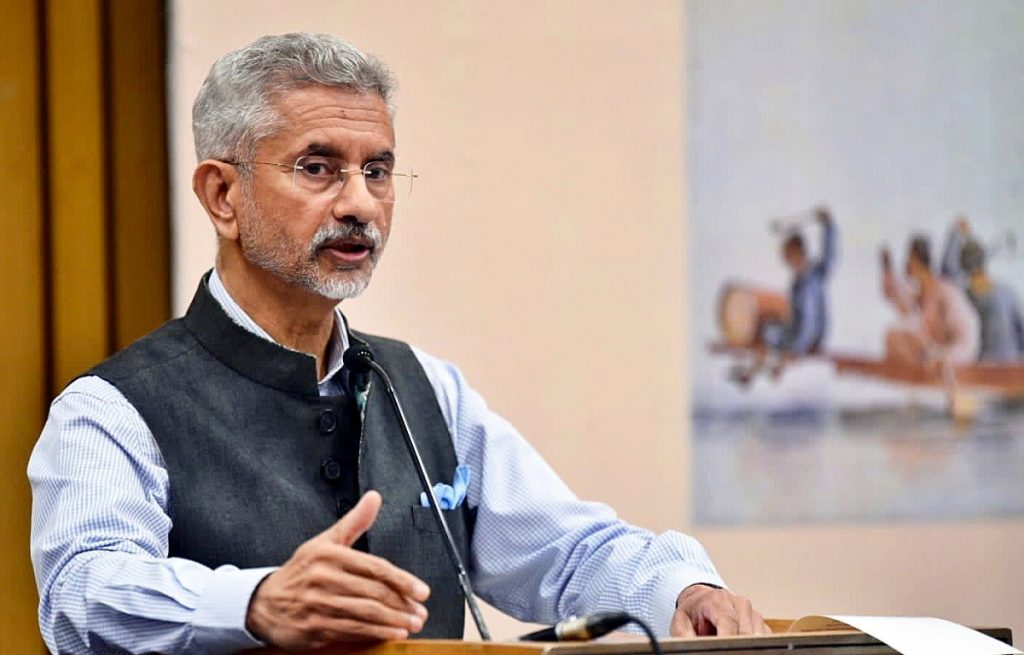
India is watching these developments closely, like other geopolitical happenings, say those in know of developments. Union Minister of External Affairs Jaishankar and US Secretary of State Marco Rubio will also hold talks on the sidelines of the UNGA session, according to a public schedule released by the US Department of State.

Jaishankar’s discussions with Rubio are expected to focus on trade negotiations and the Trump administration’s recent decision to raise H-1B visa fees. This will be the first face-to-face meeting between Rubio and Jaishankar following Trump’s imposition of an additional 25 per cent tariff on India for Delhi’s purchases of Russian oil, taking the total levies imposed on India by the Trump White House to 50 per cent.

So far as Pakistan is concerned, Sharif will participate in high-level UN events, including the Security Council, the Global Development Initiative, and a Special Event on Climate Action. He will also hold bilateral talks with world leaders and UN officials to deepen cooperation on issues of mutual interest, according to reports

The Pakistan PM is expected to use the opportunity to press for the resolution of “protracted” issues, urging decisive international action. He is also expected to articulate Pakistan’s position on climate change, terrorism, Islamophobia, sustainable development, and regional stability.

The Saudi-Pakistan defence pact signals closer strategic cooperation, though it is unlikely to alter the military balance against India in the near term, its impact lies in optics and geopolitics, embolding Islamabad to project itself more forcefully at global platforms, say analysts

“Sharif’s high-profile US visit, meeting with Trump and UN address provides Pakistan an opportunity to spotlight issues like Kashmir and Gaza while rallying support from Muslim leaders. With the Saudi pact in hand, Islamabad may gain added leverage in Islamic forums. For India, the concern is less about direct security threats and more about narrative battles. Pakistan’s strengthened positioning, diplomatic leverage in Muslim-majority forums, may complicate India’s efforts,” they add..

‘I buy Swadeshi’: decoding PM Modi’s GST 2.0 eve speech, new mantras—’Nagarik Devobhava’, ‘GST Bachat Utsav’

PM Modi’s address on the eve of Navratri served multiple strategic purposes, blending policy announcement with emotional and cultural resonance; By linking tax reform with tradition, culture, and citizen empowerment, The GST 2.0 address positioned economic policy as a movement of national renewal—just in time for the festive season and the upcoming elections.

Photo; courtesy PIB

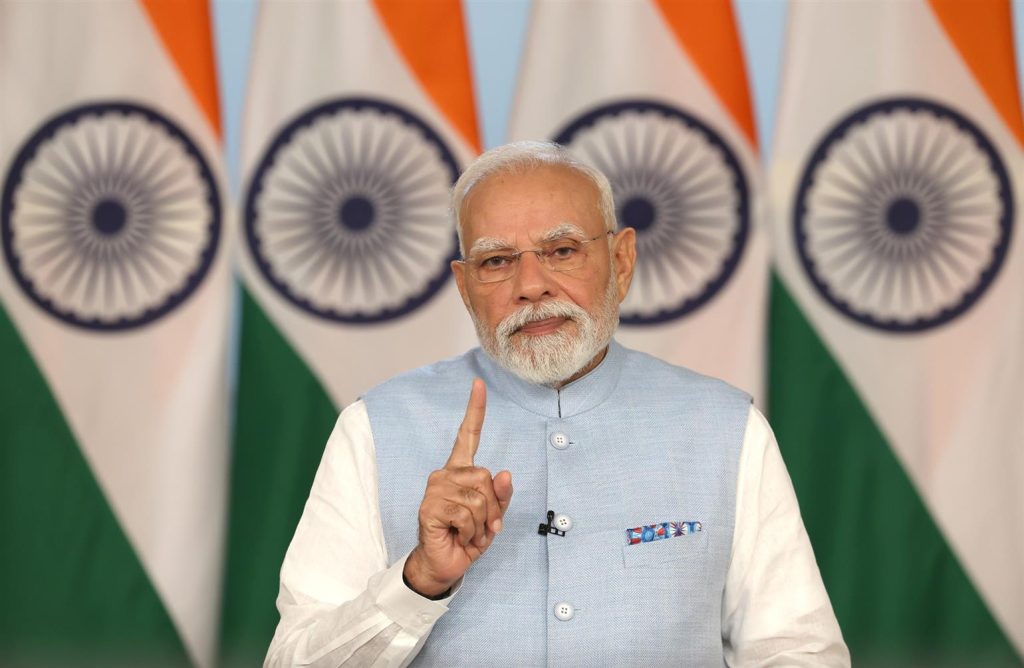
In a strategically timed address on the eve of Navratri and ahead of the launch of next phase of tax reform—GST 2.0—Prime Minister Narendra Modi on Sunday announced that the “Next Gen GST reforms” will mark India’s “GST Bachat Utsav”, helping Indians save more, making it easier for them to buy their favourite things. PM Modi said the GST changes will bring happiness to families and boost India’s growth story, topped with new slogans like “I buy Swadeshi, I sell Swadeshi” and “Nagarik Devobhava” (citizens are divine).

Talking of economic patriotism, the PM blended policy with emotional and cultural resonance with a renewed call for Aatmanirbhar Bharat. Opening with wishes for Navratri—the festival celebrating feminine power and renewal—PM Modi declared that from its very first day, India was embarking on a significant step in its journey of self-reliance.

Echoing the spirit of the Swadeshi movement that powered India’s freedom struggle, he urged citizens to adopt ethical consumerism as a civic duty and urged every household and shop to become a “beacon of Swadeshi” by choosing ‘Made in India’ products. His message was clear—economic reforms must be rooted not only in policy but also in people’s participation and national pride. “Just as Swadeshi strengthened our independence movement, it will now fuel our economic freedom,” PM Modi said. “Let every Indian proudly say: I buy Swadeshi, I sell Swadeshi.”

Coining a new mantra “Nagarik Devobhava”, which he said must guide governance going forward, he placed citizens at the heart of national progress. Encouraging state governments to play an active role, PM Modi called for a nationwide push to create investment-friendly environments and boost regional manufacturing.

The GST Bachat Utsav, announced alongside GST 2.0, aims to deliver tangible economic benefits to the common citizen. The revamped tax structure simplifies slabs—primarily into 5% and 18%—and slashes rates on essential items like food, medicines, soap, and insurance. According to the PM, 99% of goods previously taxed at 12% are now in the 5% bracket.

These reforms, he said, directly benefit the poor, the middle class, farmers, youth, and small businesses. The measures are expected to generate Rs 2.5 lakh crore in citizen savings, amplified by recent income tax relief for those earning up to Rs 12 lakh. The Prime Minister referred to it as a “double bonanza” for India’s rising neo middle class, which he said now includes 25 crore people lifted out of poverty. Revisiting the complex tax regime that existed before the introduction of GST in 2017, the PM highlighted how GST 2.0 further simplifies business operations and boosts investor confidence.

Change in H-1B visa policy may have ‘humanitarian consequences’, says India, hopes US will address concerns

Reading between the lines: The MEA statement underlines the importance of skilled talent mobility between India and the US, which has significantly contributed to technology development, innovation, economic growth, competitiveness, and wealth creation. 

ANI_20230222196

India has expressed concern over the United States’ new restrictions on the H-1B visa programme, saying that the move is likely to have “humanitarian consequences by way of the disruption caused for families.”

“This measure is likely to have humanitarian consequences by way of the disruption caused for families. Government hopes that these disruptions can be addressed suitably by the US authorities,” the MEA said, taking note of various reports and developments surrounding the issue.

India said that recognising the potential far-reaching implications of such a move, the matter is currently under thorough examination by all relevant stakeholders, including prominent voices from Indian industry. “Industry in both India and the US has a stake in innovation and creativity and can be expected to consult on the best path forward,” it said adding that “full implications of the measure are being studied by all concerned, including by Indian industry, which has already put out an initial analysis clarifying some perceptions related to the H1B program”

“Skilled talent mobility and exchanges have contributed enormously to technology development, innovation, economic growth, competitiveness and wealth creation in the United States and India. Policy makers will therefore assess recent steps taking into account mutual benefits, which include strong people-to-people ties between the two countries,” it added.

Reading between the lines

Notably the statement underlines the importance of skilled talent mobility between India and the US, which has significantly contributed to technology development, innovation, economic growth, competitiveness, and wealth creation. Policymakers, it said, would need to assess the recent steps in light of mutual benefits and strong people-to-people ties.

The new restrictions come under US President Donald Trump’s latest executive action, signed on Friday, which imposes a $100,000 annual fee on companies hiring foreign workers through the H-1B visa programme. Given that nearly 70% of H-1B visa holders are from India, the measure is expected to disproportionately affect Indian professionals, particularly at entry- and mid-levels.

While the move has been framed as a protectionist measure to safeguard American jobs in the tech sector, critics warn it could disrupt global talent mobility and hit India’s IT industry hard.

However, some experts see potential upside for India.

The increased costs may push US companies to focus only on senior and highly specialised talent, reducing opportunities for junior professionals and possibly leading to a reverse brain drain, with skilled talent returning to India or seeking opportunities in countries with more favourable immigration regimes.

Indian IT majors such as TCS, Infosys, and Wipro, which have long relied on H-1B visas to place engineers at US client sites, may respond by accelerating offshoring of work to India and other locations. Industry leaders suggest this could strengthen India’s domestic tech ecosystem, spur innovation, and enhance global competitiveness.

India’s defence footprint in Morocco, Rajnath Singh’s visit first-ever by Indian Defence Minister

Rajnath Singh’s historic visit marks a new chapter in Indo-African ties, with the launch of the first Indian defence facility on the continent and a strategic push into Francophone Africa. It  comes in the backdrop of shifting global alliances, including the recent Pakistan–Saudi defence pact

Photo: courtesy Defence Ministry website

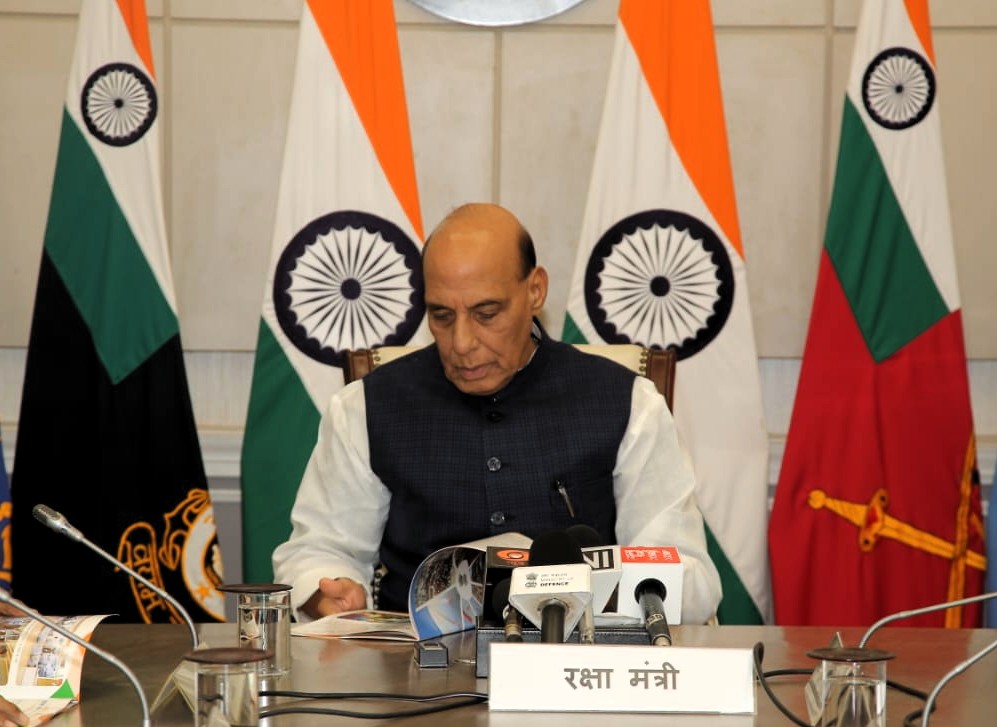
In a significant geopolitical move, Indian Defence Minister Rajnath Singh will visit Morocco on September 22–23 — the first-ever visit by an Indian defence minister to the North African nation — signalling a deepening strategic convergence between the two countries.

The visit comes in the backdrop of shifting global alliances, including the recent Pakistan–Saudi defence pact, and reflects India’s broader ambition to expand its defence and diplomatic presence across Africa and the Arab world.

A major highlight of the trip will be the inauguration of India’s first overseas defence manufacturing facility, set up by Tata Advanced Systems in Berrechid. The plant will produce WhAP 8×8 wheeled armoured vehicles — a key component of India’s defence export portfolio — and marks a significant step in the global expansion of India’s indigenous defence industry under the Atma Nirbhar Bharat (self-reliant India) initiative, according to an official statement.

Beyond defence, the visit aims to strengthen industrial ties and position India as a credible partner for Africa’s evolving security and development needs. With Morocco increasingly viewed as a gateway to Francophone Africa, this initiative is expected to enhance India’s influence in a region where China, Turkey, and Pakistan have all stepped up engagement in recent years.

The two-day official visit is being made at the invitation of Morocco’s Minister Delegate for National Defence, Abdeltif Loudiyi. During his stay, Singh will hold high-level talks with Loudiyi to bolster defence and strategic cooperation and will also meet Morocco’s Minister of Industry and Trade, Ryad Mezzour, to explore avenues for industrial collaboration.

The two sides are expected to sign a Memorandum of Understanding (MoU) on defence cooperation. This MoU will provide a formal framework for deeper engagement — including military exchanges, joint training, and industrial partnerships. Indian Navy ships have been making regular port calls at Casablanca in recent years, and this agreement is likely to consolidate such ties further.

Singh will also interact with the Indian diaspora in Rabat during the visit.

Relations between India and Morocco have steadily grown since King Mohammed VI’s meeting with Prime Minister Narendra Modi in 2015. The upcoming visit is seen as a turning point, injecting new energy into the partnership — especially in the strategic and defence sectors. As India seeks a stronger role on the global stage, this visit marks a diplomatic milestone but reflects a long-term play to secure its place as a trusted partner in Africa’s security and industrial landscape, say analysts 

India sets stage for next economic surge with legal and investment reforms

The Bharatiya Janata Party ( BJP) returned to power for a third consecutive term under Prime Minister Narendra Modi in 2024, despite the narrower electoral mandate, the BJP-led government signalled its intent to build upon the policy foundations laid in its previous terms.

The most significant legislative shift came into effect on July 1, 2024, with the implementation of three new criminal laws — the Bharatiya Nyaya Sanhita, 2023, Bharatiya Nagarik Suraksha Sanhita, 2023, and Bharatiya Sakshya Bill, 2023. These statutes replace colonial-era laws that had governed India’s penal, procedural, and evidentiary framework for over a century.

A separate legislative push has decriminalised over 180 provisions across 42 central statutes, further cementing the government’s pro-business stance. Reforms to laws related to Aadhaar, information technology, intellectual property, and film piracy have now been formally notified. These changes aim to simplify compliance, reduce litigation, and encourage innovation.

In tandem, the government has been updating other dated laws to reflect contemporary needs. The Press and Registration of Periodicals Bill, 2023, for instance, replaces an 1867 law with a more streamlined and digital-friendly regime. Meanwhile, the Telecommunications Act, 2023 has triggered debate for its broad language — especially around the potential regulation of OTT (over-the-top) media services — raising questions about digital freedom and regulatory overreach.

From trade secrets to consumer rights, legislative activity has been humming across sectors. The Central Consumer Protection Authority (CCPA) issued guidelines on deceptive “dark patterns” in e-commerce, reflecting growing awareness of user manipulation in digital marketplaces. The Law Commission has also submitted a draft bill on trade secrets, a long-standing gap in India’s intellectual property framework.

Several “silent” but significant infrastructure reforms have also been set in motion. Amendments to intellectual property rules and the Biological Diversity Act, 2002 seek to streamline processes and clarify legal obligations. High courts in Calcutta, Delhi and Madras have launched dedicated IP divisions, enhancing judicial expertise in complex IP litigation.

In one of the more symbolic yet strategic moves, India liberalised foreign direct investment (FDI) norms in the space sector. Building on the 2023 Indian Space Policy, these reforms remove the blanket requirement for prior government approval in some areas.

The government hopes this will accelerate private sector participation, R&D investment, and satellite launches — all aimed at increasing India’s share of the global space economy from 2% to 10% by 2030.

The current government, while navigating a stronger opposition and coalition dynamics, appears committed to consolidating past reforms and modernising India’s legal and policy framework.

With foundational reforms in place across criminal law, financial markets, digital regulation, and sector-specific investment policies, the stage is being set for India’s next economic surge. 

Delhi BJP to hold ‘Namo Yuva Marathon Run’ tomorrow

Delhi BJP Yuva Morcha will organize the “Namo Yuva Marathon Run” tomorrow at Delhi University Sports Complex under the Drug-Free India Campaign.

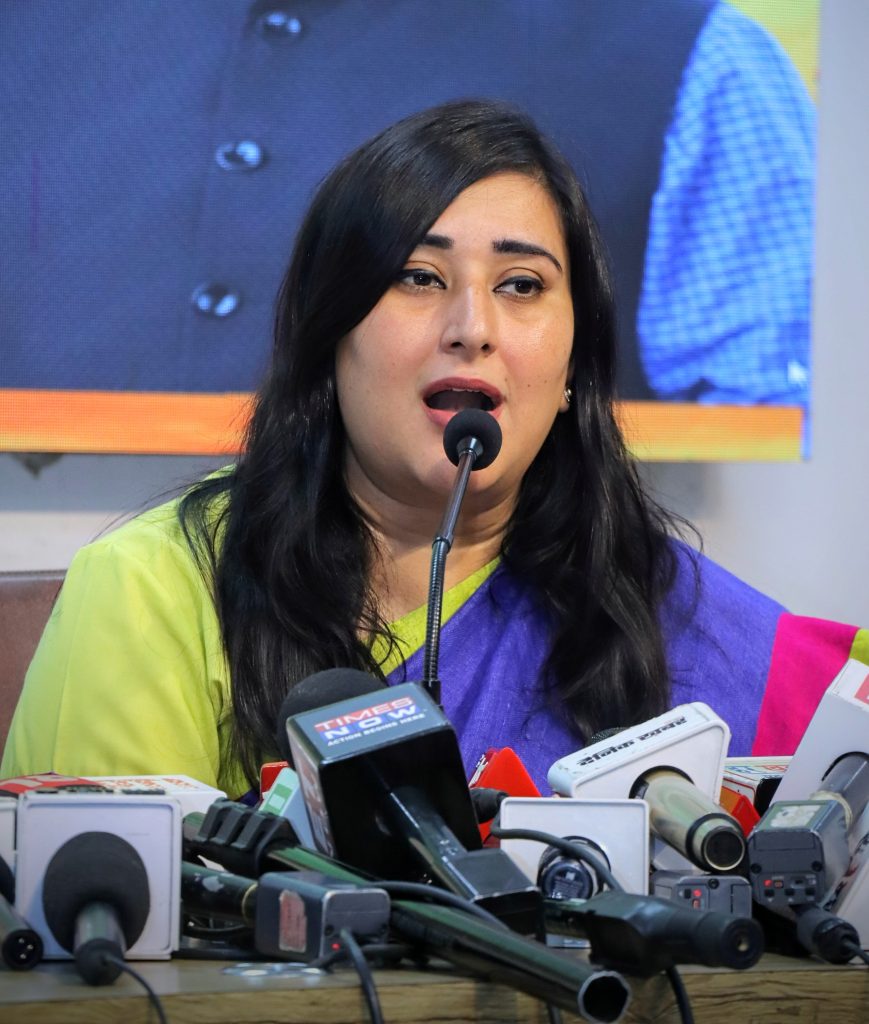
Addressing a press conference on Saturday at the State BJP office, BJP MP from New Delhi, Bansuri Swaraj, said that the “Namo Yuva Run” is being organized across the country as part of the “Seva Pakhwada”, being observed by the BJP from Prime Minister Narendra Modi’s birthday to Mahatma Gandhi’s birth anniversary.

The aim is to spread awareness among the youth against drug addiction. A grand event will be held tomorrow at Delhi University Sports Complex as part of this campaign.

Swaraj stated that Prime Minister Narendra Modi is a source of inspiration for 1.4 billion Indians and that he understands the youth are the future of this nation. Empowering youth is not just about talking; it’s about building a strong foundation to realize the vision of a developed India. Today, the emphasis is not only on youth empowerment but also on strengthening the nation under the leadership of the youth.

She added, “Drug addiction is like cancer — a tool used by enemies to weaken the very roots of our nation.” To ensure that the youth of our country stay away from drugs, over 5,000 young participants from Delhi will take part in tomorrow’s event, led by brand ambassador and Padma Shri awardee Ms. Sudha Singh. “We appeal to all youth to raise their voices in support of a drug-free India.”

Meanwhile, Sudha Singh said that the upcoming marathon is especially focused on freeing youth from drug addiction. She appealed to everyone, “If there’s a child or youth in your family struggling with addiction, please try to guide them, because if even one young member of a family is addicted, the entire family suffers.” She added.

Trump’s H-1B visa fee hike: A $100,000 challenge with a possible silver lining for India

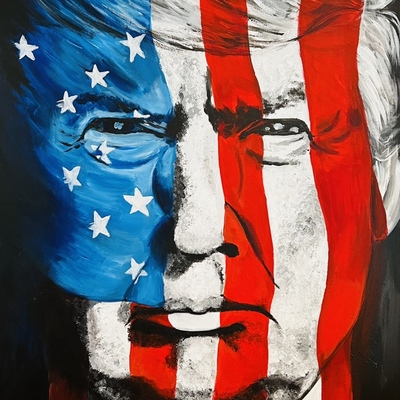
While the staggering $100,000 annual fee on H-1B visas targets Indian tech workers, experts see potential for India’s tech sector to thrive amid the challenge. In India, the opposition Congress used the decision to attack Prime Minister Narendra Modi’s foreign policy

Image: Trump’s social media

US President Donald Trump’s latest executive action, signed on Friday, brings a major shake-up to the H-1B visa system. By imposing a staggering $100,000 annual fee on companies seeking to hire foreign workers, which include a sizable number from India, Trump has sparked a wave of reactions—in the US, India and the rest of the world.

The fee, which targets companies using H-1B visas to hire skilled workers, is expected to hit Indian professionals hardest, especially those at the entry and the mid-level given that approximately 70% of H-1B visa holders are from India. While the policy has been framed as a move to protect American jobs, particularly in the tech industry, critics argue that it could have far-reaching consequences for global talent mobility, including India’s thriving IT sector.

The fact is, it is the right of a country to devise/formulate policies that suit its individual needs.

Trump framed the decision as a response to alleged abuse of the H-1B program, claiming that tech firms had manipulated the system by hiring foreign workers at lower wages, displacing American workers in the process. According to the proclamation, many American companies have laid off qualified American workers while bringing in thousands of H-1B employees, a move that Trump insists poses a threat to national security and the US job market.

In India, the opposition Congress used it to attack Prime Minister Narendra Modi’s foreign policy. Rahul Gandhi, Leader of the Opposition in the Lok Sabha, accused Modi of being weak in international diplomacy, writing on X “I repeat, India has a weak PM.” Congress President Mallikarjun Kharge echoed these sentiments, arguing that PM Modi’s approach to foreign relations was more about optics than protecting India’s interests. Kharge was scathing in his criticism, labeling Modi’s interactions with Trump as hollow, and suggesting that the $100,000 fee was a “birthday return gift” for Modi’s perceived flattery of the US president.

The new proclamation, officially titled “Restriction on Entry of Certain Non-Immigrant Workers,” stipulates that any H-1B petition filed without the $100,000 payment will be rejected. It insists that the program was initially intended to supplement the American workforce, but has been exploited to replace US workers with foreign employees at lower wages. This, according to Trump, harms American workers, particularly those in computer-related fields, where unemployment rates among computer science and engineering graduates remain high.

Despite the controversy, many experts see potential upside for India. While the policy will certainly result in a financial burden for Indian tech workers and firms, there may be a silver lining.

The increased costs could push companies to prioritize hiring only the most senior and specialised talent, leaving less room for entry and mid-level roles, which may result in a reduction of Indian IT professionals seeking US-based roles, and in turn, spark a reverse brain drain. Skilled professionals may choose to return to India, or they might shift their focus to other countries with more favorable immigration policies

Indian IT giants like TCS, Infosys, and Wipro, which have traditionally relied on H-1B visas to place thousands of engineers in US client locations, may accelerate a shift toward offshoring work back to India and other countries. Some industry leaders see this as an opportunity for India to grow its domestic tech ecosystem. The increased cost of sending workers to the US may push firms to expand their operations in India, enhancing the country’s innovation and global competitiveness, they add

India unveils major tax reforms to boost IFSC and investor confidence

Time for Taxes Money Financial Accounting Taxation Concept

India’s evolving corporate tax landscape is undergoing a strategic shift, with reforms aimed at enhancing investor confidence, boosting global competitiveness, and streamlining compliance. From International Financial Services Centre (IFSC) incentives to capital gains restructuring and the abolition of the Angel Tax, recent changes signal a pro-growth, forward-looking taxation regime.

In the recent amendment, the Venture Capital Funds (VCFs) regulated by the IFSC have been exempted from cash credit provision, wherein cash credits in the hands of a taxpayer can be subject to higher rates of tax unless the taxpayer can explain the source of such credits to the satisfaction of the revenue authorities.

The IFSC is presently set up in the Gujarat International Finance Tech City (GIFT City).

Meanwhile, under Section 94B of the IT Act, companies which have been regulated by the IFSC, have been exempted from the thin capitalization which prescribes certain restrictions on the deduction of interest expense that is incurred by a borrower in relation to a debt issued by an associated enterprise. 

Under Section 10(4D), income earned by “specified funds” from transactions in securities on a recognised stock exchange in the IFSC is exempt from tax.

In a landmark move, the controversial “Angel Tax,” which taxed excess share premium from non-residents as income in the hands of startups, has been abolished effective April 1, 2025. Introduced in 2012 to curb money laundering, the provision had drawn criticism for stifling startup fundraising. The repeal is widely welcomed as a pro-investment step.

The Finance Act 2024 brought key changes with respect to capital gains tax with effect from 23 July 2024; only two minimum holding periods, 12 or 24 months, have been stipulated to classify a capital asset as short term and long term, respectively.

Gain on the transfer of equity shares, units of an equity-oriented mutual fund and of a unit of business trust which has suffered securities transaction tax (STT) and been held for 12 months or less will be subject to tax of 20% as against the existing rate of 15%. If the same is held for more than 12 months, the rate of tax would be 12.5% as against the existing rate of 10%.

In recent rulings, the Delhi High Court upheld the sanctity of Tax Residency Certificates (TRCs), asserting they cannot be dismissed solely due to tax-friendly jurisdictions. Meanwhile, a full bench ruled that profits attributable to Indian PEs can be taxed despite global losses, reinforcing the independence of PE taxation.

These comprehensive changes underscore India’s commitment to aligning with global tax standards while making its financial ecosystem more attractive to international investors and institutions.

MOST POPULAR

HOT NEWS