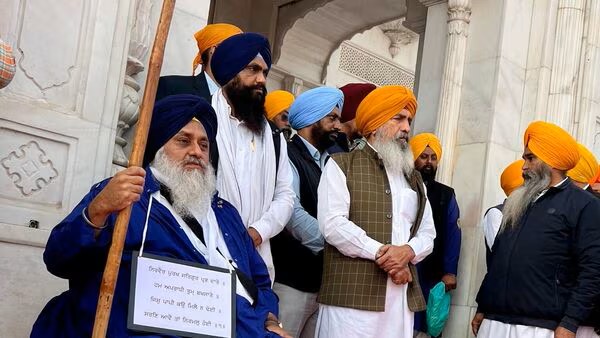
Amritsar : Punjab former Deputy Chief minister Sukhbir Singh Badal had a narrow escape when assailant fired gunshot at him from point blank range . Luckily Sukhbir Badal escaped unharmed as the assailant was overpowered well in time.
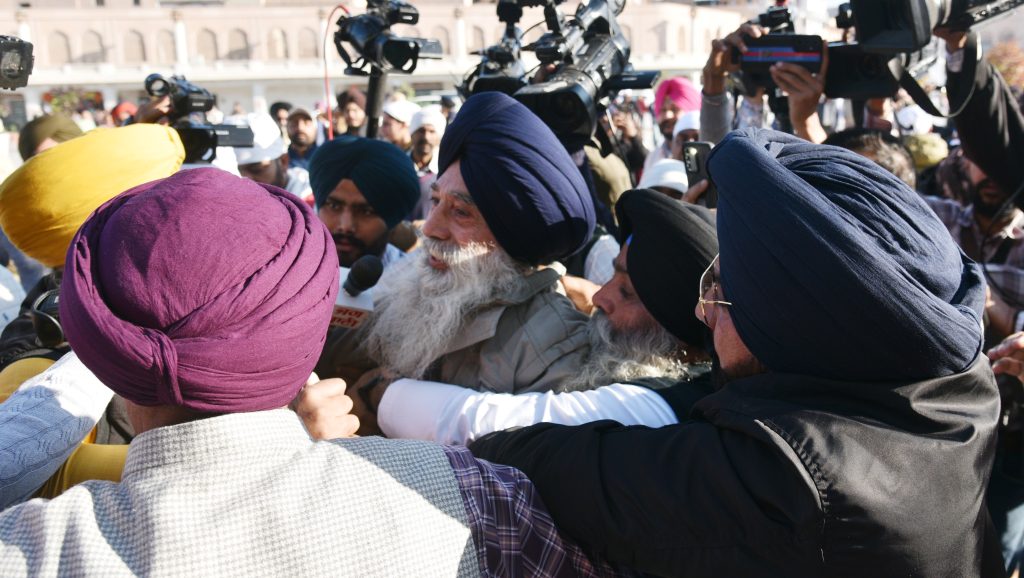
The alert courageous task force member who was standing near the Sukhbir Badal keeping hawk eyes on each visiting devotee, grabbed and twisted the arm of the assailant the moment he took out the weapon from his waist belt. Task force member immediately raised his hand and a bullet fired by the assailant hit the entrance pillar of the Golden Temple where Sukhbir Badal was performing the Sewa.
The assailant was nabbed on the spot by the task force member of the SGPC and was handed over to police which identified him as Naryan Singh Chaura resident of Dera Baba Nanak from Batala district of Punjab. Earlier he was arrested in numerous cases. He also remained a member of Babar Khalsa outfit in the past.
04 December 2024 Amritsar Police arrest a man who attempted to shoot opened fire at Former President Shiromani Akali Dal (SAD) & Former deputy Chief Minister of Punjab, Sukhbir Singh Badal while the latter was performing the duty of ‘Sewadar’ outside the Golden Temple, in Amritsar on Wednesday. Badal, who was sitting in a wheelchair, escaped unhurt as the bullet hit a wall. PHOTO-PRABHJOT GILL
Police ACP Harpal Singh talking to the media said that police can’t stop anyone from entering inside the Golden Temple especially as a visitor. He said that the assailant was here as a visitor. But here it would be difficult to say that his security was breached. Now security of Sukhbir Singh Badal has been tightened as the assailant is in police custody and investigation was in progress.
After assassination attempt, Sukhbir Badal again returned to perform Sewa. His Member Parliament wife Harsimarat Kaur Badal also reached Golden Temple to meet his husband
The Aam Aadmi Party (AAP) on Tuesday alleged that Bharatiya Janata Party (BJP) will stop all the free schemes being provided to Delhiites, if even by mistake came to power in the national capital.
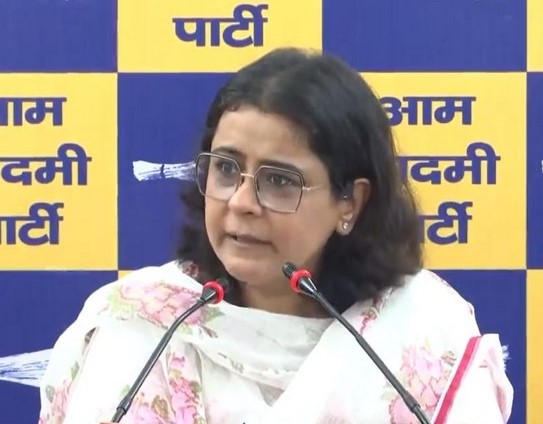
Speaking to Tehelka.com AAP national spokesperson Priyanka Kakkar said, “The Aam Aadmi Party (AAP) is holding 65,000 booth level meetings across the city to inform residents about the “freebies” or “revris” provided by the AAP government. We will inform people how BJP will stop six freebies and will not let another scheme be implemented.”
“If even by mistake BJP comes to power in Delhi, it will stop free schemes including, electricity, water, free buses for women, free pilgrimage schemes. They will destroy schools and Mohalla Clinics which were built by the AAP government as they are not able to give all these facilities in BJP ruled 20 states,” she added.
Speaking on the healthcare infrastructure, she said that there are 540 Mohalla Clinics in Delhi and we will build more as we have built 1000 in Punjab in just one year.
“We provide 450 medicines and 350 tests for free in those Mohalla Clinics and they are so advanced that we have different clinics for women now. Delhi government allocates 16 per cent for the healthcare budget which is the highest in India,” Priyanka said.
She further stated, “Our healthcare model is so good that people come from other states to get better treatment in Delhi that’s why BJP conspires to stop our facilities but we won’t let that happen.”
Speaking on the winning strike, the spokesperson said that our strike rate has increased in every election and we are confident that this time too we will have the best strike.
“In 2014 we won 67 seats out of 70, In 2020 we held 63 seats and in Punjab, we won 92 seats out of 117. If we look at the past experience, our strike rate has always increased and now in the 2025 elections it will increase again as I don’t see any reason for the declining rate,” she said.
Earlier, civil services coaching teacher and motivational speaker Avadh Ojha joined the AAP in the presence of party chief Arvind Kejriwal and senior leader Manish Sisodia.
Earlier, Ojha said that he is aligned with the party’s ideology focused on the future of children and termed the development of education his biggest ambition.
The 70-member Delhi Assembly polls are due to be held in February 2025. Besides the ruling AAP, the BJP and the Congress will be in the fray.
In the last Delhi Assembly elections which were held in 2020, AAP won a landslide victory and secured 63 of the 70 seats. The Bharatiya Janata Party (BJP) won just 8 seats, while Congress failed to win a single seat.
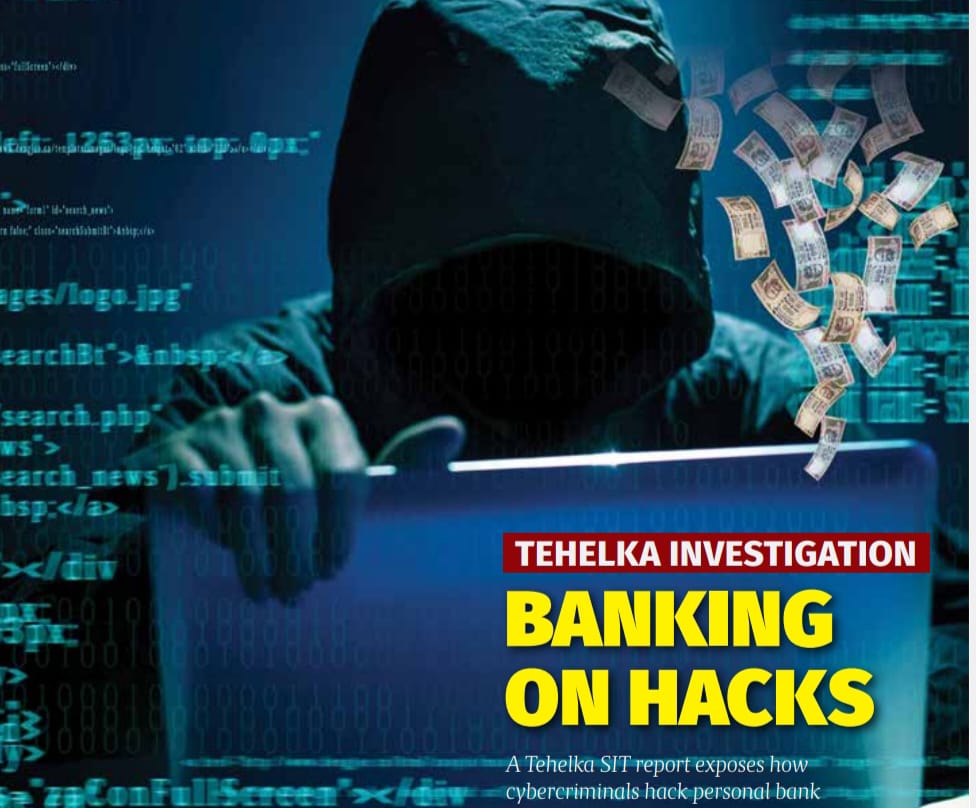
A Tehelka SIT report exposes how cybercriminals hack personal bank accounts, target gaming platforms, and funnel stolen funds into borrowed accounts to mask their illicit activities, revealing critical gaps in banking security
Cybercriminals have now devised a new method to perpetrate online fraud—‘purchasing’ bank accounts lying in disuse. These accounts act as conduits for transferring and laundering money stolen through hacking and other fraudulent activities.
“I need bank accounts—savings accounts, current accounts, and even corporate accounts. Currently, I manage several such accounts. We acquire these accounts by paying commissions to their owners, who allow us to park money stolen from others’ accounts. This is done by hacking into the victims’ accounts. The people who provide us with their accounts receive a 10% commission,” said Jitu Singh, a Kolkata-based hacker, during an undercover operation by Tehelka.
“For stealing money, I procure the details of people’s bank accounts directly from the bank itself, often from government-owned banks. The manager of one such Kolkata branch is a close associate of mine. He provides me with sensitive customer information, including ATM pins, IFSC codes, account numbers, and more. Using this information, we steal money and deposit it into accounts we have borrowed from others,” Jitu Singh further revealed.
“You provide us with bank accounts where we can deposit money stolen from other people’s accounts. Those who let us use their accounts receive a 10% commission,” Jitu told Tehelka’s undercover reporter, who approached him posing as a fictitious client.
Jitu Singh
“We are a gang of five based in Kolkata, led by Mohammed Imran. We not only hack personal bank accounts but also target online games like Dream11. In online games, we only hack the accounts of those who are on the losing side because it’s harder to detect the fraud. The losers assume they lost the money in the game itself rather than through hacking,” explained Mohammed Tausif, another hacker from Kolkata.
“I have been hacking bank accounts for the past three years. So far, our group, which includes Shiraz and Aatif, has hacked 12–13 online gaming accounts and numerous personal bank accounts. All five of us live in Kolkata, near the airport, at a place called Majumder Pada,” added Tausif.
Mohammed Tausif
With cases of digital fraud and bank account theft on the rise in India, Tehelka undertook a much-awaited investigation into the world of cybercrime. This probe led us to Mohammed Tausif and Jitu Singh, two members of a cyber fraud gang operating out of Kolkata with their activities extending to Delhi.
The investigation began with a meeting with Jitu in a five-star hotel in Delhi. Without hesitation, Jitu told our reporter that the gang needed bank accounts belonging to poor people to transfer money stolen through fraudulent activities, including hacking online gaming platforms like Dream11.
In the following conversation, Jitu explains the intricate operations of siphoning money through online gaming platforms. He reveals how the gang exploits economically disadvantaged individuals’ accounts to transfer stolen funds after targeting popular apps like Dream11 to defraud unsuspecting users.
Jitu (continues)- Accounts matlab ….account number hua ..sim hua.
Reporter- Sim..?
Jitu- Account mein hum log sim dete hain na…wo number wala sim.
Reporter- Kya karega uska ?
Jitu- Jo gaming paisa hota hai na, gaming paisa wo sab aisa hota hai…hum to apna account de nahi sakta, isliye jo bahut gareeb hai na.. jinko khane ka nahi hai, paisa nahi hai, jo gareeb hai kaam nahi kar sakta wo log ke account mein hum deta hai.
Jitu (continues)- Hum log gaming ka paisa maartey hain..aur yahan jama kartey hain. Ye sab account mein hota hai.
Reporter- Ye samjha mujhe detail mein.. mujhe samajh nahi aaya, mujhe pata hi nahi hai kuch. Ye mere liye nahi cheeez hai, mujhko samjha.
Jitu- Haan…Jitna bhi gaming app hain.. usmein to fund lagta hai.. roz ka aap pakad lo kitna fund lagta…lagane ko bahut hai. Croro admi hai, 10 rupiya bhi lagata hai…is samay hum log betha rehta hai.
Reporter- Kahan betha rehta hai ?
Jitu –Dekhtey hain ki ID mein kitna fund lagne wala hai.
Reporter- Id mein kitna fund laga hai, mein samjha nahi.?
Jitu- Jaisa aap cricket mein lagata hai…jaise India-pakistan match hua aap 10,000 hazar rupiya laga diya.
Reporter- Satta laga diya.?
Jitu- Jo ID hai na wo hum logo ke pass rehta hai…hum log dekhta hai kaunsi Id mein sabse zyada paisa laga hua hai….wo ID se paisa gayab karta hai.
Reporter- Kaise?..illegal tarike se.?
Jitu- Haan, uska 2-4 Id hota hai…aap bethey bethey samajh hi nahi paogey, paisa gayab ho jayega.
Reporter- Account se paisa gayab ho jayega…hacking bhi kar rahe ho..?
Jitu- Hum nahi matlab, mera dost log karta hai..
Jitu (continues) – Wo log roz maarta hai, aur roz usko account chahiye.
Reporter- Usmein rakhne ke liye?
[The conversation unveils how cybercriminals exploit gaming apps and hack accounts to drain funds. It emerges that the gang manipulates the vulnerability of marginalized individuals to sustain their illicit operations, revealing the exploitative underbelly of cyber fraud.]
Now, Jitu reveals that he needs savings accounts with an ATM withdrawal limit of Rs 50,000, offering a 10% commission to those who allow their accounts to be used for transferring fraudulently obtained money. While he lays bare the mechanics of how the gang exploits both savings and corporate accounts to execute their schemes, the discussion underscores the calculated and well-structured operations of cybercriminals.
Jitu- Saving account hota hai to usmein ATM ka limit kya hota.. 50K. Aur ek account mein 1.5 lakh tak ka kaam, 1.5 lakh ka humko 10 percent…jiska bhi account hoga usko mil jayega….Corporate account hota hai.. current account ke upper.. usmein hota hai crore ka.
Jitu- Kisi ka bhi…koi bhi ATM ka limit ho..corporate koi bhi ho.
Reporter- Matlab ATM se Rs 50,000 tak nikal saktey hain..ek din mein.
Jitu- Haan.
Reporter- Usko kya fayda jo account dega.?
Jitu- Roz ka 1.5 lakh ka transfer hoga uske account mein…1.5 lakh ka 10 percent.. Rs 15,000 usko milta rahega.
Reporter- Matlab jo tumhare pass account hain usmein tum paisa daaltey ho.?
Jitu-Hmm.
Reporter- Phir usko nikaltey hogey apne use ke liye..to jiska account hai usko kitna paisa detey ho..?
Jitu- Usko 10 percent.
[The exchange highlights how stolen money is channeled through compromised accounts, with account holders getting a share. It becomes clear that fraudsters use these accounts for both small and large transactions, revealing a disturbing level of precision in their methods.]
Now, Jitu made a startling revelation: his team is not only hacking online gaming platforms but also targeting personal bank accounts to steal money. He admitted to obtaining customer details—including ATM pins, IFSC codes, and account numbers—from a prestigious government bank in Kolkata. Shockingly, Jitu disclosed that a bank manager, who is his close friend, provides this sensitive information, enabling the gang to carry out these thefts.
Reporter- Kya- kya deta hai tu account ke detail ?
Jitu- Hum deta hai, ATM, account ka number aur pin.
Reporter- ATM ka pin wo kaise mil jayega tujhko.?
Jitu- Bank mein sab mil jata hai.
Reporter- Bank wale bata detey hain.?
Jitu- Haan usko account number, IFSC code, sab de deta hai.
Reporter- Kaun si bank ka abhi tak tune zyada diya hai..?
Jitu-XXXXX
Reporter- XXXXX, sarkari bank ka, kisne diya tujhe uski detail ?
Jitu- Aa jati hai.. XXXX bank to aisa hai ki wo mera ghar hai..
Reporter- Kaun si branch XXXX ki Kolkata mein?
Jitu- XXXXX
Reporter- XXXXX branch Kolkata ki.?
Reporter (continues) – Manager kaun hai ?
Jitu- XXXX hai koi…manager change hota rehta hai…wo aap mere saath jab bhi jayega,..koi bhi bank mein jayega aapko line mein lagna padega, magar mere saath jaiyega, to nahi.. manager bhi khada rahega.
Reporter- XXXX branch ?
Jitu- XXXX branch.
[Our investigation now delves into the clandestine world of bank account hacking, uncovering how fraudsters effortlessly obtain sensitive details, exposing the complicity of corrupt bank officials. The conversation reveals the alarming ease with which account numbers, ATM pins, and other critical information are accessed and exploited.]
We requested Jitu to arrange a meeting with Tausif, and he called Tausif to Delhi for the purpose. The meeting with the two took place at a prestigious restaurant in Noida. During the conversation, Tausif confessed to Tehelka’s reporter that he hacks online gaming accounts of those who lose in the games. He also explained why he targets only losing accounts and not the winning ones. The following discussion uncovers the sophisticated techniques used by fraudsters to hack online gaming accounts and steal funds.
Reporter- Kis tareeke se kaam karte ho aap?
Tausif- Hamara kaam to gaming ka hai, jaise ki gaming ka account hota hai…online game account usey mein hack karta hoon.
Reporter- Jaise Dream 11 hua?
Tausif- Dream 11 hua, Binjo mein jitney bhi..aur bhi online game hain..jaise aap khel rahe ho aapka naam show ho gaya, wahan se hum hack karke apne account mein le letey hain.
Reporter- Samjha nahi mein.?
Tausif- Jaise aap game khel rahe hain, aur aap game jeet gaye to wo paise aapke account mein aa jayega agar aap loss hotey ho, wahan se aapko pata nahi legega wahan se hum account ko hack kar letey hain aur us paise ko apne account mein transfer kar letey hain.
Reporter- Loss wale ka kyun hack karte ho jeetne wale ka kyun nahi ?
Tausif- Nahi aisa nahi hota jo aapko jo win dikhayega wo aapke account mein dikhayega, jo loss money hoga wo aapko show nahi hoga, aapko to yehi lagega ki aap haar chuke ho, lekin usko hum hack karke apne account mein lete hain
[The conversation reveals how fraudsters hack online gaming accounts to transfer winnings to their accounts, unnoticed by the victims. This exposes a critical vulnerability in online gaming platforms, emphasizing the urgent need for stronger security measures to protect users’ funds.]
Tausif confessed that they are a gang of five, based in Kolkata’s Majumder Pada near the airport. He revealed that besides himself, the group consists of Aatif and Shiraj, and is led by Mohammed Imran. Tausif stated that his gang has hacked 12-13 online gaming accounts to date. A candid conversation reveals the methods and extent of their operations.
Reporter- To kitne account aap gaming ke heck kar chuke ho.?
Tausif- 12-13 kar diye hain.
Reporter- 12-13 aapne khud ne..?
Tausif- Nahi hamari ek team hai..
Reporter- Kitne log hain ?
Tausif- Hum 5 log hain..ek main hoon, ek Shiraz hai, Aatif hai, Mohd Imran hai.
Reporter- 5 logon ka group hai, usmein head kaun hai..?
Tausif- Head hamara Mohammed Imran hai..
Reporter- Mohd. Imran?
Tausif- Ji.
Reporter- Aap pancho Kolkata se ho, kis jagah rehte ho..?
Tausif- Airport ke pass hai.
Reporter- Kaunsi jagah kehlati hai
Tausif- Majumdar pada.
Reporter- Majumdar pada ?
[The activities of the five-member hacker team, led by Mohammed Imran, underscore critical gaps in online gaming security. This demonstrates the crucial need for strengthening cyber security measures on online gaming platforms.]
As Tausif disclosed the total amount he and his gang have stolen from online gaming apps, it points to the alarming rise in bank account hacking by fraudsters in recent times. Tausif revealed that his gang leader, Imran, is the one obtaining all the details needed to hack people’s accounts. As we delve into the mechanisms behind the hacking of online gaming accounts, through the conversation below, we uncover the methods used by fraudsters to identify and exploit the players involved in gaming.
Reporter –Apne abhi tak kitna paisa hack kiya logon ke gaming account se..?
Tausif- Gaming mein, jaise aapne 2500 lagaye hain, aap ki tarah auron ne bhi jaise 4-5 log.. ab hum 5 bande hain, hum sabhi 50k -50k bhi rakhtey hain to 2.5 lakh ho jaate hain..
Reporter- Accha matlab 5 log ho aap to sab alag alag karte ho..?
Tausif- Haan ji.. ye nahi k ek par.. alag alag sab karte hain..
Reporter- To aapko unki detail kaise pata lagti hai ?
Tausif – Aisa hai jo game kheltey hain online.. hum unko check karte hain..kaun jeet raha hai kaun haar raha hai
Reporter- Aap check kaise karte ho ?
Tausif- Hum nahi hum to hack karte hain, jo hamara boss hai na wo detail nikalta hai..
Reporter- Mohd Imran.. wo kaise nikaltey hain ?
Tausif- Wo sari baaten aapko aise thodi bata denge.
[The preceding exchange uncovers how these criminals exploit online gaming platforms to siphon off significant amounts of money. This highlights critical flaws in online gaming security and the urgent need to protect players from financial fraud.]
Tausif revealed that Jitu assists his gang in procuring customers’ bank account details to facilitate the theft of funds. This revelation sheds light on the hidden networks driving bank account hacking.
Tausif- Jeetu bhai actually hamare flat ke pass hi rehte they ye..neeche uper nikaltey baat cheet ho jaati hai na , to aise hi mulakat ho gayi. Ye madad karte hain hamari.
Reporter- Madad kaisi ?
Tausif- Ye hame account la kar detey hain.
Tausif (continues)- Jaise kisi ka account hai, bank account hai ye detail lakar detey hain.
[Through this revealing conversation, we uncover how fraudsters obtain detailed banking information with the help of insiders, exposing vulnerabilities in the system that facilitates these illicit activities.]
Tausif admitted that he has been hacking not only online gaming accounts but also personal bank accounts for the past three years. He disclosed that Jitu assists them in acquiring customers’ personal bank account details, for which they pay him a 10% commission.
Reporter- Haan ab batao.
Tausif- Jitu bhai humko bank account lakar detey hain, jitney ye hame bank account lakar detey hain unke hum inko 10 percent detey hain
Reporter- Matlab paisa uda letey ho aap, aur ye kaam aap kabse kar rahe ho.
Tausif- 3 saal se.
[As our investigation uncovers the dark world of bank account hacking, the preceding exchange reveals how fraudsters enlist insider’s help to gain access to banking details and to siphon off funds, illustrating the need for stricter security measures to protect consumers.]
Tausif confessed that his gang leader, Imran, had been hacking people’s bank accounts with four associates for a long time. He revealed that he became the fifth member of the gang after meeting Imran in the Dharmatala area of Kolkata.
Reporter- To aap Imran se kaise mile..?
Tausif- Actually aapne suna hoga Dharmatala ?
Reporter- Ye kya hai..?
Tausif- Ek jagah hai.. Kolkata ka main jagah hai.
Reporter- Dharmatala… kya hai wahan pe?
Tausif- Wahan pe market hai sabse badi, uske close aapka Eden Garden hai..
Reporter- To Dharmatala mein mile aap Imran se?
Tausif- Ji… mein to last mein mila kisi ke through mila.
Reporter- Matlab ye sab pehle se… 4 pehle se aur aap 5th aadmi they.
Tausif- Ji.
[The discussion uncovers the shadowy connections facilitating bank account hacking. We also learn how key players in this network meet and operate, shedding light on their methods and the environments that foster such illicit activities.]
Now, Tausif admits that his accomplice, Jitu, had arranged bank account details of some customers from Uttar Pradesh for hacking. The exchange highlights the widespread nature of such operations.
Reporter- Kitne account dilwa diye Jitu bhai ne abhi tak?
Tausif- Abhi to UP se dilwaye hain..
Reporter- UP se ?
[Through this revealing conversation, we learn how insiders like Jeetu facilitate fraud by providing account details, showcasing the extensive reach of these operations and highlighting significant security flaws.]
Tausif then made us an offer, asking for the details of poor people’s bank accounts where his gang could transfer the ill-gotten money. In return, he promised to pay us a 10% commission. So, we uncover how they hack bank accounts and siphon money, promising a share of the profits.
Reporter- Accha mujhe ye batao hum aur aap milkar kaise kaam kar saktey hai ?
Tausif- Aap hamko account do gareeb ka..hum hack karenge….aapke jo account mein jayega aapko bhi 10 percent milega..jo ki gareeb ke account mein jayega.
Reporter- Ek din mein kitni kamai ho jayegi..?
Tausif- Ho jayegi 1-2 lakh ki.
Reporter- Ek din mein..?
[The conversation reveals how fraudsters hack accounts, who promise a 10% cut of the stolen money to their collaborators. This also highlights severe security vulnerability in banking systems.]
Tausif admitted that his boss, Imran, provides them with bank account details to hack, usually two to three times a week. Once they receive the details, all five gang members work together to carry out the hacking. This unveils the organized efforts of fraudsters hacking bank accounts.
Tausif- Hack karna padta hai is cheez ko, akela thodi na kar raha hai, 5-5 bande lage pade hain.
Reporter- Roz karte ho aap ?
Tausif- Roz ka nahi , ek hafte mein kabhi kabhi 2 baar ho gaya.. 3 baar ho gaya.
Reporter- To phir roz aamdani kaise hogi ?
Tausif- Jaise uper se order aata hai MD ki taraf se, usi din hum baith jaate hain.
[The conversation shows that a team of five fraudsters, led by instructions from an ‘MD’, collaborates to hack bank accounts multiple times a week. The exchange reveals their collaborative operations and the structured hierarchy involved.]
Tausif stated that he only needed poor people’s bank accounts from us to park the stolen money. For hacking wealthy individuals’ bank accounts, he revealed that their account details were already available with their gang leader, Imran. This conversation uncovers why they prefer using accounts of the economically disadvantaged, shedding light on their tactics.
Reporter- Accha aapko jo mujhse chahiye wo gareebon ke account chahiye ?
Tausif-Haan.
Reporter- Ameeron ke nahi chahiye?
Tausif- Nahi.
Reporter- Agar mein kisi ameer ka bhi de du account.. phir ?
Tausif- Actually hame in kaamo ke liye gareebo ke account hi chahiye, ab ek ke account mein to sara paisa daal nahi saktey..is liye.
[The conversation reveals that fraudsters prefer using poor individuals’ accounts to distribute the hacked money, avoiding wealthier accounts to mitigate risk. This highlights a calculated approach to defrauding people.]
Tausif explained how he and his gang members call unsuspecting individuals as part of their strategy to hack bank accounts. The following exchange reveals how fraudsters make use of laptops and SIM cards to extract OTPs from the targeted victims.
Reporter- To aap kis tareeke se hack kartey ho wo tareeka batao…aap call kaise kartey ho wo to batao.?
Tausif- Yehi laptop par kaam ho jata hai.
Reporter- Kis tareeke se call kartey ho ye to batao.?
Tausif- Hum sab ke alag alag laptop hain aur sari jankari MD Imran nikaltey hain..
Reporter- Theek hai..wo aapko de detey hain..phir…?
Tausif- Wo detail nikal kar rakhtey hain.
Reporter- Sim ka istemaal kab kartey ho..?
Tausif- Apni sim, apni sim istemaal nahi hoti. Wo to MD Imran lata hai.
Reporter- Us sim se kaise phone kartey ho wo to batao tareeka.?
Tausif- Customer ko call kartey hain.. jo hamare bande hain.. ye jo OTP aata hai na..OTP jo hota hai na usi ke through karte hain hum.
Reporter- To aap call kartey ho.?
Tausif- Hamare log karte hain.
Reporter- Accha call karne wale alag bande hain.. kitne hain wo.?
Tausif- 2 hi to hain…5 bande hain hamara group.
Tausif (continues) – Hum ek cheez poochtey hain unse OTP ki. Hamare jo bande hotey hain na wo call karke OTP poochtey hain..
Reporter- Kisi aadmi ko phone to kartey ho na, to mein wahi pooch raha hoon kya karte ho aap.?
Tausif- Jaise bank se call aata hai ye ATM card chahiye aap ko..aap kehtey ho nahi…usi mein jo chahta hai hum ussey OTP maangtey hain, koi koi bata deta hai aur koi koi phone kaat deta hai.
Reporter- To uska aap paisa nahi nikal paatey jo OTP nahin batata hai.. usi ka nikal paatey ho jo batata hai..
Tausif- Haan.
Reporter- To aap kya bol kar unko phone kartey ho ?
Tausif- Bank se.
Reporter- Bank se, sab ko bank se boltey ho..?
Tausif- Jo bande call kartey hain wo boltey hain..
Reporter- Matlab OTP milna zaroori hai..?
Tausif- Haan.
Reporter- OTP na mile to aap paise nahi nikal paatey.
Tausif- Paise to nahi nikal paatey OTP ke bagair. Gaming mein kar letey hain.
Reporter- Accha gaming mein bina OTP ke ho jaata hai kaam. Usmein OTP ki zaroorat nahi hoti.?
Tausif- Haan.
[The exchange sheds light on the intricate methods used by fraudsters, underlining the organised nature of their operations. This also underscores the need for stronger security measures in banking systems.]
As we delve into the scale of hacking activities carried out by fraudsters, Tausif revealed the number of gaming and bank accounts he has hacked so far highlighting the pervasive nature of their illicit activities.
Reporter- Acha ye batao kitne bank account aapne abhi tak hack kar diye aur kitne gaming account.?
Tausif- Ab tak maine bataya tha gaming ke 12-13 kar diye. Aur bank ke hamne abhi tak 8-9 kar diye honge.
[The conversation reveals that fraudsters have hacked 12-13 gaming accounts and 8-9 bank accounts so far. This underlines the significant reach and impact of their activities.]
Tausif went on to reveal his family background and education. He claimed to be a graduate from Kolkata and shared that his late father had worked in a government job. Disinterested in traditional employment, he chose instead to enter the business of stealing money from people’s bank accounts. Through the following exchange, we try to provide a deeper understanding of the individual behind these illicit activities.
Reporter- Aap kahan tak padhe ho Tausif..?
Tausif- Mein BA pass hoon.
Reporter- BA pass ho.. naukri nahi ki kahin.
Tausif- Naukri mein aisa hai na sir.. naukri mein mann nahi lagta..
Reporter (continues) – Kaunse department mein they father?
Tausif- Papa they Hindustan Paper Mill mein, Dharmatala.
[Through a detailed conversation, we uncover insights into Tausif’s education, employment preferences, and family background, providing a deeper understanding of the individual behind these illicit activities]
The Tehelka investigation has uncovered how fraudsters lure ordinary people into opening current accounts or granting access to their existing accounts, enabling the transfer of stolen money. These fraudsters offer tempting incentives, promising monthly commissions of approximately Rs 50,000. Recently, the Kerala police exposed a similar cyber scam, and arrested individuals who sold their bank accounts to cybercriminals. Worryingly, such accounts serve not only as conduits for stolen funds but can also be exploited for terrorism-related activities, posing a grave threat to national security. This investigation underscores the urgent need for stricter regulations and increased public awareness to counter this escalating menace. Moreover, the alarming ease with which fraudsters claim to obtain sensitive information from banks highlights a critical weakness in banking security systems. Strengthening authentication protocols is imperative to curb such fraud. Safeguarding personal data has never been more crucial, as designs of these fraudsters have far-reaching and devastating consequences for both individuals and society.
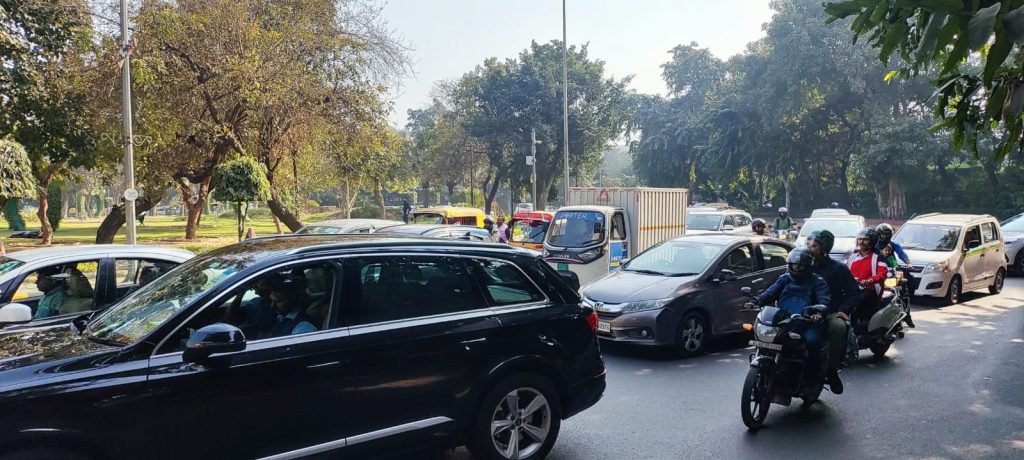
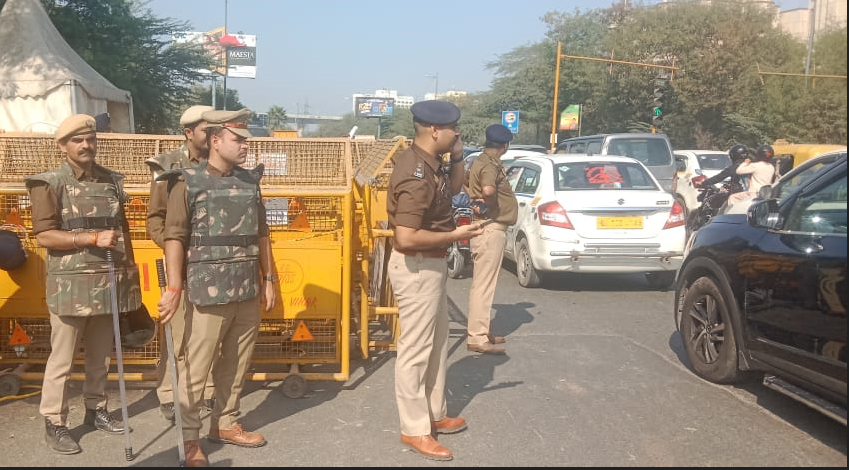
Traffic has been hit in parts of Delhi and Noida as the national capital is again bracing for another protest by various farmer organizations who are demanding fair compensation and better subsidy benefits.
The Bhartiya Kisan Parishad (BKP), Kisan Mazdoor Morcha (KMM), and the Samyukt Kisan Morcha (SKM) along with other farmer organization are heading towards the national capital, prompting Uttar Pradesh Police and Delhi Police to be on alert.
The demands of protesting farmers include allocation of 10 per cent plots and 64.7 per cent increased compensation under old acquisition law, four times the market rate compensation and 20 per cent plots on the land acquired after January 1, 2014, employment and rehabilitation benefits for the children of landless farmers, government orders on the issues passed by the High Power Committee, and proper settlement of the populated areas.
The farmers have gathered at the Mahamaya flyover of Noida from where they will start their march to the Parliament in Delhi.
In the backdrop of the announcement, Noida Police has increased the security and checking of vehicles at the border, causing heavy traffic snarls.
Vehicles were seen moving slowly amid heavy traffic jams near the Noida-Delhi border areas due to heavy presence and barricading by the police. On the DND flyover, all the vehicles seem to be at standstill.
Meanwhile authorities have issued a traffic advisory informing commuters that Delhi Police and Gautambudh Nagar Police will exercise checking at the border areas for which the barricades have been installed.
“People commuting between Delhi and Noida Filmcity must take metro to avoid traffic congestion,” the advisory stated.
According to the advisory issued by the traffic police, vehicles from Chilla border heading towards Greater Noida can take the Sector 14 Flyover, then proceed through Golchakkar Chowk, Sector 15, and Sandeep Paper Mill Chowk, Jhundpura Chowk to their destination.
“Vehicles from DND Border heading towards Delhi can use the Film City Flyover, Sector 18, and the elevated road to reach their destination,” it added.
Speaking to Tehelka.com, a commuter said, “There is heavy traffic today and it has become difficult to reach office on time. I am one hour late today.”
Another commuter who was traveling to Noida said, “The traffic in Delhi and Noida is really bad today because of the farmers’ protest. Many roads are blocked, so it’s taking a lot longer to get around. If you can, try to avoid these areas and leave early.”
In October, Kisan Mazdoor Sangharsh Committee (KMSC) General Secretary Sarwan Singh Pandhair informed that the farmers at the Shambhu border will march towards Delhi on December 6 to press their demands including guarantee for Minimum Support Price (MSP).
The protesters are trying to stage a protest march at Parliament complex where the winter session is underway.
They have been protesting against the government over various demands, including guaranteed compensation and benefits under the new agricultural laws. Many have been camping at the Shambhu and Khanauri border points between Punjab and Haryana since February.
Last month, the Indian Cybercrime Coordination Center (MHA) warned against illegal payment gateways created using mule bank accounts by transnational cybercriminal syndicates involved in money laundering. Raids across Gujarat (FIR 0113/2024) and Andhra Pradesh (FIR 310/2024) uncovered that criminal networks use mule and rented accounts to facilitate illegal digital payment gateways.
Investigations revealed that current and savings accounts—belonging to shell companies or unsuspecting individuals—are targeted through social media, primarily on Telegram and Facebook. These mule accounts are remotely controlled, with payment gateways established to channel illicit funds from fraudulent platforms such as fake investment scams, offshore gambling sites, and counterfeit stock trading apps. The stolen money is quickly laundered through multiple layers of transactions, often taking advantage of bulk payout facilities provided by banks. Payment gateways like PeacePay, RTX Pay, and PoccoPay have been identified as key tools in these operations.
In response, the Tehelka team launched an undercover investigation to expose how cybercriminals hack personal bank accounts, target gaming platforms, and use borrowed accounts to conceal their activities. The investigation revealed serious flaws in banking security. The cover story, “Banking on Hacks,” details how cybercriminals now purchase dormant bank accounts to facilitate money laundering, creating new challenges for law enforcement.
The investigation also highlights the disturbing collaboration between cybercriminals and corrupt bankers, who provide sensitive customer details—including ATM PINs, IFSC codes, and account numbers—to facilitate these schemes. A recent case involving the duping of Padma Bhushan awardee and Vardhman Group owner for Rs 7 crore shows how deep this conspiracy runs. Arrests in Guwahati and West Bengal confirm that the criminals have a nationwide reach.
Tehelka’s findings reveal how fraudsters entice ordinary citizens to open accounts or offer access to existing ones in exchange for incentives, allowing the movement of stolen funds. These accounts not only serve as conduits for money laundering but also risk being used in terrorist financing, posing a significant national security threat.
With digital payments becoming more pervasive, the risk of cybercrime grows. The MHA’s advice is clear: citizens must not sell or rent their bank accounts, company registration certificates, or Udyam Aadhaar certificates. Illicit funds in such accounts can lead to serious legal consequences, including arrest. The stakes are high—not just for individuals, but for national security. We must act together to protect our financial systems from exploitation.
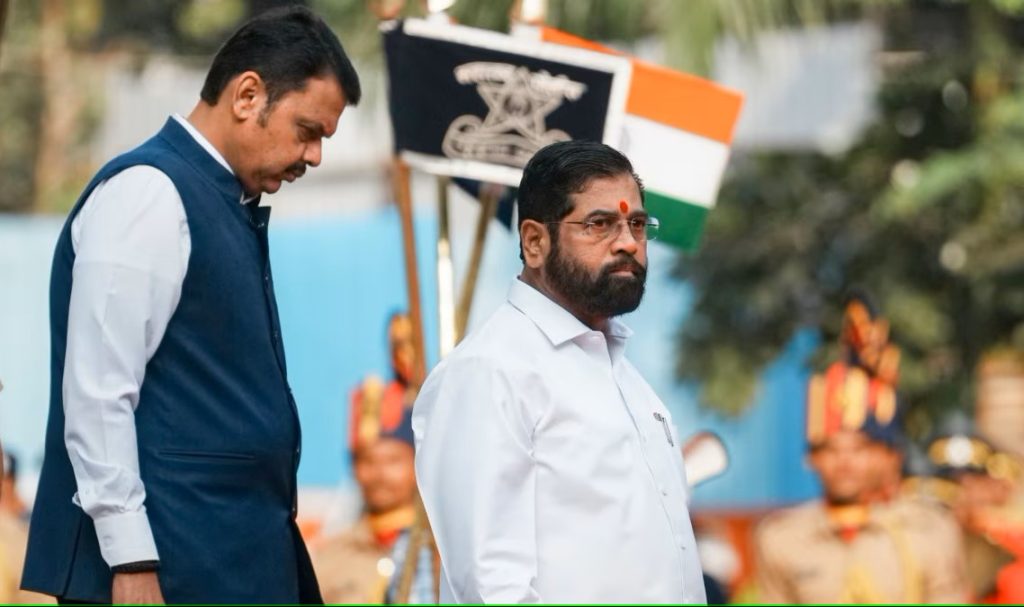
Despite days of persuasion from several quarters, Shiv Sena leader and incumbent Maharashtra Chief Minister Eknath Shinde is reluctant to make a move to the national capital. The senior leader is known to have firmly said no to the nudge by the Bharatiya Janata Party.
The senior leader is understood to have decided to stay in Maharashtra as he tries to protect his flock from any possible political poaching. It is believed that Shinde is willing to settle on the position of Deputy Chief Minister.
Sources stated that Shinde is fearful that if he leaves Maharashtra politics and shifts base to Delhi his legislators would become vulnerable to poaching.
“He knows that, apart from him, no one in his party commands the respect or authority to keep the flock together. If he moves to national politics, it could spell disaster for Shiv Sena as their ranks would be under constant attacks,” sources added.
The Shiv Sena isn’t just fearful of the opposition parties, who may be baying for legislators to improve their numbers, but Shinde also needs to keep an eye on the MahaYuti allies. “All political parties in Maharashtra are vulnerable to such manipulations and would want to protect their respective legislators from any attempts at breaking their ranks,” sources said.
The Shiv Sena legislators would be fair game for both opposition as well as allies, sources added.
This was the chief reason that Eknath Shinde decided against moving to national politics. Moreover, his son Shrikant Shinde, was considered a lightweight and would not have been able to control aspirations of party legislators and would also not be able to discipline them if need arises.
This was the reason that the proposal to designate Shrikant, Lok Sabha MP from Kalyan, as the Deputy Chief Minister, and for Eknath to move to central Cabinet was also not approved by the party’s high command. Any such move would have been disastrous for the party as it would have created a wrong precedent. One of the strong reasons for the Eknath faction from breaking away from Shiv Sena UBT was prevalence of nepotism in the erstwhile united Shiv Sena.
The new Maharashtra Chief Minister is set to take oath on December 5. The BJP’s and MahaYuti’s legislature party leader is likely to be finalized in a day or two and the name of Devendra Fadnavis is being speculated upon.
The MahaYuti alliance, comprising the BJP, Shiv Sena, and NCP, secured an unprecedented 230 out of 288 seats in the Maharashtra Assembly polls, with the BJP winning 132, Shiv Sena securing 57, and the NCP taking 41. While the MVA only managed to win 46 seats, with the Congress contributing a mere 16 to the total.
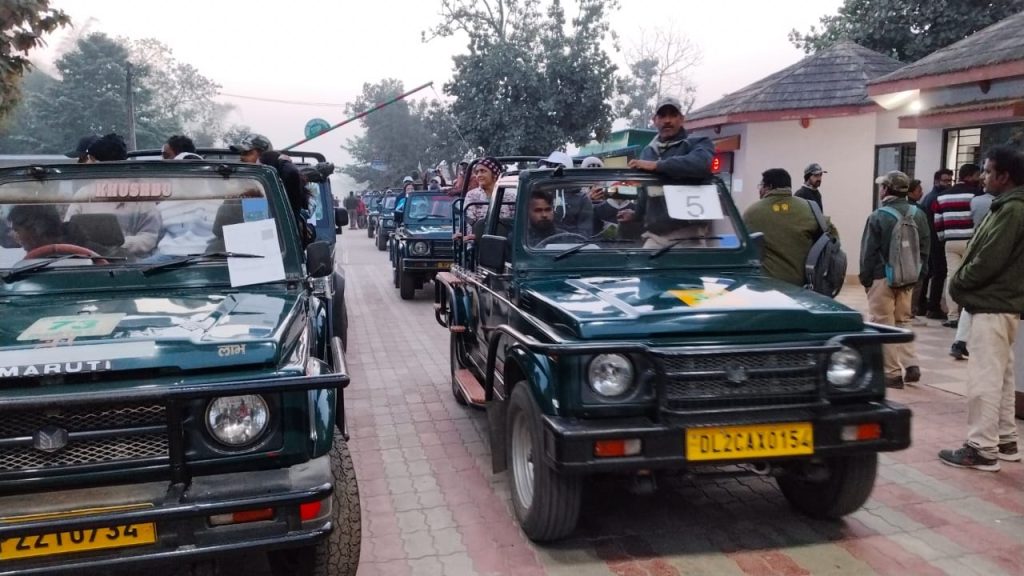
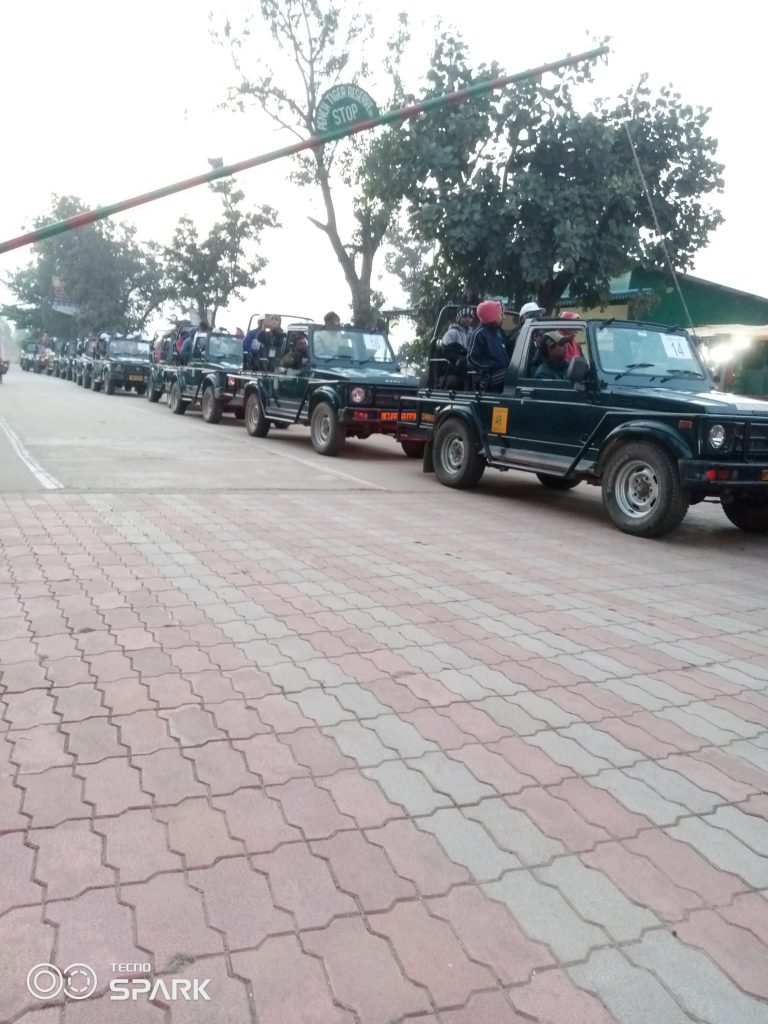
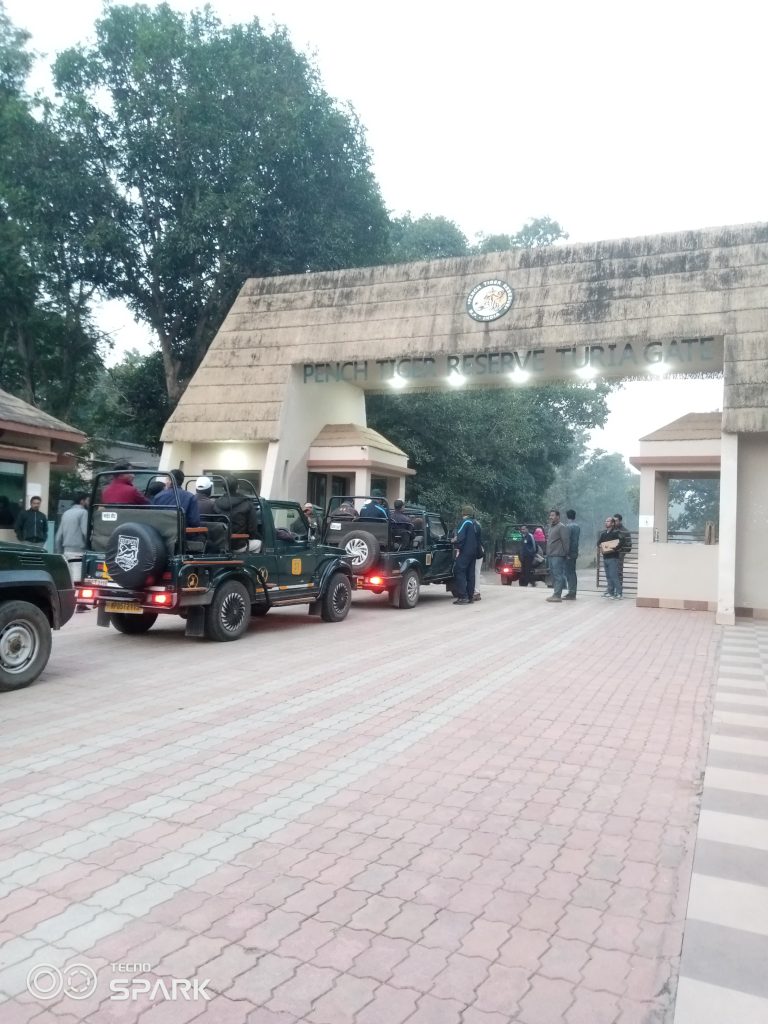
The Bagheera app is being used in Pench and Kanha in Madhya Pradesh to control tourists, track routes taken during safaris and check speed limits. Ranthambore in Rajasthan is also planning to launch an app. A report by Deepanwita Gita Niyogi
In many tiger reserves across India, the Global Positioning System (GPS) is used during safaris. In the central Indian state of Madhya Pradesh, which has the highest number of tigers with about 785, the app that monitors safaris is called the Bagheera.
Rajnish Singh, the deputy director of the Pench Tiger Reserve, informed that GPS was possibly started around 2016 in the Kanha Tiger Reserve. “Maybe, a year later, the Pench authorities also started it. It is a mobile-based app which helps in gathering the movement of safari vehicles which enter inside the reserves. Wherever guides travel inside Pench, the Bagheera app tracks the speed and the movement of the safari vehicles,” Singh said.
The forest officer explained that his dedicated team checks every mobile phone to find out the movement pattern of each safari vehicle. This is done for finding out if any vehicle halts at a particular place for a long duration. The use of the app is not exactly mentioned in the National Tiger Conservation Authority guidelines. But with growing tiger tourism, its importance cannot be denied.
“Both the Kanha and Pench tiger reserves are using the Bagheera app in a dedicated manner. Other tiger reserves may not have a high footfall. However, in Pench, there are 50 vehicles at one time and Kanha has about 100 vehicles. So, there is a need for strict regulatory action,” Singh added.
Using the GPS
According to Subham Baronia, a forest range officer at the Pench Tiger Reserve, the Bagheera app is used to control tourists, track the routes taken during safaris and check the speed limits. When a vehicle crosses the speed limit, it shows red. Generally, the set limit is 40 km per hour, but Pench has set 30 km per hour.
In the neighbouring state of Chhattisgarh, the jungle safari authorities in Naya Raipur are in the process of introducing a GPS-based app. Indian Forest Service officer Dhammshil Ganvir said it is in the pipeline. At present, the manual mode of tracking is on inside the Nandanvan Jungle Safari where tourists enjoy animal sighting from caged vehicles. “The personnel deployed at various places now inform the authorities about the caged vehicles different from that of open safari vehicles. The details are noted down on a daily basis by those in charge of eco-tourism. They are known as ecotourism prabharis,” the officer said.
In the Ranthambore Tiger Reserve in Rajasthan, which is a favourite with many tourists apart from Pench and Kanha, current field director Anoop KR said that the park authorities are planning to move on to an app-based GPS system which is under trial at present. “Technology has advanced. Our IT department has developed it indigenously. It can be launched anytime. With GPS, the possibilities are endless. Routes, time and speed can be monitored.”
Indian Forest Service officer P Kathirvel, who is now posted in Bharatpur, pointed out that GPS helps in tourism management to a great extent and limits the zones assigned for safari visits.
“It can also alert the management to monitor vehicles in inviolate areas to ensure that least disturbance is caused to animals. The entry information route is designated, and excess speed, allowed time and the overlapping of any area can be easily tracked. This helps officials to find out violations. It was there, and also implemented in Ranthambore, but discontinued,” Kathirvel added.
Irregularities and malpractices
A source who works nearby the Ranthambore Tiger Reserve, said on the condition of anonymity that there are issues in the introduction and the use of the GPS. “In Ranthambore, it is not used currently. During the tender process, huge cuts are taken. There is also the issue of GPS malfunctioning. Guides and drivers know how to cover up,” the source said.
The source further pointed out that the authorities in Ranthambore have been trying to bring in the use of the GPS for many years, but have not succeeded. “Probably, the reason is reluctance to track VIP safari movement. Such vehicles are allowed on longer as well as different routes. At times, safaris are not completed. But GPS is useful in areas with a high tourist inflow. It is being used well in central India.”
Last year, there were media reports about tickets being in short supply in Ranthambore and then sold in black. “Gypsy safari tickets are normally for Rs 2000 per individual but in the black it can go up to over Rs 6000,” the source added.
A local resident, who runs a non-profit remarked that GPS was never used in the tiger reserve properly ever, and even the management is not alert about it. “Some vehicles go close to tigers or use different tracks,” he said. His village lies close to Ranthambore.
A forest officer, who was once posted in this tiger reserve in Rajasthan, said anonymously that the introduction of the GPS lies in the domain of the field director. “Irregularities over tickets are there almost everywhere, but it is somehow more common in Ranthambore, especially when booked offline. GPS is not connected to the sale of tickets but it streamlines safari routes. I wanted to install the GPS but it was not done during my tenure.”
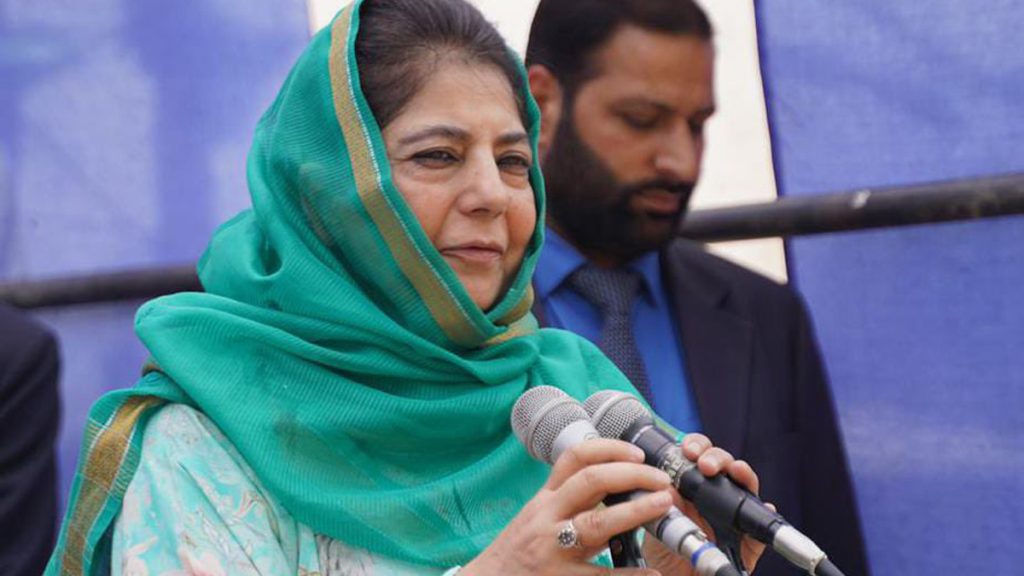
Former Jammu and Kashmir Chief Minister Mehbooba Mufti said on Sunday that when minorities in India were also facing the onslaught like Hindus were doing in Bangladesh, then what was the difference between the two countries.
“Our Hindu brothers are facing oppression in Bangladesh but if we do the same thing with minorities here (in India), then what is the difference? We have such a great country, known worldwide for its secular character,” she said.
Mehbooba said it was former Prime Minister Indira Gandhi who helped Bangladesh to achieve independence.
She urged the secular Hindus in the country to stand up against polarization, and join a united fight against the forces trying to divide the people on religious lines, warning against a repeat of the 1947-like riots.
“The situation in the country is not good. Leaders like Mahatma Gandhi, Pandit Jawahar Lal Nehru, Maulana Abdul Kalam Azad, Sardar (Vallabhbhai) Patel, (B R) Ambedkar made this country home for Hindus, Muslims, Sikhs and Christians. Gandhi even sacrificed his life for it,” she said.
“However, people are being pitted against each other (on the basis of religion) and I am afraid we are being pushed towards the 1947-like situation,” Mehbooba, president of People’s Democratic Party said.
Attacking the BJP, she said the government has failed to provide jobs, education, good hospitals and roads to the people and is diverting the attention of the people by targeting mosques on the pretext of finding temples beneath.
“This is exactly what is happening in the country. Four innocent youth were recently killed in Sambhal (UP) but who will speak for them,” Mehbooba said. “Anyone doing so will be put in jail like Umar Khalid who is behind the bars for the last four years. In the prevailing conditions, there is no one to listen.”
The PDP leader referred to a petition claiming that the Ajmer Sharif Dargah was built over a Shiva temple and said people of different faiths including Hindus and Sikhs visit the 800-year-old shrine which is a glaring example of ‘Ganga-Jamuni’ culture.
“They also want to dig up this shrine in search of a temple… For how long will this continue?” she said.
She also referred to the recent assembly results in the country and said “there is something wrong somewhere.”
“One state was left deliberately so that the opposition cannot talk (about the fraud) and there is no doubt about it. Election commission is silent on the sharp rise in the poll percentage after the end of voting”, she said.
The voting stops at 6 pm and we have 58 percent polling, which increases to 68 percent within the next three hours and becomes 70 percent before the start of counting, Mehbooba said.
The Maharashtra and Jharkhand elections, with unexpected outcomes, have highlighted the importance of governance and coalition management. These results, with BJP and JMM sharing the honours, have profound implications for national politics by Anil Singh
For those political pundits and electoral analysts who do not like to dwell in the greyed-out areas of electoral analyses and trends, such decisive verdicts thrown by the state assemblies of Maharashtra and Jharkhand in the recently-held elections have, apart from delivering unexpected results, set new parameters of scoring electoral victory defying the thus far ‘popular’ standards. Those state assembly elections are now concluded with considerable outcomes marking the present political climate in India. In Maharashtra, Mahayuti’s clear and forthright win under BJP leadership further consolidates the dominance of BJP in the state. Campaign strategies seem quite effective while governance initiatives are hitting all the right notes.
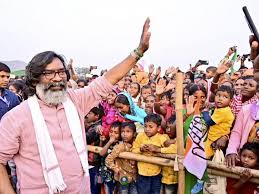
The Hemant Soren-led alliance went on to win an easy majority of 57 out of 81 seats, which indicates heavy public engagement. The JMM with its tribal welfare and social justice initiatives had struck a chord with the public and thus got elected.
These results thus have great implications in the national political landscape because they emphasize the need for good governance, satisfactory management of coalitions, and solutions to local issues to be accompanied by electoral successes. The outcomes also shed light on the difficulties facing the opposition to deliver a clear and compelling alternative to the ruling parties.
Maharashtra results
Elections to the Maharashtra State Assembly proved to be an important moment in the state’s political history, characterized by a different order in the behaviour of voters as well as party strategies. However, it proved to be an important political event marked by much competition between the ruling BJP-led Mahayuti alliance and the opposition Maha Vikas Aghadi (MVA) coalition. The polls, held in 288 constituencies, registered the highest voter turnout since 1995 at 65.11%. This victory of the BJP-led Mahayuti alliance is not a testimony only to their campaign strength but also reveals the response of the electorate to their governance. The alliance’s ability to secure a majority in the assembly was bolstered by their strategic focus on key voter demographics, particularly women, through initiatives like the Ladki Bahin scheme. This targeted approach resonated with a significant portion of the electorate. Another reason why the Mahayuti alliance succeeded is that they were able to manage internal party dynamics effectively.
Though fissures within the Shiv Sena (Shinde) and NCP (Ajit) were festering, the alliance was able to project a united front at most times, which was crucial to showcase an alternative in proper time orientation. The BJP also fared well in organizational muscle and resources used in building the campaign reach and impact. The need for internal power play and leadership woes exercised before the elections stayed internal splits and hamstrung the coalition from mounting a more robust challenge. However, if one takes a close view, the failure of MVA to capitalize on anti-incumbency and its inability to create a united front calls for sterner leadership and effective coordination among opposition parties. The elections also point towards a shift in the political scenario of Maharashtra.
New political dynamics may emerge from these splits in the Shiv Sena and NCP, which would bring new alliances and shifts in loyalties shaping the future of state politics. Short-term implications indicate probable realignments and power tussles among the key political parties and, by and large, the style of governance and policy will significantly change for the state. It is a decisive victory for the Mahayuti alliance, which gives the BJP significant underpinning as the dominant political force in Maharashtra – an unambiguous mandate to carry on its developmental agenda.
Jharkhand results
The Jharkhand State Assembly elections took place in two phases with an average voter turnout of 67.74 percent. Elections saw a contest between the ruling alliance led by the JMM and the NDA led by the BJP. That was when under chief minister Hemant Soren, JMM felt good enough to win a majority in the 81-member assembly with 57 seats. BJP-led NDA could manage only 23 for itself.
Good governance, leadership, and management of the coalition resulted in winning the elections for the JMM. Issues like tribal welfare, rural development, and social justice stood in front in Hemant Soren’s government and gained wide acceptability among the voters. Maintaining unity within the INDIA alliance, which is a combination of Congress, RJD, etc., resulted in winning the elections by the lead party. Though the party had a very robust organisational structure with a lively campaign machinery, the BJP could not make significant inroads into the State. Neither did it respond to the local issues nor connect with the grassroots-level electorate. And this outcome brought further defeat for the party.
The result of the Jharkhand election is very important for the political scenario of the state since it consolidates the position of JMM as the eventual stronghold of Jharkhand and gives Hemant Soren a fresh mandate to continue his development agenda. Results also throw up the fact that, though expansion of BJP influence in states with strong regional parties will be highly challenging, nonetheless it is extremely minimal. The BJP certainly needs to redesign its future course of action by focusing more on local issues and with better fraternities with the electorates. More so, when it is concerned with their performance during the Jharkhand elections. The elections also marked the rising percentage of women voters that reflected a changed nature of political engagement and electorates’ priorities.
Impact on national politics
A glance at the Maharashtra and Jharkhand state assembly election results provides a glimpse into India’s political landscape. In short, comprehensive wins by the ruling coalition dispensations in respective states indicate the increasing significance of effective governance, visionary leadership, and smart coalition management for electoral success. On the other hand, however, the opposition suffers from two main drawbacks while offering an alternative – first of all, unity and then an attractive alternative to that.
In Maharashtra, the BJP coalition builds on strength in a highly significant state with a tally of more than 200 out of 288 seats – an outcome that also manifests organizational depth of the BJP in organizing the elections. In contrast, the majority INDIA bloc win under JMM in Jharkhand presents an indicative pattern of regional parties’ consolidation: particularly concerning programmes on tribal welfare and other local issues.
These Maharashtra results ring with the need for sterner leadership and coordination with the opposition parties, Congress in particular. The victory of the JMM-led alliance in the state of Jharkhand, however, underscores the role of regional parties -backed by others like Congress -that can depose the BJP.
Both these states are already trumpeting record-high voter turnout with targeted initiatives for women voters, and at this rate, there is going to be a change in dynamics between the politically participating and excluding groups. And that promises to mean elections henceforth will have to pay more heed to the excluded groups.
Altogether, the elections point to a gigantic shift in the ongoing political dynamics of India and the vast significance of coalition-building both for national politics and the forthcoming elections. Results will capture future strategies of ruling parties and opposition.
Srinagar: Moderate Hurriyat Conference Chairman and Kashmir’s chief cleric, Mirwaiz Umar Farooq, has expressed serious concern over the surveys of religious places in India, calling it a deeply troubling issue for Muslims.
Speaking at the Friday congregation at Srinagar’s Jamia Masjid, Mirwaiz alleged a deliberate pattern in these actions, citing recent examples such as the surveys of the 500-year-old Shahi Jama Masjid in Uttar Pradesh, the Ajmer Sharif Dargah in Rajasthan, and the ongoing Gyanvapi Mosque case.
“Five Muslim youth were killed during the survey of Shahi Jama Masjid in Sambhal, ordered by a court. Now, similar orders have been issued for the Ajmer Sharif Dargah, a shrine revered globally,” he said, adding that such measures remind Muslims of the Babri Masjid controversy, which ended with its demolition and court verdicts favoring majority claims.
Mirwaiz emphasized that such actions hurt the sentiments of millions of Muslims and contradict the secular principles enshrined in India’s Constitution and the Places of Worship Act.
“These surveys, supported by judicial and government directives, pose a grave threat to religious harmony. If this trend continues, the responsibility for any public backlash will lie solely with the authorities,” he warned.
He also raised concerns over the Waqf Amendment Act, which he said has alarmed Muslims across India and Jammu & Kashmir. The Muttaheda Majlis-e-Ulema (United Council of Islamic Scholars), a coalition of Muslim religious organizations, led by Mirwaiz has requested a meeting with the Joint Parliamentary Committee on the issue.
Mirwaiz called for immediate intervention to curb this trend, cautioning that it could have far-reaching consequences for communal harmony in the region.