Punjab Police nabs FBI-wanted Indian-origin drug lord Shawn Bhinder from Ludhiana

Probe reveals Shawn Bhinder and his accomplices were transporting approximately 600 kgs of cocaine from colombia every week: DIG Swapan Sharma
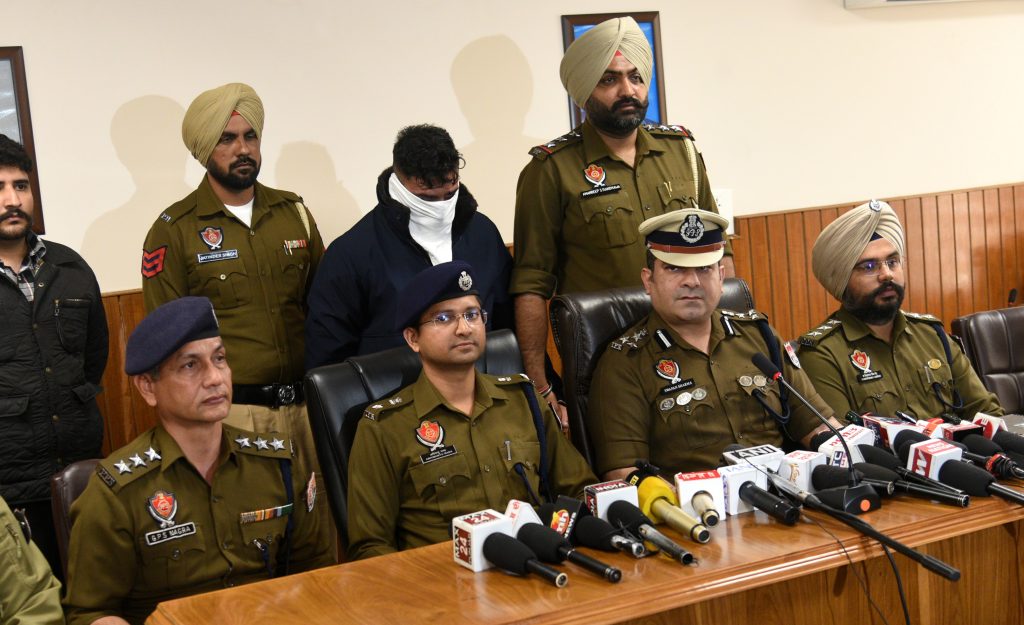
10 March 2025 Tarn Taran Punjab police DIG (Ferozepur) Swapan Sharma addresses a press conference regarding the arrest of Shehnaz Singh alias Shawn Bhinder, a transnational drug lord wanted by the FBI-USA, at Tarn Taran on Monday,. According to police, US authorities had confiscated 391 kg of methamphetamine (ICE), 109 kg of cocaine, and four firearms from the residences and vehicles of those arrested. PHOTO-PRABHJOT GILL TARN TARAN

TARN TARAN, March 10- Tarn Taran police has arrested Big Fish Shehnaz Singh, also known as Shawn Bhinder, an Indian-origin International drug lord wanted by the USA-based intelligence and security agency Federal Bureau of Investigation (FBI), said Director General of Police (DGP) Punjab Gaurav Yadav here on Monday.

In a statement issued here today stating that the arrested accused Shawn Bhinder, a native of village Mandiala in Batala and had been  residing in Brampton in Canada, was wanted by the FBI in one of the largest drug seizures in the USA on February 26, 2025, wherein, the FBI had arrested six of his associates in the US and seized 391 kg methamphetamine, 109 kg cocaine, four sophisticated weapons and vehicles from their possession. The six accused previously arrested by the FBI have been identified as Amritpal Singh alias Amrit alias Bal, Amritpal Singh alias Cheema, Taqdeer Singh alias Romi, Sarabjit Singh Saabi, Fernando Valladares alias Franco and Gurlal Singh.

DGP Gaurav Yadav said that accused Shawn Bhinder was a key player in a global narcotics syndicate, smuggling cocaine from Colombia into the USA and Canada.

After the crackdown by the FBI, accused Shawn Bhinder managed to give a slip to the FBI sleuths and clandestinely landed in India, he said, while adding that, the Punjab Police has successfully tracked and arrested him from the jurisdiction of Ludhiana.

The DGP said that the arrested accused was also wanted in an Arms Act case registered in December 2024, wherein Tarn Taran Police had arrested five members of the notorious Jaggu Bhagwanpuria and Amritpal Batth Gang leading to recovery of significant cache of arms and ammunition from their possession.

Deputy Inspector General of Police (DIG) Ferozepur Range Swapan Sharma accompanied by Senior Superintendent of Police (SSP) Tarn Taran Abhimanyu Rana, while addressing a press conference said that preliminary investigations reveal that accused Shawn Bhinder played a key role in transporting large consignments of drugs across international borders using trucks and trailers.

He said that it was found during interrogation that accused Shawn Bhinder, operating under the guise of a legitimate transportation business in Canada since 2014, allegedly facilitated the movement of drugs from Colombia to the US and Canada via Mexico. Probe has also revealed that Shawn Bhinder along with his accomplices were transporting approximately 600 kgs of cocaine from Colombia every week, he added.

SSP Abhimanyu Rana said that the arrested accused’s network is believed to have ties with notorious drug traffickers, including Amritpal Singh alias Baath and Gurjant Singh Bholu Havelia. Further investigations are on, he added.

Meanwhile, over the past four months, the Tarn Taran police has registered 125 cases under the NDPS Act, arresting 145 individuals and recovering 34 kg heroin, 4 kg opium and  Rs. 2.29 lakh drug money. Additionally, 29 proclaimed offenders in the cases of NDPS Act have been apprehended during this period. 
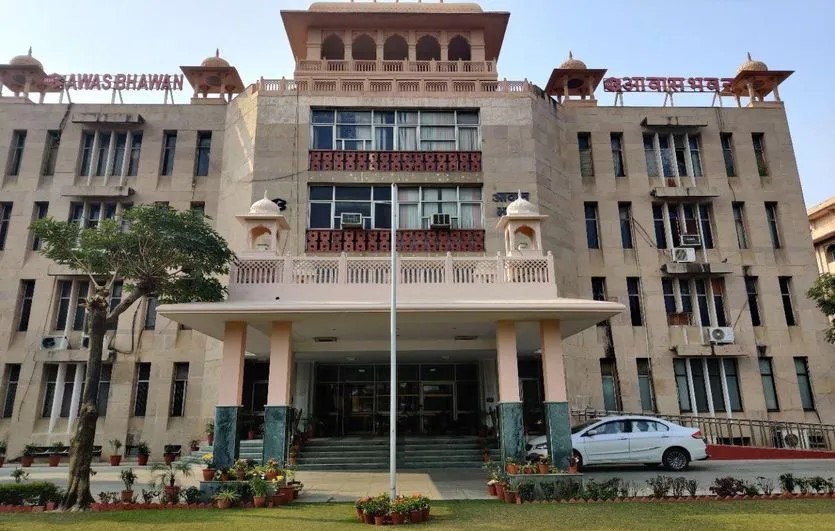
Rajasthan Housing Policy: Why Banning Other State Residents to Own Plot?

by Jag Mohan Thaken

The Indian Constitution has given freedom to its citizens to reside and settle in any part of the territory of India as a fundamental right under Article 19 (1) (e). Even in the previously restricted areas of Jammu and Kashmir, after abrogation of Article 370 in October 2020, the Union Home Ministry (UHM) had issued a notification stating that any Indian citizen can buy land, except agricultural, in municipal areas of Jammu and Kashmir without being a domicile. As per the notification issued by the UHM, no domicile or permanent resident certificate is required for purchasing non-agricultural land in Jammu and Kashmir.

Whereas, the BJP led central government is taking pride to claim that it has showered a freedom bonanza to the citizens of India, inhabitants of any state of the country, empowering them to purchase a plot and reside in the Jammu and Kashmir regions, but the same BJP led state government in Rajasthan is restricting the other Indian states residents to purchase even a small size plot to reside and settle there.  Is it not curtailing the fundamental right of the citizens, residents of other than Rajasthan state, and banning them to reside and settle anywhere in the country? 

The Ban Prompts Illegal Colonizers

The restriction imposed by the Rajasthan government compels the residents of other states, who want to own a plot in Rajasthan, either to pay much higher rates to get a plot in government approved bigger townships, which are generally developed for rich people, or due to the luring cheap rates, they fall prey to the illegal colonizers and lose all their capital.

Rajasthan’s Hindi Newspaper, Rajasthan Patrika on its website Patika.com has reported on February 8, 2025 that Jaipur Development Authority’s enforcement branch razed four illegal colonies being raised on 40 Bighas including the land near Dravyavati river on Ajmer Road, where the sewage treatment plants are proposed by the state government.

Apart from this, Shiv Residency was being built on two bighas of agricultural land in village Narottampura of zone 11, Balaji Enclave in three bighas and another illegal colony named Vrindavan Vihar was being built in 35 bighas in village Panwalia. During the action, all reportedly illegal constructions were claimed to be demolished here.  Information available reveals that in the year 2024 alone 383 illegal colonies were razed by the JDA.

Let us take the example of Rajasthan’s capital city, Jaipur. As some fraudulent colonizers develop illegal colonies without any fear, so many persons, especially belonging to the states other than Rajasthan, get looted of their whole life earnings by these fraudulent colonizers due to their unawareness of these illegal city colonizers. So, such persons desirous of purchasing a plot in Jaipur fear to own the plot land in such illegal colonies and prefer to purchase the plot in the government floated colonies through Jaipur Development Authority, but here they are prohibited to get the plot as per JDA norms of domicile condition.

How JDA Bans Outsiders to Purchase Plot?

Jaipur Development Authority, a Rajasthan state government agency to develop residential projects for the common people on affordable rates in Jaipur City, has laid down such a condition that only a domicile (Mool Niwasi) of Rajasthan can purchase a plot in these colonies and the resident of other states, who wants to reside and settle in Jaipur, is not eligible to get a plot in these government floated residential projects. Why? 

JDA floats residential projects from time to time, but for reference we are taking the example of its project ‘Patel Nagar’, in Jaipur, the applications for which just closed on 13 February, 2025, for 270 plots. The eligibility clause under serial number 3.1 clearly states that the applicant should be Domicile (Mool Niwasi) of Rajasthan. (Copies of the scheme enclosed). 

How Justified the Domicile Condition Is?

While deciding a case related to reservation of seats for postgraduate medical courses in January 2025, a Supreme Court bench consisting of Justice Hrishikesh Roy, Justice Sudhanshu Dhulia, and Justice SVN Bhatti mentioned,

“We are all domiciles in the territory of India. There is nothing like a provincial or state domicile… There is only one domicile. We are all residents of India. We have the right to choose residence anywhere in India and to carry out trade and profession anywhere in the country”, reported NDTV on its web portal on Jan 29, 2025.

However, the Indian Constitution had already given freedom to its citizens to reside and settle in any part of the territory of India as a fundamental right under Article 19 (1) (e), and now the Apex Court of India has also clearly decided that there is nothing like a provincial or state domicile… There is only one domicile. We are all residents of India. We have the right to choose residence anywhere in India.

 Now in the light of the above decision of the SCI, will the Rajasthan government REPEAL the domicile condition and provide an opportunity to have a plot in Rajasthan’s capital city Jaipur to the outsiders also or adopt its own path to ignore the court decision by taking this or that pretext?

Will the citizens of India, residing in other states, get their fundamental right to reside and settle anywhere in the country including Rajasthan?

Fashion show in Gulmarg during Ramzan sparks controversy, Omar Abdullah orders inquiry

Srinagar – An outdoor fashion show held in Gulmarg, Jammu and Kashmir, during the holy month of Ramzan has ignited a political controversy. The event, part of the Elle India fashion show organized by designers Shivam and Narresh, took place at the popular ski resort and featured models walking down a snow-covered ramp in bikinis and capes.

A video from the show, which went viral on social media, showed the models in the wintery setting, sparking outrage among local leaders and residents. Critics questioned the timing of the event, calling it inappropriate during Ramzan, a month dedicated to fasting and religious observance.

(17) KNS on X: “#WATCH|| Fashion event in Gulmarg was a private function, not approved by Govt. On behalf of Government and house I express sympathy the families of gruesome incident of Kathua. Investigation is ongoing: @OmarAbdullah @JKNC_ @CM_JnK @nasirsogami https://t.co/t7Gws07f21” / X

Jammu and Kashmir Chief Minister Omar Abdullah’s office responded to the backlash, saying that the “shock and anger” were understandable. The office said, “The shock and anger are totally understandable. The images I have seen show a complete disregard for local sensitivities and that too during this holy month. My office has been in touch with the local authorities and I’ve asked for a report to be submitted within the next 24 hours. Further action, as appropriate, will follow from this report.”

https://x.com/SiddiqWahid/status/1898938036916007309

Mirwaiz Umar Farooq, a Hurriyat leader, also condemned the event, calling it “outrageous.” He tweeted, “Outrageous! That in the holy month of Ramzan, an obscene fashion show was organised in Gulmarg. Pictures and videos from which have gone viral sparking shock and anger among people. How could it be tolerated in the Valley known for its Sufi, saint culture and the deeply religious outlook of its people? Those involved should be immediately held accountable. Such obscenity in the name of tourism promotion will not be tolerated in Kashmir.”

Jammu and Kashmir People’s Conference chief Sajad Lone also criticized the event’s timing, saying, “I consider myself to be person of liberal orientation, and believe in dignified and mutually respectful coexistence. But this was not the best time to host such an event.”

https://x.com/DeepikaPNath/status/1898942545423450539

“The Gulmarg “fashion show” is less naked conspiracy and more veiled threat by the uncivilised in the country to say “we own your morals and minds.” Surely, even the limited local government can condemn this freshly insulting encroachment, unapologetically? Loudly? Dare we hope?” tweeted noted historian and the former Vice Chancellor of Islamic University of Science and Technlogy Siddiq Wahid. 

“A nude fashion show in #Gulmarg during Ramazan? This is a shameless mockery of our faith, culture and Kashmiriyat. Ramazan is a month of devotion, repentance, divinity, praying, submission before God NOT decadence. How did the @CM_JnK allow this under his watch when tourism falls directly under his govt? As a Kashmiri Hindu, I am deeply angered and strongly condemn this disgraceful event. Kashmir’s soul is being tainted under the guise of modernity. We are not against fashion but there’s a time and decorum for everything. Stop killing our culture with NUDITY, PLEASE 🙏 (sic),” wrote the noted lawyer  Deepika Pushkar Nath on X. 
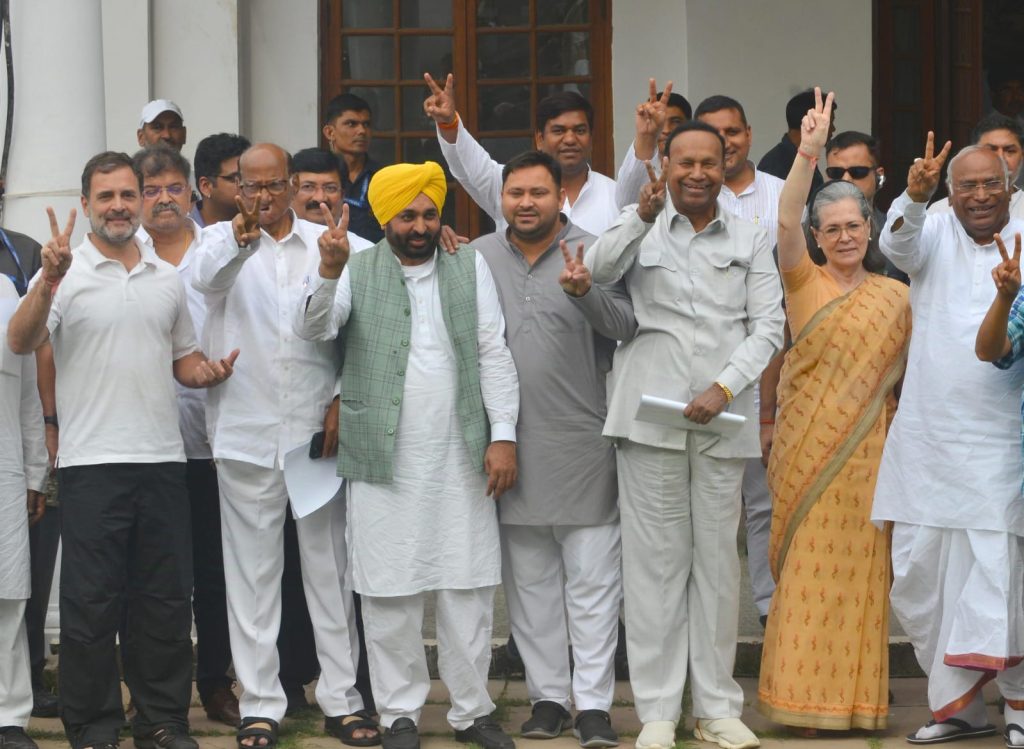
As the controversy continues to unfold, Chief Minister Omar Abdullah has assured that the matter will be thoroughly investigated, with further action to be taken based on the inquiry’s findings.

Why is the Opposition faltering repeatedly in taking on Modi govt?

Photo: Naveen Bansal

Even as the second phase of the ongoing budget session is set to commence from March 10, the opposition seems to be struggling to regain its footing and assert its relevance in Indian politics. 

Despite glaring vulnerabilities like the unprecedented volatility in share markets, growing unemployment and inflation, weak rupee and repeated mishaps on the railways network, the opposition parties in the country have been unable to gherao the Narendra Modi government on these issues.

This has raised a serious concern regarding the opposition’s ability in taking on the Modi government.

The 2024 Lok Sabha election results offered a glimmer of hope for opposition, as the Congress and its allies made surprising inroads into BJP strongholds, denying Narendra Modi the supermajority he had anticipated.

In recent months, the Modi-led government has faced a barrage of criticism over economic and governance challenges. These issues, by any measure, present a fertile ground for a robust opposition to challenge the ruling BJP.  However, the opposition has seemingly completely lost the plot.  

The stock market, often touted as a barometer of economic health under Modi’s tenure, has seen sharp declines at times, shaking investor confidence. Unemployment, a persistent thorn in the side of the government, has reached unprecedented levels. Inflation has spiraled, driving up the cost of essentials like food and fuel, and eroding the purchasing power of the average Indian. The rupee’s depreciation against the dollar has further compounded these woes, raising import costs and fueling economic unease. Add to this the railway system’s struggles—marked by delays, accidents, and administrative lapses—and the government appears ripe for political reckoning.

These conditions should, in theory, galvanize the opposition into a formidable force, capable of rallying public discontent and holding the government accountable. However, the opposition’s response has been surprisingly muted, raising questions about its relevance and efficacy.

Opposition’s Struggles: A Crisis of Cohesion

One of the most significant hurdles facing the opposition is its lack of unity which has been displayed clearly in the recent electoral wins by BJP in Delhi, Maharashtra and Haryana.

The Congress, once the dominant force in Indian politics, has been weakened by internal strife and a perceived leadership vacuum. Rahul Gandhi, despite occasional bursts of vigor, has failed to consistently match PM Modi’s relentless campaigning and charisma. Smaller regional parties, such as the Trinamool Congress and the Aam Aadmi Party (AAP), have struggled to present a cohesive national alternative. The opposition’s attempts at forming INDI bloc alliance have been hampered by infighting, differing ideologies, and a failure to articulate a unified vision.

This fragmentation has allowed the BJP government to weather storms that might otherwise have been politically fatal. For instance, while the opposition has criticized the government over unemployment and inflation, it has often failed to translate these critiques into a compelling narrative that resonates with voters. Instead, the BJP has adeptly shifted focus to emotive issues—cultural nationalism, security, and infrastructure achievements—drowning out the opposition’s economic arguments.

The BJP has seemingly capitalized on the opposition’s disarray, painting it as a chaotic coalition incapable of governing.

The forthcoming sittings of Parliament could very well signal whether the Opposition is able to reinvent, crafting a clear, positive agenda that addresses the bread-and-butter issues like jobs, prices, and economic security.  And a unified opposition leadership, strategic alliances, and grassroots mobilization are critical to this effort. 

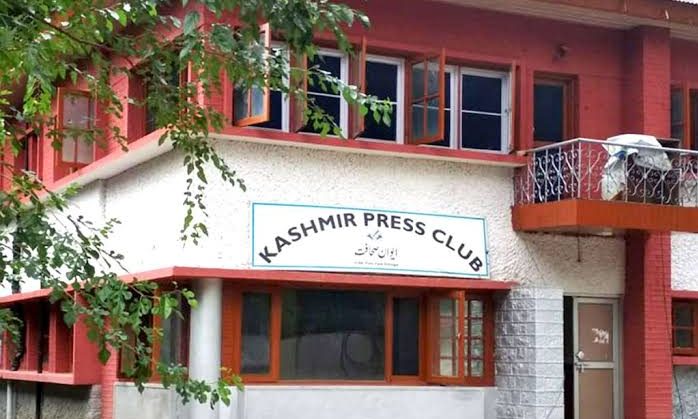
Omar Abdullah seeks to reopen Kashmir Press Club in Srinagar

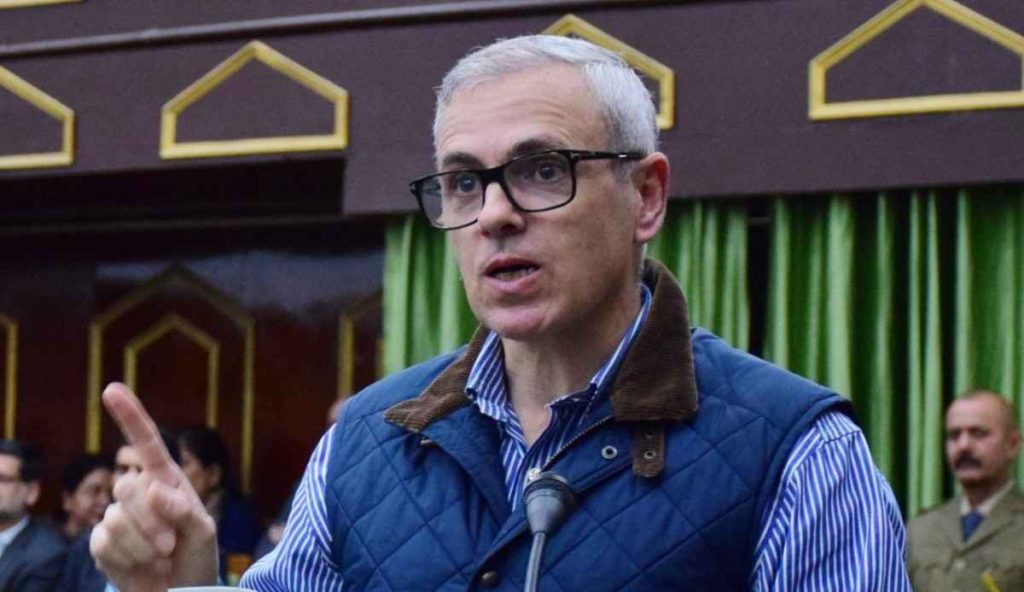
Jammu: Jammu and Kashmir Chief Minister Omar Abdullah has indicated that his government may work towards reopening the Kashmir Press Club (KPC) in Srinagar, which was shut down three years ago under the Lieutenant Governor’s administration.

Speaking during his budget speech in the J&K Assembly on Friday, Abdullah emphasized the importance of a free and independent press in a democracy.

“We are committed to strengthening press infrastructure, ensuring greater access to information, and safeguarding journalists’ rights. Steps will be taken to revive and support the Press Club in both Jammu and Srinagar, providing journalists with a dedicated space for professional collaboration and public discourse,” he said.

His remarks come amid growing concerns over press freedom in the region. National Conference legislator Bashir Ahmad Veeri recently raised the issue of journalists allegedly being detained for reporting on the felling of chinar trees in Anantnag. He urged the Speaker to intervene and ensure journalists are protected from harassment.

Srinagar has been without a press club since January 2022, when the J&K administration suspended the registration of the KPC just as it was preparing for elections. The club had around 300 registered journalists. Official records indicate that the re-registration of the KPC was put on hold due to pending verification of its managing body members by security agencies.

BJP will get new national president soon

Photo: Naveen Bansal

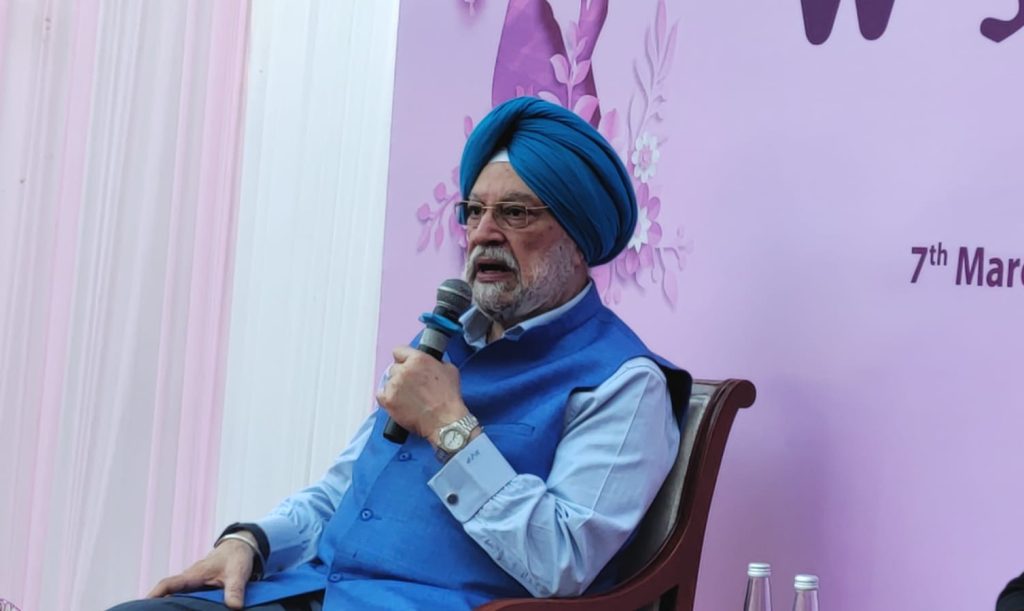
Union Minister Hardeep Singh Puri on Friday said that the Bharatiya Janata Party (BJP) to get a new national party president by mid-March.

“We have the process. We will get the party’s new president by mid-March,” Puri said.

The election for the National President is set to take place after the party’s state units hold their respective elections.

The process which was initially expected to be completed in January, has been delayed due to Delhi assembly elections and other pending elections in several state units. 

According to the BJP’s constitution, the election of the National President requires that at least 50 percent of the state units have already elected their respective presidents. Therefore, the election process at the state level is being expedited.

Along with the state presidents, members of the electoral college for the National President are also selected. Currently, out of 36 states, elections have been completed in only 12. 

Women Farmers Strengthening Rural Economies


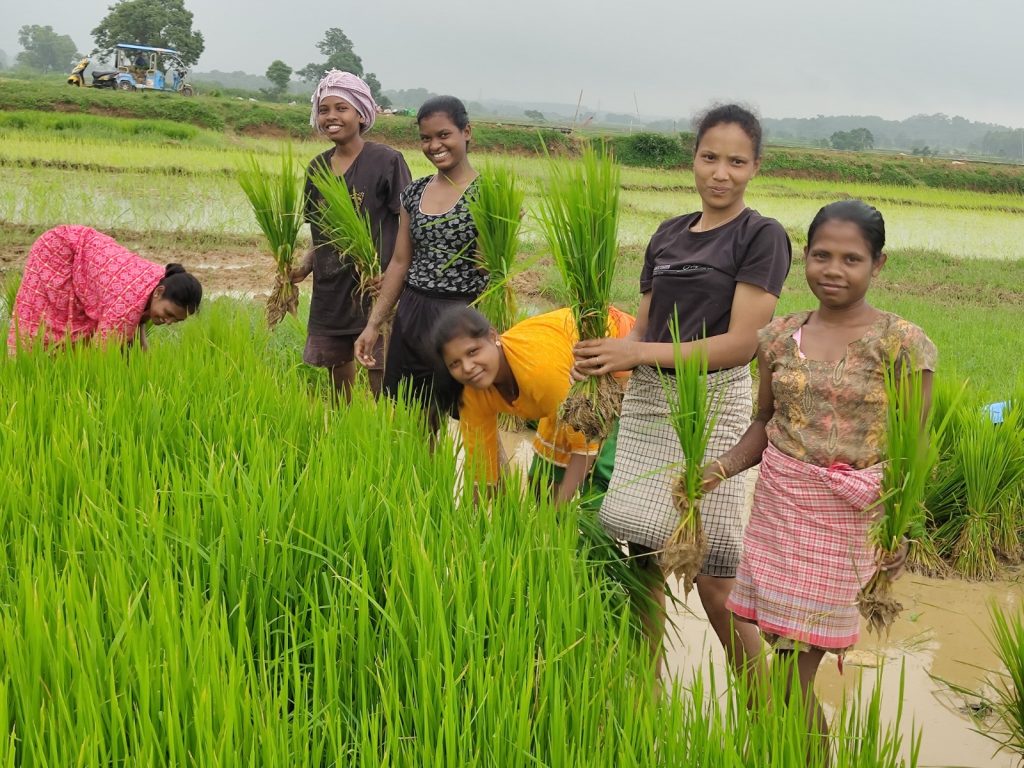
Women in agriculture are leading a transformation in India’s rural economy and significantly a new economic reality is that 9 Out of 10 shareholders in women-led FPOs are women. No doubt this Women’s Day, the rapid growth of women-led FPOs underscores a fundamental shift in Indian agriculture. As more women step into leadership roles, they are redefining rural economic growth and shaping the future of agribusiness.

Women’s participation in these FPOs is significant. Nine out of ten shareholders in these organizations are women, demonstrating a shift towards inclusive and equitable business models. Nearly 44% of these FPOs are based in Maharashtra, followed by Bihar, Madhya Pradesh, and Jharkhand, with an increasing presence in Karnataka, Assam, Andhra Pradesh, Rajasthan, and Uttar Pradesh.

Women’s contributions to agriculture extend far beyond farming. They lead agritech, finance, supply chain management, and rural entrepreneurship. Women professionals play crucial roles in agricultural innovation, from developing digital finance solutions to managing large-scale agri-business operations. Their expertise in human resources, technology, and policy-making is shaping a more inclusive and resilient agricultural sector.

In fact the business models of these organisations are evolving. Over 70% of women-led FPOs focus on consulting, market services, and advisory roles, while the rest are engaged in direct farm production. This diversification highlights how women are influencing key agricultural decisions beyond cultivation.

“Women farmers are no longer just contributors to agriculture. They are financial decision-makers, business strategists, and key players in supply chains,” observes Prasanna Rao, CEO of Arya.ag. He adds, “By providing access to finance, storage, and reliable market connections, we are supporting the rise of women-led agribusiness.”

The impact goes beyond financial gains. Many of these women-led FPOs have helped smallholder farmers increase their incomes by improving price realization and reducing post-harvest losses. Reshma Kumari from Dehayat FPO in Bihar shared her experience, “Our FPO had become inactive, but with the support of Arya.ag, we have transformed into a self-sustaining model. Farmer incomes have increased four times, and we now have access to better markets”.

Sunita Waghmare, Chairperson of Navi Umed FPC Ltd, shares the inspiring journey of their Farmer Producer Company, which began with 3,500 women and has now reached a turnover of 6.5 crores. She discusses how they started with trading in turmeric and soybean, despite having little experience in the market. With greater control over their agricultural enterprises, women are improving price realization, reducing risks, and strengthening supply chains. The rise of these FPOs is not just about numbers but about real impact ensuring that rural women gain economic stability and long-term sustainability.

According to Anuradha C,  Arya.ag is India’s largest and only profitable grain commerce platform which enables freedom of choice for farmers and their organizations to decide ‘when’ and ‘to whom’ they would want to sell their produce post-harvest by offering access to farmgate-level storage, seamless finance and transparent commerce. It aggregates and stores USD 3 billion of grain annually while enabling the disbursement of over USD 1.5 billion of loans to small-holder farmers, their organisations and other stakeholders.

Corporate Initiatives Empowering Women in STEMM in India

In recent years, corporate India has taken significant strides in empowering women within the STEMM (Science, Technology, Engineering, Mathematics & Medicine) sectors, driving efforts to bridge gender gaps and foster an inclusive work environment.

As women continue to break barriers and assume leadership roles in traditionally male-dominated fields, businesses are introducing several initiatives aimed at equipping them with the skills, resources, and opportunities they need to thrive.

One of the most notable trends in Indian corporate spaces is the growing focus on gender equality in leadership positions. Companies across sectors are increasingly prioritizing diversity and inclusion, implementing policies to ensure that women can progress to senior roles. This includes setting gender diversity targets, offering mentorship programmes, and investing in leadership development for women.

Anasuya Mohan Rao, Clinical Partnerships Leader at Philips Innovation Campus, Bangalore, emphasized the importance of celebrating women in science and technology. “Empowering women in STEM is about creating opportunities, breaking down barriers, and fostering an inclusive environment where talent can flourish,” Rao said.

Programmes like ‘Get Ready for Opportunities at Work’ (GROW), designed to help women in technology enhance their skills, and ‘Catapult,’ a mentorship initiative aimed at sustaining women’s career aspirations, are key in shaping the future of women in the sector.

Philips, one of the leaders in this domain, has actively worked to increase women’s representation in leadership roles, a step that reflects the company’s commitment to gender parity and sustainable innovation in healthcare and technology.

As the tech industry sees rapid growth, women in India are increasingly stepping up, breaking stereotypes, and challenging conventions. However, industry leaders like Harsha Solanki, Vice President and General Manager, Asia, Infobip, believe more needs to be done. Solanki pointed out that mentorship programmes, leadership training, and continuous upskilling are essential for preparing women for leadership positions in tech and STEM fields.

“The landscape of the tech industry is witnessing a visible shift towards inclusivity and diversity. Women are not just participating but leading in sectors like technology. The right support and mentorship are crucial to sustaining this momentum,” Solanki said.

Corporate giants like Infobip have focused on developing robust training and mentorship ecosystems that help women not only advance in their careers but also lead transformation in the tech industry.

While in-office initiatives are vital, corporate social responsibility (CSR) programs are also playing a pivotal role in empowering women in underserved regions across India. Companies are investing in community development programs that provide educational opportunities, skill-building, and vocational training to women in rural and economically backward areas.

These CSR programs, such as tech training, scholarships for women in higher education, and healthcare initiatives, aim to bring women into the fold of the knowledge economy and equip them with tools for success. Businesses are recognizing that empowering women in the workplace should extend beyond their corporate walls, and by doing so, they help foster greater societal impact.

Sanjeeta Mohta, Talent and Finance Manager at Learning Spiral, highlights that corporate India is transforming how women view their roles in STEMM fields. According to Mohta, businesses in India are dismantling traditional barriers to women’s participation by offering leadership programs, flexible work schedules, and equal opportunities for career advancement.

“Support for women in STEMM is revolutionizing the way businesses approach diversity. By funding leadership programs, providing flexible work options, and supporting women with scholarships and business connections, companies are helping women thrive at every stage of their careers,” Mohta added.

Moreover, these initiatives are having a broader impact on businesses themselves. Studies show that diverse teams outperform homogeneous ones in creativity, problem-solving, and overall company performance. By empowering women in STEMM fields, Indian corporations are fostering innovation that drives business success while contributing to India’s broader growth in science, technology, engineering, and healthcare sectors.

As India continues to push for economic and technological progress, the empowerment of women in STEMM remains a crucial component of this vision. Companies are now realizing that empowering women isn’t just the right thing to do — it’s a strategic move that benefits both business outcomes and societal development.

Meanwhile, Promeet Ghosh, MD & CEO, Crompton Greaves Consumer Electricals said that by nurturing talent, supporting leadership, and promoting an inclusive environment, we are helping women unlock new opportunities and build successful careers in STEMM.

“In today’s rapidly evolving world, it’s clear that empowering women in STEM is not just a necessity but a driving force for innovation and progress. Industries once dominated by men, such as consumer durables, are now embracing the power of diversity, reshaping the future with fresh perspectives and new opportunities,” Ghosh added.

The momentum toward gender equality in India’s STEMM sectors is accelerating, and as more companies commit to diversity and inclusion, the path to greater equality becomes clearer. By nurturing talent, supporting leadership aspirations, and breaking down long-standing barriers, corporate India is not only empowering women but also setting the stage for future generations of women leaders.

This shift is already apparent, with women in India increasingly represented at the top of their fields, whether it be in technology, healthcare, or engineering. With continued support, mentorship, and opportunities, the future of women in STEMM in India looks poised to be not only inclusive but transformative.

Haryana to honour women power

Chandigarh , March 7- State level International Women’s Day will be celebrated tomorrow at Red Bishop Hotel, Panchkula where women power will be honored in various categories. State Chief Minister Nayab Saini will be present as the chief guest in the program. Regarding the Women’s Day program, Minister of Women and Child Development Department Shruti Chaudhary said that like every year, this time also the Haryana Government is organizing a state level program on the occasion of International Women’s Day. In the program, the government will honor the struggles , achievements of women and their important role in the society. The main objective of this day is to promote women empowerment , ensure gender equality and further strengthen the role of women in the society. Women from all over the state will participate in the program.

He said that among those being honoured by the Haryana government, Shanta Ranga of Karnal will be given the Sushma Swaraj Award in which a sum of Rs. 5 lakh will be given. Indira Gandhi Mahila Shakti Award will be given to Bala Verma of Hisar and Rekha Rani Dhiman of Jind. Kalpana Chawla Shaurya Award will be given to Meenu Devi of Hansi while Life Time Achievement Award will be given to Kamlesh Arora of Ambala.

Sonika from Bhiwani , Kusum from Jind , Manu Bhaker from Jhajjar , Rhythm Sangwan from Faridabad , Ramita Jindal from Kurukshetra , Antim Panghal from Hisar , Preeti Panwar from Bhiwani , Bhajan Kaur from Sirsa , Vinesh Phogat from Charkhi Dadri , Anshu Malik from Jind , Ritika Hooda from Rohtak , Nisha Dahiya from Panipat , Jasmine Lamboria from Bhiwani , Diksha Dagar from Jhajjar , Kiran Pahal from Sonepat , Raza Dhillon from Panchkula will be felicitated for their outstanding performance in sports. Mrs. Rita Dhiman , Mrs. Banarasi Devi , Mrs. Poonam and Dr. Vinita Tomar will be felicitated for their work in the social sector. In the category of women entrepreneurs, Mrs. Pinky Devi from Jind and Sakshi from Gurugram were felicitated. Apart from this, Anganwadi workers and girls who are honored on National Girl Child Day will also be honored on Women’s Day.

How mayoral election will change the MCD composition

After the shocking defeat in Delhi assembly elections, a new challenge is waiting for Aam Aadmi Party (AAP) in the upcoming Mayoral elections which will predict whether the party will be able to retain its power in the MCD or not.

After sweeping the assembly elections with clinching 48 seats and coming back into power after 27 years, the BJP is all set to repeat its success in the Mayoral elections scheduled to be held in April, giving “triple engine government” to the national capital.

As the numbers are in the favour of BJP, the state party chief Virendra Sachdeva said, “We will soon have a triple engine government.”

In 2022, the AAP government won the election and secured a majority of 134 seats out of 250 subsequently bagging the seat of Mayor ending the 15-year rule of BJP in the MCD.

Meanwhile, the BJP won 104 seats, with the Congress securing nine seats and three seats went to the independent candidates.

However, in the past few months, particularly in February, a lot of changes happened which could impact the forthcoming election and change the composition in the House.

Last month, the representation of BJP increased to 120 while AAP’s tally had dropped to 121. Following the assembly polls, the number further dropped to 118 for AAP and 112 for the BJP as three AAP councilors and eight BJP councilors became MLA.

After this, four AAP councilors joined the BJP, leaving AAP with only 114 councilors and BJP at 116.

With this, BJP is likely to win a clear majority in the upcoming Mayoral election. The Mayoral constituency consists of elected councilors, 14 MLA in proportion to party representation in Delhi Assembly, seven Lok Sabha MPs, and three Rajya Sabha MPs.

The House addresses the distribution of civic services in the city. It is headed by the Mayor who presides over its 250 councilors. The MCD comprises 35 departments ranging from sanitation, horticulture to licensing, engineering, and healthcare.

MOST POPULAR

HOT NEWS