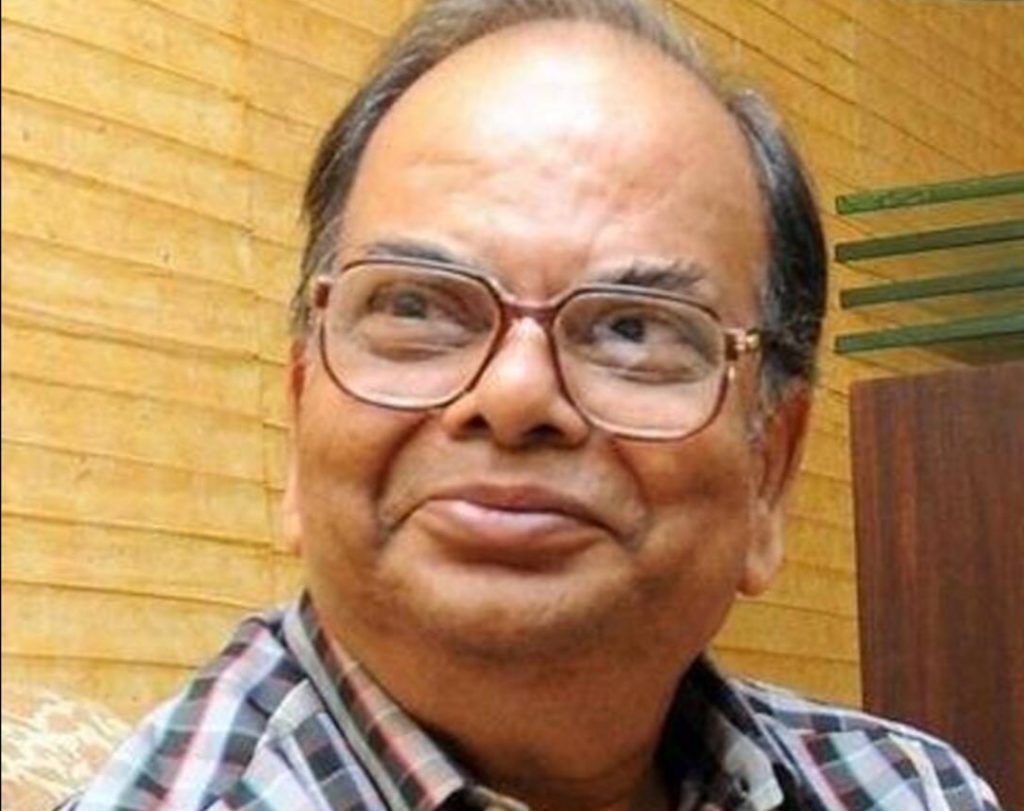
Veteran Bengali author Mani Shankar Mukhopadhyay, popularly known by his pen name Shankar, passed away on Friday (February 20, 2026), at the age of 92. With his demise, Indian literature loses one of its most compelling storytellers whose works captured the aspirations, struggles, and moral dilemmas of post-Independence urban India.
Family sources confirmed that the celebrated writer breathed his last in Kolkata following age-related ailments. He is survived by his family and a vast readership spanning generations.
A Literary Journey
Born in 1933, Shankar rose to prominence with his iconic novel Chowringhee, a vivid portrayal of life revolving around a grand hotel in Kolkata. The book became a cultural landmark in Bengali literature and was later adapted into a successful film starring Uttam Kumar.
Another widely acclaimed work, Seemabaddha, offered a sharp critique of corporate ambition and ethical compromise. The novel was memorably adapted by Oscar-winning filmmaker Satyajit Ray into a National Award-winning film, further cementing Shankar’s reputation beyond literary circles.
His semi-autobiographical work Kato Ajanare remains a beloved exploration of youth, aspiration, and survival in the bustling metropolis of Kolkata.
Shankar’s writing was deeply influenced by his own early struggles. Having worked in various jobs, including as a clerk in the Calcutta High Court, he infused his narratives with lived experience. His prose was accessible yet layered, making complex social realities relatable to ordinary readers.
Over a career spanning more than six decades, he authored numerous novels, short stories, and essays, many of which were translated into multiple languages.
Writers, political leaders, and cultural figures expressed deep sorrow at his passing. West Bengal Chief Minister and several leading literary voices hailed him as a “literary institution” whose works shaped modern Bengali storytelling.
Readers took to social media to share passages from his books, recalling how his stories mirrored their own ambitions and anxieties.
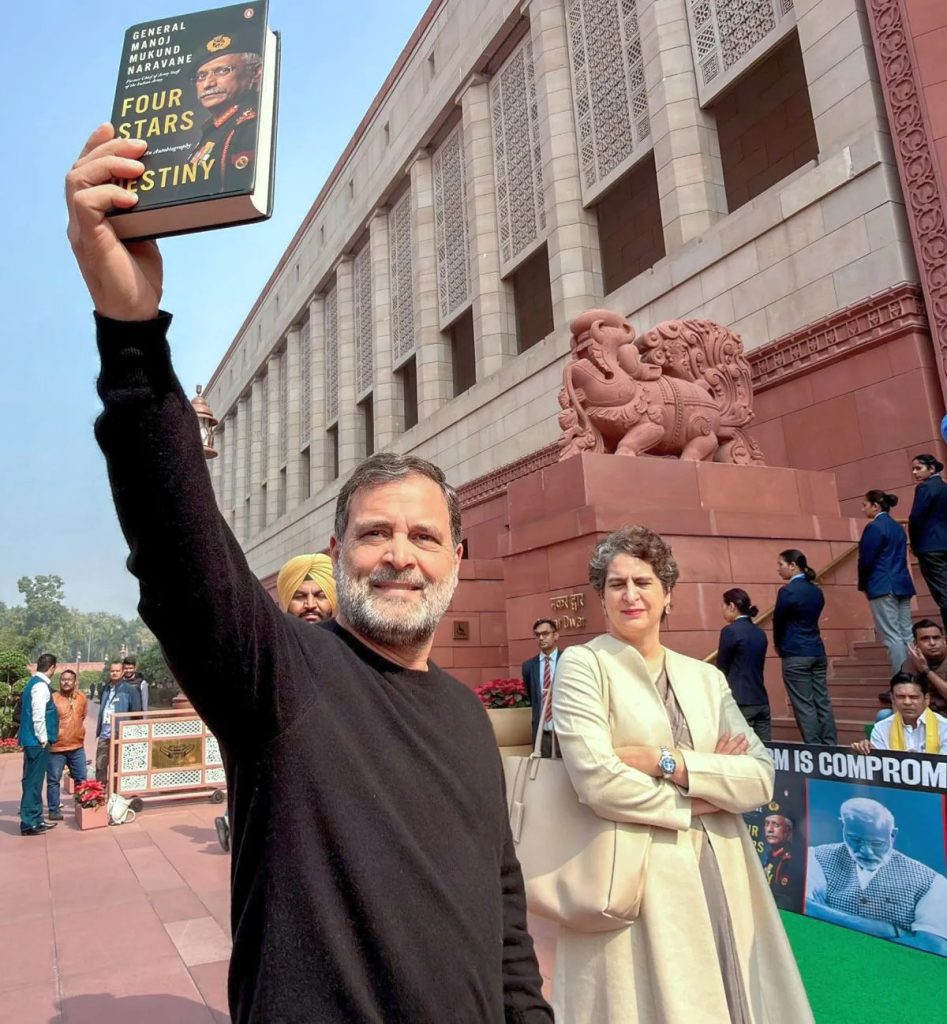
by Charanjit Ahuja A book that is yet to be formally published triggered a full-blown confrontation in Parliament, raising questions that go well beyond its contents. When Leader of the Opposition Rahul Gandhi cited Four Stars of Destiny, a memoir attributed to former Army chief General Manoj Naravane, during a discussion on the 2017 Doklam standoff, the Lok Sabha descended into disorder.
The immediate controversy centred on Gandhi’s claim that the book refers to Chinese military assets, including tanks, entering Indian territory during the Doklam crisis — a claim strongly disputed by the government. But beneath the uproar lies a deeper constitutional issue: how far does parliamentary privilege extend when Members of Parliament rely on material the government considers “unpublished” or “unverified”?
While speaking on India-China relations, Rahul Gandhi invoked the former Army chief’s memoir to argue that Parliament had not been told the full truth about Doklam. According to him, the book suggests that Chinese forces crossed into Indian territory — contradicting the government’s long-standing assertion that there was no intrusion.
For the Opposition, the citation was intended to establish that concerns about Chinese aggression were not merely political claims but were echoed by a former top military commander. Gandhi sought to place this on record as part of a broader argument that the government consistently downplays Chinese actions along the Line of Actual Control.
Before he could elaborate, senior ministers objected, leading to repeated disruptions and the eventual disallowing of the reference. The government objected on multiple grounds. It questioned whether Four Stars of Destiny had been officially published or released for public scrutiny. Ministers argued that Parliament could not rely on selective excerpts from an unpublished manuscript, especially on a matter involving national security.
They also rejected the interpretation attributed to the former Army chief, maintaining that no official military assessment supports the claim that Chinese tanks entered Indian territory during Doklam crisis. From the government’s perspective, allowing such references would set a dangerous precedent—one in which unverified personal recollections could be presented as authoritative evidence in Parliament.
Privilege and the Constitution
This is where the episode acquires constitutional significance.
Under Articles 105 and 194 of the Constitution, Members of Parliament enjoy wide-ranging privileges, including freedom of speech within the House. These privileges exist to ensure that legislators can speak freely, without fear of legal consequences, to hold the executive accountable.
Crucially, parliamentary privilege is broader than the rules of evidence that apply in courts. MPs routinely cite newspaper reports, expert opinions, leaked documents, and books — none of which are “verified” in a judicial sense. The House itself is traditionally the forum where claims are contested politically, not pre-filtered administratively.
From this standpoint, the Opposition argues that it is Parliament’s role to debate and challenge claims, not to silence them on grounds of publication status. If a reference is inaccurate or misleading, the government has both the opportunity and the obligation to rebut it on the floor of the House.
At the same time, parliamentary privilege is not absolute. The Speaker has the authority to regulate proceedings and disallow references that violate rules, mislead the House, or compromise national security.
The ruling to disallow Gandhi’s reference reflects an expansive reading of this authority — one that prioritises procedural certainty and executive assurance over open contestation.
Critics argue that such interventions risk narrowing the scope of parliamentary debate, especially when they align closely with the government’s discomfort. Supporters counter that allowing references to unpublished defence-related material could blur the line between scrutiny and speculation.
Doklam: Controlling the narrative
The sensitivity of the Doklam episode amplifies the stakes. The 2017 standoff is frequently cited by the government as an example of diplomatic and military firmness. Any suggestion that Chinese forces crossed into Indian territory — particularly with armoured units — directly challenges that narrative.
Coming from a former Army chief, even indirectly, such a claim carries symbolic weight. It is precisely this weight that explains the government’s resistance to allowing the reference to stand unchallenged.
Yet, constitutional scholars point out that narrative control cannot be the basis for limiting parliamentary speech. Democracies function on the premise that uncomfortable claims are addressed through debate, not exclusion.
Military memoirs occupy an uneasy space in public discourse. They are neither official documents nor casual commentary. While they reflect personal recollections, they also shape public understanding of history.
The government is correct in noting that a memoir does not automatically represent the institutional position of the armed forces. But the Opposition is equally correct in arguing that such accounts can be legitimate triggers for parliamentary questioning. The Doklam standoff of 2017, involving Indian and Chinese troops near the India-Bhutan-China tri-junction, remains one of the most sensitive episodes in recent India-China relations. The government has consistently described the disengagement as a diplomatic success that restored the status quo without territorial loss.
Any suggestion that Chinese forces crossed into Indian territory, particularly with armoured units, directly challenges that narrative. Coming from a former Army chief — even if indirectly and through an unpublished account — such a claim carries political weight far beyond an ordinary critique.
For the Opposition, the book offered an opportunity to question the government’s transparency on China. For the government, allowing such claims to stand uncontested in Parliament risked legitimising what it views as a misleading or incomplete reading of events.
The Constitution does not require MPs to rely only on government-certified material to perform their oversight role. Rahul Gandhi was stopped not simply because the book was “unpublished,” but because allowing the reference would have forced a substantive debate on a sensitive issue the government prefers to treat as settled. Rahul Gandhi’s attempt to cite Four Stars of Destiny was less about the book itself and more about what it symbolised: a challenge to the government’s monopoly over the narrative on China.
He was stopped not only because the book was described as unpublished, but because its alleged contents strike at the core of a politically and strategically sensitive issue. Allowing the claim to be aired would have forced the government into a detailed rebuttal — or a clarification — on the floor of Parliament.
By disallowing the reference, the Speaker’s ruling effectively drew a line between what can be debated as fact and what remains, for now, in the realm of personal recollection. The government’s position emphasises institutional authority and official records. The Opposition’s stance stresses Parliament’s right to question executive claims, especially on matters as consequential as territorial integrity.
The decision highlights a growing tension in Parliament: between maintaining order and preserving the House as a space for rigorous, even uncomfortable, scrutiny.
The Bottom Line
The uproar over Four Stars of Destiny is not really about a memoir. It is about the shrinking space for contested truths in Parliament.
Parliamentary privilege exists precisely to allow elected representatives to raise questions that may embarrass the executive. When procedural objections are used to prevent such questioning altogether, the balance tilts away from accountability.
Whether or not the claims attributed to the book withstand scrutiny is a separate matter. The constitutional issue is simpler — and more troubling: should Parliament be a place where claims are debated, or filtered before they can be spoken?That question, more than the book itself, is what truly disrupted the House.
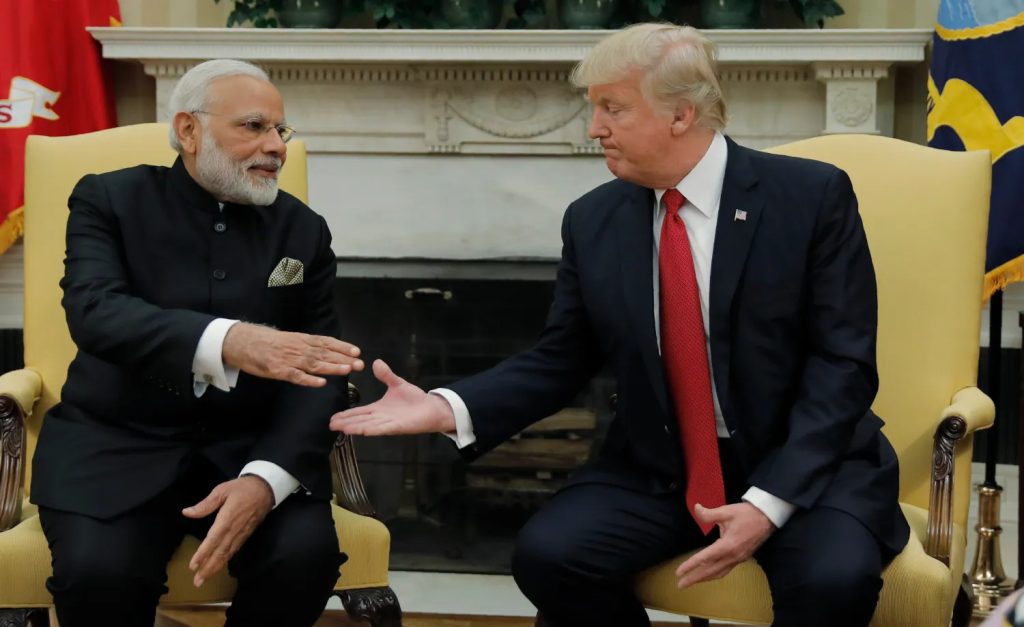
by Charanjit Ahuja The India–US interim trade pact is more than a tariff adjustment exercise. It is a strategic wager—one that seeks to bind the world’s two largest democracies closer through commerce, technology, and calibrated interdependence.
Nearly $44 billion worth of Indian goods will enter the US duty-free. Other exports will see tariffs tumble from punitive highs of 50 per cent to a modest 1–8 per cent range. For Indian exporters in labour-intensive sectors—gems and jewellery, processed foods, spices, pharmaceuticals—this is not incremental relief. It is structural access to a $30 trillion marketplace.
In return, India has pledged to purchase $500 billion worth of American goods over five years. That asymmetry is real. But it is also deliberate. India is leveraging assured demand to unlock long-denied market entry for its producers. This is not charity; it is strategic sequencing.
What makes this pact politically viable is its careful insulation of sensitive sectors. Agriculture and dairy—historic deal-breakers in trade negotiations—remain shielded. The apple import mechanism, with its minimum price floor and additional duty, signals that liberalisation will not come at the cost of farmer livelihoods. Cotton quotas remain unchanged. The message is clear: integration abroad will not mean instability at home.
The inclusion of artificial intelligence and digital infrastructure is a forward-looking correction. For years, high duties on critical hardware quietly eroded India’s competitiveness in deep tech and AI. Lowering those barriers aligns trade policy with India’s innovation ambitions. If executed well, this could be as consequential for the next decade as tariff cuts are for the present one.
Equally transformative is the potential public health dividend. Duty-free access for advanced pharmaceutical imports, particularly oncology drugs, could ease the crushing financial burden on cancer patients. In a country where out-of-pocket healthcare spending remains high, even a 10–20 per cent reduction in treatment costs can determine whether therapy continues or stops.
But the pact is not without caveats. The conditional removal of a 25 per cent penal tariff linked to Russian oil purchases underscores how geopolitics now shadows economics. The clause introduces leverage—subtle but unmistakable—into India’s energy calculus. It reflects a world where trade agreements increasingly serve strategic ends.
Execution will decide whether promise translates into performance. Tariff reductions must be operationalised swiftly. Safeguards for farmers must be enforced rigorously. Benefits from lower import duties—particularly on medicines and digital infrastructure—must be passed through transparently to consumers and start-ups.
Ultimately, this interim framework signals a shift in India’s trade doctrine. It is neither blind liberalisation nor defensive isolation. It is calibrated engagement—opening where competitive, protecting where vulnerable, and embedding economic ties within strategic alignment. India has chosen to deepen its economic backbone with the United States. If managed prudently, this pact could evolve into a comprehensive partnership that strengthens manufacturing, technology, healthcare, and geopolitical leverage.
For now, it is a bold beginning—ambitious, conditional, and unmistakably strategic.
In a remarkable display of swift clinical judgement and multidisciplinary coordination, doctors at Fortis Hospital, Greater Noida, successfully treated a critically ill 9-year-old boy suffering from a severe bone infection that had progressed to septic shock, requiring ventilator support and intensive care for over 10 days. The child was brought to the hospital with a history of persistent fever, difficulty in walking for nearly a week, and rapidly worsening swelling and pain in the right lower leg and hip region. Despite treatment at multiple hospitals over 4–5 days on both outpatient and inpatient bases, his condition continued to deteriorate.
Upon admission to Fortis Hospital Greater Noida, the child’s condition rapidly worsened despite medications. He started suffering from fast breathing, increased heart rate, feeble pulse, decreasing urine output and borderline blood pressure. Investigations revealed extremely high infection. Further diagnostic evaluation confirmed Osteomyelitis (bone infection) of the right hip along with a significant pus collection in the joint. He was immediately shifted to the Paediatric Intensive Care Unit (PICU) under the care of Dr. Kushagra Gupta, Consultant – Paediatrics.
Recognising the urgency of the situation, the Orthopaedics team led byDr. Bharat Goswami, Consultant Orthopaedics,in coordination with the Anaesthesia team comprising Dr. Bhoop Singh, Additional Director, Anaesthesiology, Fortis Greater Noidaand Dr. Swayambhu Shubham, Attending Consultant, Interventional Radiology, immediately started the emergency surgical procedure. Approximately 200 ml of thick pus was drained from the right hip joint.
However, the battle was far from over. Post-surgery, the child experienced a stormy course in the PICU. He required ventilator support for five days and was administered multiple medications to maintain blood pressure and stabilise his lungs and breathing. The paediatric and critical care teams worked round-the-clock to manage complications associated with severe sepsis and systemic infection. After 10 days of intensive monitoring and aggressive treatment, the child gradually stabilised. He was successfully weaned off ventilatory support and showed consistent clinical improvement. Following recovery and stabilisation, he was discharged in stable condition and advised a structured course of Anti-Tubercular Therapy (ATT) along with antibiotics and supportive care.
Speaking about the case, Dr. Kushagra Gupta, Consultant – Paediatric said, “Severe bone infections in children can progress rapidly and become life-threatening if not treated in time. Early recognition, prompt surgical intervention, and coordinated intensive care management were crucial in saving this child’s life. This case highlights the importance of multidisciplinary teamwork in managing complex paediatric emergencies.”
Dr. Bharat Goswami, Consultant, Orthopaedics, added, “The amount of pus and the extent of infection we encountered during surgery indicated how aggressive the disease had become. Immediate drainage, combined with intensive post-operative care, prevented permanent joint damage and potentially fatal complications. The case underscores the dangers of untreated or rapidly progressing bone infections in children, which can lead to septic arthritis, osteomyelitis, septic shock, and long-term disability if not managed urgently. Today, the young patient has returned home safely, walking toward recovery — a testament to timely intervention, advanced critical care, and coordinated teamwork at Fortis Hospital, Greater Noida.”
Siddharth Nigam, Facility Director, said, “This case reflects the strength of our emergency response systems and the seamless collaboration across specialties at Fortis Hospital Greater Noida. When the child arrived in a rapidly deteriorating condition, our teams acted with urgency, precision, and unity of purpose. Managing severe sepsis in a young patient requires not just clinical expertise but advanced critical care infrastructure and coordinated teamwork. We are proud that through timely intervention and round-the-clock dedication, we were able to give this child a second chance at a healthy life. Our commitment remains unwavering in delivering world-class, compassionate care to every patient who walks through our doors.”
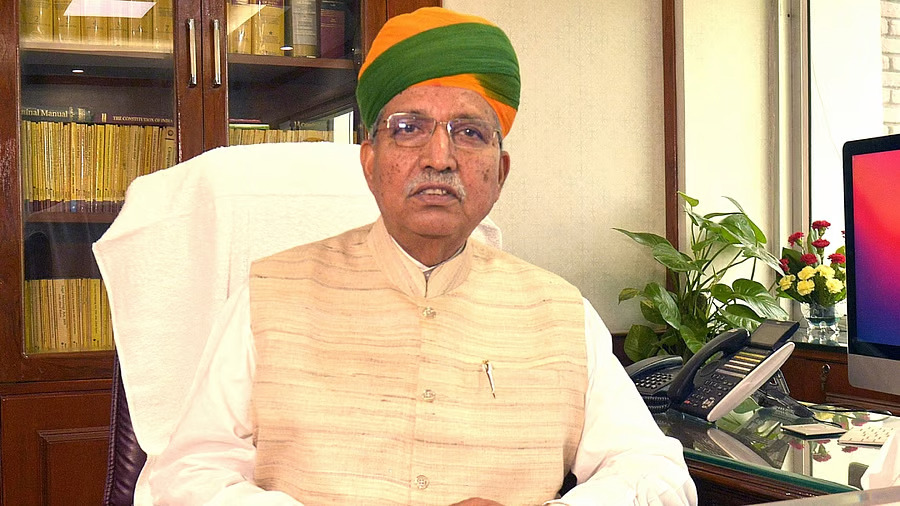
Union Minister for Law and Justice Arjun Meghwal on Tuesday said that statehood to Jammu and Kashmir would be restored soon, drawing a swift response from Chief Minister Omar Abdullah, who said he hoped the wait would not be much longer.
After attending a function at the Sher-e-Kashmir International Conference Centre (SKICC) here, Meghwal told reporters that while it was a “very sensitive issue”, Union Home Minister Amit Shah had stated in the Lok Sabha that J&K’s statehood would be restored.
“You will get it but there is a process for it. I feel you will soon get to hear about a decision in this regard,” Meghwal said.
Reacting to the remarks, Abdullah, who was also present at the function, said, “I heard on the sidelines that the (Union) minister said that we will be hearing good news soon. It has been one and a half years of wait. We hope we do not have to wait much longer.”
The Chief Minister said that no one in Jammu and Kashmir would be satisfied until statehood is restored.
“The process is on, (though) it is taking longer. We were expecting to get it by now but we have not got it yet. We have not given up hope, we are talking to the Centre on it continuously,” he said.
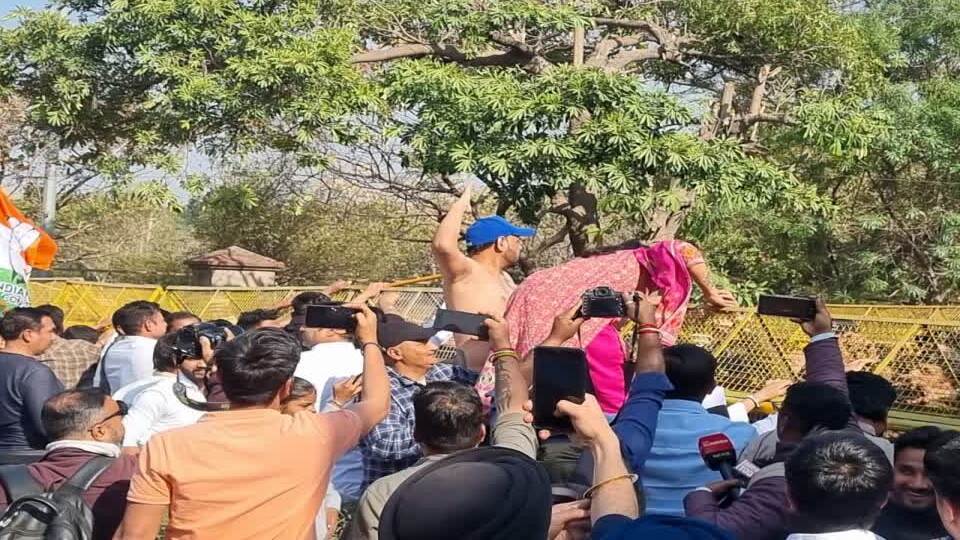
Panchkula, February 17: Police on Tuesday used water cannon to disperse Youth Congress workers who attempted to breach barricades and march towards the Haryana Public Service Commission (HPSC) office in Panchkula.
The protest, organised by the Youth Congress with support from senior Congress leaders, was aimed at “gheraoing” the HPSC office over alleged irregularities in recruitment and the failure to fill advertised vacancies.
Police had heavily barricaded the commission’s premises in anticipation of the demonstration. As protesters tried to push past the barricades, police responded with water cannon to prevent them from advancing.
Among those who participated in the protest were Congress MP from Rohtak Deepender Singh Hooda, Congress MP from Ambala Varun Chaudhary, Indian Youth Congress president Udai Bhanu Chib, and Haryana Youth Congress president Nishit Kataria. All were briefly detained during the protest.
Addressing the gathering, Hooda alleged that a large number of government posts in Haryana remain vacant, while some filled positions are allegedly going to candidates from outside the state. “We are here to protect the interests of Haryana youth,” he said.
Chaudhary criticised the commission, describing it as a “rejection commission for Haryana youth,” and accused the BJP-led state government of failing to safeguard employment opportunities for local aspirants.
Recruitment Controversies Spark Agitation
The protest comes amid mounting discontent over recent HPSC recruitment outcomes.
In one instance, out of nearly 5,100 candidates who appeared for the Post Graduate Teacher (Computer Science) examination, only 39 cleared the written test, leaving 1,672 of the 1,711 advertised posts unfilled.
The immediate trigger for the latest unrest was the Assistant Professor (English) recruitment process, in which only 151 candidates qualified against 613 vacancies. According to the recruitment notification, candidates were to be shortlisted in a 2:1 ratio, implying that 1,226 candidates should have progressed to the next stage. However, the number of shortlisted candidates was significantly lower, prompting allegations of discrepancies in the evaluation process.
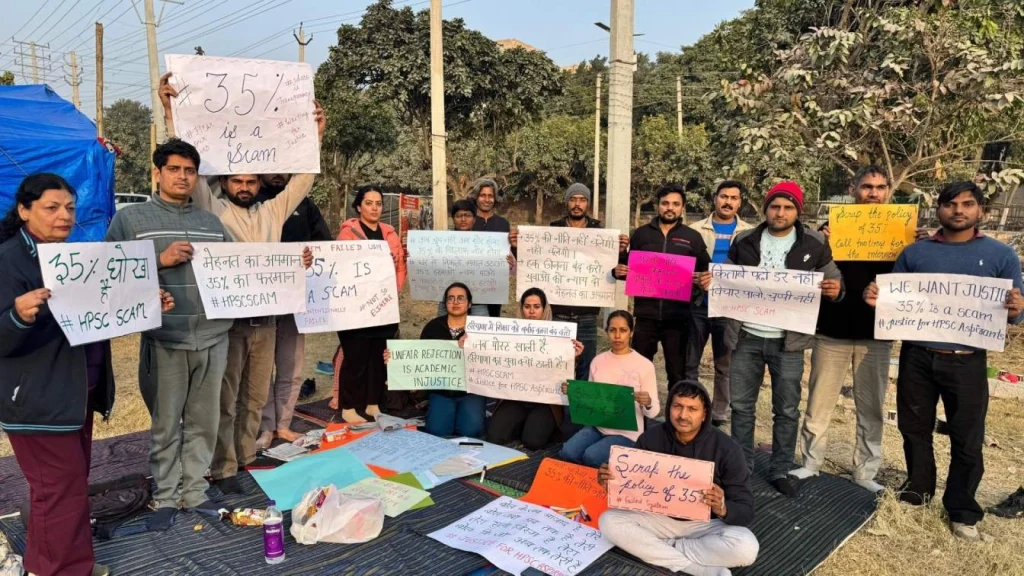
More than 2,400 candidates had appeared for the descriptive Stage-2 examination. Several aspirants claimed that despite submitting academically rigorous responses, only a small fraction secured the minimum qualifying score of 35 per cent.
The category-wise selection figures further intensified concerns among candidates:
General: 136 selected for 312 posts
Deprived SC: 1 selected for 60 posts
Other SC: 2 selected for 60 posts
BC-B: 3 selected for 36 posts
BC-A: 3 selected for 85 posts
EWS: 6 selected for 60 posts
Many of the rejected candidates are reportedly NET-qualified, hold PhDs, or possess strong academic records. Some aspirants have argued that the stringent written-exam cut-offs undermine principles of fairness in public employment.
For the past 50 days, aggrieved candidates have been staging a dharna in Panchkula, demanding that the commission re-verify its evaluation methodology, recheck tabulation of marks, and ensure adherence to notified shortlisting criteria.
On Wednesday, dozens of aspirants held a peaceful demonstration outside the HPSC office, lying on the ground with folded hands in a symbolic appeal for transparency and fairness.
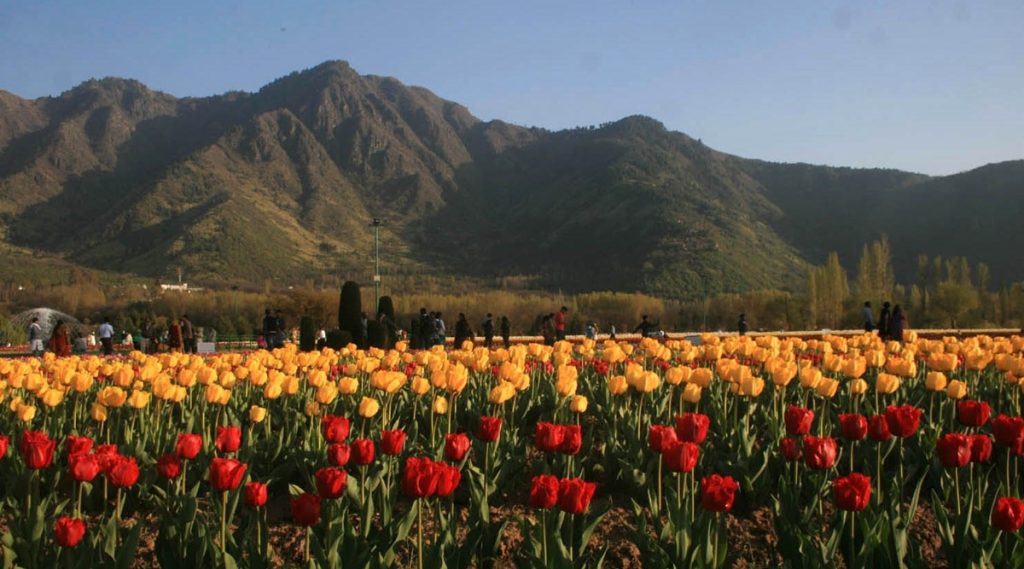
Fourteen tourist destinations in Jammu and Kashmir, including Srinagar’s famed Indira Gandhi Memorial Tulip Garden and the scenic meadow of Yousmarg, have been reopened after remaining shut in the aftermath of the 2025 Pahalgam terror attack.
The decision was announced on Monday after Lieutenant Governor Manoj Sinha ordered the immediate reopening of prominent sites across both the Kashmir and Jammu divisions, citing improved security conditions following a detailed review.
Nearly 50 tourist spots were closed as a precautionary measure after the April 22, 2025 attack at Baisaran meadow in Pahalgam, which claimed 26 lives, most of them tourists. Authorities had shut the locations pending a comprehensive security assessment.
According to officials, eleven destinations in the Kashmir division have now resumed operations. These include Yousmarg, Doodhpathri, Dandipora Park in Kokernag, Peer Ki Gali, Dubjan and Padpawan in Shopian, Astanpora, Thajwas Glacier, Hung Park in Ganderbal, Wullar and Watlab in Baramulla, and the Tulip Garden in Srinagar.
In the Jammu division, Devi Pindi in Reasi, Mahu Mangat in Ramban and Mughal Maidan in Kishtwar have also been reopened to visitors.
However, some locations remain inaccessible due to heavy snowfall. Gurez, Athwatoo and Bangus in Kashmir, along with Ramkund in Ramban district of Jammu, will reopen once weather conditions improve, officials said.
With the latest announcement, a total of 42 tourist destinations across the Union Territory have now been reopened in phases. Earlier, 16 sites were opened in June and another 12 in September as part of a gradual restoration plan.
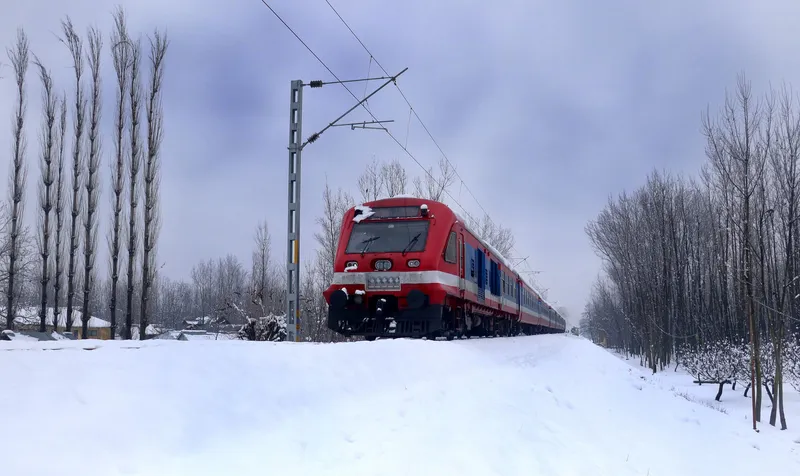
The Centre has put proposed railway projects in South Kashmir on hold following sustained opposition from local communities and political leaders, amid fears that large-scale land acquisition would devastate apple orchards and threaten livelihoods dependent on horticulture.
Union Railways Minister Ashwini Vaishnaw announced the decision after requests from the Jammu and Kashmir government and Members of Parliament from the Union Territory, citing concerns over potential damage to orchards during land procurement.
“There was a demand to set up two to three more railway lines in addition to the existing Baramulla-Srinagar line. However, the state government and the MPs then said that these lines should not be built. These projects have been shelved for now. Surveys had begun on three projects, but there was a possibility of damage to apple orchards. Therefore, they have been put on hold,” Vaishnaw said.
The ruling National Conference (NC) and the Peoples Democratic Party (PDP) welcomed the move, calling it a necessary intervention to protect Kashmir’s agrarian economy. The proposed railway lines—particularly those connecting Anantnag to Pahalgam and Shopian—had drawn strong opposition from apple growers in South Kashmir, one of the Valley’s most productive horticulture belts.
Expressing gratitude to Chief Minister Omar Abdullah and party MPs, the NC said the decision ensured the safety of orchards and livelihoods. “This is a government that listens to people’s concerns and acts on it,” NC spokesperson Imran Nabi Dar said.
Former chief minister and PDP president Mehbooba Mufti described the decision as a much-needed relief for farmers. “These projects threatened to destroy scarce fertile land and push over a million rural families into uncertainty. Development that uproots farmers is not progress,” Mufti said. She added that any future railway plans must be reviewed transparently, with farmers and local communities involved to protect Kashmir’s economy and social fabric.
In December 2023, the Railways had informed Parliament that surveys had been sanctioned for three new railway lines—Sopore–Kupwara (33.7 km), Awantipora–Shopian (27.6 km) and Anantnag–Bijbehara–Pahalgam (77.5 km). Almost immediately after the announcement, apple farmers in districts such as Shopian, Pulwama and Anantnag began protesting, warning that the projects would result in large-scale felling of fruit-bearing trees.
Locals estimated that nearly seven lakh apple trees could be cut down if the projects went ahead. Farmers were already reeling from disruptions caused by landslides during last year’s peak harvest season, which severely hampered transportation of produce.
According to government figures, the horticulture sector is a major contributor to Jammu and Kashmir’s economy and provides employment to around 33 lakh people.
Independent MLA from Shopian, Shabir Kullay, said the proposed railway line had raised “serious and legitimate” concerns among residents. “From the very outset, these concerns were consistently and responsibly highlighted through appropriate institutional and administrative channels. Following sustained engagement and constructive coordination with Union Ministers and senior Cabinet Ministers, the potential social and economic impact—particularly on orchards and valuable horticultural land—was carefully examined, ultimately leading to the cancellation of the project,” he said.
Kullay added that the decision reflected “a sensitive and balanced approach to development” by both the Centre and the UT government.
Concerns over land loss have intensified in recent years as Kashmir grapples with shrinking agricultural space. In December 2023, when the Railways sanctioned Final Location Surveys for five railway lines in Jammu and Kashmir—including doubling of the Baramulla–Banihal section and new lines such as Baramulla–Uri and Awantipora–Shopian—it triggered widespread unease in parts of South Kashmir.
While there was broad acceptance of the need for connectivity projects like Baramulla–Banihal and Baramulla–Uri, residents questioned the necessity of lines cutting through fertile orchard land in Shopian and Pahalgam.
With apple farming employing over 3.5 million people and contributing nearly 10 percent to the Valley’s GDP, critics argue that development that compromises agriculture risks undermine the backbone of Kashmir’s rural economy. The Valley has already lost nearly 6,000 hectares of paddy land over the past seven years due to unchecked construction, according to official data—adding urgency to demands for a more cautious approach to infrastructure expansion.
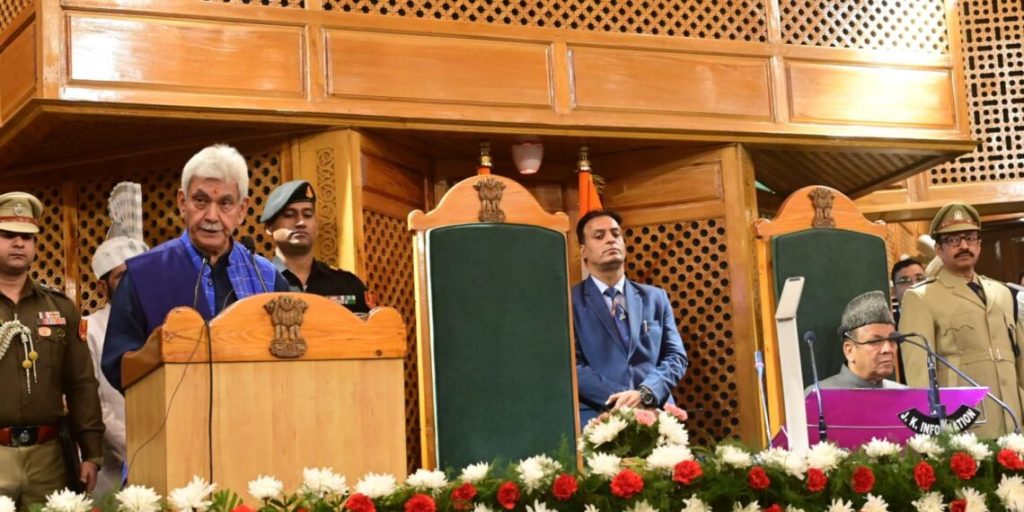
The absence of a single word, ‘statehood’ from Lieutenant Governor Manoj Sinha’s recent address to the Jammu and Kashmir Assembly reignited one of the most emotive political questions in the Union Territory. It is now more than six years after the revocation of Article 370 that granted J&K its special constitutional status, and the region was downgraded from a state.
Sinha’s speech, delivered at the start of the budget session, projected optimism and institutional normalcy, describing the past year as a “significant milestone in the democratic journey of Jammu and Kashmir with the formation of an elected government after a gap of several years”. But for opposition parties and even for the ruling National Conference (NC), the address symbolised a deeper contradiction: an elected Assembly functioning without the constitutional status that gives it full authority.
What stood out was the omission of any reference to the restoration of statehood, a commitment repeatedly articulated by the Centre since August 2019 and reiterated by Prime Minister Narendra Modi and Home Minister Amit Shah on multiple occasions.
Opposition parties were quick to point out that the Lieutenant Governor’s address is not merely ceremonial but vetted by the elected government and functions as a vision document for the year ahead. The silence on statehood, therefore, was interpreted not as an oversight but as a political signal.
“The LG address omits statehood. The vision document is drafted and vetted by our elected J&K government,” PDP legislator Waheed Para said on X.
The criticism came even as key ministers in Chief Minister Omar Abdullah’s government publicly questioned the Centre’s commitment to Jammu and Kashmir, particularly on funding and employment. Education minister Sakina Itoo said allocations in the Union budget were insufficient to meet urgent needs, highlighting rising unemployment in the region, now the second highest in the country. She warned that the lack of jobs was pushing young people towards drug abuse.
Deputy Chief Minister Surinder Choudhary echoed the concern, citing the blow to tourism after the Pahalgam terror attack, the impact of repeated calamities, and economic stress across sectors. He called for a “very big package” from the Centre to stabilise the Union Territory’s economy.
Against this backdrop, Sinha’s speech leaned heavily on growth metrics and institutional claims. He said Jammu and Kashmir had recorded “an annual nominal growth rate of around 11 per cent (2024-25)”, adding that the Union Territory had emerged as “one of the fastest-growing states/ UTs”. The economy, he argued, was benefiting from policy reforms, infrastructure development and investment facilitation.
“This transition to popular governance has strengthened public faith in democratic institutions,” the LG said. “My government has focused on restoring participatory governance, rebuilding public confidence, and ensuring that the voice of every region and community finds expression in policy-making.”
Yet for many legislators, the language of participation rang hollow without the restoration of constitutional status. NC MLAs staged a dharna outside the Assembly complex, carrying placards reading “Restore Statehood and Constitutional guarantees” and “Stop harassing Kashmiris outside J&K”.
“This was promised to us… It is now time to restore it,” NC MLA Tanvir Sadiq told reporters, adding that all party members were participating in the protest.
The demonstration highlighted a rare moment where the ruling party found itself publicly aligned with opposition demands — a reflection of the political bind facing the Omar Abdullah government. While in office, it must function within the limits of Union Territory status, yet its core constituency continues to demand the reversal of that very framework.
Inside the House, however, institutional constraints became starkly visible. Assembly Speaker Abdul Rahim Rather rejected an amendment moved by Peoples Conference president Sajad Gani Lone on Article 370, Article 35A, statehood and rationalisation of reservation. He also disallowed an adjournment motion by Waheed Para on the alleged harassment of Kashmiris outside the Union Territory.
“The issue of Statehood is out of purview of this Government. Only those issues can be taken up on which the Government can give a reply,” Rather said, citing Assembly rules.
Lone challenged the ruling, arguing that he was not seeking legislation but merely expressing intent. The Speaker, however, maintained that matters already decided or beyond the Assembly’s competence could not be debated.
The episode laid bare the paradox of Jammu and Kashmir’s current political arrangement: an elected Assembly with limited authority, operating under a constitutional structure that explicitly restricts its scope on the most politically consequential question confronting the region.
Congress leader and Jammu and Kashmir Pradesh Congress Committee president Tariq Hameed Karra said his party harboured no illusions about the present dispensation’s ability to deliver statehood but would continue its agitation regardless.
“We do not have any hope from this government—whether it is about statehood or any other issue—but that does not mean we will remain silent. Our silence should not be mistaken for weakness,” Karra told reporters outside the Assembly complex.
He pointed to sustained street-level mobilisation, including marches from Srinagar to Delhi, arguing that pressure from within and outside the Assembly was necessary to keep the issue alive. Even the NC’s protest, he said, was a welcome acknowledgment of public sentiment.
Karra also questioned the Centre’s repeated assertions of normalcy, particularly in light of ongoing security operations. “It is unclear on what basis the Centre is claiming that everything is under control. For the past 13 days, an encounter has been going on and security forces have not been able to conclude it,” he said, adding that continuous encounters across districts contradicted claims of stability.
Referring to post-2019 assurances, Karra said public trust depends on governments honouring their commitments. “We were told that terrorism would be eliminated after 2019 and even claims were made that rivers of milk and honey would flow,” he said. “Today, Jammu and Kashmir is in a situation where even 12-day-long encounters are not being brought under control.”
Beyond party politics, the prolonged delay in restoring statehood has become a symbolic marker of uncertainty for ordinary residents. For many, it represents not just administrative status but dignity, political agency and a sense of closure after years of upheaval.
The Centre has repeatedly stated that statehood will be restored “at an appropriate time”, often linking it to improvements in the security situation and the completion of delimitation and elections — benchmarks that have largely been met. Yet no timeline has been offered, reinforcing scepticism across the political spectrum.
In this context, the budget session has functioned less as a forum for fiscal planning and more as a referendum on unfinished promises. The LG’s emphasis on growth figures and democratic milestones has failed to bridge the trust deficit created by prolonged silence on statehood, even as economic distress, unemployment and security anxieties persist.
This has led to Jammu and Kashmir’s elected representatives finding themselves trapped in a paradox: entrusted with governance but denied the authority that, for decades, defined it.
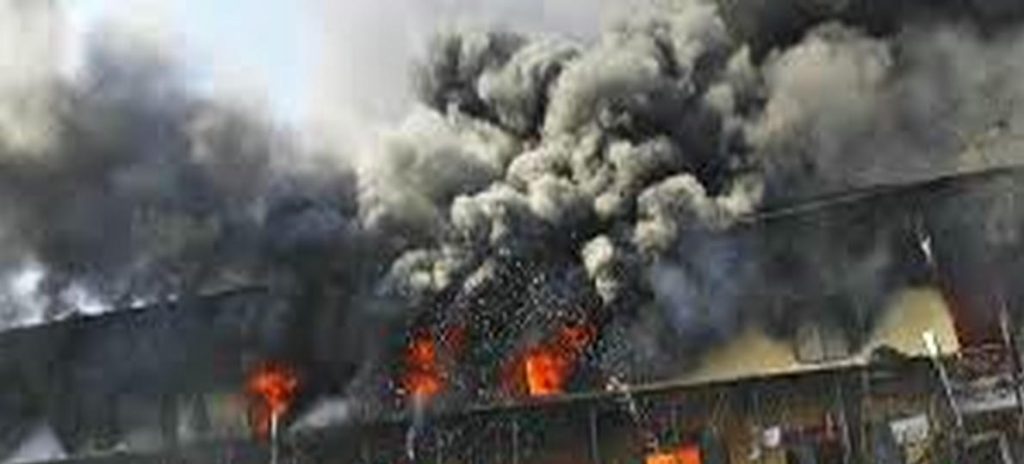
A devastating fire tore through a chemical factory in the Khushkhera industrial area of Bhiwadi, Rajasthan, on Monday, leaving at least seven people dead and two others feared trapped inside.
The blaze erupted at a unit in the Khushkhera-Karoli industrial belt of Bhiwadi, triggering panic and a large-scale emergency response. According to Additional District Magistrate Sumita Mishra, nine workers were trapped when the fire broke out. “Seven bodies have been recovered so far. Efforts are ongoing to rescue the remaining two,” she said.
Firefighters and rescue teams rushed to the site and continue operations amid challenging conditions, as thick smoke and high temperatures hamper efforts. The cause of the fire has not yet been officially confirmed.
Authorities are expected to launch a detailed investigation into the cause of the blaze once rescue operations conclude.






Nine-year-old rescued from life-threatening bone infection sepsis
In a remarkable display of swift clinical judgement and multidisciplinary coordination, doctors at Fortis Hospital, Greater Noida, successfully treated a critically ill 9-year-old boy suffering from a severe bone infection that had progressed to septic shock, requiring ventilator support and intensive care for over 10 days. The child was brought to the hospital with a history of persistent fever, difficulty in walking for nearly a week, and rapidly worsening swelling and pain in the right lower leg and hip region. Despite treatment at multiple hospitals over 4–5 days on both outpatient and inpatient bases, his condition continued to deteriorate.
Upon admission to Fortis Hospital Greater Noida, the child’s condition rapidly worsened despite medications. He started suffering from fast breathing, increased heart rate, feeble pulse, decreasing urine output and borderline blood pressure. Investigations revealed extremely high infection. Further diagnostic evaluation confirmed Osteomyelitis (bone infection) of the right hip along with a significant pus collection in the joint. He was immediately shifted to the Paediatric Intensive Care Unit (PICU) under the care of Dr. Kushagra Gupta, Consultant – Paediatrics.
Recognising the urgency of the situation, the Orthopaedics team led byDr. Bharat Goswami, Consultant Orthopaedics,in coordination with the Anaesthesia team comprising Dr. Bhoop Singh, Additional Director, Anaesthesiology, Fortis Greater Noidaand Dr. Swayambhu Shubham, Attending Consultant, Interventional Radiology, immediately started the emergency surgical procedure. Approximately 200 ml of thick pus was drained from the right hip joint.
However, the battle was far from over. Post-surgery, the child experienced a stormy course in the PICU. He required ventilator support for five days and was administered multiple medications to maintain blood pressure and stabilise his lungs and breathing. The paediatric and critical care teams worked round-the-clock to manage complications associated with severe sepsis and systemic infection. After 10 days of intensive monitoring and aggressive treatment, the child gradually stabilised. He was successfully weaned off ventilatory support and showed consistent clinical improvement. Following recovery and stabilisation, he was discharged in stable condition and advised a structured course of Anti-Tubercular Therapy (ATT) along with antibiotics and supportive care.
Speaking about the case, Dr. Kushagra Gupta, Consultant – Paediatric said, “Severe bone infections in children can progress rapidly and become life-threatening if not treated in time. Early recognition, prompt surgical intervention, and coordinated intensive care management were crucial in saving this child’s life. This case highlights the importance of multidisciplinary teamwork in managing complex paediatric emergencies.”
Dr. Bharat Goswami, Consultant, Orthopaedics, added, “The amount of pus and the extent of infection we encountered during surgery indicated how aggressive the disease had become. Immediate drainage, combined with intensive post-operative care, prevented permanent joint damage and potentially fatal complications. The case underscores the dangers of untreated or rapidly progressing bone infections in children, which can lead to septic arthritis, osteomyelitis, septic shock, and long-term disability if not managed urgently. Today, the young patient has returned home safely, walking toward recovery — a testament to timely intervention, advanced critical care, and coordinated teamwork at Fortis Hospital, Greater Noida.”
Siddharth Nigam, Facility Director, said, “This case reflects the strength of our emergency response systems and the seamless collaboration across specialties at Fortis Hospital Greater Noida. When the child arrived in a rapidly deteriorating condition, our teams acted with urgency, precision, and unity of purpose. Managing severe sepsis in a young patient requires not just clinical expertise but advanced critical care infrastructure and coordinated teamwork. We are proud that through timely intervention and round-the-clock dedication, we were able to give this child a second chance at a healthy life. Our commitment remains unwavering in delivering world-class, compassionate care to every patient who walks through our doors.”