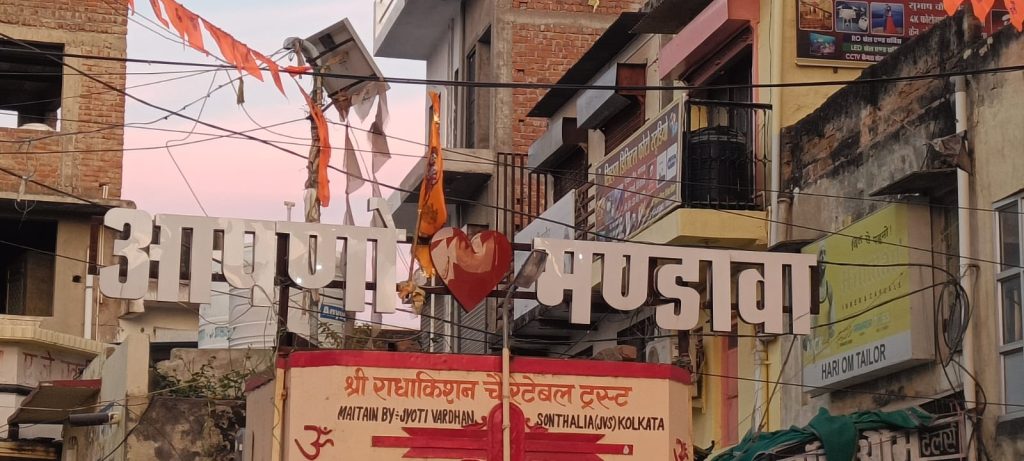
Bollywood’s steady arrival in Rajasthan’s Mandawa has created jobs, boosted tourism, and renewed attention to its heritage havelis. But beneath this growth lies a discreet network managing locations, logistics, and clearances, quietly reshaping the town’s economy and relevance. A report by Tehelka SIT
Behind the painted havelis of Mandawa in Rajasthan lies a lesser-known world shaped by Bollywood’s frequent visits. For years, film crews have lived, worked, and left their imprint on this quiet heritage town.
But beyond the glamour and economic buzz, locals speak of private habits of film stars, special arrangements, and quiet transactions rarely seen by the public eye. Tehelka’s investigation pieces together these firsthand accounts to reveal how Bollywood’s presence has truly reshaped Mandawa—both visibly and behind closed doors.
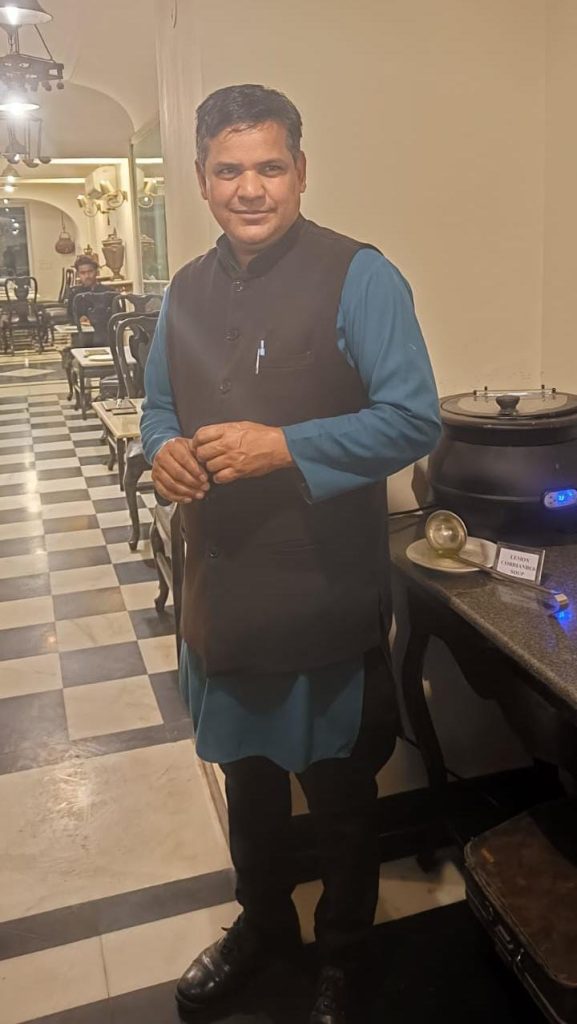
“Actor Salman Khan’s food used to be cooked in red wine, and I can vouch for this, because I used to issue red wine from the bar to Salman’s cook, who had come with him from Mumbai. His cook used to prepare mutton and chicken for him in oil, and instead of water, they used to add red wine,” said Pooran Singh, a bar manager at a heritage haveli in Rajasthan, to Tehelka’s undercover reporter.
“After completing his day’s shooting, Salman Khan would go to the gym, and after that, around 7 pm every day, he would sit on the rooftop of the haveli with director Kabir Khan, his bodyguard Shera, and others, drinking Bacardi White Rum. They used to drink till 2 am, and I was the one who made pegs for them. It was the winter season, so they sat on the roof with gas heaters around, and Salman would drink so heavily that he could barely walk properly once he was done,” added Pooran.
“I have also served actor Aamir Khan at my haveli. Whenever he returned from shooting, he used to ask for fresh juice. He ate dal and rice with his hand and used to lick his fingers; he never used a spoon. Aamir is a nice man. He stayed at our haveli with actor Sanjay Dutt, actress Anushka Sharma, and director Rajkumar Hirani,” said Pooran.
“I also like actor Ajay Devgn. He used to drink alcohol inside his room, and often asked me for a beedi, which he smoked. Once, when a beedi could not be arranged but he insisted on one, I told him the haveli chowkidar smoked beedi. He went to the chowkidar and smoked beedi with him,” said Pooran.
“Earlier, only foreigners used to come to this place. Now, after Bollywood began shooting here, it has become popular among Indians as well,” added Pooran.
“This place is also famous for destination weddings, not only among Indians but also foreign nationals. In the last 12 destination weddings at my haveli, either the boy or the girl was a foreigner,” said Pooran.
“I have met around 50 film stars so far at this place, like Vijay Varma and others. I cannot even remember all their names properly. Recently, I met actor Saif Ali Khan, who was shooting for his film Jamhooriyat here,” said Deepak, a staff member at a heritage haveli.
“The Bollywood likes this place for shooting, and it is called Mini Mumbai because it is full of heritage havelis. People of this area are also getting employment because of film shoots. For one film shoot, around 1,000 people are needed for various purposes, and all of this comes from the local area, giving them employment,” added Deepak.
“My camel has been used in five to seven films shot here. With this place becoming Bollywood’s favourite destination, many films are shot here, generating employment for locals. They do not just require my camel; sometimes they require bullock carts, horses, vehicles, and more. All this creates work opportunities for locals,” said Gopal Singh, a camel cart owner.
“For the last 20 years, I have been in the film production business in this area and have worked on around 20–22 films. Blockbusters like PK, Bajrangi Bhaijaan, Jab We Met, Love Aaj Kal, Shuddh Desi Romance, and others were were shot here with my logistical support. Filmmakers from Mumbai and Delhi approach me three months in advance for haveli bookings and logistics. I arrange everything, including permissions from the local administration,” said Sandeep Singh, a government-approved tour guide.
“Bollywood loves shooting here because the architecture of the havelis resembles that of Pakistan, so films based on Pakistan are shot here to create that feel. Secondly, all categories of havelis are easily available. Film shoots have also generated employment in this area,” added Sandeep.
“For film shoot permissions, I often pay money under the table to the local officials,” Sandeep claimed.
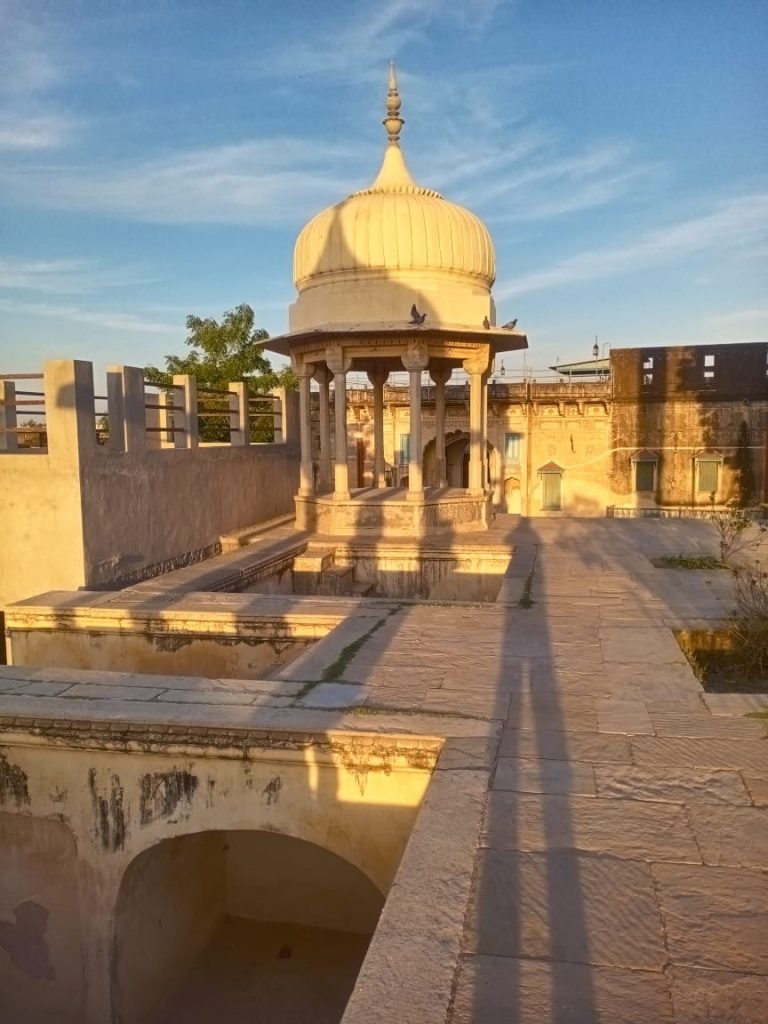
The above excerpts are accounts from residents of Mandawa, a historic town in Rajasthan’s Shekhawati region in Jhunjhunu district. Founded in 1755 by Thakur Nawal Singh, Mandawa is widely featured in the media as an “open-air art gallery” famed for its painted havelis and as a premier Bollywood filming location. It is also known for its heritage hotels, including Castle Mandawa. Once a key stop on historic trade routes, the town attracted wealthy merchants who built elaborate homes, making it a major tourist destination known for its architecture, art, and film shoots. Local residents take immense pride in their cultural heritage.
Mandawa’s havelis were primarily built by wealthy Marwari merchant families such as the Goenkas, Chokhanas, and Ladias between the 18th and 20th centuries. These traders, enriched by caravan commerce, constructed opulent fresco-covered mansions as status symbols and family homes. Many Bollywood films, including Ae Dil Hai Mushkil and Mimi, were also shot here. Mandawa remains deeply connected to the Marwari community. Though many later migrated to cities like Kolkata, Mumbai, and Ahmedabad, the town continues to serve as a cultural anchor.
Despite its rich heritage and popularity as a filming destination, Mandawa has not received the sustained national attention it merits. It has, in many ways, become a forgotten town, even as major productions continue to shoot there. Recently, Saif Ali Khan wrapped up a film shoot in the town.
Tehelka travelled to Mandawa and met several locals who narrated lesser-known stories of Bollywood stars who came there for film shoots. In this course, we met bar manager Pooran Singh, presently working at Vivaana Culture Hotel.
In the exchange below, Pooran recounts an incident from 2015, when Bollywood star Salman Khan came to Mandawa for the shooting of his film Bajrangi Bhaijaan. At the time, Pooran was working at the heritage haveli Castle Mandawa, where Salman Khan and his film unit were staying. According to Pooran Singh, Salman’s meals were prepared using red wine by cooks who had accompanied him from Mumbai and were given a separate space in the kitchen. Pooran said he could vouch for this, as he personally issued red wine from the hotel’s bar to Salman’s cook for preparing mutton and chicken.
Reporter- Salman Khan khana kya khata tha?
Pooran- Khana uska khud hi aaya tha banane wale.
Reporter- Khana banane wala saath aaya tha Mumbai se?
Pooran- Haan, unko kitchen ka ek part de rakha tha.. wahin banate they wo.
Reporter- Kya- kya banate they?
Pooran- Wo pata nahi kya banate they, red wine mein banta tha itna pata hai.
Reporter- Red wine mein?
Pooran- Haan mutton, chicken sab red wine mein banta tha.
Reporter- Matlab tel ghee mein to maine suna hai.. magar red wine mein?
Pooran- Haan matlab tel mein to jaise bana diya, paani ki jagah red wine daalna hai.
Reporter- Accha, ye aapke saamne aapne khud dekha hai?
Pooran- Haan.
Reporter- Aapke saamne?
Pooran- Arey haan haan… maine hi to issue kiya tha unke liye red wine bar se.
Reporter- Accha bar bhi hai hotel ke ander?
Pooran- Haan, bar se, sir.
[The above dialogue suggests that Salman Khan’s meals were specially prepared by his own cooks using red wine in place of water. It also indicates that the hotel bar supplied the wine to the actor.]
Now Pooran Singh shared another account about actor Salman Khan, who was in Mandawa for the shooting of Bajrangi Bhaijaan in 2015. According to Pooran, after completing his day’s shoot, Salman Khan would go to the gym and then, around 7 pm every day, sit on the rooftop of the haveli with director Kabir Khan, his bodyguard Shera, and others, drinking Bacardi White Rum. Pooran said they would drink till around 2.30 am, and he was the one who made pegs for them. It was winter, so they sat on the roof with gas heaters around, and Salman Khan would drink heavily, and by the end of the night, he could not walk properly, Pooran added. Pooran also told Tehelka that he was the one serving alcohol to Salman Khan during his stay.
Pooran- Aur jo Bajrangi Bhaijaan hai Salman Khan, wo sab wahan ruke they Castle Mandawa mein…?
Reporter- Aapke saamne?
Pooran- Mein hi service karta tha Salman ko daaru ka..
Reporter- Arey nahi … kya naam hai aapka?
Pooran- Pooran Singh.
Reporter- To Salman Castle Mandawa mein ruke they?
Pooran- Haan 26 din ruka tha wo Castle Mandawa mein…
Reporter- Kaun si daru peeta tha?
Pooran- Bacardi wine.
Reporter- Bacardi Rum?
Pooran- Haan ji, sardi thi na us samay…poori bottle kheechta tha wo… khada bhi nahi ho pata tha, itni pee leta tha.
Reporter- Kya din mein pee leta tha?
Pooran- Nahi sham ko 7 baje se, chat par.
Reporter- Chat par khule mein?
Pooran- Nahi wo heater lage rehtey they gas ke…
Reporter- Akela bethta tha ya sab ke saath?
Pooran- Nahi, Kabir Khan ke saath, director ke saath, ek uska wo tha.. kya naam hai… Shera…
Reporter- Uska jo bodyguard hai?
Pooran-Haan.
Reporter- Matlab khule aasman ke neeche gas heater lagakar?
Pooran- Haan dhai baje jaata tha wo kamre mein.
Reporter- Itni pee leta tha?
Pooran- Poori bottle akele pee jata tha… Bacardi white rum..
Reporter- Aap hi serve karte they?
Pooran- Haan.
Reporter- Aapko tip diya tha?
Pooran- Diya tha jaate samay… saade saat hazaar (7.5k) …
Reporter- Aapko kam nahi laga?
Pooran- Usne nahi diya.. uske saath jo tha, usko bola “inko tip de do”.
[This interaction indicates that Salman Khan stayed at Castle Mandawa for 26 days during the shooting of Bajrangi Bhaijaan. Pooran claims the actor drank late into the night and that he himself handled the service.]
Pooran then recounted another episode involving Bollywood superstar Aamir Khan, who came to Mandawa for the shooting of PK, filmed before Bajrangi Bhaijaan. Pooran said Aamir Khan, along with his unit, also stayed at Castle Mandawa, where he was employed. He said he personally served Aamir Khan during his stay. According to Pooran, whenever Aamir returned from shooting, he would ask for fresh juice. He said Aamir ate dal and rice with his hand and would lick his fingers, and never used a spoon. “Aamir is a nice man. He stayed at our haveli with actor Sanjay Dutt, actress Anushka Sharma, and director Rajkumar Hirani,” Pooran said.
Pooran- Aur uski shooting bhi hui thi PK ki; wo bahaut seedha tha.
Reporter- Aamir khan aaya tha?
Pooran- Wo daaru nahi peeta.. wo fresh juice peeta tha.
Reporter- Wo kahan ruka tha?
Pooran- Castle Mandawa mein…uski duty bhi maine hi ki thi.
Reporter- Accha?
Pooran- Wo to dal chawal bhi aise ungli se chat ta tha.
Reporter- Accha matlab chammacch use nahi karta tha?
Pooran- Haan.
Reporter- Wo kaise aadmi tha?
Pooran- Accha aadmi tha; jab bhi aata tha — “Fresh juice de do.”
Reporter- Kitne log rehte they uske saath?
Pooran- Uske saath poori team rehti thi.. Sanjay Dutt…
Reporter- Rajkumar Hiranai, Anushka…
Pooran- Haan.
Reporter- Wo kitne din ruke they?
Pooran- Wo bhi 15-20 din ruke. Phir wahan se wo shift hue Desert Resort mein, jo Castle Mandawa walon ka hi hai
Reporter- Desert Resort kahan hai?
Pooran- Wahin Mandawa mein,…wo palace hai.. usmein 93 rooms hain…
[This exchange portrays Aamir Khan as simple in his habits and disciplined in lifestyle. It suggests he avoided alcohol and kept to basic food and fresh juice. Pooran presents him as grounded despite his stardom.]
As we spoke to Pooran, he continued to share accounts about Bollywood stars who had come to Mandawa for film shoots. This time, he spoke about actor Ajay Devgn. Pooran said he liked Ajay Devgn and claimed that the actor used to drink alcohol inside his room and often asked him for a beedi, which he smoked. Pooran added that on one occasion when beedi was not available, he told Ajay Devgn that the haveli’s chowkidar smoked beedis. The actor then went and sat with the chowkidar to smoke one. Pooran also says he worked there for 11 years and saw several major actors. He mentions the visits of Rishi Kapoor, Sushant Singh Rajput and Parineeti Chopra during the shooting of Shuddh Desi Romance.
Reporter- Aapko kaun accha laga?
Pooran- Mujhko sabse accha laga Ajay Devgan, usko beedi chahiye hoti hai.
Reporter- Usko kahan dekh liya?
Pooran- ‘Kacche Dhage’ ki shooting hui thi.
Reporter- Castle Mandawa mein, tab bhi aap wahin they?
Pooran- Haan.
Reporter- Kitne saal rahe aap Castle Mandawa mein?
Pooran- Mein raha 11 saal.
Reporter- 11 saal mein 3 superstar ko dekh liya aapne?
Pooran- Rishi kapoor ko bhi dekha, wo aaye they “Shudh Desi Romance” ke liye, Sushant Rajput aur Parineeti Chopra bhi they.
Reporter- Ajay Devgan ko kaise dekha aapne…wo daru nahi peeta?
Pooran- Wo to room se hi pee kar aata tha khana khane, phir bolta tha beedi le aa mere liye.
Reporter- Aapse bolta tha?
Pooran- Mein bola is samay to milegi nahi market band ho gaya, bola “kahin se lekar aa.” Maine bola chowkidaar peeta hai shayad, bola chawkidar peeta hai theek hai mein chala jata hoon…phir uske saath beth kar beedi pi usne..
[This account suggests Ajay Devgn kept simple habits despite his fame. It emerges that Pooran portrays him as informal and comfortable with ordinary staff. Such recollections show how film stars briefly become part of local life during shoots.]
Why is Bollywood coming to Mandawa, a small town in Rajasthan, for film shooting? In response, Pooran said Mandawa is considered lucky for Bollywood, and most of the films shot here have gone on to become blockbusters. He mentions that Saif Ali Khan stayed there for over a month in 2025 for the shooting of his film Jamhooriyat. Pooran also says several scenes shown as Pakistan in Bajrangi Bhaijaan were actually shot in Mandawa and nearby places.
Reporter- Aisa kyun hai Bollywood Mandawa-Rajasthan mein zyada shooting karta hai?
Pooran- Bolte hain jo Mandawa mein shoot hoti hai, wo film superhit hoti hai.
Pooran- Abhi Saif Ali Khan bhi rehkar gaya peeche, us samay garmi thi; August ka mahina tha.
Reporter- Kis film ke liye?
Pooran- Jamhooriyat.
Reporter- Jamhooriyat?…. Jamhooriyat ki shooting kab hui hai ?
Pooran- August-September mein hui thi.
Reporter- 2025 mein? Kitne din raha wo?
Pooran- Ek mahine se zyada.
Pooran- Aapne Bajrangi Bhaijan film dekhi? Usmein Pakistan part hai wo poora Mandawa hai, ladki ko chodne jaata hai wo poora Jaisalmer hain, jo Om Puri Masjid se aata hai, Salman burka pehan kar cycle chalata hai.. wo poora Mandawa hai..
[The above exchange suggests Mandawa is widely used to depict Pakistan locations in films. It emerges that major actors continue to stay there for long shoots. Such accounts show how cinema quietly reshapes the identity and importance of small towns.]
Now Pooran spoke about the economy of Mandawa. He said earlier only foreign tourists visited this place, but after Bollywood began shooting films here, it also became popular among Indian visitors. He added that hotels started filling up, which in turn created more employment opportunities for locals.
Pooran- Pehle Mandawa mein sirf foreigner aate they. Jabse shooting hui hai na, tab se log aur aane lage.
Reporter- Shooting ke baad Indians aane lage?
Pooran –Haan.
Reporter- Yahan film ki shooting itni hui hai to rozi-rozgar bhi bada hai Mandawa ka?
Pooran- Haan, hotels full hone lag gaye. Usske baad bahut tourist bada hai film ki shooting se.
[This episode suggests film shooting helped boost tourism and hotel business in Mandawa. It emerges that cinema played a direct role in drawing Indian visitors. So we learn how film projects can quietly transform local economies. Such change shows the wider influence of cinema beyond entertainment.]
Now Pooran told us how Mandawa is becoming a popular destination for weddings alongside Bollywood film shoots, resulting in more employment opportunities for locals. Pooran said Mandawa is gaining popularity for destination weddings not only among Indians but also foreign nationals. He added that in the last 12 destination weddings at his haveli, either the groom or the bride was a foreigner.
Reporter- Yahan shadiyan bhi bahut hoti hain?
Pooran- Abhi hamne December mein karwai 6 shadi…
Reporter- Isi Vivaana Culture mein?
Pooran- November mein 3, January mein 1, February mein 1 karwa di.. ek aur hai.
Reporter- Bahar ke log aakar shaadiyan karte hain?
Pooran- Abhi tak 12 shadi hui hain yahan.. ya to ladka foreigner tha ya ladki foreinger thi …dono Indian nahi they koi bhi shaadi mein..
[This account suggests Mandawa is emerging as a destination wedding venue. It emerges that foreign visitors are choosing its heritage hotels for ceremonies. Tourism often grows in unexpected ways. Such trends show how heritage towns find new relevance in modern times.]
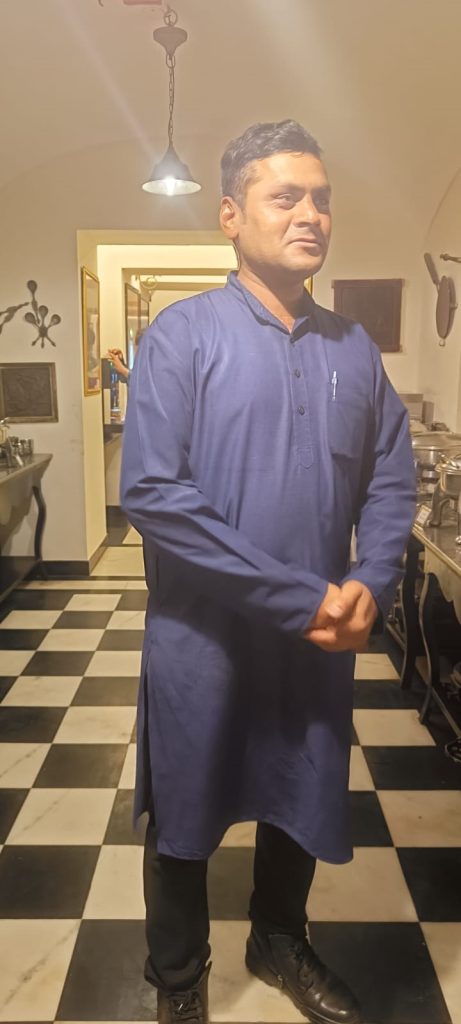
After Pooran, Tehelka met Deepak, who works as a service staff member at Vivaana Culture Hotel. Deepak told Tehelka that during his hotel industry career in Mandawa, he has met around fifty film stars. He said he recently met Saif Ali Khan, who was shooting for his film Jamhooriyat there. Deepak added that he, along with Pooran, had also served Salman Khan when they were working at Castle Mandawa. He described Mandawa as a “Mini Mumbai,” saying Bollywood loves shooting here because of its heritage havelis. Deepak also said film shooting has created many employment opportunities for the local people.
Reporter- To aap kis se mile Deepak?
Deepak- Mein kareeb 50 (film actors) se mil chukka.
Reporter- 50 stars.. kaun- kaun hain?
Deepak- Vijay Verma hain, aur bahut se hain inke to naam bhi yaad nahi.
Reporter- Haal mein filhaal kis se mile ho?
Deepak- Saif Ali Khan se.
Reporter- Kaun si film ki shooting chal rahi hai?
Deepak- Jamhooriyat ki. Iissey pehle 120 Bahadur ki.
Reporter- Tum itne star se mil liye.. sabse accha kaun laga?
Deepak- Aamir Khan.
Reporter- Itni filmon ki shooting kyun hoti hai Deepak Mandawa mein?
Deepak- Small Mumbai hai.. mini Bombay.
Reporter- Kyun aate hain sab itna?
Deepak- Kyunki jagah aachi hai, haveliyaan hain.
Reporter- Janta ko kaise fayda hua hai, local aadmi ko?
Deepak- Janta ko…jaise local crowd chahiye hota hai, security chahiye hota hai, parchoon dukan sab, tent hain, sab cheez to lekar aa nahi sakte shooting mein..ek shooting mein kam se kam 1,000 log chahiye hote hain, 1000 to chal nahi sakte, wo kareeb 300 aadmi chalte hain, phir 700 aadmi idhar ke local hi chahiye hote hain na, jaise gadiyan hain.
Reporter- Film ki shooting se rozgar bada hai iska matlab.
Reporter- Bajrangi Bhaijaan mein aap hi they?
Deepak- Haan.
Pooran- Iski aur meri duty thi Salman ke saath.
Reporter- Daru peeta tha wo kyu Deepak?
Deepak- Haan.
Pooran- Aur wo salaad bhi nahi leta tha daru ke saath, cigarette peeta tha daru peeta tha.
[The above dailogue suggests film shoots provide large-scale local employment in Mandawa. It emerges that productions depend heavily on local manpower and services. Cinema here is not just glamour; it functions as an economic engine for the town.]
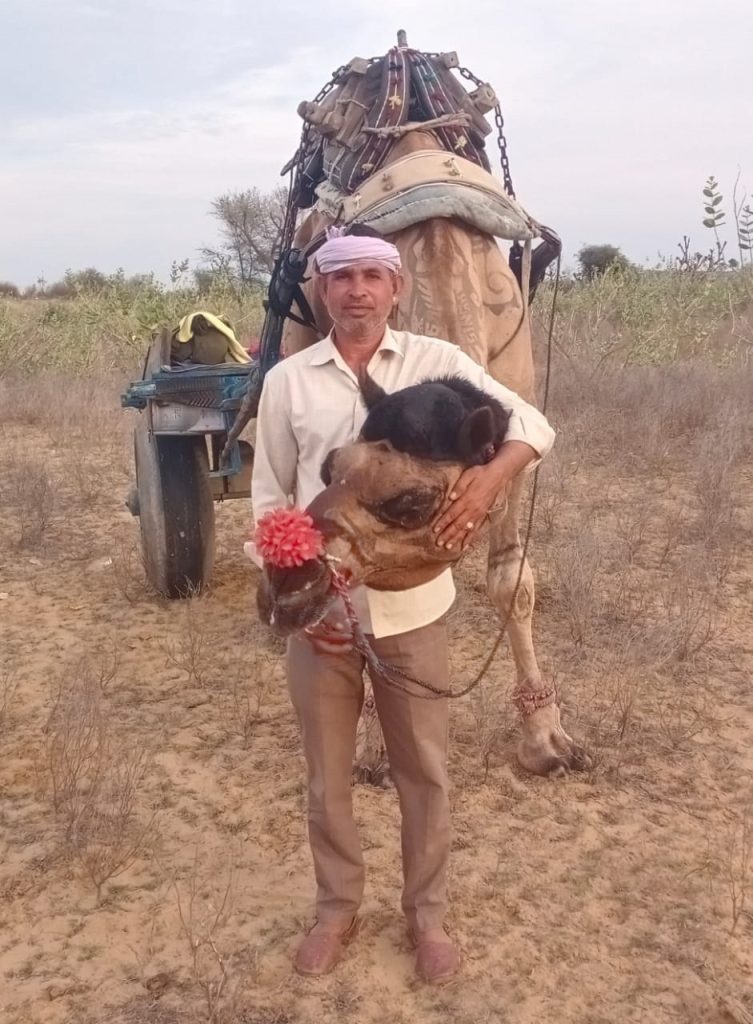
After Pooran Singh and Deepak, Tehelka met Gopal Singh, a camel cart owner who uses his camel for commercial purposes. He told the Tehelka reporter that since Bollywood started shooting in Mandawa, many job opportunities have been generated for the local people. He says filmmakers hire vehicles, camels, bullock carts, and horses from nearby people. Gopal adds that hotel owners inform him whenever such work is needed.
Reporter- Film industry jab se Mandawa mein aayi shooting karne to yahan logon ko rozgar bhi mila?
Gopal- Haan mila hai, gadiyan bhi bulwate hain, camel bhi, belgadi bhi bulwate hain, alag alag sab, ghode bhi.
Reporter- Aapko kaise pata chalta hai shooting ka?
Gopal- Mandawa mein hotel wale hain unse contact hai mera. Jab unko zaroorat hoti hai, wo hotel walon ko boltey hain, hotel wala humko bula leta hain.
[This account shows film shooting creates practical jobs for ordinary villagers. Gopal says filmmakers hire vehicles, camels, bullock carts, and horses from nearby people. Gopal adds that hotel owners inform him whenever such work is needed. He stays in touch with hotels to get these assignments. His account shows how locals are directly linked to film activities.]
The brief interaction with Gopal Singh shows how Mandawa’s film activity has reached ordinary workers like him. He confirms that filmmakers from Mumbai regularly come here and that the town is seen as a film city. Gopal explains that while he himself does not act, his camel is hired for shoots and he goes along with it. He recalls his camel’s role in several films and mentions a recent shoot, though he cannot remember its name. This shows how film work has quietly entered everyday lives in Mandawa.
Reporter- Accha Mumbai se bahut sare filmmakers yahan aate hain Mandawa mein?
Gopal- Haan, aate hain.
Reporter- Mandawa ko kehtey hain film city?
Gopal –Haan..Film city.
Reporter- Bajrangi Bhaijaan, PK.
Gopal- Kacche Dhaage.
Reporter- Haan to kitni filmon mein aapne kaam kiya hai?
Gopal- Lagbhag 5-7 filmon mein kaam kiya hai.
Reporter- Aapne?
Gopal- Haan, mera camel jaata hai.
Reporter- Aap jaate ho ya camel?
Gopal -Camel ke saath mein bhi to jata hoon na, sir.
Reporter- Kaun-kaun si film mein aapke camel ne kaam kiya hai?
Gopal- Bajrangi Bhaijaan mein kiya hai, pichle mahine bhi kiya hai.
Reporter- Kaun si film?
Gopal- Punjab ki aayi thi, naam to yaad nahi hai mujhe,
[Gopal told Tehelka that his camel has been used in at least five to seven film shoots. This exchange shows how a camel owner has found work because of film shoots in Mandawa. It shows how cinema lifts small livelihoods. We learn that film activity is not glamour alone but daily income for locals.]
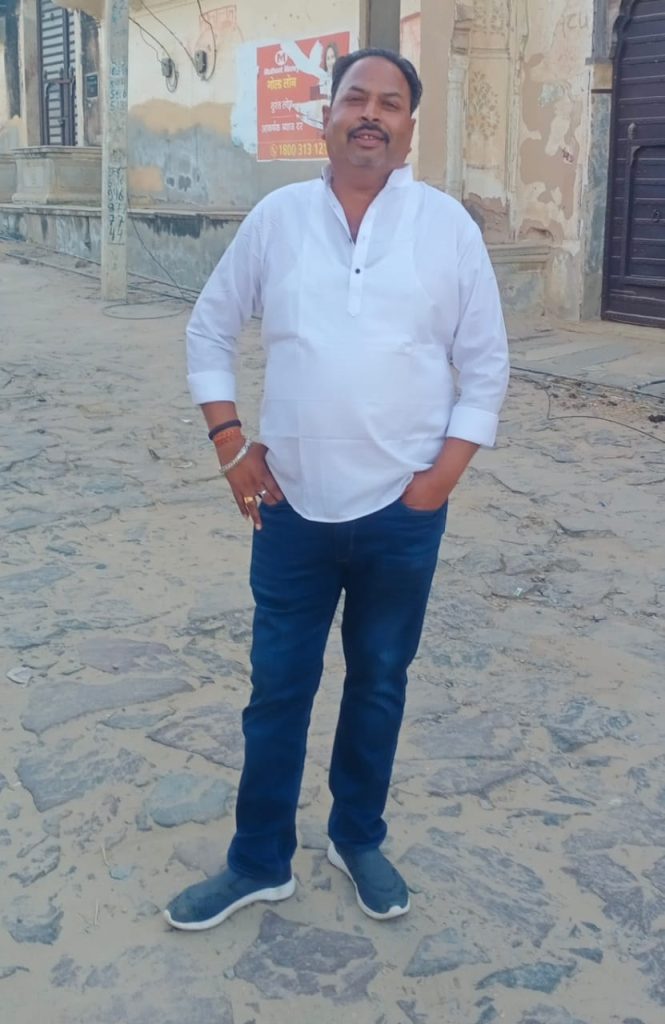
Now Tehelka met Sandeep Singh, a government-approved and well-known tour guide of Mandawa, who said he has also been involved in film production for a long time. He told Tehelka that before coming to Mandawa for a shoot, Bollywood film producers and directors call him about three months in advance and inform him about the locations they require. According to their needs, he arranges those locations for them, said Sandeep.
Reporter- Kaun kaun si filmon ki shooting hui hai yahan?
Sandeep- PK ki, Bajrangi Bhaijaan, Mimi ki, Jab we Met, Love Ajkal ki hui hai, Shudh Desi Romance, Mirziya ki hui hai. Ye sab to maine karwa rakhi hai.
Reporter- Matlab?
Sandeep- Mandawa mein kaam karta hoon film production ka, jab bhi unhe zaroorat padti hai, Bombay se aa rahe hain, Delhi se aa rahe hain, kareeban 2-3 mahine pehle hamara kaam shuru ho jata hai, pehle hamko unhe location bhijwani padti hai, hum image bhejte hain, kaisa makaan wagera poora page bana rakha hai hamne. Phir wo aa kar yahan dekhtey hain, kaunsa unhe pasand aaya phir uske maalik se baat karni hoti hai, wo sab hum karte hain. Phir jab clear ho jata hai mamla tab collector se permission letey hain, film shuru kartey hain, kitna bada celebrity aa raha hai, uske liye kitni security chaiye, wo karte hain.
[In this interaction, Sandeep explains his role in arranging film shoots in Mandawa. He says he works with film production teams and helps them find suitable locations. It becomes clear that people like Sandeep play a key role in connecting filmmakers with the town. Such work quietly strengthens the local economy.]
In this exchange, Sandeep Singh explains how official permissions are obtained for film shoots in Mandawa. He says he handles all paperwork and clearances from the Collector and other authorities. However, he also indicates that the process is not straightforward and bribes have to be paid to the local administration to secure permissions and complete other arrangements for Bollywood film shoots.
Reporter- To ye sari permission DM se, collector se?
Sandeep- Sab mein hi karta hoon.
Reporter- Sab aasani se ho jaati hai kya?
Sandeep- Lagta hai usmein kuch…poora paper work hota hai, aasani se nahi, table ke neeche se…
Reporter- Accha paisa waisa dena padta hai?
Sandeep- Haan.. hum sab dekh lete hain.
[This account indicates that securing shooting permissions may involve more than formal paperwork. It emerges that unofficial payments smoothen the process. Sandeep makes it clear that he manages these arrangements himself.]
Sandeep said that he has been associated with film production for the last 20 years. He revealed that he has helped arrange around 20–22 film shoots in Mandawa over the past two decades. He also narrated to Tehelka how he first came into contact with Bollywood. He explains that his link with the film industry began in 1999, when filmmakers stayed nearby and used STD-PCO booth near his shop to make calls. Through these regular contacts, he slowly built trust and connections. What began as a small service point turned into his entry into film production work. Over time, he became a key local person for arranging shoots.
Reporter- Kitni shooting ho chuki Mandawa mein?
Sandeep- Kareeb 20-22 hum karwa chuke hain.
Reporter- Aapne ye pakad kaise banai Bollywood mein?
Sandeep- Kareeb 20 saal se kar raha hoon.
Reporter- Shuruaat kaise hui?
Sandeep- Jab Kacche Dhaage film bani Ajay devgan ki, us time kya tha communication ki ye cellphone nahi they. Aur meri ye shop hai handicraft ki, us time yahan par STD-PCO laga rehta tha… reality bata raha hoon mein aapko.
Reporter- Ye 1998-99 ki baat hai ?
Sandeep- Ye 1999 ki baat hai. To jo bhi director, aur log.. to ye samne Castle Mandawa mein hi hotel hai, usi mein wo sab ruke they. Jab unko koi phone karna hota tha, wo yahin aate they, to wo log baatchit karte they, jaise hame ye cheez chahiye, wo cheez chaiye…
Reporter- Matlab STD-PCO booth ne aapko film industry se jodh diya.
[This exchange shows how a simple STD-PCO booth opened the door to Sandeep’s film work. We learn that long association and trust built his strong links with Bollywood. Through these regular contacts, he slowly built trust and connections.]
In this exchange, Sandeep explains why filmmakers repeatedly choose Mandawa for their shoots. He says the town’s haveli architecture closely resembles Mughal-era buildings seen across the border, allowing it to easily double for Pakistan on screen. He also points to the wide range of hotels available in and around Mandawa. This makes it easier for entire film units to stay nearby without logistical strain.
Reporter- Film industry ke log Mandawa kyun pasand karte hain shooting ke liye?
Sandeep- Uska sabse bada reason jo hai ye hamari Mandawa mein jo haveliyaan hain, unka jo architecture hai plus Pakistan mein jo haweliyaan hain unka architecture—Mughal architecture, wo similar hai. Mostly filmon mein jo Pakistan ka scene dikhana hota hai wo sab Mandawa mein hai.
Sandeep- Doosra reason ye hai ki yahan har category ke hotel available hain, to unka jo unit ke rukne ka hai, wo sab yahan easily available hai, kai baar unko jaise location pasand aa gayi lekin 20-30 km tak rukne ki vyavasta nahi hai. To yahan kya hai har category ke hotels hain…
[This exchange shows why filmmakers keep returning to Mandawa as it offers Pakistan-like visuals without leaving India. Sandeep’s remarks show that visual similarity and practical convenience together make Mandawa a preferred filming base. It is apparent that heritage alone is not enough—facilities matter equally.]
In this exchange, Sandeep explains how film shoots create steady work for locals in Mandawa. He says filmmakers need local people to appear in scenes, including women, men and children. He arranges them and ensures they are paid for their roles. He adds that haveli owners also earn money when their properties are used. His account shows how film activity spreads income across the town.
Reporter- Yahan rozgar accha milta hoga logon ko?
Sandeep- Haan rozgar accha milta hai. Pehle to ye hai ki jaise shooting ho rahi hai, unko local crowd chahiye, to jaise 50 auratein, 20 aadmi, bacche wo sab mein arrange karta hoon, sabko paise miltey hain, mere ko milte hain, mere through unko milte hain. Jab haweli mein koi shoot hota hai to unke owner ko paisa milta hai.
[This exchange highlights the direct link between film shoots and local livelihoods. Residents earn as crowd actors, fixers and property owners. It emerges that cinema brings income beyond glamour. Such dependence quietly ties Mandawa’s economy to Bollywood’s presence.]
Before our conversation drew to close, Sandeep Singh said that he and his younger operate Mandawa Production, a company that handles end-to-end arrangements for film shoots, including security, catering and other on-ground support.
Reporter- Bouncers sabhi ke aate hain?
Sandeep- Haan, waise wo bhi hum provide karwate hain, Jaipur mein mera dost hai, jitney bouncers chahiye mil jaate hain, unhe local mein jo kuch chaiye hota hai, even catering etc. bhi karwate hain hum. Mera Mandawa production house hai, mein hoon, mera chota bhai hai.
Reporter- Mandawa production house se company banai hui hai?
[Sandep’s role goes beyond guiding and includes handling ground logistics for film units. This shows that film shoots depend heavily on local operators who manage security and daily needs. It emerges that such middlemen have become essential to the system.]
According to Sandeep, he provides everything on demand—even drugs—when clients, whether European or Indian, ask for them. Mandawa is a quiet town, just a six-hour road journey from Delhi, and it has maintained its originality, away from commercialisation. Sandeep said there are more than 3,000 heritage havelis in the Shekhawati region, of which Mandawa is a part. He said these havelis are not yet declared heritage by UNESCO, but efforts are underway to secure that certification.
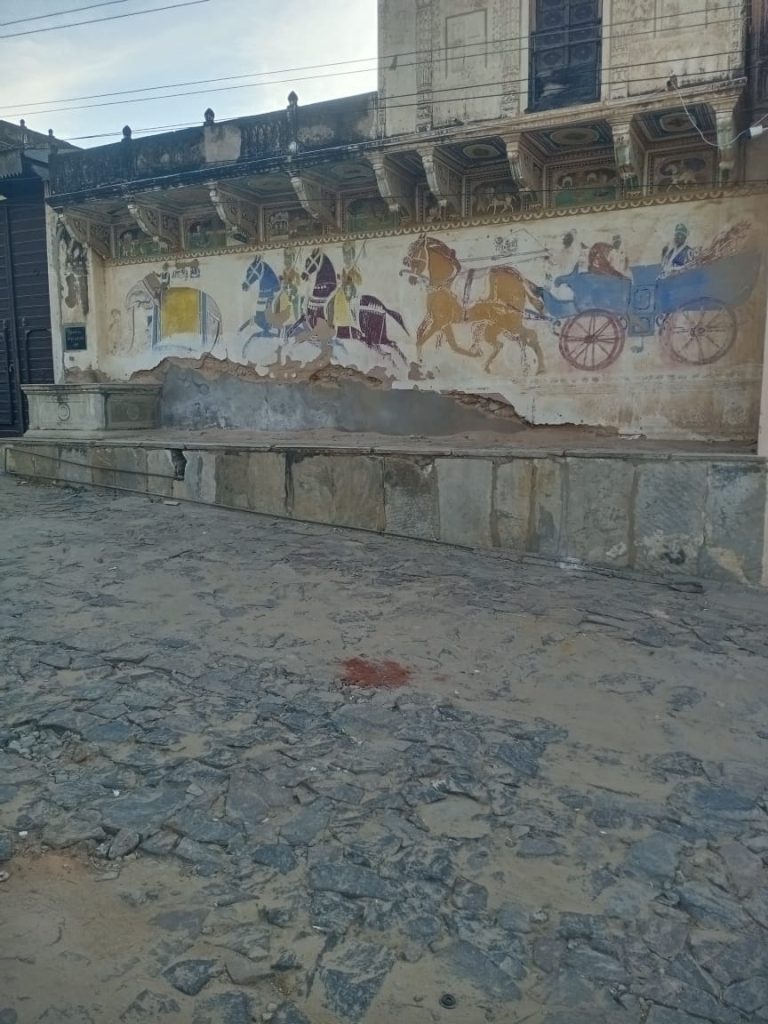
Sandeep added that ninety percent of the havelis belong to Marwari Baniya families who migrated elsewhere but retained caretakers for the properties. Ten percent of the havelishave been sold to wealthy locals or businessmen from Delhi and other cities, and are now being converted into heritage hotels. Unsold havelis are rented for film shoots for Rs 1 lakh per day or more, depending on their condition. This also reveals the informal networks quietly sustaining Mandawa’s growing film-linked economy behind its preserved façade.