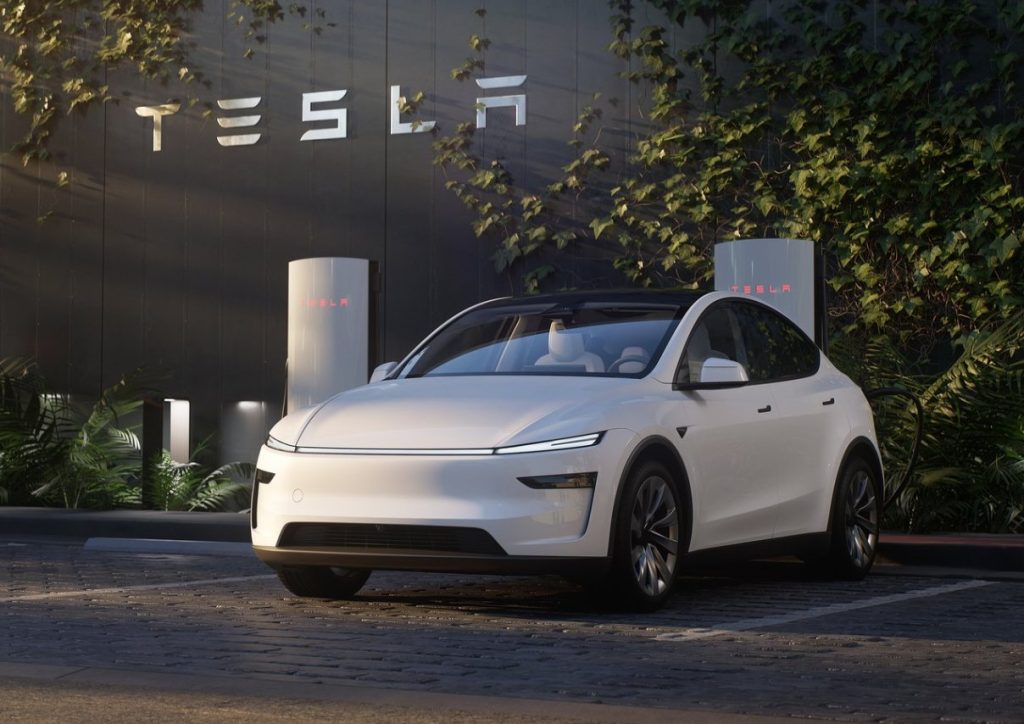
Tesla, the electric vehicle (EV) giant that redefined the automotive industry, is finally entering India—a market long eyed but cautiously approached. The official opening of Tesla’s first showroom in Mumbai in July 2025 marks a symbolic and strategic pivot.
Yet this move comes amid a challenging global backdrop: intensifying competition in China, regulatory and political headwinds in the US, and Elon Musk’s public fallout with Donald Trump. As Tesla tiptoes into the Indian market, it carries both high ambitions and heavy baggage.
India, the world’s third-largest car market, is in the midst of a mobility transformation. The government’s push toward electrification through schemes like FAME II, state-level subsidies, and tax breaks for EV infrastructure has created a promising, albeit complex, environment for electric mobility.
However, Tesla had long avoided India, citing prohibitively high import duties—as much as 100 per cent for fully built vehicles—which could double the retail price of its cars. In contrast, local players like Tata Motors and Mahindra already offer electric models at Rs 10–20 lakh, well within the reach of India’s value-driven consumers.
Tesla’s current move is exploratory, importing a limited number of Model Y SUVs and showcasing them in luxury showrooms like the one in Mumbai’s Bandra-Kurla Complex. But the cars remain too expensive for mass adoption, with estimated prices crossing Rs 70–80 lakh.
So why move now? The Indian government recently introduced an EV policy that reduces import tariffs to 15 per cent for companies committing at least USD 500 million to domestic manufacturing. Though Tesla hasn’t yet signed up for this, it may be laying the groundwork for future localization, especially amid global pressure to diversify its manufacturing base.
Subhabrata Sengupta, Partner, Avalon Consulting, and an auto expert said that Tesla’s entry into India is largely going to be focused on imported vehicles. “I don’t think they have any plans to manufacture, and I don’t think that’s going to change even in two, three years,” he said.
Subhabrata feels that move is neither a pivot nor defensive and said, “I think it’s neither, because India is not a large enough market to be either. So they have been looking at India as a potentially interesting market to experiment, and they’re doing that, they’re basically just going to test the waters in India to see how much they can sell at their price point, their product in India.”
Tesla’s situation in China, once its crown jewel outside the US, is rapidly deteriorating. For years, Tesla thrived on the back of government incentives and the prestige of being the first foreign company to own a plant in China without a local partner. Its Gigafactory in Shanghai symbolized Tesla’s global ambitions.
However, 2024 and 2025 have seen a dramatic reversal. Tesla’s market share has dropped from over 11 per cent in early 2021 to around 4 per cent in 2025, due to a wave of competition from aggressive domestic automakers like BYD, Xiaomi, Xpeng, and Nio. These companies offer compelling alternatives, often cheaper and better adapted to local tastes.
Xiaomi’s SU7 electric sedan, launched in March 2025, registered over 240,000 bookings in one day, directly undermining Tesla’s dominance. Moreover, Tesla’s Full Self-Driving (FSD) software has struggled in China, where regulatory hurdles and strong local rivals have neutralized one of Tesla’s biggest competitive advantages.
Back home in the United States, Tesla is facing headwinds on multiple fronts. In Q2 2025, the company reported a 12 per cent drop in global sales year-over-year (YoY), a rare retreat for a company used to breakneck growth. Part of the reason is rising competition from legacy automakers like Ford and GM, both of which have rolled out cost-effective EVs with strong dealer networks and customer service.
Subhabrata said that Tesla right now is under a lot of pressure in Europe, US, and even in China. Things are slowing down. So, I would think that even in the next five years, there is very little chance of Tesla selling and manufacturing in India. The key thing would be they will test out their products and see how much they can sell in India at their price point and that’s something which we will figure out over the next few years.
Another issue is Tesla’s reputation crisis. Elon Musk’s controversial comments on politics, immigration, and his handling of mass layoffs at Tesla have triggered protests and boycotts under the umbrella of a movement dubbed “Tesla Takedown.” Activists, some of them former employees and Tesla owners, accuse the company of losing its mission and turning into a political football.
Investor confidence has also been rattled. Tesla’s stock has been volatile, impacted by Musk’s political flirtations—including his founding of the “America Party” in early 2025. The move alienated both major parties and was seen as a direct provocation of Donald Trump’s electoral ambitions.
Once viewed as strange bedfellows, Elon Musk and Donald Trump have become outspoken critics of one another. Their alliance began to unravel in late 2024 when Musk began openly criticizing Trump’s stance on clean energy and free speech. Tensions escalated when Trump, back in the White House, revoked key EV subsidies, including the USD 7,500 federal tax credit for Tesla buyers. Instead, Trump has focused subsidies on companies with strong union ties—something Tesla notably lacks.
However, this does not seem to affect the growth of the company in other geologies, Subhabrata said, adding that the bigger challenges for Tesla are different.
“So competitively, the Tesla price value equation has been significantly undermined by Chinese players, particularly BYD and there are competitive products that significantly lower prices from the Chinese. Tesla is finding it difficult in China as well as Europe fighting against these Chinese brands. There has also been a lot of hue and cry in Europe over autonomous driving software of Tesla and their responsibility in some accidents which had happened. So there has been a lot which could be potentially quite damaging to them, both from a brand standpoint and also simply financially in terms of the compensation liabilities and so on and so forth. So I think they have enough problems in their hands. So without having to worry about the impact of the political standout, of course that would help; but I would say these are much more pressing business issues than any political drama,” he told Tehelka.
Success in India won’t be easy. To move beyond urban elites and tap into the broader Indian market, Tesla will need to manufacture locally, launch a sub Rs 30 lakh model, and build out its charging network, ideally powered by solar and renewable energy, another Musk specialty.
Reports suggest Tesla may be eyeing states like Gujarat or Maharashtra for a Gigafactory, but there has been no formal commitment yet. Without this, Tesla will remain a niche brand, admired but largely out of reach.
Tesla’s India foray is both bold and cautious. It’s dipping a toe, not diving in—unlike China in 2019. This incremental approach reflects the complexity of the Indian market, the company’s strained global position, and Musk’s own political distractions.
However, if Tesla gets it right—by localizing production, engaging with Indian R&D talent, and launching region-specific products—it could not only conquer a new market but also regain momentum lost in China and the US.
“It’s going to be an interesting player to watch, but I don’t think anything at the price point and I don’t think it is going to be a mass market player anytime soon. So it’ll be a good new entrant, an option for the customers, which is always a good thing, but I doubt if they’re going to shake up the market at least the lower end of the pyramid,” he said.
He said, “If Tesla makes a dent, given the overall numbers here, they will probably sell 10,000 at most 20,000 units, even if they do very well.”
But if it fails to adapt, India could become another missed opportunity, similar to the struggles in Southeast Asia and Latin America.
Tesla’s entry into India is more than a business move—it’s a strategic recalibration. As it grapples with saturation and hostility in China, and growing skepticism in the US, India offers a fresh playing field. Yet it’s a field that demands humility, patience, and local wisdom.
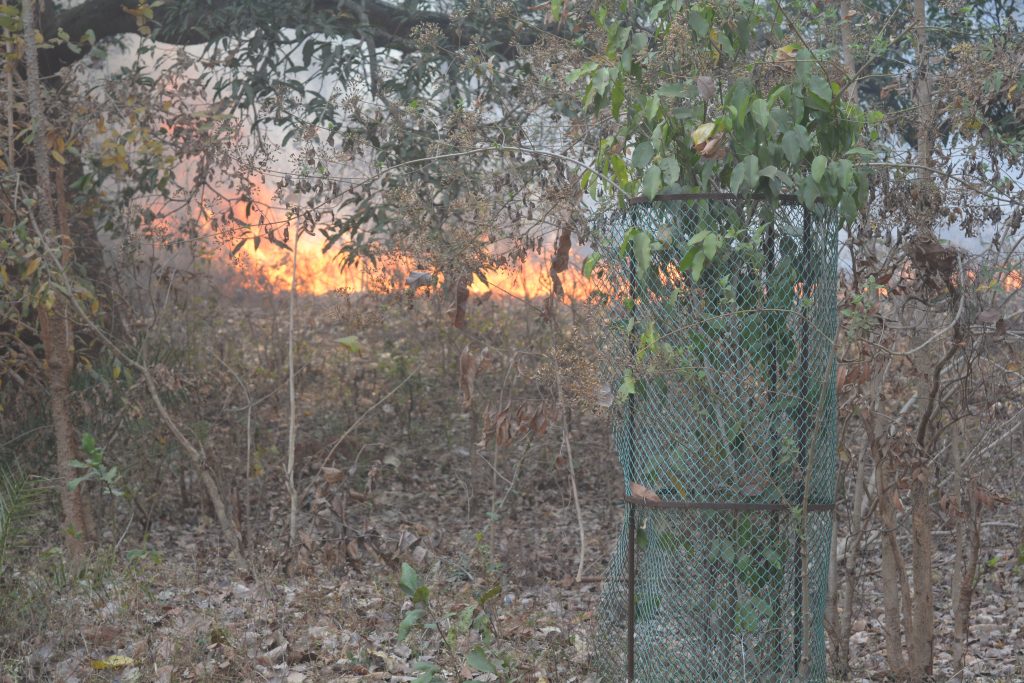
Frequent wildfires are adversely impacting the vegetative cover of protected forest areas in India, and leading to alien plant species replacing native vegetation, threatening ecosystems and the delicate balance sustaining India’s wildlife, writes Deepanwita Gita Niyogi
Photo: Deepanwita Gita Niyogi
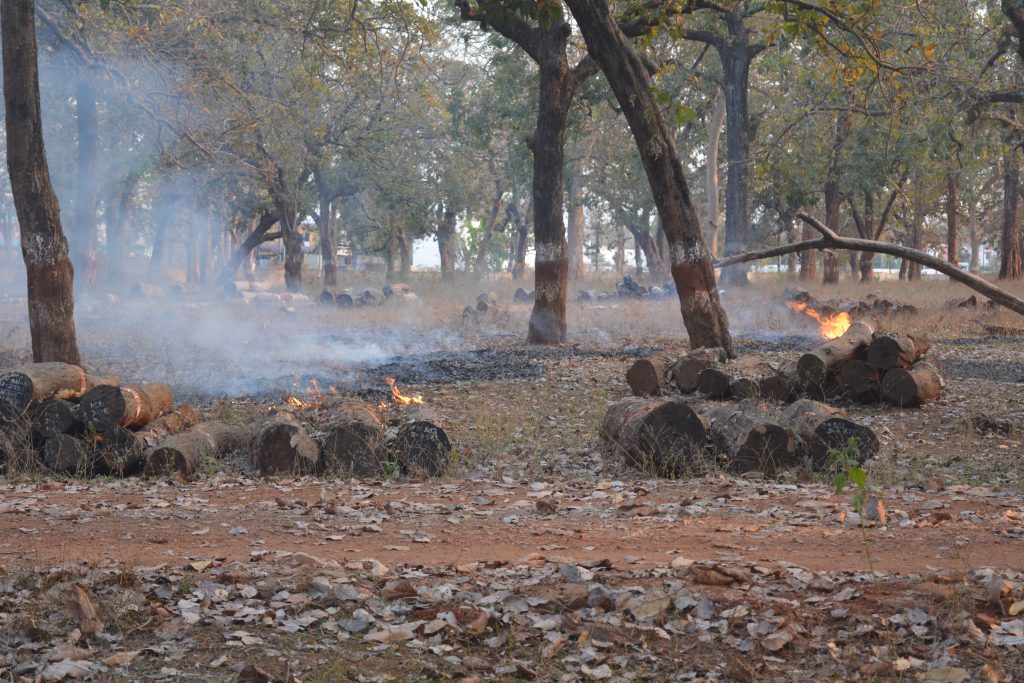
Across the world, forest fires are increasing due to climate change. In India, which is among the top ten forest-rich countries in the world, fires commonly occur in the summer season, from the months stretching from February to June.
In forested hilly terrains like Similipal in Odisha and Udanti-Sitanadi in Chhattisgarh, fires are difficult to control once they break out at higher elevations. In Udanti-Sitanadi, which is a tiger reserve, some 450 fire incidents occurred last year. In Similipal where fires are frequent, protection assistants help prevent forest fires and sensitise communities.
According to deputy director of Udanti-Sitanadi Tiger Reserve Varun Jain, this year was comparatively better. “Fortunately, there was no fire incident after April 10. Usually, the fire season continues till June, but this year, there were pre-monsoon showers in April. So, the jungle turned green in the middle of the month. Pre-monsoon showers usually happen in May.”
Photo:Deepanwita Gita Niyogi
For forest guard Sudhanshu Verma, who is posted in Udanti-Sitanadi, fire management involves intense work. Fire lines are created to help prevent the spread of fires. But whenever fires spread, the hilly terrain poses a challenge in easy movement. Blower machines, which clear piles of dead leaves, come in handy but at present there are about 40 of them. More machines will be welcome.
The lack of adequate manpower as well as equipment deals a blow to the fire-fighting staff. “Fires take a huge toll on human resources. The biggest challenge is performing duty with minimum facilities and the lack of sophisticated tools. Uphill areas entail a lot for climbing for dousing fires,” a forest guard posted in Rajasthan shared on the condition of anonymity.
A shift in vegetative cover
Mohan Pargaien, a retired Indian Forest Service officer, who served as the former Chief Wildlife Warden of Telangana, said that fires in India, usually deliberate or as a result of human negligence, are quite common. But, in some areas, a few fires occur naturally. Whatever be the cause, fires are leaving lasting impacts on India’s biodiversity.
As an observant officer, Jain has noticed a transformation in Udanti-Sitanadi. As fires gradually lead to land degradation and the loss of soil moisture, eventually weeds come up. When this happens, the extent of grass availability on which herbivores depend for survival is reduced. A direct impact on the herbivore population can endanger the tiger, for the protection of which India has been striving hard since the inception of Project Tiger in 1973.
Over a call, Pargaien shared further information regarding this change. “In the past few decades, climate change has impacted the soil condition. High temperatures have led to soil infertility, and this has been exacerbated due to the lack of moisture. Forests are getting compromised. With hotter summers, fires are now more likely to occur. Once fires occur, the soil quality undergoes a change. So, the change is occurring through the soil.”
A direct impact of soil infertility is the rapid spread of alien and invasive species. These can grow in hostile conditions and take over local species. Invasive species come up even in challenging areas. It has been observed that lantana takes over and even Prosopis juliflora spreads. “But though any vegetation cover is good, from the point of view of biodiversity, it is not a great idea at all,” Pargaien told Tehelka. Citing the example of the famous Sal-dominated Saranda forest in Jharkhand, he pointed out that it is an ancient ecosystem. Any kind of disturbance will impact the region’s biodiversity and leave a lasting impact.
In India, lantana now covers almost 60 percent land area in protected areas. Originally, it was introduced by the British for gardens in the 1800s as an ornamental plant, as it is attractive in appearance. But it spreads fast and can grow in any kind of soil.
According to a study, lantana continues to spread and occupies 13 million hectares in India. Costs of control are US $200 per hectare in India, the study, Lantana in India: A Losing Battle? published in PLoS One, says.
The deputy director of Pench Tiger Reserve in Madhya Pradesh, Rajnish K Singh, admitted that the removal of lantana entails a huge expense and vast manpower. “If cut, it comes up again. It has to be uprooted. But after uprooting, there is a need for constant monitoring and replacement by other grasses. Unfortunately, forest fires accelerate such changes in ecology.”
The officer pointed out that sometimes tigresses hide their cubs inside lantana bushes and blue bulls feed on lantana in the monsoon, despite the abundance of grasses. As it is an invasive species, the park management tries to remove most of it, but retain it in some portions.
Singh underlined that in Madhya Pradesh, rainfall has become erratic, which is a clear sign of a changing climate. The officer who joined Pench in 2022 shared that the number of fires has thankfully reduced from 65 to 11. From a total of 280 hectares, it has reduced to 15 hectares in Pench. “However, as Udanti across the border has a huge area with over 50 villages, forest fires can often be uncontrolled. Compared to this, in Pench there are no villages in the core or critical habitat area.”
Vigilance to prevent fires
It is difficult to manage forest fires without community involvement. At times, the collection of mahua flowers in the summers leads to forest fires, as collectors burn the undergrowth for easy identification of the small flowers, an important minor forest produce. This calls for intense vigilance and awareness in fire-prone areas.
Last year, Uttarakhand was in news for uncontrolled forest fires. Reenu Paul, who is a resident of capital city Dehradun, said this year the situation improved due to rainfall. On her part, Paul runs a vigilance group which keeps an eye on the Rajpur reserve forest. She is the founding president of the Rajpur Community Initiative, a citizen-based organisation. Paul pointed out that over-tourism and faulty waste management are reasons behind forest fires. Sometimes, people set fire to dumped waste which spread to forest areas.
Saket Badola, who is posted in the Jim Corbett Tiger Reserve in Uttarakhand as a field director, said that fires damage the surface vegetation, and in India, it is mostly that. Badola listed the negative impacts of fires, especially in Corbett, which attracts tourists from across the world due to its association with hunter-turned conservationist and author Jim Corbett, magnificent tigers and the Terai grassland. “Fire-resistant species come up after forest fires. I have noticed soil run-off, as there is no cover left. Heavy rainfall aggravates the already worsening run-off situation.”
But the Corbett management is doing all it can to tackle forest fires, such as working with and utilising satellite data as well as thorough mapping to monitor active fires. In this regard, an app has also been developed to share timely information with field units.
“In Uttarakhand, fires which start from February 15 and last till June 15, are a challenge. But there are an adequate number of firewatchers. During the fire season, they have gear and protective equipment, and also get ration facility,” Badola said. He described last year as bad. Thankfully, preparation was good this year. As winter rains occurred, the soil moisture increased. But the real success lay in reducing the reaction time in forest fire management. The Kalagarh Tiger Reserve in Corbett just reported a solo incident this year as per data shared by the forest department. In Ramnagar, there was no incident.
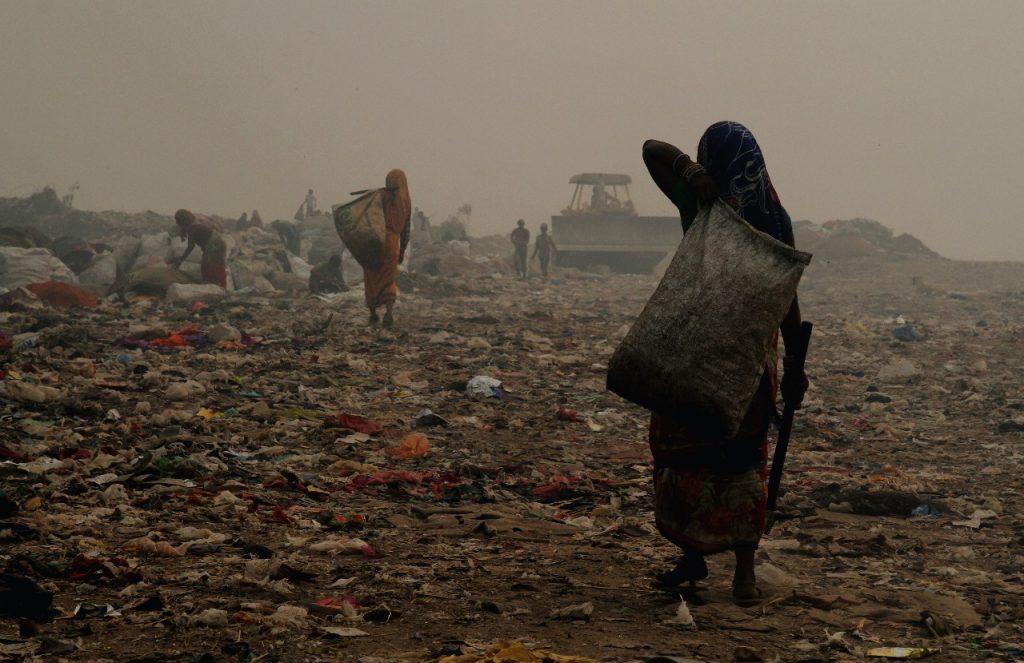
The National Green Tribunal (NGT) has asked Municipal Corporation of Delhi (MCD) to submit a comprehensive report on waste management at Sionghola and Bawan site, including reasons for dumping silt and inert waste instead of reusing it.
The directions came after the panel reviewed its report filed dated March 7 2024 disclosing the status of Sionghola and Bawana sites and scheduled the matter of October 16, 2025.
The Tribunal said that report lacked details about arrangement made to prevent contamination of ground water on account of leachate generation and extent of dump which is lying at the site as of now is also not reflected.
In a statement, the NGT said, “We find the full particulars and details have not been disclosed in respect of nature of intake, treatment facilities including capacity of Waste-to-Enegry (WTE) plant and its capacity utilization with the details of electricity production, compliance with emission norms and other supporting material.”
“Similarly, full details of composting facility have not been disclosed. Arrangement made to prevent contamination of ground water on account of leachate generation and extent of dump which is lying at the site as of now is also not reflected,” it stated further.
The NGT also said that the compost is prepared but its quantity and manner of disposal as also the revenue generated there from is lacking in the report.
“In the report full particulars along with all the supporting material is required to be disclosed which should also include grant of CTO and authorizations,” it stated.
“Stop unfounded character judgement,” say pilots; Since 2018, airline major Boeing has been under public scrutiny following safety gaps exposés by whistle blowers, regulatory probes and two 737 Max crashes. Accusations against it include “pressures to meet production goals at the cost of engineering safeguards” and attempts to “cover-up”.
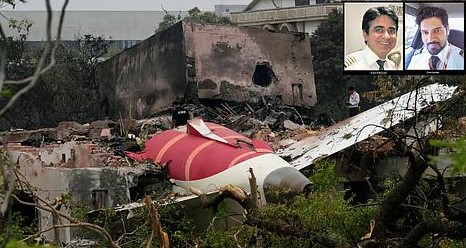
Ever since the preliminary report by the Aircraft Accident Investigation Bureau on the unfortunate June-12 Air India crash, there has been anger and disbelief with pilots’ bodies slamming the bare hint on pilots’ actions.
Adding to it now is now a very focussed report emerging from the US, targeting senior pilot Sumeet Sabharwal and his mental health even though the investigations are far from over.
In India two groups of commercial pilots have already rejected claims that human error was the reason behind the crash that killed 260 people following the preliminary investigation that the aircraft’s engine fuel switches had been turned off. The Wall Street Journal report suggestion that Sabarwal may have cut the fuel flow to the engines has only added to their anger
The report, citing US officials’ early assessment, claims “the first officer who was flying the Boeing 787 Dreamliner asked the more experienced captain why he moved the fuel switches to the cutoff position seconds after lifting off the runway”.
This observation is in direct contrast with the AAIB report that merely mentioned that fuel switches moved from “run” to “cutoff” without assigning blame to anyone
The Indian Commercial Pilots Association (ICPA) and the Airline Pilots’ Association of India (ALPA India), which dismissed the AAIB report, slammed the US media report saying there was no reason to support the claims that Captain Sabharwal may have been under stress.
“Stop this unfounded character judgement,” they say, promising action against those responsible.
“It (AAIB report) is only very preliminary and detailed investigations are examining all possibilities, including technical glitches, manual error, and other system malfunctions,” they add
Government sources have also dismissed the observations of the US media, saying that the conversation between the two pilots cannot be twisted to claim that the fuel control switch was deliberately turned off by the senior pilot.
The AAIB report is only based on preliminary findings and “one should not jump to conclusions” till the final report is released, the Federation of Indian Pilots (FIP) said, calling as “baseless” the Wall Street Journal’s report. “Nowhere in the AAIB report it was mentioned that the fuel control switch was turned off due to the pilot’s mistake,” they add
Why is the US media targeting Indian pilots ?
Since 2018, US airline major Boeing has been under public scrutiny following safety gaps exposés by whistle blowers, regulatory probes and two 737 Max crashes. Accusations against it also include “pressures to meet production goals at the cost of engineering safeguards” and attempts to “cover-up”.
According to the Wall Street Journal the cockpit recording of the last conversation between the two pilots indicated that the Captain cut off the fuel to the plane’s engine. It says that the first officer flying the Boeing 787 Dreamliner asked the more-experienced Captain why he moved the switches to the “cutoff” position shortly after the flight took off from the runway. The First Officer (late Clive Kunder) then expressed panic, while the Captain remained calm, as per the report
However, according to the report posted on AAIB website, “In the cockpit voice recording, one of the pilots is heard asking the other why did he cutoff. The other pilot responded that he did not do so.”
Notably, AAIB’s preliminary report does not mention any names
While Wall Street Journal maintained that the AAIB report did not say “whether turning off the switches might have been accidental or deliberate,” New York-based Intelligencer went a step further in the article ‘The Debate Over the Air India Crash: Was It Suicide?’ by Jeff Wise, a science journalist and private pilot.
The theory is based on a 2015 Germanwings Flight 9525 disaster, in which 150 people were killed. According to reports, the co-pilot may have intentionally crashed the plane in a suicide attempt, highlighting the importance of better understanding the mental health of commercial airline pilots.
The first officer, who had previously been treated for suicidal tendencies and declared unfit to work by his doctor, kept this information from his employer and instead reported for duty. Shortly after reaching cruise altitude and while the captain was out of the cockpit, the first officer locked the cockpit door and set the plane to fly downward in a controlled descent into a mountain.
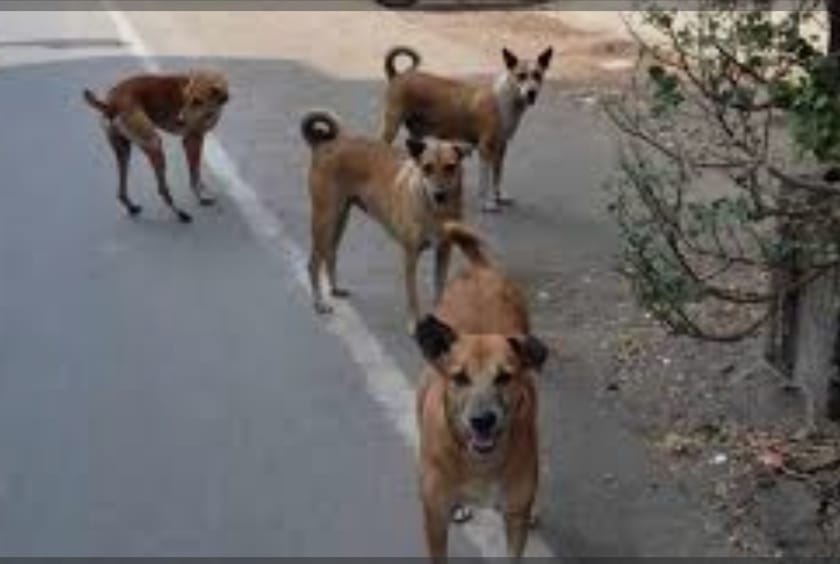
Former Minister of State and social worker, Vijay Goel said that an order should be placed now in Delhi to remove stray dogs from the streets.
He said, “People have stopped on going walks as they are scared of dogs who are roaming in the streets and can attack on people.”
“The SC has said well that animal lovers should take dogs home if they want to feed them. There should not be feeding in public and those who claim to be animal lovers, should adopt them. The order now should be placed to remove these stray dogs from the streets,” he told Tehelka.
He said that the situation is so bad that there are seven lakh stray dogs while 12 crore in entire nation. “Central government, State government and MCD have to work hard for this. RWA suggest that there should be changes in Animal Birth Control (ABC) rules.”
“Prior to that too, many states including Indore, Haryana have made same statements on the issue but the government has not done anything, it should work,” he added.
The data from the Integrated Disease Surveillance Programme (IDSP) shows a significant and concerning rise in dog bite cases reported across States and Union Territories from 2022 to January 2025.
In 2022, the total number of cases stood at approximately 21.9 lakh, which surged to over 30.5 lakh in 2023 and further escalated to 37.1 lakh in 2024. As of January 2025 alone, over 4.29 lakh cases have already been reported, indicating a continuing upward trend.
States like Maharashtra, Tamil Nadu, Gujarat, and Karnataka consistently reported the highest number of dog bite incidents, with each recording hundreds of thousands of cases annually.
Notably, Tamil Nadu reported the highest number of cases in 2024 at 4.8 lakh, while even smaller states and UTs like Goa, Puducherry, and Arunachal Pradesh have shown sharp year-on-year increases. Alarmingly, regions like Assam and Odisha witnessed more than quadrupling of cases between 2022 and 2024.
The data highlights the urgent need for comprehensive public health strategies, including mass dog vaccination, awareness programmes, and improved access to post-exposure prophylaxis to address the growing menace of dog bites across the country.
Recently, the Supreme Court has told a Noida resident – who had alleged harassment while feeding stray dogs – to feed them in their own home.
“There is space for these animals… but no space for humans. Should we leave every lane, every road, open for these large-hearted people? Why don’t you feed them in your house,” Justice Vikram Nath and Justice Sandeep Mehta said on Tuesday.
With this statement, residents of Delhi have come forward to share their thoughts on the matter.
“Concern for human safety is right.. but I don’t think… there is any string attached to the feeding dog and turning them for canine attacks. Why has the government not taken any action,” said Smriti Shrestha, a resident of Delhi’s Jasola area. Meanwhile, Amol, a resident of Noida said, “I agree with the Supreme Court’s statement that morning walkers, cyclists, and two-wheeler riders are at risk due to stray dogs. While feeding community dogs is not wrong, it should be done in designated areas by authorities. One can’t go feeding the dogs and can’t be held responsible in cases of attacks.”
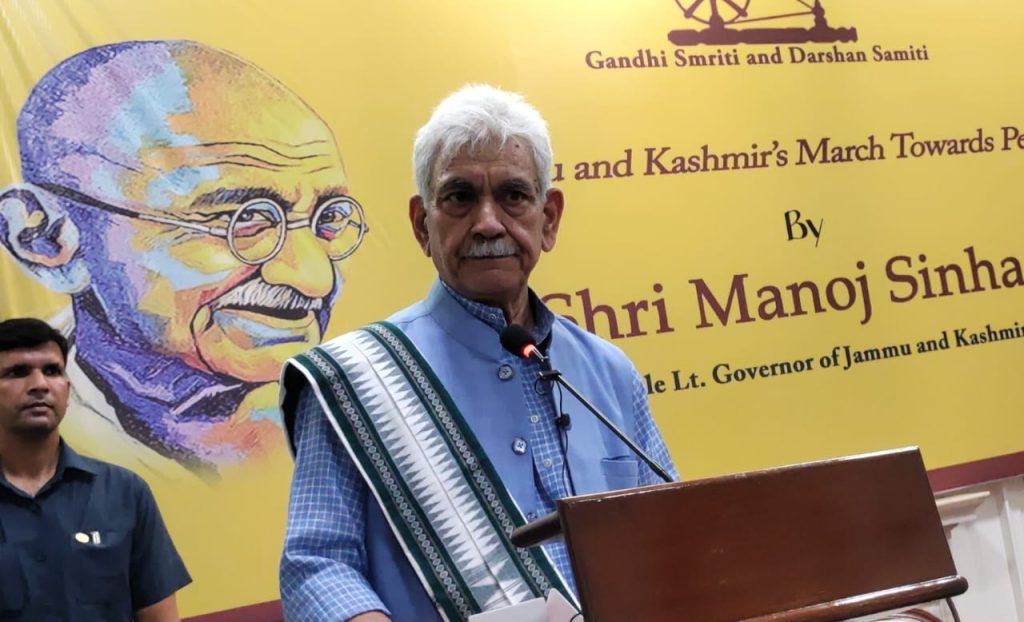
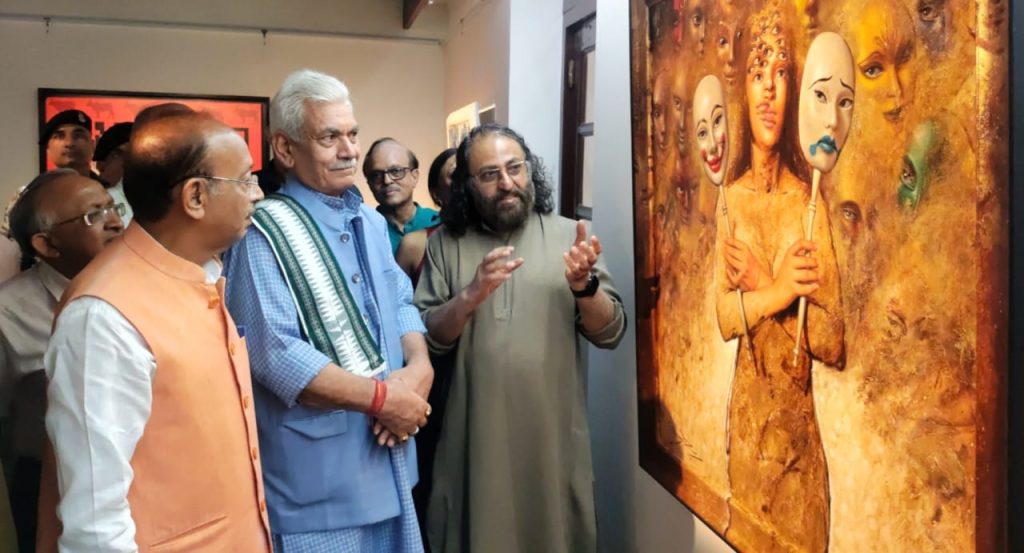
Jammu and Kashmir Lieutenant Governor Manoj Sinha on Wednesday said that terrorists who executed Pahalgam attack have been identified and will not live long.
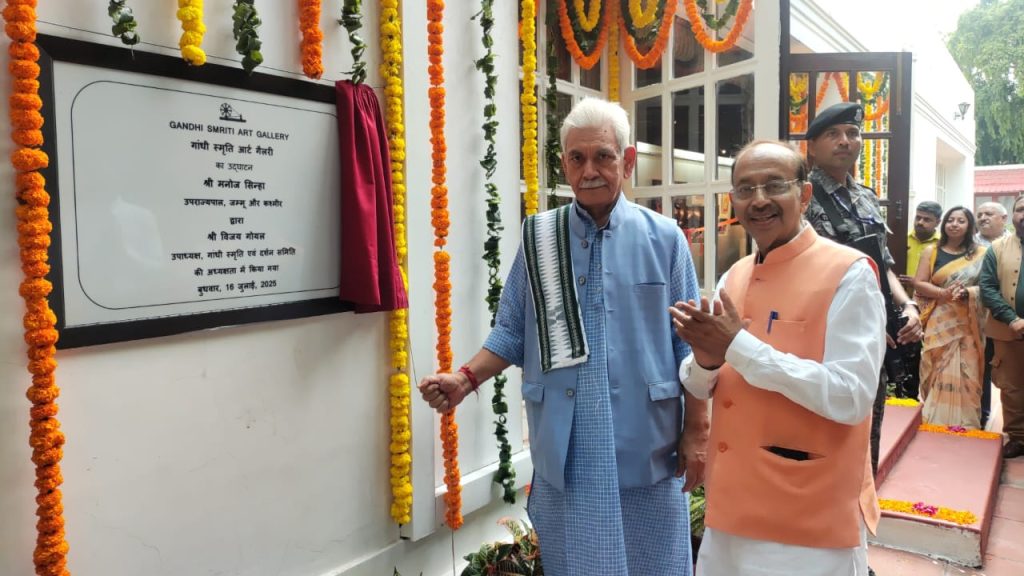
Addressing a gathering after the inauguration of Gandhi Smriti’s Art Gallery, Sinha said, “Any attempts to disrupt peace in the Kashmir Valley will not succeed and those who are behind the Pahalgam attack will not live long. Their fate will meet with the other kingpins of the terror outfits soon.”
Photo: Naveen Bansal
On April 22, 26 tourists were gunned down by terrorists in an attack in Jammu and Kashmir’s Pahalgam that shook the nation. In retaliation, India launched Operation Sindoor to target terrorist camps in Pakistan and PoK.
He was speaking at a seminar in Delhi on “J&K’s March Towards Peace” as part of lecture series organized by Gandhi Smriti.
“This wind of change has rattled the terrorist nation Pakistan and it constantly tries to hurt the soul of India & its cultural-spiritual fabric. Aim of Pahalgam terrorist attack was to stall economic progress of UT as well but we are marching ahead with renewed strength,” Sinha added.
Photo: Naveen Bansal
He said that with the help of Prime Minister Narendra Modi, we are fulfilling the dream of Mahatma Gandhi and building a fear-free, terror-free J&K, which would make its place among the developed states and UTs as a symbol of peace.
“A month-long peace march is organised in the Kashmir valley every year to commemorate Pujya Bapu’s birth anniversary. It reflects that J&K is reclaiming its legacy as a land of peace. Youth are now conscious of the fact that J&K of Bapu’s dreams is J&K of unity and peace,” he said.
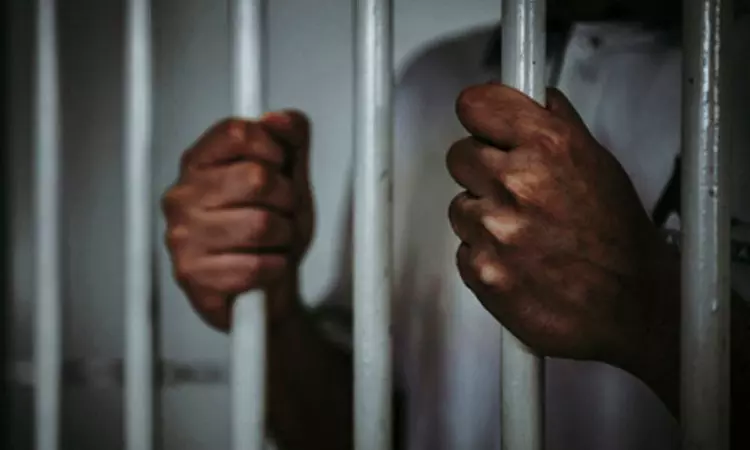
In India, where justice often takes time and delayed trials are common, the call for reforming bail laws is growing louder. Over two-thirds of the country’s prison population consists of undertrial prisoners, many of whom may not even belong behind bars. Their continued detention typically results not from the severity of their alleged offences but from an antiquated legal system and social inequalities. A major contributor to this issue is the bail system that is being manipulated in certain cases by unscrupulous elements. To address this, there is an urgent need to pass a comprehensive Bail Act, which would set clear principles, eliminate inconsistency, and better uphold the constitutional promise of “bail, not jail.”
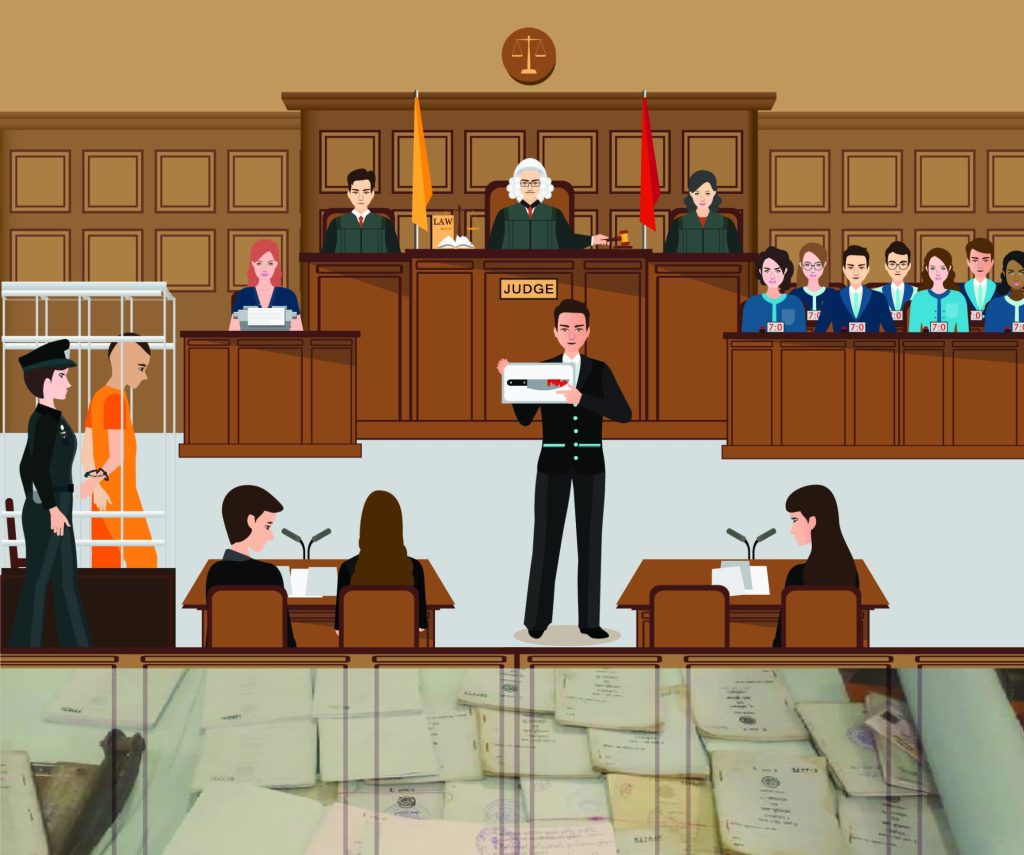
Tehelka’s Special Investigation Team uncovered alarming findings during its probe, revealing that bail has evolved into a business within the country. In our cover story, “Bail for Sale,” we highlight the corrupt workings of the system, where fake guarantors, intermediaries, and dubious legal professionals manipulate the bail process for profit. The rates charged depend on factors like location and case type. This reveals a blurred distinction between genuine and fraudulent practices, with middlemen exploiting both sides for their benefit. Not only is fake bail being sold for financial gain, but even the standard bail system has been commercialized. The recent investigation by the CBI into a large-scale bail bond scam within the Railways further underscores the entrenched nature of this illicit market.
Bail, at its core, is designed to ensure that an accused person returns for trial, and not to punish him before his guilt is proven. Denying bail should be a rare exception, reserved for clear cases where the accused is a flight risk, may interfere with evidence, or poses a threat to witnesses. When a case relies primarily on documentary evidence, the accused should not be held in detention due to procedural delays. However, discrepancies in bail decisions remain a persistent problem. Whether someone is granted bail—and when—often depends less on the merits of the case and more on judicial discretion or opposition from the prosecution. The situation is exacerbated by a tendency among magistrates to approve remand, especially when requested by the police, automatically.
It is encouraging to note that just last week, the Chief Justice of India, Justice B.R. Gavai, highlighted during the Justice V.R. Krishna Iyer Memorial Law lecture that the fundamental principle of “bail is the rule and jail is the exception” has been largely ignored in recent years. If it were adhered to, India’s prisons would not hold 3.75 lakh undertrial prisoners, constituting 74.2% of the total incarcerated population. Justice Gavai emphasized the need for greater compassion, as the majority of undertrials come from marginalized communities. In the meantime, the report by India’s Aircraft Accident Investigation Bureau (AAIB) about the June 12 crash has raised fresh questions over the position of the critical engine fuel cut-off switches. There is some good news too. Astronaut Shubhanshu Shukla, who created history by becoming the first Indian ever to set foot on the International Space Station, is on his way back. Group Captain Shukla is only the second Indian to have gone to space, and the Axiom-4 trip came 41 years after cosmonaut Rakesh Sharma flew aboard a Russian Soyuz in 1984.
A Tehelka SIT investigation reveals how fake guarantors and middlemen are turning the bail process into a thriving black market, exploiting legal loopholes and court routines.
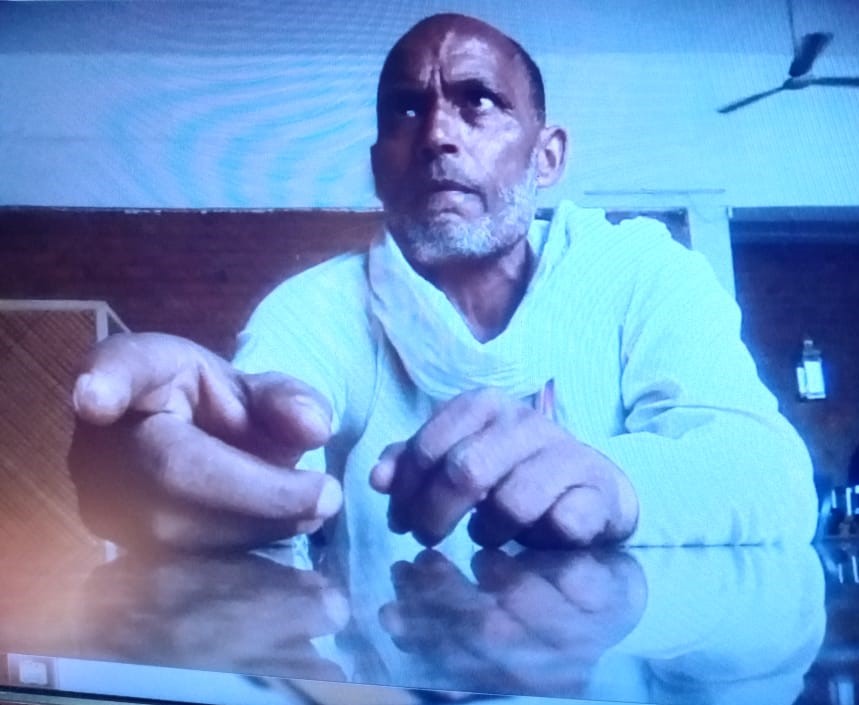
“Give me two days. In two days, I’ll arrange fake documents for the fake bail of your accused. Once he’s out, he can skip court dates and disappear wherever he wants,” said Munazir, a broker who arranges fake guarantors for fake bails, to Tehelka’s undercover reporter.
“Once we’ve taken the money from you for the fake bail, you don’t need to worry any more. Your work will be done. And it doesn’t matter if the accused flees after getting bail,” Munazir said further assuring the reporter.
“We will charge Rs 30,000 for four fake guarantors. Out of that, you have to pay Rs 4,000 today—this will be given as token money to the guarantors. The remaining Rs 26,000 you can pay on the bail day,” he added.
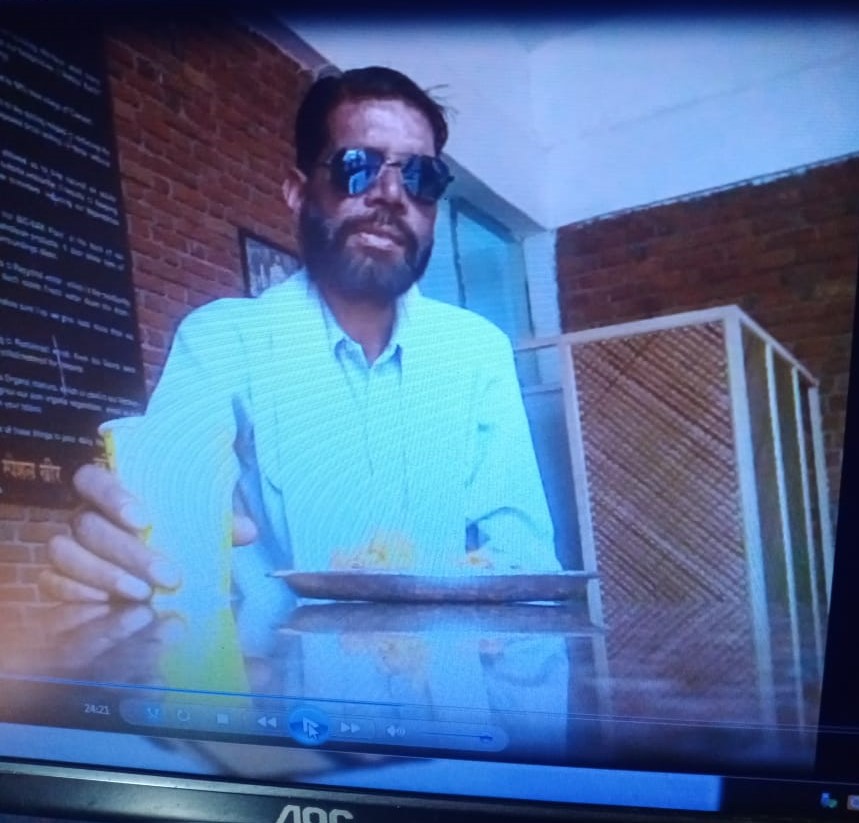
“Tell your lawyer to guard against letting slip in court that the bail guarantors are fake. While I can’t take responsibility for your case myself, I have a friend—Munazir—who will get the job done. He has the right people for it,” said Suraj Chand, Munazir’s associate, who accompanied him to the meeting with Tehelka’s undercover reporter.
Munazir
“Becoming a bail guarantor has become a booming business. I’ve stood as guarantor in many cases in exchange for money. The amount varies from case to case—once I charged Rs 30,000, sometimes Rs 10,000 to Rs 5,000. Rates in Rajasthan are very high—there, people charge Rs 15,000 to Rs 20,000 per bail. In Jharkhand, it’s around Rs10,000,” said Irshad Ahmed to Tehelka’s reporter.
Bail refers to the release of a person arrested for a crime, either on their own recognizance or after providing a guarantee—usually money or property—to ensure their appearance in court at a later date. Bail is a temporary release from custody, not a determination of guilt or innocence. It serves as a promise, often backed by money, that the accused will attend all scheduled court hearings.
In many cases, the accused is required to present a surety—a person who acts as a guarantor to ensure the accused complies with bail conditions. This is also known as a bail bond. But increasingly, in some cases, these guarantors are turning out to be fake. On the request of the accused, they submit forged documents in court. Once released, the accused often absconds, never appearing for future court dates. Police then struggle to trace the guarantors, as their documents are also fake.
This form of manipulated release has come to be known as ‘fake bail’—and it has grown into a major scam in India. Fake bails typically happen in cases involving surety amounts of Rs 20,000 or less, where guarantor police verification is not mandatory. In contrast, bails involving sureties above Rs 20,000 require police verification of guarantor credentials, making it harder to secure a ‘fake bail’ in those cases.
Given the widespread presence of the fake bail mafia in India, Tehelka decided to undertake a long-overdue investigation—one that had never been done before. Our undercover reporter, posing as a fake client, approached a few individuals in Amroha, a district in Uttar Pradesh through a middleman. According to an operator, he could arrange two guarantors via a lawyer based in Amroha who regularly sent people to court to act as guarantors.
Suraj Chand
The middleman brought Munazir (who goes by his first name) and Suraj Chand from Amroha to meet us at a restaurant in Gajraula, Uttar Pradesh.
We gave Munazir and Suraj a fake brief: that our driver from a village in Moradabad district had been arrested for theft, and we needed a fake bail guarantor for his release. Munazir confidently assured us he could arrange fake documents and guarantors, but he would need two days. He also guaranteed that after securing bail, our driver could disappear and would not be required to attend future court hearings.
The fake case we presented involved a surety of Rs 20,000—just low enough to bypass the requirement for police verification of the bail guarantor. In the following exchange, the reporter poses as a client seeking a fake bail.
Reporter- Hamey karwani hai farzi zamanat.
Munazir- To hame do din ka time de do.
Reporter- Do din mein kya karogey?
Munazir- Do din mein farzi kagaz de dunga, aur hamare yahan par zamanat karwake, driver kahin bhi bhage…kahin bhi jao.. aao mat aao!
Munazir- Kahin bhi raho, aao na aao….. zamanat ho jayegi.
[Munazir speaks with alarming confidence, hinting at how casually fake bails are arranged. What we see here is how system is manipulated to wangle a bail for the accused and help him vanish thereafter.]
When asked why he needed two days for the bail, even though the bail was scheduled for that day, Munazir said he required time to arrange guarantors. As surety, he said, he would submit fake documents of land belonging to the bogus guarantors. He added that if the lawyer—through whom he had come to meet us—had informed him in advance that this was a fake bail case, he would have arranged the fake guarantors for us the same day. He claimed the lawyer involved never informed him earlier, which led to the delay.
Reporter- Do din kyun maang rahe ho… zamanat to aaj hai ?
Munazir- Arey aise na hoga, time to lagega.
Reporter- Farzi kagaz mein kya lagaogey aap?
Munazir- Yahi.. zameen ki meri.
Reporter- Hai aapke pass?
Munazir- Mere pass nahi hai auron k pass hai. Mujhe agar bata detey aaj sawere, mein aaj hi karwa deta.
Reporter- Wakil saheb ne to isliye bheja hai, Irshaad se to dus din se baat ho rahi hai meri.
Munazir- Vakil saheb ne ye baat na batai mere se.
[The network seems loosely connected, working through middlemen and unclear timelines. What’s clear is that fake land papers are key to pulling off the scam.]
Here, the reporter seeks a final assurance before proceeding. He asks Munazir if the job will be done smoothly and without any trouble. Munazir confidently promises that everything will go through without a hitch.
Munazir- Kaam poora hoga.
Reporter- Pakka, zimmedari le loon?
Munazir- Haan!
Reporter- Mujhe ek cheez bata do.. aapko mein acha laga aur mujhe aap, ek baat batao imaandari se… kaam ho jayega.. kahin atkega to nahi ?
Munazir- Kahin nahi atkega.
[The ease with which guarantees are given shows how routine this illegal work has become. What’s clear here is the broker’s full confidence in getting fake bail done without any hurdles.]
In order to allay our reporter’s apprehensions, Munazir told him that he had been involved in fake bail cases before and assured us that our work would be done without any problem.
Reporter- Ye batao jo aap farzi zamanat karwaogey hamare bandey ki usmein aisa to nahi aage koi pareshani ho?
Munazir- Hai jayego….(ho jayega).
Reporter- Aap kara chuke ho pehle?
Munazir- Haan…
[This brief exchange lays bare the comfort with which fake bails are arranged. When the reporter wants to be sure there won’t be any trouble later if they go ahead with a fake bail, Munazir confidently says it will go through.]
Munazir now advised us not to use the word “farzi” repeatedly during our interaction, after we mentioned that we needed fake guarantors. He said our focus should be on securing bail for our client and that, for our own safety, we should avoid using the word “farzi” again and again.
Reporter- Ye to 1 bol rahe hain mujhe 2 chaiye they farzi ?
Munazir- Tum farzi ka naam hi mat lo, 4 dila denge zamanati. Farzi ka naam mat lo, tumne baat khol di bas.
Reporter- Arey mein aap se to baat kar sakta hoon?
Munazir-Hum ne keh diya na original denge, farzi ho farzi..
Reporter- Hoga wo farzi
Munazir-Tum farzi ka naam hi mat lo…aapko apni zamanat se matlab.
Reporter- Aapse to mein baat kar sakta hoon?
[Now, Munazir grows uneasy at the repeated use of the word farzi, warning us not to mention it. This reveals that while these operators appear unfazed about doing illegal work, there is still a trace of fear somewhere within.]
As the talk progressed, Munazir told the Tehelka reporter that since he was taking money for the fake bail, he would ensure the job was done. He assured us that it wouldn’t matter even if the accused absconded after getting bail.
Munazir- Jab paise hum bharpoor le rahe hain, to tumhe ussey kya tension,..tum par koi tension na aane denge.
Reporter- Kaisi tension?
Munazir- Kaisi bhi…tumhe to hum zamanat kara ke denge..chahe mulzim bhag jaaye.
[The claim shows how deep the fraud runs—payment ensures protection, no matter what. The conspirators are not even concerned even if the individual out on the bail runs away and does not appear in the court ever after.]
Now Munazir talks about the money he will charge for arranging the “fake bail”. He demands Rs 30,000 for arranging four guarantors. Out of this, he asks for Rs 4,000 in advance with the remaining Rs 26,000 to be paid at the time of bail. According to Munazir, Rs 4,000 will be given to the guarantors as advance payment.
Munazir- Ek to 30 hazar maan k chalo.
Reporter- 30 k ..kaam ho jana chahiye ?
Munazir- Koi kare..ho jayega.
Reporter- Ho jayega pakka, aapki hamari baat pakki hai…? Acha paise advance logey , kaise loge ye bata dena ?
Munazir- Paise jab zamanat par jayenge. Poorey 30 hazar.
Munazir- Aaj 4 hazar de do.
Reporter- Accha!.. aur baki 26 hazar?
Munazir- Us din zamanat ke baad.
Reporter- Bas dekh lena aisa na ho hum par koi baat aaye?
Munazir- Na aayegi.
Reporter- Agar driver bhag gaya hamara to hum par baat na aaye… wo aap dekh lena?
Munazir- Ab hum zamanatiyon se baat karenge, tumne kharcha de diya, hum unhe jakar thamaenge.
Reporter- Ye unko de dogey Rs 500?
Munazir- Na ye to mere hai aane jaane ke..unhe jakar denge paise ke ye rakho.
Reporter- acha Rs 4000 unko dogey.
[This detailed exchange shows how money decides everything—risk, process, and people. When the reporter raises concern about possible trouble if the accused flees, Munazir confidently says nothing will happen.]
Munazir confessed to Tehelka that he regularly appears as a guarantor in bail matters, which is why a lawyer from Amroha had sent him to meet us through a middleman. He said he earns between Rs 1,000 and Rs 4,000 for each bail he stands in as a guarantor.
Reporter- Accha aap zamanat karate rehtey ho isilye wakil saab ne aapko bulaya hai.. kitne mil jaate hain ek zamanat par aapko?
Munazir- Arey iska to kuch aankda hi na hai…
Reporter- Phir bhi?
Munazir- 3 bhi, 4 bhi, 2 bhi…
Reporter- lakh?
Munazir- lakh mil jaaye to kya baat hai.
[Here, Munazir admits to regularly arranging fake bails and earning sum in the bargain. This tells us that fake bail deals can fetch considerable sums to the conspirators, depending on the case. Clearly, it’s not just a side hustle—it’s a profitable racket running deep.]
Suraj Chand, an associate of Munazir who came to meet us along with him, refused to take up our work himself but pointed to Munazir as the right person for the job. According to Suraj, Munazir would get the fake bail done without any difficulty, as he knew people involved in this line of work. Suraj also advised us to tell our lawyer to be circumspect and guard against raising any suspicion in court about the guarantors being fake.
Suraj- Vakil se keh dena bole na ki hum nakli zamanat kar rahe hain court mein kisi se, bas ye kara de, 4 aadmi bhej denge.
Reporter-Kara denge nakli zamanat?
Suraj- Nakli ho ya asli ho.. kara denge.
Suraj- Mein guarantee nahi lunga, magar mujhe pata hai ye kara denge.
Reporter- Kya naam hai inka?
Suraj- Munazir- ..inke hain kai chele…mujhje pata hai ye kara denge.
Reporter- Nakli zamanat wale?
Suraj- Nakli wale nahi hain wo hain to asli waale lekin wo inse nahi batayenge, ye kaam karenge asli ab wo nakli ho jaaye, ye baat hai…
[What we see here is a blurred line between real and fake, used conveniently to serve a shady purpose. It shows how these middlemen play both sides with confidence.]
It’s not just fake bail that’s being used to make money—even normal bail has become a source of income. Overall, bail has turned into a big business. Our middleman, Irshad Ahmed (name changed), from Delhi is earning well through it. Irshad, who has acted as a guarantor before, defends the business of bail as ‘genuine’. He admits to backing accused in serious non-bailable offences. When questioned about the risk, he shrugs it off, saying once bail is granted, the rest is the court’s concern—even if the accused disappears.
Reporter- To ye to acha business hai zamanat wala!
Irshad- Genuine bhi hai, genuine aadmi ne genuine tareeke se kar diya.
Reporter- Genuine kar to diya magar risk bhi to hai bhai…bhai aapne kitni zamanat de di hongi aajtak genuine wali.
Irshaad- 2 di hai.
Reporter- Kaun- kaun se case they?
Irshad- Maine di hai… 23 tha 352 tha.
Reporter- Ye kya hota hai ?
Irshad-23 maar peet karna aur 352 ghar mein ghuskar maarna…147, 148 …188 sarkari karamchari par haath uthana.
Reporter- Ye sab bailable hai.
Irshad- Na…non-bailable hain.
Reporter- Inki zamanat di hai tumne…kya ye risk nahi hai.?
Irshad- Jab court ne zamanat de di to case chalta rahega.
Reporter- Jaise ghar wale zamanat nahi detey hain kal ko bhag gaya to kya hoga?
Irshad- Hain to court ke pass 25 hazar jama…warrant aayegi, police aayegi warrant lekar…kya hoga bol denge mil nahi raha mulzim…khatam kahanai.
[This shows how lightly some guarantors treat serious charges and legal duty. What we learn is that the risk, though real, is dismissed as a routine part of the game.]
Irshad
When asked why there is such a high demand for guarantors from outside, and why the accused’s family members are not stepping in as guarantors, Irshad explained that families often lack the required documents or property to furnish as surety. That is why outsiders step in as guarantors—and charge money for it. He details how fixed deposits or even motorbikes are used as surety, depending on the case.
Reporter- Mujhe ye batao ek cheez jo mulzim hota hai uske ghar wale nahi hotey jo zamanat denge?
Irshad- Hotey hain.
Reporter- To wo zamanat kyun nahi detey. bahar zaroorat kyun hoti hai ?
Irshad- Unke documents nahi hain, property nahi hai, court jo hai registered property mangta hai.
Reporter- Har zamanat par?… chahe chota case ho ya bada?
Irshad- Ab jaise chota case hai hamne amount fix kar diya court ko 20 hazar ka to motorcycle tak chal jaati hai…aur model agar upper hai to 50 hazar tak ki bhi chal jaati hai.
Reporter- Murder aur rape case mein kitna hota hai?
Irshad- 50k bhi hai.. lakh bhi hai…
Reporter- Matlab lakh rupees ki koi cheez honi chahiye wo girwi rakhni padegi court mein?
Irshad- Wo court mein rakh lenge, FD jo hai mohar lagakar apne pass rakh lenge.
Reporter- Wo FD aap tudwa nahi saktey.. jab tak case chalega?
Irshad- Na…jo paisa badega wo aap par hi badega.
Reporter- Jaise meri 10 lakh ki FD hai aur zamanat hai 1 lakh ki usko maine rakhwa diya, usmein 1 lakh hi to khatam hoga poore 10 lakh thodi khatam ho jayenge?
Irshad- Haan.
Reporter- 9 to nikal sakta hoon mein,…aisi baat thodi hai ki gharwalon ke pass kuch hoga hi nahi.
Irshad- Bahuton par nahi hai.
Reporter- Bhai hai biwi hai, sasur, saala kisi ke naam to kuch hoga?
Irshad- Delhi mein kiske naam registry hai?
Reporter- Jo theek thaak reh rahe hain un sabke pass hai.
Irshad- Unke pass ek hi to hai ab agar do aadmi phas jaatey hain.
Irshad- Ab mera case hua tha.. jab 5 zamanati chahiye they.
Reporter- Aapka case tha?
Irshad- Ek baar jhagda hua tha maar peet hui thi, koi rishtedaar bhi taiyar nahi tha.
Reporter- Kyun?
Irshad- Darte hain log. Hamara ye ho jayega… wo ho jayega!
Reporter- Jabki propery thi sabke naam?
Irshad- Haan. Isliye maine majboori mein FD karai 25 hazar ki…. zamanat se pehle.
[As we come to know through this exchange why accused persons often can’t find family members to stand as guarantors, Irshad shares a personal experience, saying he had to arrange an FD himself when even his relatives refused to help despite owning property.]
Fake and normal bail has become a big business in India. We often read reports in the Indian media about gangs involved in fake bails business being busted. There are reports about a multi-crore bail bond scam running for years in the Railways, where the CBI has made several arrests. The three characters in Tehelka‘s investigation—Munazir, Suraj, and Irshad—all admitted that they earn money by “arranging” bails. According to Irshad, he has charged anywhere between Rs 30,000 and Rs10,000–15,000 for each bail. Munazir too quoted his rate for the job. Irshad further claimed that Rajasthan is more expensive in terms of bail money, as lawyers there struggle to find guarantors. In Rajasthan, a guarantor charges between Rs15,000 and Rs 20,000 per bail, while in Jharkhand, the rate is cheaper—around Rs 10,000, he said.
When Munazir and Suraj came to meet us through the middleman Irshad, they gave the impression that the bail in question was genuine. They said the accused should appear regularly on court dates, or else they, as guarantors, would face consequences. But when we told them that ours was a fake bail case and the accused had no intention of appearing in court, Munazir agreed to help by arranging four fake guarantors. Suraj himself refused to get directly involved but assured us that his associate Munazir would handle it. Munazir demanded Rs 30,000 for arranging the four fake guarantors. He told us that had the lawyer, through whom he had come to meet us, informed him earlier that the bail was fake, he would have brought the guarantors along. Now, he said, he would need two days to arrange them. According to Irshad, it is often the lawyers who require guarantors—fake or real—to secure bail. It was, in fact, through a criminal lawyer from Amroha that Irshad arranged both Munazir and Suraj for our fake bail request, suggesting this has become a regular practice in their circle.
During the investigation, a brief altercation occurred between Tehelka’s undercover reporter and the accused. Of the two who came to meet us, Munazir in particular grew suspicious of the reporter’s intentions. He suspected he was being recorded. At one point during the conversation, Munazir reached for the reporter’s mobile phone, which was kept on the table, and asked him to remove it, saying phones can record audio. He even covered his face with a piece of cloth from around his neck for a few minutes to avoid being captured on video. Later, once the reporter convinced them that no recording was taking place, the two relaxed and resumed the discussion—assuring the reporter that the fake bail would be arranged through them. However, the next day, after we returned to Delhi, the middleman Irshad received a threatening call from the duo. They accused him of bringing a media person to record them, but added that they were not afraid and that he could do whatever he wanted.
The Bombay High Court has sought the response of the Central Board of Film Certification (CBFC) to a petition filed by the makers of a movie purportedly based on Uttar Pradesh Chief Minister Yogi Adityanath’s life, alleging delay in issuing certification, according to reports
A bench of Justices Revati Mohite Dere and Neela Gokhale also orally remarked that the CBFC was required to issue certificates within a timeline prescribed in law and hence cannot shy away from that obligation. In its plea filed in the HC, the makers reportedly questioned the CBFC’s “arbitrary, unreasonable, and unexplained” delay in processing the certification applications for its film – “Ajey: The Untold Story of a Yogi,” including its teaser, trailer and promotional song
The film said to be inspired by a book ‘The Monk Who Became Chief Minister’, purportedly based on Adityanath’s life, was scheduled for theatrical release on August 1. The makers also questioned the CBFC’s “erroneous, extraneous and baseless” demand for a No Objection Certificate from the CMO, saying there was no such requirement in law.
Adityanath vs Modi/Shah again?
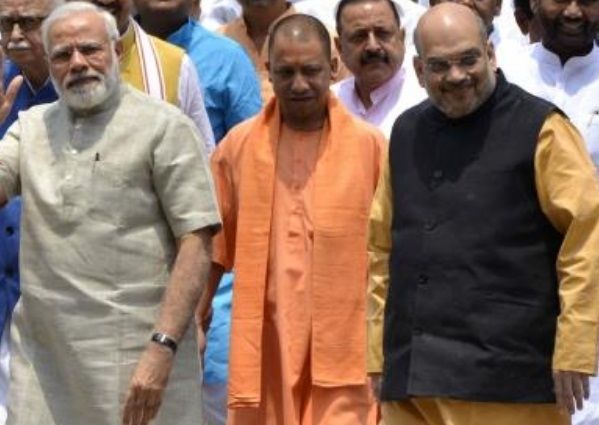
The delay in issuance of the certificate, which is mandatory for a film’s release, has once again started speculations about differences between Yogi Adityanath and Prime Minister Narendra Modi and his second in command Union Home Minister Amit Shah.
Seen as a key contender for the PM’s post, many believe that the roadblocks in the path of a film, expectedly eulogising Adityanath, may be because of this very reason.
Ideally CBFC should only be a film certification board, an autonomous body with no political appointees, but does it happen that way. After Leela Samson resigned as chairperson of the CBFC in 2015, citing governmental interference amid allegations of corruption, the government refuted charges of any interference in Censor Board’s functioning, asserting no role in the certification process.
However, when ‘Emergency,’ a film produced by BJP’s Mandi MP Kangna Ranaut, also ran into trouble with CBFC, it was said that apart from objections from the Sikh community, the BJP was also “unhappy” with the film.
Adityanath and PM aspirations
With 80 parliamentary seats in the state, UP voters have the power to make or break the central government. Since 1996 onwards, UP has been instrumental to BJP playing a dominant national role, catapulting the then Gujarat CM Modi to the centre with 72 seats. In 2024, however, it also gave PM Modi difficult moments amid rumours that all was not well between him and the UP Chief Minister
Observers say that Adityanath’s tenure as CM has not been an easy one. The BJP deployed two deputy chief ministers to keep him in “control” and everyday decisions like appointments of officers to the CMO were also controlled directly by the Centre.
Amid the rumours of differences between Adityanath and PM Modi ahead of the 2024 general elections, the talk in Lucknow circles was that Modi-Shah’ loyalists were running the show.
But whether it is the Kanwar Yatra, or the Mahakumbh in 2025, or the Ram Temple inauguration ahead of the Lok Sabha elections last year, or his bulldozer politics, Adityanath has managed to emerge as strong contender for the title of “Hindu Hridyasamrat”, said to be important factor for the Hindu votes in the north.
Whether there is any basis to the buzz that the film on Adityanath was being “deliberately blocked” to prevent him from laying a claim on the centre remains to be seen. But responding to a question about public sentiment favouring him as a future prime minister, Adityanath had told a news agency that he does not consider politics his full-time job.
“Look, I am the Chief Minister of the state, the party has put me here for the people of Uttar Pradesh and politics is not a full-time job for me. At present, we are working here but in reality, I am a Yogi,” he was quoted as saying.
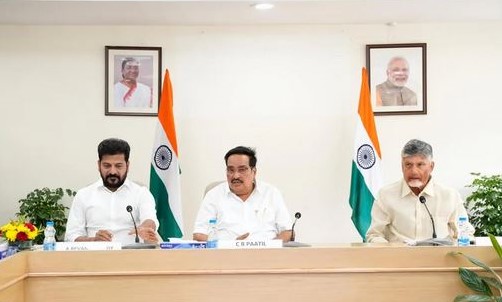
Amid the ongoing water dispute between the two states, Andhra Pradesh Chief Minister Chandrababu Naidu and his Telangana counterpart Revanth Reddy on Wednesday met Union Jal Shakti Minister C R Patil.
While the outcome of the meeting was not clear till the filling of this report, the fact is that like all water sharing disputes in the country, the sharing of Krishna waters is also a long-standing conflict amongst the states of Maharashtra, Karnataka, Telangana, and Andhra Pradesh.
What Telengana says
Reddy says his Congress government will initiate a “big fight” for all pending river water projects with Centre and will not compromise on water rights of Telangana
He has also been attacking predecessor K Chandrasekhar Rao (KCR) and his Bharat Rashtra Samithi for a “decade of injustice to the state on issue of allocations of water, and not pursuing Central funding for projects in the state.”
The ongoing water dispute between Andhra Pradesh and Telangana primarily revolves around the sharing of Krishna River waters, particularly from Srisailam and Nagarjunasagar reservoirs.
Telangana is claiming a larger share of water to meet its development needs, while Andhra Pradesh says the existing allocation should be maintained in mind its agricultural and population needs.
Andhra’s Polavaram project, which aims to link the Godavari and Krishna basins, is also a bone of contention. Telangana has also been expressing concern about the impact of Andhra government’s proposed Polavaram-Banakacherla link project and it’s impact on water availability in its parts