Saturday, December 27, 2025

Omar Abdullah in Gujarat: Bats for statehood, PM Modi welcomes ‘Kashmir to Kevadia’ message

Srinagar: On a two-day visit to Gujarat to promote tourism in Jammu and Kashmir, Chief Minister Omar Abdullah called for restoring full statehood to the Union Territory and pressed for the transfer of security responsibilities back to the elected government. His outreach, coming just months after the deadly April 22 Pahalgam attack that killed 26 tourists, including three from Gujarat, was packed with symbolism and political assertion.

Speaking to the media in Ahmedabad on July 31, Abdullah strongly criticized Jammu and Kashmir’s current Union Territory status, contrasting it with other regions that have been upgraded to full statehood.

“This status of Union Territory should not have been given to us. In this country, we are those unfortunate people whose statehood was removed and who were given UT status. Others’ UT status was removed and they were given statehood,” he said.

Reaffirming the central government’s 2019 commitment to restoring Jammu and Kashmir’s statehood following the abrogation of Article 370, Abdullah emphasized the need for concrete action.

“We are emphasising that the promise of reinstating statehood to Jammu and Kashmir should be fulfilled,” he said. “All the responsibilities should be ours. I have been saying from day one, give us the responsibility of security. We are not ‘nalayak log’ (incompetent people). Look at the graph from my tenure as CM, every year, militancy and casualties of security personnel came down. We made things better. Give us an opportunity again, and we’ll do even better.”

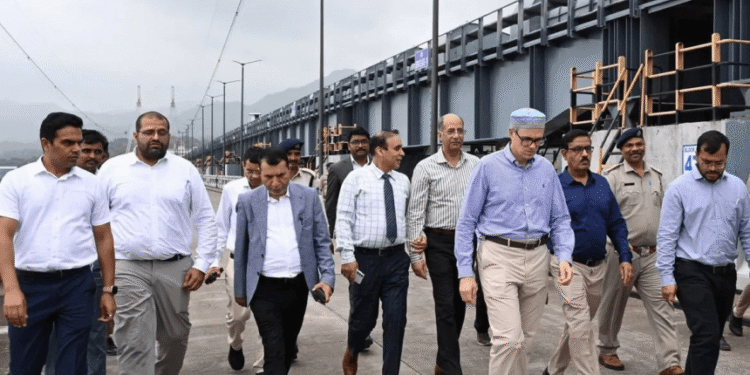
Abdullah’s visit included stops at the Mahatma Mandir Convention Centre in Gandhinagar, where he inaugurated the Travel and Tourism Fair (TTF), as well as a tour of the Statue of Unity and the Sardar Sarovar Dam in Narmada district. He called the dam a model for transformative development and noted the constraints Jammu and Kashmir faces due to the inability to regulate water flows.

“You can imagine that due to this dam, water reaches the Kutch regions, once ravaged by drought, now sustain farming. It has changed lives,” he said.

He added that with the suspension of the Indus Water Treaty, new opportunities may arise for Kashmir.

“It is our misfortune that we cannot conceive such projects in Kashmir because we do not have permission to stop the flow of water. Now that the Indus Water Treaty has been suspended, it may be part of Jammu and Kashmir’s fate to have such a project in future, so that we don’t face electricity or drinking water shortfalls.”

Prime Minister Narendra Modi welcomed Abdullah’s visit and praised the symbolism of his presence in Gujarat.

“Kashmir to Kevadia! Good to see Shri Omar Abdullah Ji enjoying his run at the Sabarmati Riverfront and visiting the Statue of Unity. His visit gives an important message of unity and will inspire fellow Indians to travel to different parts of India,” Modi posted on X.

Abdullah had earlier posted images from his morning jog along the Sabarmati Riverfront, describing it as “one of the nicest places” for a run and admiring the “amazing Atal Foot Bridge.”

Addressing concerns about the impact of the April Pahalgam attack on the region’s tourism industry, Abdullah acknowledged a sharp initial dip in flight arrivals to Srinagar but said there has been steady recovery.

“Now it has picked up to 30–35 flights. We hope that after the Amarnathji Yatra, it will further improve,” he said.

He also sought to counter perceptions that tourism in Kashmir had collapsed.

“The Amarnathji Yatra is on, and around 3.75 lakh people have participated. Tourists are there. We want more people to come with trust. Even today, hotels are functioning. Vaishno Devi continues to draw lakhs. Don’t think tourism has stalled.”

On recent encounters between security forces and militants, Abdullah emphasized that such incidents occurred far from tourist areas.

“None of these terrorists were killed near Srinagar, Pahalgam, Sonmarg or Gulmarg. They were high in the mountains, in uninhabited jungles. That should not be taken as a comment on the safety of our tourism zones,” he stressed.
Thousands of Crores Misused in Major Urban Development Missions

– Systemic corruption in Dynamic Programmable Façade Lighting project by bypassing tender conditions

By K.P. Malik

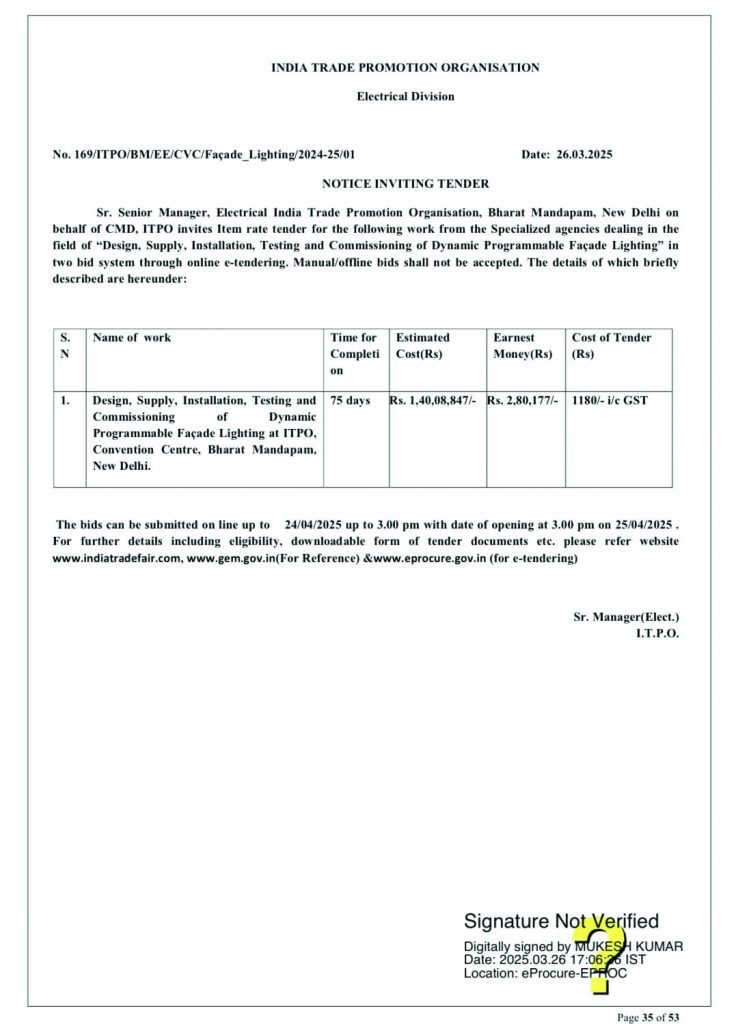
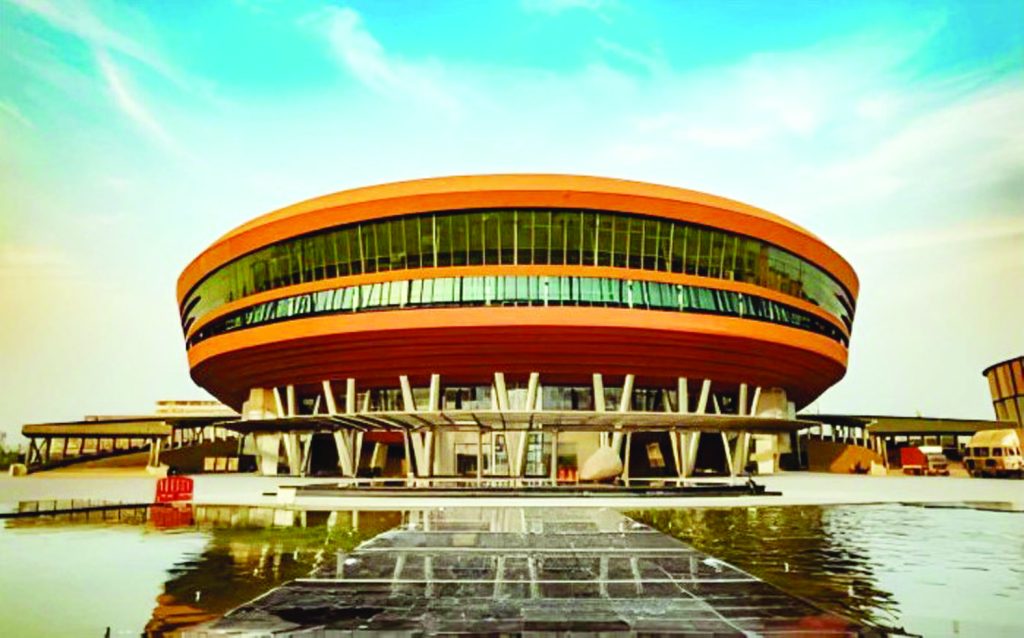
During the G-20 summit hosted under the Modi government’s flagship venue, Bharat Mandapam, several global leaders attended the event. However, it now appears that the schemes executed under such grand projects have fallen prey to corruption. A recent example has emerged in the form of corruption linked to the tender for the design of dynamic programmable façade lighting at the ITPO Convention Centre, New Delhi—under the Ministry of Housing and Urban Affairs—where tender conditions were blatantly ignored.

Ignoring tender conditions

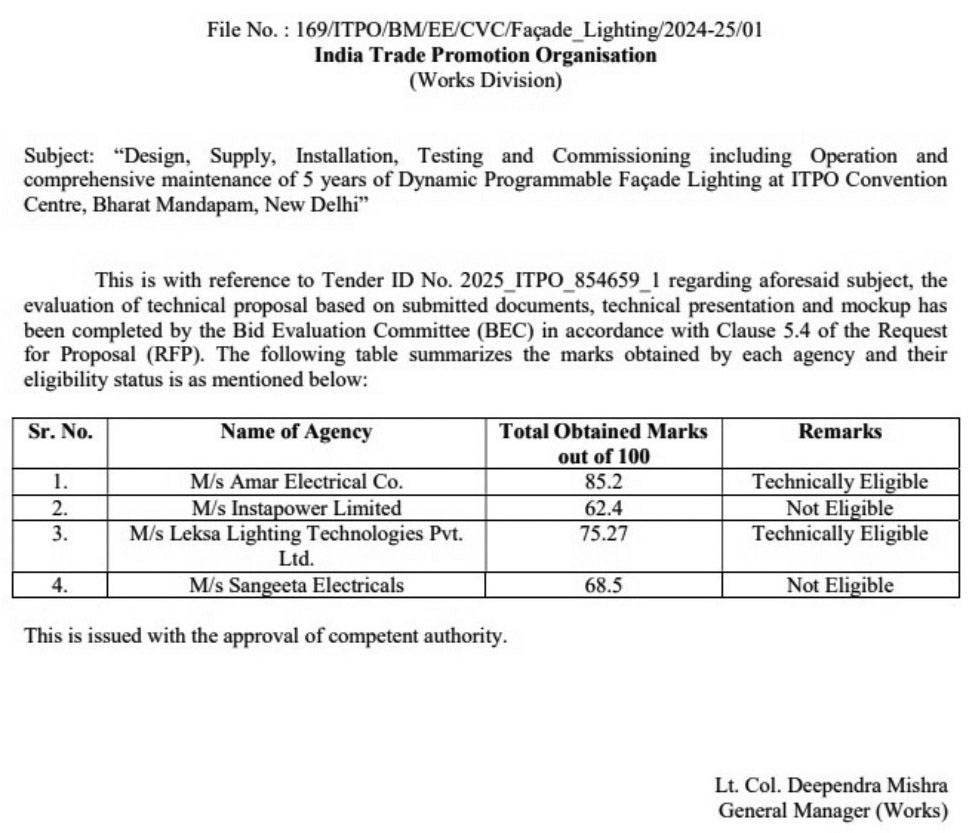
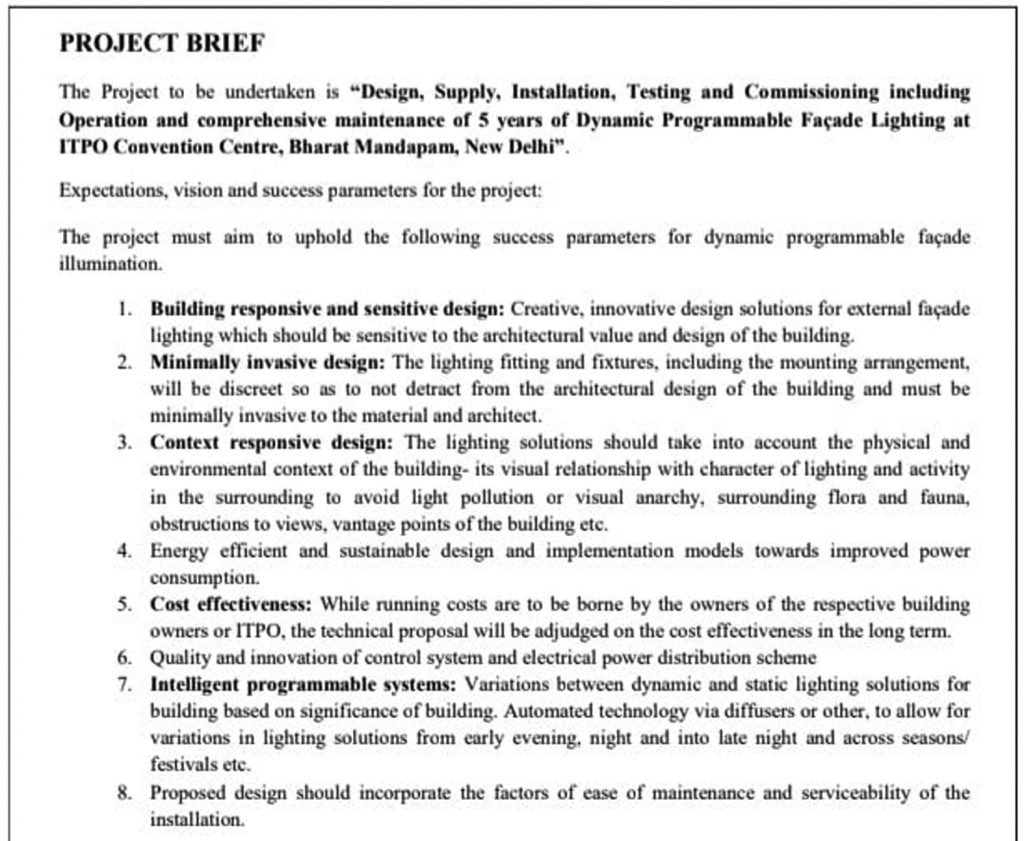
The tender for the design, supply, installation, testing, and commissioning of the dynamic programmable façade lighting explicitly recognized only work orders received from the Government of India and Central Public Sector Undertakings (CPSUs) as valid for eligibility. However, in implementing the project, these eligibility conditions were overlooked. Chinese-made lights—which were expressly prohibited—were used during the mock-up phase. More shockingly, companies that showcased Made in India lighting solutions during the demo received lower marks and were disqualified, whereas the Chinese brand received the highest marks and was ultimately selected.

This raises serious questions: If Chinese lights were awarded top scores and chosen, should this not be considered a major act of corruption and a significant loss of public funds? Another question: How many façade lighting projects have actually been undertaken by the Government of India and CPSUs so far? Are such high-value façade lighting projects even within their scope or responsibility?

Typically, such lighting works are minor parts of larger civil construction contracts. In contrast, ample evidence shows that state governments have independently floated façade lighting tenders, often funded by the central government itself. So why were work orders issued by state governments deemed ineligible?

Organized Corruption

This tender was floated in line with the Make in India initiative, aimed at promoting Indian-manufactured products. If Make in India was clearly stated as a key eligibility criterion in the tender documents, why was it ignored during the project’s execution? And why, during the mock-up, were Made in China lights used instead of Made in India? Awarding the highest marks to the Chinese brand and selecting them ultimately caused a considerable loss to the public exchequer—why is this not being treated as such?

Moreover, if the full Bill of Quantities (BoQ) had already been provided by the department, what was the justification for introducing a point system? When all bidders met the technical specifications, what was the need for a mock-up at all? This suggests that the department itself lacked confidence in the lighting effects. Point systems and mock-ups are typically applied under the Quality-Cum-Cost Based Selection (QCBS) model, where design flexibility is given to the bidders. But when both the design and specifications were pre-defined, what was the logic behind holding a demo?

The tender only allowed work orders from CPSUs and the Government of India for eligibility. But how many such façade lighting projects have actually been undertaken by them? And even if they had done any, such projects would be of low value, typically forming a small part of a larger civil contract. In contrast, state governments have indeed floated independent tenders for façade lighting—many of which were centrally funded—yet their work orders were not considered.

Furthermore, this tender was issued with the explicit expectation that the products used would be manufactured in India, in line with the Make in India initiative. If Make in India was clearly listed as a core eligibility requirement, why was this ignored during project execution? Does this not indicate that the mock-up using Made in China lights was a product of corruption? And if so, why is no one answering for it?

It appears that those responsible for clearing this tender are actively engaged in corrupt practices, completely disregarding the central government’s zero-tolerance policy toward corruption. Awarding top marks to a Chinese brand, despite Make in India being a stated condition, and thereby inflicting a financial loss on the treasury, raises serious concerns.

Also, with the BoQ already defined, what justified the use of a point system and a mock-up? This implies that the evaluation team was unsure about the lighting effects. The point system typically applies only under QCBS when bidders are allowed to propose their own designs. But here, all bidders followed predefined specifications, so what was the point of a mock-up?

According to information available, it is surprising that even the BoQ had been provided by the department. And yet, in this dream project of the central government—Bharat Mandapam—corruption has deeply penetrated the façade lighting tender process at the ITPO Convention Centre in New Delhi. The tender’s approval has paved the way for large-scale corruption, yet neither the central government nor the Ministry of Housing and Urban Affairs has taken any notice.

Officials are not responding

To investigate these allegations of corruption, I attempted to contact ITPO’s Chairman & Managing Director and Executive Director Prem Jeet Lal through email, WhatsApp messages, and phone calls. Despite repeated efforts over several days, there has been no response, which strongly suggests that something is amiss.

The key question remains

Why were only work orders from the Government of India and CPSUs considered valid for eligibility? The refusal of the officials to respond and eventually cutting off communication further reinforces the suspicion of serious systemic wrongdoing.

(The author is a senior journalist and political analyst.)

‘Modi has stopped oil purchase from Russia,’ ‘India cannot remain mute spectator,’ Congress slams Govt

‘Surrender Modi is stopping the purchase of oil from our friendly country Russia at the behest of America, whereas America itself has signed an oil agreement with India’s enemy country Pakistan,’ says Pawan Khera

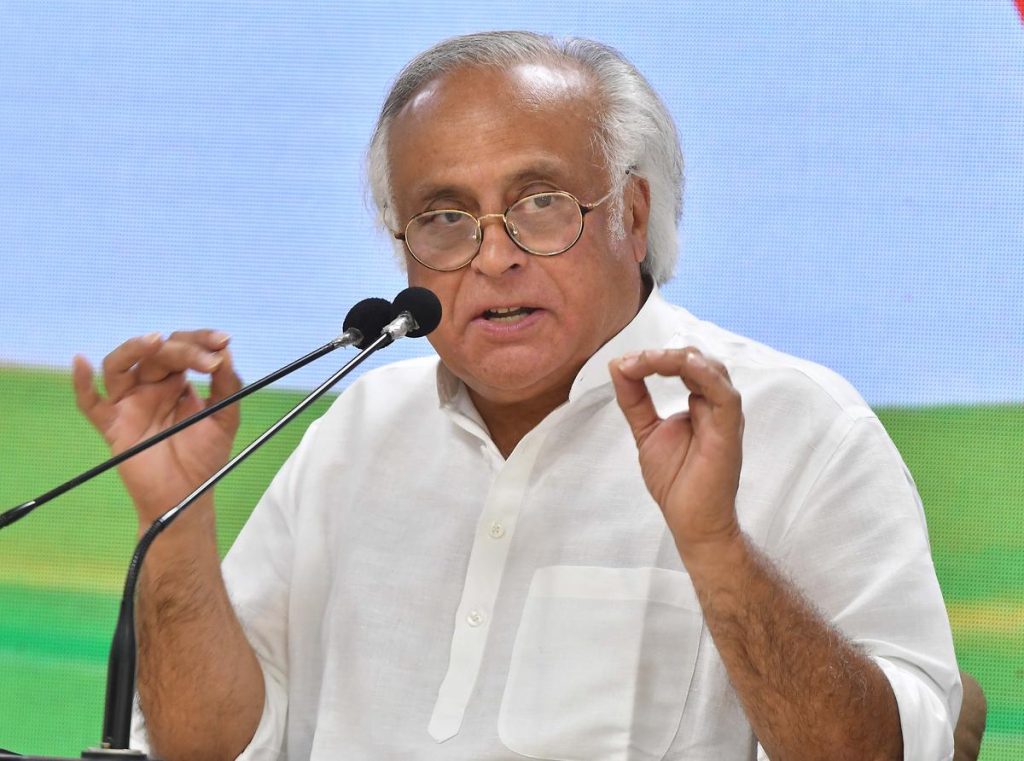
Launching a blistering attack on the Narendra Modi Government, opposition Congress on Friday said India “cannot remain a mute spectator and be content with coining slogans and acronyms.” The party further slammed PM Modi saying that “surrender Modi is stopping the purchase of oil from our friendly country Russia at the behest of America, whereas America itself has signed an oil agreement with India’s enemy country Pakistan.”

Reminding the government of the fate of the WTO, the WHO, the Paris Climate Agreement and UNESCO, Congress leader Jairam Ramesh said the US approach now is to negotiate, if at all, bilaterally but finally decide unilaterally

“India has the highest stakes in such international accords and institutions. It cannot remain a mute spectator and be content with coining slogans and acronyms,” Ramesh said

“WTO was dealt very heavy blows during Trump-I (the first tenure of Trump). It (WTO) has been destroyed during Trump-II (his current tenure). The rules-based, multilateral trading system put in place with the US itself playing a leadership role has been finished off. The US’s approach now is to negotiate, if at all, bilaterally but finally decide unilaterally.

“President Trump has also gutted the WHO and withdrawn from the Paris Climate Agreement and UNESCO. India has the highest stakes in such international accords and institutions. It cannot remain a mute spectator and be content with coining slogans and acronyms,” he said.

His colleague Pawan Khera added saying that “surrender Modi is stopping the purchase of oil from our friendly country Russia at the behest of America, whereas America itself has signed an oil agreement with India’s enemy country Pakistan.

“25% tariff and undeclared penalties are still imposed on India, but only 19% tariff is imposed on Pakistan. Russia, which was our traditional ally, is now frustrated with India and is building a major railway line with Pakistan. Now guess for yourself, where have the good days come because of Modi, in India or Pakistan? As for the rest, for an intelligent person a hint is enough and for a fool even the view is not enough,” he added.

According to some reports, Indian state refiners have stopped buying Russian oil in the past week as “discounts narrowed this month and Trump warned countries not to purchase oil from Moscow.” India is the world’s third-largest oil importer and the biggest buyer of seaborne Russian crude, a vital revenue earner for Russia.

Trump’ tariff—Sangh urges Govt to ‘stay firm, protect national interest”

‘If Washington believes that such coercive tactics can sway India’s decisions, it must recognise that today’s India is not the India of a decade ago,’ says SJM

It is time to stay firm and protect national Interest, RSS affiliate Swadeshi Jagran Manch (SJM) said while expressing “deep concern” over US President Donald Trump’s statement threatening “unspecified penalties” against India’s trade ties with Russia, in addition to the already announced 25 percent tariff hike.

“India’s sovereign right to procure defence equipment to strengthen self-reliance in defence production and to secure crude oil at the most competitive prices—essential to keeping domestic inflation under check—cannot be subjected to external pressure,” said Ashwani Mahajan National, Co- Convener of the Manch

Mahajan said if Washington believes that such coercive tactics can sway India’s decisions, it must recognise that today’s India is not the India of a decade ago. “We are emerging as a global power, demonstrated decisively during Operation Sindoor, and committed to building robust indigenous capabilities in arms production. The United States, too, needs to move beyond the inertia of a unipolar worldview and embrace the reality of a multipolar, cooperative order,” he said

The SJM called it “unfortunate” that “the US has chosen to adopt punitive measures against a strategic partner at a time when the world must collectively respond to the far greater challenge posed by China’s weaponisation of trade and global value chains”

“We congratulate the Government of India for standing firm against pressure during the ongoing India–US Free Trade Agreement (FTA) negotiations. Despite threats of reciprocal tariffs and the missed deadlines of July 9 and July 31, Indian negotiators have rightly resisted attempts to force open our markets to genetically modified (GM) agricultural products, dairy imports, and other sensitive sectors.

“It is worth noting that the US continues to exert pressure on multiple countries to lower tariffs outside the framework of WTO rules, often invoking non-trade considerations under the guise of “reciprocity”. The key sticking points in the current negotiations remain the US demand for market access for GM crops, deregulation of medical devices, and unrestricted cross-border data flows. India, on the other hand, has legitimately sought exemptions from steel, automobile, and pharmaceutical tariffs and defended its policy of data localisation.

“India’s principled stand—that GM food imports threaten both our biodiversity and food security, and that sensitive data must remain within sovereign control—is fully aligned with our long-term national interest.

“Whether or not a trade agreement is reached, Indian exports to the US will continue on the basis of mutual economic benefit. We must avoid concessions that undermine our farmers, small-scale industries, or long-term economic self-reliance. The experience of recent years has shown that India can leverage shifting global trade patterns—including those resulting from US–China tensions—to its advantage without compromising core interests, Mahajan said

He said that the SJM believes this is a moment to accelerate diversification of trade beyond traditional partners, deepening ties with Latin America, Africa, the expanded BRICS bloc, and the Global South. While the US remains India’s largest trading partner, trade must always serve mutual benefit—not be used as an instrument of pressure.

“The Swadeshi Jagran Manch urges the Government of India to maintain its firm stance and to use this moment to strengthen strategic autonomy, protect national interest, and advance a truly multipolar and equitable global trade order, and make decisive moves towards ‘Aatmanirbhar Bharat’,” he said

Trump’ tariff—India ‘not too worried’; will not retaliate, answer him publicly on issue: officials

“Basically, what Trump seems to be looking for is a reaction, India believes silence is the answer and whatever has to be said or done will be on the negotiation table,” they say

New Delhi, Apr 29 (ANI): Prime Minister Narendra Modi chairs a meeting with Defence Minister Rajnath Singh (unseen), National Security Advisor Ajit Doval (unseen), Chief of Defence Staff General Anil Chauhan (unseen) and chiefs of all the Armed Forces, in New Delhi on Tuesday. (ANI Photo)

Apparently, India is not too worried about US President Donald Trump’s 25% tariff announcement and will neither retaliate nor answer him publicly on the issue, sources in know of the developments say.

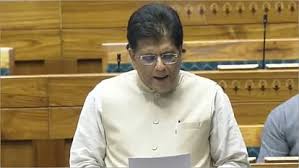
“Basically, what Trump seems to be looking for is a reaction. India believes silence is the answer and whatever has to be said or done will be on the negotiation table,” they said on the day Commerce Minister Piyush Goyal addressed Parliament, emphasising the Narendra Modi government’s focus on national interest.

“Trump is a businessman, an extremely transactional person, and he seems to be frustrated over India’s resistance. The fact is he has said worse things to Europe and Canada,” they added, also pointing Donald Trump’s Treasury Secretary Scott Bessent said   

Bessent told a TV channel that the US president and his entire trade team are “frustrated” with India over stalled trade talks. “India came to the table early. They have been slow rolling things. So I think that the President, the whole trade team, has been frustrated with them,” Bessant was quoted as saying.

What Trump said

In a sharp escalation before the August 1 deadline, Trump announced a 25% tariff and penalty on Indian goods even as trade negotiations between Washington and New Delhi are ongoing. He topped it with an unspecified penalty linked to India’s ongoing trade with Russia, particularly in oil and arms.

Later he called India “dead economy” with which the US has done very little business with.

“I don’t care what India does with Russia. They can take their dead economies down together, for all I care. We have done very little business with India, their Tariffs are too high, among the highest in the World. Likewise, Russia and the USA do almost no business together. Let’s keep it that way, and tell Medvedev, the failed former President of Russia, who thinks he’s still President, to watch his words. He’s entering very dangerous territory!” he said

Offering a measured response, India said that it would evaluate the implications of the tariff hike.

What India said

Goyal told Parliament that India will protect its national interest while pursuing any trade deal with world economies.  The government is studying the implications of the tariff announcements and what seemed like a response to Trump’s jibe that India is a ‘dead economy’, he said the Indian economy will soon become the third largest in the world in terms of GDP size and is currently the world’s fastest growing major economy. 

“In less than a decade, India came out of ‘Fragile Five’ economies and it has now become the fastest-growing economy of the world. On the basis of the hard work of reforms, farmers, MSMEs and industrialists, we have come in the top five economies of the world from the 11th largest economy. It is expected that we will be the third largest economy in a few years. Today, global institutions and economists see India as a bright spot in the global economy,” Goyal said.

The ministry is engaged with all stakeholders including exporters and industry, for feedback/ assessment of the situation, he also said

Economists forecast a limited macroeconomic impact, however, sectors like pharmaceuticals, textiles, gems and jewellery, and automobiles may be affected. On Thursday Indian stock markets remained cool with no panic attacks, though benchmark indices closed in the red.

India to become most powerful nation in telecom sector: Jyotiraditya Scindia

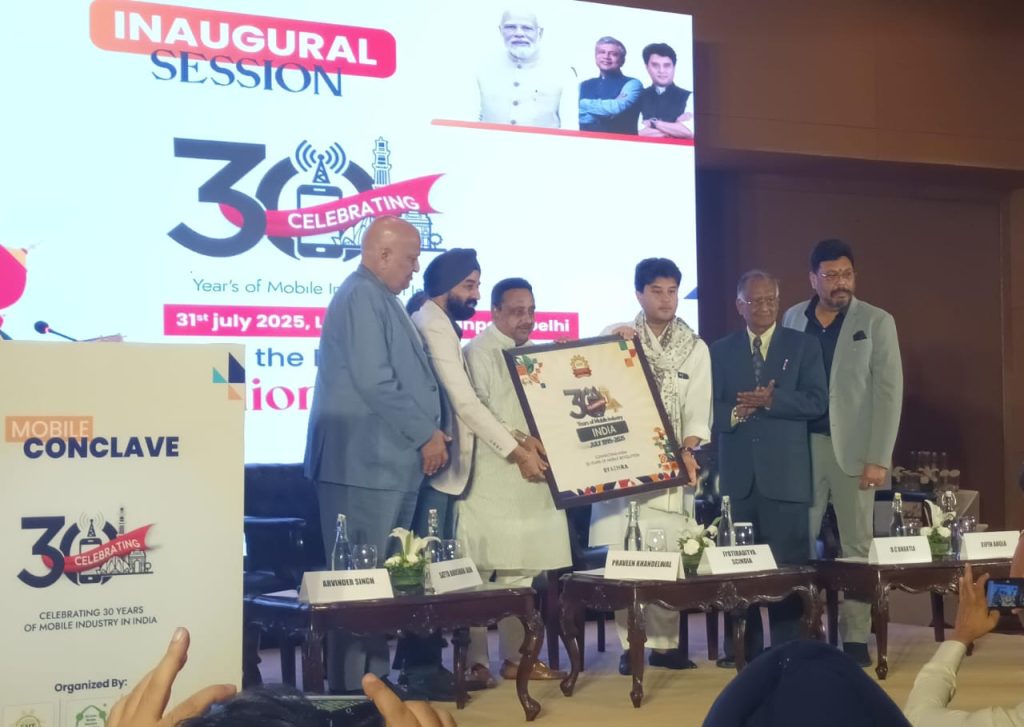
Photo: Priyanka Tanwer

New Delhi: Union Minister for telecommunication Jyotiraditya Scindia on Thursday said that India will become the most powerful nation in the telecom sector worldwide.

He was speaking during the inauguration of Mobile Conclave and exhibition organized by Confederation of All India Traders (CAIT), the All India Mobile Retailers Association (AIMRA), and the Organised Retail Association (ORA), in New Delhi. 

Photo: Priyanka Tanwer

Addressing the gathering of traders and retailers, he said, “Under the leadership of Prime Minister Shri Narendra Modi, a digital revolution has taken place in the country. Today, due to this digital revolution, 2.5 billion transactions are taking place annually through UPI, and corruption has been eradicated. Our UPI system has now reached the Eiffel Tower in France. We have become the 5th country to manufacture 4G equipment, and now India will lead the world in 6G.With the Prime Minister’s vision, an investment of $17 billion will be made to connect 6.5 lakh villages with broadband.”

“The digital highway is now running across the country like veins. I assure you that consumers will receive safe and better telecom services. Today is a historic day, and under PM Modi’s leadership, India will become the most powerful nation in the telecom sector worldwide,” he added.

The event was organized to mark 30th anniversary of India’s first-ever mobile call, made on 31st July 1995, when West Bengal Chief Minister Jyoti Basu spoke to Union Telecom Minister Sukh Ram, ushering India into the mobile era. 

This historic moment laid the foundation for a journey that today connects over a billion Indians.

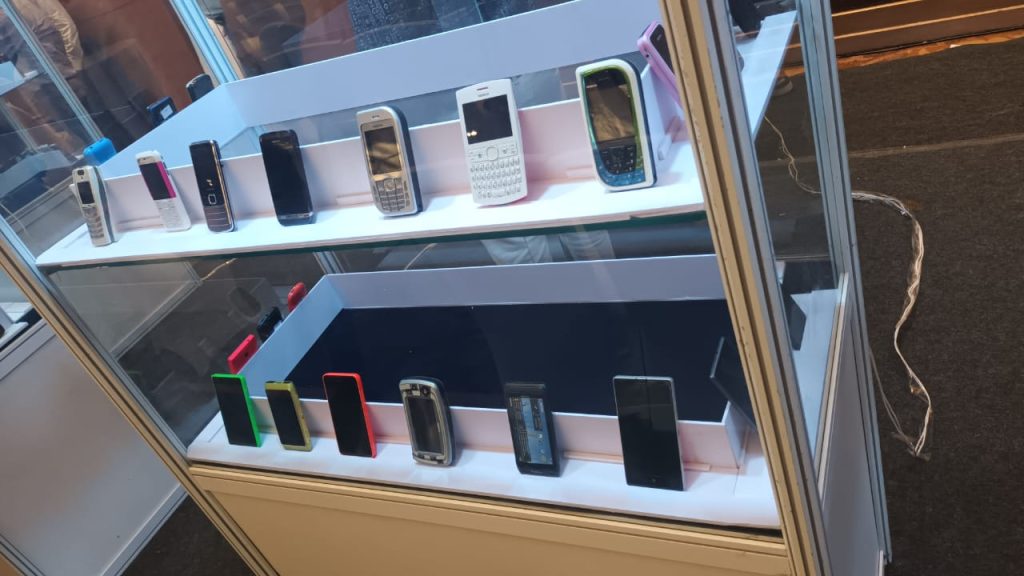
The event featured over 300 iconic mobile handsets spanning three decades—from India’s earliest bulky devices to sleek modern smartphones powered by AI and 5G. 

The exhibition offered a captivating glimpse into the evolution of personal connectivity and its impact on commerce, communication, and culture.

Meanwhile Praveen Khandelwal, Member of Parliament from Chandni Chowk and Secretary General of CAIT, paid special tribute to former Prime Minister Atal Bihari Vajpayee, under whose leadership the telecom sector was liberalised, making mobile phones accessible to the masses. 

He also lauded Prime Minister Narendra Modi, whose Digital India mission has not only deepened mobile penetration but transformed the mobile into a tool of empowerment, governance, entrepreneurship, and social justice.

“From voice to value, India’s mobile journey is a global case study. What began with a phone call in 1995 is now powering a trillion-dollar digital economy,” Khandelwal said.

The conclave also witnessed a high-powered panel discussion on “The Journey of Mobile Telephony in India: Past, Present & Future” brought together top voices from telecom companies, mobile manufacturers, retailers, and digital innovators. 

The dialogue covered transformative milestones—from prepaid connections and mobile internet to digital payments and Bharat-centric mobile innovations. Panelists also explored the future potential of 6G, artificial intelligence, satellite connectivity, and Make in India opportunities in the telecom sector.

‘Indian economy will be third largest,’ says Goyal after Trump’s ‘dead economy’ comment

They (India and Russia) can take their dead economies down together, for all I care, said Trump; everyone knows Indian economy is a dead economy, said Rahul Gandhi; he also claimed that an India-US trade deal will happen and Trump will define it, and PM Modi will do what American President tells him

On a day of fast moving geopolitical and economic developments, Commerce Minister Piyush Goyal said that India will protect its national interest while pursuing any trade deal with world economies.  The suo moto comments in the Parliament followed US President Donald Trump announcing a 25% tariff on India which will come into effect from August 1.

Goyal said the government is studying the implications of the tariff announcements and what seemed like a response to Trump’s jibe that India is a ‘dead economy’, Goyal said the Indian economy will soon become the third largest in the world in terms of GDP size and is currently the world’s fastest growing major economy. 

In a span of few years India has gone from being the world’s 11th largest to the fifth largest, he also said.

“In less than a decade, India came out of ‘Fragile Five’ economies and it has now become the fastest-growing economy of the world. On the basis of the hard work of reforms, farmers, MSMEs and industrialists, we have come in the top five economies of the world from the 11th largest economy. It is expected that we will be the third largest economy in a few years. Today, global institutions and economists see India as a bright spot in the global economy,” Goyal said.

Meanwhile, the ministry is engaged with all stakeholders including exporters and industry, for feedback/ assessment of the situation.

India ‘dead economy,’ says Trump  

While the 25% tariff on all goods imported from India will affect nearly all Indian exports to America, Trump also mentioned an unspecified penalty linked to India’s ongoing trade with Russia, particularly in oil and arms.

In a post on Truth Social, he talked of the penalty for procuring crude and defense equipment from Russia. India is also a part of BRICS which is a threat to the Dollar, he said.  However, negotiations will continue with India

Later he said that the US has done very little business with India, and also that Russia and the US do almost no business together.

“I don’t care what India does with Russia. They can take their dead economies down together, for all I care. We have done very little business with India, their Tariffs are too high, among the highest in the World. Likewise, Russia and the USA do almost no business together. Let’s keep it that way, and tell Medvedev, the failed former President of Russia, who thinks he’s still President, to watch his words. He’s entering very dangerous territory!” he said

Opposition slams PM Modi

Leader of Opposition in the Lok Sabha Rahul Gandhi added saying that everyone knows Indian economy is a dead economy and that he was glad that Trump stated a fact.

“THE INDIAN ECONOMY IS DEAD. Modi killed it. 1. Adani-Modi partnership 2. Demonetisation and a flawed GST 3. Failed “Assemble in India” 4. MSMEs wiped out 5. Farmers crushed Modi has destroyed the future of India’s youth because there are no jobs,” he wrote on X

Later, speaking with reporters in the Parliament House Complex, he said, “I am glad President Trump has stated a fact. Everyone knows the Indian economy is a dead economy, everyone except the Prime Minister and Finance Minister.”

“You don’t know the Indian economy is a dead economy? Do you have any confusion? The whole world knows the Indian economy is dead and the BJP has destroyed it to help Adani. Why are you all looking surprised?” he in turn posed to those who asked him the question.  

Gandhi also claimed that an India-US trade deal will happen and Trump will define it, and PM Modi will do what the American President tells him  .

TRAI mobile network performance survey in TN, AP, UP

To measure real-world mobile network performance across diverse usage environments, the Telecom Regulatory Authority of India (TRAI) released its Independent Drive Test (IDT) findings for the Andhra Pradesh Licensed Service Area (LSA), Tamil Nadu LSA, Uttar Pradesh East LSA, covering extensive city routes of Visakhapatnam, Coimbatore, Mirzapur, Chandauli and Mughalsarai respectively.

For Andhra Pradesh, the TRAI teams conducted detailed tests across 342.9 Kms of city drive test, 3.6 Kms of walk test, 19Kms of coastal corridor drive test and 8 Hotspot locations between June 10 and 13.

Technologies evaluated included 2G, 3G, 4G, and 5G, reflecting the service experience of users across multiple handset capabilities. The findings of the IDT have been intimated to all the TSPs concerned.

According to the TRAI, detailed tests across 409.7 Km of city drive test, 4.3 Kms of walk test and 8 Hotspot locations were covered in Tamil Nadu between June 24 and 27.

The same exercise was conducted in Uttar Pradesh through an appointed agency which was conducted across 282.5 Kms of city test and 5 kms of walk test in Mirzapur, Chandauli and Mughalsarai between June 30 and July 4.

“During drive test, live data and voice sessions were established over 2G, 3G, 4G, and 5G networks using mobile advanced test handsets with SIM cards from all telecom operators. The voice calls and data sessions were monitored and analysed in real-time using state-of-the-art Drive test System. The data collected during the drive test has further been analysed by experts using specialized tools, and the final report is prepared based on this analysis,” it added. 

All accused in 2008 Malegaon blast case, including Pragya Thakur, Purohit, acquitted

“A win for bhagwa…God will punish those who are guilty,” said former BJP MP Pragya Singh Thakur; In 2010 the then Home Minister, Congress’ P. Chidambaram, had cautioned police officials about “saffron terror”, a remark that was met with severe backlash from BJP and Hindu religious groups

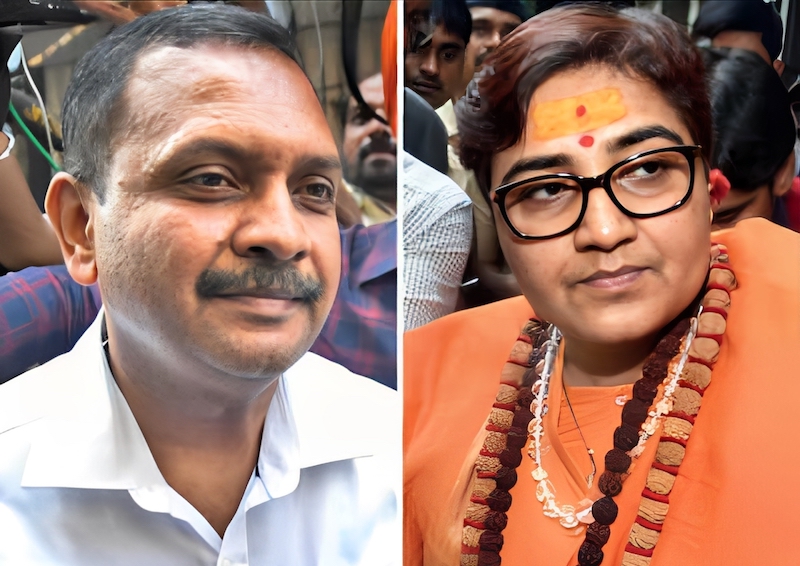
A special court in Mumbai on Thursday acquitted all the seven accused in the Malegaon 2008 blast case. They included former BJP MP Pragya Singh Thakur and Lt Col Prasad Purohit.

The seven accused were arrested by the Maharashtra Anti-Terrorism Squad (ATS) around 17 years back One of them was released from prison on bail in 2011, the other six remained behind bars for another eight years before getting bail in 2017.

Others who faced trial in the case for offences under the Unlawful Activities (Prevention) Act (UAPA) and the Indian Penal Code included Major (retired) Ramesh Upadhyay, Ajay Rahirkar, Sudhakar Dwivedi, Sudhakar Chaturvedi, and Sameer Kulkarni.

Pragya was seen with tears in her eyes as she recalled her long years of struggle and humiliation. She said she was branded as tainted when she was not guilty, she was crying, according to those present in the court

“I said this from the very beginning that those who are called for investigation there should be a basis behind that. I was called by them for investigation and was arrested and tortured. This ruined my whole life. I was living a sage’s life, but I was made and accused, and no one was willingly standing beside us. I am alive because I am a Sanyasi. They defamed Bhagwa through a conspiracy. Today, Bhagwa has won, and Hindutva has won, and God will punish those who are guilty. However, those who defamed India and Bhagwa have not been proved wrong by you…” agencies quoted her as saying.

The case

The blast, which ripped through Malegaon town in Nashik district on September 29, 2008, left six dead and over 100 injured. It occurred near Bhikku Chowk in the communally tense town during the month of Ramzan.

Judge A K Lahoti, who presided over the case assigned to the NIA, said the prosecution failed to prove the allegations in the case and that all seven accused deserve the benefit of doubt.

The prosecution could not prove that the motorcycle used in the blast belonged to Pragya Thakur, he said, adding that the engine number was unclear, and the chassis number had been wiped out.

There was no cogent or reliable evidence to prove that Pragya owned the vehicle, he said

The court also further observed that she had become a sanyasi (renunciant) two years before the blast and had distanced herself from material possessions, according to reports.

Sadhvi Pragya Singh Thakur.is former BJP MP from Bhopal. 

Lt Col Prasad Shrikant Purohit was then serving officer in Military Intelligence

The accused faced charges under the Unlawful Activities (Prevention) Act (UAPA) and various sections of the Indian Penal Code (IPC), including conspiracy, murder, attempt to murder, promoting enmity, and voluntarily causing hurt.

What Chidambaram said 

In 2010 the then Home Minister, Congress’ P. Chidambaram, had cautioned police officials about “saffron terror” , a  remark that were met with severe backlash from BJP and Hindu religious groups.

Chidambaram cautioned the chiefs of State police forces, security and intelligence officials against continuing attempts to infiltrate militants into India as well as the recently uncovered phenomenon of “saffron terrorism”.

“There is no let up in the attempts to radicalise young men and women in India. Besides, there is the recently uncovered phenomenon of saffron terrorism that has been implicated in many bomb blasts of the past. My advice to you is that we must remain ever vigilant and continue to build, at the Central and State levels, our capacity in counter-terrorism,” he had told top police and security officers.

Trump hits India with 25% tariffs—Equity markets in red, Rupee tumbles

Congress hit out at the Narendra Modi government, calling it a personal failure of the Prime Minister

File Photo

Effective August 1, US President Donald Trump has announced a sweeping 25% tariff on all goods imported from India—a move that will affect nearly all Indian exports to America. In addition, he also mentioned an unspecified penalty linked to India’s ongoing trade with Russia, particularly in oil and arms.

In a post on Truth Social, he talked of the penalty for procuring crude and defense equipment from Russia. India is also a part of BRICS which is a threat to the Dollar, he said.  However, negotiations would continue with India, he added. 

Intended to put pressure on India to strike a deal or face hefty tariffs, the announcement is expected to put a strain on economic and diplomatic ties between the countries.

Meanwhile, US Fed kept the rates on hold

According to IFA Global, the Rupee weakened 61p to end at 87.43 after trading in a 87.06-87.52 range yesterday. After the move Rupee became the “worst performing Asian currency Calendar YTD. Rupee is likely to open around 87.62 and trade a 87.45-87.90 range with weakening bias,” it said 

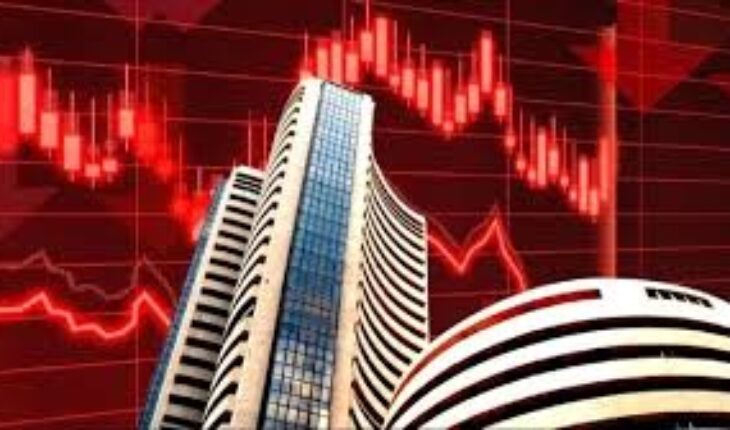
Equity markets opened lower with tariff concerns weighing on investors’ sentiments

The duties target several of India’s top-performing export sectors. Automobiles, auto components, steel, aluminum, smartphones, solar modules, marine products, gems, jewellery, and select processed food and agricultural items are all on the 25% list, however, pharmaceuticals, semiconductors, and critical minerals have been excluded.

Opposition slams PM Modi

The Congress hit out at the Narendra Modi government, calling it a personal failure of the Prime Minister.

“All that ‘taarif’ between him and ‘Howdy Modi’ has meant little,” Congress general secretary Jairam Ramesh said in a post on X.

“Mr Modi thought that if he kept quiet on the insults that the US President has hurled on India—30 claims of stopping Op Sindoor, the special lunch for the Pakistan Army Chief whose inflammatory remarks provided the immediate backdrop to the brutal Pahalgam terror attacks, and US support for financial packages to Pakistan from the IMF and the World Bank—India would get special treatment at the hands of President Trump. Clearly that has NOT happened,” he said.

  “The 25 per cent tariff on all Indian exports to the United States PLUS penalty for buying Russian oil is a big blow to India’s trade with the U.S. ‘Dosti’ is no substitute for diplomacy and painstaking negotiations,” Former Finance Minister P Chidambaram said in a post on X.

 Responding to US President Donald Trump, the Narendra Modi government on Wednesday said it will take all “steps necessary” to secure the country’s national interests as it has been the case with other trade agreements including the latest Comprehensive Economic and Trade Agreement with the UK. In a short and clear statement issued late evening, the Ministry of Commerce said that the “Government has taken note of a statement by the US President on bilateral trade.  The Government is studying its implications.”

“India and the US have been engaged in negotiations on concluding a fair, balanced and mutually beneficial bilateral trade agreement over the last few months. We remain committed to that objective.

“The Government attaches the utmost importance to protecting and promoting the welfare of our farmers, entrepreneurs, and MSMEs.

“The Government will take all steps necessary to secure our national interest, as has been the case with other trade agreements including the latest Comprehensive Economic and Trade Agreement with the UK,” it said

August 1

August 1 was the deadline for implementation of reciprocal tariffs on various trading partners, including India. The deal remains unfinalised despite several rounds of discussions and any further delays could negatively impact the Indian economy and stock market but sources in know of developments say that for a government which is facing backlash on Trump’s repeated claims on brokering ceasefire between India and Pakistan, it needs to be extra caution while finalising the deal in mind the interests of people, especially the farmers   

Recently India and the United Kingdom made history by officially signing the Comprehensive Economic and Trade Agreement (CETA) which is projected to elevate bilateral trade by $34 billion annually. At a time when the India-US trade agreement was facing uncertainties, CETA was described as India’s most ambitious pact with a Western country.

Though Indian equity benchmark indices—Sensex and Nifty—traded higher on Wednesday, there continues to be a lingering uncertainty over the much-delayed agreement. Gold and silver prices also remained bullish in the domestic futures market on the back of persistent uncertainty over the deal, driving investors into safe-haven assets.

Sticking points

Agricultural products and genetically modified crops remain some of the main sticking points from the India side. A key point of contention is America’s insistence on greater access to Indian markets for its agricultural, dairy, and GM products, India argues that such access could negatively impact the livelihoods of its farmers.

MOST POPULAR

HOT NEWS