Trump is upset about India buying oil and arms from Russia; can he be placated with an expensive defence purchase? India already has six types of American-origin fixed wing aircraft and helicopters—Boeing C-17, Lockheed C-130, Boeing P-8I, Boeing Apache, Boeing Chinook, Lockheed MH-60R; Last year India also finalised a deal to purchase 31 MQ-9B Predator armed drones from US
Photo: courtesy Lockheed Martin website
As India considers ways to find a middle path to tackle the 25 % tariff threat that can also keep US President Donald Trump in good humour, can expensive defence purchases like fifth generation F-35—the single-seat, single-engine, supersonic stealth multirole strike fighter designed and built by Lockheed Martin—be one of them. Trump’s imposition of tariffs and penalties on India may affect arms deals and American defence firms bidding for multi-billion-dollar projects in India, sources in know of developments say but in geopolitics things can change by a gesture.
Notably, responding to a question on the F-35, Minister of State Kirti Vardhan Singh on Friday told the Parliament that “no formal discussions have been held as yet on this issue.”
During Prime Minister Narendra Modi’s US visit in February, India and the US issued a joint statement saying the US “will undertake a review of its policy on releasing fifth generation fighters (such as F-35) and undersea systems to India”. Trump said “starting this year, we will be increasing military sales to India by many billions of dollars. We are also paving the way to ultimately provide India with the F-35 stealth fighters”.
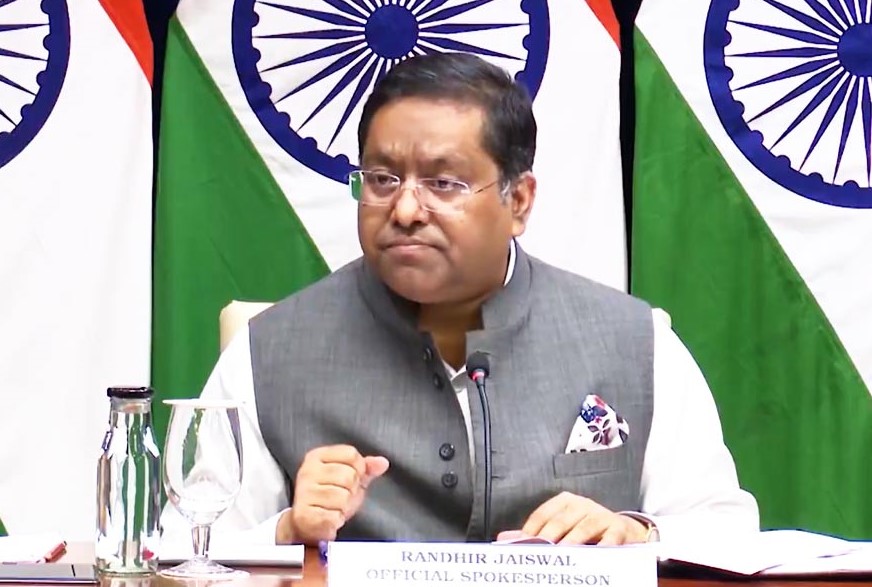
Much has happened since then, including Trump’s tariff threats, which India on Friday brushed aside saying its relations with America has weathered many transitions and challenges and the relationship would continue to move forward. “This partnership has weathered several transitions and challenges,” Ministry of External Affairs spokesperson Randhir Jaiswal said responding to questions on Trump’s tariff and penalties on buying oil and weapons from Russia.
Clearly Trump is upset about India’s association with Russia though, as pointed out by Jaiswal, sourcing of our defence requirements is determined solely by our national security imperatives and strategic assessments.
India’s strategy
So far, India is strategically neither retaliating not responding on the issue publicly, however, sources in know of the developments say the government is keen to keep bilateral trade talks on track and is exploring options. Can increasing purchase of natural gas, communication or defence equipment—which seem to be close to Trump’s heart—be one of them.
So far the government has been stressing on partnership focused on jointly designing and manufacturing defence equipment. Barring a few exceptions, most military procurement projects, including fighter jets, transport aircraft, specialised vehicles and anti-tank systems, fall under the ‘Make in India’ initiative.
IAF and American aircraft
Phasing out of the MiG-21 fleet will leave the Indian Air Force (IAF) 13 squadrons short of its assessed requirement of 42.
The IAF currently operates 31 squadrons, and the retirement of the MiG-21s will reduce that number to 29.
India already has around six types of American-origin fixed wing aircraft and helicopters like Boeing C-17, Lockheed C-130, Boeing P-8I, Boeing Apache, Boeing Chinook, Lockheed MH-60R. India has also finalised a deal with the US to purchase 31 MQ-9B Predator armed drones for its armed forces. But a fact also is that apart from high cost, advanced US fighter jets like F-35 also do not align perfectly with a buyer country’s specific needs, say experts
But there are sectors like textiles, gems and jewellery that India may be worried about after tariffs kick in, can an expensive defence purchase be a way out. Trump thrives on optics, may have also called India “dead economy” but things can change. PM Modi had already invited Trump for the Quadrilateral Security Dialogue among the US, Japan, India and Australia scheduled later this year.
What was once rare is now becoming frequent; the past two decades are clear indication of shifting of shifting monsoon patterns in a warming world that should worry planners
File Photo
Over the past few years, Rajasthan has shown a consistent increase in rainfall but this July the desert state (as it is also called) recorded the highest in the past 69 years. Known as one of India’s driest regions, 2025 again brought unprecedented rains there due to a combination of climate-driven shifts—intense and early Southwest monsoon and multiple weather systems.
What was once rare is now becoming frequent. At least the past two decades are clear indications of shifting monsoon patterns in a warming world which should worry planners. But does it bother them as much, because the story of poor planning and infrastructure to circumvent it gets repeated almost every other year.
Monsoon 2025
There are videos circulating online showing people wading through water up to shoulders, some also swimming.
Heavy rainfalls battered several parts of Rajasthan on Friday, with the Meteorological Centre in Jaipur recording 285 mm rainfall for July, quite close to the previous record of 308 mm in July 1956. Taranagar in Churu district recorded the highest rainfall at 185.0 mm in the last 24 hours, according to IMD on Friday
Several rivers, including Luni, Parvati, and Chambal, are overflowing, wreaking havoc in the surrounding areas. In Dholpur district, a mini truck was swept away due to flooding from Parvati after which the authorities opened four gates of the Parvati dam to release excess water. Due to heavy rains on Thursday, the Chambal in Dholpur was flowing about 12 metres above the danger mark. Several areas in the district were submerged, and the army was called in for rescue operations.
This is the rainiest July the desert state has seen in past 69 years, it was 308 mm in 1956, at least rain-wise the desert state is outperforming all other states
Reasons
Multiple active weather systems contributed, all indicating shifting monsoon patterns from climate change in Rajasthan that has been showing a consistent increase in rainfall over the years.
By mid-June, heavy rain arrived early when both branches of the monsoon (from the Arabian Sea and Bay of Bengal) became active simultaneously.
By late July, a depression formed over Jharkhand and eastern India and moved toward Rajasthan, triggering intense rainfall in districts like Dausa (158 mm within 24 hrs).
Over the past decade, western Rajasthan and neighbouring Gujarat have received 40–50% more monsoon rains compared to earlier decades, all of which can be linked to rising sea surface temperatures (SSTs) and altered monsoon dynamics.
Climate scientists attribute the increasing number of heavy-rain days to warming SSTs and increased moisture transport. Even arid western districts like Thar are now experiencing above‑normal rain in 12 of the last 20 years.
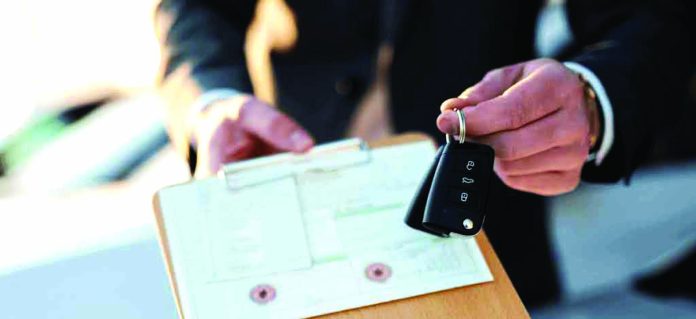
A Tehelka SIT report exposes the thriving fake vehicle registration racket in Delhi-NCR and its deep security implications.
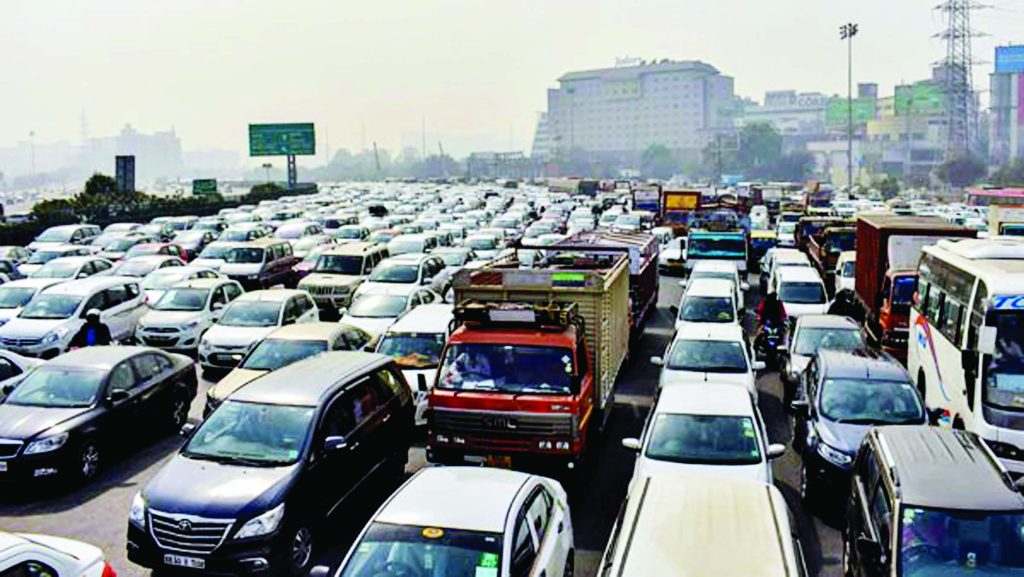
The Commission for Air Quality Management (CAQM) announced in Delhi that all polluting vehicles exceeding the permissible age limit—10 years for diesel and 15 years for petrol—also called End-of-Life Vehicles (ELVs), would be barred from refuelling at Delhi’s fuel stations from July 1, 2025. The move was implemented across the National Capital on July 1, impacting 62 lakh vehicles on Delhi roads. But within days of its rollout, the CAQM postponed the enforcement of the ELV fuel ban following a public backlash and opposition from the Delhi government. The new implementation date is now November 1, 2025, with its scope expanded to key NCR districts.
No doubt, controlling air pollution in the National Capital is an important priority. Yet another issue, equally critical but largely overlooked by the authorities, is the fake registration of vehicles on fraudulent addresses in Delhi-NCR—a threat, no less, to national security. In the world of document fraud, our attention often gravitates towards travel papers, identity cards, driving licences and counterfeit banknotes. However, one critical area that rarely gets attention is fraudulent vehicle registration. These documents play a significant role in organised crime and have a profound impact on victims.
Fraudulent vehicle registrations represent a valuable resource for organised crime syndicates. Such vehicles enable a range of illegal activities—from smuggling and trafficking to evading law enforcement and facilitating the sale of stolen cars. By using fake registration documents, along with forged plates and tampered VIN (Vehicle Identification Number) markings, criminals can conceal the true identity of vehicles. This makes it difficult for authorities to trace and apprehend offenders, prolonging investigations and complicating recovery efforts.
To expose this growing menace, Tehelka decided to investigate the racket involving fake vehicle registrations on fraudulent addresses in Delhi-NCR, and the nexus between used-car dealers and their clients. Our investigation has revealed that dealers in the region are selling vehicles to buyers with the assurance that registration can be arranged in any Delhi-NCR city, including Delhi—regardless of whether the customer has valid identity or address proof for that location.
“Since the man buying the car from me is known to you, I will give my Aadhaar and address proof of Delhi, on which his car can be transferred. If it had been someone else, I would never take this risk. Who knows—he could be a criminal, commit a crime in that car, and I would end up in jail,” said Sanjay Singh Baliyan, a used car dealer from Delhi, to Tehelka’s undercover reporter.
“You don’t have to worry about the address proof. The broker will arrange a fake rent agreement from Delhi, and your vehicle will be transferred on a Delhi address,” Baliyan added.
“Recently, I sold a car with a Gurugram number to a man from Meerut, using an address proof of Meerut. I gave Rs 10,000 to the broker, who got the car transferred on a Gurugram address using a fake rent agreement, showing that the man was living on rent in Gurugram. In reality, he never lived there. For this, I paid Rs 10,000 to the broker,” said Mohammad Nabi, another used car dealer from Ghaziabad, Uttar Pradesh, to our undercover reporter.
“In an original car transfer, agents charge between Rs 3,000– Rs 4,000. But for a fake transfer, they charge around Rs 10,000. In such cases, if a crime is committed using the vehicle, the police will go to the registered address. At that address, they will find someone else, who will confirm that the person in question was indeed living there on rent,” said Nabi.
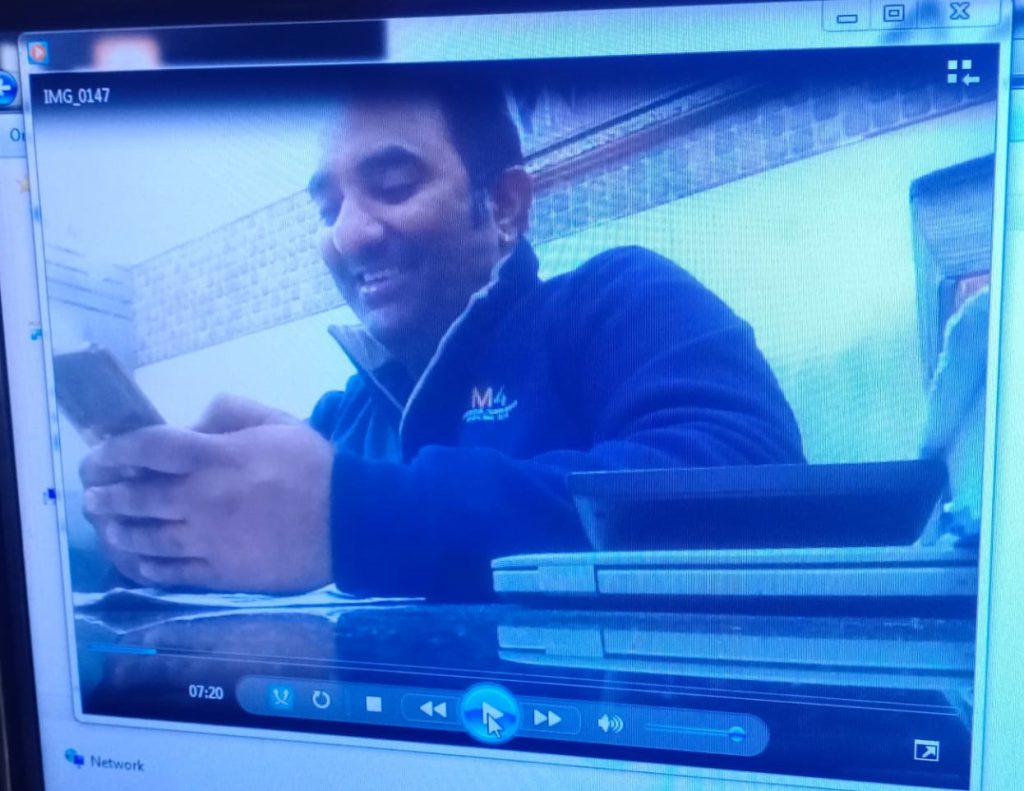
“I live in Delhi but run a Haryana-number car without any address proof of Haryana. The Regional Transport Officers [RTOs] are doing this. They are not even verifying addresses,” said Ashish Walia, another used car dealer from Delhi, reassuring the reporter.
Ashish Walia
In this investigation, Mohammad Nabi was the first dealer Tehelka spoke to. Nabi runs a used car business in Ghaziabad, Uttar Pradesh. We offered him a fake deal, saying that our friend, a resident of Gurugram, wanted to buy a used Crysta Innova car with a Delhi number. We wanted to know the procedure for getting the vehicle transferred in our friend’s name. Nabi explained in detail that a broker would show a fake rented address of our friend in Delhi. He added that our friend would not actually live at that address—but if someone visited, they would find someone there. “That is what they charge money for,” Nabi said.
In the following exchange, Mohammad Nabi explains how agents legitimise fake addresses using ‘care of” arrangements. He admits that brokers place their own address and ensure someone is present to mislead checks — all for a price.
Reporter – Farzi ye bhi to hota hai? Aadmi us address par na ho farzi raseed katwa lee?
Nabi- Wo farzi nahi hai kaam, wo bhi genuine kaam hai, aisa hai wo c/o mein transfer hoti hai.
Reporter- Jab aadmi raha nahi hai us address par to kaise ho jayega?
Nabi- Wo agent address lagata hai, us address par aap jaoge to banda aapko milega.
Reporter – Kaunsa banda milega?
Nabi- Wo jiska address laga hoga.
Reporter – Wo banda to milega… magar jiske naam gadi hai wo thodi milega?
Nabi- Na, wo nahi milega.
Reporter- To wo farzi hi to hua.
Nabi- ‘Care of’ ka matalab hi yahi hai. Jaise aapka relative rehta hai wahan, usmein jo agent hota hai wo apna address karata hai.
Reporter – Haan to ‘care of’ ke paise leta hai na wo karane ke?
Nabi- Haan.
[This tells us how the loophole works—an artificial cover of legitimacy through ‘care of’ transfers. It reveals the ease with which intermediaries commercialise fraud under the guise of procedure.]
In the following dialogue, Nabi defends the practice by claiming agents only process transfers for people they “know.” He told us that they handle transfer cases only for people known to them. However, he failed to explain how he distinguishes a genuine buyer from a potential criminal. According to him, they avoid taking transfer cases for criminals. If something goes wrong later, the broker would be in trouble. Nabi admitted that if a crime is committed using a car transferred on a fake Delhi rental address, the police will visit that address but will not find the actual owner. Instead, they will find someone who provided their address for money—and that person will end up in trouble.
Reporter – Main wahi to keh raha hoon.. farzi to ho gaya?
Nabi- Farzi thodi hai address. Lag raha hai chahe kisi ka bhi lag raha hai, bina address ke thodi transfer ho jayegi.
Reporter – Nahi samajh nahi rahe ho tum. Maan lo koi criminal nikla jiske naam gadi transfer hui ho, usne koi wardaat kar di?
Nabi- To usey transfer ke liye aise koi dega bhi nahi. Sakhti bahut zyada hai… aise bande ko gadi di bhi nahi jayegi.
Reporter- Kisi ke chehrey par thodi likha hai ki wo apradhi hai.? Maan lo aapse kisi ne gadi kharidi.
Nabi- Dekhiye jo transfer karwate hain na wo bhi jo hai ‘care of’ mein har bande ke liye transfer nahi karate hain. Wo bhi bande ko pehchan kar hi karate hain. Maan lo hum jaanney wale hain to wo bata deta hai, hum keh dete hain ki apna banda hai.. jo apna banda hoga wo kara dega. Wo keh deta hai zimmedari aapki hogi.
Reporter- Mein wahi to pooch raha hoon… kisi criminal ki aapne karwa di to us mein to phas jyega na aadmi..
Nabi- Us mein har banda address aise nahi lagata hai… mein aapko bata raha hoon. Ab Maan lo hum aapke apne bande hain theek hai..,aapne kaha ki Nabi bhai mera address nahi hai Delhi ka aur aapki Delhi ki ID hai to aap transfer karwa do …ab maan lo is gadi se koi crime bhi hota hai, ab maan lo accident bhi ho gaya khuda na khasta, ya koi vardaat ho gayi to usmein address par hi to police jaati hai…to address par police jayegi aur jiske naam hai.. owner ke.. usko pakdegi
Reporter – Maan lo is address par aadmi rehta hi nahi hai?
Nabi- Wo to nahi rehta magar jo rehta hai usko to pakdegi na police.
Reporter – Wo to bechara phas gaya na jiske address par lagaya hai.
Nabi- Haan bilkul phas jaayega.
[This reveals the dealer’s casual attitude towards the process fraught with risk. The blame would fall on an innocent person whose address is used, proving that fraud survives on blind trust and poor checks.]
As the talk progressed, Nabi reveals how deeply normalised the system of fake transfers has become. He told us that they pay money for the car transfer, and the people providing their addresses for fake rent agreements also charge for it. If the police visit that fake address, the occupant will claim that the car owner was living there on rent and has since left. The priority, as Nabi bluntly says, is not legality but getting the vehicle transferred—come what may.
Reporter- Is aadmi k saath to galat ho gaya na?
Nabi- Haan…dekho Aisa hai hum to laga hi nahi rahe.. maan lo hum paisa de rahe hain to usi cheez ka de rahe hain …agent jiska address laga raha hai wo bhi paisa le raha hai…Jo banda apna address lagata hai na agent se wo paise bhi leta hai….‘care of’ ke paise deta hai warna aise koi lagayega thodi? Ab mein to aapka apna banda hoon.. aapse maine koi paisa nahi liya.. apna address laga diya, wo to ho gayi bhaicharey wali baat. Ab agent to din mein sainkdon gadiyan transfer karwate hain, wo to peene khane wale jo hote hain na nashedi…wo apna address laga dete hain…unko to bas paise chahiye. Unko koi dikkat hi nahi…paise se matlab hai.
Reporter – Challan to online aa jaate hain uski koi dikkat nahi hai. Maan lo koi vardaat ho jaaye to police number se address nikalegi na…par us address par wo aadmi milega nahi.
Nabi- Nahi.
Reporter- Ye to gadbad ho gayi na?
Nabi- Jo address lagayega wo apne bal bootey par lagata hai… ki jo bhi hoga mein dekh lunga, hamko kya matlab is baat se, hamko to transfer se matlab hai. Hamari gadi transfer honi chahiye..bas.
Reporter – Police jayegi to bol dega: mere yahan kiraye par rehta tha?
Nabi- Haan wo to rent agreement bhi lagta hai na bakayda. Wo rent agreement bhi lagate hain.
Reporter- Accha Aadhar bhi to lagta hai transfer mein?
Nabi- Aadhar card uska lagta hai jiski gadi hoti hai.
Reporter -Haan to usmein bhi to address hota hai?
Nabi- Haan to wo update karate hain, wo rent agreement banwate hain ye banda is address par rehta tha aur rehta hai. Wo ek LIC type ka banate hain, rent agreement banate hain… tab transfer hoti hai.
Reporter -Wo paise lete honge rent agreement banane ke?
Nabi- Haan bilkul lete hain.
[This shows the brazenness of the racket, where paperwork is easily manipulated for a price. We learn that even official documents like Aadhaar and rent agreements are routinely misused to mask fraud.]
Here, Nabi breaks down the cost difference between a normal transfer and a “care of” transfer. According to him, the charges for using a fake address are higher compared to a normal transfer. A fake transfer costs between Rs 10,000 and Rs 12,000, while a normal one is around Rs 3,500 to Rs 4,000. He explains why fake transfers are more expensive, citing agent fees and expenses involved in fabricating documents like rent agreements and utility bills.
Reporter- Paisa zyada lagega is kaam mein?
Nabi- Kam se kam 10-12 hazar lagenge.
Reporter -Itna zyada?! Aur normal transfer mein kitna lagega?
Nabi- Rs 3500-4000 k. ‘Care of’ mein zyada lagta hai.. agent khayenge paisa, rent agreement banta hai. Aadhar card, bijli ka bill doosre ka lagega.. ye saara kaam hoga.
[We see how fraud is monetised. Everything—from fake rent agreements to false address proofs—costs money, turning deception into a regular, organised service.]
Now, Nabi shares how a fake rent agreement helped him transfer a car from Gurugram to a buyer from Meerut, revealing the ease and cost of bending the rules. He said he had paid Rs 10,000 to a broker who arranged the transfer on a fake Gurugram rent agreement, claiming the buyer lived there. In reality, the man never stayed in Gurugram, he said.
Nabi- Ek bande ki ID thi Meerut ki. Maine Alto 800 bechi thi.. abhi usper Meerut ki gadi hai aur address tha Haryana ka..Gurgaon ka, HR 26 thi car. Is car ko maine abhi transfer kraya hai… 2-3 mahine ho gaye agent ne Gurgaon ka address dikhaya, wahi karata hai sare kaam humko to paise dene hain bas, kaam hona chahiye. Maine gadi bechi hai to mere through hi to hoga.
Reporter- Kitne paise liye ?
Nabi- Usne 10 k liye they.
[This reveals how routine and organised the fraud is. We learn that geography is no barrier; fake addresses and hefty payouts make almost any transfer possible.]
Sanjay Singh Baliyan is the second person Tehelka contacted during this investigation. Sanjay is also in the used car business, selling vehicles to interested buyers. We presented him with a fictitious deal, saying that our friend wanted to buy a used Crysta Innova in Delhi-NCR, but the buyer was from Gurugram (Haryana) and had no address proof for Delhi. We wanted to know how the transfer would be arranged in his name. In response, Sanjay assured our reporter that there was nothing to worry about—the car would be transferred to our friend’s name using a fake Delhi rental address.
Reporter – Kharidaar Gurgaon ke hain.
Sanjay – Naam kara denge.
Reporter – Kaise naam karwaoge? Wo Delhi mein nahi hai…ID nahi hai?
Sanjay- ‘Care of’ mein ho jayegi sir ji.
[This highlights the casual ease with which loopholes are exploited. Sanjay’s quick solution—using the “care of” method—shows how easily rules are bypassed.]
In this exchange, Sanjay reveals how rent agreements and Aadhaar details are manipulated to push through transfers. He explained in detail that the broker he would use for transferring the vehicle would create a fake rent agreement for an address in Delhi, showing that we had lived there before moving to Gurugram. He said this despite knowing we had never lived in Delhi and that the car would be transferred using that fake address.
Sanjay- Rent agreement karwa denge yahan ka, aajkal to Aadhar bhi change ho jata hai. Yahan se kisi ka rent agreement banwayenge ki rent par reh rahe hain ye yahan. Aadhar number to wahi rahega.
Reporter – Kisi aur ka rent agreement lagaoge?
Sanjay- Haan ji. Kisi ke makaan ka hoga.. dalaal hi banwate hain….ho jata hai ‘care of’ mein.
Reporter- Unka Delhi mein koi rishtedar nahi hai na. Wo rent par rahe hain, kuch address nahi hai unka.
Sanjay – Haan.. to wo ho jata hai ji, banwa dete hain.
[We learn that Aadhaar and rent agreements—meant for security—are easily misused to legitimise fraudulent transfers of vehicles. Sanjay admits that brokers arrange everything, even without real ties to the address, under the guise of a “care of” setup]
We told Sanjay that this would be wrong—our friend had never lived in Delhi, yet a fake rent agreement would show he had lived there for the car transfer. Sanjay, however, brushes aside concerns about wrong addresses, claiming that even someone from Bihar can get a transfer done through the “care of” route. He reveals that brokers manage everything—rent agreements and Aadhaar details—often using their own or a relative’s credentials.
Reporter -Wo to galat ho jayega na?
Sanjay – RC to by post hi aayegi.
Reporter -Haan magar wo rahe to hain nahi us address par. Galat na ho jayega?
Sanjay – Aajkal to sabkuch aadhar number hai, Agar koi Bihar ka bhi ho uske naam bhi ‘care of’ mein ho jayegi.
Reporter- Aadhar kiska lagaoge?
Sanjay-Aadhar dalal lagwate hain apna…rent agreement banwate hain. Rent agreement banwa denge. Aadhar dalal kisi ka bhi lagayega apne rishtedar ka ho chahe.
Reporter- Kyunki inka Aadhar Gurgaon ka hai.
[This shows how identity and address proofs, meant to ensure authenticity, are reduced to mere formalities. We learn that brokers confidently override legal safeguards for anyone willing to pay.]
Sanjay later admitted that he had purchased a car registered in Himachal Pradesh using a fake rent agreement and kept it in Delhi for two years before selling it, openly acknowledging how “care of” arrangements make such transfers effortless.
Sanjay- Koi dikkat nahi. Abhi maine Himachal mein gadi karwai ‘care of’ mein. Maine 2 saal rakhi HP 16.
Reporter- Aapne 2 saal gadi rakhi Himachal ki?
Sanjay- Haan. Abhi bechi hai pichle mahine.
Reporter- Matlab Himachal ki gadi Delhi mein chala rahe they aap?
Sanjay- Haan ji do saal tak rakhi. Maine kharidi thi sahi rate mein mil gayi thi.
Reporter- To aapne apne naam transfer karai?
Sanjay –Haan…maine apne naam transfer karwai.
[Here, Sanjay boasts about using the same system’s loophole for himself. This underlines the sheer normalisation of fraud.]
Sanjay then introduced us to Sandeep Girdhar, who would handle the transfer of our vehicle to a Delhi address. After speaking to Girdhar, Sanjay said he was willing to provide his own address and Aadhaar number for the transfer. He explained that he was doing this only because he knew us; otherwise, he would never take such a risk for a stranger. If a crime were committed using that car, Sanjay admitted, he would be the one in trouble, as the vehicle would be registered to his address. He also claimed that anyone else would have charged Rs 50,000 for the same job.
Sanjay – Sir ji, naam ho jayegi.. naam ki tension mat lo aap.
Reporter- Ye kaun they?
Sanjay – Sandeep Girdhar… Pakistani baniye hote hain ye, inka gadi transfer ka bhi kaam hai. Theek hain.. paisa accha lagatey hain ye. Gaadi to ho jayegi transfer ek baar gadi ke photo aa jaane do.
Reporter- Aap apne naam se lagwa doge?
Sanjay- Lagwa dunga ‘care of’ hi to lagana hai…Aadhar hi to lagega…mera bhi lagega unka bhi lagega…mera authority mein lagega. Aapka aadmi hai isliye mein de raha hoon… warna kaun deta hai. Aap janne wale ho isliye kar rahe hain warna nahi. Koi garbar hui to mein to jaunga jail. Koi aur hota to kehta 50 hazar rupaye do….. pata nahi kya crime karega gadi se, kaun is chakkar mein padega… ab meri aisi umer thodi hai ki lath kha lo.
[This reveals how personal networks and trust drive the fraud market. We learn that even those facilitating the scam acknowledge its dangers, yet carry on for money and connections.]
Our investigation then moved to a third used car dealer in Delhi, Ashish Walia. We told Ashish that we wanted to buy a Crysta Innova for ourselves. He offered us a used Crysta Innova with a Gurugram registration number and assured us that, even without any Gurugram address proof, the car could be transferred to a Gurugram address. To support his claim, he gave his own example: he lives in Delhi, yet his car is registered in Haryana, even though he owns no property there. According to Walia, physical presence at an address is irrelevant in an online-driven process where RTOs complete the formalities.
Reporter- Ye transfer aap hi karwaogey Gurgaon ka mera. Address to hai nahi?
Walia- Haan bilkul.
Reporter- Koi galat to nahi ho jayega. Gurgaon ki gadi Delhi mein transfer?
Walia- Meri khud ki gadi hai. HR XXXXX number daal lo.. mere naam hai jabki meri koi property nahi hai, ye to Ambala ke pass Narayangarh hai wahan ki hai.
Reporter- Koi dikkat to nahi hogi?
Walia- Kaise? Maan lo mein aaj ek jagah reh raha hoon… kal doosri jagah reh raha hoon, address thodi na roz roz change honge.
Reporter- Hum to rahe hi nahi wahan par?
Walia- Wo alag baat hai.. ab to sab kuch online hai. Jab online nahi tha tab bhi ye ho raha tha kyunki kar to RTO hi raha hai na, Public mein se thodi koi kar raha hai
[Here, Walia confidently claims he can handle the transfer despite the buyer lacking a Gurgaon address. This shows how official systems indirectly enable fraud. We learn that online processes, meant to simplify governance, are being exploited to bypass verification, making fake transfers almost effortless.]
In the following exchange, Walia dismisses concerns about address checks, revealing that verification is practically nonexistent. According to Walia, his broker would show that we were living on rent in Gurugram by preparing a fake rent agreement, even though he knew we had never lived there. The car would then be transferred using that address. Walia was aware that we had shifted to Noida and that our Aadhaar carried a Delhi address—meaning we neither lived in Gurugram nor currently in Delhi—yet the car would still be registered on a fake Gurugram address. He reassured us that no one comes to verify the address.
Reporter- Koi verify bhi nahi hoga?
Walia- Kya hota hai actually wahan par wo ‘care of’ mein lagta hai. Ye banda filhaal yahan par hai, iska permanent address ye hai jo aapka Aadhar card hoga.
Reporter- Jo aap address dikhaogey wo verify nahi hoga?
Walia- Nahi.. koi verify nahi hota. Waise bhi sab kuch online hai… total online.
[Walia’s explanation that everything is processed online, making “care of” arrangements easy and unchecked confirms that digital systems without ground verification create perfect conditions for fraud. We learn that absence of physical checks makes fake transfers almost risk-free.]
Fake registration of vehicles is mostly linked to used cars, and Delhi is a major hub for it. Fake rent agreements are routinely used to register vehicles in Delhi-NCR, while Aadhaar cards in such transfers are sometimes updated to rented addresses that the holder has already vacated. The government’s current focus on ELVs is understandable, but it must also turn its attention to the rampant fake registration of vehicles—a menace that has now become a serious threat to national security and law enforcement.
The government is keen to keep bilateral trade talks on track and is exploring ways to increase purchases, say sources; whether buying F-35 jets is among the options remains to be seen; according to the government “no formal discussions have been held as yet on this (F-35) issue.”
Brushing aside US President Donald Trump’s tariff’ threats, India on Friday said its relations with America has weathered many transitions and challenges and the relationship would continue to move forward.
The comments by the Ministry of External Affairs spokesperson Randhir Jaiswal came a day after Trump imposed 25 percent tariff on India and described the Indian economy as “dead”.
Responding to US-imposed tariffs and penalties,
Jaiswal, said “We remain focused on the substantive agenda that our two countries have committed to and are confident that the relationship will continue to move forward.”
“India and the United States share a comprehensive global strategic partnership anchored in shared interests, democratic values, and robust people-to-people ties.
“This partnership has weathered several transitions and challenges,” Jaiswal said on Trump imposing 25% tariff and penalties on buying oil and weapons from Russia.
Regarding his threat of penalties for buying oil and arms from Russia, Jaiswal said India’s bilateral relationships with various countries stand on their own merit and should not be seen from the prism of a third country.
India and Russia have a steady and time-tested partnership, and sourcing of energy and defence needs are as per our needs, he said.
The sourcing of our defence requirements is determined solely by our national security imperatives and strategic assessments, he added.
Regarding securing India’s energy needs, he said “we are guided by what is on offer in the markets, and by the prevailing global circumstances”
Sources say India is various weighing options, including boosting US imports, but ruled out any immediate retaliation to Trump’s 25% tariff threat.
Basically, what Trump seems to be looking for is a reaction. India believes silence is the answer and whatever has to be said or done will be on the negotiation table,” they said.
The government is keen to keep bilateral trade talks on track and is exploring ways to increase purchases. whether buying F-35 jets is among the options remains to be seen.
There have been no formal discussions on the sale of F-35 fighters jets to India, the government said on Friday. Replying to a question in Lok Sabha regarding the potential sale of the jets to India, Minister of State Kirti Vardhan Singh wrote, “No formal discussions have been held as yet on this issue.”
Senior Congress leader Rahul Gandhi’s supporting comments on US President Donald Trump’s “dead economy” remark has created series of backfired remarks from his own party with colleagues and allies taking an opposite stand.
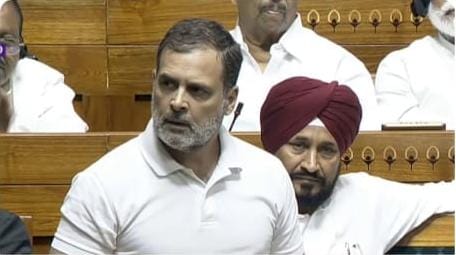
On being asked on Trump’s comment, Rahul had said, “He is right, everybody knows this except the Prime Minister and the Finance Minister. Everybody knows that the Indian economy is a dead economy. I am glad that President Trump has stated a fact. It is a dead economy, are you people not aware of it.”
Soon after Rahul Gandhi stated his comments, his colleagues including Shashi Tharoor and Rajiv Shukla highlighted the strength of the Indian economy.
Speaking to reporters, Tharoor said, “The Indian economy is not dead, you know it. We won’t bow to unfair demands by US.”
Rajiv Shukla said, “Trump’s remark that Indian economy is dead, is wrong. Trump’s living in delusion.”
Meanwhile, Bharatiya Janata Party took a jibe at Rahul Gandhi and said, that he seems to be confusing Indian economy with Pakistan’s.
Sharing his thoughts on micro blogging site, BJP national spokesperson said, “Economy is alive and kicking, Rahul Gandhi’s logic is dead.”
“Pehle Tolo, Phir Bolo,” he added.
The incident comes after US President Donald Trump announces 25 per cent tariff on India, warned additional penalties, and expressed displeasure over BRICS and called Indian economy dead in just 24 hours.
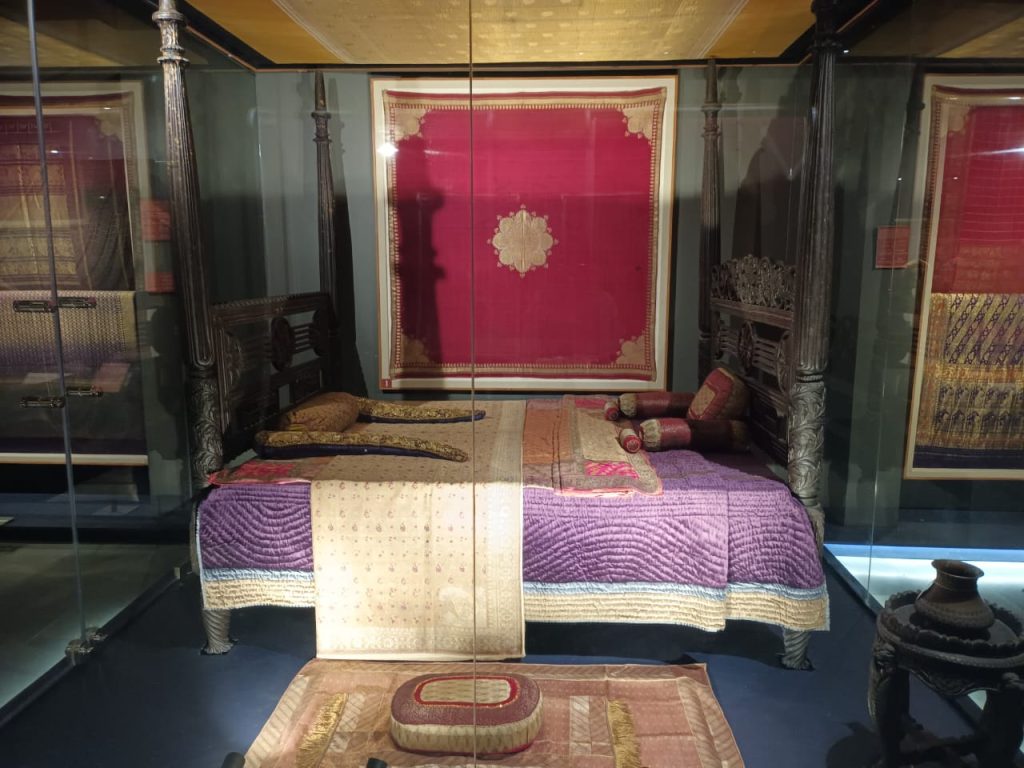
The Ministry of Textiles, Government of India announced the launch of the “Know Your Weaves Campaign 2025”, a week-long celebration from August 1st to August 7th, 2025 at the National Crafts Museum & Hastkala Academy, New Delhi, commemorating National Handloom Day on August 7.
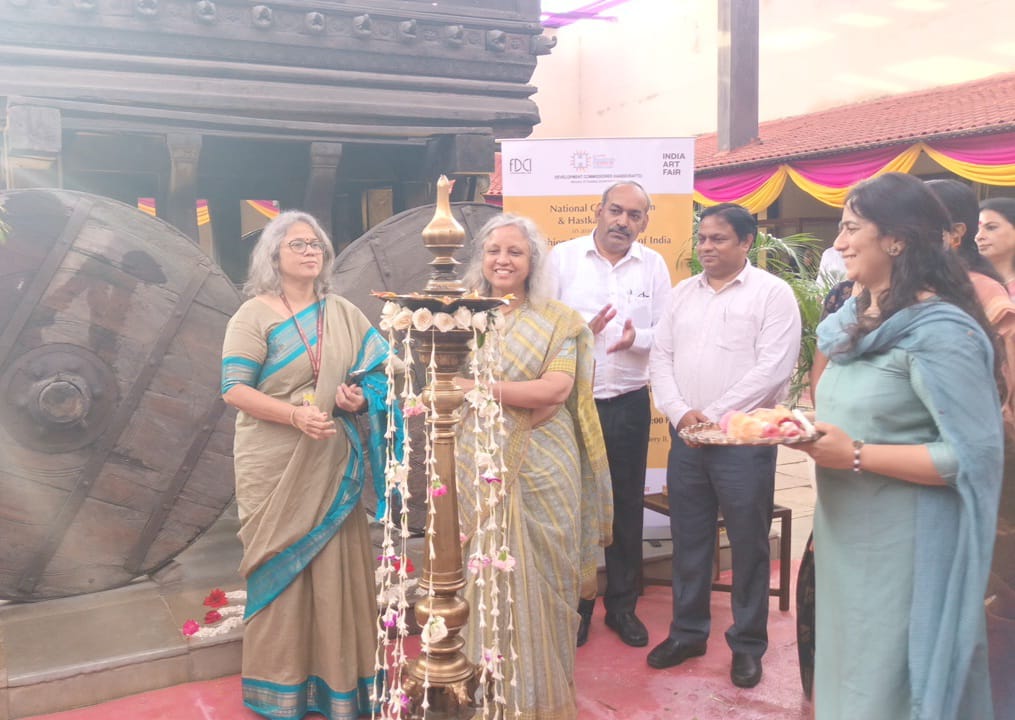
Neelam Shami Rao, Secretary Ministry of Textiles inaugurated the campaign in the presence of Amrit Raj, DC Handicrafts, Dr M. Beena, DC Handlooms, principals, professors and students of various schools and colleges.
Photo: Priyanka Tanwer
Inaugurating the event, the Secretary said that the “Know Your Weaves” campaign aims to promote awareness about rich and diverse handloom weaving traditions of our country.
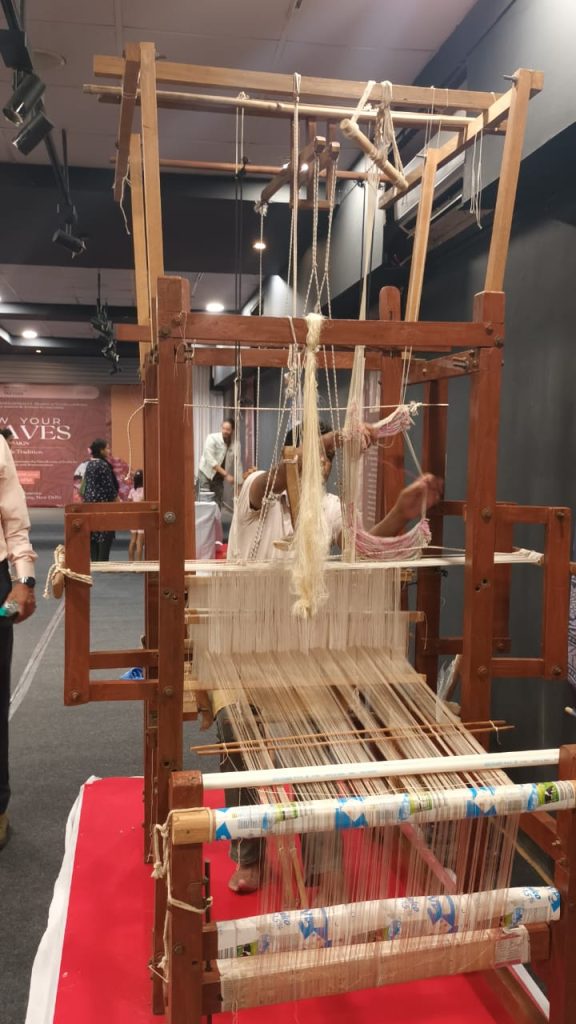
She urged everyone, especially the younger generation, to visit the exhibition and experience the rich heritage and Secretary visited the exhibition and interacted with the weavers.
The campaign aims to raise awareness, foster pride, and promote India’s rich handloom heritage, showcasing the diverse and exquisite weaves from across the country.
Photo: Priyanka Tanwer
From Banarasi and Chanderi to Pochampally, Ikat, Kanjeevaram, Bhujodi, and more, the campaign brings together master artisans, designers, students, and handloom lovers under one roof.
This annual event is a curtain raiser to the Handloom day celebrations and is part of the calendar of activities planned for the Handloom day celebration 2025. Last year the event saw participation of 7900 students from 58 schools in the fortnight long celebrations.
Tehelka’s refreshed layout now includes features like astrology, Bollywood behind-the-scenes, puzzles, and spiritual columns. But its essence—fearless investigative journalism—remains firmly intact. The latest edition reaffirms Tehelka’s commitment to exposing the uncomfortable truths others shy away from.
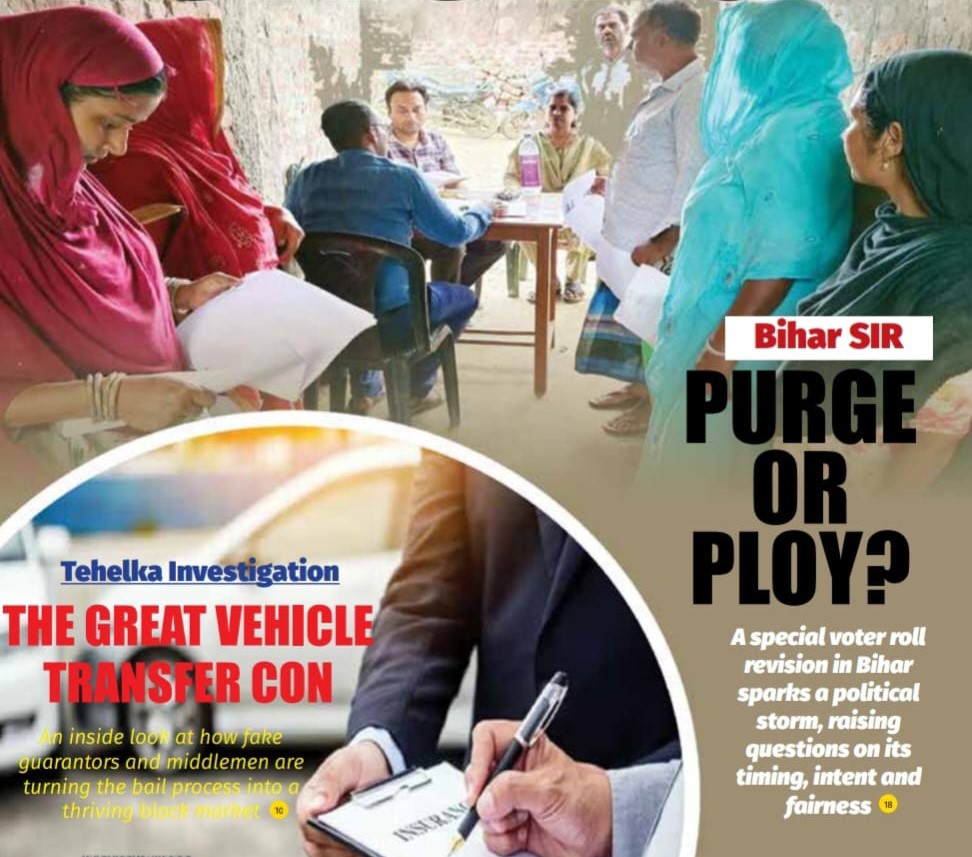
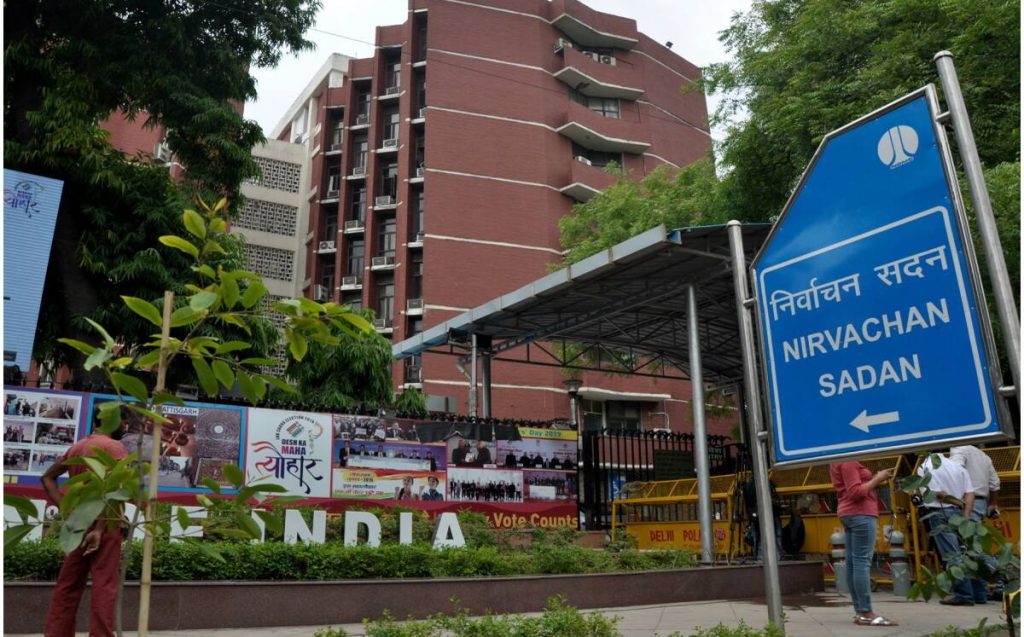
In this issue, Vibha Sharma’s cover story, “Purge or Ploy?”, unravels the controversy around the Election Commission’s Special Intensive Revision (SIR) of electoral rolls in Bihar. The process, aimed at ensuring that only eligible voters are listed, comes under scrutiny from opposition leaders. They argue that if voter rolls in Bihar—whose 40 MPs helped shape the current Lok Sabha—are found faulty, those MPs should be disqualified immediately.
The EC defends its decision, stating that the revision aims to create “accurate and error-free electoral rolls,” critical for free and fair elections. The exercise involves including eligible voters and removing ineligible ones—due to death, migration, or illegal immigration. The scale is massive: from August 1 to September 1, the fate of 64 lakh flagged voters will be reviewed, requiring outreach to over two lakh people daily.
However, critics have raised concerns about the timing and speed of the process, which coincides with upcoming Assembly elections. They also challenge the restrictive list of documents accepted by the EC as proof of citizenship and voter eligibility. The Supreme Court has so far refused to stay the revision but continues to hear petitions challenging its execution. The burden of proof, especially in Bihar, appears to be shifting to the citizens.
Continuing its focus on systemic corruption, Tehelka’s Special Investigation Team (SIT) brings to light “The Great Vehicle Transfer Con”, revealing a large-scale fake vehicle registration racket in Delhi-NCR. Used-car dealers and brokers exploit loopholes to register vehicles using fraudulent rent agreements and Aadhaar details, allowing buyers to sidestep legal requirements for local address proof.
These bogus registrations are more than just a paperwork scam—they serve as a backbone for organised crime. Criminals use such vehicles for smuggling, trafficking, and evading law enforcement. Forged registration documents, counterfeit number plates, and tampered VINs (Vehicle Identification Numbers) help mask the true identity of these vehicles.
Tehelka’s investigation shows how dealers assure customers they can register a vehicle in any Delhi-NCR city, even without proper documents. This not only undermines law and order but also poses a threat to national security.
Meanwhile, the Commission for Air Quality Management (CAQM) has barred diesel vehicles older than 10 years and petrol vehicles older than 15 years from refuelling in Delhi starting November 1, 2025. The decision, initially enforced on July 1 but deferred after public outcry, will impact over 62 lakh vehicles. While curbing air pollution is vital, authorities must also address the widespread fake registration menace—another invisible pollutant in the system.
Tehelka’s stories serve as a call to action: against flawed governance, unchecked crime, and regulatory apathy. The medium may have evolved, but the mission remains unchanged—to speak truth to power.
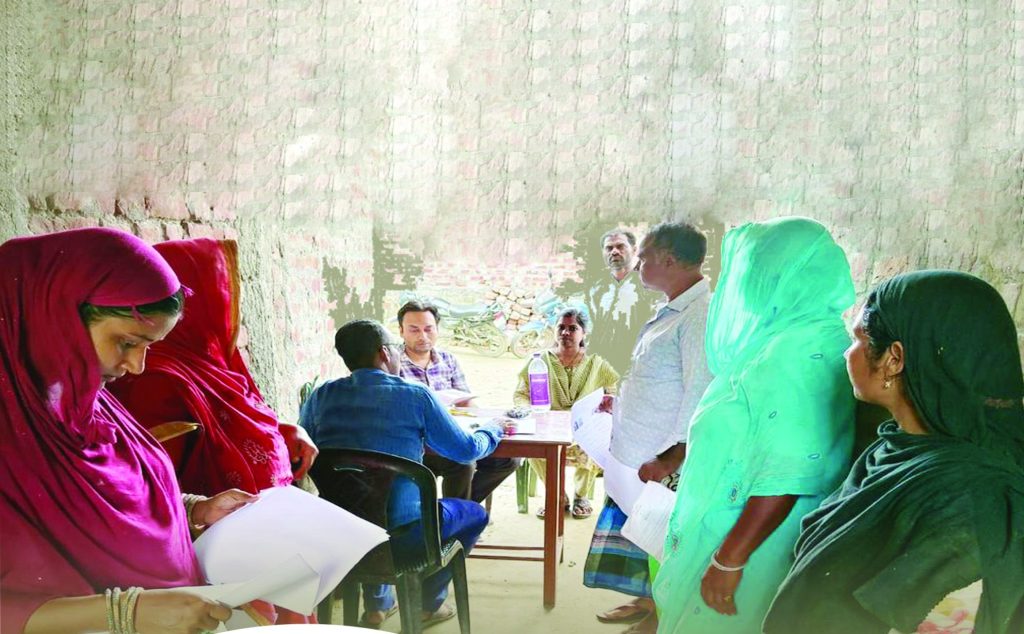
A special voter roll revision in Bihar sparks a political storm, raising questions on its timing, intent and fairness. A report by Vibha Sharma
Many opposition leaders argue that if the Election Commission’s Special Intensive Revision in Bihar aims to weed out ineligible voters from electoral rolls to ensure that only eligible citizens vote in the upcoming Assembly elections, then the 40 MP selected from Bihar in 2024 General Elections should be removed from the Lok Sabha immediately.
“I agree that only eligible Indian citizens should vote. But if EC figures are correct, then lakhs of ineligible voters cast their votes in the 2024 Lok Sabha elections, meaning the results from Bihar—and perhaps the entire country—were flawed, and the electoral rolls had serious discrepancies. Therefore, all 40 Bihar MPs should immediately resign, and fresh elections should be ordered there,” says Samajwadi Party MP Dharmendra Yadav.
The Opposition may have a point and so does the Election Commission of India, which says that the thorough revision of around eight crore Bihar voters is to create “accurate and error-free electoral rolls”, which is the basic requirement for conducting proper and free and fair elections.
Basically, the EC’s exercise involves two aspects—inclusion of eligible voters registered to vote and removal of ineligible voters by weeding out those whose names are incorrectly included in the rolls due to reasons like migration, death or being foreign illegal immigrants.
Since the last revision was done in Bihar, there have been several changes—urbanisation with people moving from villages to cities and other states, non-reporting of deaths, and perhaps some dubious political motives, which should concern every Indian citizen.
There is no doubt such an exercise should be undertaken periodically. The real question is its timing—why now? Other concerns follow: Can this mammoth exercise in a vast, diverse state like Bihar be done honestly in just two months? Can eight crore voters be covered since the launch on June 24? And can they suddenly be asked to produce identity documents? Remember, many of these electors come from extremely poor and marginalised sections of society.
Several opposition parties and others challenged SIR in the Supreme Court, calling it a “malicious and mischievous” exercise that could disenfranchise lakhs, describing it as “rigging attempt orchestrated by the ECI under instructions from the ruling BJP.”
Math behind the storm
As of July 28, 2025, when this story is being filed, the opposition’s argument on flagged voters gains context. EC figures released on July 25, after a month-long door-to-door drive, flagged 64 lakh voters. If these 64 lakh voters are divided by 40—the number of Bihar MPs—the average comes to 1.6 lakh per constituency. For perspective, the narrowest victory margin in the 2024 Lok Sabha elections was just 48 votes, secured by Ravindra Dattaram Waikar of Shiv Sena from Mumbai North West, while the highest margin was over 10 lakh votes, won by Rakibul Hussain in Dhubri, Assam.
The point is that in the past seven decades India has been voting, a significant number of Lok Sabha seats have been won by small victory margins (five percent or less). In fact, data analysis shows that in 2009, 2014, and 2019, around 23% of seats witnessed victory margins of five percent or less.
The average margin of victory in the 2024 Lok Sabha polls varied across states with some seats witnessing fierce competition decided by a handful of votes and others experiencing landslide victories with vast margins. The point—just for argument’s sake— is that if all of these 64 lakh voters are removed from the voter list today, then opposition leaders’ argument about the 2024 Lok Sabha results being compromised would make sense, and not just in Bihar but across India. In Assembly elections, the margins are even lower, any addition or deletion of names can decisively alter outcomes—and that is what worries the opposition.
According to the EC, 99.8% Bihar electors have been covered. The breakdown of flagged voters includes approximately 22 lakh deceased electors, around 7 lakh registered in more than one location and 35 lakh “either permanently migrated or could not be traced”
Forms of 7.24 crore electors have been received and digitised and their names will be included in the Draft Electoral Roll. The digitisation of forms, along with BLO reports, of the remaining electors will also be completed by August 1, 2025. The lists of those who have not filled the forms or are deceased or have permanently migrated was shared on July 20 with 12 political parties in Bihar political arena. They are Bahujan Samaj Party, Bharatiya Janata Party, Communist Party of India (Marxist), Indian National Congress, Rashtriya Janata Dal, Janata Dal (United), Rashtriya Lok Samta Party, Communist Party of India (Marxist–Leninist) (Liberation), Rashtriya Lok Janshakti Party, Lok Janshakti Party (Ram Vilas), National People’s Party, Aam Aadmi Party
Errors can be corrected in the draft electoral roll, which will be published on August 1. From August 1 to September 1, any elector or political party may submit prescribed forms to the ERO to add eligible electors left out or to object to the removal of any ineligible electors.
Showdown over SIR
While the opposition is demanding a rollback, the ruling BJP claims “infiltrators and Rohingya Muslims from Bangladesh have been learning Bengali and changing their names to obtain Aadhaar and voter cards in India,” and becoming voters in Indian elections.
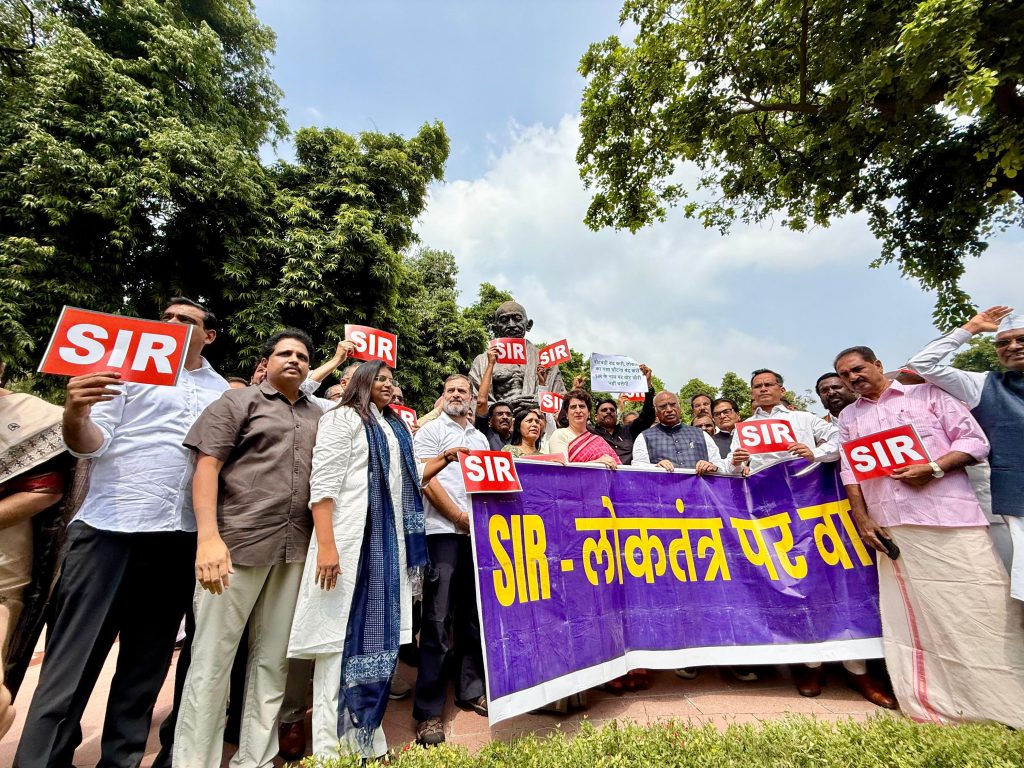
Fierce differences saw the first week of Monsoon Session being stalled, Opposition parties holding demonstrations, and the Centre retaliating. Union Minister Giriraj Singh, who comes from Bihar, said those questioning SIR lack basic constitutional knowledge. He said that the EC is only carrying out its constitutional mandate, wondering why should it make anyone uncomfortable.
While it is acknowledged that the EC is carrying out this exercise in Bihar to weed out ineligible people from the electoral rolls, which is good. The question, however, is why now and not earlier. The Congress has also been questioning EC’s role in Maharashtra, Haryana and Delhi Assembly elections while the ruling TMC in West Bengal is apprehensive about implications of any such revision in the state ahead of Assembly elections scheduled next year. The EC is now planning a countrywide SIR.
Before this sudden scrutiny changed the narrative, the opposition’s poll plank revolved around key issues—job crisis, migration of youth for livelihoods and education, Bihar’s strained healthcare system, law and order, crimes against women and the marginalised, caste and identity politics, and even Chief Minister Nitish Kumar’s health.
The opposition parties in Bihar —RJD, Congress, the Left parties—were strategizing to pin the JD (U)-BJP’s Nitish Kumar Bihar government on issues that were said to be making substantial impact on the ground. Apparently, the BJP supporters were also not too happy with the saffron party on many issues. Those aware of the political developments in Bihar say before the announcement of the SIR, the opposition camp comprising RJD, Congress and Left parties were riding high on positive ground reports and were close to finalizing a strategy to target Nitish on these issues. All of this suddenly changed after the announcement of SIR with focus shifting to fighting the revision.
Why begin with Bihar? One possible reason was the outcome of the neighbouring Jharkhand’s 2024 Assembly elections. During their rallies in Jharkhand, top BJP leaders, including Prime Minister Narendra Modi and Home Minister Amit Shah, repeatedly spoke about Bangladeshi and Rohingya infiltration, claiming that it posed a major threat to the state by “rapidly changing” the identity and demography of the Santhal Pargana and Kolhan regions. They also accused the ruling JMM-led coalition government of “encouraging such infiltration for political interests.” However, the elections once again went in favour of Hemant Soren.
The ID hurdle There are many good reasons behind the revision, but the way it is being done has exposed many a chink. The burden of proving citizenship with documentary proof falls on the people, and officials are tasked with verifying these documents.
Critics argue that a large number of these electors are “among the most marginalised citizens in the state who the state machinery failed to reach.”
The EC informed the Supreme Court that Aadhar, Voter ID, and Ration Cards were not acceptable documents as proof of voter’ eligibility under the SIR, which was contested by the Opposition and the Association for Democratic Reforms saying that “ECI gave no valid reason” for this. After all, an Aadhar card is one of the documents accepted for obtaining permanent residence certificate, OBC/SC/ST certificate and also the passport, they had argued.
Based on media reports from ground in towns and villages of Bihar, ADR affidavit stated, “They disclose a shocking account of the reality of the SIR process, which is absolutely arbitrary, illegal and in violation of ECI’s own order and guidelines.”
The fact is not everyone is educated or in a position to furnish documents or proofs required for voter registration. The documents required included Birth Certificate issued by a municipal corporation, panchayat, or any authorised government body showing date and place of birth; Passport; Matriculation or Higher Education Certificate (A school-leaving certificate or university degree that includes the applicant’s date of birth); Government Identity or Pension Document; Domicile Certificate (A permanent residence certificate issued by the district magistrate or similar competent authority); Forest Rights Certificate (Provided under the Forest Rights Act to eligible individuals, mainly from tribal communities), Caste Certificate (Valid for SC, ST, OBC issued by a competent government authority); NRC Document (documents related to the National Register of Citizens); Family Register (household register or similar record maintained by local bodies, listing family members and key details); or Land or Housing Allotment Paper and Pre-1987 Government/PSU ID (Any identity document issued by a government body or PSU before 1987).
Technicalities apart, the question is how many people in remote villages and marginalised sections possess these documents.
Apparently, those belonging to so-called upper castes are also not too happy. According to a Bihar “upper-caste” journalist based in Delhi, “many officials involved in the exercise come from SC/ST OBC communities. When they see how members of their communities are struggling, they make life difficult for upper caste voters, this has happened in my own family. The impression is that the majority of upper castes are BJP voters”.
Boycott or bluff?
Whether the BJP scored a hit with SIR remains to be seen. As Bihar heats up politically, all eyes are on the opposition and their next move.
Amid the ongoing fracas over the controversial revision, RJD’s Tejashwi Yadav dropped a dramatic hint that his party may boycott the 2025 polls scheduled later this year, sparking speculations whether this was a real possibility or just a threat amid the growing concerns over the party’s plans going awry.
Tejashwi Yadav said many things at that press conference but what stood out was his allegation that SIR was commissioned by BJP to “undermine the democratic process and manipulate voter data”. “If they want to win the elections through fraudulent means, then what’s the point of conducting them?” he told reporters in Patna, questioning the authenticity of emerging data about illegal immigrants infiltrating the electoral rolls through fraud.
Yadav said he wouldn’t rule out RJD skipping an electoral process it didn’t believe in.
“Ho sakta ha. We will consult our (INDIA bloc) partners and the people before taking a final call,” he said at a joint press conference with INDIA bloc partners. The Congress backed Tejashwi Yadav, saying it was aware of allegedly large-scale irregularities even as the ruling JD(U) called the boycott threat a reflection of opposition’s apprehension about their grim prospects in the elections.
A big ask
It can be done. But will it be 100% fool proof with zero errors, “no eligible elector left out, no ineligible person included,” as the EC is asserting, remains to be seen.
It is a huge process. After the first phase, the process to complete requires corrections and other steps. Will officials visit the homes of 35 lakh “either permanently migrated or could not be traced” people?. They may include those who may have gone out of state for work or any other reason. Can they be denied their right to vote for not being present when the revision was going on in the state?
To begin with, the process of reaching out to approximately 7.9 crore voters, collecting forms and verifying documents, was a complex and time-consuming job.
The EC says since the launch of the SIR process on June 24, Booth Level Officers (BLOs) and Booth Level Agents (BLAs) have provided crucial updates. The process involved extensive fieldwork by BLOs and volunteers to reach voters, especially in remote areas. But even if things were done properly, collecting forms, verifying documents and addressing issues like migrant voters, deaths, and multiple registrations must have been logistically challenging. Despite best efforts, there can still be errors in inclusion or exclusion of voters.
The ECI will take steps to address these challenges but the sheer scale of the task makes the entire situation a bit unrealistic.
So far 7.23 crore electors have been covered in the process— 99.8% of Bihar’s electorate.
According to the SIR guidelines, the next phase will begin on August 1 and continue until September 1, 2025.
During this period, electors or political parties may file claims and objections, including inclusion of eligible electors left out of the draft roll and removal of ineligible entries.
On July 25, the EC declared SIR a resounding success carried with “full faith” and “active participation” of voters. Of 7.89 crore electors as on June 24, over 7.24 crore electors have submitted their enumeration forms indicating overwhelming participation.
People were not included because “BLOs did not find these electors or did not get back enumeration forms as they became electors in other States/UTs, or were not found in existence, or did not submit the form till July 25, or were not willing to register as an elector for some reason or other.”
“Exact status of these electors will be known after scrutiny of these forms by ERO/AERO by August 1. However, genuine electors can still be added back in electoral rolls during the Claims and Objection period from August 1 to September 1, 2025,” The EC said
“The credit for the successful completion of the first phase of SIR also goes to the CEO of Bihar, DEOs of all 38 districts, 243 EROs, 2,976 AEROs, BLOs deployed at 77,895 polling booths, lakhs of volunteers and full involvement of the field representatives of all the 12 major political parties, including their district presidents and as many as 1.60 lakh BLAs appointed by them. Total number of BLAs increased 16% plus during SIR period,” it said
Privately, officials admit to many challenges—individuals and communities facing difficulties in participation due to document requirements and literacy levels; people struggling to meet the criteria, especially those temporarily residing outside the state or lacking proper documentation; many individuals, particularly those from marginalised communities, not possessing or having access to required documents, for example birth certificates or caste certificates; and many, especially in rural areas, struggling to understand forms and procedures.
From August 1 to September 1, the fate of 64 lakh flagged voters will be decided. It means reaching out to a staggering two lakh plus people every day.
Dealing with petitions challenging the SIR, the Supreme Court had refused to issue an interim stay on the revision exercise but is continuing to hear the matter. The petitioners had questioned the hurried nature and the process by which ECI ordered the revision just before assembly elections. They also questioned the curtailed and differentiated list of documents that the ECI mandated as proof of the right to vote and citizenship.
The onus of proving citizenship with documentary proof in Bihar, and then in the rest of the country, lies on the people.
The Election Commission (EC) on Friday announced the election for the post of Vice President which fell vacant on July 22, 2025 after former VP Jagdeep Dhankhar resignation, election would be held on September 9.
The Election Commission would notify the election on August 7, 2025.
“As per Rule 8 of the Presidential and Vice-Presidential Elections Rules, 1974, polls for the election will be taken in the Parliament House. The polling, if required, shall take place at Room No. F-101, Vasudha, First Floor, Parliament House, New Delhi,” it said in a statement.
The EC has also appointed the Secretary General, Rajya Sabha as the returning officer for the present election to the office of the VP.
“The Commission has also appointed two Assistant Returning Officers in Parliament House (Rajya Sabha) to assist the Returning Officer,” it added.
The electoral college comprises a total of 788 members including 233 elected members of Rajya Sabha, 12 nominated members of Rajya Sabha, 543 elected members of Lok Sabha.
“The election shall be held in accordance with the system of proportional representation by means of the single transferable vote and the voting at such election shall be by secret ballot,” the EC said.
In this system, the elector has to mark preferences against the names of the candidates. Preference can be marked in the international form of Indian numerals, in Roman form, or in the form in any recognized Indian languages.
Preference has to be marked in figures only and shall not be indicated in words. The elector can mark as many preferences as the number of candidates.
“For marking the vote, the Commission will supply particular pens. The pen will be given to the electors in the polling station by the designated official when the ballot paper 3 is handed over. Electors have to mark the ballot only with this particular pen and not with any other pen. Voting by using any other pen shall lead to invalidation of the vote at the time of counting,” it added.
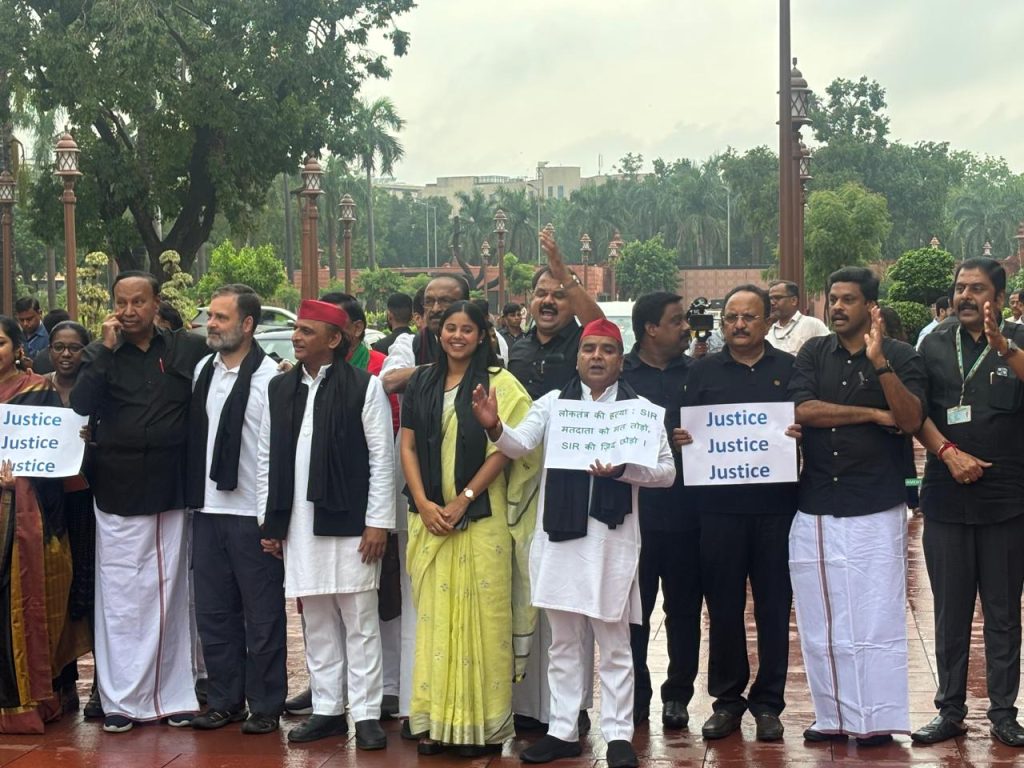
Leader of Opposition (LOP) Rahul Gandhi on Thursday again criticised the Election Commission of India (EC), accusing it of doing “vote chori (vote theft)” for the BJP while claiming that his party had evidence for it.
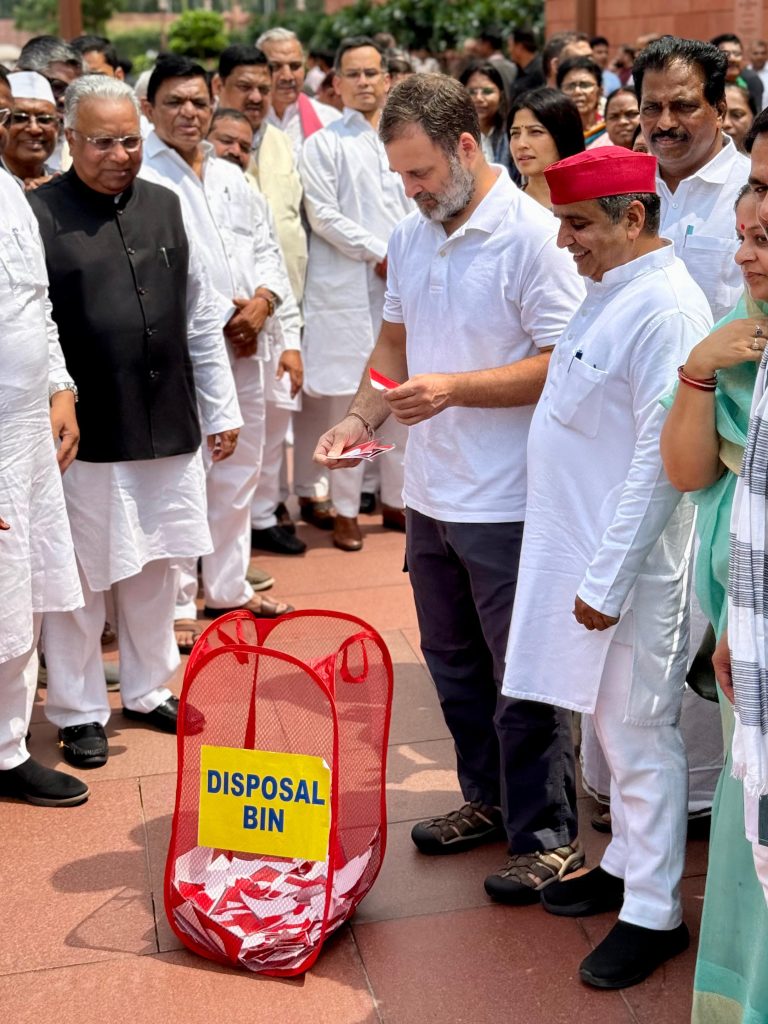
Following protests by members of the Opposition seeking a discussion on the Special Intensive Revision (SIR) on electoral rolls in Bihar, both houses—the Lok Sabha and the Rajya Sabha—saw adjournments on Friday. Opposition leaders submitted multiple adjournment notices demanding a discussion in both Houses of Parliament. Notices have been given for an adjournment motion in the Lok Sabha and under Rule 267 in the Rajya Sabha.
The protests have disrupted both Houses of Parliament on a daily basis during the ongoing Monsoon session, including in the second week that ended today.
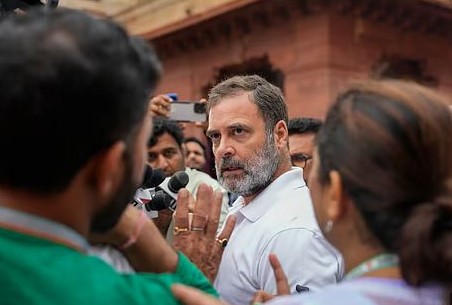
Talking to reporters in the Parliament complex, Gandhi said “we now have an open-and-shut case that the EC is involved in vote theft. I am not saying this lightly. I am saying this with 100 % proof. When we release it, the entire country will come to know that the EC is doing vote theft. The EC is doing it for the BJP. This is an open-and-shut case”. The Congress leader likened the evidence he had to an “atom bomb,” which when explodes, will leave the Election Commission with “no place to hide in the country.”
Gandhi said his party had suspicions of poll irregularities in the Madhya Pradesh Assembly polls, in the Lok Sabha polls, which continued in Maharashtra. “I believe that vote theft has happened at the state level (in Maharashtra). Voter revision had happened, and crore voters were added. Then we went into detail, seeing that the EC is not helping, and decided to dig deep into this
“We got our own investigation done, it took six months and what we have found is an atom bomb. When it explodes, the EC would have no place to hide in the country,” he said.
Gandhi said those involved in the “voter theft” should remember that they will not be spared because they are “working against India.”
EC calles accusations “baseless”, “irresponsible”The EC rejected as “baseless” and “irresponsible” Rahul Gandhi’s accusations of widespread voter fraud. The EC said, “The Election Commission ignores such baseless allegations made every day and, despite the repeated threats, urges all election officials who are working fairly and transparently to disregard such irresponsible remarks,” poll panel was quoted as saying .