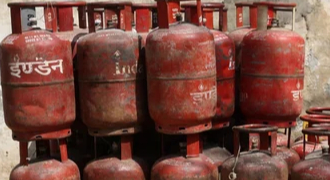
A sudden shortage of commercial LPG cylinders across several parts of India is beginning to disrupt the country’s bustling wedding season, with caterers, restaurants and banquet halls warning that food menus may have to be curtailed if supplies do not stabilise soon.
The crisis comes at a time when northern states such as Punjab, Haryana, Uttar Pradesh and Rajasthan are witnessing a surge in wedding ceremonies ahead of the upcoming Navratri period — traditionally one of the busiest marriage seasons in the region.
Industry associations say the shortage is affecting both large wedding banquets and everyday restaurant kitchens, with suppliers struggling to deliver commercial LPG cylinders on time.
Wedding caterers say the shortage is already affecting preparations for thousands of events scheduled this month.
In Punjab, where more than 10,000 weddings are estimated to take place in the coming days, caterers say they are scrambling to arrange extra cylinders as suppliers ration deliveries.
Families preparing for weddings are also feeling the pressure. Some have reported being asked by caterers to arrange additional cylinders themselves to ensure cooking continues smoothly during multi-course wedding feasts.
A typical large wedding catering order may require seven to eight LPG cylinders to cook food for hundreds of guests, especially when menus include items like tandoori breads, curries and desserts that must be served hot. With supplies tightening, caterers warn that elaborate wedding menus — known for dozens of dishes — could be simplified if the shortage persists.
However, following hue and cry over scarcity of LPG, the Press Information of India claimed on March 12 in a Post on X “Myth: LPG imports disruption means India will face severe shortages. Fact: Following Government measures. Domestic LPG production has increased by about 25% and the entire #LPG production is being directed towards household consumers”.
The hospitality sector across India is also beginning to feel the strain.
Restaurant owners say delays in cylinder deliveries have forced many establishments to reduce operating hours, cut down menu options, or temporarily shut kitchens.
Industry body National Restaurant Association of India has warned that 50–60% of restaurants could be forced to shut within days if commercial LPG supply does not resume normally.
Hotels and restaurants have already begun altering menus to prioritise dishes that require less cooking gas. Some kitchens are shifting to oven-based dishes such as pasta or pizza, while slow-cooked items like dal makhani or dosa are being temporarily dropped.
In several cities, hospitality associations say they are exploring alternatives such as electric cooking or traditional tandoors to conserve LPG. The shortage has been attributed largely to disruptions in LPG imports amid geopolitical tensions in West Asia.
India imports a large share of its LPG requirements, with a significant portion arriving from Gulf countries through critical shipping routes. Supply chains have been affected by conflict in the region, forcing authorities to prioritise domestic household supply of cooking gas.
With households receiving priority allocations, the availability of commercial LPG used by hotels, restaurants and caterers has tightened, creating shortages across several cities.
To address the situation, the government has asked refineries to maximise LPG production and set up a committee of oil marketing companies to review supply issues for commercial consumers.
Black marketing
Industry groups say uncertainty over supply has triggered panic buying and hoarding in some areas.
Distributors in several cities have reported long waiting periods for cylinder refills, while restaurant owners say prices in the open market have risen sharply due to limited availability.
Hospitality associations warn that if the shortage continues through the upcoming festival and wedding season, it could lead to higher food prices, simplified menus and possible event disruptions.
The crisis has come at a particularly sensitive time for India’s hospitality and catering industry.
The weeks leading up to Navratri and the months that follow are traditionally packed with weddings, corporate gatherings and festive events — a peak business period for caterers, banquet halls and hotels across northern India.
For now, many businesses say they are managing with existing stocks, but warn that if supplies do not stabilise soon, the shortage could begin to affect large wedding celebrations and restaurant operations across the region.
Industry leaders say the coming weeks will determine whether the LPG crunch remains a temporary disruption — or grows into a broader crisis for India’s food and hospitality sector.
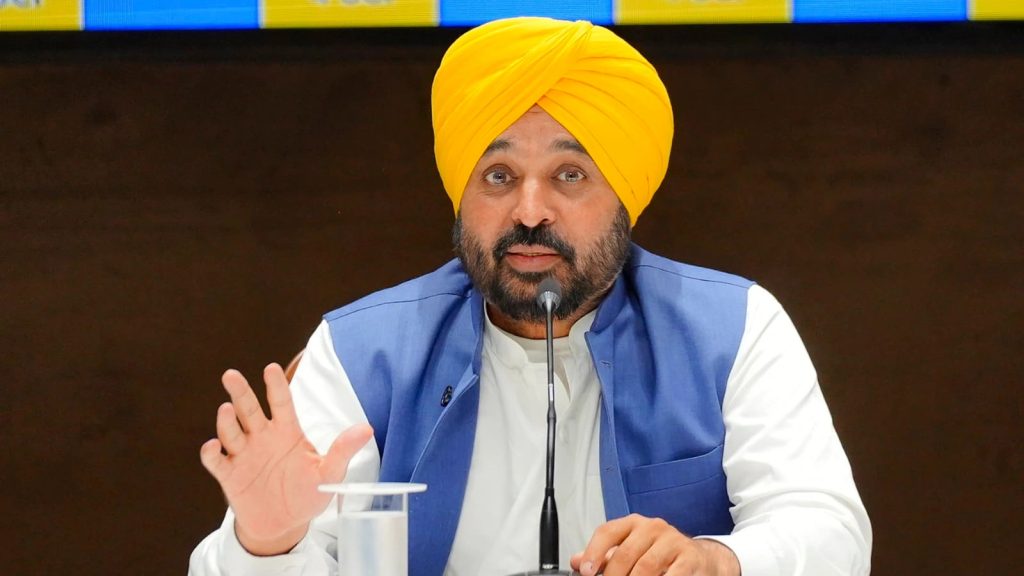
Punjab Chief Minister Bhagwant Mann said that the Punjab government has fulfilled its key poll promises, announcing a monthly financial assistance scheme for women and highlighting welfare initiatives aimed at strengthening households and improving social support across the state.
Punjab Chief Minister Bhagwant Singh Mann announced that the Aam Aadmi Party (AAP) government has fulfilled its biggest electoral promise, unveiling the ‘Mukh Mantri Mawaan Dhian Satkar Yojna’ to provide monthly financial assistance to women across Punjab. Under the scheme, women will receive ₹1,000 per month, while women from Scheduled Caste communities will receive ₹1,500, with ₹9,300 crore earmarked in the state Budget for its implementation.
Describing the move as a major step towards strengthening women’s financial independence, the CM said the AAP government’s “Saari Guarantiyan Puri” Budget reflects its commitment to delivering on poll promises while expanding welfare measures such as free bus travel, free power and cashless healthcare to empower women and support households across the state.
Interacting with the media, Punjab CM Bhagwant Singh Mann congratulated the mothers, daughters and sisters of Punjab and prayed that they continue to script new success stories in every field. He said the Budget was presented on the day with a special focus on women, fulfilling a key promise made by the AAP government to empower them socially and economically. The Budget is pro-people and ensures that women and other sections of society receive support through welfare measures and public services.
“The AAP government has fulfilled the biggest poll promise made to the people. Women in the state will now receive ₹1,000 per month under the Mukh Mantri Mawaan Dhian Satikar Yojna, while women belonging to the Scheduled Caste community will get ₹1,500 every month,” said CM Bhagwant Singh Mann. He added that special camps will be organised across the state so that women can easily complete the formalities required to avail the benefit of the scheme.
The Punjab CM shared that the registration process for the financial assistance scheme will begin from the coming Baisakhi and will be carried out on a war footing so that all eligible beneficiaries can be covered at the earliest. Every girl above the age of 18 years will be entitled to receive the benefit under the scheme, ensuring that a vast majority of women in the state are covered.
Describing the Budget as a milestone document, CM Bhagwant Singh Mann said it reflects the government’s commitment to the welfare of the people and the progress of the state. “This is not merely a Budget but an affidavit of the progress of the state and the prosperity of its people,” he said, congratulating Punjab Finance Minister Harpal Singh Cheema for presenting a Budget that takes care of every section of society.
Taking a dig at previous governments, he added that earlier budgets often remained confined to announcements on paper and failed to deliver meaningful benefits to the people. During the tenure of earlier regimes, budgets were limited to rhetoric and poetic references rather than concrete policies aimed at improving the lives of citizens.
Highlighting the broader welfare initiatives of the AAP government, CM Bhagwant Singh Mann said several schemes are being implemented to empower women, including free bus travel, free power and cashless treatment under the Mukh Mantri Sehat Yojna. “Cashless treatment, free bus travel, free power, ₹1,000 per month and other initiatives will empower women and strengthen their role in society,” he said.
CM Bhagwant Singh Mann asserted that the government has adequate financial resources to implement its programmes effectively. “We have no dearth of money as our intentions are clear,” he said, adding that the state government has improved financial management and ensured that public funds are used for welfare and development.
The Punjab CM emphasised that the government is working honestly, which is why major improvements are visible in sectors such as education, healthcare and infrastructure. “We are working honestly due to which schools, hospitals, roads and Aam Aadmi Clinics are coming up across the state,” he said.
CM Bhagwant Singh Mann further stated that the government has taken significant steps to improve power supply, strengthen irrigation systems and ensure that farmers receive adequate electricity. Thermal power plants are being purchased, canal water is reaching tail-end farmers and electricity tariffs are being rationalised for the benefit of consumers.
He added that in the past four years the state government has delivered all the guarantees promised to the people and also implemented several additional measures such as closing toll plazas that were burdening commuters. These steps reflect the government’s commitment to ensuring that people receive tangible benefits from governance.
Speaking about investments in education and sports, CM Bhagwant Singh Mann shared, “The Budget has increased the allocation for education by seven per cent, while ₹1,791 crore has been earmarked for promoting sports infrastructure and activities across the state. Promoting sports is one of the most effective ways to channel the energy of youth in a positive direction.”
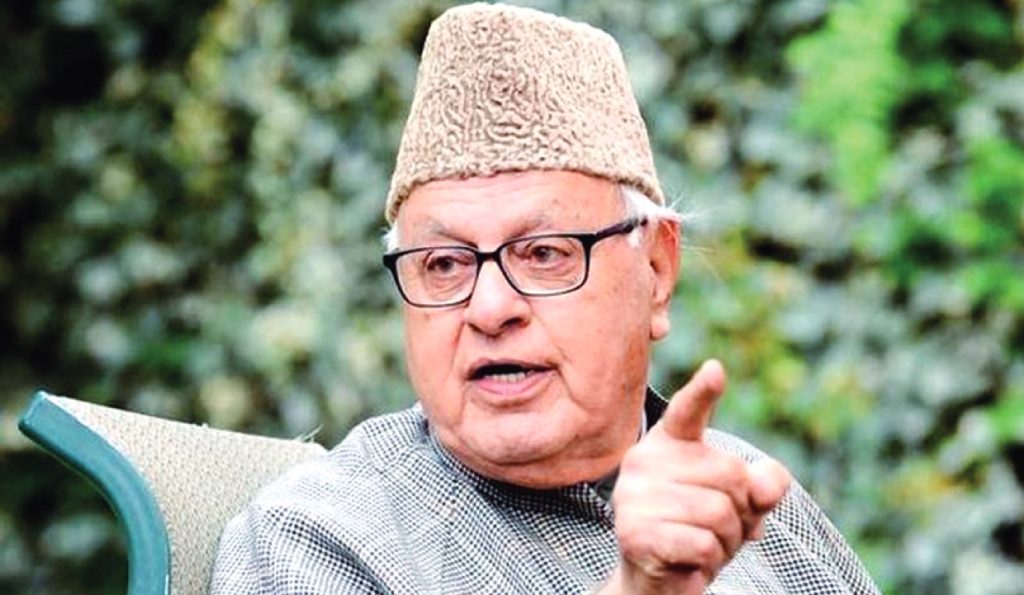
National Conference president and former Jammu and Kashmir Chief Minister Dr Farooq Abdullah on Wednesday escaped unhurt after a man allegedly opened fire during a wedding function in the Greater Kailash area of Jammu.
Police said the accused was immediately apprehended at the scene and an investigation has been initiated. Officials have ruled out any terror angle in the incident.
According to reports, the accused has been identified as Kamal Singh Jamwal (63), son of late Ajit Singh Jamwal and a resident of Purani Mandi, Jammu. He was reportedly under the influence of alcohol at the time of the incident and claimed to be a shop owner in the area.
Advisor to Chief Minister Omar Abdullah, Nasir Aslam Wani, who was present at the function along with Deputy Chief Minister Surinder Choudhary, confirmed the incident while speaking to reporters.
“A man made an unsuccessful bid to assassinate Dr (Farooq) Sahib by opening fire on him with his revolver. Though by the grace of God and the blessings of everyone, he remained unhurt. He was immediately overpowered (by the security personnel accompanying Dr Farooq). Police have arrested him.”
Wani said it would be premature to speculate about the motive behind the attack.
The incident occurred at Royal Park in Greater Kailash, where several political dignitaries, including Dr Abdullah, Nasir Aslam Wani and Deputy Chief Minister Surinder Choudhary, were attending a marriage function.
In a brief statement, police said: “An incident of firing was reported at a function where J&K NC chief Dr Farooq Abdullah and Deputy Chief Minister Surinder Choudhary were present. One person has been arrested.”
SP South Jammu Ajay Sharma also posted on X: “There was a firing incident using a licensed weapon at a marriage party where ex CM JK Dr Farooq Abdullah Sb was also present. It falls in the jurisdiction of Police Station Gangyal. Accused is arrested and a detailed investigation is going on. There is no terror angle. Hon’ble MP is unhurt, thank God!”
Deputy Chief Minister Surinder Choudhary termed the incident a serious security lapse and questioned the absence of police deployment at the venue.
“Our party president and Nasir Sahib were there. I was also accompanying them. You need to ask the Police how and in what circumstances, this lapse occurred. In the Royal Park, where this function occurred, there was not even a single Police cop present. It was a major security lapse as a man entered the venue with a licensed gun in a function where former Chief Minister, present Deputy Chief Minister and the Advisor (to CM) were present,” Choudhary said.
Police said further investigation into the incident is ongoing.
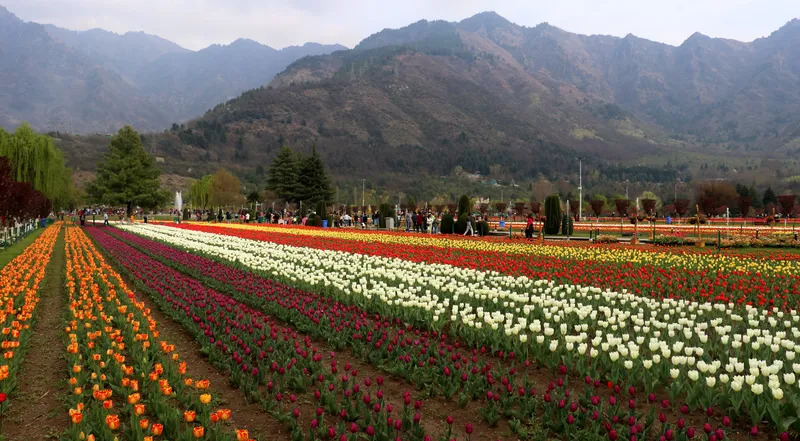
The Indira Gandhi Memorial Tulip Garden, known as Asia’s largest tulip garden, will open to visitors for the 2026 season on March 16, marking the start of Kashmir’s spring tourism calendar.
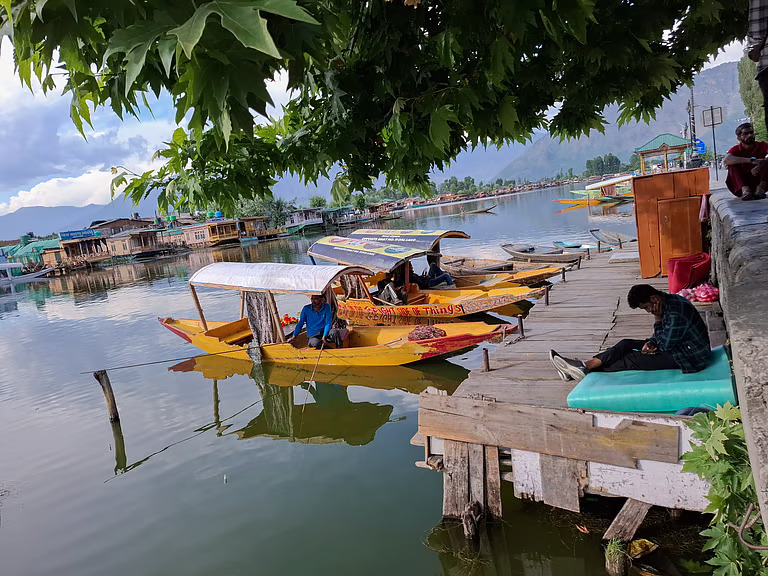
Located on the foothills of the Zabarwan Range and overlooking the Dal Lake, the garden is set to welcome tourists as millions of tulips begin blooming across its terraced expanse.
Officials said around 1.8 million tulip bulbs representing more than 70 varieties have been planted this year. The flowers have been arranged across different terraces to create vibrant colour patterns, offering a panoramic floral view of Srinagar.
Apart from tulips, visitors will also see several spring flower varieties, including local and exotic plants displayed in decorative pots. Authorities have also created designated selfie points to encourage photography and enhance tourist engagement.
Officials said a range of cultural and recreational programmes will be held during the festival. These include painting competitions for children, photography contests, reel-making competitions, and other daily activities within the garden premises.
The Tulip Garden has emerged as one of Kashmir’s major spring attractions, drawing thousands of tourists from across the country and abroad every year.
The annual blooming of tulips is widely seen as the beginning of the tourism season in the Valley, when visitor numbers rise after the winter period.
The department of horticulture has also appealed to visitors to maintain cleanliness and follow civic and traffic regulations while visiting the garden.
With millions of tulips set to bloom against the scenic backdrop of the Zabarwan hills and Dal Lake, the garden is expected to once again become a key attraction of Kashmir’s spring tourism season.
The relocation of leopards from Manikdoh to Vantara highlights the challenge of balancing wildlife conservation with human safety. Experts say relocation is only a short-term measure, and long-term solutions to rising human–leopard conflicts require habitat protection, community awareness and coordinated efforts.
In a significant wildlife management move, the Maharashtra Forest Department has relocated 20 leopards from the overcrowded rescue facility at Manikdoh Leopard Rescue Centre in Pune district to the animal rescue and rehabilitation facility at Vantara Wildlife Rescue and Rehabilitation Centre in Jamnagar, Gujarat.
Officials say another batch of around 30 leopards may also be transferred in the coming months as authorities struggle to cope with a surge in human–leopard conflict in the region.
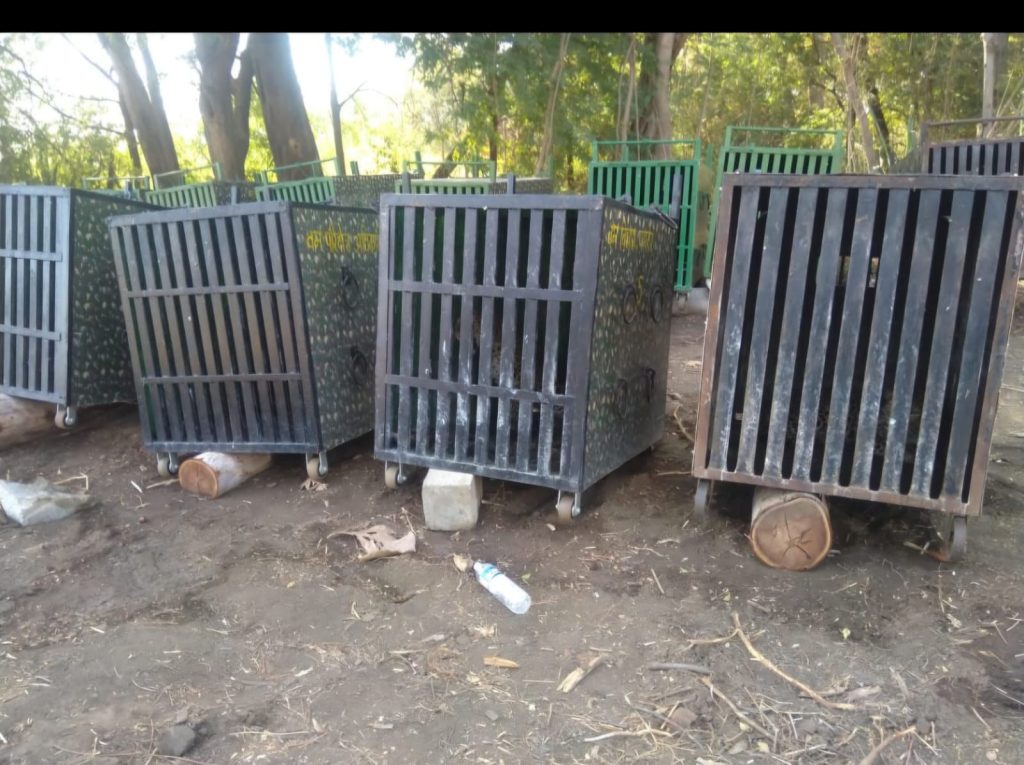
The relocation was carried out over the weekend under the supervision of forest officials and wildlife veterinarians from the Maharashtra Forest Department. Specially designed cages and transport vehicles were used to ensure the animals’ safety during the long journey from Maharashtra to Gujarat.
The leopards were previously housed at the Manikdoh rescue centre located in the Junnar Forest Division of Pune district. The facility is one of the state’s prominent centres for the care and rehabilitation of captured or injured leopards.
However, the centre has been under growing pressure due to the increasing number of animals rescued from human-dominated landscapes in northern Pune district.
According to forest officials, the Manikdoh facility was designed to house around 50 leopards, but the number of animals brought to the centre has exceeded its optimal capacity in recent months.
The rising number of rescues has largely been linked to increased leopard movement in agricultural fields and residential areas, where the animals often come in search of prey such as stray dogs, livestock and smaller wildlife.
The relocated animals included 10 male and 10 female leopards captured from different parts of the Junnar forest division.
A team of 25 officials from the rescue facility at Vantara travelled to Junnar to assist with the transfer operation. The team was led by veterinary officer Gaurav Shrivastav, and the relocation took place under the direction of senior forest officials including Additional Principal Chief Conservator of Forest Jitendra Ramgaonkar and Chief Conservator of Forest Ashish Thakare.
Each leopard underwent veterinary examination before the transfer. During the journey, veterinary experts monitored the animals’ health periodically to ensure that the long-distance transport did not cause stress or injury. Officials confirmed that the animals were transported in a specially equipped rescue vehicle designed for wildlife relocation.
The relocation was conducted after obtaining approval from the Central Zoo Authority of India, which regulates zoos and wildlife rescue facilities across the country.
A proposal to shift 50 leopards from Manikdoh to Vantara was sent to the authority in New Delhi and approved in December 2025. Following the approval, the Maharashtra Forest Department signed an agreement with the Vantara facility to relocate the animals in phases.
The first batch of 20 leopards has now been successfully moved, while the remaining animals are expected to be transferred depending on space availability and further administrative clearances.
Forest officials say the decision was prompted by the sharp rise in human–leopard encounters across the Junnar division, which includes the talukas of Junnar, Ambegaon, Shirur and Rajgurunagar.
Over the past five years, the forest department has rescued 184 leopards in this region alone. A large number of these animals were found trapped in open wells — a common hazard in agricultural landscapes across rural Maharashtra.
The transferred animals will now be housed at the Vantara wildlife rescue facility in Jamnagar, a large-scale animal rescue, care and rehabilitation centre established by the Reliance Foundation.
The facility has extensive infrastructure for the treatment, rehabilitation and long-term care of rescued wildlife. It includes veterinary hospitals, quarantine zones and large enclosures designed to replicate natural habitats.
Officials said the move will help ensure better living conditions for the animals while also easing pressure on the Manikdoh centre.
Cages where leopards were earlier kept
Overcrowded conditions in rescue facilities can lead to stress, aggression and health problems among captive wildlife. By shifting some animals to another facility, authorities hope to improve their welfare and reduce behavioural issues.
Wildlife experts say the relocation highlights a larger issue confronting conservation authorities in many parts of India — the growing interface between wildlife and human settlements. Leopards are among the most adaptable big cats and are known to survive even in densely populated landscapes. In regions like northern Pune district, sugarcane fields and agricultural areas often provide ideal cover for the animals.
However, as human populations expand and natural habitats shrink, encounters between people and wildlife are becoming more frequent. Experts say capturing and relocating animals is often a short-term solution. Long-term strategies are needed to address the root causes of conflict.
These include:
protecting natural habitats
improving management of agricultural landscapes
securing open wells to prevent animals from falling in
increasing awareness among local communities
Conservationists also emphasize the importance of maintaining ecological balance so that leopards have adequate prey in natural habitats rather than venturing into villages.
Kashmir witnessed a decline in tourist arrivals in 2025, with around 11.16 lakh visitors travelling to the Valley during the year, according to an official data.
The figures show that 11,16,043 tourists visited Kashmir in 2025. Of these, 10,93,050 were domestic tourists, while 22,993 were foreign visitors.
The fall in tourist arrivals has largely been attributed to the impact of a terror attack in Pahalgam in April 2025, which affected travel sentiment and led to cancellations during the peak tourism season.
Tourist inflow had been steadily increasing in the previous years. In 2021, Kashmir received 6,65,777 tourists, including 6,64,163 domestic travellers and 1,614 foreign tourists.
The sector rebounded strongly in 2022 when 26,73,442 tourists visited the Valley, comprising 26,53,495 domestic visitors and 19,947 foreigners.
The upward trend continued in 2023 with 31,55,835 arrivals, including 31,18,157 domestic tourists and 37,678 foreign visitors.
Tourism peaked in 2024 when Kashmir recorded 34,98,702 visitors, of whom 34,55,048 were domestic travellers and 43,654 were foreign tourists.
However, the sharp fall in 2025 reflected the impact of security concerns and disruptions following the attack in Pahalgam.
Tourism remains a key pillar of the economy in Jammu and Kashmir. According to the Economic Survey 2025–26, the sector contributes nearly 7 percent to the Gross State Domestic Product (GSDP) and supports the livelihood of around five lakh people directly and indirectly through hospitality, transport, handicrafts and adventure tourism.
According to the Economic Survey, Jammu and Kashmir recorded a record 2.36 crore tourist visits in 2024, compared with 1.88 crore in 2022. Despite challenges such as security incidents and natural calamities, the Union Territory still recorded 1.78 crore tourist visits in 2025, reflecting the sector’s resilience.
In Indian homes, conversations about property are common. Conversations about death are not. And somewhere between these two silences lies a document that most families never create — a Will.
Across the country, families spend decades building assets: a house purchased after years of savings, a small plot of land in the hometown, jewellery passed through generations, bank deposits, mutual funds, and retirement savings. These are not just financial assets; they are symbols of security and legacy. Yet, when the person who built them passes away without leaving a Will, these assets often become the very reason families fall apart.
As someone who has worked closely with legal and governance frameworks, I have seen a pattern repeat itself across households, regardless of wealth. A parent assumes their children will “understand” how assets should be divided. A spouse believes nominations in bank accounts are enough. Families believe they are too small, too simple, or too united to require formal documentation.
Unfortunately, the law does not function on assumptions.
When a person dies without a Will, their assets are distributed according to statutory succession laws such as the Hindu Succession Act, 1956 or other applicable inheritance laws. These laws are structured, but they cannot capture the personal realities of every family — who cared for ageing parents, who financially supported the household, or which child needs greater support. The law follows rules; families live through relationships.
The result is often conflict.
Across India’s courts, thousands of inheritance disputes remain pending. Siblings who once shared a home find themselves across legal benches. Properties remain locked in litigation for years. Bank accounts freeze. Businesses stagnate. The emotional cost of these disputes is often far greater than the financial value of the assets themselves.
And almost always, the conflict begins with the same sentence: “There was no Will.”
What makes this situation more troubling is that creating a Will is neither complex nor expensive. Indian law does not require elaborate documentation. A Will simply needs to clearly express a person’s intentions regarding their assets, be signed by the testator, and be witnessed by two individuals. Registration is optional, though it may add credibility. The document can even be changed multiple times during a person’s lifetime as circumstances evolve.
In other words, the barrier is not legal complexity — it is awareness and mindset.
Many people also assume that nominations in bank accounts or insurance policies solve the problem of inheritance. In reality, a nominee often acts only as a custodian of the asset, holding it on behalf of the legal heirs. Without a Will clarifying the true distribution of property, nominations alone cannot prevent disputes.
India today is witnessing an unprecedented expansion of household wealth. More families own property than ever before. Financial investments, mutual funds, retirement plans, and digital assets are becoming common. The modern Indian household has far more complexity in its asset structure than previous generations.
Yet our approach to inheritance planning has not evolved at the same pace.
In many developed countries, writing a Will is considered a basic element of financial planning — as routine as buying insurance or opening a bank account. It is seen not as a morbid exercise, but as a responsible step toward protecting family stability.
India must move toward the same culture.
A Will allows individuals to make thoughtful decisions about their legacy. Parents can ensure fairness among children. Guardians can be appointed for minors. Trusted individuals can be named as executors to manage assets responsibly. Even charitable contributions and social causes can be included.
Most importantly, a Will removes uncertainty.
In the absence of clarity, speculation fills the space. And speculation often breeds conflict.
There is also a strong case for wider public awareness on this subject. Financial institutions, legal bodies, and policymakers can work together to promote estate planning as a normal household practice. Simplified processes, awareness campaigns, and digital registries could significantly reduce the number of inheritance disputes that burden families and courts alike.
But even before policy catches up, the responsibility lies with individuals.
Every parent who has worked to build a home, every professional who has created savings for the future, and every family that values harmony must ask a simple question:
If something were to happen tomorrow, would my family know exactly what I wanted?
If the answer is uncertain, the time to act is now.
A Will is not merely a legal document. It is a final act of clarity and care for the people we leave behind.
And in today’s India, it is a responsibility no household can afford to postpone.
By Riaz Wani Political reactions emerged in Jammu and Kashmir after Chief Minister Omar Abdullah’s remarks on the killing of Iranian Supreme Leader Ayatollah Ali Khamenei and the subsequent police action against protesters in the Valley.
The comments drew criticism from National Conference MP Aga Syed Ruhullah Mehdi and Peoples Democratic Party (PDP) legislator Waheed Ur Rehman Parra.
Abdullah had chaired a meeting of civil society members earlier this week and appealed for communal harmony following protests in Kashmir.
Reacting to the meeting, Ruhullah questioned the chief minister’s approach in a post on X.
“When and how was the communal harmony disturbed by the mourners which forced the assembly of this ‘group’ to call for communal harmony. What message is he trying to send? Whose point is he asserting and advocating? Is he trying to become an instrument of the establishment to justify their unjustifiable actions?” Ruhullah said.
He also demanded the release of people detained after the protests.
“The only call that he and this ‘group’ should have made was to ask for the immediate release of our youth and unconditional withdrawal of FIRs against them. Who does he represent? I thought we elected a representative for us who would stand for us against all odds,” he added.
Meanwhile, police have registered a First Information Report (FIR) against Ruhullah for allegedly “creating fear, disturbing public order, and inciting unlawful activities”. No National Conference leader has publicly commented on the FIR so far.
PDP leader Parra also criticised Abdullah, accusing the ruling party of failing to clearly condemn the strikes.
“Mr. Abdullah and his party leadership avoided issuing a strong condemnation of the strikes. Why hasn’t the government passed a formal resolution through the Cabinet if it intended to take a clear stand on the issue. Silence on such issues raised questions,” Parra said.
Separately, National Conference president Farooq Abdullah said the Centre should describe the U.S. attack on Iran as a “wrong step”.
“Such actions by the U.S. could destabilize the region and impact the entire world. The Indian government should be giving a statement on this. New Delhi must present its official stance on the escalating tensions,” he said.
Farooq Abdullah also warned that the ongoing tensions could potentially trigger a wider global conflict if not handled carefully.
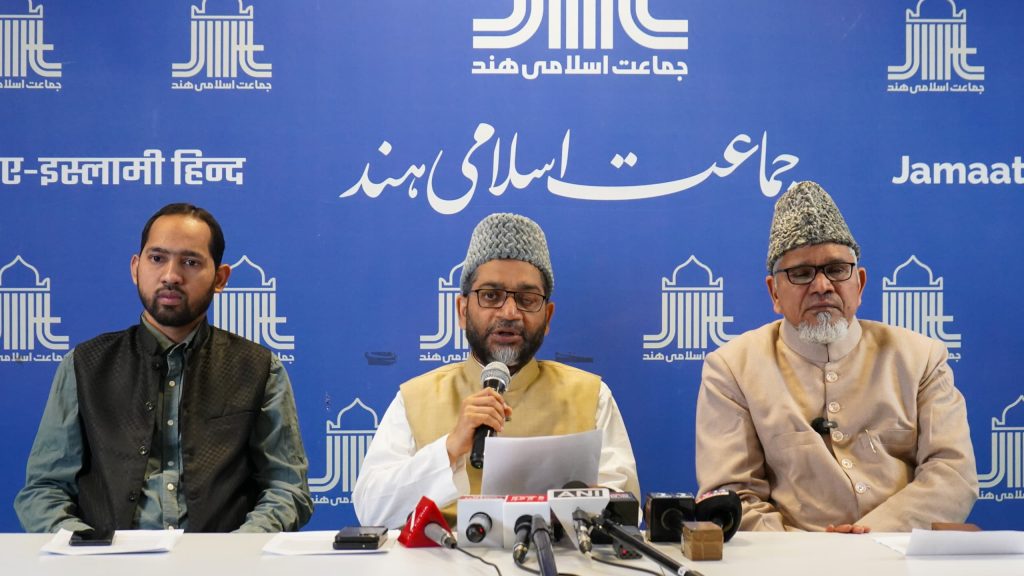
By Jamshed The President of Jamaat-e-Islami Hind (JIH), Syed Sadatullah Husaini, have expressed serious concern over the challenges related to women’s dignity, rising economic distress, and the escalating military conflict in West Asia.
Speaking on the occasion of the upcoming International Women’s Day, Syed Sadatullah Husaini said that while the day is meant to celebrate the achievements and contributions of women, the continuing rise in crimes against women reminds us that the struggle for safety, dignity, and equal opportunity remains far from complete.
According to the National Crime Records Bureau (NCRB), more than 4.45 lakh cases of crimes against women were registered in India in 2022 alone. These include cases of rape, sexual assault, domestic violence, harassment, trafficking, and cruelty by husbands or relatives. The NCRB recorded over 31,000 rape cases in the same year, which means that on average nearly 85 rape cases were reported every day.
Cases of domestic cruelty alone accounted for more than one-third of all crimes against women, showing how violence often occurs within homes and families. He further observed that within this broader picture, the problem of missing women is also alarming. NCRB data shows that every year, several lakh women and girls are reported missing across India, with a large number still remaining untraced. Women and adolescent girls remain particularly vulnerable to trafficking, forced labour, exploitation, and sexual violence.
He also pointed out that the problem of sexual exploitation reflects a deeper moral crisis in society. The revelations surrounding the Epstein trafficking network, which exposed the systematic exploitation of vulnerable young women and minors by powerful individuals, have shaken public conscience across the world. Jamaat-e-Islami Hind believes that protecting women’s dignity requires not only strict laws and swift justice but also a strong moral and ethical framework based on respect, modesty, and accountability.
Turning to economic issues, the JIH President said that recent developments after the presentation of the Union Budget 2026–27 have reinforced concerns about rising economic distress. The budget placed overwhelming emphasis on supply-side incentives while paying insufficient attention to income distribution, employment generation, and social protection. As global uncertainties deepen and domestic pressures rise, the benefits of growth continue to remain unevenly distributed while large sections of ordinary households struggle with stagnant incomes, rising living costs, and limited social security.
He noted that the ongoing war in West Asia is already exposing India’s economic vulnerability. With crude oil prices rising sharply and the rupee coming under pressure, India’s import bill and inflation risks are likely to increase. For an economy that imports more than four-fifths of its crude oil, such geopolitical shocks translate directly into higher fuel costs, transport inflation, and fiscal strain. These pressures will inevitably affect household budgets and small businesses. Syed Sadatullah Husaini said that the labour market situation also remains deeply troubling. A significant portion of India’s workforce continues to be trapped in informal and precarious employment. The rapid expansion of the gig economy has further intensified this trend, with millions of young workers engaged in platform-based work without adequate job security, fair wages, or social protection. Studies indicate that a large share of gig workers earn less than Rs15,000 per month and lack access to basic labour safeguards such as health insurance, pension benefits, or legal protection.
Speaking on the war in West Asia, the JIH President reiterated the organisation’s grave concern over the ongoing joint military aggression by the United States and Israel against Iran. These attacks constitute a blatant violation of national sovereignty and a grave breach of international law. He condemned the airstrike on the Shajareh Tayyebeh girls’ school in Minab in southern Iran, in which around 160 to 170 schoolchildren were killed saying it has shocked the conscience of the world and raised serious questions about the protection of civilians during armed conflict.
He warned that the present confrontation must not be allowed to escalate into a wider regional conflict involving the Gulf and the broader Middle East. Iran has the right to defend its sovereignty, yet the situation must not develop into a wider conflict that draws neighbouring countries into direct confrontation and deepens divisions in the Muslim world. Wisdom, prudence, and sound diplomacy are urgently needed to prevent the region from sliding into a prolonged and destructive war. He concluded by stating that lasting peace and stability can only be achieved through dialogue, respect for sovereignty, and a firm commitment to justice and international law.
By Charanjit Ahuja In a landmark 6–3 ruling, the Supreme Court of the United States has struck down former President Donald Trump’s sweeping “emergency” tariffs, holding that he exceeded his statutory authority by invoking emergency economic powers to impose broad import duties. The judgment is more than a domestic constitutional rebuke. It recalibrates the balance of power in U.S. trade policy, injects fresh uncertainty into global commerce, and carries important implications for India.
At the heart of the dispute was the use of the International Emergency Economic Powers Act (IEEPA), a 1977 law designed to empower presidents to respond swiftly to genuine national emergencies — typically through sanctions, asset freezes or restrictions on financial transactions.
The Court’s majority concluded that IEEPA does not explicitly authorize the imposition of tariffs. Tariffs, in constitutional terms, amount to taxes, and taxation authority rests primarily with Congress. Expansive use of emergency powers to restructure trade policy triggers what American jurisprudence calls a “major questions” concern — requiring clear legislative approval.
In effect, the Court has drawn a bright constitutional line: presidents cannot rely on general emergency statutes to unilaterally redesign U.S. trade architecture.
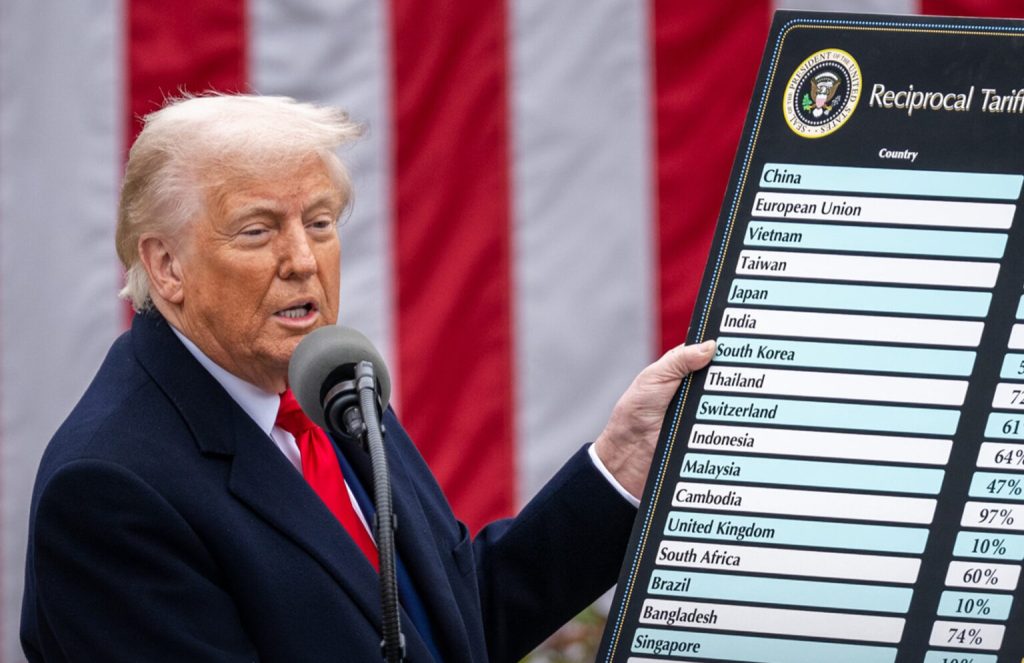
President Trump reacted sharply, calling the ruling disappointing and asserting that alternative legal routes remain available. He subsequently announced a 10% global tariff for 150 days, reportedly relying on Section 122 of the Trade Act of 1974, which allows temporary safeguard measures without prior congressional approval.
This new approach differs in two critical ways: It is uniform, applying equally to all trading partners. It is time-bound — beyond 150 days, congressional consent would be necessary.
While narrower than the previously struck-down emergency tariffs, the move signals that tariff activism remains central to Trump’s trade strategy.
Impact on India
Tariff compression — from uncertainty to uniformity, and for Indian exporters, the most immediate shift is structural. Earlier reciprocal tariffs had created a patchwork of rates — some considerably higher than standard Most-Favoured-Nation (MFN) levels. The Court’s intervention effectively wipes out those differentiated emergency duties.
Under the newly announced 10% global tariff regime, India faces: a flat 10% temporary duty (in addition to baseline MFN tariffs). This has resulted in greater predictability compared with fluctuating reciprocal rates.
For sectors such as textiles, engineering goods, auto components, chemicals and certain pharmaceuticals, this uniform structure may reduce pricing volatility and contract risk in the short term.
The recent ruling of the Supreme Court of the United States striking down former President Donald Trump’s emergency tariffs has not only reshaped American trade law — it has also directly affected India’s diplomatic calendar.
In a significant development, the Government of India has put on hold the scheduled visit of its trade negotiation team to Washington, pending greater clarity on the U.S. tariff regime. The move reflects caution, not confrontation — and signals how deeply legal uncertainty in the U.S. is influencing bilateral economic engagement.
Trade negotiations are built on predictability. When tariff structures are unclear or subject to judicial reversal, it becomes difficult to lock in meaningful concessions.
India’s decision to defer the visit appears driven by three practical considerations: The Supreme Court’s ruling invalidated broad emergency tariffs imposed under the International Emergency Economic Powers Act. However, President Trump has responded with a temporary 10% global tariff for 150 days under a different statutory provision.
From India’s perspective, negotiating market access terms while one tariff framework has just been struck down, another temporary regime is in place, and congressional approval may be required for permanence, would risk entering commitments against a moving legal backdrop.
The 150-day global tariff is, by design, provisional. Any agreement structured around this rate could become obsolete if Congress modifies the tariff, the administration alters its strategy, or further litigation reshapes executive authority again.
The court’s ruling arguably strengthens India’s hand. If sweeping executive tariffs face constitutional limits, the U.S. may need more durable, congressionally backed agreements. India, therefore, has little incentive to rush negotiations under temporary uncertainty.
Importantly, the pause does not signal a breakdown in relations. President Trump has publicly stated that existing arrangements with India remain unchanged and that there are no immediate plans to renegotiate standing understandings. That reassurance helps prevent market panic, but it does not eliminate the need for clarity.
The postponed visit suggests that talks are delayed, not abandoned, and India is recalibrating its strategy. Technical-level consultations may continue virtually, and formal high-level negotiations will resume once tariff architecture stabilises.
The pause creates a short window of watchfulness: Exporters must factor in the temporary 10% tariff. Long-term pricing and supply contracts may remain cautious. Sector-specific concessions under discussion may face a delay.
Industries such as textiles, auto components, pharmaceuticals, chemicals, and engineering goods — all sensitive to U.S. tariff changes — will likely adopt a wait-and-see approach until negotiations resume.
India’s decision reflects broader diplomatic discipline. It has consistently preferred predictable, rule-bound trade frameworks over sudden unilateral shifts. The Supreme Court ruling reinforces the importance of statutory backing in U.S. trade commitments.
By postponing the delegation visit, India avoids appearing reactive to short-term political developments in Washington. Instead, it signals that serious economic partnerships require stable legal foundations. The judgment has effectively rebalanced U.S. trade authority toward Congress. Any future large-scale tariff structure may require legislative endorsement. That could lead to slower but more durable agreements — something India may view as advantageous.
India’s trade team is expected to reschedule its Washington visit. In fact, the pause may ultimately strengthen negotiations by ensuring that both sides engage under clearer parameters. In fact, India’s decision to put its trade delegation visit on hold should not be interpreted as friction in bilateral ties. Rather, it reflects pragmatic statecraft.
The Supreme Court’s ruling has triggered a constitutional and policy reset in the United States. Until that reset crystallises into a stable tariff framework, India appears unwilling to anchor trade concessions to uncertain foundations. In diplomacy — as in commerce — timing matters. By choosing patience over haste, India is signalling that the future of India–U.S. trade will be negotiated not in turbulence, but on firmer legal ground.
However, Indian firms that paid elevated duties under the now-invalidated regime may explore refund claims. However, such processes could be prolonged, involving U.S. customs authorities and potential litigation.
Thus, while the judgment offers policy clarity, it may generate compliance and cash-flow complications for exporters in the interim.
Bilateral Trade Arrangements
President Trump has stated that existing trade arrangements with India remain intact and that there are no immediate plans to renegotiate agreed frameworks.
This suggests that ongoing sectoral understandings remain operational. Negotiated concessions already in place are not automatically voided. Bilateral dialogue continues, albeit against a shifting legal backdrop.
However, the Court’s ruling alters the negotiating environment. Any future tariff concessions or escalations will now need clearer statutory grounding in U.S. law, making executive-driven unpredictability harder, though not impossible.
The judgment subtly strengthens India’s bargaining position. If unilateral executive tariffs face legal scrutiny, Washington may rely more heavily on: Congress-backed trade arrangements, sector-specific negotiated accords, and structured bilateral frameworks.
For India, this reduces the risk of abrupt policy reversals based purely on executive discretion. India can now argue for: rules-based tariff commitments, clearer dispute-resolution mechanisms, and long-term predictability embedded in statute rather than executive order.
This aligns with India’s broader trade diplomacy approach — incremental liberalisation paired with strategic autonomy.
The ruling reinforces Congress’s primacy in taxation and trade regulation. Future presidents — regardless of party — may find it more difficult to impose sweeping tariffs without legislative buy-in.
That does not eliminate protectionism, but it channels it through more formal political processes. For global markets, including India, legal clarity reduces systemic uncertainty. Uniform temporary tariffs are easier to model than unpredictable reciprocal escalations. Businesses can plan supply chains with greater medium-term confidence.
India, positioning itself as a reliable manufacturing and supply-chain partner amid global realignment, could benefit from a more rules-bound U.S. trade regime.
Future India–U.S. agreements may now be more narrowly sectoral, requiring congressional endorsement in the U.S, moving incrementally rather than through sweeping executive initiatives. This could slow headline-grabbing breakthroughs but enhance durability.
The Supreme Court’s ruling is not a simple victory or setback for India — it is a structural reset. In the short term, tariff uncertainty persists due to the 150-day global duty. Businesses must monitor potential legislative developments in Washington.
In the medium term, India gains negotiating space. Predictability improves relative to the earlier emergency regime. In the long term, a more constitutionally anchored U.S. trade policy may favour stable, negotiated partnerships over abrupt executive shifts.
For India — a rising economic power seeking dependable access to global markets — that structural predictability may ultimately prove more valuable than temporary tariff concessions. The episode underscores a broader truth: in global trade, legal architecture matters as much as economic strategy.
When we analyse why the US Supreme Court ruled against the tariffs, we find that the core legal issue was authority: The tariffs in question were imposed under the International Emergency Economic Powers Act (IEEPA) of 1977, which allows the president to regulate economic transactions in declared national emergencies.
The court’s majority held that IEEPA does not confer the power to impose import tariffs, because IEEPA’s text does not explicitly mention tariffs or duties. Tariffs are, fundamentally, taxes, and under the U.S. Constitution, such powers are reserved for Congress unless clearly delegated. Using a broad emergency law for economic trade policy, the court said, was a “major question” that required clear legislative backing.
Thus, most of the tariffs — especially broad “reciprocal” tariffs applied against many trading partners — were invalidated.
Rather than abandoning tariff policy, President Trump quickly invoked Section 122 of the Trade Act of 1974 to impose a temporary global tariff: A 10 % duty on imports from all countries (later floated to 15%), effective for 150 days without congressional approval.
Before the ruling, U.S. tariffs on Indian goods had fluctuated wildly: At one point, Indian exports faced reciprocal duties as high as 25 % or more, depending on product categories. An interim framework negotiated in early 2026 aimed to reduce those to around 18 % and restore duty-free access in key categories.
After the Supreme Court ruling, India’s exports currently face a flat 10 % global tariff in addition to the U.S. Most-Favoured-Nation (MFN) rate, reducing duties compared with earlier reciprocal tariffs. If Trump’s proposed 15% ceiling rate under Section 122 materializes, India’s effective duties would rise somewhat but remain lower and more predictable than under the old regime.
Why this matters is that heavy industries such as textiles, auto components, pharma, and engineering goods are sensitive to U.S. import taxes. Shift from high punitive tariffs to a uniform 10–15 % regime improves price competitiveness and planning certainty for Indian exporters.
Geopolitical Trade Dynamics
India’s trade ties with the U.S. have broader geopolitical dimensions: India is diversifying global supply chains and strengthening ties with Western markets. A predictable U.S. trade policy could make India a more attractive source for critical goods, especially in sectors like pharmaceuticals and electronics.
The ruling reduces some tariff-related uncertainty in global markets by undoing a patchwork of complex duties. This could help global trade sentiment improve, although the newly invoked temporary tariffs still create some ambiguity.
The Supreme Court’s judgment represents a major legal check on executive trading power and brings longer-term structural clarity to how the U.S. imposes tariffs. For India, the decision is a net positive in terms of predictability and negotiations, though the situation remains fluid: Short-term volatility persists due to temporary tariffs and evolving tariff rates. Medium-term opportunities may unfold if India and the U.S. can agree on a formal trade deal anchored in statutory tariff commitments. Long-term implications hint at a more rules-based U.S. trade posture, possibly benefiting stable partners like India.
In short, while the legal reset shook up existing arrangements, it also strengthens the case for negotiated frameworks and could ultimately enhance India’s export prospects in the world’s largest economy.