6 semi-decomposed bodies found in two houses in Jammu

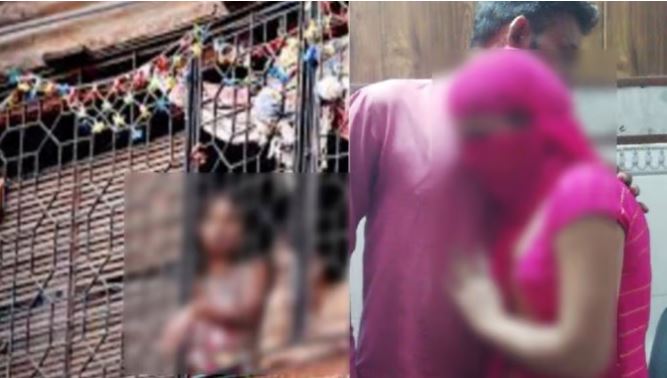
Six semi-decomposed bodies were found at a residential houses in Sidhra area of Jammu city of Wednesday. The bodies were found in two residential houses in Tawi Vihar locality of Sidhra.

Soon after the incident was reported, a police team rushed to the spot and took bodies into their possession.

“The doors of the house were forcibly broke open in presence of locals of Tawi Vihar Colony Sidhra,” police said, adding, “It was found by the Police party that the dead bodies are lying in the house.”

The official added that preliminary investigation reveals that all these people were from Kashmir and their families have also been informed.

Police have formed a Special Investigation Team to unravel the mystery surrounding the deaths.

The deceased have been identified as Sakina Begum widow of late Ghulam Hassan, her daughter Naseema Akhter, Rubina Bano, Zafar Ali, Noor-ul-Habib and Sajad Ahmad.

FIFA move extremely harsh but also an opportunity to get house in order: Bhaichung Bhutia

Former captain Bhaichung Bhutia on Tuesday termed the FIFA’s decision to ban Indian football “very harsh” but in it also saw an opportunity to get the country’s sport in order.

India was suspended by world governing body FIFA for “undue influence from third parties”, the development jeopardising the country’s prospects of hosting the Under-17 Women’s World Cup, scheduled from October 11-30.

“Very unfortunate that FIFA has banned Indian football and at the same time I feel it’s a very harsh decision of FIFA to ban Indian football,” Bhutia, one of the sport’s icons in the country, said.

“But at the same time time I feel it’s a great opportunity for us to get our system right. It’s very important that all the stakeholders — the federation, the state associations, to come together and get the system right and everybody work for the betterment of Indian football,” the Sikkimese sniper added.

FIFA said the suspension was effective immediately and that the transgression constitutes a serious violation of the FIFA Statutes.

This is the first time the All India Football Federation (AIFF) has been banned by FIFA in its 85 year history.

The AIFF ran into trouble after former president Praful Patel stayed in office beyond his term with the Supreme Court ruling it invalid and ousting him from the post. The SC had placed the AIFF under a Committee of Administrators (CoA).

A team of FIFA-AFC had visited the country from June 21 to 23 after which the world body had set strict deadlines to approve the new constitution by July 31 and hold elections by Sept 15.

Former India star Shabbir Ali called it extremely unfortunate and a massive setback for Indian football.

“Whatever has happened is extremely unfortunate and it is a setback for Indian football. That said, I am hopeful that the suspension will be lifted sooner than later once the elections are held, which FIFA has categorically mentioned as well,” he said.

“The U-17 Women’s World Cup should be held in India and I am optimistic that things will fall in place and India won’t be robbed off the showpiece event,” added the Dhyan Chand Awardee, who was one of India’s best players in the 1970s and 80s.

The FIFA though has not closed all options for India as it said it is in talks with the sports ministry and hopeful of a positive outcome regarding the women’s age group showpiece event.

Former player Mehtab Hossain blamed those running football in the country for the setback.

“Both the former officials and the CoA should be blamed squarely for this fiasco. When FIFA instructed the officials to conduct an election as soon as possible and put the house in order, what were we waiting for? We took our own sweet time and now we have to pay the ultimate price,” Mehtab said.

“Neither the former bosses nor anyone from the CoA will suffer now. It’s the players, fans who will be dealt with a severe blow. It’s a huge blow for Indian football,” he said.

Special Prayer at Akal Takht Sahib to commemorate lakhs of Panjabis who died during 1947 partition

Nearly 10 Lakhs of Panjabis who lost their lives during 1947 India-Pakistan partition of the country were remembered today at Akal Takht Sahib the  highest  Sikh temporal seat . A special Ardas Samagam (prayer congregation) was organised in this regard at Akal Takht Sahib, in which, tributes were paid to lakhs of people who lost lives during the country’s partition.

Today the Bhog (concluding ceremony) of Sri Akhand Path Sahib was held and hazuri raagis jathas of Sachkhand Sri Harmandar Sahib performed the Gurbani Kirtan.

On this occasion , Jathedar of Akal Takht Sahib, Giani Harpreet Singh said that the Governments of India and Pakistan should pass condolence resolutions in their Parliaments for the lakhs of people who lost lives during country’s partition and suffered the pain of displacement.

“While celebrating 75th anniversary of independence, the Governments of both the countries should have remembered the people who suffered pain of displacement by voluntarily passing the condolence resolutions but the Governments did not treat it as important. The Governments should pass the condolence resolutions”, said Jathedar Giani Harpreet Singh.

Jathedar of Akal Takht Sahib said that open visas should be granted with a big heart to those people who took birth before 1947 on either side so that they can easily visit their birthplace, ancestral places and religious shrines.

Jathedar said while the Panjabis lost lives in big numbers, they also had to leave their lands, properties, homes and holy Sikh shrines.


“This pain is still alive in the minds of Panjabis and while they want to see their birthplace, they also long to visit their holy shrines. As stopping Muslims from going to Haj, Hindus from visiting Sri Katas Raj Temples, is a crime, similarly, it is not just to stop Sikhs from visiting Sri Nankana Sahib and other Sikh shrines left in Pakistan. It is a matter that the governments of both the countries should discuss seriously and work to grant visas with open heart to people of every faith to visit their religious shrines”, said Jathedar.

While answering a question on this occasion, SGPC president Harjinder Singh Dhami said that it will be discussed with the Jathedar of Akal Takht Sahib to hold Ardas Samagam every year in the memory of lakhs of people who were killed during the partition of the country.

Flesh Trade, Sex for Sale at Kolkata Airport

Intro: Illegal taxi operators double up as pimps and rampantly run a sex racket luring inbound passengers at the Kolkata international airport, reveals an investigative report by Tehelka SIT

It was a Covid time in India. The country was witnessing a sharp dip in coronavirus cases. The lockdown was gradually lifting from the country. We were on an official visit to West Bengal’s capital Kolkata. According to my source, despite being a sensitive place, Kolkata airport has some stories. Unfortunately not positive but negative stories. But which in the interest of the nation and for the general public, need to be told.

Soon, one fine morning after the breakfast, we went to Kolkata airport for the story. The aviation was in revival mode in the country after a pandemic year. And so were the touts on the ground. The Kolkata airport was bustling with activity. Passengers were running here and there looking for taxis. Gangs of illegal taxi operators at Kolkata’s airport had also made a comeback. They were seen running behind passengers, trying to lure them to prostitutes. Just at that time, at an arrival gate number 5, for the international passengers, Tehelka reporter met Sanjiv, who was a tout and a taxi operator by profession. We posed as businessmen to Sanjiv. Immediately after learning that we are from Delhi and have come to Kolkata for some business engagement, Sanjiv offered us minor girls in the age group of 14 and 15 for sex and massage. “I will give you minor girls for sex and massage, in the age group of 16 and 18. If you need more younger, than I can also fetch 14 and 15 years old girls for sex and massage for you,” said Sanjiv.

After this, Sanjiv had a detailed discussion with Tehelka reporter. Giving him a variety of offers of sex and massage with minor girls.

Reporter…. “ Kitni badi” ?

Sanjiv…. “Wo hi 18…16”.

Reporter…. “Ussey kum” ?

Sanjiv…. “15, 14”.

Reporter…. “15 saal ki ladki mil jayegi” ?

Sanjiv…. “ Aaram se”.

Reporter…. “Massage ke liye ya le jaa bhi sakte hai” ?

Sanjiv…. “Sabhi ke liye”.

Reporter…. “Aisa bolte hai, hota nahin hai”?

Sanjiv   “Nahin hoga to paisey nahin lega. Mera gaadi wala nahin lega”.

[ Sanjiv assured us that we will get minor girl of 14-15 years of age for sex and massage. He assured that if we do not get the minor as promised by him, he will not take money from us]
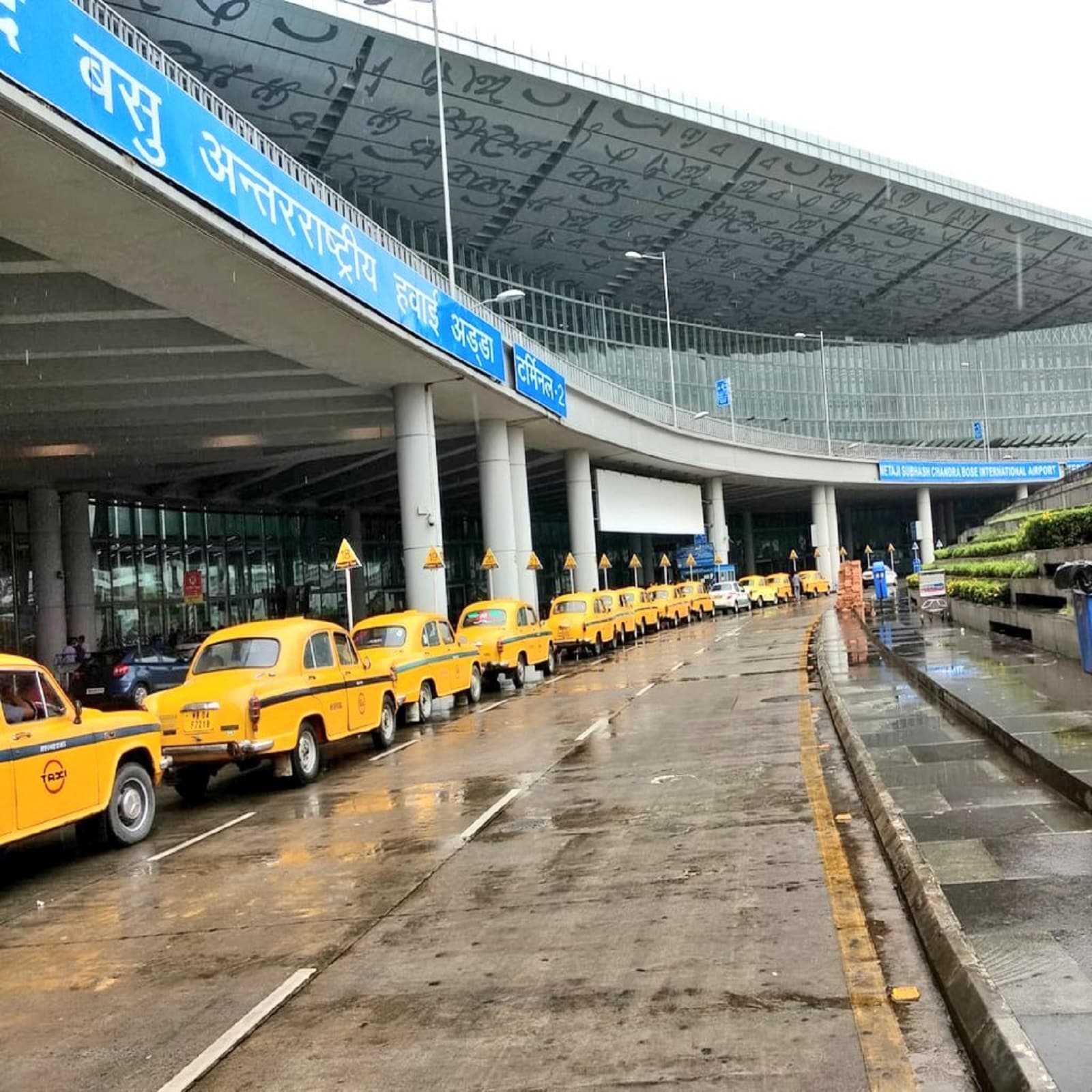
Sanjiv said that he has taken many passengers of his to the concerned massage centre. According to him, the minor girl at the massage centre will give us body massage and after that we can have sex with her at the same centre. Without the massage centre owner ever knowing about it.

Reporter…. “Ye jo aap 15 saal ki ladki aap bata rahe ho.. 14-15 saal ki”.

Sanjiv…. “Wo massage kar degi aap ka”.

Reporter…. “Wo hamari body massage kar degi aur uske alawa”?

Sanjiv…. “Usko le jayega. Usko bolega paisa dega. Kaam kar dega”.

Reporter…. “Ladki ka kaam kar dega wahin” ?

Sanjiv…. “Wo wahin hoga”.

Reporter….. “Massage centre mein. Massage centre wala allow nahin karega na” ?

Sanjiv…. “Wo janega kaisey. Wo janega hi nahin”?

Reporter…. “Usko pata hi nahin chalega massage centre wale ko ? Ladki mana kare phir”?

Sanjiv…. “Bol raha hoon hoga. Hum lekar gaya hai, kitna guest wahan par”.

Reporter…. “Usi massage centre main wahan par”?

Sanjiv…. “ Haan”.
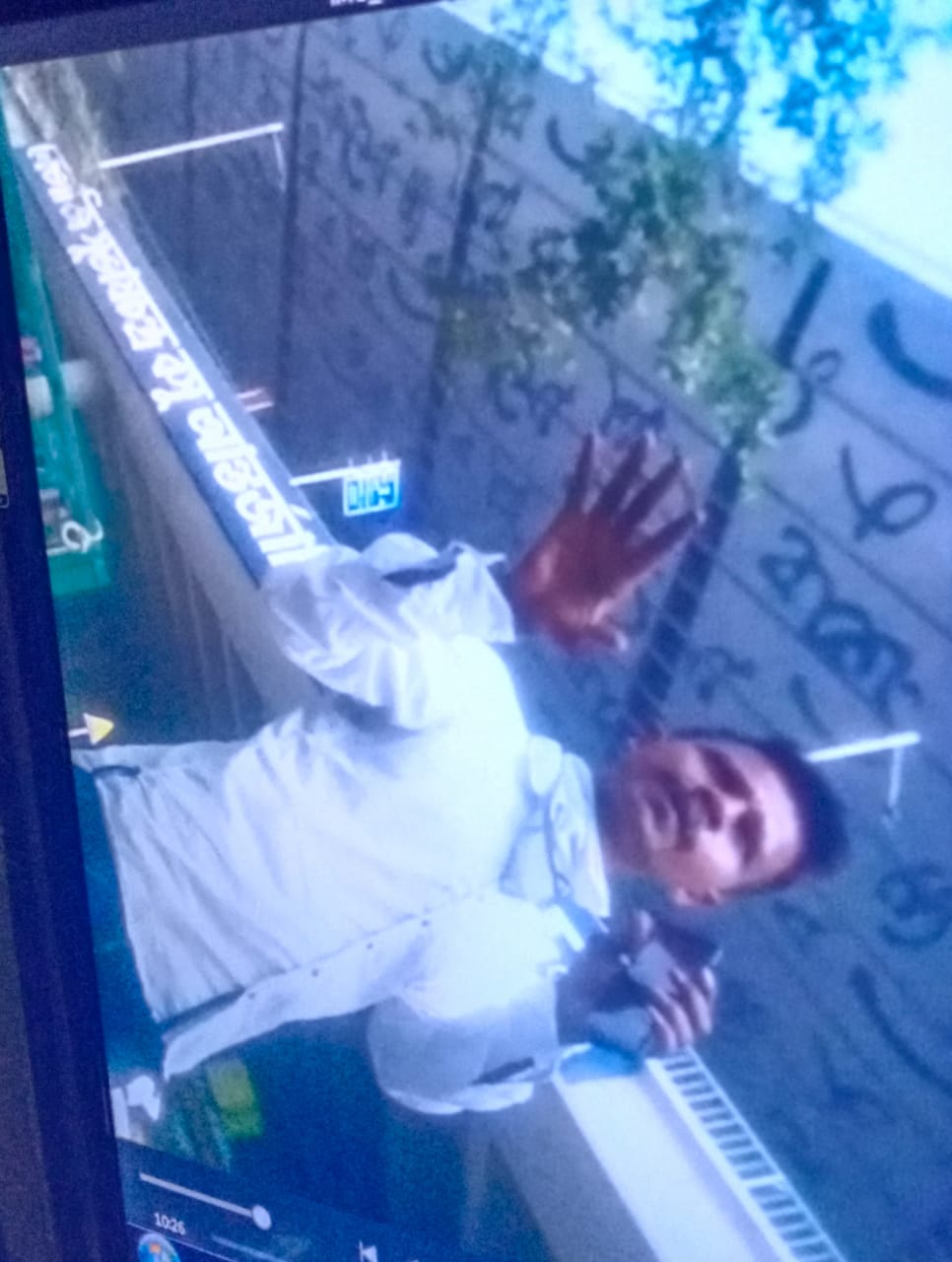
[ Sanjiv said that at the same massage centre, we can have sex with the minor girl after taking body massage from her. That too without the knowledge of the massage centre owner. We will have to assure the girl that she will get money from us for the sex with her. And the girl will not say no to our proposal. According to Sanjiv, he is saying all this because he has been to the same massage centre earlier with other passengers for sex and massage.]

Now Sanjiv told us the massage rate.

Sanjiv…. “Massage ka 2000-2500 rupay lagega”.

Reporter…. “Hain ji”?

Sanjiv…. “2000 rupay main massage karega”.

Reporter…. “2000 rupay main massage karega”?

Sanjiv…. “Bheetar main aap baat karogey kitna lagega kaam, wo bolega itna lagega. Apko pasand karega.. nahin to nahin karega”.

Reporter…. “Usne mana kar diya phir” ?

Sanjiv…. “Karega”.
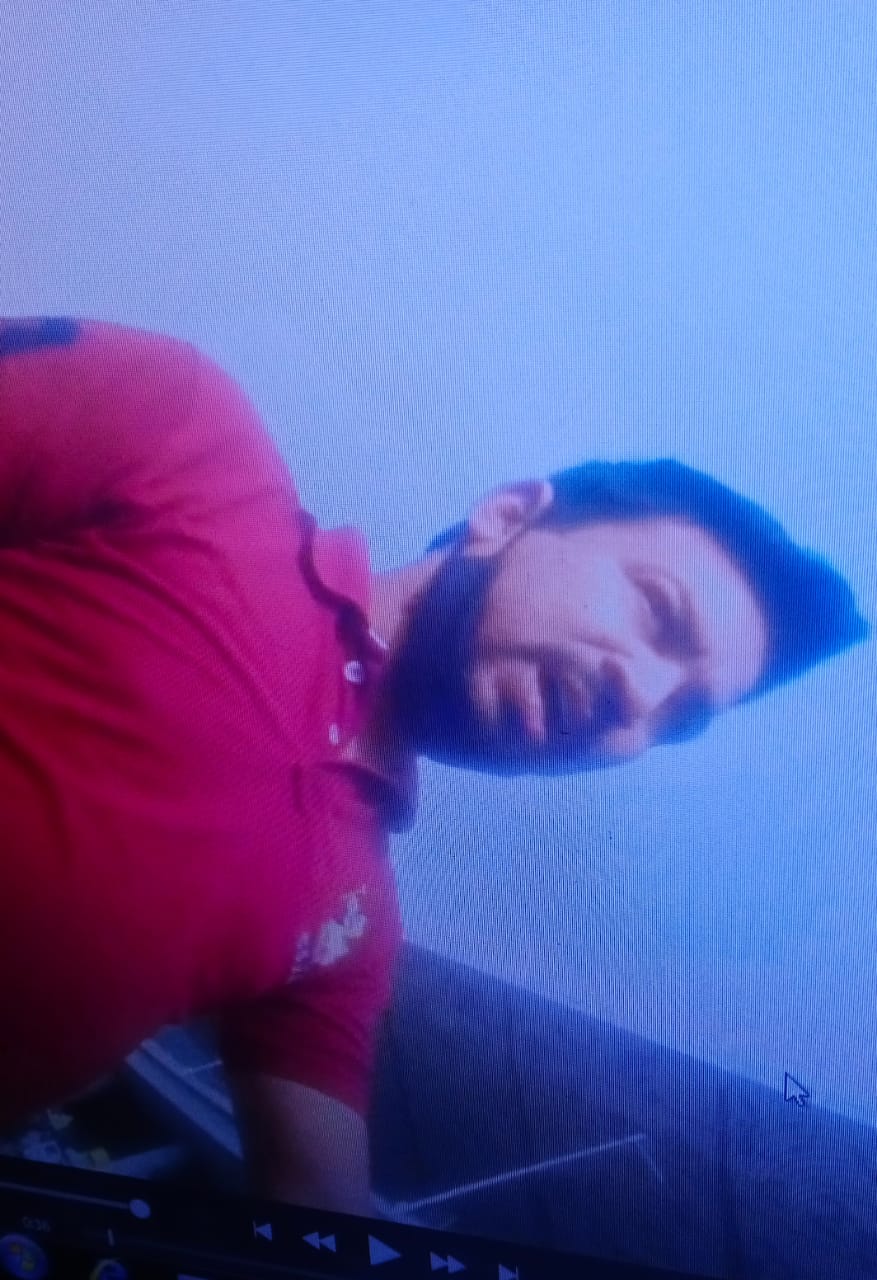
[ Now Sanjiv told us the massage rate, which is Rs 2000 to Rs 2500]

Apart from the massage centre, Sanjiv told us that he can arrange a hotel for us where we can have sex with women provided by him.

Sanjiv…. “ Ladki chahiye. Sab mil jayega aapko”.

Reporter…. “Dilwaogey” ?

Sanjiv… “Haan”.

Reporter…. “Batao kahan le chalogey” ?

Sanjiv… “Hotel main kar dengey”.

Reporter… “Kaun-sa hotel”.?

Sanjiv…. “………Hotel”.

Reporter…. “Kaun sa hotel” ?

Sanjiv…. “Chaliye na mere saath. Kitna chahiye aapko, 2 chahiye ya 3” ?

Reporter….. “2 hain 2 alag-alag rooms hongey”.

[Sanjiv told us that he has a tie-up with a hotel too, where we can have sex with women provided by him. It can be 2-3 women, whatever we want.].

Sanjiv now revealed us the money he will charge for providing girls in a hotel room.

Reporter…. “Poorey din ka kitna logey” ?

Sanjiv…. “2000 rupay de dijiyaga”.

Reporter….. “Poorey din ka 2000 rupay” ?

Sanjiv…. “Massage karna hai, massage karwa dengey”.

Reporter…. “ Massage karwa dogey kahan” ?

Sanjiv…. “ Chaliye ……. Mall main. Achcha ladki. Bachcha ladki”.
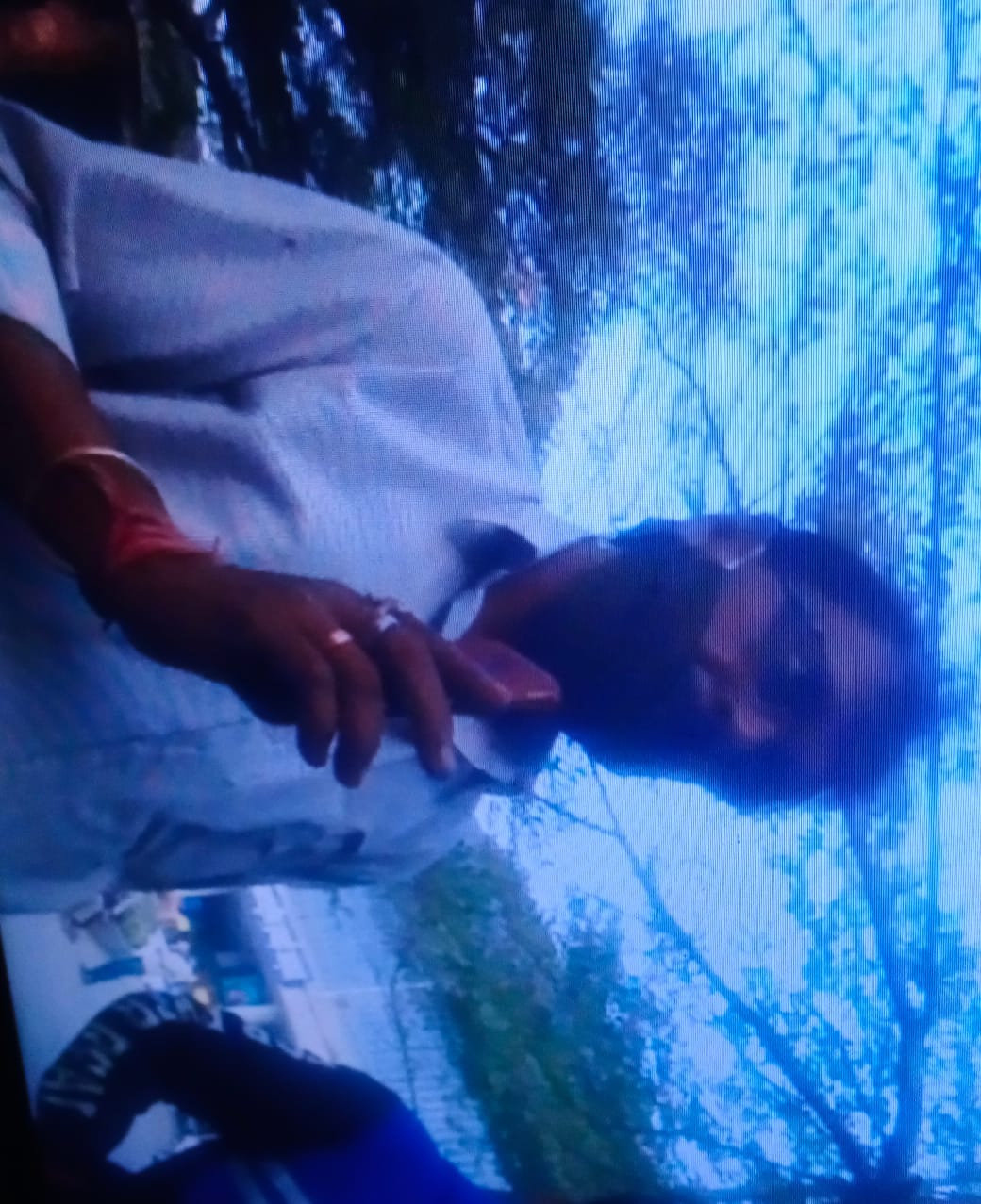
[ Sanjiv said he will charge Rs 2000 for sex with a woman for a full day in a hotel room. Apart from that he said he can take us to a Mall, where we can have body massage from the minor girls]

But Sanjiv had some more surprises in store. He then said that he had a variety of women at his disposal, including married women. We should tell him our choice, he will provide us that.

Sanjiv…. “ Main apne dost ko phone karunga, wo ladki lekar ayega”.

Reporter….. “Wo ladki kitne saal ki hogi” ?

Sanjiv…. “ Badi chahiye. Ladki chahiye, aapko mil jayegi. Shaadi wali shaadi waala”.

Reporter…. “Shaadi shuda aurat bhi mil jayegi” ?

Sanjiv…. “Haan, har tarah ka mil jayega”.

[According to Sanjiv, he has a variety of women with him, and can even fetch married women for us. We should just tell him our choice he will provide us that for sex.]

This was Sanjiv for you. A taxi operator, standing right in front of the International gate no 5, of Kolkata airport, offering us a variety of women to choose from: minor, young or married for sex and massage. And this, he boasted, he offered to most of his passengers who board his taxi.

However, the story doesn’t end here. We met another Taxi operator, Ravidas at the Kolkata airport, gate number 1B, who promised to take us to “Sonagachi”, said to be Asia’s largest Red-Light area situated in central Kolkata. Ravidas said that at Sonagachi, we can watch nude dance of a woman for one hour and can also have sex with her afterwards. All for money.


Ravidas…. “Sonagachi mein ek ghantey dance aur naked dance. Ek aadmi ko shot karne dega”.

Reporter…. “Ladki kapdey utar kar dance karegi”?

Ravidas…. “ Haan, ek ghanta”.

Ravidas…. “ 4-5 Aadmi dekh sakta hai”.

Reporter…. “ Kharcha kitna”. ?

Ravidas…. “4000, 4500, 6000. Jaisa ladki lijiyega”.

Reporter…. “Aap humein lekar chalengey” ?

Ravidas…. “Abhi” ?

Reporter…. “ Shaam ko, jab bhi, kal-val”.

Ravidas….. “Jab boliyega”.

Reporter….. “ Aapki setting hai wahan” ?

Ravidas…. “Ekdum”.

[Ravidas said that he will take us to Sonagachi, said to be largest Red-light area of Asia situated in the central Kolkata. There we can watch nude dance of a woman for an hour and later can also have sex with her. All for money. The charges will be Rs 4000-4500-6000. All depend on the woman we choose. He further said that we need not to worry about anything else as he has an understanding with the people at Sonagachi]

Ravidas assured us that if we go to Sonagachi, we should not be fear about police raid as he pays money to the police. He also said that he has to catch a dalal and pay him money at Sonagachi. Without whom we will get nothing. Ravidas said that all this is his regular work.

Reporter…. “Police ka koi raid”?

Ravidas…. “ Koi raid nahin. Police ka humein maloom hai. Night mein jaaney se police ko 100 rupay dene  ka. Dekhiye dalal pakadna padega. Uske bina kuch nahin milega”.

Reporter…. “Dalal aapke paas hai” ?

Ravidas…. “Haan, hum logon ka to kaam hi ye sab hai. Wo log [ Dalal ] 200-500 rupay khayega”.

[Ravidas sought to allay our fears of police raid while visiting Sonagachi, explaining that he pays money to the cops to keep them away. He said he will catch hold of a dalal (pimp), and pay him money to arrange everything for us. He further said he knows dalals at Sonagachi as he is a regular visitor to the place]

When asked whether we can get women in our hotel room? Ravidas told us that indeed we can get woman in our hotel room. But their rates will be different. Rs 10,000-12000 and 15000 per night. How much we finally pay up will depend on the type of woman we choose, said Ravidas. He said he would send us their photographs on our phone and then we can tell him our choice. And as soon as we select a woman from the photographs, he will delete them all from his phone, adds Ravidas.

Reporter…. “ Agar humein hotel mein ladki  bulani ho to” ?

Ravidas…. “Hotel main ayegi ladki. 10,000-12,000 -15,000”.

Reporter…. “Ek raat ka”?

Ravidas…. “Ek raat ka”.

Reporter…. “Us level ki ladki hogi”?

Ravidas…. “Us level ki. Model”.

Reporter…. “Aap photo bhejo”?

Ravidas…. “10-15 minutes lagega. Photo mangana padta hai. Ghar mein phone mein nahin rakhte. Kaam khatm, sab delete”.

[ Ravidas said that he can  also arrange girls for us in our hotel room. But their rates will range between Rs 10,000, 12,000 and 15,000. He boasted that that some of them would be as stylish as models. However he hastened to add that he doesn’t keep the women’s photographs in his mobile phone as he has to go home. He deletes them as soon as his work is over]

After Ravidas, Tehelka now met Digvijay Babu, another Taxi operator at Kolkata airport. Who was waiting for an ‘army colonel’ coming to Kolkata from Haryana, to pick and drop him in some Kolkata hotel along with two Bengali women for having fun. While Digvijay was waiting for the flight to land at Kolkata airport, he started having a candid conversation with us.

Reporter…. “Yahan pub wagehrah nahin hain kya”?

Digvijay…. “Bahut kuch hai sir. Abhi dekhiye sir jo saheb aa rahe hai, colonel saheb aa rahe hai”.

Reporter… “Achcha aap colonel saheb ke intezar main khadey hain… kahan se” ?

Digvijay…. “Aa rahe hain Haryana se aa rahe hain. To unko lekar jayengey. 2 items ayengi”.

Reporter…. “Colonel saheb ke saath” ?

Digvijay…. “Nahin, Bengal se. Hotel le jayengey. Rahengey apna aish se”.

[Digvijay told Tehelka that he is waiting for some army colonel coming from Haryana to Kolkata. He will pick him from the airport and drop him in some Kolkata hotel along with two Bengali women for enjoyment]

Digvijay further revealed a hotel name, situated in Kolkata, which supplies women to its customer, who stays in their hotel. According to Digvijay, the hotel have women catalogue. The women selected from the catalogue by the customer, is provided in his room. According to Digvijay, since the hotel belongs to a cop, there won’t be any police raid.

Digvijay…. “Ek hotel hai pass main……..Usmein kya apko night seva milega. Wo catalogue dikha dega. Jaisa item apko chahiye mil jayega.

Digvijay….. “Wo hotel prashasan ke aadmi ka hai. Police waley ka hotel hai”.

Reporter…. “Police ki raid”?

Digvijay…. “Police ki raid-vaid nahin hoti hai sir”.

Tehelka went to unearth the sex on sale racket at Kolkata airport. But during this investigation, discovered that tose running sex racket at Kolkata airport luring inbound passengers, domestic and International, to red-light districts, underage masseuse, and elite sex workers, are also running illegal taxis from the airport. Digvijay Babu, who was candidly talking about providing  women for sex in Kolkata hotel some time ago, now revealed as to how the gangs of illegal taxi operators are illegally running taxis from Kolkata airport.

Reporter…. “Kya ye taxi yahan se chalna airport se aisey chalna allowed nahin hai kya”?

Digvijay…. “Nahin”.

Reporter…. “Kyon” ?

Digvijay…. “Pre-paid allowed hai. Hum log pre-paid mein nahin chalatey hai”.

Reporter…. “Ola-uber mein bhi nahin chalatey” ?

Digvijay…. “Ola-Uber mein bhi nahin chalatey”.

Reporter…. “Aisey allowed nahin hai” ?

Digvijay…. “Aisey allowed nahin. Lekin humari union hai. Hum local hai. Hum apne bal bootey pe chalatey hai”.

Reporter…. “ Matlab aapki dabangai”?

Digvijay….. “Dabangai samjho”.

[According to Digvijay, at Kolkata airport, only pre-paid taxis and Ola-Uber can pick passengers from the airport. Others are not allowed. But under the protection of their unions, they illegally run taxis at the airport and pick passengers from there].

According to Tehelka sources, only pre-paid taxis and Ola-Uber can pick passengers from the Kolkata airport. Others are not even allowed to enter the airport premises. But there are number of illegal operators in Kolkata who are running taxis from the airport and picking passengers by allegedly paying money to the police. This is what Digvijay also told us, when we asked him to pick our passenger coming from Delhi to Kolkata within a fortnight.

Reporter…. “15 din main apko client dunga”. Kolkata key, Delhi se airport se. Lekin aap ye dekh lena kabhi Kolkata police apko airport par entry na de, Kolkata mein” ?

Digvijay…. “Nahin prashasan se lekar sab mera understanding hai. Main samajh lunga”.

Reporter…. “Aisa na ho client yahan par aaye aur gaadi na miley” ?

Digvijay…. “Hamari gaadi jis gate par boliyega us gate par lagwa dengey”.

Digvijay….. “Ek bhi gaadi aisi nahin hai main decision leta hoon saara thana- pana hum dekhta hoon. Tension mat lijiye”

Reporter…. “Achchi setting hai police-volice mein”.

[ Digvijay assured us that the client we would be sending to him from Delhi will definitely get a taxi at the Kolkata airport. There is no chance that Kolkata police will not allow his taxi to enter the airport. He says he will manage the police.]

Digvijay now revealed that all unions have their respective fixed gates at the Kolkata airport from where they run their illegal taxis. Party is the same.

Reporter…. “Yahan outline mein kitna gaadiyan hai airport par total mein” ?

Digvijay…. “ Har union ka fix alag-alag hai. Har gate ki union alag-alag hai. Party ek hi hai”.

[ Digvijay confessed that  separate unions have their  respective gates at Kolkata airport from where they pick passengers. There are separate unions, but the party is the same]

Ravidas who promised us to provide women for sex at Sonagachi disclosed that he is also running an illegal taxi from the Kolkata airport. Posing as a  businessmen, we asked Ravidas whether he can help us in running our taxis from the Kolkata airport.? To this, Ravidas nodded in affirmative  and told us its economics. The amount of money we will earn per day from illegal taxi business.

Reporter…. “Jo gaadi lagegi hamari, uska kya rate hoga” ?

Ravidas…. “ Kya rate hoga boley to” ?

Reporter…. “Aap humein kitna dogey” ?

Ravidas…. “Private gaadi 500, commercial gaadi 700 rupay”.

Reporter…. “Private gaadi agar hum lagatey hai to 500 rupay daily” ?

Ravidas…. “500 rupay daily”.

Reporter….. “Aur commercial lagatey hai to” ?

Ravidas…. “700 rupay”.

Reporter…. “700 rupay daily.. Yaar private mein kum de rahe ho aap” ?

Ravidas…. “Private mein jo gaadi raastey main police pakrega, wo hum dekhengey na.”

[ Ravidas told us that we will get Rs 500 daily for attaching our  private taxi with him. And Rs 700 for a commercial taxi. ]

Now Ravidas revealed as to how he is running illegal taxi from the Kolkata airport with the help of the police.

Reporter…. “Aisa na ho Kolkata airport par hamari gaadi ki entry na ho” ?

Ravidas…. “Kyon entry nahin hoga” ?

Reporter…. “Kahin police waley mana kar dey” ?

Ravidas…. “ To hum log hain na”.

Reporter…. “Police mein setting hai”.?

Ravidas…. “Hum logon ka police se setting hai. Parking ki setting hai. Lekin aapko thodi pata  chalega aapki gaadi hai. Hum gaadi chalayega to hamari gaadi hai”.

[ Ravidas told us that we don’t have to worry about our taxi not getting entry into Kolkata airport. He reassured as that he has an understanding  with the police in this regard.]

Now Ravidas explained the amount of money they are paying to the police to run their taxis illegally from the Kolkata airport.

Reporter… “Achcha jo police ko paisa dena hoga wo hume to nahin dena hoga” ?

Ravidas…. “Police ko kaat ke ek gaadi par 100 rupay karkey”.

Reporter…. “Ek hi to police hai traffic police” ?

Ravidas… “Jo jitna gaadi chalta hai. Ek gaadi ka 100 rupay deta hai”.

Reporter…. “ Daily”?

Ravidas… “Daily”.

Reporter… “Police ko”?

Ravidas…. “Traffic alag hai, airport ka police alag hai”.

Reporter…. “To daily kitna  lagta hai tumhara” ?

Ravidas…. “Daily 200 rupay”.

[ Ravidas told us about the money they are paying to the police daily]

Ravidas disclosed that they are running illegal taxis from the Kolkata airport in shifts. Also all contractors have divided airport gates among themselves. And they don’t encroach on each other territories.

Reporter…. “ To 120 gaadiyon ka to bahut ho gaya daily ka? Kitna hoga 120 gaadiyon ka”

Ravidas….3 shift chalta hai. Jaisey sochiye hum chalta hai, subah 2 baje se 3 baje tak chalta hai.” Aisey shifting chalti hai. Ek saath nahin chalta hai. 120 gaadi mein nahin chalta hai. Night mein chalta hai. Din mein chalta hai. Morning mein chalta hai.

Reporter…. “Achcha gate ka bhi alag-alag hoga. Ye gate mera”?

Ravidas …. “Haan, hum logon ka ye gate hai”.

Reporter…. “1B”

Ravidas…. “Haan, wo ladka idhar nahin ayega hum udhar nahin jayega”.

[ Ravidas explained how illegal taxis at the Kolkata airport are run in shifts. They have also divided airport gates among themselves. So that everyone should remain confined to his own territory]

At the International gate number 5 of the Kolkata airport, we met Manoj Singh, another contractor running illegal taxi from the airport. Manoj told us that he illegally parks his taxi at the airport. However, when any VIP comes to the airport, for which he is alerted beforehand, he removes his illegally parked  taxi and dumps it in the parking lot.

Manoj…. “Dekhiye humarey yahan koi VIP aata hai na. Saaf bol rahe hai. Humare koi VIP aata hai na to humko bol detey hai gaadi hataney ko. Hum log gaadi ko parking mein laga dete hai. Ye parking hai hum log ye karte hai.

Manoj…. “Dekhiye is gaadi se lekar us gaadi tak hamara hai yahan se lekar utni door tak humari hai. 40 gaadi humari hai”.

Reporter…. “Aapki union ki 40 gaadi” ?

Manoj…. “ Union ki 40 gaadi hai”.

Reporter…. “Waisey aapki gaadiyan lagi rehti hai” ?

Manoj…. “ Haan”.

Reporter…. “Police ka koi lafda nahin hai” ?

Manoj…. “Police ka koi lafda nahin hai. Agar koi VVIP ayega to police humko bol deti hai”.

[ Manoj told us that the union he is working with has 40 taxis. They park them all at the airport outline. They remove them only when any VIP arrives at the Kolkata airport, for which they get prior information. In that case they park their taxis in the assigned parking lot.]

While we were talking to Manoj, we met Vikas Dhar, another contractor running taxis from the Kolkata airport. Vikas said that he is paying money every month to the police to run illegal taxis from the airport.

Reporter…. “Koi police -volice ka lafda to nahin hai airport par” ?

Vikas…. “Kuch nahin, kuch nahin. Hum sab log monthly deta hai na. Parking deta. Monthly deta”.

Reporter…. “Police ko” ?

Vikas… “Haan”.

[ Vikas told Tehelka that  every month he is paying the police to run his illegal taxi network from Kolkata airport]

Gone are the days when the world’s oldest profession – prostitution – was stuck to the brothels in various parts of the country. During the past few years, the trend has changed. Now fulfilling fantasies is just a call away. Right from having oneself picked up at the airport and arranging their one’s stay at a hotel, fixing a meeting with women, and keeping the cops away, all is being done by illegal taxi operators who double as pimps at Kolkata airport.

Tehelka investigative reporter unearthed two stories at Kolkata airport. First, the gangs of illegal taxi operators cocking a snook at the rulebook at Kolkata’s airport. Second, these gangs of illegal taxi operators selling sex outside an international airport at Kolkata. By luring inbound passengers, domestic and international, to the city’s red-light district, massage and sex with the underage and to elite sex workers.



Isn’t dignity, still a conundrum, a dream for sex workers, minors?

‘Flesh Trade: Sex for Sale at Kolkata Airport’ is a screaming headline for a story, but this is what Tehelka Special Investigation Team captured on camera post Covid time when normalcy was returning. Illegal taxi operators double up as pimps luring inbound passengers offering them even minor girls for massage and sex.

Prostitution is not illegal in India, per se. The Supreme Court on May 19 had given directions for recognising prostitution as a profession and emphasising that sex workers, like any other professionals, are entitled to dignity and constitutional rights. However, pimping, soliciting and renting out property for running brothels is illegal. Here in this case, the touts offered minor girls in the age group of 14 and 15 for sex and massage replying to the reporter disguised as a businessman’s query, “Massage ke liye le jaa bhi sakte hai”?  “Sabhi ke liye”.

This is going on with impunity. When the Supreme Court’s landmark verdict came, the sex workers in narrow streets of Kolkata’s Sonagachi, one of the largest red-light districts in Asia, rejoiced with coloured powder smeared on faces and sweets distributed. Mahasweta Mukherjee, advocacy officer of Durbar Mahila Samanwaya Committee, an NGO looking for the welfare of sex workers, had reportedly said that the organisation’s “27 years of struggle has finally borne fruit”.  But not much has changed it seems.

It is estimated that there are approximately 3 million sex workers in India, in the age group of 15-35 with majority of them being minor girls. The directions of the Supreme Court constitute only the first step. However, for many severely marred by poverty, destitution, hunger and inequalities, survival is the top priority and human rights and dignity take a back seat.  There remain dark spots in the country because most of the women, who chose this profession, willingly or forcibly, are from poor backgrounds and are dragged into this profession to support their families. The prostitution has spread evenly in many cities and the otherwise busy streets and markets during day time, turn into pick-up points for flesh trade by evening. Then there are now the online prostitution cases, which have become a challenge for the police to crack.

The police personnel also contribute to sex workers being seen more as the perpetrators of crime than being at the receiving end of it.  It is a vicious cycle of marginalisation because women prostitutes are looked down upon while children born in brothels are not easily accepted into schools. According to the directions of the Apex Court, the police have to take the complaints of sex workers seriously but there are often allegations of callousness by police. Rehabilitation, equal rights and protection seemed to be the main themes of the Supreme Court’s guidelines. But the story raises a question. Don’t they deserve a life of dignity?


BJP’s Dhankar move aimed at wooing back sulking Jats?

Jagdeep Dhankhar, 71, who has been sworn in as 14th Vice President of India comes from Jat community of Rajasthan. The BJP move is aimed at appeasing Jat voters who had voted for BJP in 2019 general elections but alienated after the farmers’ agitation, writes Mudit Mathur

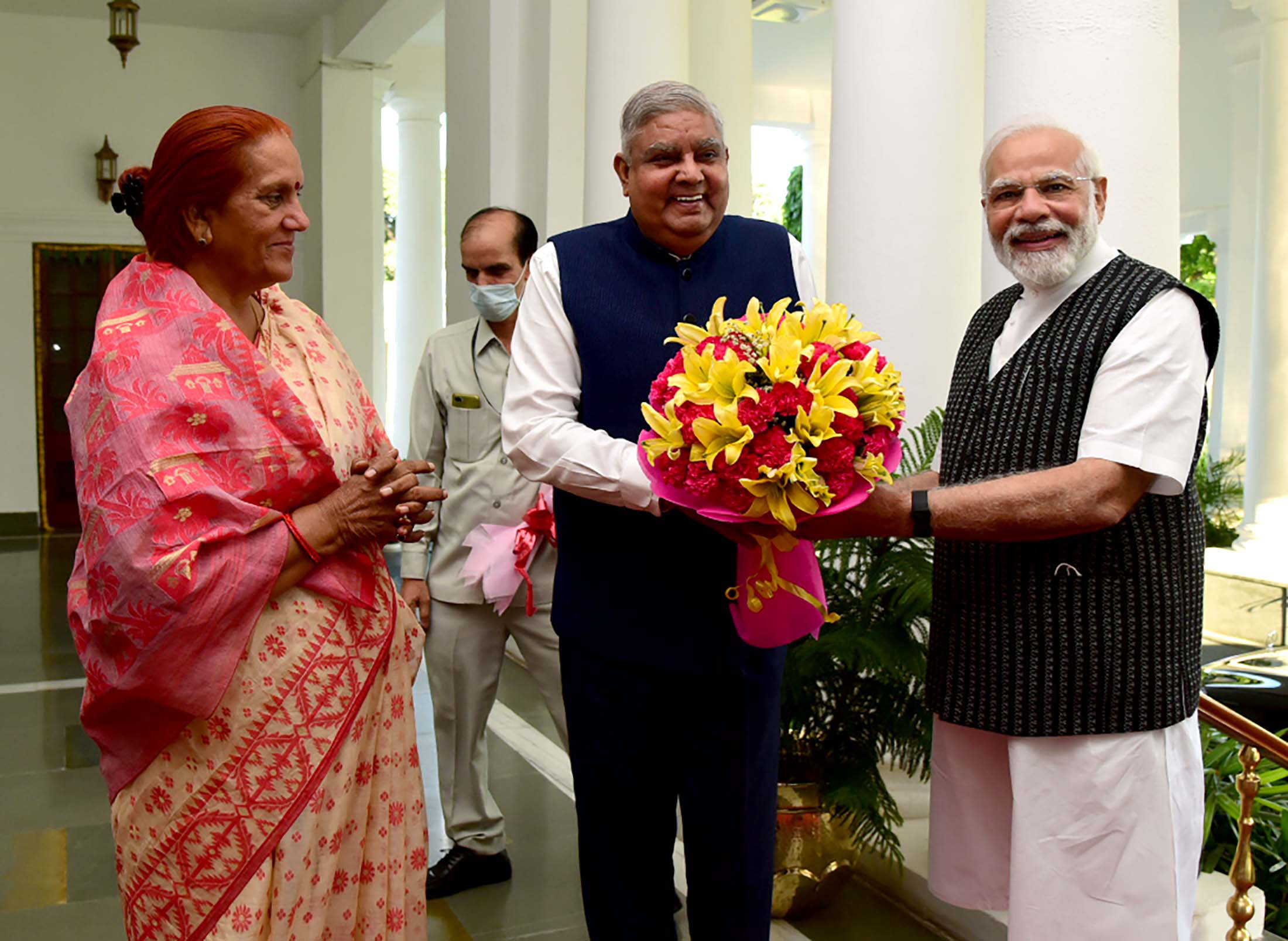
 Jagdeep Dhankhar,71, was sworn in as 14th vice president of India succeeding M. Vankaiah Naidu whose tenure came to an end on 10th August, 2022. The President of India Droupadi Murmu administered him the oath of office at a brief ceremony in the Durbar Hall of Rashtrapati Bhawan attended by political leaders cutting across party lines.

Distinguished dignitaries including Prime Minister Narendra Modi, former President of India Ram Nath Kovind, former vice-presidents of India M. Vankaiah Naidu and Hamid Ansari, Speaker of Lok Sabha Om Birla, BJP president J.P. Nadda, Rajasthan Governor Kalraj Mishra, Defence Minister Rajnath Singh, Road and Transport Minister Nitin Gadkari, Home Minister Amit Shah, Finance Minister Nirmala Sitharaman, External Affairs Minister S. Jaishankar, Railways Minister Ashwini Vaishnav besides many cabinet ministers graced the occasion. Most of the opposition leaders did not participate in the function.

Earlier, Dhankhar, a prominent Jat leader from Rajasthan, as a candidate of National Democratic Alliance (NDA) won the almost before-hand decided contest by securing 528 (72.8%) votes while the joint opposition candidate Margaret Alva polled 182 (25.1%) votes. Alva was supported by 17 Opposition parties, including the Congress, the Nationalist Congress Party (NCP), Samajwadi Party, Rashtriya Janata Dal (RJD) and the Left Parties. The Trinamool Congress (TMC) however did not support Alva and abstained from voting on grounds that her supporters had not consulted her while finalising her name.

Dhankhar comes from the Jat community of Rajasthan who have been publicly expressing their anger with the farm policies of BJP including fixation of fair MSP of various crops. They also agitated for securing reservation in the category of other backward classes (OBC) but remained loser on all fronts. The strategic move of ruling BJP is aimed at appeasing Jat voters who voted for BJP in 2019 general elections but farmers’ agitation developed cracks in their support base. Rajasthan’s state assembly elections could be a major challenge before the BJP but Jats have their influence in western Uttar Pradesh, Haryana, Punjab and National Capital Region (NCR) too.

Dhankhar began his political career as a Janata Party member and won Jhunjhunu seat of Lok Sabha in Rajasthan during 1989-91. He served as the minister of state, parliamentary affairs, in V.P. Singh’s Janata Party government between April and November 5, 1990. In 1991, he switched over to Congress and contested the Ajmer Lok Sabha seat but lost. In 1993, he became a member of the Rajasthan assembly from Kishangarh, but in 1998, he came third in the Jhunjhunu Lok Sabha seat. Thereafter he joined the BJP in 2003 and was part of the party’s 2008 assembly election campaign committee. In 2016, he was the national convener of the BJP’s law and legal affairs department.

Professionally, Dhankhar enrolled with the Bar Council of Rajasthan as an Advocate in 1979. He was designated as Senior Advocate by the High Court of Judicature for Rajasthan in 1990, and was the senior-most designated Senior Advocate of the state till taking the oath as Governor on 30 July 2019. Since 1990, Dhankhar had been practicing primarily in the Supreme Court of India. He has appeared in various High Courts of India. He is a former President of Rajasthan High Court Bar Association, Jaipur. Dhankhar had appeared in the Sutlej River water dispute in 2016, he argued on behalf of the state of Haryana in the Supreme Court of India.

West Bengal had never seen a governor like Dhankhar who engaged in continued confrontation with the state government, even targeting the chief minister on several occasions. Dhankhar hit more headlines than his Kerala counterpart Arif Mohammed Khan while confronting with the respective state governments. He pulled up Mamata Banerjee all the time to please Modi-Shah duo, who deputed him to tame her as she had become a bigger challenge to their rule.


Getting into ‘My flag vs yours’ banter

On Tiranga campaign, Congress needs to measure its moves and act like a responsible Opposition rather than appear desperate once the rug has been pulled from under its feet.

If there is one person who would be sitting smug today it is Naveen Jindal.

The one word that best describes Jindal is: Crusader.

Had he not fought for the right of every Indian to fly the tri-colour, this country and its people would have remained bereft of publicly expressing a sentiment: a sentiment of carrying the Indian flag through the streets of India; the pride of unfurling it on a rooftop and the joy of seeing it flutter atop one’s own home.

This is what Jindal did: he bridged the gap between rules and freedom; laws and sentiment and ensured that every Indian worth his salt has a right to the tri-colour and the freedom to fly it at will and call it one’s own.

Till Jindal did as it were, the tri-colour was kind of distant for every Indian. It was purely a government thing and not one that belonged to every Indian.

Jindal moved the Court to change that.

He fought two battles: legal and political and won both. Consequently, the Flag Code of India was amended not once but twice.

It all started with a government official directing that the flag fluttering in Jindal’s factory premises be pulled down.

Jindal, then all of twenty-two, was devastated: “Do I,” he asked himself, “need permission to fly my flag in my country? If yes, then this must change” he seemed to tell himself as he vowed to fight this anomaly.

The Flag Code of India then decreed that the national flag could be hoisted by the common man only for two days in a year: January 26 and August 15.

Jindal took legal recourse and finally clutched a landmark judgement of the Supreme Court which upheld the right of every citizen to fly the national flag. The decision led to the Central Government to amend the National Flag Code.

But that was only half the battle won. Jindal took up cudgels yet again and got the Flag Code amended to allow the flag to be flown at night too.

Following Jindal’s proposal, the Union Home Ministry gave the go-ahead for flying the national flag all through the day and night.

Today Time has come full circle. Jindal’s erstwhile battle is now a national campaign launched by the BJP government to showcase the tri-colour and its national importance.

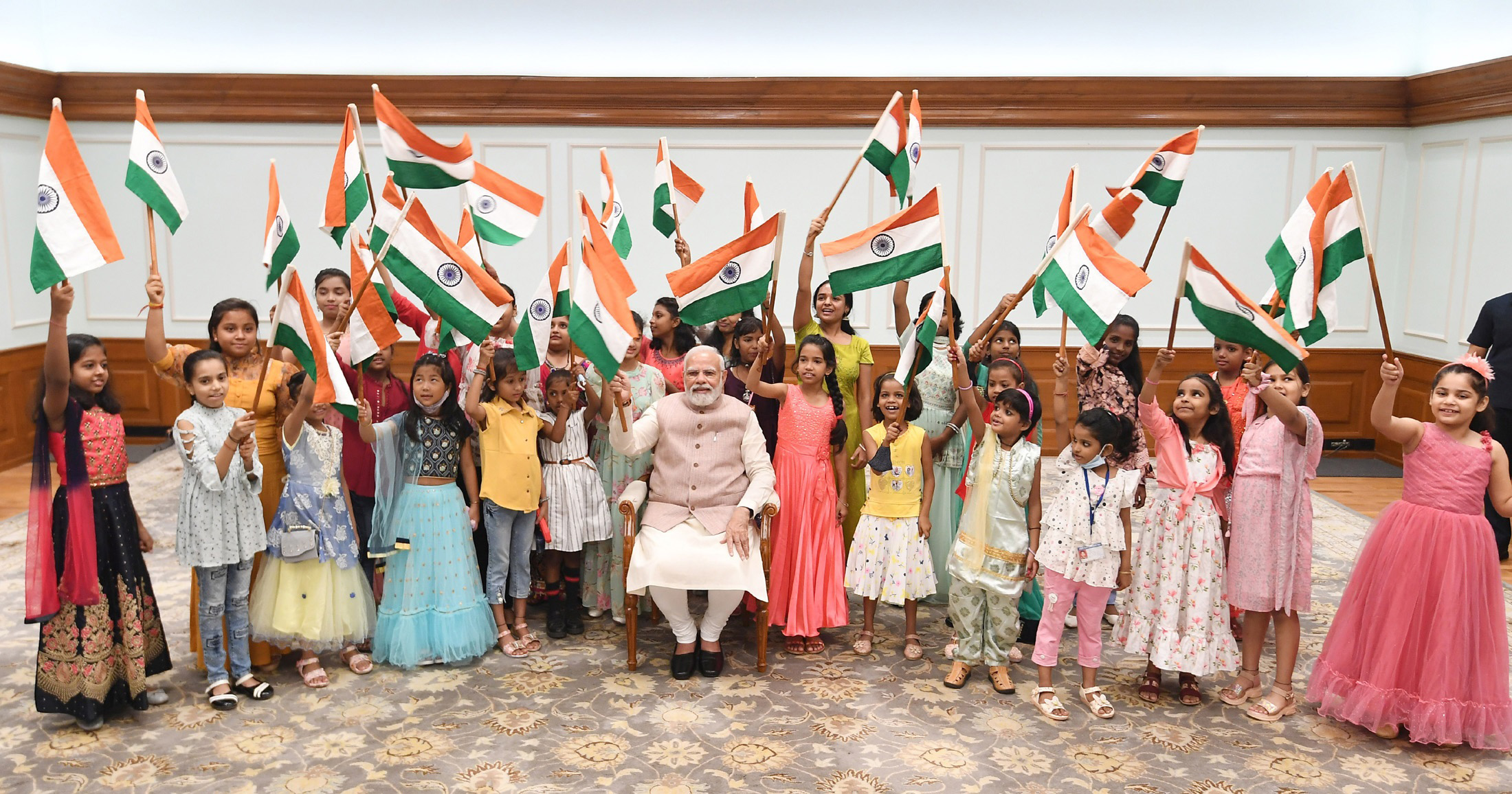
Prime Minister Narendra Modi’s Har Ghar Tiranga, the tri-colour in every home, initiative is aimed at encouraging people to hoist the national flag on India’s 75th year of Independence.

Events involving the participation of people from all walks of life were planned to whip up national sentiment and show up the BJP as a Party which puts nation above all, the tri-colour being a symbol of this sentiment.


On its part, the Government has ensured that flags are easily available at all post offices throughout the country and state governments have tied up with stakeholders for uninterrupted supply of flags.

Inspiration being the key word, enthused crowds are visible across streets showcasing the tri-colour. The flag fever has gripped the nation and that too in good measure.

The move has resonated across the length and breadth of the country. It has resulted in a resurgence of the inherent patriotism of every Indian: a sentiment lying dormant for decades. Thanks to Modi’s initiative, today every Indian worth his salt is reaching out for the flag.

But if Modi does it, will the Opposition sit back?  Expectedly, it raked up a controversy on a festive occasion where it is incumbent on every Indian to sink differences and collectively rejoice in the spirit of freedom.

The Congress launched a counter offensive through its My Tiranga My Pride campaign pitched against the BJP’s Har Ghar Tiranga. It also changed its display picture showcasing Jawaharlal Nehru holding the tri-colour.

Its leader Rahul Gandhi hit out at the RSS calling it anti-national on grounds that it did not hoist the national flag for 52 years.

The RSS traditionally hoists its own saffron flag or the bhagwa dhwaj rather than the tricolour. It was on January 26 this year that the tricolour was hoisted at its headquarters in Nagpur, after a gap of 52 years.

Rahul Gandhi may have scored a brownie point but indulging in a my flag versus yours banter is unbecoming of a leader of a national party.

It is true that the Congress has shrunk electorally but it still remains the only Opposition party with a pan-India footprint. Therefore, it needs to measure its moves and act like a responsible Opposition rather than appear desperate once the rug has been pulled from under its feet. On the Tiranga issue, the BJP has, for sure, done that.

The Congress woke up much too late to demonstrate its alleged love for the tri-colour. After all the Congress ruled the country for many decades and could have whipped up the fervour for the national flag: something which the BJP has done with aplomb.

Congress apart, other Opposition leaders including People’s Democratic Party chief Mehbooba Mufti put up the erstwhile state flag of Jammu and Kashmir as her display picture on social media. While doing so, she charged the BJP the government of robbing Kashmiris of their flag: the obvious reference being to the abrogation of Article 370.

The law that granted a separate flag to Jammu and Kashmir was revoked along with other special status laws by the Centre on August 5, 2019.

As things have panned out, politics has overtaken nationalism. The discourse is reduced to a level of seeing the flag as mine versus yours rather than ours. 

Strong nations are bound by oneness. Therefore any divide or fissures in the national spirit is detrimental to the unity and integrity of a country. If the Opposition parties are treading that path, which they seem to as of now, it could be fraught with danger.

Whatever be Prime Minister Modi’s flaws or governance failures, one cannot deny that he has singlehandedly steered and stirred the people of this nation into believing that they belong to India and India belongs to them. The national flag may be just a symbol but it is one that the BJP has deftly used to its advantage.

That the Tiranga campaign is not purely emotion-driven is a given. Politics is in BJP’s DNA, therefore an electoral component is a must in whatever it sets out to do.

Having said that one must give credit where it is due: this time around at BJP’s doorstep for this innovative idea which while bringing people together also linked them through a strong emotion. Call it patriotism, nationalism or the thrill of simply holding and waving the tri-colour, the BJP has succeeded in creating a fervour rarely felt; it has made Indians sit up, have a sense of belonging and an affinity with the flag as never before.

Politically, the campaign has paled every other and showcased that nationalism is an integral part of BJP’s narrative. The social component was injected with people getting gainful employment with the demand for flags rising by the minute.

At the political level, it placed the Opposition in an also ran position. With BJP’s head-start all other campaigns were a poor copy be it Congress’s My Tiranga, My Pride or Aam Aadmi Party’s drive to distribute lakhs of flags across the country.

That the BJP is a past-master in strategy is a given. The Tiranga campaign may yet be another step in this direction but the way the BJP weaved in the political and social narrative in the garb of the national, one cannot help but concede that nobody does it better than the BJP.


Why despite a dismal safety record, MIG aircrafts are still in service?

Our trainee fighter pilots still fly the MIG aircrafts which are vintage though over 400 MiG-21 aircraft of the Indian Air Force have crashed in the last 60 years, claiming the lives of over 200 pilots and 60 civilians.  A special report by Narvir Rooprai

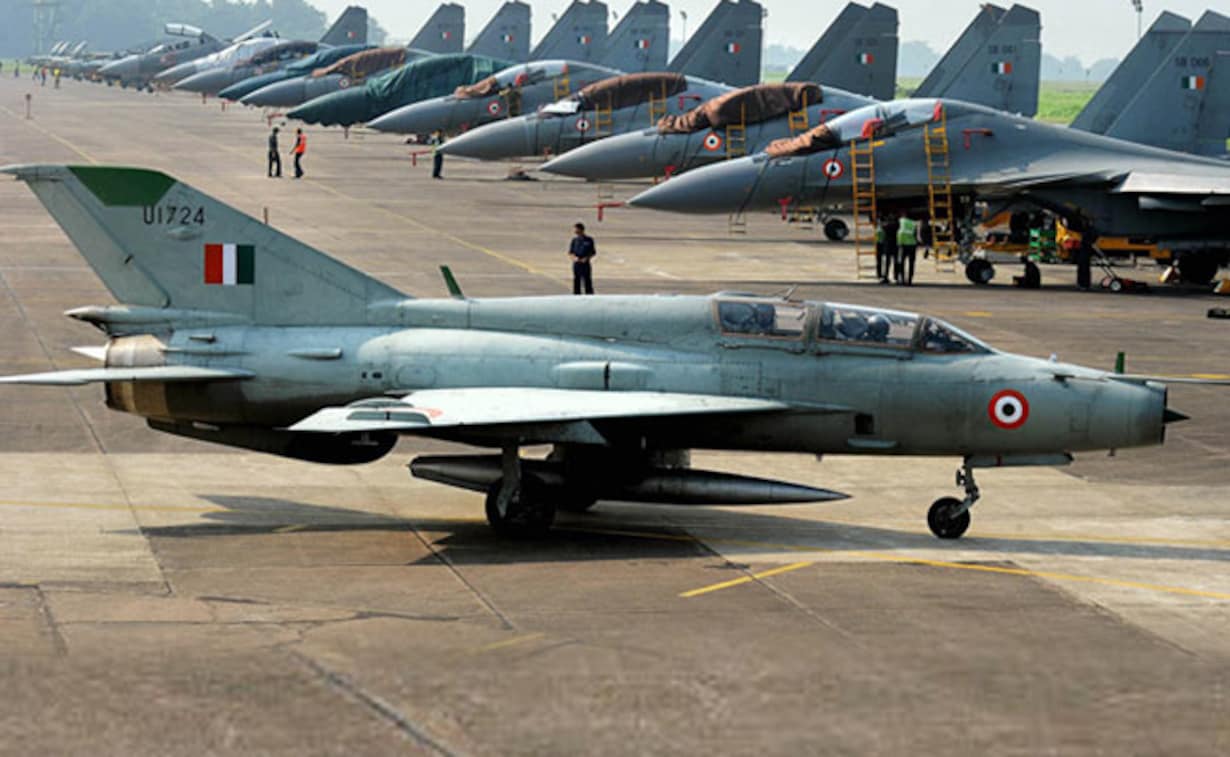
The National Green Tribunal (NGT) bench comprising Justice Adarsh Kumar Goel and Justice Sudhir Agarwal sometime back dismissed a plea seeking an exemption from the ban on 10-year-old diesel and 15-year-old petrol vehicles in Delhi-NCR in line with a decision by the Supreme Court. Ironically, however, our trainee fighter pilots still fly the MIG aircrafts which are vintage though over 400 MiG-21 aircraft of the Indian Air Force have crashed in the last 60 years, claiming the lives of over 200 pilots and 60 civilians.

On July 29 a crash in Rajasthan’s Barmer involved this older Type 96 variant of MiG-21, a twin-seat trainer used to prepare young pilots just posted into the Squadron after finishing their basic and advanced jet training. Wing Commander M. Rana (38) and Flight Lieutenant Advitiya Bal (26) were killed in the accident.

However, it was not a freak incident. The figures are frightening: Reportedly, “of the 872 MiG-21s progressively inducted by IAF, over 400 have been lost in accidents since 1971-72, killing over 200 pilots and almost 60 civilians on the ground”.  At least six MiG-21s have crashed since January last year, killing five pilots. According to the reports, the MiG-21 had completed its retirement period in the mid-1990s.

Official view

Every time a crash takes place, where young pilots die, leaving behind their widows, small children or vailing parents behind, authorities get away by making suitable statements. This incident was no exception and the Indian Air Force issued a statement. It said,  “A twin seater Mig-21 trainer aircraft of the IAF was airborne for a training sortie from Uttarlai air base in Rajasthan this evening. Around 9:10 pm, the aircraft met with an accident near Barmer. Both pilots sustained fatal injuries. IAF deeply regrets the loss of lives and stands firmly with the bereaved families.” As per information released by the IAF, this was a trainer version of the fighter aircraft with two pilots on board. As is the norm for training missions, there was one senior pilot, Wing Commander M Rana, on board along with a junior pilot, Flight Lieutenant Adivitya Bal. The typical mission in such sorties is to impart operational training to the junior pilots and also to test their skills in a constant effort to keep their skills and knowledge up to date and to suggest improvements if any. A court of inquiry has been ordered to investigate the cause of the accident, it said.

There are four squadrons of MiG-21 Bison aircraft currently in service in the IAF with each squadron comprising 16-18 aircraft, including two trainer versions. Out of these, one squadron, Srinagar-based No 51 Squadron, is going to be retired from service or ‘number plated’ in IAF jargon on September 30 this year, leaving three squadrons in service. Out of these three squadrons, one will be number plated each year and, thus, MiG-21 Bison will be phased out of IAF by 2025. The IAF is looking towards reviving these squadrons back into service with the indigenous Light Combat Aircraft (LCA) Tejas. The MiG-21 Bison is an upgraded version of the MiG-21bis which had been first inducted into service in 1976. The MiG-21 FL, which was an older version of the aircraft and which joined service in the early 1960s, had been phased out of IAF in 2013. The IAF received the first upgraded MiG-21 Bison, which had a quantum leap of upgrade of avionics, in 2001 and the last of these upgraded fighters was received in 2008.

The Bison version of the MiG-21 has also seen the induction of women fighter pilots in the IAF with Flying Officer Avani Chaturvedi becoming the first woman pilot of the IAF to complete a solo flight on the aircraft in June 2016.  The MiG-21 aircraft, with all its versions, formed the backbone of the fleet of fighter aircraft of the IAF, and the number of crashes that took place in the IAF were the highest in its category. Most of these versions had been licence-produced in India.

Flying Coffin

There were many inquiries into the crashes amidst allegations of poor safety record of these aircraft with a large number of pilots having lost their lives in accidents. More than 20 aircraft have crashed since 2010 and 38 aircraft crashed between 2003 and 2013 in a period of ten years. The high rate of accidents earned the aircraft the nickname of ‘Flying Coffin”. In September 2001, a MiG-21bis crash in Suratgarh claimed the life of Flight Lieutenant Abhijeet Gadgil soon after take-off. There was a controversy when the pilot’s mother, Kavita Gadgil, raised the issue of technical defects in the aircraft and said that her son was being wrongly blamed for the crash. She received a letter from the then Inspector General of Flight Safety of IAF, Air Marshal Ashok Goyal, accusing her of demoralising the IAF with her statements. Later, the then Air Chief, Air Chief Marshal S P Tyagi, apologised for the tone of the letter and wrote to Kavita Gadgil withdrawing it and absolving her son of any blame.

View of former IAF chief

Former IAF chief, Air Chief Marshal BS Dhanoa, observed that he would have “liked to retire the MiG-21 early,” he could not since the air force simply didn’t have the planes as procurement programs were mired in bureaucratic hurdles. According to reports, the MiG-21 had completed its retirement period in the mid-1990s.

For record, as against an ideal required strength of 42 squadrons (with 18 jets to a squadron) to thwart a dual threat from Pakistan and China, the IAF has been making do with 33 squadrons. Also the aircrafts that have outlived their lifespan are still flyable if they are assessed to be “serviceable.” This indicates that the years of wear and tear can still be mitigated by the aircraft having repairable and replaceable spares.

In Air Force parlance, obsolete does not mean unserviceable. When an old aircraft is flying, it means it has been found to be serviceable and flight-worthy. “When the two pilots signed the logbook, and the jet taxied out onto the runway, it must have been deemed fit to fly,” said Dhanoa. Dhanoa, however, adds that the rate of accidents per 100,000 hours of flying is still low. The IAF had planned to phase out around 70 MiG-21′ Bisons. This involved the Srinagar-based ’51 Sword Arms Squadron’, and three other Squadrons at Uttarlai, Suratgarh and Nal in Rajasthan.

The way forward

The Soviets designed the MiG-21 in the 1960s as a supersonic interceptor at the height of the Cold War to take out American bombers. IAF pilots were unaccustomed to the delta-wing aerodynamics and initially mishandled the aircraft. A whopping landing speed of 366 km was another unusual feature. The thin delta-wing resulted in a flight condition known as ‘super-stall’, where the MiG-21 used to sink at a rapid rate of 100-150 meters per second, losing about 20-30,000 feet within a minute.

Air Force veterans say that modernisation will have a cost but losing trained young pilots is a blow on everybody’s morale.  The government needs to prioritise and act fast. They opine that if ‘thousands of crores’ of rupees can be provisioned for subsidies or the banks can write off ‘lakhs of crores’ of rupees as NPAs of corporate cronies, they sure can divert their attention to modernisation and get rid of the so called flying coffins.


Loan write-offs despite robust ED raises questions

The public sector banks have written off loans worth about Rs 10 lakh crore in the last five financial years. Curiously, the write-offs have happened at a juncture when ED has been given more teeth

It was on March 28 this year that the RBI had released the data claiming that recovery made by public sector banks during the financial year as a percentage of gross non-performing assets had improved from 11.33% in 2017-18, to 13.52% in 2018-19, to 14.69% in 2019-20.  However, the cat was out of the bag when on August 2, the Minister of State for Finance Bhagwat K Karad said in a written reply in the Rajya Sabha that banks had written off loans worth about Rs 10 lakh crore in the last five financial years.

The Public Sector Banks have written off loans worth about Rs 10 lakh crore in the last five financial years. The write-off amount was Rs 1.57 lakh crore in 2021-22, Rs 2.02 lakh crore in 2020-21, Rs 2.34 lakh crore in 2019-20, Rs 2.36 lakh crore in 2018-19, and Rs 1.61 lakh crore in 2017-18. This amounted to Rs. 9.91 lakh crore written off in the last five years.

During 2021-22, the write-off amount came down to Rs 1,57,096 crore compared to Rs 2,02,781 crore in the previous year. In 2019-20, the write-off was worth Rs 2,34,170 crore, down from Rs 2,36,265 crore, the highest in five years recorded in 2018-19. During 2017-18, the write-off by banks stood at Rs 1,61,328 crore. In all, bank loans to the tune of Rs 9,91,640 crore have been written off in the last five years–2017-18 to 2021-22.

The written off  loans raise questions. How could it happen at a juncture when ED is very strong.  The Enforcement Directorate attaches assets worth Rs 19,111 crore, up to March 23, 2022, under the provisions of Prevention of Money Laundering Act, 2002 in certain cases of loan fugitives, which is 84.61% of the defrauded amount of Rs. 22,586 crore in these cases. Out of these attached assets, assets worth Rs. 15,113 crore, which is 66.91% of the defrauded amount, has been restituted to PSBs.

It may be noted that the Centre had issued directions to deal with wilful bank loan defaulters or fugitive economic offenders.  For this, a Look Out Circular can be opened by the Bureau of Immigration in respect of Indian citizens and foreigners on the request of an authorized originator. The authorised person includes an officer not below the rank of Deputy Secretary to the Government of India; or an officer not below the rank of Joint Secretary in the State Government; or District Magistrates; or Superintendents of Police; or designated officers of various law enforcing and security agencies; or designated officer of Interpol; or Chairman/Managing Director/Chief Executive of all Public Sector Banks; or as per directions of any Criminal Court in India.

Minister of State for Home Affairs, Nityanand Rai said, “The Immigration Authorities can detain as well as prevent any person, including a wilful defaulter, from leaving India against whom LOC has been issued. Bureau of Immigration has opened 83 LoCs till now at the behest of banks”.  Fugitive Economic Offenders Act, 2018 has been enacted for effective action against economic offenders fleeing Indian jurisdiction. It provides for attachment and confiscation of property of fugitive economic offenders and disentitles them from defending any civil claim.  Further, the government has advised Public Sector Banks to obtain certified copy of the passport of promoters and directors and other authorised signatories of companies availing of loan facilities of more than Rs 50 crore.

As per RBI, the CRILC data in respect of wilful defaulters is maintained from 2018-19 onwards. As per the data, the total number of wilful defaulters in the last four years stood at 10,306. The highest number of 2,840 wilful defaulters reported during 2020-21 was followed by 2,700 the next year. The number of wilful defaulters stood at 2,207 at the end of March 2019 that rose to 2,469 in 2019-20.

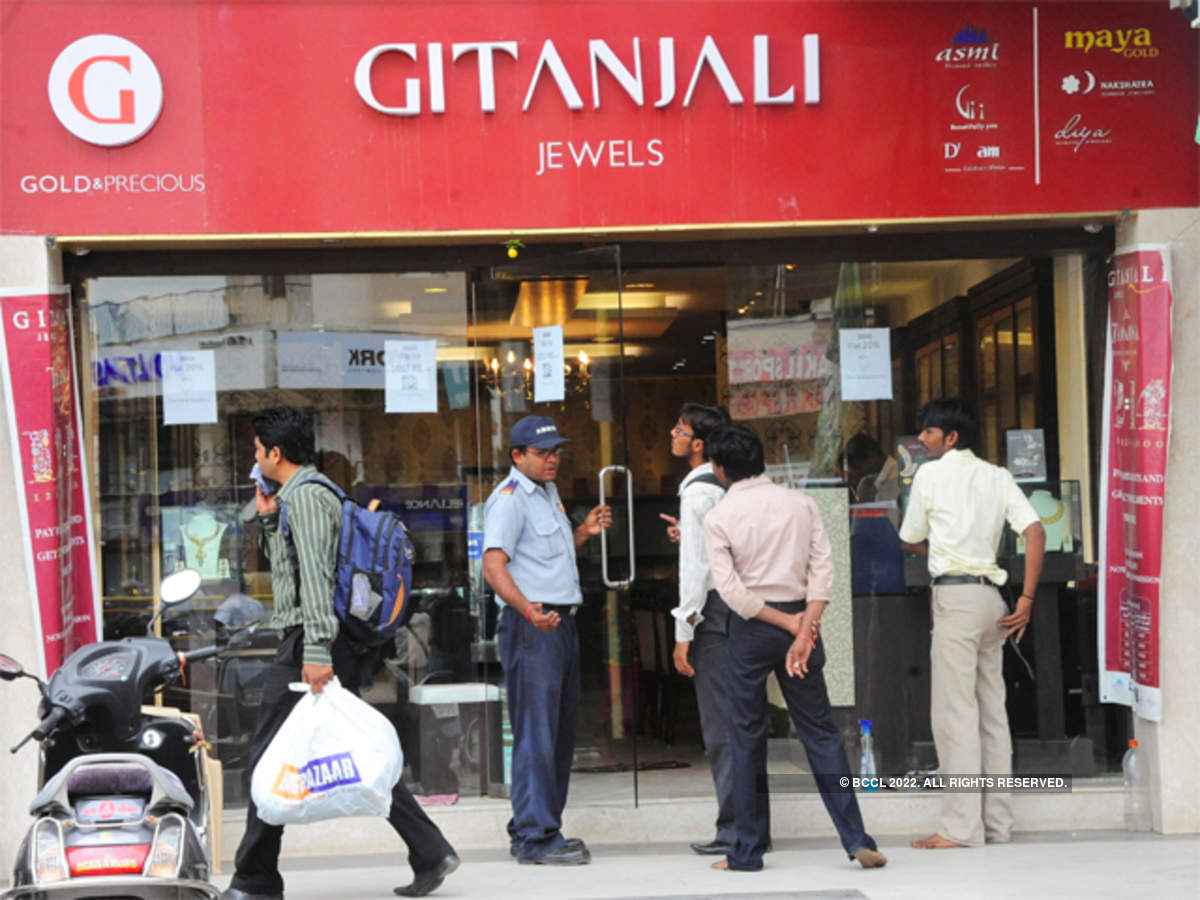
Sharing details of top 25 wilful defaulters at the end of March 2022, Karad said, Gitanjali Gems Ltd tops the list followed by Era Infra Engineering, Concast Steel and Power, REI Agro Ltd and ABG Shipyard Ltd.

Absconding diamantaire Mehul Choksi’s company Gitanjali Gems owes banks a whopping Rs 7,110 crore while Era Infra Engineering owes Rs 5,879 crore and Concast Steel and Power Ltd Rs 4,107 crore. Besides, REI Agro Ltd and ABG Shipyard have defrauded banks of Rs 3,984 crore and Rs 3,708 crore, respectively.

Other wilful defaulters like Frost International Ltd owes Rs 3,108 crore, Winsome Diamonds and Jewellery Rs 2,671 crore, Rotomac Global Private Limited Rs 2,481 crore, Coastal Projects Ltd Rs 2,311 crore and Kudos Chemie Rs 2,082 crore.

As per the information received from RBI, the number of cases of frauds of Rs 500 crore and above reported by Public Sector Banks/ Indian Banks (Except Foreign Banks) / Select Financial Institutions are 79 cases in 2019-20, 73 cases in 2020-21 and 13 cases in 2021-22 (up to 30th June 2021).

The RBI Master Circular on Frauds, 2015, observes that frauds are committed by unscrupulous borrowers by various methods including, inter alia, fraudulent discount of instruments, fraudulent disposal of pledged or hypothecated stocks, fund diversion, criminal neglect and mala fide managerial failure on the part of borrowers. The Master Circular also refers to certain other methods, which include forged instruments, manipulated account books, fictitious accounts, unauthorized credit facilities, fraudulent foreign exchange transactions, exploitation of “multiple banking arrangement”, and deficiency on the part of third parties with role in credit sanction and disbursement.

The government has issued “framework for timely detection, reporting, investigation etc. relating to large value bank frauds” to Public Sector Banks (PSBs), for systemic and comprehensive checking of legacy stock of their non-performing assets (NPAs), which provides, inter-alia, that all accounts exceeding Rs 50 crore, if classified as NPAs, be examined by banks from the angle of possible fraud, and a report placed before the bank’s Committee for Review of NPAs on the findings of this investigation. Also a report on the borrower be sought from the Central Economic Intelligence Bureau in case an account turns NPA. Fugitive Economic Offenders Act, 2018 has been enacted to deter economic offenders from evading the process of Indian law by remaining outside the jurisdiction of Indian courts.

The act provides for attachment of property of a fugitive economic offender, confiscation of such offender’s property and disentitlement of the offender from defending any civil claim. PSBs have been advised to obtain certified copy of the passport of the promoters/directors and other authorised signatories of companies availing loan facilities of more than Rs. 50 crore and, decide on publishing photographs of wilful defaulters, in terms of Reserve Bank of India (RBI)’s instructions and as per their Board-approved policy and to strictly ensure rotational transfer of officials/employees. The heads of PSBs have also been empowered to issue requests for Look Out Circulars. Instructions/advisories have been issued by the government to PSBs to decide on publishing photographs of wilful defaulters, in terms of RBI’s instructions and as per their Board-approved policy, and to obtain certified copy of the passport of the promoters/directors and other authorised signatories of companies availing loan facilities of more than Rs. 50 crore.

Top 10 wilful Defaulters

* Gitanjali Gems Ltd. : 7110 Crore Rupees
* Era Infra Engineering Ltd. : 5879 Crore Rupees
* Concast Steel and Power Ltd. : 4107 Crore Rupees
* REI Agro Ltd. : 3989 Crore Rupees
* ABG Shipyard Ltd.: 3708 Crore Rupees
* Frost International Ltd. : 3108 Crore Rupees
* Winsome Diamonds and Jewellery Ltd. : 2671 Crore Rupees
* Rotomace Global Pvt. Ltd. : 2481 Crore Rupees
* Coastal Projects Ltd. : 2311 Crore Rupees
* Kudos Chemie Ltd. : 2082 Crore Rupees


Will Nitish’s gambit in Bihar pay off in 2024?

When Chief Minister Nitish Kumar threw a gauntlet at PM Modi after he was administered the oath of office by governor Phagu Chauhan telling him that he should now worry about 2024 polls, it became clear that 8th time CM had bigger plans in mind. A report by Sunny Sharma

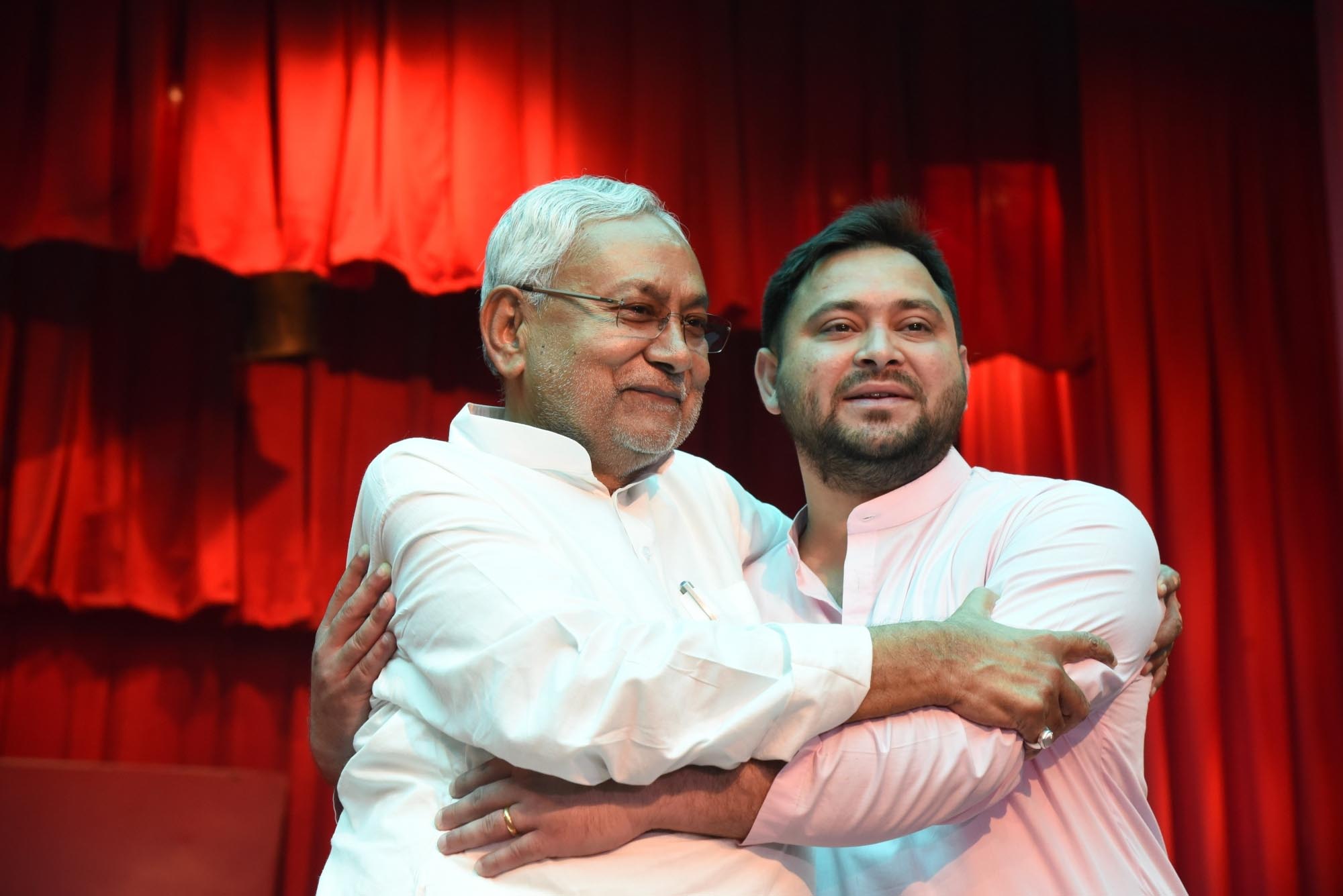
With Nitish Kumar (71) becoming Bihar’s chief minister for the eighth time in 22 years in a clinical operation marking the second coming for the Mahagathbandhan, and Tejashwi Yadav assuming office as Deputy CM, the opposition has earned its first political breakthrough in 2022. The BJP has been given the taste of its own medicine. It has been a year where BJP’s hold over politics has intensified. It won elections in UP, Uttarakhand, Manipur and Goa, toppled Maharashtra’s MVA government by engineering a Shiv Sena split, and dominated the president and vice-president elections.

What does Nitish’s latest U-turn mean for the beleaguered Opposition? The entry of a senior leader who has dared to take on the BJP can act as a trigger for the Congress and its allies to regroup and close ranks in the run-up to the 2024 Lok Sabha polls. Mahagathbandhan leaders have already indicated the alliance will have a common minimum programme to be decided by the alliance partners, and will be a guiding document for the government.

A past master at striking the best deal for himself and his party, the Janata Dal (United), Nitish has dumped the BJP again and returned to the Rashtriya Janata Dal (RJD)-led Mahagathbandhan to form a new government. Nitish had managed to remain in the saddle despite the JD(U)’s below-par performance in the 2020 Bihar Assembly election. His party had won only 43 seats, well behind the BJP (74) and the RJD (75). In the present scenario, the RJD is likely to get 16 berths, the JD(U) 14, the Congress three, and the Hindustan Awam Morcha of former CM Jitan Ram Manjhi one, the people cited above said. The CPI-ML, which has 12 MLAs, in the assembly has decided to support the government from outside.

As Opposition basked in the glory of a new formation, Nitish Kumar said the Prime Minister Narendra Modi should “worry” about the prospects of the National Democratic Alliance (NDA) in the 2024 Lok Sabha elections. This was just a day after he split with the Bharatiya Janata Party (BJP) for a second time to re-align with Rashtriya Janata Dal (RJD).

Nitish’s jibe at the Prime Minister was the first major salvo fired at the BJP top brass by the Janata Dal (United) and is seen as an indication of Nitish’s attempt to position himself as the opposition’s prime ministerial face in 2024. The JD(U) leader, however, denied being in the race for the top post. “I am not in the race for the Prime Minister’s post,” he said. He stressed the merits of “Opposition unity” and dismissed speculations that he was a contender for the post of Prime Minister but at the same time, threw an open challenge to PM Narendra Modi (though without naming him) after the swearing-in ceremony.

“I have no such plans,” he said, even as the BJP accused him of “backstabbing” the party and blamed his prime ministerial ambitions for his decision. “We were supporting them (BJP) but there was a conspiracy to weaken us… In fact, I was not keen to become the chief minister then,” he said in an apparent reference to JD(U)’s poor show in the 2020 assembly polls. As a massive war of words erupted over Kumar’s decision to switch sides midway, Kumar rubbished the BJP’s claim that the new government will also not last its full term, and said his former ally BJP should worry about 2024 general elections.

Besides Modi, Nitish also took a dig at BJP national president J P Nadda over the latter’s recent remark that “all opposition parties would diminish and BJP will exist” in the country, during the party’s executive meeting in Patna. “They feel the opposition will be finished. Let them do whatever they feel like. Now, I have come to the opposition and now, I will work to unite all opposition parties. I have done it before too,” he said. Asked whether he would be elected as convenor of the United Progressive Alliance (UPA) ahead of 2024 elections, Nitish said: “All would be known at an opportune time as Parliamentary elections are not far”.

The coming up of alliance has come at a time when Congress is trying many things: the underwhelming Chintan Shivir was one, and the next in line is a nation-wide Padayatra. Mamata Banerjee’s sheen from last year’s big victory over BJP has dimmed. Despite the big Punjab win, Arvind Kejriwal and AAP still have a long way to go. Other regional satraps with national ambitions like Sharad Pawar and K Chandrashekar Rao are bogged down in increasingly desperate turf battles with BJP. Leaders who are harbouring prime ministerial ambitions include Congress leader Rahul Gandhi, Bihar CM Nitish Kumar, West Bengal CM Mamata Banerjee, Delhi CM Arvind Kejriwal and Telangana CM K Chandrashekar Rao. The opposition unity as at present seems a distant dream. For Nitish, indeed the trigger was Uddhav Thackeray’s plight in Maharashtra as Nitish, the astute politician, had the apprehension that the BJP could engineer a split in JD(U).

Political pundits opine that for the opposition to give a fight to BJP, the starting point has to be unity and a common national manifesto. The opposition also needs a suitable political face to prop up nationally, with elections turning presidential. But actually Nitish’s political clout has diminished in Bihar with assembly seats coming down to just 43 in a House of 243. In 2010, he had 117 MLAs, five years later he had 72, and now 43.

Talking about Bihar, elections in the State are due in 2025, a year after the Lok Sabha poll. Amid speculation that they may be advanced to 2024, observers say the coming together of the JD(U) and the RJD will “help consolidate Muslim, OBC and Dalit votes in favour of the Mahagathbandhan and limit the BJP seats in the Lok Sabha from Bihar”. The Bihar unit of the BJP currently has 17 of the 40 Lok Sabha seats. The Bihar development of the coming together of all non-BJP forces is a significant political movement. How it echoes in the 2024 elections is too early to predict but it’s a very significant political development with far reaching ramifications.


MOST POPULAR

HOT NEWS