AAP, BJP trade barbs over CBI case against Sisodia

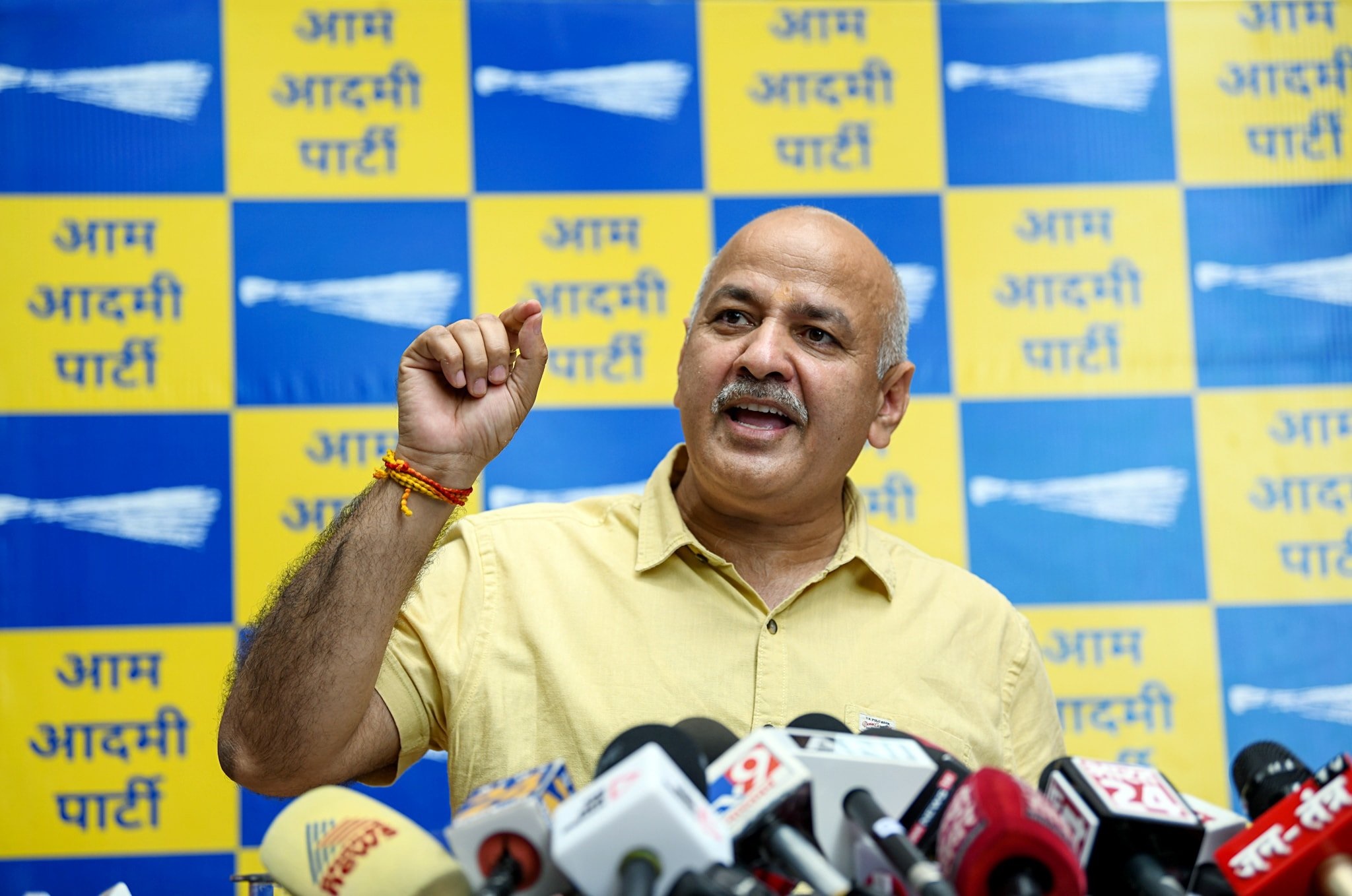
The case against Delhi deputy CM Manish Sisodia for alleged corruption in the implementation of the Delhi excise policy has sparked an AAP-BJP spat. With Gujarat and HP going to polls later this year, the issue has assumed political overtones, reports Rajesh Moudgil

In the CBI case registered against Delhi deputy chief minister Manish Sisodia, the Aam Aadmi Party (AAP) sees a blatant misuse of Central agencies by ruling BJP which, it alleges, is baffled because of the growing popularity of AAP supremo and Delhi chief minister Arvind Kejriwal. The AAP which is going full throttle in poll-bound Gujarat and Himachal Pradesh has been showcasing its landslide win in Punjab in February this year to drive its point home.

Even as the BJP trashes AAP’s claim, questions are being asked about the timing of the CBI case against Sisodia at a time when the AAP has been revving up its campaign in two poll-bound states and the party leaders are even claiming that it is Kejriwal who is being seen as alternative to prime minister Narendra Modi in 2024 general elections.

It was on August 19 that the CBI conducted raids at about 30 locations including the residence of Sisodia who also holds the excise portfolio, in connection with the alleged corruption in the implementation of the Delhi excise policy 2021-2022 and claimed to have seized several documents, data dump and electronic gadgets during the raids.

The CBI’s first information report (FIR) says Sisodia and about 14 other accused took decisions pertaining to the excise policy allegedly without the approval of competent authority allegedly with an intention to give undue favours to some licensees.

The FIR was said to have been based on a reference from Delhi’s Lieutenant Governor V K Saxena, who recommended a CBI probe into the alleged irregularities in implementation of the said excise policy. According to media reports, even a report by the Delhi chief secretary in July had also allegedly showed prima facie violations of business and excise rules.

Blame game

The CBI case has triggered a fierce blame game with AAP tearing into the BJP-led Central government alleging blatant misuse of Central agencies like CBI and enforcement directorate (ED) and the BJP dismissing AAP’s charge in back-to-back pressers for the past few days.

Taking on BJP leadership, Sisodia alleged the CBI case against him was the BJP’s attempt to stop the developmental schemes of Delhi Chief Minister Arvind Kejriwal whose work in the fields of education and health was being lauded not only in the country but also in the world.

Sisodia went on to add that Kejriwal had emerged as a national option and that the 2024 Lok Sabha polls would be between prime minister Narendra Modi and Kejriwal. He alleged that while Kejriwal worked for the common man, Modi worked only for the rich.

Joining the tirade against BJP, the AAP leader Raghav Chadha also said that Kejriwal’s growing popularity had rattled the Narendra Modi government, which was resorting to the misuse of the central agencies like CBI to finish the AAP leaders. The BJP wanted to destroy the AAP’s models of health and education, he alleged.

The AAP MP, Sanjay Singh also claimed that four of the AAP MLAs had been even offered Rs 20 crore each to join the BJP. Talking to newspersons, the AAP’s national spokesperson and Rajya Sabha MP, Singh further alleged that the BJP had threatened these four MLAs  that if they did not switch sides, they would also face CBI, ED and false cases.

Trashing the AAP’s accusations, the BJP spokesperson Sambit Patra lashed out at Sisodia alleging that the latter did not have an escape route in the case as there was evidence that he indulged in corruption. Patra alleged that the Delhi government ignored recommendations of an expert committee set up to bring about reforms in the liquor trade in Delhi. He told newspersons that the desperation was evident in the AAP over the past few days which showed that the party was entangled in this case and was only trying to deflect BJP’s questions over the same.

He held that the excise committee had recommended that the wholesale business should be kept with the government and retail business should not be given to private companies while the Delhi government gave wholesale business to private players without tender or public notice. The committee had held that giving retail to private companies and not individuals would lead to cartelisation, he said and added that these recommendations were also ignored and retail was given to the liquor mafia and even liquor manufacturers were brought into retail and the blacklisted companies too were given licenses. He further alleged that the dry days in the national capital were also reduced to three from 21.

On the question if the BJP had tried to give money to four AAP MLAs to shift loyalty, Patra dared AAP to reveal the names of people who approached these four AAP legislators. Notably, even Sisodia had claimed that he was offered the CM’s post by the BJP and closure of all cases if he would leave AAP and join BJP.

Joining Patra, the BJP spokesperson Sudhanshu Trivedi and MP Parvesh Verma also took on AAP and held that the expert committee had recommended that the Karnataka model should be adopted in the excise policy in which the wholesale trade would be done by the government. The committee had said that more than one license could not be given to a particular person. It was also alleged that the committee was against opening liquor shops in villages and colonies where there was no commercial market, but the Delhi government ignored all these suggestions.

Congress flays AAP

Meanwhile, the Congress too came out in open to attack AAP on the issue. Delhi Congress workers under the leadership of state party president Anil Chaudhary held a protest demanding Sisodia’s resignation.

Former Delhi chief minister Sheila Dixit’s son Sandeep Dikshit who was also present at the protest alleged that Kejriwal used to divert funds from the central government under the guise of NGOs.

Congress leader Alka Lamba also slammed AAP and targeted Kejriwal over the CBI raids at the residence of Sisodia. She asked if AAP was honest then why Satyendra Jain, the Delhi health minister was in custody for the last two months and no AAP worker and not even Arvind Kejriwal had come out on the road against his custody.
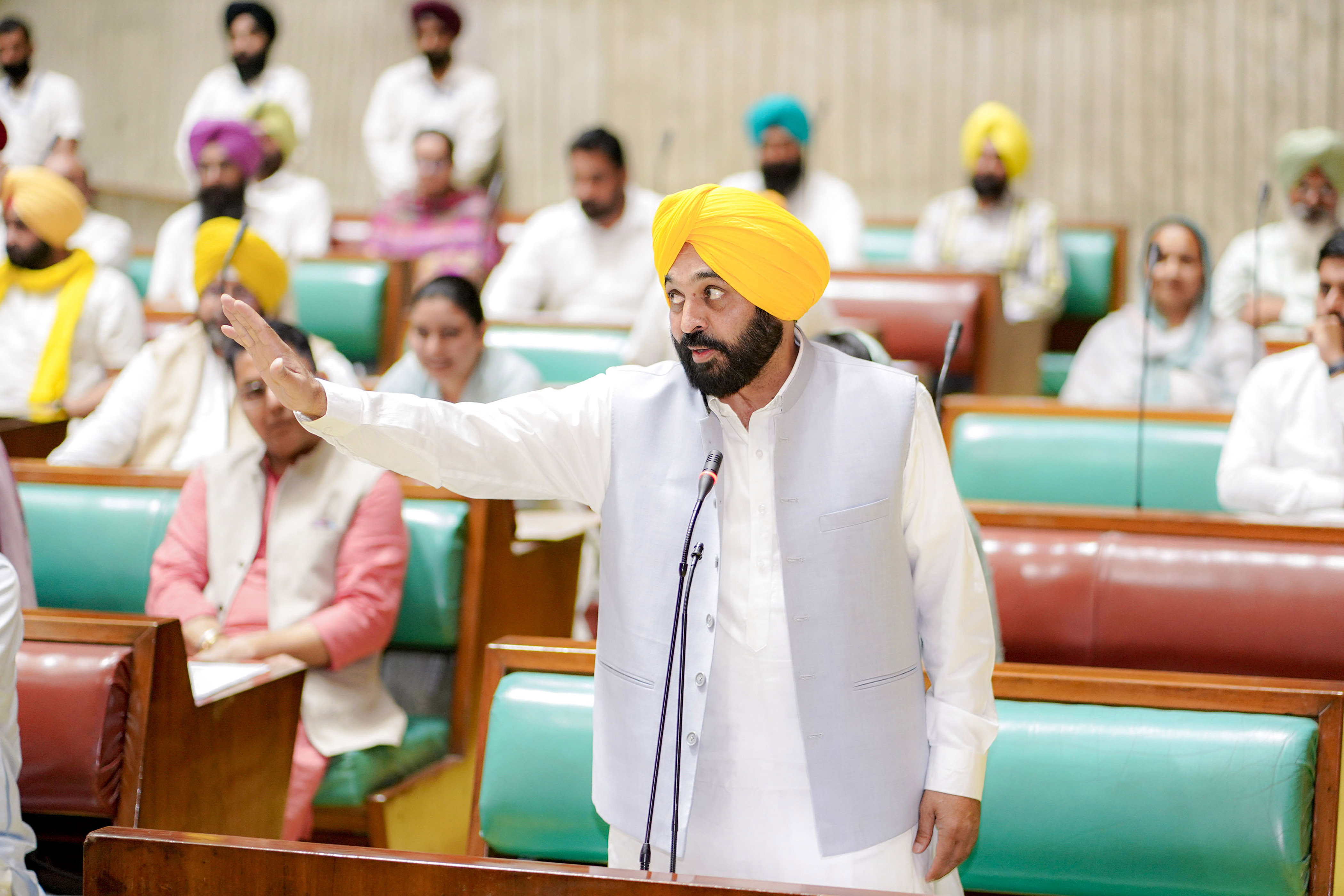
 

Mann govt springs surprise with a brave ‘One MLA-One Pension’ plan

With Punjab Governor giving assent to the Bill, the way has been paved for a single pension for state MLA irrespective of the terms for which he or she was elected. The AAP government’s move has  struck a chord with the people of the state, reports Ramesh Kumar Sharma

Much hyped and one of its kind in the country, the One MLA-One Pension scheme of Bhagwant Mann’s Aam Adama Party (AAP) government in Punjab has come into force, paving the way for a single pension to each state legislator irrespective of the terms for which he or she was elected. The government issued the gazette notification to this effect on August 11, 2022, when Governor Banwarilal Purohit gave his assent to the ‘Punjab State Legislature Members (Regulation of Pension and Medical Facilities) Amendment Bill-2022′ after a gap of about 42 days since it was passed in the legislative assembly. With the issuance of gazette notification, the pension amendment has come into force with immediate effect in the form of an Act in the state.

Under the calculation of the new pension in the Act, every legislator would be entitled to Rs 60 thousand in monthly pension with dearness allowance thereon as admissible to pensioners in the state, irrespective of the number of terms he or she had served. A provision has also been made for an increase in the pension in the Act. If a former MLA reaches the ages of 65, 75, or 80, his monthly pension will be increased by 5%, 10%, and 15%, respectively. Previously, the MLAs in the state received increased pensions for each term served that resulted in the cumulative pension of some MLAs had reached Rs five to six lakh.    The government, in its cabinet meeting held on May 2, last, approved the proposal to amend the Punjab State Legislative Assembly Members (Regulation of Pension and Medical Facilities) Act, 1977, to implement it through an ordinance and sent it to the Governor for approval. The Governor had returned the proposal, suggesting that it be brought in the form of an amendment bill in the forthcoming session of the Legislative Assembly. On this, the government introduced the Pension Amendment Bill in the last session of the Legislative Assembly, passed it on the same day, and sent it to the Governor for approval.   One MLA-one pension of the AAP government in the state is being construed as a big political masterstroke. This is indeed a big, historic, and commendable decision in itself, which no other political parties could muster the courage to do while being in power. This decision seems to be in line with public aspirations and sentiments, in which anger and protest are reflected towards the laundering of the exchequer or tax payers’ money on the politicians to provide them with undue benefits and the neglect of basic facilities by the state governments for the public. The decision is also being seen as a concrete step to improve fiscal management, planning and control towards improving the financial health of the state.

With this move, AAP has issued a clear challenge to political parties such as the BJP, Congress, and others to replicate this decision by implementing it in the states ruled by them, thus catching them off guard at a time when assembly elections are scheduled to be held in the three states of Gujarat, Himachal Pradesh, and Jammu and Kashmir by the end of this year. The party, to a great extent, has also been successful in leaving a message among the masses about its work and welfare policies.   AAP has finalised its election campaign strategy based upon its performance, unprecedented decisions and fulfilment of guaranteed promises in Punjab to enter into the fray in election-bound states and has given a sound signal of a tough battle to its adversaries, the opposition parties.    However, one MLA-one Pension is going to lighten the pockets of many former Chief Ministers, Ministers and MLAs who were taking more than one pension. Of these, three former MLAs are taking six, two former MLAs five, 12 former MLAs four, 39 former MLAs three, 56 former MLAs two, and 127 former MLAs are taking a one-term pension. There are 112 former MLAs in the state who are drawing more than one pension. Parkash Singh Badal, Rajinder Kaur Bhattal and Capt. Amarinder Singh are among the highest pensioners who draw five for more than terms monthly pension is above Rs 5 lakh. Balwinder Singh Bhundar, Sarwan Singh Phillaur, Adesh Pratap Singh Kairon, Govinder Singh Longowal, Gulzar Singh Ranike, Madan Mohan Mittal, Ranjit Singh Brahmpura, Ratan Singh Ajnala, Sukhdev Singh Dhindsa, Ajit Inder Singh Mofar, Ashwani Sekhri, Tikshan Sood, and Surjit Singh Jyani, Chunilal Bhagat, Janmeja Singh Sekhon, Laxmikanta Chawla, Mohinder Kaur Josh, Bibi Jagir Kaur, Manoranjan Kalia and Mantar Singh Brar are among the former MLAs who  draw more than one pension. There are some leaders in the state who receive pension benefits of being member of parliament as well as MLA. Among these are Bhundar and Dhindsa.In his tweet, Chief Minister Mann said, “I am pleased to inform the Punjabis that the Governor has given nod to the One MLA-One Pension Bill and the notification to this effect has been issued by the state government. I am of the view that this will save the hard-earned money of the public and the taxpayers as well.In a statement, he asserted that this important decision of the government towards improving the economy of the state will save a huge amount of money in the form of multi-pensions.

The money saved now will be spent on the welfare of the people. He pointed out to the MLAs that they have come into politics as per their wish. In such a situation, how do they have the right to get a pension?  “Our freedom fighters and national heroes had envisaged a classless democracy where elected representatives would work as public servants for the welfare of the people. Regrettably, for the last 75 years, they have taken hefty salaries and pensions from the government treasury, for which the general public and taxpayers have been squeezed. This money should have been spent on public welfare and development. According to Finance Minister Harpal Singh Cheema, there are more than 100 former MLAs in the state who are getting pensions for more than one term, thus putting a huge burden on the state exchequer, which the government is trying to reduce. Currently, the sitting MLA gets a salary of Rs 25,000 and the minister gets Rs 50,000. But if all the allowances are included, including the meeting and travel expenses, then an MLA costs about 80 thousand rupees per month. He says that if politicians come into politics with a sense of serving the people, then they can survive even with a single pension. “We have taken this decision in order to fulfil the promise made during the assembly elections and in accordance with the aspirations of the people of the state. Through this, the public treasury will save approximately Rs 20 crore annually and Rs 100 crore in five years,” added Cheema. Nevertheless, it remains to be seen whether the Aam Aadmi Party’s decision is actually a “masterstroke” and how much it will stand up to this test and benefit it politically. In a democratic system, only the people have the right to put their stamp through their vote on accepting or rejecting the work of the government.


National Herald case and the game of real estate

BJP MP Subramanian Swamy had approached a trial court in 2013 accusing Gandhis of fraudulently acquiring the publishing company of the National Herald newspapers with an intent was to illegally gain real estate assets worth over Rs 2,000 crore.

It was in 2013 when BJP MP Subramanian Swamy had approached a trial court alleging that the Gandhis had fraudulently acquired the publishing company of the National Herald newspapers. And now in 2022, in an interview, Dr Swamy, the economist-turned-politician said, “On the basis of all the facts available in this case, Sonia Gandhi, Rahul Gandhi and others would certainly be jailed. If the BJP government stays in power, they will surely be imprisoned”.

In his complaint, Subramanian Swamy has alleged that the entire transaction was engineered by the promoters in a “malicious” manner to gain real estate assets worth over Rs 2,000 crore. The real estate research firm Liases Foras, rated as a highly regarded non-brokerage real estate research firm offering data and advisory services looked into the estimated market value escalation from 2010 to 2016 of the real estate held by Associated Journals Limited (AJL).

Real Estate worth

It estimated that the Delhi property spread over 63,750 square feet rose in market value from Rs 28.69 crore in 2010 to Rs 57.38 crore in 2016. The Lucknow property spread over 69,610 square feet rose in value from Rs 3.48 crore in 2010 to Rs 6.96 crore in 2016.  The Panchkula property spread over 37,660 square feet would have been valued at Rs 7.53 crore in 2010 and was worth Rs 13.18 crore in 2016. Similarly, the Mumbai property spread over 26,508.605 square feet in the suburb of Bandra would have been valued at Rs 29.16 crore in 2010 and touched Rs 45.06 crore in 2016

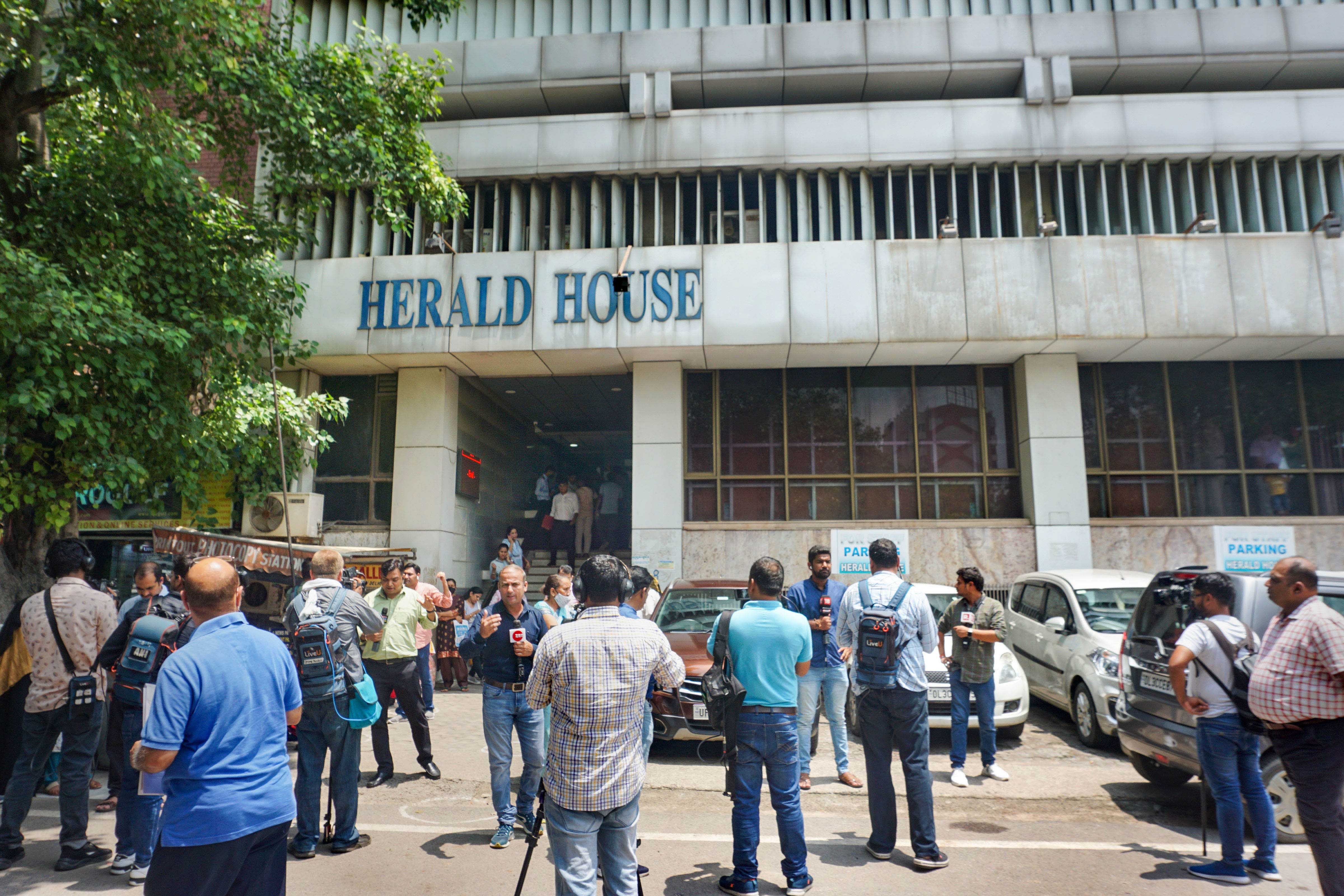
As on March 31, 2021, AJL held leasehold land in New Delhi and Patna. The New Delhi land leased to it in 1962 for Rs 4,88,599 by the Land & Development Office under the Housing and Urban Affairs Ministry is where the Herald House stands today.

The Associated Journals Limited initially had over 5,000 freedom fighters as its initial shareholders.  However, by September 2010, AJL had 1,057 shareholders and assets running into crores in New Delhi, Lucknow, Bhopal, Mumbai, Indore, Patna and Panchkula. The Herald House in Delhi is itself a six-storey building with around 10,000 sq metre office space. Despite its riches, AJL’s product, the National Herald, shut down in 2008 due to severe cash crunch.

Congress defence

At the heart of the investigation is an interest-free loan of Rs 90 crore the Congress extended from its funds to AJL from time to time since 2001. The Congress defence is rooted in the fact that Young Indian is a Section 25 company and is registered as a non-profit company.  The AJL was categorised as a Section 25 company under the Companies Act of 1956 which means a company registered as a non-profit organisation to promote charity, science, education, culture and other social causes, and its owners cannot receive profits or dividends like a regular company. On November 23, 2010, another Section 25 company was floated called the Young Indian. Like AJL in 1937, Young Indian was incorporated with a paid up capital of Rs 5 lakh and was registered with the same 5A, Herald House, Bahadur Shah Zafar Marg address.

Where it went wrong

On December 13, 2010, Rahul Gandhi was appointed as the director of Young Indian and little over a month later, Sonia Gandhi joined the Board of Directors on January 22, 2011. As on March 31, 2021, Sonia Gandhi and Rahul Gandhi each held 38% stake (1,900 shares) in Young Indian, while the former Governor, former CM and former Union Minister, late Moti Lal Vora and the late Oscar Fernandes each held 12% stake or 600 shares each.

Vora passed away on December 21, 2020 while former Union minister Fernandes passed away on September 13, 2021. As on March 30, 2022, there was no request for transmission of their shares.

Around a week after Rahul Gandhi’s appointment as Young Indian director, the Congress assigned the AJL debt to Young Indian, which meant that AJL now owed the Rs 90 crore to Young Indian. Interestingly, the Young Indian paid only Rs 50 lakh to the Congress for transferring the Rs 90 crore debt onto itself. On December 21, 2010, AJL’s Board approved the allocation of the accumulated loans to Young Indian. But unable to pay the amount, the AJL instead transferred a chunk of its equity to the Young Indian, which means the Sonia and Rahul-controlled private company came to acquire the publicly limited AJL. And along with AJL, they allegedly came to control valuable real estate properties across seven cities.

Closure of publication

The National Herald ceased publication with the last edition of the newspaper in Delhi coming out on April 1, 2008. The Lucknow edition had already been shut 10 years before that. In 2008, editor-in-chief TV Venkitachalam had been at the helm for 20 years. A solemn notice in the last edition announced “temporary suspension” of the newspaper. “The temporary closure of National Herald and Quami Awaz was announced by the management of the Associated Journals Ltd, which published the paper,” Venkitachalam announced on the eve of the closure. The reasons given for the paper’s closure were losses due to overstaffing, mainly of the press and non-journalists, and lack of advertisement revenue.

On August 31, 2016, the Congress announced the revival of the National Herald and Navjivan with Neelabh Mishra, earlier the editor of Outlook Hindi as the editor-in-chief. Ironically, the announcement of the revival came a few days after a Delhi court issued notices to Congress president Sonia Gandhi and the then party vice-president, Rahul Gandhi, in the case based on a plea filed by Subramanian Swamy. He alleged that the All India Congress Committee’s loans to AJL were illegal since a political party is barred from lending money for commercial purposes under Section 29A to C of the Representation of the People Act, 1951, and Section 13A of Income Tax Act, 1961.

Role of Kolkata firm

The involvement of a “fake” Kolkata-based firm has also been alleged. According to Swamy, Rs 1 crore was taken from the firm named ‘Dotex’, which he alleged was involved in hawala transactions and money laundering. He claims that Rs 50 lakh from this amount was utilised to take over Associated Journal Limited. He alleged that the Congress had issued cheques to Dotex from Switzerland-based banks, and Dotex had converted those currencies into INR and ‘paid’ the Congress making it a clear instance of money laundering.

The case picked up heat again in June this year when the ED issued summons to Sonia Gandhi and Rahul Gandhi. Rahul Gandhi has been questioned for nearly 55 hours at intervals on June 13, June 14, June 15, June 20 and June 21. Sonia Gandhi, meanwhile, has been questioned for 11 hours at intervals on July 21, July 26 and July 27. Others questioned include Congress leader Mallikarjun Kharge, an office-bearer of Young India, for 12 hours total on April 11 and August 4. Pawan Bansal, interim Congress treasurer and MD of AJL, was questioned on April 12.

Current scenario

The Congress held protests against the summons and investigation on each of these days, with senior leaders also courting arrests. A week after questioning Sonia Gandhi, the ED on August 2 raided the head office of the National Herald at Bahadur Shah Zafar Marg in Delhi and 11 other locations, including the location of the ‘Dotex’ shell company in Kolkata. The ED on August 3 also temporarily sealed the office space of Young Indian in the premises of National Herald.


Police identifies two terrorists killed in encounter in Jammu and Kashmir’s Sopore

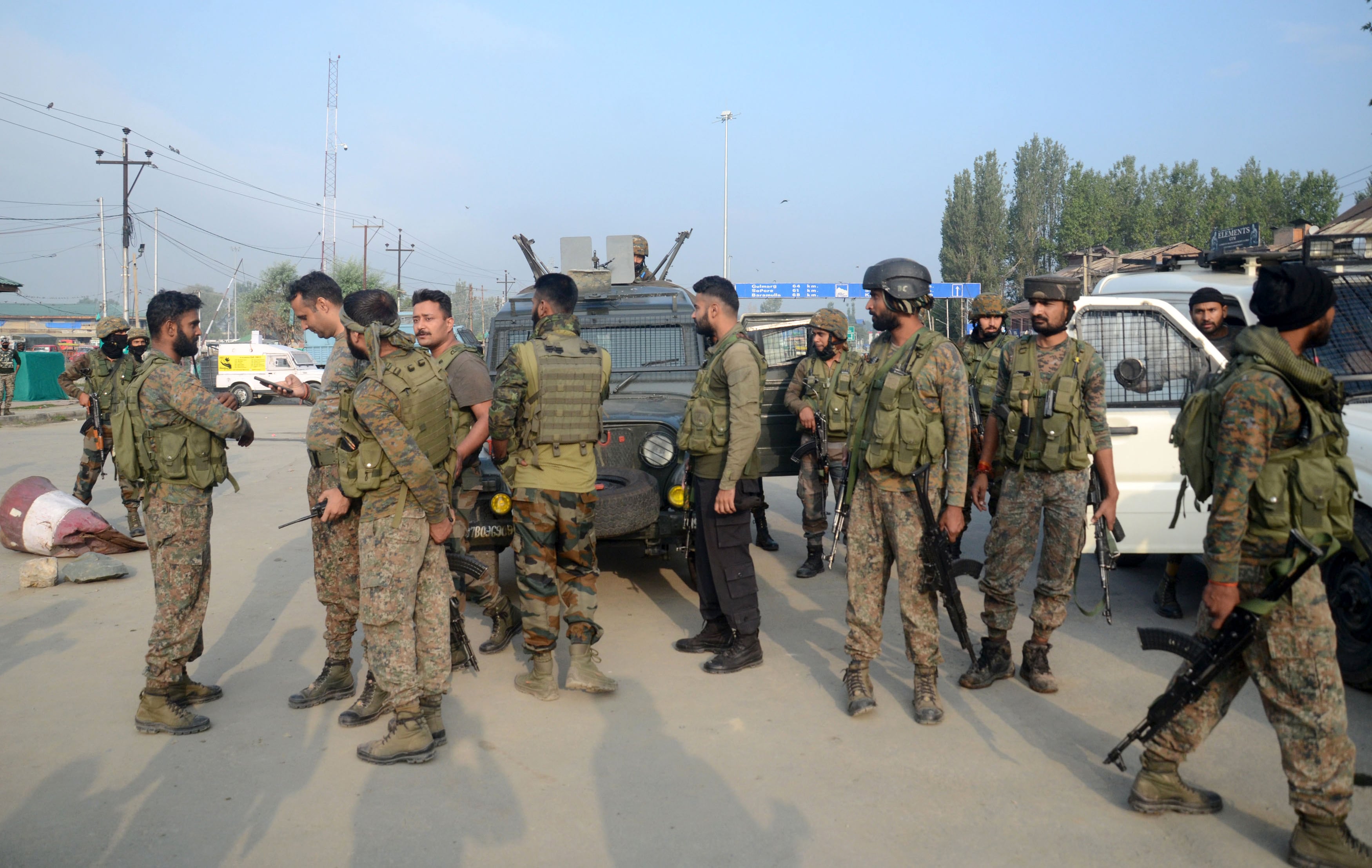
Jammu and Kashmir Police has  identified the two terrorists of Jaish-e-Mohammed (JeM) killed in the Sopore encounter on Wednesday.

They have been identified as Mohd Rafi, a resident of Sopore and Kaiser Ashraf, a resident of Pulwama.

“Killed JeM terrorists were categorized and identified as Mohammad Rafi of Sopore and Kaiser Ashraf of Pulwama,” Jammu and Kashmir Additional director general of police (ADGP) Kashmir V Kumar said. “Rafi was earlier booked under PSA twice. Both were involved in several terror crime cases. As per input, they were planning to attack civilians in Sopore.”

A civilian was also injured during the encounter.  He has been shifted to Srinagar hospital where his condition is said to be stable, ADGP said

An encounter broke out between terrorists and security forces in the Sopore area of Baramulla district following which both were killed.


Suspense deepens over who will helm the grand old party

The debate over whether a Gandhi or a non-Gandhi should lead the Congress has once again kicked off in the party. While a Gandhi is seen as a glue which can bind the party together, a non-Gandhi can help the party ward off the criticism of being dynasti, reports Amit Agnihotri

The ill-health of interim Congress chief Sonia Gandhi and Rahul Gandhi’s reported reluctance to head the grand old party again has thrown up several questions, not only in the minds of millions of workers but members of the public as well.

The leadership issue in the Congress was about to be settled by September 21, the scheduled date by when the election for the post of party president was to be completed, with general consensus evolving around a second term for Rahul Gandhi.

However, a fresh controversy has surfaced over the reported reluctance of Gandhi family scion to take charge again.

As a result, the party had to announce a revised schedule, which was approved by the Congress Working Committee on August 28.

The Congress will now elect its next president on October 17, if needed, and will declare the result on October 19. The Congress Working Committee under the chairmanship of Congress president Sonia Gandhi, considered and approved the following final schedule for election to the post of party president. The meeting was held virtually as Sonia was under treatment abroad.

According to Madhusudan Mistry, head of the Congress Election Authority, the date of notification is September 22, date of filing nomination is from September 24 to September 30, date of scrutiny is October 1 and last date of withdrawal is October 8. The date of election, if there are more than one candidate, is October 17 and the date of counting and declaration of result is October 19, he said.

The polls had to be postponed due to the inauspicious period in between as per Hindu calendar. Around 9000 delegates will take part in the polls for Congress president. They will vote in the state unit headquarters, said Mistry.

The issue of internal polls had been earlier raised by the G23, a group of senior dissenters, led by Ghulam Nabi Azad, who resigned on August 26 and slammed Rahul in his resignation letter. Later, the party attacked Azad for ditching it and defended Rahul. On August 28, former Rajya Sabha member and Telangana leader MA Khan resigned and questioned Rahul’s leadership style. There is speculation that more leaders may leave the party in the coming days, indicating an unease within the grand old party.

The resignations have come when the party is preparing for assembly polls in Himachal Pradesh and Gujarat to be held later this year. Infighting could affect the party’s chances in the coming polls, said insiders.

In a hint to the dissenters, Congress communications in charge Jairam Ramesh said, “The Congress is the only party where internal polls take place.” “Anyone who wants to be Congress president will have to file a nomination,” said AICC general secretary in charge of organization KC Venugopal, in a challenge to the dissenters.

Party insiders said they were trying to convince Rahul, who owned up responsibility for the party’s defeat in the 2019 Lok Sabha elections and resigned as Congress chief, to head the grand old party again but he has not given his assent and instead wants the seniors to choose a non-Gandhi as the new party president.

According to sources, though a section of Congress leaders wants Rahul’s sister Priyanka Gandhi Vadra to step up and become the party chief, neither Sonia nor Rahul is keen on that proposal.

That leaves the party managers with limited choice, either to elect Sonia Gandhi again as full-time party president or bring in a senior leader from outside the Gandhi family to steer the organization.

As it is, the Congress faces several challenges, the most prominent one being to revive the party nationally ahead of the 2024 Lok Sabha polls and to win more state elections that will take place before that.

The Congress lost power to the BJP in 2014 and again in 2019 and has lost several state polls since then, which had left the organization demoralized.

To counter that negative sentiment, the party had organized a mega-conclave, the Chintan Shivir in Rajasthan’s Udaipur from May 13-15 to prepare a broad strategy for the 2024 national elections.

Around 400 senior leaders from across states deliberated on the various challenges facing the Congress for three days and then adopted the Udaipur Declaration, which highlighted the need to revamp the organization and launch mass movements to establish the lost connect with the voters.

While a process to revamp the party units in states is on, the Congress is set to launch the proposed nationwide Bharat Jodo Yatra from Kanyakumari in the south to Kashmir in the north against the BJP’s allegedly divisive politics.

From all indications available, Rahul will lead the yatra, which will start from Kanyakumari on Sep 7 and cover around 3,500 km over 150 days and crisscross through 12 states and 2 UTs, for most parts.

Other senior leaders too will take part in the yatra, being described by the party as one of the major mass movements launched by the Congress in the past years.

Rahul’s lead role in the nationwide foot march was to coincide with his speculated promotion as the new Congress president in September but now the leadership issue is once again being hotly debated within the party circles and would be settled in October.

Leadership issue

The leadership debate is not new in the Congress. The party faced it in 2014 when then Congress chief Sonia Gandhi offered to resign after the party reached its lowest-ever Lok Sabha tally of 44/543 seats.

When Sonia was full time president from 1998-2017, her leadership style was acknowledged as consultative and going by consensus. She is still regarded both by the old timers and the youngsters for this trait and is believed to be a cementing force in the Congress. But she has health issues and the Congress needs someone who can steer the party over the next decades.

Rahul taking over the reins of Congress in 2017 had marked a generational change in the grand old party. Rahul’s presidency in 2017 was followed by three significant wins in Madhya Pradesh, Rajasthan and Chhattisgarh assembly elections in 2018 and had given much hope to the party strategists of regaining lost ground.

However, five years later, the party again faced the crisis in May 2019 when then Congress chief Rahul Gandhi resigned owing responsibility for the Lok Sabha poll results in which the party could only get 52/543 seats.

Then, the names of Ashok Gehlot, Sushil Shinde, Mukul Wasnik and Mallikarjun Kharge had surfaced as potential non-Gandhi party president and the same names with the addition of Ambika Soni, Kumari Sailja, and KC Venugopal are again doing the rounds now.

Though each one of these veterans had an important place in the party system and are regarded by the leaders and workers alike, there was no consensus on any one name.

The choice then fell on Sonia Gandhi, who agreed to be back as party interim chief after running the Congress for 19 years.

Over the next 12 months, there was no clarity if the party was prepared to take a call on having a full-time president though a buzz around Rahul’s comeback started building up in the Congress circles.

The realization that things were perhaps going downhill triggered panic among the 23 veterans who wrote to Sonia in 2020 demanding a full-time party president and organization overhaul to arrest the drift.

The organizational revamp is on and the internal election process has been completed in states.

Gandhi vs non-Gandhi

Among the non-Gandhi names, Gehlot is Rajasthan chief minister, a veteran and knows the organization inside out. Ambika Soni is a former union minister and has been in charge of several states. Recently she hoisted the national flag at a party event as Sonia Gandhi could not attend the gathering due to ill-health.

KC Venugopal is also a party veteran and has been taking care of the party organization as in charge for several years now. Kharge is the leader of the opposition in the Rajya Sabha and is trusted by all the senior party leaders across the country. Sailja and Shinde belong to the Dalit community, are party veterans and have been former union ministers.

The debate whether a Gandhi or a non-Gandhi should lead the Congress has once again started in the party. While a Gandhi is seen as a glue which can bind the party together, the party often faces criticism of being dynastic from the BJP, which too has several such cases. A non-Gandhi can help the party deal with such criticism but may also open more cracks in the opposition party due to the presence of a large number of strong regional leaders in the party.

After taking over as party chief in 1998, Sonia galvanized the Congress, forged alliances with the other like-minded parties and finally defeated then PM AB Vajpayee in the 2004 national elections when the Congress-led United Progressive Alliance came to power. Putting huge speculation in the country over her becoming the prime minister, Sonia nominated her confidante Manmohan Singh for the top executive job.

During the 10 years of UPA, from 2004-2014, Sonia steered the UPA and fully backed Manmohan Singh though there were some noises in the party against the then prime minister.

Those who bat for Rahul, point out he has single-handedly taken on PM Modi and his policies. Also, his managers have been working constantly at an image makeover and cited his interactions with international experts on economy and politics as signs of a leader with deep understanding of policy issues.

Rahul led the party in the Parliament and recently, when he was being questioned by the ED, the entire Congress came out on the streets to protest against the targeting of the leader. Later, he along with Priyanka, led the party protests when Sonia was being questioned by the ED.


Lack of master plan may hinder PM’s plan on Ayodhya

Modi has been pitching for Ayodhya, the birthplace of Lord Ram, to be developed as cultural and spiritual capital of the nation. But lack of any master plan for the city and emergence of a strong nexus between land mafia and officials can play a spoilsport, reports Mudit Mathur

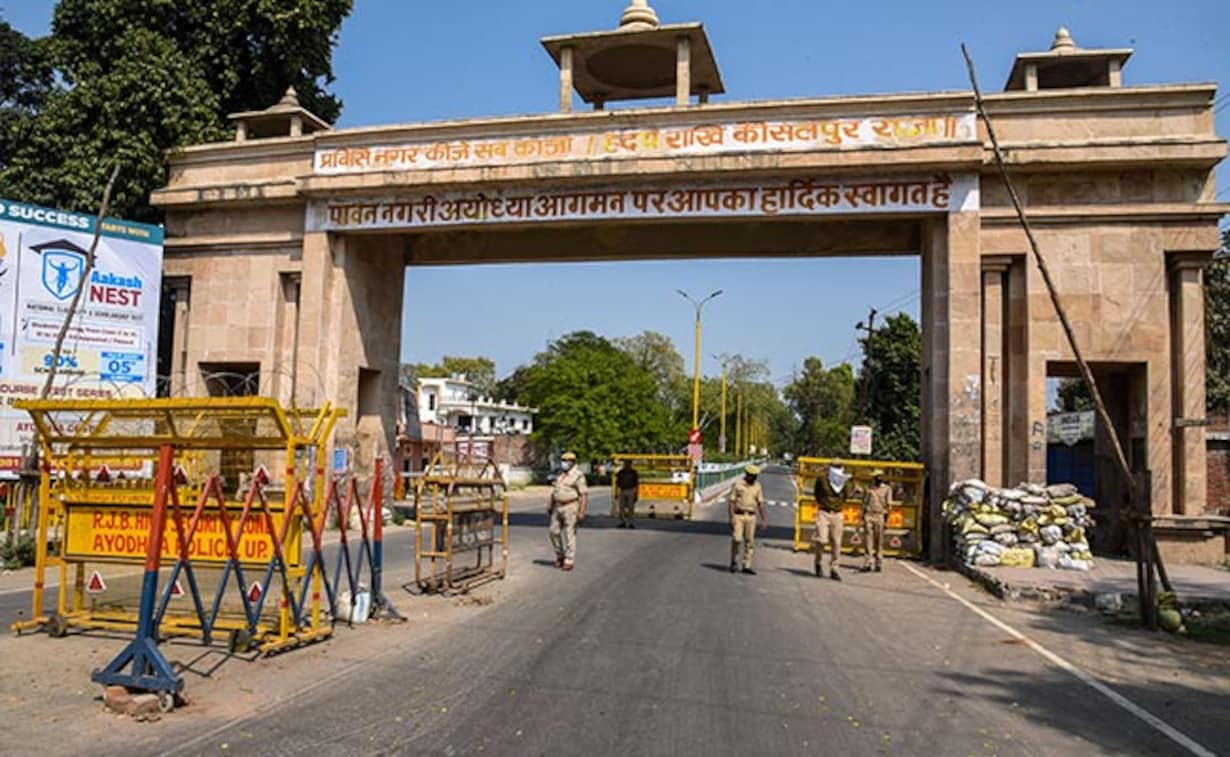
The saffron ideologues – RSS chief Mohan Bhagwat, Prime Minister Narendra Modi and UP Chief Minister Yogi Adityanath – have been pitching for Ayodhya, the birthplace of Lord Ram, to be developed as cultural and spiritual capital of the nation. But emergence of a strong nexus of land mafia, politicians, police and bureaucrats can scuttle their plans and  play a spoilsport.

After the November 9, 2019 Supreme Court verdict cleared the decks for construction of the Ram temple, the Ayodhya has suddenly turned into prime and lucrative real estate destination with the announcement of mega development plans. Looking at 2024 general elections, the private buyers are also rushing to temple town anticipating hefty gains from the rolling out of fast track mega projects aimed at revamping the economy of the region.

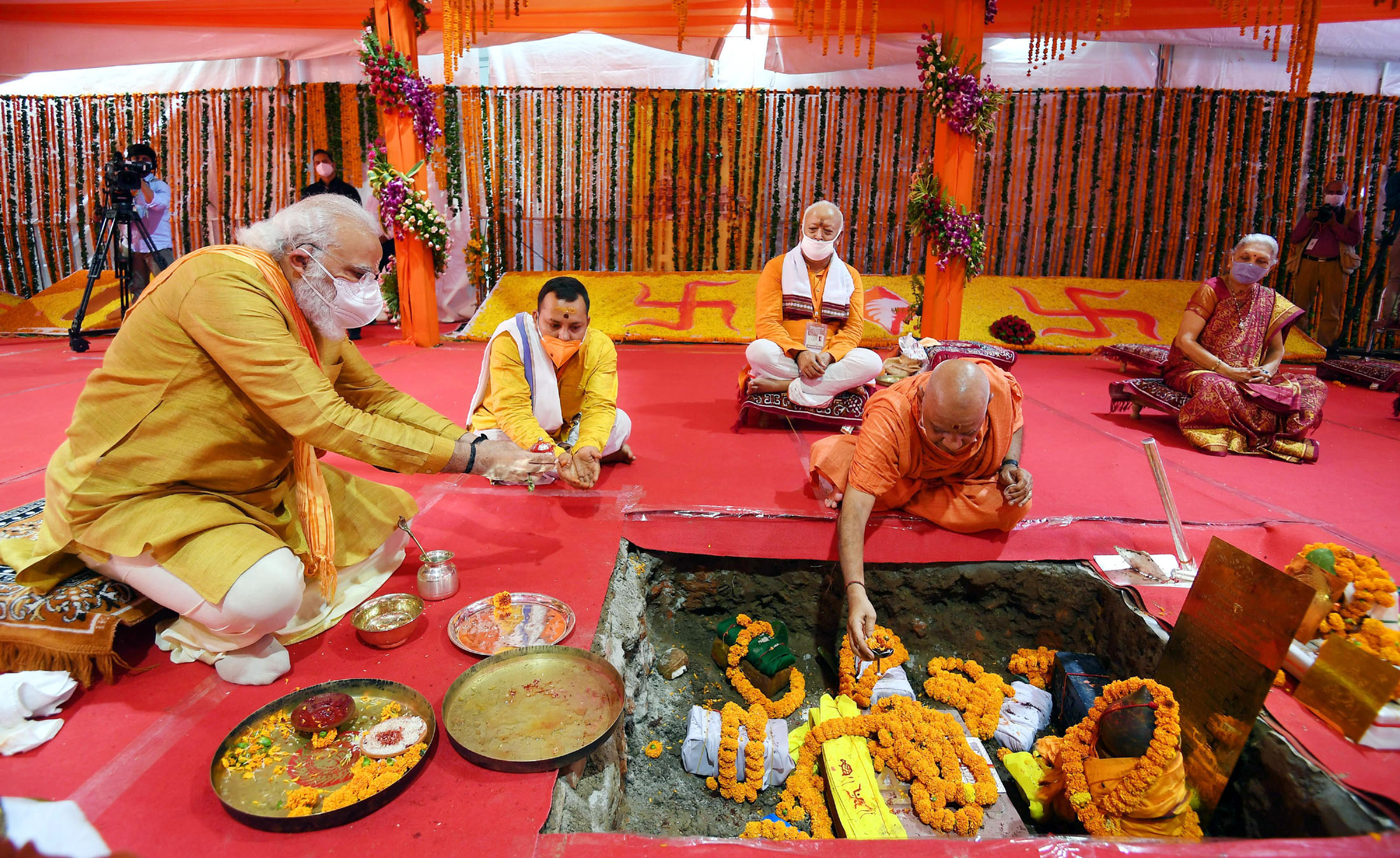
Soon after performing the Vedic rituals of historical Bhoomi Poojan in Ayodhya, Prime Minister Narendra Modi had promised, “Ram Mandir will be a modern symbol of our culture, eternal faith, national spirit and collective will power which will inspire the generations to come.” Hailing Shri Ram as a common thread of unity in diversity in the country and recalling his glorious ancient rule, he announced, “The magnificence of this temple in Ayodhya will completely change the economy of the region with opening up of innumerable opportunities across sectors.” But unfortunately, unlawful and unstable growth in the extended areas of city limits is posing grave threat to his ambitious mega plans for Ayodhya.

Even bureaucracy doesn’t want to be left behind in encashing such a feuding ambiguous situation. An MLA of ruling BJP, BJP Mayor, State Information Commissioner and a member of the state OBC Commission who have been found to have indulged in impugned land deals in their own name to the relatives of Divisional Commissioner, Sub-Divisional Magistrate, Deputy Inspector General of Police, Circle Officer of Police, everyone tried to make hay while the sun shone. The officials bought land at throughway prices after the apex court verdict, all within a 5-km radius of the Ram temple site. Illegal plotting and sale of land without any sanctioned layout or proper registration from the Real Estate Regulatory authority (RERA) are rampant in Ayodhya as a result of a connivance between land mafia, political leaders, police and bureaucracy.

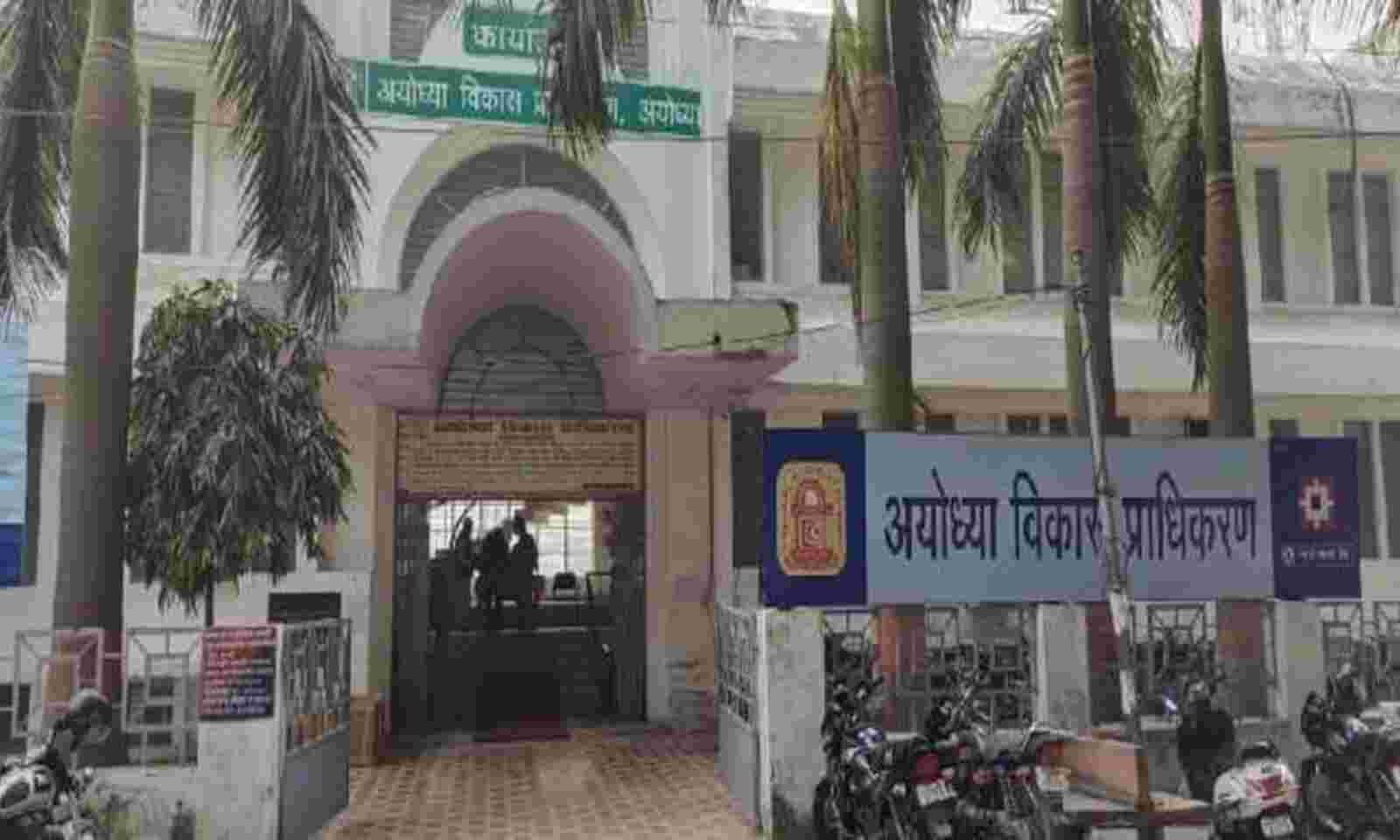
Though the territorial limits of Ayodhya Development Authority (ADA) have increased manifold but it failed to regulate colonising and construction activities because it is still functioning without a mandatorily required master plan due to lack of proper coordination and indifferent response from the government machinery. The first master plan 2001 was enforced in 1986-87 and thereafter ADA failed to reinforce the revised plan with changing demography and determination of new development goals set by Modi and Yogi governments.

The seriousness to notify master plan for 2031 is not visible in the working of ADA as half-hearted exercise has been initiated excluding newly added areas where illegal colonising is on the peak. Thus, it opened the floodgates of unregulated development. Master Plan is the basic statutory requirement to define and determine land use for the various sectors of a planned township. The past experiences have shown that unplanned and unregulated development gives rise to slums and its rehabilitation use to be a major headache for meeting the developmental challenges.

CM Yogi Adityanath instituted an inquiry into the reports of various murky land deals hampering development prospects on account of nefarious activities from the vested interests. But, despite his warnings to remove illegal constructions, the ADA authorities utterly failed to check illegal colonising and ongoing illegal construction thereon. About 45 illegally carved colonies, lacking basic civic amenities, are coming up with all impunity and connivance of concerned authorities posing serious threat of unplanned growth without a sanctioned layout plan and map.

Surprisingly, the ADA has conspicuously left 33 squares kilometres newly extended areas from the ambit of proposed master plan for 2031. The Municipal Corporation has notified 41 villages to be part of its extended area because of the development initiatives taken by the government. A large-scale collusion between builders, town planners and ADA officials has become talk of the town where such illegal colonising has caused concern in the society.

In Devkali area, about 80 houses have come up including a hotel and resort on a land meant for construction of a seed storage but instead of resorting to demolition of illegal construction, the ADA authorities allegedly connived for its regularisation and buried the demolition notice. Similarly, thousands of houses have been constructed in the submerged areas of Jamthara. Here, the four schools including a degree college has come up without any sanctioned map or area layout but ADA turned blind eye towards unregulated mushrooming of illegal constructions. The authorities did not pay heed towards the concerns expressed by local MP from time to time.

The situation became so alarming that even the ruling party Member of Parliament from Ayodhya, Lallu Singh was compelled to write to Chief Minister Yogi Adityanath demanding a probe by a Special Investigation Team (SIT) into the illegal sale and purchase of land by land-mafia in areas from Jamthara to Golaghat in Ayodhya which are among doob kshetra (submerged areas). The letter further revealed, “Such is the influence of the land-mafia that in connivance with officials/employees posted earlier, by forging documents and by misleading people, land was listed in their names in the official records. Business of land-mafia is flourishing on the land between Jamthara Ghat and Golaghat.” Despite his letter having become viral on the social media and appeared in newspapers too, Singh when contacted for comment remained tight-lipped on the issue.

After the setting up of the official Shri Ram Janmabhoomi Teerth Kshetra Trust in February 2020 — the Trust has so far acquired nearly 70 acres land from nearby land owners. The Trust had been under fire over corruption charges for some questionable overpriced land deals acquired for enlarging Ram temple complex area wherein the name of the Mayor Rishikesh Upadhyay, BJP functionaries and some trustees had surfaced as witness and middleman in executing questionable land deals for Temple complex. It was then alleged that the value of the land is Rs. 5.80 crore but Sultan Ansari and Ravi Mohan Tiwari got it in just Rs.2 crore. Then within 5 minutes later the same land stood transferred to Temple Trust for Rs. 18.5 crores.

The Ayodhya Development Authority seems to have now woken up from deep slumber and identified 40 persons as “illegal colonisers” of land, plots building infrastructure including Ayodhya city Mayor Rishikesh Upadhyay, sitting BJP MLA from the Sadar constituency, Ved Prakash Gupta and former BJP legislator from Milkipur, Gorakhnath Baba.

Now the administration also found that traditional Sapt Sagar pond too was unauthorisedly encroached upon by land mafia where thousands of people have been inhabited by making colony. The revenue authorities are giving notices to the residents for removing their houses otherwise they would face demolition for restoring two-acre pond there.

After the Supreme Court verdict, many controversial land transactions have come to light exposing conflict of interests of various top-level officers who have been entrusted officially to sit and decide revenue appeals and complaints relating to village landholdings under UP Revenue Code 2006 (earlier known as U.P. Zamindari Abolition Act). The land belonging to Dalit is not transferable to upper caste person but there are many such complaints of unlawful transfers are pending for disposal. The Maharshi Ramayan Vidyapeeth Trust (MRVT) is under scrutiny for alleged irregularities in purchase of land from Dalit villagers but at least in five cases, the beneficiaries who bought the land from the Trust, are, ironically, the close relatives of those officers who have to decide the pending cases. The buyers include local MLAs, close relatives of bureaucrats who have earlier served or are still serving in Ayodhya, and local revenue officials whose job is to adjudicate land transactions.


Stop victim shaming and blaming right now!

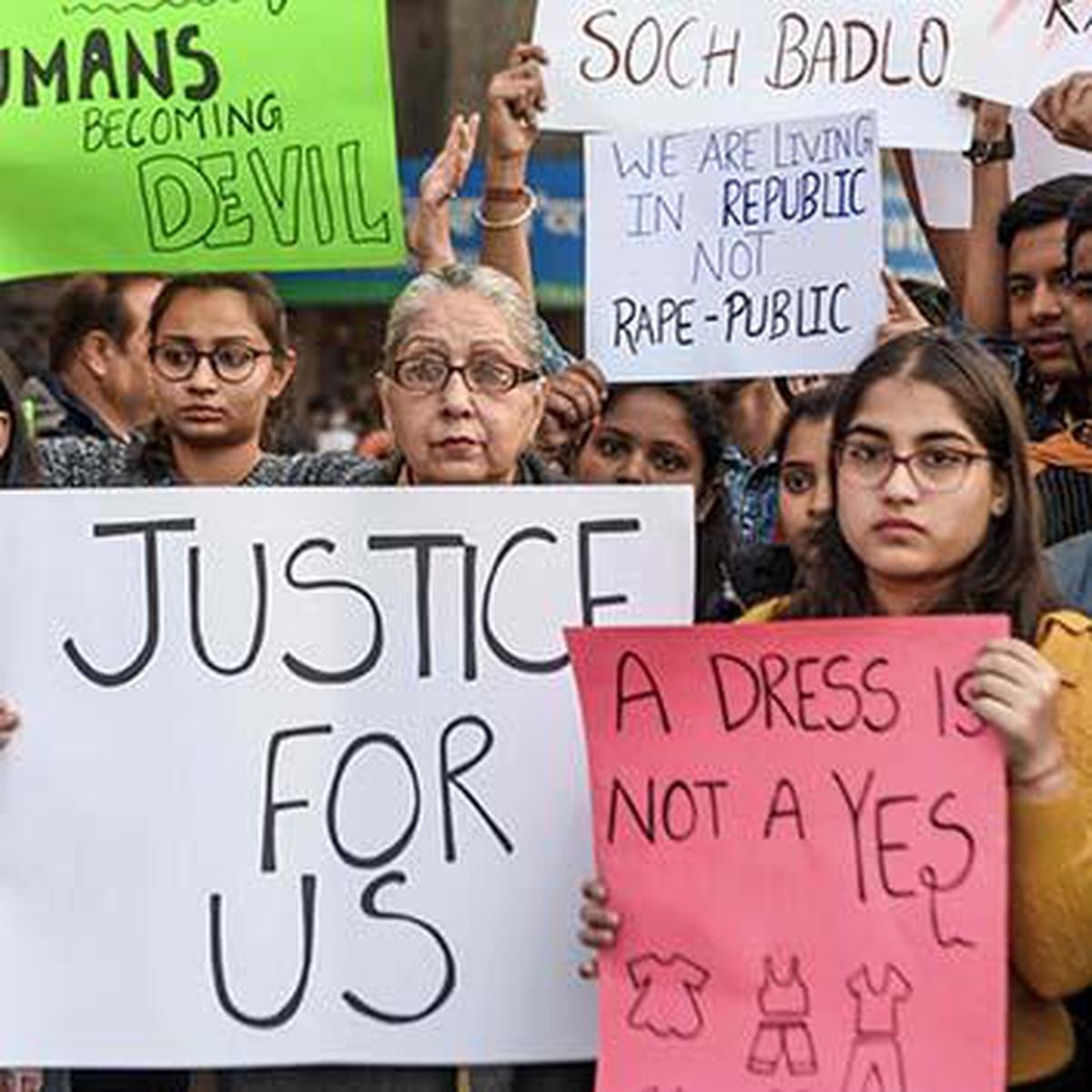
A Sessions Court judge in Kozhikode granted bail to a well-known playwright and social activist Civic Chandran in two different cases of sexual assault. However, the comments accompanying the bail orders were a crude display of misogyny and lack of sensitivity.

A girl walking home late in the evening gets molested. She somehow manages to extricate herself from her tormentors and reaches home terrified. Her worried family surrounds her and asks what’s wrong. On being told the truth they get angry at the perpetrators of the crime, but amid all this comes a voice which says, “How many times have we told you to come back home before dark? You don’t listen, so something like this was bound to happen.”

If it’s not this then it’s “Why do you wear such dresses?”, or “Why do you talk to boys?” or “Why do you laugh so much?” or “Why do you wear make up?” The list of accusations can go on and on till one asks, “Why was I born a girl?”

Victim shaming and blaming is something that comes naturally to us. If boys misbehave with women it’s always the girl who gets the blame, because like one political patriarch famously said, “Boys will be boys.”

Unfortunately, women have been conditioned to accept this unfair treatment as their lot, (which they should not). But when something major happens, like sexual assault or rape, and the matter goes to court, then one hopes to get justice. One hopes that one would be heard and not blamed as always.

Imagine the shock when the presiding judge lets your assaulter/rapist go scot free because in his mind you are to blame as you “tempted” the weak willed man by wearing “provocative clothes,” or because “it is not possible for a high caste man to defile himself” by intimately touching a lower caste woman.” Essentially you are denied justice because of your gender, caste and because of your perceived fault.

This is exactly what happened recently and that, too, in a literate State like Kerala, where women by and large are quite empowered.

S Krishna Kumar, a Sessions Court judge in Kozhikode granted bail to the accused, in this case a well-known Malayalam playwright, teacher and social activist Civic Chandran, in not one but two different cases of alleged sexual assault.

In the first bail order dated August 2, Judge Kumar said that provisions of the SC/ST (Prevention of Atrocities) Act, 1989 would not prima facie stand against Chandran because it is “highly unbelievable that he will touch the body of the victim fully knowing that she is a member of the Scheduled Caste”.

This case is a throwback to the 1992, Bhanwari Devi gang rape case. For the uninitiated, Bhanwari Devi was working as a ‘Sathin’ for the Rajasthan Government’s women and child department. Her job was to spread awareness about hygiene, family planning and campaign against female foeticide, infanticide, dowry and child marriages rampant in the State. She belonged to a lower caste and was raped by five men belonging to the Gujjar caste as punishment for trying to stop one of them from marrying off his 9-month-old girl child. Bhanwari’s fight for justice came to naught when in 1995 a trial court ruled that the hapless woman was not raped. The reason given was that “an upper-caste man could not have defiled himself by raping a lower-caste woman.” Bhanwari is still awaiting justice in the case, even as a few of the accused have died over the decades.

Clearly, no lessons have been learnt from the past and the mindset of some of our judicial friends is still stuck in the 90s.

Because in the Chandran case, in the second bail order on August 12, Judge Kumar described the photographs of the complainant presented by the defence counsel of the teacher as “sexually provocative” and went on to observe that “Section 354 will not prima facie stand against the accused”.

Section 354 of the Indian Penal Code pertains to assault or use of criminal force to outrage the modesty of a woman.  It is a non-bailable offence and Judge Kumar said that it does not apply in Chandran’s case while granting bail.

Whether Chandran is truly guilty of these offences (the matter is sub judice) only time will tell. But the comments accompanying the bail orders are a crude display of misogyny and lack of sensitivity.

And this is when the top court of the country has repeatedly cautioned lower court judges against making unwarranted observations on the merits of a case while hearing bail pleas. The Supreme Court has time and again asked them to show sensitivity, especially while dealing with cases of sexual assault and rape.

The apex court was forced to do so, because, repeatedly sexual assault and rape victims have been dealt with in an insensitive manner, blamed and shamed which shows that our courts lack gender-sensitivity.

In fact, so bad is the situation that in the 2021 Aparna Bhat v. State of Madhya Pradesh case, the top court ruled that the behaviour of the victim was of no consequence and courts should not comment on it. It does not matter whether the victim had consented in the past or whether she behaved promiscuously, or whether she “behaved in a manner unbecoming of chaste Indian women”.

The Supreme Court has had to step in despite the fact that laws dealing with cases of sexual assault and rape are clear that the burden of proof lies with the accused and not the victim. But, repeatedly the victim’s behaviour before and after the assault comes under scrutiny during trials.

For instance, in a 2020 case where an employee raped his employer, the Karnataka High Court’s Justice Krishna S Dixit observed, “The explanation offered by the complainant that after the perpetration of the act, she was tired and fell asleep, is unbecoming of an Indian woman. That is not the way our women react when they are ravished.” Not just this, Justice Dixit also questioned why the victim went to her office at night, and noted that she did not “object” to having drinks with the rape accused. So working late in the office and having drinks with a colleague is an invitation to rape? I think not!

Our judiciary must not indulge in gender stereotyping because unsavoury opinions about a victim’s character impact the right of the victim to a fair trial that has been guaranteed under Article 21.

A classic example of this is a 2017 case where a two-judge bench of the Punjab and Haryana High Court granted bail to three law students, who had been convicted by a lower court for blackmailing and gang-raping a fellow student.

To make matters worse, the High Court castigated the victim for drinking beer, smoking and not telling her parents that she was being abused.

So, the perpetrators of the crime got bail because the behavior of the girl in question did not conform to the way the judge thought that “good Indian girls” should behave! What a travesty of justice!

But what of the men? Is this the way “good Indian boys/men” should behave? Should they not have learnt by now that working late in the office, sharing jokes with friends or colleagues, drinking with them, going out for a late night on the town, wearing a revealing outfit is not an invitation to touch sexually, assault or rape? That women in this day and age have the freedom to enjoy their lives, wear what they want, go where they want and express themselves freely? Aren’t we as a society supposed to teach our boys better? Instead of teaching our girls to live in fear and curb their freedom and happiness, wouldn’t it be better if we taught our sons to respect women, treat them as equals and not objectify them? Shouldn’t we be teaching our boys that it is wrong to touch someone sexually without their permission and that “no” means “no” and they must learn self-control? Because you don’t see women sexually assaulting a man wearing “sexy” clothes do you? If women can control their impulses why can’t men? Also being drunk is not an excuse for losing all sense of control on their baser instincts.

If we want our girls/women to get justice then we have to teach our boys/men better, right at home, right at school, college and in the workplace. After all, aren’t misogynistic judges a product of our society where victim shaming and blaming is a norm, rather than an exception?

Forget society, aunts and misogynistic judges, castigation comes even from those who we sent to the Assembly by voting for them. In February this year, when the hijab row was at its peak in Karnataka, BJP MLA Renukacharya made a direct connection between women’s clothing and the rising number of molestations and rapes in the country. She told a media house, “While studying in college, children should be fully clothed. Rapes today are increasing because of women’s clothes as men get provoked. It’s not right.”

For those who blame women’s “provocative clothes,” I would like them to remember that a court said that the “maximum victims of sexual assault and rape are those in frocks.” And the numbers support this statement by the judge. If a report by child rights NGO CRY is anything to go by every 15 minutes there is a sexual offence committed against a child in our country and even more alarmingly there has been an increase of more than 500 per cent over the past 10 years in crime against minors.

The 2021 National Crime Records Bureau report says that 90 minor girls are raped in the country daily.

So if men in India find a child in a frock sexually inviting then there is something very wrong in the way we are bringing up our boys. Making excuses for the unacceptable behavior of erring men and victim shaming and blaming is a major part of the problem. Men need to learn that if they do something wrong they have to face the consequences of their actions. They need to learn self-control, because after all they are not animals but thinking beings. What the victim was doing, wearing, and where she was at that time is of no consequence. It’s time to stop blaming and shaming the victim.

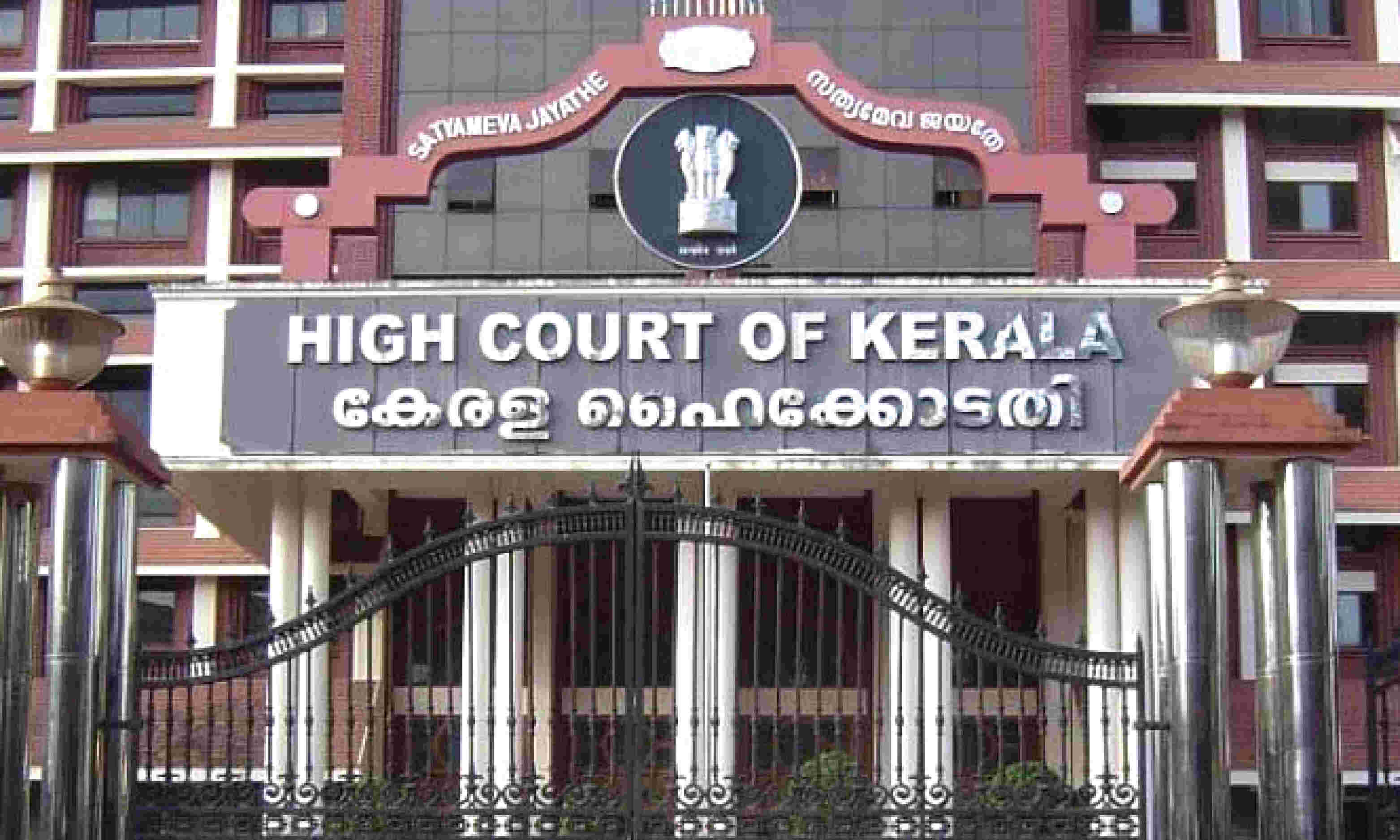
Fortunately, now the Kerala Government has approached the High Court, seeking to set aside the order of the Khozikde Sessions Court that granted anticipatory bail to Chandran and Sessions Judge Kumar has been transferred to a labour court, Kollam as a presiding officer. One hopes that Judge Kumar now realises that making tasteless remarks about the victim’s sartorial choice at the time of the sexual assault/rape by marking them as “sexually provocative” is an infringement of the fundamental right to gender equality guaranteed by our Constitution under Article 15. Now let’s see how the case against Chandran unfolds. May the truth win in the end.


Feeling lonely and forlorn? Companionship is a step away!

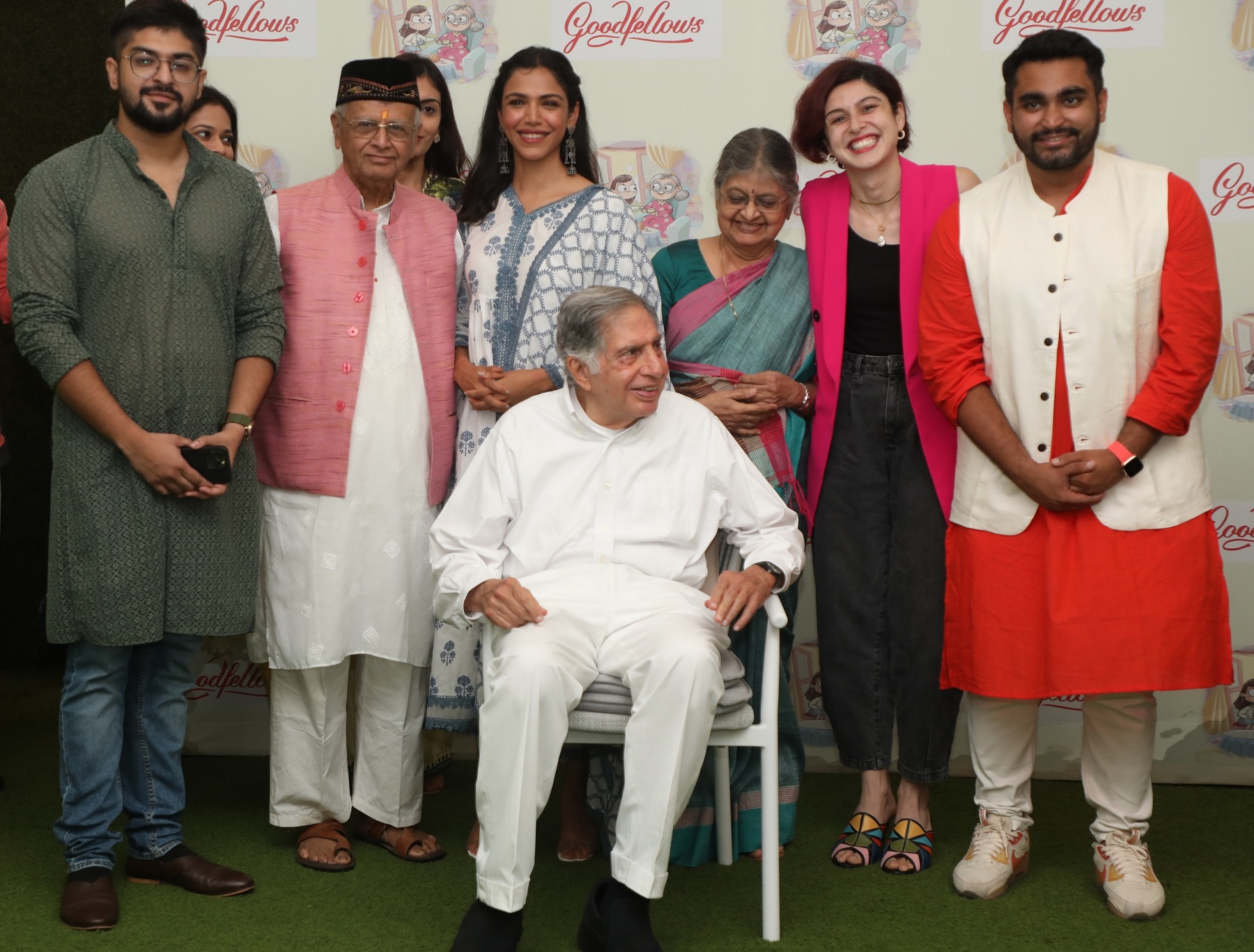
Industrialist and philanthropist Ratan Tata has announced investment in ‘Goodfellows,’ India’s first companionship start-up for senior citizens which appoints young graduates who provide companionship ‘similar to what a grandkid would do’. A report by Narvir Rooprai

Industrialist Ratan Tata has launched India’s companionship start-up for senior citizens, Goodfellows, in a bid to encourage intergenerational friendships. Commenting on the investment, Ratan Tata, Chairman Emeritus of Tata Sons, said, “The bonds between the two generations created by Goodfellows are very meaningful and are helping to address an important social issue in India. I hope the investment helps the young team at Goodfellows grow.”  Speaking at the launch, Ratan Tata said no one cares about getting old until they actually get old. Getting a good-natured companionship is a challenge.

Since stepping down as CEO of the salt-to-software Tata Group, the 84-year-old industrialist has been an enthusiastic supporter of startups. To date, he has invested in more than 50 businesses. Ratan Tata provided funds or backed nearly 50 start-ups such as Airbnb, Bombay Hemp Company, Bluestone, Goquii, Ikure, Nestaway, Paytm and Ola Electric among others. He had also exited from two ventures — Lenskart and Urban ladder – while a couple of them became Unicorns, a term for a start-up valued at $1 billion and more. Ratan Tata is a philanthropist and continues to head the group’s charitable trusts. In his capacity, he has been investing or supporting firms with philanthropic causes ranging from electric vehicles to healthcare and mobility.

Shantanu Naidu, an MBA from Cornell University, founded the Goodfellows startup. The 28-year-old is a General Manager at Tata’s office and is the fifth generation of his family to work in the Tata Group. Shantanu Naidu shares Ratan Tata’s love for dogs and strays. He has previously started a venture around pets as well.  “Intergenerational friendships are a kind, meaningful and authentic way to help the elderly living alone with companionship and warmth in the way that GoodFellows is offering. I am keen to see how GoodFellows progresses and wish Shantanu and his young team all the very best,” an emailed statement said.

“Several non-profit models in this space have failed since volunteering happens as per the availability of volunteers and no one invests enough time with one senior to form an authentic bond. Once the desire is over, volunteers move away which impacts seniors gravely,” the start-up said in a statement. The start-up, in its beta phase, is trying to discover how organically the Grandpals bonded with the Goodfellows.

What does Goodfellows do?

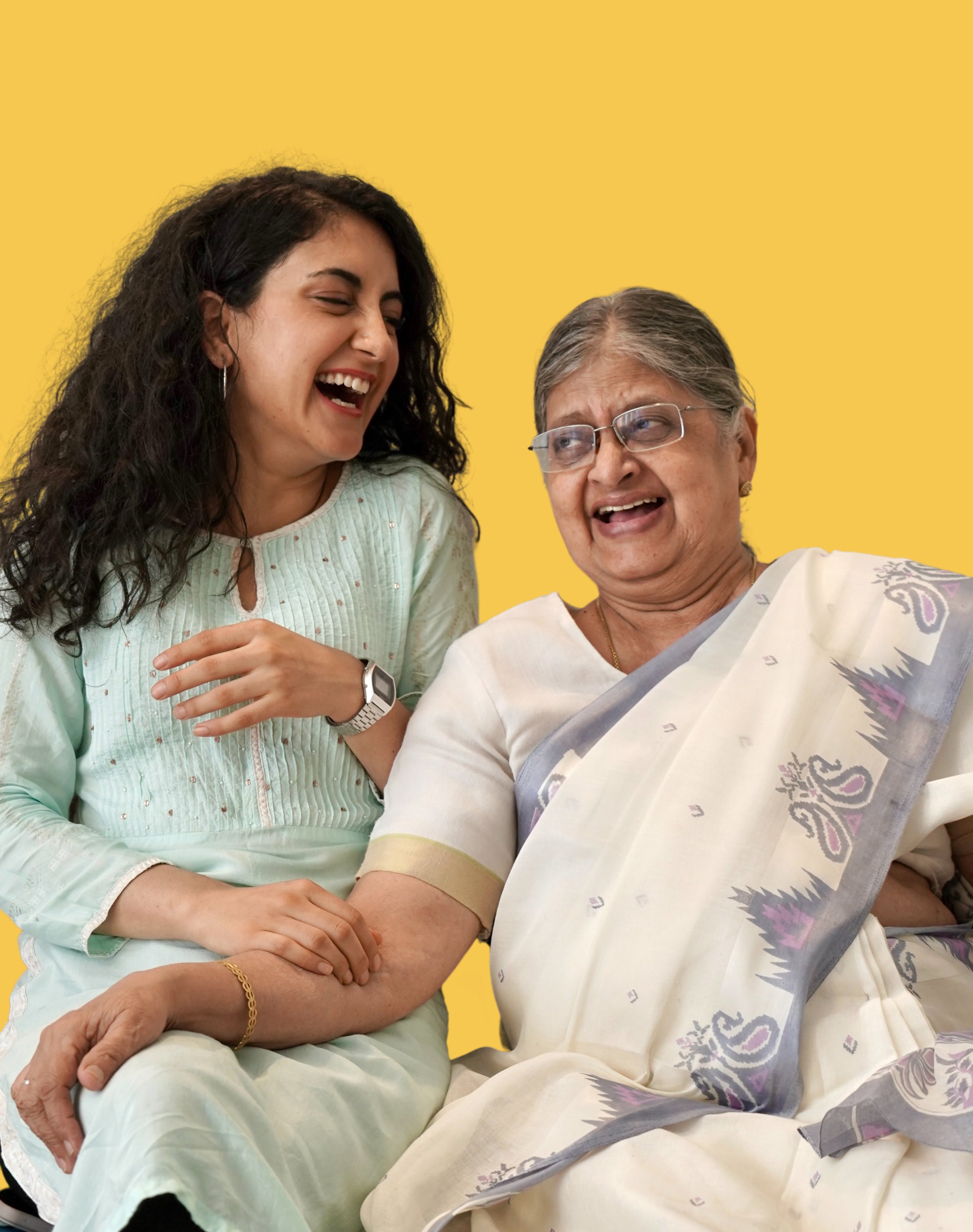
Goodfellows hires youngsters who have the skills of empathy and emotional intelligence to work as the companions of senior citizens. They are also required to ease their day or help them with any task. The experience has been that the tasks may include playing carrom, reading the newspaper for them or even taking naps together.

Goodfellows has been conducting its beta phase in Mumbai with 20 seniors for the past six months. In the upcoming phase, it intends to provide services in Pune, Chennai, and Bengaluru. The services will be expanded throughout the nation, according to Shantanu Naidu.

The companions should perform a variety of duties with the customers, such as playing carrom, reading the newspaper to them, or even taking naps together, according to Naidu’s experience up to this point. It is challenging to create the link between a grandparent and a grandchild, according to Naidu, but the company will make sure that real bonds can develop.

The graduates, called “Goodfellows”, would provide a friendship to the elderly and go along for walks, help them with grocery shopping, accompany them to doctors and teach them technology among others. In the near future, Goodfellows will offer travel companions for seniors holding back from making trips due to lack of security or company, and also plans to extend its services to the handicapped community facing similar or more challenges. Efforts are on to raise more funds to sustain and expand this service.

The near-term goal is to hire 100 goodfellows who could touch the lives of 300 senior citizens. Company officials said that talks are on with two large corporates who have shown interest to onboard this service for their retiring employees.

The startup works on a subscription model which guarantees that when the senior citizens bond with their companions, they do not keep rotating the graduate visiting them since that does not allow enough time or emotional attention to form a real bond. “When we make a friend, we want to see the same friend often. A new person every time will prevent this from happening,” the company explained.

The business model of Goodfellows is a freemium subscription model. The first month is free with the goal of having the senior citizen experience the service since it’s hard to understand the concept without actually going through it. From the second month onward, a small subscription fee has been decided based on the limited affordability of pensioners.

With 15 million elderlies in India living alone, either due to the loss of a partner, or families moving away for unavoidable work reasons, many of them have caregivers but the issue of loneliness or lack of company has been the primary reason for deteriorating mental and physical health. The for-profit start-up will begin commercial operations soon and GoodFellows will charge a monthly subscription. Senior citizens can avail the services by signing-up on thegoodfellows.in or can give a missed call at  +91 8779524307 or  check out their Instagram handle.

In the near future, Goodfellows plans to offer travel companions for seniors holding back from making trips due to lack of security or company, and also plans to extend its services to people with a disability facing similar or more challenges. The wonderful feeling is that a group of young intelligent people who could do many other things for themselves have preferred to do this. Young graduates are employed by Goodfellows to provide older folks with companionship as a service. These graduates have the sensitivity and emotional intelligence necessary to serve as the senior clients’ companions, making their days easier by helping them with any duties or simply spending time with them.


Nehru indeed was a statesman and leader of the masses

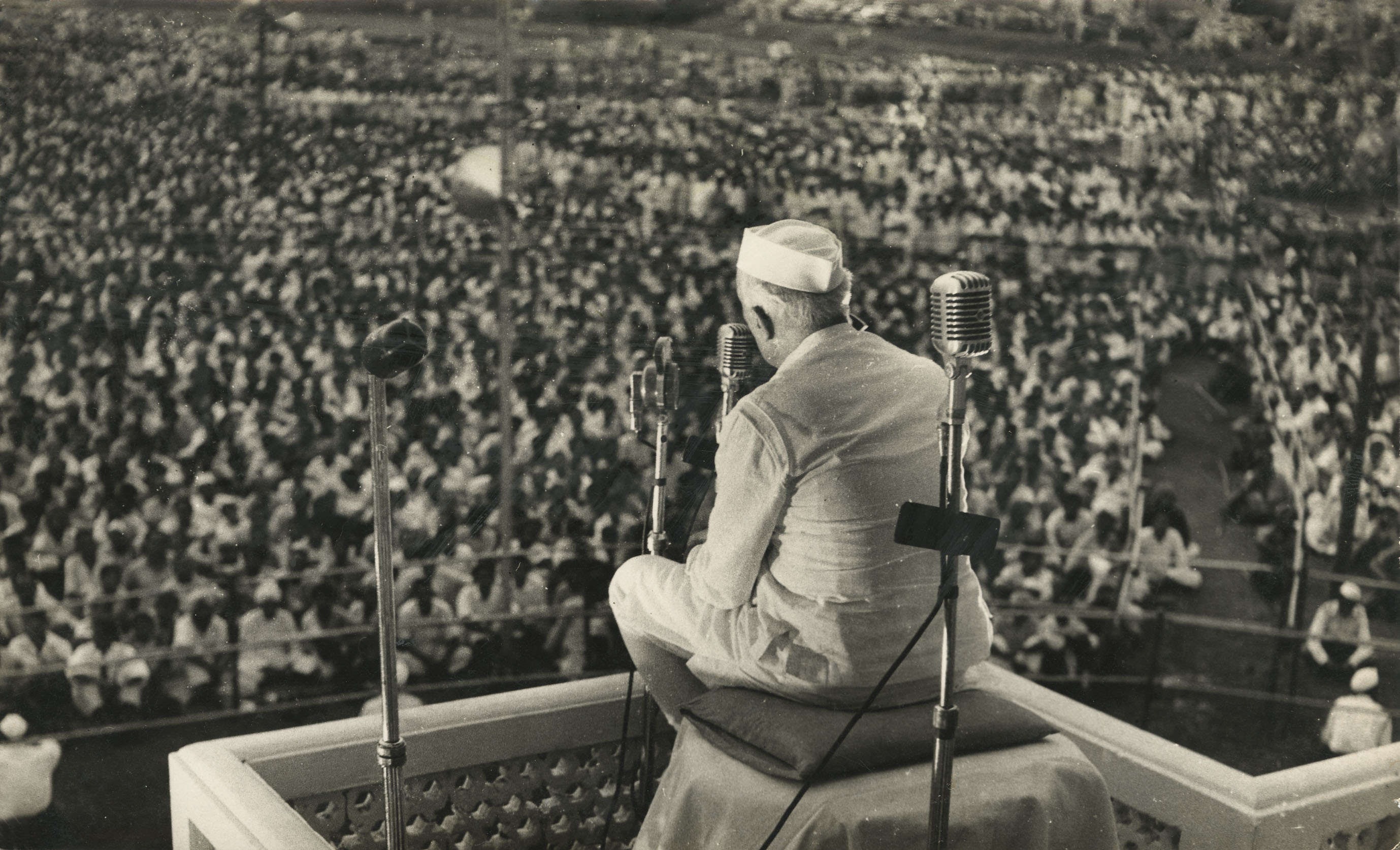
Nehru and his role in building our country’s modern day democratic infrastructure can never be bypassed or overlooked or diluted. He stands tall and will always be remembered!

Sadly and unfortunately,  in these recent years, every effort seems to be on by the  Right-Wing ruling regime, to dilute the very significance of a statesman like Pandit Jawaharlal Nehru.

In these recent years there have been distortions if not deletion of some very significant historical facts and factors. At times, absolutely blatant moves to change the very basic and core. Together with that, twisted and incorrect versions of the political past. I would call this nothing short of lynching of facts.

Around the autumn of 2016, news-reports had come in of the then Rajasthan government’s plans to remove from the text books the particular chapter on Pandit Jawaharlal Nehru. It was then BJP government in Rajasthan and it  had taken some very  blatant decisions, which included moves to remove focus on Nehru.

Tell me, why should this generation or future generations sit deprived of details to a statesman like Nehru? After all, ‘Panditji’, as Jawaharlal Nehru was popularly called, stood for democratic values, for the rights and dignity of the  minorities and the disadvantaged. Yes, communal attacks did take place even in those years, but they were controlled and there was that guarantee that justice would prevail. He was looked upon as a saviour. That feeling of security was intact because he was himself secular. I’m certain if Nehru was around,  it  would have been  impossible for the Right-Wing brigades to have destroyed the Babri  Masjid or for the Gujarat  and  Delhi pogroms to have  taken  place, or for the Hindutva brigades to be unleashed all around to terrorize hundreds of  innocents.

The fact is that Pandit Jawaharlal Nehru was a leader of the masses. He was respected and loved. I rather too  vividly recall, I saw my  maternal grandmother, Amna Rahman, cry out  in deep anguish when she heard the news of the passing  away of  the then  Prime  Minister of  India, Pandit Jawaharlal Nehru… I was too young to comprehend the connect between her tears and the death of Nehru, but to this day I recall  her words along the strain  that Nehru was a saviour of the masses of our country. And much later she had explained that in a democracy it is not important to have a leader from a minority or majority community but a person one could respect and look up to…someone who could take care of the masses, without discriminating along the religious or regional formats.

And  years later during my interactions with the Muslim citizens, when  the topic of the  Partition came up, Muslim families  told me that their  fathers  and grandfathers  had  opted to stay back in their country Hindoostan, in the hope that leaders of the stature of Pandit Jawaharlal Nehru would be their rulers; with that, sound and  just administration would prevail. No, they couldn’t have imagined, not even in their wildest dreams, that a day would come when Right-Wing men will be the political rulers of this land.


Nehru was known and respected worldwide as a statesman. His stand on Palestinian issue was strong and unchanged. His views and policies vis – a – vis the Middle East made the Arab world tilt towards India. Arab lands and its  people were strong allies of  India …I recall the  receptions hosted  in New  Delhi by the Iraqi  envoys in that sprawling bungalow on  Prithvi Raj Road, which  was gifted way back  in  the 1950s, by  Pandit Jawaharlal Nehru to the first Iraqi  envoy  posted to India. And at those receptions,  talks would invariablydrift towards Nehru, with the Arab envoys recounting his popularity amongst their people. Mind you, even after his passing away, the Arab  governments and people carried that same level of respect for his daughter, Indira Gandhi.
In those earlier years, I had attended press conferences of the Palestinian envoys to India and witnessed the emotions they generated amongst the Indian masses. I do recall that warm hug the Palestinian leader Yasser Arafat gave Indira Gandhi when she hosted an elaborate reception for him in New Delhi. Indira Gandhi’s office had sent invites to even middle- rung Muslim families besides the usual list of the who’s who. Of course, those were the days when there were no security phobias. No hyped statements. That was phase of Government of India’s close bonding with the Arab countries. Well, the foundation of that bonding was laid by none other than Nehru and his policies.

Nehru and his role in building our country’s modern day democratic infrastructure can never be bypassed or overlooked or diluted. He stands tall. He will always be remembered. After all, he was a leader of the mases.

A publisher-author’s unique journey

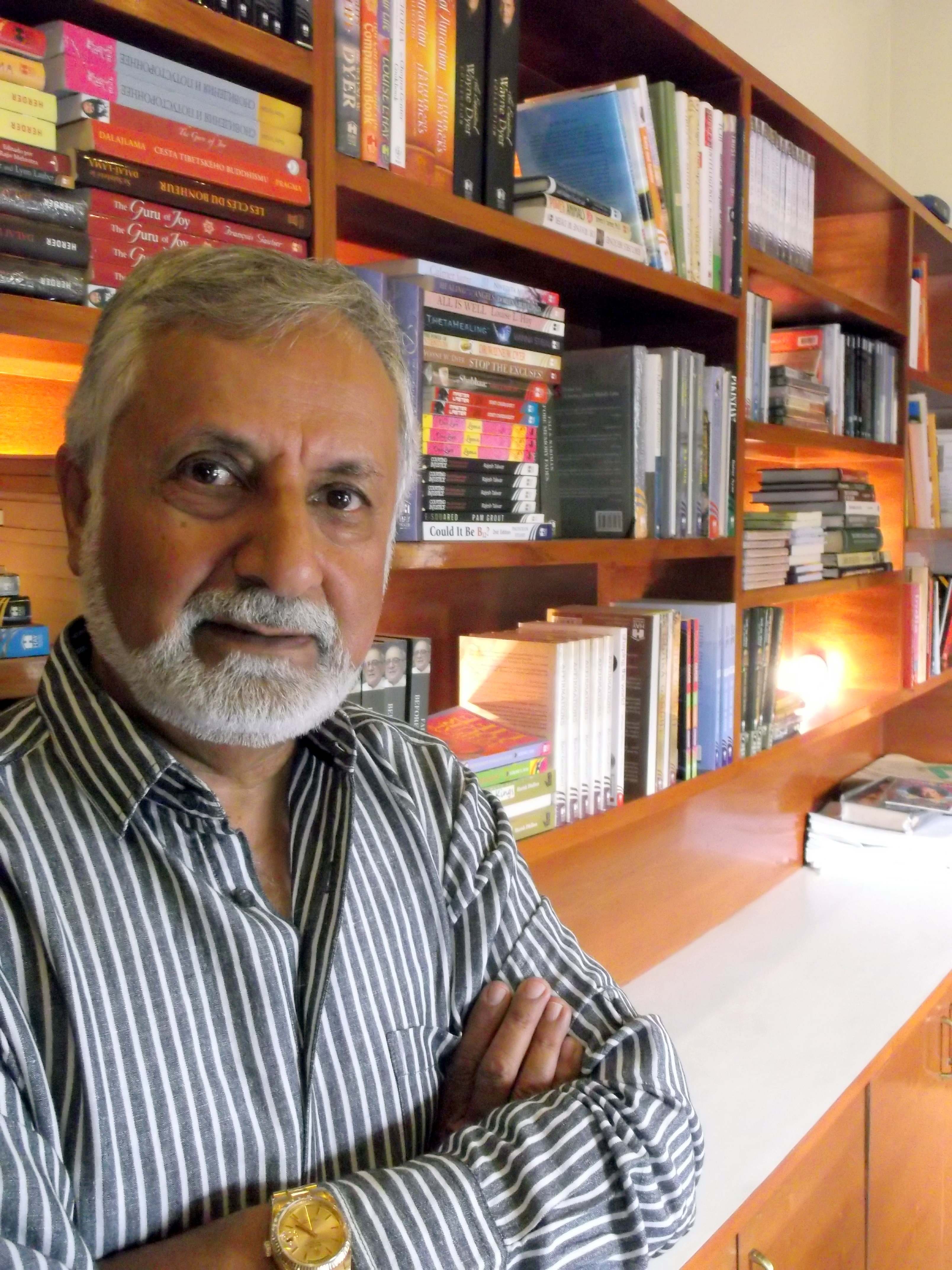
I’d met Ashok Chopra on several occasions at Khushwant Singh’s home. That was over two decades back. And around the same time I’d done a detailed interview with him, where he spoke of the various ups and downs, turns and twists  in his professional life. Of course, webbed and inter-webbed were his absolutely hitting comments on books and volumes and writings, authors and publishers, and his own life and lifestyle.

And now, this summer of 2022, after years I met him once again, at Sanjiv Saraf’s book launch. And as we got talking, it got rather obvious that Chopra has been ongoing in that focused way. Not to be overlooked the fact that he started as a journo and has made a mark as publisher and also as an author. In fact, Chopra is one of those few publishers who is also an author. This combination is somewhat rare and offbeat, at least in our country.

Though he prefers to keep a low profile but I recall the who’s who on the literary circuit had made it a point to focus on him. Khushwant Singh had called him the “pushy publisher”. Shobha De had described him as “a low key individual whose publishing list is middle brow and sensible… ”

And to these comments I can add that he’s absolutely forthright. And focused. So much so that over two decades back, in the late 90s, when he landed up with a heart attack, he didn’t contemplate taking a break, either from the publishing scene, or from the several columns he was then writing. As he had then told me, during the course a detailed interview with me, “Laying down I took to dictating my commentaries on the book scene from the hospital bed. …Coming to my own personal lifestyle, I think it is incorrect say that I have no time for friends. After the heart attack I follow a very disciplined lifestyle, but always appreciate the company of beautiful friends and writers.”

And his passion for the written word has resulted in his writing one  book after another. The  books  authored by  him are — Memories of  Fire – a novel,  The  Lovers of  Rampore – a  novel, A  Scrapbook  of  Memories, Of  Love  and Other Sorrows…

Holding out, of course, is his role as a publisher. This  veteran publisher  was earlier associated with several well- known and  reputed publishing houses, and had at one point even established his own publishing house. Today he heads Hay House Publishers India.

Leaving you with his this quote from the preface of his book – A Scrapbook of Memories – “Who is a book publisher? …A publisher is a man of many parts who can’t be slotted into a specific category. Perhaps, it may be easier to state what he is not if only to dispel some  notions in the  popular  mind. A  publisher is  not a scholar or a  pure  intellectual who  lives on ideas alone; he may have his head in the clouds but he is firmly rooted to the  ground….”


Voting rights to ‘outsiders’ spark fresh controversy in J-K

The Chief Electoral Officer announced on August 17 that an ordinarily residing person can now become a voter in J-K. Afterwards, at an all-party meeting organised by PAGD, eight parties vowed to fight against the govt ‘bid’ to snatch away the rights of people of J-K, writes Riyaz Wani

Kashmir is in the middle of a new political controversy. And it started with the chief electoral officer (CEO) Hirdesh Kumar Singh saying on August 17 that the special summary revision of electoral rolls in Jammu and Kashmir that started in July is likely to add around 2.5 million voters.

Singh explained that the number of voters was expected to increase because the exercise to update the electoral rolls was being carried out after a gap of three years. “Post abrogation of Article 370, an ordinarily residing person can become a voter in J&K to exercise his right to franchise,” he said.

Currently, an estimated 7.8 million people are enrolled as voters in the union territory.

Singh said that a person should be ordinarily residing in the UT for him to become a voter. “The electoral roll officer (ERO) and assistant ERO shall be the authority to take the call…. The persons could be ordinarily residing for a job, business, labour work, education etc,” he said. “Therefore, to become voters, people don’t need to be permanent residents of J&K and they do not need to be domiciled here as well.”

The CEO’s assertions have triggered a political storm in Kashmir, with the regional parties seeing it as an effort to alter the demographic character of the union territory. On August 22, the People’s Alliance of Gupkar Declaration (PAGD) held an all-party meeting which was incidentally also attended by Shiv Sena.

Eight political parties attended an all-party meet which was held at Dr Farooq Abdullah’s residence. The parties which took part in the  meeting were National Conference, Congress, Peoples Democratic Party, Awami National Conference, CPI(M), JDU, Akali Dal and Shiv Sena.

“The identity of Kashmiris, Dogras, Sikhs etc is under attack and if this decision is taken, it will make sure that outsiders control the assembly in Jammu and Kashmir, and we don’t accept this decision at all,” the PAGD chief Dr Farooq Abdullah said.

“It is not about Farooq Abdullah or any other leader alone but about the collective fight of people of Jammu and Kashmir. If tomorrow, Farooq Abdullah is no more, someone else from us will lead this fight for the genuine rights of the people of Jammu and Kashmir,” Abdullah added..

He also voiced apprehensions that the decision to add “ordinary residents” to the voters’ list will make the outsiders in the UT further vulnerable.

“We also think that the centre is making outsiders in the valley soft targets after coming up with such decisions,” Abdullah said.

Shiv Sena leader Manish Sahni, who for the first time attended the PAGD meet, said this was an issue of the people of Jammu and Kashmir and not of any political party. “If the situation demands, Shiv Sena will hold protests all across the country against the centre’s decision through which they want to snatch the rights of people of Jammu and Kashmir,” he said.

However, the People’s Conference led by Sajad Lone and the Apni Party headed by the businessman-turned-politician Altaf Bukhari didn’t attend the all-party meet. Lone held a separate press conference, though.

“We will wait till 1st October when the draft electoral rolls are published. If there is any wrongdoing, we will hit the streets, not only here but in front of all constitutional institutions of the country like Parliament,”  Lone said. “This battle cannot be fought here… we have to make people of India aware about what is happening.”

Government’s clarification

In response to this, the Jammu and Kashmir government on Saturday clarified that media reports about the addition of 25 lakh voters, including outsiders, is a “misrepresentation of facts by vested interests”.

It said that revision of electoral rolls will cover the existing residents of Jammu and Kashmir and the increase in numbers will be due to those voters who have attained the age of 18.

But the clarification has not satisfied the political parties who wonder how the numbers have risen so steeply since the abrogation of Article 370 in August 2019.

“We had District Development Council elections in 2020. How did the numbers change so drastically,” former J&K Chief Minister Omar Abdullah said in an interview to a television channel.

But no party in J&K thinks that the centre could be dissuaded from adding the voters to the electoral rolls and suspect that the larger design is altering the demographic profile of J&K.

“This will change everything. It will in one fell swoop dilute the Muslim majority character of J&K,” said a political analyst on the condition of anonymity. “Outsiders will be instrumental in electing the J&K Government. This will further disempower the locals.”

J&K population statitics

With a population of around 13.6 million, J&K, according to Census 2011, has 68.3 percent Muslim population, while Hindus constitute 30 percent, Sikhs 2 percent and Buddhists, who inhabit the separated Ladakh region, a little more than 1 percent.  The census shows the population of Kashmir as 69,07,623, Jammu as 53,50,811 and the now separated Ladakh as 2,90,492.

But when broken down into two regions – Kashmir and Jammu –  a different picture emerges. Kashmir’s population of around 70 lakh is over 97 percent Muslim, with the remaining 3 percent comprising Kashmiri Pandits and Sikhs. In contrast, Jammu’s population of more than 53 lakh comprises 65 percent Hindus, 31 percent Muslims and 4 percent Sikhs.

The demographics of the majority of the Assembly constituencies in Kashmir Valley favours the majority community as all 47 constituencies  are Muslim-dominated. Muslims were in majority in around 17 of 37 constituencies of Jammu.

Delimitation exercise

Aggravating the fears in the Valley, the recently concluded delimitation exercise has already awarded six out of a total of seven new seats to Jammu division. It has also redrawn the boundaries of the electoral constituencies to suit what political opponents say is the ideological agenda of the BJP. The Commission has thus been accused of gerrymandering to reduce the electoral weight of the Muslim majority constituencies.

The addition of new seats has taken the total Assembly constituencies in Jammu and Kashmir to 90.  The number of seats in Jammu division has increased from 37 to 43, while the number of seats in Kashmir has gone from 46 to 47.  This is despite the fact that an estimated 70 lakh people live in the Valley, according to the 2011 census, compared to 53 lakhs in Jammu division.

But add to this, the 25 lakh new voters who come from “ordinary residents” of the UT and the electoral game changes.

“Overnight, Jammu and Kashmir will cease to be India’s only Muslim majority region,” said a local politico not wishing to identify himself. “Muslims will become a minority in their own land.”

MOST POPULAR

HOT NEWS