CBI arrests TMC leader in West Bengal in chit fund case

CBI has arrested Trinamool Congress (TMC) leader Raju Sahani, who is the municipal chairman of Halisahar near Kolkata, in connection with a chit fund case related to Sunmarg Welfare Organisation (SWO), officials said on Friday.

The Central Bureau of Investigation (CBI) has recovered Rs 80 lakh in cash and a country-made firearm during searches, they added.

The CBI has found an alleged transfer of Rs 20 lakh from the accounts of a company related to the SWO trust to Grassroots Global Finance, a firm owned by Sahani, in 2012, the officials said.

It is also alleged that Sahani, the son of a CPI(M) leader, had given shelter to absconding SWO chairman Soumyarup Bhowmik in 2018-19 on his property, knowingly that the latter was on the run, in return for protection money.

The CBI probe has found that Sahani got a bank account opened for Bhowmik to facilitate the money coming from the sale of the trust’s properties.

It is also alleged that Rs 75 lakh were transferred by Bhowmik to Sahani in 2018-19.

The CBI said it has found transactions worth over Rs 1.5 crore between Bhowmik and Sahani.

In addition to the cash and the firearm, the federal probe agency has also found documents worth Rs 2.75 crore, three properties in West Bengal and foreign accounts during searches at Sahani’s premises, the officials said.

The CBI had registered the case on October 30, 2018 on the Supreme Court’s orders against Bhowmik, who is still absconding, and his accomplices Chandra Shekar Sabat, Brajo Gopal Dutta, Tufan Paul and Surajit Sarkar, the officials said.

EO New Delhi brings together experts to discuss funding scenario in 2022

Entrepreneurs’ Organization New Delhi Chapter (EO New Delhi) has launched its much-awaited Global Student Entrepreneur Awards (GSEA) 2022 for student entrepreneurs.

Under its ongoing digital campaign to create awareness about the upcoming competition and their focus on mentorship, EO New Delhi organised a live interactive panel discussion on the topic “Funding Scenario in 2022”.

The panel had prominent investors and venture capitalists, including Alex Kumar, Director at August One, Sameer Sood, Founder of Venture Highway and Sandro Stephen, VP of Indian Angel Network. The panel was moderated by Dilnawaz Khan, Founder of Power Deck. Dilnawaz initiated the session by talking about the apparent ‘funding winter’ that has deeply affected the funding process, prospects and criteria not only in India, but also globally.

Talking about the shift in the start-up ecosystem post the pandemic, Sandro shared how the recent changes have led to a correction in valuation. “Previously, the start-up entrepreneurs were quoting any number to the investors. Now the VCs are focusing more on clean tech and the sustainability of start-ups,” remarked Stephen.

Sameer Sood also chimed in his opinion and further added that “now the investors are not just looking at growth but also want founders to consider unit economics.”

The panellists also discussed the hot sectors that investors are scouting in 2022. Giving an international perspective, Alex shared, “Food tech, cybersecurity, and sustainability are definitely the sectors witnessing tremendous interest around the world.”

During the concluding statements, the panellists explained why investors look for honesty, team, timing, TAM (total addressable market), and domain expertise when assessing start-ups for funding.

“The panel provided direct insight into the pulse of the VC/ Seed investing market, with useful tips for student entrepreneurs on how to approach investors to raise seed capital,” said Anushka Kapoor, GSEA Chair for EO New Delhi.

Such panels represent the true essence of EO’s Global Student Entrepreneurship Awards program that aims to guide student entrepreneurs towards success,” added Kapoor.

Click Here to watch the entire panel discussion on YouTube.

Global Student Entrepreneur Awards (GSEA) is a premier global competition for student entrepreneurs providing them with mentorship, recognition and connections to help scale early stage businesses. At the EO GSEA Global Finals, students compete for a total cash prize of US$100,000. EO GSEA New Delhi has also announced cash rewards upto Rs 50,000 for the winner and runner-up of their chapter. Applications for GSEA Delhi 2022 are open for studentpreneurs from India. They can apply through visiting their official website, here. 

INS Vikrant example of India’s thrust to making defence sector self reliant: PM Modi

Prime Minister Narendra Modi on Friday said INS Vikrant is an example of Indian government’s thrust to making its defence sector self-reliant and has made the country part of the select group of nations who can indigenously make aircraft carriers.

Modi also unveiled the Indian Navy’s new ensign which drops the St George’s Cross and incorporates the royal seal of Chhatrapati Shivaji Maharaj.

Addressing a large gathering at the commissioning ceremony of INS Vikrant, Modi said with the new ensign, the country has shed its colonial past.

Till today Indian Naval flags carried a sign of slavery which has been replaced with a new one inspired by Chhatrapati Shivaji Maharaj, he said.

Modi also spoke about certain features of the aircraft carrier — which he described as a floating airfield, a floating town — and said that power generated in it can light up 5,000 houses.

“INS Vikrant is not a mere war machine but proof of India’s skill and talent. It is special, different,” Modi said and highlighted the indigenisation efforts behind the massive ship, including the steel that went into its making.

Government jobs from group D to HCS on sale in Haryana: Hooda

Chandigarh : After media address by former Union Minister as well as HPCC president Shelja also member of Congress working committee accused ruling government in Haryana state unable to control fast increasing crimes, especially against  women in the state, now Bhupinder Singh Hooda former chief minister Haryana while talking to media imposed allegations on ruling government in the state unable to control corruption in case of offering government jobs to youths which is un-justice to nearly 25 lakh unemployed youths in the state he added. Hooda said, all government jobs in Haryana state from group D to HCS rank are being sold, which cannot be denied since senior officer of Hayana Lok Sewa Aayog was caught red handed by State Vigilance Board while accepting bribe worth crores of rupees few months ago allegedly offered jobs to large number of group D employees, Naib Tehsildar, Dental Surgeons and for HCS ranks collecting bribe. Hooda demanded thorough investigation by a sitting High Court judge in the case.

Hooda said, in case of police recruitments it has been observed that jobs from the rank of constable to Sub Inspector are offered against bribe ranging from Rs 5 to Rs 50 lakh in the state, whereas since past eight years of ruling government large number of incidents of paper leaks and ‘cash for job’ have been exposed in the state and the party leaders claim ruling government as   corruption- free and a transparent. Meanwhile, Shelja too has demanded CBI investigation in jobs scandal s and written a letter to Haryana Chief Minister in this regard to provide justice to unemployed youths in the state being cheated due to corrupt practices by government officers.

While addressing media persons, former Chief Minister reminded the recent statement of a youth Amit Golan son of Randhir Singh Golan an independent MLA in the state Vidhan Sabha while addressing a press conference on 31st August stated how he was cheated by a BJP leader Vinod Kharb a resident of village Nara in Panipat district holding the position of BJP Kisan Morcha took from him Rs 49 lakh assuring a job to his cousin brother in police department but neither the job was offered nor amount refunded, rather threatened to kill him and a police complaint was registered at Panchkula 


Kejriwal govt wins confidence vote amid walkout by BJP legislators

Delhi Assembly on Thursday passed the confidence motion tabled by Chief Minister Arvind Kejriwal even as five BJP MLAs staged a walkout after their party colleagues were marshalled out of the House over an argument with the deputy speaker.

Chief Minister Arvind Kejriwal said he brought the motion to prove to the country that the BJP cannot buy Aam Aadmi Party MLAs and the saffron party’s ‘Operation Lotus’ had “failed” in Delhi.

The AAP has 62 MLAs in the 70-member assembly. The remaining eight belong to the BJP.

There was no vote against the confidence motion as all the AAP MLAs present in the House voted in its favour as expected while all the BJP legislators were out of the House by then.

BJP MLAs Vijender Gupta, Abhay Verma and Mohan Singh Bisht were marshalled out following an argument with Deputy Speaker Rakhi Birla, who did not heed their demand to take up their calling attention notices before a discussion on the confidence motion. The remaining five walked out in protest.

Birla later adjourned the House sine die. Participating in the discussion on the confidence motion, Kejriwal said, “We have 62 MLAs, of which the Speaker (Ram Niwas Goel) is in Canada, Naresh Balyan is in Australia and Satyendar Jain is in jail. The rest are here and you can count the numbers.”

He said he brought the motion to show that the BJP cannot buy his MLAs. Trying to project the AAP as an alternative to the BJP ahead of the 2024 Lok Sabha elections, Kejriwal said there are only two parties at the national level at present — ‘Kattar imaandar (hardcore honest) party and Kattar be-imaan (hardcore corrupt) party’.

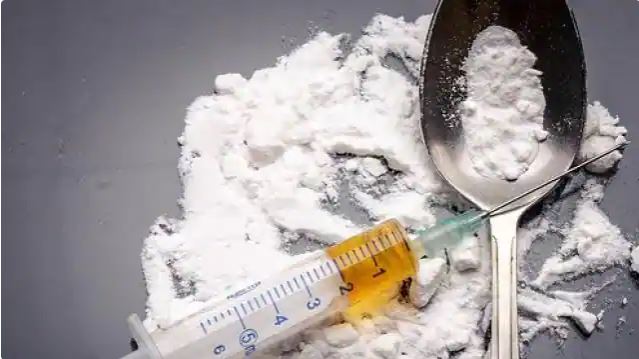
Drugs for a high: From Mumbai to Kolkata


An investigative report by Tehelka SIT tells an insider’s account of the Bollywood drug parties and also reveals how easy it is to get drugs on the streets of Kolkata

“Once upon a time I used to take Cocaine for 12 hours continuously. Starting at 9 in the evening and finishing next day morning same time. It gave me energy. Why some Bollywood stars are  taking cocaine? Just to get energy! Shooting for films in three shifts in a row, not going home and not taking rest exhaust them. So to get fresh energy they require cocaine. The same reason drew me to the drug too. No one working with me was willing to go home. They all used to sit around me and take the drug, so how could I stop myself from taking it. So I also got sucked into it for the sake of energy. We used to spend lakhs of rupees in one night on cocaine”. This is what a renowned Bollywood dance choreographer, a musician-turned-DJ, on the condition of not mentioning his name in the story revealed to Tehelka.
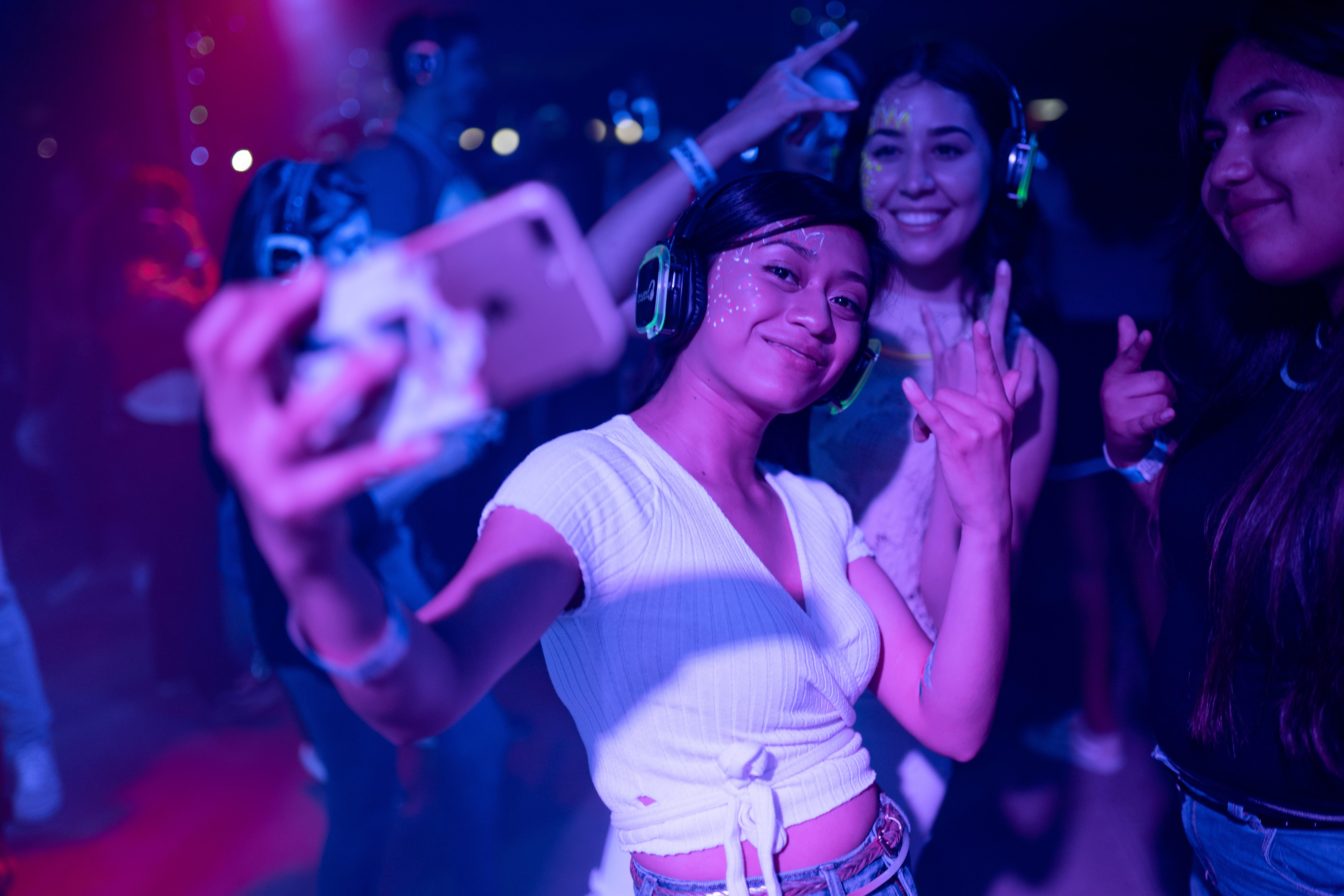
This DJ who claimed to have performed for Amitabh Bachchan in his suite in Singapore, and at the homes of Shahrukh Khan and Salman Khan in Mumbai is an Indian film singer/music director, who has worked predominantly in Bollywood. This musician has mainly composed popular music, and his three remix albums have been big hits. Considered to be one of the pioneers of DJ music in India, he is also famous for being privy to the inside stories of drug parties of some Bollywood stars. It can be safely said that he is an eyewitness to most of the Bollywood drug parties. Posing as a film maker who wants to make a film on ‘Bollywood and drugs’ subject, Tehelka reporter met this music composer in Mumbai’s five star hotel. The DJ candidly confessed to Tehelka that he himself was taking cocaine at one time.
DJ… “I used to do it once upon a time”.

Reporter…. “Aap kaun si lete they pehley” ?

DJ…. “Cocaine”.

Reporter….. “Cocaine lete they aap” ?

DJ…. “Ab koi choice hi nahin raha. Ab sab le rahe hain yahan baithkar ab kya karun?. There was a time when I used to drink also. But I do not drink now”.

[The  DJ said that as he was left with no choice so he started taking cocaine. When everybody around him were taking cocaine, what alone he would do while sitting among them, he expleined]

The DJ told Tehelka that there was a time that he used to take cocaine continuously for 12 hours. Starting at 9 at night and finishing around the same time next morning.

Reporter… “DJ bhai apko aadat kaisey padi” ?
DJ…. “Aadat nahin padi, Aadat nahin padi, because just for ye mera dost hai ye le raha hai. Ye meri jaan hai. Tu bhi meri jaan hai. Tu bhi taste kar to le yaar”.

Reporter…. “Aapne kaafi time tak to liya na aapne”

DJ…. “May be for a few months… 6-8 months”.

Reporter…. “That’s it?  Kitna gram lete they aap” ?

DJ…. “A lot…wo khatm hi nahin hota tha. Hum log shuru karte they 9 baje raat ko. Aur wo khatm hota tha doosrey din subah ke 10-11-12 baje”.

Reporter….. “12 ghante” ?

DJ…. “Haan”..

[The DJ revealed how he got into cocaine routine through his friends, and how he along with them used to consume cocaine the whole night]

The DJ explained that cocaine gave energy to the actors and other Bollywood people who worked overnight and did many shifts in a row.

Reporter…. “Energy aati hai”?

DJ …. “Actor log kyon le rahe hai, because they do 3 shifts karta hai. Neend-veend sab gul ho jaati hai. Nasha ek bottle daru pee lo aur aap 2 line maar lo cocaine. Your nasha will be levelized.”

Reporter…. “Aap ne kyon kiya itna lumba”?

DJ…. “Meri company aisi thi koi ghar jaaney key liye tayyar nahin hai. Paisey padey hue hai. Gaddiyan padi hui hain. Lakhon rupay hain.. aur mangao aur mangao!” ?

[ The DJ confessed that some actors take cocaine for  regaining the energy they lose after working continuously  in shifts. He himself also took cocaine because none of his colleagues was  willing to go home. They used to spend lakhs on cocaine in one night]


The DJ now told Tehelka as to how cocaine makes an individual super active, raises his energy levels. After consuming it one can’t sit idle; he would want girls, music, dance etc., he said)

DJ…. “Cocaine is a high kick. If you have it; what would you do after that?. You go mad. Tumko chahiye hogi ladkiyan. Tumko chahiye hoga music. Tumko chahiye hoga. Tum kahin room main baith gaye na, inko maar dongey aap”

Reporter….. “Cocaine ke baad” ?

DJ…. “Hmm”.

[According to the DJ, cocaine gives high energy. So after having it, one wants to get involved in something or the other. Like girls, music, dance etc. After consuming cocaine, one can’t sit idle. He will go mad if he doesn’t find something to do.]

As the conversation with the DJ progressed, he revealed as to how Bollywood people get drugs through “Gotey” [Local name given to their supplier]. They are their trusted peddlers, who regularly supply drugs to them.

Reporter…. “Haan sir bata rahe they Gotey hotey hai” ?

DJ…. “They go and they pick up stuff for them, they do not go themselves”.

Reporter…. “Aur kabhi pakdey gaye ye log” ?


DJ…. “Pakdey gaye na ……ka kya hua tha” ?

Reporter…. “Wo to khud hi pakda gaya tha…..Uska bhi ye hi hua tha. Uska kaisey hue tha” ?

DJ…. “Nahin-nahin supplier ne naam liya tha”.

The  DJ told Tehelka that Bollywood stars have their dedicated suppliers called “Gotey” in local parlance who supply drugs to them. He also named two famous stars who were caught with drugs. According to DJ, they were arrested because the supplier revealed their names to the police.]

Which drug is presently in huge demand in Bollywood ? In reply to this, the DJ said, “Cocaine”. And also revealed its rate. Rs 10,000 per gram. And one gram is nothing in 4-5 people. Then we look for supplier. A supplier they select is always a type of a man who no one can suspect. An old guy will come on old scooter and deliver the stuff!.

Reporter…. “Abhi sabse jyada kya bikta hai Bollywood mein” ?

DJ…. “Cocaine”.

Reporter…. “Cocaine”?

DJ….. “Hmm”.

Reporter….. “Bahut mehnga hoga”?

DJ….. “It is expensive”

Reporter….. “Kya rate hoga sir” ?

DJ…. “Abhi Rs 10 thousand for a gram.

Reporter…. “Cocaine”?


DJ….. “A gram.. gram is nothing”.

Reporter….. “Ek gram main kuch nahin hai” ?

DJ…. “Ek gram main kuch nahin hain. Teen-chaar-paanch log kum se kum hota hai”.

Reporter…. “Ek time main”?

DJ…. “Haan ek time main. Khalaas [khatm] ho jaata hain. Main lunga chaar paanch line bana liya. Main lunga, usko 2 chahiye. Usne 2 line maar di, to kharcha ho gaya aur zyada. Usko phone karo”.

Reporter…. “Supplier ko”?

DJ…. “Wo ayega scooter par tooti- footi. Buda aadmi ko ye log select karte hai sala. Koi bol hi nahin sakta hai iske pass kya hai. Waisa wala  aadmi ayega”.

Reporter…. “Kitne time main aa jaata hai”.
DJ…. “Wo fatafat aa jaata hai. Har area main unke rehte hai. Har area main unke rehte hai”.

[ The DJ confessed that cocaine is in huge demand in Bollywood. It is also very expensive: Rs 10k per gram. And gram is nothing at a place where 4-5 people sit at a time and consume cocaine. So we look for supplier. Supplier is always an old man, on whom no one will have any doubt. He come on an old scooter to deliver the stuff.]

According to the DJ, cocaine in Bollywood is a never ending story. Stars discuss about their supplier. Their rates, their purity. And that too the whole night.

DJ…. “Mera dealer kaun hai aur tera dealer kaun hai.? Mera maal achcha hai.. tera maal kaisa hai.. kitna pure hai” ?

Reporter…. “Accha ye bhi baat hoti hai”?

DJ…. “Arey ye to main hai. Subject ye hai. Yahan par shuru hoti hai. Subah ho jaati hai”.

Reporter…. “Ki dealer kissey liya”.

DJ…. “Haan, kahan se aaya hai. Columbia ke kaun se gaanv se aayi hai. Aur wo kahan pahucha aur kahan mixing hui. Aur phir kya milaya usmein aur phir. Haan yahan rakha to usmein mera ek side mera thoda sa zyada hua. Tera kum hua. Arey bade kamaal cheez cocaine hai. Matlab never ending story hai ye.

[ The DJ told Tehelka that Bollywood stars for the whole night sit and discuss about their suppliers, the purity of drugs, from which country it is from, its rate etc. They also argue that their drug is more pure than the others. From which village of Columbia the drug has come.]


After the DJ, Tehelka met another renowned Assistant Action Director of the Bollywood, who is also an eyewitness to many Bollywood drug parties. He also revealed the Bollywood stars’ love for the drugs, but again on the condition of not mentioning his name in the story. According to this action director, Mira road of Mumbai is a go-to place for drugs. There, a number of Africans sell drugs to the stars.

Reporter….. “Inko milti kaisey hai sab ko” ?
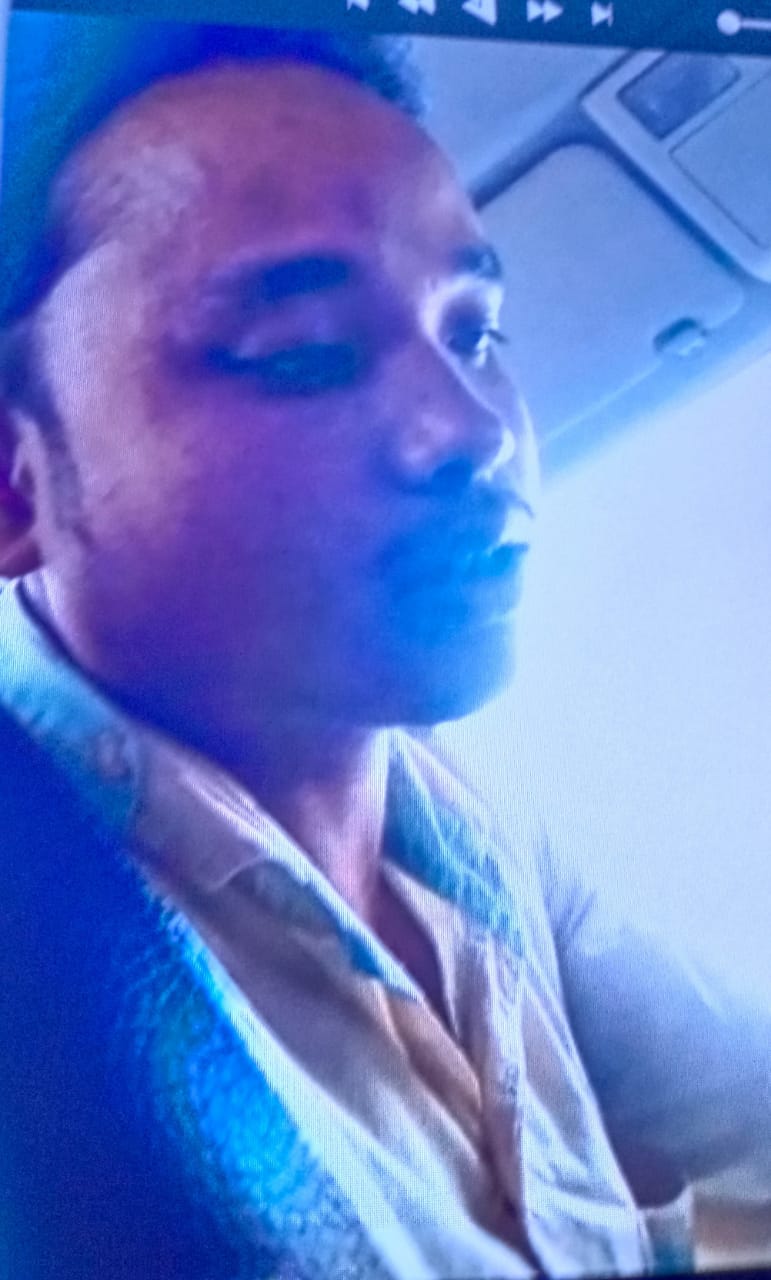
AD…. “Arey kitni milti hai aap chaley jao Mira road mein. Kitney neegro log bech rahe hai drugs.”

Reporter….. “Mira road mein”?

AD…. “Phir”.

Reporter….. “Mira road to bahut dur hai”.?

AD…. “Haan”.

[The AD said that Mumbai’s Mira road is full of Africans who sell drugs to the Bollywood people]

Now the AD told Tehelka that stars don’t do drug parties openly. They take drugs privately in a room. So nobody can make out if they have consumed any drug. It is only from their eyes one can make out that they have done drugs.

AD…. “Waisey drugs wagahrah wali party aisey nahin hoti”.

Reporter…. “Kaisi hoti hai” ?

AD…. “Drugs wali party main sirf actor log hi rehte hai” ?

Reporter…. “Jo drug lete hain” .

AD…. “Haan aur wo chupke se ek room main hi karte hai.. wo log aur kisi ke saamney aisa karte nahin hai. Ab kya liya wo bhi nahin maloom padega apko. Kya lekar aaya wo. Lekin uski aankhon se dekh kar pata chal jayega.. Itni jaldi itna nasha nahin hota kisi ko”.

[The AD revealed to Tehelka that Bollywood stars don’t take drugs openly. Whatever they take privately, it is tough to make it out what they have taken. It is only through their eyes one can guess that they are under the influence of drug. ]

The AD now narrated one incident of a famous film director with whom he was working as his assistant. On an Ad film shoot, the director took so much of charas that he couldn’t got up next morning for the shoot. Later he asked the AD to shoot the ad.

AD…. “Main apna kissa batata hoon unke saath kya hua tha”.

Reporter…. “Haan-nahin wo charsi wala bataiye”.

AD…. “Charsi wala”?

Reporter…. “Haan”.

AD….. “Charsi wala, hum log Goa main they”.

Reporter…. “Ek minute”.

AD…. “Sir ne to pee li daba ke ekdum”.

Reporter…. “Kaun si pee thi” ?

AD…. “Wo to maloom nahin kya thi par itni pee li ki poochon mat”.

Reporter…. “Daru to nahin thi na” ?

AD…. “Daru thi na daru thi”.

Reporter…. “Nahin Charas ki baat ho rahi hai”.?

AD….. “Daru-Charas sab wahin karte wo”.

Reporter…. “OK”.

Reporter…. “Phir kya hua” ?

AD…. “Phir kya uthey hi nahin.. to subah shoot hain. Mere ko bola.. Bunty too jaa ke kar”.

Reporter…. “Kaun si film”?

AD…. “Film nahin thi.. ad film thi”.

[ The AD narrated an incident while he was in Goa for an ad film shoot. A renowned film director of India with whom he was working an assistant director consumed so much of liquor and charas that he couldn’t get up the next morning on time for the shoot. Consequently, he asked the AD to go out and shoot for him].

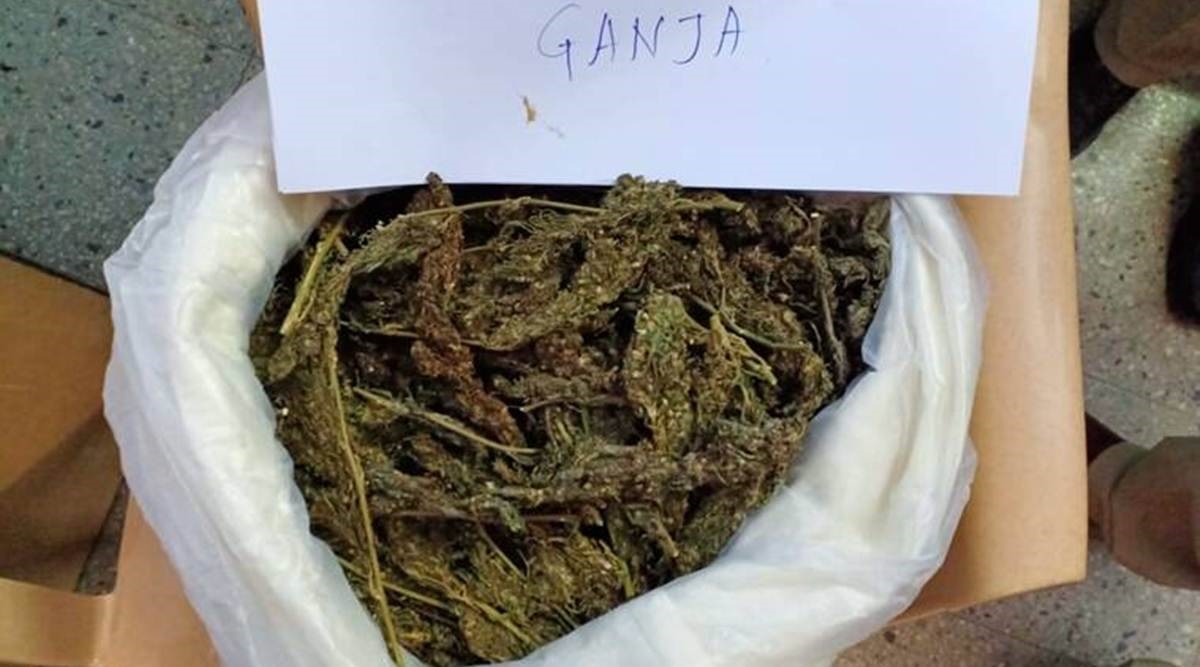
After Mumbai, Maharashtra, Tehelka now travelled to Kolkata, West Bengal, in search of drug being sold on the streets of another metro city of the country. Not to our surprise we easily came across a peddler name Kartik in Darjeeling. We told Kartik that we are organising a 100-people drug party in Darjeeling. For that we require “gaanja”. Kartik immediately agreed to supply us the same in kilos.
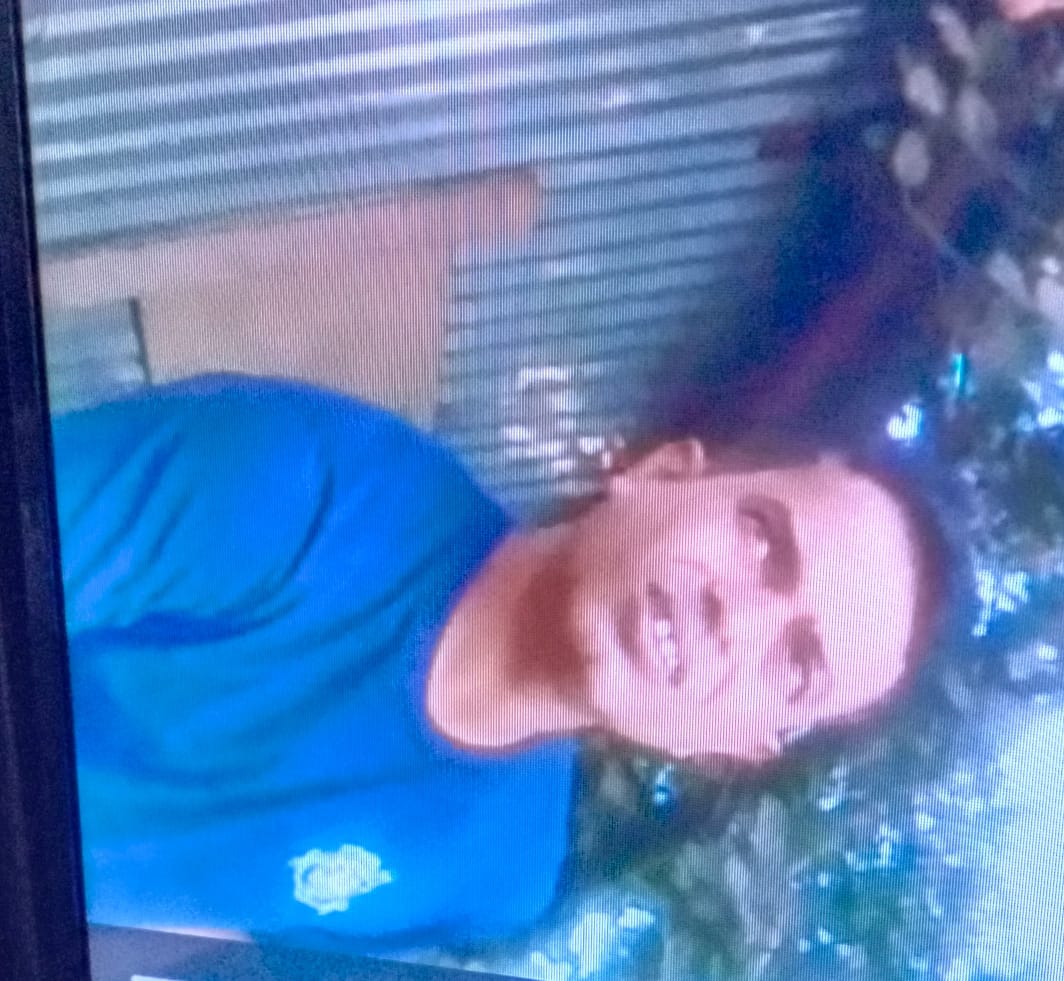
Reporter…. “Achcha Kartik kitna maal de sakte ho humein abhi tum party ke liye” ?

Kartik…. “Abhi dost ke saath baat kar lete hai”.

Reporter…. “Nahin gaanja kitna de sakte ho. 100 logon key liye. 100 logon ke liye gaanja de dogey” ?

Kartik…. “Haan de dengey”.

Reporter…. “Hmm”.

Kartik…. “Haan”.

Reporter…. “Kitna hona chahiye 100 logon ke liye”?

Kartik…. “100 logon ke liye aap jitna bologey utna de dengey. 1kg, 1.50 kg”.

Reporter…. “De dogey”?

Kartik…. “Haan de dengey”.

Reporter…. “Kya rate hoga 1kg ka” ?

Kartik…. “1kg ka kya rate chal raha wo dekhna padega.. abhi bazaar ka daily ka rate up and down hota hai na. 100 gm 600-700 rupay leta hai”.

Reporter…. “100 gm 700 rupay ka” ?

[Kartik, the drug peddler, told us that he can provide us gaanja in kilos for our 100 people drug party in Darjeeling. He told us its present rate, which is Rs 600-700 for 100 gm]

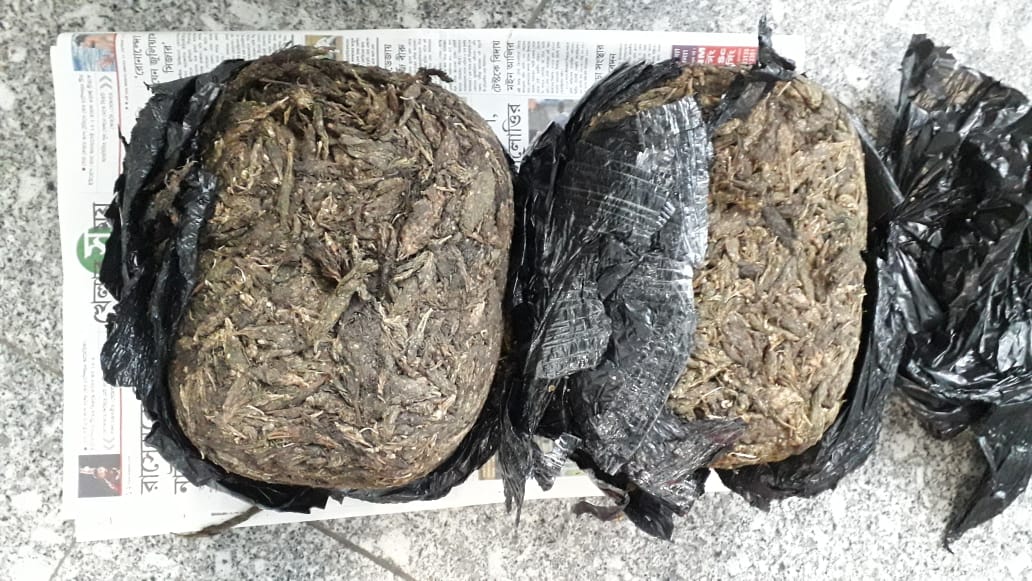
Now Kartik showed us the gaanja pouch he was carrying with him.

Reporter…. “Ye kya hai ye”? Nahin ye kya hai ye” ?

Kartik…. “Gaanja”.

Reporter…. “Humein charas chahiye”.?

Kartik….. “Charas chahiye”.?

Reporter….. “Haan”.

Kartik….. “Charas to abhi shaam ko milega”.

Reporter….. “Ye kitney ka hai poodiya” ?

Kartik…. “Ye 300 ka hai”.

Reporter…. “Tum to bahut mehnga de rahe ho” ?

Kartik…. “Mehnga nahin hai. Hum log roz hi lete hai”.

[ Now Kartik showed us the gaanja pouch he was carrying with him. And told us its rate, which was Rs 300 for one pouch. He says he purchased them daily at the same rate.]

Kartik revealed to Tehelka that the gaanja he is purchasing from Baagdogra is of high quality. That is why one 5-6 gm pouch is costing him Rs 600.

Reporter…. “Tum kahan se lete ho ye gaanja” ?

Kartik…. “Ye to hum Baagdogra se lete hai”.

Reporter…. “Tum kitne ka lete ho packet apne liye” ?

Kartik…. “300 ka lete hai”.

Reporter…. “300 ka hi lete ho aap bhi. Mehnga hai yaar” ?

Kartik…. “Ye to mehnga padega hi. Ye high quality ka hai”.

Reporter…. “Ek pouch main kitna hota hai…ek pouch” ?

Kartik…. “Ek pouch main maan lijiye hoga 5-6 gram.

[Kartik told Tehelka that the gaanja he purchased from Baagdogra is of high quality. That is why one pouch of 5-6 gm cost him Rs 300.]

In Darjeeling itself after Kartik, we met another drug peddler, Sanjay Mandal. He admitted to Tehelka that just before meeting us he was taking brown sugar. Sanjay told us that the rate of one gm brown sugar is Rs 2,000. He agreed to supply brown sugar to us.

Reporter…. “Tum bhi lete ho brown sugar” ?

Sanjay …. “Kabhi-Kabhi leta hoon. Leta hoon”.

Reporter….. “Humein to tumney dilwai nahin. 3 din se yahan par hai”.

Sanjay… Suniye sir. Main to leta hoon. Main to abhi bhi le hi raha tha. Aap log phone kiye to main”.

Reporter…. “Brown Sugar abhi hai” ?

Sanjay …. “Saamney se lena padega”.

Reporter…. “Kitney ka”.?

Sanjay …. “Yahan 2000 rupay ka 1 gm aata hai”.

[Sanjay revealed to Tehelka that he was taking brown sugar just before he came to meet us. He said he can arrange brown sugar for us also. The rate will be Rs 2000 for 1 gm]

From Darjeeling, Tehelka travelled to Kolkata, and near Kolkata Airport met another drug peddler, who was also named Kartik. He was sitting on the pavement and was selling gaanja.

Reporter…. “Hai kuch”. ?

Kartik…. “Haan”.

Reporter…. “Kya hai” ?

Kartik…. “Gaanja hai”.

Reporter…. “Charas hai charas” ?

Kartik…. “Charas nahin hai”.

Reporter…. “Cocaine” ?

Kartik…. “Cocaine-charas nahin hai. Sirf yehi hai”.

Reporter…. “Gaanja”.?

Kartik…. “ Haan”.

Reporter….. “1 packet kitne ka hai” ?

Kartik…. “Ek 200 ka karke hai”.

Reporter…. “1 packet main kitna hai” ?

Kartik…. “Ye kitna hai malik jaanta hai. Hum nahin jaanta hai. Hum log to packet mein karke bech deta hai. Hum bechta hai”.

[The drug peddler sitting near the Kolkata Airport told Tehelka that he sells only gaanja pouches. He doesn’t have charas or cocaine. One pouch of gaanja costs Rs 200.]

Now Kartik told us the rates of both loose gaanja and gaanja pouch he is selling to the customers.

Reporter…. “25gm gaanja kitne ka bataya aapne” ?

Kartik…. “600 rupay ka”

Reporter…. “600 rupay ka 25 gm gaanja khula. Aur ye packet jo hai 200 rupay ka” ?

Kartik…. “200 hai ye”.

Reporter…. “Dono mein kitna hai” ?

Kartik…. “Wo hum nahin jaanta”.

[Kartik revealed the rates of both the loose gaanja and gaanja pouch to Tehelka].

Kartik now confessed that everyday he sits near the Kolkata airport and sells Gaanja.

Reporter…. “Time kya hai yahan baithney ka” ?

Kartik…. “Aap 12 baje key baad  aaiyega”.

Reporter…. “Dopahar ko 12  baje ke baad. Aur raat ko kitney baje tak” ?

Kartik…. “6.30 baje tak”.

Reporter…. “Roz milte ho aap yahin. Naam kya hai aapka” ?

Kartik…. “Humara naam Kartik hai”.

[Kartik then told Tehelka his office hours. He said he comes at 12 noon and leave the Airport by 6.30 in evening after selling gaanja.”]

After Kartik, Tehelka met another drug peddler Chandu at the national highway, Kolkata. Chandu was also found selling gaanja to a customer. He immediately told us the rates of the  gaanja pouch he is selling.

Reporter…. “Charas-charas” ?

Chandu…. “Charas nahin hai”.

Reporter…. “Gaanja”.?

Chandu…. “Hai”.

Reporter….. “Charas nahin hai” ?

Chandu…. “Nahin”.

Reporter…. “Gaanjey ki pudiya” ?

Chandu….. “200 rupay ka diya hai”.

Reporter…. “Gaanja kya rate hai” ?

Chandu…. “100 rupay ka hai. 20 rupay ka hai.

[Chandu, another peddler, selling his wares at National highway Kolkata told Tehelka that he doesn’t  sell charas and only sells gaanja. He said some of the gaanja pouches he is carrying cost Rs 20 while some cost Rs 100. ]

After meeting drug peddlers on Kolkata streets, Tehelka now met a woman selling gaanja on Kolkata streets. The woman didn’t disclose her name to Tehelka but assured us that the gaanja she is selling is of high quality, and is reasonably priced. She claimed that if we buy the same gaanja from the airport it will cost us double the price she is charging. She further revealed that she initially thought that we were policewallas.

Woman peddler…. “500 ruapy ka hai gaanja”.

Reporter…. “Charas hai” ?

Woman peedler…. “Charas nahin gaanja hai. Achchey wala”.

Reporter…. “Dikhao” ?
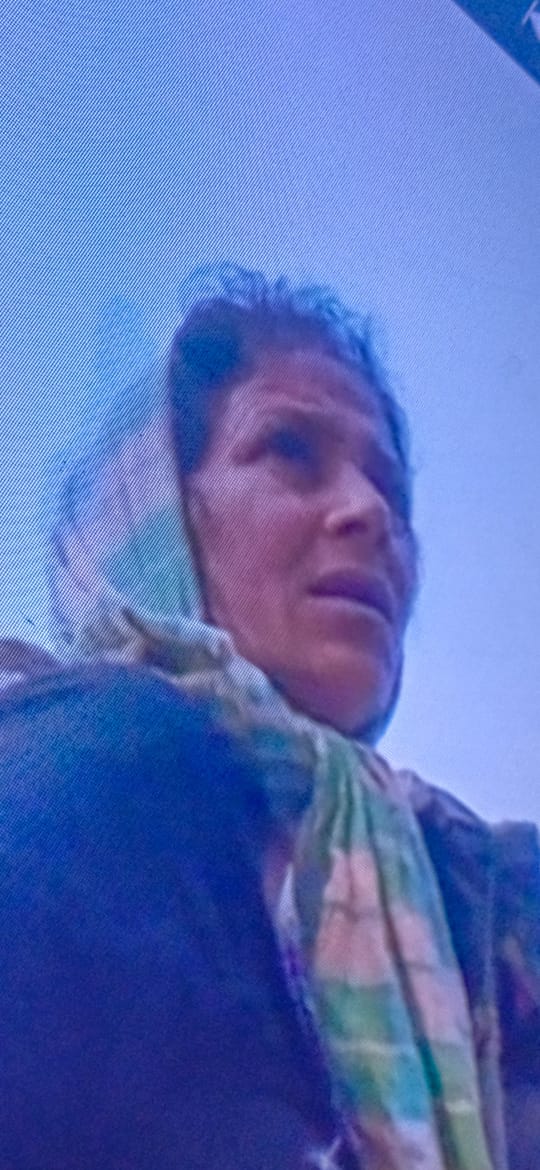
Woman peddler…. “Ye bahut achchey wala hai. Ye airport par le jayega 1,000 rupay ka bechega”.

Reporter…. “Humein bechna nahin hai humein to apne liye chahiye”.

Woman peddler…. “Jaanta hai”.

Woman peddler…. “Hum soch raha tha policewalla hai, isliye nahin dikhaya”

Woman peddler…. “Ye achchey wala hai ek lijiye doosri baar ayogey ye lene ke baad”.

[ Woman peddler told Tehelka that she sells gaanja of high quality. She added that the same quality is sold at double the price at the Kolkata airport.]
Mamata Banerjee

Tehelka’s investigation has revealed that it is not only the Bollywood which is in the grip of drug abuse. The other industries, including fashion industry, are also known for the rampant use of drugs. Forget industries, drugs are easily available even on the streets of Mumbai and Kolkata. Sadly, the recreational drugs have become easily available since it has a very aggressive market. Also, unlike alcohol and regular cigarettes it is very difficult to find out whether someone standing next to you is under the influence of drug or not. School children are also getting addicted to drugs, because it is easily available in almost all the cities. During our investigation at one place in Kolkata, we found customers coming with money and purchasing gaanja pouches from the peddler. All one needs is a good cash in one’s pocket to buy any type of drug from the market.



Drug trafficking: the mounting challenge ahead!

The other day at a Narcotics Control Bureau organised national conference at Chandigarh, the Union Home Minister Amit Shah claimed that the Centre’s zero-tolerance policy towards narcotics is showing results. There has been a 200 per cent increase in the number of cases registered during the past seven years and there has been a 260 per cent increase in arrests made. Shah observed that in the 75th year of Independence, the Prime Minister Narendra Modi’s call for a ‘Drugs free India’ has to be made into a strong resolve in this period of ‘Amrit Kal’. The Home Minister said that from 2014 to 2022, the value of confiscated drugs in the last 8 years is almost 25 times more than in the previous eight years. So far so good.

However, investigations by Tehelka SIT tell an insider’s account of the drug parties and also reveals how easy it is to get drugs on the streets of Kolkata. The cover story of this issue ‘Drugs for a high: From Mumbai to Kolkata’ finds that it is not only Bollywood which is in the grip of drug abuse but other industries, including the fashion industry, are also known for the rampant use of drugs. Forget industries, drugs are easily available even on the streets of Mumbai and Kolkata, luring even school children provided you have good cash in your pocket.

When the Directorate of Revenue Intelligence intercepted three containers from Iran at Mundra with heroin worth a whopping Rs 21,000 crore, it sent shock waves. A drug bust by the Narcotics Control Bureau sent alarm bells ringing as it uncovered a pan-India ring that used the darknet, or anonymous proxy networks, and crypto currency to traffic narcotic substances.  The recent World Drug Report of UNODC released to mark the International Day against Drug Abuse and Illicit Trafficking highlighted drug use among women and youth.  According to a report released in the 2022, around 284 million people aged 15-64 used drugs worldwide, marking a 26 per cent increase over the previous decade.

Women now represent an estimated 45-49 per cent of users of amphetamines and non-medical users of pharmaceutical stimulants, pharmaceutical opioids, sedatives, tranquillisers and injecting drugs. India is wedged between the world’s two largest areas of illicit opium production, the Golden Crescent and the Golden Triangle making us more vulnerable being a destination and a transit route for opiates produced in these regions. Reports suggest that more than half of the illegal heroin used throughout the world comes from the Golden Triangle where the borders of Burma, Laos and Thailand meet. The other important international narcotics smuggling route, the Golden Crescent, cover Iran, Afghanistan and Pakistan.

The Tehelka report should be a reminder that there is an urgent need to launch covert operations so that networks are broken to make India a drug free country. The question is do we have a road map for this avowed dream?


Despite fears, Valley remains safe from the Taliban spillover

So far, the Taliban’s take over of  Kabul has had no detrimental fallout on the region’s security landscape, especially in Kashmir where it was most anticipated, reports Riaz Wani

On August 15, 2021, the Taliban took over Kabul after fighting the United States to a standstill following a war of attrition that stretched over two decades.  A year on, the Taliban is now firmly in control of the country, having vanquished all opposition, including in Panjshir. But so far the Taliban regime in Kabul has had no detrimental fallout on the region’s security landscape, especially in Kashmir where it was most anticipated.

As the Taliban forced the US into a chaotic, hasty withdrawal last year, India was alarmed. Top BJP leader Ram Madhav was the first to warn of “serious security challenges”. He said the end of the war would free over “30, 000 mercenaries,” in Afghanistan who would be deployed elsewhere. But the fears have not come true as there has been no expected escalation in violence in Kashmir.

The militancy in the Valley, despite occasional killings, remains at its lowest ebb in years. So much so, that at times its end seems very much at hand. True, there has been some spillover of arms from Afghanistan, confirmed early this year by none other than the then Army chief General Manoj Mukund Naravane.

In the recent past, videos showing militants carrying M249 automatic rifles, 509 tactical guns, M1911 pistols, and M4 carbine rifles have surfaced. Security forces have also recovered over a dozen Iridium satellite phones and Wifi-enabled thermal imagery devices that help militants to infiltrate and circumvent security cordons. These weapons were used by the US forces in Afghanistan. But these weapons have made no difference to the prevailing situation on the ground.

This is unlike the Taliban’s previous stint in power, which led to a steep rise in violence in the Valley. A few scores of Afghan and Afghan-trained militants scaled up the violence in Kashmir. But that there has been no turn for the worse in the violence in Kashmir this time round testifies to the fact that the world has moved on. The Taliban itself has shown some indifference to any involvement in Kashmir. It craves global legitimacy, aid and recognition, and it just doesn’t want to get associated with other battles. And this is also apparent from the balanced noises its leaders have so far made on Kashmir. Soon after taking control of Kabul last year, the Taliban made it clear that Kashmir was “an internal and bilateral issue”.  Senior Taliban leader Anas Haqqani said in an interview with an Indian Television channel that Kashmir was being beyond its “jurisdiction”.  Another leader of the outfit, Sher Mohammad Abbas Stanekzai said the Taliban wants economic and political ties with India.

Ever since the Taliban has, more or less, lived up to these expectations. It has largely kept to itself, busy mopping up the fallout of four decades of war and conflict. The outfit faces an egregious and nearly impossible task of rebuilding the country, and it has no resources to do this. Also, the twenty years of war with the US appear to have sobered the Taliban, at least, as far as exporting militancy.

But it is also true that the pan-Islamic jihadi groups like Al Qaeda have once again found refuge in the country as the recent killing of Al Zawahiri in a US drone attack reveals. Besides, ISIS is also active in Afghanistan, but it is at war with the Taliban.  The latest report on Afghanistan by the United Nations Security Council contains alarming details on the activities of militant groups, including al Qaeda, now allegedly enjoying the Taliban’s protection in Afghanistan. The report indicated that Afghanistan has essentially reverted to the state it was in before 9/11, when it hosted Osama bin Laden, the leader of al Qaeda. Would the killing of Al Zawahiri force the Taliban to change its mind on once again hosting Al Qaeda and the other international jihadi groups? The coming weeks and months will make things more clear.


Issue of women addicts awaits Punjab govt’s attention

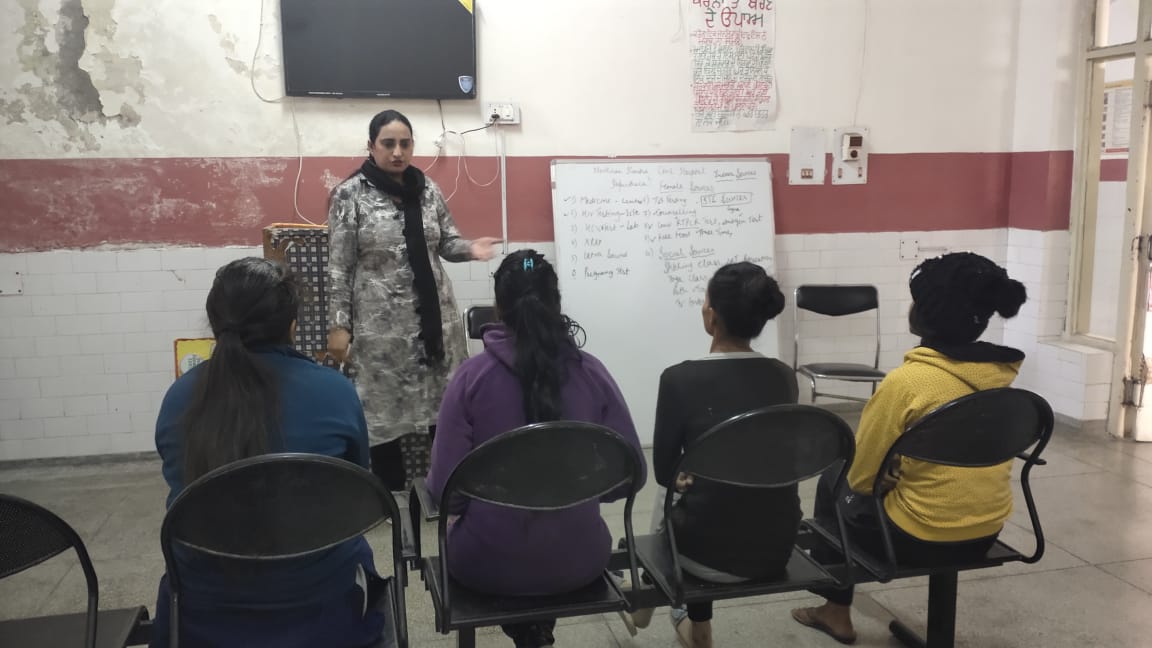
Though women form a significant percentage of state’s addicts, they are yet to make it to the official data as a recordable figure. Dedicated de-addiction treatment, rehabilitation plans are needed for the women battling addiction, assault and stigma, writes Aayush Goel

In its long battle with drugs and addiction, Punjab has been struggling and failing on one front: the addiction among women.

Though women form a significant percentage of state’s addicts, they still have to make it to the official data as a recordable figure. Battling addiction, assault and stigma, the women addicts eagerly await dedicated attention, tailored rehabilitation programmes and their execution while they waste away in this tryst with addiction.

“Though it is not much talked about but addiction in woman is a major challenge in state. They are not just addicted but are simultaneously infected with diseases like HIV or/and Hepatitis. The key challenge is not just to make dedicated programs but get the affected women to seek help. We have time and again run programmes like dedicated centre for woman, or doorstep counselling and treatment but nothing could last too long, and it is back to square one”, says Dr Sandeep Bhola, Psychiatrist and Deputy Medical Director, Health Department, Punjab.

In a recent meeting with Punjab Chief Minister Bhagwant Mann, it was highlighted that though the number of women addicts in Punjab was much higher, but only three per cent had been enrolled for treatment.

Lack of clear figures

Though when contacted, Harsuchetun Kaur, state programme co-ordinator of National Mental Health Programme, said that data was not available in public domain, a 2018 study by the Postgraduate Institute of Medical Education and Research, Chandigarh, places the figure at close to 0.1 million. The study titled “Epidemiology of substance use and dependence in the state of Punjab”, by the faculty of PGIMER, published in March 2018 in an indexed international journal, says that in Punjab, almost 4.1 million people have been found to be using one substance or the other (licit or illicit) at least once in their lifetime. Among the lifetime users, 4 million were men and around 0.1 million were women. Number of people dependent on any substance in their lifetime was 3.2 million, with 3.1 million men and 0.1 million women.

Licit substances consist of alcohol and tobacco, and illicit substances are opioids, cannabinoids, inhalants, stimulants and sedatives. In terms of projected numbers, there were about 4.1 million lifetime users of licit substances and for illicit substances, the
corresponding figure was 0.5 million.

Opioids (heroin, smack, crude opium, poppy husk etc) were by far the most commonly used illicit drugs in the state. As per the study, 2,02,817 males and 10,658 females were found to be ‘lifetime dependent’ on opioids. Interestingly, while 1,56,942 males were found to be ‘currently dependent’ on opioids, the figure of females was 10,658, which the experts believe is “alarming” and needs to be addressed urgently as there is apparently zero rehabilitation.

Apart from the PGIMER study, the Punjab Opioid Dependence Survey (PODS), 2014-15, which exclusively focussed on opioid dependence, found 1% of females to be opioid dependants.

Based on analysis of the data, and after projecting these figures to the total population of the state, the size of opioid-dependent population in Punjab was estimated at 2,45,401.

Seeking help biggest challenge for women.

“I had a love marriage and my husband made me start chitta. He is a big farmer and we have two children. Soon my health began to deteriorate. Initially, he would get medicines from chemist for me and when things went downhill I was brought to centre. I took treatment but in no time returned back to addiction. My health worsened I could not stay off drugs, could tell nobody and face shame. However as my health went out of control I got admitted here. I have been diagnosed with Heaptists and HIV. They say they will cure me but I am scared if I will live or not. If I ever get out I will never return to my husband as he will make me start it all over again. I wish I came here earlier,” says 25 year old Harleen Kaur (name changed). Harleen is admitted to Punjab’s lone woman only drug de-addiction centre in Kapurthala and in conversation with Tehleka reveals plight of many like her. Though never profiled, but women addicts come from all walks of life and age groups. While Harleen is from the luckier lot who could make it to rehabilitation centre, social stigma, state of denial and lack of exclusive facilities has kept majority away from seeking help.

A detailed research by health authorities in collaboration with Alliance India, an NGO,  in 2019/20 identified following as key reasons behind women vulnerability to addiction.

Systematic Barriers :

Lack of decision-making powers
Limited knowledge about way ahead and options
Lack of gender responsive low cost evidence based treatment models

Structural barriers
Childcare
Lack of services for pregnant women
Lack of women-only facilities
Lack of any facility in vicinity
Lack of harm reduction programmes
Social, cultural and personal barriers
Stigma, shame and guilt
Fear of losing custody of children
Lack of support from family
Substance use as solution rather than problem

Ray of Hope

Waking up to the menace, the health department has ordered reservation of 5 to 10 beds each for women in government-run 50 bedded de-addiction centres at five districts. The orders though comes with own logistic challenges, is a ray of hope for many. But is it enough? Probabaly not.

It’s not that the state has never got an answer but ‘One-stop integrated model for women who use drugs in Punjab’ popularly known as Kapurthala model of outreach and de-addiction programme, proved to be an instant success in state in 2019 but was discontinued in December 2020. This special program was launched as pilot project in Kapurthala and reached out to over 240 women drug addicts. As per the figures of the project in December 2020, 241 who used drugs, had been registered in the programme. Around 150 of these were involved in sex trade, about 46 have been admitted to Navkiran Kendras, 16 were found to be HIV reactive, 50 women were found to be Hepatitis C reactive. Shockingly, one-third of them were injecting drugs, and they claim that they have been initiated into the habit by their husbands.

However while it was discontinued in the state and was lost in files with change of government, it has been adopted in countries like Nepal and Indonesia and working wonders there. This model was accepted for replication in all SAARC countries battling with drug menace. It focuses on developing a comprehensive health and human rights-based model recommended by WHO.

“This Kapurthala model has been extremely successful gender-sensitive harm reduction programme which has been replicated in Asian countries. It was started on pilot basis in Kapurthala and had dramatic impact on lives of women addicts. Not just addiction but holistic treatment was provided for any other incurred ailment. We need special outreach programmes like this which encourage and bring women out from addiction hotspots”, Kunal Kishore, the then associate director (drug use and harm reduction), Alliance India, said while talking to Tehelka.

Proposal for revival of Kapurthala Model

As per the proposal pending with the state government for almost two years it should revive the Kapurthala model. This One Stop Integrated Program for Women who use Drugs in Punjab was planned to be implemented in whole of the state.

The process of the program shall include hot-spot mapping; out-reach activities; monthly action plan; registration; counselling; referral to services, linkage to services like HIV testing and linkage to Anti-retroviral therapy (ART), Hepatitis C testing and treatment, tuberculosis testing and treatment. The women using drugs will be provided regular gynaecological check-up and treatment, medical and mental health check-up and treatment, treatment of de-addiction and harm reduction (through OOAT, OST etc.). They will be linked to the social protection schemes (vocational trainings, widow pensions, disability pensions, getting adhaar cards, supporting the domestic violence victims through Sakhi one-stop centre etc.) The plan shall also prioritise life-saving overdose management.


The big picture: AAP eyes a national role

AAP is doing what it takes to articulate its ‘Modi vs Kejriwal in 2024’ campaign. But can Kejriwal measure up to Modi’s larger than life persona or the BJP’s skills of out-manoeuvring its opponent?

When Manish Sisodia, Delhi’s Deputy Chief Minister, declared himself to be a “descendant of Maharana Pratap” and vowed to fight till death, he sounded a war cry: loud and clear: “I will cut off my head but will not bow down to the corrupt and conspirators”, Sisodia had publicly stated.

His angst: the BJP government targeting him unfairly and wanting to offer him crumbs of office if he split the Aam Aadmi Party: “They asked me to be their CM candidate because they don’t have a face for the post in Delhi”, Sisodia alleged. This, he said, came with an offer  to close all cases registered against him by the CBI and Enforcement Directorate.

As of now, the heat is on Sisodia. Earlier this month, the CBI raided his home in New Delhi. He is named the principal accused in the controversial excise policy case of the Delhi government.

A trusted aide of Kejriwal, Sisodia is virtually running the government. The BJP had recently pointed out that a single minister, read Sisodia, was allocated 18 major departments of the 29 listed ones of the Delhi government.

The Excise department is headed by Sisodia and the excise policy, which is under fire, comes within the department’s purview.

The controversial policy was introduced last year with a bid to reform the retail liquor sector, in addition to bumping up revenue by a few thousand crores.

The route: shut down government operated vends and allow private players to enter.

Gone were the iron grilled, government run stuffy and suffocated outlets to be replaced by well lit, walk in the air-conditioned stores where customers could look around and reach out to brands of their choice. The reform also generated additional revenue.

In other words elevate drinking to an experience and also make money.

The “joy”, if at all, was short-lived.

In less than nine months, the policy was withdrawn after Lieutenant Governor of Delhi, Vinai Kumar Saxena recommended a CBI probe into alleged irregularities. This was a consequence of a report by Delhi’s Chief Secretary Naresh Kumar wherein “deliberate and gross procedural lapses” to provide post-tender “undue benefits to liquor licensees” were listed.

Following the raids, Sisodia has said that he would be arrested soon, like his colleague Satyendra Jain.

Jain, the erstwhile Health Minister in Kejriwal’s government, was arrested earlier this year in a money laundering case. He has been in jail since May.

While Kejriwal has alleged that cases against his ministers are false, Sisodia has dared the BJP to do what it wants. His Maratha blood is clearly on the boil.

The jury is out whether this is a case of corruption or political vendetta. Or the fact that the BJP is nervous about the rise of AAP. The wounds of Punjab are raw wherein the BJP got a drubbing. But more important is the writing on the wall particularly with the forthcoming state elections in Himachal Pradesh and Gujarat where AAP has made enviable in-roads.

Therefore if Kejriwal is asking whether this is “revenge” for Punjab or nervousness for forthcoming state elections, he is bang on.

Elections to the states of Himachal Pradesh and Gujarat are due before the end of this year and AAP seems upbeat about expanding its footprint. Its enviable performance in Punjab has given it the confidence to not only position itself against the BJP but also upstage it.

The logic: if in Punjab AAP could win 92 of the 117 seats, then why not Himachal Pradesh and Gujarat?

Call it a pipedream if you will, but the new-founded confidence is not baseless.

Having roared in Punjab and vanquishing all else and more importantly emerging as the only regional party to govern two states, AAP has enough reason to smile. Whether it will have the last laugh remains to be seen given that Gujarat or Himachal Pradesh are no cakewalk. Neither was Punjab but having fared well there, AAP’s hopes have risen.

Punjab was a different ball game because the BJP virtually had no presence there and the Congress was fast losing its sheen. Add to that the state’s proximity to Delhi, where Kejriwal rules, the stories about it being a government of freebies travelled fast. The strategy worked and AAP rode to power.

But Gujarat is a different story. For one it is Prime Minister Narendra Modi’s home state; for another BJP has ruled for three decades and intends to go for the kill yet again. For the BJP it is a prestige battle because it cannot afford to lose on the PM’s home turf.

However, the anti-incumbency factor stares the saffron Party in the face.

In 2017, the BJP was down to 99 seats from 115 it won in 2014. Five years down the line, the loss could be higher. However this does not necessarily mean AAP moving in. It sure is a factor to reckon with but whether it will transform into a force remains to be seen. Having said that one cannot deny that it has the makings of one.

However upbeat it may sound, even by its own arithmetic AAP is not aiming for a shot at power in the Centre. While that is its long term goal, as of now it is wanting to position itself as the main opposition Party to take on the BJP. In other words, push out the Congress and occupy the space that it is forced to vacate.

Call it ambition if you will but AAP is not off the mark. Given its 2021 performance in the Surat Municipal Corporation polls where it bagged 27 seats, it has reasons to be optimistic.

But the battle is not confined to the states. It is about grabbing the national space. 2024 may be a tad early but AAP is positioning itself to play a national role. Having tasted blood with the Punjab-win, it is now raring to go.

The first step of the strategy is to convert the electoral battle to be one between BJP and AAP rather than the BJP and Congress. That done it will then pitch itself as an alternative to the BJP in the hope to govern the country rather than remain a state player.

This being the big picture, AAP is doing what it takes to articulate its Modi vs Kejriwal in 2024 campaign. AAP’s claim of Prime Minister Modi being “rattled” by AAP growing popularity may sound a bit exaggerated but it is certainly not unfounded.

To say that this is not giving the BJP sleepless nights would be pushing things under the carpet. Or burying one’s head in the sand like an ostrich pretending no one is coming. The truth is that AAP is knocking at the door.

Equally, AAP seems to be jumping the gun because neither Kejriwal nor his party organisation can measure up to Modi’s larger than life persona or the BJP’s skills of out-manoeuvring its opponent.

Pitch Modi’s welfare schemes against Kejriwal’s freebies and BJP has a head start.

This is not to suggest that the freebies strategy has not worked. It sure has, even though there is a question mark on whether that would be the sole criteria for the electorate to vote for Kejriwal. Freebies may be a temptation but whether the electorate will barter Modi’s brand of developmental politics and his long term vision for short term freebies remains to be seen.

When it comes to national politics, stature is the key. On that count, Prime Minister Modi is unmatched. His visibly positioning India on the world stage as a country to watch has injected a sense of pride among Indians. Kejriwal on the other hand seems a local, homemade brand with a limited perspective.

Equally, the perception that Modi is a doer who heads a government that works, gives the ruling dispensation a head-start. For the diminutive Kejriwal to measure up to Modi’s proverbial 56” chest is a long haul but a beginning has been made. So even if 2024 is round-Modi, Kejriwal is the man to watch in the long run.


MOST POPULAR

HOT NEWS