Sunday, December 28, 2025

Farmers blocked Kathunangal Toll Plaza in support of their demands

Punjab Farmers had blocked the Kathunangal Toll Plaza whereupon commuters were forced to adopt jig jag routs through Chawinda Devi Village via thickly narrow rough roads full of dust. It was also a tough time for the tourists who were here in Amritsar to continue their journey towards hill stations Srinagar and Himachal Pradesh.

The protesting farmers were demanding more compensation for the land acquired for national highway projects, compensation for crop damage on account of inclement weather and cancellation of cases against some farmers, among others.

The protesters blocked the Toll Plaza, which is an important link to connect Jammu, Srinagar, Himachal Pradesh, by parking their tractor trolleys on the Toll Plaza, police said.

A four-kilometer-long traffic jam could be seen due to the blockade, forcing commuters to get stuck in traffic snarls for several hours at Chawinda Devi village which is another nearby route to bypass the toll plaza.

Private Taxi and bus service were also badly affected. Some tourists, who came from other states to further, go HP or J&K were also harassed.

A tourist along with luggage was going to the railway station on foot after leaving his cab three kilometers behind due to the blockade.

Meanwhile, Kissan Mazdoor Sangarsh Committee activists also held a big convention at village Abdal, where party leader Sarwan Singh Pandher has announced that their outfit would begin stir outside the Deputy Commissioners offices all over the Punjab November 26 onwards in support of their demands.

Launching a scathing attack on the Punjab Government of AAP party led by its chief minister Bhagwant Mann alleged that it made hollow promises which were never fulfilled. He alleged that Mann so far proved a non serious chief minister as he was focusing on party activities rather to watch State’s interest.

After militant threat, J&K Police urges media to not publish journalists’ names

Jammu and Kashmir Police on Thursday urged media houses not to publish the names of the journalists mentioned in the threat list by a militant outfit, The Resistance Front (TRF).

“It has been noticed that many media houses are irresponsibly discussing names of journalists regarding the online anonymous threat,” Srinagar Police tweeted.

“Media houses are requested not to fall for sensationalism & to behave responsibly not endangering the safety & security of their fellow journalists (sic),” they added.

Earlier, the TRF issued a threat along with the list of names of journalists working for local news organisations, following which nearly half a dozen journalists quit their jobs. 

More than 3100 crop stubble burning cases reported in Haryana

According to the latest information as regard crop stubble burnings cases during this year till 13th November 2022 more than 3100 burning cases has been reported so far as compared to nearly 5100 crop stubble burning cases reported till this period during previous year 2021 in which Fatehabad district leading in Haryana state recording total number of 677 cases reported so far, followed by Kaithal district recorded 655 crop stubble burning cases and Jind district recorded 411 crop stubble cases ranking at the third place in highest crop stubble burning cases. Whereas, Faridabad district in the state was recorded as having lowest number of only a single crop stubble burning case during current year.

Deputy Commissioner Fatehabad Jagdish Sharma told that total numbers of nearly 800 satelite images of burning crop stubble in open were received, of them during physical investigation 677crop stubble burning cases were detected. He said, action has been taken not only against 276 farmers fined amount worth Rs 7 lakh allegedly violated government directions not to burn crop stubble in open spreading pollution in the atmosphere harmful for the health but also action has been taken against nearly 270  government employees allegedly involved in carelessness in performing their duty, which included 45 employees in agriculture department 47 Patwari working in revenue department, 44 Gram Panchayat workers and 134 Numburdar besides few employees of agriculture department were also suspended by the government and charge sheeted under Rule 8.

According to information district-wise number of crop stubble burning cases   has been recorded as 617  cases in Fatehabad, 655 cases in Kaithal , 411 cases in Jind, 292 cases in Kurukshetra, 290 cases  in Karnal, 215 cases  in Ambala, 176 cases in Sirsa, 133 cases in Yamunanagar, 77 cases in Hisar, 55 cases in Panipat, 50 cases each in Palwal and Sonipat, 20 cases in Rohtak, 3 cases in Bhiwani, 2 cases in Jhajjar and one case in Faridabad district.

Who would and how would the TRP of TV channels be regulated?

Nothing can better describe the game of Television Rating Point than the old saying that everything is fair in love and war. India has the world’s second largest TV market after China and today TV is perhaps the single biggest window of entry into any home for any business.

Here the mantra is what is seen sells and what sells survives. It is because of this that TRP is rigged. The reason for jacking up the TRP is that it is directly linked to the earnings of a channel through advertisements.  Of the total revenue, about 60% is attributable to advertising and 40% to subscription whose rates are controlled by the Telecom Regulatory Authority of India. Data suggests that over 800 million individuals view TV in India every week while about 600 million individuals tune into the TV daily and spend roughly 3.45 hours per day watching TV. TRP shows how much the show is being watched, and to know the rating of a channel, a special device called People’s Meter is installed in selected places. The Broadcast Audience Research Council records TRP using Bar-O-Meters that are installed in televisions in selected households.  Anyone who watches television for more than a minute is considered a viewer.

The Mumbai police which lifted the lid off the TRP game claimed that households were being paid to manipulate the TRPs. Charge sheets were filed against many top notch journalists and officials alleging that the channels were manipulating TRPs by distorting the system used by the Broadcast Audience Research Council (BARC) to rate television channels. TRP was rigged by bribing some of the sample households, from where viewership data is collected, into tuning into particular channels. It meant that TRP did not reflect the actual viewership. Doubts have been raised on many previous occasions about the working of the TRP. Indeed, no one wants to be regulated and the Fourth Estate believes it can better self-regulate.

The Ministry of Information and Broadcasting had also set up a ‘Working Group’ under Prasar Bharti. The BARC has also undertaken revision in its processes, protocols, oversight mechanism and initiated changes in governance structure etc in the spirit of the TRP Committee Report and TRAI recommendation.

However, all this is not enough! Tehelka Cover Story by Special Investigative Team in this issue “TRPs for Cash?” finds out how unethical players in the media industry collude with unscrupulous executives to manipulate TRPs. The investigation probed a number of players spread across India, who were ready to fix a channel’s ratings in return for money.  There is an urgent need to check this TRP race as most of the channels try to incite hysteria in a bid to stand out from each other by defying ethics and established standards of journalism.


Stakes high for parties in Gujarat and Himachal polls

While the BJP and the Congress seem to be locked in a direct fight in Himachal, it is a three-cornered contest in Gujarat, where AAP is desperate to make its maiden foray.  A win here would give wings to the party founder Kejriwal’s national dreams, writes Amit agnihotri

The BJP is upbeat over its recent 4 out of 7 assembly by-poll wins in six states but whether the saffron party would be able to retain power in Gujarat and Himachal Pradesh or not will be known on December 8 when the results will be out.

Himachal Pradesh had polls for 68 seats on November 12 while Gujarat will have polling for 182 seats on December 1 and 5.

Out of the two, Gujarat is the high-stakes battle for PM Modi and Union Home Minister Amit Shah, who belong to the western state and are therefore investing huge energy and resources to save the government of chief minister Bhupendra Patel.

Interestingly, Bhupendra Patel replaced Vijay Rupani last year when the BJP top leadership not only changed the chief minister but an entire cabinet to beat anti-incumbency.

The Congress, which has been out of power in Gujarat for the past 27 years, is hoping for a change in 2022.

The grand old party has said that the last year’s change of guard and the number of days that PM Modi was spending in the western state was an indicator that the going was indeed tough for the ruling party.

Though traditionally the Gujarat battle has been between the Congress and the BJP, this time the AAP has also entered the fray, making it a three-cornered contest.

Both the Congress and the BJP say the AAP has no presence in Gujarat but internally both are concerned over the potential damage the new party can do to their vote banks.

The Congress has debunked the views of many poll watchers who say the AAP appeals to the same voter segments as the grand old party and will therefore harm it more. In Congress view, the AAP has no organization, is allegedly operating through paid workers and is likely to dent the BJP more in the cities.

The same is the story in Himachal Pradesh, the only difference being that while the AAP seems to be spending more energy and resources in Gujarat, it is not seen much in the hill state.

Focus on 2024

The Gujarat and Himachal Pradesh assembly polls are important for the parties for various reasons. The elections are a battle of prestige for the PM in his home state Gujarat and if the BJP loses there it will give a negative signal and might have an impact on the 2024 Lok Sabha polls.

For the Congress which has been out of power in Gujarat for 27 years, another win will further demoralise the cadre while a win will give it  a fresh lease of life and may help the grand old party in the various assembly elections ahead of the 2024 national polls.

The AAP is desperate to make an entry in Gujarat as it would push the national dreams of the party founder Kejriwal, who is projecting the 2024 elections between him and PM Modi. An entry in Gujarat would also help the AAP project that it is a replacement of the grand old party against the BJP nationally.

Star campaigners

In both Gujarat and Himachal Pradesh, the BJP is banking on the appeal of PM Modi, the Congress is hoping the voters will opt for change and give it a chance while the AAP is trying to get a foothold and expand its presence beyond Delhi and Punjab.

In both the states, PM Modi is campaigning hard for the BJP, along with Union Home Minister Amit Shah and party chief JP Nadda.

From the Congress side, Priyanka Gandhi Vadra is leading the Himachal Pradesh campaign and did four rallies along with Chhattisgarh chief minister Bhupesh Baghel. Rajasthan leader Sachin Pilot and the senior state leaders also campaigned in the hill state while in Gujarat, Rajasthan chief minister Ashok Gehlot addressed several rallies to seek votes for the grand old party along with the state leaders.

Rahul Gandhi skipped the campaign in Himachal as he is busy with the Bharat Jodo Yatra but may address a rally in Gujarat. Congress president Mallikarjun Kharge addressed a rally in Shimla rural on Nov 9 and released the Gujarat manifesto on Nov 12.

So far, the grand old party has played its cards well and has not allowed the polls to get polarised. The party has run a silent campaign while strengthening its booth-level teams and conducting door to door voter outreach.

The Congress also launched six Parivartan Sankalp yatras to cover around 168 out of 182 assembly seats across Gujarat during which the party addressed around 165 rallies.

In 2017, the Congress had won 77 seats and had come close to the halfway mark of 92 in the 182 member Gujarat assembly. The BJP had won 99. The Congress has lost 14 MLA since then. Yet, the grand old party claims it will outperform the saffron party this time.

From the AAP side, Delhi chief minister Arvind Kejriwal and his deputy Manish Sisodia are active in Gujarat. They had spent some time in Himachal initially.

The issues

The Congress is wooing the Gujarat voters with 10 guarantees like free treatment up to Rs 10 lakh, farm loan waiver up to Rs 3 lakh, Rs 5 per litre subsidy to milk-cooperatives, Rs 4 lakh assistance to 3 lakh families of Covid victims, strict anti-corruption laws and scrutiny of corruption over past 27 years, including jail to guilty, hiring for 5 lakh government jobs and ending contract system within one year of getting elected, additional 5 lakh jobs in 2 year and 10 lakh jobs by 2024, with 5 lakh jobs reserved for women and an unemployment allowance of Rs 2000 per head for the youth.

The Congress has brought out a charge sheet against the state government in Gujarat and has alleged corruption behind the leak of several exam papers in the western state and in the land takeover of the forest dwellers.

Over the past weeks, the Congress top leadership questioned the state government over the “unconstitutional” release of 11 convicts in the Bilkis Bano gang-rape case and the murder of seven members of her family in the 2002 riots, and the recent Morbi bridge collapse in which 135 persons were killed, saying the tragedy took place due to corruption involved in repairing the bridge.

In the 2017 Himachal Pradesh polls, the BJP won 44 out of the total 68 seats while the Congress got 21 seats. In the 2022 polls, the Congress is banking on the legacy of former chief minister Virbhadra Singh and has named his wife Pratibha Singh as the state unit chief.

But the party has been careful in not projecting a chief ministerial face and is rather projecting the collective leadership of Pratibha Singh, CLP leader Mukesh Agnihotri and campaign chief Sukhwinder Singh Sukhu.

Like Gujarat, the grand old party is suffering from infighting in the Himachal unit also and lost several leaders to the BJP over the past weeks.

To take on the BJP in Himachal Pradesh, the Congress promises include revival of the old pension scheme, free power up to 300 units, 5 lakh jobs, Rs 1500 allowance per woman, Rs 680 crore startup fund, mobile clinics, English-medium schools besides fair prices for fruit growers, buying 10 liter of milk per day from cattle owners and purchasing cow dung from them at Rs 2 per kg.

AAP founder Arvind Kejriwal has also announced free and quality education for all students in Gujarat government schools, to improve infrastructure of existing government schools and set up a large number of new schools.

In Himachal Pradesh, Kejriwal has promised Rs 1,000 per month to every woman aged above 18 years, free and quality education to every child, free healthcare services to everyone and Rs 1 crore to the kin of soldiers from the state who laid down their lives in the line of duty.

PM Modi announced several key central projects in the two states to make an impact in the two states. He said a BJP government at the Centre and in the state would work like a double engine to push development.

Priyanka Gandhi Vadra countered this by saying that the BJP had failed to provide fuel to the double engine government which had become a trouble engine.

EC role

The Congress targeted the Election Commission for delaying the poll dates for Gujarat saying the constitutional body should explain the move. According to AICC in charge of Gujarat, Raghu Sharma, “the EC should explain this delay as it is a constitutional body. The results of both the states will come on December 8 but the Himachal Pradesh poll dates were announced on October 14 and that of Gujarat on November 3.”

He also said that while the notification for Himachal polls came on Oct 14, the poll code was applicable from Oct 17 as PM Modi had to do a rally on October 16. The Gujarat poll dates were delayed due to similar reasons, he said.


Gujarat may not be a smooth sailing for BJP

Modi wave has ebbed in the state and the ruling party is being questioned over its performance even as AAP’s soft Hindutva pitch is threatening to wean the voters off BJP.  The Congress is confident that its extensive door-to-door canvassing will pay off, writes Aayush Goel

Gujarat is again going to the polls, in the first week of December. The December 8 result will not just decide the state’s political future but also the country’s by extension. It will establish who PM Narendra Modi’s challenger will be in 2024.

It’s not just a high-stakes battle but also a triangular one after almost 30 years. It’s crucial for BJP as not only it’s PM Modi’s home state but also of his closest associate, Union Home minister Amit Shah. The state forms the basis of the party’s political ideology with Gujarat Model being the most professed promise of the party. The party needs to win it to make its grip on the state firmer. It’s do or die for Congress which is facing an existential crisis, triggered by election losses, exits of some top leaders, and dissent within the party. The election is the sole chance of national expansion of AAP which is riding high on Punjab win as the party strives to secure a win or at least create a dent in Modi’s home turf.

Opinion polls predict clean sweep by BJP

While actual results will only be known in December, the opinion polls have started projecting the success of BJP in the state. The state is the BJP’s crown jewel and has steadfastly backed the party since 1995. It is also the home state of PM Narender Modi and Home Minister Amit Shah. In the last 27 years, since 1995, the BJP has been in power in the state. It has won year after year and reached its peak post 2001 after Narender Modi went to take over the national charge in Delhi. There were Godhara riots in 2002 but even that could not dent the party’s success in the state.

In 2014, Narendra Modi became prime minister and his personal charisma, woven around Hindutva, which first came to the fore in 2002, won the BJP state after state. Gujarat had become the BJP’s election cradle. Against such a backdrop, the party and political analysts are confident of an encore of win with no strong opposition in sight.
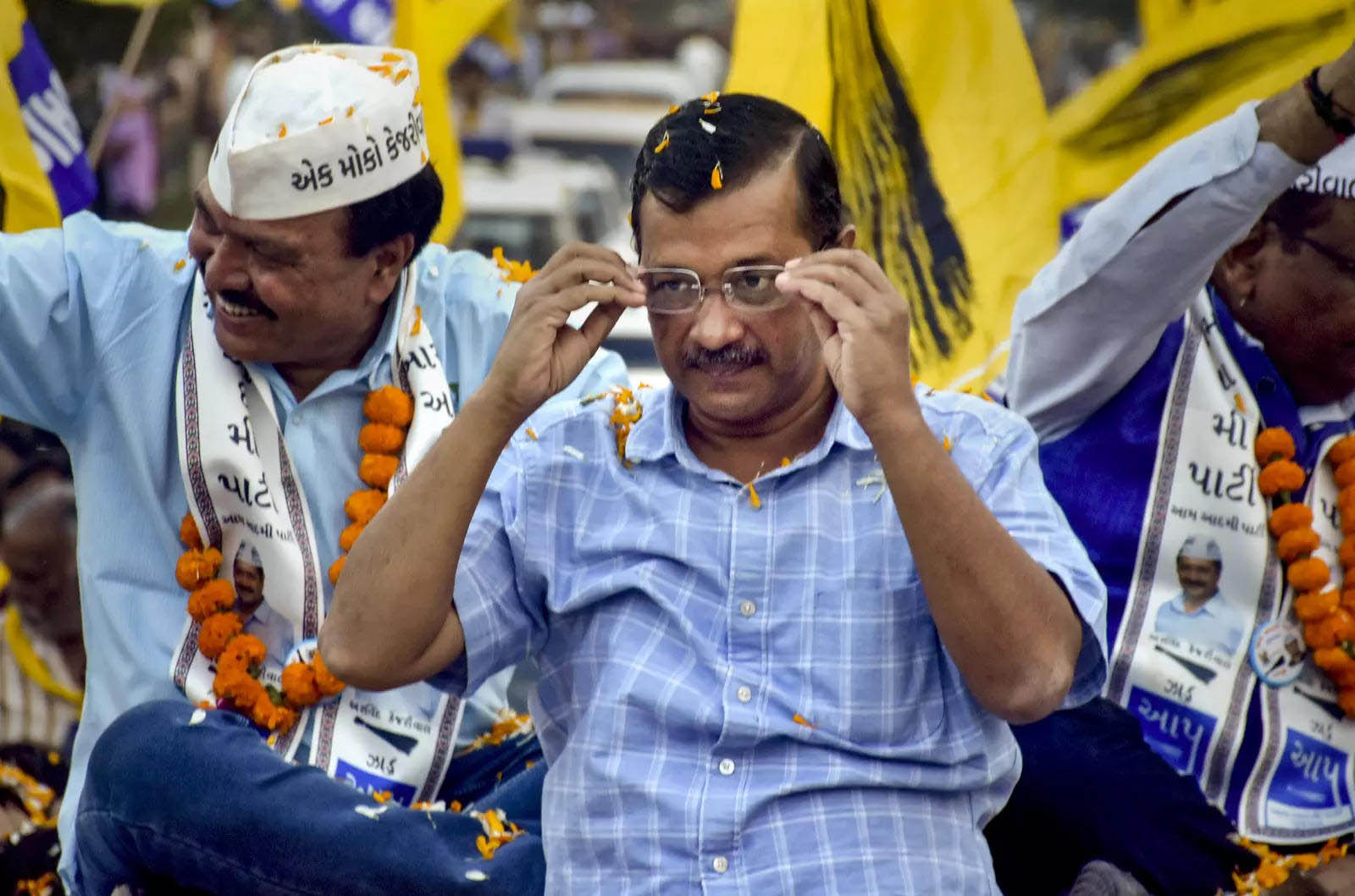
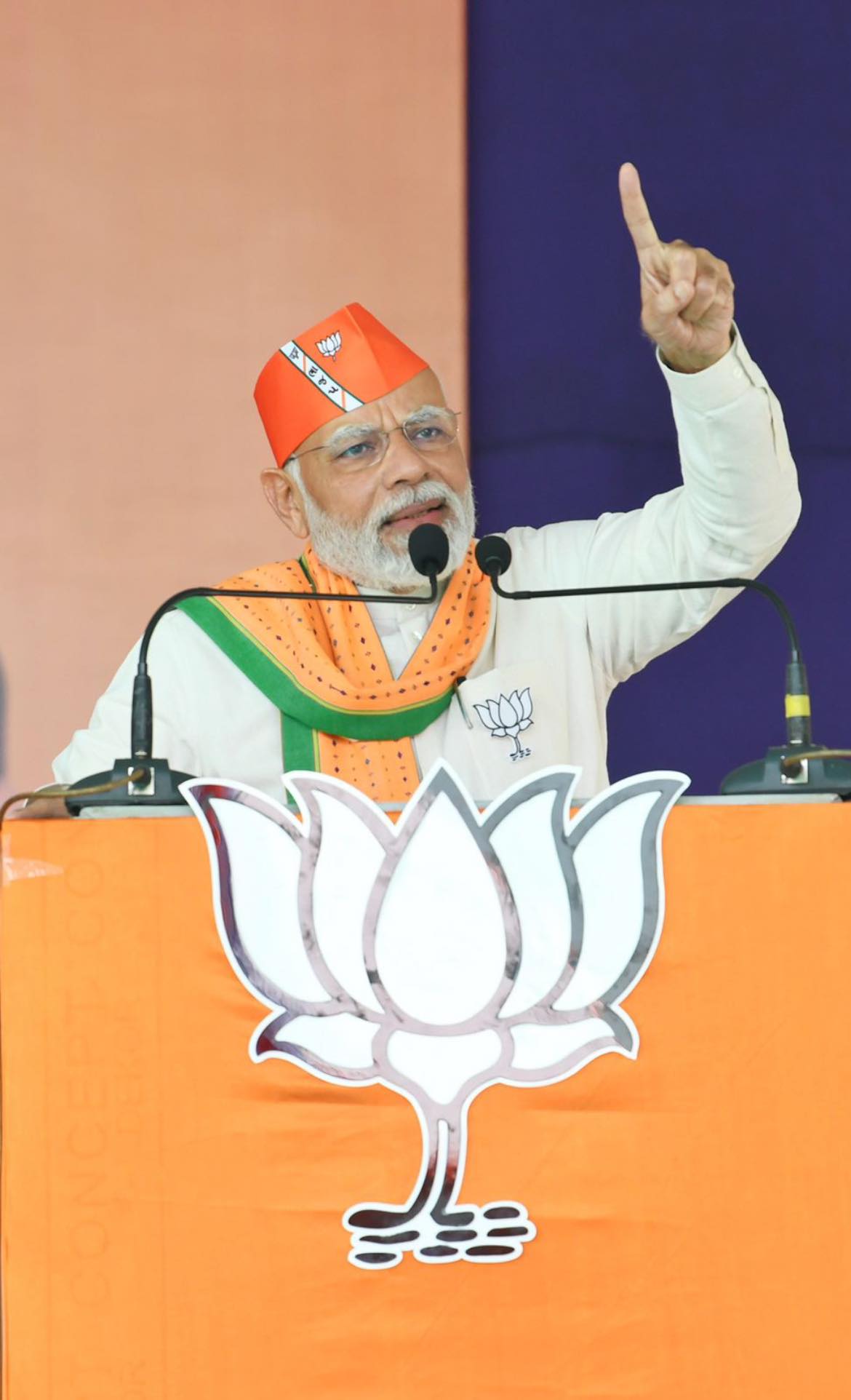
Things however may not be that easy. In 2017, Gujarat voted the BJP to power but what was significant was a reduced majority of just 99 seats, the lowest for a single-majority party since 1975. The party faces anti-incumbency. The Morbi disaster is fresh in voter’s minds. Narendra Modi hasn’t been Gujarat’s CM since 2014 and the Modi wave has apparently ebbed even in state with people looking beyond him and towards the actual candidates. The party is being analysed and questioned not just over Hindutva but also for infrastructural achievements or failures. AAP’s soft Hindutva and good governance pitch is threatening to wean off the voters.

Congress low but not out of fray
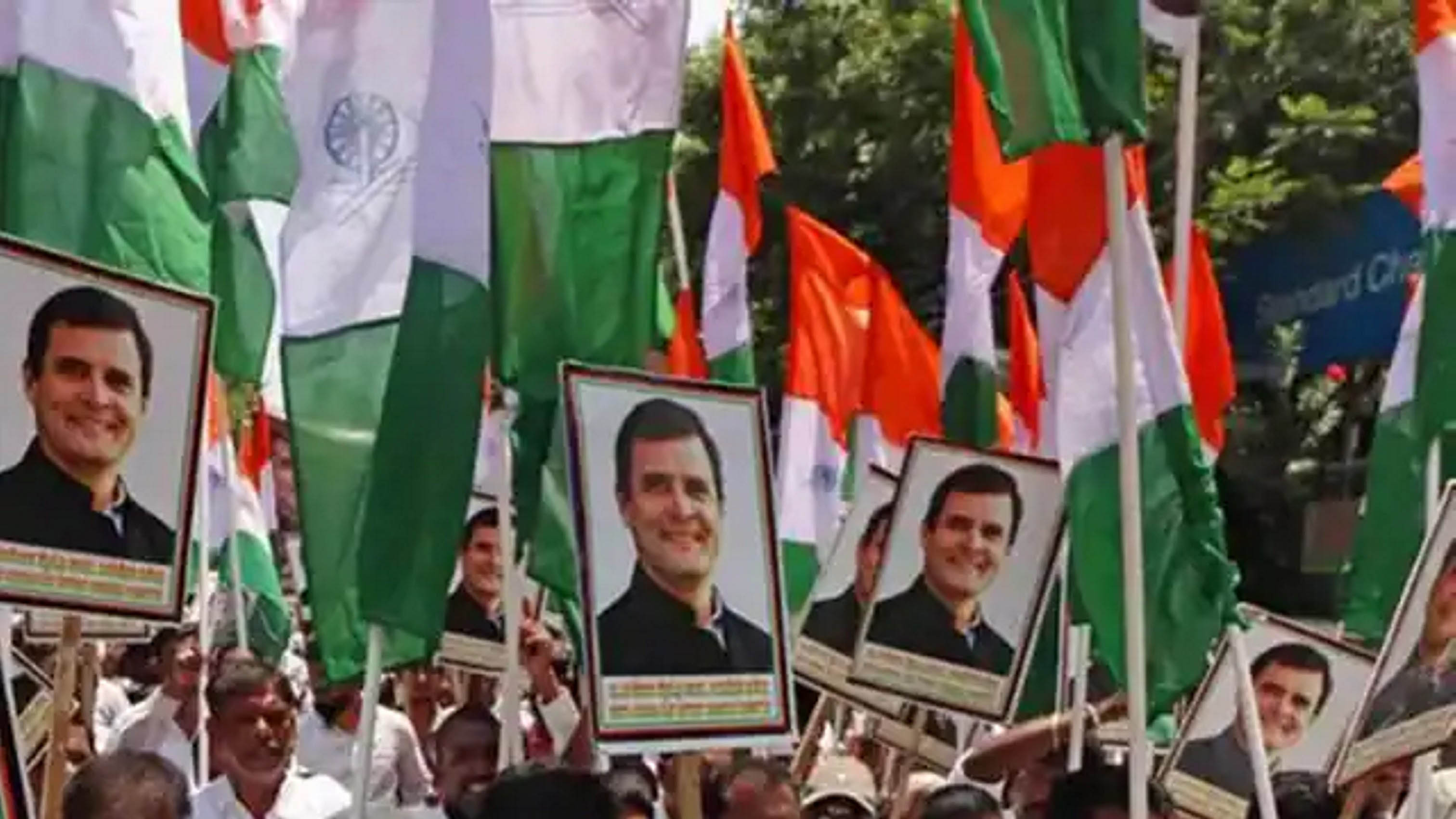
In 2017 polls, Congress lost but its tally was the best since 1985 with 77 seats. The BJP won but its total dropped into double digits for the first time in over two decades. From 1995, the BJP-Congress gap kept widening but it has narrowed in the last two polls, 2012 and 2017. The rural belt of state has over years proved a stronghold of the party where the party won more seats than the BJP in the 2017 polls. Here, the Congress’s tally went up from 57 to 71. The BJP’s drop was from 77 to 63.The stronghold is however challenged by the fact that BJP swept Gujarat’s rural polls and won most municipal elections last year. Congress leader Rahul Gandhi has been criticised for not including Gujarat in his ongoing Bharat Jodo yatra from Kanyakumari to Kashmir, in what many called a walkover. Like in the entire country, the Congress appears listless and the party organisation is a shambles. Hardik Patel’s exit is being seen as a challenge.

 AAP the contender or vote cutter?

The AAP is the third party in the fray this election. It is commonly dismissed as Congress vote cutter. It’s a city centric party that is expected to cut into BJP votes that enjoys urban strongholds in the state. Being a new entrant, it comes with no baggage in the state. The party talks about hitherto never touched political topics like schools-hospitals. It is riding high on confidence after the Punjab performance. The party can position itself as a pro-change agent for those who are tired of the BJP-Congress duopoly in the state. Things however are difficult as the party’s organisation is negligible. It doesn’t have a prominent local face to project and is too dependent on Arvind Kejriwal to pull in the votes. The AAP perhaps may not be able to win as political history of the state shows no party can win here without a significantly good performance in the hinterland but a good show in urban pockets will give a boost to Arvind Kejriwal’s projection as Modi’s competitor after having taken Delhi and Punjab.

Key poll issues

Political observers feel the 27-year rule of the BJP in Gujarat and growing anti-incumbency will play a major factor in the upcoming elections of the state. There is a growing dissatisfaction over issues like inflation, unemployment etc which have remained unresolved over the years.

Basic education and health facilities in remote areas of the state continues to be a key poll issue in Gujarat. The state struggles with acute staff shortage be it in schools or primary health centers in rural areas. The state was once an example to follow for good roads, things however have gone downhill in the last five to six years, the state government and municipal corporations have not been able to construct good roads or maintain old roads. Complaints of pothole ridden roads are common from all over the state.

Gujarat has one of the highest electricity tariffs in the country. The Southern Gujarat Chambers of Commerce and Industry recently demanded reduction in commercial electricity tariff, saying they have to pay Rs 7.50 per unit while their industry counterparts in Maharashtra and Telangana have to pay Rs 4 per unit. This is where the Aam Aadmi Party’s offer of 300 units free per month might play a significant role in the elections.

Bilkis Bano case

The Gujarat government’s decision to release the 11 convicts early in the Bilkis Bano gangrape and murder case because their ‘behavior was found to be good’ has been heavily criticized. Bilkis was the only survivor during the 2002 Gujarat communal riots that saw the murder of 14 of her family members, including her three-year old daughter. The impact of the remission of sentences of those convicted will play out differently for the majority and minority communities.

Muslims, make up about 9% of Gujarat’s population and are looking at other options other than the torpid Congress this time. While Asaduddin Owaisi’s AIMIM has been wooing them energetically, AAP chief Arvind Kejriwal has maintained a studied silence on communal issues like ‘love jihad’ and the release of convicts in the Bilkis Bano case.

Caste politics, which took a back seat after the 2002 Hindutva tidal wave, animated the electoral arena again in 2017, but five years on it has lost salience. Hardik Patel and Alpesh Thakor, leaders of two protesting communities, Patels and Kshatriyas, respectively, have joined BJP. However, caste issues remain relevant in rural Gujarat.

Morbi bridge collapse

The October 30 bridge collapse in Gujarat’s Morbi claimed 135 lives highlighting rampant corruption and the nexus between administration and rich businessmen. The deaths are haunting entire states who are questioning whether the incumbent government has taken them for granted and attaches no value to their lives and losses. Though the Patidar-dominated Morbi Assembly seat in Gujarat is considered a stronghold of the Bharatiya Janata Party (BJP), the poll equations this time may change primarily due to the recent bridge tragedy which claimed 135 lives. The tragedy which shook the entire nation has left the area shocked and fuming over the poor state of infrastructure. Amid such a scenario, the promise of Arvind Kejriwal-led Aam Aadmi Party (AAP) about improved Delhi like urban infrastructure is luring. Morbi has nearly 2.90 lakh voters, including 80,000 Patidars, 35,000 Muslims, 30,000 Dalits, 30,000 Sathwara community members (from the Other Backward Class category), 12,000 Ahirs (OBC), and 20,000 Thakor-Koli community members (OBC).

Farmers’ issues

Farmers are agitating in several parts of the state as they have not been given compensation for crop loss due to excessive rain in the last two years. Meanwhile, there is a growing dissatisfaction among farmers and landowners whose lands are being acquired for various government projects. Farmers, for instance, opposed land acquisition for high-speed bullet train project between Ahmedabad and Mumbai. They also opposed land acquisition for the expressway project between Vadodara and Mumbai.

Pied pipers

Prime Minister Narendra Modi, a political stalwart and himself an issue in state polls launched the new election slogan in Gujarati – ‘I have made this Gujarat’. “We’ve been working continuously for the development of Gujarat. Every Gujarati is full of self-confidence, which is why when Gujaratis speak, a sound emanates from within them – they have created this Gujarat, I have come here to beat my past records (of BJP’s victory margin). I have told the Gujarat BJP that I am ready to give as much time as possible to it (for campaigning),” Modi said.

“I just have one request to make. You have given them (the BJP) 27 years, give me five years. I am only asking for five years….if I do not work, next time I will not come to ask for a vote,” Kejriwal said.

Gujarat’s absence from Rahul Gandhi’s Bharat Jodo Yatra and missing senior leaders from the election rallies in the state has raised a question mark over the Congress’s tactics in elections. They insist that they are not going for shrill campaigning this time, but talking door to door. “We have a strategy in place and have focused on localised door-to-door canvassing to mobilise support. ‘11 pledges’ (vachan patra) launched by Rahul Gandhi in Ahmedabad  is our slogan of free electricity for farmers, farm loan waiver, compensation to Covid-hit families, 10 lakh new jobs and 3,000 new English medium schools, gas cylinder for Rs 500, subsidy to dairy farmers and free education to girls” Raghu Sharma said.

Election figures

The Election Commission announced that elections to the 182-member Gujarat assembly will be held in two phases on December 1 and 5, 89 constituencies will vote in the first phase, and the rest 93 in the second phase, while counting of votes will be held on December 8 along with Himachal Pradesh that voted on November 12. The election scheduling pattern followed the 2017 model. The polls in Gujarat and Himachal were announced on different dates with the same day for counting of votes. Chief election commissioner Rajiv Kumar on Thursday informed that as many as 3,24,422 people would be first-time voters in the state out of 4.9 crore eligible voters.

The Election Commission of India (ECI) has notified that a ban would come into effect from November 12 onwards on conducting or publishing of exit polls in connection with Gujarat and Himachal Pradesh Assembly elections. The ban will remain in place till December 5. In its notification, the election body said, “The period between 8 am on 12-11-2022 and 5.30 pm on 05-12-2022 as the period during which conducting any Exit Polls and publishing/publicizing the result of any exit poll in connection with Himachal Pradesh Elections and Gujarat Elections 2022 shall be prohibited.”

Unique polling stations

A polling booth inside the Gir forest for a lone voter, another in a shipping container and yet another on an island, Gujarat elections will see some unique polling stations this year. Inside the Gir lion sanctuary, the Commission has been setting up a polling booth for a single voter, and the EC says the initiative is in keeping with the poll body’s motto that no voter should be left behind. The voter for whom this polling booth is set up is Mahant Bharatdas Bapu, a priest in an ancient Shiva temple in the Gir forest.

The Commission will be setting up a polling station in a shipping container at Aliabet in Bharuch district with facilities for 217 voters. Earlier, voters had to travel 82 km to vote. There is no government or semi-government building available in the area to set up a polling station. Another unique polling station will be set up on a small island at Shiyalbet. There are over 800 houses and close to 5,000 voters on the island. Polling stations will be set up by the Commission in Madhupur Jambur in Gir, Somnath district for the Siddi community. Siddis are descendants of the East African people who came to India during the 14th and 17th centuries and now reside here.

The total number of voters in the district is 3,481 and 90 per cent of them belong to the Siddi community. The Commission will set up 1,274 polling stations which will be completely managed by women polling and security staff. A total of 182 will be managed by officials who belong to the category of people with disabilities. Also, for the first time, 33 polling stations will be managed by the youngest available polling staff with the idea of encouraging the youth and first-time voters to come out in large numbers to vote.

 

Govt gets in SC’s crosshairs over its demonetization move

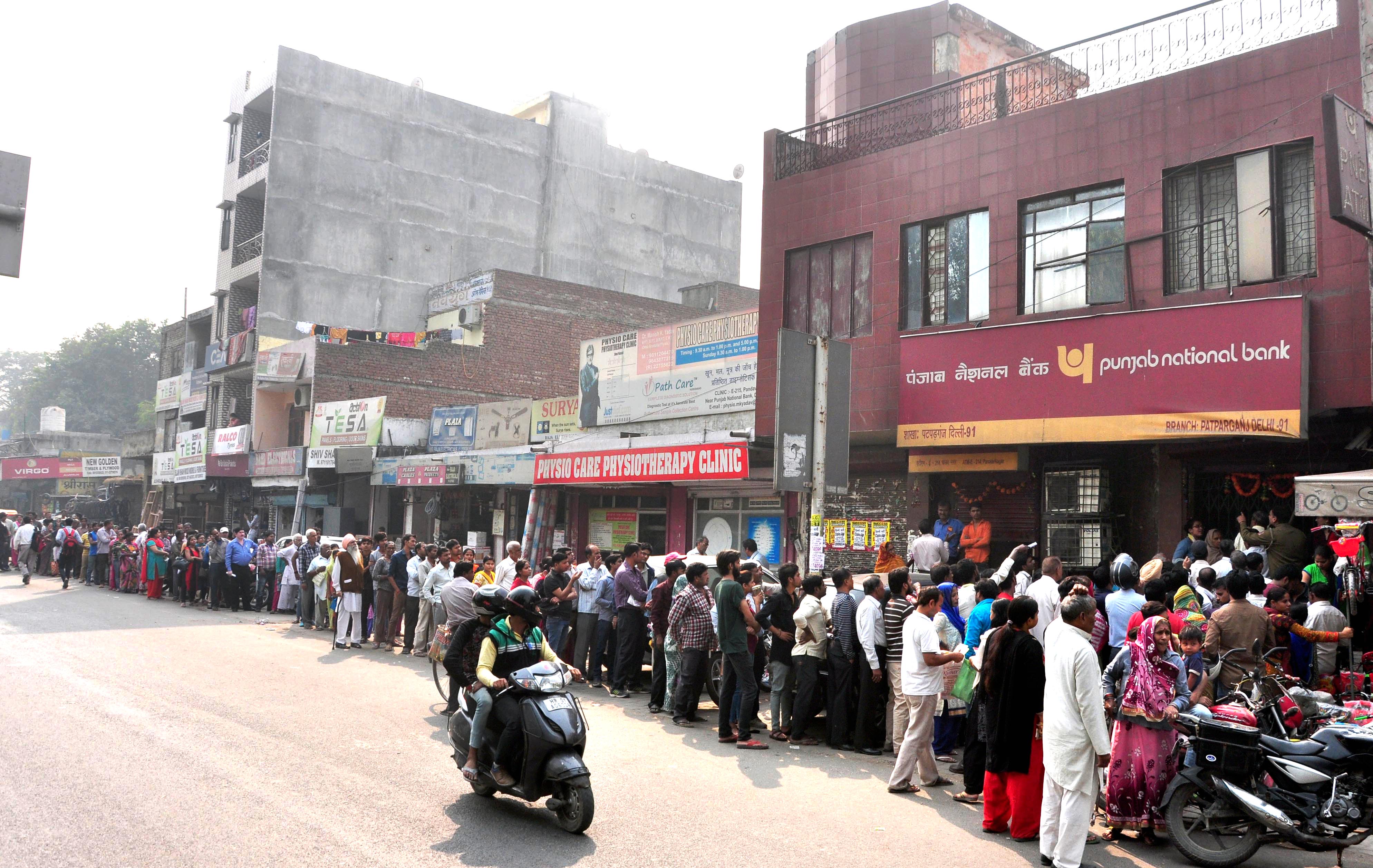
Six year later,  as the opposition parties flay demonetisation as ‘economic genocide’ and ‘criminal act of organised loot’, the Supreme Court too has indicated that it is taking the matter seriously after it agreed to review Centre’s 2016 decision of demonetisation after several petitions were filed in this regards. A report by Mudit Mathur

 The nation has failed to get an answer from Narendra Modi government over why and how had it taken the decision to demonetise Rs 500 and 1,000 currency notes even after six years? The evasive response of the government irked five-judge constitution bench of the Supreme Court, which is examining constitutional challenges to the way entire demonetisation exercise was accomplished. Six year later, the opposition parties recall demonetisation as ‘economic genocide’ and ‘criminal act of organised loot.’

The abrupt announcement of Prime Minister Narendra Modi on November 8, 2016 at 8 pm unleashed terrible miseries on the people across the country and unimaginable damage to economy of the nation ruining trade and commerce resulting in mass unemployment. The ill-fated decision was aimed to promote digital payments and curb black money, besides eliminating terror funding. “The aftershock of demonetisation continues to weaken economic growth and prosperity of the nation. The country is heading for an economic slowdown,” as predicted by many global rating and monitoring agencies.

Congress president Mallikarjun Kharge while criticizing the NDA government, said, “Demonetisation was promised to free the country of black money. But it destroyed businesses and ruined jobs… 6 years after the ‘masterstroke’, the cash available in public is 72% higher than that in 2016. PM is yet to acknowledge this epic failure that led to the fall of economy.” In a tweet, Kharge said: “Six years of ‘organised loot and legalised plunder’. Tribute to those 150 people who lost their lives due to demonetisation disaster. As we observe 6 years of this epic failure, it is important to remind the PM about the ill-conceived calamity which he thrust upon the nation.”

In a tweet, former Congress chief Rahul Gandhi also hit out at Modi over the decision. “Demonetisation was a deliberate move by ‘PayPM’ to ensure that 2-3 of his billionaire friends monopolise India’s economy by finishing small and medium businesses.”

Trinamool Congress (TMC) spokesperson and the leader of the party in the Rajya Sabha, Derek O’Brien said the move was a “gimmick.” In a tweet, he said: “Six years ago, today. A gimmick that turned out to be an economic genocide demonetisation. Wrote about this in my book in 2017 #InsideParliament.” O’Brien also pointed out that West Bengal Chief Minister and TMC supremo Mamata Banerjee had called for the withdrawal of the decision.

Communist Party of India (Marxist) general secretary Sitaram Yechury in a tweet indicted the government of “beating its own drum on the criminal act of demonetisation, against all good sense, evidence and advice.”  “The sixth anniversary of Modi and his govt’s hubris, killing off the Indian economy. Demonetisation has resulted in chaos apart from a record high of cash in circulation. 30.88 lakh crore! The worst jumla of all – ‘This suffering is only for 50 days’,” Yechury further added.

Addressing a press conference at the All India Congress Committee headquarters in Delhi, party spokesperson Gourav Vallabh called demonetisation “Independent India’s greatest organised loot.” Calling it the death anniversary of the Indian economy, the Congress party tried to  corner the government. “I implore Modi ji to come on TV at 8 pm tonight. We want you to tell us what you’ve achieved through demonetisation and tell the nation if you consider this your epic failure,” Vallabh said.

“Modi ji, so what have we achieved through demonetisation? Only a few things, the highest unemployment, finishing the MSME sector forever, and finishing the unorganised sector forever. You had promised that black money would come out, but actually, poverty crept into India,” Vallabh remarked.

The Congress spokesperson asked whether the Rs 2,000 notes issued after demonetisation have been useful to Indian citizens? “The number of Rs 2,000 bank notes currently in circulation has declined to 21.4 million at a value of Rs.4.28 lakh crore. But, where are these notes Modi ji? I have not seen these notes in the past three years,” he asked, citing Reserve Bank’s report.

Citing recent presentation given by India before Counter-Terrorism Committee (CTC) of United Nations Security Council’s (UNSC), Prof Vallabh said, “There had been a significant increase in cross-border terror activities in Jammu & Kashmir since 2021-end.” The Congress party demanded a “white paper” providing details of its achievements and losses from its decision of demonetisation.

Meanwhile, the five-judge Bench comprises Justices S. Abdul Nazeer, B.R. Gavai, A.S. Bopanna, V. Ramasubramanian, and B.V. Nagarathna. Justice Nagarathna expressed dissatisfaction with the adjournment request of Attorney-General for India, R. Venkataramani, who sought more time for the filing of a comprehensive affidavit in response to the batch of petitions assailing the 2016 high value banknote demonetisation. The bench observed, “Normally, a Constitution Bench never adjourns like this. We never rise like this once we have started. It is very embarrassing for this court.” Now, the matter will again come up for hearing on 24th November, 2022.

Counsel for other petitioners, senior advocate P Chidambaram on October 12 had questioned the hasty manner in which the government decided to implement demonetisation. “Why this supersonic hurry to demonetise? Were there any deliberations about the pros and cons? The court must ask the government to produce the November 7 letter, the agenda paper before the RBI Board and the recommendation. None of these vital documents were placed before Parliament or put in the public domain. We should know what the government had in mind,” he had argued.

A five-judge Constitution bench turned down the government’s plea to shut the proceedings by declaring them infructuous and an academic exercise, saying it was a “serious matter”, and will require detailed replies from the Centre and the Reserve Bank of India (RBI) on the legality of the procedure adopted by them in declaring bank notes of Rs.500 and Rs. 1,000 denominations  invalid tenders.

On 12th October, 2022, the bench, headed by justice SA Nazeer, also asked the government to keep ready the confidential files relating to the exercise that was conducted before Prime Minister Narendra Modi announced his government’s demonetisation drive on November 8, 2016. The court asked attorney general (AG) R Venkataramani to keep the agenda documents and decision papers handy to show the correspondence between the government and RBI in the day leading to the announcement during the next hearing on November 9, 2022, but Attorney General sought further adjournment to file detailed reply.

On earlier hearing too, the bench specifically told Attorney general, “You should keep them (files) ready. You cannot keep them away from us if we want to see. Where is the recommendation from the government? What was the view of RBI and how did you take the decision? These are three issues on facts. And on law, you should address the language of Section 26 of the RBI Act as to whether only a series of notes could be demonetised or all series could be demonetised. The Union of India and RBI should file comprehensive affidavits,” the bench told Venkataramani and senior counsel Jaideep Gupta, who represented RBI.

On16th December, 2016, a three-judge bench comprising Chief Justice T.S. Thakur, Justice A.M.Khanwilkar and Dr.D.Y.Chandrachud heard and passed a detailed order framing nine issues to be determined by the five-judge constitution bench in the interest of an authoritative pronouncement keeping in view of the general public importance and the far reaching implications.

A three judge bench comprising Chief Justice T.S. Thakur, Justice A.M.Khanwilkar and Dr.D.Y.Chandrachud  framed nine important questions for consideration

(i) Whether the notification dated 8th November 2016 is ultra vires Section 26(2) and Sections 7,17,23,24,29 and 42 of the Reserve Bank of India Act, 1934;

(ii) Does the notification contravene the provisions of Article 300(A) of the Constitution;

(iii) Assuming that the notification has been validly issued under the Reserve Bank of India Act, 1934 whether it is ultra vires Articles 14 and 19 of the Constitution;

(iv) Whether the limit on withdrawal of cash from the funds deposited in bank accounts has no basis in law and violates Articles 14,19 and 21;

(v) Whether the implementation of the impugned notification(s) suffers from procedural and/or substantive unreasonableness and thereby violates Articles 14 and 19 and, if so, to what effect?

(vi) In the event that Section 26(2) is held to permit demonetization, does it suffer from excessive delegation of legislative power thereby rendering it ultra vires the Constitution;

(vii) What is the scope of judicial review in matters relating to fiscal and economic policy of the Government;

(viii) Whether a petition by a political party on the issues raised is maintainable under Article 32; and

(ix) Whether District Co-operative Banks have been discriminated against by excluding them from accepting deposits and exchanging demonetized notes.


Eyebrows raised as Haryana sits on purchase process for PM’s flagship drinking water projects

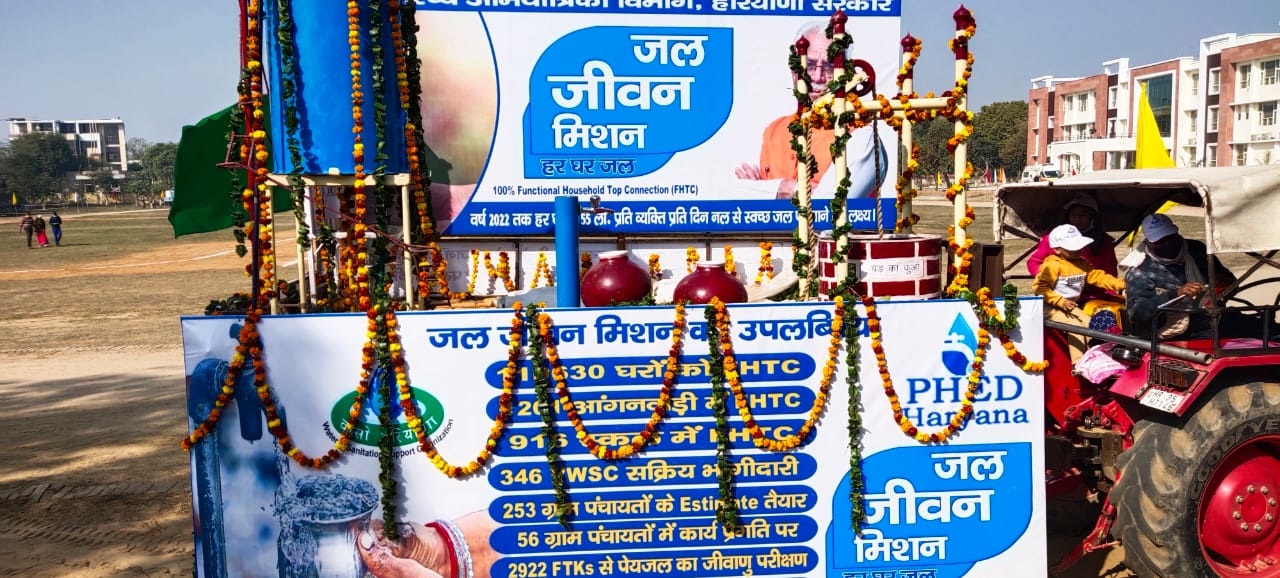
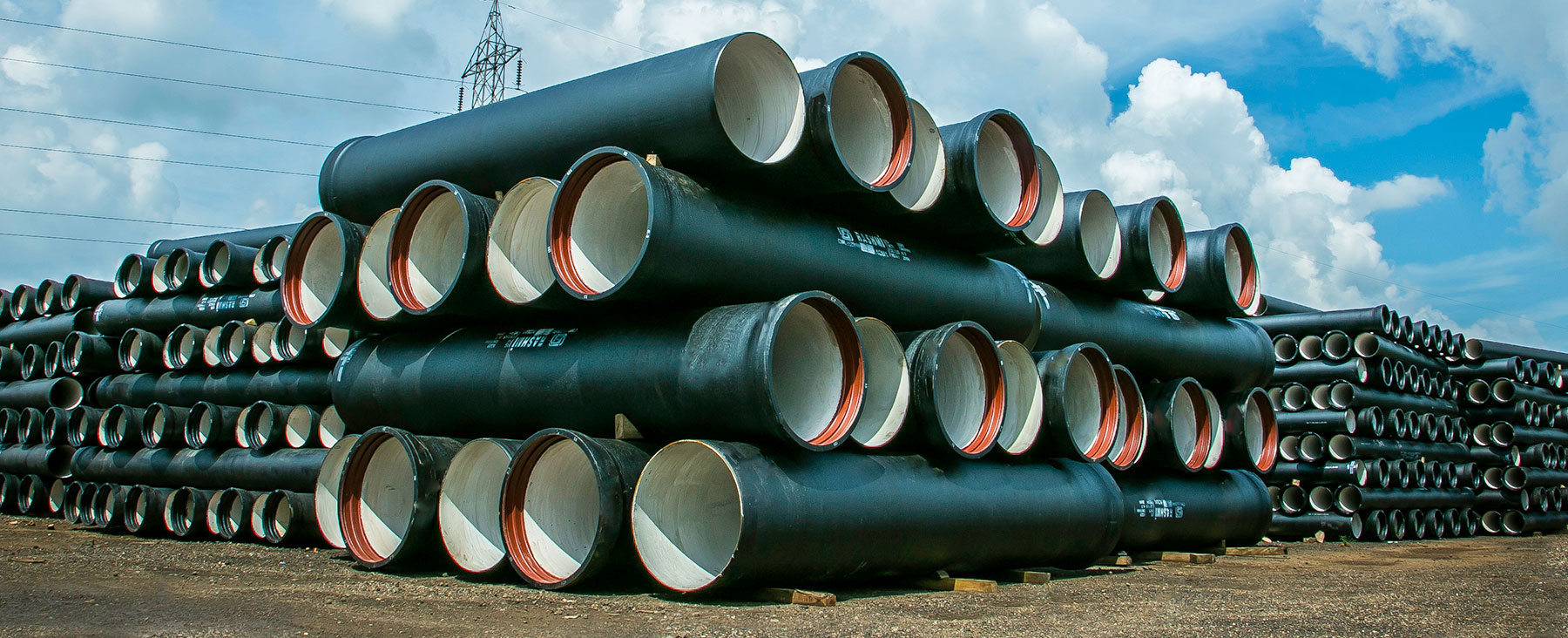
Is the Haryana government delaying the purchase of water pipes for Jal Jiwan Mission and Atal Mission for drinking water supply in rural and urban areas to accommodate a particular firm which could not participate in tender process earlier? A report by Pawan Kumar Bansal

The issue of purchase of water pipes by the Haryana government for Prime Minister Narendra Modi’s prestigious projects, Jal Jiwan Mission and Atal Mission for providing drinking water in rural and urban areas is getting murkier by the day as process for purchase of pipes, is being delayed to accommodate a particular firm so that the company can participate in tender process and Public Health Department pressing for early purchase so that target could be achieved in time.

The company is unable to participate in tender process as its papers are incomplete. The company, M/s Rashmi Metaliks Ltd. has filed a case in Punjab and High Court against the Haryana Government and others praying for directions to the Haryana government to consider their case for participating in the tender process. The case is fixed for November 21, 2022.

On October 10, 2022 a meeting of High Powered Purchase Committee was held under the chairmanship of Chief Minister Manohar Lal for finalising the tender for purchase of D.I. water pipes worth Rs 1250 crores. M/s Jindal Saw Ltd, New-Delhi, M/s Electrotherm India Ltd.Ahmedabad, M/s Electrosteel Castings Ltd, Kolkata and M/s Jai Bala Ji Industries Ltd. Kolkata participated in the negotiation process. M/s Rashmi  Metaliks Ltd, whom  a powerful politician wanted to accommodate could not participate in the above meeting as its papers were not complete .

To the utter surprise and shock of the members of the High Powered Purchase Committee including A.K.Singh, Additional Chief Secretary of Public Health Engineering Department, which is supposed to carry out the programme of providing drinking water in rural and urban areas, the chairman of the committee, Chief Minister Manohar Lal decided in anticipation with the indenting department to purchase the D.I pipes  valued at Rs.250 crores minimum and Rs,300 crores  maximum excluding GST instead of the whole quantity of D.I pipes  worth Rs 1250 cores and  also decided to re-invite the tender for D.I. pipes of all sizes with revised condition of debarring/blacklisting in northern India.

The officers were pressing for clearing the tender for whole amount of  Rs 1250 crores so that target could be achieved in time as it is prestigious and dream project of PM.Narendra Modi.

Transport Minister Mool Chand Sharma, Anoop Dhanak, Minister of State for Labour and Employement, Anurag Rastogi. ACS, Finance Department, Mohammed Shayin, Director General Supplies and Disposal, and Asheim Khanna, Engineer-in-Chief of Public Health Department, were present in the meeting, the copy of which is in possession of Tehelka.

In the meeting, the representatives of the indenting departments also informed the committee that the indented item is urgently required within two months, and accordingly the committee asked all the bidders to supply the ordered quantities within two months and all the bidders agreed to supply the ordered quantities within two months. This indicates clearly that pipes were urgently needed by the department for completing the target in time. Meanwhile the tender for the purchase of pipes worth Rs 950 crores is still pending. Highly placed official sources told Tehelka that Chief Minister Manohar Lal cleared the file for holding meeting of the High Powered Purchase Committee for purchase of water pipes amounting Rs 950 crore.

Prior to participating in the meeting of the High Powered Purchase Committee, indenting  firms or companies participate  in the meeting of  the Grievance Redressal Committee for showing their documents. Meeting of the Grievance Redressal Committee was held on  September 6, 2022 under the chairmanship  of Additonal Chief Secretary of  Industries and Commerce Department to finalize the representation /grievances  received from the participating bidders . In this meeting, M/s Rashmi Metaliks Ltd. has also made its representation.

Rashmi Metaliks Ltd. in their technical bid failed to submit an affidavit regarding blacklisting/debarring/disqualifying and disallowing of the firm as per mandatory condition No.C-13 of NIT. In the meeting of technical committee, an opportunity was given to M/s Rashmi Metaliks Ltd to re-submit correct affidavit strictly as per condition of NIT.

M/s Rashmi Metaliks Ltd. again submitted an affidavit regarding blacklisting /debarring/disqualifying and disallowing of the firm without mentioning – “within last three year” which is not as per conditon of NIT and the same was also admitted by the firm in the meeting of technical committee held on July 13, 2022. Accordingly, the proceedings of the Technical Committee were closed. Further, it was observed that there is condition in the NIT that in case of non-submission of required eligibility documents, the bid of the firm will not be considered and no further chance will be given for the submissions of these documents.

Rashmi Metaliks Ltd. is pulling all strings for getting the rules diluted so that it can participate in tendering process.

Efforts to contact M/s Rashmi Metaliks Ltd. bore no result. Sanjiv Kumar Sinha, authorised spokesman of the company, neither picked up the phone nor replied to text message seeking his comments. Considering the sensitive nature of the case, officers are reluctant to talk.

It is interesting to mention here that the meeting of the Grievance Redressal Committee held under the chairmanship of  Additional Chief Secretary of Industries and Commerce  Department has made following obserations.

“DI Pipes are largely buried deep in ground and are part of invisible public infrastructure having an expected life cycle of fifty years. These pipes of various sizes are to be used in the prestigous and very important  public projects of Jal Jiwan Mission and  Atal Mission for rejuvenation and urban transformation  in rural and urban areas for drinking water purpose. Therefore quality of pipes to be procured is of utmost importance. The firms who are having quality  issues in the past and do not have an unblemished  track record cannot be allowed to be considered in  the public interest.”

Earlier, the case of M/s.Rashmi Metalics Ltd. against Haryana government and others was scheduled for hearing in the Punjab and Haryana High Court  for 3rd November, 2022 and the company was expecting some relief from the court which could have allowed it to participate in the tender process, but due to strike of lawyers on that day, the case was adjourned for November 25. The powerful politicians who wanted to accomodate M/s Rashmi Metalics Ltd is pressurising the officers for dilution in conditions to facilitate its participating in the tender process. Shockingly in this game, the work is suffering due to delay in supply of the pipes.


Fighting pollution is a collective responsibility

Yes, the Governments of the States we live in are responsible for making the policies that will help curb the pollution and they do! But can they be successful in their endeavours if the citizens don’t cooperate?

Remember the Forget Me Not Blue skies that we all saw during the lockdown in 2021? Remember how the air was pure to breathe even in the winters and how the mountains were visible from hundreds of kilometers away in many cities around the country during the pandemic? Now, fast forward to October-November 2022! In just a few months, North Indian cities like Gurugram, Hisar and Sohna in Haryana, the national Capital Delhi, Noida, Greater Noida and Ghaziabad in Uttar Pradesh and Mohali in Punjab are witnessing AQIs in the ‘severe’ ‘very poor’ and ‘poor’ range.

So what’s the reason for this dirty air? According to an analysis by the Centre for Science and Environment (CSE) of data from October 21 to 26, vehicular pollution contributed around 51 per cent to the PM 2.5 levels in Delhi. CSE used data from Google Maps to look at the hourly traffic speed on 15 arterial roads in the national Capital during this period and they noted high levels of congestion and vehicular emissions. Significantly, as the level of congestion increased so did the level of nitrogen dioxide that was being spewed by the vehicles. The emissions peaked at the time that the traffic congestion was at its maximum. According to the analysis, hourly nitrogen dioxide levels during peak congestion hours could be high, ranging between 73 µg/m³ to 86 µg/m³.

The next largest contribution to the PM2.5 levels was from residential sources (13 per cent), industries (11 per cent)  crackers and construction activities (7 per cent) , burning of waste and energy sector (5 per cent each), road dust (4 per cent). The analysis also found that Delhi’s local sources caused around 32.9 per cent of the pollution and the capital’s remaining pollution came from NCR districts (32.8 per cent), other districts (25.8 per cent) and biomass burning in the neighbouring States (9.5 per cent). The contribution to pollution due to biomass burning also rose subsequently in the period after that as the farm fires increased in Punjab, Haryana and Uttar Pradesh.

So, there we have some food for thought, because these figures from the CSE are not just breaking down the sources of pollution, they are pointing out that each and every one of us is responsible for this toxic air. So, we all have to sit down and do some introspection because, like it or not, we are all collectively responsible for the smog we find ourselves enveloped in today. Because, every little step that we take to cut down pollution, counts towards bringing down that AQI!

Yes, the Governments of the States we live in are responsible for making the policies that will help curb the pollution and they do! But can they be successful in their endeavours if the citizens don’t cooperate?

Take vehicular emissions for instance. We all know vehicles pollute, but, despite this the levels of vehicular pollution have only gone up each year. So, it’s time to ask some uncomfortable questions. How many of us ensure that our cars are regularly serviced so that they are less polluting? How many of us car pool in order to take some vehicles off the roads? How many of us who have the choice of working from home exercise that option? How many of us walk or cycle to the neighbourhood store or to a place that is 2-3 kms away from home or office? How many of us ditch those comfortable cars and take the Air Conditioned Metro or bus to work? How many of us are even thinking of switching to electric vehicles in the future because that is a more sustainable way of living?

And why is it that the Government of Delhi had to actually come out with a ‘Red light on, Gaadi off’ campaign last year? Should we not be switching off the ignition at the red light without having to be cajoled into it? Also, the Delhi Government recently asked all fuel stations in the city to sell fuel to only those vehicles which have valid Pollution Under Control Certificates (PUCCs). This above crackdown is a very poor reflection on us. Why does the Government have to force us to get PUCCs, why can’t we be responsible citizens and be a part of the pollution solution instead of the problem!

The CSE also talks about residential pollution, which comes from burning of wood, cow dung, kerosene and coal. While the very poor can’t be blamed for using wood, cow dung, kerosene and coal as fuel because the cost of LPG is prohibitive now, the more privileged who use LPG or piped gas to cook should avoid barbeques, bonfires for fun and also resist the temptation of firing up their fireplaces to heat the house in winters. Also, the privileged can provide the guards who warm themselves with coal and wood fires as they stand outside watching over our homes in the bitter cold, with electric heaters. This little gesture would go a long way in bringing down pollution. Plus waste burning, another source of dirty air can be avoided if all RWAs strictly make their residents adhere to the recycling and segregation method and ensure that the local gardeners and kudawalas don’t burn biomass generated by our gardens and instead put it in compost pits. Many responsible RWAs are already doing this, but making it the norm rather than the exception, will go a long way in battling air pollution.

The CSE report also talks about construction/building dust contributing to air pollution and almost all major projects have been shut down for now under GRAP. But what of the dust we raise when we are doing some renovations in the house, particularly tile cutting and breaking? The same rules apply here, as they do for big construction/demolition projects, just cover the area with thick plastic sheets or green gardening cloth, so that the dust settles on it and doesn’t escape into the atmosphere. It may add a few hundred rupees to your budget but at least you won’t be adding to the dirty air. Also, sprinkling water on the debris that is being moved out of the house will prevent dust pollution, at no extra cost.

Plus, we could be more responsible and use our power as consumers to not buy things from corporations that are polluting the environment. Everyone is privy to the fact that big industries and companies don’t think twice before violating pollution norms and the result is dirty air, water, soil and groundwater. They do so in collusion with corrupt politicians and officials. However, if the consumers show them that they will check the back history of the company and will not buy or use services of polluting firms, the big corporations will have to change the way they conduct their business and manufacture their products.

Why is such sustainable behaviour not second nature to us? And should we not be teaching our children this sustainable behaviour too? The travesty is that we only expect the “sarkar” to do something to curb the pollution, but the moment Governments come out with policies where they expect the citizens to comply or sacrifice some comfort or pleasure, we refuse to cooperate. Then, when the AQIs hit the ceiling we have the temerity to complain!

So, everyone, politicians and citizens alike, should cut the blame game that has been going on for the last few years over pollution in the national Capital. It is sickening to see that instead of collectively sitting down and owning up to the fact that we, YES WE, have ALL messed up big time where our responsibility towards giving our future generations a sustainable and liveable world is concerned, all we do is sling mud at each other. All our leaders are interested in is passing the buck, one-upmanship, blaming each other and playing politics which is dirtier than the air we are breathing right now.

Fighting pollution is a year-round endeavour. The air in North India is bad throughout the year, but we only wake up when we can see the smog in the pre-winter and winter months. The citizens of Delhi-NCR are guilty of breathing bad air and not forcing the powers that be of ensuring pollution-free air for them throughout the year through protests, campaigns and also cooperation with the authorities. A case in point is the ban on crackers during Diwali that leads to a lot of collective heartburn. So we have a situation where people slam the Government because there is pollution, then refuse to cooperate with the cracker ban and then in the days after Diwali curse the Government again for not controlling pollution!! And, the worst is that the citizens play right into the hands of political parties that just want to beat whichever Government is in power in Delhi with the pollution stick. Strangely, there is no mention of these issues in the major cities bordering Delhi in the neighbouring States of Haryana and Uttar Pradesh, where the air quality is as bad. Don’t the citizens there deserve clean air too?

The establishments in Delhi-NCR are guilty of letting politics take precedence over the health and welfare of citizens. They need to collectively fight pollution because not everyone can afford air purifiers and they need to understand that a sick citizenry will only increase lost man-days and the healthcare burden of the State and burden an already labouring population with out-of-pocket prohibitive medical expenses.

Long-term, sustainable solutions to the pollution in Delhi-NCR are needed, not knee jerk reactions when the situation goes out of control.

One reason for the pollution in Delhi-NCR that has caught everyone’s attention and become a major political issue each winter is the burning of paddy residue by farmers. Reams have been written about the whys and wherefores of it. However, if we keep the politics aside we can find a solution by listening to experts on the issue. For instance, the Indian Agricultural Research Institute (IARI) says that it is trying in its breeding programme to get higher yield in the short-duration rice varieties to help farmers shift from the long-duration PUSA-44 variety. Because short-duration varieties PR126, Pusa Basmati-1509, Pusa Basmati-1692 mature in 120 days instead of the present 155 days, giving farmers 25 days to manage the stubble and save irrigation water and input costs too. Experts say that the Delhi Government can learn from the Haryana Government how to persuade farmers to stop paddy burning as Haryana has been able to bring down its farm fires to some extent. Also, farm equipment manufacturers say that use of baler which can collect the paddy straw neatly can solve the problem provided the Government puts in place the right financial incentives and ensures that the collected straw can be used in biomass plants for power generation. This will also solve the problem of using polluting coal to produce power, at least for a few months in the year.

At the end of the day, pollution is something that we all created collectively, it affects everyone and it is our collective responsibility to fight it too. We owe it to our children.


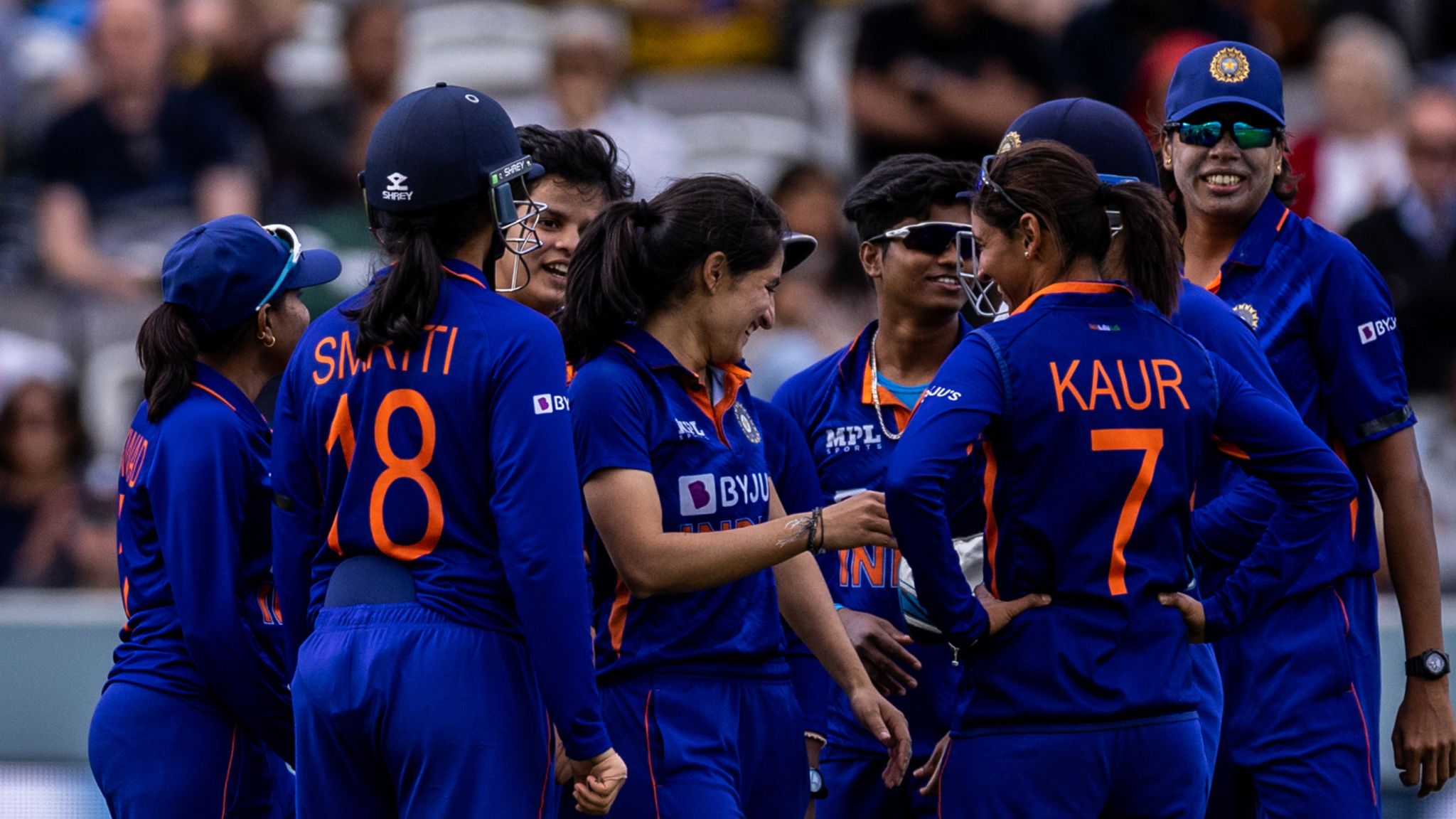
Pay parity for Women in Blue a step in the right direction

The same match fee rule for both men and women cricketers would usher in growth and spur young girls to seek a career in cricket. However, some issues of women’s cricket are yet to be ironed out

If a woman cricketer upsets her father, a Sikh, by chopping of her hair because she found it tedious to wash it after practice or a bat sent to a laboratory for testing because the force with which she hit a six left everyone dumbfounded, a right hander turned left-handed simply because her father admired a left-handed batsman. Or yet another who disguised herself as a boy simply because the kids, all boys, refused to include her in the team because of her gender. Then there was this 10-year-old who had a tough time deciding what she preferred: sleeping or playing.

These are stories which would perhaps have remained untold because neither women nor their cricketing finesse was anything to either rejoice or celebrate.

At least not till the decade had set in.

In 2002, they won their first test against South Africa and a year later they beat New Zealand.

But it was in 2005 that some part of the world and more particularly Indians cheered their women cricketers who reached their first ever World Cup finals. They bagged the runners up title but could not manage to make heads turn. Even though they adorned the blue, as it were, it largely remained a colour for the men.

It was on two occasions that the team made it to the World Cup final. If in 2005 they lost by 98 runs to Australia, some 12 years later they lost to England by merely nine runs.

Opinion, therefore, differs on whether 2005 or 2017 should be considered the turning point in women’s cricket in India. Both matches were lost but the way the women played only demonstrated that they were ready to take on the world. And that they did. The Cup eluded them but their performance made everyone sit up and take note of our women players. It was a nail biting match that won hearts: one where even in defeat there was victory.

Women’s cricket was no longer a side show in a country that breathes cricket.

In the din is lost the significance of 2006. The time calendar seems to have skipped it though that was what insiders call “support in real terms”.

It was in 2006 that the Board of Control for Cricket in India took women’s cricket under its care, so to say.

The Women’s Cricket Association of India merged with the BCCI, to put it simply. For women cricketers, it was a windfall because it meant belonging to a cash rich association whose mandate is to nurture the game.

Add to that the facilities that the move would bring in: from mattresses to proper beds; trains to planes; dormitories to hotels;  basic match fees from no money at all to actually reading newspapers rather than using them to sit on: “A dream come true” is how majority of women cricketers hailed the move.

Yet the dream had just begun. Facilities and focussing on the game being one part, the other significant change was about being noticed. Suddenly it was about sharing space and even though the men in blue were frontrunners, women cricketers came out on their own. The women in blue were standing tall with their male counterparts.

Therefore when a former Captain of the women’s team said that “good days are here” for women cricketers, she was not off the mark.

The fact an estimated 180 million people from across the world would watch a women-led match including a 56 million people in India was beyond imagination.

The numbers were mind-boggling: there was a 500 percent increase in viewing hours in the country of which 80 million were rural and a 126 million for only the finals. Ticket sales were also record-shattering. Stadiums were full and the applause deafening. The women in blue had finally arrived.

But there was more in store: things which were never a part of the big  dream.

Neither former cricketers or the present nor stalwarts had ever imagined that the BCCI would bring about what many see as a “revolution” in women’s cricket.

Its recent decision is one such.

Thanks to its new pay parity policy, the Board of Control for Cricket in India’s new pay equity policy promises Rs 15 lakh for a Test, Rs 6 lakh for an ODI and Rs 3 lakh for a T20I for the centrally-contracted women cricketers.

Hailed as a massive hike, it is way above what women cricketers currently earn: Rs 1 lakh for an ODI and a T20I and Rs 2.5 lakh for a Test match.

The same match fee rule in international cricket would usher in growth and encourage young girls to pick up the bat as it were, given that they will now be able to find a career in cricket. This would perhaps help change the patriarchal mindset wherein girls are meant to play with dolls and boys are bought a bat in their formative years.

Even while the BCCI is busy patting itself on the back on pay parity, critics see this as “half-done”.

The key is the retainership payment wherein players are paid annually depending on their grade.

In cricket, apart from the match-wise fees, there is a retainership payment system.

As of now, women cricketers, Rs 50 lakh for Grade A cricketers, Rs 30 lakh for Grade B and Rs 10 lakh for Grade C cricketers are paid annually apart from the match fees. Men cricketers, who play a higher number of games, are paid between Rs 7 crore and Rs 1 crore depending on their grade, starting with an A Plus grade. This remains the same.

Therefore even when there is parity there is disparity because the big money is in the retainership fees.

However this does not undermine the step BCCI has taken. There sure are gaps but these do not, in any way, take away the intent and spirit of the move. It is to do for women’s cricket what has never been done in the past.

That apart, one cannot ignore the messaging that this reform brings with it: that being that those in the saddle are sensitive to women and also willing to not only recognize but also reward talent. Also this would serve as a good example for other sports in India and usher in an era of more women taking to sports.

Add to this the fact that talent from the grassroot will also be motivated to join the ranks.

Of course this does have a danger of many opting out of studies or giving up formal education for the sport which could mean a high drop-out rate in schools. Whether that will happen only time will tell but the Government can devise ways and means to ensure that studies and sports go hand in hand.

Much distance has been covered but there are miles to go before one can claim an ideal situation.

However it is only fair to credit the BCCI’s initiative which is a good and encouraging beginning. It may not be a giant leap but it is a step in the right direction and a dramatic turn-around from women watching  men play on the turf while they struggled on matting pitches.


MOST POPULAR

HOT NEWS