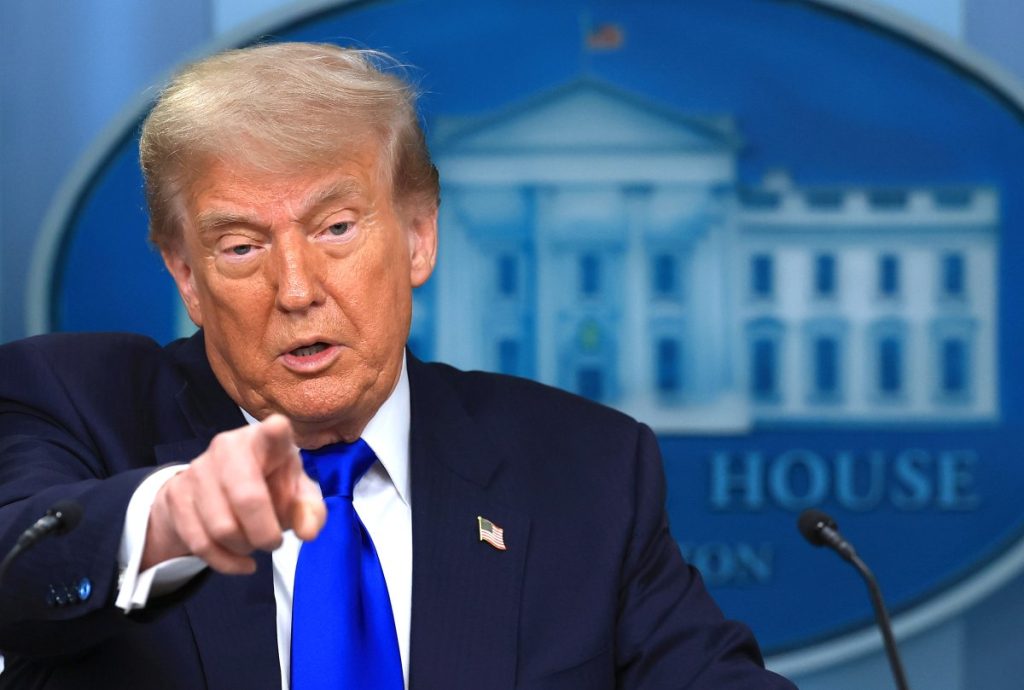
Trump’ tariffs—US notifies tariffs on Indian imports; India braces for higher levy; PMO to hold high-level meeting

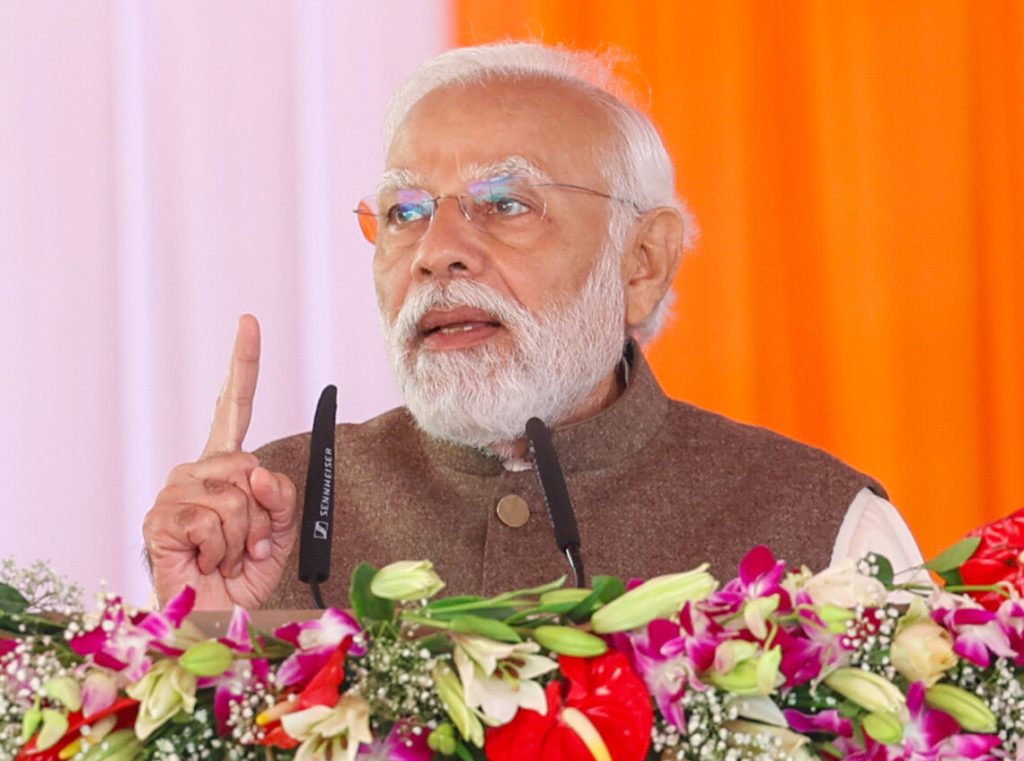
Prime Minister Narendra Modi has already said that his government will find a way out “no matter how much pressure comes”, assuring farmers, small shopkeepers, and entrepreneurs that their interests would be protected despite rising trade tensions with the US.
File Photo

The US Customs and Border Protection (CBP) has issued a draft notice on the implementation of additional duties on products imported from India. According to the notice, the additional tariffs are being imposed to give effect to the President’s Executive Order 14329 of August 6, 2025, titled “Addressing Threats to the United States by the Government of the Russian Federation,” as per reports.

The Prime Minister’s Office has convened a high-level meeting today to review relief measures for Indian exporters facing higher tariffs in the United States, according to those familiar with the matter.

Earlier this month, US President Donal Trump unveiled plans to double tariffs on Indian goods from 25 percent to 50 percent over New Delhi’s continued purchase of Russian oil, setting an August 27 deadline.

Published Monday, the draft notice confirms the administration will proceed with the higher levies. Scheduled to be published on August 27, 2025, the new duties will come into effect on August 27, 2025. From 12:01 am eastern daylight time on that day, the higher tariffs will apply to all products of India that are either entered for consumption in the United States or withdrawn from warehouses for consumption, it says

Prime Minister Narendra Modi has already said that his government will find a way out “no matter how much pressure comes”, assuring farmers, small shopkeepers, and entrepreneurs that their interests would be protected despite rising trade tensions with the US.  “We will keep increasing our strength to withstand it. Today, the Atmanirbhar Bharat Abhiyan is getting a lot of energy from Gujarat and behind this are two decades of hard work,” he said in Ahmedabad on Monday

Global politics was increasingly being shaped by economic interests but India’s rural economy would remain safeguarded, he added.

“Today in the world, everyone is busy doing politics based on economic interests. From this land of Ahmedabad, I will tell my small entrepreneurs, my small shopkeeper brothers and sisters, my farmer brothers and sisters, my animal husbandry brothers and sisters and I am saying this on the land of Gandhi – be it the small entrepreneurs, farmers, or animal keepers of my country, I promise you again and again, your interests are paramount for Modi,” he said.  

The Commerce and Industry Ministry is consulting exporters and export promotion councils to gauge the impact of the existing 25 percent levy, say officials

Officials said shielding farmers and export-oriented units and small and medium enterprises (SMEs) remains central to the government’s approach, given their vulnerability to external shocks. The PMO meeting is expected to firm up the contours of India’s response as exporters brace for the hike.

India has suspended parcel services to US as new customs rules kick in under 50 percent Trump tariff
What about those inducting criminals in their party, Kejriwal retaliates to Shah’s ‘can PM, CM run office from jail’ 

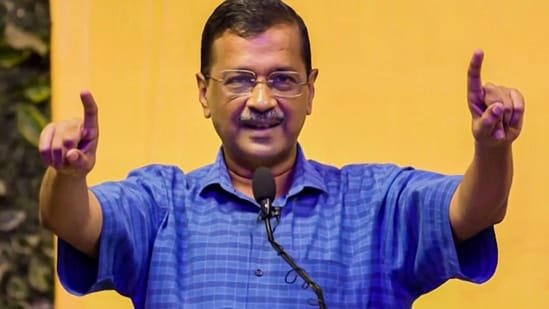
“Under a political conspiracy, when the central government framed me in a false case and sent me to jail, I ran the government for 160 days from jail”: Kejriwal; politics intensifies on ‘criminal netas bill’

File Photo

Hitting back at Home Minister Amit Shah (who is believed to have designed the ‘criminal netas bill’ while also keeping his case in mind) Aam Aadmi Party (AAP) leader Arvind Kejriwal on Monday questioned if those who frame others in false cases and are acquitted later would also face the same action.F

Taking a sharp jibe Shah and Prime Minister Narendra Modi for inducting opposition leaders facing serious corruption charges, Kejriwal wrote in Hindi on X, “the person who accepts leaders accused of serious crimes, clears the cases against them and makes them minister, Deputy Chief Minister or Chief Minister, should such a minister/Prime Minister also not resign from his position? How many years of imprisonment should such a person face?

“If someone is falsely implicated in a case, sent to jail and later acquitted, how many years of imprisonment should the minister who falsely implicated him face?” he wrote

“Under a political conspiracy, when the central government framed me in a false case and sent me to jail, I ran the government for 160 days from jail,” Kejriwal also said

Kejriwal was responding to Shah defending the proposed law to remove ministers accused of serious offences if they are jailed for more than a month in an interview with a news agency.

According to a statement posted by the Home Ministry, Shah asked if a Prime Minister, a Chief Minister, or a minister should be allowed to work if he is jailed in a serious case.

“I want to ask the entire nation and the Opposition, can a Chief Minister, Prime Minister, or any leader run the country from jail? Does that suit the dignity of our democracy?

“It is an insult to the country’s democracy that a Prime Minister, Minister and Chief Minister run the government from jail. It does not suit our democracy that the Secretary and Chief Secretary of the Government go to jail for orders from the Prime Minister, Chief Minister and Minister. My party and I completely reject the idea that this country cannot be governed without the person who is sitting in jail,” he said

There have been instances where a Chief Minister and a state minister did not resign despite their arrest in criminal cases.

Kejriwal spent over five months in jail after being arrested by the Central Bureau of Investigation (ED) and Enforcement Directorate (ED) in Delhi’s now-scrapped liquor policy related case. The AAP made it clear that Kejriwal would retain the top post, and his Cabinet colleagues will run the government on his behalf. He resigned only after he was granted interim bail by the Supreme Court, which also ordered that he will not visit the CMO and the Delhi Secretariat.

Former Tamil Nadu minister V Senthil Balaji who was arrested by the ED in June 2023 in a money laundering case remained without any portfolio but he resigned only in February 2024.

On the last day of the Monsoon Session, the BJP-led NDA government introduced the Constitution (130th Amendment) Bill, 2025, which is now colloquially referred to as the “criminal netas” bill. The proposed law states that any minister, Chief Minister, or the Prime Minister, who is arrested and is in custody for over 30 days after being accused of an offence punishable by a jail term of five years or more, shall be removed from office.

The proposed amendment mandates that a Prime Minister, Chief Minister or any minister who is arrested and remains in custody for 30 consecutive days in cases carrying a punishment of five years or more must vacate office. If the individual does not resign, they will be removed by law. The Home Minister also said that Prime Minister Narendra Modi himself insisted on including the office of the Prime Minister in the ambit of the bill

SKM slams Govt’s decision to scrap import duty on cotton

Days after Prime Minister Narendra Modi’s speech on Independence Day where he said that he was standing like a wall against any adverse policy that could impact Indian farmers, the government notified the elimination of import duty on cotton, sending a shockwave among the cotton growers in the country.

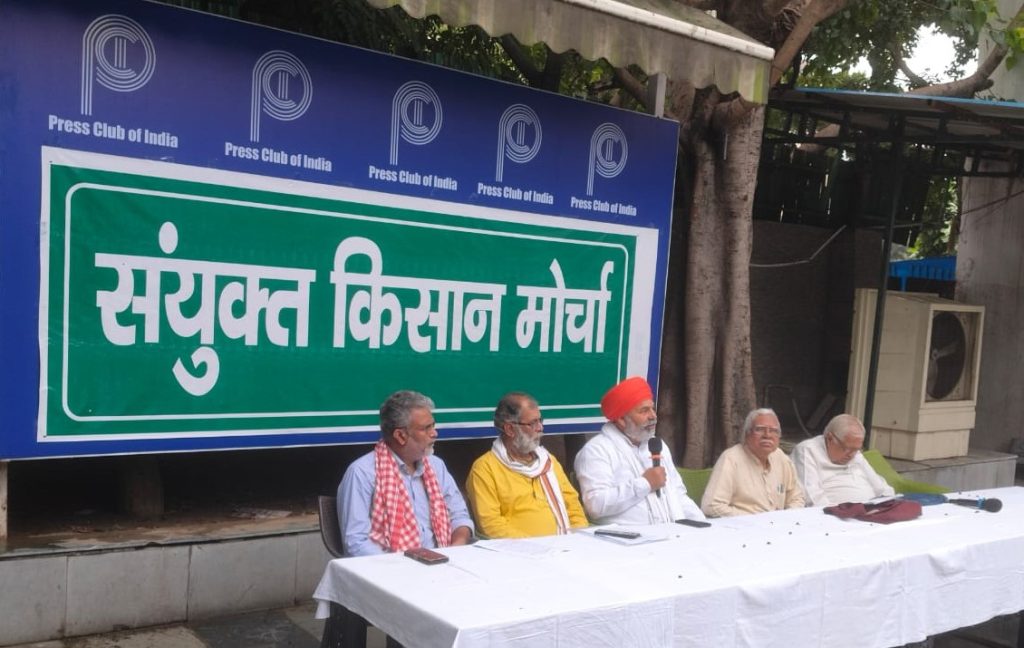
The Samyukt Kisan Morcha (SKM) on Monday demanded immediate de-notifying of scrapping of import tariff and asked Rs 25 lakh as compensation to the family of peasant suicide victims.

The Finance Ministry has notified the elimination of 11 per cent duty on the cotton imports with immediate effect on 19th August 2025 and shall remain in force up to September 30.

“It is ironic that this anti farmer decision was followed by Prime Minister Modi’s Independence Day speech in which he said that he is “standing like a wall against any adverse policy that could impact Indian farmers, fisherfolk and cattle keepers” and “India will never compromise the interests of Indian farmers, fisherfolk and cattle keepers consistent pro imperialist policies couldn’t ensure the protection of India’s interests in the tariff war initiated by Trump,” the SKM said.

The organization said that PM Modi has decided to punish Indian cotton farmers who are the weakest links in the global supply chain.

The decision will result in a reduction in the price of imported cotton which, in turn, will push prices of domestic cotton downwards. Small cotton producers in India cannot compete with large, industrial-scale cotton farmers of the United States who have historically received massive government subsidies.

“This move to scrap import duties comes at a particularly bad time as farmers prepare to harvest their crop. Cotton-growing regions of India are notorious for agrarian distress and death by suicides among farmers. The latest policy decision will further push cotton farmers into indebtedness and aggravate the economic distress and death by suicides,” it added.

The SKM is planning to hold public meeting in cotton growing villages on September 1, 2, 3 to adopt a resolution urging the Prime Minister Narendra Modi to repeal the 19th August notification to scrap11% import duty on cotton and immediately declare Rs 10,075 per quintal as MSP at C2+50%.

“A signature campaign and house to house leaflet distribution will be conducted in support of the memorandum to the President of the respective local body before September 10, 2025. If the Prime Minister is not taking immediate decision on the demand then cotton farmers will convene Mandal Mahapanchayat and organize a protest march to the respective Members of Parliament,” it added. 

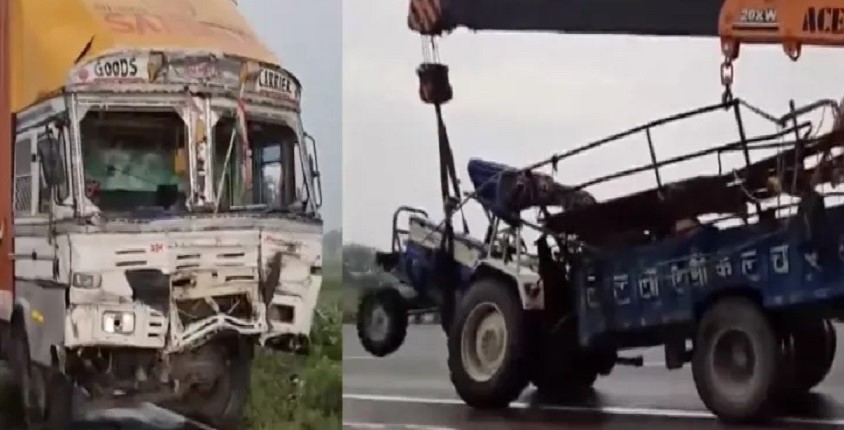
Nine killed, 45 hurt as container rams into tractor-trolley in UP

As many as nine people were killed and 45 injured after a container rammed into the tractor-trolley they were traveling into Rajasthan’s Gogamedi from UP’s Kasganj, on National Highway 34 in Bulandshahr late last night.

The incident occurred near Ghatal Village at around 2.15 am.  

Bulandshahr SSP Dinesh Kumar Singh said, “The accident happened on NH 34, on the Aligarh border, around 2:15 am. Around 60-61 people were travelling in a tractor from Kasganj district to Rajasthan. A container coming from behind hit it at high speed, due to which the tractor overturned, and a large number of people were injured.”

“The injured have been admitted to the hospital in Khurja. The condition of three persons is critical. The truck that caused the accident is in police custody,” he added.

Meanwhile, Uttar Pradesh Chief Minister Yogi Adityanath announced a compensation of Rs 2 lakh to the kin of the deceased and Rs 50,000 to those injured in the accident.

“Chief Minister Yogi Adityanath Ji Maharaj has expressed deep sorrow over the loss of lives in an unfortunate road accident in Bulandshahr district and extended his condolences to the bereaved families,” CM office stated.  

It further stated that Maharaj Ji has directed the district administration officials to expedite relief efforts and ensure proper treatment for the injured.

“Maharaj Ji has directed financial assistance of Rs 2 lakh to the kin of each deceased and Rs 50 thousand to each injured person. The entire cost of proper treatment for all the injured will be borne by the UP government,” the office stated. 

Indian Navy to commission Himgiri and Udaygiri tomorrow

Representative Image

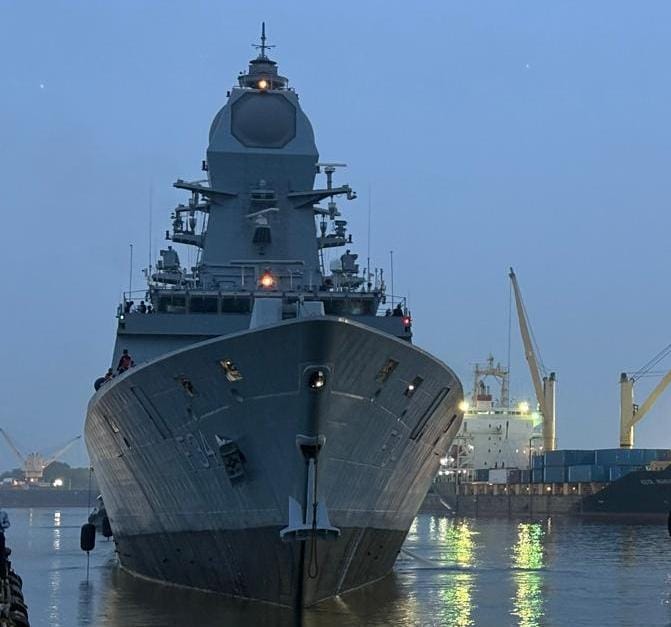
The union ministry of defence has said that the Indian Navy is set to commission two Nilgiri-class stealth guided-missile frigates – INS Udaygiri and NS Himgiri on August 26 at Visakhapatnam.

The two made-in-India warships are a part of the Project 17 Alpha (P-17A) under which the lead vessel, INS Nilgiri, was commissioned earlier this year.

According to the ministry, the two missiles represent a generational leap over earlier designs. Displacing about 6,700 tons, the P-17A frigates are roughly five per cent larger than their predecessor Shivalik-class frigates and yet incorporate a sleeker form, with a reduced radar cross-section.

The ships are powered by Combined Diesel or Gas (CODOG) propulsion plants using diesel engines and gas turbines that drive controllable-pitch propellers and are managed through an Integrated Platform Management System (IPMS).

“The weapon suite includes supersonic surface-to-surface missiles, medium-range surface-to-air missiles, a 76 mm MR Gun, and a combination of 30 mm and 12.7 mm close-in weapon systems, and anti-submarine and underwater weapon systems,” the Ministry stated in a statement.

It further mentioned that both ships are the result of an industrial ecosystem spanning over 200 MSMEs, supporting approximately 4,000 direct jobs and more than 10,000 indirect jobs.

INS Udaygiri has been built by Mazagon Dock Shipbuilders Limited (MDL) in Mumbai and is the 100th ship designed by the Navy’s Warship Design Bureau.

INS Himgiri is the first of the P-17A ships being constructed by Garden Reach Shipbuilders & Engineers (GRSE) in Kolkata.

“The forthcoming ceremony at Visakhapatnam will thus be more than a naval ritual; it will be a celebration of India’s journey towards a robust and self-sufficient maritime defence ecosystem. As the nation watches the two grey hulls take their place in the fleet, the message will be clear: India’s oceans are guarded by ships built in India, designed by Indians and staffed by Indians – a true embodiment of the Make in India initiative and a beacon of the country’s rising maritime power,” the Ministry of Defence said.

Climate change is reshaping the Gangotri Glacier System—source of Ganga


The breakdown shows snowmelt dominates, supplying 64% of annual flow, but its share is declining; peak discharge has shifted from August to July, driven by reduced winter precipitation and earlier summer melting. These changes in meltwater seasonality can have severe implications for hydropower generation, irrigation, and water security at higher elevations, as per an IIT Indore study 

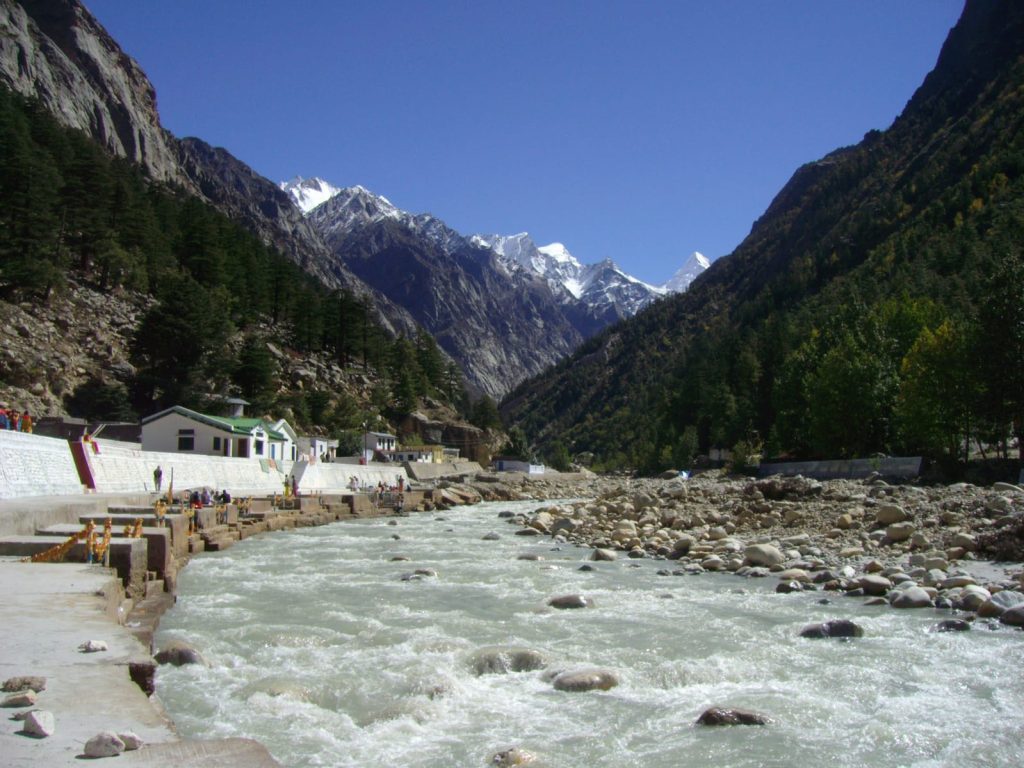
Climate change is reshaping the Gangotri Glacier System (GGS) — the source of the Ganga, according to a new study ‘Hydrological Contributions of Snow and Glacier Melt from the Gangotri Glacier System and Their Climatic Controls Since 1980’ led by researchers at IIT Indore. 

With debates on water security and Himalayan disasters intensifying, the study provides fresh insights into how a warming climate is transforming the Ganga at its very source, authors say, urging for sustained field monitoring and the integration of high-resolution climate projections to refine future forecasts from glacierised basins

Using data from four decades (1980–2020) and advanced hydrological modelling, the study finds that snowmelt remains dominant at 64% of annual flow, but its share is declining.

Glacier melt contributes 21%, with rainfall-runoff (11%) and baseflow (4%) increasing, also since the 1990s, peak discharge has shifted from August to July, driven by reduced winter precipitation and earlier summer melting. The changes in meltwater seasonality can have severe implications for hydropower generation, irrigation, and water security at higher elevations.

The Gangotri Glacier System (GGS) feeds one of India’s largest rivers— Ganga

Scientists modelled Gangotri’s meltwater over four decades and analysed how climate change is reshaping its components. Using the high-resolution Spatial Processes in Hydrology (SPHY) model, calibrated with field discharge records, geodetic satellite-derived glacier mass balance data and snow cover maps, researchers analysed the composition of Gangotri’s streamflow from 1980 to 2020, according to a statement

The breakdown shows snowmelt dominates, supplying 64% of annual flow, followed by glacier melt (21%), rainfall-runoff (11%), and baseflow (4%).

“Over the last four decades, the composition of flow from the GGS is changing due to climate change, and this study offers the most detailed picture yet of how those changes have unfolded over the past four decades,” says lead author Parul Vinze from the Glaci-Hydro-Climate Lab, IIT Indore.

“After 1990, the discharge peak in GGS shifted from August to July, linked to reduced winter precipitation and earlier summer melting, she adds.

Though the flow from GGS is snowmelt-dominated, over time, snowmelt has declined, while rainfall-runoff and baseflow edged upward, subtly reshaping the basin’s hydrological balance.

“Earlier studies, while valuable, were often limited by shorter records, coarser-resolution climate data, or fewer calibration datasets. This study builds on that foundation, providing a 41-year perspective and a more detailed analysis than has previously been possible, offering clearer estimates of the relative contributions of snowmelt, glacier melt, rainfall-runoff, and baseflow which have varied across earlier research,” researchers say.

“Accurate modelling, backed by field data, is key for predicting future water availability in the Himalaya,” says Dr. Mohd. Farooq Azam, Associate Professor, IIT Indore.

The authors urge sustained field monitoring and the integration of high-resolution climate projections to refine future forecasts from glacierised basins. Overall, the Ganga River has relatively less meltwater contribution at a basin-wide scale compared to the Indus Basin, yet at the higher elevations such as the Gangotri Catchment, the runoff is dominated by meltwater, and the observed changes in meltwater seasonality and runoff volume would severely affect hydropower generation and irrigation at higher elevations, says Dr. Azam.

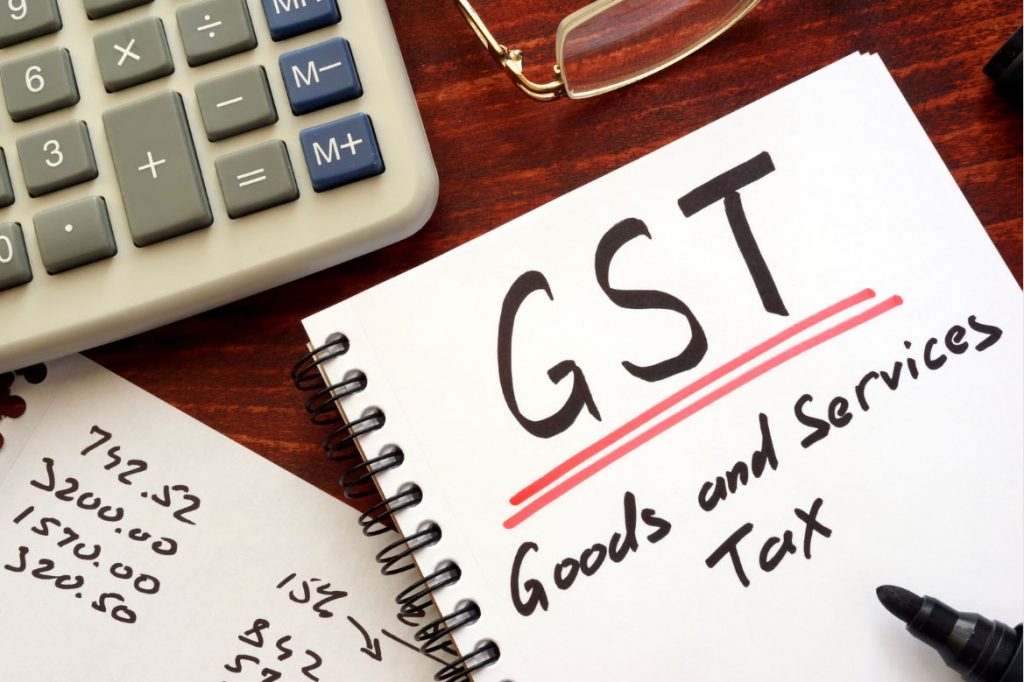
Govt proposes major GST reforms: Relief likely for healthcare, auto, travel & FMCG

In what could mark one of the most significant tax reforms since the rollout of the Goods and Services Tax (GST) in 2017, the government is considering sweeping changes across multiple sectors. According to official sources, the proposed revisions are aimed at easing consumer burden, boosting demand, and streamlining the tax structure.

Healthcare is set to become more affordable with sharp GST cuts on insurance and medical equipment. Currently, health and life insurance premiums attract 18% GST, but under the proposal, these could drop to 5% or even NIL. Medical equipment, which is taxed at 12%, may be reduced to 5%, offering relief to hospitals and patients alike.

The auto sector, a key driver of the economy, could witness a major shake-up. Small petrol and diesel cars (up to 1200cc), which now attract 28% GST plus cess, may see rates slashed to 18%. Larger cars and SUVs, however, would continue to face higher taxation at 40% (down from the current 43–50%). Two-wheelers under 350cc could benefit from a steep reduction to 18% from the existing 28%. Auto components may also be rationalized to 18%.

Air travel and hotel stays may become cheaper for passengers and tourists. Business class tickets, taxed at 12%, may come down to 5%, while economy tickets remain steady at 5%. Hotel stays below ₹7,500 per night could see GST reduced from 12% to 5%, while premium stays above that threshold will continue at 18%.

Everyday essentials may become more affordable if the proposed cuts are implemented. Footwear under ₹1,000 could drop from 12% GST to 5%, while premium footwear above ₹1,000 will remain unchanged at 18%. Clothing sees uniformity, with both categories—below and above ₹1,000—likely to be taxed at 5%. Additionally, ghee, currently taxed at 12%, may come down to 5%.

Experts believe the proposed changes could boost consumption, particularly in healthcare and FMCG, while offering relief to the middle class through lower travel and insurance costs. At the same time, the rationalization in automobiles may provide much-needed support to the industry struggling with demand slowdown.

The proposals are expected to be discussed in the upcoming GST Council meeting. If approved, they could significantly reshape the indirect tax landscape and directly impact consumer spending patterns.

Vice President south vs south: Southern parties reject symbolic gestures

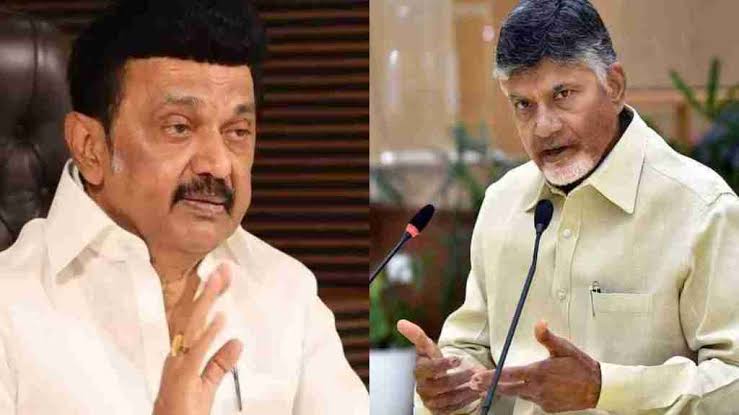
Stalin says ‘wearing Tamil Mask to seek votes old trick’, Chandrababu says ‘Telugu pride irrelevant in this context’; Basically, Naidu sees no gain in supporting a candidate from the INDIA bloc when the NDA clearly has the numbers while Stalin is not impressed by the BJP pitching a Tamil face when he is dealing with broader actions seen as anti-Tamil like “over Hindi imposition, NEET, federal issues etc.

NDIA Bloc’s attempt to create bring together prominent South regional parties, especially from Andhra Pradesh and Telangana, to rally behind its Vice-President candidate, retired judge Sudershan Reddy, is not working and so is the BJP-led NDA’s pitch for DMK support for Tamil’ nominee C P Radhakrishnan

While Andhra Pradesh Chief Minister and TDP supremo N Chandrababu Naidu criticised the INDIA alliance for fielding a candidate for the Vice President post despite knowing the NDA candidate had a clear majority and rejected demands to support Reddy, saying “Telugu pride was irrelevant in this context”, Tamil Nadu Chief Minister M K Stalin also dismissed the BJP’s attempt to pitch its nominee C P Radhakrishnan as a Tamil candidate.

“Wearing a Tamil mask to seek vote is an old trick which will not work in Tamil Nadu,” Stalin said in a meeting held to mobilise support for Sudershan Reddy in Chennai on Sunday. Reddy was in Chennai to meet DMK and allies and seek support.

“Individuals are only images. It is ideology that guides politics. After doing everything against Tamil Nadu, BJP cannot expect support by projecting a Tamil face,” Stalin was quoted as saying

“Not only as a DMK leader but also as a representative of the alliance, I can say Reddy is the most qualified for the Vice- President’s post. When BJP is destroying Constitutional values, we need someone who defended them throughout his career,” he said.

Chandrababu Naidu, in turn, accused the INDIA Bloc of “doing politics by fielding a candidate with no chances of winning.”

In Delhi for a courtesy visit to NDA candidate CP Radhakrishnan, Naidu rejected demands to support the INDIA Bloc candidate from Telugu states, saying that Telugu pride was irrelevant in this context.

“The question of Telugu Pride doesn’t arise in this situation. TDP is part of NDA before the elections, and supporting another candidate doesn’t arise

“We’re part of the NDA, and there are NDA governments in the state and at the Centre. Is it ethical to expect our support for a non-NDA candidate?” he questioned, underlining his commitment to ethics and relations with the NDA.

Naidu said when PV Narasimha Rao was the Prime Minister, TDP supported his candidature as an MP despite being anti-Congress. If there were winning chances, it would have been better to field a Telugu candidate.

Southern parties reject symbolic gestures

Basically, TDP’s Naidu sees no gain in supporting a candidate from the INDIA bloc when the NDA clearly has the numbers while DMK’s Stalin is not impressed by the BJP pitching a Tamil face like Radhakrishnan when he is dealing with broader actions seen as anti-Tamil like “over Hindi imposition, NEET, federal issues etc.”

“TDP is a part of the NDA and breaking ranks for a symbolic vote would send mixed signals. Naidu is positioning himself as a pragmatic leader, not swayed by emotional calls for ‘Telugu pride’. For DMK, the BJP’s centralising tendencies as a threat to state autonomy. Both are  playing a long game, not just reacting to the VP race but laying groundwork for state elections and 2029 general elections,” say analysts

Bihar elections: Rahul Gandhi’s ‘Voter Adhikar Rally’ builds traction, brings together adversaries  

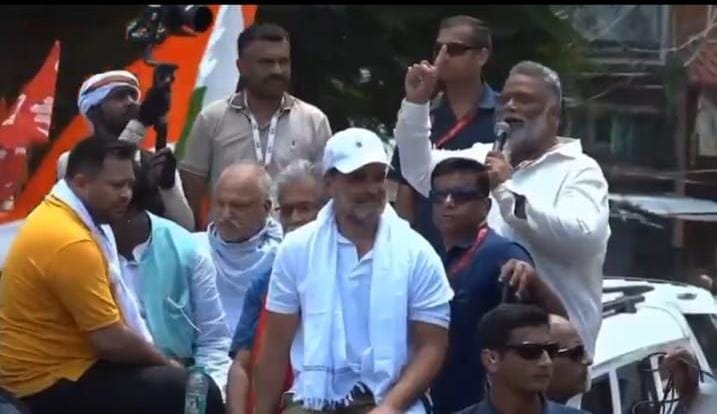
While bringing together opposition on one common platform in poll-bound state, a key change was also witnessed in the Bihar’ politics during Rahul Gandhi’s Voter Rights Yatra when in Araria Leader of Opposition in the Assembly Tejashwi Yadav was spotted with Lok Sabha MP from Purnia, Pappu Yadav alias Rajesh Ranjan. in one frame. Pappu Yadav also described Tejashwi Yadav as ‘Jananayak’. He started his speech by praising Tejashwi Yadav and called him the “real hope of Bihar and the leader”—a statement that are now going viral on social media.

Photo courtesy Pappu Yadav social media

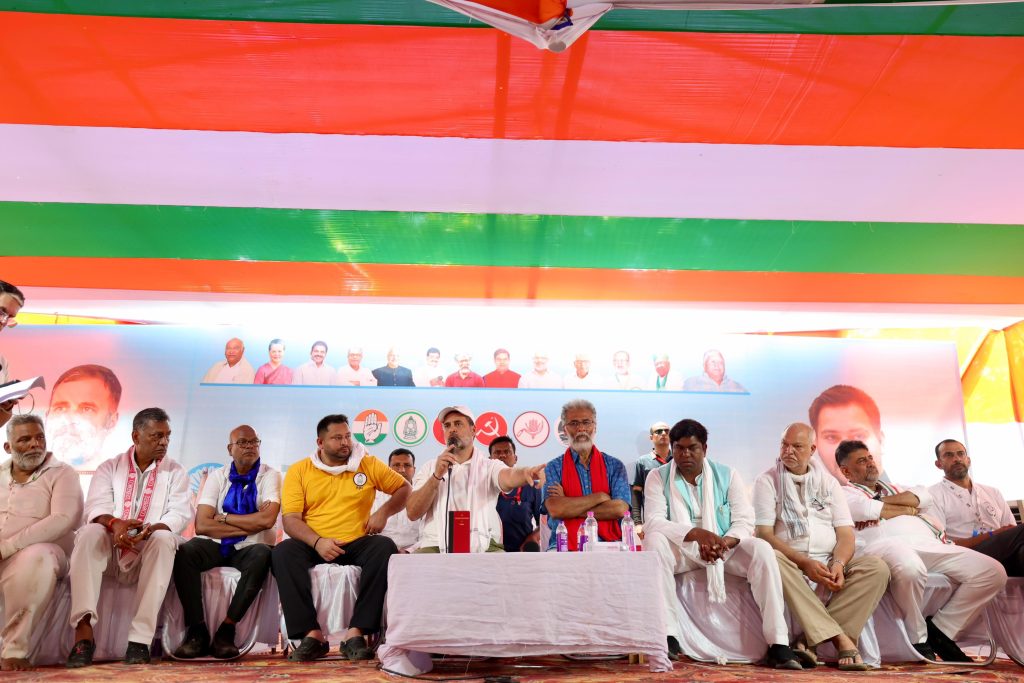
Speaking in Araria on Sunday, senior Congress leader Rahul Gandhi called the Special Intensive Revision (SIR) an “institutionalised way of stealing votes in Bihar” which the opposition grand alliance Mahagathbandhan will not allow that to happen. He also spoke of complete ideological and strategic cohesion among Mahagathbandhan parties during the ongoing ‘Voter Adhikar Yatra’ kids and how people of Bihar, as young as 6-year-olds have started saying ‘vote chor, gaddi chhor’

Photo courtesy AICC

RJD’s Tejashwi Yadav, Dipankar Bhattacharya of the CPI (M-L) and Mukesh Sahani of the Vikassheel Insaan Party were present with him. They all spoke in one voice on that “the ECI was partial and how BJP’s Anurag Thakur made the same allegations which Rahul Gandhi had made earlier but the ECI did not ask him to submit an affidavit” and how the entire opposition is speaking against the deletion of voters from the electoral rolls, but not the BJP, signalling “partnership” with ECI. Tejaswi Yadav also accused the EC of acting like “another cell of the BJP” and “Godi Commission”

Major change in Bihar politics

While bringing together opposition on one common platform., a major change was also witnessed in the Bihar’ politics during Rahul Gandhi’s Voter Rights Yatra when in Araria Leader of Opposition in the Assembly Tejashwi Yadav was spotted with Lok Sabha MP from Purnia Pappu Yadav alias Rajesh Ranjan in one frame.

Pappu Yadav also described Tejashwi Yadav as ‘Jananayak’. He started his speech by praising Tejashwi Yadav and called him the “real hope of Bihar and the leader”—a statement that are now going viral on social media. The optics of two political adversaries embracing and interacting cordially on the campaign stage are being watched closely by the ruling BJP-JD(U) led alliance.  

Pappu Yadav also accused the ECI of being biased towards the BJP. 

The issue between Pappu and Tejashwi

The key source of tension between Pappu Yadav and Tejashwi Yadav arose during the 2024 Lok Sabha elections over the Purnia constituency seat. 

In March 2024, Pappu Yadav, a prominent five-time MP from Bihar, merged his Jan Adhikar Party (JAP) with the Congress. As part of the multi-party INDIA alliance, he expected to contest the Lok Sabha elections from his stronghold of Purnia on a Congress ticket.

However, in the seat-sharing agreement, the Purnia constituency was given to the RJD—a key ally in the Mahagathbandhan led by Tejashwi Yadav. The RJD fielded its candidate, Bima Bharti, from the seat.

Denied the ticket, Pappu Yadav defied the alliance and contested the election as an Independent and won Purnia, defeating both the ruling JD(U) and the RJD’s candidate. Since the Lok Sabha election, the two leaders have made public gestures of reconciliation, although the political rivalry remains.

Sergio Gor-erstwhile ‘USSR’ connection and has Trump ‘hyphenated’ India with Pakistan again

Gor’s appointment to New Delhi comes at a time when India and the US are going through a bad patch, and many believe he will make an excellent representative of America given his close access to Trump; But lack of deep knowledge about India, its policy matters and his young age may be an issue. Besides, his broader mandate as a special envoy for South and Central Asia affairs “potentially hyphenates India with Pakistan,” say analysts

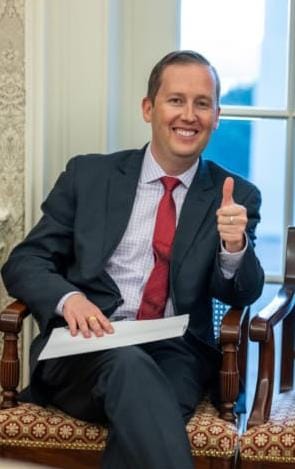
Phoro: courtesy Gor’s social media

 Incidentally, the original last name of Sergio Gor was Gorokhovsky, that is before it got shortened when he and his parents migrated to the US. Born in Tashkent, Uzbekistan—a part of the erstwhile USSR—Gor emigrated to the US with his parents in 1999 when he was around 12, according to reports

Amid ongoing tariff tensions between Washington and New Delhi, US President Donald Trump on Saturday nominated close aide Sergio Gor as the new Ambassador of India.

He is currently the Director of the White House Presidential Personnel Office.

Who is Sergie Gor

Just around 38 years old, Gor has no previous known connection/work/ scholarship related to India. His father Yuri Gorokhovsky was reportedly an aviation engineer who worked on aircraft designs for the Soviet military, according to reports

“Sergey Gorokhovsky was born on November 30, 1986, in Tashkent, Uzbek Soviet Socialist Republic, Soviet Union.

“The Gorokhovskys moved to Malta by 1994, when his mother established a business and registered as an Israeli national.

“The Gorokhovskys emigrated from Cospicua in 1999.

“He attended high school in Los Angeles and graduated from George Washington University,” as per reports

While in George Washington University, he was said to be active in conservative, Republican circles before joining Senator Rand Paul as a staffer and rising in political circles. His association with Trump began around the 2020 elections. He was named Director of the White House Office of Presidential Personnel after Trump won in November 2024.

His influence with Trump also earned him adversaries. Billionaire businessman Elon Musk called Gor a “snake” after one of his recommendations were spiked by Trump on Gor’s advice

India hyphenated with Pakistan?

Gor’s appointment to New Delhi comes at a time when India and the US are going through a bad patch, and many believe he will make an excellent representative of America given his close access to Trump.

But lack of deep knowledge about India, its policy matters and his young age may be an issue.

Besides, his broader mandate as a special envoy for South and Central Asia affairs “potentially hyphenates India with Pakistan,” say analysts

Loyalty to Trump is unquestionable

Gor on Saturday said he was “beyond grateful” to President Donald Trump for his nomination as the US ambassador to India.

However, Gor will also be Special Envoy for South and Central Asian Affairs, expanding his role in the region.

“Beyond grateful to @realDonaldTrump for his incredible trust and confidence in nominating me to be his next U.S. Ambassador to India and Special Envoy for South and Central Asian Affairs! Nothing has made me prouder than to serve the American people through the GREAT work of this Administration! Our White House has achieved historic results in MAKING AMERICA GREAT AGAIN!  It will be the honor of my life to represent the United States!” he wrote on X

He will fill the vacancy in New Delhi that has remained since January, when former US Ambassador Eric Garcetti was recalled after Trump assumed office in Washington, DC.

Announcing the appointment Trump wrote on Truth Social: “For the most populous region in the world, it is important that I have someone I can fully trust to deliver on my agenda and help us ‘make America great again’. Sergio will make an incredible Ambassador. Congratulations Sergio!”

Referring to Gor as a “great friend”, who has been at his side for many years, the US President added: “Gor worked on my historic presidential campaigns and published my best-selling books”.

Trump said that in his current role as Director of Presidential Personnel, Gor has hired nearly 4,000 “America First patriots” across every department of the federal government.

Gor’s role has been essential in delivering on the unprecedented mandate received from the American people, he also said. 

Gor will remain in his current role at the White House until his confirmation by the Senate.

MOST POPULAR

HOT NEWS