‘Salwa Judum’, Justice Reddy, Vice-Presidential battle and clash of narratives between BJP and INDIA Bloc

How Salwa Judum—a movement dismantled more than a decade ago—returned to dominate headlines in 2025, this time not in the jungles of Bastar in Chhattisgarh but in the corridors of Parliament and national politics
File Photo

As India heads toward the vice-presidential election on September 9 the political debate has taken on a sharp and rather unusual turn turning an otherwise straightforward contest between the ruling NDA and the opposition INDIA bloc into a referendum on Constitutional values, counter-insurgency methods, and ‘left wing-right wing’ divide

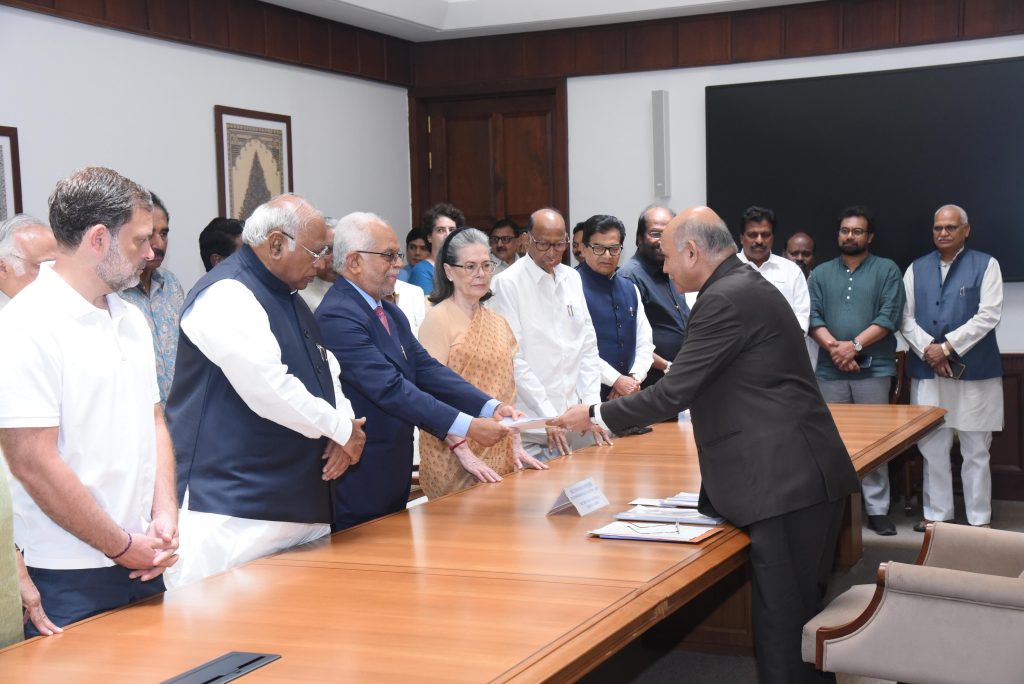
At the heart of this debate is Justice B. Sudershan Reddy—the retired Supreme Court judge chosen by the INDIA bloc as its candidate for India’s second most important Constitutional post

The NDA claims his direct involvement in the increase of Naxal movement by giving a verdict against Salwa Judum—the state-backed vigilante movement in Chhattisgarh that sought to counter Maoist influence by mobilising tribal youth as armed volunteers.

Salwa Judum

To some, Salwa Judum symbolised local resistance against extremists. To others, it was a reckless experiment that displaced villages, forced recruitment, and brought lawlessness to already fragile regions.

In 2011, Justice Reddy, heading a Supreme Court bench, struck down Salwa Judum as unconstitutional. The judgment declared that arming untrained civilians to fight insurgents violated the basic rights of life and equality guaranteed under the Constitution.

BJP’s offensive

With the naming of Reddy as the INDIA Bloc’s VP candidate, the ruling has resurfaced in the heat of political battle.

Launching a major offensive, Home Minister Amit Shah has accused Justice Reddy of indirectly “supporting Naxalism.” According to Shah, the judgment tied the government’s hands and prolonged the insurgency for another decade. He also argued that the decision “denied tribals their right to self-defence” and that had Salwa Judum been allowed to continue, “Maoism could have ended by 2020.”

Such remarks, delivered in speeches across states, are now a part of the BJP’s effort to frame the election as a choice between “national security” and what it portrays as misplaced judicial activism.

INDIA Bloc’s response  

Justice Reddy, however, has rejected the suggestion that the court’s ruling weakened India’s fight against Maoists, pointing out that no government since 2011 has claimed the judgment hampered security operations.

“The State has every right to fight violence, but it cannot outsource that responsibility to untrained civilians. The monopoly to wield weapons has always been with the State,” he was quoted as saying, reminding critics that the verdict also protected children’s rights to education, since schools in conflict zones had been occupied by armed forces. For him, the issue was never ideology, but constitutional duty.

The INDIA bloc has rallied behind Reddy, projecting him as a figure of integrity who represents constitutional morality over partisanship. Leaders such as Akhilesh Yadav have urged MPs to “vote for justice,” while Congress is highlighting his record of standing for social justice. Telangana Chief Minister A. Revanth Reddy turned Justice Reddy’s nomination into a point of pride for southern states, calling him an advocate for OBC rights, chairing committees that expanded opportunities for backward classes.

This clash has exposed the deeper stakes of the vice-presidential election. For the BJP, the contest is being framed as one between national security and judicial overreach. For the INDIA bloc, Justice Reddy’s candidacy is about protecting the Constitution, standing up for the marginalized, and asserting that the law—not vigilante militias—must guide the state’s fight against extremism.
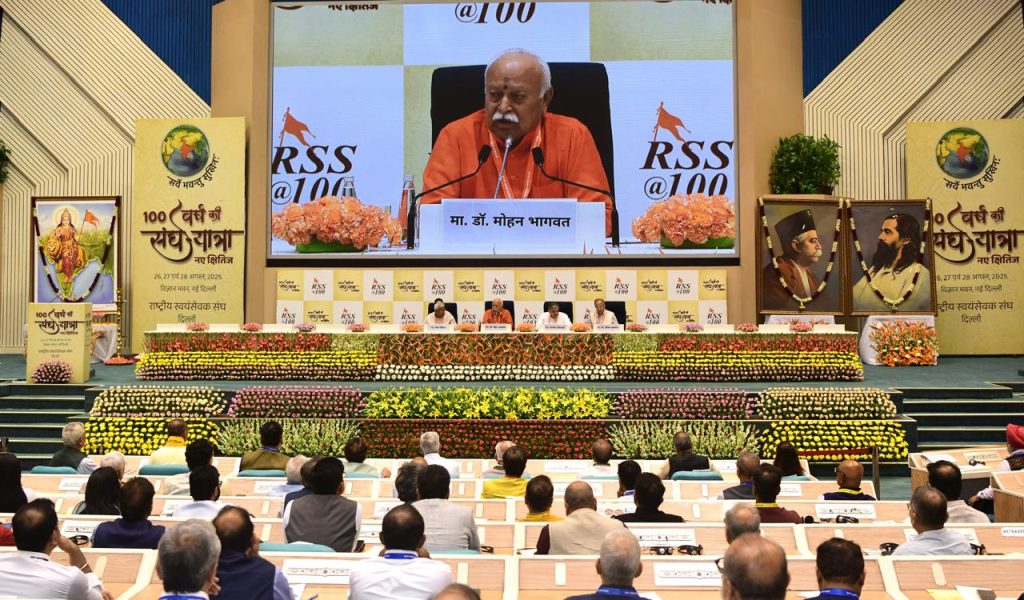
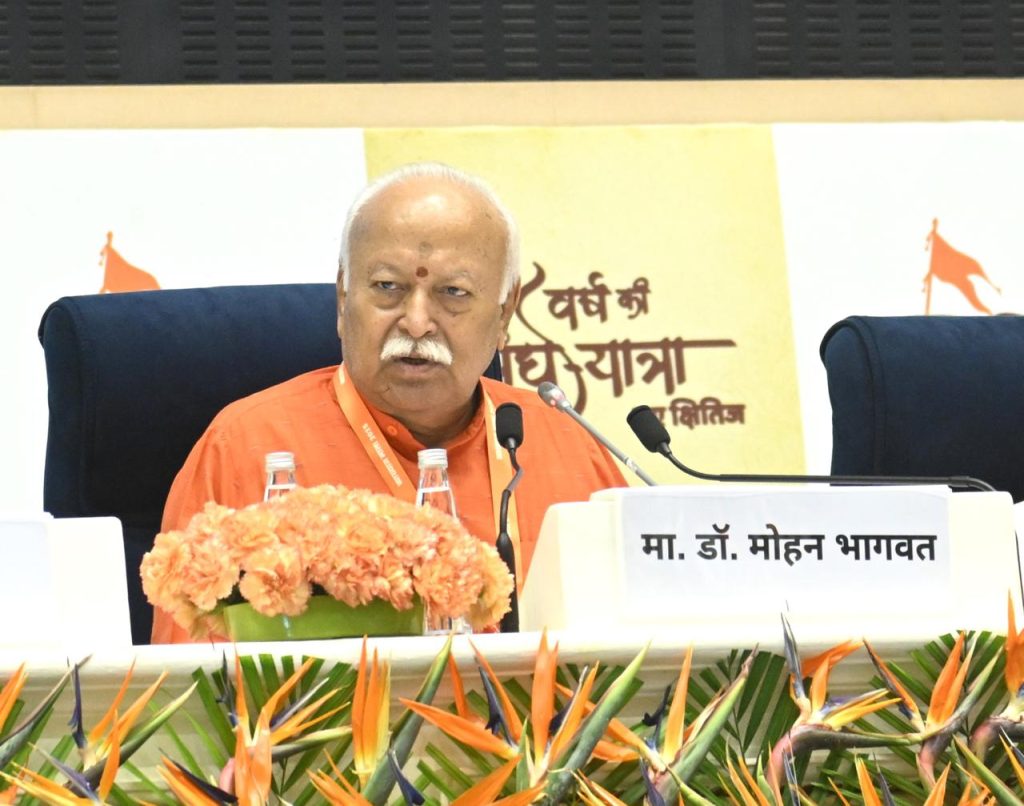
Bhagwat dismisses retirement at 75 years, says ‘I never said I will retire or someone should retire’

In Sangh, individuals are given a job whether they want it or not, and even if one is 80 years old, if asked to do a job, they will do it: RSS chief 

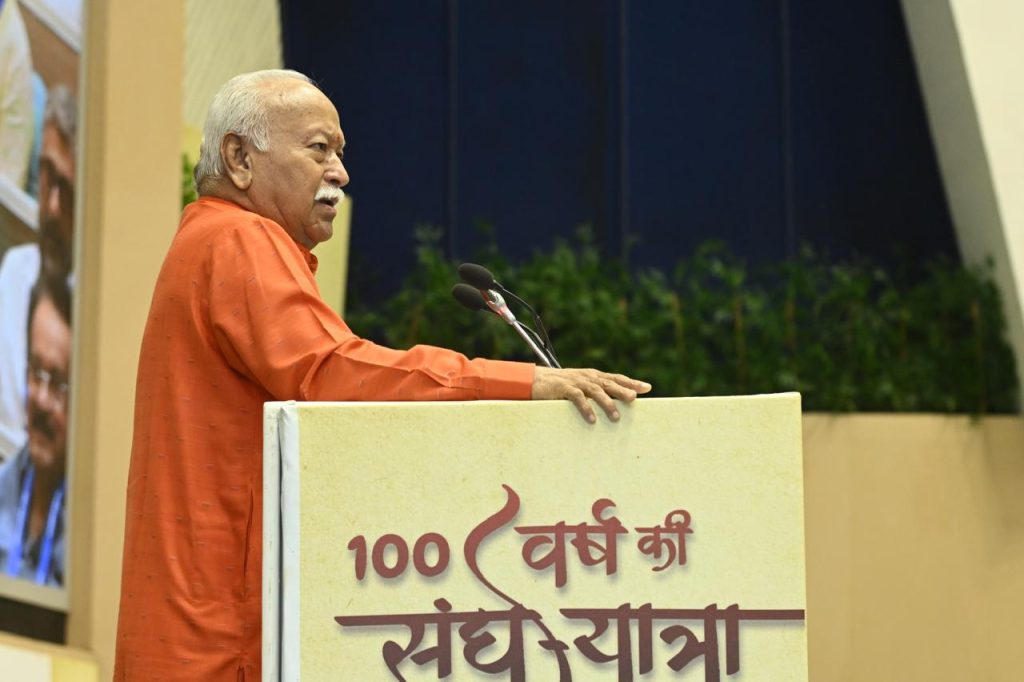
Rashtriya Swayamsevak Sangh (RSS) chief Mohan Bhagwat on Thursday said that the Sangh did not take decisions on internal matters of its affiliated organisations (like BJP) and that they were free and self-dependent to execute and manage their affairs. Answering questions about relation with its political arm—the BJP—and the perceptions that the Sangh decides everything related to its organisations, Bhagwat said “to say that RSS decides everything is completely wrong… Had we been deciding, would it have taken this long?” He was responding to a question regarding delay in the selection of a new BJP president.

Responding to questions on the last day of his three-day lecture series in Vigyan Bhawan at Delhi, Bhagwat said that the perception of the RSS deciding “everything” for the BJP is “completely wrong”. As a message to the BJP, he said “take your time. We have nothing to say.”

He also spoke about the oft-question regarding an unsaid rule that BJP leaders would retire from active politics once they are 75 years old. Bhagwat said that he never said that either him or anyone else should retire. In Sangh, individuals are given a job whether they want it or not, and even if one is 80 years old, if asked to do a job, they will do it, he added.

“…I never said I will retire or that someone should retire. In Sangh, we are given a job, whether we want it or not. If I am 80 years old, and the Sangh says go and run a ‘shakha,’ I will have to do it. We do whatever the Sangh tells us to do… This is not about anyone’s retirement. We are ready to retire or work as long as the Sangh wants us to,” he said, setting at rest speculations that Prime Minister Narendra Modi may retire from his post after his 75th birthday in September 2025

Bhagwat, incidentally. will turn 75 days before PM Modi.

Bhagwat said that the RSS has good coordination with all governments at the centre and states, but systems sometimes have internal contradictions. Even if the person in the chair is 100 per cent with us, he may have hurdles. “So, we have to give him independence. There is no quarrel anywhere…but being on the same page on all issues is not possible; we always trust each other,” he said.

“We can have differences of opinion, but we never have differences of heart,” he said, dismissing talks of tensions with BJP. The Sangh and its organisations were guided by the policy of “nation first”.

“Differences stem from ideologies. We can have some differences in opinion, but no differences in intent,” he said.

Bhagwat also said that the RSS ‘does not tell’ the government how to deal with US President Donald Trump. 

Army foils infiltration bid in Gurez, two terrorists killed

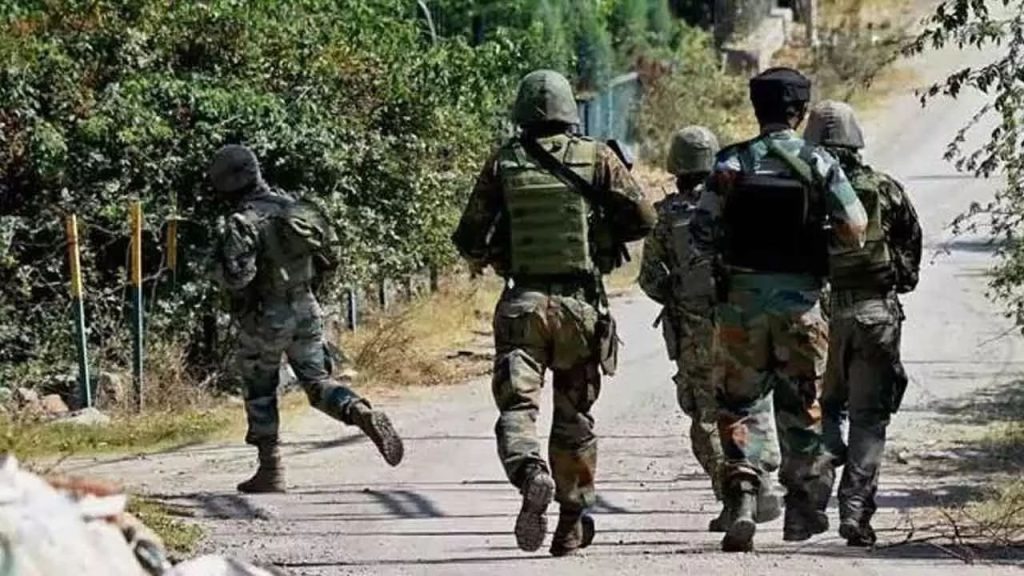
Srinagar: Security forces on Thursday foiled an infiltration attempt along the Line of Control (LoC) in the Gurez sector of Bandipora district, killing two unidentified terrorists, the Army said.

Acting on specific intelligence inputs from Jammu and Kashmir Police, a joint team of the Indian Army and J&K Police launched an operation in the Naushera Nar area. Alert troops spotted suspicious movement near the LoC and challenged the infiltrators, who opened indiscriminate fire. Security forces retaliated, killing both militants on the spot. Their identity and group affiliation are yet to be confirmed.

The Army’s Srinagar-based Chinar Corps, in a statement, confirmed the operation and said it was still underway.

This is the second infiltration attempt foiled along the LoC in recent days. Three days ago, a similar bid was thwarted in the Uri sector of Baramulla district, while on August 13 a soldier was killed in the same sector during an exchange of fire.

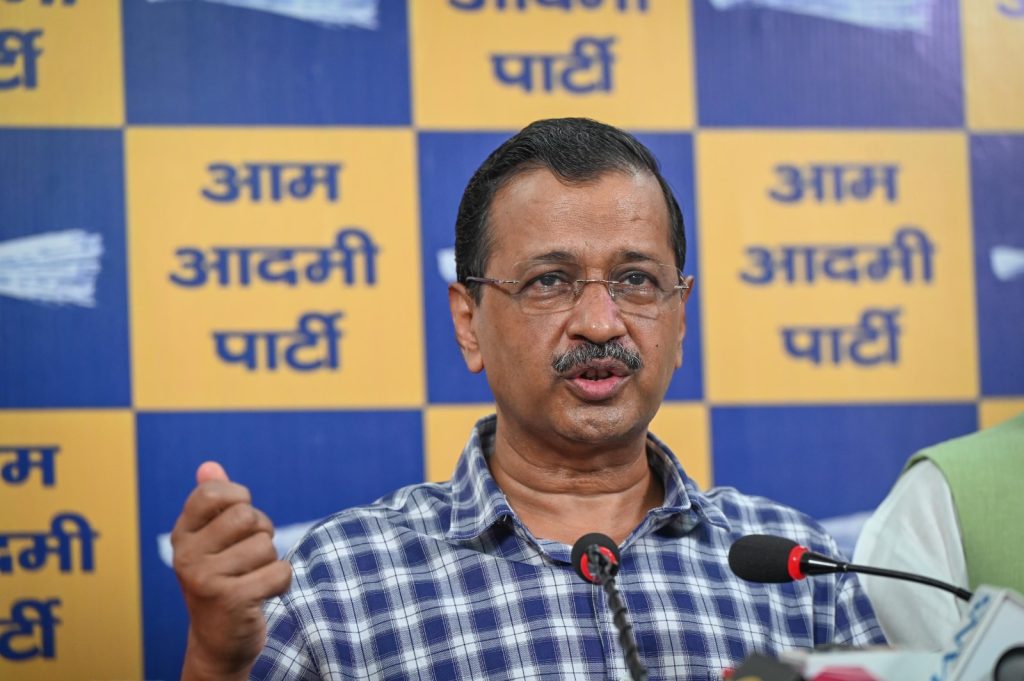
PM Modi ‘betrayed’ Indian farmers under Trump’s ‘pressure’: Kejriwal

“Under the pressure of Trump, the Narendra Modi government decided to remove the 11% duty imposed on cotton coming from America”. Describing Trump as a “coward” who has “bowed before countries which stood firmly against him”, Kejriwal also wondered “I don’t know what compulsions PM Modi have that he is not saying anything”.

In one of his sharpest attacks, Aam Aadmi Party (AAP) national convener Arvind Kejriwal on Thursday accused Prime Minister Narendra Modi of “betraying” India’s cotton farmers by removing import duties on American cotton under “pressure” from US President Donald Trump. Describing Trump as a “coward” who has “bowed before countries which stood firmly against him”, he also wondered” “I don’t know what compulsions PM Modi has that he is not saying anything”. The decision would make American cotton cheaper and harm Indian farmers he said, demanding immediate roll back of the decision on a day the Finance Ministry extended the order till December 31.

India should have responded strongly to America’s 50 % tariff with a 100 % tariff on its goods, like other countries have done, Kejriwal said, accusing PM Modi of failing to protect farmers and taking decisions “quietly”. “We demand that this order of withdrawing 11% import duty on cotton should be withdrawn with immediate effect import duty imposed again,” he said.

“PM Modi has taken some decisions behind our backs which are a huge betrayal of the farmers of the entire country.  Recently, under the pressure of Trump, his government decided to remove the 11% duty imposed on American cotton. Now, there will be no duty on cotton coming from America from 19 August to 30 September, for 40 days during which Indian traders would have completed their requirement by the time Indian cotton comes to the market. American cotton which would be cheaper by an average of Rs 15-20 per kg,” he said

India should have taken a tougher stand against Washington, he said, adding “If Trump has imposed a 50 % tariff on Indian goods, we should have imposed a 100 % tariff on American goods. Are we a weak nation? This is a country of 140 crore people. We have a huge market, everyone wants a share of this market,” he said

The former Delhi CM warned that removal of duties on American cotton would devastate Indian farmers.

Government extends order till December 31

To augment availability of cotton for the Indian textile sector, the Central Government temporarily exempted the import duty on cotton from 19th August 2025 till 30th September, 2025. On Thursday, it extended the order further “to support exporters”. The Central Government has decided to extend the import duty exemption  on cotton (HS 5201) from 30th September 2025 till 31st December 2025, the Finance Ministry said on August 28.

“PM Modi has taken some decisions that are very harmful for the farmers of our country and of which 90 % farmers are not even aware. Once these decisions are implemented, cotton farmers of Gujarat, Marathwada, Vidarbha, Punjab will be left with no option but to commit suicide. As it is cotton farmers were finding it difficult to sell their produce at the MSP,” Kejriwal said

SKM has also made similar demand

On Monday the Samyukt  Kisan Morcha also demanded immediate scrapping of import tariff on cotton and declaring MSP at Rs 10075 per quintal

Recently the Finance Ministry notified the elimination of 11 % duty on cotton imports with immediate effect on August 19, which will remain in force up to September 30. The Government said the “elimination of import duty on cotton as well as Agriculture infrastructure Development Cess (AIDC) is necessary in the public interest”. On Thursday,

SKM leaders Rakesh Tikait and Hannan Mollah, however, said that the decision will result in a reduction in the price of imported cotton which, in turn, will push prices of domestic cotton downwards.

“Small cotton producers in India cannot compete with large, industrial-scale cotton farmers of the United States who have historically received massive government subsidies. The duplicity of US lobbying with the Indian government to reduce state support to the Indian cotton farmers is well documented. It has been estimated that, In the US, government subsidies are as high as 12 % of the total value of production of cotton while in India; government support to cotton farmers is about 2.37 % of the value of production. This massive disparity is at the core of the advantage US cotton farmers have over cotton producers in developing countries,” they said

Cotton farmers

The immediate impact of this decision will be particularly severe as farmers in most cotton-growing areas have already sown their crops almost two months back and have sunk significant costs in anticipation of getting remunerative prices for their produce. This move to scrap import duties comes at a particularly bad time as farmers prepare to harvest their crop, they added.

 In India, the area under cotton cultivation is around 120.55 lakh hectares, which represents about 36% of the world’s total cotton area.

The country is the world’s largest in terms of cotton acreage. Among the states, Maharashtra has the largest area dedicated to cotton cultivation, followed by Gujarat and Telangana.

Approximately 67% of India’s cotton cultivation relies on rain-fed areas.

India, China, the United States, Pakistan, and Brazil are the key producers of cotton.

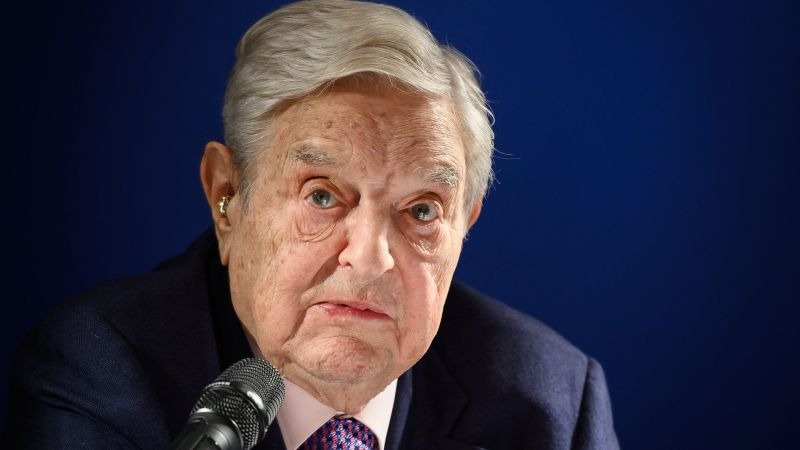
George Soros: 95-year-old common enemy of Trump and PM Modi/BJP

Trump on Wednesday (August 27) called for Soros and his son Alex to face criminal charges, alleging that they are behind violent protests in the US; A couple of days back, Parliamentary Affairs Minister Kiren Rijiju accused “anti-India” philanthropist George Soros of conspiring to destabilise the Indian government.

US President Donald Trump may be engaged in a tariff war with Narendra Modi-led NDA government but one thing that both him and the Prime Minister’s party may agree on are their common feelings for billionaire George Soros  

Trump on Wednesday (August 27) called for Soros and his son Alex to face criminal charges, alleging that they are behind violent protests in the US on his Truth Social platform

“George Soros, and his wonderful Radical Left son, should be charged with RICO because of their support of Violent Protests, and much more, all throughout the United States of America.

“We’re not going to allow these lunatics to rip apart America any more, never giving it so much as a chance to “BREATHE,” and be FREE. Soros, and his group of psychopaths, have caused great damage to our Country! That includes his Crazy, West Coast friends. Be careful, we’re watching you! Thank you for your attention to this matter!” he wrote

Meanwhile, just a couple of days back, Parliamentary Affairs Minister Kiren Rijiju accused “anti-India” philanthropist George Soros of conspiring to destabilise the Indian government.

He also alleged that Leader of the Opposition in Lok Sabha Rahul Gandhi was working in coordination with Soros.  “George Soros says that one trillion dollars are kept to destabilise the Indian government. The anti-India Khalistan force sitting in Canada, the US, the UK, and many Left organisations are conspiring to work against the country,” he said in an interview

“Rahul Gandhi and Congress are working in coordination with them and weakening the country,” he said, adding that Gandhi was on a “very dangerous track.”

Why George Soros

The philanthropic organisation founded by George Soros—the Open Society Foundations—has dismissed Trump’s accusations as “outrageous and false” saying that it “does not support or fund violent protests” and advocates “rights to free speech and peaceful protest that are hallmarks of any vibrant democracy.”

This was not the first time Trump blamed Soros, he has done it in the past as well, including his 2024 conviction related to hush money payments, and neither has the BJP. Rijiju’s comments were in line with many such attacks against Soros—a Hungarian-American investor and philanthropist who remains a controversial figure in Indian political circles.

The BJP has attacked Congress leaders, including Rahul Gandhi and Sonia Gandhi, of colluding with Soros and his organisations.

Soros, 95, has been a frequent target of far-right conspiracy theories, often tied to his support of progressive causes and the Democratic Party as far as the US is concerned. His connection with India follows certain comments against PM Modi and the BJP.  Soros was quoted as saying that allying with billionaire Gautam Adani could significantly weaken PM Modi’s “stranglehold on India’s federal government”.

“India is… a democracy. But its leader, Narendra Modi, is no democrat. Inciting violence against Muslims was an important factor in his meteoric rise,” he also said

He has been accused of promoting the idea of an independent Kashmir through his organisation. 

International trade should be voluntary, not under pressure: Mohan Bhagwat

RSS chief’s comments came on the day an additional 25 per cent tariff imposed by US President Donald Trump on India for buying Russian oil came into force

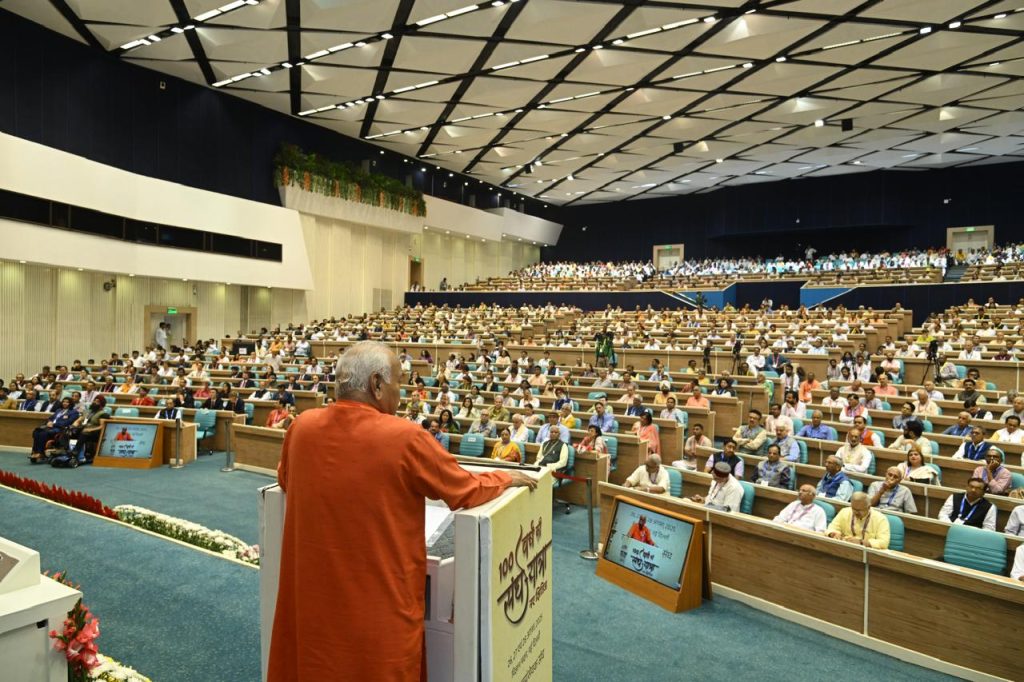
Rashtriya Swayamsevak Sangh (RSS) chief Mohan Bhagwat on Wednesday said international trade should happen voluntarily and not under pressure, making a strong pitch for swadeshi and self-reliance. Speaking at a lecture series to mark the centenary of the RSS, Bhagwat also emphasised on self-reliance and swadesi (indigenous products)

He clarified that swadeshi did not mean blocking imports of goods that the country already produces or can manufacture easily.

“Being atmanirbhar (self-reliant) does not mean halting imports. The world functions because of interdependence. So export-import will continue. But there should be no compulsion in it,” Bhagwat said on the second day of the three-day lecture series “100 Years of RSS – New Horizons” at Vigyan Bhavan in New Delhi.

“Bringing goods from abroad harms local vendors,” he remarked.

Bhagwat said balance in life and society was the essence of dharma, and cautioned against extremes. “India’s tradition has always taught the middle path, and that is what the world needs most today,” he remarked. For this he outlined five focus areas for change—family awareness, social harmony, environmental protection, self-realisation through swadeshi, and fulfilling civic duties.

Bhagwat’s comments came on the day an additional 25 per cent tariff imposed by US President Donald Trump on India for buying Russian oil came into force.

According to official sources, the impact of Donald Trump’s 50 per cent tariff on India is unlikely to be “as severe as feared given the diversified nature of Indian exports.”

There is no need to panic as far as exports are concerned as communication lines are open between India and the US to resolve the issue, they also added. However, it remains to be seen how stock markets react to the tariffs. On Tuesday the equity benchmark indices Sensex and Nifty declined over 1 percent, marking their steepest fall in over three months, after the US issued a draft notice proposing additional tariffs on Indian imports.

Bhagwat also talked about India’s restraint even in times of loss, noting how the country had extended help even to those who once harmed it. “Ego creates enmity, but India has always risen above ego,” he said, adding that Indian society must set an example for the world through its conduct.

He observed that RSS enjoys credibility today because “society believes the Sangh does what it says.”

On the economic front, Bhagwat argued for a new national development model rooted in self-reliance, swadeshi, and environmental balance. He also underlined the importance of reconnecting with neighbouring countries. “Rivers, mountains, and people remain the same—the only difference is the lines drawn on maps,” he said.

Explaining the ethos of the Sangh, Bhagwat said its work was rooted in “pure love and commitment to society.” Unlike conventional organisations, he said, RSS volunteers expect no personal benefits. “There are no incentives, only disincentives—but the joy of serving society gives meaning to life,” he noted.

He described the core values of the organisation as forming friendships with the virtuous, ignoring the wicked, rejoicing in others’ good deeds, and showing compassion even towards wrongdoers.

Touching upon Hindutva, Bhagwat defined it as “truth, love, and belongingness.” He said India had a role akin to that of an elder brother in guiding the world, drawing on the teachings of sages who emphasised that life is not meant for oneself alone.

Why was ‘yatra’ not stopped when there was a warning, questions Omar Abdullah

Climate change is one part but damage due to rains is also a story of apathy, poor planning 

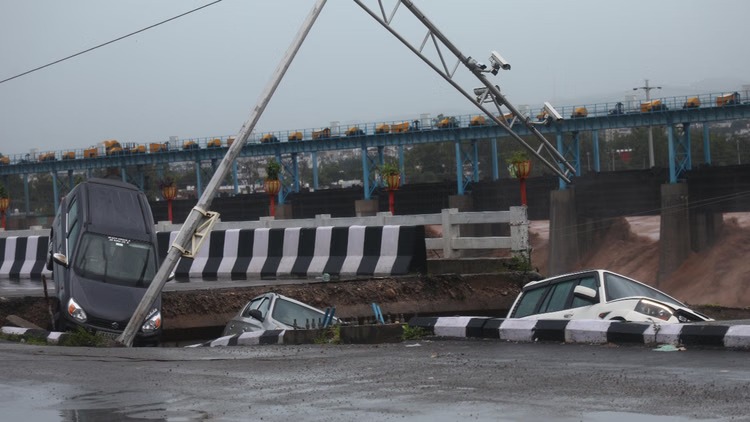
Rivers overflowing, infrastructure/highways/bridges collapsing, agricultural tracts inundated, homes and businesses destroyed and pilgrimage routes becoming perilous—the scale of the crisis and damage in Jammu and Kashmir, Himachal Pradesh and Uttarakhand and plains of Punjab is impossible to decipher at this moment but the situation has made one thing clear again—North India’s fragile relationship with its mountains, rivers and monsoon and the administration’s complete lack of preparedness to handle it.

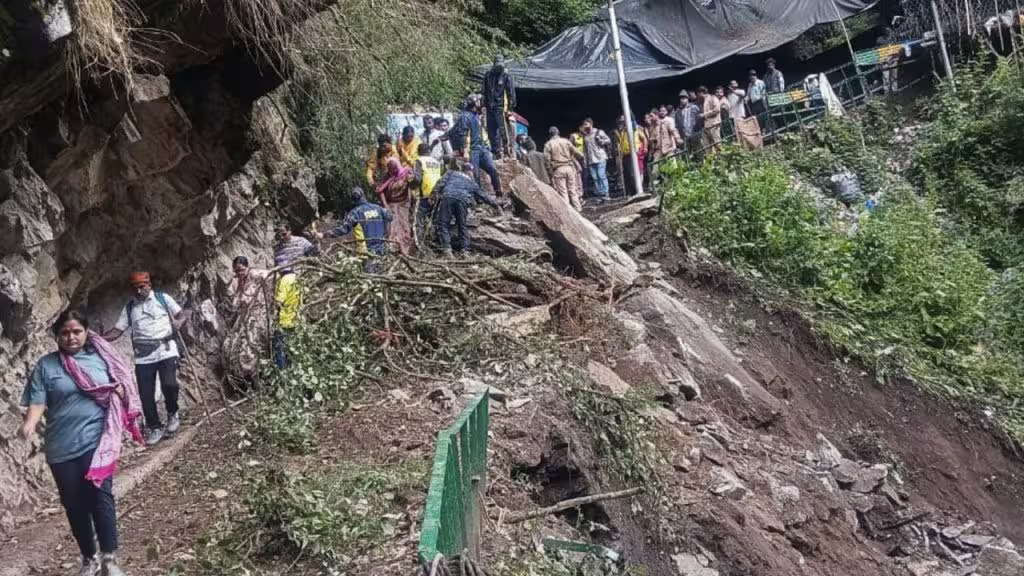
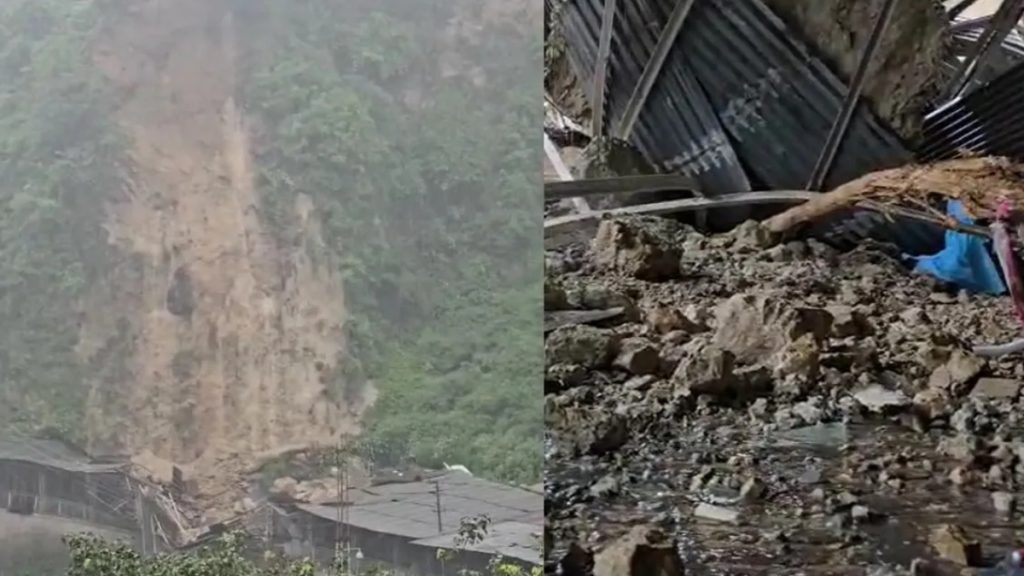
The death toll in the Vaishno Devi landslide has gone up to 32 with rescuers pulling out more bodies from under the debris a day after disaster struck the route to the hilltop shrine in Jammu and Kashmir’s Reasi district on Tuesday, according to reports.

Expressing grief over the deaths in the Vaishno Devi landslide, J&K Chief Minister Omar Abdullah on Wednesday also asked why officials did not stop pilgrims from going on the track when there was a warning.  

“We will have to talk about it later. When we knew about the weather, should we not have taken certain steps to save those lives? The weather warning had come to us a few days ago.”

“Why were these people on the track? Why were they not stopped? Why were they not moved to a safe place? This has to be discussed later. We feel sorrow over the loss of 29 to 30 precious lives,” he was quoted as saying.

While the yatra had been suspended on the Himkoti trek route since Tuesday morning, it was going on the old route till 1.30 pm when authorities decided to suspend it till further orders in view of the torrential rain, as per the reports.

Rains paralyse the region

The death toll in the Vaishno Devi landslide is up to 32 with rescuers pulling out more bodies from under the debris a day after disaster struck the route to the shrine in J&K’s Reasi district on Tuesday

From temples and highways to homes and hotels and agricultural tracts, little was spared from the fury of the skies in the past couple of days.

Relentless rains, overflowing rivers and landslides paralysed life across Himachal Pradesh, Jammu and Kashmir and Uttarakhand with the impact spilling into Punjab and Haryana.

In Punjab, rains and release of surplus water from dams has inundated villages with entire stretches of farmland disappearing under sheets of water as swollen rivers surged into habitations.

Cloudbursts/rains are increasing

Tremendous amounts of rain falling in a short period of time over a concentrated area, cloudburst are causing chaos in mountainous parts of India and as well as neighbouring Pakistan.

According to a paper—‘Increased Summer Monsoon Rainfall over Northwest India Caused by Hadley Cell Expansion and Indian Ocean Warming’—published in August 2024, from 1979 to 2022, the summer monsoon precipitation has increased by a substantial 40% over Northwest India compared to the 1980s.

“The analysis suggests that a noticeable warming of the sea surface in the western equatorial Indian Ocean and the Arabian Sea could be causing this increase in rainfall. This warming strengthens the winds crossing the equator in the Indian Ocean and increases evaporation.

“The study also shows that the monsoon winds are strengthened due to the rapid warming of the Indian Ocean and the enhanced Pacific Ocean trade winds. These stronger winds cause more evaporation, which means more moisture is carried from the ocean to the land, leading to increased monsoon rainfall,” authors say

The main reason for the increase in cloudbursts is the amplified moisture content in the atmosphere, driven by climate change and coupled with the orographic effects of the mountainous terrain that force rapid condensation and release of that moisture.

Warmer air can hold more moisture, and warming oceans and rapidly melting glaciers contribute more water vapour to the atmosphere, leading to more intense monsoon winds.

When these moisture-laden winds encounter the steep mountain slopes of the Himalayas, the air rises rapidly, cools, and condenses, triggering sudden, heavy downpours, say experts

Recent calamities

Notably, the fresh episodes came barely days after one of the worst cloudburst-triggered floods in recent memory struck Chositi village in Kishtwar district on August 14 on the Machail Mata pilgrimage route. The entire village was devastated as torrents of mud and rock buried houses, pilgrims and livestock.

Earlier this month, Uttarakhand was shaken by a deadly flash flood in Dharali near Uttarkashi where a suspected cloudburst or glacial lake outburst swept away homes and hotels.

The crisis is not confined within India’s borders. Swollen rivers such as the Ravi, Sutlej and Chenab, flowing downstream into Pakistan, have forced authorities across the border to evacuate

But you cannot blame climate change every time

One can blame climate change but this is also a story of India’s missing climate plan, greed, poor planning and corruption.

Himalayas are young fold mountains that are still rising, making them prone to earthquakes, landslides, and avalanches.

Due to its location in a seismically active zone, the risk of earthquake-related hazards are always there.

What is adding to the fragility is climate change-induced glacial melting, altered rainfall patterns, and increased frequency of extreme weather events. 

Adding further to it is the nonchalant way humans have been treating the precious natural resources. Deforestation, unplanned construction, unsustainable tourism practices are destabilising slopes, leading to soil erosion and landslides. 

Besides, there also seems to be a certain nonchalance, both in public as well as those who are supposed to pre-empt such situations and stop loss of innocent lives. As Abdullah said—why officials did not stop pilgrims from going on the track when there was a warning.  

Communication blackout adds to weather chaos as landslide kills 32 on Mata Vaishno Devi route

Srinagar: Internet and mobile services across Jammu and Kashmir were restored Wednesday afternoon after a 24-hour outage, even as the region reeled from relentless rains, flash floods and a deadly landslide that killed at least 32 pilgrims on the Vaishno Devi shrine trek.

The disaster struck Adhkuwari, a midway point on the 12-km route to the hilltop temple, around 3 p.m. Tuesday, injuring 20 others and trapping several devotees under debris. Rescue teams continue to battle treacherous terrain and downpours to locate survivors.

The communications blackout, caused by damage to optical fibre lines, left millions without phone or internet access at a critical moment, hampering coordination of relief efforts.

For four straight days, heavy rain has battered Jammu and Kashmir, pushing rivers including the Chenab, Tawi and Jhelum above danger levels, triggering landslides, and forcing thousands from their homes. Eighteen trains have been cancelled after floodwaters damaged rail tracks, and key roads remain blocked.

The Shri Mata Vaishno Devi Shrine Board has urged devotees to defer their pilgrimage until weather conditions improve. Authorities in Srinagar and Jammu have warned of “massive damage” to infrastructure if rains persist and advised people to avoid low-lying areas.

Chief Minister Omar Abdullah chaired a review meeting in Jammu on Tuesday, ordering officials to remain on high alert and releasing emergency funds for district administrations. Weather experts have described the next 24 hours as “critical” as swollen rivers and saturated hillsides threaten further disasters.

Northwest rain fury—after exceptionally heavy rains, some respite expected

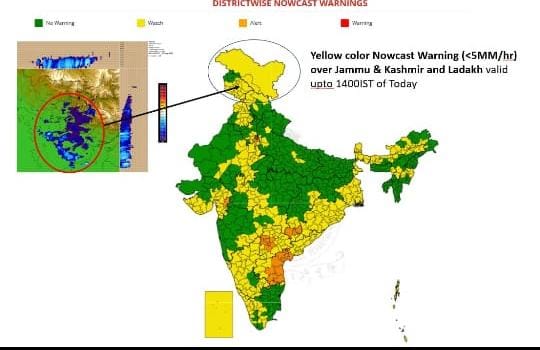
Significant reduction in rainfall activity over Jammu & Kashmir from today, however, isolated heavy rainfall spell likely to continue over Northwest India during next 6-7 days—IMD

Image courtesy IMD

Significant reduction in rainfall activity is likely over Jammu and Kashmir from today, however, isolated heavy rainfall spell likely to continue over Northwest India during next 6-7 days, the IMD said today

Exceptionally heavy rainfall recorded at isolated places over Jammu (Udhampur IAF-63 cm) and heavy to very heavy rainfall at some places with extremely heavy rainfall (≥21 cm) has been recorded at isolated places over Jammu region. Heavy rainfall (7-11 cm) has been recorded at isolated places over Uttarakhand, Punjab, Haryana

The Monsoon trough is running south of its normal position; a Western Disturbance as a cyclonic circulation is there over north Pakistan; and an upper air cyclonic circulation lies over south Punjab while a trough is running from central Madhya Pradesh to the upper air cyclonic circulation over south Punjab at lower tropospheric levels. 

Indian exporters face heat as “Trump Tariffs” kick in

Representative Image

The hefty 50 per cent tariffs on Indian imports set by US President Donald Trump has been imposed on the goods starting from Wednesday. This comes weeks after the US president announced an additional 25 per cent tariff and the negotiation that yielded nothing for New Delhi.

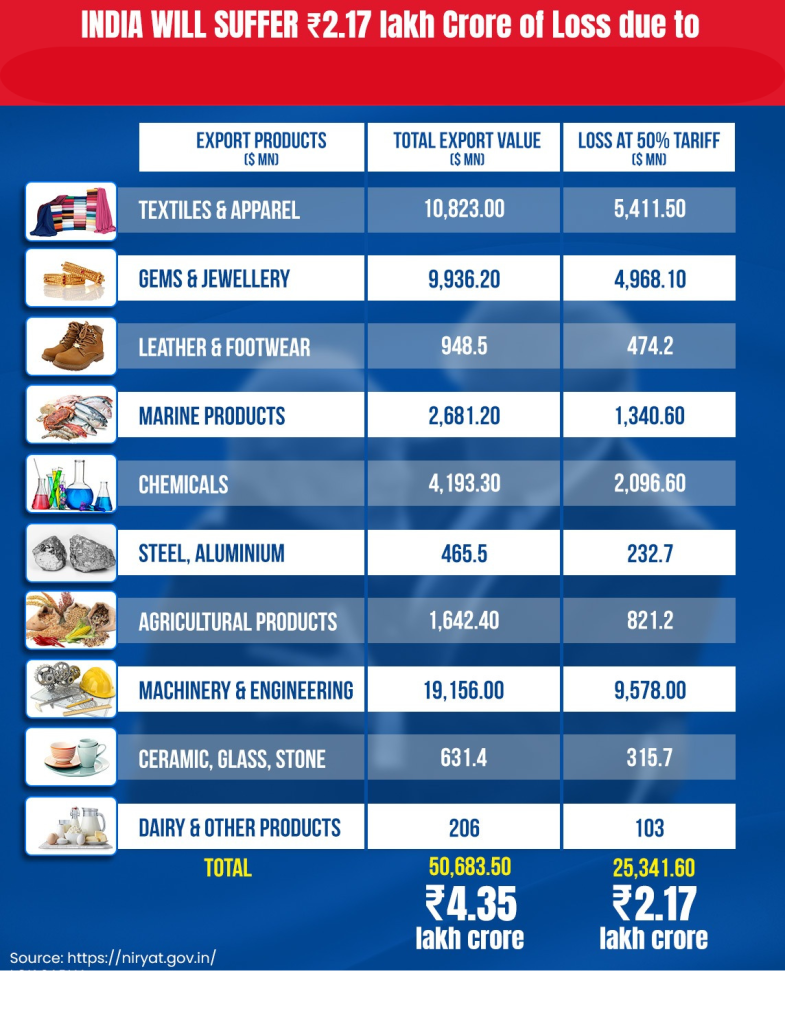
As soon as the tariffs have kicked in, it has incurred the loss of 2.17 lakh crore to the Indian exporters across ten sectors.

With this, many sectors have stopped production and many are looking for ways to get minimum impact from this move. The products which have been impacted include, Textile, Leather products, Marine, chemicals, steel, dairy, machinery among others.

Speaking to Tehelka on the challenges and how the exporters are shielding themselves from this crisis, Raghunandan Saraf, Founder and CEO of Saraf Furniture said that exporters in the furniture sector are compelled to shift their strategy and moving towards cost-effective sourcing, raw material procurement and value engineering to maintain competitiveness.

“The furniture sector, which already functions on slender margins and protracted production timelines, has now been complicated further by the 50 per cent tariff on exports to the US. Additionally, exporters are adopting measures to insulate themselves from immediate impacts by optimizing supply chains. These measures include more cost-effective sourcing, raw material procurement, and value engineering to maintain competitiveness. A portion of exports is also being diverted to the Middle East, Europe, and Australia to reduce dependence on the US market,” Saraf told Tehelka. 

He said that the hurdles, however, are quite sizeable. Furniture has always been bulky and freight intensive, contributing to high logistics costs, which, combined with the added US tariffs now present a daunting challenge.

“This burden, added to the terms mid-sized exporters face with overseas buyers, is especially problematic. Time, investment, and market understanding are hurdles no one can achieve overnight. The uncertainty surrounding the duration of the tariffs has created a reluctance to devise long-term plans. Adaptability has always been a hallmark of the sector, but the current scenario exposes the limits of endurance and emphasizes the need to strike a compromise between enduring immediate hardships and long-term restructuring of trade relations,” he added.

Meanwhile, The Federation of Indian Export Organisations (FIEO) President SC Ralhan said that the move will severely disrupt the flow of Indian goods to its largest export market.

He described the development as a setback and adds that it can severely impact India’s exports to the US, with approximately 55 per cent of India’s US-bound shipments (worth USD 47–48 billion) now exposed to pricing disadvantages of 30–35 per cent, rendering them uncompetitive in comparison to its competitors from China, Vietnam, Cambodia, Philippines and other Southeast and South Asian countries.

He said, “Textiles and apparel manufacturers in Tirupur, Noida, and Surat have halted production amid worsening cost competitiveness. This sector is losing ground to lower‑cost rivals from Vietnam and Bangladesh. While for the seafood especially shrimps, as the US market absorbs nearly 40 per cent of Indian seafood exports and the tariff increase risks stockpile losses, disrupted supply chains, and farmer distress.”

Image: Congress chief Mallikarjun Kharge’s X account

FIEO Chief urged there is need for immediate government support which includes push for interest subvention schemes and export credit support to sustain working capital and liquidity.

“To further support this, low cost of credit and easy availability of credit with emphasis on MSMEs with the support from banks and financial institutions with special direction in this regard both from the government and the Reserve Bank of India is needed,” he added.  

While the exporters and the stakeholders are voicing their concerns on the tariffs, the political parties are coming out to protest against the move by the US and cornering the central government of India citing weak diplomacy.

Sagarika Ghosh, MP, TMC said that The Narendra Modi government is squarely responsible for failing to protect India’s exporters.

“As tariffs on India kicks in, exporters across India are facing ruin. Textile units have stopped production, seafood exporters face slowdown, crippling job cuts loom in the jewellery sector. The Narendra Modi government is SQUARELY RESPONSIBLE for failing to protect India’s exporters from the CRUSHING impact of Trump tariffs in an economy already facing an unemployment catastrophe,” she expressed on X.

Taking a dig at Prime Minister Narendra Modi, Congress chief Mallikarjun Kharge said that we will lose an estimated Rs 2.17 lakh crore as the first jolt of this tariff across ten sectors alone.

“Your dear friend “Abki Baar, Trump Sarkar” has imposed 50 per cent Tariffs on India, starting today. We will lose an estimated ₹2.17 Lakh Crore as the first jolt to this Tariff, across 10 sectors alone,” he wrote on X.

Further he said, “Our Farmers, especially cotton farmers, are badly hit. You had said you are ready to pay any “personal price” to protect them, but you have done absolutely nothing to soften the blow and protect their livelihoods. Global Trade Research Initiative (GTRI) suggests that almost 1 per cent of our GDP could be impacted, and that China would benefit.”

He said that several export-oriented important sectors, including MSMEs, will experience massive job losses. A snapshot – which is just a tip of the iceberg, reveals that —Indian textile export sector is facing potential job losses of about 5,00,000 including both direct and indirect employment.

“In the Gems & Jewellery sector, 150,000 to 200,000 jobs could be at risk if the tariffs continue.  Close to 1,00,000 workers involved in diamond cutting and polishing across the Saurashtra region have already lost their jobs since April, when the 10 per cent base US tariff was put in place,” he said.  

“You failed in securing a Trade Deal. Now you are failing to protect our country,” he added.

Earlier this month, US President Donald Trump imposed additional punitive tariffs on Indian goods from 25 per cent to 50 per cent over New Delhi’s continued purchase of Russian oil. The US has been scaling pressure on India citing it is important to stop war between Ukraine and Russia. 

MOST POPULAR

HOT NEWS