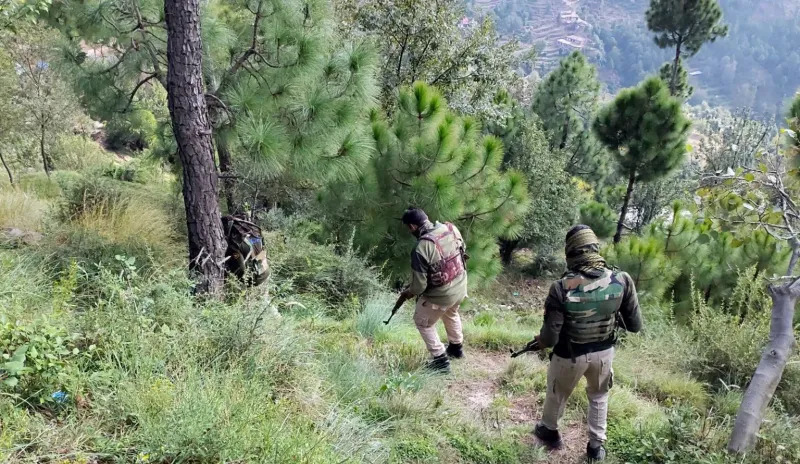
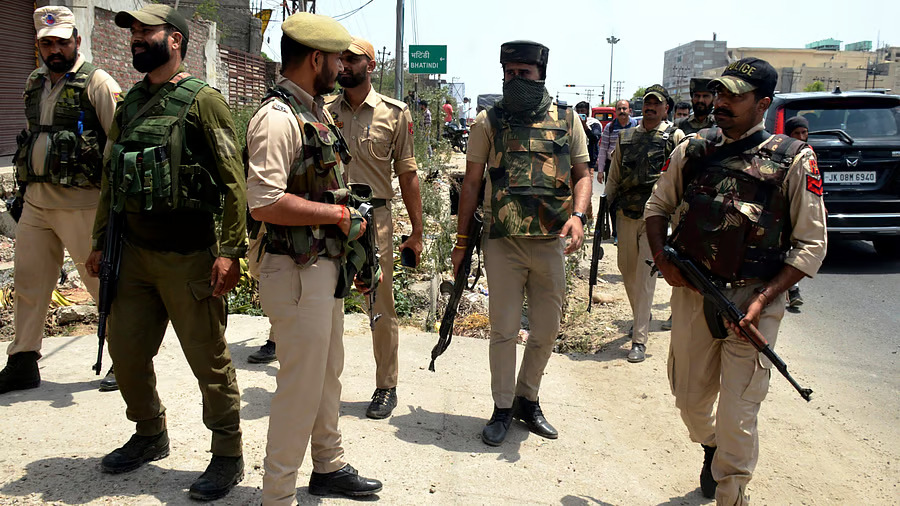
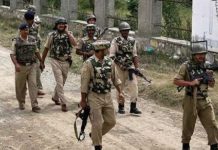
An encounter broke out between security forces and terrorists during a Cordon and Search Operation (CASO) in the Kamadh Nallah area of Kathua district late Tuesday night leading to injury of one security personnel, officials said.
A joint team of the Special Operations Group (SoG) of Jammu and Kashmir Police launched the operation following specific intelligence inputs about suspicious movement in the forested area. During the search, terrorists opened fire, triggering an exchange of gunfire.
Inspector General of Police (IGP), Jammu Zone, Bhim Sen Tutti said SoG personnel were engaging the terrorists in the Kamadh Nallah forests despite challenging conditions, including darkness, dense vegetation, and difficult terrain. He added that teams of the Central Reserve Police Force (CRPF) were also part of the ongoing operation.
Reinforcements were rushed to the area, which has been fully cordoned off to prevent the escape of the terrorists, believed to be two to four in number. The area falls under the jurisdiction of the Billawar Police Station.
Kamadh Nallah is located near the Kog-Mandli area of Billawar tehsil, where a two-day-long encounter took place in September 2024. In that operation, a head constable of the Jammu and Kashmir Police was killed, while a Deputy Superintendent of Police and an Assistant Sub-Inspector sustained injuries. One terrorist, suspected to be affiliated with the Pakistan-based Jaish-e-Mohammad (JeM), was also killed.
As the new year unfolds, West Bengal is already in campaign mode. The calendar may still show months before the formal announcement of the Assembly elections—widely expected in March–April 2026—but the political battle lines are drawn, hardened, and appear irreversible. Bengal is no longer a state of fragmented contests and shifting coalitions. It has entered an era of binary politics, where power will be decided in a straight, high-stakes face-off between the Trinamool Congress (TMC) and the Bharatiya Janata Party (BJP).
This is not merely another state election. Bengal 2026 is about political supremacy, ideological dominance, and narrative control—within the state and far beyond it. For the ruling Trinamool Congress, it is a battle to defend a long-held fortress and reaffirm regional political identity. For the BJP, it is the unfinished national mission: breaking into the last major eastern bastion still resisting the saffron surge.
The numbers underline why this contest will be fierce. Over the past two electoral cycles, Bengal has steadily moved towards bipolarisation. The 2021 Assembly election decisively re-established TMC in power, but it also confirmed BJP as the principal challenger, far ahead of all other parties combined. The 2024 Lok Sabha election in Bengal further consolidated this reality, with TMC and BJP together commanding an overwhelming majority of the vote share. Smaller parties have been reduced to the margins, functionally irrelevant in most constituencies.
In practical electoral terms, this means that even a modest swing of two to three percent can flip dozens of Assembly seats. Bengal’s constituency arithmetic is unforgiving: close contests dominate, margins are narrow, and turnout is high. This is why both parties have entered the new year with intense preparation—booth by booth, household by household, narrative by narrative.
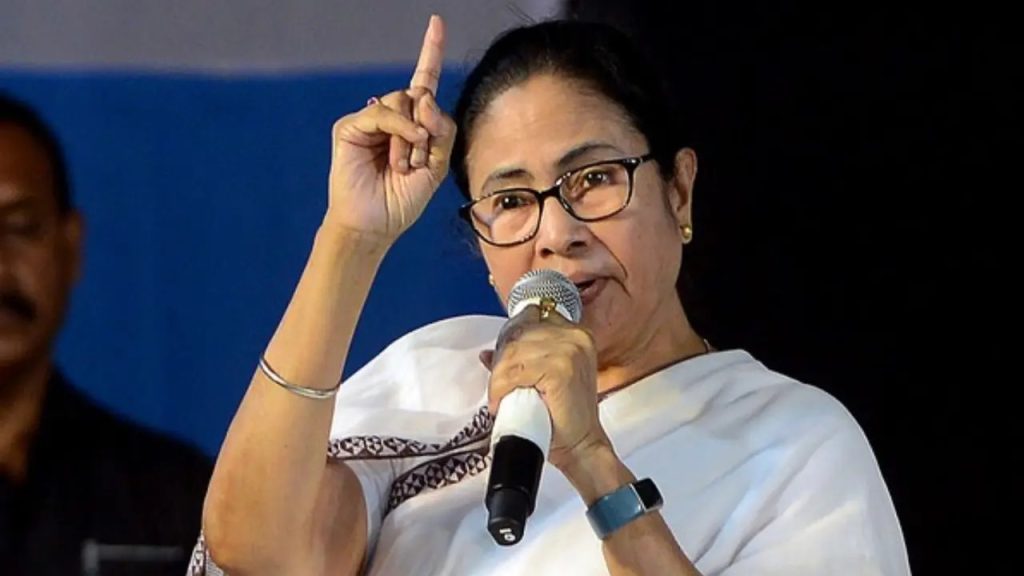
For the Trinamool Congress, the core strategy is continuity with refinement. Mamata Banerjee’s leadership remains central, not just as Chief Minister but as a symbol of resistance—against the Centre, against what the party portrays as “outsider domination,” and against ideological homogenisation. The TMC campaign is expected to lean heavily on welfare politics combined with cultural assertion. Schemes aimed at women, the poor, and marginalised communities are not merely administrative tools; they are political bonds, designed to convert state support into voter loyalty.
Women voters, in particular, form the backbone of TMC’s electoral confidence. Direct cash assistance, doorstep delivery of services, and constant physical visibility of the government have created a perception—carefully nurtured—that the state stands with ordinary households in their daily struggles. In a polarised contest, such tangible benefits often override abstract ideological appeals.
Alongside welfare, TMC’s second pillar is Bengali identity. Language, culture, historical pride, and regional autonomy are being framed as political assets under threat. The party’s messaging is clear and emotionally calibrated: Bengal’s social harmony, pluralism, and cultural distinctiveness must be protected from what it describes as aggressive centralisation and cultural imposition. This is not a new argument, but in 2026 it will be sharper, more personalised, and more relentlessly repeated.
Yet incumbency brings its own risks. After years in power, TMC faces localised resentment—allegations of corruption, organisational arrogance in certain districts, and fatigue among sections of the electorate. The party is acutely aware that complacency would be fatal in a bipolar contest. That is why its preparation is focused not just on grand rallies, but on micro-management: repairing local units, managing candidate selection carefully, and preventing internal sabotage.
The BJP, on the other hand, is entering Bengal 2026 with a different kind of confidence—one drawn from national momentum. Recent electoral successes in multiple states, including decisive victories where the BJP has emerged as the central pillar of governance, are being used as psychological reinforcement. The message to cadres is simple: history is moving in one direction, and Bengal cannot remain an exception forever.
The BJP’s Bengal strategy is unapologetically confrontational. Polarisation is not a by-product; it is the centrepiece. The party aims to consolidate Hindu votes across caste and class lines by projecting itself as the sole defender of cultural security and political dignity. Issues related to demography, border management, illegal migration, and religious appeasement are expected to dominate BJP’s narrative space.
This approach is risky—but calculated. In a straight fight against a strong regional party, ideological consolidation becomes a shortcut to numerical strength. The BJP leadership believes that if Hindu voters can be mobilised with sufficient emotional intensity, traditional welfare loyalties can be weakened, and new voting coalitions can be engineered.
At the same time, BJP understands that rhetoric alone will not win Bengal. Its earlier electoral breakthroughs, particularly in 2019 and 2021, were driven by organisational expansion—booth committees, disciplined cadre networks, and aggressive campaigning. The challenge now is sustainability. Maintaining enthusiasm over multiple cycles, preventing defections, and translating vote share into seats are far more complex tasks.
A critical sub-theme in the run-up to 2026 is the battle over electoral legitimacy itself. Voter roll revisions, scrutiny of entries, and administrative processes have already become political flashpoints. For TMC, these exercises are framed as attempts to disenfranchise genuine voters and destabilise the social fabric. For BJP, they are presented as necessary corrections to ensure fairness and prevent manipulation. In a highly charged atmosphere, even procedural steps risk becoming catalysts for street-level mobilisation.
This environment ensures that the 2026 election will not be a calm or technocratic exercise. It will be emotional, confrontational, and deeply polarised. Campaign language will be sharp, symbolism will be amplified, and every incident—local or national—will be weaponised for political gain.
The larger question, however, is whether Bengal’s democracy benefits from such extreme bipolarisation. When elections become referendums on identity rather than evaluations of governance, policy debates shrink, and issues such as jobs, industrial revival, urban infrastructure, education reform and healthcare are drowned out by louder, simpler narratives of “us versus them”, the state cannot be expected to gain. Bengal, with its rich intellectual and political heritage, deserves a higher standard of democratic discourse.
The way forward, therefore, demands responsibility from both sides. TMC must recognise that long rule cannot be justified by identity alone; accountability and institutional reform are essential to retain moral authority. BJP must acknowledge that governance credibility, not just ideological mobilisation, is necessary to convert national ambition into state-level acceptance. And electoral institutions must act with transparency and consistency, so that the eventual verdict—whatever it may be—is accepted as legitimate by all.
In conclusion, West Bengal 2026 is shaping up as one of the most consequential Assembly elections in contemporary India. The fight between Trinamool Congress and Bharatiya Janata Party will be relentless, strategic, and deeply polarising. The BJP will attempt to turn the election into a state-wide ideological consolidation, riding on national momentum and assertive identity politics. The TMC will counter with welfare delivery, cultural pride, and the projection of itself as Bengal’s protective shield.
The outcome will not hinge on a single wave or one dramatic event. It will be decided in hundreds of close contests, shaped by micro-alliances, emotional narratives, and organisational discipline. As the new year sets the tone, one thing is certain: Bengal is heading into a political storm where every vote will matter—and the future direction of the state will be rewritten.
(The author is Editor, STAR Views & Editorial Advisor, Top Story)
The Srinagar district administration has suspended all Virtual Private Network (VPN) services within its jurisdiction for a period of two months, citing security and public order concerns, local media reported.
According to the reports, the order was issued by the District Magistrate (DM), Srinagar, under Section 163 of the Bharatiya Nagarik Suraksha Sanhita (BNSS) as part of what officials described as a broader preventive drive by the Jammu and Kashmir administration.
The decision followed a report submitted by the Senior Superintendent of Police (SSP), Srinagar, which flagged apprehensions over the alleged misuse of VPN services by “vested interests”. The report warned that such misuse could pose risks to public order, cyber security and overall law and order in the district.
The administration noted that VPNs allow users to encrypt data, conceal IP addresses and bypass monitoring mechanisms. While such tools are widely used for privacy and data protection, officials said they also carry the potential for misuse for unlawful or anti-national activities.
Citing the need for immediate preventive action in the larger public interest, the DM ordered the suspension of all VPN services with immediate effect. However, the order clarified that authorised VPN usage by government departments, particularly those operating through the National Informatics Centre (NIC), will remain exempt.
The move comes amid an intensified crackdown on VPN usage across Kashmir. Local media reports said similar orders have recently been issued in districts including Budgam, Baramulla, Sopore, Shopian and Kulgam.
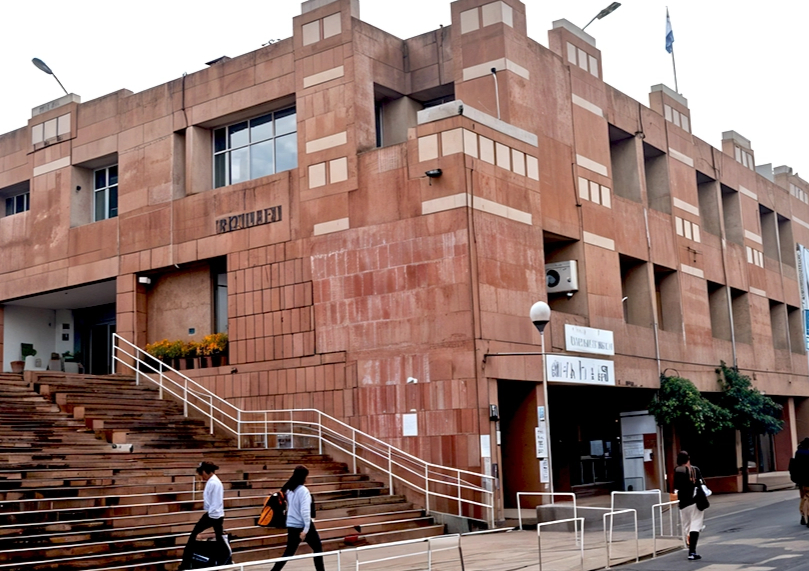
A late-night event at Jawaharlal Nehru University (JNU) marking the anniversary of the January 5, 2020, campus violence, has sparked a political and social uproar after a purported video surfaced online showing students allegedly raising controversial slogans against Prime Minister Narendra Modi and Home Minister Amit Shah.
The event, initially intended as a peaceful commemoration of the brutal violence that shook the campus six years ago, has now ignited widespread debate, with the university and police authorities launching an investigation into the matter. In response to the viral video, which captured students chanting inflammatory slogans, the JNU administration has demanded the registration of a First Information Report (FIR) and vowed to take strict action.
On the evening of January 5, 2026, students, primarily associated with the JNU Students’ Union (JNUSU), gathered near Sabarmati Hostel to observe the sixth anniversary of the violent attacks that left several students and faculty members injured. The incident, often referred to as the “JNU violence,” saw masked assailants storm the campus, attacking students and teachers, including then JNUSU president Aishe Ghosh.
This year’s event, organized under the title “A Night of Resistance with Guerrilla Dhaba,” was meant as a form of resistance, remembering the 2020 violence and asserting the rights of students to peacefully protest on campus. According to the JNUSU, the call for the event was part of a larger effort to mark the day as a symbol of resistance to authoritarianism and violence.
“We wanted to commemorate the tragic incident and also highlight the importance of academic freedom,” said Sunil Yadav, JNUSU General Secretary. “This was not about politics but about standing up for students’ rights.” Yadav confirmed that the remembrance event took place, but he refused to comment on the slogans that were allegedly raised during the gathering.
However, what initially seemed to be a routine protest took a more serious turn when videos began circulating online showing a group of students raising what were described as “highly objectionable” and “provocative” slogans targeting Prime Minister Narendra Modi and Home Minister Amit Shah. The chants, which appeared to call for resistance against the current government, have caused considerable controversy, with many viewing them as inflammatory and out of line with the intent of the event.
In response to the viral footage, JNU’s administration issued a statement condemning the slogans, calling them “inflammatory” and “provocative.” The university’s Security Department confirmed that officials were present at the site and closely monitored the situation as it unfolded. “The administration has taken very serious cognizance of the matter,” the statement said. “The competent authority has directed the university’s security branch to cooperate with the police in the ongoing investigation.”
The university has called for an FIR to be registered in connection with the slogans, noting that the actions of the students involved are being closely scrutinized. The university’s letter to the Vasant Kunj (North) Police, which was sent on Tuesday, asked the police to take action under relevant sections of the Indian Penal Code related to public order and provocative speech.
The incident comes as part of an ongoing trend of political activism at JNU, which has long been a hotbed of student protests, especially around issues related to freedom of speech, national politics, and academic independence. The 2020 campus violence remains a defining moment in the university’s history, and for many students, it continues to symbolize the ongoing struggle for political expression.
JNU’s leadership, particularly Vice-Chancellor M. Jagadesh Kumar, has often found itself at odds with student groups over issues of political freedom, academic autonomy, and campus security. The university has faced criticism for its handling of protests in the past, with many students accusing the administration of curbing dissent.
The incident has attracted strong political reactions, with leaders from both the ruling Bharatiya Janata Party (BJP) and opposition parties condemning the actions. BJP leaders have accused the student protesters of engaging in anti-national rhetoric, while opposition leaders have expressed concern over the growing atmosphere of intolerance in Indian universities.
“Such slogans incite violence and create divisions in society. We will not tolerate this kind of hatred being spread on our campuses,” said BJP spokesperson Nupur Sharma.
On the other hand, opposition leaders have pointed out that the event was initially intended to remember the victims of the 2020 violence and express solidarity with students fighting for their rights. “This is an attempt to silence students and suppress dissent,” said Congress leader Priyanka Gandhi.
“Except for Rajya Sabha MP Mamata Bala Thakur of the Trinamool Congress (TMC), no one from the party came to meet us when the Gurugram Police launched a verification drive targeting alleged illegal Bangladeshis and detained several Bangla-speaking migrant workers from West Bengal. Minakshi Mukherjee, a CPI(M)) leader, sent some people to meet us when we were in crisis. But no TMC leader came to meet us, despite the fact that we are solid voters of the TMC,” said Bablu Sarkar, a West Bengal migrant worker in Gurugram, to Tehelka.
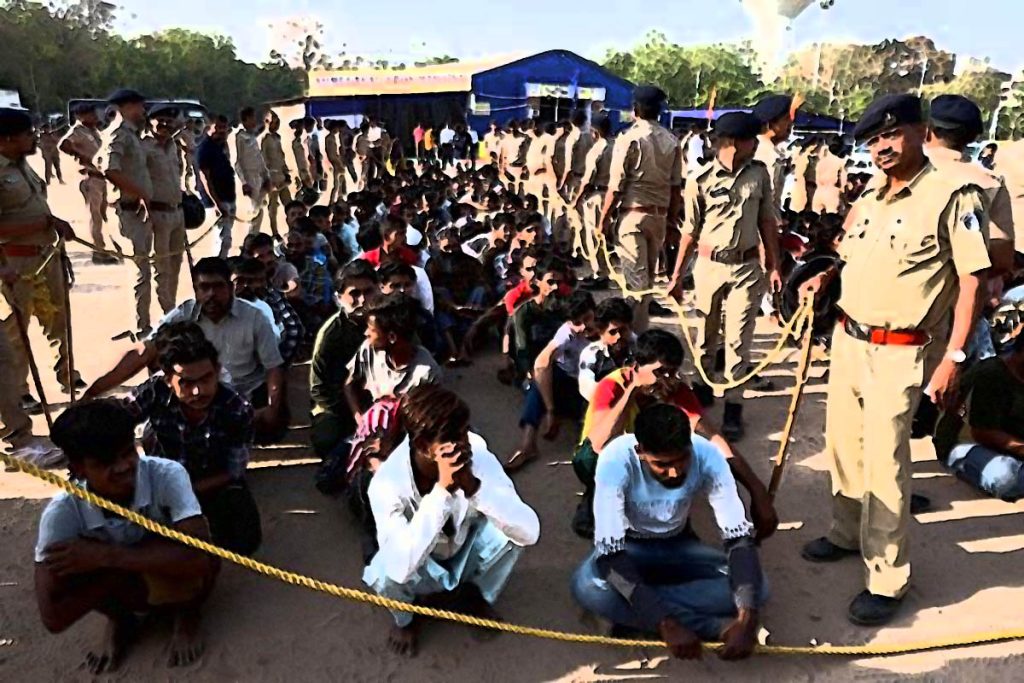
“Around 400 Bangla-speaking migrant workers from West Bengal were kept at the detention centres in Gurugram. They were picked up from different areas of the city. Some were detained for two days, others for three or four days, before being released after police verification established that they were not Bangladeshi nationals living illegally in Gurugram,” Bablu Sarkar added.
“According to unofficial figures, around 30 lakh Bangla-speaking migrant workers from West Bengal live in Haryana, mostly in Gurugram. Of these, around 23 lakh are Muslims and the rest are Hindus. Out of the 30 lakh, around 10 lakh Bengal voters have multiple voter cards — both in Haryana and West Bengal,” said Khadimul Islam, a Congress worker from West Bengal, who has been living in Gurugram for years.
“Out of this 30-lakh population, around 25 lakh will go to West Bengal during the 2026 Assembly elections to vote in favour of Mamata Banerjee. Some will travel by train, while others will go by buses arranged by travel agents. Gurugram will have a deserted look during that time. In the last West Bengal Assembly elections, around 20 lakh people from Haryana went to West Bengal to vote for the TMC. This time, because of the SIR narrative, more people will go to vote for the TMC and uproot the BJP. I will take around 3,000–4,000 voters with me. Although I am from the Congress, I vote for the TMC in Assembly elections,” Islam told Tehelka.
“I am from North Dinajpur in West Bengal. In the last Assembly elections, our local MLA paid the travel expenses of voters living in Gurugram, so that they could travel by train or bus to vote in West Bengal. This time as well, a large number of Bangla-speaking migrant workers living in Gurugram will go to West Bengal to vote for the TMC and ensure that the BJP bites the dust,” said Ramzan Ali, another West Bengal migrant worker living in Gurugram, to Tehelka.
“I am from South Dinajpur. I have sent all my documents for SIR in West Bengal to my parents and brother. I do not think Muslims in West Bengal are afraid of the SIR. It is opposition parties’ propaganda that Muslims will lose their votes after the SIR. On the ground, it is largely Hindus from Bangladesh who are losing their voting rights. Around 80 per cent of those who came to my area from Bangladesh are Hindus, while only 20 per cent are Muslims,” said Farooq Abdullah, another West Bengal migrant worker in Gurugram, to Tehelka.
West Bengal has often remained in the news for one reason or another. Even before the current controversy over the Centre’s move to rename the Mahatma Gandhi National Rural Employment Guarantee Act (MGNREGA) as the Viksit Bharat Guarantee for Rozgar and the Ajeevika Mission–Gramin Bill (VB G-RAM G Bill) —which drew strong resistance from West Bengal Chief Minister Mamata Banerjee, who in turn renamed the state’s flagship 100-day employment scheme from “Karmashree” to “Mahatmashree” in honour of Mahatma Gandhi—the state had been at loggerheads with the central government over the alleged harassment of Bangla-speaking migrant workers living in different parts of the country. These workers were reportedly targeted by security forces on the suspicion of being illegal Bangladeshis, detained at centres in Gurugram, and later affected by the recently concluded Special Intensive Revision (SIR). Together, these developments have kept West Bengal in the headlines.
Tehelka carried out a ground-level check in Gurugram (Haryana), which hosts a significant population of migrant workers from West Bengal, primarily employed in the service sector as domestic help, sanitation workers, construction labourers, auto-rickshaw drivers and car washers. Since 2025, however, many had temporarily fled the city due to fears triggered by police verification drives to weed out the illegal immigrants from Bangladesh, before gradually returning. Most of them live in informal settlements and jhuggi colonies in areas such as Sector 10, Bengali Market, Khatola village and Chakarpur of Gurugram. Tehelka visited Chakarpur to understand the views of Bangla-speaking migrant workers on the SIR, detention centres and the forthcoming West Bengal Assembly elections.
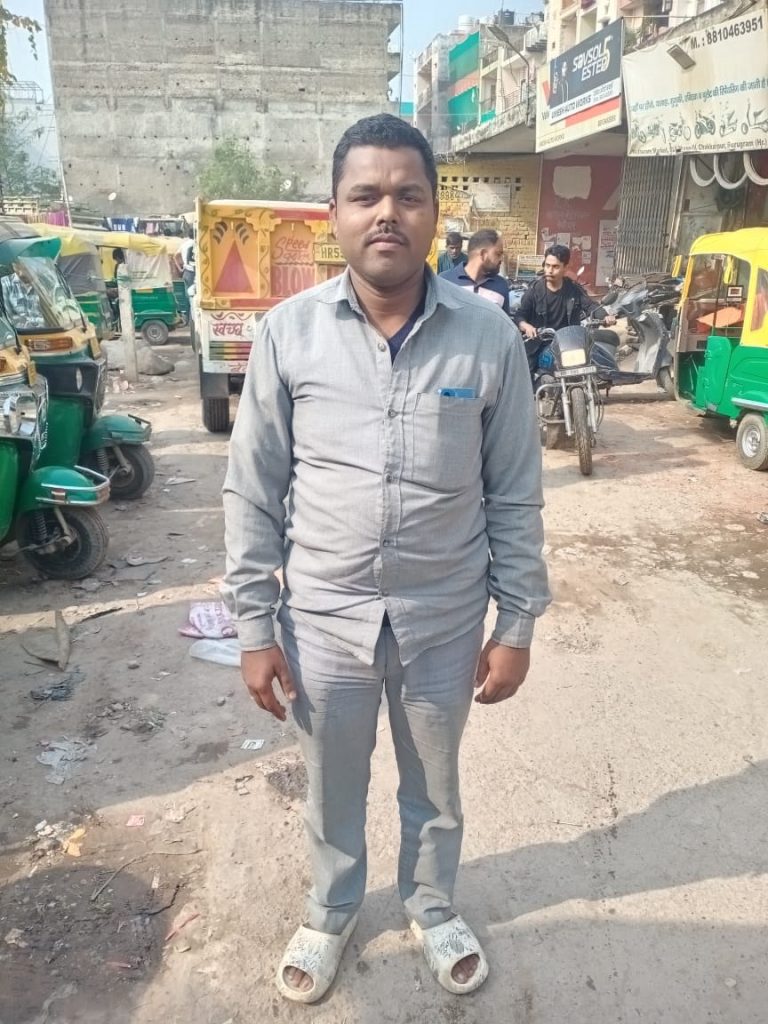
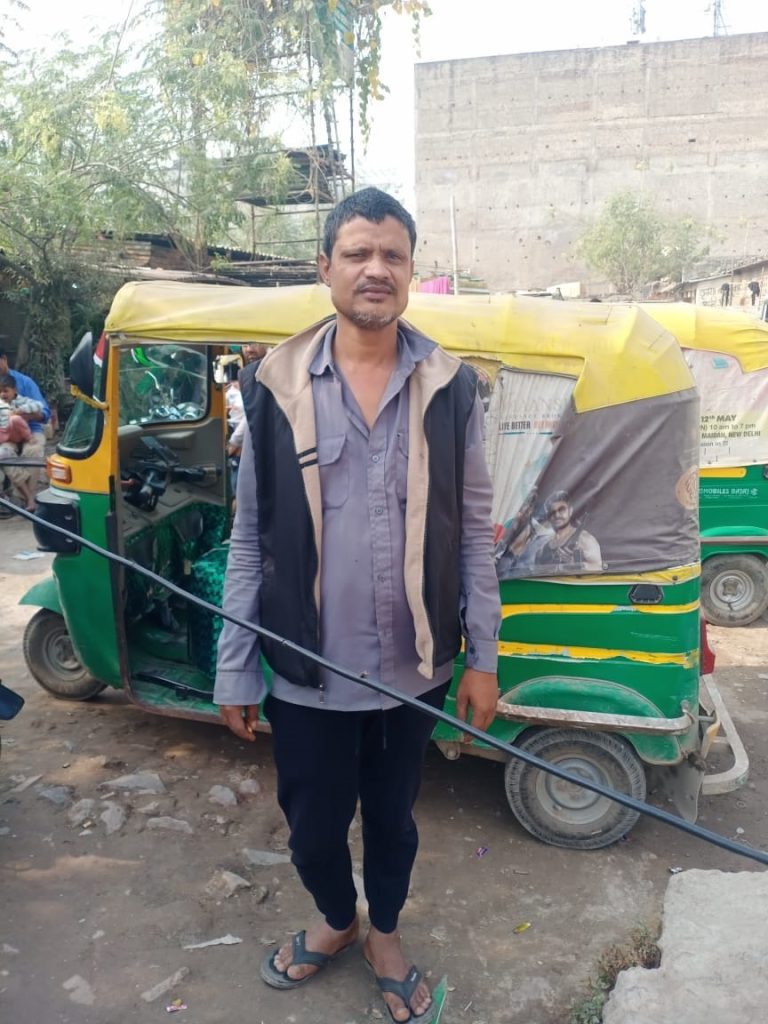
We first met Bablu Sarkar, an auto-rickshaw driver and a Bangla-speaking migrant worker from North Dinajpur in West Bengal, who has been living in Gurugram for several years. The interaction took place while the Special Intensive Revision (SIR) exercise was underway in West Bengal. Bablu told Tehelka that Muslims in Bengal were not afraid of the SIR as they possessed the necessary documents. He also claimed that while illegal immigrants from Bangladesh were present in West Bengal, they were mostly Hindus, with fewer Muslims.
Reporter- Accha Musalmano mein (SIR ke bare mein) ek darr hai ki Modi government sajish kar rahi hai hamare khilaf…hamara naam kaat degi. Iske bare mein kya kehna hai?
Bablu- Iske bare mein mujhe ye kehna hai, mera personal jo vichardhara hai, ismein mujhe koi belief nahi hai. Mein Indian constitution ko bahut believe karta hoon, aur mujhe ye pata hai agar hum sahi hain to government kuch nahi kar sakti hai.
Reporter- Matlab Muslamano mein darr nahi hai?
Bablu- Ye mein apna personal vichardhara se bol raha hoon, log agar soch rahe hain to wo mere hisab se galat soch rahe hain, agar aisa hota to human rights kis liye banaya gaya, manav adhikar bhi to hai, koi agar galat karega to manav adhikar hai.
Reporter- Ye jo kaagaz mange gaye hain SIR ke, aapko lagta hai Bengal ke Musalmano ke pass honge?
Bablu- Maximum hai, kyunki Bengal ke Musalman hain. Yeh narrative jo taiyar kar rahe hain rajneeti ke log ke ‘Bengal mein Rohingya Musalman hai’, ye bhi galat ha. Mein aapko ek udahran aur de raha hoon. Bangladesh ek Muslim country hai, agar Bangaldesh mein kuch problem hoga jaise hum log yahan bhi dekhte hain news mein, ki wahan par Hindu par attyachaar ho raha hai, agar wahan koi problem hoga to Hindu par hoga, kyunki wo Muslim country hai. To yahan Muslim kyon aayega.
Bablu (continues)-Bharat Hindu bahusankhyak desh hain, haalaki documents mein aisa nahi hai, democracy hai yahan par. Isliye mein bata raha hoon, Bangladesh se koi aayega to Hindu polulation se aayega, mein ye nahi bol raha ki wahan par (West Bengal mein) Bangaldeshi nahi hai; hai par wo zyadatar Hindu population se hai, Muslim nahi hai.
Reporter- Aapka manna hai Bengal mein ghuspethiye hain?
Bablu- Bilkul. Magar wo Hindu population zyada hai, mein ye bhi nahi bol raha Muslim population nahi hai; hai, ikka dukka hai.
[In this exchange, Bablu Sarkar responds to fears among Muslims over the Special Intensive Revision (SIR). He rejects the idea of a targeted conspiracy and places faith in the Constitution and human rights. Bablu also challenges political narratives around Rohingyas and illegal migrants in West Bengal. His remarks draw a sharp distinction between perception, politics and lived reality.]
Bablu then spoke about the Gurugram Police’s verification drive against illegal Bangladeshis, during which several Bangla-speaking migrant workers from West Bengal were detained and kept in detention centres. According to him, around 400 migrant workers from different parts of Gurugram were held for several days before being released after verification established that they were not illegal Bangladeshi nationals.
Bablu- Mujhe personally nahi hui thi magar mere yahan se ek banda ko utha le gaya tha.
Reporter- Kya naam tha unka?
Bablu- Shafiuddin.
Reporter- Shafiuddin… accha auto chalate they? Bengal se they? Kya hua tha?
Bablu- Haan unko le gaya tha police kamre par aaya tha, pass mein hi rehte hain, chotta chotta kamra bana hua hai, slum area hai, police aaya, ye unka statement tha, unko bulaya, naam poocha, aadhar card dikhao, lekar bola gadi mein betho. Usne bola ‘kya ho gaya sir.’ Bole 5 min aapko thane mein le jayenge phir chodh denge. Aaisa bolkar wahan se 15-16 logon ko le gaya tha utha kar.
Reporter- Kya karte they wo?
Bablu- Auto chalate they.
Reporter- Kab se hain wo yahan par?
Bablu- Wo bhi hai 18-20 saal se, pariwar bhi hai, unko le gaya the. Phir hum log gaye wahan pe, wo le jakar un log ko detain kiya gaya tha. Do din rakha tha wahan par.
Reporter- Sabhi logon ko?
Bablu- Wahan lagbhag 175 log they.
Reporter- Detention centre mein?
Bablu- Haan.
Reporter- Detention centres mein sab ek hi gaon ke they?
Bablu- Nahi nahi 3-4 gaon ke they. Aas pass ke gaon ke… Chakarpur gaon, ward number 23.
Reporter- Accha.
Bablu- Chakarpur gaon se, Nathupur gaon se , Harijan colony hai, aur kuch log Badshahpur mein detain kiya gaya tha wo Bengali market hai Sona road par, udhar se bhi le gaya tha.
Reporter- Aapka jo detention centre hai usmein kitne log they?
Bablu- Kam se kam 150 se zyada.
Reporter- Alag-alag mila lein to zyada honge.
Bablu- Mota moti hame idea mila tha, kareeb 400 log ka idea mila tha.
Reporter- Kitne detention centre they?
Bablu- Hamare yahan 2 tha, ek yahan tha, ek 10 sector.
Reporter- Accha, total 400-500 log, kitne din rakha gaya?
Bablu- Kisi ko 3 din, kisi ko 4 din, 2 din.. matlab ye log gaon mein inka verification kar rahe they, inka Id lekar inka verification kar rahe they.
Reporter- Bengal mein?
Bablu- Haan.
[Bablu’s account highlights how the police verification drive unfolded on the ground. He recalls how familiar faces from his neighbourhood were picked up without warning. The account moves through the process of detention, the number of people held, and the areas they came from. What emerges is a picture of fear, confusion and routine livelihoods suddenly disrupted.]
According to Bablu, except for Rajya Sabha MP Mamata Bala Thakur of the Trinamool Congress (TMC), no leader from the party came to meet them when the Gurugram Police launched a verification drive targeting illegal Bangladeshis and detained several Bangla-speaking migrant workers from West Bengal. Bablu said Minakshi Mukherjee, a leader of the CPI (M), sent some people to meet them during the crisis. However, no other TMC leader came to meet them despite the fact that they are solid TMC voters, he added. Bablu also claimed that there are around 30 lakh Bangla-speaking migrant workers in Haryana and that most of them vote for the TMC, yet no party leader reached out to them during the crisis.
Bablu- Sabse pehle yahan par hamare Minakshi Mukherjee hain Left ke, unse hamare dost ne baat kiya tha
Reporter- TMC se koi aaya tha?
Bablu- Nahi, TMC se koi door se aaya tha, koi Rajya Sabha ka member aaya tha, Mamata kuch naam hai, yahan nahi aaya tha, doosri jagah aayi thi. CPM se Minakshi Mukherjee nahi aayi thi, unhone bheja tha ek.
Reporter- Gurgaon mein kitna Bengali hoga?
Bablu- Kam se kam 30 lakh hoga, at present 30 lakh voter hain.
Reporter- Poore Gurgaon mein 30 lakh voter hain?
Bablu- Bengal ka voter yahan par kamane ke liye aa rakha hai, kam se kam 30 lakh voters.
Reporter- Sirf Gurgaon ya poora Haryana?
Bablu- Poora Haryana mein 30 lakh, usmein 99 pc jo hai wo Mamata ka hi voter hai, mein aapko bata raha tha pehle bhi. Mujhe isliye ruling party se shikayat hai ki apke itne voter hote hue bhi aapke community ke oopar itna atyachar hua hai, aur aapne ek bhi baar aakar jayeza nahi liya..
Reporter- Ye 30 lakh jo voter hain ye jaate hain TMC ko vote dene?
Bablu- 90 percent jaate hain.
[In this account, Bablu speaks about political outreach during the police verification drive. He contrasts the response of Left leaders with what he describes as the absence of the TMC. The exchange also turns to the size of the Bangla-speaking voter base in Haryana. At its core, it reflects a sense of hurt felt by migrant workers by the apathy shown by the party.]
Bablu also admitted that he has two votes—one in Gurugram and another in his home state of West Bengal—but said he has never voted in West Bengal and always votes in Gurugram. He said he had sent his voter ID and Aadhaar card to his father in West Bengal for the Special Intensive Revision (SIR). According to Bablu, if both his voter IDs remain intact after the SIR, he has no issue. Even if his name is removed from the West Bengal electoral roll, he said he would not have a problem.
Reporter- To aapne kya- kya bheja apne walid saheb ko?
Bablu- Aaj to maine bheja hoon Aadhar card, voter card.
Reporter- Voter card Gurgaon ka?
Bablu- Nahi maine wahan ka bheja..Bengal ka.
Reporter- Bengal ka voter card chal raha hai aapka?
Bablu- Haan maine vote daala nahi hai magar mera wahan bann gaya tha bahut pehla.Ye mera aapka inside. Isko aap highlight na kijiye, wahan maine abhi vote daala nahi, mein yahan vote daalta hoon…
Reporter- Accha, Gurgaon mein?
Bablu- Haan wahan ka jab mujhse manga hai, to mein wahi bhejunga.
Reporter- Accha to us vote ko ab aap katwaoge, ya rakhogey?
Bablu- Ab main katwonga ya rakhunga mein nahi jaanta hoon. Mere se manga, maine bheja. Survey ke baad pata chalega, agar wo log kuch na boley to jaisa hai waisa rahega, katna hoga to kat jayega.
Reporter- Accha nahi bolega to dono jagah chalta rahega?
Bablu- Mein to vote daalta nahi hoon wahan par, daalta hoon yahan pe.
[The account shows how migrant workers navigate overlapping voter records without much clarity. In this exchange, Bablu speaks openly about having voter IDs in two places. The exchange captures his uncertainty about what will happen after the survey. It also reflects his practical, almost detached approach to the process. The larger takeaway is that verification exercises can help expose long-standing flaws.]
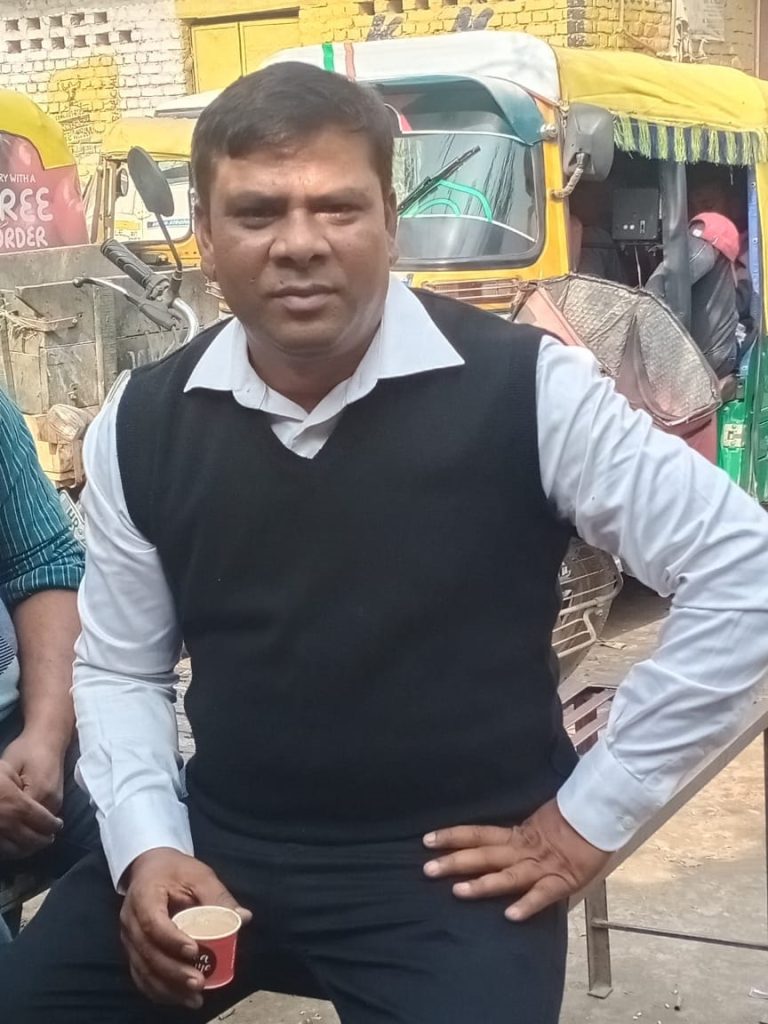
After Bablu, Tehelka met Khadimul Islam, another Bangla-speaking Congress worker from South Dinajpur in West Bengal, who has been living in Gurugram for several years. He told Tehelka that there are around 30 lakh Bangla-speaking migrant workers from West Bengal in Haryana, according to unofficial estimates. Of these, around seven lakh are Hindus. Out of the 30 lakh, he said, at least 10,000 people may have two voter cards—one in Gurugram and another in West Bengal.
Reporter- Accha 30 lakh mein se kitne Hindu honge yahan pe?
Islam- laga lo 7 lakh Hindu honge.
Reporter- Muslim zyada hai, 30 lakh ki ginti sahi hai ya…ye official hai kya?
Islam- Ye official nahi hai, unofficial hai..ek idea hai.
Islam (continues)- Agar aap sham ko hota na, to hazar aadmi sham ko yahin hota
Reporter- Aisa kyun?
Islam- Din bhar kaam karta sham ko yahan chai peene aata.
[In this interaction, Islam speaks about numbers—how many migrants live in Haryana and how many hold voter cards in more than one place. He explains that these figures are unofficial and based on daily observation. The exchange also shifts to everyday life. It shows how work and routine shape where migrants gather.]
Islam then spoke about the forthcoming West Bengal Assembly elections. According to him, out of the estimated 30 lakh Bangla-speaking migrant workers in Haryana, around 25 lakh will travel to West Bengal in 2026 to vote in favour of Mamata Banerjee. Some will go by train, while others will travel in buses arranged by travel agents. Gurugram, he said, will have a deserted look during that period. Islam recalled that during the last West Bengal Assembly elections, around 20 lakh people from Gurugram went to vote for the TMC. This time, he claimed, the SIR narrative would push even more people to vote for the party. He added that he would take around 3,000–4,000 voters with him. Although he belongs to the Congress, Islam said he votes for the TMC in Assembly elections.
Islam- Aankh band karke hamare North Bengal se lekar South Bengal tak jitna voter hai sab jayega aur BJP ko wahan se aisa bhagayenge, aisa bhagayenge, ki BJP jaisa soche bhi na.
Reporter- Matlab is baar Gurgaon khali ho jayega?
Islam- Bilkul ek haftey ke liye bilkul khali.
Reporter- Train bhar bhar kar jayengi?
Islam- Train bhar kar jayengi yahan se, buses chalti hain yahan direct Gurgaon se bus bhi, train bhi.
Reporter- Kaun le jata hai ?
Islam- Jinhone travel agency ka kaam kar rakha hai, 8-10 bus kiraye ka lekar jata hai.
Reporter- Har baar jaati hai?
Islam- Har baar.
Reporter- 2021 mein kitne gaye honge?
Islam- 30 lakh mein se samajh lo 20 lakh to gaye honge; 70 percent to jata hai aur is baar samajh lo 90 percent jayega…
Reporter- Iski wajah?
Islam- BJP ko bhagana hai.
Reporter- Aap kitne voter lekar jaate ho?
Islam- Mere jaaney wale kam se kam 3-4 hazar to honge hi, bol dete hain ghar jana hai.
Reporter- To aap Congress ke liye jate hain ya TMC ke liye?
Islam- Jo hamare centre wala vote hai wo Congress, jo assembly wala hai uske liye TMC.
Reporter- Aisa kyun?
Islam- Aisa isliye ki BJP ko bhaga sakte hain ek hi insaan, wo hai Mamata.
[The account shows how migrant voters remain deeply tied to politics back home. It underlines the emotional pull of state elections, as Islam lays out how migrant workers plan to return home during elections. He speaks of scale, logistics and motivation behind the journeys.]
Islam then narrated his account of the Gurugram Police verification drive against alleged illegal Bangladeshis. He said many Bangla-speaking migrant workers were picked up late at night from their homes on the pretext of verification. Islam claimed he personally knew around 100–200 people who were taken away by the police. He said that he and Bablu knew some local police personnel and, with their help, managed to secure the release of a few migrant workers from the police post. Those days, he said, people were scared. Out of fear, many returned to West Bengal, though they have now come back.
Reporter- Abhi jo drive hua tha yahan par Bangladeshyon ko lekar, usmein aapke saath koi dikkat?
Islam-Mere saath nhi hua, par mere jaanney wale key saath bahut hua, itna darr ka mahaul ho gaya tha yahan par aap yakeen nahi karenge. Gareeb aadmi poora din kaam karke aata hai, raat ko sota hai, aur achanak raat 2 baje-3 baje aakar bolta hai tum log Bangladeshi ho, jabki poora India ka proof hai.
Reporter- Aapke kitne logon ke saath dikkat hui ye?
Islam- Kam se kam 100-200 logon ke saath.
Reporter- Detention centre mein rakhe gaye they?
Islam- Bilkul rakhe gaye they. Upper se ye local police chauki se Bablu bhai ke saath mein khud lekar aaya tha. Kafi aadmi ko chudakar laaye they local police se, yahan ke local police mein thoda jaan pehchan hai. Hum bolte ye hamara bhai bandhu hai, hum inko jaante hein, ye Bangladeshi nahi hain.
Reporter- Ab wo log Bengal se aa gaye jo chale gaye they?
Islam- Haan aa gaye saare.
Reporter- Koi bhi Bangladeshi nahi nikla usmein?
Islam- Nahi koi bhi nahi..
[In this account, Islam recalls the fear that spread during the police verification drive. He describes late-night visits, sudden detentions and the panic that followed. It comes to fore how fear forced many workers to leave Gurugram, even if briefly. The clear lesson is that trust breaks easily when verification turns into intimidation rather than reassurance.]
Islam also disclosed that he earlier had two votes—one in Gurugram and another in West Bengal. He said that he later chose to give one up, so he surrendered his Gurugram voter registration and retained only his West Bengal vote. The discussion reflects foresight and caution.
Reporter- To vote aapka Bengal ka hi hai?
Islam- Haan ji Bengal ka hi hai.
Reporter- Gurgaon ka nahi bann paya?
Islam- Nahi ek baar banwaya tha, phir uske baad hamne katwa diya.
Reporter- To ek baar dono jagah tha aapka, Bengal bhi aur Gurgaon bhi?
Islam- Hamne ek hi baar daala tha vote.
Reporter- Phir katwa kyun diya?
Islam- Kyunki hame pata tha kahin na kahin ye situation hona hai; ek din naam kat jana hai, kyonki meri zameen jayezad sab Bengal mein hai..
[The account highlights how some migrants self-correct gaps in the system. It seems that fear of scrutiny often pushes individuals to act before the law compels them. It also shows how migrants weigh future risks while dealing with electoral rules.]
What follows is a candid exchange that offers a glimpse into how migrant workers view elections back home. When we met Ramzan Ali, another Bangla-speaking migrant worker from North Dinajpur in West Bengal, he told us that during the last Assembly elections, his local MLA had arranged travel for voters living in Gurugram to return to West Bengal by train or bus to cast their votes. He said this time too, a large number of Bangla-speaking migrant workers in Gurugram would travel back to vote for the TMC and to ensure that the BJP loses.
Reporter- Kitne log jayenge yahan se Bengal?
Ramzan- Maan ke chalo kam se kam 80 percent jayega.
Reporter- Mamata ko vote daalne Gurgaon se?
Ramzan- Haan. Bahar mein jitna hai.
Reporter- Kaise jayega?
Ramzan- Kaise bhi jaaye; train mein, bus mein.
Reporter- Kharcha kaun dega?
Ramzan- Kharcha apne aap dega ya wahin se koi party se dega…
Reporter- 2021 mein kaise gaye they aap?
Ramzan- Wahin par tha mein.
Reporter- Yahan ke log kaise gaye they?
Ramzan- Train se, bus se.
Reporter- Kharcha kaun diya?
Ramzan- Hamara wahi ka MLA diya tha.
Reporter- Is baar 26 mein zyada log jayenge?
Ramzan- Haan.
Reporter- Kyun? Wajah uski?
Ramzan-Jaise chal raha hai, dekh nahi rahe ho aap?
Reporter- BJP ko harana hai?
Ramzan- Haan, bilkul.
[The exchange reveals how political loyalties travel with migrant workers as Ramzan speaks openly about voting plans, numbers, travel, and funding. It also shows how election logistics are often informally organised. What it tells us is simple: distance does not weaken political commitment, and parties know it well.]
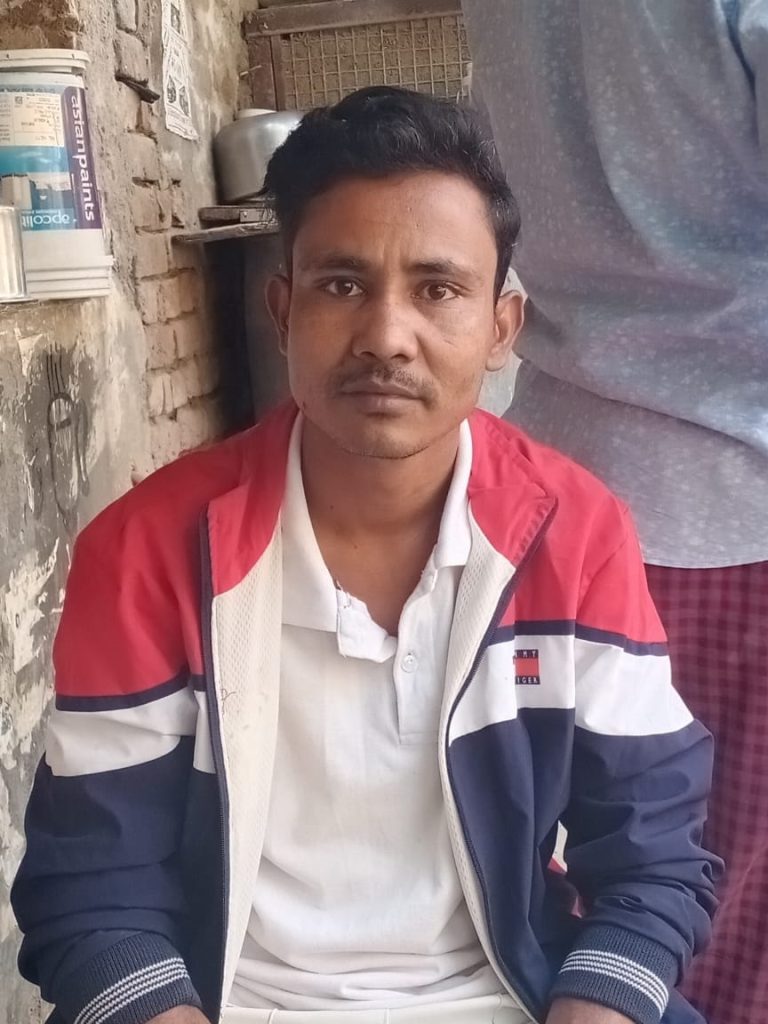
The exchange that follows centres on SIR and the fear being linked to it. When Tehelka met another Bangla-speaking migrant worker, Farooq Abdullah, from South Dinajpur in West Bengal, in Gurugram, he said that he had sent all his documents related to SIR to his parents and brother in West Bengal. According to him, Muslims in West Bengal are not afraid of SIR, and the fear around it is being spread by Opposition parties. Farooq said that in his area, it is mostly Hindus who came from Bangladesh whose votes are being cut. He claimed that around 20 per cent Muslims and 80 per cent Hindus have come to his area from Bangladesh.
Reporter- Documents bhej diya aapne ya bhejogey?
Farooq- Bhej diya, papa hain.
Reporter-Kaun kaun hai wahan?
Farooq- Maa hai, baap hai, bhai hai. Hamne documents bhej diya tha, papa ne sign karke jama kar diya.
Reporter- Aapko lagta hai Musalmano ko SIR se darna chahiye?
Farooq- Mere ko to lagta hai nahi darna chahiye.
Reporter- Phir itna daraya kyun ja raha hai?
Farooq- Ye rajniti ka fayda le raha hai neta.
Reporter- Opposition keh raha hai vote katenge?
Farooq- Hamare wahan to dekh raha hoon Hindu ka hi zyada kat raha hai. Bangladeshi zyada aaya hai wo Hindu hi zyada aaya hai, agar 20 percent Muslim aaya hai to 80 percent Hindu aaya hai.
Farooq (continues)- Hamare agal bagal mein sab Bangladeshi hai.
Reporter- Aas pados mein sab Bangladeshi hai?
Farooq- Haan, Hindu hain sab.
Reporter- Unke kagaz hain ya nahi?
Farooq- Ye to hamne nahi dekha, magar wo log vote daal raha hai.
[The exchange suggests a gap between political claims and what some residents say they see on the ground. Farooq speaks about sending documents, the role of family members back home, and how SIR is viewed locally. He questions the political messaging around Muslim voters. What we learn is that SIR is being read very differently at the local level.]
Tehelka’s ground-zero reality check in Gurugram among Bangla-speaking migrant workers from West Bengal was carried out at a time when SIR was underway in West Bengal. All migrant workers Tehelka met were upset that despite being core TMC voters, no TMC leaders came to meet them during the crisis, except one Rajya Sabha MP, Mamata Bala Thakur, who visited them during a Gurugram Police verification drive against alleged illegal Bangladeshi nationals. During the drive, several Bangla-speaking migrant workers from West Bengal were detained and sent to detention centres.
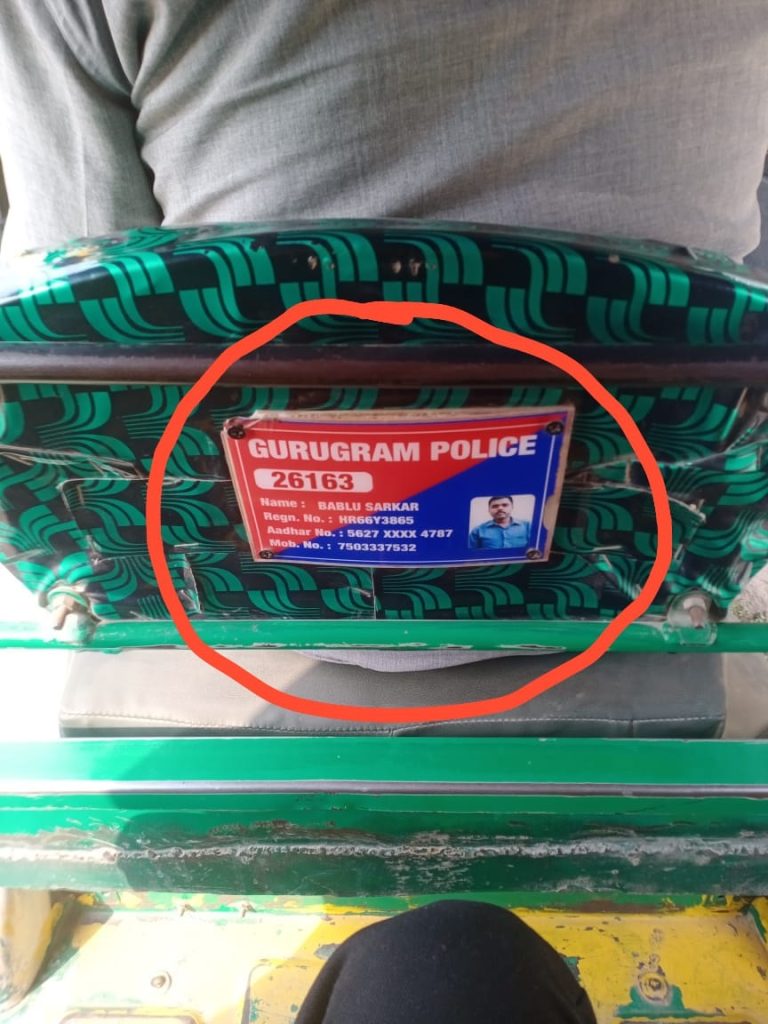
Despite this, the migrant workers told our reporter that they would vote for the TMC in the 2026 West Bengal Assembly elections in a big way to keep the BJP out of power. They also said Muslims in West Bengal are not afraid of SIR, claiming they possess all documents to prove their Indian citizenship. Nearly all auto-rickshaws driven by migrant labourers carried Gurugram Police certificates pasted on them, verifying that the drivers had no criminal records.
One migrant worker Tehelka met levelled serious allegations against a sitting TMC Member of Parliament, claiming his calls for help went unanswered when several Bengal migrants were sent to detention centres on suspicion of being illegal Bangladeshi nationals. Since the worker failed to provide evidence to substantiate the claim, Tehelka decided to withhold details of the incident. The account, however, reflects a deeper sense of political abandonment amid fear, uncertainty and official scrutiny.
India is once again confronting the threat of avian influenza after authorities confirmed a cluster of highly pathogenic H5N1 bird flu outbreaks in the southern state of Kerala.
The World Organisation for Animal Health (WOAH) said India reported 11 separate outbreaks on poultry farms recently, raising fresh concerns for the country’s poultry sector and public health officials.
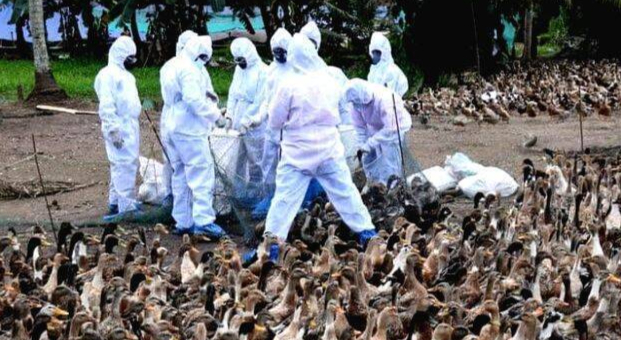
The cases were detected across several districts in Kerala, a state with a significant concentration of duck and poultry farming. Officials said thousands of birds either died from the disease or were culled as part of emergency containment measures aimed at preventing further spread. The resurgence comes months after India last reported major outbreaks, underscoring the persistent risk posed by the virus.
Avian influenza, commonly known as bird flu, has become a recurring global problem in recent years. The virus has devastated poultry flocks across Asia, Europe and the Americas, disrupting food supply chains, pushing up prices of eggs and poultry meat, and inflicting heavy losses on farmers. Governments worldwide have stepped up surveillance as outbreaks have become more frequent and geographically widespread.
The H5N1 strain detected in Kerala is among the most severe forms of avian influenza. It spreads rapidly among birds and is often fatal, particularly in densely populated farms. While the virus primarily affects birds, it has on rare occasions infected humans, usually through close contact with infected poultry. Health authorities stress that such cases remain uncommon and that there is no evidence of sustained human-to-human transmission.
Kerala’s animal husbandry department moved quickly after the outbreaks were confirmed. Veterinary teams were dispatched to affected areas to carry out culling operations, disinfect farms, and monitor surrounding zones. Restrictions were imposed on the movement of live birds, eggs and poultry products from infected areas, while farmers were instructed to tighten biosecurity practices.
The outbreaks have heightened anxiety among poultry producers, many of whom are still recovering from previous waves of bird flu and rising feed costs. Industry representatives warn that even limited outbreaks can damage consumer confidence, leading to reduced demand and financial strain for small-scale farmers who dominate Kerala’s poultry sector.
Economists say prolonged or widespread outbreaks could also have broader implications for food prices. Poultry is one of India’s most affordable sources of animal protein, and disruptions to supply often translate into higher costs for consumers, particularly in urban areas.
Public health authorities in India have urged calm, emphasizing that properly cooked poultry and eggs remain safe to eat. They have advised people to avoid handling sick or dead birds and to report unusual bird deaths promptly to local officials. Poultry workers and farmers have been asked to use protective equipment and follow hygiene protocols to reduce any risk of exposure.
India has faced repeated bird flu outbreaks over the past two decades, prompting periodic calls for longer-term solutions such as vaccination programs, stronger farm-level biosecurity and improved compensation mechanisms for affected farmers. While some countries have begun vaccinating poultry against avian influenza, India has so far relied primarily on culling and movement controls.
As Kerala works to contain the latest outbreaks, authorities remain on high alert for any further spread. The situation serves as a reminder of the ongoing challenge posed by avian influenza — a disease that continues to test animal health systems, threaten livelihoods, and demand constant vigilance from governments around the world.
Haryana CM asserted that those in the current Punjab government seized power by making false promises , but despite the passage of four years, instead of working for the people’s benefit, Punjab is being exploited. Drug addiction , unemployment, and broken promises have devastated Punjab. If a BJP government is formed in Punjab, development will be carried out on the lines of Haryana.
Chief Minister Nayab Singh Saini was addressing a program held on Sunday at the grain market in Ghanaur, Patiala district, near the Haryana-Punjab border. The program was organized by Yuva Vikas Sharma. He said that at one time, even in Haryana, it was said that the BJP atmosphere was not favorable. After 2014, such a time came , and today the BJP is in power there for the third consecutive time. Following similar lines, a BJP government will be formed in Punjab as well.
He said that before coming to power in Punjab, the Aam Aadmi Party (AAP) had promised to make Punjab drug-free, but it had increased drug addiction there. They had promised to provide employment to the youth. The situation is such that even after four years, the AAP government has not fulfilled a single promise. They had promised to give Rs 1,000 to women, but this has not been done to date. They had promised to give Rs 2,500 pension to the elderly, but even today, only Rs 1,500 is given , and that too with a delay of three to four months.
The Chief Minister said that the BJP had promised to provide women with cylinders for Rs 500 and men with Rs 2,100 if they formed the government in Haryana. Immediately after forming the government, the scheme to provide cylinders for Rs 500 was implemented in Haryana, and now, under the Lado Laxmi Yojana, the promise has been fulfilled by providing Rs 2,100 to women. In Haryana, senior citizens are receiving a pension of Rs 3,200, the highest in the country. He said that before the elections, the Congress party had imposed a ban on recruitment. After this, they promised the youth that they would take the oath later and issue appointment letters first. As soon as the BJP government came to power , they took the oath later and fulfilled their promise by giving appointment letters to 25,000 youth. In Haryana, all farmers’ crops are being purchased at the Minimum Support Price (MSP).
The Chief Minister said that a resolution was passed in the Haryana Assembly to pay tribute to the martyrdom of Shri Guru Tegh Bahadur Ji. To commemorate his 350th martyrdom year, programs were held continuously throughout the state for a month. Various programs, including essay writing and seminars, were organized in schools and colleges to inform future generations about his martyrdom. 350 blood donation camps were organized to commemorate his martyrdom, with 350 units of blood collected at each camp. The Haryana government is spreading the story of the Gurus’ sacrifice to the masses. Honorable Prime Minister Shri Narendra Modi visited Kurukshetra on the 25th of last month and, paying tribute to the martyrdom of Shri Guru Tegh Bahadur Ji, released a coin, a postage stamp, and a coffee table book in his memory. Universities in Haryana are being named after Gurus.
He said that the doors of the Aam Aadmi Party government in Punjab close after 5 p.m. He took a dig at Aam Aadmi Party leader Arvind Kejriwal by telling the story of a conch shell that delivers nothing, saying that no matter how many promises you make , they never deliver. The people of Punjab are suffering the consequences today. The Aam Aadmi Party government has ruined the once prosperous Punjab.
While providing information about the Haryana government’s schemes, Chief Minister Nayab Singh Saini said that the Congress party had promised to provide plots to the poor in Haryana , but they neither received papers nor possession. Today, such people are being given plots and possession.
The Chief Minister said that the Aam Aadmi Party government in Punjab and the Congress party, which was in power before , should explain what they did for the common people . Crop damage is often talked about , but in Haryana, the Congress party provided only ₹1,138 crore in compensation during its ten-year rule. The BJP government has so far provided ₹ 15,500 crore in compensation to farmers. Punjab suffered significant losses in last year’s floods.
He said that the Punjab government should disclose how much compensation it has provided to farmers. Meanwhile, we have deposited ₹116 crore in the accounts of farmers in Haryana for crop damage . Those who suffered damage to their homes and livestock have been provided financial assistance of ₹5 crore. The Chirayu scheme, modeled after the Ayushman scheme launched by Prime Minister Narendra Modi, is providing medical facilities to the common people. In Haryana, with a population of 25 million, 15 million people are eligible for both schemes. So far, 2.5 million people have received treatment under this scheme. He sarcastically said that the AAP government has opened Mohalla Clinics, but they lack doctors. Prime Minister Narendra Modi decided to have the government provide treatment for the elderly over 70 years of age. Eight crore rupees have been spent on such elderly people in Haryana.
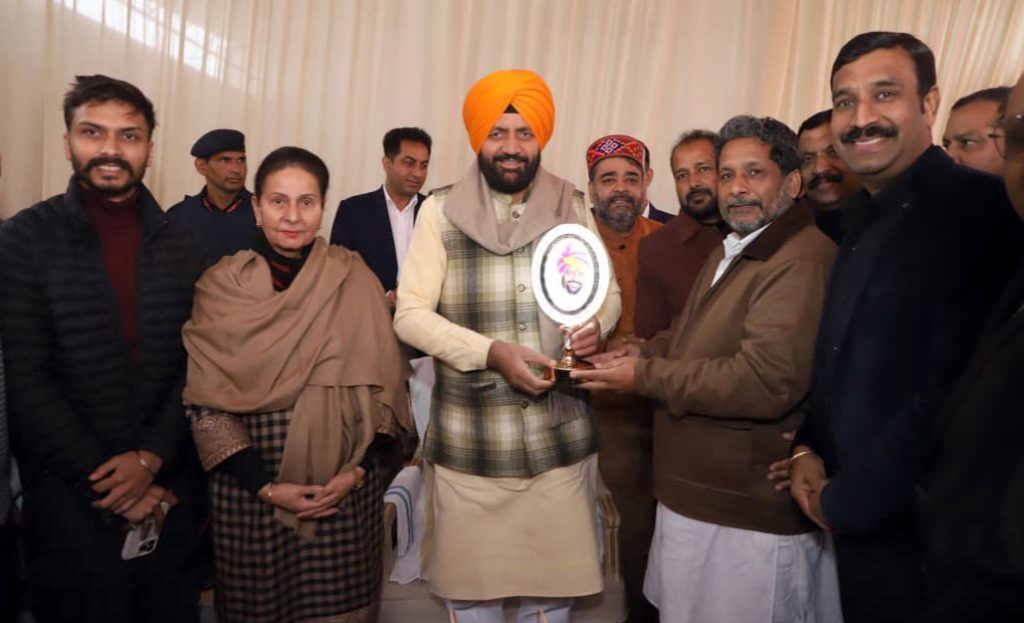
Chief Minister Nayab Singh Saini said that only the Bharatiya Janata Party can move Punjab forward. Congress was accused of corruption, but the current Punjab government has surpassed even Congress. Their ministers are in jail. They have looted the money of the common man of Punjab. The people of Punjab are fed up with them. In 2027, Punjab will be with the BJP. If the BJP forms the government here, Prime Minister Narendra Modi will make Punjab the number one state in the country. Punjab will also see development on the lines of Haryana, and together we will take Punjab forward. The public meeting was also addressed by former minister Aseem Goyal , former minister of Punjab government Maharani Parneet Kaur , Punjab BJP vice president Vikramjit Singh Cheema and organizer of the meeting Vikas Sharma.
Indore, hailed as India’s “cleanest city” is in the throes of contaminated water crisis resulting in at least 12 confirmed deaths attributed to waterborne diseases after which the Indore Municipal Corporation (IMC) has begun a large-scale initiative to replace old water pipelines.
The city has also launched an emergency water supply network, distributing filtered water through tanker trucks to the most affected areas. The victims, mostly from lower-income areas, suffered from severe gastrointestinal infections such as diarrhea, vomiting, and stomach ulcers, which were linked to the poor quality of drinking water provided by the municipal supply. The situation has raised significant concerns among residents and health officials, as the contamination appears to be linked not only to bacterial pathogens but also to chemical pollutants in the water, which are causing long-term health complications.
While the local authorities have launched emergency measures to address the crisis, the loss of life has sparked outrage and calls for greater accountability from the municipal government. Families of the victims have expressed frustration over the slow pace of the government’s response and have demanded more urgent action to prevent further casualties.
To prevent further health risks, the IMC has set up temporary water treatment plants in high-risk zones, which use advanced filtration technologies to remove harmful pathogens and chemicals from the water.
On the regulatory front, the Madhya Pradesh Pollution Control Board has imposed stricter guidelines on industries near water bodies to prevent untreated industrial waste from contaminating the city’s water supply. Moreover, the State Health Department has initiated widespread awareness campaigns to educate residents about waterborne diseases and encourage safe water practices.
Indore, hailed as India’s “cleanest city” for nearly a decade, has recently found itself in the midst of a tragic water contamination crisis. Once a shining example of urban cleanliness and governance, the city is now grappling with the fallout of unsafe drinking water that has affected thousands of its residents. The tragedy has put a spotlight on the city’s water infrastructure and raised concerns about the broader implications for public health.
Indore has long been a model for cleanliness in India. In the annual Swachh Survekshan rankings, the city consistently outshone its competitors, earning the coveted title of the cleanest city in the country for multiple years. This reputation was built on effective waste management practices, strong municipal governance, and citizen engagement. Yet, the recent water contamination incident has exposed vulnerabilities that no one expected from such a well-maintained city.
In early 2025, reports began to surface that several neighborhoods in Indore had received contaminated water through the municipal supply. The contamination was traced back to high levels of chemicalsandbacterial pathogens, which had entered the water supply. This raised alarm bells not just within Indore but across the country. How could such a city, regarded as the epitome of cleanliness, fall victim to something as basic as unsafe drinking water?
For many citizens, particularly those from low-income groups, the fallout was financially devastating. With municipal tap water deemed unsafe, people turned to bottled water as an alternative. However, bottled water is significantly more expensive than regular tap water, and for many, this added cost was unsustainable. Small businesses, which rely on a steady supply of water for daily operations, also found themselves facing financial difficulties as they had to find alternative water sources at higher costs.
Some residents resorted to purchasing water from local vendors, who, in many cases, were charging exorbitant rates due to the high demand for clean water. This created a ripple effect, with the price of bottled water rising sharply and making it unaffordable for those living paycheck to paycheck. Those with limited means were left in a desperate struggle to secure safe drinking water.
In the aftermath of the contamination crisis, local authorities and the state government struggled to contain the situation. The Indore Municipal Corporation (IMC) initiated water testing and began distributing tankers of clean water to affected areas. However, the sheer scale of the problem meant that the supply of clean water was insufficient to meet the demand.
Several citizens expressed frustration over the slow pace of government action. Many felt that the government had failed to adequately maintain the water supply infrastructure, which had allowed contamination to creep into the system. The IMC claimed that the contamination was a result of a combination of factors, including aging pipelines, improper sewage management, and an unusually heavy monsoon season that caused runoff contamination. However, critics argued that these issues should have been anticipated and addressed long before the crisis reached such a scale.
While Indore’s water contamination crisis is an isolated incident, it has highlighted broader systemic issues in India’s urban water supply and sanitation systems. Water contamination has long been a problem in many parts of India, particularly in smaller towns and rural areas, but Indore’s situation is a stark reminder that even India’s most developed cities are not immune to such issues.
In the wake of the crisis, Indore is taking steps to rebuild its reputation and ensure that such an incident does not occur again. The IMC has announced plans to overhaul the city’s water supply system, including replacing old pipelines and introducing more rigorous water quality monitoring. There are also talks about upgrading sewage treatment plants to prevent contaminants from entering the water supply.
Citizens, however, are sceptical. While the government has promised reforms, many remain uncertain about the timeline and efficacy of these measures. The fear of future contamination looms large, particularly for those who are already struggling to make ends meet.
In a concerning turn of events, Canada’s aviation authorities have reportedly asked Air India to conduct a full investigation into the recent removal of one of its pilots from a flight under the suspicion of being under the influence of alcohol. The incident has raised serious questions about airline safety, regulatory oversight, and the overall integrity of air travel operations.
The incident occurred earlier this week at Toronto Pearson International Airport, where the Air India flight was scheduled to depart for New Delhi. According to sources familiar with the matter, the pilot was removed from the cockpit just before the plane was about to take off, after crew members and airport authorities raised alarms about the possibility that the pilot was impaired. This prompted Canadian authorities to immediately intervene and launch a preliminary inquiry.
An official spokesperson from Canada’s Transportation Safety Board (TSB) said, “This is a serious issue that demands immediate attention. We have asked Air India to cooperate fully with our investigation into the events that led to the pilot being removed from the aircraft.”
The airline, has responded by saying that it takes the allegations very seriously and is working closely with both Canadian authorities and its internal safety team. “Air India maintains the highest standards of safety, and any violation of our stringent operational protocols will not be tolerated,” the airline said in a statement released shortly after the incident. They have assured the public that the situation is being thoroughly reviewed, and necessary actions will be taken.
Sources indicate that the pilot in question underwent a breath alyzer test after being removed from the cockpit, with preliminary results reportedly showing traces of alcohol in his system. However, the airline and Canadian authorities have yet to confirm these details, leaving the exact nature of the impairment uncertain.
As part of standard aviation regulations, pilots are required to undergo alcohol tests before boarding any flight. Canada’s aviation rules, similar to those in many countries, dictate that pilots must have a blood alcohol level of zero or a maximum of 0.04%. The incident has brought this policy into sharper focus, highlighting the importance of enforcing such rules rigorously.
The removal of the pilot has not only raised concerns about safety but also about the process by which airline companies handle internal checks and balances. While many experts agree that aviation companies should have tight protocols in place to prevent such incidents, some critics have argued that Air India may need to bolster its pre-flight screening processes to avoid similar situations in the future.
The incident has also attracted the attention of India’s Directorate General of Civil Aviation (DGCA), which has expressed concern over the allegations. The DGCA has stated that it is in contact with Air India to monitor the situation closely and will ensure that the airline complies with Indian and international safety standards.
While the investigation is ongoing, aviation safety experts have cautioned that incidents like these, although rare, highlight the critical importance of maintaining strict protocols in the aviation industry.
Jammu and Kashmir Police on Thursday attached an immovable property belonging to a Pakistan-based terror handler in Poonch district as part of ongoing efforts to curb terror-related activities and dismantle their support networks.
Officials said the action was taken under the provisions of the Unlawful Activities (Prevention) Act (UAPA). The attached property comprises about four marlas and two sarsai of agricultural land located at Village Nar in the Nakka Majhari area of Mendhar tehsil in Poonch district.
According to police, the property belongs to Rafiq Nai alias Sultan, son of Mohammad Afsar, a resident of the area who is currently operating from Pakistan. He is described as a terror handler and launching commander of the banned outfit Tahreek-ul-Mujahideen / Jammu Kashmir Ghaznavi Force.
Police said the accused has been actively involved in facilitating infiltration of militants, supervising narcotics and weapons smuggling, and attempting to revive terrorist activities in the Poonch–Rajouri sector. He has been designated as an individual terrorist and is wanted in several serious cases related to militancy and violence.
The attachment was carried out by a joint team of Mendhar police and the revenue department after completing all legal formalities and obtaining approval from the competent authority. The market value of the attached land has been assessed at around Rs 10 lakh.
Police said the move is part of a broader strategy to disrupt the financial and logistical networks of terrorist groups and to ensure that those involved in anti-national activities are deprived of resources.