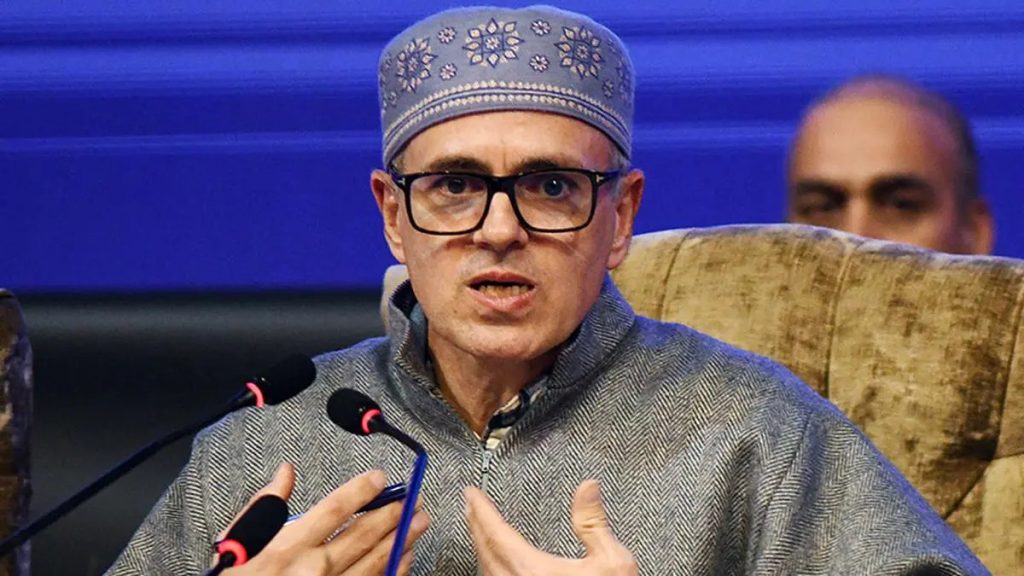
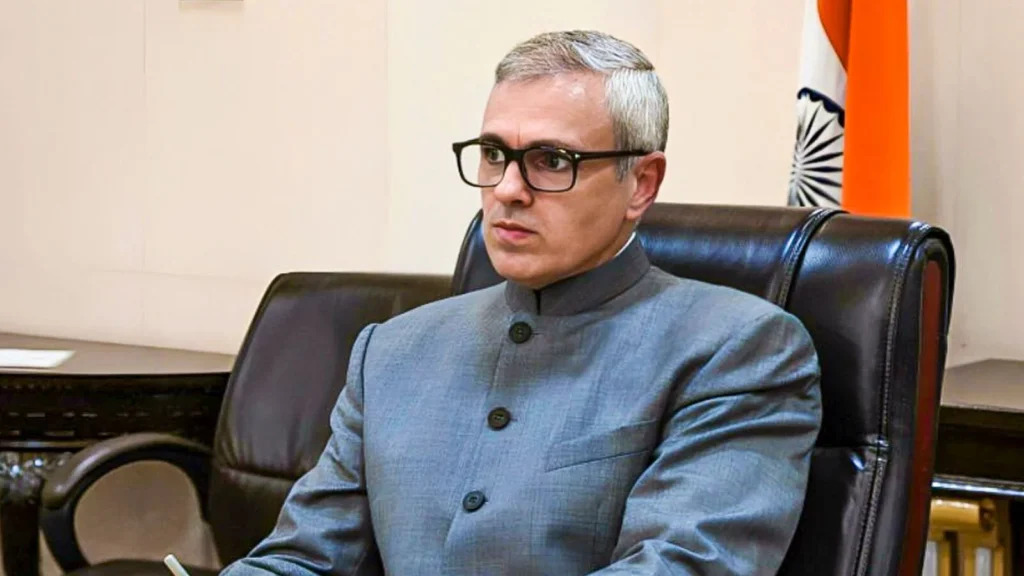
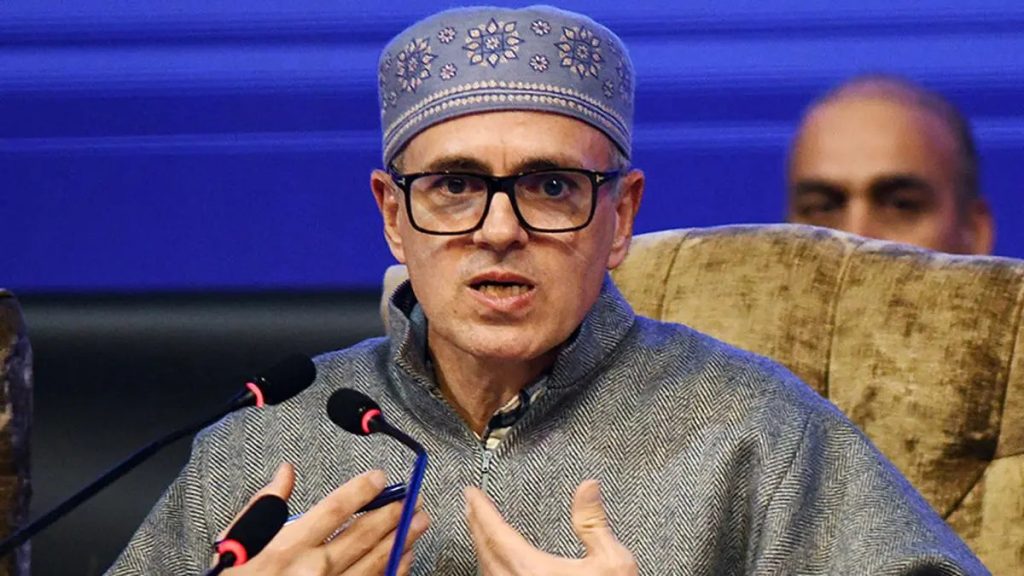
Chief Minister Omar Abdullah has said the stories of Jammu and Kashmir should be told by filmmakers from the region, underlining the need to build local creative talent and technical capacity to revive the film industry in the Union Territory.
The Chief Minister was speaking during a visit to the Indian Institute of Creative Technologies (IICT) campus at the National Film Development Corporation (NFDC) in Mumbai, where he explored possibilities for institutional collaboration in film education, creative technologies and capacity building.
“Our own stories must be told by our own people. Through a formal relationship with institutions like the IICT and NFDC, we aim to equip our students with new-age skills in editing, sound, lighting, VFX, and post-production. This will not only reduce costs for filmmakers but also create jobs and sustainable livelihoods in an industry that continues to grow,” Omar said.
A strategic discussion session was held during the visit to identify potential areas of collaboration between the J&K government and IICT.
Reflecting on Kashmir’s long association with Indian cinema, the Chief Minister said filmmaking in the region had undergone a major shift over the years.
“There was a time when a film was not considered complete without at least one song sequence shot in Kashmir. Over the years, circumstances changed, and filmmaking in J&K became difficult. Today, as conditions improve, we are consciously working to restore the relationship between cinema and J&K,” he said.
Highlighting the evolving nature of the film industry, Omar added, “At the same time, filmmaking itself has evolved. Much of what once required large physical setups can now be achieved through computers, post-production, and advanced technologies. If we want J&K to once again become an attractive destination for filmmaking, we must build local human talent and post-production capability.”
The discussions focused on student exchange programmes, skill development across AVGC and emerging creative technologies, digital heritage and cultural preservation using immersive tools, and the creation of a startup incubation and innovation ecosystem to generate sustainable employment for youth in J&K.
Following the discussions, the Chief Minister visited the NFDC Bharat Pavilion and Museum, which documents India’s cinematic heritage.
He was also given a walkthrough of IICT’s academic and technology infrastructure, including presentations and live demonstrations at the Rangayan Preview Theatre, the Anubhuti Drishya Immersive Studio Lab, and the Photogrammetry Studio, showcasing applications of AR, VR, mixed reality and digital twin technologies.
IICT Chief Executive Officer Vishwas Deoskar said, “We are grateful to the CM for visiting the IICT campus. The interaction was extremely meaningful, and we look forward to building productive collaborations that can enable skill development, foster innovation, and create long-term employment and entrepreneurship opportunities for young talent from J&K, particularly within the media, entertainment, and creative technology sectors.”
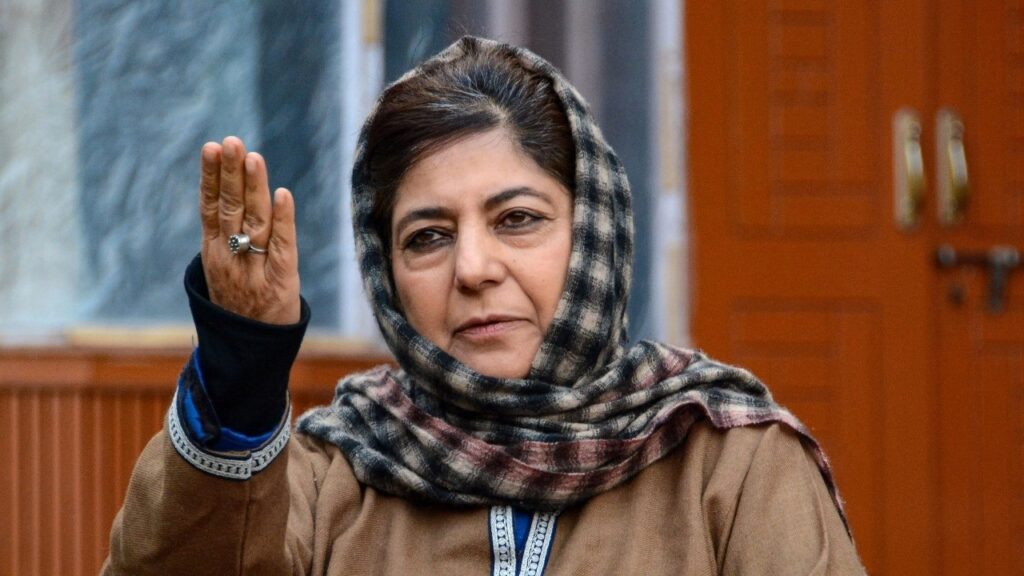
Peoples Democratic Party (PDP) president Mehbooba Mufti has urged the Union government to intervene for the safe return of students, including those from Kashmir, who are currently studying in Iran amid the deteriorating situation in the country.
Her appeal came a day after parents of several Kashmiri students studying in Iran voiced concern over their children’s safety and sought the Centre’s help in facilitating their return.
“Thousands of students from across the country, including Kashmir, are stranded in Iran amid the present volatile situation. This has triggered deep fear and anxiety in anguished parents desperately worried about their children’s safety. Urge S Jaishankar and MEA to intervene urgently and ensure their safe return,” Mehbooba said in a post on X.
According to estimates, over 10,000 Indians, including students, are currently living in Iran.
Meanwhile, the Indian embassy in Tehran has issued a fresh advisory urging all Indians, including students, pilgrims, businesspersons and tourists, to leave Iran using available means of transport, including commercial flights.
Protests erupted in Tehran late last month following the sharp fall of the Iranian currency rial to record lows. The unrest later spread across all 31 provinces, shifting from protests over economic hardships to broader demands for political change.
The situation has worsened significantly in recent days, with the death toll from the nationwide protests crossing 2,500, according to the US-based Human Rights Activists News Agency (HRANA).
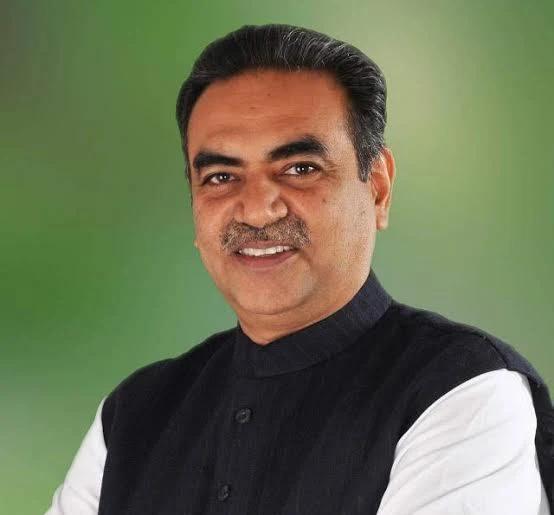
BJP National Council Member and senior Bharatiya Janata Party leader Sanjay Tandon on Wednesday launched a scathing attack on the Aam Aadmi Party (AAP), accusing it of indulging in intimidation and vendetta politics ahead of the upcoming Mayor elections in Chandigarh.
Tandon condemned what he termed as AAP’s “moral collapse,” alleging that the party has stooped to targeting family members of its own former councillor who recently severed ties with AAP and joined the BJP. He said such actions reflect a dangerous shift from democratic competition to coercive politics.
Terming Suman Amit Sharma’s, an elected councillor from Ward No. 4 of the Chandigarh Municipal Corporation, decision to join the BJP as an indication of the ever-increasing popularity of Prime Minister Narendra Modi, Tandon said: “The AAP cannot compete with our Prime Minister’s appeal to the people across the country.”
Instead of engaging in issue-based politics, Tandon alleged that AAP has chosen to weaponize investigative agencies by lodging “baseless and politically driven” cases against relatives of former party members. “This is not governance or democracy; it is intimidation aimed at creating fear among their own ranks,” he said.
It is worth mentioning that the crucial Mayor election of Chandigarh is scheduled for January 29, 2026.
According to Tandon, the intent behind the arrest of Sharma’s sister-in-law, Komal Sharma, by the Punjab Police in a case related to alleged salary fraud registered at Sohana police station in Mohali, is to send a warning to party workers.
“AAP wants to signal that anyone who leaves the party, particularly to join the BJP inspired by its leadership and vision, will be punished through harassment of their families,” he stated.
The BJP leader further claimed that such tactics expose AAP’s growing anxiety as the Mayor elections approach. “The party senses defeat and, in its desperation, has abandoned all democratic values. Instead of respecting individual political choices, it is resorting to pressure and threats to prevent party workers from joining BJP out of their own free will,” Tandon added.
Referring to the specific case filed against a relative of the former AAP councillor, Tandon questioned the selective nature of the action. He pointed out that while a family member has been named, key figures such as the Sewerage Board Chairman and the contractor involved have been conspicuously excluded. “This selective targeting clearly reveals the political motive behind the case,” he said.
Calling the episode a blot on political ethics, Tandon asserted that the case lacks substance and is being used purely as an instrument of revenge. “Such misuse of authority only weakens public trust and exposes the hollowness of AAP’s claims of clean politics,” he remarked.
Reaffirming the BJP’s position, Tandon said the Chandigarh unit of the party stands firmly with the councillor and her family. “We will oppose these authoritarian and unethical tactics at every level. Politics of fear will not stop people from aligning with the BJP or endorsing its development-oriented and people-first agenda,” he concluded.
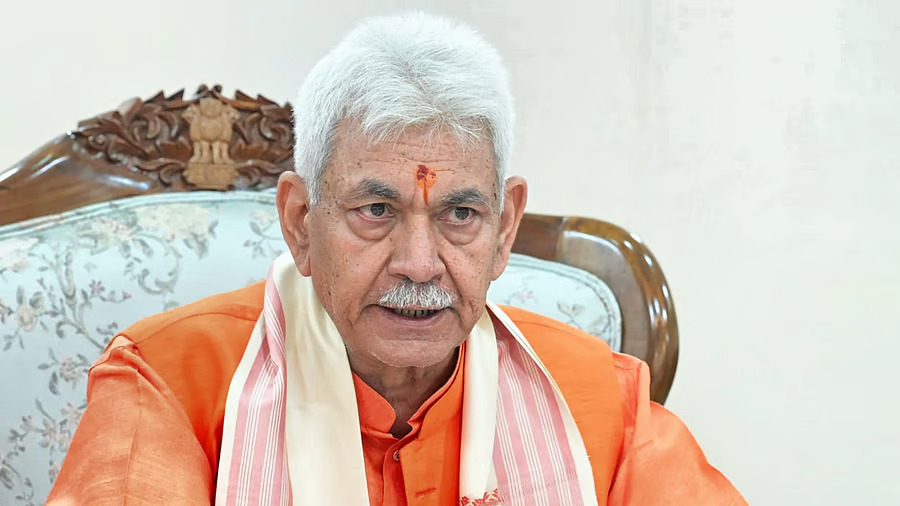
Jammu and Kashmir Lieutenant Governor Manoj Sinha on Tuesday terminated the services of five government employees for their alleged links with militant groups, officials said.
With the latest action, more than 85 government employees have been dismissed since 2021 on grounds of alleged involvement in terrorist activities or providing support to militant organisations.
Officials said the employees removed from service include a Rehbar-e-Taleem teacher, two Health Department staff members, an assistant lineman from the Public Health Engineering (PHE) department, and a field worker of the Forest Department.
Those terminated have been identified as Muhammad Ishfaq, a teacher in the School Education Department; Tariq Ahmad Rah, a lab technician; Muhammad Yousuf, a driver in the Health and Medical Education Department; Bashir Ahmad Mir, an assistant lineman with the PHE department; and Farooq Ahmad Bhat, a field worker in the Forest Department.
Officials said the dismissals were carried out under provisions that allow termination of services in the interest of national security. The administration maintains that the action is aimed at preventing infiltration of government institutions by individuals allegedly linked to militant networks.
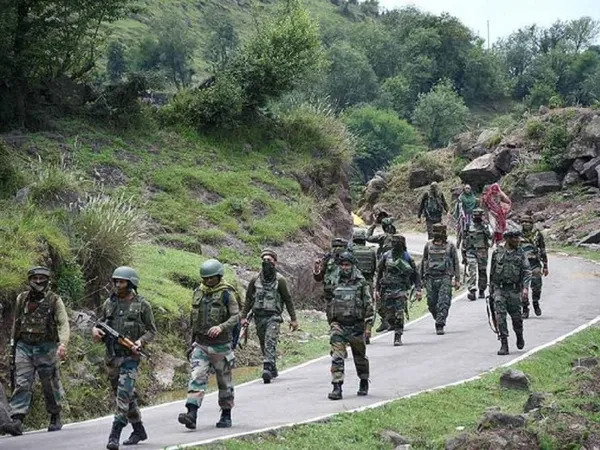
Security forces on Monday launched a cordon and search operation (CASO) following suspected drone movement along the Line of Control (LoC) in Rajouri district, officials said.
A joint team of the Special Operations Group (SoG), police and other security forces initiated the operation after drones were reportedly sighted in forward areas late Sunday night.
The suspected drone activity was part of a broader pattern observed across several districts along the International Border (IB) and the LoC, including Samba, Rajouri and Poonch, officials said.
According to officials, all the flying objects were seen entering from the Pakistan side and returned after hovering over Indian territory for a few minutes. Following the sightings, security forces launched ground search operations in the affected areas.
Army troops guarding the Nowshera sector along the LoC in Rajouri fired medium and light machine guns after observing a drone hovering over Gania-Kalsian village around 6.35 pm on Sunday, officials said.
Another drone-like object was spotted over Khabbar village in the Teryath area of Rajouri district around the same time. Officials said the object, which had a blinking light, came from the direction of Dharmsal village in Kalakote and moved towards Bharakh.
Similar sightings were reported from Chak Babral village in the Ramgarh sector of Samba and from areas in the Mankote sector of Poonch district.
On Friday night, security forces recovered an arms consignment allegedly dropped by a Pakistan-origin drone in Paloora village of Ghagwal near the IB in Samba district. The seized items included two pistols, three magazines, 16 rounds and a grenade.
Jammu and Kashmir Chief Minister Omar Abdullah has welcomed the suspension of the Indus Waters Treaty, saying the agreement had long harmed the interests of the region and that its suspension would allow Jammu and Kashmir to utilise its own water resources.
Speaking at a news conference in Amritsar, Omar reiterated his opposition to the decades-old treaty.
“I have been against it from the very first day. The Indus Water Treaty has greatly harmed us. It is good that the treaty has been suspended,” the Chief Minister said.
He said the next step should be concrete measures to ensure Jammu and Kashmir can effectively use its water resources for the benefit of its people.
“Now I want measures to be taken so that we are able to use that water for ourselves. We have given two projects to the centre, which we think will benefit us. One is the Jhelum navigation barrage, known as the Tulbul Navigation Barrage,” Omar said.
Explaining the impact of the proposed project, he said, “Water level in Wular will increase, and as a result, water in the Jhelum will also increase. Electricity production will increase, and Jhelum will be used for navigation.”
The Chief Minister said the Jammu and Kashmir government remained in continuous communication with the Centre regarding these projects.
Omar also spoke about the challenges faced by the tourism sector in Jammu and Kashmir over the past year, describing it as particularly difficult.
“Last year was difficult for us. When tourism started reviving, the Delhi bomb blast proved to be another setback for us,” he said.
However, he noted that tourism had shown signs of recovery with the onset of snowfall in Kashmir.
“Since snowfall has begun, tourism in Kashmir has increased,” Omar said.
He added that while the government would continue to promote tourism, it would not release tourism figures this time.
“We will continue to promote tourism, but numbers and our success ratio will remain with us,” he said.
Highlighting the importance of domestic tourism, Omar said Gujarat, Maharashtra and West Bengal remain key source markets for visitors to Jammu and Kashmir.
“We are trying our best to revive tourism in these states. I cannot say that we have succeeded, but it feels like tourism has gradually revived since snowfall has started,” he said.
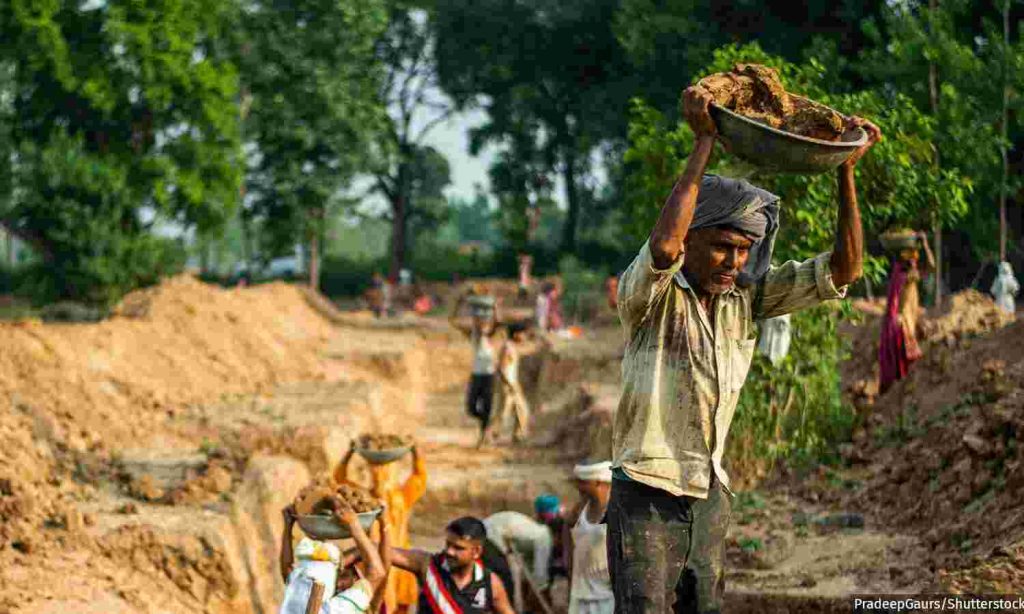
Critics have raised alarms over the recent proposal to amend the Mahatma Gandhi National Rural Employment Guarantee Scheme (MGNREGS), arguing that the changes go beyond a mere renaming and threaten to alter the scheme’s character fundamentally. The shift, they contend, is part of a broader effort by the BJP-led central government to centralize control over rural development programs, reducing the autonomy of state governments.
One of the key motivations behind the name change is believed to be ideological, with the ruling government seeking to distance itself from the legacy of Mahatma Gandhi, whose vision of Gram Swaraj emphasized the importance of local governance and decentralization. The MGNREGS, introduced over 20 years ago, bore Gandhi’s name as a symbol of this principle; however, the new bill shifts the focus away from this philosophy.
Under the revised proposal, the Union government would hold significant authority in decision-making processes, effectively sidelining state governments. Supporters of the bill argue that an increase in the number of workdays to 125 annually would benefit rural workers by providing more employment opportunities. However, data from previous years paints a less optimistic picture. During the pandemic year of 2020-21, only 9.5% of households—about 7.2 million—met the 100-day work target. Over the past two years, fewer than 7% of families have managed to secure the full allotment of workdays.
Another major change introduced by the bill is the reclassification of the MGNREGS as a “centrally sponsored scheme,” replacing its previous status as a centrally funded program. This alteration means that the central government will no longer absorb the full cost of unskilled manual labor wages. Instead, the financial burden will now be shared between the Centre and states, with a proposed 60:40 split. This shift could have significant consequences, especially given the financial constraints many states currently face, exacerbated by the ongoing challenges of GST restructuring.
Perhaps the most significant concern is the loss of the scheme’s original demand-driven structure, which allowed rural communities to request employment based on local needs. The new framework, by contrast, introduces a supply-driven model where funding allocations will be capped by the Union government, limiting the scope of the program. In addition, any excess expenditure will now fall on state governments, further complicating the fiscal landscape for already struggling state budgets.
States like Tamil Nadu and Kerala have already voiced strong opposition to the proposed bill, citing concerns that it undermines state sovereignty and reduces their ability to effectively manage rural development projects. One provision in the bill, which aims to prevent the overlap of MGNREGS work with agricultural sowing and harvesting seasons, could be included in the scheme after further consultations with state governments.
Despite claims from Union Rural Development Minister Shivraj Singh Chouhan that the new law aligns with Gandhi’s vision of “good governance” and reflects the ideals of Ram Rajya, critics argue that such principles cannot be realized without a robust grassroots democracy. In its current form, the bill is seen as falling short of promoting the decentralized, bottom-up approach that has been the hallmark of MGNREGS for over two decades.
Key Takeaways
Concerns over centralization: The bill shifts control over MGNREGS from the state to the central government, reducing states’ autonomy in rural development initiatives.
Financial and operational impact: Changes in funding structure and the introduction of caps on allocations could strain state budgets and limit programme effectiveness.
Opposition from states: Several states, including Tamil Nadu and Kerala, have voiced concerns about the erosion of state rights and fiscal responsibilities.
Gandhi’s Vision vs Modern Politics: Critics argue that the bill undermines the core principles of decentralization that Gandhi championed, replacing them with a more centralized, top-down approach.
In a move that has triggered both intrigue and scepticism, the government has introduced the G RAM-G Bill (Viksit Bharat Guarantee for Rozgar and Ajeevika Mission (Gramin) Bill) as a replacement for the much-loved MGNREGA (Mahatma Gandhi National Rural Employment Guarantee Act). While the name change might seem superficial, the underlying shift is significant.
The transition from MGNREGA to G-RAM-G is not just a rebranding but a rethinking of how rural development and employment will be handled in India. The new Bill promises to offer a more modern, effective, and sustainable framework, but questions about its long-term impact and effectiveness remain.
Before Tehelka delves into the specifics of the G-RAM-G Bill, it’s important to first understand the significance of MGNREGA, which has been a key part of India’s rural development strategy since its inception in 2005. MGNREGA was established to guarantee at least 100 days of wage employment per year to rural households, thereby alleviating poverty and boosting rural infrastructure.
Key features of MGNREGA
Employment guarantee: MGNREGA guarantees 100 days of work per household in rural areas. This was revolutionary at the time of its launch because it provided an income safety net to the rural poor, particularly during lean agricultural seasons.
Focus on rural infrastructure: The program has created thousands of kilometers of rural roads, irrigation systems, and water conservation projects. It encouraged community-driven projects that were often designed by local villagers themselves.
Decentralized implementation: One of the standout features of MGNREGA was its decentralization. It allowed for local bodies like Panchayats to play a role in project planning and execution, making the programme more locally relevant and responsive.
Wage payment: The payment was often made through direct bank transfers, which aimed to provide transparency and reduce corruption. However, delays in payments and inefficiencies in disbursing funds have been common criticisms.
Despite its successes in alleviating poverty and creating rural infrastructure, MGNREGA had its share of problems. Implementation challenges such as wage delays, corrupt practices, and misuse of funds persisted. The program was also often criticized for not providing sufficient skills development or sustainable long-term economic growth. These limitations are believed to have contributed to the shift toward the G-RAM-G framework.
The G-RAM-G Bill
The G-RAM-G Bill, while sharing some similarities with MGNREGA, brings new dimensions to rural employment and development. The name itself — G-RAM-G — is symbolic of a shift in focus from Mahatma Gandhi (whose name has been used to represent rural welfare) to RAM, an acronym that signifies a new approach: Rural Agricultural and Manufacturing Growth. The introduction of RAM indicates a broader vision that moves beyond mere employment to creating self-sustaining rural economies
Broader economic focus: Unlike MGNREGA, which primarily focused on creating manual labor opportunities, G-RAM-G emphasizes a holistic economic approach. The bill aims to integrate agriculture and manufacturing to provide long-term growth opportunities. This is aligned with the government’s vision of a “Atmanirbhar Bharat” (self-reliant India), encouraging rural communities to become self-sustaining in various sectors.
Skilled employment: One of the major changes is the focus on skill development. G-RAM-G intends to create a workforce that is not only involved in manual labor but is also equipped with vocational and technical skills. Training in areas like agri-tech, machine operations, and digital literacy will be key components. This upskilling would ideally make rural workers more employable in diverse sectors.
Technology integration: G-RAM-G aims to bring in technological innovation. The programme encourages the use of drones, satellite mapping, and mobile apps to enhance productivity, manage resources, and ensure transparency. This focus on technology could transform the rural economy by optimizing resource management and increasing agricultural yields.
Private sector involvement: Another key difference is the increased role of the private sector. While MGNREGA was predominantly a government-run initiative, G-RAM-G encourages private-public partnerships (PPPs) to create better infrastructure and long-term employment opportunities. This could include collaborations with agri-businesses, manufacturing companies, and even tech startups.
Rural entrepreneurship: Instead of focusing solely on wage labor, G-RAM-G also places a significant emphasis on fostering entrepreneurship in rural areas. The bill includes provisions for low-interest loans and grants to encourage small businesses, local manufacturing, and agri-startups. This shift aims to generate not just employment but also wealth in rural communities.
Sustainability and green Initiatives: The G-RAM-G Bill emphasizes sustainability by encouraging green practices. Rural development under this framework will prioritize eco-friendly methods in agriculture, water conservation, and energy use. Projects like organic farming, renewable energy solutions, and waste-to-energy technologies will be promoted.
Increased fund allocation and monitoring: The new bill provides for better fund management and allocation. While the government promises more funding for G-RAM-G compared to MGNREGA, the monitoring of the fund’s use will be more stringent. Technology-driven monitoring systems are expected to improve transparency and reduce the chances of misuse of resources.
Performance-based incentives: G-RAM-G also includes an innovative approach to performance-based rewards. If local bodies and communities meet specific goals, such as increasing agricultural productivity or boosting manufacturing output, they will receive incentives in the form of additional funding or grants for new projects.
A Comparative Analysis
Nature of employment: MGNREGA was primarily about providing wage-based employment, often in the form of manual labor. G-RAM-G, on the other hand, seeks to diversify rural employment by integrating agriculture, manufacturing, and entrepreneurship. The focus shifts from merely providing temporary employment to creating sustainable, skill-based employment opportunities.
Role of technology: While MGNREGA made some use of technology for fund transfers and project monitoring, G-RAM-G intends to harness cutting-edge technology for resource management, agricultural improvements, and digital training. The integration of AI, drones, and mobile platforms is aimed at transforming how rural projects are planned and executed.
Long-term economic goals: MGNREGA’s focus was primarily on immediate relief through wages and infrastructure projects. G-RAM-G, however, is designed to foster long-term economic development by promoting skill-building, entrepreneurship, and rural manufacturing. It aligns more closely with India’s aspirations to become a self-sufficient economy.
Private sector and entrepreneurship: The G-RAM-G Bill is more attuned to the idea of rural entrepreneurship and partnerships with the private sector. MGNREGA, in contrast, remained more government-centric, with limited involvement from the private sector. The move towards fostering businesses in rural areas could stimulate innovation and create diverse income sources for the population.
Funding and efficiency: One of the criticisms of MGNREGA was the inefficient use of funds and the delay in payments. G-RAM-G promises more rigorous financial oversight, along with the introduction of performance-based incentives, which could improve the program’s overall effectiveness.
The shift from MGNREGA to the G-RAM-G Bill marks a pivotal moment in India’s approach to rural employment and development. By focusing on skill development, entrepreneurship, and technology, G-RAM-G aims to transform rural India into a hub of sustainable growth.
However, questions remain about whether the government can effectively implement this ambitious plan. The success of G-RAM-G will depend on local capacities, the willingness of communities to adopt new technologies, and the ability to foster genuine public-private partnerships.
Indeed, MGNREGA will always be remembered as a landmark initiative in rural welfare; the G-RAM-G Bill offers a bold new direction. It promises to bridge the gap between rural poverty and self-sufficiency — but the journey from theory to practice will be a challenging one. Whether it will live up to its ambitious goals remains to be seen.
The crux is that the proposed changes to the MGNREGS raise concerns about centralization and the erosion of the scheme’s core principles of decentralization, with critics arguing that the bill undermines state autonomy and shifts the focus away from Gandhi’s vision of grassroots democracy, and its future will tell about its efficacy. This is aptly summed up by the aphorism “time is a great healer but a poor beautician”.
When Jammu and Kashmir Chief Minister Omar Abdullah recently remarked, “If I don’t have snow, I can’t sell Gulmarg,” he was not merely making a tourism pitch. He was articulating a deeper, unsettling reality: Kashmir’s economy, ecology, and identity are increasingly hostage to a rapidly changing climate.
Speaking at the annual convention of the Adventure Tour Operators Association of India (ATOAI) in Srinagar, Abdullah openly acknowledged what many in the Valley have been witnessing for years — receding glaciers, shrinking snowfall, and growing uncertainty around winter tourism. His suggestion that Kashmir may need to turn to artificial snow-making technologies to sustain skiing in Gulmarg marked a significant shift in public discourse, signalling that climate change is no longer a distant concern but a present-day crisis demanding adaptation.
This winter has offered stark evidence. Kashmir is experiencing an unusually dry and snowless season, marked by bright blue skies and sunlit days more reminiscent of early spring than deep winter. While the warmth may appear benign on the surface, its consequences threaten to cascade through multiple sectors — tourism, agriculture, hydropower, and water security.
A Winter Without Snow
November and December, which usually witness the snowfall, have passed largely dry. December recorded an 86 percent rainfall deficit. Most plains across the Valley have not received snow, while the upper reaches have seen significantly below-average snowfall.
More troubling is the absence of any immediate forecast suggesting a sustained return of snow, particularly in the plains. All eyes are now on Chilai Kalan, the harshest 40-day phase of winter beginning on December 21 when Kashmir typically receives its heaviest snowfall. Its first day saw some modest snowfall on upper reaches, so there is hope that more may follow including in the plains. A dry Chilai Kalan is rare, though not unprecedented; similar conditions were last recorded in 2015 and 2018. However, the growing frequency of such winters has heightened alarm among scientists.
Data shows that nine of the past 28 winters have been largely snowless, three of them in the last decade alone. While historical records over the past 127 years do indicate occasional dry winters, scientists say the long-term trend over the last five to six decades is unmistakable: snowfall volumes have declined sharply. Where plains once received nearly a metre of snow, they now see only a few inches — a shift largely attributed to global warming.
Glaciers in Retreat
The implications extend far beyond tourism. Snowfall during January and February plays a critical role in glacier nourishment, which in turn sustains Kashmir’s rivers through the summer months. Reduced snowfall means weaker glacier recharge, leading to diminished river flows during peak agricultural and power-generation periods.
Nowhere is this more evident than in the Kolahai Glacier, Kashmir’s largest and most significant glacier. Situated at an altitude of around 3,600 metres in the upper reaches of Pahalgam, Kolahai feeds the Lidder and Sindh rivers, both major tributaries of the Jhelum. Scientific studies show that Kolahai has shrunk from 13.87 square kilometres in 1976 to just 11.24 square kilometres, retreating at an alarming rate of 0.08 square kilometres annually.
Earth scientist Shakil Ahmad Romshoo has warned that Kolahai alone has lost nearly 30 per cent of its area between 1992 and 2025, with the most severe recession occurring in the last decade. Other glaciers tell an equally grim story. Najwan Akal, once a major glacier in the upper Sindh Valley, has disappeared entirely. Thajwas, Zojila, and Naranag glaciers — which historically persisted until late autumn — have receded dramatically.
The loss of glacier mass poses a direct threat to water availability, especially during the summer months when demand peaks. It also undermines hydropower generation, a crucial component of Jammu and Kashmir’s energy mix.
Tourism on Unstable Ground
Tourism, particularly winter tourism, remains one of Kashmir’s most climate-sensitive sectors. Gulmarg’s global reputation as a skiing destination depends almost entirely on consistent natural snowfall. In recent years, however, snowfall has become increasingly unpredictable — often arriving late, well after the peak holiday season.
Hotels, tour operators, and tourists alike report growing frustration. Visitors arrive expecting snow-covered landscapes, only to encounter bare slopes and brown meadows. In response, authorities and tourism operators have started talking about experimenting with artificial snow, a stopgap solution increasingly common in ski destinations worldwide.
Yet artificial snow is energy-intensive, water-dependent, and environmentally contentious — especially in a region already grappling with water stress. While it may help sustain tourism revenues in the short term, experts warn it cannot replace the ecological role of natural snowfall.
Chief Minister Abdullah has also called for diversification of adventure tourism, promoting activities such as paragliding, hot-air ballooning, and year-round outdoor experiences to reduce dependence on winter snow. But even diversification offers limited insulation if climate volatility continues to intensify.
Agriculture Under Stress
Climate shifts are also unsettling Kashmir’s horticulture sector, particularly apple cultivation, which forms the backbone of the rural economy. Apple trees require a specific number of chilling hours during winter to flower properly in spring. Warmer winters and erratic precipitation are disrupting this cycle.
Basharat Bhat, an orchardist from Budhan village in north Kashmir’s Baramulla district, says unseasonal snow and rain have led to fluctuating yields. “Changing weather patterns affect pollination,” he explains. “Low temperatures or rainfall during the flowering stage reduce fruit set, directly impacting production.”
Such disruptions threaten not only farm incomes but also export volumes and employment across the apple value chain.
A Larger Climate Pattern
Meteorologists note that Kashmir’s weather is influenced by complex interactions between western disturbances, local topography, and global climate systems. However, broader trends are impossible to ignore. Rising global temperatures, deforestation, increased vehicular emissions, and higher energy use for heating are all contributing to long-term warming across the Himalayan region.
The El Niño phenomenon, driven by abnormal warming of surface waters in the Pacific Ocean, has further altered global weather patterns, often resulting in drier winters and reduced precipitation across South Asia. Recent winters in Kashmir and Himachal Pradesh have mirrored this trend, with snowfall weakening or arriving well beyond its usual window.
A Crisis Demanding Choices
The snowless winter unfolding in Kashmir is no longer an anomaly — it is a warning. The Valley stands at a crossroads where climate change threatens to erode economic stability, ecological balance, and cultural rhythms tied to the seasons.
Artificial snow may keep ski slopes operational, but it cannot replenish glaciers, recharge aquifers, or sustain rivers. Long-term solutions will require climate-resilient planning, reduced emissions, forest conservation, water management reforms, and honest recognition that the old climatic certainties no longer apply.
As Omar Abdullah’s blunt remark underscores, Kashmir cannot sell winter without snow. The larger question now confronting the region is whether it can adapt fast enough to survive a future where snow itself can no longer be taken for granted.
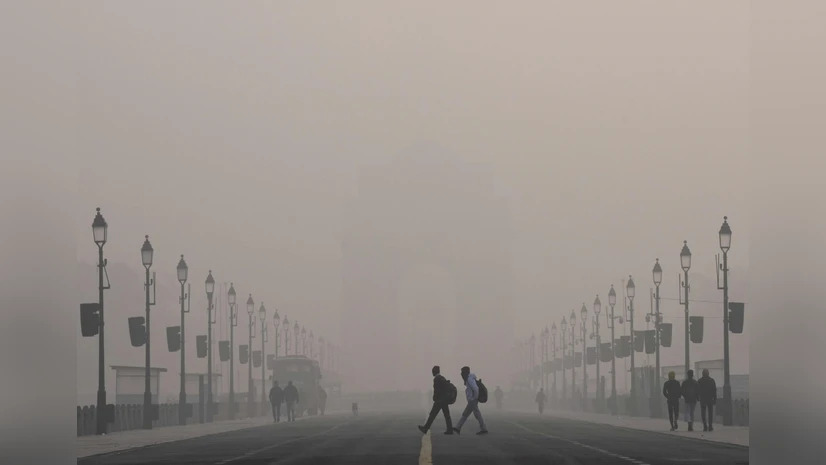
While cities like Delhi often dominate headlines due to their record pollution levels, the crisis extends far beyond the capital.
Our cover story, “Air under Siege,” explores how the air crisis has evolved from Delhi’s choking smog to the dust-filled skies of smaller towns, reshaping both everyday life and the nation’s approach to environmental governance.
Air pollution levels routinely breach hazardous thresholds, often reaching “severe” levels, particularly during the winter months. The combination of vehicle emissions, industrial discharge, construction dust, and the seasonal burning of crop residue in nearby states creates a deadly cocktail of pollutants, with particulate matter (PM2.5) levels soaring well above international safety standards. However, while the headlines frequently focus on Delhi’s smog, the problem is far from confined to the capital. Smaller cities like Lucknow, Kanpur, Patna, Panchkula, and Varanasi are also battling toxic air.
The impact of this pollution on public health is severe and undeniable. Studies show that exposure to high levels of air pollution is linked to a wide array of respiratory and cardiovascular diseases, including asthma, bronchitis, heart attacks, and strokes. According to the World Health Organization (WHO), India has some of the most polluted cities in the world, with the death toll from air pollution reaching staggering numbers each year. Vulnerable groups—such as children, the elderly, and those with pre-existing health conditions—are especially at risk.
What makes the crisis even more pressing is its broad societal impact. In the cities most affected by pollution, daily life has become a constant struggle for residents. People wear masks, limit their time outdoors, and rely heavily on air purifiers. The education system is disrupted, as schools close on days when pollution levels cross hazardous thresholds. In some regions, pollution has become so bad that it affects local economies, with industries forced to curtail production.
While the central government has implemented a variety of measures—including the introduction of cleaner fuels, the promotion of electric vehicles, and stricter emission standards for industries—the enforcement of these policies remains weak. Additionally, state governments often struggle to balance economic growth with environmental concerns, leading to inconsistent implementation across regions.
The introduction of stronger enforcement mechanisms, such as a national air quality index and regional pollution control boards, could hold industries and individuals accountable. Increased investment in clean technologies, green infrastructure, and public transport systems is essential to reduce emissions across the country.
In our investigative story, “SIR, Detention Centres and Elections” by the Special Investigation Team (SIT), we unravel how police verification drives in Gurugram, intended to identify illegal Bangladeshi migrants, subjected Bangla-speaking workers to detention and harassment—yet failed to shake their political loyalty.
As we welcome the New Year, we would like to extend our sincere greetings to Tehelka readers for 2026!
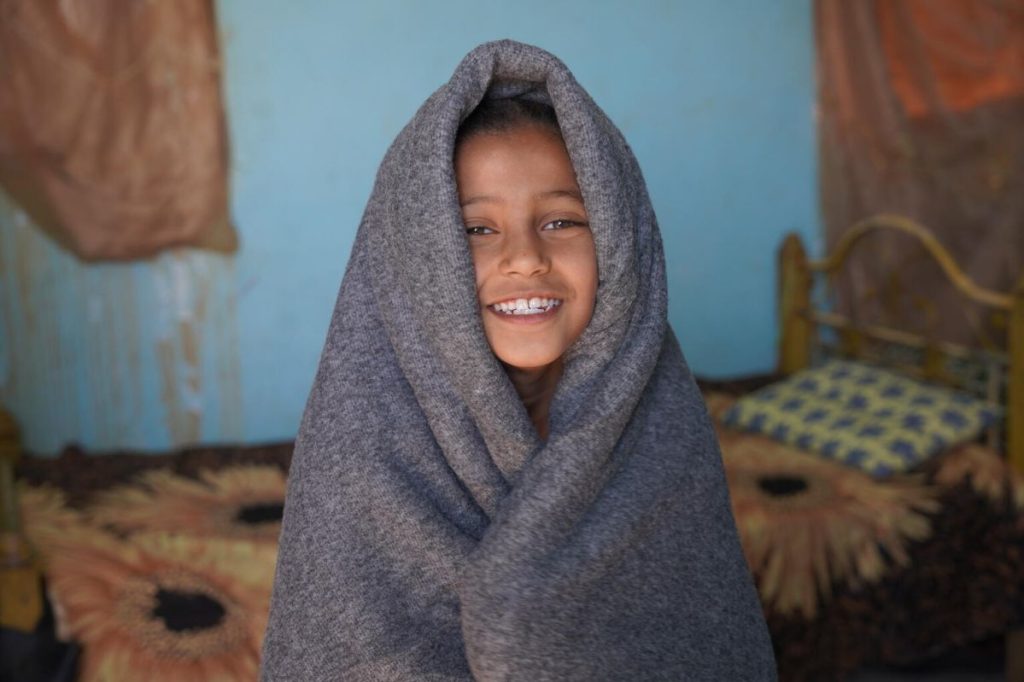
Pollution is one of the most pressing global health challenges of our time. While its effects are serious for people of all ages, scientific evidence shows that children suffer disproportionately compared to adults. According to a World Health Organization (WHO) report, more than 90% of the world’s children breathe toxic air daily, exposing them to a lifetime of health risks.
Children are not simply “small adults.” Their bodies are developing rapidly, and this growth makes them biologically more sensitive to environmental hazards like pollution. Children breathe more air relative to their body weight than adults — roughly twice as much per kilogram — meaning they inhale a higher dose of toxic particles for the same level of pollution.
Moreover, their lungs and immune systems are still forming, so they lack the defense mechanisms that adults have developed over time. Pollutants such as fine particulate matter can penetrate deep into the lungs, causing inflammation, reduced lung function, and increased susceptibility to respiratory infections.
Dr. Tedros Adhanom Ghebreyesus, Director-General of WHO, has emphasized this risk, stating, “Polluted air is poisoning millions of children and ruining their lives. This is inexcusable. Every child should be able to breathe clean air so they can grow and fulfil their full potential.” The WHO notes, Once born, children’s developing brains are also at risk. Studies have shown that early exposure to air pollutants is linked with neurodevelopmental delays and cognitive damage, including impacts on memory, attention, and IQ. These neurological effects are particularly concerning because they can influence a child’s educational and social outcomes later in life.
Prof. Ravindra Khaiwal — Department of Community Medicine & School of Public Health, PGI, Chandigarh highlights the health risks of air pollution for vulnerable populations, including children, adding, “The sharp increase in very poor air quality days directly exposes children, pregnant women, the elderly, and those with existing conditions to serious health risks.”
Dr. Shrishailesh Mantur; Consultant – Pediatrics & Neonatology, Apollo Cradles & Children’s Hospital, Kormangala, Bangalore points out,Children are more sensitive to air pollution because their bodies are still growing- they breathe faster than adults, Also, take in more air for their size. This is especially concerning during outdoor play near busy roads or industrial sites. The alveoli, enabling oxygen exchange, continue forming until about eight years of age. Exposure to pollutants, including fine particulate matter, may impair normal lung growth and result in long-term decreases in lung capacity.
Exposure to air pollution in childhood produces both immediate and lifelong health consequences. Respiratory conditions such as asthma, bronchitis and pneumonia often appear early. In contrast, repeated exposure can permanently limit lung function. Moreover, they raise the risk of chronic respiratory disease in adulthood. Clinics in heavily polluted urban areas increasingly report cases of irreversible airway obstruction in kids, conditions previously considered diseases of older age. Children encounter air pollutants in both outdoor and indoor environments. Vehicular emissions generate nitrogen dioxide, carbon monoxide, and fine particulates capable of reaching the lower respiratory tract. Industrial activity and construction dust also compromise ambient air quality.
As per UNICEF, Children’s behavior and lifestyle also increase their exposure. They often spend more time outdoors playing, including during peak pollution hours. Their smaller stature means they breathe air closer to the ground where certain pollutants can be more concentrated. Additionally, young children tend to breathe through their mouths, bypassing some nasal filtration systems, further increasing pollutant intake.
Dr. Shefali Gulati, Faculty In-Charge of the Child Neurology Division at AIIMS, says, children are particularly vulnerable to polluted air because they breathe more relative to their body weight, and their developing lungs and immune systems are less equipped to cope with toxic exposure.