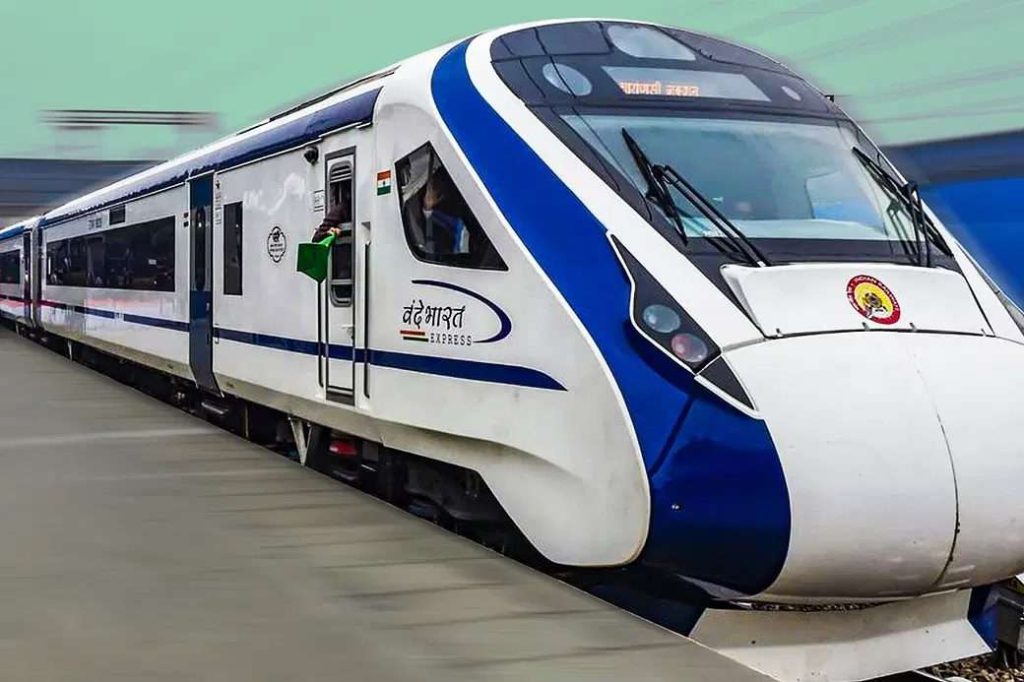
The highly anticipated Kashmir Rail Link, part of the Udhampur-Srinagar-Baramulla Rail Link (USBRL) project, is set to become operational by January 2025. This development will establish seamless train connectivity between New Delhi and Srinagar for the first time.
The service will feature the high-speed Vande Bharat Sleeper train, offering a journey of less than 13 hours. Passengers will board in Delhi at 7:00 PM and reach Srinagar by 8:00 AM. The train will provide three classes—AC First Class, AC 2 Tier, and AC 3 Tier—with ticket prices ranging from ₹2,000 to ₹3,000. It is designed with modern amenities and enhanced sleeper facilities for a comfortable travel experience.
Key stations on the route include Ambala Cantt, Ludhiana, Jammu Tawi, and Shri Mata Vaishno Devi Katra. The project is expected to boost tourism, trade, and connectivity between Jammu and Kashmir and the rest of India.
“Tourism, a key driver of Kashmir’s economy, stands to benefit immensely from the operationalization of the USBRL,” read an editorial in a local daily. “The scenic route, passing through Anantnag, Awantipora, Pampore, and other stations, presents a unique opportunity to highlight the natural beauty of the region.”
The USBRL project is a significant engineering achievement, featuring advanced bridges and tunnels through challenging terrain. It highlights the government’s focus on enhancing infrastructure in the region, with hopes of driving socio-economic growth and improving travel for tourists, residents, and pilgrims.
New Delhi :BJP National General Secretary Tarun Chugh launched a scathing attack on former Delhi Chief Minister Arvind Kejriwal and Punjab Chief Minister Bhagwant Mann on Thursday for appointing Bibhav Kumar on a top administrative post, even though he has been accused of assaulting former Delhi Commission for Women (DCW) Chairperson Swati Maliwal.
Chugh’s remarks came in response to Maliwal’s post on social media platform X, in which she claimed that Kejriwal had rewarded Kumar by appointing him as the Chief Advisor to Punjab’s Chief Minister.
Maliwal claimed that the assault, which allegedly took place at Kejriwal’s residence on May 13, was followed by Kumar’s promotion to a top administrative position in Punjab, highlighting the ‘true face’ of the AAP in its treatment of women. She criticised Kejriwal and accused him of “rewarding Kumar”, despite the Supreme Court labelling him a ‘goon.’
Talking to media, Chugh condemned the actions of the AAP leaders, calling them indicative of their mindset. “Bibhav Kumar, who assaulted Swati Maliwal, now holds a senior position in Punjab. This is how the AAP treats women. The fact that the police and Punjab’s DGP will report to him is deeply troubling, ” Chugh said.
He urged for the safety of women and children in Punjab, stating, “Please God save our women and children from such individuals.”
The controversy surrounds Kumar’s role as a close aide and Personal Assistant to Arvind Kejriwal when the latter was the Chief Minister of Delhi. Kumar was arrested on May 18 for the alleged assault and was later granted bail by the Supreme Court after spending over 100 days in judicial custody.
Chugh also responded to Jammu and Kashmir (J&K) Lieutenant Governor Manoj Sinha’s recent statement on internal security, reiterating the BJP’s stance on zero tolerance for terrorism.
“Under PM Modi’s leadership, we will ensure strong borders and internal security. We are determined to make J&K terrorism free as we are committed towards it, ” he affirmed.
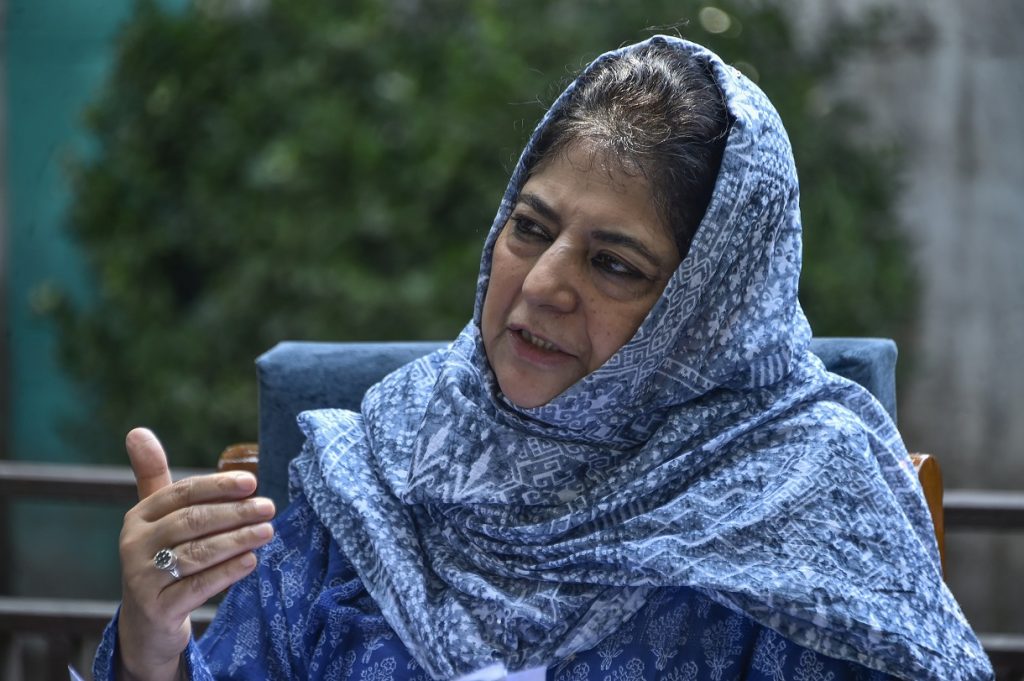
Srinagar, November 20: PDP president Mehbooba Mufti on Tuesday lauded three party legislators who raised the issue of abrogation of Articles 370 and 35A during the first session of Jammu and Kashmir Assembly earlier this month.
“Party President Ms. @MehboobaMufti lauded the efforts of PDP MLAs for their efforts in legislative assembly at party headquarters in Srinagar today,” the PDP posted on its X handle after a meeting chaired by Mehbooba.
“These elections were about defending J&K’s identity & dignity. Our MLAs have raised the people’s deep concerns over the unilateral abrogation of Articles 370 & 35A. The fight for our rights continues in legislatures & public outreach,” the PDP president said.
Besides the three party MLAs — Waheed Para, Rafiq Naik and Mir Mohammad Fayaz, senior leaders like Nayeem Akhtar, Abdul Rehman Veeru, Ghulam Nabi Lone, Khursheed Alam, Basharat Bukhari, Asiya Naqash and Zahoor Mir attended the meeting.
Talking to reporters after the meeting, PDP legislature party leader Waheed Para said the party MLAs will continue to remind the National Conference government of the promises the ruling party had made during the election campaign.
“We will keep them reminding about the Kashmiri youth lodged in outside jails and the needs to shift them back, the enhanced ration quota, etc. They have got a huge mandate … We will keep reminding them,” Para said.
The Centre had in 2019 abrogated Article 370 which granted special status to Jammu and Kashmir.
Bhopal : On the intervening night of 2-3 December 1984, the then sleepy town of Bhopal became infamous for the worst ever industrial tragedy in the world. The leakage of highly toxic gas methyl isocyanate from the Union Carbide plant claimed the lives of thousands of people (estimates of deaths in the tragedy vary between 20,000 to 2,200 people).
As the 40 year anniversary of the Bhopal gas tragedy approaches, it seems that the nation has seemingly forgotten the world’s worst ever industrial accident.
Over 500,000 people in the area around the plant were exposed to the highly toxic gas methyl isocyanate in the world’s worst industrial disaster. Estimates on the death toll vary with compensation being paid to families of thousands of victims of the disaster for deaths and injuries.
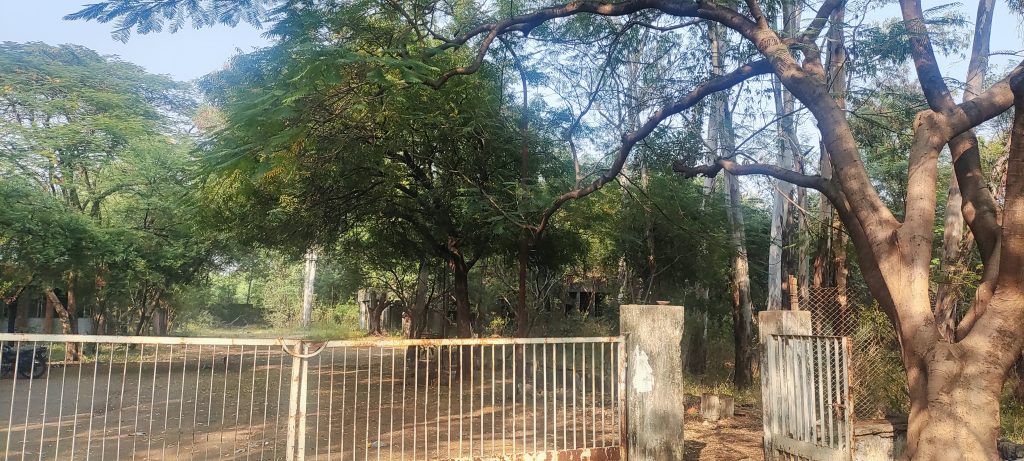
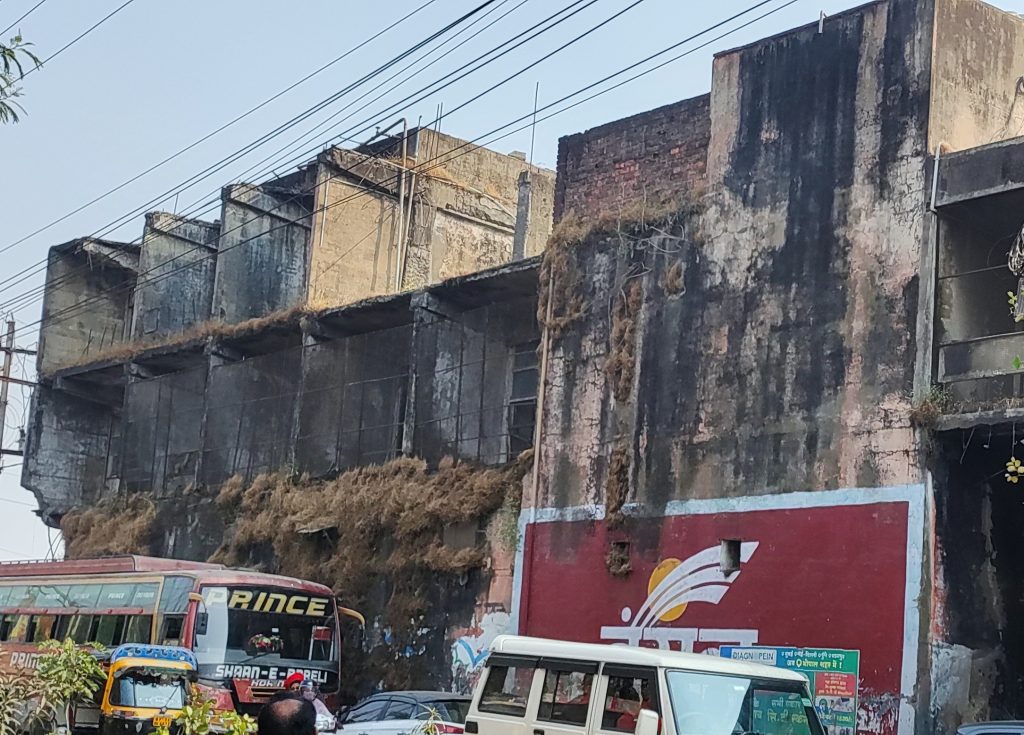
The dilapidated structure of the Union Carbide factory still stands on the infamous disaster site. Tehelka.com revisited the accident site, which lies in ruins, a dilapidated structure, and boundary walls torn down at several places, the compound run over by stray animals and strewn with refuse. The 67 acres of land, being used by locals as a grazing ground, is guarded by a lone watchman.
The government’s long-pending plan to build a memorial on the disaster site where the Union Carbide factory stands is still to see the light of the day.
The government claims that the memorial dedicated to victims of the gas tragedy, expected to cost approximately Rs 380 crore, is set to be built soon.
The plan to dispose of toxic waste
The 67-acre disaster site is still strewn with toxic waste, even 40-years after the tragic night struck Madhya Pradesh’s capital, the memorial is seemingly a distant dream for the victims. The situation was so grim that the newly elected Member of Parliament from Bhopal, Alok Sharma, brought the issue regarding the delay in work to dispose of the waste in the last Lok Sabha session.
Sources stated that the process to dispose of the toxic waste, located on the premises of the disaster struck plant site, has been set in motion with the allocation of Rs 126 crore to Madhya Pradesh government by the Centre for the purpose.
Photo : Naveen Bansal
After a wait of almost four decades, Union Environment Ministry has transferred the money to the state government recently for the disposal of the around 337 metric tonnes of hazardous waste, stored in the premises of the Union Carbide plant, at the incinerating facility at Pithampur in Dhar district in Madhya Pradesh.
The Central Pollution Control Board (CPCB) has also been asked to submit an environment impact report post-disposal of the waste at Pithapuram to the Centre.
How the population is coping
Local population has, however, continued to work towards efforts to heal the decades old wounds. A majority of people directly affected by the chemical disaster have already passed away. The families of victims and several organisations came together to organize a tribute to the victims by inviting artists to the site of tragedy.
A group of artists painted the walls of the Union Carbide plant with murals dedicated to the victims of the tragedy. They painted the 80-ft wall of the factory using acrylic colours and paid tribute to the gas victims. “Local artists have come together to mark the 40th year anniversary of the tragedy. We want to offer our support to the victims and their families who are still dealing with the aftermath,” said Pragati Chaurasia, an artist working on painting these murals.
Family member of a gas tragedy victim, Vinay Choudhary, reiterated the demand for construction of a gas victims’ memorial at the earliest. “Why has there been a delay in such an important work? Do we not want our forthcoming generations to know about the tragic truth?” Choudhary said.
Most of these families also want the government to immediately remove the toxic waste from the disaster site. “Why has the government not been able to dispose of the waste for almost 40 years? Is it waiting for another tragedy to strike?” asked Priti Singh, a local resident.
The residents pointed out that a massive fire broke out at the factory site on May 6 this year and could have caused another major tragedy with the hazardous waste still stored on the premises. “This had triggered panic among locals as there were thousands of people still residing in the vicinity of the abandoned industrial site. Though the fire was brought under control it could have caused another major incident,” claimed Sanjay Kumar, another local resident.
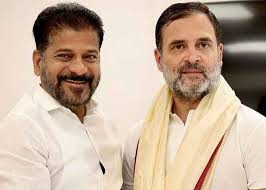
Hyderabad : Congress leader Rahul Gandhi has asked Telangana Chief Minister A. Revanth Reddy to make an effective law for gig workers by holding state-wide public consultations.
The Leader of Opposition in Lok Sabha has written a letter to the Chief Minister, requesting him to conduct public consultation for the draft legislation for gig workers.
“Hearing from all parties will ensure that the law is robust, effective, and meaningful. The process can also help anchor future regulations for this sector, ” reads the letter dated November 11.
Rahul Gandhi also offered to be part of this consultative process. He exuded confidence that Telangana will lead the way in building a sustainable gig economy for the future.
The Chief Minister posted the letter on the social media platform ‘X’ on Wednesday and assured Rahul Gandhi that the state government would make gig workers’ policy comprehensive, inclusive, and fair in line with his vision.
“All of our work is inspired by your vision, ideas and work. It gives us more energy that the Telangana Caste Survey has made you feel proud. We will make the Telangana State Gig Workers’ Policy comprehensive, inclusive, fair, and pioneering, in line with your vision & promise, ” wrote the Chief Minister.
In his letter, Rahul Gandhi mentioned that the Congress stands for the well-being of workers, especially in contractual roles.
“Our manifesto committed to framing a law to protect gig workers and enhance social security. The states we govern have taken several steps in this direction with the Congress government in Rajasthan becoming the first state to legislate the welfare of gig workers. I am pleased that you too are moving forward with a draft law, honouring our guarantee to the people of Telangana, and offer a suggestion, ” wrote Rahul Gandhi, who had interacted with gig workers in Hyderabad during the Assembly elections campaign last year.
The Congress MP said during his recent visit to Hyderabad, he was impressed by the vibrant consultative process for the socio-economic, educational, employment, political and caste survey. It offers a valuable model to ensure lawmakers hear directly from the people, he said while suggesting Revanth Reddy have similar consultations for the draft legislation for gig workers.
Rahul Gandhi noted that over the last decade, lakhs of workers have joined the gig economy.
“The relatively easy entry and flexibility offered opportunities, especially in low-skilled roles. The generous incentives in the early years also helped many acquire income-generating assets. It also offered workers a platform to tap into a much bigger market. The sector is replete with success stories of workers who found viable livelihood opportunities, particularly in the absence of alternative jobs.”
The Congress leader mentioned that time and again, workers highlighted the vulnerabilities that arise due to their nature of employment.
“The absence of regulations further diminished their ability to negotiate or demand fair terms of work. Exploitative work conditions, predatory pricing and the lack of an effective grievance redressal mechanism must be addressed. Furthermore, workers grapple with social discrimination and inhumane conduct in their daily work, ” he added.
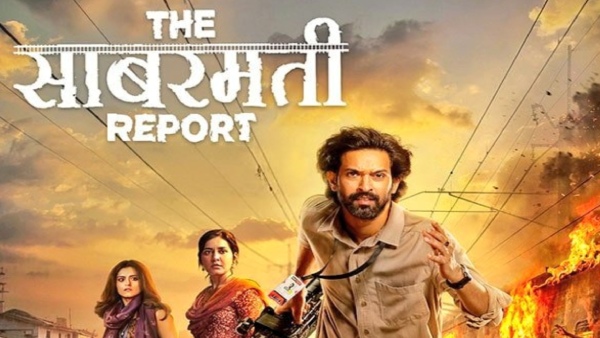
New Delhi : Chief Minister Vishnu Deo Sai has announced that the film ‘The Sabarmati Report’ will be made tax-free in Chhattisgarh. The film portrays the truth behind the tragic train incident in Godhra, Gujarat, that occurred 22 years ago.
The Chief Minister stated that ‘The Sabarmati Report’ is a must-watch as studying the past provides better guidance for the present and future.
He praised the film for its remarkable and impactful effort in revealing a painful chapter of history that some vested interests tried to suppress. The movie sheds light on the flawed systems of the time, which attempted to suppress the truth by spreading false narratives. It presents the tragic incident with great sensitivity, making it an important piece of cinematic storytelling.
Other Bharatiya Janata Party-ruled states Haryana and Madhya Pradesh have already given tax-free status to the film, which hit theatres this.
The movie is based on the February 27, 2002 incident in which 59 people, mostly kar sevaks, were killed when a coach of the Sabarmati Express train was set afire near Godhra station, triggering widespread riots in Gujarat.
The Sabarmati Report features Vikrant Massey along with Ridhi Dogra and Raashii Khanna in key roles. It is directed by Dheeraj Sarna and is produced by Amul Mohan.
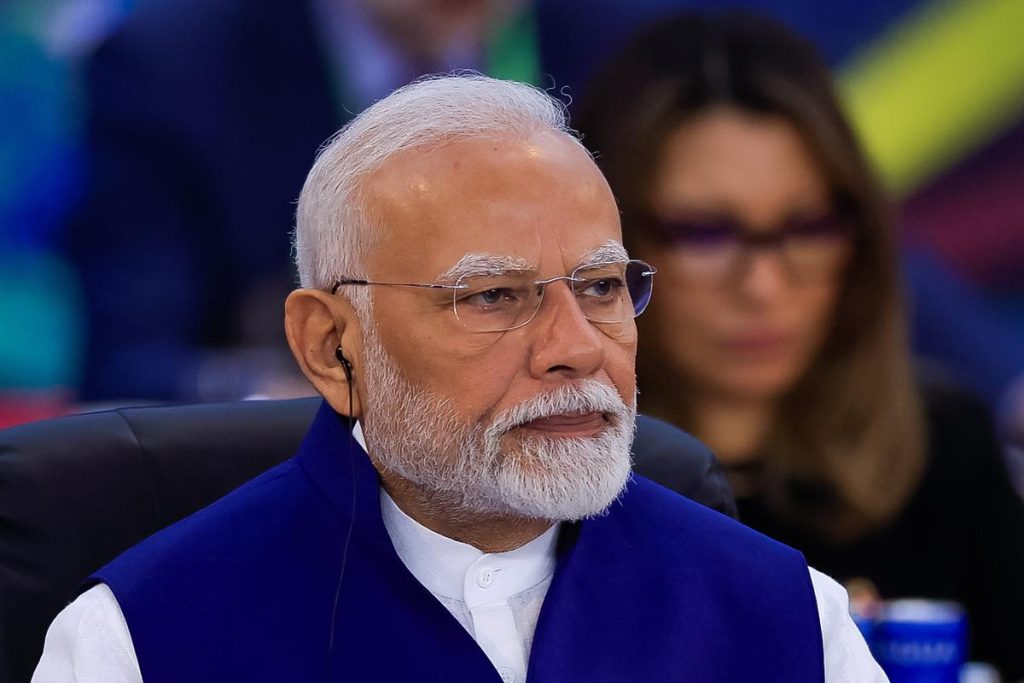
New Delhi: Prime Minister Narendra Modi emphasized India’s commitment to a “free, open, and secure maritime network” in a statement for ‘Sagarmanthan, The Ocean’s Dialogue, ’ the country’s inaugural maritime event. The Prime Minister highlighted that India’s vision for the Indian Ocean and Indo-Pacific regions is resonating worldwide, fostering unity and cooperation among nations.
PM Modi expressed that the ‘Indo Pacific Oceans Initiative’ aims to position marine resources as crucial to economic growth. This dialogue, he noted, strengthens the rules-based global order while promoting peace, trust, and friendship across borders.
The Prime Minister, addressing the event remotely from Nigeria, emphasized the role of initiatives like Sagarmanthan in building partnerships that contribute to a prosperous future. “As we strive to realise the vision of a Viksit Bharat by 2047, dialogues such as Sagarmanthan are invaluable to build consensus, partnerships, and most importantly, a prosperous future, ” he stated, expressing confidence that these discussions would have a lasting impact worldwide.
Reflecting on India’s ancient maritime heritage, PM Modi cited the significance of historic port cities like Lothal and Dholavira, the maritime prowess of the Chola dynasty, and the contributions of Chhatrapati Shivaji Maharaj. He remarked, “Oceans are a shared heritage for nations and societies, as well as the lifeline for international trade. The security and prosperity of nations today are closely tied to the oceans.”
The Prime Minister outlined steps taken over the past decade to bolster India’s maritime capabilities under the principles of “Ports of Prosperity, ” “Ports for Progress, ” and “Ports for Productivity.” India’s port capacity has doubled, with improvements in port efficiency, reduced turnaround times, and enhanced last-mile connectivity through expressways, railways, and river networks.
Union Minister for Shipping and Ports, Sarbananda Sonowal, praised PM Modi’s leadership and vision, stating, “Under the dynamic leadership of Prime Minister Narendra Modi, India has been witnessing a transformational experience in the maritime sector.”
The two-day ‘Sagarmanthan’ event in New Delhi is bringing together maritime leaders, policymakers, industry experts, and scholars from around the globe, aiming to shape the future of maritime collaboration and strengthen global maritime networks.
Bhopal/ Raisen : After controversies in various states over Waqf Boards claiming generationally held land holdings of villagers, now the Madhya Pradesh Waqf Board has decided to take a step further and auctioned off such lands, which it has claimed as Waqf properties.
The Madhya Pradesh Waqf Board has auctioned thousands of acres of land, declared to be Waqf property, in a state-wide exercise targeting all 55 districts over the past few months.
As part of the process, thousands of acres of land identified as “belonging to Waqf” was leased out in a process that lasted several weeks. Interestingly, it is the first year when such a wide scale auction of Waqf land has been organized across the state. Earlier such Waqf lands were handled by various Muslim organizations and trusts. From this year onwards Madhya Pradesh Waqf Board has started to handle these properties centrally, sources revealed.
While Waqf Boards in other states like Karnataka and Tamil Nadu had issued notices to farmers on their lands being claimed by Waqf, no such communication has been sent by the Madhya Pradesh Waqf Board, sources said.
The entire process was apparently conducted without making any provision for handing over the physical possession of the land in these auctions, while also not bothering to check whether these “Waqf lands” were still being cultivated by the local population.
Photo : Naveen Bansal
Tehelka.com visited Gudawal, Hamidkhedi and Umraoganj villages in Raisen district of the state where over 1,000 acres of land, claimed to be Waqf properties, has been auctioned by the Board. Officials with the board claim that these are lands bestowed to the Waqf by Muslim community leaders and individuals over the past few decades and it is now in the process of leasing these out for welfare of the community.
Villagers in Umraoganj stated that the land in the area has been tilled by their families for several generations and they do not know how the Board has termed their land to be Waqf property. “We don’t know of any Waqf properties in the area. This land has been cultivated by my family for the past over twenty years and before that it was being tilled by my father,” said Khuman Singh, a local resident who grows paddy and operates a dairy farm from the land.
Most villagers were unaware of the move by the Madhya Pradesh Waqf Board to auction land in their villages as no official communication regarding the same has been made available to them. “The land here has been cultivated by our forefathers for several generations. We don’t know how the Waqf Board is claiming it to be theirs,” said Beli Ram Meena, another resident of the village. Most of the residents claimed ignorance regarding any auction process or change in ownership of land in government records and stated that no such notification has been brought to their knowledge.
And the issue of land ownership or lease isn’t just being faced by farmers, even the persons who participated in these auctions organised by the Waqf Board are feeling cheated. The Waqf Board auctioned a piece of land which was leased by a young entrepreneur Ainul Yaqeen for setting up agriculture based startups. However, he has been making the rounds of tehsildar and local police station for the handing over of the piece of land without any success so far.
“I have been trying to seek possession of this land. However, the Revenue Department is not coming forth in my support. I have already submitted over Rs 5 lakh for the land six months ago to the Board after the successful bid, but haven’t been able to get physical possession of it till date,” Yaqeen said.
Due to non-handing over of possession, Yaqeen’s plans for establishing a modern fish farm and hybrid agriculture farm with aquaponics and green houses on the leased land has currently been put on a backburner.
Interestingly, Tehsildar Umraoganj Hemendra Sharma expressed ignorance regarding any land auction or leasing process having been initiated in the villages under his jurisdiction. “I don’t have any such information. Our records do not show that this patch of land belongs to the Waqf Board. No one has informed the Revenue Department of any such land leasing program being implemented by the Waqf Board so there is no question of facilitating any land possession changes in the villages,” Sharma said.
Due to lack of coordination between various departments, the physical possession of these leased out Waqf lands has still not been handed over to the bidders. A situation that is seemingly common across various districts of the state.
Tehelka.com spoke to the Madhya Pradesh Waqf Board chairman, Sanwar Patel, who acknowledged that there were issues that needed to be addressed in the handing over of the land to auction winners. “We have written to the Revenue Department to help in the process of land transfer. However, we haven’t been able to secure their help so far on the issue of land possession transfer,” Patel added.
“We want to use the land for the welfare of the community. Unless it is put to use for society, the economic development of our people won’t be possible,” Patel said, on the need to offer land for development of agriculture based projects. He said the program was initiated to help the underprivileged youth of the community by setting up startups under various government schemes and also to generate revenue through these Waqf land auctions and use these funds for the betterment of the community. He also hoped that the proposed amendments to the Waqf Act would ensure addressing of these issues.
It is understood that disputes have arisen in most cases as people in possession of these lands are unwilling to let go of it. The Board has also not been able to seek any proactive help from the local administration and the Revenue Department. In most districts of the state, successful bidders of the land are seemingly staring at a situation similar to that of Yaqeen’s.
Meanwhile, Parliament is expected to discuss Waqf Amendment Bill in the forthcoming winter session of Parliament, which is scheduled to commence on November 25. A JPC was formed to look into the proposed amendments to the Waqf Act after opposition’s objections to the current form of the proposed legislation.
The JPC on Waqf Amendment Bill 2024 has been holding wide ranging discussions on the issue over the past few weeks and has also visited various regions of the country to hear the views of various stakeholders.
The committee’s report, likely to be presented in the Winter Session of Parliament, is expected to reflect these findings and provide recommendations for amendments to the Waqf Act.
The resolutions calling for restoration of special constitutional status and statehood figured as top achievements as the National Conference-led J&K coalition government completed its first month in power on November 18.
Tanvir Sadiq, the party’s chief spokesman said the two resolutions were the fulfillment of the party’s manifesto.
“In line with our party’s manifesto, Omar Abdullah-led government passed a resolution on special status in J&K Assembly and another on statehood in the cabinet in the first month itself,” Sadiq said. “Omar Sahab went to Delhi to present the statehood resolution to prime minister Narendra Modi who has given a favourable response”.
Other achievements that Sadiq outlined were the restoration of the annual exam session for Class 1-9 back in November and the relaxation in age eligibility to youth for applying for government jobs.
On November 6, the Jammu and Kashmir Legislative Assembly passed a resolution urging the central government to engage with regional representatives to restore the special status that was revoked in 2019.
The resolution, introduced by Deputy Chief Minister Surinder Choudhary, reasserted the significance of the former special provisions, emphasizing their role in preserving the region’s identity, culture, and rights. The resolution also highlighted that any discussions on restoration should balance national unity with the legitimate aspirations of the people of Jammu and Kashmir.
Earlier on October 18, the cabinet passed a resolution urging the central government to restore statehood for the union territory. Following day, Lieutenant Governor Manoj Sinha cleared the resolution. The CM traveled to New Delhi to handover the draft of the resolution to the Prime Minister and urged him to reinstate statehood as it existed before August 4, 2019.
“I want to congratulate the people of J&K for their mandate they gave to the National Conference. Out of 12 guarantees and 26 promises, the government fulfilled 4 major promises which include resolution on special status in J&K Legislative Assembly, resolution on statehood in the cabinet meeting, reverse of academic session from March to November, and age relaxation,” Sadiq said.
Congress MP and Leader of the Opposition in the Lok Sabha (LoP), Rahul Gandhi, at a press conference here on Monday, said that the caste census will fundamentally change the country’s politics and social systems and all classes in India will get justice.
Describing the importance of data in today’s time, Rahul Gandhi said that the census would reveal the extent of participation of Backward Classes, Dalits, and tribals in India’s power structures and institutions.
“Once we have accurate data, we can develop policies to ensure justice for all sections, ” he said.
According to him, the current lack of data on Backward Classes hinders effective policymaking and equitable distribution.
LoP Gandhi noted that Congress-led state governments, like those in Karnataka and Telangana, are already engaging with citizens to discuss what questions should be included in the caste census.
Rahul Gandhi stressed that this consultative approach ensures that people’s voices are reflected in the process.
“We have a complete road map, and we are getting valuable suggestions on how to structure this census, ” the LoP added.
Rahul Gandhi pointed out that while approximately 50 per cent of India’s population is from the Backward Classes — 15 per cent are Dalits, and 8 per cent are tribals — but the extent of their representation in key institutions is unknown.
“Once this data is available, we can justify expanding the current 50 per cent reservation cap, ” Rahul Gandhi said.
The LoP also addressed allegations from Prime Minister Narendra Modi, who claimed that Rahul Gandhi opposes reservations.
“I fully support reservations, ” Gandhi reiterated, accusing the Prime Minister of evading questions about conducting a caste census to better implement reservation policies.
For Jharkhand, he pledged to increase reservation quotas — raising tribal reservation from 26 per cent to 28 per cent, Dalit quota from 12 per cent to 14 per cent, and Backward Class reservation from 14 per cent to 27 per cent.
Rahul Gandhi slammed the BJP for labeling tribals as “forest dwellers, ” calling it an insult, and accused the party of holding anti-tribal sentiments.
LoP Gandhi alleged that the BJP has tried to intimidate Jharkhand’s Chief Minister Hemant Soren with false charges to undermine his governance. He claimed that the central government has withheld Rs 1.36 lakh crore from Jharkhand, which should be allocated for land compensation and coal royalties. “This money belongs to the state’s Backward Classes, Dalits, and tribals, and should be used for their development, ” Rahul Gandhi said.
Addressing questions about welfare schemes, he defended the Congress’ plans to provide financial support to the poor, stating that labeling these as “freebies” is insulting. “Government waives large debts of industrialists and billionaires, but not of the poor, ” Rahul Gandhi added.
“Under our government in Jharkhand, a monthly payment of Rs 2, 500 to women, gas cylinders at Rs 450, seven kg of grain per person monthly, and an increased Minimum Support Price (MSP) on paddy from Rs 2, 400 to Rs 3, 200 per quintal will be given, ” Rahul Gandhi said.
Rahul Gandhi also outlined healthcare plan of Rs 15 lakh health insurance scheme for Jharkhand and creating 10 lakh jobs over the next five years in the state.
When questioned about unfulfilled promises of job creation by Chief Minister Hemant Soren, Gandhi blamed the BJP for obstructing Soren’s efforts. He argued that national job growth has stagnated due to the BJP government’s flawed policies, such as demonetisation and the implementation of the Goods and Services Tax (GST).
Calling the elections in Jharkhand as a battle of ideologies, Rahul Gandhi stated, “On one side, there are those who want to save the Constitution and increase reservation, and on the other, the RSS, which seeks to destroy the Constitution.”
Regarding the continued violence in Manipur, Rahul Gandhi expressed concern over the lack of intervention from the Prime Minister. “We walked 4, 000 km during the Bharat Jodo Yatra with the message of love. The BJP, on the other hand, spreads hatred, which has ignited the current unrest, ” he remarked.