Srinagar: Five new train services connecting Delhi to Kashmir are set to begin operations on January 26, 2025, marking a historic milestone in bridging the region with the rest of the country.
Equipped with features like heated coaches and enhanced security measures, these trains are designed to address the Valley’s challenging terrain and harsh climate while ensuring passenger comfort and safety. The service is expected to significantly ease the burden on the Srinagar-Jammu national highway, offering travelers an economical and reliable alternative to road and air travel.
Prime Minister Narendra Modi is likely to inaugurate the train services, which are part of a larger effort to integrate Kashmir into the country’s rail network. The initiative aims to boost tourism and trade, further strengthening connectivity and economic opportunities for the region.
While travel fares are yet to be finalized, the service is anticipated to become a preferred choice for tourists and business travelers, reducing dependence on expensive air travel. The introduction of the high-speed Vande Bharat Express on this route is expected to attract significant interest due to its modern features and convenience.
This historic development is seen as a step towards fostering economic growth and bringing Kashmir closer to the rest of the nation through seamless rail connectivity.
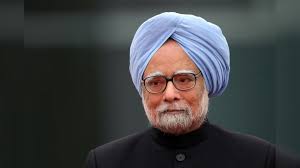
When Kapil Sibal, the current president of the Supreme Court Bar Association and a former union minister, who served under Dr. Manmohan Singh, wrote on X,“ Few human beings have humility as an endearing trait having reached the pinnacle of power. The India story of economic growth began with the economic reforms he ushered in 1991. Not “accidental” but was the “quintessential” Prime Minister”, he succinctly summed up the greatness of the former PM!
Few threads shine as brightly as those of Dr. Manmohan Singh in the tapestry of India’s rich history. On December 27, as the sun dipped below the horizon, India bid a sorrowful farewell to a beacon of integrity and wisdom. His passing at 92 leaves a void in the hearts of millions. A beloved statesman, Dr. Singh’s life was a testament to the power of humility, intellect, and unwavering dedication to the nation.
Born on September 26, 1932, in the modest village of Gah, Punjab, now in Pakistan, Dr. Singh’s life was shaped by the tumultuous events of the partition. These early years instilled in him a profound commitment to peace and stability. For the common man, his journey from these humble beginnings to the prestigious corridors of Panjab University, Cambridge, and Oxford was nothing short of inspirational. His academic achievements, culminating in a D.Phil. in Economics, served as a beacon of hope, proving that dedication and intellect can transcend even the most formidable obstacles.
In 1991, as Finance Minister, Dr. Singh found himself at the helm of an economy teetering on the brink of collapse. His visionary policies of liberalization, privatization, and globalization were lifelines that revitalized the nation’s economic landscape. For the everyday Indian, these reforms meant more than statistics; they heralded new job opportunities, access to a wider marketplace, and a promise of prosperity. Dr. Singh’s foresight opened the doors to foreign investments and technological advancements, laying the groundwork for a modern Indian economy.
From 2004 to 2014, Dr. Singh’s leadership as Prime Minister was characterized by compassion and progressive policies that touched the lives of millions. The National Rural Employment Guarantee Act (NREGA) was a monumental initiative, ensuring 100 days of wage employment to rural households and lifting many out of poverty. On the other hand, the Right to Education Act transformed education from a privilege to a fundamental right, offering hope and opportunity to millions of children across the nation. While the National Rural Health Mission aimed to bridge the healthcare divide, bringing much-needed medical services to rural India, the Right to Information Act (RTI) of 2005, enacted during his tenure, empowered citizens by promoting transparency and accountability in governance, a legacy of empowerment for generations to come.
Dr. Singh was not the archetypal politician; he was a statesman revered for his intellect and integrity. His soft-spoken demeanor and unwavering dedication to the nation transcended political divides, earning him respect from allies and adversaries alike. His ability to navigate complex economic and international challenges with grace made him an enduring symbol of ethical governance.
Dr. Singh’s legacy is a testament to the power of intellect and principled leadership. For the common man, he was more than a leader; he was a symbol of hope and progress. His life’s work was dedicated to creating opportunities and improving the quality of life for every Indian citizen
As we gather to mourn this monumental loss, we offer our deepest condolences to his family and loved ones. Dr. Manmohan Singh’s legacy will continue to guide India towards peace, prosperity, and progress. His memory will forever be cherished by a nation that he served with unwavering dedication and love.
Dr. Singh’s gentle spirit will forever reside in the quiet corners of our hearts, where memories linger and hopes are born. He taught us that true greatness lies not in power, but in humility and service. As we say goodbye, let us carry forward his vision of a just, transparent, and prosperous India. May his soul rest in eternal peace, and may his life’s work continue to inspire us all; for in the hearts of millions, Dr. Singh will always live on.
(The author is a freelance writer and educationist based in Chandigarh)
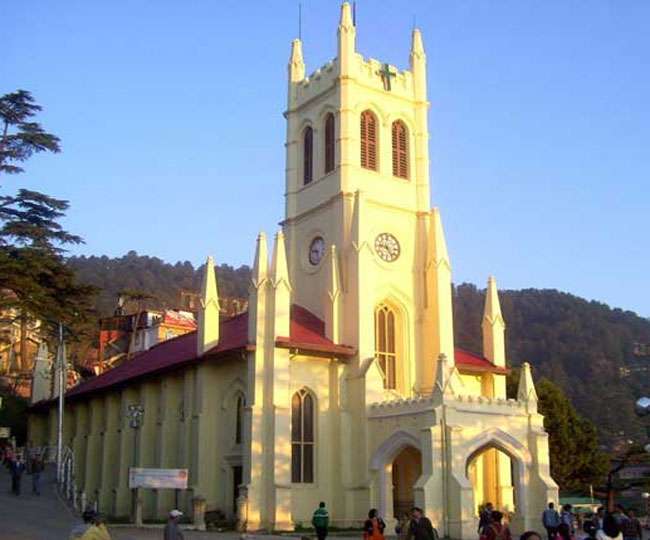
Shimla’s St Michael Cathedral, a 138-year-old French-Gothic marvel, faces dire structural threats from deepening cracks and sinking foundations. Danger lurks over this historic landmark’s architectural splendour due to neglect and stalled restoration efforts. A report by Nitya Gaba
A remarkable testament to colonial times and the current spiritual ethos, St Michael’s Cathedral faces the prolonged and disheartening threat of structural damage. This 138-year-old church, dating back to 1886, is a cherished landmark of Shimla, housing a splendid organ regarded as the finest in northern India.
The restoration requirement is not a sudden requirement, it’s a plea stretched from various decades. The long and white cracks are running along the ceiling and the floor of the church, marring the structure of the first Roman Catholic Church in the erstwhile summer capital of the British. On top of the damages, the left side or the south-west portion of the church has also started sinking leaving the community worried. Earlier, the cracks were defined as thin lines, but due to recent heavy rains, the cracks have expanded massively, and the damage is increasing day by day.
According to the experts, the entire roof encompasses a ceiling, trusses and the stone gutters of the Catholic Church require thorough going repairs due to extensive leakage. Due to many delays, which made the repairs linger, has unfortunately made the church vulnerable and no simple restoration is possible at the moment. A ray of hope was seen a few years back, the 15 crores restoration and conservation project were proposed.
Experts have highlighted that the entire roof of the Catholic Church, comprising the ceiling, trusses, and stone gutters, requires extensive repairs due to severe leakage. Repeated delays have exacerbated the damage, leaving the church vulnerable and beyond the scope of simple restoration. A ray of hope emerged a few years ago with the proposal of a Rs 15 crore restoration and conservation project. The work on the two-century old catholic church was part of the Asian Development Bank (ADB), which was further abandoned by the Tourism and Civil Aviation Department, by revealing that a sum of Rs. 7.50 crore had been approved for the restoration of the Christ Church on The Ridge, but during the time of signing of the MoU for the implementation of the recovery of the church, two sects of the Christian community staked claim that the management of the church was under them.
According to the sources, even twelve years back, experts came from the IIT, Chennai, to inspect the structural integrity of the church. With the inspection came a word of caution of how it’s dangerous to do just a simple reconditioning as it could bring down the entire structure of the historic Cathedral.
This is recognized among the popular Shimla tourist places, the church is eminent for its French-Gothic Style architecture designed by Henry Irwin, a famous architect who was the Superintendent Engineer and Architect of PWD in Shimla. Its old glassy tapestry alongside its interiors covered with a layer of fine mirror work attracts devotees from all over India.
On top of it, the precious old statue of ‘Our Lady of Guadalupe’ , a gift from Mexico is what makes the church one of a kind. But most importantly it’s the emotions that connect the individuals to the spiritual aspect of St Michaels church. Sadly, the safe place for many individuals is in dire straits.
According to Father Anthony Dexen, priest at the St Michael Church, this is not today’s problem, as this has been going on for the past ten to 15 years. The church has reached out for support from the government and further they have promised to help as well. Twelve years ago, as well, the government promised, when they came and studied the issues of the integrity of the church. According to him, at the time of inspection only, the funding that was raised earlier of 15 crores got pulled back due to some reason, therefore the project failed to get clearance.
Under the jurisdiction of the Shimla-Chandigarh Diocese, the church serves as the spiritual center for a large Catholic community spanning Himachal Pradesh, Haryana, and Punjab.
. On the positive side, the safety of the church has not been compromised as only one portion of the church is sinking, except that the whole building is quite intact and healthy. The plea has not moved to the Central government, it is being only managed at the state level, as the Tourism and Civil Aviation Department is taking care of it.
“It’s a historical building and our concern is to maintain the culture, tradition and the heritage of the building. We hope that the government comes to our help and does the restoration work,” said Father Anthony Dexen.
A Tehelka SIT report exposes India’s growing smuggling network involving illicit gold and foreign currency trade, with couriers and untraceable routes turning it into a clandestine industry worth hundreds of crores
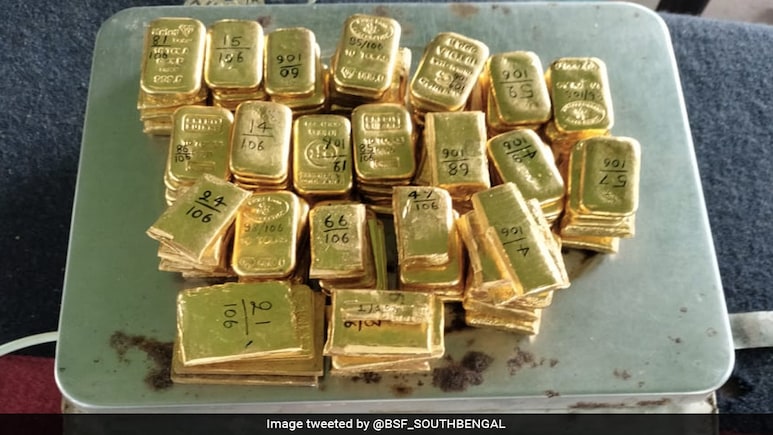
On July 5, 2020, customs officials at the international airport in Kerala’s Thiruvananthapuram seized baggage containing over 30 kg of gold valued at around Rs 15 crore. The gold was inside diplomatic baggage addressed to the UAE consulate. The customs officials had acted on a tip-off that the baggage was part of a smuggling syndicate, which was misusing the name of a person with diplomatic immunity. The gold seizure snowballed into a major political controversy that shook the foundation of the ruling Left government in the state, especially after top bureaucrat M. Sivasankar’s name cropped up in the murky affair. The former principal secretary to Kerala CM, Vijayan was suspended from service after his links with prime accused Swapna Suresh surfaced. He was later arrested and granted bail. Swapna Suresh, a former staffer at the UAE consulate, was hired by a private firm to work on a project for the Kerala IT department, which is under Chief Minister Pinarayi Vijayan. The CM’s principal secretary, M. Sivasankar, used to head this department.
During this gold smuggling investigation, another case related to the alleged smuggling of USD 190,000 by a former finance head of the UAE Consulate in Thiruvananthapuram to Muscat in Oman came to light. Commissioner of Customs (Preventive) Rajendra Kumar, in an order issued, imposed a penalty of Rs 13 crore on the former finance head of the UAE Consulate, Khaled Mohamed Ali Shoukry, for smuggling foreign currency out of the country. The order highlighted that the foreign currency was taken out of India without being declared to the customs authorities, in clear violation of regulations.
These gold and dollar smuggling cases in Kerala rocked the country. With the Kerala gold smuggling case accused revealing the involvement of some ‘big sharks’, the opposition Congress-led United Democratic Front and BJP-led NDA stepped up their attack against the Pinarayi Vijayan government.
However, this is not a one-off case of gold and dollar smuggling that has caught attention. Many such cases have repeatedly made headlines in Indian media. But what is the modus operandi? Who are the people involved? Which countries are involved in the smuggling? These are the questions every Indian asks when news of dollar and gold smuggling is reported. To seek answers to these questions, Tehelka carried out an investigation on gold and dollar smuggling in India and got a confession on camera from a man who has been involved in smuggling of the yellow metal and the foreign currency in India for years without being caught by the authorities.
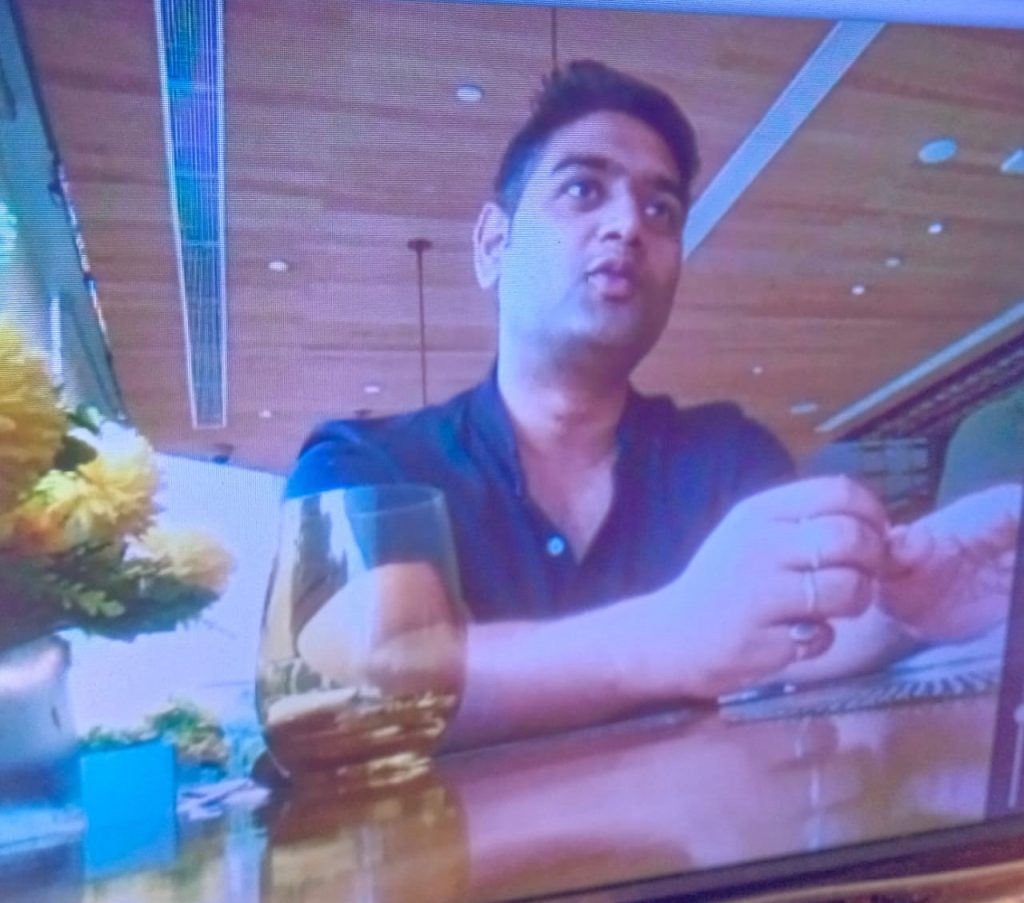
As we at Tehelka decided to get to the bottom of the matter by conducting a sting operation, our undercover reporter met Prashant Singh, a dollar and gold smuggler from Kolkata.
“All XXXX officials get my photo, my passport copy, my boarding pass and the colour of my bag in advance, so that they don’t stop me during my dollar and gold smuggling trip to Bangkok,” said Prashant Singh while speaking to our undercover reporter. Singh hails from Aligarh, Uttar Pradesh. He moved to Delhi years ago and later settled in Kolkata through a relative.
“We have a ‘setting’ with some XXXX officials at the XXXX airport. We cannot conduct illicit gold and dollar business without their help. We rely on them in case of emergencies, so if we get caught, they can rescue us. For this, we pay them money,” said Prashant, who, after settling in Kolkata, learned the art of gold and dollar smuggling before starting his own network for this.
Prashant Singh revealed that he is buying dollars from the black market without showing any documents. He claimed to purchase 25,000 US dollars a day, which exceeds the permissible limit, while evading tax and GST. He also added that he hides the gold and dollars in a place that even the airport X-ray cannot detect.
He disclosed that XXXX airport was the best place for him to smuggle gold and dollars from Thailand. “Although illegal trade of gold and dollars takes place at all major airports, XXXX airport is cheaper for me, unlike XXXX, where only someone with a budget of Rs 50 lakh can engage in this illicit trade,” he said.
Prashant Singh, seeking an investor for his illegal gold and dollar smuggling operations, met our undercover reporter, who was posing as a fictitious investor, at a five-star hotel in Delhi. Accompanied by a middleman, Prashant revealed that his network operates from XXXX airport. He candidly detailed profit margins and trade routes, exposing the mechanics of his smuggling enterprise.
Prashant- Hum kaam kartey hain dollar aur gold mein; aur dono ke profit alag alag hain, agar hum 100 gram latey hain, 50 hazar rupees bachta hai.. 100 gm ki value hui 5-5.5 lakh rupees. Aur dollar mein bhejtey hain 8.5 lakh.. ek poora bundle aata hai…usmein hame Rs 2.25 bachtey hain to wo usmein 25,000 rupees approx bachtey hain.
Reporter- Ye laatey kahan se ho aap gold aur dollar?
Prashant- Ye Thailand se laatey hain. Gold Thailand se latey hain aur dollar India se lekar jaatey hain.
Reporter- Kahan jaatey ho?
Prashant- Bangkok mein.
[This conversation highlights the audacity with which such operations are conducted, revealing a systematic network thriving on weak enforcement. It serves as a stark reminder of the need for stricter oversight.]
Prashant Singh
Prashant Singh then disclosed the intricate workings of his dollar smuggling operation. He detailed how US dollars are illegally taken from India to Thailand, converted to Thai currency, and sent back to India through the Hawala network. The proceeds are then reinvested in the cycle, using multiple couriers for each leg of the operation. Prashant explained how he maximizes profits by cycling funds and even offsetting operational costs with goods like clothes and electronics brought along during trips.
Reporter-Dollar India se lekar jaatey ho wahan usey Indian currency mein change karwatey ho?
Prashant- Nahi Thai currency mein change karwatey hain. Uske baad hum isko hawala lagwakar India mein laatey hain…India mein paisa return aa jata hai Indian currency mein. To hame sab milakar 20-22 hazar bachta hai.
Reporter- 20-22 hazar rupes kitne par bachtey hain ?
Prashant- Rs 8 lakh per trip. Jaise mein aaj gaya wahan par exchange karwaya aur meine return mare paise, India mein aa gaye. Ab India mein wo bande return mein phir gaya, toh cycling system hai.
Reporter- Nahi.. jo paise hawala se India mein aaye wo phir bahar jaatey hain.?
Prashant- Phir hamara doosra ladka…hum akele kaam to karte nahi hain, to wo paise wapas aa gaye ..to aaj Jitu bhai wapas jayega wo paise lekar. To aaj Rs 25000 ka profit aaya, kal bhi Rs 25 k ka profit aayega..
Reporter- Kitne par 25k ka bataya aapne ?
Prashant- 8.5 lakh par.
Reporter- 8.5 lakh par Rs 25 hazar ka profit aapka.?
Prashant- Aayega aur hum cycling mein isko 20-25 din mein, 2.5 lakh kar detey hain.. ye profit hai.
Reporter- Matlab ek chakker mein Rs 25 thousand to 10 chakker mein 2.5 lakhs ?
Prashant- Haan… ye profit hai aur ticket ka jo nikalta hai, hum saath mein kapda bhi laatey hain, electronics item bhi latey hain, aur bhi bahut sara samaan to hum ticket aur custom us mein kar letey hain.
Reporter- Matlab aap aaney jaane ka kharcha us se nikal letey ho.?
Prashant- Haan
Reporter- To aap ye kiske liye kartey ho ?
Prashant- Abhi mein apne liye karta hoon..pehle mein kisi ke liye karta tha. Lekin abhi mera apna amount ho gaya to mein khud ka lagaya thoda doosre ka lagaya tha, covid mein mera bahut nuksan hua…phir last time maine kaam nahi kiya.
[This conversation reveals the sophisticated yet brazen financial engineering behind Prashant’s operation. It underscores how systemic loopholes are exploited to sustain such high-stakes smuggling cycles, emboldened by minimal deterrents.]
Now Prashant admitted to our reporter that since he is having connections at the XXXX airport, he is buying US dollar from the open market in Kolkata, that too much more than the permissible limit. He sends these dollars to Thailand from XXXX airport illegally and brings the money back to India through the Hawala route. Prashant explained that the Hawala operator only releases the money after he shows a slip to prove his identity. This conversation reveals the mechanics of Prashant’s smuggling operation, highlighting the routes and processes involved in moving illegal currency across borders.
Reporter- Nahi aap ye keh rahe ho dollar ki ek limit hai India se bahar le jaane ki..?
Prashant- India se bahar le jane ki sirf India mein hi limit hai, Videsh waalon ki nahi.
Reporter- Ek bande ki kya limit hai ?
Prashant- Ek bande ki Rs 1500-2000 tak US dollar.
Reporter- Aap kitna le jaatey ho?
Prashant- 15000-20000.
Repoprter- Ye dollar aapke pass kahan se aatey hain ?
Prashant- Hum kharidtey hain local market se…
Reporter- Yahan par Karol Bagh se. ?
Reporter (continues)- Aap kis rate par kharidtey ho ?
Prashant- Hum kharidtey hain, jaise yahan ka rate hai Rs 86..point kuch chal raha hai, kuch uper neeche hota rehta hai, wahan ka alag hai.. state ka farq padta hai. 10 paisa yahan kam ho sakta hai ya wahan badh sakta hai..sab online hi hota hai.
Reporter- Aap Karol Bagh se kharidtey ho dollar ?
Prashant- Nahi mein Kolkata se..kyunki XXXX airport mein hi hamari sab setting hai.
Reporter- Matlab Kolkata open market se aap dollar letey ho?
Prashant- Ji.
Reporter- Usey lekar Bangkok chale jaatey ho via XXXX airport.?
Prashant- Haan.
Reporter- Aur kitne din rehtey ho wahan..?
Prashant- Bangkok mein dekho aaj gaye.. ek din ka stay kiya.. doosre din return.
Reporter- Acha wo jo paisa aata hai hawala se, maan lijiye 10,000 dollar le gaye aap, Indian currency mein kitna hua ?
Prashant- 8.50 lakhs hua.
Reporter- 8.50 hawala se aap India bhej detey ho Indian currency mein. Wo kiske pass aata hai ?
Prashant- Wo aata hai hawala wale ke pass. To uske baad hame ek parchi deni padhti hai, to wo dikhakar hi hame paise miltey hain, jaise hamne Jitu bhai ke naam se lagaya to Jitu bhai jayega..wo card dikhayega usko paise mil jayenge.
Reporter- Bande genuine hai ?
Prashant- Hamare jaan pehchaan ke hai, aaj se nahi kai saalon se, aisa hai, mein to ye kehta hoon agar aap interested ho aap hamare saath Kolkata chaliye, poora system dekhiye, agar aapke pass passport hai..koi dikkat nahi hai bilkul open kaam hai.
[This segment highlights the troubling combination of insider collusion, regulatory failures, and organised networks that support smuggling. It shows how Prashant’s boldness comes from years of getting away with it and a deeply rooted system.]
Prashant Singh now discloses the financial gains made by Hawala operators facilitating his smuggling network. He explained that these operators earn Rs 4,000–5,000 per transaction by marking up rates during currency exchanges. Prashant also admitted to having worked under someone named Sunny in the past, before eventually establishing his own independent operations.
Reporter- Accha, aapne ye paisa de diya.. 8.50 lakh rupees, lekin hawala wale ko kya fayda hua.?
Prashant- Hawala wale ka bhi fayda hai ismein, hawala wala apne rate mein bechta hai.
Reporter- Wo kitne kama leta hai 8.5 lakh mein?
Prashant- Kama leta hoga 2-4 hazar.. 5000 tak.
Reporter- Ek trip mein?
Prashant- Haan one time agar hum hawala lagatey hain to usko 4-5 hazar ka fayda ho jata hai.
Reporter- Pehle aap kiske liye kaam kar rahe they?
Prashant- Pehle mein kar raha tha ek hamare Sunny ji hain.. unke liye, thodi funding meri bhi thi usmein.
[The revelation highlights the profit systems within smuggling networks, where intermediaries also earn consistently. It shows how these networks thrive on mutual benefit and extensive involvement.]
Prashant candidly revealed that his decision to resort to illegal channels for transferring dollars was driven by the desire to evade taxes. He argued that taking the legal route would involve substantial tax burdens, including GST, which would eliminate any profit he might earn.
Reporter- Ye bataiye ismein tax kiska bacha.?
Prashant- Tax dekho, agar hum proper tarikey se jayenge, to poora bill banega, to jo cheez hame 8.5 lakh ki padh rahi hai wo phir hame 8.70 ki padegi, zyada hi padegi, GST milakar.. to jo hamari bachat hai wo sari usmein chali jayegi.
[This exchange illustrates the economic rationale behind Prashant’s actions, highlighting a troubling link between high taxation and tax evasion. It exposes how taxation system can sometimes inadvertently incentivise unlawful practices for financial gain]
Prashant admitted to paying bribes to certain XXXX airport officials to facilitate the illegal transfer of dollars. He explained how the money is concealed to evade detection, even by airport x-ray systems. The conversation sheds light on the intricate methods employed to minimise risk and avoid exposure during such operations.
Prashant- Wo wahan jakar kuch bhi Karen.. wo paise hame equal equal ho gaya. Agar hum yahan se custom ko kuch cut de detey hain, 5000- 3000 rupees….3000-4000 per banda chala jaata hai, usko pata hota hai, magar phir bhi hum us paise ko bahut manipulate karke le jaatey hain, aisa nahi ki jeb mein daala aur chal diye, kyunki risk hota hai, kal ko wo mukar gaya, keh diya mera senior aa gaya tha mein kya kar sakta hoon, isliye bahut manipulate karke le jaatey hain.
Prashant- Aisey system mein rakhtey hain ki wo x-ray mein bhi nahi aata.
Reporter- Aisa bhi hai wo x-ray mein aayega bhi nahi.
Prashant- Le jane wale to 30-40 hazar tak le jaatey hain magar hamara itna kaam nahi hai.
[This revelation uncovers the deep corruption behind smuggling and the clever methods used to avoid law enforcement. Strict rules and careful monitoring are required to break these networks.]
As the conversation continued, Prashant revealed another detail. He admitted to paying bribes to officials at XXXX airport, which facilitates his gold and dollar smuggling operations. While similar activities occur at other airports, he prefers XXXX due to the lower financial requirements. Prashant mentioned that he primarily conducts his trade with Thailand, though he once attempted smuggling gold from Dubai to India, which proved too costly. This exchange highlights the corruption and high costs involved in smuggling across airports.
Reporter- To ye sab aap XXXX se hi kar rahe ho.?
Prashant- Kaam mein XXXX se kar raha hoon.
Reporter- Delhi se XXXX ?
Prashant- Delhi se sir bahut badi firm kaam karti hai, aur ache level par kaam karte hain.
Reporter- Matlab Delhi se bhi ho raha hai ye kaam. Aap kyun nahi kar paa rahe Delhi se ?
Prashant- Sir, itni funding nahi hai.
Prashant (continues)- Dekho sir bina officer ke kaam karna to bewakoofi hai. Kal ko koi baat hoti hai to mein bol bhi sakta hoon sir thoda sa dekh lijiye…agar aap letey hain to kahin na kahi riyayat bhi karenge. Wo bhi zaroori hai, Delhi XXXX mein koi 10 lakh.. 50 lakh se neeche baat hi nahi karta. Jitna paise utna hi kaam hota hai aur seedha seedha hota hai.
Reporter- Yahan se bhi.. Delhi XXXX se kaam ho raha hai matlab?
Prashant- XXXX, XXXXX, XXXX, XXXX aisa koi airport nahi hai jahan se ye kaam na ho raha ho.
Reporter- Yehi kaam dollar ka?
Prashant- Dollar ka gold ka…gold mein risk bahut hai.
Reporter- Aap sirf Bangkok se hi kar rahe ho?
Prashant- Haan, beech mein maine Dubai se kiya tha second lockdown ke samay…Dubai bahut expensive hai to hamara nahi bann paya tha.
[This exchange shows how smuggling relies on corruption and careful planning. It highlights how money and strategic choices influence illegal trade routes and the risks smugglers are willing to take.]
Now, Prashant revealed that he is involved not only in smuggling of dollars but also in illicit gold trade from XXXX airport to Bangkok, relying on multiple couriers. He detailed the profitability of the operation, explaining how he uses dollars to buy gold in Bangkok and sells it in India, which yields him substantial monthly profits.
Prashant- Jaise ki hum gold mein kaam karte hain, mein aapko market rate se poora samjha sakta hoon…jaise ki hamne choti si investment se 5 lakh rupees laga diye, 5 lakh ka hamne gold liya, dollar lekar bangkok gaye, par hum hawala nahi kara rahe kyunki hum aage maal kharid rahe hain, us paise ko gold mein convert kiya, 5 lakh ko, 5.5 lakh lagbhag.
Reporter- Yahan se dollar lekar gaye aap?
Prashant- Haan lagbhag 5.5 lakhs.. 100 gm ka rate bata raha hoon aapko
Reporter- Dollar lekar gaye wahan se gold kharida Bangkok mein.?
Prashant- Wahan se hum gold lekar aayenge, India mein bechenge, 60 hazar rupees mein bechenge, jo aaj ka rate hai, 60 hazar rupees 100 gram ke.. hame 50 hazar rupees 100 gm mein bachta hai. Yahi 50,000 ko agar hum 10 baar mein multiply karte hain to hame poori 5 lakh rupees ki income hai poori poori.
Prashant (continues)– 5 lakh mein se agar 1 lakh hum kaat bhi letey hain, to hame 4 lakh rupees ka profit hai mahine ka. Ye hai system. Aur se saman bhi hum manipulate karke laatey hain.
[This conversation sheds light on the mechanics of cross-border smuggling and its lucrative returns, made possible through careful planning and resource manipulation. It also highlights how these operations exploit market differences and vulnerabilities in enforcement system.]
Prashant went on to explain how he smuggles gold through couriers from Bangkok. He mentioned that while individuals can legally bring gold worth up to Rs 50,000 into India, his operations are commercial. He travels back and forth between Bangkok and India, bringing in not just gold, but also clothes, spare parts, and laptops.
Reporter- Gold allowed kitna hai India mein lana ?
Prashant- Genuine to 50 hazar tak hai, aap husband-wife gaye chain kharid li..etc..genuine tareeke se India mein 50,000 tak ka la saktey hain. Jaise 50 hazar ka aapki wife pehen kar aa gayi, to wo aapse duty bharwayenge ya bill mangegey. Aur jo bhi aapki duty banti hai tax ki wo aapko dena padega…par hamare saath kya hai hum commercial hain, hum back to back Bangkok jaatey hain, agar hum aaj Bangkok se aaye to hum ek din ruk kar phir dobara Bangkok jayenge to hum business kar rahe hain..theek hai. Hum wahan se kapda bhi latey hain, bahut saari cheezein bhi latey hain. Spare parts latey hain, laptops latey hain.
[This conversation reveals the methods and frequency of Prashant’s smuggling activities, highlighting the commercial scale of his operations. The scale and frequency of these smuggling operations are alarming.]
Prashant revealed that he had never been caught smuggling gold and dollars because he pays off certain officials at XXXX airport. He explained that the bribes ensure smooth operations, with officers turning a blind eye to his activities. Prashant mentioned that the amounts paid can vary, sometimes it’s a small sum or even a bottle of alcohol, but it can go up to significant amounts depending on the officer.
Reporter- 100 gm gold latey ho kabhi pakde nahi gaye aap.?
Prashant- Dekho sir, sure to har baar nahi hotey, kafi din hamare hotey hain, kafi officers ke bhi hotey hain…to wo madwali ho jaati hai beeche mein, kyunki unko bhi maloom hai, inke haath kaat denge to kya karenge ye log. Kyunki hum daily customer ko dekar nikaltey hain. Agar mein aapko 3000 rupees de raha hoon per chakkar.. to aapko Rs 3000 to aa hi raha hai na. Ab aapko pata hai mein itna la raha hoon, ab koi officer aa raha hain, wo dekh raha hai iska itna maal show ho raha hai. To wahan par kya hoga jama honey ke chances nahi hotey. Paisa dena padta hai, ab ho sakta hai wo officer ek bottle mang le daru ki, ho sakta hai 50 hazar mang le, ho sakta hai 50-60 hazar ya 1 lakh tak mang le.. ussey uper kuch nahi ho sakta.
[This revelation highlights the deep-seated corruption and the ease with which smugglers can bypass security checks with the help of complicit officials. It is a stark reminder of the need for comprehensive reforms and strict oversight to dismantle these illegal networks effectively.]
Prashant disclosed another layer of his operation, admitting that some XXXX officials, on receiving regular payments from him, circulate his details—passport, photo, boarding pass, and bag description—to their team. This pre-emptive communication ensures his safe passage while smuggling gold and dollars into India.
Prashant- Pehle hi passport, photo pahuch jati hai.
Reporter- Kahan ?
Prashant- Custom se. Ye shirt pehne hui hai, ye boarding hai, ye bag hai, ye aa raha hai, poore team mein phel jati hai isko rokna nahi hai.
[This revelation shows how deep the collusion runs, with corruption helping smugglers evade enforcement freely. It’s a troubling betrayal of public trust by those meant to enforce the law.]
Prashant made several chilling confessions to our reporter, one of which was about purchasing US dollars illegally in India. He revealed that he buys $25,000 per day from the black market without any passport or documents, evading all taxes in the process.
Reporter- Accha dollar aisey kharid sakta hai koi, usme koi document ki zaroorat to nahi hoti.?
Prashant- Bill ke sang chahiye to bahut kuch hai…India mein na aap saal mein bas ek baar 10,000 dollar bhej saktey ho. Apne passport mein uske baad aap dobara jaogey to wo nahi denge. Kyunki aapne ek hi baar mein bhej diya.
Reporter- Accha saal mein ek passport par Rs 10,000 aa saktey hain?
Prashant – Sirf 5000.
Reporter- Aur aap kitna letey ho?
Prashant- Sir hame paper chahiye hi nahi, wo kacche mein dete hain, hame kacche mein hi chahiye GST nahi katwana, agar pakke mein chahiye paise account se katenge .
Reporter- Aap passport bhi nahi dikhate honge.?
Prashant- Mein kuch nahi dikhata.
Reporter- Aap kitne le letey ho saal mein?
Prashant- Saal mein ?..mein daily ke 25000 dollar le leta hoon.
Reporter- To bahut aage nikal gaye aap to.
[This conversation highlights the scale of illegal transactions and how easily such illicit activities are carried out while bypassing regulations and taxes.]
Currency and gold smuggling in India is set to cross the thousand crore rupee mark, becoming a thriving underground business. This intricate network, often involving corrupt officials, poses a serious threat to national security and economic stability. Individual carriers, NRIs, and international airline staff have become the preferred means for transporting dollars, pounds, and gold to Gulf and Southeast Asian countries. Prashant Singh, along with his couriers, is one such individual caught on Tehelka’s camera making chilling confessions about his smuggling operations. His revelations open a Pandora’s box, demanding urgent action from law enforcement agencies.
The Punjab civic polls have reshaped the state’s political landscape, offering food for thought to major parties. While AAP’s significant gains signal progress, its struggles in key regions highlight vulnerabilities, offering Congress an opportunity to reclaim prominence. A report by Aayush Goel
The recently concluded Punjab civic polls have fluttered the political scenario in the state leaving all major political parties to introspect and draw lessons. The elections in the state were held for five municipal corporations and 41 municipal councils and nagar panchayats.
The results have put the key spotlight on the ruling Aam Aadmi Party (AAP) which has managed to grab 55 percent of seats but is far from a clear winner. The popular opinion calls the party’s performance poor, having secured a clear-cut majority in only one corporation out of five. The party however puts up a brave face calling results a historic leap and a significant milestone from zero percent in the last elections to 55 percent.
AAP won Patiala Municipal Corporation, emerged as the single largest party in Ludhiana and Jalandhar municipal corporations, but witnessed subdued performance in Amritsar and Phagwara municipal corporations. Congress won Amritsar Municipal Corporation and emerged as the single largest party in Phagwara.
Punjab AAP President Aman Arora claimed that the party is now officially the ‘No. 1 party’ in Punjab’s urban areas. “We have shattered the illusion that the BJP and Congress are the strongest parties in urban areas. In this election, AAP won more than 55 percent of the seats. Together, SAD-BJP and Congress could not even secure 45 percent,” said Arora.
AAP is celebrating a ‘crushing’ defeat of the BJP and Shiromani Akali Dal (SAD). The BJP won merely 7 percent of the seats, with 69 of its candidates emerging victorious.
Similarly, SAD managed to win only 3 percent of the seats, with just 31 of its candidates securing victory. BSP had 5 winners and could secure victory in only 0.5 percent of the seats. The number of independent candidates who won stood at 143, and their victory percentage was approximately 15 percent. While AAP managed to maintain its footing in some areas, the results have exposed its vulnerabilities and challenge to tap Punjab’s urban centres.
CM suffers setback at home turf
Though AAP clinched Patiala with a decisive win while emerging as the single largest party in Ludhiana and Jalandhar, but fell short of a majority in key regions, bringing its urban appeal under question. The polls in Patiala were marred by controversy after the Punjab and Haryana High Court reprimanded the state government over alleged irregularities, including a viral video of a BJP candidate’s nomination papers being snatched. As a result, elections in seven of the city’s 60 wards were deferred. AAP managed to secure 35 of the 45 contested wards, including eight unopposed victories, ensuring a clear majority.
A major setback in this civic election has been AAP’s failure to secure a majority in the Sangrur municipal council. AAP secured only seven of the 29 wards in Sangrur, trailing behind the Congress with nine and Independents backed by SAD.
This is the second consecutive defeat after the Barnala assembly by-poll in its political capital, the home district of Chief Minister Bhagwant Mann, AAP Punjab president Aman Arora and State Finance Minister Harpal Cheema. In Ludhiana though, AAP emerged as the largest party with 41 of the 95 wards followed by Congress with 30. The losses of Sukhchain Kaur Gogi and Meenu Parashar, wives of prominent AAP MLAs, have brought the party’s influence under scanner.
Resurrection of Congress
Having dented AAP’s prospects in many of its strongholds, the Punjab Congress is celebrating “Tilting of scales in favor of the Congress in the run-up to the 2027 Assembly poll.” The Congress found success in Amritsar, securing 43 of the 85 seats to become the largest party, while AAP managed only 24. Jalandhar witnessed a tight contest, with AAP falling short of a majority by securing 39 of the 85 seats, while Congress trailed with 34. In Phagwara, a hung verdict emerged as Congress, in alliance with BSP, became the largest bloc but lacked a clear majority. Pradesh Congress Committee (PCC) chief Amrinder Singh Raja Warring said that Punjabis voted against the misgovernance of the AAP government.
“Despite the abuse of government machinery by AAP, the Congress managed around 60 percent of seats in the panchayat elections and has shown good performance in civic polls. The people had opted for the Congress instead of the BJP in urban civic bodies, In Ludhiana, the Congress-led BJP in five constituencies with a margin of 51,000 votes, significantly improving its position compared to the 2024 General Elections where the party trailed by 49,000 votes,” said Warring.
The Leader of the Opposition, Partap Singh Bajwa said, “AAP has not won any poll. They have stolen results by using brute force. AAP won seats by misusing government machinery, police force and goons to stop voters from exercising their franchise.”
BJP, SAD lackluster
For the first time in nearly three decades, the erstwhile allies in Punjab, SAD and BJP contested separately in the civic body polls and their performance was lackluster. Between the two, BJP managed to fare better signaling its gradual entry into semi-rural areas of the state.
The SAD, whose vote bank is mainly based in the rural belts, faced a severe setback in these polls. Many of the SAD’s candidates contested as Independents without its poll symbol. They feared a backlash from people because of the party’s turmoil amid religious punishment awarded to its leadership by the Akal Takht, the highest temporal seat of Sikhs.
In the elections to five municipal corporations, the BJP won 55 of 319 wards it contested (17.2% success rate), while the SAD won just 11 of 213 wards it contested (5.1% success rate). Of 95 wards in the Ludhiana Municipal Corporation, Punjab’s biggest civic body, the BJP contested 90 wards and won 19. The high point for the party was when its candidate Poonam Ratra defeated Meenu Prashar, wife of local AAP MLA Ashok Prashar Pappi, in ward no. 77 by 574 votes. SAD could win only 2 after contesting 78 wards. In Patiala, the home turf of former CM and now a senior BJP leader Captain Amarinder Singh, the BJP contested 25 of 53 seats but could win only four. In Jalandhar, the BJP won 19 of 83 wards it contested, as compared to 8 it had won in 2017. The SAD contested 31 wards but drew a blank. In Phagwara, the BJP contested 37 of 50 wards, winning 4, while the SAD won 3 of the 9 it contested. In the Amritsar civic body polls, the BJP fought 84 of 85 wards, winning 9, while the SAD won 4 of 69 it contested. Facing brickbats from both Congress and AAP, the BJP calls the results “satisfactory’.
“In the previous polls too, we were in the Opposition, but we were in alliance with SAD. However, our individual performance has improved a lot now. In Lok Sabha, we had performed well in all the municipal corporations but then, people voted differently in Lok Sabha and civic polls. The BJP’s slow penetration into semi-rural areas is evident”, said the state BJP general secretary Anil Sarin. SAD leader Parambans Bunty Rumana said, “We had left it to the local leadership to decide. And at many places our candidates contested as independents but people knew they were Akalis”.
Ahead of the much-anticipated Delhi Legislative Assembly polls, Aam Aadmi Party has continued to pursue its earlier strategy of promising and enhancing freebies to the national capital’s voters.
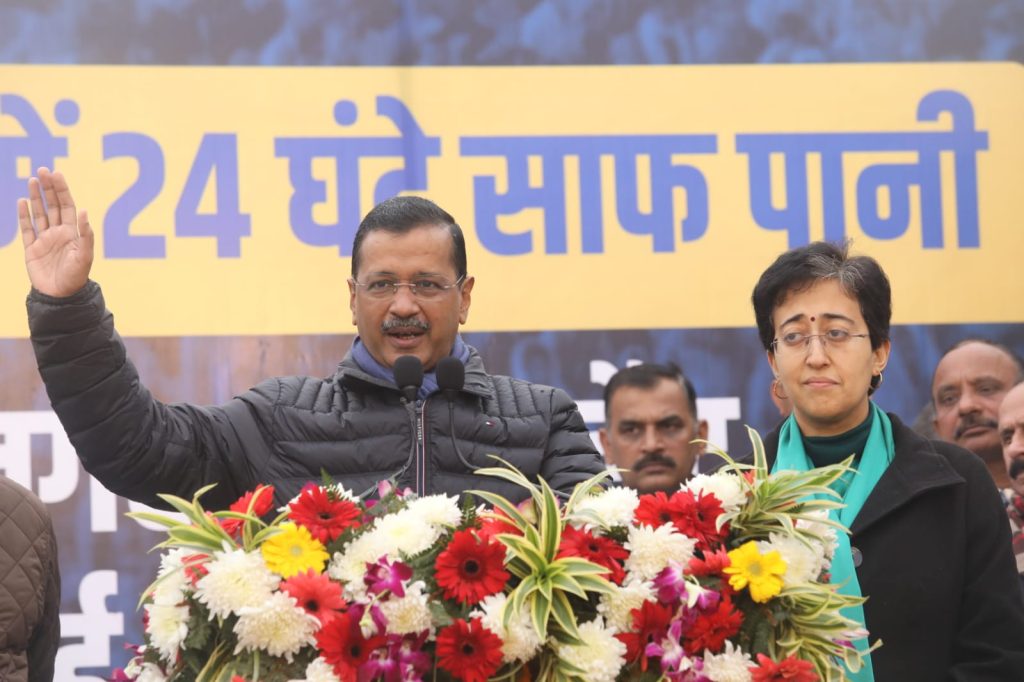
Fearing heavy anti-incumbency, the Arvind Kejriwal-led Aam Aadmi Party has announced several schemes promising freebies to various sections of society in an attempt to consolidate its vote base in the forthcoming polls.
The former Delhi Chief Minister has announced Pujari Granthi Samman Yojana, Sanjivini Yojana and Mahila Samman Yojana aimed at various sections of the society. Under the Pujari Granthi Samman Yojana, the AAP has proposed to provide a salary of Rs 18,000 to all pujaris and granthis in the city.
Under Sanjivini Yojana all senior citizens of the national capital have been promised free medical treatment in all hospitals and while the Mahila Samman Yojana proposes Rs 2,100 monthly to all women citizens, respectively. The only catch being that the voters of the city need to reelect the Kejriwal-led party to see the implementation of these schemes.
Over the past few weeks, ever since the AAP convener Arvind Kejriwal has started to address rallies and meetings, the party has changed its strategy after getting ground level feedback and is now promising more freebies to the voters, sources said.
The Arvind Kejriwal-led outfit feels that freebies will play a crucial part in its political strategy to secure the forthcoming polls.
The AAP has made these new freebie promises despite being in office for the past decade after the internal surveys of the party are not painting a rosy outcome for the outfit.
Moreover, with the Congress vying for votes strongly during the forthcoming polls, the AAP is seemingly alarmed at possible loss of voter base and seats. Hence the need for several freebie schemes being announced by Kejriwal just weeks ahead of polls.
Over the past few years, the AAP government has offered subsidised services like free electricity, water, bus services for women, for the voters over the years.
However, the Bharatiya Janata Party has termed the proposed freebies as an attempt to mislead the voters of the national capital. “Kejriwal has been in power for the past 10 years, why is he remembering to introduce these schemes now?” a senior BJP leader asked.
Despite criticizing the AAP, it is believed that the freebie model is also expected to be followed by the BJP in the forthcoming polls and several of such schemes will be part of its electoral manifesto. The party has been staying away from making any such promises in the past few polls in the city. However, now the local BJP leadership feels that they too might need to introduce some form of subsidy and freebie regime to secure additional votes.
The 70-member Legislative Assembly in Delhi is scheduled to go for polls in February 2025. Besides the ruling AAP, the BJP and the Congress are the main contenders.
Over the years, AAP has seen a decline in winning seats in 2020 as compared to 2015. The party won 67 seats in Delhi for the year 2015 and 62 in 2020.
As the Jaldapara National Park lies near the international border, the poaching threat is ever-present. In 2024, convictions happened in 17 cases. Of these, eight were related to wildlife crimes, writes Deepanwita Gita Niyogi
In Jaldapara, a national park situated in the Eastern Himalayan foothills of West Bengal’s Alipurduar district, a remarkable rhino conservation story has been scripted in four decades.
The turnaround was possible due to interventions like patrolling using trap cameras and drones, creation of pools where rhinos can take a dip and fodder grass plantation.
There are also 45 anti-poaching towers and camps placed at strategic locations inside Jaldapara.Elephants are pressed on duty, especially on full moon nights. This is because guided by the silvery rays, animals are easy to kill.
The numbers tell the story. In 1985, the park had 14 rhinos. At present, the number is 292. But despite the success, challenges remain. As Jaldapara lies close to the international border, the poaching threat remains ever-present. However, the conviction rate is high. Last year, many poachers were imprisoned.
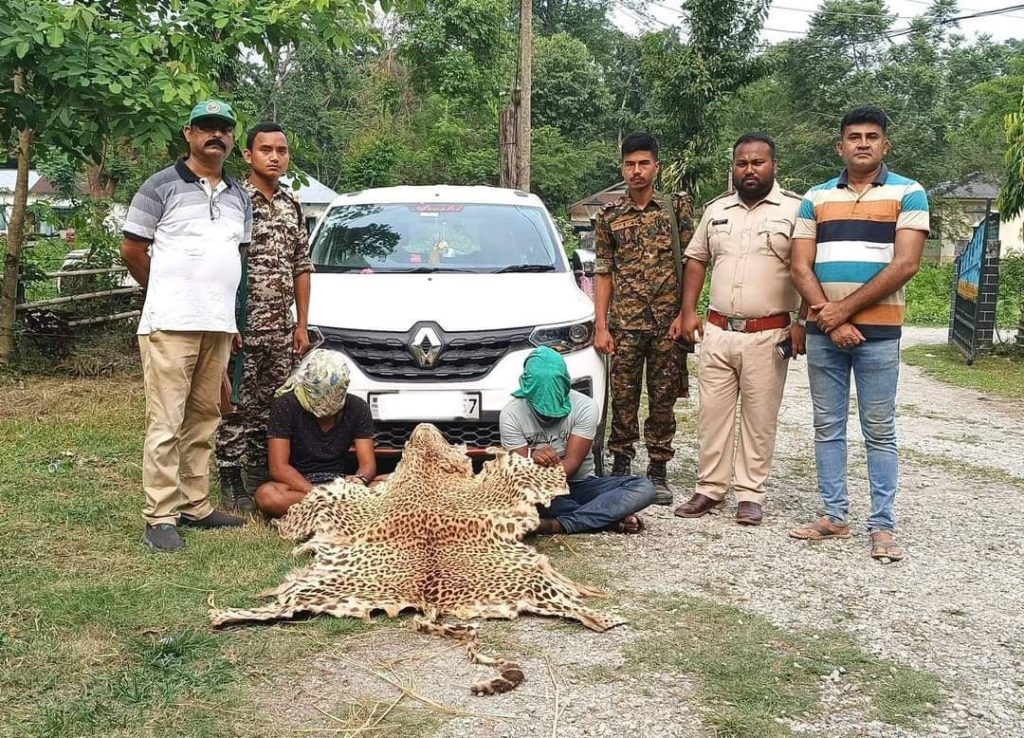
As per the data shared by the park authorities, convictions happened in 17 cases. Among these, eight were wildlife crimes. Three cases were related to the transboundary smuggling of Burma teak. The smugglers were convicted for trafficking the teak through northeastern India. Each vehicle carried timber worth Rs 30-35 lakh.
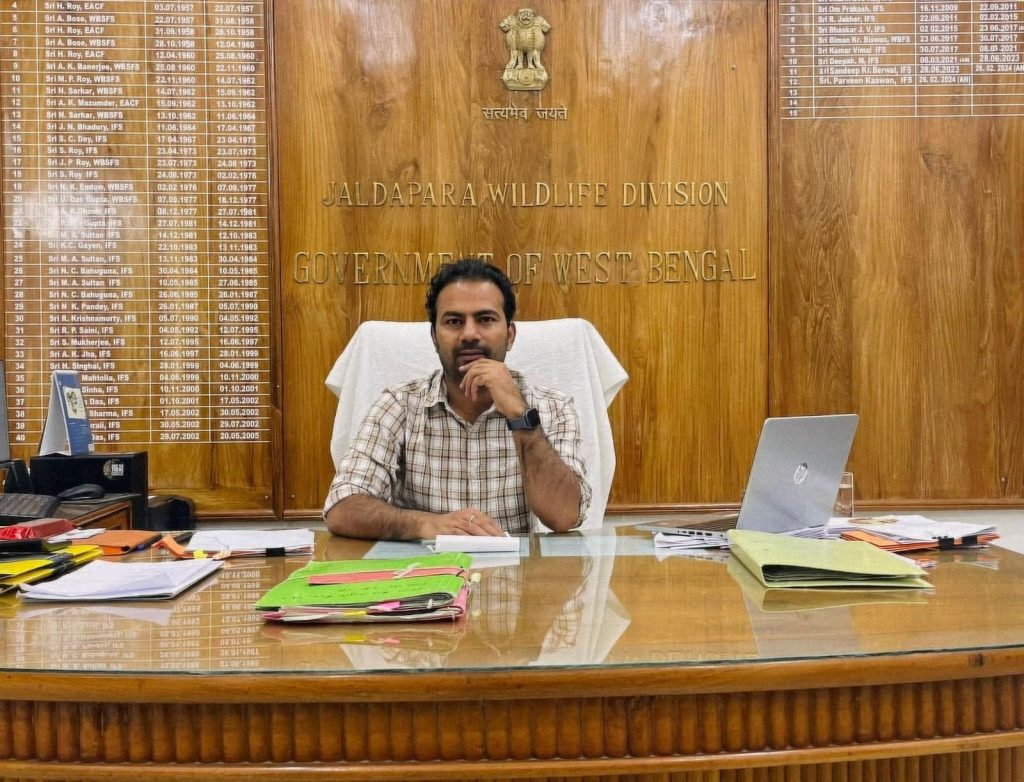
Commenting on the convictions, Indian Forest Service officer Parveen Kaswan, the in-charge of Jaldapara National Park, said that his team is known for efforts in protecting the one-horned rhinoceros and conserving wildlife.
Threat of wildlife crimes
In India, the conviction rate in wildlife crimes is low. “So, Jaldapara signals an achievement. This is an all-time national record. Nowhere else, there have been so many convictions,” Kaswan added.
Those convicted received prison sentences ranging from three to five years. They were involved in the trafficking of rhino horns, leopard skins, and pangolins. The timber smugglers were part of an international smuggling network, involving countries like Myanmar, Bhutan, Nepal, China and Bangladesh, besides India.
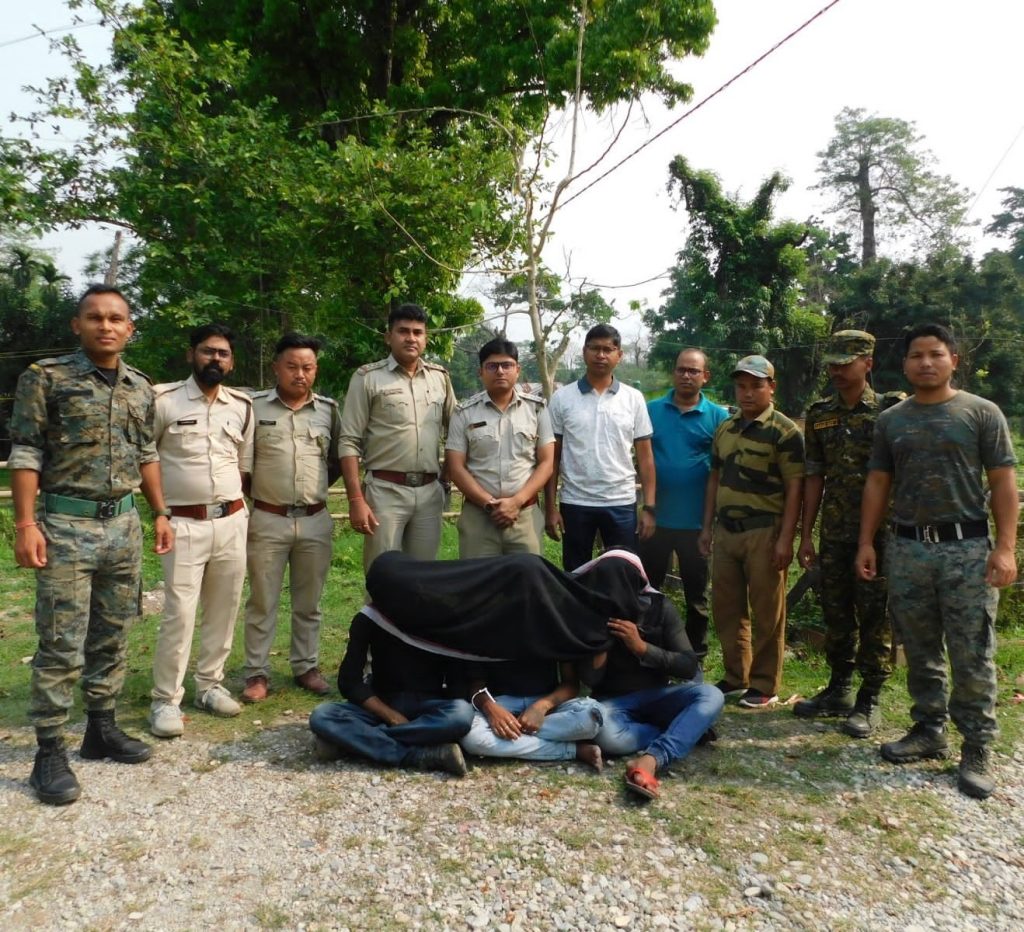
The arrests involved months of tracking with police assistance. “They happened as a result of intelligence gathering, swift operation, and inter-agency coordination. Rikoch Narjari, who was involved in many rhino poaching incidents in Jaldapara, was nabbed in March from Kamrup district ofAssam,” Kaswan informed. Now, he is under trial in Jalpaiguri.
Narjari was the kingpin of the rhino poaching group active in Jaldapara. He used to sell rhino horns to parties in Myanmar through handlers. His arrest has thrown up vital information.
The forest officer pointed out that such breakthroughs in law enforcement are vital. “They not only lead to the removal of dangerous individuals from trafficking networks, but send out a deterrent message that wildlife crimes will not be tolerated.”
The status of the greater one-horned rhino (Rhinoceros Unicornis) is vulnerable. There are about 4000 individuals across India and Nepal. The species faces threat as a result of poaching which takes the form of an organized crime. The last poaching case happened in Jaldapara in 2021 during which one animal was killed.
“Two to three poaching groups are active in Jaldapara. When demand is floated internationally, they become active. During the Bodoland movement, many weapons were floated. There is no shortage of arms. One kg rhino horn costs over Rs 1 crore in the market. As poaching is lucrative, locals sometimes help poachers. They are ready to face jail for money received in lakhs,” a source said.
In the villages surrounding Jaldapara, there is a prevalence of mixed culture as a result of marital relations with states like Assam. Poachers take advantage of it.
Tackling poaching
Multiple arrests and subsequent convictions in Jaldapara have set a precedent for effective wildlife law enforcement across India. This will encourage forest officers in other states. Indian Forest Service officer Mohan Pargaien, who launched “Catch the Trap” in Telangana to prevent wildlife killing and hunting, informed that conviction in wildlife crime is usually less than 10 percent.
“The reasons are lack of incentive for committed officers, more priority accorded to territorial functions than wildlife issues, lack of dedication and concern for wildlife among field staff and low priority coupled with inadequate capacity of legal knowledge, leading to poor evidence collection as well as charge-sheet filing in courts,” the officer, now retired, said.
Kaswan relies on a strong network of informers, who keep a track of happenings in and around Jaldapara. They also keep an eye on major wildlife trafficking routes. “My team tracks smugglers and poachers through informers. They also take the help of technical intelligence network supported by the police. In some cases, arrests have been made after months of tracking and also from outside Bengal.”
A notable example was that of Leken Basumatry, involved in 10 rhino poaching cases. The poacher, who had killed four rhinos, was arrested from Assam and faced trial. But he died in judicial custody due to illness.
According to Jose Louies, the chief of enforcement and in lead of the division which handles wildlife trade control and litigation in the Wildlife Trust of India, the Wildlife Protection Act, 1972, is one of the best Acts to protect animals, but unless powers are exercised, criminals are not going to be deterred. The fear of punishment has to be there.
“The challenge often lies in poor documentation of cases as well as poor resource allocation for forest cases. Sometimes, the forest department is unable to follow up cases in court,” Louies said.
On his part, Kaswan attributed the record convictions to the completion of investigations on time, the appearance of key witnesses and a strong legal team.
Lawyer Apai Dutta, who represented one the accused, blamed the forest department for framing poor local people in fake cases. He said that poachers are definitely there but they come from outside Bengal. In response, Kaswan added that multiple convictions prove the scale of poaching and the dedication of his team.
It is a lasting regret that many in India have vilified Dr. Manmohan Singh during his tenure as Prime Minister. In his final press conference in January 2014, he responded to criticism with remarkable grace, stating, “History will be kinder to me than the contemporary media.” Dr. Singh, who passed away at 92, leaves behind a legacy as the silent architect of India’s economic transformation—a transformation that reshaped the lives of millions of youth in post-liberalization India, though his contributions were often overshadowed by political discourse.
As a reporter, I had the privilege of interviewing Dr. Singh twice—first when he received the ‘FE Economist of the Year Award’ in Amritsar, while I was a Reporter with the Indian Express group, and later in 2016, as Editor at Tehelka, to mark the silver jubilee of India’s economic reforms. Dr. Singh was a figure of intellectual stature and quiet dignity. Despite holding high offices, he always carried his success with humility, perhaps influenced by the traumatic experiences of the Partition, which shaped his worldview on a deeper, subconscious level.
Dr. Singh was a class apart—a statesman who maintained his gentleness amidst the rough and tumble of Indian politics. In his final address to the nation as Prime Minister on May 17, 2014, he humbly stated that his tenure in public office was “an open book,” acknowledging the challenges he faced while remaining committed to working “with diligence as my tool, truth as my beacon.”
One of his greatest achievements was the enactment of the Right to Information Act in 2005. This landmark legislation transformed Indian democracy by empowering citizens and ensuring transparency in government functioning. Alongside this, the Mahatma Gandhi National Rural Employment Guarantee Act, introduced the same year, transformed rural India by providing livelihood security to millions.
Internationally, Dr. Singh’s leadership was equally transformative. His vision led to the India-US Civil Nuclear Deal, which redefined strategic relations between the two countries. Moreover, his decision to avoid retaliatory military action against Pakistan following the 2008 Mumbai attacks demonstrated a rare blend of wisdom and restraint, preventing another war between the nuclear-armed neighbors.
Dr. Singh’s political journey is best encapsulated by his famous speech as Finance Minister on July 24, 1991, when he quoted Victor Hugo: “No power on earth can stop an idea whose time has come.” Thirty years later, reflecting on the anniversary of India’s economic liberalization, he quoted Robert Frost: “But I have promises to keep, and miles to go before I sleep.” His legacy is far from finished.
As India faces growing challenges—such as the expanding smuggling networks exposed in Tehelka’s latest investigative report, “The Smuggling Cartel” by the Special Investigation Team- it is worth remembering Dr. Singh’s leadership in creating a more transparent, accountable, and inclusive India. His contributions were not always celebrated at the moment, but history will surely recognize him as one of India’s greatest statesmen.
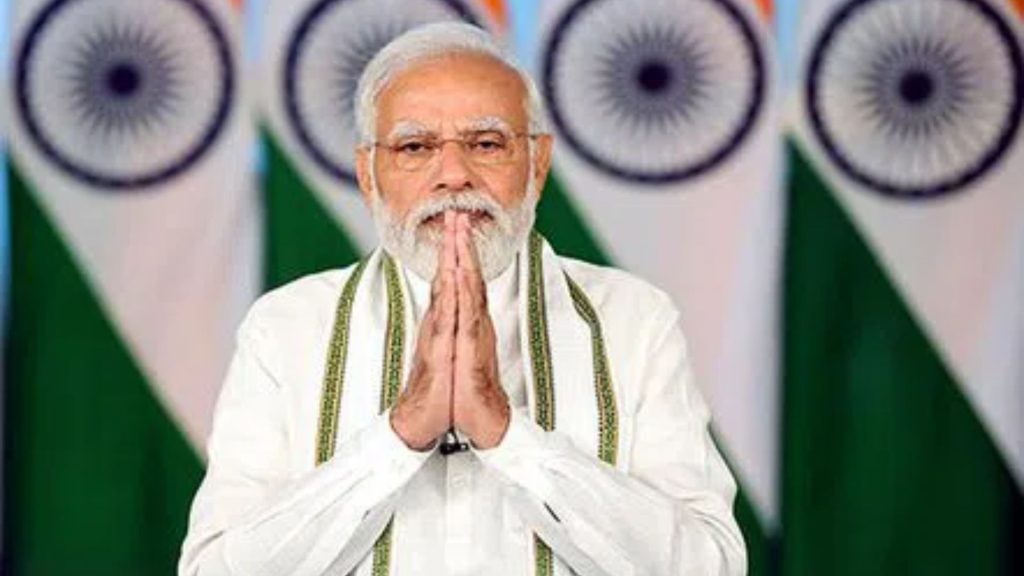
New Delhi : Reflecting the mood of a confident India eager to march ahead, Prime Minister Narendra Modi on Tuesday wished a Happy New Year to countrymen in a post on X and recounted the remarkable progress and transformation achieved in 2024.
Calling it a “poetic celebration”, PM Modi, in his post in Hinglish, said, “Mera Bharat Badh raha (My India is taking big strides of progress).
“From space to soil, railways to runways, culture to innovation, #IndiaIn2024 marked a year of remarkable progress & transformation!” wrote PM Modi in a heartfelt message.
“A poetic celebration as we stride confidently into 2025, ” said the Prime Minister as he leads the nation into 2025.
The PM’s New Year post also carried a 2.41-minute video animation clip depicting the achievements made in an eventful 2024. The milestones depicted in the video included the country’s space launches, super-computing, a boost in defense manufacturing, growth in the aviation industry, and infra marvels like the underwater Howrah Maidan Metro, Rameswaram rail bridge, and Vande Bharat rail.
The video also highlighted increased medical colleges and improved health facilities for the public, Atal Pension scheme, PM Awas, the first temple in Abu Dhabi, and the introduction of the three new criminal laws.
In a virtual report card of the government’s performance in 2024, the animation clip had special information on the economy.
Besides highlighting the $700 billion foreign reserves, it also showcased the country’s emergence as the third biggest force in Asia and 24.82 crore people emerging from poverty.
On the job creation front, the video highlighted the Rs 2 lakh crore package for 4.1 crore youth.
In the sports domain, the PM’s video on 2024 highlighted the record 29 medals won by India in the Para-Olympics.
For the environment, the PM’s video gave the message of “Ek ped Maa ke Naam” which has led to the plantation of 102 crore saplings and highlighted the boost in India’s green power generation capacity.
Known to celebrate his September 17 birthday with military jawans, PM Modi also likes to wish countrymen the New Year hoping that it would bring forth prosperity, peace and health for all.
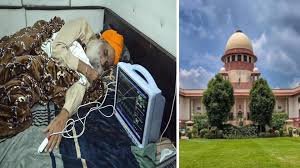
New Delhi : The Supreme Court on Tuesday deferred till January 2 the hearing on a contempt plea seeking action against the Chief Secretary of Punjab for not complying with its earlier orders, where the Punjab government was directed to hospitalise farmer leader Jagjit Singh Dallewal.
The 70-year-old cancer patient has been fasting at Khanauri, the border point between Punjab and Haryana, since November 26 in support of their long-pending demands, including a legal guarantee for Minimum Support Price (MSP) for crops, loan waiver and reforms to improve conditions in the agricultural sector.
A Vacation Bench headed by Justice Surya Kant decided to defer the hearing after Punjab’s Advocate General (AG) Gurminder Singh sought additional time to comply with its December 20 decision, where the Punjab government was directed to ensure the stable health condition of Dallewal, who is on a fast unto death.
“It is entirely the responsibility of the State of Punjab to ensure the stable health condition of Mr Jagjit Singh Dallewal, for which if he requires hospitalisation, the authorities must ensure to do so. The State Government, therefore, will take a call as to whether Mr Dallewal can be shifted to the makeshift hospital (temporary hospital, which is said to have been set up at a distance of 700 metres from the site) or to any other well-equipped hospital, ” the SC had ordered.
AG Gurminder Singh submitted before Justice Kant-led Bench that a proposal has been submitted before the Union government stating that if the protesting farmers are invited to hold talks, Dallewal will likely accept medical aid.
Adjourning the hearing to January 2, 2025, the Bench, also comprising Justice Sudhanshu Dhulia, said that it was only concerned with the compliance of its judicial orders and nothing else.
In a special sitting on Saturday, the top court pulled up the Punjab government over its failure to ensure the stable health condition of Dallewal.
After the Punjab government stated that other protesting farmers were obstructing the medical aid to Dallewal, Justice Kant-led Bench suggested that it could direct the Union government to provide logistical aid.
The apex court ordered the Punjab Chief Secretary and Director General of Police (DGP) to comply with its directions within two days and posted the matter for hearing on December 31.
It cautioned that if orders are not followed, the Supreme Court will consider framing charges of contempt of court against the officials on the next date of listing.
Earlier, the Supreme Court had issued notice on a plea seeking contempt action against the Chief Secretary of Punjab for not complying with the apex court’s orders.
It said, “Medical aid has to be given (to Dallewal) and the impression is that you (Punjab authorities) are not following our orders.”
Expressing concern over Dallewal’s life and safety, it had ordered the Punjab government to comply with its direction to get him hospitalised.
Before this, the Justice Kant-led Bench said that protesting farmers were free to put their grievances directly before the top court after it was told that the farmer leaders did not attend the meeting with the court-appointed panel.
Remarking that the court’s doors were always open, it said that farmers could put forth their demands directly before the apex court or through their authorised representative.
In September, the Supreme Court ordered the formation of a committee to amicably resolve the grievances of the farmers protesting at the Punjab-Haryana border. It had suggested the panel headed by Justice Nawab Singh, a former judge of Punjab and Haryana High Court, to hold negotiations with the protesting farmers for the removal of their tractors, trolleys, etc., from the National Highway for the ease of the general public.
Further, the apex court had granted liberty to farmers to shift their peaceful protests to an alternative site. Apart from Justice Nawab Singh, the panel comprised former Haryana DGP B.S. Sandhu, agricultural analyst Devender Sharma, Prof Ranjit Singh Ghuman, agricultural economist Dr Sukhpal Singh, and Prof Baldev Raj Kamboj as a special invitee.