Prime Minister Narendra Modi’s summit with US President Donald Trump in Washington comes amidst internal political challenges and media-driven perceptions, with India’s global positioning at stake. by Gopal Misra
Indian Prime Minister Narendra Modi has finally flown to Washington to meet the US President Donald Trump for redesigning their strategic and indeed personal ties in the new political environment.
The hesitation of Modi and his bureaucratic-driven establishment is palpable. Few expect any spectacular gains in the summit, but he is expected to carry forward Trump’s peace agenda.
It is Modi’s first encounter with Trump in his new avatar. It is to be ascertained yet how much Modi is regretting for ignoring Trump’s request to meet him, when he was facing his existential fight during the election campaign.
In the backdrop of this faux pas, the US-India summit does not look optimistic or favourable for India.
After struggling through the ordeal, Trump has emerged much more powerful in his second innings. The same however cannot be stated about Modi.
During the 2024 presidential poll, Trump was not only pitted against the Democratic Party nominee, Kamala Harris, but against the state institutions, deep state and a section of judiciary. Therefore, it is not surprising that his nominee for the post of Director, FBI, Kash Patel is facing hurdles in the Senate’s approval from a section of the Democrats. They apprehend retribution from Trump, if his nominee is chosen for the sensitive post.
In India, it is no more an issue, the Union Government under Modi has already been unleashing CBI and other institutions against the civil servants and politicians found not toeing his personal agenda. His position as the leader has lost a little shine, when he wrestled his third term by adopting a questionable process. He may be legally correct but if tested on the basis of ethics mostly adhered to in parliamentary democracy, few may approve of his tactics.
It, however, is a matter of perception. But this minor eclipse in his political image might weaken his negotiating power with the world’s most powerful leader, when they discuss during the summit scheduled in mid-February.
Agenda for peace
Trump may ask Modi to play a proactive role for the restoration of peace in the ongoing conflict between Russia and Ukraine. Trump may ask Modi to take a more active role in efforts to restore peace in the ongoing Russia-Ukraine conflict. While this could give Modi a temporary boost in political stature, his non-political team mainly consists of ineffective and inexperienced civil servants. They may not be able to live up to the task. On the other hand, Trump has got a highly effective and efficient team, including a number of people of Indian origin. Also, winning a strong presence in the Congress, Trump is expected to be one of the most effective presidents the US has had in recent years.
On the other hand, it is being noticed that the Modi government does not have the energy and passion witnessed during the G-20 summit held on 9-10 September 2023 in India.
Cheer boys in media
Interestingly, months before the inauguration on 20 January 2025, the Trump team had already done research and homework. In India, little preparation has been done for the prospects of having a new level of cooperation. Instead, Modi’s cheer boys in the media were seen presenting Trump’s invitation as a personal achievement for him.
It is sad that the “wah wah” group in the media resembles the clowns of the Mughal court. However, during the past 10 years Modi has ensured that he should be branded as a great leader without focusing on substantial studies needed for acquiring such a status.
It is hoped that in Washington, our babus will be doing their best, but Modi needs a heavy weight a la Sushma Swaraj, who had re-scripted the Indian agenda worldwide, as external affairs minister, till Modi buried her politically, perhaps having a deep apathy towards her brilliance.
Modi, like Trump, has choices. He, however, loves mediocres and is known for harbouring resentment against people in media and academics, including those close to the ruling outfit.
Modi has retained the style of centralized functioning through the PMO, but without political advice, he might be committing more mistakes.
There is a joke in New Delhi’s political circles that even a municipal councillor in Kerala has more power than a minister in the union cabinet.
It is hoped that after the summit in Washington, Modi may review his stiff control on the ministries, and they may be allowed to think and be innovative in designing the government policies.
At present, ministries are being told from the PMO to implement the policies without internal discussions. For example, Defence Minister Rajnath Singh was told to introduce the system of recruiting Agniveers, just a few minutes before the press conference. It is true of the foreign office too.
In decision-making, transparency is maintained in the US, but in India even important decisions are being taken in a hush-hush manner.
It is being rightly asked whether India would concede Trump’s demand to stop her unnecessary imports of consumer goods from China. It is estimated that India has coughed up more than 1000 billion US dollars to please China in the past 10 years by importing goods, which could have been manufactured in India. It means, if India is keen to access the West’s markets as well as to update her technologies, she has to reposition her trade ties, now heavily tilted in favour of the Dragon.
Further, it is hoped that after meeting Trump, Modi may try to regain India’s influence in the South Asian region, especially in Maldives and Bangladesh.
Box-Deportation row: National disgrace, but EAM stays meek
India of 150-billion strong, vibrant, mostly youths, is shocked, humiliated and angry, when more than 100 Indians mostly from the states like Haryana and Punjab were brought home in handcuffs and restraints. Shockingly, they were handcuffed were sent back in the run up to the Modi-Trump summit.
India’s External Affairs Minister, S. Jaishankar, however, has justified the humiliation of Indians by the US Administration as a standard operating procedure (SOP). His assurance before Rajya Sabha that he would take up the issue with Washington must have bemused the elders. They, perhaps, were avoiding humiliation of the motherland, by further exposing the pathetic state of Indian diplomacy.
Meanwhile, the ruling establishment appears to be in overdrive to blame some Chandigarh or Delhi-based travel agents for the incident.
A former expert in diplomacy told Tehelka that Modi and his cronies may again succeed in camouflaging the humiliation, but he hoped that the truth cannot be compromised forever. According to him, it reminds the confused if not ‘hapless’ Indians of the Papal edicts or bulls issued during the colonial period that used to endorse the criminal and inhuman behaviour of the European colonizers in enslaving the natives of Africa and Americas by enchaining and humiliating them. It may be noted that even the British in their 250-year rule in India never dared to humiliate Indians in such a way, the former diplomat stated.
There is a general apprehension in New Delhi that the rulers in New Delhi would soon be seen indulging in an intensive media campaign trying to compensate for this national shame by weaving a new set of narratives reasserting invincibility of Prime Minister Narendra Modi. For them , their countrymen are just herds of gullibles, and Indian media, once known for its objective news and analysis, would be seen claiming the summit as a great diplomatic achievement for New Delhi.
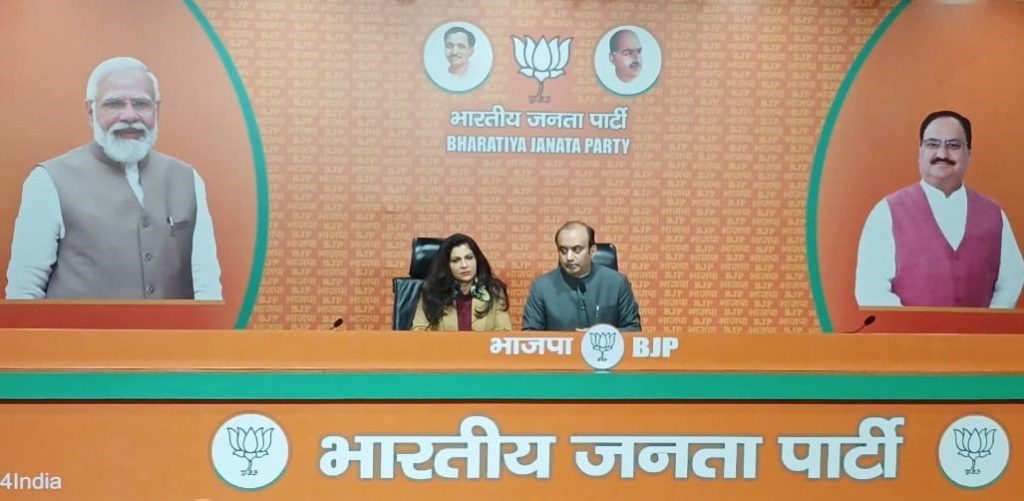
Bharatiya Janata Party will hold a legislative meeting on Wednesday after it was postponed today. The party has appointed the observer for the meeting and will decide on the name of the chief minister of Delhi followed by the oath ceremony in a day or two.
The party has returned to power after 27 years, winning 48 out 70 assembly seats leaving the Aam Aadmi Party (AAP) which has ruled the city for the past 10 years, with only 22 seats. What came as a shock for the AAP was, its senior leaders including Manish Sisodia and Arvind Kejriwal lost their seats.
While the BJP has not come up with the name of CM, it has shortlisted 15 names, of which nine will be selected for the posts of chief minister, cabinet ministers, and speaker.
There are several names that are in the potential names of CM with Parvesh Verma being prominent for the post. The other names include, Rekha Gupta, Vijender Gupta, Satish Upadhyay, Ashish Sood, Pawan Sharma, and Ajay Mahawar.
The venue has not been announced yet. However, there is a possibility that the swearing-in ceremony will be held in Jawahar Lal Nehru Stadium or Raamlila Maidan in the national capital, on February 20.
Delhi witnessed a strong competition among three parties including AAP, BJP, and Congress during assembly elections held on February 5. The results were announced on February 8.
Behind the glitz and glamour, a thriving underground market trades awards for a price, bypassing merit for profit.
“They don’t give awards on merit; they sell them. They have awards starting from Rs 5.50 lakh, then 4 lakh, and 3 lakh. The lowest is Rs 1.20 lakh. They have awards costing more than Rs 5 lakh, but that is not with us. They have been giving awards for the last 14 years,” said Rohan Mishra of XXXX Technology to Tehelka. Rohan Mishra’s company, XXXX Technology, acts as a channel partner for the company selling awards to interested parties through him.
“As you know, many sting operations are happening these days. So, the company won’t sell awards directly to the buyers; they will sell them through us. No one from the company will meet you either,” said Rohan Mishra.
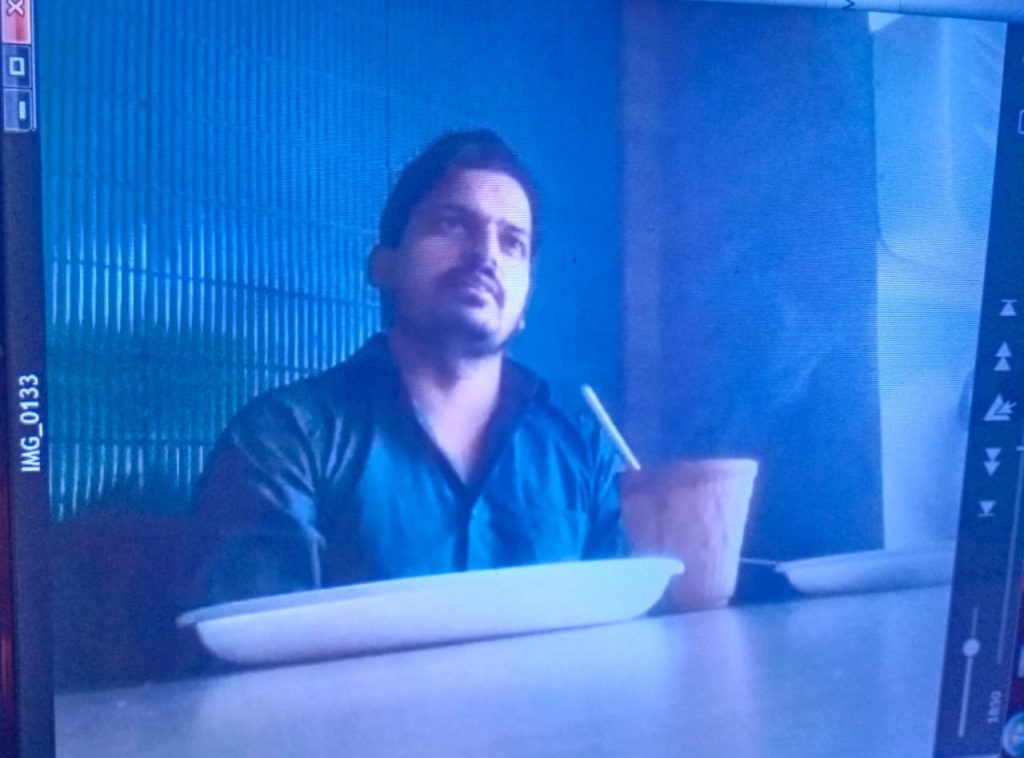
Rohan Mishra
“There are five categories of awards that the company will give at a glittering function to be held at Bharat Mandapam, New Delhi, on X September XXXX. I will arrange the lowest category award, costing Rs 1.20 lakh, for you in the media category,” added Rohan while speaking with our undercover reporter.
Time and again, questions have been raised about several awards around the globe. From the Oscars to the Grammys, the Golden Globes, and the Indian National Film Awards, all have attracted controversy at one time or another. The Padma Awards 2022, for example, had also kicked up a dust. When the Narendra Modi government announced the Padma awardees on the eve of the 73rd Republic Day in 2022, it sparked a debate. Among those selected for the Padma Bhushan were former CPI(M) politburo member and West Bengal Chief Minister Buddhadeb Bhattacharya, as well as senior Congress leader and Leader of the Opposition in Rajya Sabha, Ghulam Nabi Azad. While Bhattacharya declined the award, Azad faced jibes from Congress leaders for accepting it from the Modi government.
Similarly, various film awards have remained in the eye of the storm over the years, with actors like Aamir Khan, Ajay Devgn, Emraan Hashmi, Govinda, Sunny Deol and Nawazuddin Siddiqui distancing themselves from all film award functions. News media awards have also been mired in controversy at different times.
In order to get to the bottom of these controversies, Tehelka carried out an investigation on award fixing, where awards are not given on merit, but at a certain price.
Our undercover reporter met Rohan Mishra, who claimed to be working in a Noida-based company, XXXX Technology. Our reporter met Rohan posing as a fake client, looking to buy an award for himself. Rohan immediately told the reporter that his company is working as a channel partner for a company that sells awards to interested parties through him. Rohan told the reporter that he has an award for him in the media category, costing Rs 1.20 lakh. This meeting was held in Noida.
Rohan Mishra in a candid conversation below, reveals the intricacies of how awards are distributed through a channel partner. Rohan discusses the different categories and prices of these awards, emphasizing that even media professionals can secure an award for a specific amount.
Reporter- Ye kab hai… XXX September XXXX ko?
Rohan- Haan
Reporter-Kin logon ko mil raha hai ye?
Rohan- Ye mil raha hai business personalities ko, kuch personal ko bhi..
Reporter- Media walon ko mil jayega?
Rohan- Haan.. category mein mil jayega.
Reporter- Kis category mein?
Rohan- 5 category hain.. mein bhej dunga aapko, jo pehle wala hai wo 5-6 lakh ka hai.. wo to nahi hai.. sabse kam wala mil jayega Rs 1 lakh 20k.
Reporter- Ek lakh 20 hazar mein.
[This conversation reveals the business-like nature of these awards, highlighting how merit often takes a backseat to monetary transactions. The conversation sheds light on the mechanics of this “award distribution” system.]
In an insightful conversation with our reporter, Rohan Mishra further reveals the detailed pricing structure of the awards his company offers. With categories ranging from Rs 1.20 lakh to Rs 5.50 lakh, Rohan explains that the company has been distributing these awards for the last 14 years. This interaction highlights how recognition is sold at different price points.
Reporter- Kya kya rate hain waise inke awards ke?
Rohan- Highest to 5.5 lakh ka hai, phir 4 lakh, 3 lakh, 1.20 lakh..matlab 1.20 lakh se start hai aur highest 5.5 lakhs tak ka hai. Uske upper bhi hain par wo hum letey nahi hain.. hamare budget ka nahi hai.
Reporter- Ye kitne saal ho gaye award baantey hue?
Rohan- 14 years
[This exchange exposes how deeply commercialized the world of “paid awards” has become, where monetary value overshadows merit. It emphasizes the pressing need for transparency and integrity in the process of awarding genuine achievements.]
Rohan Mishra provides further details about his involvement in securing awards, revealing how he has facilitated the process for multiple companies over the years. His comment hints at the frequency with which such transactions occur. With a calm assurance, Rohan mentions how he’s been involved in securing multiple awards, including for his own company, in exchange for a fee.
Reporter- Aap kabse kar rahe ho inke saath?
Rohan- Maine pehla kiya tha ’21 mein.
Reporter- Kahan ki company thi.?
Rohan- Delhi ki, ek kiya tha maine Ahmedabad ka.
Reporter- Iski kitni dilwa di aapne?
Rohan- Bahut dilwa di, is baar 7 dilwa raha hoon…waise 12-13 dilwa diye.. aur is baar 7 dilwa raha hoon, ek mera bhi hai
Reporter- Aapka bhi hai, paise dene honge aapko?
Rohan- Kyun nahi dene honge.
Reporter- Aapse bhi lenge paise?
Rohan- Kyun nahi lenge?
[The conversation unveils how deeply commercialised the award process is, with even those facilitating it expected to pay. This reflects how conferring of awards, once a symbol of merit, has been reduced to a commercial affair.]
In this revealing exchange, Tehelka’s undercover reporter uncovers the workings of the award-selling business with Rohan Mishra. According to Rohan, the company he is suggesting to us for buying an award, is into award business only. He said the company is selling award for the last 14 years. He mentions that these events attract a significant number of attendees, including high-profile celebrities. Rohan elaborates on the nature of the organization behind the awards, explaining that the company solely focuses on conducting award shows and trade shows.
Reporter- Ab batao award ka kya keh rahe they aap?
Rohan- Bheja hai aapko check kar lena.
Reporter- The 14th national XXXX award ..kya hai ye ?
Rohan- Ye XXXX group hai.
Reporter- Accha naam hi hai XXXXXX group..kya karte hain ye, dhanda kya hai inka?
Rohan- Wahi award show karate hain.
Reporter- Company kuch to karti hogi?
Rohan- Yehi karti hai, sirf award deti hai.
Rohan- Inka kya hota hai ki award show karte hain ye, trade show kehtey hain.
Reporter- Trade show?
Rohan- Haan..jismein 10,00-500 log aatey hain alag alag jagah se…inke jo celebrities hotey hain na, last time wo Irani nahi hai “3 Idiots (film)” wale.. wo aaye they.
Reporter- Boman Irani?
Rohan- Haan wo aaye they, Akshay Kumar (Bollywood star) aye they, as chief guest.
[This conversation underscores the sheer scale and commercial nature of the “award distributing industry”, revealing how recognition is commercialized. It also provides insights into the scale and reach of these events, emphasizing the extensive network involved in this practice.]
In a candid admission, Rohan Mishra lays bare the sheer scale of the award-selling enterprise. He reveals that merit plays a role—but only for a minuscule 10% of recipients. The rest are paying customers, contributing to a staggering daily revenue of Rs 10-15 crore for the company.
Reporter- Ye merit par nahi denge.?
Rohan- Detey hain.. par wo sirf 10 percent hi hain.
Reporter- Kitne award detey hain ek din mein?
Rohan- Award to bahut detey hain …ek din ka 10-15 crore hota hai ek din ka…200 award detey hain ye.
Reporter- 200 award ek din mein?
Rohan- Haan aur log aa rahe hain.. abhi bhi log aa rahe hain.. sponsors se paisey kamatey hain.
[The conversation highlights how these awards are more about selling status than honouring achievements. With 200 awards given out in one day, the system relies on a constant flow of buyers and sponsorships, turning it into a profitable business.]
Rohan now gives a detailed breakdown of the process for securing an award, revealing the exact costs involved. For a Rs 1.20 lakh award, the process begins with a Rs 25,000 cheque payment, with the rest to be paid in cash. He further clarifies that half of the payment must be made three days before the award ceremony, and the entire amount must be channeled through his company. Rohan also tells our reporter no one from the company organizing the award would meet him and he would have to deal with him only.
Reporter- Bataiye kya rate hai is baar hamarey liye.
Rohan- 1.20 lakh rahega.
Reporter- Ek lakh 20 hazar. Category kya rahega
Rohan- Bhej dunga aapko..aur payment jo hai wo 20k plus GST rahega.
Reporter- 20k plus GST?
Rohan- 25 hazar plus GST wo cheque se jayega, baki cash mein jayega. 25 plus GST wo company ko jayega.
Reporter- Wo nomination fee hai.
Rohan- Haan..aur baki jo hai usmein aadha cash mein jayega. Waise hum poora letey hain but aapka first time hai to aapko jo hai half dena hoga 3 din pehle.
Reporter- Award milne se 3 din pehle?
Rohan- Haan.
Reporter- Payment kisko dena hoga?
Rohan- Payment sara humko dena hoga.
Reporter- Management ko nahi?
Rohan- Nahi.
Rohan- Jo bhi rahega aapka link humse rahega.
Reporter- Humse koi nahi milega.
Rohan- Koi nahi, jo rahega humse rahega.
Rohan- Agar 5 lakh wala letey hain aap.. to unka banda aata hai.
Reporter- 5 lakh wala.. uski category kya hogi?
Rohan- Wo highest hai, start up ho jiska…
[This exchange exposes the business-driven nature of the award process, where paying for recognition becomes the norm. As the conversation unfolds, it becomes clear that the modus operandi of this award business is that no company sells their awards directly to interested parties for fear of being caught. Instead, they sell them through PR agencies.]
Now, Rohan sheds light on the extravagant nature of the awards, revealing that the company even offers a Rs 1 crore category, which includes media exposure like magazine covers and sponsored promotions. Reflecting on the rates, he notes that in 2021, the lowest award cost Rs 75,000, while the highest touched Rs 3 lakh. Rohan also hints at the growing scale of this business, mentioning that, for 2023, he’s even starting his own franchise, further diversifying his involvement in this award-giving enterprise.
Reporter- Aapne ’21 mein kya rate liya tha inse?
Rohan- 21 mein 75 hazar.
Reporter- Sabse kam..aur sabse zyada?
Rohan- 3 lakh ka tha..dekhiye hai to unke pass ek crore ka bhi , par hamare pass uska koi pitch nahi tha.
Reporter- Ek crore mein!? Aisa kya hai?
Rohan- Ek crore mein sponsorship bhi hai, aapka board lagyenge, magazine cover pe naam jayega aapka. Do tarah ka award hota hai, ek khud wala aur doosra invite karte hain jaise PWD wala.. 2020 ya 21 wale mein PWD wala bhi tha koi.. uska magazine ke cover pe photo chapa tha.
Reporter- Kaunsi magazine?
Rohan- Inki magazine bhi hai na, PR bhi kartey hain apna,..XXXX , XXXXX ispar unko cover par bhi diya jata hai. Ye apni magazine banatey hain.. usko promote karte hain.. apni site par promote kartey hain.
Reporter- Aur ’22 mein kya rate tha inka?
Rohan- ’22 mein wahi tha 23 se bada hai, 23 mein hi mein bhi zyada active hua.
Reporter- Yani 12-13 award aapne kara diye?
Rohan- Is baar aur bhi karwa rahe hain…abi apni kuch franchise bhi start kar rahe hain, uske liye bhi kar rahe hain.
[This conversation shows how awards have turned into marketing tools, with high fees linked to media exposure, crossing ethical lines. It’s a concerning trend where recognition is purchased by offering money. ]
Rohan openly admits to selling various awards, not just the ones discussed earlier. He recalls helping a client in the makeup industry win a “Glamour” award last year, showing the wide range of categories he handles.
Reporter- Ye hi awards hain aapke pass.. ya aur bhi hain?
Rohan- Aur bhi hai, multiple hain, ‘glamour’ ka maine karaya tha pichle saal October mein. I think ‘glamorous’ karke award tha,..make up ka kaam karti XXXX Khan.. wo client hain, unko dilwaya tha maine ‘glamour’ ka award.
[Rohan’s casual mention of this as part of his business highlights how awards have become commodities, serving different industries and clients.]
Next, Rohan casually discloses that he is in the process of arranging 10 awards for a client, with specific demands already made. When asked about film-related awards, he remains non-committal, suggesting that he may have them, but is uncertain at the moment.
Reporter- To abhi aane wale kitne award hain aapke pass?
Rohan- Dekhna padega,..abhi ek company aa rahi hai …..uski demand hai kareeb 10 awards ki, budget bata diya hai unko.. mujhe wahi sab karna hai.
Reporter- Koi film wala award nahi hai aapke pass?
Rohan- Dekhna padega ?
[This exchange reveals the transactional nature of the award industry, where bulk orders and customised categories are common. It shows that these awards are no longer rare recognitions but products easily available in a marketplace.]
When asked about his earnings from this lucrative business of selling awards, Rohan is quick to deflect, refusing to disclose any specifics. His light-hearted response, “Ye koi baat batane wali hoti hai,” suggests a deliberate effort to keep his financial dealings under wraps.
[Rohan’s reluctance to reveal his earnings is understandable, as it only highlights the hidden nature of the business. It shows that, while these activities thrive, they are often kept discreet.]
In the following conversation, Rohan sheds light on the shadowy operations behind the high-value awards he arranges, revealing that those behind the Rs 5 crore award won’t meet directly due to the fear of being exposed in sting operations. He confirms that the awards, rather than being merit-based, are bought and sold, cleverly disguised under the pretense of sponsorships.
Reporter- Accha agar hum 5 crore wale award ki baat kare to inse milne aayega banda?
Rohan- Aise nahi aayega, pehle confirm karega, bahut ismein sting operation wagera hotey hain na..dikhatey hain merit par award de raha hoon mein but actual mein merit to kahin nahi hoti hai. Koi award le lo.. merit par thodi hota hai, samne nahi aa raha hai, but wo aisey dikhatey hain as a sponsor, is company ne sponsor kar diya…lekin paisa to ja hi raha hai na kahin na kahin..jis bande se hamari baat hoti hain na, us bande ki itni aukaat nahi ki wo humko ye baat bata paaye.
[Rohan’s comment confirms that the awards, rather than being merit-based, are bought and sold, cleverly disguised under the pretense of sponsorships. His reluctance to arrange a meeting with the person in charge speaks to the covert nature of it all.]
Rohan now casually discloses his involvement in selling awards for some of the most prestigious media houses, revealing a lower-category award he arranged for a client at Rs 60,000. He explains how the award business process works, from photo sessions to posting images online to create an illusion of legitimacy.
Rohan- XXXX ka bhi aane wala hai.
Reporter- XXXX ka bhi karte ho aap?
Rohan- XXXX ka kiya hai isi saal.
Reporter- Kitna liya unse?
Rohan- Rs 60,000.
Reporter- Zyada nahi hai.
Rohan- Lower category hai, usmein 5 hota hai, ismein 3 tha category…. XXXX mein pehla category mein kuch dilwa diye doosre mein…teesre mein kuch gale mein pehna diya, main hota hai photo session..us photo ko hum apne website parlagatey hain.
[This exchange reveals how media recognition is bought and sold, blurring the line between merit and money. The transactional nature of these awards somewhat confirms doubts about their value and authenticity.]
Now, Rohan explains the reasons behind people purchasing awards, highlighting that they are used for bolstering one’s image, adorning office spaces, or showcasing on websites as part of a PR strategy. He subtly acknowledges the widespread but hidden market for such awards.
Reporter- Logon ko fayda kya hota hai award lekar ?
Rohan- Ek to unhein apne office mein lagana hota hai, website par lagana hota hai,..PR ke liye..hame pata hai aapko pata hai awards biktey hain sabko thodi na pata hai.
[The conversation shows that these awards are more about personal branding and PR than real achievements. It highlights the gap between how they’re seen publicly and the reality of commercialized recognition.]
When asked about the possibility of a discount on the Rs 1.20 lakh award, Rohan confirmed that a small discount of 10 percent can be arranged, but only if the purchase involves multiple awards. This reveals a typical strategy in bulk transactions.
Reporter- Accha agar mujhe 1.20 lakh wale mein 5 award chahiye ho to mujhe discount milega.?
Rohan- Haan..zyada nahi.. 10 percent.. par wo bulk hona chahiye.
[The conversation highlights how even in this dubious award market, bulk purchases are incentivised with discounts, reflecting the business-oriented nature of these so-called “prestigious” awards. It’s a clear indication of how the system is designed for profit, not merit.]
Rohan further disclosed that those accompanying the award recipients would need to purchase separate tickets to attend the ceremony. This underlines how even the presentation of awards is monetised in this system.
Reporter- Accha jo award lene aayega uske saath kitne log aa saktey hai…?
Rohan- Is wale award mein ek ka.
Reporter- Jo family se aayega?
Rohan- Ticket lena hoga.
Reporter- Ticket kitne ka hoga?
Rohan- Likha hua hai usmein..ticket lena padeha alag se.
[This exchange highlights how the award process is not just about recognition but also a revenue-generating venture. Attendees are treated as paying customers, turning the event into yet another commercial transaction.]
Now, Rohan not only asked us to submit the award payment within a week but also offered to boost the recipient’s public image through media. He explained how submitting reels from the event to news channels—of course for a fee—could further amplify the recognition. He suggested that we create reels at the award functions and have them aired on news channels by paying a fee.
Reporter- Last date kya hai paisa dene ki?
Rohan- Aapko haftey bhar mein close karna padega.
Reporter- Akhbaar mein bhi chapega..?
Rohan- Haan akhbaar mein page par aayega poora, PR bhi karenge aapka acchey se…usko aap chaho to aap bi kar saktey ho apne level par…jaise aapne award le liya hamne aapse ek lakh aur le liya… aapka reel bana diya..jaise aap award le rahe ho hamne picture bana liya award letey hue, video bana liya..uske baad… Rohan (continues)- ….Accha ismein jaane ka bhi ek fees hota hai Rs 1000 ka, Rs 2500 ka, 5000 ka etc for invitation as a guest…ab hum wahan as audience chale gaye wahan video bana liya. Hamne kya kiya video bana ke jaise news XXXX hai ya bahut saare channels hain,..ya local chanels hote hain.. aap chaho to reels unko de do…ye mera reel hai aap isko chalao aur ye rahe paise…ye bhi charge karte hain 10,000-15 000 to ye apne channel par laga detey hain, share bhi kar detey hain. Like bhi, tweet bhi kar detey hain aise bahut se channels hain.
[The conversation uncovers the multi-layered commercialisation of awards, where even the act of receiving an award is turned into a profit-making opportunity through media manipulation and paid promotions.]
During this investigation, the Tehelka reporter received multiple calls from various PR agencies, each offering different names of awards and their respective prices, all of which were available for sale. On one occasion, a middleman promised the reporter a prestigious media house award at a function in Delhi, available for just Rs 1.75 lakh.
However, when the reporter insisted on directly paying the award money to the media house itself, which was supposedly offering the award, it raised doubts among the media house’s management, and the deal ultimately fell through.
The modus operandi of this award business is clear: no company is directly selling their awards to interested parties, as they fear being caught. Instead, they are funneling these transactions through PR agencies to maintain a veneer of legitimacy and avoid scrutiny. Our investigative report emphasizes the pressing need for transparency and integrity in the process of awarding genuine achievements.
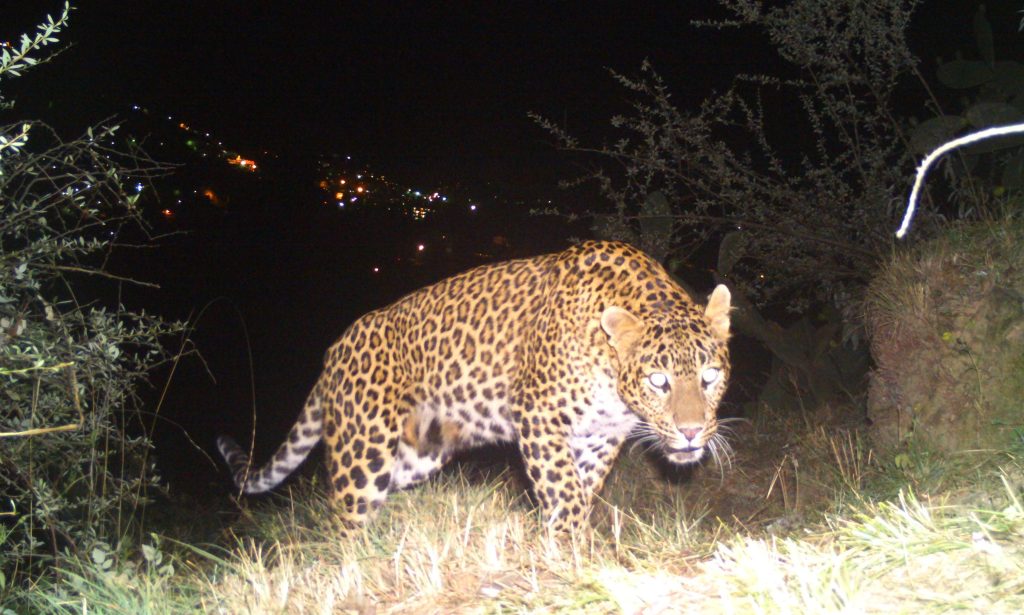
A research carried out in Himachal Pradesh shows that the sudden loss of family members, including children, due to leopard attacks is impacting the mental health and is a life-altering experience for communities. A report by Deepanwita Gita Niyogi
In India, the human-leopard conflict is increasing day by day due to a number of factors. The tea estates of North Bengal, the Zawar mines area of Rajasthan and a few districts of Uttarakhand are known for this menace.
A study, Charting risk pathways of leopard attacks on people: A decision tree approach, based in Himachal Pradesh, points out the extent of the problem in this mountainous state. The study was published on January 7, 2025 in the international journal, Human Dimensions of Wildlife.
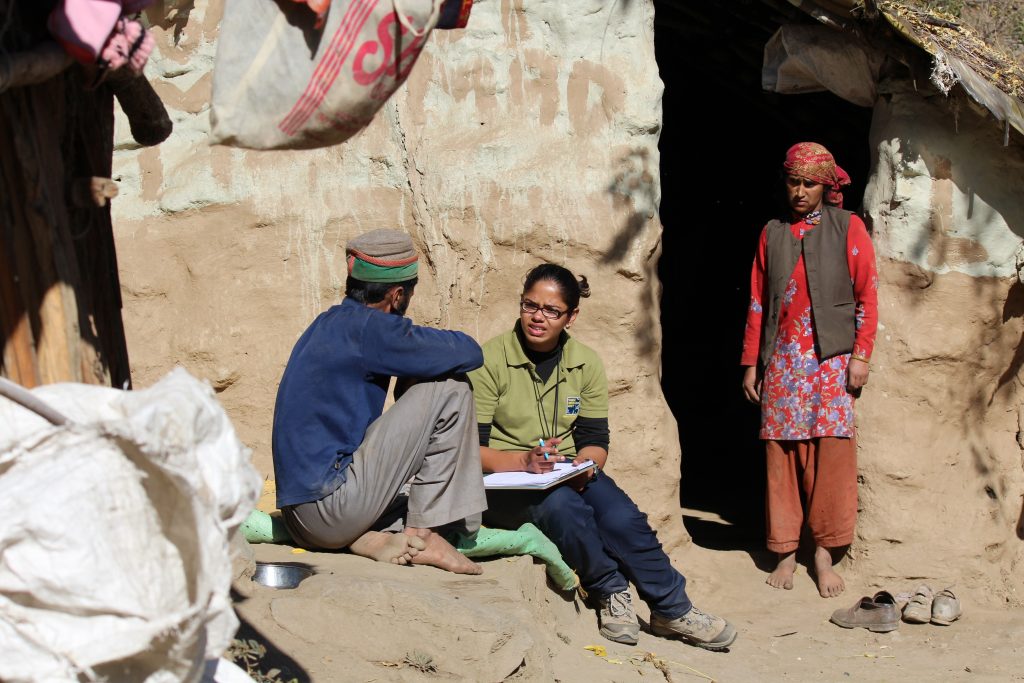
This was a practitioner-based study, said lead author Shweta Shivakumar. “The state of Himachal Pradesh was chosen because even though about 30 attacks happen to people here in a year, no research was either carried out or national attention given to the reduction of attacks by leopards on humans. Thus, the management action related to conflict reduction was informed by research carried out elsewhere in India. The forest department wanted the research to focus on provision of site-based inputs to improve the situation for the people of Himachal Pradesh,” she told Tehelka. The study assessed the degree of risk experienced due to 344 leopard attacks on people.
The study talks about the mental health of communities, probably often overlooked, when talking about human-wildlife conflict. It describes the experiences of the family members of injured victims and those of the deceased as a result of attacks. “Mental impacts were described in all instances as the family’s grief and fear of watching their kids being dragged away and their immediate reaction to it,” the study says.
Conflict and mental health
Shivakumar, who is doing her doctoral research at the Bengaluru-based Centre for Wildlife Studies, explained that the study found the mental impact of losing family members, including children, to leopard attacks is a life-altering experience. “Each such victim recounted the incident down to the last detail. This has changed the way people look at leopards and the areas the animals live in. Those who could, mostly labourers, have relocated post attacks as a safety measure.”
The study shows how people react to protect themselves from possible attacks. “Most people either take more precautions while working in the fields or have asked the forest department to relocate or kill the animals that caused deaths and severe injuries,” the author pointed out. However, the leopard is a protected species under Schedule 1 of the Wildlife Protection Act, 1972, and cannot be harmed.
Injuries cause life-altering experiences, as the study shows. One of the changes is a transition in livelihood patterns and an impact on the household income. It is imaginable that after attacks, people reduced the number of livestock and dogs. Following inadequate medical attention, there has been a reduction in people’s ability to carry out physical activity that contributes to income.
“Since 66 percent of the households, who faced attacks, were from the economically weaker strata of society, the loss or incapacitation of a family member negatively impacted their earning capacity,” Shivakumar explained.
Drivers of attacks
In many places, human-wildlife conflicts arise due to land use change. This is perceptible in North Bengal where tea gardens have led to the fragmentation of forests. These provide cover to leopards where they give birth to cubs. This leads to attacks during the plucking season.
A previous paper, “Examining leopard attacks: spatio-temporal clustering of human injuries and deaths in Western Himalayas, India,” had tested the land use change theory in Himachal Pradesh leading to leopard attacks on people. But Shivakumar pointed out that it was not a driver of conflicts in the region. The study was unable to point out environmental factors driving the attacks.
She added that in certain regions such as Bilaspur, Hamirpur and Mandi, and also during specific periods like the years 2009 and 2012, a lot of attacks occurred. “However, this could be driven by leopard management actions such as translocation or the local removal of leopards, but this is in an untested theory due to the lack of data. The authors still don’t know what drives the surge in attacks on people in Himachal Pradesh.”
Another point is that there were no gender patterns detected in the study unlike the tea gardens of Bengal where women are more vulnerable to attacks during the plucking of tea. Overall, 67 percent of the attacks happened on men in Himachal.
“I believe that the patterns detected were activity-based ones where men were more likely to be outdoors, like either walking alone in forests, grazing livestock or collecting firewood, as compared to women. The study found that women mostly travelled in groups while collecting grass and firewood and sustained minor injuries even if they were attacked.”
Livestock is one of the major reasons behind the occurrence of human-leopard conflict. According to data provided by the forest department for Mandi district which has five forest divisions, livestock-related cases were high. In 2021, 59 cases of livestock killing were recorded in Mandi. In 2022, there were 55 cases, and in 2023, 49 cases were registered. Compared to this, human attack cases were negligible. In 2021, one human being was injured, the year 2022 had no case, and in 2023, two cases happened. There were no death cases. Compensation paid to people for their loss stood around Rs 3.47 lakh during these three years. The forest department did not provide state data on human-leopard conflict.
Divisional forest officer Raj Kumar Sharma, in charge of the Kunihar division in Solan district, said that the forest department makes people aware about the conflict issue. “Livestock and domesticated animals are easily lifted by leopards. So, we urge people to keep dogs inside. We also tell them to keep on lights after dark. Apart from this, there should be proper disposal of garbage.”
One of the main problems is that the forest cover is declining and the human population is increasing. Mandi district resident Somkishan Somu admitted that leopards cause a lot of problems and shared that once a leopard lifted his brother’s goat. Six other goats also met the same fate. “There have been dog lifting cases in the villages,” said Somu, who lives in Pangna Valley in Mandi district’s Karsog.
The farmer also shared the incident of a leopard attack on a woman who had to spend a fortnight in the hospital. “In the winters, attacks are common, as the animals come in search of food. The woman, who is also from Pangna, was attacked six months ago. Her goat was attacked, and when she intervened, the leopard attacked her in turn.”
Mandi district chief conservator of forest Ajit Thakur said that leopards are freely moving in the cities and towns due to the availability of food and the prevalence of stray dogs. “It is impacting the economy through the lifting of livestock on which people depend on for livelihood.” However, Thakur pointed out that though injuries happen to humans due to leopard attacks, the number of deaths does not happen on a large-scale in the state.
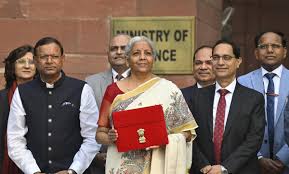
Finance Minister Nirmala Sitharaman presented the 2025 Budget, focusing on relief for the middle-class and strategic reforms aimed at economic growth. While hailed for tax relief, it faces opposition criticism over its long-term impact and missed opportunities. A report by CA Sumiti Gaba
Union Finance Minister Nirmala Sitharaman unveiled the progressive Budget 2025 on February 1, 2025, focusing on the middle class, showcasing the government’s strategic focus on fiscal consolidation, economic growth, and comprehensive structural reforms. However, the budget was criticized by the opposition parties. The 2025 Budget, introduced by the Modi 3.0 government, is an inclusive plan designed to unlock India’s full potential and propel the nation towards becoming a “Viksit Bharat.” It envisions a nation free from poverty, with 100 percent access to quality education, meaningful employment opportunities, high-quality healthcare, a women labour force participation rate reaching 70 percent, and the empowerment of farmers.
The Budget emphasizes accelerating economic growth, advancing infrastructure, fostering inclusive development, strengthening private sector investments, boosting household confidence, and enhancing the spending power of the middle class to drive consumption. The Budget strategically focuses on four key engines of growth—agriculture, MSMEs, investment and exports—while also enacting transformative reforms across six critical sectors, including taxation, the power sector, urban development, mining, the financial sector, and regulatory reforms.
The Finance Minister announced the introduction of a new Income Tax Bill under Budget 2025, aimed at simplifying the existing Income Tax Act. The proposed bill intends to reduce tax disputes and offer greater certainty to taxpayers, paving the way for a more transparent and predictable tax environment.
A significant focus of the Budget is on providing relief to middle-class taxpayers. The finance minister proposed a substantial enhancement in the tax rebate under the New Tax Regime. Taxpayers earning up to Rs 12 lakh (Rs 12.75 lakh for salaried individuals) will now be exempt from paying any income tax. This move is expected to increase disposable income, which will likely stimulate household consumption, savings, and investment, providing a boost to the economy. Additionally, the Budget brings in a rationalization of the tax slabs under the new tax regime. The basic tax slab has been raised from Rs 3 lakh to Rs 4 lakh, while the peak tax rate of 30% will now be applicable to incomes above Rs 24 lakh, up from the previous threshold of Rs 15 lakh. These revisions are expected to create more liquidity and promote economic activity. The budget also seeks to simplify the tax compliance process. A number of measures were proposed to rationalize the TDS (Tax Deducted at Source) and TCS (Tax Collected at Source) regime, including an increase in the threshold limits for TDS applicability across various categories of transactions. Additionally, the decriminalization of TCS defaults and the omission of TCS on the sale of specified goods are set to streamline the tax system.
In another important development, the Budget proposes a new framework for determining the arm’s length price for a block period of three years, addressing concerns in transfer pricing. The expansion of safe harbour provisions is expected to reduce transfer pricing disputes and provide more certainty for multinational corporations (MNCs) operating in India.
The government has unveiled several initiatives aimed at increasing voluntary tax compliance. These include extending the time limit to file updated tax returns for up to four years. Furthermore, the Budget extends the tax holiday for eligible start-ups by an additional five years to continue fostering innovation and entrepreneurship in the country. On top of that, anti-abuse provisions have been introduced to prevent the ever-greening of losses in the case of amalgamation, while measures to facilitate faster mergers are also part of the reforms.
The Budget introduces new compliance obligations related to crypto assets, signalling the government’s intent to address the growing digital economy. In addition, the Budget provides relief on basic customs duties for essential items such as prescribed drugs, medicines, and critical minerals. A significant reform in the Budget aims to enhance the attractiveness of the International Financial Services Centre (IFSC) in GIFT City, with amendments designed to make the financial hub more appealing to global investors. The government has also extended the sunset date for investments made by Sovereign Wealth Funds and Pension Funds until March 31, 2030, encouraging continued long-term investment in India’s infrastructure and growth.
A significant focus has been made in the agriculture sector, introducing several key initiatives aimed at enhancing productivity and supporting farmers. The government has launched the Prime Minister Dhan-Dhaanya Krishi Yojna, a comprehensive Agri District program that will cover 100 districts and benefit 1.7 million farmers. A mission to boost cotton productivity has also been introduced, along with efforts to further improve the production and processing of Makhana in Bihar. Additionally, the budget seeks to expand the reach of Kisan Credit Cards to 7.7 crore farmers and fishermen, with an increased loan limit of 5 lakh. To ensure long-term growth, the government will also promote the use of high-yielding seeds, reinforcing its commitment to strengthening the agricultural landscape.
The government has pioneered several initiatives to support the MSME sector, aiming to foster growth and entrepreneurship. A new credit card scheme has been launched for micro enterprises, providing a credit limit of 5 lakh for businesses registered on the Udyam portal. Additionally, the government will offer term loans of up to 2 crore for 5 lakh first-time entrepreneurs over the next five years, helping to fuel innovation and business expansion. To further boost employment, special focus will be given to labour-intensive sectors such as footwear and leather, the toy industry, and food processing, creating more job opportunities and promoting sustainable sectoral growth.
The government is prioritizing investment in education to foster curiosity and innovation. Over the next five years, 50,000 Atal Tinkering Labs will be established in government schools, along with broadband connectivity for all government secondary schools. The Bharatiya Bhasha Pustak Scheme will provide digital books in Indian languages to promote a learning attitude among students. To enhance skill development, five National Centres of Excellence will be set up in collaboration with global partners. IIT Patna’s infrastructure will be improved, including hostel rejuvenation. A Centre of Excellence in AI for education, with a budget of Rs 500 crore, will be established to personalize learning experiences. Additionally, 10,000 new seats will be created in medical colleges and hospitals to expand access to medical education. The government is also strengthening healthcare by expanding broadband connectivity to primary health centres in rural areas under the Bharat Net project. To improve cancer care, 200 daycare cancer centres will be established in district hospitals. Recognizing their significant contribution to the new-age services economy, nearly 1 crore gig workers on online platforms will gain access to healthcare benefits under the PM Jan Arogya Yojana, supported by the issuance of identity cards and registration on the e-Shram portal to streamline access to various welfare schemes. Additionally, the government is investing in innovation to drive future growth with a Rs 20,000 crore allocation for private sector-led research, development, and innovation.
In a recent discussion with a former professor from Punjab University’s Department of Economics, we gained valuable insights into the newly presented Budget 2025. The professor highlighted the budget’s key focus areas, particularly its approach to income tax reforms and their potential impact on the economy. The proposed changes, she explained, are designed to boost consumption by putting more disposable income in the hands of middle-income taxpayers, especially salaried individuals. This, in turn, is expected to stimulate demand for consumer goods and durables, helping revive economic activity in sectors like FMCG. However, she cautioned that boosting consumption alone might not suffice for long-term growth. While increasing disposable income is crucial, the professor pointed out a significant reduction in capital expenditure, particularly in infrastructure, which could hinder the broader growth of the economy. “The economy cannot be boosted by consumption alone,” she remarked, emphasizing that infrastructure development is essential for sustainable growth.
The professor also expressed concern over the agricultural sector, noting that despite the ongoing struggles faced by farmers, the budget shows a reduction in allocations for agriculture. “Instead of addressing the farmers’ needs, the government has reduced support to agriculture,” she said, highlighting the risks of ignoring the challenges in this crucial area.
“We need to do more than what is being done in the budget,” she stated, suggesting that the current policies fall short of the comprehensive measures needed to address these challenges.
Opposition parties have criticized the Modi government’s first full Budget of its third term, calling it lacking in “new ideas” and failing to show the “will to reach beyond its grasp.” Former union finance minister and senior Congress leader P. Chidambaram expressed concerns that the Budget would only lead the slowing economy to “trudge along on the old path,” predicting a growth rate of 6% to 6.5% for 2025-26, far from the 8% growth target estimated by Chief Economic Advisor V. Anantha Nageswaran, which he argued is necessary for India to become a developed country. Chidambaram also pointed out that the Budget seemed focused on appealing to the 3.2 crore middle-class taxpayers and the 7.65 crore electorate in Bihar, ahead of the upcoming Assembly elections in October-November. Meanwhile, Leader of the Opposition in the Lok Sabha, Rahul Gandhi, dismissed the Budget as “a band-aid for bullet wounds,” criticizing the government for failing to bring about the paradigm shift needed to address India’s economic challenges amidst global uncertainty. While the government’s Budget may have offered a few band-aids, the opposition believes it’s far from the cure needed to heal the economy’s wounds.
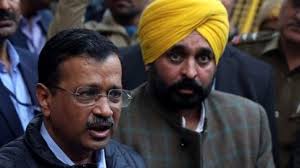
The AAP’s loss in Delhi has cast its shadow on politics in Punjab, the only state where the party is in power now. With Punjab set to go to poll in two years, AAP needs to pull up its socks and resolve burning issues facing the state besides delivering on its pre-poll promises, reports Raju William
As this became the hottest talking point, the post-results political discussions tried to find answers as to how Kejriwal is going to re-position himself to retain his all-powerful hold on the party. However, the analyses and speculations are rife in Punjab as to how the party and its government in the border state are going to absorb Delhi’s electoral shocker marked by their supreme leader’s defeat.
The first to set the cat among the pigeons was the Congress party’s Leader of Opposition (LoP) in Punjab Vidhan Sabha, Partap Singh Bajwa when he claimed that more than 30 AAP legislators were in his contact. The BJP’s Delhi-based Sikh leader Manjinder Singh Sirsa too made statements that sent the jitters in the demoralized and defensive AAP camp.
After the debacle of AAP in Delhi, the party’s entire focus has shifted to Punjab. Its supremo, Arvind Kejriwal, summoned the party’s Punjab legislators and ministers just three days after the announcement of the election results. One of the major reasons seems to make them reassure their loyalty to him and the party because the possibility of defection cannot be ruled out, said Bajwa.
There is a general impression that the poll results in Delhi have not come as a surprise. The senior AAP leadership remained oblivious to the public displeasure over blatant corruption and arrogance of leaders. Isn’t it strange that independent-minded political observers, analysts could gauge this anti-AAP undercurrent?
The same undercurrent is there in Punjab, too. As the Bhagwant Mann government attempts to brazen its way out of all the difficulties that it is heaping upon the people, there is a seething disaffection and anger building up. One wonders CM Mann and his inner coterie cannot see this happening on the ground, commented Patiala-based strategic affairs expert Col. (retd.) Jaibans Singh.
About the impact on AAP, Punjab, the most telling observation probably came from Amritsar-based well-known political analyst Prof. Jagrup Singh Sekhon who termed the AAP’s defeat in Delhi as the end of an “imagined” political alternative at least in Punjab where a space had always been available for it. The rise of the AAP and becoming a part of the imagination of Delhi and Punjab electorates reached its peak in 2022 assembly elections in Punjab.
In Bajwa’s view, the AAP was on a sticky wicket even before the Delhi elections. “The common discourse in Punjab is that the Congress Party would most likely win the 2027 Assembly elections.” There are several reasons he cites to support this argument.
“Since taking over, the AAP government in Punjab has failed terribly to deliver its promises like giving Rs 1000 per month to women, corruption-free governance, ending the drug menace, improving law and order, employment generation, harassment of farmers during harvesting and procurement season, availability of sand at cheaper rates, and streamlining the economy,” he claimed.
Assessing the likely long lasting political impact, Col. Jaibans Singh thinks that things will take a sure turn for the worst when CM Mann, out of a sense of loyalty, attempts to resurrect the fallen leadership of his party. The attendant loss to Punjab in material and political terms will far surpass what has been witnessed till date. A situation of this nature is not acceptable to the people of Punjab. This does not augur well for the party’s prospects in 2027 Assembly polls.
The electoral reversal in Delhi is also going to cost the party dear given farmers’ anger caused by harassment faced during the paddy harvesting and procurement season. Chief Minister Bhagwant Mann allegedly remained inefficient in delivering his promises to farmers like MSP on Moong dal and compensation to flood-affected farmers. Moreover, the AAP has failed to deliver justice on the issues of the sacrilege of Sri Guru Granth Sahib and the firing incident at Behbal Kalan.
Moreover, the Sikh Panth and farmers used to be the vote bank of SAD, which does not seem the case now. And this section of voters is unlikely to shift to the BJP. The BSP has already lost its ground among the Dalit community of Doaba whereas the Congress party has the credit of making the first Dalit CM of Punjab.
The bottom line, according to Bajwa, is that the AAP has been shaken by its defeat in Delhi. The party has anticipated its disastrous political future in the border state. Its top leadership has started taking measures to save its government in Punjab and perhaps preparing for the next Assembly election. The Congress is the only party left in Punjab that could benefit from the present situation. “Punjab Congress is working hard and inching towards winning the 2027 Assembly election,” predicted Bajwa.
In absence of any serious attempt to consolidate the party structure; putting the issue of political ideology on the back burner and emergence of an individual as the party supremo contributed to the electoral debacle in Delhi. The political nautanki of blaming others for their own faults without any concrete proof became the hallmark of this nascent party.
“If the party failed to learn any lessons and made a meaningful course correction, the emerging political scenarios post-Delhi polls will sure lead to its decline in Punjab. The party without ideology and structure cannot sustain politically for a longer period and it seems that its decline will be faster than its rise. It may face the same fate as that of Mayawati’s BSP. It’s likely that the BJP will emerge as a contender in the next Punjab elections,” summed up Prof. Sekhon.
AAP’s unexpected defeat in Delhi is likely to have a significant impact on its political standing in Punjab. The fallout from the Delhi debacle will have major repercussions in Punjab, creating openings for the rival parties. “In their own ways, Congress, BJP and SAD see this situation as a god-send opportunity to capitalize on the AAP’s crisis and go all out to reclaim their lost vote banks to AAP in 2022 Assembly elections,” assessed KP Singh, a well-known TV anchor based at Chandigarh.
With two years to go until the Punjab Assembly elections, the party must strike a balance between caution and assertiveness – delivering on its pre-poll promises, prioritizing development, and effectively countering opposition attacks on law and order, he added.
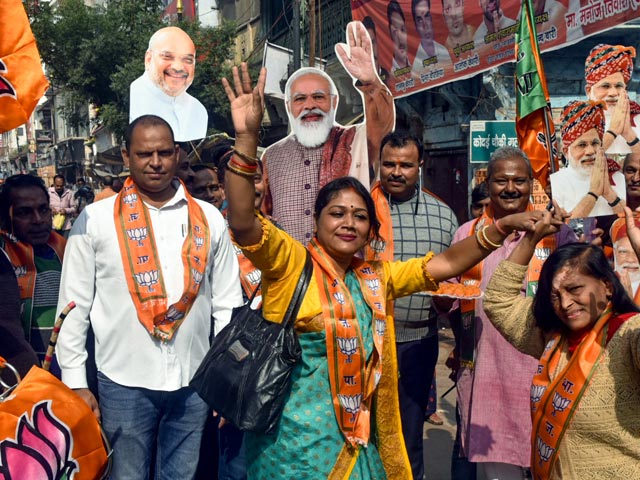
The famous poets Geoffrey Chaucer and T.S. Eliot both described April as the “cruelest month,” but for the Aam Aadmi Party, February may well take that title. Having risen like a meteor, the party now faces a tough reality as it lost its citadel in Delhi and, along with it, its place in the INDIA bloc. Meanwhile, the Bharatiya Janata Party seems unstoppable. After an unexpected win in Haryana, a dominant performance in Maharashtra, and now an emphatic victory in Delhi, the BJP’s momentum is undeniable. It appears that there is no stopping the saffron juggernaut now. This follows what was perceived as a lackluster performance in the 2024 Lok Sabha elections. The party has learned from its past mistakes and it was a step ahead of AAP in offering a combination of freebies and pro-poor welfare schemes.
Though Tehelka’s Cover Story in this issue “Awards for Sale” by the Special Investigation Team exposes how behind the glitz and glamour, a thriving underground market trades awards for a price, bypassing merit for profit, the Delhi election results merit attention. Even the Supreme Court has denounced the practice of announcing freebies ahead of elections, questioning if it fosters a “class of parasites,” the political impact is clear—freebies can, indeed, sway electoral outcomes. The BJP’s strategy extended to the middle class, with the 2025 Union Budget offering significant tax relief. Individuals earning up to Rs 12 lakh will pay no income tax, and additionally, the TDS threshold for rental income has been raised to Rs 6 lakh benefiting those dependent on rental income. These measures, coupled with the announcement of the Eighth Pay Commission to revise central government salaries and pension allowances, further bolstered the BJP’s appeal to key voter segments.
However, it was the BJP’s strategic assault on AAP, a party born from Anna Hazare’s anti-corruption movement, that has had the most devastating effect. The focus on AAP’s alleged corruption scandals, particularly the Excise Policy scam and the extravagant renovation of Delhi Chief Minister Arvind Kejriwal’s official residence “Sheesh Mahal”, tainted the party’s image. Once seen as the voice of the common man, AAP was being perceived as just another political player in a system it once sought to upend. Although Delhi is a small state, it is the centre of political power, and AAP’s ouster here significantly boosts the Opposition’s prospects, especially in Punjab, the only state where it still holds power.
There are growing discussions about AAP potentially facing an existential crisis, with some even suggesting the party could disintegrate. While it’s premature to make such conclusions, the fact that Congress leaders are openly admitting AAP’s encroachment on their voter base suggests mounting pressure. This blow could also cause further problems for the INDIA bloc, particularly as Bihar heads to the polls later this year and West Bengal prepares for elections in 2026.
The Bharatiya Janata Party (BJP) has registered a landslide victory in Chhattisgarh’s local body elections. The win has reaffirmed people’s support for the party.
While Congress has faced a crushing defeat, the BJP has registered a clean sweep across municipal corporations, municipal councils, and nagar panchayats.
“BJP is heading towards a historic victory in the urban body elections of the state. I am grateful to the voters of the state for this unprecedented mandate. The way the hardworking workers of BJP took the achievements of the double engine government to the people, the way the organization participated in this election under an efficient strategy, this decisive lead is theirs,” Chief Minister Vishnu Deo Sai said.
Expressing views on micro blogging site X he said, “The public trust that increased due to the work of the BJP government is seen turning into a mandate. We will work with more enthusiasm and do our utmost to live up to the expectations of the people.”
The election outcomes clearly indicate that BJP has strengthened its presence at every level, while Congress has suffered significant losses.
Political analysts attribute BJP’s massive win to the Chief Minister’s governance, welfare initiatives, and extensive groundwork at the grassroots level. On the other hand, Congress has struggled with internal conflicts and leadership issues, which have contributed to its poor performance in these elections.
Earlier, Sai expressed confidence that BJP would surely succeed and win in the state’s municipal corporation elections 2025.
The local body elections were held in Chhattisgarh on February 11 and results were declared today. The three-tier panchayat elections will take place in three phases on February 17, 20, and 23, with results to be announced on February 18, 21, and 24, respectively.
The Delhi government has written to the social media platform X to restore the CMO Delhi official handle after it was renamed to ‘KejriwalAtWork’ on the alleged instruction of Aam Aadmi Party leaders.
The matter came to light when BJP requested LG VK Saxena to intervene in the issue.
In an email to X on Friday, the CMO stated that its grey tick handle, which had approximately 9,90,000 followers, was changed to @KejriwalAtWork.
“As per the established practice, official accounts are not associated with individuals and are passed on to successors as and when change takes place… It is requested to X’s platform to restore ‘@CMODelhi’ and the password of the same may kindly be sent to the official email ID cmdelhi@nic.in, which is the authorised official ID of the chief minister, Delhi,” it added.
The letter further asked the social media platform to deactivate any other account having “@CMODelhi” immediately.
BJP earlier alleged that the CMO handle was renamed at the behest of AAP leaders.
Earlier, Delhi BJP president Virendra Sachdeva urged Saxena to seek a report from the IT department of govt on the renaming of the “CMO Delhi” handle on X and its alleged use for putting up posts of former chief minister Arvind Kejriwal.
In his letter, he alleged that under the acting CM’s instructions, IT department officials converted the official social media account of the chief minister’s office, developed using govt funds and resources, into the personal account of Kejriwal, which is illegal.
BJP defeated AAP in the Feb 5 assembly polls and returned to office in Delhi after 26 years. The swearing-in ceremony of the BJP govt in Delhi is likely to take place next week.
Days after facing severe backlash and severe criticism over Congress president Mallikarjun Kharge’s comments on Kumbh, party leader Rahul Gandhi is expected to take the holy dip at the Mahakumbh next week.
The move was confirmed by Uttar Pradesh Congress chief Ajay Rai.
“Neither Kumbh nor Prayagraj (Allahabad) is new for the Nehru-Gandhi family. It is the place of their origin and their ancestral homes are located there. Anand Bhavan and Swaraj Bhavan are still there. The Sangam is also not new to them. Obviously, they all will visit the Kumbh next week and take the bath,” Rai said.
Photo: Naveen Bansal
It is understood that other top leaders of the party, including Priyanka Gandhi Vadra, are expected to accompany Rahul on the Prayagraj visit.
By sending a delegation of its top leaders to Mahakumbh, Congress is trying to course correct and reach out to the majority Hindu community. The visit will be showcased by the party as reinforcing the Nehru-Gandhi family’s strong Hindu roots.
Tehelka.com had on Friday reported that a realisation seems to have dawned on the Congress, that Kharge’s controversial comments on Kumbh were hurting the party’s prospects.
Hence, the grand old party was sending its top most leaders from various states to take the holy dip in Prayagraj.
Over the past few days, Karnataka Deputy Chief Minister DK Shivkumar, former chief minister of Madhya Pradesh Digvijaya Singh and former chief minister of Rajasthan Sachin Pilot from and many others have frequented the holy festivities in Mahakumbh.
A few days ago, Congress president Mallikarjun Kharge had put his party leaders and INDI bloc in a bind.
“Don’t fall into the trap of false promises of (Narendra) Modi. Is poverty ended by taking a dip in the Ganga? Does it fill your stomach? I don’t want to question anyone’s ‘aastha (faith)’. If anyone feels bad, I apologise,” Kharge had said.
The Congress chief’s statement was seen as a lack of coordination and clarity on important political subjects between various alliance partners of the INDI bloc.
The Congress chief’s comments also highlight the total disconnect that the top leadership of the grand old party has with the grassroots.
The Bharatiya Janata Party has bern attacking Kharge, while attempting to reinforce the perception being built that the grand old party was anti majority community and was only interested in appeasing minorities.