Will the India-US deal be signed before the July-9 deadline
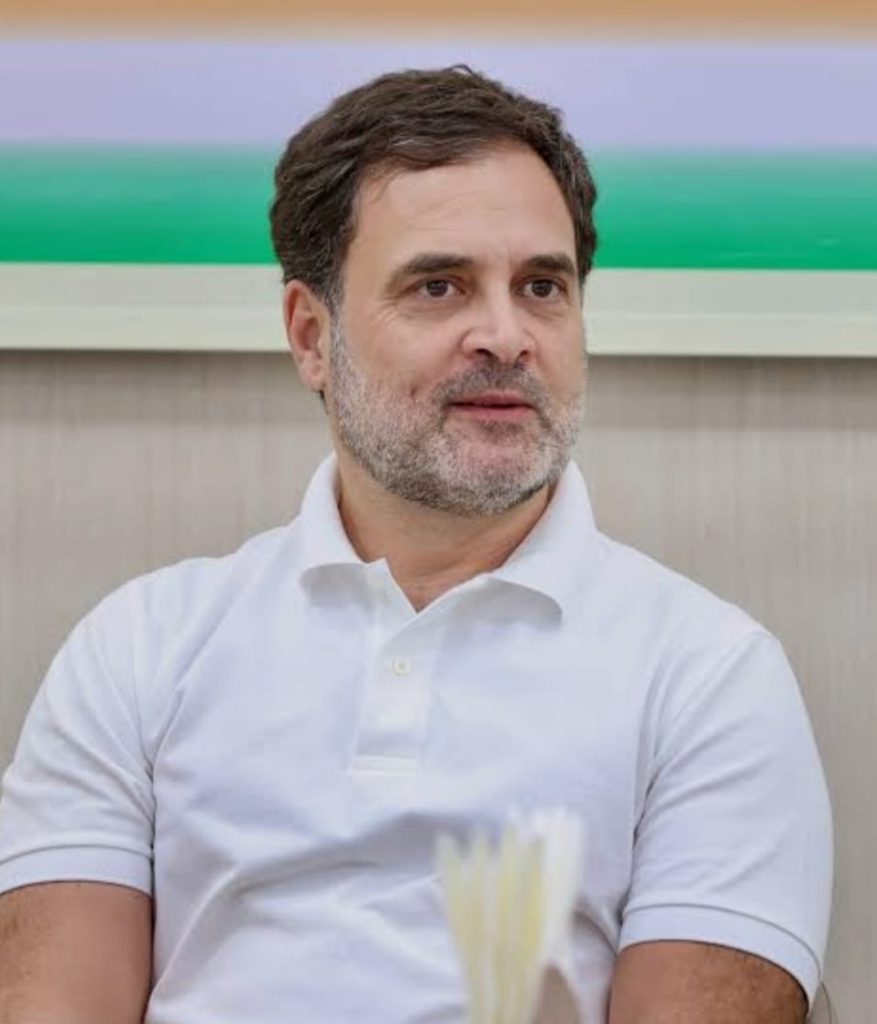
Taking a dig at Prime Minister Narendra Modi, Congress MP Rahul Gandhi on Saturday claimed that he (the PM) would readily accede to the deadline set by US President Donald Trump despite issues in the trade deal. “Piyush Goyal can beat his chest all he wants, mark my words, Modi will meekly bow to the Trump tariff deadline,” Gandhi wrote on X
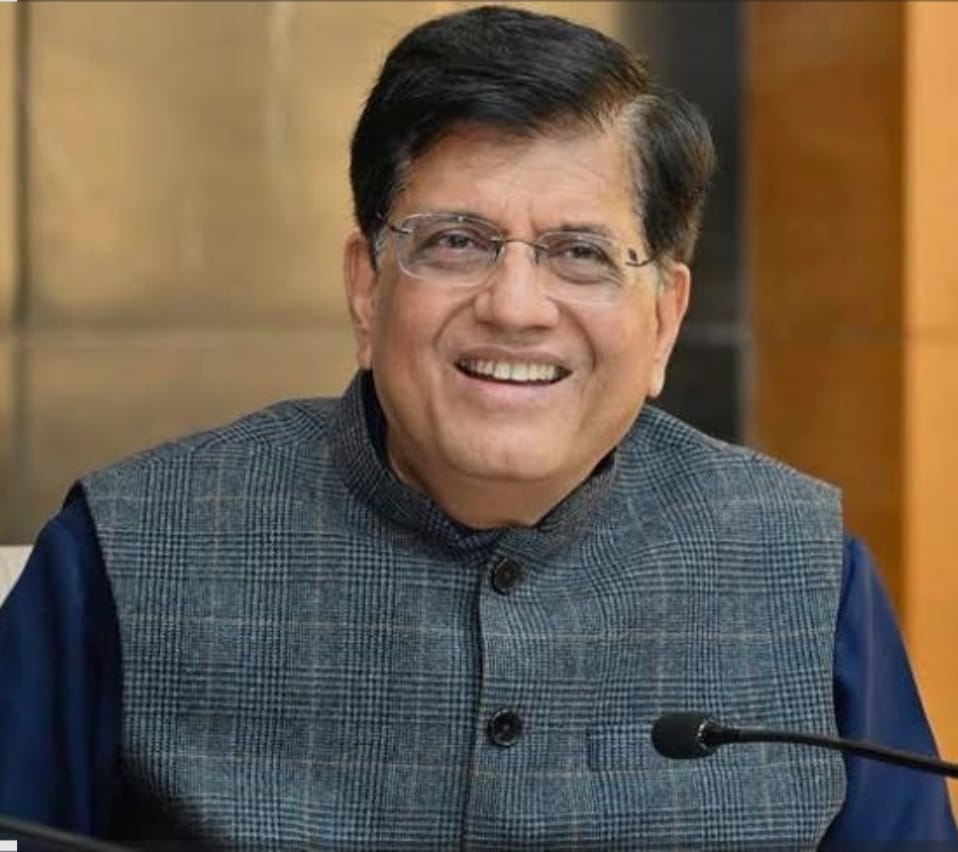
Gandhi’s reaction came as Union Minister Piyush Goyal asserted that India would enter into a trade agreement with the US only if its interests were protected. An interim trade deal between India and the US was expected to be signed before the July 9 deadline, however, issues related to the agriculture sector, particularly around genetically modified crops and dairy products, are said to be holding the final decision.
Notably, regarding the prospects of an interim US deal by July 9, Goyal said any agreement would be announced only when “fully finalised, properly concluded and in the national interest.”
On Thursday India’s negotiating team returned to Delhi Thursday after week-long talks in Washington. According to sources, despite having a draft interim agreement in hand, key issues around automobiles and agriculture remained unresolved.
India is pushing for the US to roll back all current and planned retaliatory tariffs, including a 26% reciprocal tariff, comprising a 10% duty that took effect on April 5 and an additional 16% set to begin from July 9.
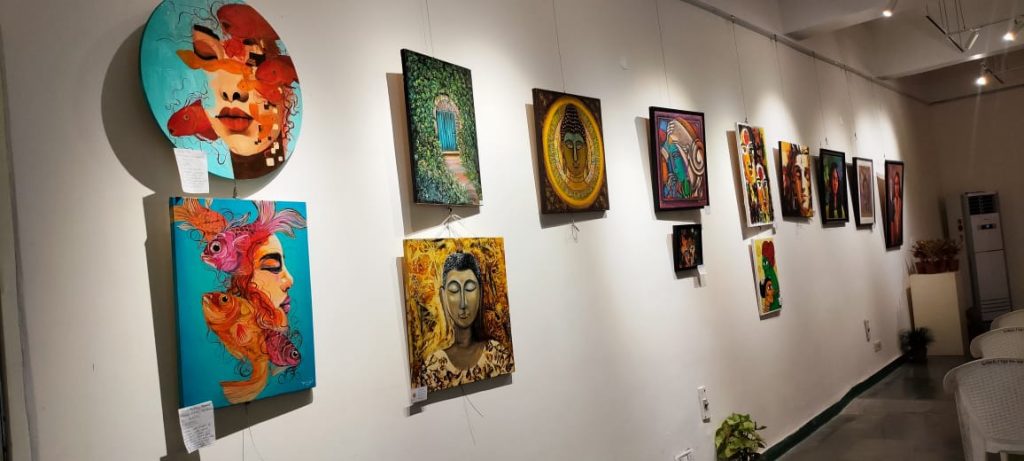
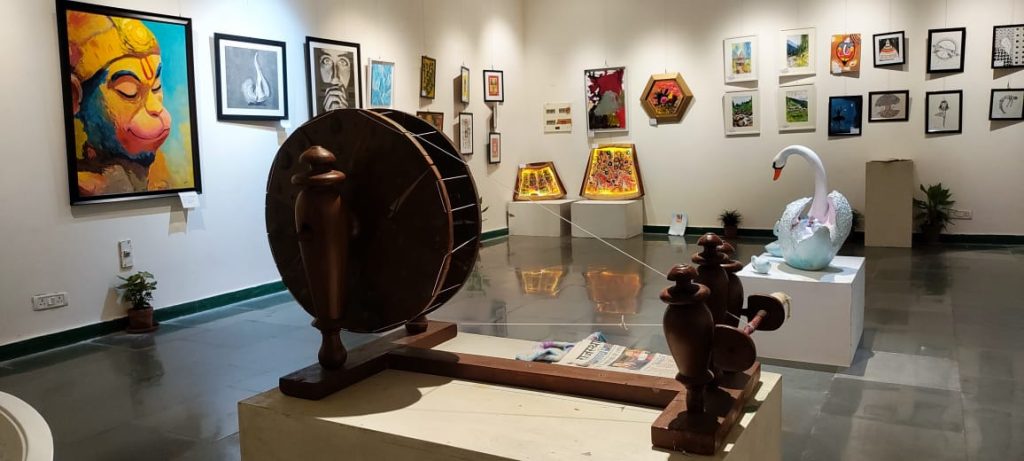
Van Kanya Arts Group has organized an art exhibition titled Unmukt at Gandhi Darshan, Rajghat. It was inaugurated by Vice Chairman Gandhi Smriti Vijay Goel on July 3.
Goel also planted a Rudraksh tree under ek ped maa ke naam with Indian Nursery Association.
The exhibition curated by Dr. Gauri Srivastava & organised by Sarbari Roychoudhury showcasing inspiring artworks by artists from Delhi, Haryana, West Bengal, and Odisha.
“This exhibition is about free expression. Whatever the artists feel they draw on the canvas and they are free to exhibit here. There is live painting going on under art camp inspired by Operation Sindoor,” Dr. Gauri Srivastava said.
Photo: Naveen Bansal
“This exhibition has given opportunity to various kind of artists who belong to all walks of life. We are representing junior artists, seniors and artists from LGBTQA+ community too. We also have artists who are suffering from Down Syndrome. We aim to promote artists in affordable fees as other galleries take a lot of money which many can’t afford,” she said.
Sarbari Roychoudhury, an artist and organizer of the exhibition who belongs to Kolkata said that we aim to promote artists from all walks of life.
“I am Kolkata-based artist and there are many artists who are participating in the living art. There are students too who have participated in the exhibition. We are total of 45 artists. Our aim is to grow united,” Roychoudhury told Tehelka.com
The exhibition has showcased many artists who are inspired by various things in life including recently held Operation Sindoor, Hapiness, Love, Spirituality, and patriotism.
One can look at the painting of Lord Hanuman with bright yellow and blue colour made with acrylic paints using only hands. This painting was painted by a 15-year-old boy and it was up for Rs 35,000. Himesh Chauhan, a young artist from Gurgaon has dedicated a wall to all the martyrs who got paramveer Chakras. These portraits were made with charcoal.
Astha is the first woman streamed into the fighter stream of Indian Navy
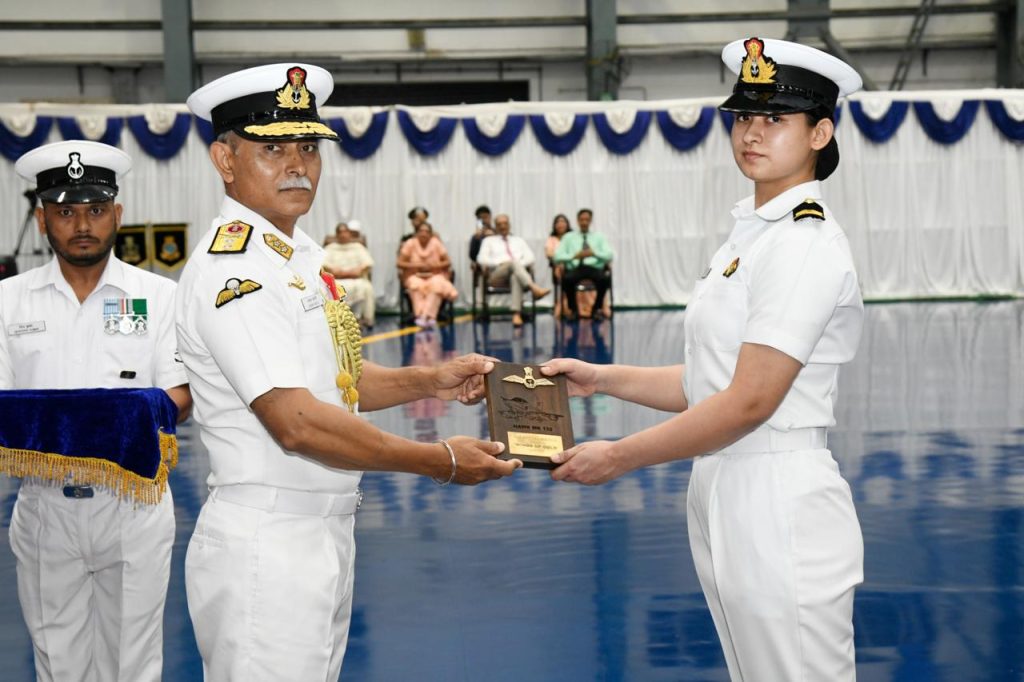
Sub Lieutenant Astha Poonia has made history, becoming the first woman to be trained to be streamed into the Fighter stream of Naval Aviation, shattering barriers and paving way for a new era of women fighter pilots in the Navy
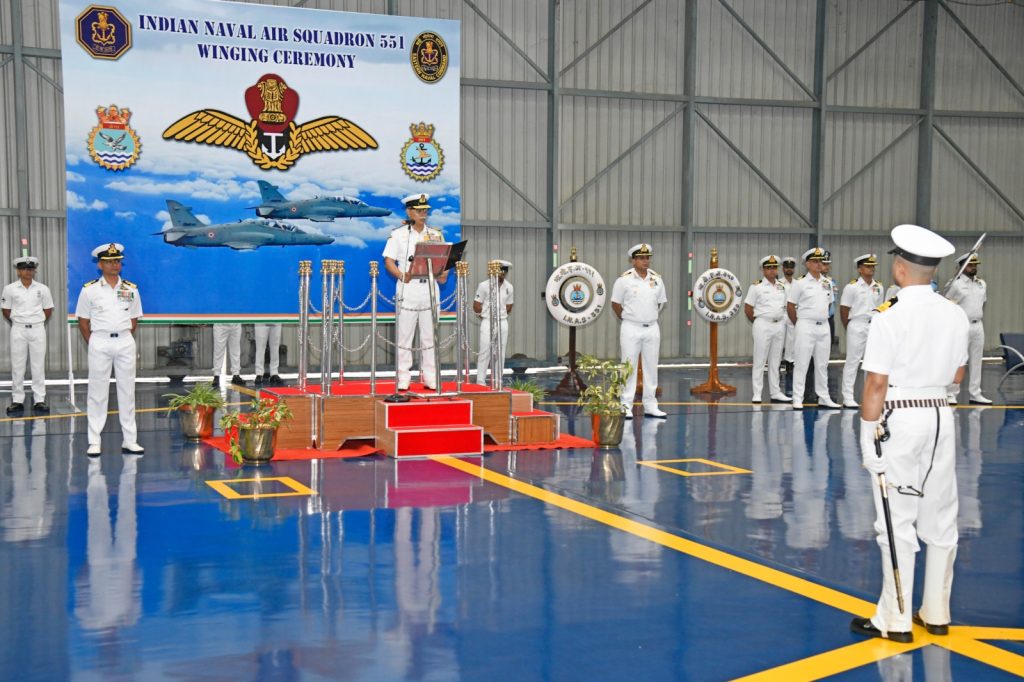
A Ministry of Defence statement on Friday announced the graduation of the Second Basic Hawk Conversion Course at INS Dega, Visakhapatnam.
“On July 3 2025, Lieutenant Atul Kumar Dhull and Sub Lieutenant Aastha Poonia received the prestigious ‘Wings of Gold’ from Rear Admiral Janak Bevli, ACNS (Air). S-Lt Aastha Poonia becomes the first woman to be streamed into the Fighter stream of Naval Aviation – Shattering barriers and paving way for a new era of women fighter pilots in the Navy.
“Indian Navy has already inducted women officers as Pilots and Naval Air Operations Officers in MR aircraft and helicopters. Streaming of SLt Aastha Poonia into the Fighter Stream highlights the Indian Navy’s commitment towards gender inclusivity in Naval Aviation and promoting Nari Shakti, fostering a culture of equality and opportunity,” the MoD said
The IMD has predicted extremely heavy to very heavy rainfall activity over large parts of the country over the next week.
Home Minister Amit Shah on Friday spoke with the Chief Ministers of Gujarat, Himachal Pradesh, Rajasthan, Uttarakhand, and Chhattisgarh, assuring them of complete support from the Centre in response to the widespread heavy rainfall across several states.
“In the wake of heavy rainfall in different parts of the nation, spoke with the chief ministers of Gujarat, Himachal Pradesh, Rajasthan, Uttarakhand, and Chhattisgarh. Adequate numbers of NDRF teams have been deployed in the states for the people in need, and more reinforcements can be sent as and when required. Assured them of all possible assistance from the central government,” he said in a post on X.
The IMD has predicted extremely heavy to very heavy rainfall activity over large parts of the country over the next week.
Heavy rainfall activity is likely to continue over northwest and central India during next seven days with peak intensity over northwest India during July 6 and 7; over East India till July 7; extremely heavy rainfall (≥21 cm) at isolated places likely over East Madhya Pradesh on July 4 and over Himachal Pradesh on July 6.
According to the weather office, several factors are contributing to the present situation
The monsoon trough at mean sea level is running near normal of its position.
A cyclonic circulation lies over northeast Madhya Pradesh in lower tropospheric levels.
An upper air cyclonic circulation lies over northern parts of Gangetic West Bengal in lower and middle tropospheric levels tilting southwards with height.
A trough runs from north Gujarat to the above cyclonic circulation over northern parts of Gangetic West Bengal and neighborhood across Madhya Pradesh, Chhattisgarh, Jharkhand in lower tropospheric levels.
An off-shore trough at sea level along Maharashtra-Karnataka coasts is persisting.
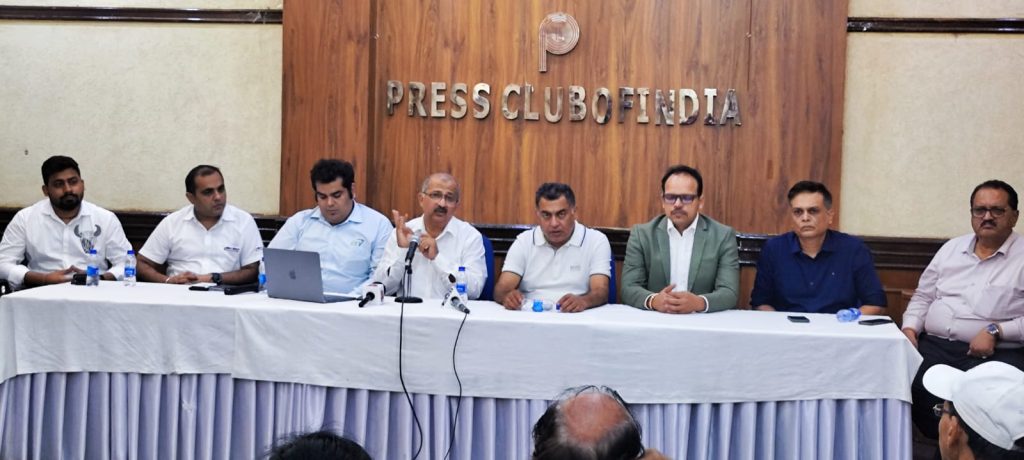
The Electric Vehicle Manufacturers’Society (EVMS), representing over 200 EV manufacturers across the country on Thursday sought a strict policy action, regulatory clarity, and coordinated steps from the government and enforcement agencies to address the widespread operation of illegal e-rickshaws in India.
Rajiv Tulli, General Secretary, EVMS also pointed at the enforcement agencies’ inefficiency to manage the illegal rickshaws on the road. Tulli claimed that every time they have reached the authorities, they have been told that there are lack of proper scrapping facility.
EVMS also flagged gaps in enforcement infrastructure, including insufficient space to seize and scrap illegal vehicles and the absence of a clear scrap policy for ageing e-rickshaws.
EVMS presented a detailed dossier containing RTI replies, Delhi High Court directives on illegal vehicle seizures, notifications from the Ministry of Road Transport and Highways on EV compliance and circulars from the Delhi Transport Department.
It also presented district-wise maps highlighting hotspots of illegal operations, import trend data, quality comparisons of critical EV parts and flowcharts illustrating how unchecked imports are undermining local manufacturing.
Tulli stressed that India’s EV transition cannot be based on compromises, safety risks or reliance on substandard imports. Enforcing existing rules, safeguarding public safety and empowering Indian manufacturers are essential to building a reliable, competitive and safe electric mobility sector for the country.
E-rickshaws have emerged as one of the most significant contributors to India’s green mobility revolution. With over 50 lakh e-rickshaws currently operating across the country, supported by nearly 500 MSME manufacturers of e-rickshaws and e-carts, the sector has delivered substantial environmental and economic benefits.
EVMS clarified that safety concerns largely stem from illegal, unregistered and substandard vehicles operating outside the regulatory framework.
Illegal e-rickshaws, on the other hand, often operate without registration, number plates or valid chassis numbers. Many are converted from paddle rickshaws to electric without meeting safety norms. They lack compliance plates, insurance and use low-grade, untested parts. With no fitness certification or roadworthiness clearance, these vehicles pose safety risks to commuters and undermine the sector’s credibility.
On being asked about the court case, Tulli said, “The issue is sub judice and every time when the hearing close these authorities seize number of illegal e-rickshaw and present the report before court and the matter stands still.”
He also claimed that these illegal e-rickshaws are being operated under protection and support of police.
“We have raised this issue a lot of time but we are not the enforcement body. We can only guide the authorities where these practices are being done. We have met government officials and ministers and they have assured us of strict actions. They have formed a committee for the security of the E-rickshaws and report should be out very soon,” Tulli said.
Tulli pointed out that delays in QR code issuance and the lack of a streamlined registration process have allowed illegal operators to flourish. This not only endangers public safety but also creates unfair competition for compliant manufacturers who invest in quality and regulatory compliance.
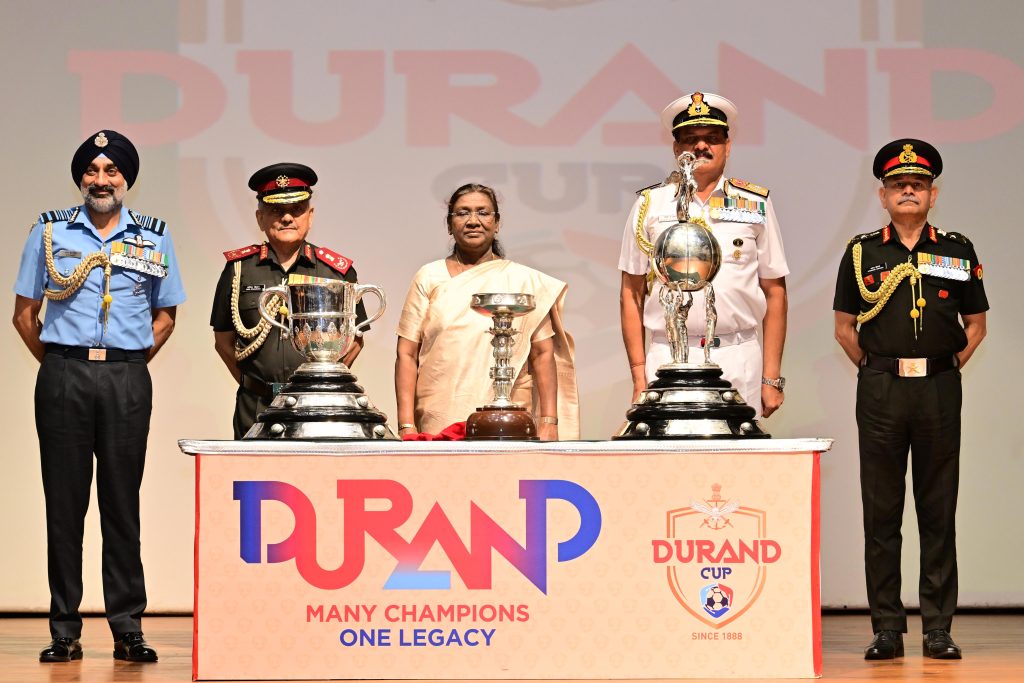
Keeping the century-long tradition intact, Durand Cup is an annual domestic football competition in India
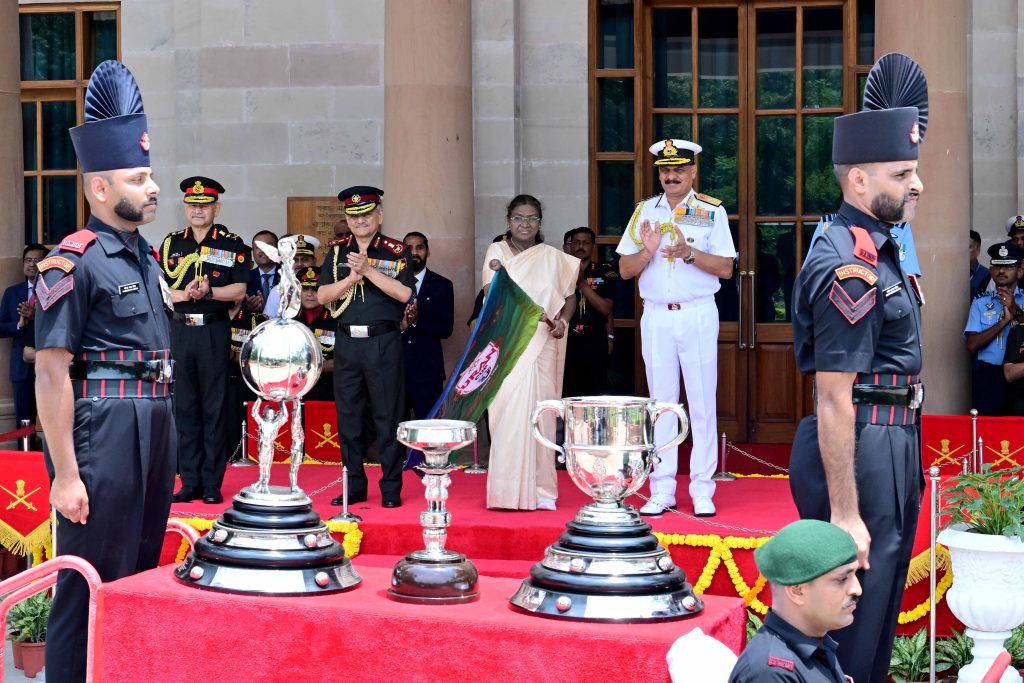
President Droupadi Murmu today unveiled and flagged off the Trophies of the Durand Cup Tournament 2025 at a function held at Rashtrapati Bhavan Cultural Centre.
Sports promote discipline, determination and team spirit and has the unique power to connect people, regions and countries, she said.
“In India, it has been a powerful tool for national integration. All fellow citizens get thrilled when the tricolour flies at the Olympics or any international event, she added
The President said that football has a special place in the hearts of millions.
“It is not just a sport; it is a passion. The game of football is all about strategy, endurance and working together towards a common goal. Events like the Durand Cup not only foster the spirit of the game but also help develop the next generation of football players, providing them with a platform to grow,” she said, appreciating the role of the Armed Forces in keeping alive and promoting the spirit of the Durand Cup.
The Durand Cup is an annual domestic football competition in India which was first held in 1888 in Annandale, Shimla
Hosted by the Durand Football Tournament Society (DFTS) and the All India Football Federation (AIFF), the Durand Cup is the oldest existing club football tournament in Asia and the fifth oldest national football competition in the world.
The tournament currently serves as the curtain raiser for every Indian football season and is open for any national club, with guest invitee teams from different sections of the Indian Armed Forces, keeping the century long tradition intact.
This is also not the first time a satirical/comic book or show has gained similar public attention, for example The Simpsons.
Strange as it may sound but rumours of impending disaster originating from “a comic book prediction” have reportedly hit Japan tourism with some airlines even cancelling flights. While April saw an all-time monthly high, arrivals have been hit hard in the wake of rumours of a “massive tsunami hitting Japan on July 5, 2025”
The rumours are based on a manga called “The Future I Saw” by Ryo Tatsuki, who is also being called the “New Baba Vanga.”.
Apparently, the prediction describes a “crack emerging under the seabed between Japan and the Philippines, triggering a tsunami three times larger than the one in 2011.”
Based on Tatsuki’s dreams, “The Future I Saw” manga was first published on July 1, 1999.
The reprinted full version was published on October 1, 2021
The version with extra diaries by the author was released on April 1, 2022.
According to reports, Tatsuki’s manga went unnoticed until after the 2011 Tohoku earthquake and tsunami when readers noticed that the cover of the first edition in 1999 with words “great disaster will happen in March 2011”.
What is a manga?
The term manga is used in Japan to refer to both comics and cartooning.
Manga basically are comics or graphic novels originating from Japan.
Outside of Japan, the word is typically used to refer to comics originally published in Japan.
Comic-book/show predictions
This is not the first time a satirical/comic book or show has gained similar attention, for example the popular iconic show The Simpsons.
For more than three decades The Simpsons gained attention for humour and satire and also some uncanny referencing of future events
From Donald Trump’s presidency to Disney’s acquisition of Fox to Lady Gaga’s stadium performance, the show is now a phenomenon.
Who is Baba Vanga
Commonly known as Baba Vanga, Vangeliya Pandeva Gushterova was a Bulgarian mystic and healer who claimed to have foreseen the future.
‘Election’ of new party president to be finalised soon; Sangh wants a “strong organisational leader, not just a rubber stamp”, say sources
Is the BJP considering the name of a woman leader to take over as president, breaking the glass ceiling in the organisation led by a male-dominated ideologue—the RSS.
Several rounds of meetings have so far failed to get the BJP and RSS to agree on a name. But with Rashtriya Swayamsevak Sangh all-India Prant Pracharak meeting underway at Keshav Kunj in Delhi to “review organisational progress and deliberate on its centenary celebrations scheduled to begin later this year”, there are also talks of several issues being resolved, including that of the next BJP president and also a possible Union cabinet reshuffle.
The Sangh officially denies any role in the functioning of its political arm — the BJP— but there is a strong buzz about its leaders indicating to the BJP top brass that the “election”, or say selection of a single consensus candidate, should be wrapped up before the monsoon session of Parliament begins.
The current BJP chief JP Nadda’s term as BJP chief ended a long time back and he is an extension.
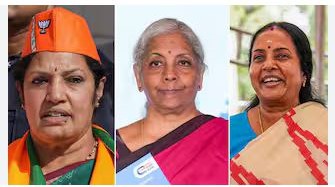
The names of several leaders, including former Haryana Chief Minister Manohar Lal Khattar, is said to be in the line to take over from Nadda. Apparently, the BJP has suggested some other names to the RSS, including Education Minister Dharmendra Pradhan and Environment Minister Bhupender Yadav, say sources. Meanwhile, the names of prominent women politicians like Nirmala Sitharaman, D Purandeswari and Vanathi Srinivasan are also doing the rounds.
Those vouching that the next BJP chief will be a woman cite the example of the current President Droupadi Murmu. “So why not a woman chief to send a positive message across the country, and also south if she is from that region,” they argue.
The RSS may deny having any hand or role in the functioning of BJP but those familiar with its functioning say new state presidents are being selected keeping in mind their Sangh’ roots. Nadda had to hold several meetings with top RSS functionaries for selection of candidates in state units, they add.
A shortlist has been prepared but the final decision will be that of Prime Minister Narendra Modi.
Now the big question, will the Sangh be okay with having a woman as the BJP president or is the idea being floated just to gauge the mood.
According to insiders, the RSS wants a “strong organisational leader, not just a rubber stamp”.
Meanwhile, Sangh’s senior leadership, including RSS chief Mohan Bhagwat and general secretary Dattatreya Hosabale, are there in Delhi for the three-day conference of the prant pracharaks. BJP general secretary (organisation), BL Santosh, will participate in the conference.
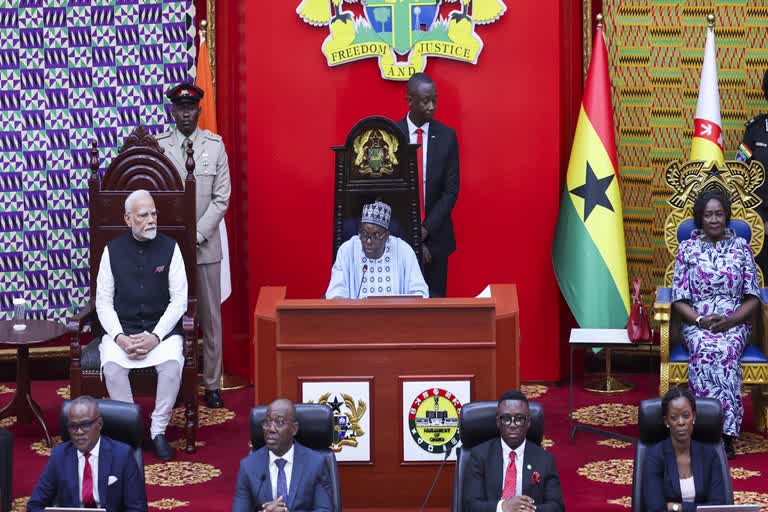
SRINAGAR: Prime Minister Narendra Modi presented a traditional Kashmiri Pashmina shawl to the Vice President of Ghana during his recent visit to the West African nation. The gesture was part of a broader diplomatic engagement aimed at strengthening cultural ties between the two countries.
According to an official statement, the handcrafted Pashmina shawl represents the rich textile legacy of Kashmir and is known worldwide for its exceptional softness, warmth, and lightweight quality. Made from the undercoat of the rare Changthangi goat found in Kashmir, the shawl is a prized example of Indian craftsmanship.
The gifted shawl featured intricate floral and paisley motifs—classic patterns that are an integral part of Kashmiri design. Each piece undergoes a lengthy process of hand-spinning, weaving, and embroidery by skilled artisans, often taking weeks or months to complete.
Seen as more than just a winter accessory, the Pashmina shawl is widely regarded as a symbol of elegance and heritage. The gift is being viewed as a mark of goodwill and cultural appreciation, highlighting the deepening ties between India and Ghana.
In a significant development, the Delhi Government has formally requested the Commission for Air Quality Management (CAQM) to put on hold its directive mandating a ban on fuel supply to End-of-Life (EOL) vehicles starting July 1, 2025. The request was made through a letter written by Delhi’s Minister of Environment, Forest and Wildlife, Sardar Manjinder Singh Sirsa, citing serious technological and logistical challenges in the current enforcement plan.
Direction No. 89, issued by the CAQM on April 23, 2025, mandates denial of fuel to EOL vehicles in an effort to curb vehicular pollution. However, the Delhi Government argues that the Automated Number Plate Recognition (ANPR) system, which is central to enforcing the order, is not yet adequately robust or integrated across the National Capital Region (NCR) to be effective or equitable.
The letter outlines several critical gaps, including technological Limitations, Lack of Integration, and Risk of Cross-Border Fuel Procurement.
According to letter, the ANPR systems installed at fuel stations in Delhi suffer from significant issues such as faulty sensors, non-functioning speakers, and poor camera placement. Additionally, the system faces challenges in identifying EOL vehicles with issues related to High Security Registration Plates (HSRP).
“The system is not fully linked with databases of neighboring NCR states, raising concerns about enforcement loopholes. Adjacent districts like Gurugram, Faridabad, and Ghaziabad have not yet started installing ANPR cameras, making unilateral implementation in Delhi ineffective and possibly counterproductive,” it stated.
A Delhi-only implementation could lead vehicle owners to procure fuel from neighboring districts, potentially encouraging an illegal cross-border fuel market and defeating the purpose of the directive.
In the letter, Sirsa emphasized the need for a practical, fair, and phased approach.
“We strongly urge the Commission to put the implementation of Direction No. 89 on hold with immediate effect,” he wrote, adding that such a system should be introduced only after seamless integration across the entire NCR region.
Sirsa reiterated Delhi’s commitment to improving air quality, citing ongoing initiatives under the Delhi Air Pollution Mitigation Plan 2025, including, plantation of 70 lakh trees and shrubs, Implementation of stricter Pollution Under Control (PUC) norms, Installation of anti-smog guns in high-rise buildings, Cleaning of roads using mechanized systems with integrated sprinklers, and Use of cloud seeding technologies and preventive SMS alerts for EOL vehicles.
The Delhi Government also expressed concerns about the impact on citizens’ livelihoods, particularly those dependent on older vehicles for their daily commute or work.
In an accompanying public statement, the government said it remains fully committed to controlling pollution but emphasized the need to balance environmental goals with the social and economic realities faced by millions of families.
The fuel restriction sparked an uproar among vehicle owners and experts, many of whom questioned the logic of an age-based ban.
As the capital continues to grapple with worsening air quality, this debate underscores the complex balance between environmental imperatives and on-the-ground feasibility in policy execution. All eyes are now on the CAQM’s response, which will likely determine the immediate course of vehicle pollution control in the NCR.