Anil Vij In action mode, directs DGP to investigate two cases & set up SIT in seven cases

Haryana Home and Health Minister. Anil Vij while redressed the greivances of more than a thousand people from across the state  here directed DGP Haryana to investigate two serious cases need police assistance, Similarly, on the complaint of the complainants, SIT was constituted in seven cases and directed the SPs of six different districts to register cases and take action.  In two separate cases, the officers of the ADGP rank were directed to constitute an SIT and investigate the matter.  When the person cried while giving his complaint in front of him, Vij  said that ‘whose no one Anil Vij is with him, action will be taken in the matter, he assured.  Listening public grievances, people arrived from different areas from across the state put their complaints before the Home Minister, on which he directed the concerned officers to take immediatwe action in the case.

A resident of Paonta Sahib, Himachal Pradesh, while giving a complaint to the Home Minister, told that his mother was fed up with the torture of her step-son and his wife, in this matter a case was registered in the Panipat police station, but no action was taken in the matter. On the contrary, false cases were filed against them.  Home Minister directed the ADGP to constitute an SIT and investigate the matter.  Similarly, the Kurukshetra resident alleged that the Kurukshetra police did not take action in the son’s suicide case, on which the Home Minister directed the SP to constitute an SIT.
The complainant from of Sirsa, while giving his complaint to Home Minister Anil Vij, said that a false case has been registered against him in the transaction of 20 lakhs for two vehicles and he is being falsely implicated in this case.  The Home Minister directed DGP Haryana to investigate the matter.Similarly, a woman resident of Ambala city leveled assault, threats and other allegations against her in-laws.  She alleged his brother-in-law is posted in the police not allowing action to be taken by taking advantage of the position. In this matter, the Home Minister directed to the DGP for investigation.

A resident of Paonta Sahib, Himachal Pradesh, while giving a complaint to the Home Minister, told that his mother was fed up with the torture of her step-son and his wife, in this matter a case was registered in the Panipat police station but no action was taken in the matter, on the contrary false cases were filed against them. Home Minister directed the ADGP to constitute an SIT and investigate the matter. Similarly, a Kurukshetra resident alleged the Kurukshetra police did not take action in the son’s suicide case, on which the Home Minister directed SP to constitute an SIT.

The District Project Coordinator and others from Hisar called for a re-investigation in the matter allegations made by the female warden false.  Home Minister Anil Vij directed SP Hisar to constitute an SIT and investigate the matter. A resident of Ambala Cantonment complained about taking 50 thousand rupees by the female SI and others in the case registered against him, the Home Minister directed ADGP to constitute an SIT in the matter.  Anaj Mandi Ambala resident told in the complaint that he was cheated on the ground and no action has been taken by the police in the matter so far.  The Home Minister constituted an SIT under the leadership of IG Ambala and directed to investigate the matter.  Apart from this, the resident of Palwal complained about not taking action in a cheating case of Rs 30 lakh with him, in this case also the Home Minister constituted a separate SIT of district under the leadership of IG and directed for investigation and a report to him.

Elderly Bhavani Ram and his son Om Thakral walking on foot from village Godika in Sirsa district, reached the Home Minister’s residence made complaint again police for not arresting accused by Sirsa police in the murder of his son rathering sheltering them and told that the accused are also threatening to kill him.  Home Minister ordered to constitute an SIT under the leadership of Hisar IG and directed to investigate the matter. Similarly, Home Minister Anil Vij also redressed other grievances and directed the concerned SPs to take action under advise to him.

The District Project Coordinator and others from Hisar called for a re-investigation in the matter allegations made by the female warden false.  Home Minister Anil Vij directed SP Hisar to constitute an SIT and investigate the matter. A resident of Ambala Cantonment, complained about taking 50 thousand rupees by the female SI and others in the case registered against him, the Home Minister directed the ADGP to constitute an SIT in the matter.  Anaj Mandi Ambala resident told in the complaint that he was cheated on the ground and no action has been taken by the police in the matter so far.  The Home Minister constituted an SIT under the leadership of IG Ambala and directed to investigate the matter.  Apart from this, the resident of Palwal complained about not taking action in the cheating case of 30 lakh with him, in this case also the Home Minister constituted a separate SIT under the leadership of IG and directed for investigation.and send report.

Over Rs 8.50 crore fake currency notes seized with 4 arrests

Jind police in Haryana on a clue arrested four persons of a racket while preparing and packing in bags fake old currency notes at the residence of Sanjay son of a former female Sarpanch at village Hadwa also dealing in sale of animals. Police also arrested three others identified as Bharat Bhushan resident of Asandh working as Manger of a petrol pump,  Hardeep resident of Jaisingh Pura working as Salesman in the petrol pump and Muskan resident of village Dudana. Preliminary police investigation in two days police remand revealed that they were going to supply fake currency notes to prime accuse Sunil a resident of Model Town Panipat owning two textile manufacturing units at Panipat exporting textile products in abroad.

Information reveals, during two days police remand of four arrested revealed that Sanjay was printing and supplying fake old currency notes to Sunil against his order for amount worth Rs 20 crore since November 2021 for which he was getting 20 to 25% commission. Jitender Kumar DSP told that police seized Colour Printer, Photostat  Machine , Cutter and paper during raid along with fake currency of amount worth over Rs 8.50 crore. He told that search for prime accuse Sunil yet absconding is going on and police has conducted several raids at different places for his arrest. Police said that at a single stroke printer used to print 600 currency notes.  Sunil was introduced to Sanjay by Bharat Bhushan last year. Sanjay is already involved in a criminal case registered against him in 2016 by Peelukhera police station and the case is still under trial in court.   

Soldier killed in ongoing Kokernag gunfight

Srinagar, April 16: An Army man was killed in an ongoing gunfight between militants amd security forces at Watnar Kokernag area of south Kashmir’s Anantnag district on Saturday, reports said.

Quoting sources in the police, local news agency GNS reported that the soldier of 19 Rashtriya Rifles received a serious bullet wound in the initial exchange of fire. He was rushed to the hospital but succumbed on the way.

The encounter began in the morning when Army cordoned off Watnar following a tip-off about the presence of militants.

In recent days, Army has killed many militants in successive encounters. On Friday,  four local militants of Lashkar-e-Toiba were killed in an encounter in Shopian district of south Kashmir.

Militants have also renewed their attacks on civilians, killing a driver belonging to minority community in South Kashmir. On Thursday, they killed a sarpanch Manzoor Ahmad Bangroo in Pattan in North Kashmir. Bangroo reportedly belonged to the BJP. However, the party has denied such reports.

300 units of free electricity from 1st July in Punjab

Chandigarh: Bhagwant Mann-led AAP government in Punjab announced 300 units of free electricity to households from July 1.
The announcement was made in advertisements published by the state’s information and public relations department in various newspapers on Saturday.

It was related to a 30-day report card of the AAP government in Punjab. A formal announcement is expected to be made later on Saturday.

Giving 300 units of free electricity was one of the major poll promises of the Aam Aadmi Party in the Punjab assembly election.

Chief Minister Bhagwant Mann had on Thursday said in Jalandhar that “good news” would be announced on April 16. Punjab was already providing free electricity to the farming sector. It also provides 200 units of free power to all Scheduled Castes, backward castes and the below poverty line households.

TestingXperts unveils UiPath Test Suite Center of Excellence

TestingXperts (Tx), a Next-Gen Specialist QA and Software Testing Services provider has unveiled a Tx-UiPath Test Suite Centre of Excellence (CoE), which will work towards providing the next-gen testing solutions to customers globally.

The Centre of Excellence will enable development of UiPath Test Suite specific capabilities within Chandigarh and focus on latest innovations in test automation space.

Sanjeev Arya, Senior Vice President, UiPath, England and Manish Gupta, CEO, TestingXperts formally inaugurated the CoE at one of TestingXperts’ global delivery centres in Chandigarh.  Tx has been working closely with UiPath over the past two years, building execution capabilities, market positioning, and joint go-to-market activities.  It may be mentioned that Tx was awarded the Americas Partner of the Year award 2021 by UiPath for its contribution to the UiPath Test Suite. TestingXperts is a Next-Gen QA & Software Testing Services provider, co-headquartered in Mechanicsburg, PA (USA) and London, UK with offices in Canada, Netherlands, UAE, India and Singapore. UiPath offers an end-to-end platform for automation, combining the leading Robotic Process Automation (RPA) solution with a full suite of capabilities that enable every organization to rapidly scale digital business operations.

Manish Gupta informed that Tx’s UiPath Test Suite Center of Excellence will be the next step to strengthen the Tx-UiPath partnership, where Tx has set up a state-of-the-art test lab in its Chandigarh, India office to design and implement UiPath Test Suite-based testing solutions for its global clients. Tx plans to train and certify over 500 team members on the UiPath Test Suite over the next 24 months to support the growing demand for UiPath Test Suite solutions. This will result in better opportunities for testing talent in the region. UiPath automation translates to 30 percent faster test execution, 70 percent faster test creation, 40 percent lesser maintenance effort, and 50 percent quicker to learn.

Sanjeev Arya, applauding the contribution of Tx, commented, “UiPath highly values the partnership with TestingXperts, who are amongst the first partners to attain USN (UiPath Services Network) certification for Test Suite. We share common beliefs around bringing innovation and agility to Quality Assurance & Engineering domains, and differentiate in the ASQ market. With dedicated lab for UiPath Test Suite and committed Tx talent, we look forward to jointly bringing greater value to our clients.”

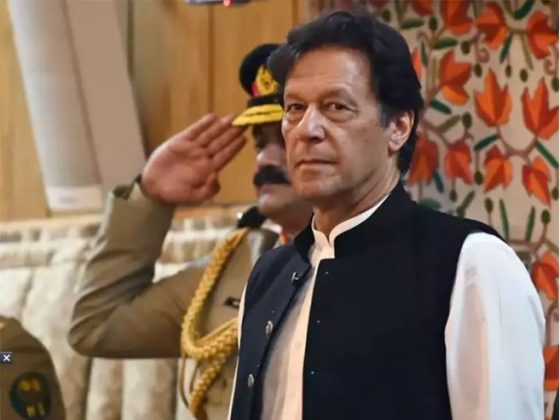
Imran Khan: Bowled, But Not Out!

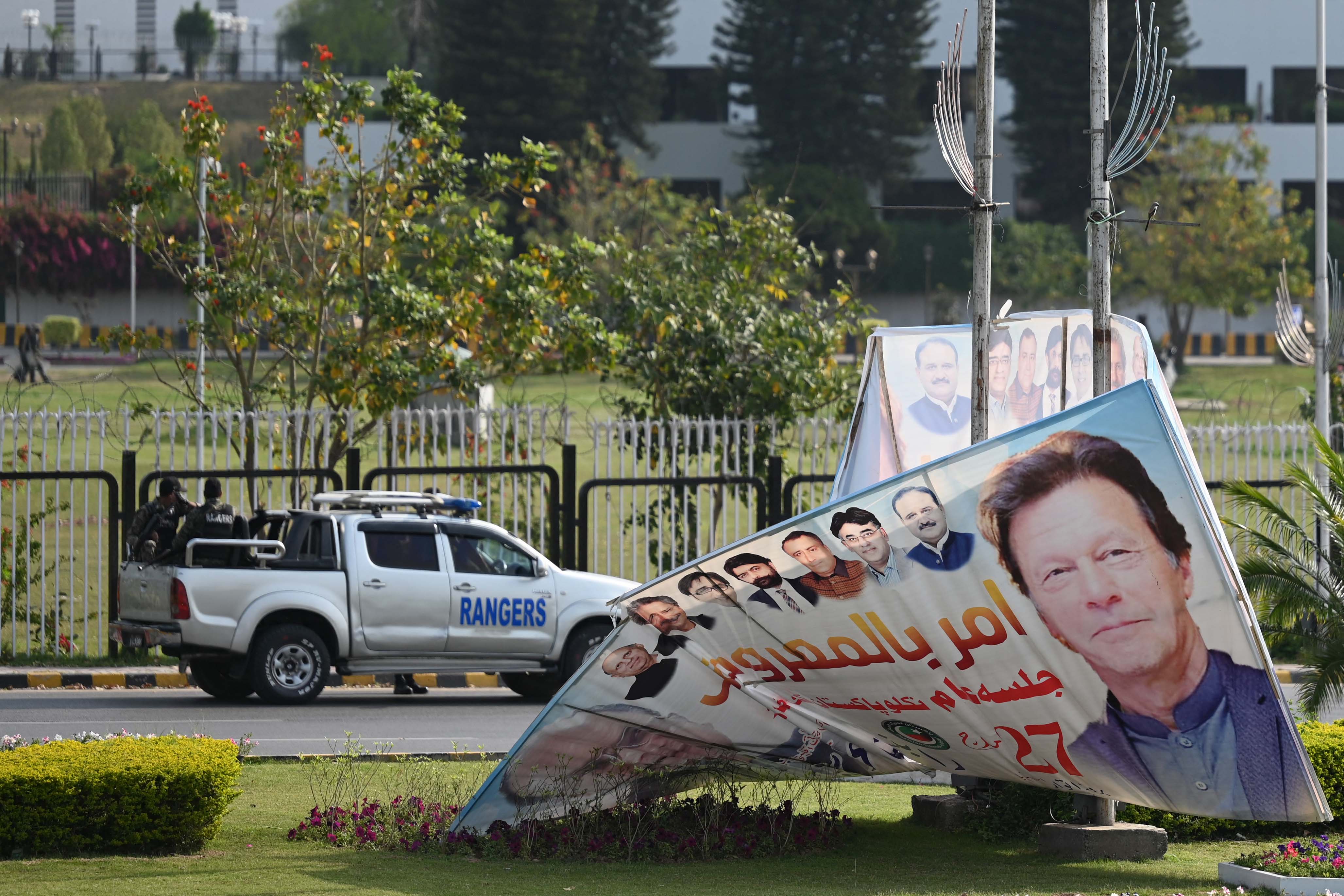
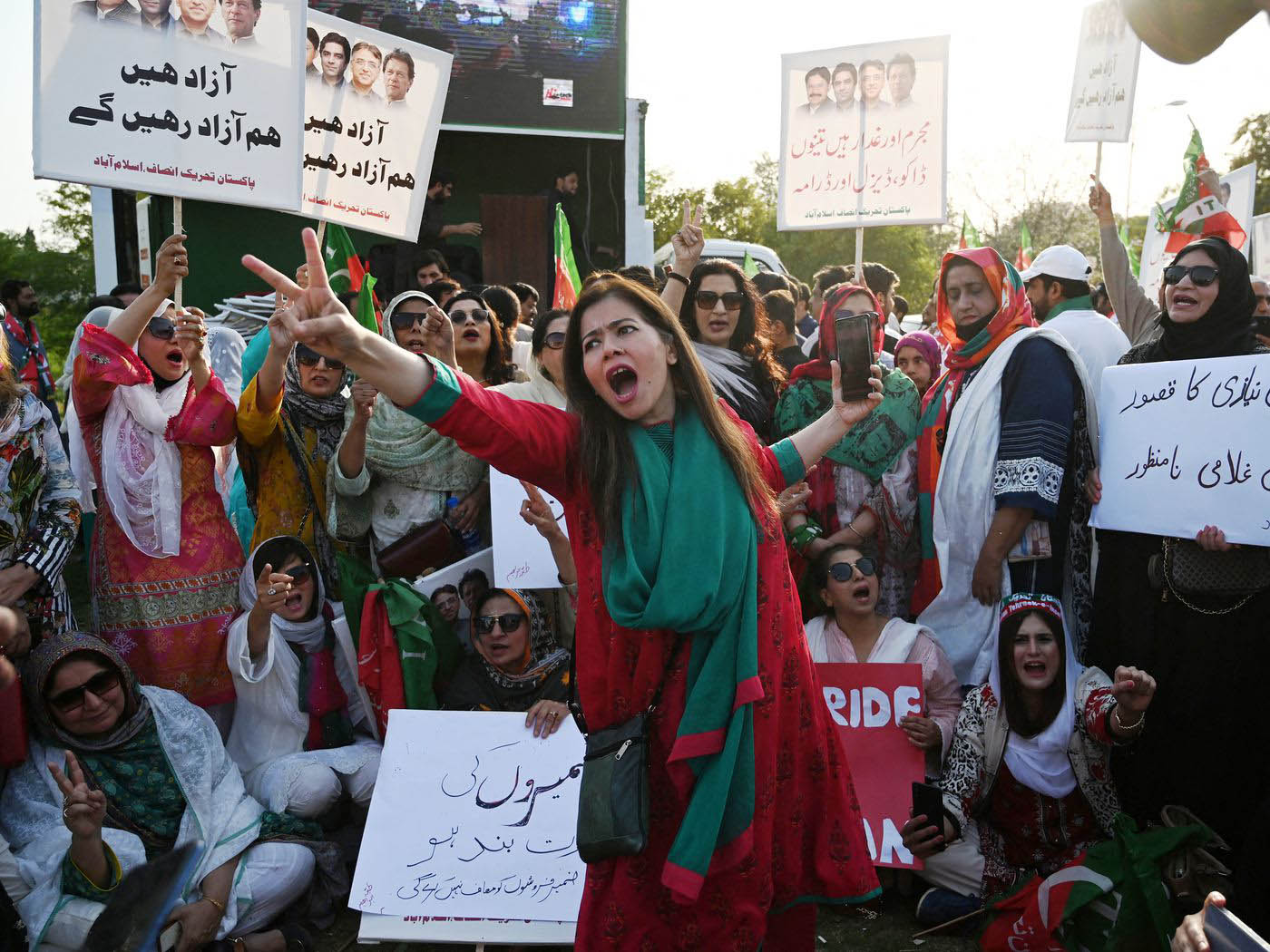
Like the Shakespearean “to be or not to be that is the question”, Pakistan’s Prime Minister Imran Khan has been bowled but the question remains if he is really out?  The way members of the Pakistan Tehreek-e-Insaf have been taking out rallies in several cities of Pakistan like Islamabad, Karachi, Peshawar, Malakand, Multan Khanewal, Khyber, Jhang and Quetta, it seems, the cricketer turned politician wants to play till the last ball. He has already made his intent clear with the announcement of the beginning of a “freedom struggle” against what he said was a “foreign conspiracy of regime change” in Pakistan.

Senior  journalist Gopal Misra, in his cover story for Tehelka this fortnight writes, “The continuous horrendous behaviour of Prime Minister, Imran Khan, perhaps, brought him to his knees, slapped and disgraced, by none other, but the army chief, General Qamar Javed Bajwa, who had ensured his elevation to the coveted office in 2018”.  With this, Pakistan in its 75-year history, finds itself on the crossroads in view of the political and economic uncertainty that has gripped the country. The next general election is due in Pakistan in 2023 and the present turmoil may not subside before that.  How this fluid situation impacts us would be watched in coming days because already Pakistan’s new PM has indicated that he would like to repair ties with India.

As expected, Pakistan’s Supreme Court had to arbitrate a desperate attempt by Imran Khan to cling on to power by striking down the ruling on the rejection of a no-confidence motion. Pakistan’s National Assembly subsequently brought his tenure to an abrupt end almost 16 months ahead of the term. Khan had promised to carve out a ‘Naya Pakistan’ that would be corruption-free, and ensure the creation of 10 million jobs but could not live up to that. The economy nose dived with inflation rising to monstrous level of 13 per cent forcing him to beg from the International Monetary Fund and from China and Middle East while there was a complete breakdown in his relations with Pakistan’s powerful military.

Indeed, the threat to Pakistan’s nascent democracy has not ended with the election of the new Prime Minister, Shahbaz Sharif, and the latter has accused the previous government of mismanaging the economy and has said putting it back on track would be a huge challenge for his new government. Another challenge would be to have cordial relations with the Pakistan Army which is most dominant in the country’s politics and appointment of next army chief is at hand. Next big challenge is to have an independent foreign policy. Significantly, the ousted PM had blamed foreign powers for conspiring his ouster. Then there is Imran Khan, who is already in election mode for the 2023 parliamentary election. His supporters have already hit the streets of several Pakistani cities with cricketer-turned- politician repeating that he would fight till the last ball.


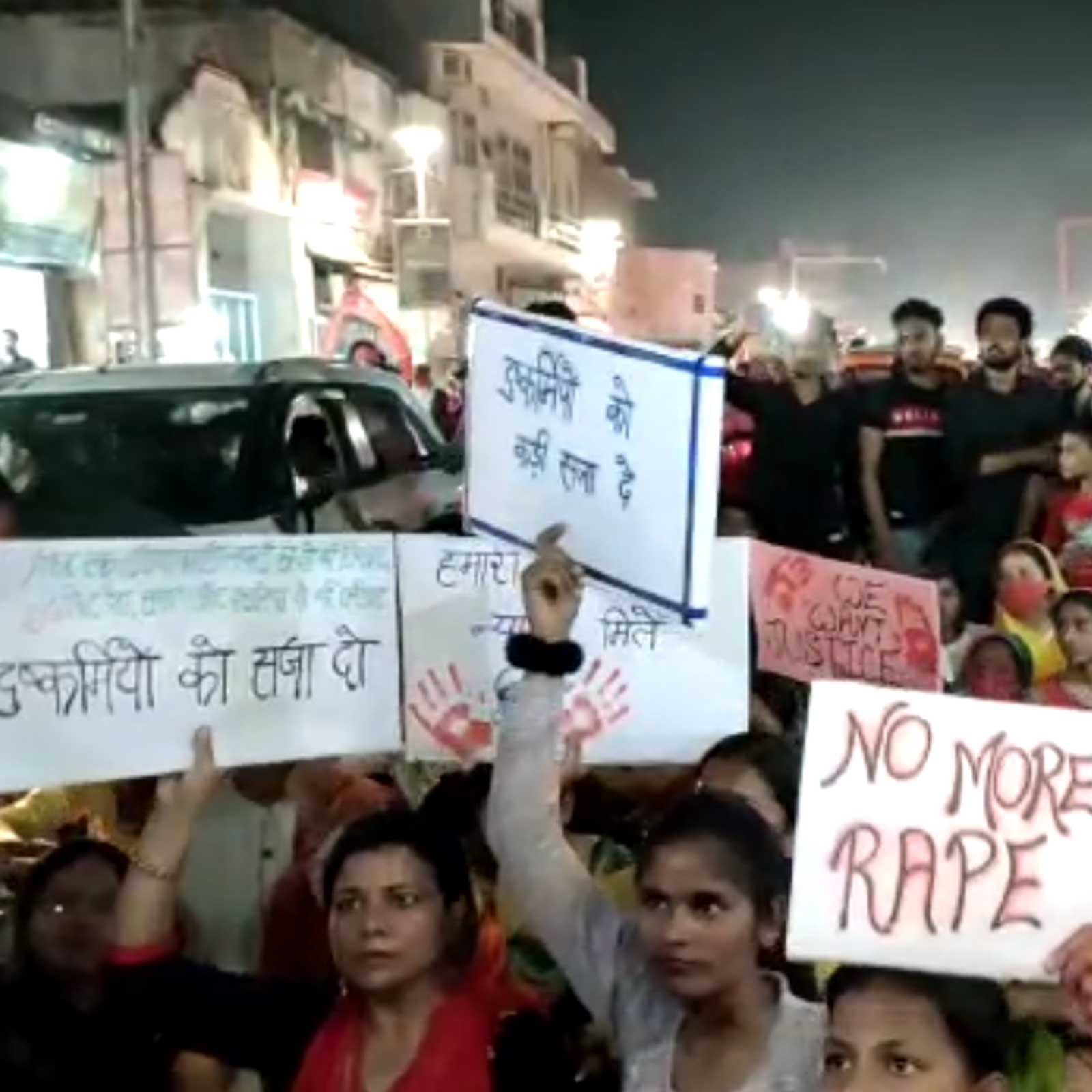
Nirbhaya re-run in Ayodhya: police going soft on accused?

A brutal rape of the seven-year-old girl in the temple town of Ayodhya has failed to draw the national attention and support for justice to victim. The police is accused of dithering on action against the accused, who allegedly enjoy political protection , reports Mudit Mathur

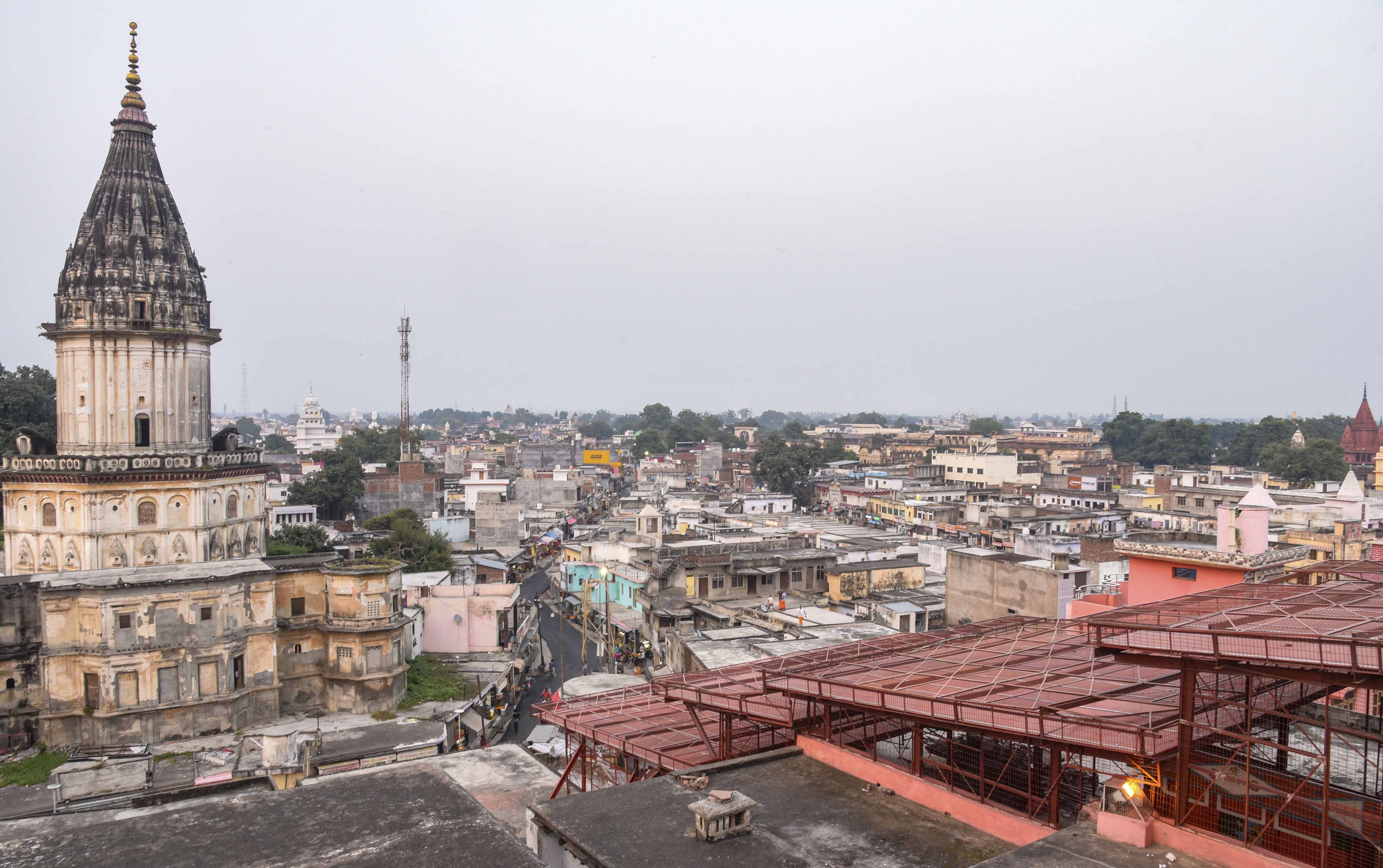
Another Nirbhaya like victim is just seven-year-old little Brahmin girl from the temple town of Ayodhya – a fast developing tourist destination branded as a “spiritual capital of the nation.” The painful screams and trauma of this little girl have largely gone unheard amid the high profile magnificent victory celebrations of the ruling BJP together with festivities of Holi. The brutal incident failed to draw the  national attention and support for justice to victim. The accused committed the  shameful crime just 700 meters away from Lord Rama’s birthplace where magnificent Ram Temple is coming up in 2023. The accused are said to be well connected influential people, who allegedly have political protection of a local MLA and a corporator.

The victim indicates there were three persons involved in her gang rape but police within no time nabbed two on account of CCTV footage obtained from the places nearby the crime spot but police arrested one labourer and allowed his owner to walk free allegedly due to a huge political pressure. The victim disclosed her ordeal to her parents after she regained her consciousness but the local police is yet to take proper cognizance of her father’s request seeking justice.

The BJP won majority raising issues of women security and good governance with zero tolerance to crime and criminals – bulldozing big mafias, but it failed to nab all the three alleged culprits to ensure justice to the poor Brahmin family of the victim.

Curiously, while various agencies of UP police swung into action just after the incident of April 3 at Gorakhnath Mutt and hauled up all the national and international contacts and accounts of the arrested IIT  Bombay alumna, but in Ayodhya, the worrisome gross negligence is quite visible putting a question mark on the impartiality of investigators. The unexplainable delay in proper investigation in Ayodhya gang rape case obviously raises questions on the role of the police who find no time due to security arrangements for Ramanavami celebration violating mandate of apex court directing law enforcing agencies how to investigate such cases.

The rape survivor is battling for life, who was found in an unconscious state profusely bleeding from her private parts on March 16 at around 8.30 p.m. in a secluded place near Digambar Akhara and doctors at the District hospital immediately referred her for Trauma Centre Lucknow due to her serious condition. The survivor was found lying lifeless in a pool of blood at Mohalla Bairag Pura under the local Kotwali police station area, which is around 700 meters away from the Ram Janambhoomi site where construction of Ram temple is going on round the clock.

“The survivor was playing hide and seek with other children of her age group on Wednesday evening. However, when she did not turn up even after several hours, her parents started a search operation,” said Shailesh Pandey, superintendent of police, Ayodhya. “We used local intelligence and footage from CCTV cameras in the area to track the accused. We have registered an FIR against him under Section 363 and 376 of IPC and Section 3 and 4 of POCSO (Protection of Children from Sexual Offences) Act,” he added.” The arrested accused, identified as Rajan Manjhi, works as a labourer, he disclosed.

“The horrifying nature of the crime is borne out by the injuries inflicted upon her that left her vaginal canal and anorectal cavity gravely ruptured and the child was left without a normal defecation system. The little girl is in a psychologically traumatised condition and anxious about her full recovery,” said Prof S.N. Kureel of paediatric surgery department of King George Medical College. “Her reproductive health, we believe, has not been affected with this,” he added.

“After two months we have to perform a complex surgery on her to reconstruct the ruptured anorectal sphincter. Only after that will we know if she has retained her normal bodily functions of excretion. It will take another four months for them to perform a complex surgery on her lower gastrointestinal organs. Subsequently, it will be after its healing that they will know if the girl can regain her normal excretory functions,” the doctors opined.

The child rape survivor had gone back home to Ayodhya with a deep trauma as a colostomy plastic bag has been surgically placed to collect fecal matter, treating infection and swelling in her private parts. She will now come back to KGMU after 21 days for a follow-up. Meanwhile, the Ayodhya police has taken girl for recording her statement under section 164 CrPC before the Judicial Magistrate-III Jyotsna Rai after 22 days of incident and now police have to officially take action according to her testimony which has by now over delayed.

A video clip of victim girl went viral in which she is heard saying that the accused were three in number who were responsible for her miserable condition as they had outraged  her criminally. She said they tried to kill her inflecting murderous injuries telling that they would be safe if she dies.  The authenticity of this video was confirmed by the victim’s mother as her daughter’s video and demanded immediate arrest of other two absconding accused.

The victim’s father while speaking to “Tehelka” lamented over the treatment they were meted out by the administrative machinery. They are spending money from their stressed household funds as grant of Rs 50,000 to medical college was insufficient money in view of her costly medical treatment. They purchased medicines from the market and borrowed from well-wishers to meet the expenses. “My elder brother who was just 35-year-old also died due to shock as he suffered sudden cardiac arrest leaving his four kids behind. Raising the four kids will also be my responsibility now,” he said.

The victim’s father came back to Ayodhya for performing his last rites. Despite all the misfortunes and administrative apathy, however, he was optimistic that once the matter comes in the knowledge of Maharaj ji (chief minister Yogi Adityanath), his woes would be finally redressed. The girl’s father works part time as a tourist guide and puts up shop during festival sessions.

Former DGP Dr Vikram Singh analysed the role of local police on the basis of trail of events pertaining to this brutal gang rape case and supported the demand of strict action against the police personnel involved in probing the matter so far in the light of Supreme Court directives in such grave cases.

He expressed his displeasure over the way investigations are being carried out clearly intended to spare the influential people. Such police officers deserve to be acted against as per new changes effected in investigation procedure as an aftermath of Nirbhaya case. He expressed surprise as to why the investigations in the case were not transferred to some women officer.

In Ayodhya, social workers have staged protest march over the inaction of police. Social worker Archana Tiwari sat on fast-unto-death along with her children and husband but she was forcibly evicted from area around Gandhi statue and was taken to a local hospital. Several social activists including Meenakshi Upadhyay, Aprna Jaiswal, Anita, Sunita, Hariom Pandey, Mamata, Suman, Sarojni, Dwarika Prasad and Roop Kumar took out procession demanding arrest of  the accused persons who have evaded arrest so far to give justice to victim and her family. Archna Tiwari came to Lucknow and resumed her protest before Gandhi statue in GPO park.


Imran Khan Eased out, finally

Intrigue and drama in plenty before Shehbaz Sharif gets elected as new Pakistan Prime Minister, writes Gopal Misra

The continuous horrendous behaviour of Prime Minister, Imran Khan, perhaps, brought him to his knees, slapped and disgraced, by none other, but the army chief, General Qamar Javed Bajwa, who had ensured his elevation to the coveted office in 2018.

The crucial voting finally took place in the National Assembly, which was restored by a judicial order of the Supreme Court. It took place just before the midnight following the sudden resignations of the Speaker, Asad Qaiser, and the Deputy Speaker, Qasim Suri. They had rushed to the National Assembly from the residence of Khan, where he was being ‘disciplined’ by the officers in uniform. After announcing his resignation in the House, Qaiser asked Ayaz Sadiq, a former speaker and member of the main opposition, PML-N to chair the proceedings. Under the supervision of Sadiq, the House voted in favour of the resolution with 174 law makers approving the motion.
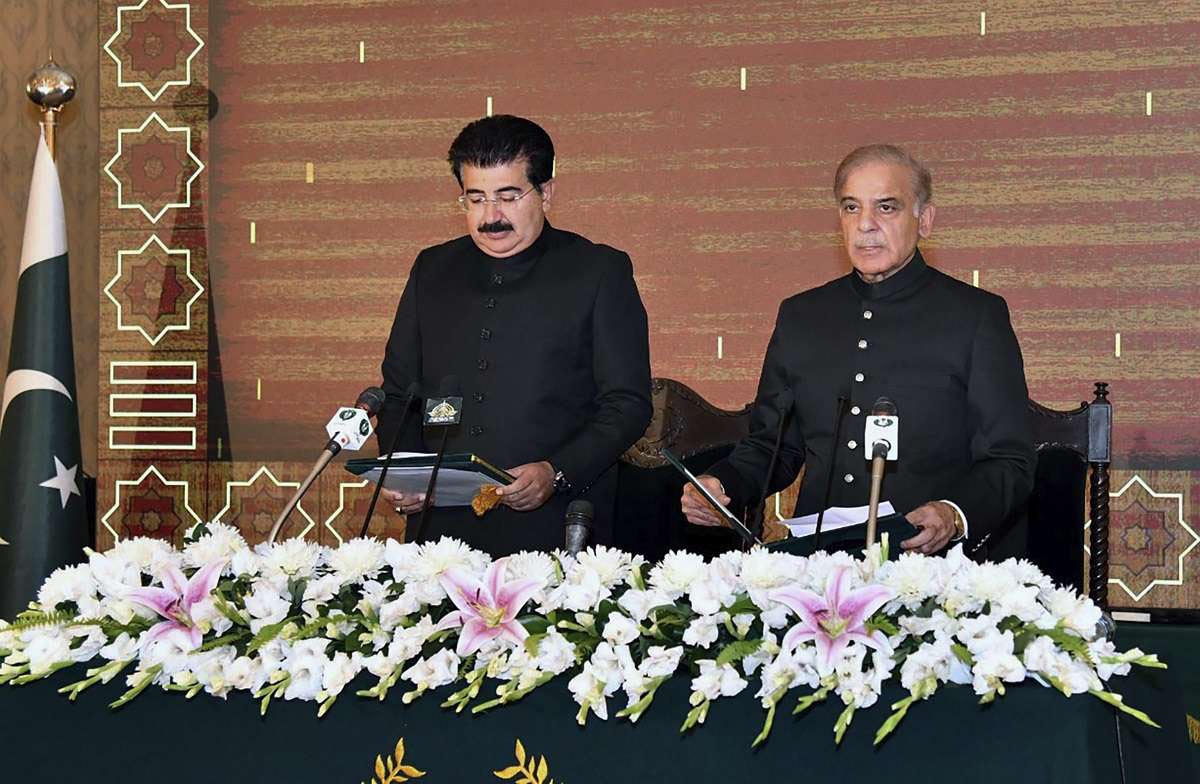
The threat to Pakistan’s nascent democracy has not ended with election of a new Prime Minister, Shehbaz Sharif, younger brother of three-time Pakistan PM Nawaz Sharif, and the finally end of the Khan regime, though for the first time in its history the army and judiciary have whole heartedly supported the democracy. It is now becoming clearer with each passing day that Khan, who was being considered a ‘babe’ in the wilderness of the Pakistani politics, perhaps, had prepared himself almost a year before for such an eventuality, if the armed forces decide to support his political rivals. Within months of assuming office, he had started cultivating jihadists, and he was convinced that since most of the soldiers hail from Punjab, the bulk of army would rally around him. If he was allowed, he might have succeeded in setting up a new Pakistan under the spell of Jihadists, finally dumping its constitution.

If the news is true, though rebutted by the public relations wing of the army, apart from Bajwa, the chief of the intelligence service, Lt. General Anjum too helped his boss to shatter Khan’s bravado, entailing the speaker and the deputy speaker rushing back to the National Assembly, announcing their resignations and thus paving way for the final vote. In next 20 minutes, Khan lost the majority and finally buried in the political history of the country. It was for the first time that a civilian PM was removed in a democratic way; and the country’s highest court, had reopened in the late hours so that the House votes on the no-confidence resolution.

The midnight drama of April 9-10, also brought home the fact that the entire administration and politics revolves around the GHQ; interestingly the democracy in Pakistan continues to be on a slippery slope. Earlier, as news appears in the local as well as in the international media that Khan had summoned the speaker and the deputy speaker to tell them that at any cost the no-confidence motion in the House should not be taken up for voting. Before they could be finally instructed, suddenly a military helicopter lands at the residence of the Prime Minister, Khan tells the presiding officer to wait in the adjacent room. He was expecting his ardent supporter, Faize Hamid, a former ISI chief and presently the core commander at Peshawar, but to his utter surprise instead he found Bajwa and Anjum.
Khan, who had reportedly sacked the chief only an hour before, was not facing the top man in the uniform. They were closeted in a room, who frankly advised Khan to follow the democratic norms. He was confronted that how could he issue Bajwa’s termination order, when he himself has lost majority in Parliament and reluctant to face the House. Bajwa reportedly asked him to quit gracefully and leave the issue of his continuation to his successor being chosen in the House. It is stated, the high-pitch heated exchanges between Khan and the two top officers of army could be heard even outside the room. They had full details that while the dismissal order was sent to the concerned ministry for notification, he had summoned Faize Hamid from Peshawar to become the new chief.

The master plan of Khan fell apart because a strong message was sent from GHQ to Faize Hamid that he should remain at the place of posting, that is Peshawar, and keep off from the ongoing politics. With the exit of Khan, Faize Hamid’s ambition to become the army chief has also fell apart. He could have been elevated only by superseding at least three of his seniors; it was not acceptable to the other three core commanders. Within army, Bajwa had full support with these core commanders in this high political drama and the ‘dirty’ role of Faize Hamid.

The narrative about the mid-night events are being vehemently denied, but it is not being stated, why did Bajwa rush to the Prime Minister’s residence, and why there were heated exchanges, perhaps, accompanied by scuffle. It, however, cannot be ruled out that Khan and his supporters might soon be indulging in a blame-game implicating General Bajwa, and the Supreme Court judges accusing them of being agents of America, Israel and India.

Amidst these high-voltage developments, pro-Khan slogans were raised in the streets of Islamabad that his removal was a part of an international game-plan hatched in Washington. Among the slogan raisers were also a few retired military officers including some former brigadiers too. These demonstrations were reportedly being managed by Faize Hamid from Peshawar. These developments might soon have snow-balling effect in the armed forces, when a large number pro-Faize Hamid officers are expected to be purged in coming weeks.

Apart from the conspiracy of sacking the army chief, Khan had also sent an emissary to the supremo of the People’s Party, Asif Ali Zardari, seeking his intervention in allowing Khan and his third-wife, Bushara, to migrate out. Zardari reportedly declined to help the beleaguered prime minister that his request had come too late to him. He was unable to help Khan and others. There were also reports that the security agencies are keeping a strong vigil on the movements of Khan and his close friends.

Army  Plays a Neutral Role

Earlier, the army had accepted the combined opposition’s demand of adopting a neutral role in the country’s politics, but asked that it should not be blamed for the ‘misrule’ of Khan. The issue had snowballed into a crisis, when the former Prime Minister had named Bajwa for installing Khan by manipulating the polls in favour of Khan during the 2018 elections. On his part, Bajwa had even suggested Khan not to call the leader of Pakistan Democratic Movement (PDM) Maulana Fazilur-Rahman as the ‘diesel man’, who reportedly had stolen diesel from the government supplies. The private conversation was revealed in one of his speeches recently.

In his bid to belittle the new government and General Bajwa, Khan and his supporters may embark upon in projecting the new government as an agent of America and Bajwa as a traitor. In various social media platforms, Bajwa is being compared with Mir Jafar, who had conspired against the ruler of Bengal, Nawab Sirajuddin, thus empowering the British to enslave India. Similarly, Bajwa is being accused of conniving against Khan with the enemies of Islam and Pakistan, America and Jews, and now keen to have truce with India, the land of infidels.

His supporters are confident that if radical Islam could partition India, Khan could also become a saviour of Pakistan and Islam, a leader, who already had announced Osama-bin Laden, a martyr of Pakistan, who had been fighting for Islam against the infidels, the Christians. Faize Hamid, the core commander of Peshawar is already known for hobnobbing with the Taliban regime in Kabul and is having close ties with the Tahereek-i-Taliban Pakistan (TTP), an ally of the radical Islamists in the region with modern weapons.

The High-Pitched Drama

The unprecedented high-pitch political drama was enacted with the higher judiciary and the apex of the defence establishment playing the key role. It had begun with the decision of the Chief Justice of Pakistan, Umar Ata Bandial, taking suo-moto cognizance on April 3, and later it turned into an embarrassing situation for the Khan Government. The open hearing before the Supreme Court brought two facets before the people that the country’s apex court would not tolerate any nonsense that it could ask the Speaker to dismiss the non-confidence motion just before the crucial voting as a part of a larger international conspiracy against the state of Pakistan. In his bid to outwit the decisions of the higher judiciary, Khan had quietly planned a coup with the help of a powerful section of the armed forces, but the timely intervention of Bajwa finally foiled his ‘fool-proof plan’ reportedly hatched in connivance with Faize Hamid. The opposition parties were not unaware of these developments. Maryam Nawaz , a senior leader of the PML-N, had even demanded that for the anti-state activities and stalling the no-confidence vote, Imran Khan should be arrested without any further delay.

The Khan’s strategy was to keep the law makers engaged in the marathon debate on the no-confidence motion, which had resumed following the restoration of the House by a judicial order, and quietly superannuate the present Army chief Bajwa, and to replace him by Faize Hamid promptly. If it takes place, the judiciary could be tackled in his favour with the help of Faize Hamid, who had cleverly ensured conviction of Nawaz Sharif in the courts. Interestingly, a few hours before being finally dumped in the National Assembly, a petition before the Islamabad High Court (IHC) was moved asking the court’s directive that the removal of Bajwa should not be allowed, because the Prime Minister has already lost his majority and deliberately delaying the passage of the motion against his government in the House.  The IHC Chief Justice Athar Minallah summoned the court around the midnight. Simultaneously, an alert Supreme Court too had opened the court rooms and summoned the secretary of the National Assembly asking him why the deadline fixed by the court for taking up  no-confidence motion is not being adhered to the schedule.

Within a few minutes of the passage of the no-confidence motion in the National Assembly, the judges of the two returned to their respective residence. The courts were not forced to intervene in the matter anymore.

Apex court verdict: A breadth of fresh air   

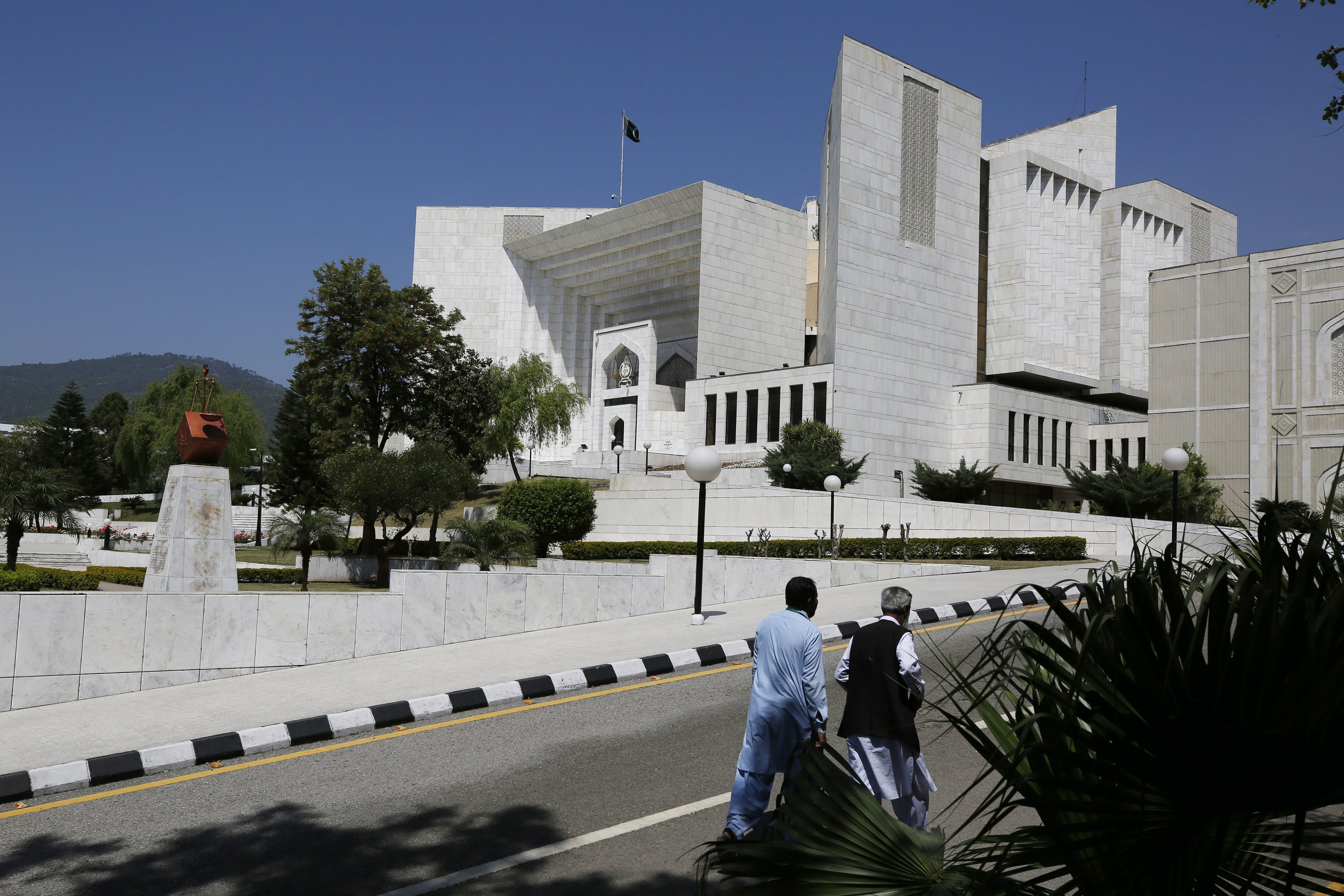
It was indeed a day of victory for the democracy-loving people in Pakistan, the Indian sub-continent region and across the continents, when with a unanimous verdict; the five-member bench of the Supreme Court of Pakistan restored the National Assembly, thus finally sealing the political fate of Prime Minister, Imran Khan, a cricketer-turned-politician. Khan was given just 36 hours under a fixed time schedule for electing the new prime minister on the floor of the House.

With the final verdict delivered on the night of Thursday, April 7, the CJP, Umar Ata Bandial, who headed the bench, not only ended the current political and constitutional impasse of Pakistan, but also saved the army, amidst the reports that an general (Faize Hamid) was supporting Khan and was prompting him to sack the army chief General Qamar Javed Bajwa.
It is quite known that Pakistan, a country carved out from a united India 75 years ago in 1947, had been suffering the military dictatorships, and also their faith, Islam, was being hijacked for political reasons, thus eclipsing its spiritualism, for serving its rulers.

Earlier, there were apprehensions that the apex court might give a pro-Imran ruling, because Bandial, had referred the case to the same bench of the five judges, which was constituted for the Presidential reference. Apart from the CJP, it also includes Justice Ijazul Ahsan, Justice Mohammad Ali Mazhar, Justice Munib Akhtar and Justice Jamal Khan Mandokhail. It may be noted that Ijazul Ahsan was a part of the five-member bench, which had disqualified Nawaz Sharif. However, the judges lived up to the highest traditions of neutrality and fair play in this case, and thus delivered a historic verdict in favour of democracy and its institutions.

The apex court order has also ended the ‘doctrine of necessity’, which was first stated in a judgement of the then CJP, Muhammed Munir in 1951. He had validated the extra-constitutional use of emergency powers by Governor General, Ghulam Mohammed, and had ruled in favour of the dismissal of a provincial government. He had also quoted from the Roman laws that “the well-being of the people is the supreme law.” Munir’s ruling was being frequently invoked as legal justification for all subsequent martial laws in Pakistan.

Meanwhile, Ahsan Bhoon, President, Supreme Court Bar Association (SCBA), has demanded that the action of the prime minister and deputy speaker, Qasim Suri, was against the constitution and “they should be prosecuted for treason under Article 6 of the Constitution. Earlier, just a week before, the CJP had constituted a five-member bench comprising a judge from each province, to hear the presidential reference filed by the federal government seeking an opinion on Article 63(A), whether the members of the ruling party in the National Assembly could be disqualified for voting against the government. The bench was also expected to dispose of the petition filed by the SCBA, which had expressed concern on the act of the speaker of the National Assembly, who deliberately had delayed the discussion and voting on the no-confidence motion filed by the Opposition.  The SCBA’s petition had expressed “strong reservations and concerns” that the Speaker had summoned the session for the no-confidence motion on March 25, which was beyond the stipulated 14 days period.

The Constitutional Crisis

The country was thrown into an unprecedented constitutional-political crisis on Sunday, April 3, when the much awaited voting on the pending no confidence resolution in the National Assembly was suddenly rejected.  Instead of the Speaker, the Deputy Speaker arrived to deliver the ruling that “the no-confidence motion tabled by the opposition parties is a part of a foreign conspiracy, therefore it is being rejected”. Immediately after this ruling, Khan swiftly advised the President, Arif Alvi, for the dissolution of the House and advised for fresh elections.  Accordingly, within hours, the presidential notifications regarding the dissolution of the National Assembly and fresh polls were issued. Amidst these developments, Khan also addressed the nation on the television explaining that the no-confidence motion against his government was a part of an international conspiracy.

Khan and his cronies in the government had ‘doctored’ a common regular communication from the Pakistani ambassador to create a narrative of a foreign conspiracy. He, however, did not the share the original text, but just mentioned before the Parliamentary Committee on National Security summoned to discuss it. It was stated that “there was nexus between no confidence motion against Prime Minister and the foreign intervention”; and it required a “thorough investigation by the appropriate forum” because otherwise the danger was that Pakistan’s sovereignty would be irretrievably compromised. It was based on a routine cable received in March this year that the Pakistan’s ambassador to the USA have had a discussion with Donald Lu, the US assistant under-secretary of state for South and Central Asia that “if Imran Khan continued as PM, there would be horrific consequences for Pakistan”.
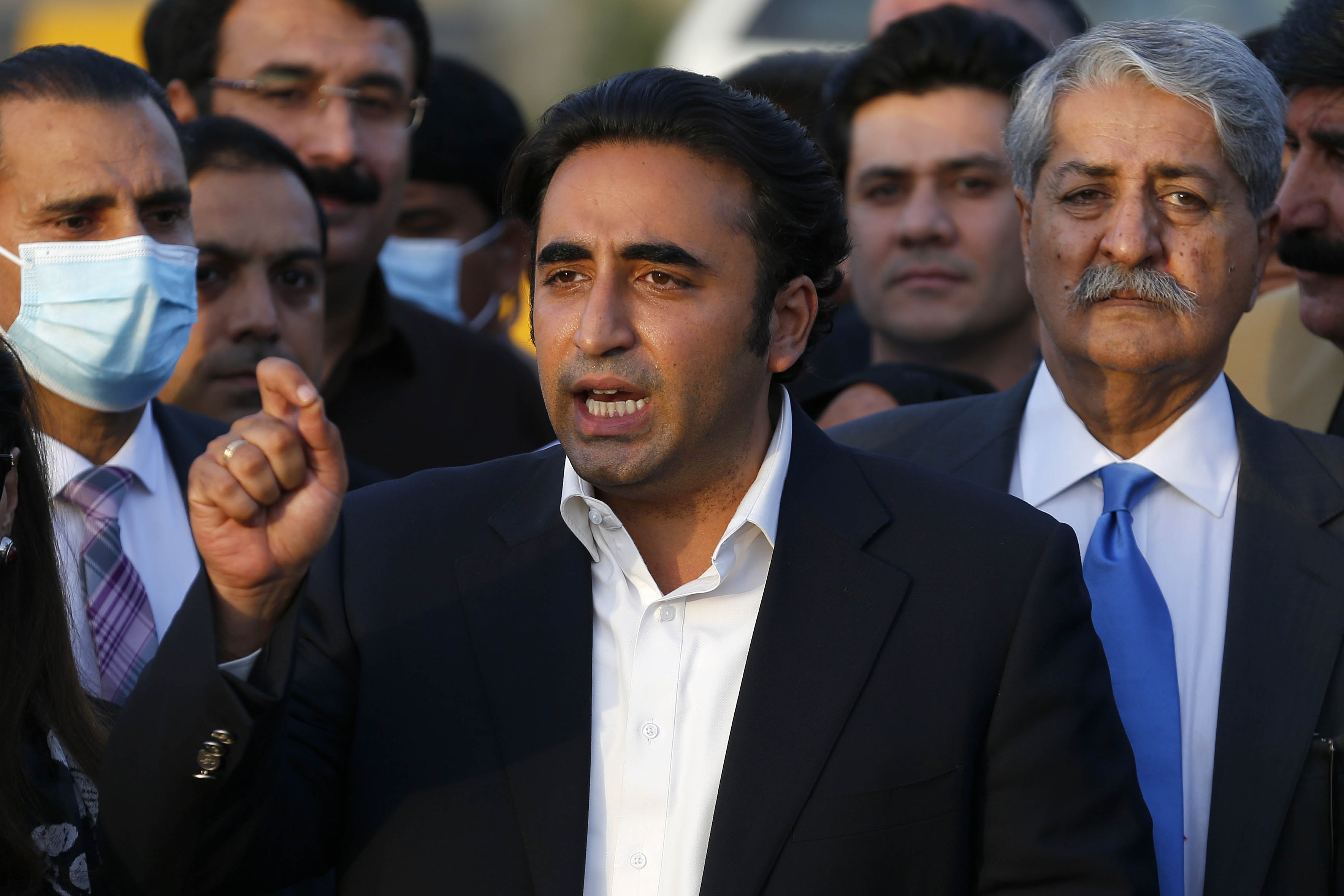
It was noted that Donald Lu, who holds a much junior position in the American administration, which, perhaps, is equivalent to a joint secretary in India, does not hold any position to influence the policy of his country. It is also stated that such observations among diplomats are common and do not indicate any deep-rooted conspiracy. It was just made a tool to get no-confidence motion rejected before the scheduled voting.

The Implications of the Ruling

The four-day discussions and debates during the crucial period, April 3-7, the deputy speaker’s ruling attracted attention of the jurists not only in Pakistan, but across India, because the dissolution of the state assemblies, has often been challenged before the higher judiciary in India too. It is being stated that the ruling was far more troubling as a matter of law.

A member of parliament who acts on the behest of a foreign power would be guilty of treason or, more precisely, of acting “in a manner prejudicial to the sovereignty, integrity or security of Pakistan.” Under Article 63A, a person who acts in such manner is liable to be disqualified but, and here’s the kicker, if and only if “he has been convicted by a court of competent jurisdiction.” However, no judgment of a competent court stating that every member of the opposition was guilty of treason has so far been delivered.

Another implication of the ruling could have been that if a political party which operates in a manner prejudicial to the integrity of Pakistan could be declared illegal by the federal government. However, under Article 17 of the constitution, the federal government must submit a reference to this effect directly to the Supreme Court. No such reference has been filed so far; thus the ruling becomes ‘bad in law’. The legal experts have also pointed out that with this ruling, the entire opposition could be disenfranchised on the basis of one man’s suspicions of treason. The argument that Article 69 prevents the Supreme Court from overruling the deputy speaker is equally feeble. Article 69 is expressly limited to “irregularities of procedure.” Disenfranchising the entire opposition on the basis of unverified allegations is not an “irregularity of procedure.” It is a travesty, if not a parody or absurd in this ridiculous situation; therefore, it is quite natural that courts have to take a cognizance to intervene, but on substantive grounds.

The Russian Support

During his tenure as PM, Khan’s relationship with the U.S. and Europe had nosedived. He’s pivoted closer to China and Russia and recently visited Moscow, reportedly against the advice of Bajwa. He had a meeting with President Vladimir Putin hours before the invasion of Ukraine. Russia has reciprocated his gesture by stating that events in Pakistan were a sign that Washington was making “disobedient” Khan to pay the price for going to Moscow. A foreign office statement further said that “We hope that the Pakistani voters will be informed about these circumstances when they come to the elections.”

The Conviction of a Military Dictator

In spite of Pakistan’s prolonged history of martial laws, the judiciary has been giving severe punishments to those who violated the basic law of the country. . The constitution provision that if anyone ever violates the constitution, he could be prosecuted under the laws invoked in the cases of the high treason. It was invoked against the military dictator, General Pervez Musharraf, for subverting the Constitution of Pakistan. He was tried for high treason stemming from his actions on November 3, 2007, when he subverted and suspended the country’s basic law, sacked 15 judges of the Supreme Court and 56 judges of the provincial High Courts. He also put the then Chief Justice of Pakistan under house arrest. Twelve years later, on December 17, 2019, a special court comprising the Chief Justice of Peshawar High Court, Waquar Ahmad Seth  and judges of Sindh and Lahore high courts,  Nazar Akbar and Shahid Karim convicted Musharraf guilty of high treason and sentenced him to death; however later on 13 January 2020, the Lahore High Court annulled the death sentence. The case was not followed up the Khan government because Musharraf has always been a keen supporter of Khan.



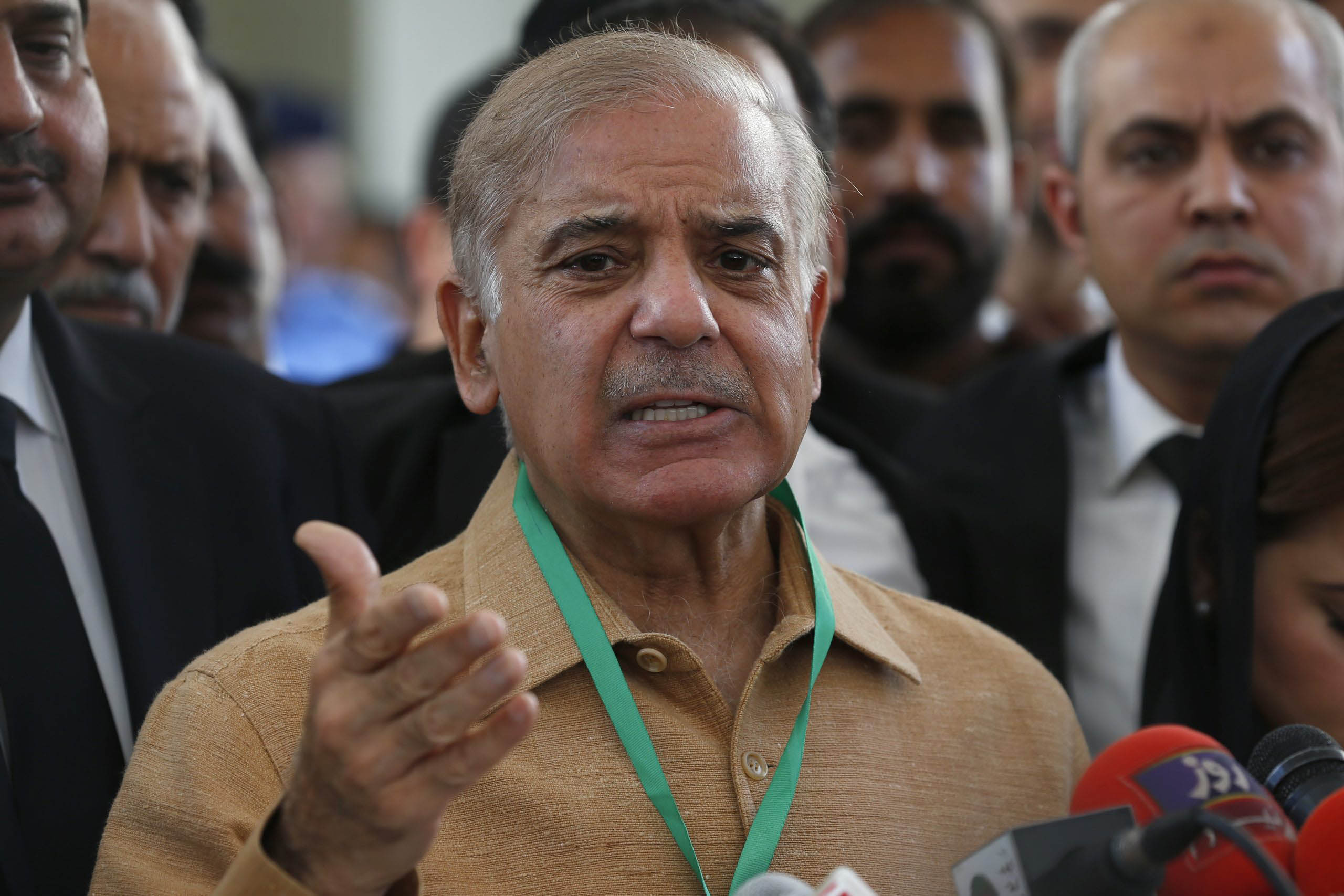
Will Shehbaz look to boost ties with India?

Though the new Pak PM raked up Kashmir in his maiden speech that he made after coming to power,  it is believed that as a pragmatic leader he would pitch for promoting  ties between the two neighbours

What was expected in Pakistan for some time has become a reality. Despite using all tricks he could think of to save his position as Pakistan Prime Minister, Imran Khan has become history, at least for now. During his final hours as the head of government, he praised
India’s foreign policy, arguing that Islamabad should learn from New Delhi, which has conducted itself over the Russia-Ukraine war issue without compromising India’s self-respect as a sovereign nation.

Khan meant to highlight that India did not toe the US line despite much pressure from Washington DC, but, at the same time, it did not go whole-hog with Russia either, whose military action in Ukraine has been condemned by most world leaders for having caused an avoidable loss of innocent human lives and property on a large scale.

Khan alleged that he had to pay with his position as Prime Minister for defying signals from the US whereas the government in New Delhi was being appreciated for its independent stand on the Russia-Ukraine war issue. However, Khan had been otherwise behaving in a hawkish manner so far as India-Pakistan relations were concerned.

Now that Pakistan Muslim League (Nawaz) leader Shahbaz Sharif has replaced Imran Khan as Prime Minister, calculations are being made about the new head of government’s moves vis-a-vis India. Though Shahbaz too is on record having used very rough language against India when it came to expressing views on specially Kashmir, it is believed that as a pragmatic leader, he would prefer to follow in the footsteps of his elder brother Nawaz Sharif and pitch for promoting trade and commerce between the two neighbours and for softening the India-Pakistan borders by working for increased people-to-people contacts. There are also chances of revival of the stalled India-Pakistan dialogue process under the new political dispensation in Islamabad.

Interestingly, Shahbaz too enjoys the Pakistan Army’s backing as did Imran Khan when the latter assumed power after the 2018 National Assembly elections. Imran had to go, of course, after his government lost the majority in Pakistan’s parliament and was defeated during a vote of confidence. But this had become almost certain when he developed strained relations with the all-powerful Pakistan Army owing to their conflicting stands on the Russia-Ukraine war and some other issues. What happens to Shahbaz as he begins to play his cards as Prime Minister remains to be seen.

The major difference between him and Imran is that Shahbaz carries the image of being a successful administrator as three times Chief Minister of Pakistan’s Punjab (politically considered equivalent to UP and Maharashtra put together) whereas Imran had the tag of a cricket icon, having nothing to do with politics. Imran’s failure to function
as a successful political helmsman underlined the fact that there is a sea difference between cricket and politics. His dictatorial style turned his government’s friends into foes. While his political allies deserted him when he needed them the most. The army, believed to have facilitated his rise to the position of Prime Minister, began to bay for his blood owing to his careless and confused style of functioning when the world was faced with a major crisis caused by Russia’s military action against its neighbour, Ukraine.

On the other hand, Shahbaz, who comes from a business family background, is credited to have focused on infrastructure development, transforming the economic profile of Pakistan’s Punjab province. He is a pragmatic leader every inch and takes decisions without bothering about what his friends and foes think. When he made a highly controversial statement on his country’s relations with the US some time back — “Beggars cannot be choosers” — it was interpreted as reflecting his realistic approach.

Experts see considerable meaning in his maximum focus on India-Pakistan relations during his maiden speech that Shahbaz made after coming to power as the head of government in Islamabad. Like his elder brother, Nawaz Sharif, three times Prime Minister of Pakistan,
he may focus on building bridges of understanding with India to infuse a new life into the economy of his country, now suffering from different kinds of ailments.

Shahbaz said, “We desire good relations with India but there cannot be lasting peace till an equitable resolution of the Kashmir issue.” Kashmir is Pakistani leaders’ obsession which they have been using to exploit people’s sentiments for electoral purposes and this has been keeping the two neighbours apart. He will have to keep the K factor aside so that a lasting solution to other issues can be found to ensure that India and Pakistan take up the task of banishing poverty from South Asia in a pragmatic way.

He declared in the course of his maiden speech, “I would give Prime Minister Modi this advice that you should understand about poverty, unemployment (and) sickness on both sides. People don’t have medicines, education, trade or jobs. Why do we want to cause harm to ourselves and the coming generations.” These words sound promising, but nothing is possible so long as Pakistan-based terrorists are not tamed. All efforts aimed at changing the hostile atmosphere into a peaceful one may get reduced to zero because of terrorists’
destructive activities. Pakistan under Shahbaz Sharif will have to make such elements ineffective for any serious peace drive to succeed. This is the minimum that India would expect from Shahbaz in the interest growth and stability on both sides.

The Shahbaz Sharif government should give a serious thought to what Prime Minister Narendra Modi said by taking to Twitter, “India desires peace and stability in a region free of terror, so that we can focus on our development challenges and ensure the wellbeing and prosperity of our people.”

Despite the optimism expressed by Shahbaz Sharif on Pakistan’s relations with India, he is unlikely to do much at this stage. The Pakistan National Assembly’s term will end next year, leading to fresh elections. Compulsions of competitive politics may prevent him from being more forthcoming as every move that he will make on the foreign policy front may be interpreted by Imran Khan’s Pakistan Tehrik-e-Insaf to justify his charge that Shahbaz Sharif was heading a foreign-imposed (read the US-imposed) government.

The new Prime Minister of Pakistan will have to convince the public that the idea of normalisation of relations with India was the best option left for the two neighbours for spurring economic activity on both sides as an atmosphere of hostility is in nobody’s interest.


Common man reels under the impact of rising fuel prices

The Congress has led the opposition’s charge against the fuel hike and inflation in Parliament forcing  several adjournments. The party lamented that the government failed to pass on the benefit of declining international crude oil prices to consumers, reports Amit Agnihotri

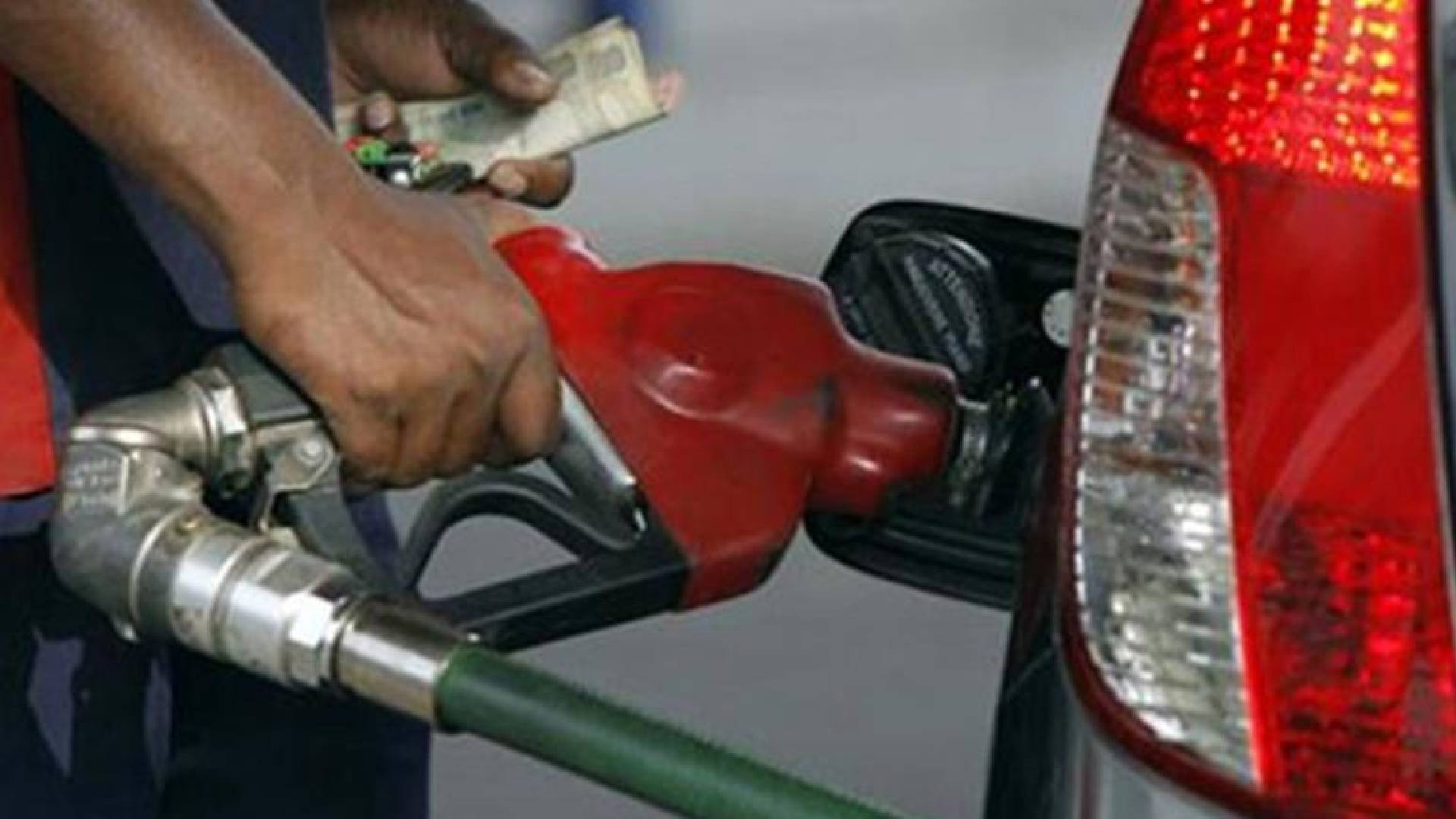
The fuel prices, which started rising in the country in March after a gap of four months, have contributed to high inflation and hit the people hard.

The fuel rates revision started March 22 after a gap of four and a half months during which elections in five states were held.

Ordinarily, the prices of petrol and diesel are revised daily, in line with a 15-day rolling average of benchmark international prices of petroleum products.

The oil marketing companies had held the prices of petrol and diesel constant for 137 days starting November 4, after the Centre announced an excise duty cut of Rs 5 per litre on petrol and a cut of Rs 10 per litre on diesel.

The entire impact of the rise in international crude prices during the period is being passed on to consumers now, as the oil companies have restarted price revisions.

The price of petrol has risen to Rs 104.6 per litre and the price of diesel has risen to Rs 95.9 in the national capital after 13 price hikes in 15 days.

The retail prices of petrol and diesel in the country depend on international prices of crude oil which have risen due to the ongoing Russia-Ukraine war.

That event pushed up Brent crude oil prices to $ 100 per barrel for the first time since 2014.

For the consumers the rates vary from state to state due to the impact of local taxes.  On petrol and diesel, excise duty at around Rs 21 per litre is charged by the central government, while value-added tax VAT is charged by the state governments. VAT rates are high in metros like Delhi and Mumbai, explaining the high price of fuel there.

The central government can reduce the impact of higher crude oil prices by cutting excise duty while the states can reduce VAT on petrol and diesel to provide relief to consumers. Further, one per cent cess is also charged on petrol prices.

Freight charges depending upon the distance between the refinery and the retail station also contribute to different fuel prices in states.

In May, 2014 excise duty on petrol was Rs.9.20 per litre and on diesel it was Rs.3.46 per litre. Since then, the excise duty on petrol was increased by an additional Rs 18.70 per litre and on diesel by an additional Rs.18.34 per litre.

The Centre has earned Rs 26 lakh crore in eight years by increasing excise duty on petrol and diesel. When the UPA government was in power, petrol and diesel was at Rs 71.41 and Rs 55.49 per litre respectively, which has increased to Rs 102.6/litre and Rs 93.87/litre in Delhi.

 The price of commercial cooking was hiked by Rs 250 per cylinder on April 1 and was increased by Rs 845 in past eight years. Similarly, domestic cooking gas price was hiked by Rs 50 on March 22. Since March 2021, the price domestic cooking gas was hiked by Rs 140.50 per cylinder.

The hike in fuel prices led to an increase in the prices of essential food items, drugs and fertilizers, impacting a large number of people.

According to an Indian Press Agency analysis, between September 2021 and March 2022, the prices of food grains went up by 11.6 percent, pulses by 50 percent, groundnut oil 56 percent, electricity 66.6 percent and transport by 46 percent.

The inflation, projected at 5.7 per cent in 2022-23, was seen averaging 6.3 per cent in Q1, 5 per cent in Q2, 5.4 per cent in Q3 and 5.1 per cent in Q4 of 2022-23, RBI Governor Shaktikanta Das said while releasing the monetary policy on April 8, “Given the excessive volatility in global crude oil prices since late February, and the extreme uncertainty over the evolving geopolitical tensions, any projection of growth and inflation is fraught with risk and is largely contingent upon future oil and commodity price developments,” the RBI Governor said while informing the change in the projection.

The projections were revised assuming that crude oil would be in the Indian basket at $100 per barrel during the year 2020-23.

India’s wholesale inflation measured as the Wholesale Price Index (WPI) had been in double digits for the last 11 months and retail inflation measured as the Consumer Price Index (CPI), had been above 6% both in January and February.

Under the Reserve Bank of India Act, the RBI is legally mandated to keep retail inflation below 6 per cent.

Opposition attacks over fuel hike

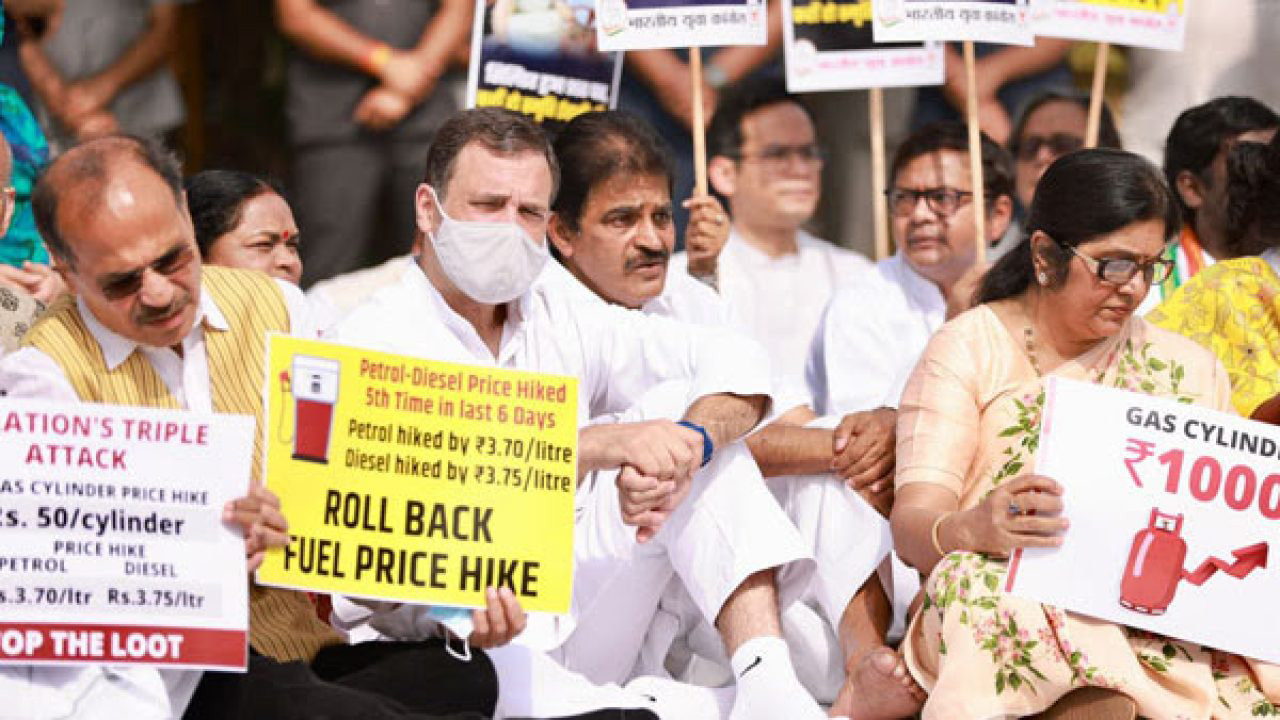
The opposition strongly protested the fuel hike and inflation in Parliament and forced several adjournments in the House. Former Congress leader Rahul Gandhi launched the Congress’s nationwide protest over the issue.

“BJP government is grinding and crushing the common man in the milestone of three things-Inflation, Unemployment and Taxation. This unprecedented inflation is destroying households, decimating budgets, discouraging investment, making a living hell for the common man,” Congress spokesperson Abhishek Manu Singhvi said.

“Food prices have jumped to a 14-month high of 5.43 per cent, as you know food prices are subset of the retail price index. 5.43 per cent in 14 months. Clothing and footwear are at 197-month high. It is almost 15-20 years and it is the highest at 8.84 per cent. Most sad and most distressing, vegetables…potatoes are now Rs. 25 per kilograms, that was Rs. 10 per kilograms. Capsicum, of course is riding high at Rs 100 per kilogram,” he said, adding that the international crude oil prices had come down from $112 per barrel to $97 per barrel but the government has not provided any relief to people,” he said.

Even BJP ally JD-U urged the government to roll back the hike in the prices of petrol, LPG (Liquified Petroleum Gas) and diesel. “The government should immediately stop the hike in the prices of petrol, diesel and LPG. It is very important to roll back the increased prices because it will have a bad effect on inflation. The rising inflation is also affecting the voter who had helped the NDA win in the elections with great enthusiasm,” JD-U leader KC Tyagi said.

Government’s view

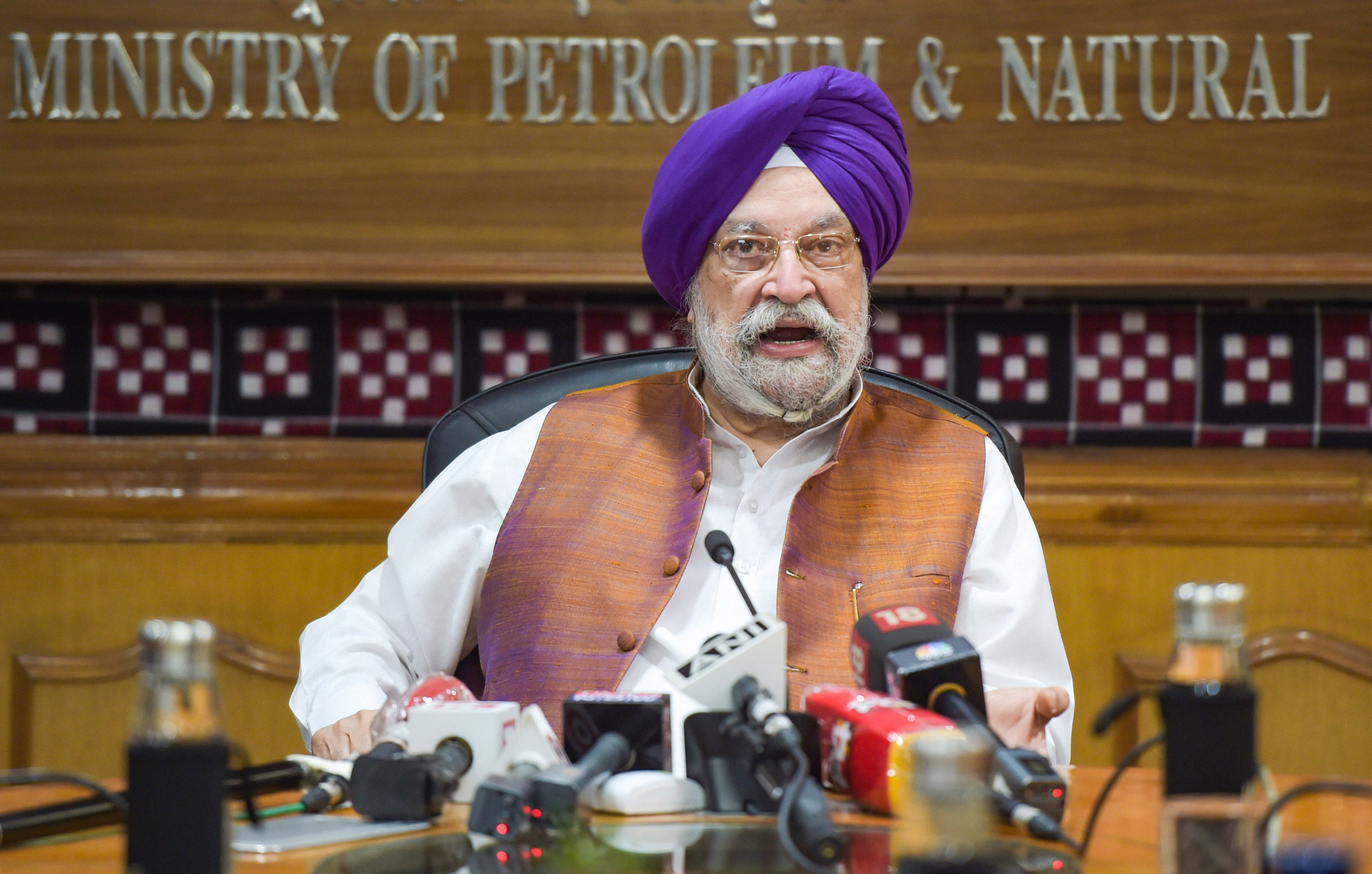
Petroleum Minister Hardeep Singh Puri said that though the Russia-Ukraine war had impacted the fuel prices across the world, the increase in India was only 5 per cent between April 2021 and March 2022.

Against this, fuel price increase between the same period in the US was 51 per cent, Canada (52 per cent), Germany (55 per cent), the UK (55 per cent), France (50 per cent), Spain (58 per cent), Sri Lanka (55 per cent).

Before him, former petroleum minister Dharmendra Pradhan had said that high taxes were being used to fund the vaccination drive and the welfare schemes.

Finance minister Nirmala Sitharaman blamed the previous government for issuing oil bonds saying they had resulted in the present fuel price hike.

In the last eight years, the government has only repaid Rs 3,500 crore worth of oil bonds, while the total excise collection from petroleum products was over Rs 3,00,000 crore in 2020-21.

During this period, the NDA government collected a wind fall of Rs. 26 lakh crores from fuel taxes alone.

Farmers’ plight

The government had assured the farmers that their incomes will be doubled by 2022 but it has not happened. The price per DAP bag of 50 kilogram has been increased by Rs. 150. This has added to the input cost of the farmers, whose incomes have been dwindling.

The opposition parties have been pressing the government to implement the agreement it had with the farmers associations to address the problems being faced by the food growers, including legalising the MSP.

Though the farmer protests against the three laws were called off after the centre withdrew the legislations last year, the cases lodged against them and compensation to those who died during the agitation are still pending.

“A standing committee of Parliament has exposed the Centre’s statement of doubling the income of farmers in 2022, revealing that instead of increasing the income of farmers, in four states that had polls, the income has decreased by 30 per cent,” the Sanyukta Kisan Morcha said.

“The report has also accepted that the scheme to give pension to farmers in the name of ‘Kisan Maandhan Yojana’ has completely failed. With all this evidence, the anti-farmer attitude of the Modi government has become clear again,” the SKM said.

“Recently, the Union government has again raised the prices of fertilisers, cheating the farmers. Even after the subsidy, the price of DAP, which is available at Rs 1,200 per sack, has been increased by Rs 150, due to which now, the farmer will get this sack for Rs 1,350,” the SKM further said.

Petrol prices in Rs per litre in major Indian cities on April 9

New Delhi—105.41

Mumbai—120.51

Kolkata—115.12

Chennai—110.85

Bengaluru—111.09

Hyderabad—119.49


International gasoline prices April 4 in $/litre

Iran—0.051

Russia—0.621

China—1.474

Australia—1.459

India—1.487

Pakistan—0.817

Bangladesh—1.033


MOST POPULAR

HOT NEWS