Al Qaeda leader Zawahiri killed in US strike in Afghanistan

Al-Qaeda chief Ayman al-Zawahiri, who played central role in 9/11 attacks and later created the terror group’s regional affiliate in the Indian subcontinent, has been killed in a US “precision strike” in Afghanistan’s capital Kabul, in the biggest blow to the global terror network since killing of its founder Osama bin Laden in 2011 in Pakistan.

Zawahiri, who assumed the leadership of al-Qaeda after the death of bin Laden, was killed in a drone strike carried out by CIA on Saturday evening at a house in Kabul where he was sheltering to reunite with his family, US President Joe Biden said on Monday, declaring that “justice has been delivered and this terrorist is no more”.

The 71-year-old Egyptian surgeon, who had a US$ 25 million bounty on his head, was bin Laden’s second-in-command during 9/11 attacks and took over as the head of al-Qaeda after his death. He remained a visible international symbol of the terror group, 11 years after the US killed bin Laden during a raid in Pakistan’s Abbottabad in May 2011.

“I authorised a precision strike that would remove him from the battlefield, once and for all,” Biden said on Monday in a speech from the White House.

Human Trafficking, Silent Slaves: From Darjeeling to Delhi

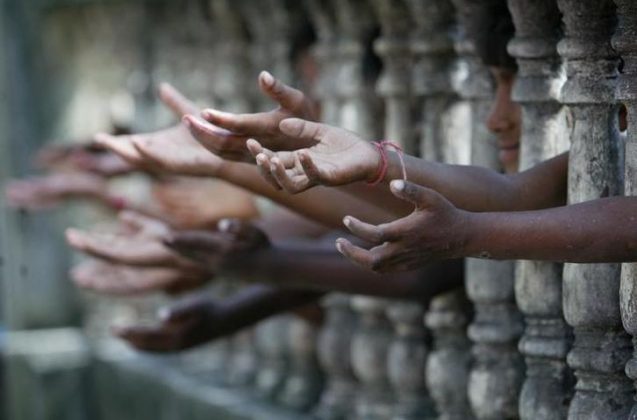
Children in their early and late teens are brazenly trafficked to various parts of the country from West Bengal, reveals an investigative report by Tehelka SIT

“This can cause death? This is scandalous, and carries a massive risk. But still, I can arrange five drug addicts for the human drug trial. Actually, they are good for nothing and have been even abandoned by their families. But I will not tell them that they will be used for a drug trial in Delhi. Instead, I will tell them that they will get job in Delhi with a salary of 20k per month. Also, there won’t be any paperwork between you and me for the supply of these five people. And after their supply, neither I know you, nor you know me. As this is an illegal work, I need a substantial amount for this work. You will have to pay Rs 2 lakh for five people”. This is Sanjay Mandal for you. A human trafficker from Siliguri, Darjeeling, West Bengal, who reveals to Tehelka as to how he will manage five unemployed drug addicts, who have even been abandoned by their families, for us to undergo a drug trial by a pharmaceutical firm in Delhi. According to Sanjay, all this will be done without the consent of those five people, who won’t even be knowing that they would be subjected to a drug trial. All they will know is that they will get a job in Delhi with a salary of 20k per month. The lure of a job will make them move to Delhi, adds Sanjay.

Sanjay Mandal is a resident of Bagdogra, Darjeeling, West Bengal. He works in a tour and travel agency as a cab driver. The Tehelka reporter, posing as a customer who requires men  for drug trial and various other works in Delhi met him in Siliguri. This meeting was held through another taxi driver-cum-trafficker Gopal.

On meeting Sanjay Mandal, we told him that we need labourers for Delhi for various works, including construction and domestic work. We told him that the majority of the workforce, which would also include girls, should be of minor age.

Sanjay told us that so far he had not supplied any labourer to Delhi. But in Gangtok (Sikkim), six of the boys, supplied by him are working in a hotel. He also disclosed that he had supplied workers in Siliguri, his local area.

Reporter…. “Abhi tak Dilli mein diya aapne”?

Sanjay….. “ Nahin Dilli mein nahin diya. Idhar abhi Gangtok main 6 ladka kar raha hai”.

Reporter….. “Aapne diya hai”?

Sanjay….. “Hotel mein kaam kar raha hai”.

Reporter….. “Hotel mein, aur kahan diya hai”?

Sanjay…. “Aur idhar local mein rehta hai”.

[Sanjay Mandal disclosed that though he has not supplied workers in Delhi, he has supplied labourers in his local area, Siliguri and in Gangtok].

During the meeting, we told Sanjay that we need minor girls for domestic work in Delhi. Sanjay agreed and told us that he would provide us with four minor girls in the age of 12, 14 and 15 years.

Reporter….. “Ladkiyon ki kya umar batayi aapne”?

Sanjay…. “Wo sir 14 saal, 12 saal, 15 saal”.

Reporter…. “Kitni ladkiyan hain jo hamarey saath jayengi” ?

Sanjay…. “chaar (4)”

Reporter….. “Jo dilli jayengi na” ?

Sanjay….. “ Haan”

Reporter….. “Jinko tum bhejo gey”?

Sanjay….. “Haan”

Reporter….. “Ghar ka kaam to kar legi na jaisa kahengey”?

Sanjay…. “Bhaari kaam to nahin?. Umar chota hai. Ghar ke kaam jaisey jhaadu hai, poncha hai”.

Reporter…. “Har jagah aap ladkiyon ko chorkar aatey ho ya wo hi lekar jaatey hai” ?

Sanjay….. “Kahin local hua to chor key aatey hai. Gangtok hua to jaisey mere paas Innova hai. Main hi lekar chala jaata hoon.”

Reporter…. “Haan to bas phir aap hi lekar jaana”.

[Sanjay agreed to supply us minor girls in the age group of 12, 14 and 15 years for domestic help in Delhi. Sanjay also disclosed that he himself drops girls in his local area. Even at places like Gangtok (Sikkim) also he himself drops the girls at the agreed place in his Innova vehicle]

After this, Sanjay Mandal told us how much how much he would charge for supplying minor workers.

Reporter…. “Aapka abhi tak ka rate kya hai ek bachchey ka”?

Sanjay….. “Mera kya mahiney ka 2000 rupay dijiyega”.

Reporter…. “Har mahiney 2000” ?

Sanjay… “Ji”.

Reporter….. “Jaisey humney 10 bachchey liye to mahiney ke 20,000, aur bachchey ki tankhwa [ salary ] alag”.

[Now Sanjay revealed how much he will charge for supplying minor workers. He demanded Rs 2000 per child per month from us]

Sanjay now dwelled on the risk involved in the sending children for work to justify the amount he would demand for the services.

Sanjay….. “Ye sab kaam ke liye bhejengey ye sab poora risk mere par rehta hai”. Ek bhi bachchey ke saath kuch ho gaya to mera”….

Reporter….. “Nahin–nahin”

Reporter…. “Abhi tak aapne jo bachchey bhejey hai, wo sara  risk aap par raha hai” ?

Sanjay…. “ Haan”

Reporter…. “Unke saath kuch hua to nahin”?

Sanjay …. “Nahin”.

[Sanjay said that the entire risk of supplying minor labourers lied with him. So far, nothing has happened to the children he has supplied, he assured us].

Sanjay now revealed his plan of sending minors to Delhi for us. He said that he would first send boys with us to Delhi. Girls would be sent only after the boys adapt themselves to the new environment.

Sanjay…. “Ye apko jo ladies tha chaar jugaad hua theek hai, lekin hamara 9 ladka bhi jaa raha hai pehley lot main.. theek hai.

Reporter…. “Hamarey saath” ?

Sanjay…. “Aap lekar jayengey saath main”?

Reporter…. “Nahin-Nahin aap kisko bhejney ki baat kar rahe ho. Humein ya kisi aur ko. Humein dene ki baat kar rahe ho” ?

Sanjay…. “Ji”

Reporter…. “Theek hai bataiye”?

Sanjay…. “9 ladka jo jaa raha hai pehley lot main. Inko 10 din kaam karne dijiye. Ye wahan ka halaat situation batayega to 4 ladies, unke saath 4-5 ladka aur jayega.”

Reporter…. “Aur bachchey kitney jaa rahe hai” ?

Sanjay…. “Abhi bachchey jo jaa rahe hain 9 bachchey jaa rahe hai”.

Reporter…. “Kitni umar key” ?

Sanjay….. “20 ke oopar key nahin hain. Saara 20 ke neechey key hai. Aur sabse kum 14 saal.

Reporter….. “Humein dikhwa dogey ek baar”?

Sanjay…. “Abhi 2-4 ladka site par kaam kar raha hai. Dekhna chahey to dekh sakta hai”.

Reporter…. “Abhi humein sabse kum umar ke bachchey jo de rahe ho aap wo hai 14 saal ke hai”?

Sanjay…. “Ji”.

Reporter…. “Kitney hai wo 14 saal ke”?

Sanjay….. “2 ladkey hai, baaki sab usi ke hain, 14, 15, 18…20 ke oopar ka nahin hain koi”.

[According to Sanjay Mandal, he will first send 9 minor boys with us. Later on, 4 minor girls will be sent after the first nine adapt themselves to the conditions in Delhi. Sanjay said that out of the nine children, two will be of 14 years of age. Rest will be in the age of 15-18 and 20. But no one will be above then age of twenty]

After giving us minor children comprising of girls and boys for construction and domestic work,  Sanjay Mandal now told us how he will manage labourers for a drug trial in Delhi.

Reporter…. “Dawa (pharmaceutical) company ne trial karna hai. Dawa company ko uske liye labourers chahiye hoge.

Sanjay…. “ Risk hota hai”.

Reporter…. “Risk to hota hai, poora hota hai”.

Sanjay…. “Death to nahin ho jaati” ?

Reporter…. “Ab wo to dawa company batayegi. Hum kaisey keh sakte hai”.

Sanjay…. “Iske liye bhi aadmi dena padega”?

Reporter…. “Aadmi-aurat chahiye. Jo medicines dawa company banati hai, uske liye bhi labourers chahiye. Dawa ka trial karna hai”.

Sanjay…. “Aisey jaankar koi jaana chahyega? Jaisey aap mere ko batatey ho. Usko bata kar kaam nahin kiya jaa sakta”

Reporter…. “Agar nahin bata kar karna chahtey to nahin batakar karte hai”.

Sanjay…. “Jo bhi hai..aapke mere beech main clear hona chahiye”.

Reporter…. “Mainey to clear kar diya”.

Sanjay…. “Ek do key saath bologey to do chaar ladka raazi na ho to” ? Usmein usko doosra kaam bolkar kar sakte hain. Is type mein ladka hain thoda awara type.  Ghar se koi lena dena nahin hai. Hai aisa ladka bhi hai na. Guardian usko value nahin deta hai. Thoda awara type ka ladka hai. Sir aisa ladka koi kaam ka nahin hai. Kahin koi kaam main lag jayengey wo hi theek hai.. Is type ka ladka ko thoda paisey ka laalach-waalach deney se kaam ho sakta hai.. ye baat secret hi rahe, sir.

Reporter…. “Tumharey-humarey beech mein rahe”.

Sanjay… “Ye bahut bada kaand (scandlous) hai”.

Reporter…. “Hum nahin batayengey”.

[ Sanjay Mandal after learning that we need people for drug trial too in Delhi, describe it as very risky job. As this can even cause death. Despite this, he agreed to provide us labourers for a drug trial too, but with some pre-conditions. He said he would have to look for urchins, who have been abandoned by their families, for the job. They will not be told that they would face a drug trial. Instead they will be told that they are going to Delhi for a job, which will fetch them a salary. Sanjay said this thing should remain a secret between him and us.]

Sanjay revealed that he knew five young boys, who are addicted to drugs for the job.

Sanjay…. “Iske liye 5 ladka mil jayega. Aisa ladka chalega jo drug addict ho” ?

Reporter…. “Chal jayega”.

Sanjay…. “Aisa ladka bahut hai. Jo sach baat hai, thoda drug addict hai. Un logon ko thoda paisey ka laalach deney se kuch bhi karney ke liye tayyar ho jayege”.

Reporter…. “Theek hai”.

[Sanjay said he can arrange five drug addicts for us for a trial by pharmaceutical company. All we need to do is to pay them some money. And they will readily work for us.]

When asked what job offer he would give to the five drug addicts, Sanjay said he will offer them a job in a bar in Delhi.

Reporter…. “To tum usko kya kaam bataogey”?

Sanjay…. “Baar-bur ka kaam”.

Reporter…. “Bar ka”?

Sanjay…. “Bar mein daaru dene ka”.

[Sanjay said he will not reveal the drug trial thing to the five drug addicts. Otherwise they will not go to Delhi. But will tell them that they will get a job in Delhi bar which will require them to serve liquor etc].

Sanjay further revealed that he will not tell the guardians of the five drug addicts that he is sending their boys to Delhi for a drug trial on them. Neither there will be any paper work between him and us for the supply of the five youth.

Reporter…. “Jo dawa ke trial main jayengey unka koi humarey saath kaagzi agreement nahin hoga.”?

Sanjay…. “Nahin hoga sir. Main unko bhejunga is tarah ke unke guardian ko na pata chaley key mainey unko bheja hai”.

[Sanjay said he will not reveal to the guardians of the labourers that he had sent them to Delhi for the drug trial. Neither he will sign any agreement with us over this deal]

According to Sanjay, he will keep all the five members in dark about why they are being sent to Delhi.

Reporter….. “Unko tum bataogey nahin ki un par dawa ka trial hoga”?

Sanjay…. “Nahin, bataney se nahin bhi jaa sakta hai”.

[Sanjay said he will not tell the five drug addicts that they will be subjected to drug trial in Delhi. Otherwise they will not go.]

Sanjay told Tehelka that he will hide the drug trial thing from the five addicts he is sending to Delhi. And will tell them that they will get a job, with 20k per month as a salary.

Reporter…. “Unka paisa batao kitna logey”?

Sanjay…. “Usko salary bolkar bhejna padega”

Reporter…. “Kitni salary”?

Sanjay….. “Usko achcha salary bhejna padega. Jab wo nasha karta hai. Chaar-paanch- sau to wo phoonk hi deta hai.”

Reporter… “Kitni salary batao”?

Sanjay…. “Bees hazaar bolkar bhejna padega”.

Reporter…. “Mahiney ka”.

[According to Sanjay, he will tell the five boys he is sending to Delhi that they will get a job with 20k per month as salary]

Sanjay now demanded a big amount for himself, for sending five boys to Delhi for a drug trial.

Reporter…. “Aur aap kitna logey” ?

Sanjay…. “Iska to ekdum clear cut baat hai. Iska to aap khud soch kar dijiye. Ismein bahut bada jokhim hai”.

Reporter… “Paisey batao yaar”.
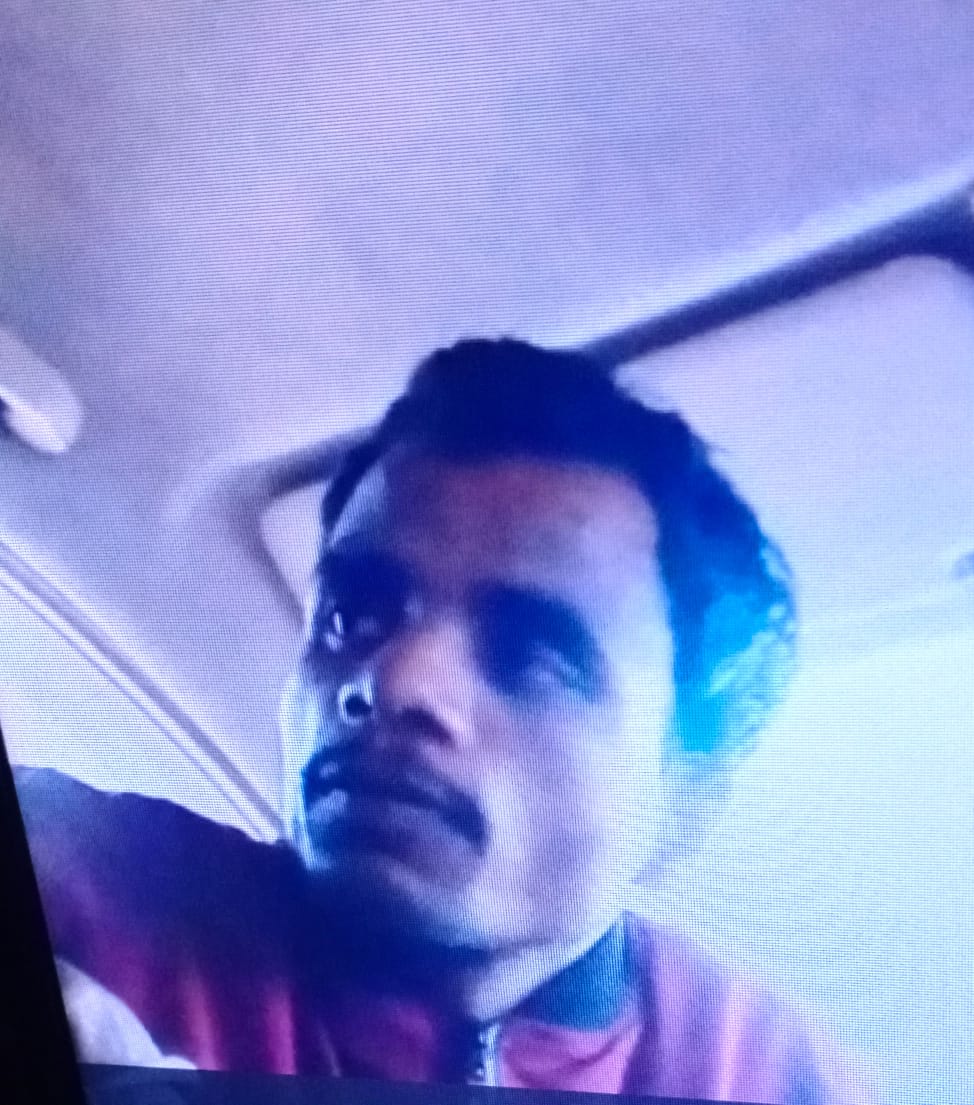
Sanjay…. “Setting karke bhejna hai.. saara meri guarantee hai. Kaisey handle karke bhejna hai 5 ladko ko. Kya karna hai unko…kharcha paani. Wo nasha karta hai…wo bhi usko khareed kar de dengey. Ye gadbad kaam hai sir. Ismein mota amount dijiye”.

Reporter…. “Kitna chahiye batao”?

Sanjay…. “Usko to jo bees hazaar salary usko mil jayega”.

Reporter…. “2 hazaar” ?

Sanjay…. “2 hazaar to genuine kaam ka hai”.

Reporter…. “To kitna” ?

Sanjay…. “Lakh hmm” ?

Reporter…. “ 2 lakh 5 ladko ka” ?

Sanjay… “Main manage karke bhejunga”.

[Sanjay now negotiated the amount he required for arranging the five boys. He said as the job is risky and illegal, so he should be paid substantial compensation for this. He explained that as he will arrange everything, he will take Rs 2 lakh for this job]

After Sanjay Mandal, Tehelka met Ranjit Topo, another trafficker from Naxalbari, Siliguri, Darjeeling, West Bengal. We told Ranjit that we require 100-150 labourers for Siliguri, Kolkata and Delhi. Posing as a decoy customer, we told Ranjit that we require minor girls and boys for our construction work and Hukka bars in Delhi. Ranjit agreed to supply us 25-30 minor children including girls for our construction site and Hukka bars.

Reporter…. “Ek baat batao. Ismein bachchey kitne karwa dogey labour ke”?

Ranjit… “ Bachchey”?
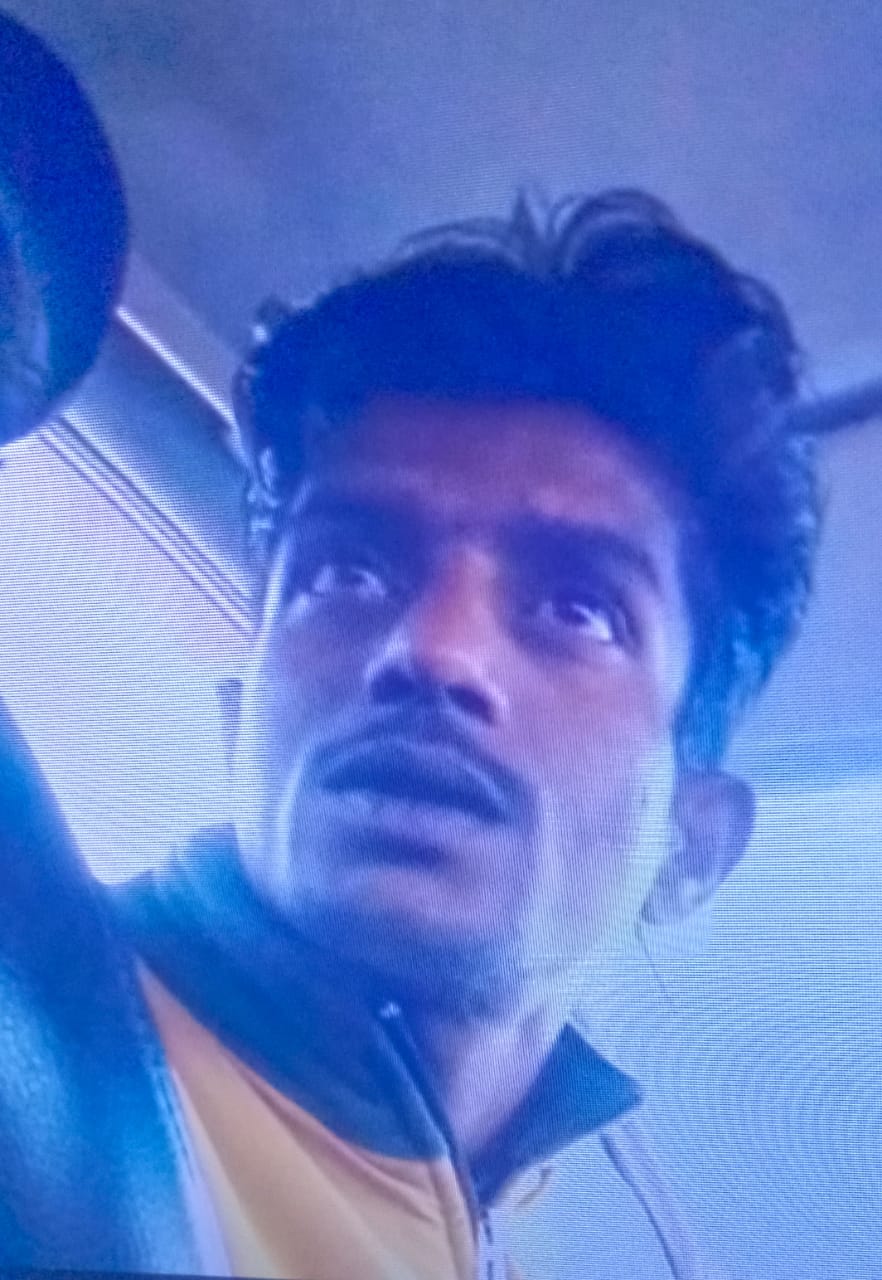
Reporter… “Gents-ladies 100-150 labour mein kitne karwa dogey bachchey. 16 saal se kum”?

Ranjit…. “Jab bachchey jana shuru karengey na.. tabhi. Mota-mota 25-30 bachchey kara dengey”.

Reporter…. “25-30 bachchey aap karwa dogey”?

Ranjit…. “Haan”.

Reporter…. “Ladke-ladkiyan, dono, 16 saal se kum” ?

Ranjit….. “Ji”.

Reporter…. “Ismein Siliguri ke hongey bachchey ya Nepal ke hongey” ?

Ranjit…. “Siliguri ke hongey. Nepal ke bhi hongey”.

Reporter…. “Nepal ke hongey, theek hai karwa do. Ladke-ladkiyan dono 16 saal se kum” ?

Ranjit…. “Hmm”

Reporter…. “20 kah rahe ho na? 20 bachchey karwa do”.

Ranjit…. “Haan”.

[ Ranjit Topo agreed to supply minor children, including girls and boys for the labour work at our construction site and Hukka bars in Delhi ]

Ranjit Topo now explained as to how he makes daily wage workers as bonded labourers in the tea gardens by giving them loans.

Ranjit…. “Maan lijiye kisi labourer ko paisey ki zaroorat lagi. Wo arrange nahin kar paa rahe hai. Theek hai 2-3 mahiney baad arrange karengey. Usko bees hazaar rupay  de diya. 5 percent ke hisaab se chala le ghar ko mere paisey se.. uske 3 mahiney baad ya 4 mahiney baad wo shaadi wagahreh mein chalakar loan de de”.

Reporter…. “Tab tak wo apka”?

Ranjit…. “Byaaz [Interest ] dega”.

Reporter…. “ Tab tak wo apke khet main kaam karega. Tea garden main kaam karega. Ussey pehley wo jaa nahin sakta hain. Yehi hota hain na tareeka” ?

Ranjit…. “Haan”.

[ Ranjit explained as to how he gives loan to tea garden worker and make them bonded labour if they failed to repay his loan on time]

Ranjit Topo disclosed to Tehelka how he took more money from the builder and paid less to the labourers in Bangalore, where he supplied workers for the construction site in 2012-13.

Reporter… “Bangalore main kitna liya tha aapne” ?

Ranjit…. “Sir waha to commission tha. Wo logon ka jitna payment hota tha na sir. 400 ka arrange kiye they wahan. 500 ka arrange kiye they wahan. Maan lijiye 300 ka hum dete they, 200 ka hum lete they.”

Reporter…. “Jaisey unko 500 milta hai”.

Ranjit…. “Hum yahan se bolkar gaye they ki wahan dihaadi [daily wages ] 300 rupay hai. Lekin hum wahan se 500 uthatey they.”

Reporter…. “Achcha aap labourer ko bolkar lekar gaye they ki apko 500 rupay milengey. Milta tha 300 rupay”.

Ranjit… “ Nahin bolkar nahin nahin gaye they hum. Yahan bol diye ki wahan apko 300 rupay dilayengey. Us samay dihaadi [ daily wages] bhi kum dete they. 200 rupay tha.”

Reporter…. “Lekin wo apko 500 rupay deta tha na” ?

Ranjit…. “Ji”.

Reporter…. “300 aap labour ko dete they na. 200 rupay apne paas rakhte they” ?

Ranjit…. “Haan”.

[Ranjit explained his commission game to Tehelka. He charged Rs 500 from the builder as daily wages, but gave Rs 300 to the labourer he supplied in Bangalore in 2012-13. And kept the remaining Rs 200 with himself ]

Ranjit agreed to supply to us labourers from Nepal. In the 50-50 ratio. Half from Nepal and half from  Siliguri.

Reporter…. “Wahan, [Nepal ] ki kitni labour dilwa dogey” ?

Ranjit…. “ Nepal ka maan lijiye zyada to idhar ka hi hoga. 50-50 kar lijiye”.

Reporter…. “50-50 . Siliguri ke 50 labour hoga. 50 Nepal  ki labour hogi, chaliye theek hai”.

Ranjit… “Hmm”.

[Ranjit told us that he will provide labourers both from Siliguri and Nepal to us in the 50-50 ratio].

Ranjit now told us that he will charge Rs 2000 per head from us for supplying labour.

Ranjit…. “Jaisey aaj maan lijiye 10 admi bhej diye. Commission paa gaye”.

Reporter…. “Matlab aap keh rahe ho, 10 ko bhej diya. 10 ka commission aap le logey kitna hoga” ?

Ranjit… “Jaisey pakad lijiye ek aadmi ka 2000 rupay”.

Reporter…. “Ek admi ka 2000 rupay, commission apka labour ka” ?

Ranjit…. “Haan”.

[ Ranjit demanded Rs 2000 per head for supplying labour to us]

We now met third trafficker, Gopal in Siliguri, West Bengal. Gopal also runs a taxi. Posing as a customer, we demanded Gopal to supply minor children in the age group of 12, 13, 14, 15 for our Hukka bars in Delhi-NCR. Gopal agreed to fulfill our demand.

Reporter… “Kaam apne sun hi liya humara. Ek to hukka bar hai Delhi-NCR main. Hukka hota hai na, hukka jaantey hogey. Tambaku wagahreh bharni hai bachchon ne. Guest  ko supply karna hai”.
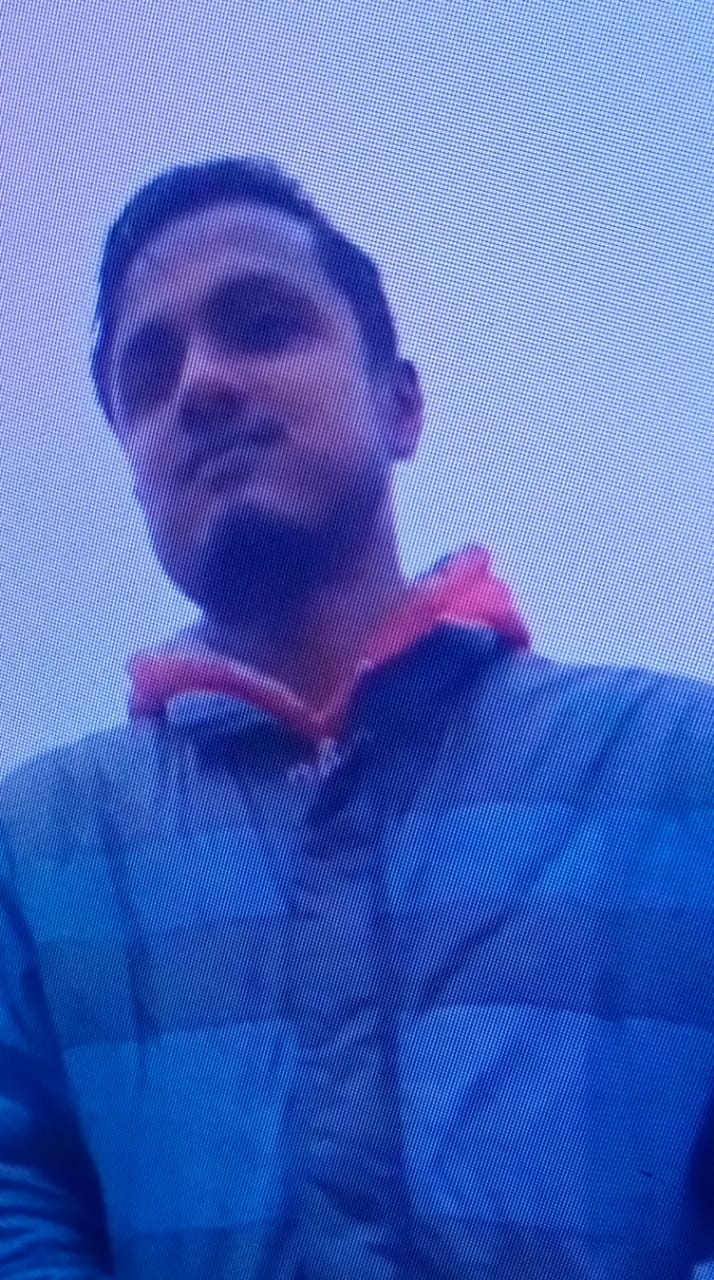
Gopal…. “Alag-alag type ka ladka log chahiye”? Pahaadi Nepal ka milega”

Reporter…. “Nepali mil jayega na”?

Gopal… “Haan-haan bar mein kaam karne ke liye mil jayega”.

Reporter…. “Bar-var mein kaam karne ke liye”?

Gopal…. “Bar”?

Reporter…. “Matlab hukka bar mein kaam karne ke liye bachchey mil jayengey” ?

Gopal…. “Mil jayengey”.

[Gopal said that he will arrange minor children for us to work in our hukka bars in Delhi-NCR, who will serve tobacco-filled hukkas to the customers]

Gopal said he can supply us 50-60 children to us for the labour work.

Reporter… “Total aap kitne bachchey supply kar sakte ho aap” ?

Gopal… “50-60 pakad lijiye”.

Reporter…. “50-60 pakka guarantee de rahe ho aap”?

Gopal… “Haan”.

Reporter… “Ek bachchey ka wo hi 500 rupay din ka”.

[Gopal told us that he can supply 50 to 60 minor children to us for the work. He said he would charge Rs 500 per head per day]

Gopal revealed that he will give us minor children only in the age group of 12, 13, 14 and 15.

Reporter… “Lekin humein wahi chahiye chotey bachchey” ?

Gopal… “ Haan”.

Reporter…. “12, 13, 14, 15 saal ke” ?

Gopal …. “ Mil jayega”.

Reporter…. “Hain” ?

Gopal…. “Mil jayega”.

Reporter…. “Pakka, final samjhey phir hum” ?

Gopal…. “ Haan”.

[Gopal confirmed us that he will supply minor children in the age of 12,13,14 and 15 years for our hukka bars.]

The above three characters Tehelka exposed indicate that human trafficking in India is a significant problem. People are brazenly and illegally trafficked throughout India for the purpose of commercial and sexual exploitation and are trapped into forced/bonded labour. Men, women and children are trafficked in India for diverse reasons. Women and girls are trafficked within the country for the purposes of commercial or sexual exploitation and are sometimes made to enter into forced marriage. Men and boys are trafficked for the purpose of labour. A significant portion of children are subjected to forced labour as factory workers, domestic servants, beggars, and agriculture workers, and have even been used as armed combatants by some terrorist and insurgent groups.

Nepali children are also trafficked to India for forced labour in various sectors. Indian women are trafficked to the Middle East for commercial and sexual exploitation. Indian residents who migrate willingly every year to the Middle East and Europe to work as domestic servants and for low-skilled jobs sometimes get sucked into trafficking business. In such cases, workers may have been recruited by way of fraudulent  means that lead them directly into situation of forced labour, including debt bondage.

In today’s time, trafficking is happening online because of the advancement in technology both in the usage and in education. In earlier times it used to happen through humans for money or may be out of fear. Along with that the people consented to be a bonded labour or slaves under the higher heads. In our present generation, it happens without the consent of the people who are considered to be victims.

 

PM Modi condoles the loss of lives due to fire at a hospital in Jabalpur

Prime Minister, Narendra Modi has expressed deep grief over the loss of lives due to a fire at a hospital in Jabalpur, Madhya Pradesh.

The Prime Minister’s Office tweeted ;

“Anguished by the loss of lives due to a fire at a hospital in Jabalpur, Madhya Pradesh. Condolences to the bereaved families. I hope the injured recover at the earliest. The local administration is providing all assistance to those affected: PM”


The Big Story: Human trafficking exposed

July 30 has been designated by the United Nations (UN) as World Day against Trafficking in Persons. To mark the day and remind ourselves of the plight of victims of trafficking, Tehelka’s Special Investigation Team has come up with the Cover Story “Silent Slaves: From Darjeeling to Delhi”. The report exposes how children in their early and late teens, the golden age synonymous with innocence and freedom, are brazenly trafficked to various parts of the country.

So much so that a hidden camera recorded a human trafficker from Siliguri, Darjeeling, West Bengal offering to provide in exchange of money, humans on false promise of work for drug trials carrying risk of life.  According to the National Crime Record Bureau, one child disappears every eight minutes. The NHRC Action Research on Trafficking, published by Orient Longman sometime back showed that in any given year, an average of 44000 children are reported missing; of them, as many as 11000 remain untraced.  Often children and their poor parents who are promised green pastures end up being severely underpaid, abused, and sometimes sexually assaulted at urban homes of the affluent. As it takes place inside private homes, the lone children suffer.

Reports suggest that out of 2,222 children trafficked in 2020, the highest 815 (36.6 per cent) were from Rajasthan, followed by Kerala (184) and Odisha (159). Bihar with 123 trafficked children and Jharkhand with 114 follow. India is particularly vulnerable and according to NGOs, 21 children have been trafficked every day. The Childline India helpline received 50 lakh distress calls over just one year. NGO’s estimate that there are about 300,000 child beggars in India and every year, 44,000 children fall into the clutches of gangs. Children make up roughly 40 per cent of prostitutes. It is estimated that over two million women and children are trafficked for sex into the red-light districts in India.

Despite advent of technology, which has put information and knowledge at our fingertips, the lack of basic education, unemployment and poverty have resulted in human trafficking, sexual exploitation, forced labour, begging and abuse of children. No doubt, the world over, human trafficking is labelled as the third most lucrative illicit trade, after drugs and arms. Tehelka investigations also unraveled that Nepali children are also trafficked to India for forced labour in various sectors. Indian women are trafficked to the Middle East for commercial and sexual exploitation.

In India, human trafficking has been prohibited as a fundamental right granted in the Constitution but trafficking as an organised crime continues. Human trafficking is a clandestine crime mostly underreported to police and needs serious policy initiatives to check it and to rehabilitate victims. India’s new education policy has been announced earning kudos but curriculum on human rights-education still remains to be incorporated to check trafficking!


Concern over rise in ‘faceless’ militancy in Kashmir

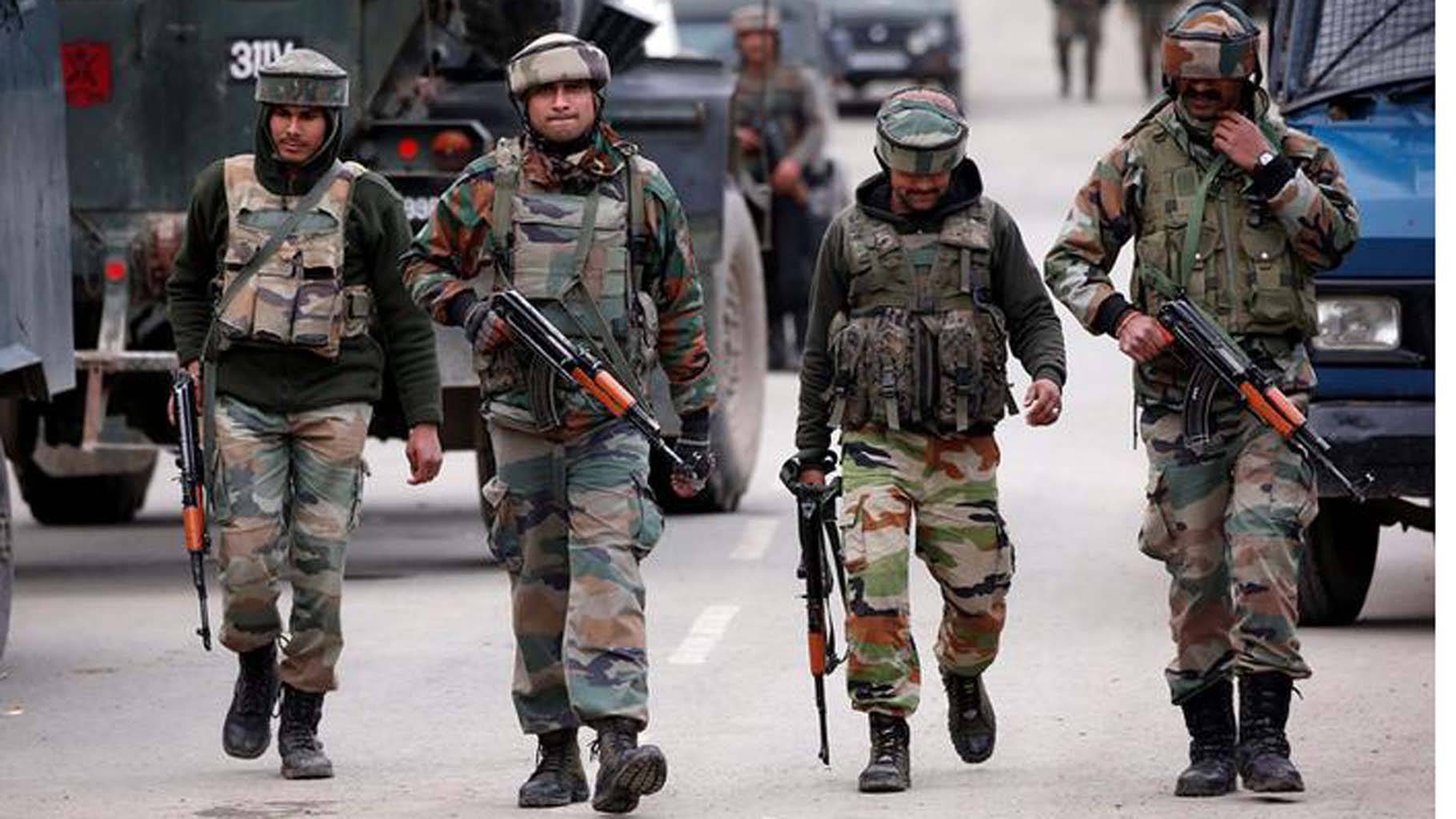
The rise of faceless or anonymous militancy has increased the challenge manifold for the security agencies in the valley. In this kind of militancy, a civilian doubles up as a militant and goes back to lead his normal life after carrying out an attack. A report by Riyaz Wani

Is militancy on the way out in Jammu & Kashmir or it has become faceless? The union territory’s police chief Dilbag Singh says it has become anonymous.

“This faceless militancy and terrorism is a new strategic move invented by Pakistani agencies and their handlers on the ground, especially to kill innocent civilians,” Singh said while recently talking to reporters in South Kashmir district of Anantnag. “They want that the sin should be committed, but the sinner should not get exposed. Good thing is that the sinner may commit the sin, but there is no room for him to remain anonymous or not to get identified.”

Though security forces have killed over 500 militants since the revocation of Article 370 in August 2019, the militancy continues to pose a formidable challenge.  The militants have struck repeatedly to announce their presence. But the predominant targets of their attacks in the last two years have been civilians including those belonging to minorities.

As many as 118 civilians, including 21 Hindus, among them five Kashmiri Pandits, have been killed in Jammu and Kashmir since the abrogation of Article 370, the Union Minister of State for Home Nityanand Rai recently told Parliament. The minister, however, informed the House that there has been a substantial decline in terrorist attacks in the last three years.

On a positive note, the union minister said that around 5,502 Kashmiri Pandits have been provided jobs in different departments of the J&K government in the valley and no Kashmiri Pandit has migrated from the valley since August 2019. This is contrary to reports that many Kashmiri Pandits, including the employees, fled the Valley in the wake of the recent killings.

The killings of civilians and Kashmiri Pandits in the Valley generated an outcry across the country. Many Pandits who had returned to Kashmir to take up jobs under the Prime Minister’s Package temporarily left the Valley, putting the central government’s project to resettle them in their homeland in jeopardy.  However, Kashmiri Pandits have not been the only ones who have been attacked: Kashmiri Muslim civilians, Jammu and Kashmir Police personnel, migrant labourers, and also Hindus from Jammu and other parts of India have also lost their lives. According to home ministry figures, 128 security force personnel have also lost their lives in last three years.

But intermittent civilian killings remain a challenge. Making things further difficult for the J&K government is that there are around 5000 Pandit employees recruited under a special package. Similarly, nearly 8,000 employees from different districts of the Jammu division are working in Kashmir under an inter-district transfer policy and a predominant majority of them are non-Muslims.

This is where the rise of anonymous militancy has increased the challenge manifold. Security agencies also call it hybrid militancy. In this kind of militancy, a civilian doubles up as a militant and can go back to lead his normal life after carrying out an attack.

“The OGW (overground worker) network is one of the major worries for the Police force and they don’t remain OGW forever,” Inspector General of Police Vijay Kumar said while talking to reporters early this year.

This has made it difficult for the security forces to identify and track down the hybrid militants, making militancy, as the DGP said, faceless. But it is also true that there has been no conspicuous rise in militant attacks as a result. However, as for the future, the fingers remain crossed.


Can govt rise up to the mining mafia challenge in Aravalis?

The Haryana police has turned the heat on illegal miners in the hills after the mowing down of  a DSP by a dumper truck in Nuh. But with residents of over 20 villages in Nuh and around 100 in Alwar dependent on mining for their livelihood, curbing the menace will be a tightrope walk for the government, writes Aayush Goel

Degraded and tattered stone by stone, and now drenched in blood. Aravalis has seen it all. If lores are to go by, the plundering has existed ever since hills themselves and even a 13-year old Supreme Court’s blanket ban could not stop the mining. The well-oiled thriving and politically nurtured mining mafia has continued to prosper while all turned a blind eye to it. It was however brutal murder of Haryana DSP Surender Singh which brought the menace to fore yet again.

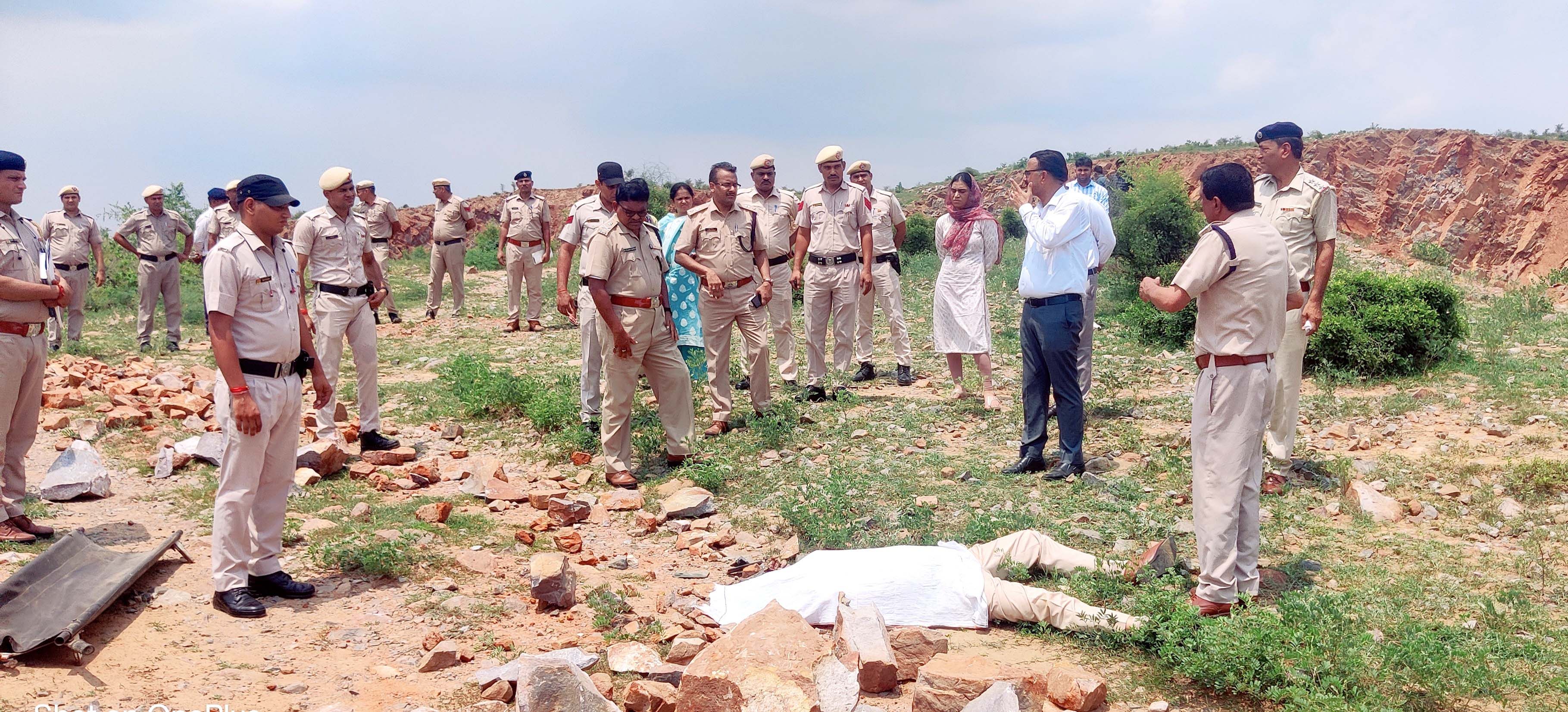
Over three months before he was to retire, 57-year-old Haryana Police DSP Surender Singh s on July 19 was mowed down by a dumper that he had signalled to stop during a raid to check illegal mining in Nuh district’s Tauru area. Though police did catch the driver and cleaner of the vehicle within hours but authorities have no answer to the root cause of the crime of illegal mining of Aravalis. The Aravalis in Haryana were indiscriminately mined from 1990 to 2009-10. Two Supreme Court orders in 2002 and 2009, respectively, imposed a ban on mining. However, illegal stone quarrying continued unchecked in these hills. While those on top enjoy strong political patronage, over 40 villages in Nuh and 100 in Alwar, Rajasthan, have continued to benefit for over two decades, working at the behest of the mining and land mafia. Several political parties have also contributed to maintaining the status quo.

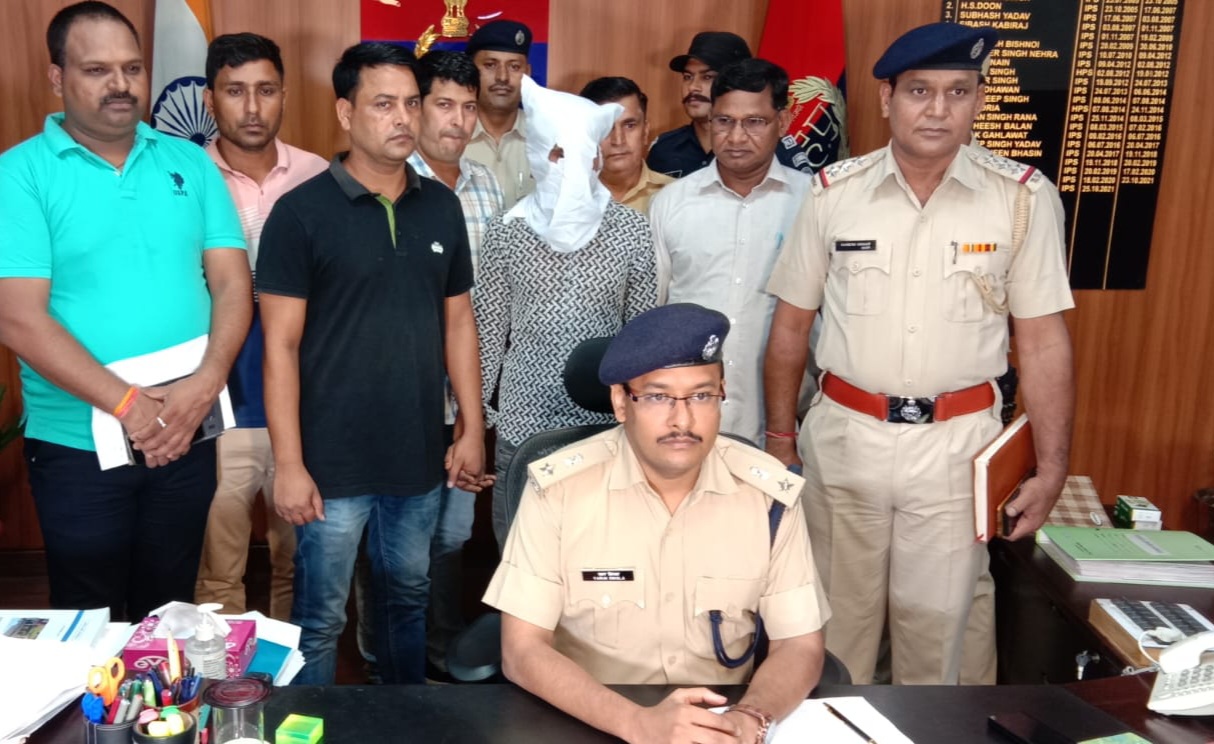
According to the police, the DSP, Surender Singh, posted in Tauru, had received inputs regarding illegal mining in Pachgaon and he rushed to the spot around 11.50 am along with his reader, gunman and driver. The police party, as per the FIR, spotted the dumper loaded with stones going uphill. It reached the hilltop and offloaded the stones even as the police reached the spot. Without a number plate, the dumper had three or four occupants, all youngsters. Two of them allegedly brandished local-made ‘kattas’ (guns), asking the DSP to get out of their way. Realising the gravity of the situation, the police team withdrew from the spot. After a brief chase, the police again signalled the dumper to stop and asked its driver to show the papers. The driver, however, sped away, running over the DSP even as the other police personnel managed to jump clear of the dumper. Within hours of the crime, the police arrested the truck cleaner, Ikkar, following a brief encounter while the driver, Mittar was nabbed from Rajasthan. The dumper was also recovered and impounded.

“He would always prioritise his work, would touch his belt on forehead. We would tell him not to be at the forefront but he would assure us that nothing will happen to him,” said Kaushalaya and Priyanka, wife and daughter of Surender Singh. This is not the lone case. Nuh SP Varun Singla, the district police chief and his patrol came under attack in December while chasing a fleet of rock-carrying trucks. “Those involved in mafia are hard-core criminals who have regularly been attacking cops. The murder just highlighted what is a routine affair here. We have launched a special “Clean Mewat” drive and will nab the last miner and impound all vehicles,” said Nuh SP Varun Singla. The murder shook the entire nation. Haryana Chief Minister Manohar Lal Khattar declared DSP Surender Singh a martyr and announced compensation of Rs 1 crore and a government job for kin. He vowed to uproot the menace completely but an action plan is still awaited.

31 hillocks vanish

Stretching from Rajasthan, Haryana, Delhi and culminating in the plains of Gujarat, the natural 700-km barrier of Aravali range to the western desert has been degraded and stripped bare. The ancient rocks have been gouged over decades in order to meet the voracious demand of the construction sector. Things went downhill for Aravalis ever since 2002 when NCR, especially Gurugram, started witnessing a realty boom. For decades, the eco-sensitive Aravali ranges in Gurugram, Faridabad, Alwar and Nuh were quarried for sand and stones used in construction before the Supreme Court ordered a blanket ban on it in 2009. The ban however was not implemented with iron hand as the illegal mining continued.  The disastrous impact of mining was highlighted when in 2018, the Supreme Court-appointed committee reported that 31 out of 128 hills in the Aravali region had disappeared over 50 years because of quarrying. The Aravalis have a rich reserve of copper, lead, zinc, rock phosphate, soapstone, silica sand, limestone, marble and gypsum. Illegal mining is primarily of two types. First, when the minerals are mined without approval from the appropriate authority, which is the central government in case of 13 categories of major minerals and the state government in case of minor minerals. Second, when minerals are mined above the permissible limit set by the mining lease approved by the government. In the case of Aravalis, the first type of illegal mining is rampant. The stones and sand from Aravali hills are illegally extracted and sold to local suppliers of construction material and building contractors.

First in 2002, and then in 2009, the Supreme Court clamped down a ban on mining of major and minor minerals in the eco-sensitive Aravali hills. The order in 2009 said all mining activities must be suspended till statutory provisions for restoration and reclamation were complied with, particularly in cases where pits or quarries had been abandoned. The Supreme Court had issued ban orders in 2002 reacting to a petition filed by environmental activist Deepak Kumar who claimed that Aravali was being destroyed as there was no clear monitoring of the limited mining the apex court had allowed in 1994 and it had led to ecological damage to Aravali ecosystem.

Recovery of fines for illegal mining in the Aravalis in Gurugram and Nuh has seen a steep surge in the past two and a half years as authorities were busy dealing with Covid-19 pandemic. While the government managed to recover Rs 10.7 lakh in penalties in 2018-19, the number shot up to a massive Rs 8.2 crore in 2020-21 as illegal miners took advantage of the slack vigil during the pandemic. In 2021-22, the mining department recovered Rs 2.5 crore, and Rs 29.7 lakh till July this year. The government also seized a number of vehicles which were used to transport the quarried stones. In 2020-21, 189 vehicles were seized in Gurugram alone and Rs 5.7 crore were recovered as penalties. In 2021-22, a total of 112 vehicles were seized in the district and Rs 2.3 crore were recovered. Till July 9 this year, 11 heavy vehicles were seized and Rs 25.4 lakh were recovered. Similarly, in Nuh, a total of 194 vehicles were seized and Rs 2.5 crore recovered in 2020-21. The next fiscal, the number of vehicles seized increased to 387 but only Rs 17.1 lakh were recovered in penalties. Till July 9 this year, the mining department seized 83 vehicles in Nuh and recovered Rs 4.3 lakh.

Spike in run-ins

On May 23, 2002, the National Green Tribunal (NGT) asked the state pollution control board and government authorities to submit a factual report, and take steps to prevent illegal mining in response to a petition filed by the Aravalli Bachao Citizens Movement (ABCM), a group of activists working for protecting Aravalis, which alleged that illegal mining was going at 16 locations across districts of south Haryana — Faridabad, Gurugram, Palwal and Nuh. The authority asked for a report within a month. This led to intensification of vigil in hills which, in turn, resulted in increase in run-ins between the police and the miners.

“It is shocking to read about the brazen murder of DSP Surendra Singh by the illegal mining mafia in Nuh district. Citizens demand justice for the police officer’s death from the Haryana Chief Minister. Illegal mining mafia must be dealt with strictly and rooted out from the Aravalis so that no police or forest officer has to lose his or her life again in this horrific manner. Since March 2021, members of the ABCM have documented illegal stone and sand mining taking place in 16 locations of the Aravallis in Gurgaon, Nuh and Faridabad districts in Haryana and filed a case in the NGT regarding the same. We hope that this unfortunate incident acts as a wake-up call for the Haryana government authorities to take tough steps to deal with such unlawful mafia elements,” says Jyoti Raghavan of Aravali Bachao Citizens Movement.

Residents of around 240 villages in the Aravalli range, mainly inhabited by clans of Gujjars, abandoned cattle grazing and agriculture in favour of mining in the 90s. Though the business brought money and prosperity, it was banned by the Supreme Court in 2002.  But they could never return to old life. Over 20 villages in Nuh and around a hundred in Alwar are completely dependent on mining for their livelihood. The men of villages risk their lives to break numerous laws by quarrying the stones and then selling them to crushers across the region. Though repeatedly called an unorganised nexus, this works in an organised manner. Tehelka visited Pachgaon village in Tauru block of Nuh district. The village like many others is dependent on mining and has hit headlines as murderers of DSP hailed from here. Ikkar and Mittar both are like all men of their village, who go with dumpers to hills and quarry stones. They plan everything right from blasting the hills at times when police is busy, to collecting and transporting the stones. While all men had fled the village, two on condition of anonymity revealed how the system works.
“We all work together and source gunpowder from neighbouring Rajasthan to make explosive devices used in rock mining. Explosions are done at night. And then we go with dumpers and get stones from the site and sell it at crushers. Four to five people will be involved in loading. We deploy our teens and children to signal us if the police come. Our key mantra is save the dumper at any cost,” he says.
Following the murder, the police has launched a major crackdown in 10 villages in Nuh whose residents are involved in mining. Though the men have fled, they have seized many illegal vehicles which include over 50 dumpers. “We have launched massive combing in these villages and have seized over a 100 vehicles. The arrests of miners are relatively low as they have fled but we will nab them soon,” said Nuh SP Varun Singla.

Meanwhile, the Mining Department continues to be virtually non-existent owing to massive staff crunch. Though Nuh is a hot spot for mining, the post of mining officer at Nuh lies vacant and an additional charge is with Gurugram mining officer Anil Kumar. The department has not seen regular appointments for 15 years and the staff in Gurugram, Faridabad and Nuh is lacking by almost 60 percent. So while they are entrusted with putting up checkpoints and conducting inspections, they do not have enough staff to do this. The police do put up checkpoints and impound vehicles but almost 95 percent are let off without penalty.

Talking to Tehelka, Haryana Cabinet Minister for Mining Mool Chand Sharma says the issue has to be dealt at a local level, “We are getting staff but authorities at local level, especially the forest department, the local SHO and Sarpanch need to take up responsibility and ensure there is no mining in their area. We need to take action on the spot. We are already taking stringent actions and will intensify it further,” said Sharma.

Regressive proposals

From repeated pleas to do away with categorisation of Aravalis as protector forest, seeking amendments to PLPA or permissions for mining, the successive state governments in Haryana always kept conservation their last priority. The latest addition to this is their proposal in new NCR Draft Regional Plan 2041 for replacement of term Natural Conservation zone (NCZ) and with Natural zone (NZ). The NCR Planning Board is facing a huge ire over its proposal. An area categorised as NZ doesn’t require mandatory conservation, like a NCZ. Aravalis, forest extension of Aravali ridge in Rajasthan, Haryana and Delhi forest areas, the rivers and tributaries of Yamuna, Ganga, Kali, Hindon and Sahibi, sanctuaries, major lakes and water bodies such as Badkal lake, Suraj Kund and Damdama in Haryana sub-region and Siliserh lake in Rajasthan etc had been demarcated as Natural Area Conservation Zone in the previous Regional Plan 2021. As per the norms, the construction is restricted to only 0.5% of their total area.
According to the new plan 2041, the NZ will comprise natural features such as mountains, hills, rivers, water bodies and forests which are notified for conservation under central or state laws and recognized as such in land records. This will allow state governments to decide the extent of conservation.

Haryana CM Manohar Lal Khattar during a recent interview said that people were missing the forest for the trees. “Everyone is stuck up with play of words. Our view is NZ means forests and mountains which are to be exempted. NCZ is rather a technical definition. A big hurdle is the Punjab Land Protection Act (PLPA). It is a 122 year old archaic law enacted for soil conservation which needs to be repealed. We are all up for conservation of mountains and forests but what about a ‘Bhood’ (sandy uncultivable land), why can’t it be exempted and used?,” he had said.

A ray of hope
However, the Supreme Court on July 21 said the land covered by special orders under Section 4 of the Punjab Land Preservation Act (PLPA) in Haryana has reinforced the legal framework that protects the Aravalis at a time when policy decisions by the state and the NCR Planning Board have been seen as detrimental to their conservation.
The court order also deconstructs the Haryana government’s reasons to amend the PLPA in 2019, lifting it from large tracts of land protected by the law, which was enacted to prevent soil erosion and consequent environmental degradation. As per the court order, no non-forest activity can be allowed on the 12,000 hectares in Gurugram and Faridabad districts without getting prior approval of the central government.
The court has directed the authorities to remove illegal structures on land covered by the special orders and used for non-forest activities erected after October 25, 1980 and without the Centre’s approval. It has asked the authorities to restore the status quo ante and undertake reforestation and afforestation programmes.


Is BJP’s Murmu move a master stroke?

One cannot take away from Modi government that it goes that
extra mile to seek those the world ignores. It however would be naïve to see Murmu’s choice to be completely devoid of politics

If Narendra Damodardas Modi is the first Prime Minister to be born in post-Independent India, Droupadi Murmu too is the first President to be born after India won its freedom.

Murmu has attained the highest office in the country at 64; Modi, too, took oath for the first time when he was a few months away from celebrating his sixty-fourth birthday.

Both come from humble backgrounds: she a tribal and he a chaiwala. Their personal lives were in a shambles, though for different reasons: Modi never had one and Murmu’s journey has been afflicted with personal losses: she lost two sons and also her husband within a span of six years.

But this is not about comparisons; or about similarities or differences but to drive home a simple fact: having risen from the ranks, Modi roots for the unsung men and women the world does not care about.

 A case in point: Droupadi Murmu.  

Till she joined politics, Murmu worked as junior assistant in the State department; also as a teacher in Odisha.

Even when she joined the BJP in 1997, she did in the lower rungs: starting off as a Councillor. Neither her election wins as MLA or her being Minister in Odisha got much attention.

When she took over as Governor, there were cursory references primarily because she was the first woman Governor of the state of Jharkhand.

The sum total: she largely remained unsung till Modi sought her out and handpicked her to be the country’s fifteenth President.

With that, the spotlight is on Droupadi Murmu: the second woman after Pratibha Patil to attain the country’s highest office.

But the selection is less about gender or her being the youngest President this country has ever had.

It is more about her being the first tribal woman President of India. It is about bringing her out from the margins and putting her centre-stage both nationally and internationally.

But this is not about Murmu alone; or about signalling to the tribals that they have a role to play in the larger context.

The big picture is about conveying to marginalised communities that under the current dispensation, they stand to be counted.

Therefore despite its critics, the Modi government can pat itself on the back. One cannot take away from him that his Government goes that extra mile to seek those the world routinely ignores.

The case in point are the Padma awardees in recent years where several unknown men and women were honoured, be it a transgender folk dancer, a house-help turned illustrator, or a Kalaripayattu exponent.

The fact that some of the awardees were  nonagenarians substantiates that their work went largely unrecognised. It was the Modi government that called out to them in their sunset years.

It would however be naïve to see the Murmu move, as it were, to be completely devoid of politics. It sure was top of the mind when the BJP zeroed in on her.

For starters, Murmu fills many slots, gender being the first. On that count of course, the Congress scored when it named Pratibha Patil as President some 15 years ago. But this stops here.

No President in the past has the “firsts” that Murmu brings with her. Apart from being the youngest President in Indian history, she is the first person from the Scheduled Tribe to hold the highest office in the country.

A Santhal by birth, Murmu hails from Baidaposi area of Rairangpur in Mayurbhanj district in the state of  Odisha.

For the uninitiated, Santhals are among the largest and oldest tribes in India, concentrated mainly in the states of Bihar, Jharkhand, West Bengal and Odisha.

The BJP’s claim that tribals have been ignored by previous regimes is not baseless.

Given that they constitute nine percent of the country’s population, Governments have failed to match their aspirations. It was only in 1999 that a separate Ministry of Tribal Affairs was created under Atal Bihari Vajpayee’s tenure as Prime Minister.

Modi is no Vajpayee and his heart may not always beat for the poor, but he sure gets his politics right.

By handpicking Murmu, Modi and his men killed two birds with one stone, politically wooing women and tribals at the same time.

Handpicking a woman as President will help dispel the impression that the BJP is anti-woman. If anything this would help position the Party as being gender-sensitive.

As for the tribal vote, it is crucial in poll bound states of Gujarat, Chhattisgarh, Madhya Pradesh and Rajasthan which have sizable tribal populations.

That there is a chasm between the tribals and the Government is well known particularly when the demand of the tribes to be enumerated separately from the Hindus is gaining ground. In fact the support from Jharkhand Chief Minister on the issue is enough to warn the BJP to mend bridges. And it is here that Murmu can pitch in.

Irrespective, the sense of dignity that her ascendency has accorded to the entire tribal community is, in one sense, unparalleled. That there were celebrations all around substantiates that the tribals have endorsed BJP’s master-stroke.

Even if it does not deliver tangible results by way of actually improving or empowering the tribal community as a whole, the Party’s outreach is a good start.

Murmu’s choice also signals that social justice is central to BJP’s politics.

However, there are apprehensions surrounding Murmu’s ascendency.

Will she be able to match upto the task? Will she be overawed by the grandeur of the palatial Rashtrapati Bhawan? Will she be able to handle the Presidency on international fora? And most important will she be a rubber stamp President who will be more than willing to sign on the dotted line?

Taking the last point first. If past experience is anything to go by, then Murmu has stood her ground. As Governor she returned the Bills that were introduced to amend the Tenancy Acts because they were perceived to be anti-tribal.

As for her being able to handle the Presidency, her experience as Governor will stand her in good stead. The grandeur of Rashtrapati Bhawan may be awe-inspiring and could dwarf the best but then Murmu is no stranger to sprawling homes, having lived in the Governor’s House in Jharkhand. Of course this does not take away the fact that her ancestral home in her native village is reportedly next to a shack.

But that is History. Droupadi Murmu’s Time has come and she seems geared up to make the most of it.


Cong cries political vendetta as ED turns the heat on Sonia

Leaders of 12 political parties, including the DMK, the Shiv Sena, the RJD and the Left have come out in support of Sonia Gandhi even as Congress activists held protests against quizzing of the party president by the ED in National Herald case, reports Amit Agnihotri

The Congress was up in the arms and came out on the streets to protest against the ED summons issued to the party chief, Sonia Gandhi in the National Herald case on July 21.

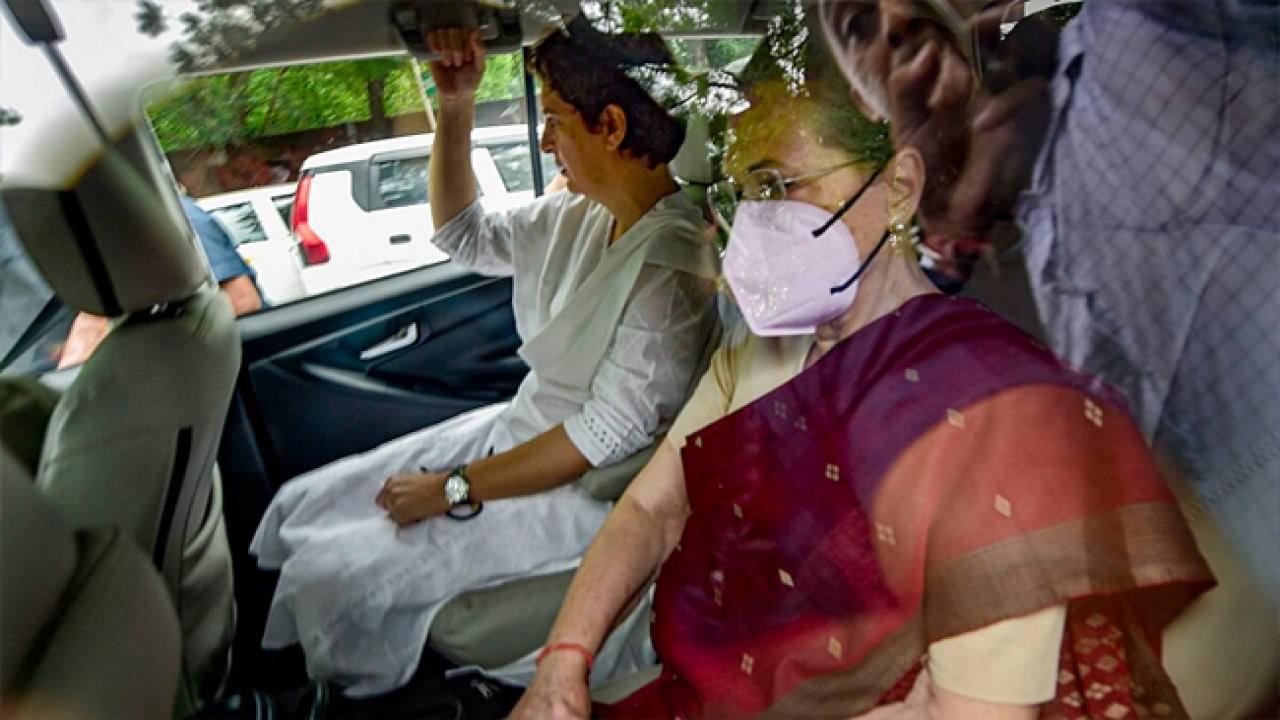
Her two children, Rahul Gandhi and Priyanka Gandhi Vadra, accompanied Sonia Gandhi to the ED office, not far from her official residence, while a battery of senior party leaders converged at the party headquarters to protest against the summons, described by the Congress as BJP’s political vendetta.

Priyanka was allowed to stay in the agency office in a nearby room, given Sonia’s health condition, while Rahul left the place. Ahead of Sonia’s appearance, a large contingent of security forces comprising Delhi Police, CRPF and RAF had been deployed in the VVIP area which had been sealed off.

Not only did the Centre’s move charge up the Congress, which protested against the summons around the country, around 12 opposition parties condemned the ruling party’s alleged misuse of the central agencies to hound its political rivals in one voice.

Leaders of 12 political parties, including the DMK, the Shiv Sena, the RJD and the Left parties, met at the Parliament House and issued a statement in support of Sonia Gandhi.

Prominent leaders of a number of political parties have been deliberately targeted and subjected to harassment in an unprecedented manner, the statement said.

The opposition’s presidential candidate, Yashwant Sinha strongly condemned the ED’s attitude to humiliate political leaders. “The officers of ED should have gone to her residence even if they had questions to ask of Sonia Gandhi,” he said on Twitter.

“Yet again the Extended Department (ED) of BJP is insulating the party from people’s anger towards price rise, joblessness and inflation. By repeatedly calling opposition leaders with zero evidence against them is deliberate political vendetta carried out on behalf of the BJP,” Shiv Sena Rajya Sabha MP Priyanka Chaturvedi said.

Congress veteran and joint opposition vice-presidential candidate Margaret Alva too said that such action against Sonia Gandhi on a day the country elected its first tribal woman as President was unfortunate.

The Congress had agitated over similar ED summons to Rahul Gandhi in June but veterans like Ghulam Nabi Azad had skipped the protests. This time, even Azad came out to express solidarity with Sonia Gandhi.

When Rahul was summoned by the agency, Sonia Gandhi was recovering from Covid-related ailment in a hospital. Upon her return, she had requested for a fresh date of appearance, which was fixed by the ED as July 21.

The planning

As Rahul was abroad, AICC general secretary in charge of organization, KC Venugopal and Priyanka Gandhi Vadra had been discussing a strategy over the summons with senior leaders for days in advance.

On July 21, all the senior leaders, including AICC general secretaries, in charge of states, AICC secretaries and members of the Congress Working Committee, besides heads of frontal organizations like Youth Congress, NSUI and Mahila Congress, converged at the party headquarters to stage a peaceful protest.

The party appeared better prepared this time as it had tested its systems during the June protests and around 150 odd senior leaders courted arrest when the police tried to stop them from taking out a foot march.

“All Congress MPs and CWC members have courted mass arrest outside our party headquarters in a show of collective solidarity with Congress president Sonia Gandhi, a target of  “Vishguru’s political vendetta,” said Congress general secretary Jairam Ramesh.

Members of the Youth Congress blocked train tracks while women’s wing activists raised anti-government slogans and squatted on the road outside the party office. Across states, local Congress units staged protest marches against the targeting of their leader in a show of strength.

The nationwide protests once again established the centrality of the Gandhi family in the Congress system.

“The Gandhi family’s credibility is high as they take everyone along,” Rajasthan chief minister Ashok Gehlot, a close aide of Sonia Gandhi, said.

“We can never forget that Sonia Gandhi has given her life for the party. Her contribution for the party is immense. Her mother-in-law and former prime minister Indira Gandhi died in her arms. Her husband, former prime minister Rajiv Gandhi sacrificed his life for the country,” he said.

Defending the Congress chief, Gehlot said that the Gandhi family had sacrificed for the country and the party.

“Sonia Gandhi was targeted for being a foreigner trying to become PM of the country by the BJP but she sacrificed the high office. She is no less than any other Indian woman as she adopted the traditions of this country after losing her husband. The government should be ashamed of what it is doing to her. The ED could have questioned Sonia Gandhi at her home. There are provisions for women in such cases,” he said.

The Congress veteran claimed that PM Modi and home minister Amit Shah were worried over the Congress revival following the Udaipur declaration and had let loose the central agencies to haunt the opposition parties.

“Modi-Shah got worried after we announced a nationwide yatra in the Udaipur declaration,” said Gehlot.

The questioning  

The Congress leader condemned the summons and urged the probe agency to make the charges against the Gandhis public.

“I condemn the summons. The ED should do a presser to make the charges against the Gandhis public. There is nothing wrong in the case. Earlier, they questioned Rahul Gandhi for hours but nothing came out,” he said, adding “I want to tell the ED what people think about them.”

Gehlot cited over 50 hours of questioning in Rahul’s case and the low conviction rate of the ED to allege that the probe agency was being used to harass the opposition leaders.

“This is a bogus case. The charges are baseless and false. The ED questioning is just an attempt to browbeat the Congress leadership,” Rajya Sabha member Vivek Tankha said.

Party leaders said they had staged peaceful protests earlier when Rahul had been summoned by the agency but had to face unreasonable restrictions from the police, which manhandled several senior leaders, including women MPs.

“We follow the law but we know there are two laws, one for those who join the BJP and another for the political rivals. If they had been in our place, they would have resorted to violence. But we are singing bhajans at our party headquarters to register a peaceful protest,” said Gehlot, adding “The AICC headquarters has been sealed by the police. Wrong precedents are being set.”

Instead of targeting the opposition, the government should address the problems being faced by the people like price rise, unemployment and sliding economy, said Gehlot, adding that the Centre was treating the opposition like an enemy. “Earlier, they used to say Congress-free country. Now they want an opposition-free country,” he said.

The Congress also mobilized support of the other opposition parties inside Parliament to corner the government over the pro-people issues during the ongoing monsoon session as well the ED summons for Sonia. “Is she some ‘super human’ because she is the Congress president?” Parliamentary Affairs minister Prahlad Joshi said.

Media chairman Pawan Khera hit back: “They don’t know the Congress party. We will not be cowered down with such tactics. You can let loose any agency against us.”

When Sonia Gandhi returned home after over two hours of questioning, Congress communications chief Jairam Ramesh addressed a presser to deny reports that the Congress chief had sought relief from the probe.

“The Congress chief in fact was ready to face ED questions for long hours. But she was asked to go home as the agency’s doctor on duty was not available and the agency was busy with some other cases the next day,” said Ramesh.

The next date of Sonia’s questioning was fixed as July 26.

The case

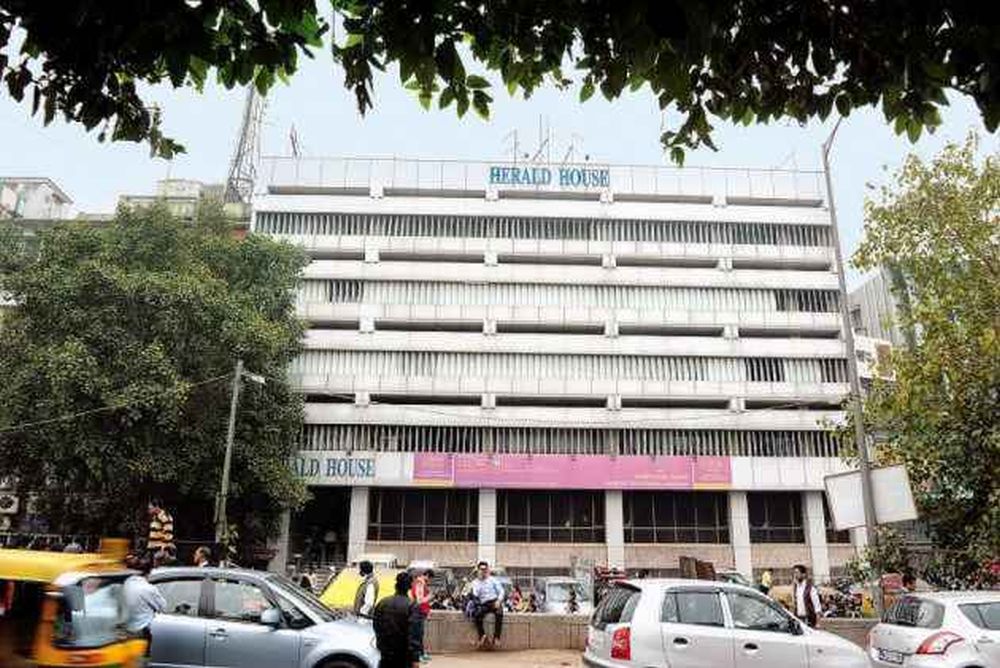
The probe relates to alleged financial irregularities in the Congress-promoted Young Indian Private Limited, which owns the National Herald newspaper. The move to question the Gandhis was initiated after the ED late last year registered a fresh case under criminal provisions of the Prevention of Money Laundering Act.

This was after a trial court here took cognisance of an Income Tax department probe against Young Indian on the basis of a private criminal complaint by BJP MP Subramanian Swamy in 2013.

Swamy had accused the Gandhis and others of conspiring to cheat and misappropriate funds, with YI paying only Rs 50 lakh to obtain the right to recover Rs 90.25 crore that AJL owed to the Congress.

Sonia and Rahul are among the promoters and majority shareholders of Young Indian. Like her son, the Congress president too has 38 per cent shareholding.

The Congress party has maintained that there has been no wrongdoing and Young Indian is a “not-for-profit” company established under section 25 of the Companies Act and hence there can be no question of money laundering.

Congress leaders Mallikarjun Kharge and Pawan Bansal were questioned by the ED in the case in April.


Cheetah reintroduction: A vanity project that one hopes will succeed

Whether the plan will succeed or it will be money down the drain, only time will tell. One can only wish the beautiful and graceful animal the best of luck in making a successful comeback in its erstwhile homeland.

As across India, the cases of man-animal conflict increase on a daily basis and we hear of leopards, elephants, pythons, deer, monitor lizards et al, straying into human habitations as their own habitats shrink due to relentless encroachment by an ever-growing human population, the country is gearing up to welcome yet another big cat species, the cheetah, in August, this year.

India, which already has 5 of the 8 big cats, has been hankering to bring the fastest animal in the world to its shores, as a matter of national pride. I say national pride because the cheetah once graced the grasslands of India with its beauty and speed. Unfortunately, the animal couldn’t outrun human capacity for cruelty and bloodlust. In the end, relentless hunting by emperors and maharajas led to its extinction in its homeland. In fact, the last one to put a bullet in the proverbial coffin of this graceful big cat was Maharajah Ramanuj Pratap Singh Deo of Koriya, in Chattisgarh, (which was a part of Madhya Pradesh then). A ruthless killer of innocent animals, which also included 1,150 tigers, he shot the last three known male cheetahs of the same litter in just one day, in 1947.

In 1952, the cheetah was officially declared extinct in India and soon talk began of bringing it back home by importing it from countries where it still survives. The underlying logic was that if it could thrive in the olden days, a reintroduced species could thrive in the country once again.

In fact, so great was the enthusiasm to bring the cheetah back that the Hyderabad-based Laboratory for the Conservation of Endangered Species suggested cloning the animal, much on the lines of Dolly the sheep. Sadly, Iran, the only Asian country with an Asiatic cheetah population, refused to give India a male and female cheetah or even any sperm, eggs or tissue for reasons best known to it.  Some say that they wanted an Asiatic lion in exchange and India refused, but one is not sure of what the truth is.

After years and years of debates for and against the project, then Environment Minister Jairam Ramesh formalised a plan in 2009 to reintroduce the cheetah. Again India approached Iran but it refused to part with its cheetahs because of the tiny population it had and because it already had a very meager population of female cheetahs crucial for the survival of the species. So, in the end, India turned to Africa for help but in 2012 the Indian Supreme Court blocked the move due to worries over introducing an alien species.

Then, suddenly, in January 2020 the apex court responded positively to a petition filed by the National Tiger Conservation Authority and allowed the introduction of African cheetahs into India on an experimental basis.

However, one wonders if those who have been fighting to bring the world’s fastest animal back to India stopped to think if we can actually sustain it now. After all, the sparsely-populated India with large swathes of forests and grasslands does not exist anymore, and this has led to so much human-animal conflict already.

According to a 2021 report by the World Wide Fund for Nature (WWF) and the UN Environment Programme (UNEP), “human-animal conflict is one of the main threats to the long-term survival of some of the world’s most iconic species.” The report highlights that on an average, world wildlife populations have fallen 68 per cent since 1970 and globally, conflict-related killings affect more than 75 per cent of the world’s wild cat species.

Coming back to India, the Union Ministry of Environment’s data reveals that over 500 elephants were killed between 2014-2015 and 2018-2019, primarily as a result of man-animal conflict. And, roughly about 200 leopards are killed by poachers every year, say data compiled by Government agencies and conservationists. For the unofficial leopard population of India, which has been put at 10,000, this is not good news. And the real number could be much higher given the high incidence of leopard-human conflict due to habitat loss.

So, shouldn’t these numbers be ringing alarm bells for us? After all, the cheetah is known to travel across areas up to 1,000 sq km in a year. Imagine the scope for man-big cat conflict in such a situation!

However, the die is cast and the Kuno National Park in Madhya Pradesh is gearing up to receive eight cheetahs from Namibia as part of a soft launch of the mega project to bring the feline back. Kuno was chosen for this Rs 300 crore project as it has huge swathes of grasslands that a cheetah needs to build up speed for hunting without having to worry about trees or other obstacles coming in its way. The plan is to keep the cheetahs in seven compartments in a 600 hectare enclosure. Later, 12 more cheetahs will be brought in.

So one is forced to think, what is the point of bringing the cheetahs in and keeping them fenced in? Because cheetahs are notoriously poor breeders in captivity and even in the wild, left on their own the death rate of litters is very high. In fact, researchers in Africa have found that many mothers are unable to ensure the survival of even one litter, forget about multiple litters. So, all in all, it is a fragile animal.

Plus, even if we were to go with the logic that they would be kept fenced in and not allowed to venture out for their own safety, then they would always be dependent on human intervention and translocation to ensure genetic viability and long-term survival of the species in the country.

If media reports are to be believed a senior forest officer in Madhya Pradesh has admitted on condition of anonymity that, “In the cheetah’s case we will create founder populations with the knowledge that they will never become naturally viable.”

So how much human intervention and money will have to be pumped by an impoverished country like ours into a vanity project? Won’t we be better off spending this money in conserving other species on the brink of extinction and settling and involving communities in the conservation programmes so that humans and animals have a better chance of surviving with each other?

There are those who argue that bringing the cheetah back is the best way to protect threatened drylands. However, even if they manage to survive and breed and the programme is a big success and we are able to release them in the wild eventually, the fact remains that cheetahs will not live in all types of grasslands of the country. It’s utopian and impractical to expect one species to be the panacea for the conservation of all the grasslands in India.

As of now, the Government’s action plan is to keep the founder population of the cheetah confined to the reserve’s 600 hectares and spend crores doing it. In truth, the idea of having 6 out of 8 big cats in the country might be tempting but it is not enough to justify the time and the money being invested in it. As things stand, the ‘Tiger State’ of Madhya Pradesh has the dubious distinction of having the largest number of tiger deaths in the country, with 27 of the 74 mortalities that took place till July 15 being recorded there.

On the other hand, all cynicism aside, one must give the Government full marks for trying to restore some of the lost glory back and  Kuno-Palpur will soon have the distinction of being the only reserve in the world to host four major big cats, the tiger, lion, leopard and the cheetah.

Whether the reintroduction plan will succeed or it will be money down the drain, only time will tell. One can only wish the beautiful and graceful animal the best of luck in making a successful comeback in its erstwhile homeland. After all, our own wildlife experience will become richer for it.


Murmu’s facile victory bares cracks in Oppn unity

Though the Prez poll result cannot guarantee a smooth sailing for the BJP in 2024 LS polls, the massive cross-voting seen in many states has exposed the façade of the Opposition’s united front narrative against the BJP two years before the General Elections, writes Mudit Mathur

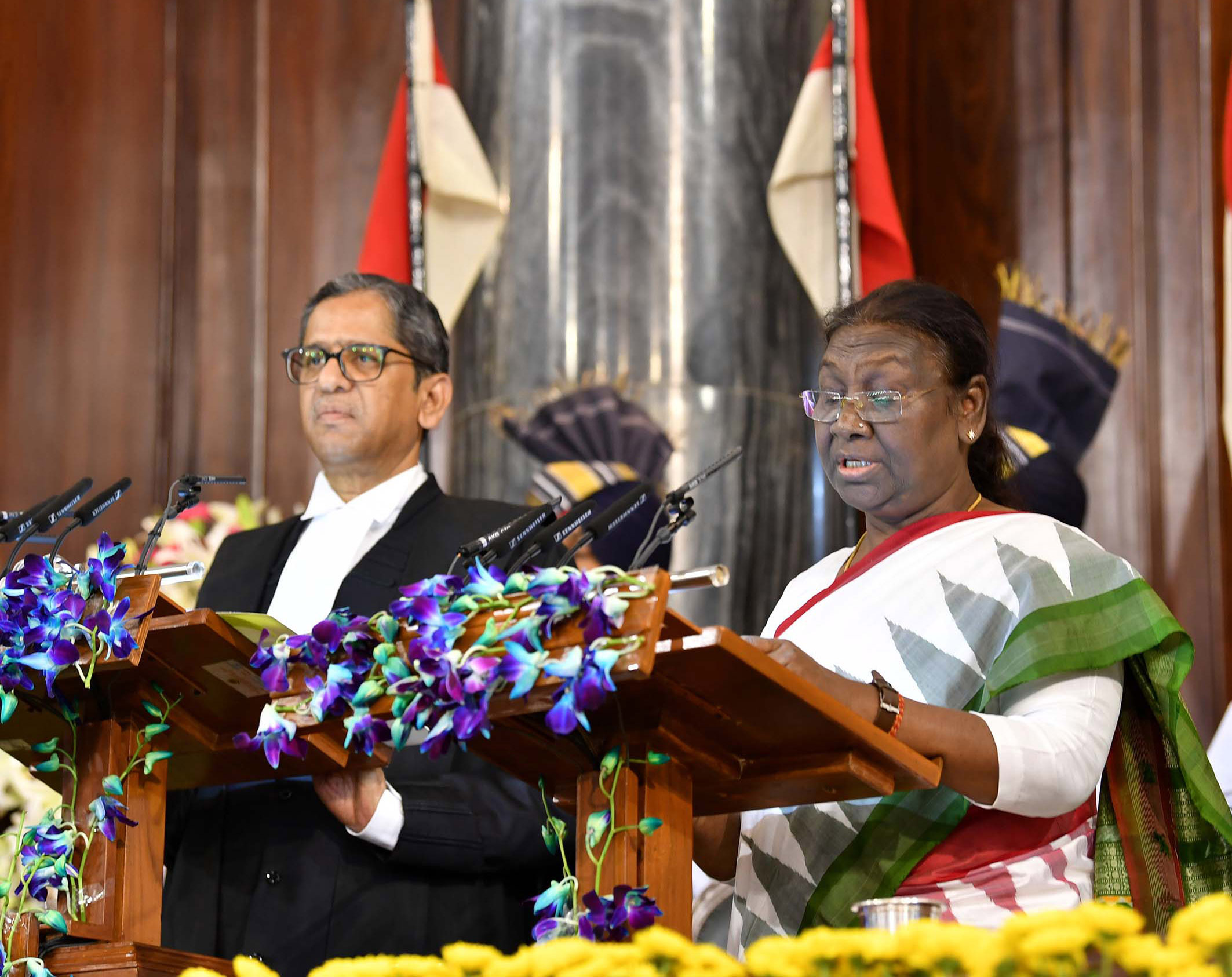
Droupadi Murmu, 64, has won the presidential race for the Raisina Hills. She succeeded strategically planned presidential election with a comfortable majority of 64.03 percent votes defeating opposition’s nominee Yashwant Sinha by a huge margin. Murmu has become the 15th president of the Republic of India with swearing in ceremony held on 25th July in the jampacked Central Hall of the Parliament. She is the first tribal, youngest and second woman to the hold the top constitutional post in the Indian democracy. Distinguished dignitaries including Prime Minister Narendra Modi along with his cabinet, Congress president Sonia Gandhi, BJP leader Murli Manohar Joshi, Odisha CM Naveen Patnaik greeted her after the oath.

The Chief Justice of India N.V. Ramana administered her the oath as the constitutional head  “to protect, preserve and defend the constitution and the law devoting to the service and well-being of the people of the Republic of India.” Down to earth Murmu scripted the history by becoming first president from the deprived tribal community and second woman to make it to the Rashtarpati Bhawan defeating opposition nominee Yashwant Sinha by a huge margin.

The Santhal tribe has glorious role in the freedom struggle and Birsa Munda, whose role in the freedom struggle changed the course of modern Indian history. He mobilised the tribal community against the British, forcing them to introduce laws protecting the land rights of tribals. In his all-too-short life — he died in Ranchi jail at the age of 25 — he brought about inspiring changes in the lives of tribals across the country.

The past precedents suggests that success in presidential election does not necessarily guarantee that the ruling BJP would win 2024 Lok Sabha polls for granted, but lack of unity in opposition camp and leadership crisis within the Congress party over dominance of Nehru-Gandhi family could definitely give an edge to ruling Prime Minister Narendra Modi to make hat-trick amid no alternative phenomena.

However, the presidential election result can hardly be taken as a pointer to possible smooth sailing for the BJP in 2024 general election but much hype of building a fresh narrative of hat-trick of Modi is being created in the media. Congress nominee Shankar Dayal Sharma and Pranab Mukherjee won 1997 and 2012 but the party lost parliamentary polls. So much would depend on how people of India react to the policy reforms taken up by NDA government despite unacceptance of stake holders for the same causing resentment among them. Growing unemployment, price rise, minimum support price for farm produces, privatisation of public sector assets, atrocities on Dalit and traders’ unrest over GST regime are vital issues before the people. It would be interesting to see how Opposition takes up these issues or some new polarisation emerges to channelise this anger.

The BJP has meticulously planned to take its presidential candidate’s victory to masses and has organised celebrations in over one lakh villages of the country. BJP party workers and leaders will also march from its party headquarters to Rajpath to celebrate the election of India’s first Adivasi president. The BJP planned to showcase its concerns for the weaker section highlighting its outreach to get an Adivasi President elected rather than Murmu’s own tough life struggles at grassroots outshining her achievements in the public life.

Murmu has become President at a time when marginalised tribal community in India is expressing deep resentment over the government policies – posing threat to their lives and livelihood. Human right activists have been raising questions over extra-judicial killings during insurgency operations in the tribal areas with tribals facing turbulent times to save their land. As the Governor of Jharkhand, Murmu showed her guts returning two legislations passed by BJP-ruled Jharkhand government purportedly inimical to the interests of Adivasis community saying “injustice will not flow from her pen” but as a top constitutional head, her judicious approach would face larger challenges with respect to protection of forests and saving means of livelihood.

As the first woman Governor of Jharkhand, Murmu courageously retuned two controversial Bills in June 2017 passed by Chief Minister Raghubar Das-led BJP government. The issue was related to amendment in land laws relating to easy transfer of tribals’ land for Industrial use – paving the way for corporate houses to own their land for business purposes and mining. The Chhotanagpur Tenancy (CNT) Act and the Santhal Pargana Tenancy (SPT) Act had sparked widespread protests by tribal communities who believed that the move would limit their rights over their inherited lands. Her past record, considerably inspired confidence in a big chunk of opposition parties who outrightly supported her candidature. Shiv Sena and Biju Janata Dal openly supported her while her victory largely based on the votes of opposition on the ground of conscience.

Murmu conquered her challenger and opposition candidate Yashwant Sinha, securing 64.03 percent of the total votes polled. Her victory exposed hollowness of opposition unity that shattered with huge cross voting ensuring her smooth victory much before the contest. Though NDA was short of majority because of its debacle in many states as compared to 2017 presidential poll and just required 3-4 percent votes to secure victory but final tally of 64.03 percent votes really highlights its admirable strategy which was conceived by Modi-Shah duo dominating national polity.

The operations for the presidential elections began with the engineering of defections in Shiv Sena-led Maharashtra through Eknath Shinde who deceived Uddhav Balasaheb Thackeray pulling down his government with the help of BJP. Besides this backup plan, the overall strategy of Modi-Shah also turned the tables on the opposition. The name of Droupadi Murmu from Santhal tribe saw a huge response from the regional political parties who drew inspiration and hope from her credible struggle for the rights of weaker and tribal sections of the society against powerful lobbies espousing corporate interests.

The BJP claimed that 17 MPs from the two Houses of Parliament and 126 MLAs from different states defied respective party lines and voted for Murmu. Many regional parties, despite their political reservations against the BJP-supported Murm because of her sustained struggle for the welfare of poor, downtrodden and exploited tribal community where she went beyond the party lines to protect their interests.

The election of President of India has always been dominated by the candidate of ruling party and opposition parties never had big role in it. But unlike in the past, opposition failed to pose a respectable united fight because of cracks and divisions among its highly whimsical and overambitious leaders. The main opposition party, the Congress also failed to discharge its responsibilities to take proper initiative for an interactive dialogue process between the leaders of other opposition parties.

Presidential election of 1969 was an exception when official candidate of the ruling Congress party, Neelam Sanjiva Reddy lost the election and an independent candidate V.V. Giri, a freedom fighter and trade union leader, won the battle. It had become a contest between the then Prime Minister Indira Gandhi and the old guards of the Congress Party dubbed as the Syndicate. Disregarding the dissent of then Prime Minister Indira Gandhi, the party officially supported candidature Neelam Sanjiva Reddy. Giri, who was vice president, resigned and decided to contest as an independent candidate. Prime Minister Gandhi then decided to support him, endorsing a “vote of conscience” that allowed Congress legislators in the states and central to vote for Giri.

The unthoughtful strategy of opposition was flawed since the beginning as after refusal of three prominent leaders – Sharad Pawar (NCP), Farooq Abdullah (NC) and Gopalkrishna Devdas Gandhi, former Governor of West Bengal – Yashwant Sinha took the baton of opposition who was once among the top leadership of BJP. Ironically,Yashwant Sinha, who has now raised a rebellion to PM Narendra Modi, has been challenging his decisions before the apex court but he was the same person who proposed Modi’s name for the Prime Ministerial race being the most eligible choice in 2014. Thus, the selection of Yashwant Sinha was marred by intellectual bankruptcy and lack political vision. The ongoing election campaign for the post of Vice President of India between NDA nominee Jagdeep Dhankar and opposition nominee Margaret Alva has just become a symbolic fight amid announcement of Trinamool Congress chief Mamata Banerjee to abstain from polling alleging Congress party decided her name without consultation with her.

Life Sketch

Draupadi Murmu was born in 1958, in the district of Mayurbhanj in Odisha. She completed her education at Unit II High School and Rama Devi College, both in Bhubaneswar. She went on to work as a junior assistant in the State Irrigation and Power Department from 1979 to 1983, and then as a teacher at Sri Aurobindo Integral Education Centre at Rairangpur till 1997.

She lost both her two sons Laxman Murmu and Sippun Murmu. Her husband Shyam Charan Murmu died in 2014. She has a daughter Itishri Murmu who works at UCO bank in Odisha. Itishri got married to Ganesh Hembram, who is a rugby player, in 2015. They have a little daughter.

Murmu is a keen practitioner of the meditation techniques of the Brahma Kumaris, a movement she embraced after she lost her loved ones. Around 13 years ago, Murmu first got connected with the Brahma Kumari Sansthan in Mount Abu in Rajasthan.

Murmu first joined politics in 1997 when she was elected councillor of the district board in Rairangpur. She would then go on to become a MLA from the same constituency. Murmu served twice as an MLA and once as a minister in the BJD-BJP coalition government in Odisha, before being sworn in as the Governor of Jharkhand on May 18, 2015. Murmu stayed in the post till 2021 before moving to her village in Rairangpur. Murmu also served as vice-president of the BJP’s Scheduled Tribes Morcha.

Murmu is an inspirational figure for the Santhal community and for women in general. She has frequently weighed in on issues that Adivasis face. Speaking at an international conference on financial inclusion, Governor Murmu said that even though the Jharkhand state government (then headed by the BJP) and the Centre were working to extend the benefits of banking services and other schemes to tribals, the condition of SCs and STs “remain extremely poor”. Murmu also called for the translation of literature on Adivasi languages and culture.


MOST POPULAR

HOT NEWS