Is multi-crore Rotomac bank scam headed for a burial?

The tardy pace of probe by the central agencies such as CBI, ED, SFIO and IT is a drag on the Rs 4,500-crore Rotomac Bank fraud case against the pen makers. Will it be buried in the pages of history like other bank frauds without recovering NPA amount?  A report by Mudit Mathur

Rotomac Bank fraud amounting to Rs 4,500 crore is all set to be diluted due to undue delay by the investigation led by multiple agencies of the government including Central Bureau of Investigation (CBI), Enforcement Directorate (ED), Serious Fraud Investigation Office (SFIO) and Income Tax (IT). Will it be buried in the pages of history like other bank frauds without recovering NPA amount?

The investigations into murky corporate fraud of Rotomac group once again came into the focus this month after the Supreme Court confirmed its orders of anticipatory bail to the former Directors of Mohan Steel Limited in a case linked to alleged company fraud of Rs 4,500 crore caused to a consortium of 14 banks, in which the Promoters and Directors of the Rotomac Group of Companies and Frost International Limited are also facing trial.

This was the second major financial scam that broke out after the sensational Rs 11,400 crore fraud allegedly committed by billionaire jewellery designer Nirav Modi and his uncle Mehul Choksi, as a promoter of Gitanjali group of companies. Both left the country defrauding the Punjab National Bank before its officials could realise the seriousness of the scam. In Rotomac Bank fraud cases, all the accused have been enlarged on bail and main accuse Vikram Kothari died.

Earlier on 26th May 2022, the bench of Justice Om Prakash (VII) of the Allahabad High Court, which had earlier rejected bail application, however, reconsidered bail plea and directed the release of Kanpur-based Rotomac Global Company owner Rahul Kothari on interim bail in a case relating to corporate fraud filed by SFIO on the basis of the reports of Ministry of Corporate Affairs and CBI. He allowed his application on humanitarian consideration keeping in view the serious illness of his mother Sadhna Kothari and death of his father Vikram Kothari. On the other hand, a bench comprising of Justice Sanjay Kishan Kaul and Justice Abhay S. Oka in its order observed that it is not disputed that the appellants Mohan Krishna Kejriwal, Gopal Kejriwal and Sri Krishna Kejriwal have been cooperating with the investigation and the whole issue arises out of records and documents. “In view of the aforesaid facts and circumstances, the order dated 30.03.2022 is made absolute,” the court said. On March 30, the court granted interim protection from arrest to former directors of the private company and directed them to cooperate with the investigation.

The affairs of Vikram Kothari led Rotomac group and its interconnected shell companies had been under the scanner of these agencies since 2018 but no remarkable success has ever come to light. The main accused, Rotomac Group promoter Vikram Kothari, 73, mysteriously died at his Kanpur residence in the last January after slipping in his bathroom, leaving unfinished trial and ongoing incomplete investigations.

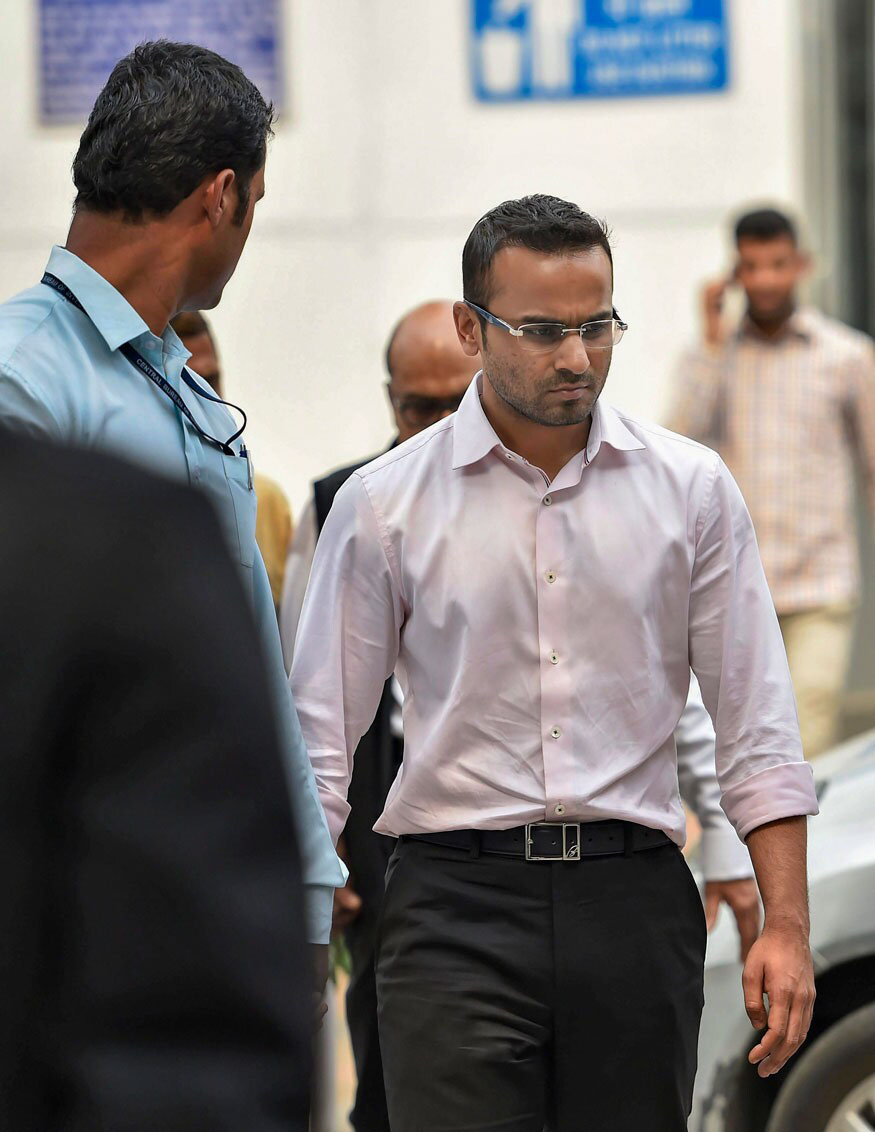
The CBI and the Enforcement Directorate investigations are going on in multiple other bank fraud cases. In February 2018, the CBI had arrested Kothari and his son Rahul Kothari in an alleged Rs 3,695-crore “wilful” loan default case. They were released on bail by High Court after spending nine months in the jail.

Kothari, owner of the Kanpur-based Rotomac, had allegedly taken loans amounting to Rs 2,919 crore from seven banks, including Allahabad Bank, Bank of India, Bank of Baroda, Indian Overseas Bank, Oriental Bank of Commerce, Bank of Maharashtra, and Union Bank of India. He allegedly did not pay back either the loaned amount or the interest. “In the complaint lodged with CBI by Bank of Baroda, it was alleged that Rotomac cheated a consortium of seven banks by siphoning off bank loans to the tune of Rs 2,919 crore. This is just the principal amount and does not include the interest liabilities of these loans”.

In February 2018, the CBI filed its first case against Rotomac and Vikram Kothari for allegedly cheating a consortium of seven banks including Bank of Baroda, Indian Overseas Bank, Union Bank of India, Allahabad Bank, Bank of Maharashtra and Oriental Bank of Commerce and Bank of India for allegedly defrauding them of Rs 3,695 crore.

It was alleged that Kothari got loans disbursed based on foreign letters of credit (FLCs) on the pretext of making payments to his buyers and suppliers in places like Dubai, Sharjah and Hong Kong but they didn’t exist. The Kotharis allegedly provided incomplete documents or photocopies of bills of loading to the banks on the pretext that original papers were sent to the importer.

The banks had alleged in the FIRs filed with CBI that Rotomac did not attach the packing list, mandatory insurance copies of goods, certificate of origin of goods, or the inspection certificate from third parties while submitting documents to it. When bank officials visited Rotomac’s suppliers and buyers abroad, they found that the import/export business was allegedly running through shell companies.

Later, a second case was registered in February 2020 against the company for allegedly cheating Allahabad Bank of Rs 36 crore. In the latest FIR, CBI has alleged that the company took loans over a period of time from Bank of India for which there is outstanding of Rs 806 crore.

The Central Bureau of Investigation (CBI) has filed a case against pen manufacturer Rotomac Global Pvt Ltd and its promoter Vikram Kothari, his wife Sadhna Kothari and son Rahul Kothari for allegedly cheating Bank of India of Rs 806 crores. It has been alleged that company diverted most of the funds taken from the bank. With three cases registered by CBI, total amount pertaining to bank fraud involving Kanpur based Kotharis comes to around Rs 4,500 crore.

It was reported that Bank of India is the consortium leader, which sanctioned Rs 754.77 crore. Bank of Baroda gave Rs 456.63 crore, Indian Overseas Bank loaned Rs 771.07 crore, Union Bank of India sanctioned Rs 458.95 crore, Allahabad Bank gave Rs 330.68 crore, Bank of Maharashtra gave Rs 49.82 crore and Oriental Bank of Commerce sanctioned Rs 97.47crore.

The Rotomac Pens Private Limited company was incorporated in 1992 and had diversified its business into various segments, including import/export and trading of food grains, heavy industrial equipment, various electronic items, polymers, scrap, gems and jewellery, coal and iron ore. It was renamed as Rotomac Global private Limited in 2008.

It was disclosed in the FIR, the accused persons adopted various means to cheat the bank. The funds which were directed to group companies, Crown Alba Writing Instruments India Private Limited and Rotomac Polymers Private Limited were misappropriated. A forensic audit also revealed several financial irregularities in the account books.

The group had shown foreign exchange losses of Rs 1,578.71 crore in 2013-14 and Rs.159.50 crore in 2014-15. It raised a debit note of Rs.1,273 crore on four linked parties and concealed the losses. Rotomac Exports Private Limited showed forex losses of Rs.1,207.49 crore in 2013-14 and Rs.110 crore in 2014-15, it is alleged.

In many cases, as alleged, the place of issue of Bill of Loading was China or Dubai, despite the fact that they were neither entered at the loading port nor the discharging port. The company routed Rs.1,226.51 crore through non-consortium banks in 2013-14 and Rs.479.52 crore the next year. During 2018-2020, the CBI had booked Rotomac Exim (P) Limited, Vikram Kothari, his son Rahul and others for allegedly cheating the Allahabad Bank of Rs.36.84 crore.

The first case was registered in February 2018 against Rotomac Global Private Limited, Kothari, his wife and their son in an alleged Rs.3,695-crore loan default case. Kothari and his son were also arrested. They were accused of cheating a consortium of seven banks led by the Bank of India. In May 2018, the agency filed the first chargesheet against Rotomac Global Private Limited, the Kotharis and three bank officials, accusing them of cheating a consortium member, Bank of Baroda, of Rs.456.63 crore.

The Income Tax Department had taken action against the Rotomac group and its promoter attaching 11 bank accounts in connection with an alleged tax evasion probe against them.

Modus operandi

It was revealed that the credit was sanctioned and the loan disbursed to Kothari for importing wheat from a company in Singapore, but the amount was not utilised for the purpose. Instead, it was diverted to another company and the money was later remitted to Rotomac.

“Money was sought from the banks for importing wheat from a Singapore-based company, BargadiaBrothe But when it was sanctioned, the money was not utilised to buy wheat. The money first went to Bargadia brothers and then came back to Rotomac. No export order was ever executed. This round-tripping of money amounts to misappropriation of funds, criminal breach of trust, and violation of FEMA guidelines,” surfaced during in depth investigation.“Most of the transactions of this company are with limited number of buyers, sellers, sister companies, and subsidiaries of this company.”

Even after long period of more than four years, the multiple agencies failed to secure conviction of accused persons defrauding huge amount of seven Banks allegedly committing serious violation of company laws and indulging in money laundering. The unexpected slow pace of multiple investigation has marred the chances of speedy trial securing conviction of accused persons in a big bank fraud case.
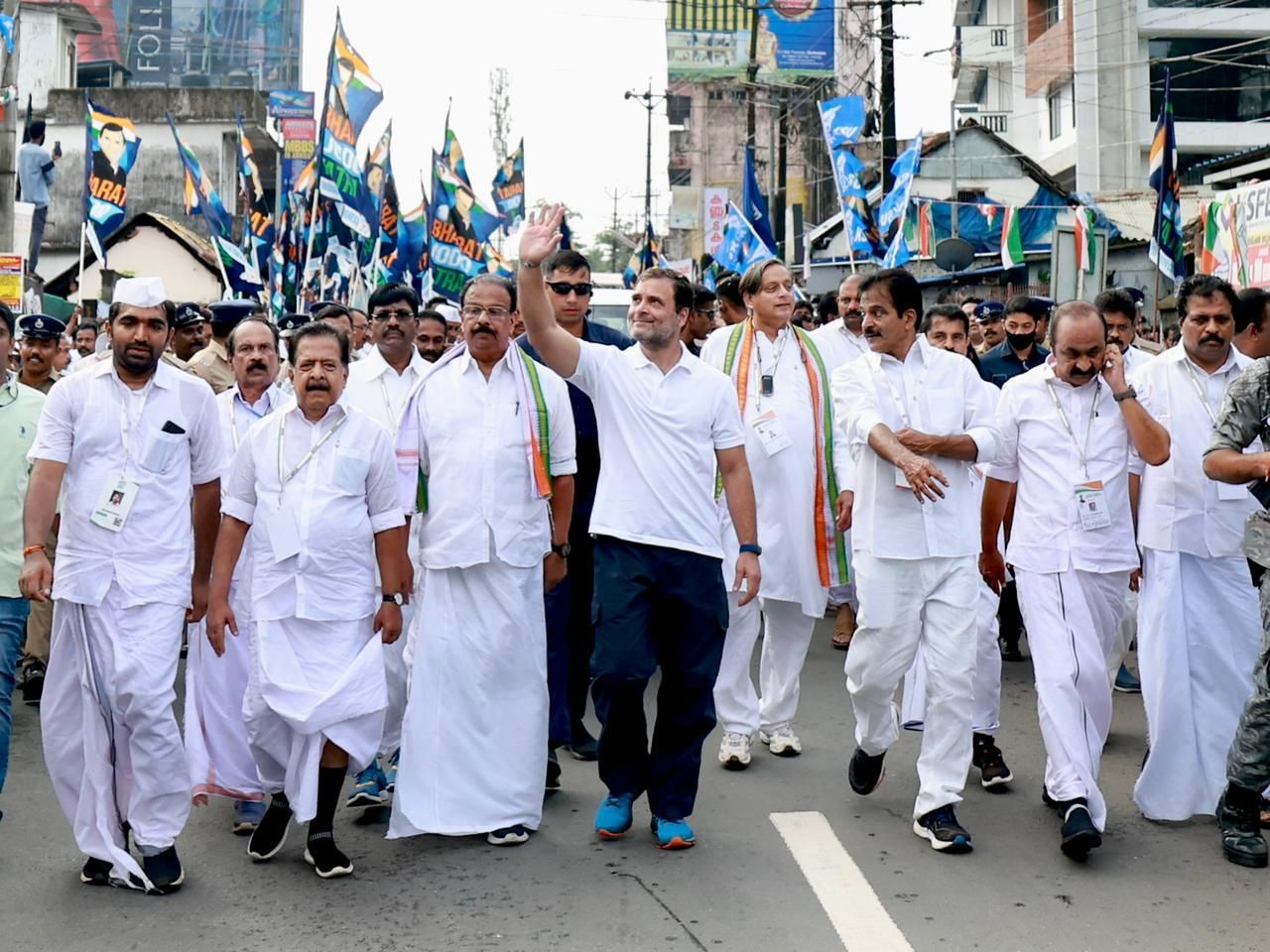


Rahul leads Bharat Jodo yatra, Cong looks at revival

Besides the Congress’s stated objective to re-establish the party’s connect with the masses, the mega foot march is expected to help the party reaffirm its position as a natural anchor of any anti-BJP grouping ahead of the 2024 Lok Sabha elections.  A report by Amit Agnihotri

Rahul Gandhi is leading the Congress’ Bharat Jodo Yatra, which is the biggest public movement launched by the grand old party since Independence and hopes to revive the organization ahead of the 2024 Lok Sabha elections.

The Congress yatra started from Kanyakumari in Tamil Nadu on September 7 and is expected to cover around 3500 km across 12 states and 2 UTs over the next 150 days to reach Kashmir.

Though the obvious gains of the yatra are that it will charge up the party workers, re-establish party connect with the masses and help it revive across the country, the mega foot march is also expected to help Rahul reinvent himself.

During the 150-day yatra, Rahul, along with 118 fellow travelers known as Bharat yatris, will be on the road, walking in the morning and evening sessions and interacting with various sections of society, and eating and sleeping during night halts in fabricated containers mounted on trucks.

Around 60 such containers have been readied by the party for use by the Bharat yatris who have deliberately avoided staying in a hotel or resort to project the image of a common man.

The containers will be moved to new locations every night and the place where they will be parked would become the campsite for the travelers. Food would also be prepared locally for them.

In a way, Rahul’s mega nationwide yatra and the plan to spend the 150 days in containers can be compared to a similar initiative undertaken by former Pakistan prime minister Imran Khan.

The former cricketer had launched his Pakistan Tehreek-e-Insaaf (PTI) party in 1996 but it wasn’t until the 2013 general elections that the outfit emerged as a serious player nationally.

In 2014, Khan travelled across Pakistan in containers and mobilized people against the then Nawaz Sharif government as he promised to fight corruption and fix the country’s sagging economy.

The campaign found favour with the people who were looking for a change and Khan assumed the top post in 2018. He lost a vote of no-confidence in Pakistan’s National Assembly in April this year.

Civil society support

The Bharat Jodo yatra has found support from over 200 civil society members who appealed to the people to support the yatra and similar initiatives by any other organisation to defend against the “systematic assault” on the unity and democracy of India.

The objective of the march was to “stir the conscience of the people in times when the constitutional values and democratic norms are being brazenly undermined” and the very idea of India has come under a “systematic assault”, the civil society members said in a statement.

Swaraj India founder Yogendra Yadav, documentary filmmaker Anand Patwardhan, All India Secular Front’s Anil Sadgopal, rights activist Anjali Bharadwaj, theatre maker Anuradha Kapur, eminent journalist Mrinal Pande, former MP Dharamveer Gandhi and former IAS officers Abhijit Sengupta and Sujata Rao were among those who signed the appeal.

“Never before have the values of our republic faced as heinous an assault as they have in the recent past. Never before have hate, division and exclusion been  unleashed on us with such impunity. Never before have an overwhelming majority of the farmers and workers, Dalits and Adivasis, women and religious minorities faced such effective exclusion in the shaping of the nation’s future,” the activists said.

Noting that “this is a moment of reckoning and every one of us needs to say: No, not on my conscience” the statement further said, “at stake is our unique pluralistic social fabric, which is our greatest civilizational inheritance, reflected in our Constitution.”

“Let us all make Bharat Jodo Yatra the decisive step towards renewing our pledge to reclaim an India that is a sovereign, socialist, secular and democratic republic with liberty, equality, justice and fraternity as its guiding lights,” they added.

Earlier, Rahul had interacted with representatives of over 100 civil society groups who sought clarifications from the leader over the intention behind the yatra. Yogendra Yadav even walked along with Rahul and other leaders in Kanyakumari.

Yatra and politics

All the other parties, including the ruling BJP, are closely watching the Congress yatra, which is expected to help the grand old party reaffirm its position as a natural anchor of any anti-BJP grouping ahead of the 2024 Lok Sabha elections.

Though the Congress has repeatedly said that the yatra is a social project and not for political purposes, it cannot be denied that the party would surely have factored in the political gains behind the massive public contact program.

In fact, the yatra was planned at the Udaipur Chintan Shivir held on May 13-15 where over 400 party leaders brainstormed over the party’s strategy for the 2024 national polls and the various state elections that will take place before that.

Gujarat and Himachal Pradesh will have assembly polls later this year while Karnataka, Madhya Pradesh, Chhattisgarh, Rajasthan and Telangana would go to polls in 2023. At present the Congress rules only in Rajasthan and Chhattisgarh while it shares power in Jharkhand with JMM and RJD and in Tamil Nadu with DMK.

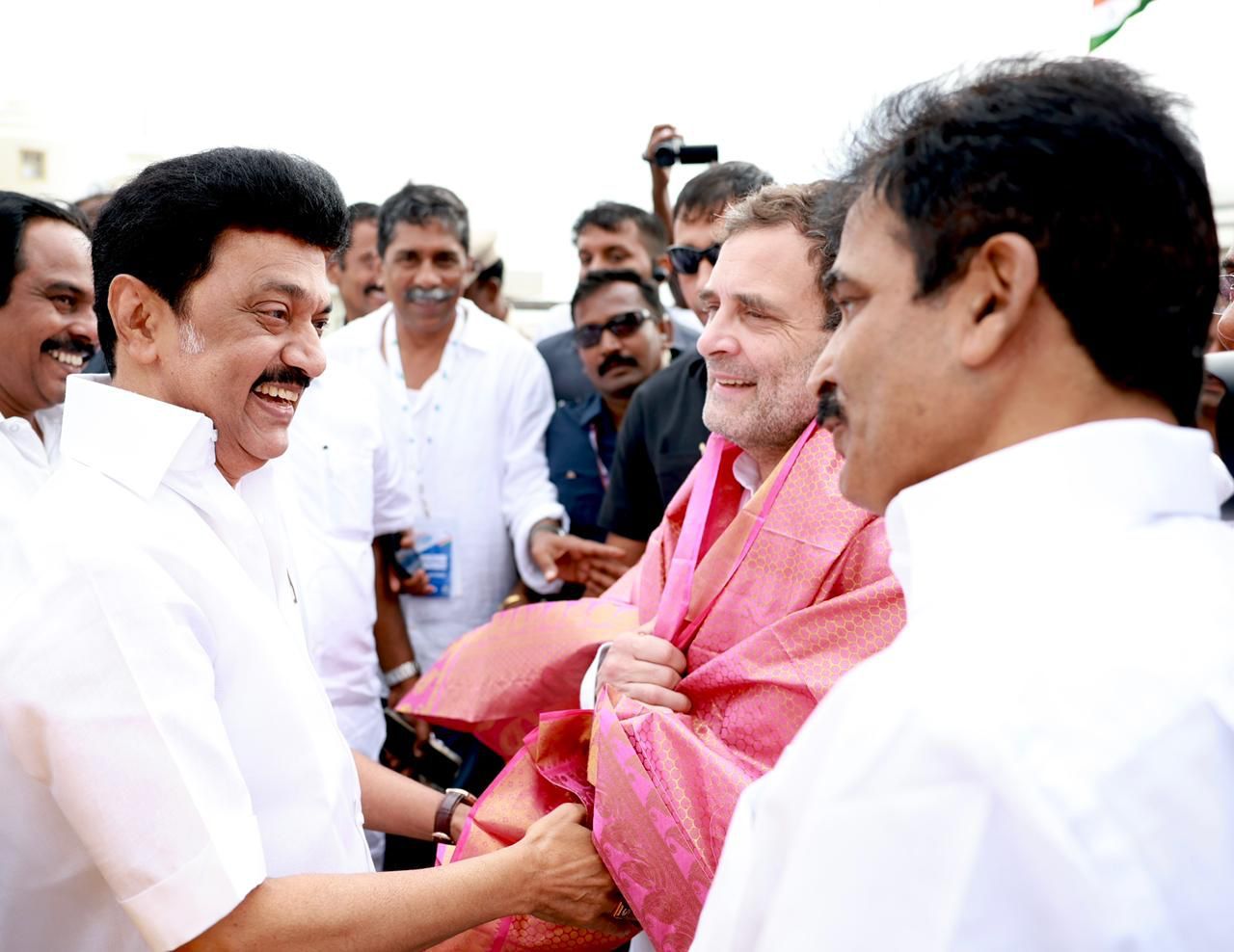
Interestingly, DMK leader and TN chief minister MK Stalin was present during the launch of the Bharat Jodo yatra at Kanyakumari and handed over the Indian flag to Rahul, signaling the strong alliance between the two parties.

Though the Congress had appealed to other political parties to support the yatra, there has been no public statement from them over the issue.

Opposition unity

Bihar chief minister and JD-U leader Nitish Kumar, who recently parted ways with the BJP and joined hands with the RJD and Congress, had met Rahul a few days before the yatra launch.

During his Delhi visit, Nitish Kumar also met several key opposition leaders including NCP chief Sharad Pawar, CPI-M’s Sitaram Yechury and Delhi chief minister and AAP patron Arvind Kejriwal. “It is time for the Left parties, the Congress and all regional parties to come together to form a united opposition,” Kumar, who also met CPI general secretary D Raja, said.

“Many thanks to Nitish ji for visiting my residence. Discussion was held on many serious issues related to the country like education, health, ‘operation lotus’, open horse-trading of MLAs to topple popularly elected governments, increasing unemployment and unrestrained corruption by BJP dispensations,” Kejriwal tweeted.

Interestingly, Kumar also called on Rashtriya Janata Dal leader Sharad Yadav, who was expelled from the Janata Dal (United) for anti-party activities. In March, Sharad Yadav merged his party Loktantrik Janata Dal (LJD) with RJD, pitching for unity in opposition ranks to take on the BJP.

Kumar also met INLD supremo OP Chautala and SP patriarch Mulayam Singh Yadav and his son and former Uttar Pradesh chief minister Akhilesh Yadav.

Kumar, his deputy Tejashwi Yadav and several opposition leaders will attend the Indian National Lok Dal’s public rally on September 25 in Haryana, party leader Abhay Chautala said. OP Chautala has also invited Sharad Pawar, National Conference president Farooq Abdullah, Shiromani Akali Dal patriarch Parkash Singh Badal, Samajwadi party president Akhilesh Yadav and his father Mulayam Singh Yadav, and Meghalaya Governor Satya Pal Malik for the rally.

In the past, the opposition parties have faced an issue of who would be the face of the anti-BJP grouping in 2024.

Nitish Kumar, who has been projected as that leader of late, clarified that he had no prime ministerial ambitions and that forging opposition unity was far more important than deciding who the opposition face for the top post would be.

“This is wrong. I am not a claimant for the post, nor am I desirous of it,” said Kumar when asked about his prime ministerial aspirations.

“First, the agenda is to unite all parties, not to decide on the PM candidate. When the time comes, we will decide the PM candidate and let you all know,” said Yechury.

During his yatra, Rahul too said that building opposition unity was the responsibility of all the parties while party veteran Jairam Ramesh said that a strong Congress was needed for any opposition unity and claimed that the yatra would provide that strength to the grand old party.

The ruling BJP has attacked the Congress yatra saying it was an attempt to save the party and the Gandhi family. To this Rahul replied that the saffron party had a right to have a view but pointed out that the Bharat Jodo foot march was to reach out to the people and undo some of the damage done by the BJP’s divisive politics.

He alleged the saffron party was dividing people in the name of religion, caste and food while neglecting problems like price rise and unemployment.

Party leaders said he is walking the entire route of the yatra along with 118 Bharat yatris to project the image of a common man and that of being a worker of the Congress.


Can Cong reinvent and recreate its lost magic?

The herculean effort and the sweat and blood that has gone into planning and executing the Bharat Jodo yatra cannot be dismissed. The exercise has the potential of a positive outcome for Congress.

It seems to be a time for reinventing whether it is the country, a party or one’s public persona.

It is also a time when a handful are chartering a new course with a bid to reinvent and thus change the status quo.

Taking first things first, it is the country that tops the list. And who else but Prime Minister Narendra Modi to lead the way?

And this time around, he has done India proud by resurrecting the forgotten but deserving heroes even as correcting distortions of History.

Not only has the Modi government erased signs of colonialism but also pushed the unnecessarily larger than life Nehru-Gandhi legacy into the background. About the first, the government is gung-ho; on the second it is silent. Yet on both counts, it deserves accolades.

When Prime Minister Modi spoke at an inaugural event, he hammered the point of an India finally rid of the colonial past: “Symbol of colonialism ‘Kingsway’ will be a history and has been erased forever,” he said adding that India is now moving beyond the mentality of colonialism.

For the uninitiated, the stretch from Rashtrapati Bhavan to India Gate was named Kingsway by the British signalling it to be the seat of the ruler.

Post-Independence, it was changed to Rajpath: a shift from sovereignty to a free India.

It has been re-christened Kartavya Path, or a road of duty as it were: “Rajpath was for the British for whom the people of India were slaves. It was a symbol of colonialism,” Modi said in his inaugural address earlier this month.

It is, however, ironic that a few hours after the Indian government announced doing away with signs of the colonial past, the Queen of England breathed her last. That she did not rule over India is another matter, given that she ascended the throne after India became free.

Born after Independence, Modi embodies the spirit of free India.

However, under him the government has courted controversy for muzzling free speech as also letting pro-Hindu elements target minorities particularly the Muslims.

Having said that, one must grant that the Modi government, even while committing many wrongs, does go that extra mile to correct the mistakes of previous regimes: those that willfully allowed the legacy of the Nehru and Gandhis to dwarf all others.

Consequently, under Modi, forgotten heroes are resurrected and accorded their due: a place, so far, denied to them in the country’s history.

A case in point: Teen Murti Bhavan, synonymous with Jawaharlal Nehru, was converted into a memorial after his death.

Modi stepped in, had it refurbished to showcase all the Prime Ministers of India, including Nehru. And in one stroke, he took away the special status accorded to Nehru and offered a level playing field to all Prime Ministers who had ruled since Independence.

Even while Modi bashers decried the move on grounds that Nehru’s legacy is being decimated, popular opinion backed Modi ending the monopoly of one family over the nation.

However, to see this devoid of politics would be rather naïve. The big picture is to push back the Nehru-Gandhi legacy, if not completely erase it and reshape India that is neither family run or family owned. That Modi would like to leave his own footprint is another matter.

That apart, the Modi led dispensation is bringing alive those heroes who shed blood to free India but were denied their due, Netaji Subhash Chandra Bose being one such.

Modi gave the go-ahead for Bose’s statue at India Gate: a move hailed by sane Indians who had for years rued Netaji’s neglect by those who held sway.

Even as Modi was busy reinventing India, another Indian was reinventing his party and perhaps himself: kicking off a yatra to unite India.

Led by Congress scion Rahul Gandhi, the yatra is a bid to energize a party in deep slumber.

Launching a Bharat Jodo, or unite India, yatra, from the state that saw his father’s blood spill by assassins, Rahul Gandhi has embarked on a 3,570 kilometres journey from Kanyakumari to Kashmir. He intends to cover 12 states in 150 days, spending nights in containers mounted on trucks.

Taking his words at face-value, Gandhi is looking at the big picture: the nation versus sectarian politics: “We are not fighting anymore a political party. It is now between the structure of the Indian state and opposition”, he said at the outset.

Even while the initiative and the intent are laudable, there are doubts about Gandhi’s capacity to see this through.

Apart from the challenges facing the Party with large scale desertions, there is a question mark on Rahul Gandhi’s ability to match up to leaders like Narendra Modi.

Divisive politics apart, Modi, it is felt, can steer the country and deliver on most fronts and position India strategically on the world stage.

Call it a good PR exercise or multi media management but under Modi, there is a renewed interest in India internationally.

While opinion differs on the outcome, the general perception is that when Modi speaks the world listens. Gandhi on the other hand is considered a non-serious player with sparks of brightness which are neither sustainable nor enduring.

In fact Gandhi’s own statement during his much hyped yatra is a give-away: “I will” he reportedly said, “get some understanding about myself and this beautiful country from Yatra, and in these 2-3 months, I will be wiser.”

While die-hard Gandhi fans will lap up this honest admission, the sagacious are likely to dismiss it on grounds that the country has no time for trial runs.

With an omnipresent leader like Modi towering above all others, Gandhi projection as his competitor would, at present, be foolhardy.

Therefore the Congress would do well to embark on a two-phased strategy: in the first round try and put its house in order and in the second project itself as a serious contender. Doing both at one go or even doing the second first would perhaps be fatal.

This is however not to dismiss the herculean effort and the sweat and blood that has gone into planning and executing the yatra. It sure is a worthwhile exercise that has the potential of a positive outcome.

The word Bharat may be good optics, but the Congress should limit its goals rather than aim to conquer the nation.

In other words, one step at a time will work better for it rather than the big kill, as it were.

Therefore, instead of the yatra being a means to an end, it should be a platform to forge ties between the grand old Party and the people and recreate its lost magic. It must do what it takes to hammer the point that the Congress has the capacity to rise and hit back.

As for Rahul Gandhi, he should reinvent himself to be one willing to lead from the front instead of being an also ran  politician.

For this, 2024 may be too soon, but politics being a game of possibilities, nothing can be ruled out.

Remember Congress’s Narasimha Rao or Manmohan Singh, the nowhere people  who were sworn in Prime Ministers?  Or Rashtriya Lok Dal chief Laloo Prasad Yadav’s wife Rabri Devi anointed Chief Minister?

Therefore even while the Congress should aim high, it would do well to remember that it has unfinished work at the back-end from reshaping its leader, reinventing the Party and fine-tuning the direction it should take.

It must also radically transform itself from a one step forward two steps back Party and take things head on.

The yatra could be the first step but it, certainly, is not one that would sound BJP’s death-knell for the 2024 elections.


Azad’s entry redraws political landscape in J&K

It is too early to assess what impact Azad’s yet-to-be-named party would have on the valley’s electoral politics. However with many prominent Congress leaders jumping the ship and joining him, the grand old party has suffered a crippling blow in the valley, writes Riyaz Wani

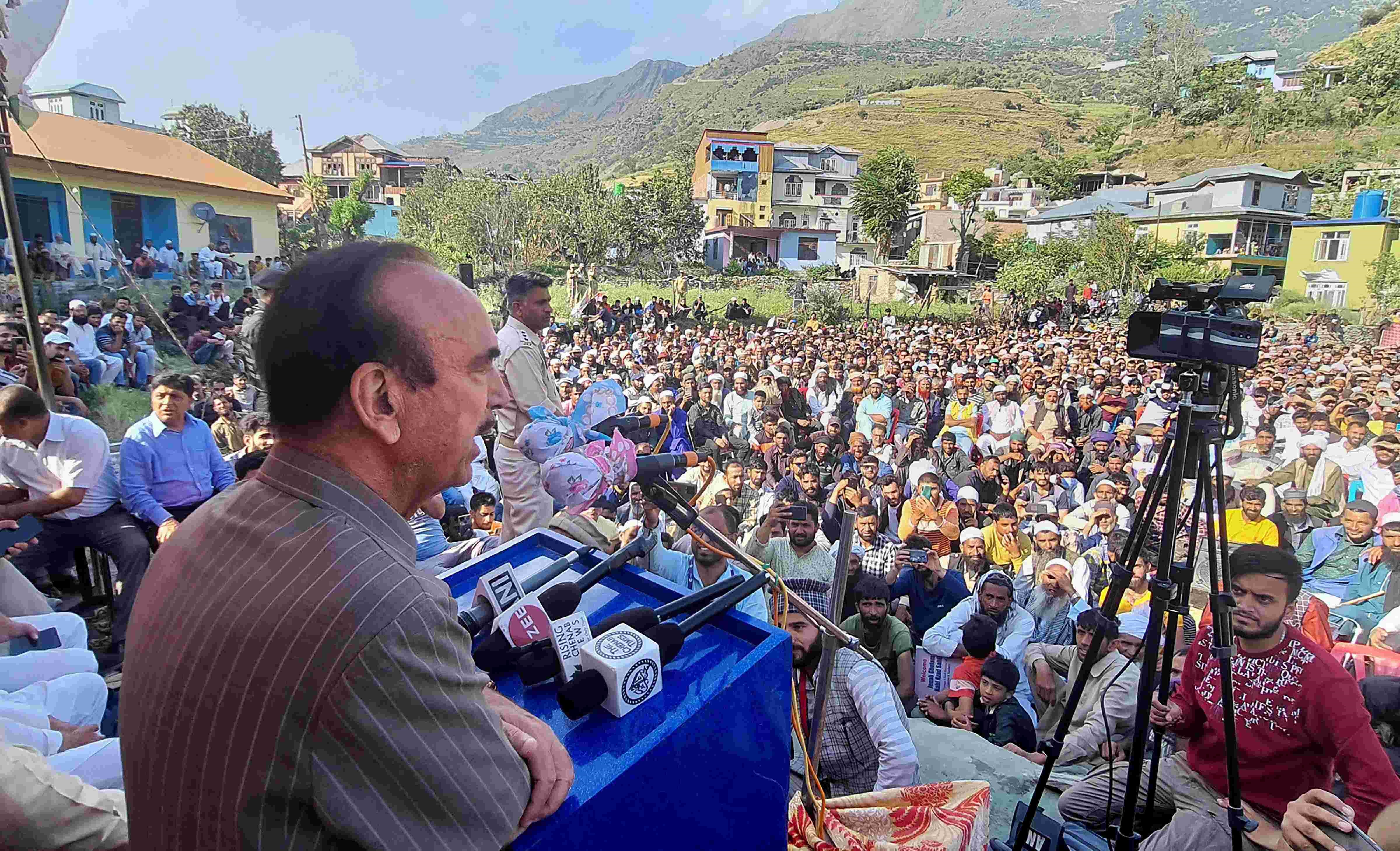
When on September 4, Ghulam Nabi Azad held his first rally at Sainik Colony in Jammu after his dramatic resignation from Congress, a large gathering of people testified to his significant support base in the region. In his speech, Azad made all the right noises. He demanded restoration of “full statehood and right to land and employment to native domiciles”, while staying short of seeking a pre-August 5, 2019 position or unification of the erstwhile Jammu and Kashmir.

“We will fight for the restoration of full statehood and the right to land and employment to native domiciles,” Azad said adding his party didn’t want an assembly with a Lieutenant Governor but a Governor. “We also don’t want outsiders to apply in J&K for jobs. If outsiders apply, jobs will vanish for locals.”

Azad also tried to widen his appeal by reaching out to people across the communal divide. “We need to show brotherhood and break the sand walls of hatred created between communities,” Azad said. “Hindus, Muslims and Christians are my heart beats.”

Former Congress leader also talked about revival of “Ganga-Jamuni tehzeeb (culture).”

Azad’s party is the second political party to have emerged in Jammu and Kashmir following the abrogation of Article 370 in August 2019.  He said the people of J&K will decide on a name for his party and a flag “by taking into consideration Ganga-Jamani culture”. “Our party name will neither reflect Moulvi’s Urdu nor Pandit’s Sanskrit but Hindustani, a popular language across the country,” he said.

What is more, Azad continued his scathing attack on Gandhis, justifying it as his retaliation for the latter’s criticism of his new political move.

“They tried to defame me by firing missiles at me but when I retaliated, they got grounded with a single shot of 303 rifle. If I had used a ballistic missile, then they would have vanished from politics forever,” he said at a subsequent rally at Bhadarwah.

Azad is planning more rallies across the union territory to drum up support for his new party. And his message is resonating with the people. For one, his exit has by and large depleted the local Congress ranks. It only further reinforces the once vaunted national party’s image of a sinking ship. And in J&K, the party has ceased to be a viable political force with hardly any vote-gathering leader left in the party. Major J&K Congress leaders with a substantial following in their respective constituencies have joined Azad. Among them are leaders like Taj Mohiuddin, Ghulam Mohammad Saroori and Pirzada Mohammad Sayeed and the like. This is expected to enable Azad make deep inroads into the constituencies of the other parties, particularly the Muslim vote bank which may or may not go to the advantage of the BJP.

“He will only end up splitting the Muslim vote in Jammu and give a clean sweep to the BJP,” said a political opponent who didn’t want to identify himself. “For himself, Azad might not be able to get any seats or may get only a few. Overall, the outcome will be further strengthening of the BJP in J&K.”

But there is a counter opinion too which sees Azad as a viable challenger to both the BJP and the Kashmir-based parties.  Some even see him as a future chief minister, a turn of events probably enabled by the BJP. Should he get more seats, the former Congress leader is also seen as a favourite to form the government with the support of Kashmir-based parties. But for now, both analyses are in the realm of speculation.

Going forward, these options could throw up big political dilemmas for Azad. The dominant perception in J&K is that he is a proxy for the BJP. However, Azad and his associates have tried to dispel such an impression by reiterating their commitment to secular ideals. He has also nullified the earlier rumours of joining the saffron party by deciding to float a new party. His would be the second party to have come up in J&K following the revocation of Article 370 in August 2019. The first one is the Apni Party led by the businessman-turned-politician Altaf Bukhari which is deemed close to the BJP and sees the withdrawal of Article 370 as a fait accompli. Azad also doesn’t insist on the reversal of the move but wants land and job rights for the “native domiciles” only.

The advent of  Azad’s party further complicates the political scene in the Valley. What Azad is up to remains, thus, a mystery.  There is, as yet, no telling if he has any understanding with the BJP beyond his perceived good rapport with Prime Minister Narendra Modi. Or whether he plans to go solo in J&K elections or form an alliance with the other parties, more importantly with the PAGD. As of now, there are no straws in the wind that could point to his likely course of action. But one thing is sure: should Azad decide to go it alone, he could well end up doing what Assadudin Owaisi did in the UP: split Muslim votes to give the BJP a clean sweep in the Jammu and potentially in a few seats in the Kashmir Valley too.  Or he could even turn out to be another Mufti Mohammad Sayeed  who will emerge as yet another political force in J&K, this time potentially from Jammu division.

Azad has his strengths though: While he may have lost the last parliamentary election to the current union minister Jitendra Singh, he enjoys a good deal of goodwill in parts of Jammu and Kashmir if not an easily identifiable support base. This is because he has always deftly straddled the political divide between Jammu and Kashmir. In Jammu, his pro-India credentials remain impeccable – an attribute now even certified by PM Modi.

And, in the Valley, his advantage is that no one expects him to be adversarial towards New Delhi, a characteristic that is expected of every Kashmir based leader. In fact, a Kashmiri leader’s popularity is directly proportional to how aggressively he challenges New Delhi’s hegemonistic policies – real and perceived – towards Kashmir. Azad is not burdened by such expectations and therein lies the secret of his modest acceptability in the Valley. Also, for all his ideological divergence from the drift of the political discourse in the Valley, Azad’s politics has invariably had a benign orientation, which trumps a hostile public response.

Azad has also been smart enough to locate his politics at the only conceivable political meeting ground between the Muslim majority Valley and the Hindu majority Jammu: He doesn’t demand restoration of Article 370 which faces opposition in Jammu’s Hindu-dominated areas but he wants protection for jobs and lands, something that resonates with both the regions.

This is here that Azad threatens to emerge as a dark horse. And to his advantage, if things don’t go well enough for the BJP, the saffron party would be content with a potential cameo role by Azad for one important reason: he could help splinter further Muslim vote and potentially stymie a Valley based party’s or a coalition’s bid to get a reasonable number of seats let alone a majority, the BJP’s mortal fear.


We must love our own for the world to love Indians

When an outsider displays racist behaviour towards us we all wag our fingers, cluck our tongues and shake our heads in disapproval. But do we stop for a moment to think that we are guilty of the same thing?

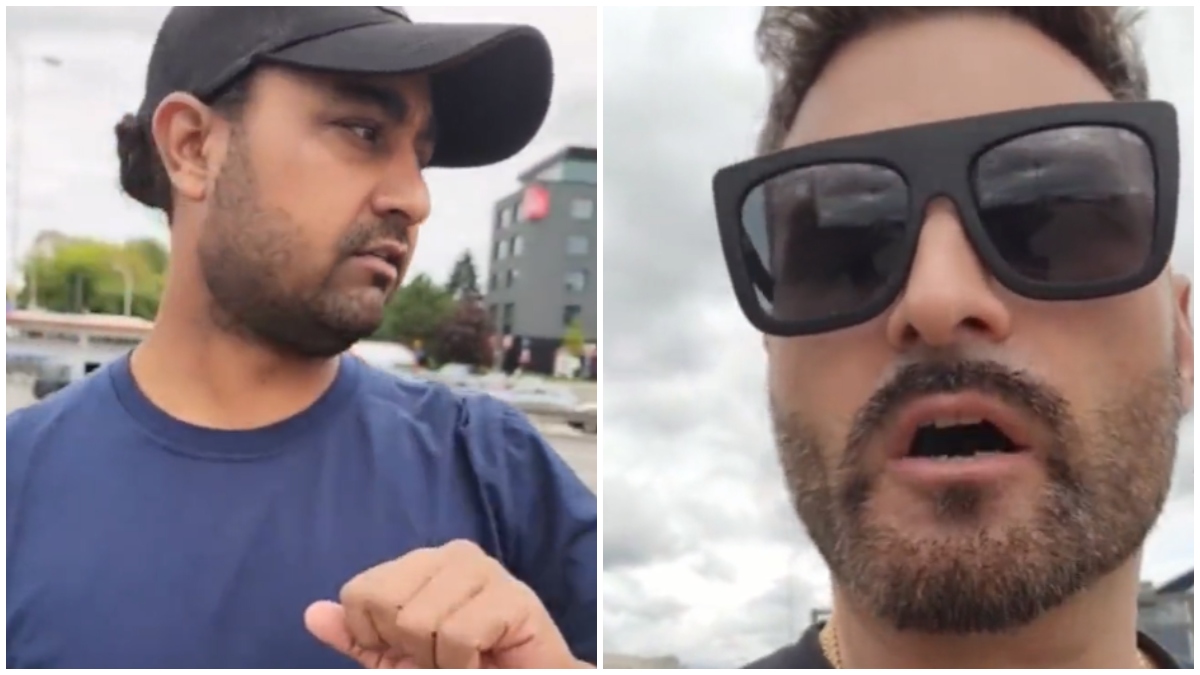
Recently, a video of an Indian facing racial abuse outside a shopping centre in Poland’s capital city Warsaw was posted on Twitter. The disturbing video quickly went viral, with other social media sites and even news media sites picking it up. In the video which broke the Internet, a man who identified himself as an American is seen approaching the Indian man and calling him names. The unidentified Indian, who had apparently done nothing to provoke the white man, can be seen asking why he was being filmed. He gently asks the man to stop recording him without his consent and tries to get as far away from the heckler as possible. However, the offender follows him and keeps hurling racial slurs at the Indian, asking him, “Why are you in Poland? In America, there are too many of you guys. Do you think you can invade Poland? Why don’t you return to your own country?”

The response of the Indian is very dignified as he just keeps his cool and tries to get away from the irritant that keeps following him. As an Indian, it made my blood boil to see a compatriot being treated this way. I’m not sure I would have behaved in such a calm and peaceful manner if it had been me. So, I am not surprised that people on social media who saw the video were angry and upset too, with many calling out the West for its racist behaviour towards Asians, and Indians in particular. The feeling of anger and frustration was a shared one across the nation and there were cries of racism, which were totally justified.

However, this incident and the reactions of the Twitterati and Netizens made me think of how we behave in our own country. With our own people! The Net is full of videos of atrocities that we commit against each other. Last month a stomach-turning video of two young men torturing a divyang at a drug de-addiction centre in Mayurbhanj in Odisha was doing the rounds. The shocking video shows one of the men wielding a stick threateningly and forcing the hapless man sitting on the ground to lick the feet of another person. Crying piteously, the victim pleads with the man to spare him but is threatened with dire consequences if he refuses to follow orders. Meanwhile, the other man is seen with his bare feet close to the victim’s face. Helpless, the victim finally licks the feet of the bully wearing a yellow T-shirt. After that, he desperately tries to clean his tongue but is again threatened by the person with the stick, who grabs his hair and forces him to lick the man’s feet a couple of times.

This reprehensible video reminds me of a similar incident that took place in April this year, where a class 10 Dalit student was thrashed and made to lick the feet of a man in Uttar Pradesh’s Rae Bareli.

Then there was the horrific video of a tribal domestic help relating the inhuman treatment meted out to her by Seema Patra a now-suspended BJP woman leader from Jharkhand. In the video, the domestic help Sunita can be seen sitting on a hospital bed with wounds dotting her face and body, relating her eight-year-long ordeal of inhuman torture and humiliation at the hands of Seema Patra, who was subsequently arrested for her misdeeds. Barely able to talk above a whisper, Sunita reveals that she was confined in a room for several days without food or water as she wanted to go back home. She claims she was forced to lick her urine from the floor and was only alive because of the intervention of Seema Patra’s son Ayushman.

Fortunately, in all the above-mentioned cases, the law swung into action and the perpetrators of injustice were brought to book. But this was because such cases were reported on social media, which is becoming increasingly powerful each day. There must be thousands of such atrocities being committed across the country which we don’t know about because no videos have been made and uploaded on social media.

So, the big question that comes to mind is that when an outsider displays racist behaviour towards us we all wag our fingers, cluck our tongues and shake our heads in anger and disapproval. We call other nations racist and castigate them for ill-treating us. But do we stop for a moment to think that we are guilty of the same thing? We discriminate against each other on the basis of gender, religion, region, skin colour, features, language, financial status, political affiliations, viewpoints, and the worst of them all, caste. We stand united in the face of an outsider attacking us in any way but between ourselves, we are letting intolerance fester.

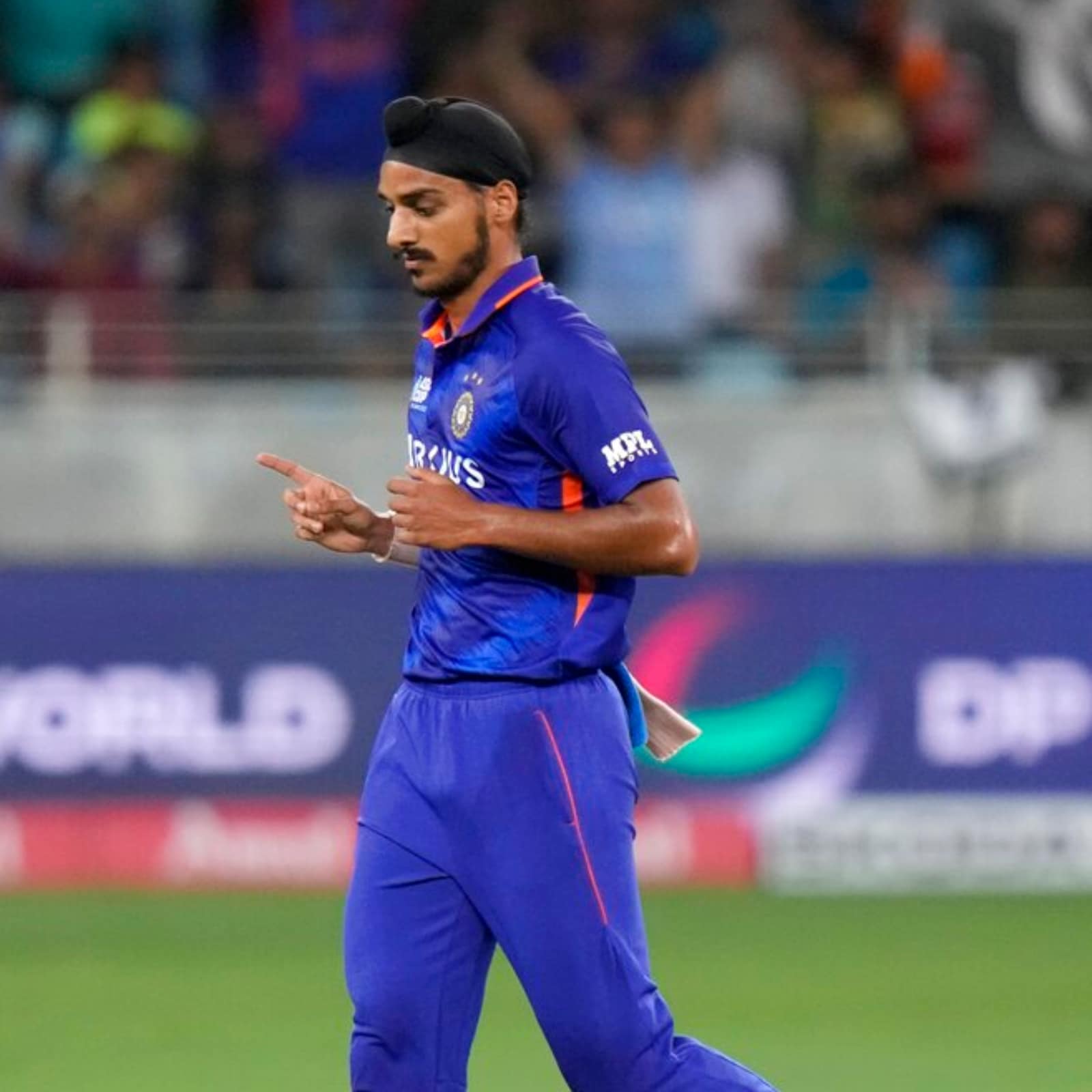
The latest example of this festering intolerance is the way we behaved after India lost the Asia Cup match with Pakistan. Agreed that India pacer Arshdeep Singh dropped an easy catch against Pakistan in a keenly-fought match where emotions and tempers were running high because the fight was between the old arch-rivals. But tampering with his Wikipedia page, hurling abuses at him, calling him a traitor and throwing slurs like “Khalistani” at him just because he hails from a minority community is just not on. This could have happened to anyone, but more often than not on-field blunders of minority players are not easily forgotten or forgiven. People who trolled and abused Arshdeep should realize that he’s just a 23-year-old who doesn’t have the eons of experience that the other players have. So, he dropped the catch. And we lost a match we would have liked to have won.

As an Indian, I can understand the sense of anger, disappointment and loss that all Indians felt. But just think of how much more terrible a youngster who was in a way responsible for his country losing a “mooch ki ladai with Pakistan” would be feeling after dropping that all-important catch!  The weight of the expectation of an entire nation made a seasoned player like Virat Kohli feel down and lonely. How much more is the weight of national hatred on a youngster’s fragile shoulders? Did we stop to think of that before abusing and trolling him? Just because we have access to social media and the security of anonymity in most cases, we can spew hatred against anyone. Don’t we have a sportsman spirit anymore?

Thankfully, senior players, past and present, came out in support of him and shamed the shamers and his parents stood by him and gave him solid support, as did some political parties. But things should not have come to such a pass. On his part, the resilient young player is determined to learn from his mistakes and perform better for his country. And given his inherent talent, one is sure he will do well.

This incident makes me wonder, what happened to our deep-rooted Indian traditions of tolerance and Ahimsa? We were never like this. In fact, when we were growing up it used to be a running joke during an India-Pakistan match that the Pakistani players have to do well because if they don’t they will be whipped as punishment in their own country or their houses would be burnt down. Our players never had to worry about this kind of backlash from the people.

Of course, they were wrung out to dry by sports journalists but that used to be incisive, knowledgeable, constructive criticism as well as fixing responsibility and accountability. It was not personal attacks, vitriol, and trolling by the nation. When did we turn into a trolling nation? Did the advent of social media change our character so much? Or was it that we were always like this but we didn’t have an outlet then?

The irony is that we rave and rant when someone else spews racist venom against us, but have we stopped to think of how offensive our own behavior towards each other is? Look at the way we treat Kashmiris who come down from the State to live among us? Or, for that matter, how well do we treat our brethren from the North East? And let’s not even get started on the North-South divide.

We discriminate without thinking, maybe because our age-old biases and beliefs are reinforced by popular culture. They are spearheaded by stereotypes perpetuated in the movies. Cinematic stereotypes have categorised entire sub-cultures into caricatures, worthy only of ridicule. Stereotyping cultures in movies had a major impact on the way the pre-2000 generation grew up. They are a product of a different era. Labeling was a way of life. It was offensive, but ridiculing was mainstreamed. From Santa Banta jokes to Madrasi, everyone had a name and characteristic. Till one day it became no longer fashionable or acceptable to do so, all thanks to that woke generation that was ironically brought up by pretty un-woke ‘Boomers’.

Maybe the social media generation will have to school the Boomers, Generation X and even those of the generations after, in what is correct, when they go astray. The encouraging thing is that awareness has led to reduced space for any form of discrimination in major parts of India now. And the fight against intolerance is being fought on social media to a very large extent. But then, social media is a double-edged sword that cuts both ways. It can be a tool to bring offenders to justice and just as easily it can destroy reputations and lives.

One would like to think that a majority of the people are against hate, intolerance and discrimination and will keep on calling out those whose hearts are still filled with darkness. Therefore, it’s time that we take up the case for opposing hate mongers online by not giving them the space to unleash their vitriol. It’s time we fight back against intolerance by calling out those who display obnoxious tendencies and show utter disregard for human rights, life, equality, freedom and dignity.

We also have to introspect how far we have come from our tradition of “Athitihi devo bhava”!  Ask the African nationals and Chinese who are here in our country as students or tourists who have to face racist slurs and discrimination daily. It’s time we look at ourselves and clean up our own mess before we point out at unfair treatment other races mete out. If the New India has to be the Vishwa Guru that we want it to be, then we have to dig deep into our age-old traditions of tolerance, Ahimsa and ethos of Athitihi devo bhava. It doesn’t mean that we take racist and discriminatory behaviour lying down. Far from it! But we must end our own discriminatory behaviour so that we can look other races in the eye and tell them to stop that hate right now. We must love our own for the world to love Indians.


Modi magic to help BJP reverse trend, retain power in HP: Khanna

Will the BJP be able to break the 35-year old jinx of no party being able to rule the state for two consecutive terms in the upcoming Assembly poll in November? Anil Manocha talks to former MP and BJP Incharge for HP, Avinash Rai Khanna to know his views on the issue.

Traditionally, Himachal Pradesh has witnessed only bipolar contests.  Last time, there was a Loktantrik Morcha Himachal Pradesh, which took 4-5% of votes. Before that, Pandit Sukh Ram’s party was there, which took around 6% of the votes. When the Bahujan Samaj Party (BSP) of Mayawati tried to enter Himachal Pradesh, people totally rejected her in the elections and BSP could win only one seat and subsequently faded away from state politics.  The state had witnessed a coalition government for the first time in 1998 when the Himachal Vikas Congress launched by late Pandit Sukh Ram formed an alliance with the BJP.

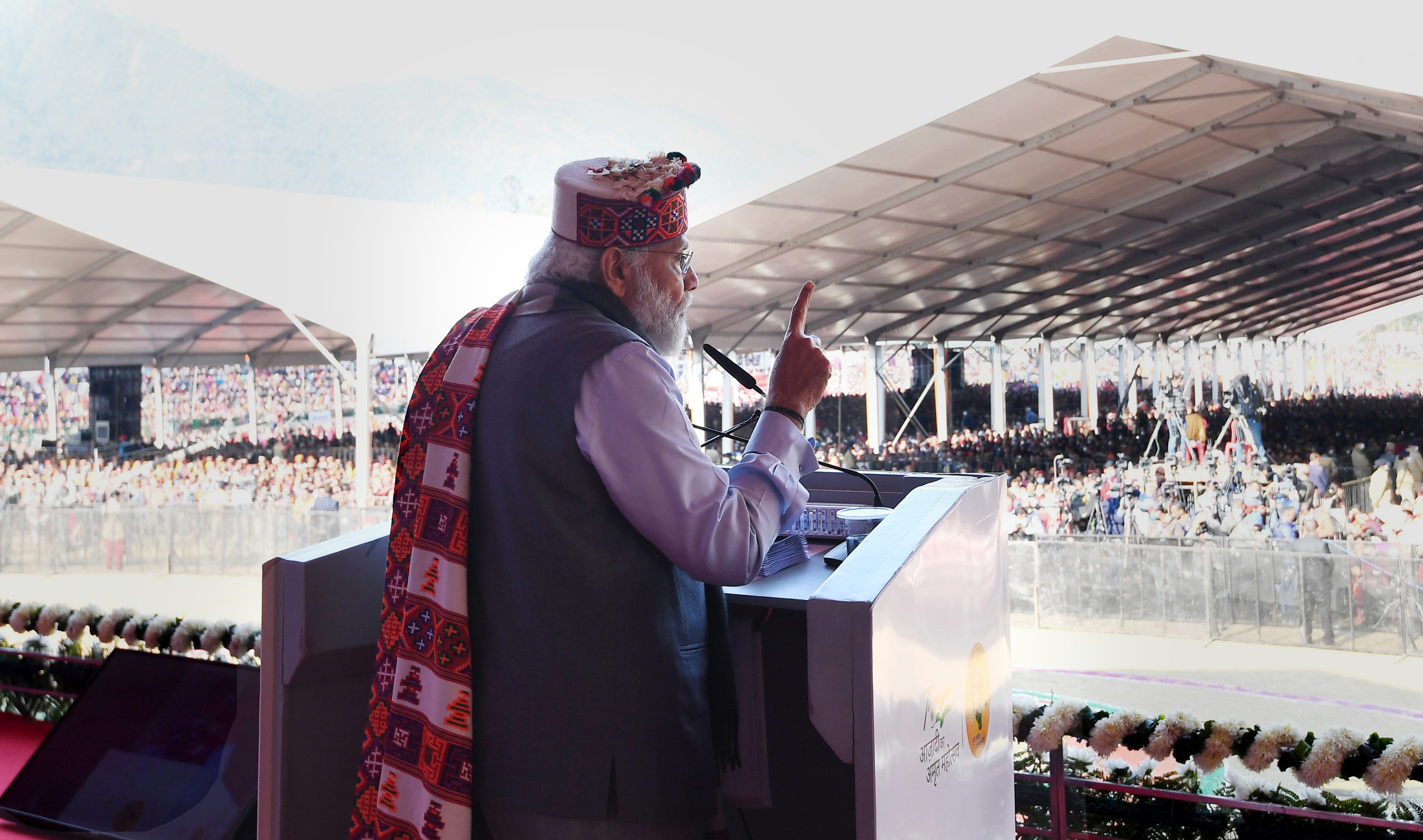
Avinash Rai Khanna, former MP and BJP Incharge for Himachal Pradesh told Tehelka at the Himachal Bhawan that Prime Minister Narendra Modi was scheduled to address a rally in the hill state on September 24 and it would tilt the balance in favour of the ruling party. He said the Modi factor and performance of the incumbent government would reverse the tradition in the state that had in the past never repeated the same party in the hustings. He said Himachal Pradesh will rewrite history this time.

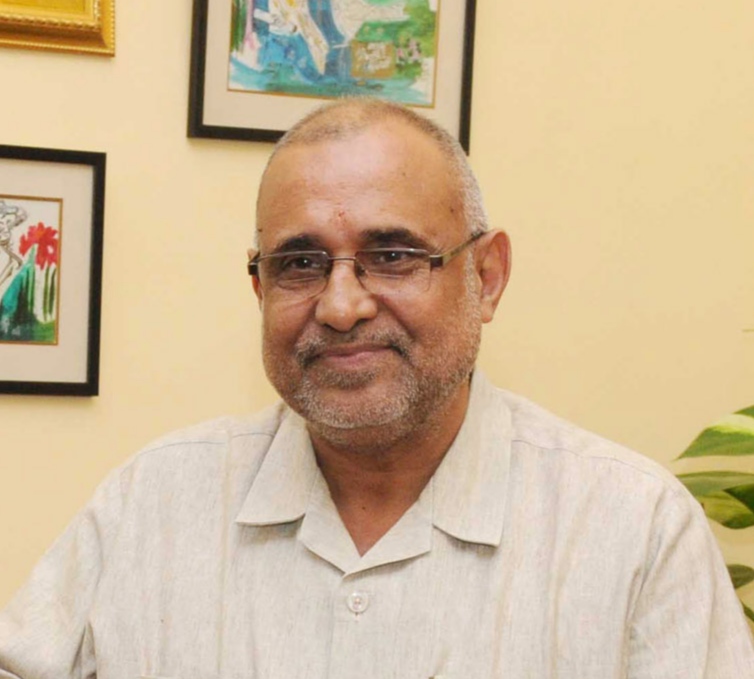
The Vice President, Shri Mohd. Hamid Ansari being presented a book entitled ?Human Rights? by Shri Avinash Rai Khanna X MP of Rajyasabha, in New Delhi on October 07, 2015.

When asked about the impact of the entry of Aam Aadmi  Party in the fray, he said that AAP would not be able to cut much ice as it does not have presence at grass root level. He said AAP’s Delhi model has now been exposed in public domain. He agreed that ultimately the fight would be between BJP and Congress but hastened to add that the grand old party was a divided house now. He said BJP leader and former CM, Prof Prem Kumar Dhumal was going to every doorstep to seek a mandate for BJP. He claimed that people would go in for BJP which would provide “double engine ki sarkar”.

Khanna who hails from Punjab and has considerable influence in the state said that people were looking towards BJP in Punjab too.  He said AAP had failed to implement even a single promise that it made to voters. The BJP which earlier contested Punjab elections as a junior partner of Shiromani Akali Dal was free to contest on all seats of state Assembly and Lok Sabha. This would be an opportunity and a challenge to fulfil the aspirations of masses. He said Punjab being a border state deserved to be run by the “double engine” to solve its lingering problems. He, however, added that as a disciplined soldier of BJP he will do any task assigned to him by the party. He claimed the party has a strong cadre base in Punjab and it would catapult the vibrant state to its pristine glory by making it a top state in the country.


Now, seed potato biz taking root in Haryana

A new trend has emerged with a large number of potato farmers venturing into the seed potato production business. They even have had contracts from big private players such as McCain and Siddhi Vinayak, and are earning well. A report by Rajesh Moudgil

Till a few years ago, stories were commonplace how a number of potato farmers in Haryana would dump their crop in the field itself or on the roads due to its plummeting prices that would be even lower than the cost to store it.

Cut to present, a new trend has since recently emerged with a large number of potato farmers venturing into the seed potato production business. They even have had contracts from big private players such as McCain, the world’s largest manufacturer of frozen potato products and Siddhi Vinayak (a company involved in the seed potato production), and are earning well.

Why Haryana

Dr A S Saini, Director General, Horticulture, Haryana, says potato is grown all over the state with a production of 8.97 lakh MT (as per 2018-19 data) from an area of about 34,738 hectares and adds that the produce is sent to Azadpur (Delhi), Chandigarh and some mandis in the closer proximity for the sale.

There are various cultivars of potatoes which suit the agro-climatic conditions in Haryana. The crop of potato is sown around October, harvested around March and it is due to the favourable climatic and soil conditions in the state, that attracted private players. Hence, the new trend of many farmers now getting into the seed potato production and earning more than the traditional crop or even wheat they sowed till a few years ago, Dr Saini says.

The major districts growing potatoes in Haryana are Kurukshetra (26%), Yamunanagar (16%), Karnal (14%), Ambala (11%), and Sonipat (10%). These areas cover more than 75% of the state production. Both table and processing cultivars are grown in Haryana such as Kufri Pukhraj, Kufri Chipsona 1, Kufri Chipsona 3, Lady Rosetta, and Kufri Frysona, among others.

The Move

Even though the department grew potato seeds (like others crops, fruits or vegetables) at its farm nurseries, a special seed potato production began about two years ago when the department set up the Potato Technology Centre (PTC) in the village Shamgarh, district Karnal.

The PTC is dedicated to producing high-quality planting material, standardising environment-specific production procedures, and creating a brand for Haryana seed potatoes. Dr Saini says that the tissue culture and the production of mini-tubers in insect-proof nets in soil and soilless media are examples of high-tech procedures at PTC. Even the aeroponics technique is also being used to grow the virus-free tiny tubers, ensuring a higher yield per area for a longer period than net houses.

He says that the PTC’s aeroponics facility is one of the largest of its kind in India. In the next six years, PTC would probably enhance the seed output to 30,000 MT. In 2020-21, India exported nearly 16.10 lakh MT of fresh and chilled potatoes, as well as 0.08 lakh MT of seed potatoes, according to him.

Dr Saini says that the department also began forming farmer producer organisations (FPOs) since the past some years offering them a significant 70-90 % proportion of financial support to establish advanced infrastructure such as integrated packhouse (IPH), to ensure proper post-harvest practices and quality of produce.

Guided by the state horticulture department, the FPOs as a risk mitigation plan, enter into contract farming of non-GM (non-genetically modified) cultivars of seed potatoes and processing potatoes with private companies, apart from table varieties. The companies sign a pre-season agreement with farmers for buy-back of produce with pre-agreed prices and quality specifications. Companies also provide a package of agronomic practices and essential inputs.

The FPOs venture

Satbir Singh, Chairman, Crown Fruit and Vegetable FPO, at his village Ghisarpari, Kurukshetra, along with his about 571 members established an integrated packhouse (IPH) with government support up to 80 % which has advanced infrastructure to ensure quality potato supply, had begun buying potato seeds from the department’s nurseries.

“I have been buying about 300 first or second-generation quality seeds bags (a bag is 50 kg and usually costs about Rs 1,300) from government nurseries and then growing the next generations of the same under our Crown brand name in my fields and producing about seven to eight times more next generation seeds (about 2,400 bags). At this point, I sell the same to FPO members who also produce many times more next-generation seeds as the cycle goes on up to the seventh or eighth generation seeds. All the farmers and seed producers earn as these quality seeds are sold amongst the farmers at a price lower than the market price for all types of seed potatoes’’, he explains.

These FPOs provide through their IPH facilities of grading and sorting lines of capacity up to 5 MT per hour, 5,000 MT cold storage, 6 MT pre-cooling room and transportation facilities which are given to their farmer members at a discounted rate and market rate to others. Meanwhile, another FPO, namely, Growsmart Farmers Producer Company Ltd, Thanesar, Kurukshetra which too has established an IPH with the government’s support, has gone an extra  mile. The Growsmart FPO has bagged a contract from McCain, the world’s largest manufacturer of frozen potato products for the second year in a row. “We have about 190 members and won the contract for the second year in a row’’, says Yogesh Saini, the FPO director.

He says that the McCain gives them a particular generation seed to grow in about 400 acres of land for a subsidised price of about Rs 24,000 per acre and buyback the next generation seeds from them.

“We end up getting about Rs 1 lakh for an acre as we produce multiplied numbers of the same seed. This gives us more than double the profit against any other crop or wheat crop which has a minimum support price of Rs 2,015 a quintal’’.

Yogesh and his other farmer members say that since the potato is a three-month crop, they can get about three to four months to have another short-term crop such as sunflower or mint, before the winter paddy crop. The farmers doing traditional crops – wheat/paddy – can have only two crops a year.

The Overview

There are 19 FPOs growing potatoes as a major crop with nearly 5,000 farmer members. About 7 IPH are functional and 12 IPH are likely to come up next year in Ambala, Fatehabad, Kaithal, Kurukshetra, Sirsa, Sonipat and Yamunanagar districts.

According to official information, about 1,000 acres are currently engaged in seed potato production with big private players such as McCain Foods, Siddhivinayak Agri Processing Pvt Ltd, PepsiCo, Mahindra HZPC Pvt Ltd, Technico Industries Ltd and ITC Ltd, besides others, through buyback agreements.

This is also besides several other corporations which are involved in contract farming with farmer producers organisations (FPOs) for seed, table, and processing potato production. The area under similar potato ventures is likely to increase to about 5,000 acres next year.


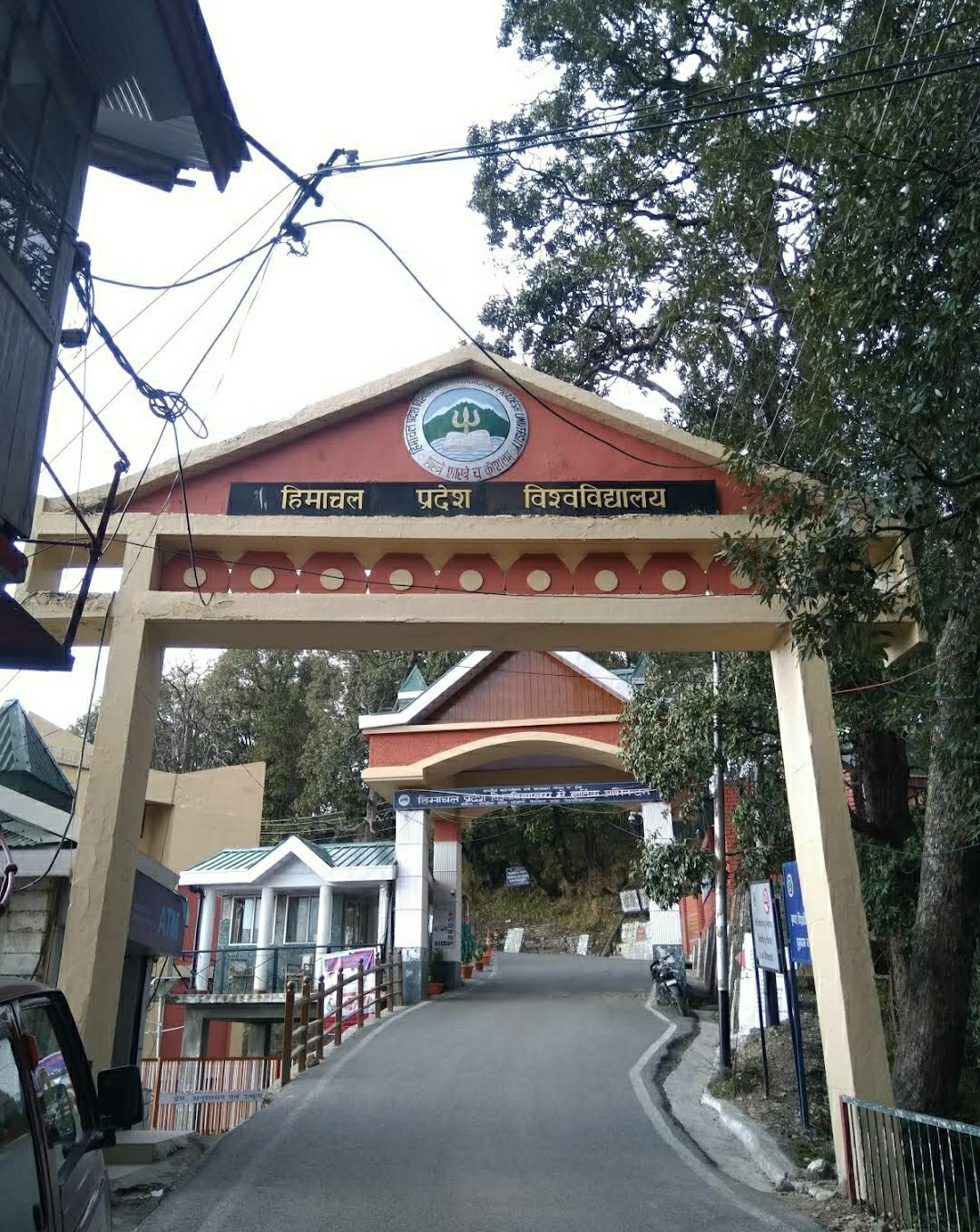
After Punjab, HPU teachers’ appointments under scanner

Close on the heels of the Punjab and Haryana High Court quashing the selection of 1,158 assistant professors in Punjab, the faculty recruitments in neighbouring HPU has now stirred up a row

In Punjab, the recruitment of 1,158 assistant professors in state colleges was carried out after 19 years in 2021. The posts were advertised on October 19, 2021. On December 3, the High Court had restrained the state government from going ahead with the recruitment following pleas challenging the recruitment criterion. The allegations were that the criterion was “wholly arbitrary and discriminatory” and granted weightage in lieu of work experience only to the guest faculty, part-timers and contract teachers working in colleges. It was also alleged that the question papers of Punjabi and mathematics were leaked well before the exams were conducted from November 20 to 22.

Taking note of the allegations, the High Court had ordered a stay on appointments on December 3. However, later pleas were filed alleging that stay orders on appointments were violated and selection letters were issued on the night when order was passed by HC and in some cases with a back date. The High Court on December 23 had directed the state government to seal records pertaining to recruitment and put it in the custody of the chief secretary.

RTI exposure

Now the Student federation of India (SFI), has made a startling revelation stating that a 13000 page RTI procured by vigilant students found the recruitment process fake and in contravention of the laid down norms. The students alleged that for the last two years, when the country was hit by the Corona epidemic, HPU indulged in a “fake” recruitment process for the faculty members.

The SFI sought records of about 145 selected teachers through RTI. The students alleged that the Public Information Officer of the University delayed the information. The students alleged that they were not provided information even after the first appeal was made under the Act. It was after a second appeal, before the State Information Commission, that the students were supplied with 13000 pages of information.

The students claimed that after spending around Rs 26,000 and taking assistance of aware students, staff and teachers of the university, SFI activists and lawyers, conducted a thorough research on some selection parameters of the UGC. Students also claimed that after scrutinizing the papers of 145 selected assistant professors, associate professors and professors that about 70 percent ineligible people have been recruited. They alleged that selected teachers were given marks to their published research papers who are not in the UGC peer group authorized to review the published paper.

Students giving reference to some paper published in the ”International Journal of Analytical and Experimental Model Analysis, Vol. Xll Issue 1 Jan 2020” said that against the total 10  marks given on a joint paper published in the same journal 12.6 marks have been given to only one candidate. Students termed it a new low in the higher learning of state adding that such teachers have been selected whose Ph.D. degree is not in conformity with the UGC regulations.

Rules flouted

Students also added that in addition to compulsory publication of two research papers there are four other layers of qualification so that competent faculty members get recruited. The Ph.D. degree of the candidate should be through regular mode and the Ph.D. thesis is to be evaluated by at least two external examiners and open Ph.D. viva-voce of the candidate should have been conducted.  The candidates should have presented at least two papers based on his or her Ph.D work in conferences or seminars sponsored or funded or supported by the UGC or ICSSR or ESIR or any similar agency. The fulfilment of these conditions is to be certified by the Registrar or the Dean (Academic Affairs) of the University concerned. Students pointed out that candidates who are not even NET qualified and do not have the  Ph.D, got selected for the posts of Associate Professors. The fact is that candidates who are not fulfilling the required five conditions were also selected.

Without naming the shortlisted candidates, SFI said that many were shortlisted in English, Hindi, Microbiology, Bio-Sciences, Chemistry, Public Administration, Law, Mathematics, Journalism and Mass Communication, Sociology, Political Science department under “fake process after procuring fake experiences”. Many teachers were given certificates of their experience which contradicts their own submission before the shortlisting authorities. Ten marks were given to assistant professors for having 8 and 10 years teaching experience.  However the teaching experience certificates overlap with their period of Ph.D (done on regular basis). The institutes from where these certificates have been procured, did not issue even salary slips or payslips or financial proof.

As per the information gathered under the Right to Information Act, no discussion was held with the Departmental Academic Committee whereas whenever a seat is created, the proposal is prepared in every way from the concerned department on the basis of the workload.

Some got selected under the Economically Weaker (EWS) and OBC certificates. Surprisingly, the selected teachers in this class gave in writing that till the application he was working as associate professor in other institutes regularly for the last 7-8 years at pay scale of 15600-39100 – 60006.  The SFI questioned whether it is a matter of investigation how they got the EWS certificates. Then many shortlisted candidates do not have any of the following assets – agricultural land of more than one hectare in rural areas and 500 square meters of land in urban areas, rural and urban residential flat or house of more than 2500 square feet in areas.

The appointment of teachers is done by the executive body but in this case, the item as proposed in the EC meeting, the result of the interview of the teachers was declared on the same day. Whereas a very important item and it should be reached to a conclusion only after proper discussion.

 Appointments in UIIT

Such teachers have been selected whose academic score in the tele sheet is only 30, 32 and 40 out of 100 and on the other hand talented and experienced candidates have allegedly been ignored. The functioning of University Institute of Technology (UIIT) is continuously promoting action against administrative and financial rules. For example, the creation of many types of teachers and non-teaching posts, directly after the decision in the academic committee of their department, the Board of Study, allegedly ignoring the academic circle and taking them directly to the Executive Council (EC).

In the recruitment process, 80 and 20 marks were divided in the final selection and in the final merit, 80 marks for academics, experience and publications etc. and 20 marks for interview. But this time, the SFI alleged, the selection was done on the basis of 100 percent interviews. In many cases, the academic experience and publication marks were not considered for the final selection.


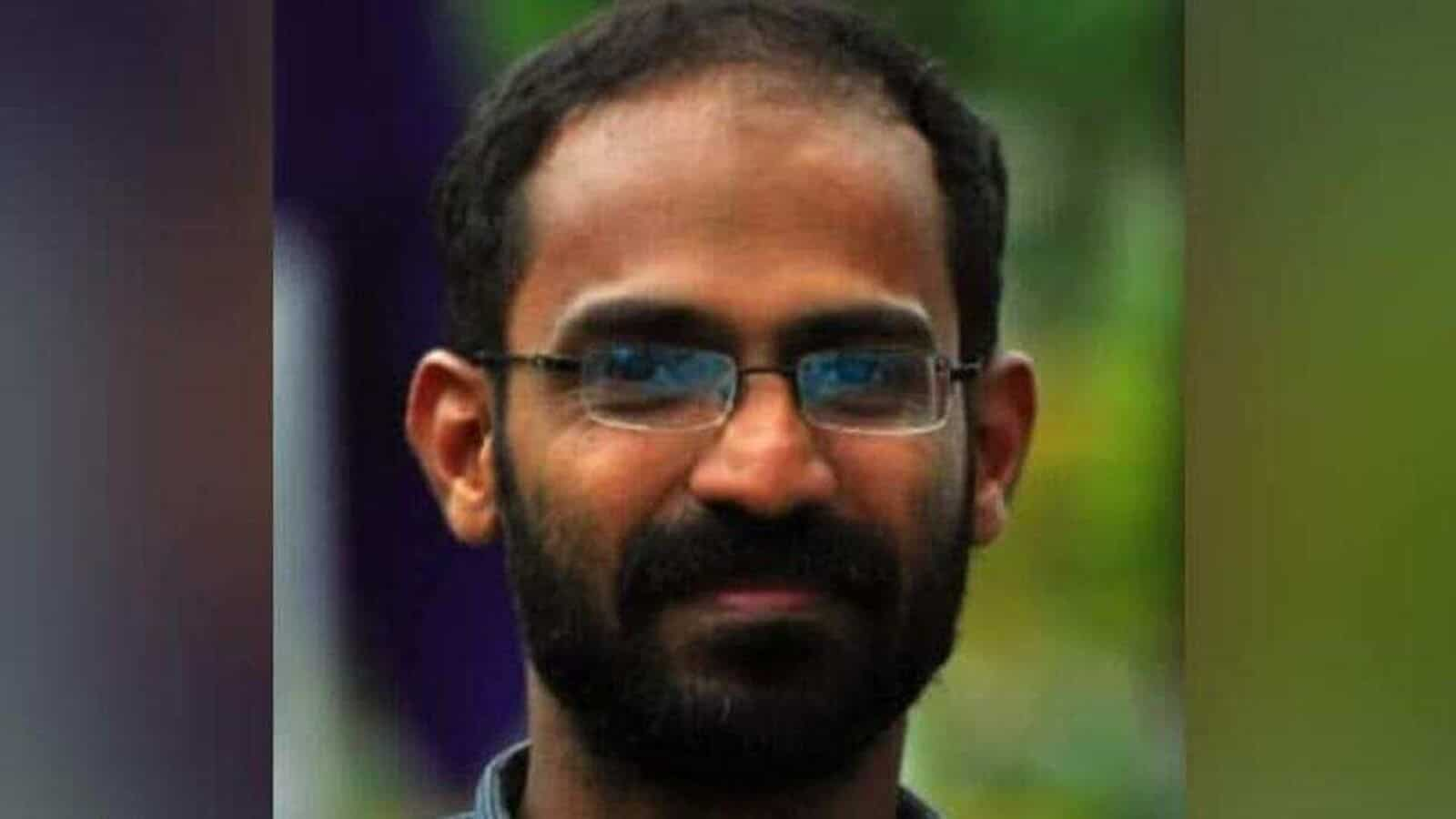
Ordeal for Kappan may come to end as SC grants him bail

Rejecting the pleas advanced by UP government while opposing bail of Kerala-based journalist Siddique Kappan, a bench headed by chief justice of India U.U. Lalit upheld  the right to free expression and right of the person to raise voice for justice to a victim, reports Mudit Mathur

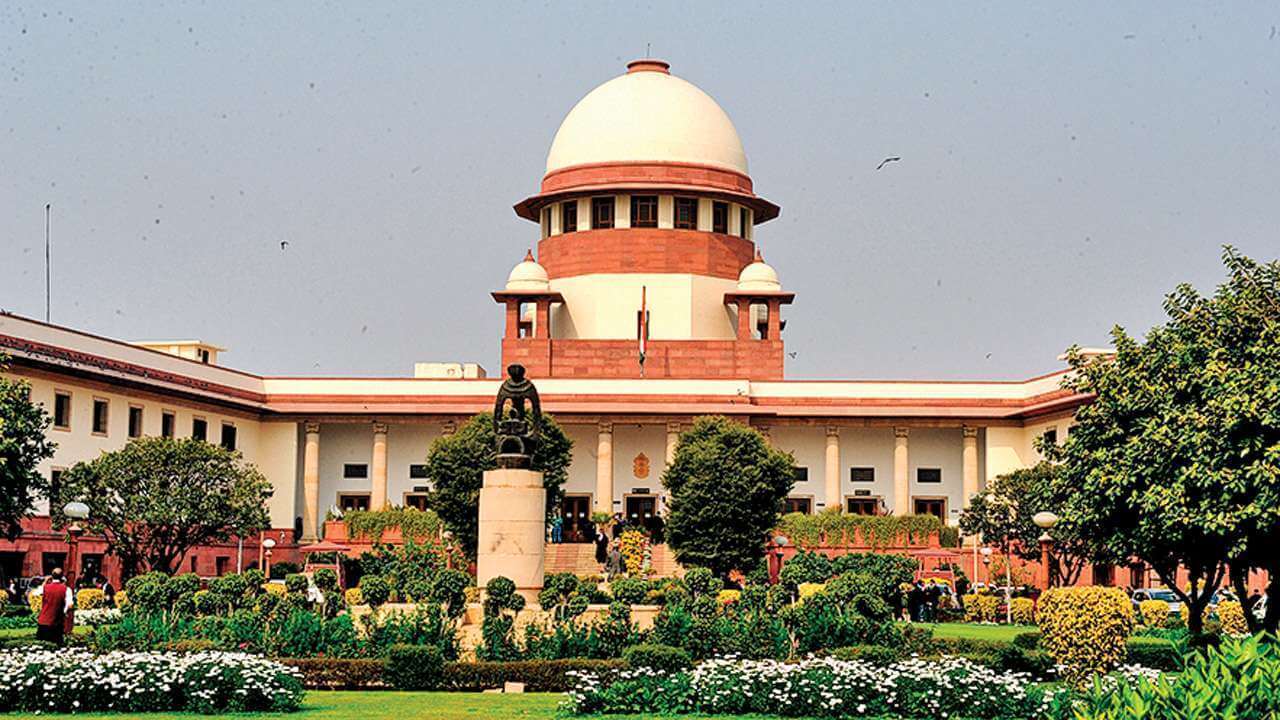
While upholding the right to free expression and right of the person to raise common voice for justice to victim, a bench headed by chief justice of India U.U. Lalit asked the counsel of UP government, “Is that a crime in the eyes of law?” These loaded remarks echoed during hearing on the pleas advanced by Uttar Pradesh government opposing bail of Kerala-based journalist Siddique Kappan, who was languishing in UP jails facing sedition charges under draconian laws and UAPA. The apex court granted bail rejecting UP STF objections.

Kappan was arrested on 5th October 2020 while he was going to report from Uttar Pradesh’s Hathras, where a Dalit teenager was gang-raped by ‘upper’ caste Thakur men and later died in Delhi. Police set ablaze her body at midnight apprehending huge protests over the crime against women. The hasty conduct of police saw nation-wide protests and intervention of the High court framing rules to ensure right to last rites with human dignity.

The state government opposing his bail had told the Supreme Court that he has “deep links” with the Popular Front of India. Earlier, his bail pleas were rejected by the trial court and the Lucknow bench of Allahabad High Court against which the Supreme Court was considering his bail pleas advanced by senior advocate Kapil Sibal.

The bench, comprising the Chief Justice U.U. Lalit, Justices S Ravindra Bhat and PS Narasimha, ordered that Kappan will be taken to the trial court within three days and shall be released on bail on the condition that he has to stay within the jurisdiction of Jangpura in New Delhi for the first six weeks. Kappan will also be required to record his presence at the local police station every Monday for that duration, after which he can go to Kerala, where too he will be required to report to the local police station every Monday. His passport will have to be deposited with the “investigative machinery,” the court directed.

“The appellant shall not misuse the liberty and shall not get in touch with any of the person connected with the controversy,” the court pointed out. Kappan’s counsel Kapil Sibal mentioned in court that Kappan will also need to attend proceedings to secure bail under the PMLA case which has been slapped against him. “The conditions as stated above shall stand relaxed to the extent the appellant is required to avail of the relief of bail,” the apex court noted.

Kappan was booked under Sections 124A (sedition), 153A (for promoting enmity between groups) and 295A (outraging religious feelings) of the Indian Penal Code, Sections 14 and 17 of Unlawful Activities (Prevention) Act, Sections 65, 72 and 76 of the Information Technology Act. The UP Police charged him under harsh laws, alleging that he was part of a conspiracy to ignite violence. The STF of UP Police opposed his bail alleging that has “deep links” with the Popular Front of India, which is not a banned organisation.

The UP Police had said it seized three sets of a 17-page pamphlet from the vehicle carrying Kappan and others and that “a perusal of the pamphlet would demonstrate that it is nothing more than a ‘Rioting 101’ for rioters”, teaching them how to conceal themselves from police, which riots to participate in, and to “recognise the place you are rioting in”.

Asked what exactly had been found against Kappan, Jethmalani said that in September 2020, Kappan had attended a PFI meeting where it was said that funding had stopped and it was decided that they will go to sensitive areas and incite riots. “On October 5, they had decided to go to Hathras to incite riots. He was funded with Rs 45,000 to create riots. He claimed to be accredited to a newspaper. But we have found that he was accredited to the official organisation of PFI.  He was there to incite riots. It’s a little bit like what happened in Bombay in 1990,” Jethmalani said.

Chief justice Lalit posed pointed queries from senior counsel Mahesh Jethmalani, who was appearing for the state of UP, whether Kappan had done anything in furtherance of literature? When Jethmalani told that Uttar Pradesh government has “statements of co-accused,” the CJI noted that “statements of co-accused” cannot be used as evidence.

The CJI also countered claims by Uttar Pradesh government that the case was fit for trial soon by noting that if it was in the process of finding an approver over the above fact, then the case wasn’t going into trial. “At best you can say this man was travelling in a car, and he was apprehended with three others, there was some literature in the car, the other three are linked with PFI?” CJI Lalit then said.

In its order, the bench said, “At this stage, we refrain from dealing with and commenting on the progress of investigation and the materials gathered by prosecution in support of its case as the matter is set to be taken up at the stage of framing of charge”. The bench said it was granting bail to Kappan “considering the length of custody undergone by the appellant and the peculiar facts and circumstances of the case”.

The Kerala Union of Working Journalists and Kappan’s family have repeatedly alleged there were severe human rights impingements during his judicial custody. In December 2020, it said Kappan had been “beaten thrice and subjected to mental torture during custody”. His prolonged custody has attracted global condemnation and is often marked as deterioration in press freedom in India.

The Kerala Union of Working Journalists, in a statement released after the bail order, noted that it will continue the legal fight till Kappan is “relieved of all false charges imposed on him.” “The order is historic in the context of the continuing attacks against the freedom of press and independent journalism,” the KUWJ also noted.

The Delhi Union of Journalists (DUJ) also issued a statement on September 9, welcoming the top court order on Kappan’s bail, saying, “The DUJ appreciates the efforts taken by the family, colleagues and friends of Kappan, the KUWJ and advocates including senior lawyer Kapil Sibal to ensure justice for Kappan.”

“The DUJ will continue to stand with Kappan in the legal fight against the false cases filed against him. The bail order is historic as it upholds and protects the freedom of expression in the face of multiple threats today,” it added.


EO New Delhi brings together experts to discuss funding scenario in 2022

Under its ongoing digital campaign , the Entrepreneurs’ Organization New Delhi organised a live interactive panel discussion where the panellists talked about the shift in the start-up ecosystem post pandemic and hot sectors that investors are scouting in 2022.  A report by tehelka bureau

 The Entrepreneurs’ Organization New Delhi Chapter (EO New Delhi) has launched its much-awaited Global Student Entrepreneur Awards (GSEA) 2022 for student entrepreneurs.

Under its ongoing digital campaign to create awareness about the upcoming competition and their focus on mentorship, EO New Delhi, organised a live interactive panel discussion on the topic “Funding Scenario in 2022”.

The panel had prominent investors and venture capitalists, including Alex Kumar, Director at August One, Sameer Sood, Founder of Venture Highway and Sandro Stephen, VP of Indian Angel Network. The panel was moderated by Dilnawaz Khan, Founder of Power Deck. Dilnawaz initiated the session by talking about the apparent ‘funding winter’ that has deeply affected the funding process, prospects and criteria not only in India, but also globally.

Talking about the shift in the start-up ecosystem post the pandemic, Sandro shared how the recent changes had led to a correction in valuation. “Previously, the start-up entrepreneurs were quoting any number to the investors. Now the VCs are focusing more on clean tech and the sustainability of start-ups,” remarked Stephen.

Sameer Sood also chimed in his opinion and further added that “now the investors are not just looking at growth but also want founders to consider unit economics.”

The panellists also discussed the hot sectors that investors are scouting in 2022. Giving an international perspective, Alex shared, “Food tech, cyber security, and sustainability are definitely the sectors witnessing tremendous interest around the world.”

During the concluding statements, the panellists explained why investors look for honesty, team, timing, TAM (total addressable market), and domain expertise when assessing start-ups for funding.

“The panel provided direct insight into the pulse of the VC/ Seed investing market, with useful tips for student entrepreneurs on how to approach investors to raise seed capital,” said Anushka Kapoor, GSEA Chair for EO New Delhi.

“Such panels represent the true essence of EO’s Global Student Entrepreneurship Awards program that aims to guide student entrepreneurs towards success,” added Kapoor.

The Global Student Entrepreneur Awards (GSEA) is a premier global competition for student entrepreneurs providing them with mentorship, recognition and connections to help scale early stage businesses. At the EO GSEA Global Finals, students compete for a total cash prize of US$100,000. EO GSEA New Delhi has also announced cash rewards up to Rs 50,000 for the winner and runner-up of their chapter. Applications for GSEA Delhi 2022 are open for studentpreneurs from India.

About EO

The EO New Delhi’s website mentions that EO is the world’s only peer-to-peer network exclusively for entrepreneurs. Founded in 1987, EO enables entrepreneurs to learn and grow from each other leading to greater business success and an enriched personal life. As a member of EO, you gain access to a wide variety of tailor-made benefits designed to help you grow your business and become a better leader. Supporting the complete entrepreneur, EO offers numerous resources to help you excel in your business, family, community and personal life. You’ve made it this far as a business owner— let EO take you to the next level!


MOST POPULAR

HOT NEWS