Stormy Monsoon session ends with same intensity it started; SIR breathes new life in disparate opposition  

For the first time since the Narendra Modi Government returned in its 3.0 avatar, INDIA Bloc partners had a concrete common agenda in the form of the Special Intensive Revision of electoral rolls in Bihar to take on the PM and the ruling BJP-led NDA
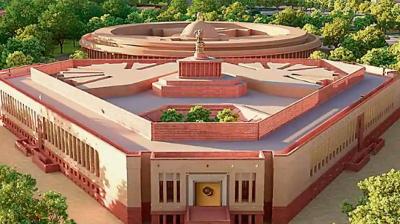

The Monsoon Session of the Parliament ended on Thursday (August 21) with the same intensity it started on July 21, with disruptions in both the Houses over the contentious Special Intensive Revision of electoral rolls in Bihar. Despite efforts by the BJP-led government, a united opposition did not cede even an inch on the SIR in poll-bound Bihar.

While the resignation of former Vice-President Jagdeep Dhankhar on the very first day of the Monsoon session added to the shock and drama, the “pause” on Operation Sindoor, US President Donald Trump’s repeated assertions on ceasefire and the Election Commission of India’s SIR process kept the opposition united against the  government, including in resistance over bills like the constitutional amendment Bill against “tainted” lawmakers and the Bill to ban online money games.

The month-long Monsoon session of Parliament witnessed repeated disruptions, adjournments and walkouts by the opposition.

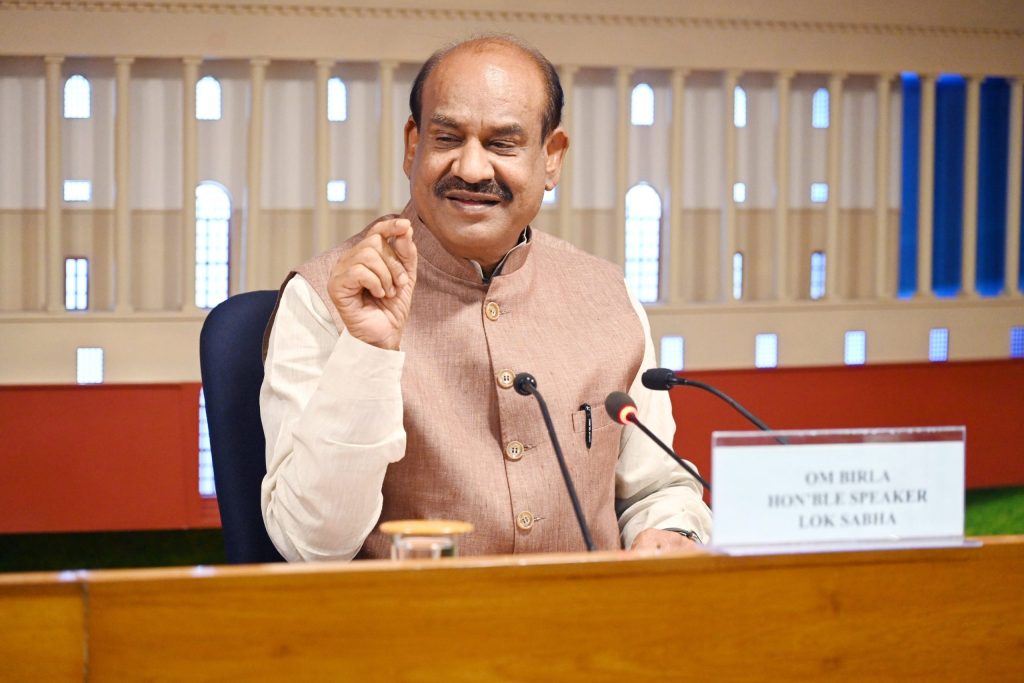
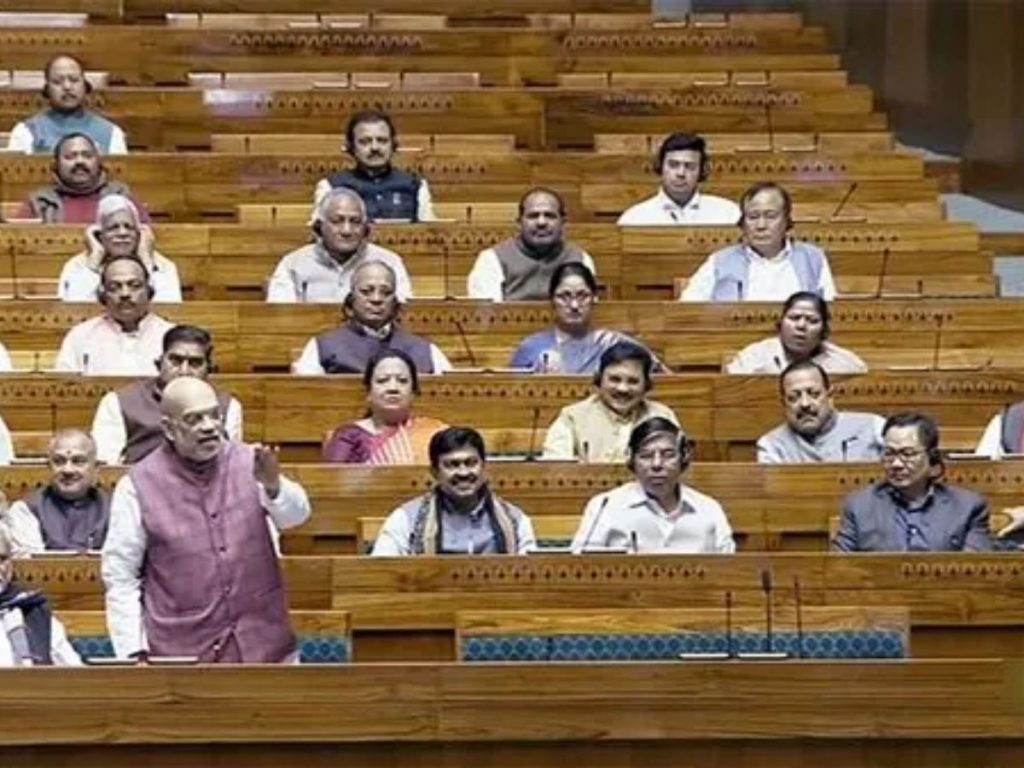
Barring discussions on Operation Sindoor in both Houses, the session saw little business ever since it began on July 21 due to repeated disruptions and adjournments initially over the demand for discussion on Operation Sindoor and then over demands for a discussion on the SIR. In his valedictory address on the last day of the Session, Lok Sabha Speaker Om Birla expressed concern over the “lack of decorum and traditions” in the House and criticised the opposition for “planned disruptions” and “sloganeering.”
File Photo

SIR unites INDIA Bloc 

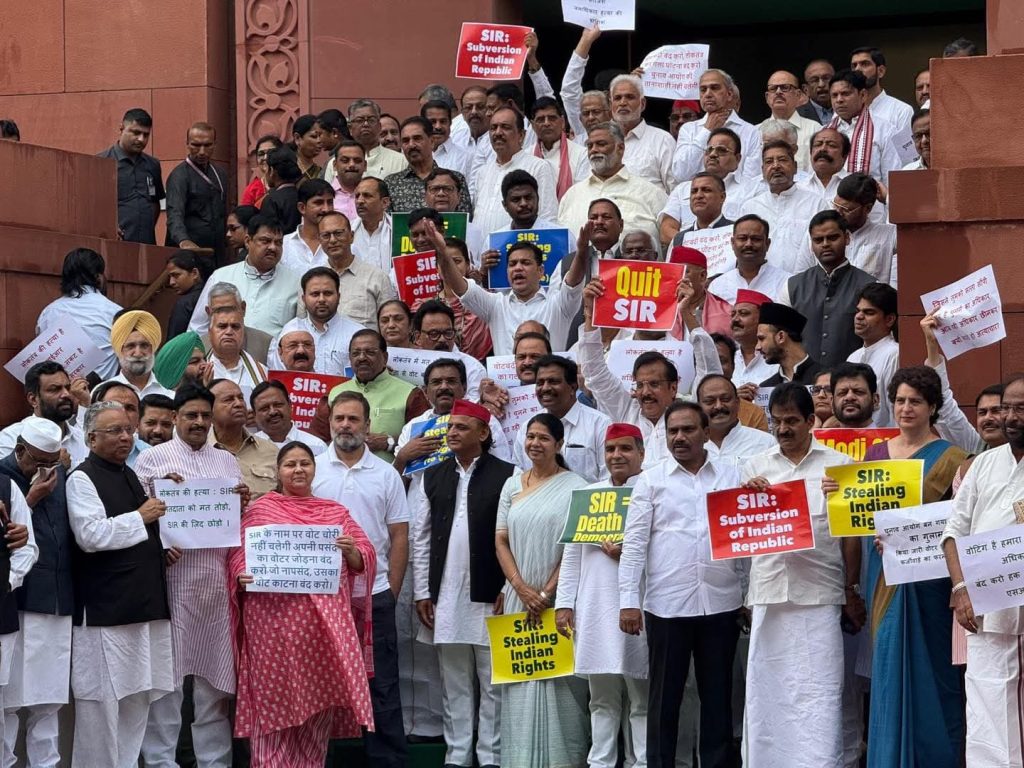
All through the session, the INDIA bloc kept the steam on against the government with protests against SIR, both inside and outside Parliament, accusing the ECI of “vote theft”.

Leaders across the opposition’ political spectrum—Congress, Samajwadi Party, TMC, DMK et al —berated the Treasury benches while the ruling side accused them of disrupting proceedings. For the first time since the Narendra Modi Government returned in its 3.0 avatar, INDIA Bloc partners had a concrete common agenda in the form of the SIR of electoral rolls in Bihar to take on the PM and the ruling BJP-led NDA.
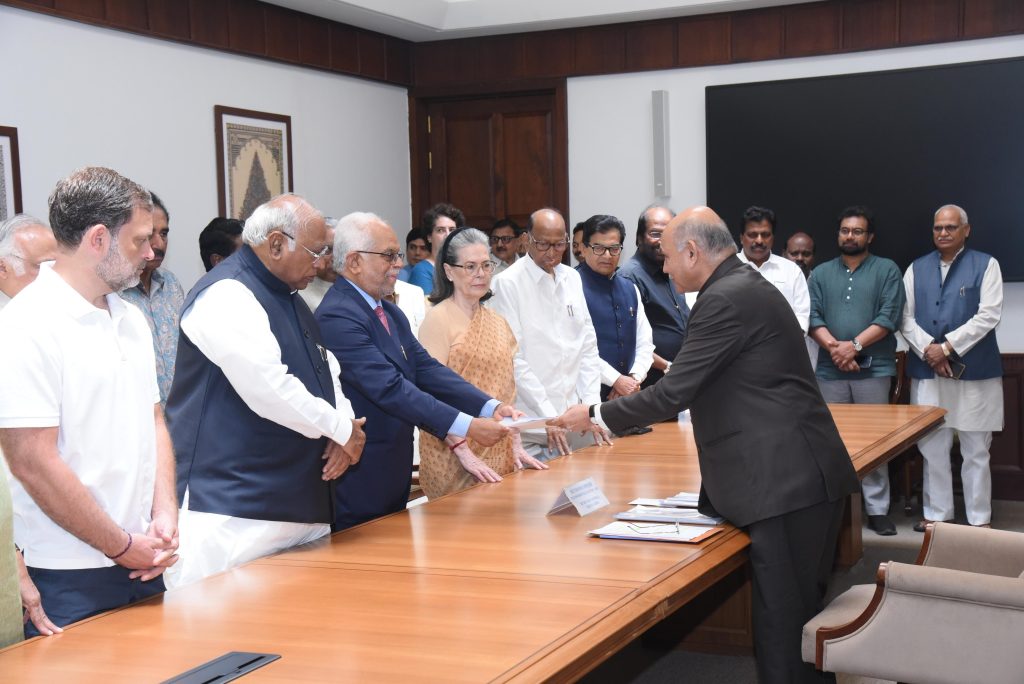
Photo: Courtesy AICC

United for VP elections

It is perhaps for the first time since Independence that India’s vice-presidential election is seeing a South-centric fight with both the ruling and opposition alliances fielding candidates from the region.  The NDA nominated CP Radhakrishnan is from Tamil Nadu while the INDIA bloc’s candidate, former Supreme Court judge B Sudershan Reddy, is from Telangana.

While the BJP-led NDA has the requisite numbers, INDIA Bloc’s choice of candidate is reflective of the entire opposition coming together as one. For the INDIA bloc, Justice Reddy not only highlights the South’s growing parliamentary strength as symbol of narrative against the NDA

Common meeting point

The SIR provided a common meeting point to get the INDIA Bloc together despite differences, at times contradictory, on some issues.

Politically, this Monsoon session was an opportune moment for the opposition to target the Narendra Modi Government, there was a collective agreement against the way voters’ revision is being done in Bihar, say analysts.

For regional parties having substantial non-Hindu voters’ base like TMC, Samajwadi Party and DMK it was a matter of survival. Assembly elections are due in respective states, West Bengal, Uttar Pradesh and Tamil Nadu next year. ENDS
Govt set to open Yuga Yugeen Bharat in 2027

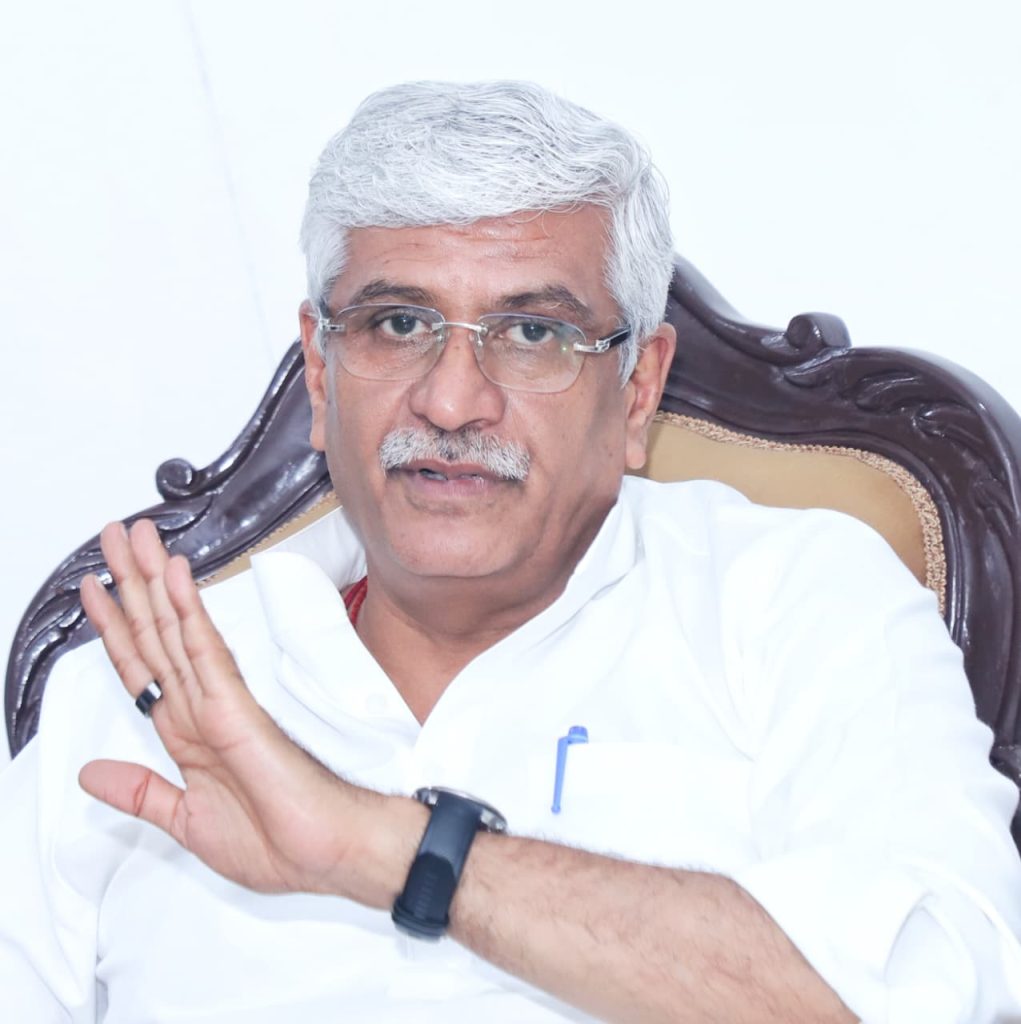
Union Minister of Culture and Tourism Gajendra Singh Shekhawat

The central government is planning to open the first section of world’s largest museum, Yuga Yugeen Bharat in early 2027 which will come up in the Secretariat complex of Lutyens Delhi spanning about 1,55,000 square metres.

Speaking on the subject, union minister of culture and tourism Gajendra Singh Shekhawat said that the upcoming museum will have various galleries displaying everything from ancient to modern arts and crafts.

“Currently we have museums which display particular art ranging from belongings of ancient people and past civilization. However, this one will have at least eight different galleries displaying various things including Architecture, Crafts and art of India and Evolution of Indian architecture,” Shekhawat said.

He said that the work is being done on the ground and the North block will be available within three months for the project.

“South block might take some time around eight months to one year as the PMO will be shifted,” he added.

Speaking about the footfall the government is expecting, he said that we are expecting a huge footfall as this will be the one people would come to visit from far flung areas.

“Today the Qutb Minar and Lal Quila are getting around 12000 foot fall if we calculate weekly. So, we are expecting around 50,000 footfall weekly,” he said.

The project has gained much excitement as the government has collaborated with France to make this happen. “As you know, France is the most experienced nation and it is famous for turning office buildings into wonderful museums, so we have partnered with them for this. We will be able to open the first section by 2027,” the minister said.

Speaking on the crowd management and current situation of traffic in the national capital, the minister assured that the government is planning to connect this tourist destination with the metro to maintain smooth movement of traffic and people who will visit this museum. In May 2023, Prime Minister Narendra Modi unveiled a “virtual walkthrough” of the new museum at the International Museum Expo. The video says the Yuga Yugeen Bharat National Museum (YYBNM) will have 950 rooms, highlighting “Bharatiya gyan parampara (Indian knowledge traditions)”, “aitisahik dharohar (historical heritage)”, “madhya-yugeen Bharat (medieval India)”, “swatantrata andolan (freedom struggle)” and “swatantra Bharat (independent India)”.

Lok Sabha worked only for ’37 hours’ this Monsoon session

“Agreement and disagreement are a natural process of democracy, but our collective effort should be that the House runs with dignity, decorum and decency,” says Birla

In his valedictory address Lok Sabha Speaker Om Birla said that the House worked only for 37 hours though it was decided in the beginning of the Monsoon session that 120 hours of discussion and dialogue will take place.

“In this session, 419 starred questions were included in the agenda, but due to continuous planned disruptions, only 55 questions could be taken up for oral answer. We had all decided at the beginning of the session that we would have 120 hours of discussion and dialogue. The Business Advisory Committee also agreed to this. But due to continuous deadlock and planned disruptions, we could barely work for 37 hours in this session,” Birla said

He also lamented that “sloganeering, displaying placards, and planned deadlock” in the House hurts Parliamentary decorum and language and conduct seen during the Monsoon session that ended today were “not in accordance with the dignity of Parliament”.

Speaking at the conclusion of the fifth session of the 18th Lok Sabha, Birla said people had great expectations that there will be serious and meaningful discussions on their problems and issues of wider public interest, on important bills, in accordance with the decorum of Parliament.

“It is the responsibility of all of us to cooperate in building healthy traditions in the House. In this dignified House, we should avoid sloganeering and disruption and take forward serious and meaningful discussions. As Members of Parliament, we should set an example before the country and the world through our work and behaviour. Our language in the House and the Parliament premises should always be restrained and decent.”

“Agreement and disagreement are a natural process of democracy, but our collective effort should be that the House runs with dignity, decorum and decency,” he said, adding that members need to think about the message they  are sending to the citizens through the country’s highest democratic institution. 

“I am sure that all the political parties and honourable members will seriously think and introspect on this issue,” he added.

Kashmir gets parcel train service ahead of apple season

Srinagar: Just in time for Kashmir’s apple harvest, the Railway Board has approved a dedicated parcel train service between Budgam and Delhi to boost horticulture and trade in the Valley.

The Joint Parcel Product–Rapid Cargo Service (JPP-RCS), the first of its kind in the Jammu Railway Division, will operate daily with eight parcel vans and a Seating-cum-Luggage Rake (SLR). The service is expected to cut transit time to around 23 hours, significantly faster and cheaper than road transport.

Divisional Railway Manager Vivek Kumar said the initiative aims to promote freight movement by rail and provide an “economical, reliable option” for traders. Loading and unloading facilities will also be available at Bari Brahmana in Samba to assist businesses.

Senior Commercial Divisional Manager Uchit Singhal noted that the train will mainly carry apples, saffron, walnuts, handicrafts, pashmina shawls and carpets. “This will not only benefit fruit growers and small traders but also generate employment,” he said.

The service will run on a pilot basis this year with state police ensuring security. It follows the recent launch of a freight train at Anantnag goods shed, which has already received positive feedback from traders.

Indian Railways hopes the move will strengthen Kashmir’s link to the national freight network, reduce logistics costs, and expand the Railways’ share in the parcel and courier business.  

Arvind Kejriwal gave idea for three bills to remove convicted leaders: Sources

Representative Image

The idea of three bills that is being moved by Union Home Minister Amit Shah in the Parliament to provide legal framework for removal of the Prime Minister, Union Ministers, Chief Ministers, and Ministers in states and union territories is said to have come from former chief minister of Delhi Arvind Kejriwal.

According to government sources, the requirement of these three bills came after the capital witness the dilemma on who would unfurl the national flag on Independence Day when Arvind Kejriwal was in jail for more than five months in money laundering case related to the alleged excise policy scam.

“It is a question that when you are in jail, should you not leave the designation? The idea of three bills came from the situation when Arvind Kejriwal was in jail and there was confusion about who would unfurl the national flag. That’s where the idea came from,” sources told Tehelka.

When asked about the Opposition’s claim of blurring the line between accused and convicted, sources informed that there is no question about the conviction.

“When there is a provision of five years of sentence in the case then it becomes necessary to remove or to resign from the post. There is no question about conviction. Should Arvind Kejriwal have not resigned when he was in jail? There was never a requirement of such bill earlier but this very situation gave the idea to the government,” sources told.

The bills say that the Prime Minister, Chief Ministers, Ministers of States and Union Territories who are arrested and detained in custody for 30 consecutive days on allegation of committing an offence punishable with imprisonment for five years or more, shall be removed from office by the 31st day by the President, Chief Minister (in case of State Ministers), Governor (for Chief Ministers) and Lieutenant-Governor (for Chief Minister in Union Territories).

The bills say that they could be subsequently reappointed on release from custody.

INDIA bloc V-P nominee files nomination

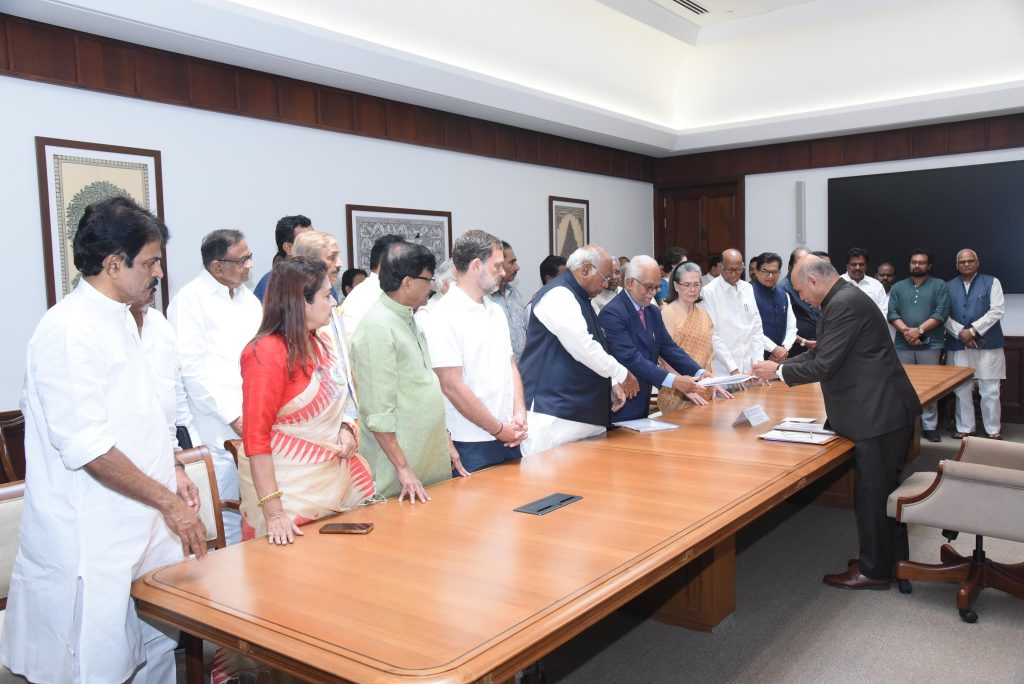
INDIA alliance Vice-Presidential nominee and former Supreme Court judge B Sudershan Reddy on Thursday filed his nomination papers.

Reddy was accompanied by Congress president and Rajya Sabha Leader of Opposition (LoP) Mallikarjun Kharge, Congress Parliamentary Party chairperson Sonia Gandhi and Lok Sabha Lop Rahul Gandhi.

The Vice President election is scheduled to be held on September 9.

The Choice of Reddy as the V-P candidate by the INDIA bloc has been well-received by Opposition leaders who view it as an ideological contest against the BJP’s RSS-backed nominee.

After filing his nomination, Reddy said that the true strength of India lies in the dignity of every individual, the protection of constitutional morality, and the unity in our diversity.

“This election is not merely about one individual. It is about reaffirming the idea of India as envisaged by our founders – an India where Parliament functions with integrity, where dissent is respected, and where institutions serve the people with independence and fairness,” he said.

He further added, “If I am elected, I pledge to discharge that role with impartiality, dignity, and a steadfast commitment to dialogue and decorum.”

He expressed gratitude to the leaders of the Opposition parties for reposing their trust in him and said, “With faith in our Constitution and hope in our people, I embark on this journey. May our democratic spirit continue to guide us all.”

Reddy has served as a Supreme Court judge and was Goa’s first Lokayukta. 

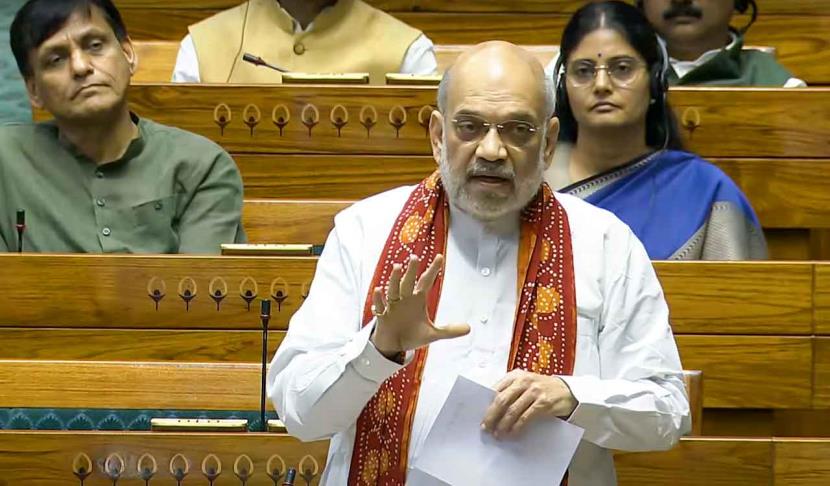
Shah moves bills to remove tainted PM, CMs, ministers amid vociferous objections by opposition 

Home Minister Amit Shah on Wednesday introduced three bills aimed at removing the Prime Minister or Chief Ministers or ministers facing allegations of corruption or serious offences and detained for 30 consecutive days.

File Photo

Home Minister Amit Shah today moved three bills in the Lok Sabha to provide for removal of the Prime Minister, Chief Ministers, union ministers and state ministers arrested on serious criminal charges for at least 30 days, drawing fierce and vociferous protests from opposition parties.

Opposition objects

Several Opposition MPs opposed the introduction amid heavy sloganeering and ruckus, prompting the Lok Sabha Speaker Om Birla to adjourn the House till 3 pm.  Opposition members trooped into the well, raising slogans and some also tore copies of the bill.

AIMIM’s Asaduddin Owaisi and Congress’ Manish Tewari and K C Vengopal termed the proposed law against the Constitution and federalism. Shah rejected criticism that the bills were brought in haste, adding that they would be sent to the Joint Committee of Parliament, where members of both Houses, including the Opposition, would get an opportunity to give their suggestions.

When Venugopal raised the issue of Shah’s arrest when he was Home Minister of Gujarat and asked about his claim of morality in politics, the BJP leader countered, saying he had resigned on moral grounds before his arrest and joined the government only after being discharged by the court.

The parent bill, the Constitution 130th Amendment Bill, was introduced by Shah at 2 pm.

When the Lok Sabha assembled at 3 pm, opposition MPs, including from the Congress, Trinamool Congress, Samajwadi Party, trooped towards the Well of the House with Speaker Om Birla urging them to maintain dignity of Parliamentary proceedings and allow introduction of the bill.

Shah then proceeded to introduce the constitutional amendment bills to create legal framework for removal of CMs and ministers in the UTs as well as J&K.

He also announced the proposal of constitution of a joint committee of parliament consisting of 21 members of the Lok Sabha and 10 members of Rajya Sabha. The committee will scrutinise the three bills and present its report on the first day of the next winter session of Parliament, he said

Senior leaders of the ruling NDA are demanding action against unruly MPs.

The bills

The Constitution (One Hundred and Thirtieth Amendment) Bill, 2025, aims to further amend the Constitution of India and the Government of Union Territories (Amendment) Bill, 2025

The Jammu and Kashmir Reorganisation (Amendment) Bill 2025 seeks to amend section 54 of the Jammu and Kashmir Reorganisation Act, 2019, to provide a legal framework for the removal of the Chief Minister or a Minister in case of arrest or detention in custody on account of serious criminal charges.

For the Prime Minister, the proposed law states that the person will tender resignation by the 31st day after arrest and detention and if fails to do so, he or she will cease to be in the position. However, the ministers, including the PM and the CMs can be re-appointed on release from custody.

In the statement of objects and reasons for the proposed amendments, the Home Minister said the elected representatives represent hopes and aspirations of the people of India and it is expected that they rise above political interests and act only in the public interest and for the welfare of people.

It is expected that the character and conduct of Ministers holding the office should be beyond any ray of suspicion. A Minister, who is facing allegations of serious criminal offences, arrested and detained in custody, may thwart or hinder the canons of constitutional morality and principles of good governance and eventually diminish the constitutional trust reposed by people in him,”the statement reads.

Reasons behind the move

There have been instances where a Chief Minister and a state minister did not resign despite their arrest in criminal cases. They include Delhi’s former Chief Minister Arvind Kejriwal who spent over five months in jail after being arrested by the CBI and the ED in a liquor policy related case. He resigned only after he was granted interim bail by the Supreme Court, which had also ordered that he will not visit the CMO and the Delhi Secretariat.

Former Tamil Nadu minister V Senthil Balaji, who was arrested by the ED in June 2023 in a money laundering case, remained without any portfolio but he only resigned much later.

Strengthening Russia-India ties—Putin to meet PM Modi in New Delhi later this year

File Photo

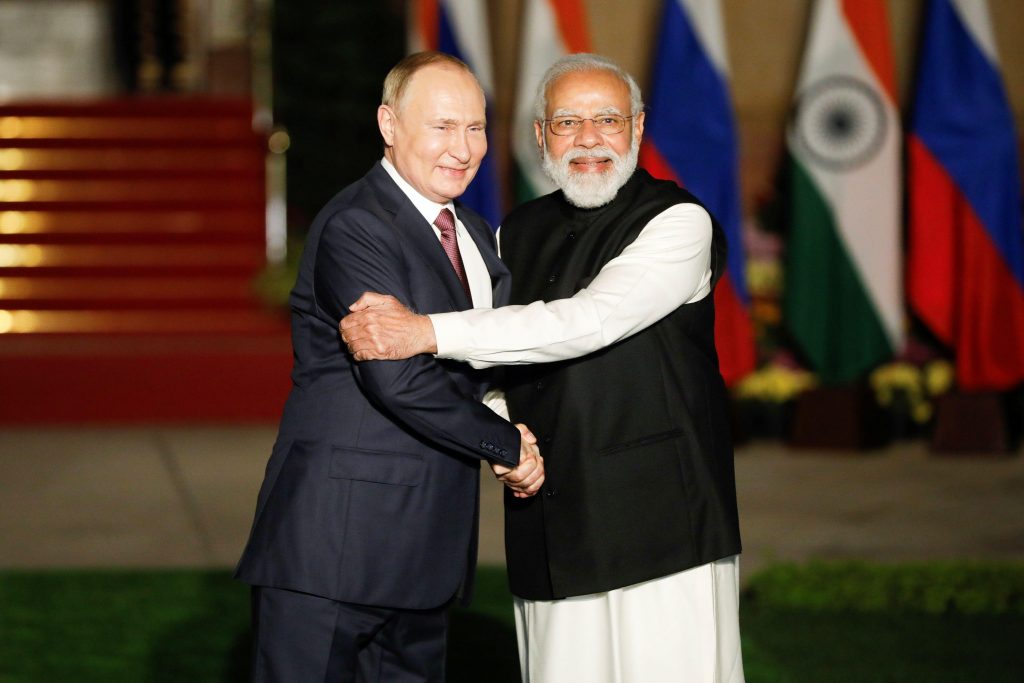
Prime Minister Narendra Modi and Russian President Vladimir Putin will meet in New Delhi by the end of year. According to sources, Putin will travel to New Delhi but no dates have been finalised yet. Meanwhile PM Modi and Putin will also hold a bilateral meeting on the sidelines of the Shanghai Cooperation Organisation (SCO) Summit in Tianjin scheduled at the end of this month.

The Shanghai meeting will follow PM Modi and Putin’s telephonic conversation on Monday where the two leaders discussed the Russian president’s Alaska meeting with US President Donald Trump. PM Modi called Putin his “friend” and said that India has consistently called for a peaceful resolution of the Ukraine conflict and supported all efforts in this regard.

“Thank my friend, President Putin, for his phone call and for sharing insights on his recent meeting with President Trump in Alaska. India has consistently called for a peaceful resolution of the Ukraine conflict and supports all efforts in this regard. I look forward to our continued exchanges in the days to come,” PM Modi wrote on X

This is the second conversation between PM Modi and the Russian President in a fortnight. This and ongoing border talks with China are indicative of the pace of consultations between India and two key foreign powers amid the trade tariff’ tensions with the US.

Meanwhile, Russia on Wednesday dismissed the US tariffs on India over its procurement of Russian crude oil as “unjustified and unilateral”, stressing that Moscow and New Delhi would continue energy cooperation “notwithstanding external pressure”.  

Deputy chief of mission Roman Babushkin said the US has “weaponised the economy” but “friends do not impose sanctions, and Russia will never impose sanctions on India”.

“You will never see sanctions imposed by Russia or within BRICS organisations where we together participate. Non-United Nations sanctions and secondary sanctions are illegal. They just weaponise the economy. Despite the tremendous sanction pressure on Russia, you will see the Russian economy is growing steadily. It means that you cannot exclude from the global economy such a big and important country like Russia with its tremendous energy, industrial and human potential, meaning that sanctions fail and moreover, they hit those who are imposing them,” he was quoted as saying

Trump said the US is set to impose an additional 25 per cent tariff on Indian exports on August 27, citing their imports of Russian oil

Online Gaming Bill tabled in Parliament, Govt seeks blanket ban

The Union cabinet led by Prime Minister Narendra Modi has okayed the draft bill seeking to outlaw all forms of online games involving real money, which was tabled in Parliament on Wednesday.

If passed, the law will give a major blow to India’s Real-Money Games (RMG) industry which has drawn billions in investment and provided thousands of jobs and attracted nearly half a billion players all across the country.

Real-money gaming refers to online platforms where users pay to participate in games and stand to win cash prizes. Any game that involves monetary stakes—whether based on chance or skill—falls under this category.

The draft also proposes a blanket ban on banks and payment firms from processing related transactions and it also bans offering, promoting, or even facilitating such platforms. It would be deemed a criminal offence.  

According to the draft, the government has not targeted titles like Battlegrounds Mobile India (BGMI), League of Legends, PUBG, and Call of Duty. The government has clarified that e-sports and online social games which rely on ad revenue or in-app purchases rather than cash rewards will not be targeted.

Key provisions of the draft Bill

• A ban on offering or facilitating online money games.

• Classification of any game requiring an entry fee or deposit as an “online money game,” regardless of whether it relies on skill or chance.

• A blanket prohibition on advertising such platforms.

• Restrictions on banks and financial institutions from enabling payments.

The law proposes tough penalties, including up to three years in jail and fines of Rs 1 crore for hosting such games, and up to two years in jail with fines of Rs 50 lakh for promoting them.

If the law is passed, it will directly impact India’s leading RMG operators, including Dream11, My11Circle, WinZO, Games24x7, Junglee Games, and others. Collectively, these companies have secured more than Rs 25,000 crore in foreign investments and provide jobs to over two lakh people.

The draft law comes at a time when RMG firms are grappling with heavy taxation. Since October 2023, the sector has been paying 28 per cent GST on the full face value of deposits, along with a 30 per cent tax on winnings.

The government has recently floated the idea of increasing GST to 40 per cent, putting RMG in the same bracket as tobacco and alcohol.

While taxation does not currently distinguish between games of chance and skill, the new Bill makes that separation explicit—though it remains uncertain whether the GST framework will follow suit, something e-sports firms have long demanded.

Man attacks Rekha Gupta, arrested

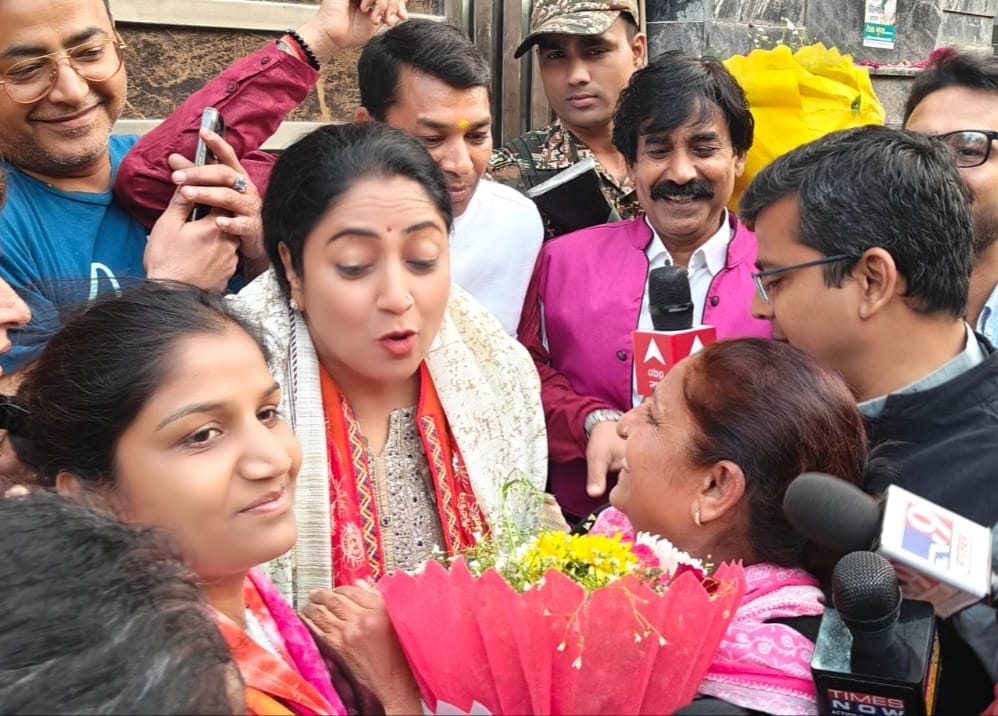
Delhi Chief Minister Rekha Gupta on Wednesday suffered hand and head injuries when a man attacked her during a public hearing at her residence.

Gupta holds a “Jan Sunwai” session every week near her residence. That’s when a man said to be in his early 40s approached her with intent to attack. However, the situation was controlled when her security personnel immediately caught the attacker who is now being quizzed by the Police.

According to the police, the accused has been identified as Rajesh Khimji, a resident of Gujarat’s Rajkot.

Khimji is said to be an animal lover and was upset over the Supreme Court order to round up stray dogs in Delhi NCR and shift them to shelters.

Earlier, Rekha Gupta had said that Delhi government will implement the SC order in a planned manner and it will come up with a policy to reduce the menace of stray dogs on the streets of the city.

Meanwhile, BJP leaders condemned the attack and said there is some political conspiracy which is being investigated by the Delhi Police.

“I strongly condemn the cowardly attack on CM Rekha Gupta during a public hearing. Her fearless connection with people and unwavering commitment to public service clearly unsettles the opposition, which is stooping to such shameful tactics,” said Delhi Cabinet Minister Manjinder Singh Sirsa.

Delhi University Students’ Union (DUSU) president Ronak Khatri also condemned the attack on CM and said that political protest is one thing but raising one’s hand on a woman is absolutely wrong.

“Delhi Chief Minister Rekha Gupta was slapped by a man during a public hearing. This is a very shameful incident and raises questions on law and order,” Khatri added.

This is not the first time that Delhi Chief Minister was attacked, earlier, former chief minister of the capital Arvind Kejriwal was attacked on several occasions where a man slapped him during a road show in Delhi when he was atop of an open jeep. In another incident, a man threw liquid on Kejriwal during an event. 

MOST POPULAR

HOT NEWS