Saturday, December 27, 2025

Hookah, Tobacco and Minors

Despite ban, minors find easy access to tobacco at hookah bars which are mushrooming in metros and tier II cities across India. An investigative report by Tehelka SIT

“I have no problem in serving hookah to minors. Whatever tobacco flavour they will ask for, hard or mild, I will serve them. But we have to be very careful during that time. If the news of minors having hookah party at my cafe gets leaked, then we both will run into trouble. The authorities will shut my cafe. A similar situation occurred at the cafe situated next door. A 14-15 years old girl was caught smoking hookah at the cafe. The cafe was sealed, and was allowed to open only after three years,” said Sapan Dev, manager of Club 21 situated at Kolkata.

Perceived as a relatively innocuous pastime by many, hookah smoking can quickly turn into a habit, and then into addiction.  “At one point of time, I even contacted an agent to help me sell my kidney to fund my hookah habit after my parents stopped giving me money. I got addicted to hookah in school and the problem became more severe by the time I joined an engineering college for further studies”. This is Nishesh [name changed], 21, who is the only son of a retired officer of railway. Nishesh started smoking as a pass time with friends while he was in class VII. As the time went by, he got into the habit of smoking too often. Slowly, the habit turned into addiction. But thankfully, after a series of counseling sessions, Nishesh has finally got rid of the habit and is leading a normal life now even as he waits for his appointment letter to join a government job.

But, Nishesh is not the only one who got addicted to hookah. Vicky [name changed], a cab driver by profession, got addicted to hookah when he was 17. Whatever he used to earn, he would spend on hookah. The addiction took a toll on his family life, with the result that his wife, upset with his hookah habit, left him for good when he was 28. His son also went away along with her.

The above two examples indicate that people in India, especially minors, are beginning to discover hookah as an alternative to drinking and smoking marijuana or doing other drugs. People think that smoking hookah is a relatively harmless alternative to “worse” drugs and is also easier to access than other illegal recreations, particularly alcohol. Since purchasing tobacco is legal when you turn 18, some seniors in high school are old enough to buy those products, including the things they can smoke by putting them in a hookah. They purchase these products and give them to their younger peers. Apparently, tobacco is easier to get than maybe alcohol.

However, hookah bars which are mushrooming rapidly in metros and tier II cities across India, are now beginning to feel the heat. One state government after another is clamping ban on them, not only for giving teenagers an easy access to hookah but also using ingredients which are not permissible under the law. Hookah bars in cities like Bangalore, Hyderabad, Noida, Ghaziabad, Delhi, Chandigarh, Kolkata etc have been raided from time to time for serving tobacco to minors. Despite this, hookah bars remain the hangout of choice for urban youth.

Recently, the West Bengal government imposed a ban on hookah bars in Kolkata, citing hookah tobacco’s adverse impact on public health. Announcing the decision, Kolkata’s Mayor Farhad Hakim said that the Kolkata Municipal Corporation [KMC] would cancel licenses of restaurants that operate hookah bars in the city. He added that the administration had received complaints that “certain intoxicants” were being used in hookahs by these bars resulting in youngsters turning into addicts. “Chemicals used by the bars in hookahs are extremely bad for health. So we have decided to shut them”, the Mayor said.

To explain why one state government after another is acting tough against hookah bars citing an adverse impact on public health, Tehelka carried out an investigation on these bars much before the West Bengal government announced a crackdown against them in Kolkata. The investigation has exposed how some hookah bars were ready to serve hookah with tobacco to the minors which would adversely impact their health.

According to India’s Federal Food, Drug and Cosmetic Act, it is now illegal for a retailer to sell any tobacco product – including cigarettes, cigars, e-cigarettes and hookah [shisha] to anyone under 21 years of age. But Tehelka investigation reveals how hookah bars care two hoots for the law as they serve hookah filled with tobacco to under-age guests.

We first met Sapan Dev, a chef-cum-manager at Club 21, Kolkata. We approached Sapan with a fictitious deal that we want to organise a birthday party of 40 guests in his bar, mostly minor children, who will be smoking hookah in the party. Sapan readily agreed to our proposal..

Here is how our meeting with Sapan Dev, a chef-cum-manager at Club 21, Kolkata, went.

Reporter…. “Ek party organise karni hai” ?
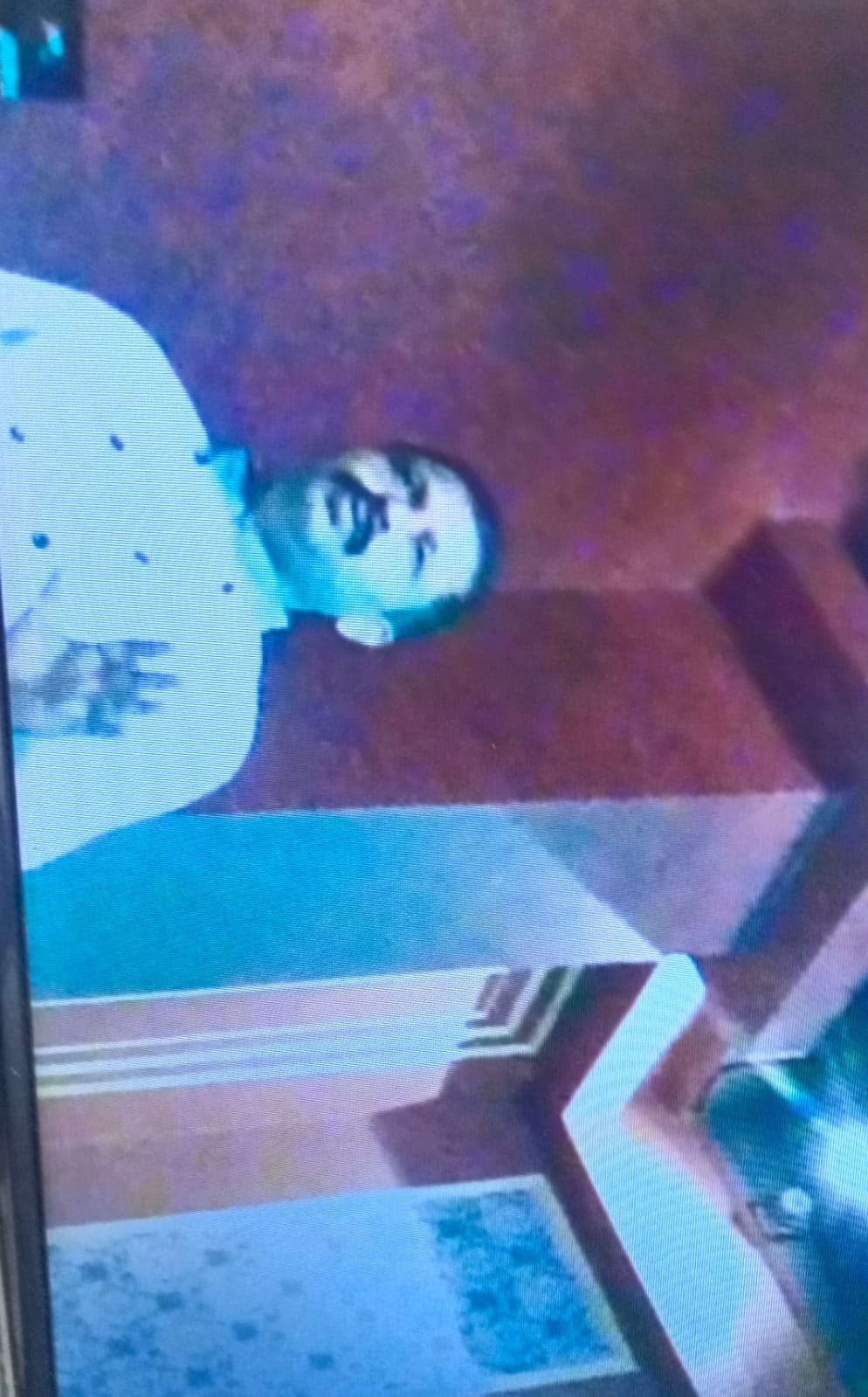
Sapan

Sapan….. “Kaun si tareekh ko” ?

Reporter…. “Ye pub hai na…Club 21. 26 January ko ek party organise karni hai 40 logon ki”.

Sapan…. “Kitne baje hogi” ?

Reporter…. “Shaam ko hogi.. birthday party hai”.

Sapan…. “Hum us din.. chota hall hai wo hi de payengey.. poora nahin de payengey”.

Reporter…. “40 hai”

Sapan…. “40 hai.. bachchey hai”.

Reporter…. “Humne dekh liya”.

Sapan…. Aap ne dekh liya chota wala”.

Sapan…. “Actually hookah bar hai ye”.

Reporter…. “Bachchon ke liye hookah to chal jayega na” ?

Sapan….. “Under 18 actual mein allowed nahin, abhi guardian hai wo hi allow kar sakte hai. Piyo na piyo apka matter hai”

Reporter…. “Apko koi dikkat nahin hai” ?

Sapan…. “Nahin humko nahin hai”.

Reporter…. “Agar koi bachcha hookah piye apko koi dikkat nahin hai” ?

Sapan…. “Nahin hai. Agar uska guardian allow karega to humein koi dikkat nahin hai”.

[Sapan Dev told Tehelka that children below 18 are not allowed in his hookah bar. But if they are accompanied by their guardians, he has no problem in letting them smoke hookah in his bar.]

Now, Sapan told Tehelka about the flavours of tobacco served in his hookah bar. According to him, about 18 flavours of tobacco are served in his bar.

Reporter…. “Kitney type ka tobacco milayengey usmein”?

Sapan…. “Kitney type ka tobacco hoga” ?

Reporter…. “Tambaku kitney tarah ke hongey” ?

Sapan…. “Ismein kitna hum dekh lete hai shayad. Hum logon ke pass abhi 17-18 flavours ka hai”.

Reporter…. “Ka tambaku?”.

Sapan …. “Haan!”.

[In response to a query by Tehelka reporter, Sapan said that 17-18 flavours of tobacco are served in his hookah bar.]

We tried to extract assurance from Sapan Dev that he would not go back on his on his promise of allowing children into his hookah bar at the last minute. Sapan however sought to allay our apprehension. He assured us that all 40 minor children in the age group of 15-16-17 can use his cafe for hookah party.]

Reporter…. “Aisa to nahin hai apse baat hui hai. Hum apko paisa de dey aur aap baad main nakaar de ki bachchon ke liye hookah bar nahin chalega”?

Sapan…. “Nahin-Nahin wo nahin hoga”.

Reporter…. “Main pehley hi bata raha hoon. 16 saal ke bachchey hai, masti karengey. 40 bachchey hai 15-16-17 teen category ke hongey wo kar lengey apne aap. Yahan isolation mein dance wagarah sab kar lengey”.

Sapan…. “Sab kar lengey personal hai”.
[Sapan told Tehelka that he would not go back on his promise to allow children to smoke hookah  at the last moment. With this, decks were cleared for birthday party for the minors in the age group from 15 to 17 at the hookah bar.]

Now Sapan told the number of hookahs required for 40 minor children. According to him, one hookah can be used by three children.

Reporter…. “Sapan ji ye bataye ki ismein 40 bachchey. 40 bachchey ke liye kitna hookah theek rahega” ?

Sapan…. “40 bachchon mein ek hookah teen admiyon key liye share ho sakta hai. Ussey zyada nahin”.

Reporter…. “Ek hookah teen admiyon main”.

Sapan…. “Hmmm”.

[ According to Sapan, one hookah can be used by three children]

According to Sapan we need 12 to 15 hookah for 40 children. Below this number will be a killjoy as we will not be able to enjoy the hookah.

Reporter…. “To 40 bachchon mein kitne hookah aap lagwa dengey” ?

Sapan…. “Us hisaab se to 12 ya 15 lena chahiye”.

Reporter…. “12-15 hookah” ?

Sapan…. “Haan, agar issey kum lengey to aapka flavour jal jayega”.

Reporter… “Maza nahin ayega”.

Sapan…. “Maza nahin ayega”.

[ Sapan said that for 40 children we need 12-15 hookahs. Anything less than that that will spoil the flavour]

Now Sapan told us the names of  tobacco flavours he will use in the hookah. According to him he will use tree-pun, paan, apple and rasbari flavors in the hookah.

Reporter…. “Usmein tobacco kaun si hogi” ?

Sapan…. “Wo to apke pasand se. Jaisey tree -pun hai, paan hai, apka apple hai, rasbari hai. Ye sab alag-alag flavour aatey hai. Jo choose karega wo hi menu dekh kar dengey”.

Reporter…. “ Wo aap lagwa dengey… 40 bachchon mein 12 hookah theek rahengey. Ek par teen lagey rahengey” ?

Sapan…. “ Haan”.

[ Sapan told us the flavours of tobacco he will serve in the hookah to 40 children].

Now, Sapan told us the price of hookah. Big hookah is in the range of Rs 650 to 700. And the price of smaller one is Rs 500.

Reporter…. “To ye sarey serve karengey na us din” ?

Sapan… “Haan”.

Reporter…. “Ye jitney bhi hai chotey-bade ye sare” ?

Sapan… “Nahin bade ka rate alag hai…bada apka 650-700 tak hai. Aur chota 500 tak hai. Bar tender ye jo hai ye 500 tak hai. Ye apka 650 tak hai.. ye 400 hai”.

Reporter…. “Ek hukkey se kitney log le letey hai” ?

Sapan ….. “Teen”.

Reporter…. “Lekin ye hookah unlimited rahega”?

Sapan…. “Koi nahin jitna hookah jayega utna hi bil banega”.

[Sapan told Tehelka about the hookah rate. For bigger size it is Rs 650 to 700. And for smaller size can be bought with Rs 500. The hookah will be served unlimited.]

Now Sapan advised us that nobody should get a inkling of  the proposed hookah party, otherwise we will both be in trouble and his cafe will shut down.

Reporter…. “ Aap logon ko koi dikkat na ho” ?

Sapan…. “Dekhiye us time checking ho gaya kisi bhi tarah se, kisi ke pass khabar aa gaya to dikkat dono ko hi hai. Mera to cafe band kar dega. Aur kholney hi nahin dega”.

[ Sapan said that we have to maintain complete secrecy about the minors’ hookah party in his cafe. Otherwise if somebody came to know about it, than we both will be in trouble and it will be curtains for his cafe]

Then Sapan gave an example of a hookah bar situated near his cafe, which was shut down because a girl aged 14-15 years was spotted smoking hookah in that cafe. The parlour remained shut for three years before it was re-opened.

Sapan…. “Neechey ka cafe aisey hi band hua ek baar, 14-15 saal ki ladki ko pakad liya tha. Poora cafe band ho gaya.”.

Reporter….. “Kis cheez main pakda gaya” ?

Sapan…. “Hookah pee raha tha”.

Reporter…. “Neechey bhi hukka hai”. ?

Sapan….. “Neechey hookah tha. Wo band kar diya abhi. Wo teen saal ke baad phir se khula hai”.

[ Sapan explained how a cafe next to his hookah bar was shut down after a teenage girl were caught smoking hookah there.]

After Sapan, Tehelka met Debarata Ghosh, the manager of Hashtag Live hookah bar situated in Kolkata. We gave the same fictitious deal to Debarata that on coming 26th January we want to organise a party of 40 people in his hookah bar comprising 30 minors and ten adults. Debarata agreed to our demand and told us that he would give hard flavoured tobacco in hukkah to our minor guests and also assured us that organising a minor hookah party in his bar will not be a problem.

Reporter…. “Achcha ye bataye 30 bachchon par 10 hookah kaafi rahengey” ?
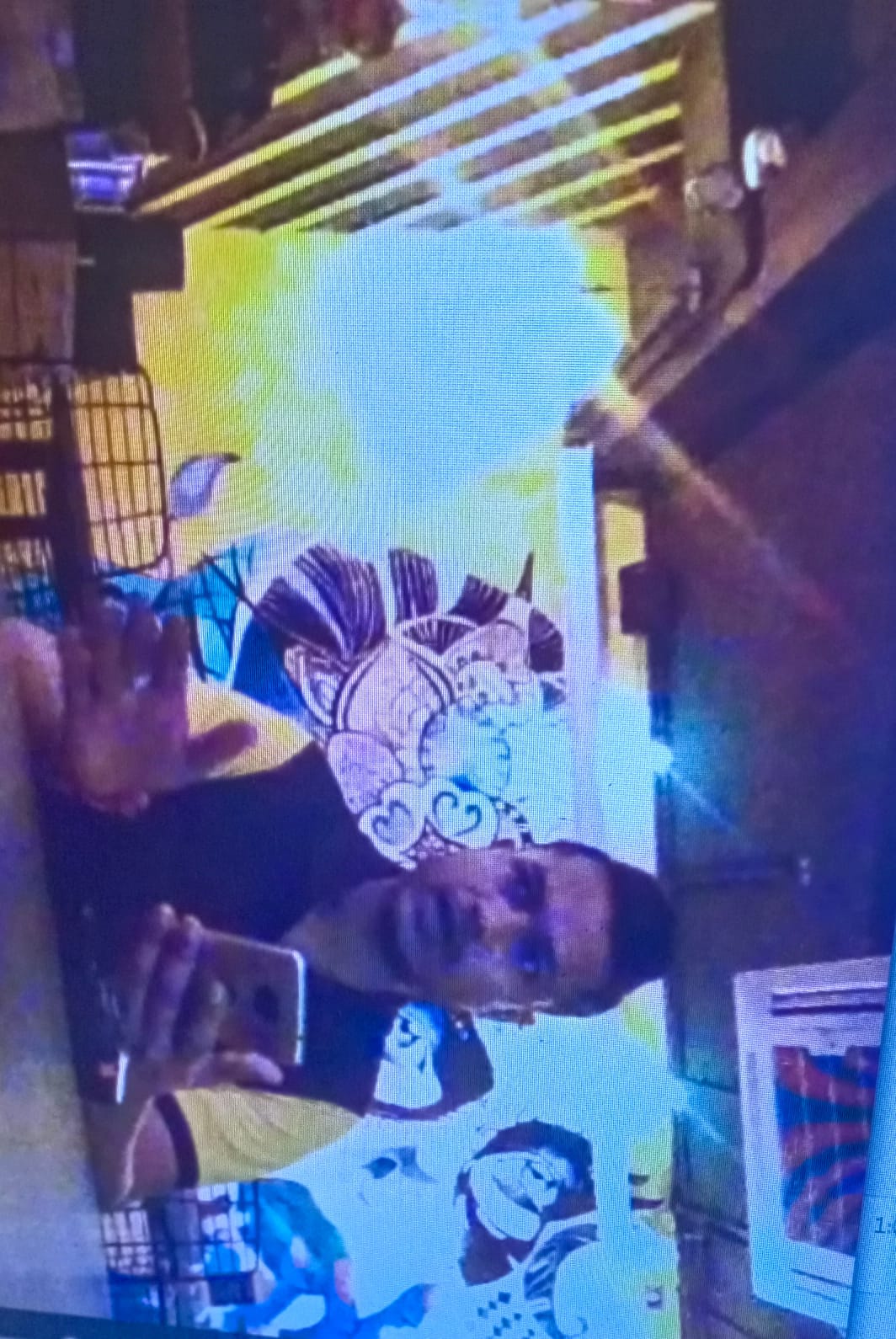
Debarata

Debarata…. “Haan ho jayega koi dikkat nahin.. ho jayega.. aur alag se ek-do flavour chahiye hongey to” ?

Reporter…. “Hard flavour chahiye sabke liye” ?

Debarata…. “Ho jayega”.

Reporter….. “Flavour matlab tambaku”.

Debarata…. “Haan”.

Reporter….. “Kahin koi issue to nahin hai bachchon ke saath hookah-vukka peetey hue” ?

Debarata….. “Nahin-nahin”

[Debarata claimed that organising a party of minors in his hookah bar is not be a big deal for him. He also assured us that he would give hard tobacco flavour to our guests]

Debarata also assured us that teenagers who will be there for the fun will not be forced to wear face mask due to Covid restrictions.

Reporter…. “Debu main ek baat bata doon. Bachchey masti karengey.. koi mask nahin pehnega”.

Debarata…. “Nahin-nahin wo sab nahin”.

Reporter….. “Kahin tum usko bolo ki Covid hai. mask pehno” ?

Debarata…. “ Nahin sir”.

[ Bar manager Debarata assured us that he would not play a party pooper and would not ask children  to wear face masks etc because of Covid restrictions].

Debarata now assured Tehelka reporter that our minor guests will be allowed to have hookah with hard flavour tobacco.

Reporter…. “Hookah to le sakte hai bachchey” ?

Debarata…. “ Haan”.

Reporter…. “Haan to hookah karwa dijiye”.

Reporter….. “Hookah mein sabse hard flavour kaun sa hota hai tambaku ka? ”

Debarata…. “Hard main to jaisey ki gum supari. Paan ke saath bhi mix hota hai. Paan Rajni ho gaya. Matlab bahut sara hai. Hard flavor.. light flavour mein hai.”.

[ Debarata said minor children can have hookah with hard flavour tobacco. He also named  several tobacco flavours for us.]

We now approached, Old Street Club, the third hookah bar of Kolkata and met Club Incharge Faiz Ahmed. We gave the same fictitious deal of organising minors’ hookah party of 40 guests to Faiz, to which he promptly agreed. Faiz assured us that he would give hard flavour tobacco to our guests which will intoxicate them heavily.

Reporter…. “Hookah kaun- kaun sa hai apke paas flavour” ?

Faiz…. “Jo apko chahiye wo milega”.
Faiz

Reporter…. “Hard se hard tambaku wala”.

Faiz…. “Wo ho jayega”.

Reporter…. “Nasha accha ho jayega?”.

Faiz…. “Haan”.

Reporter…. “Theek hai”.

[ Faiz Ahmed told reporter that we will get hard flavour tobacco in hookah for our guests, who will then get high in no time.]

Faiz described our minor guests in the age of 14-15-16 years as adult and told us that they can also use hookah in his bar. He added that for forty guests, at least 18-20 hookahs are needed.

Reporter…. “Achcha ye bataye 30 bachchey hai humarey aur 10 bade hai to kitne hukkey chahiye. 40 logon main kitna hookah de dengey aap. Kitney hookah hone chahiye” ?

Faiz…. “Bachchey logon ko bhi lagega” ?

Reporter…. “Haan”.

Faiz…. “Bachchey kitni umr ke hai” ?

Reporter…. “14,15,16”

Faiz….. “Matlab jawaan hi hai sarey. 14-15-16 sab jawaan hi hue na sarey. Hai 40 mein kum se kum 18-20 base to lagega hi. Kum se kum 20”.

Reporter…. “18-20 hukkey to lagengey hi”.

[Faiz tried to put us at ease by explaining that minor guests in the age group of 14 to 16 who we will bring to the party can be dubbed as young. So they can also use hookah. In all, he said 18 to 20 hookahs are needed for our forty guests.]

We again told Faiz that many of our guests are minor. To which he acknowledged positively.

Reporter…. “Usmein Faiz saheb yaad rakhiyega bachchey bhi hukka use karengey” ?

Faiz…. “Wo to aap log pehley hi bata chukey they. Bachcha bhi rahega. Matlab jawaan type ke. Zyada bhi nahin hai. Normal hi hai.”

Reporter…. 14, 15 saal ke”

[ We again told faiz that our list of guests has large number of minors. To which, Faiz reminded us that we had already told him about it.]

Faiz now introduces us to MB Rony, the man who prepares hookah in his club. Rony told us about various flavours of tobacco he is using in the hookah at his club. According to him, some flavours are very hard and will have quite a kick.

Reporter…. “ Hookah aap hi banatey hai” ?

Rony…. “Haan hum hi banatey hai”.

Reporter…. “Hookah main kaun sa flavour sabse hard hota hai” ?

Rony…. “Hard karke koi flavour nahin hai. Lekin koi flavour hai jo sur par hit karta hai. Bahut zyada daalney ke baad kai baar hit kar jaata hai. Wo hi sab flavour hai. Jaisey double apple ho gaya, brain freezer ho gaya. Ye sab flavour jab koi dekhney mein bada dikhta hai un logon ko dete hai”.

[ Rony who prepares hukkah at Faiz’s club described various flavours of tobacco used in hookah. According to him, some tobacco flavours hit the consumer very hard. Such flavours are given to those customers who look big in appearance]

Rony now revealed that children who come to his hookah bar, order tobacco flavour according to their choice.

Reporter…. “Bachchey kaun sa lete hai hookah bar mein flavour” ?

Rony…. “Wo log apne hisaab se order dete hai. Unke hisaab se jo unko theek lage. Jaisey ki light flavour hai to mix karke de dete  hai. Aur samajh mein nahin aa raha hai ki bahut zyada hard  ho jaa raha hai aur kuch flavour ko add karke light banakar bachcha logon ko dete hai”

[Rony confessed that children do visit his hookah bar, and order flavour according to their taste. If they need light flavor, then I give them light flavour. And if they later find out that the flavour is stronger than they had desired for, then he mixes some other flavour to make it lighter before handing it over to them again.]

The investigation carried out by Tehelka revealed that none of the hookah bars is concerned about the adverse effect the hookah has on minors’ health. They are caught on camera offering to organise hookah party for minors, with concern about minor’s health being the last thing on their mind. In the states where hookah parlors are allowed, they are required to follow strict guidelines and they cannot serve young people under the age of 18.

But Tehelka investigation reveal how several hookah cafes sell shisha tobacco to minors despite knowing fully well it is illegal. The investigation exposed how the manager of Club 21 readily agreed to host a hookah party for underage customers promising varieties of tobacco, from very mild to very strong, and playing fast and loose with the health of minors. It is to be mentioned that shisha smoking is no less dangerous than cigarettes. This is precisely the reason why West Bengal government recently banned hookah bars in Kolkata citing adverse impact hookah smoking has on public health.


Modi’s mass appeal intact in Gujarat

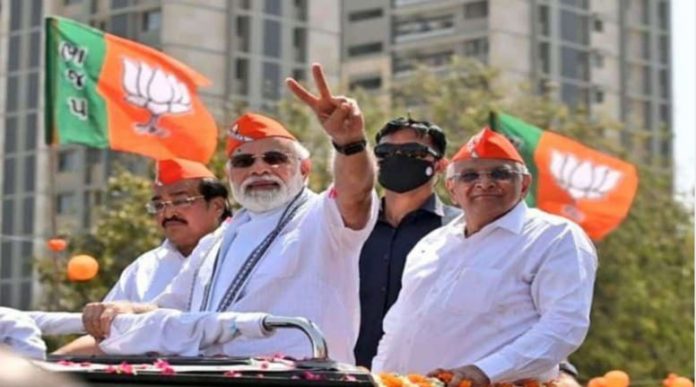
Our Special Story in the current issue of Tehelka is on the BJP’s stupendous victory in the Gujarat Assembly election. Though it was a foregone conclusion, the ease and margins with which it won proves beyond doubt that Prime Minister Narendra Modi’s mass appeal remains not only intact but has further grown.

When Modi tweeted, “Thank you Gujarat” and went on to add, “I am overcome with a lot of emotions seeing the phenomenal election results. People blessed the politics of development and at the same time expressed a desire that they want this momentum to continue at a greater pace. I bow to Gujarat’s Jan Shakti,” it was clear that the BJP will surely hard-sell the time-tested Gujarat growth model across the country in its bid to retain power at the Centre in 2024. Its immediate echo may be heard in the Assembly elections scheduled to be held in the year 2023 in Karnataka, Rajasthan, Chhattisgarh and Madhya Pradesh.

The other major gainer is Aam Aadmi Party which with even having zero Lok Sabha MPs, is set to get the status of a national party. There is an irony in the plot because it chose to become a national party courtesy Gujarat, the home state of Prime Minister Narendra Modi and Home Minister Amit Shah from where it got 12.9 percent votes. As per rules, a political party requires six percent vote share in four states to get the stature of a national party. AAP is in power in Punjab and Delhi and has two seats in Goa and five in Gujarat. This could be a boost in the party’s expansion plans.

The Aam Aadmi Party also dethroned the BJP from power in the Municipal Corporation of Delhi (MCD) after three terms lasting 15 years and took control of the civic body for the first time in the national capital. AAP won 134 of 250 wards, while the BJP got 104, and the Congress came a distant third with just nine.

The Congress too has something to cheer about.  At a time when everything seemed lost for the win starved Congress, the party after almost four years, 18 straight losses, exodus of many leaders, has won in Himachal Pradesh. For all the noise it generated, AAP could not even open its account. All the 67 candidates it had fielded, including former Lok Sabha member Rajan Sushant, lost their security deposits as not even one could secure a minimum one-sixth (16.7%) of the total valid votes polled.

Meanwhile in line with consistent exposure by Tehelka Special Investigation Team, the Cover Story in this issue of Tehelka “Hookah, Tobacco and Minors” exposes how despite the ban, minors find easy access to tobacco at hookah bars which are mushrooming in metros and tier II cities across India.


BJP rejigs Punjab unit with sights trained on 2024 polls

Having played the second fiddle for long to its ally Shiromani Akali Dal (SAD) in Punjab, the state BJP has now packed its team with Congress turncoats and Sikh faces with an aim to gain ground ahead of the 2024 elections, reports Rajesh Moudgil

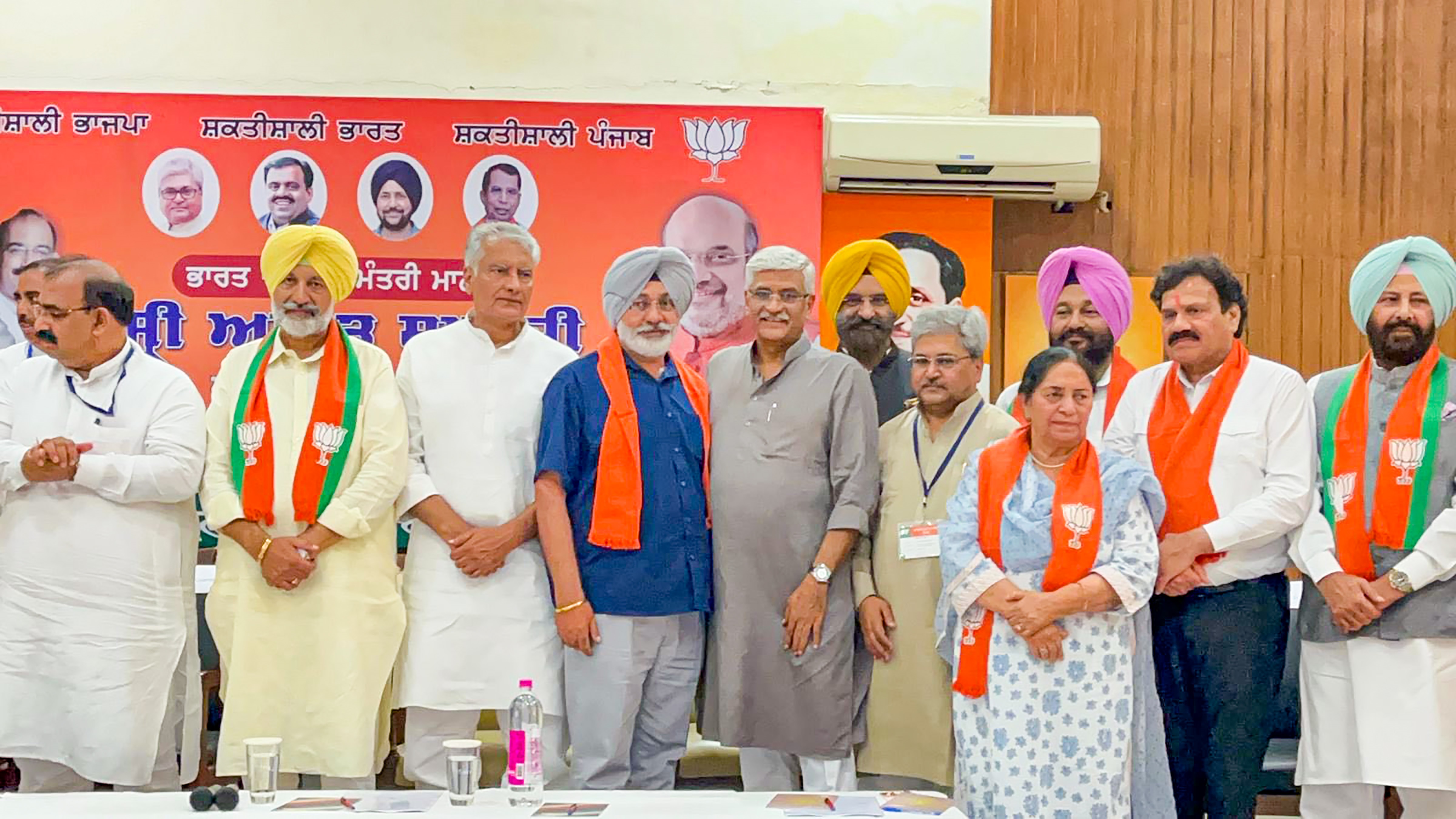
The Punjab BJP has picked up several Congress turncoats and Sikh faces as well as roped in many of its home-grown leaders in its recent revamp so as to expand its base to better its show in the 2024 elections.

While retaining its state president Ashwani Sharma, the party has announced the names of 60-odd office-holders in its new Punjab team adjusting most of the former Congress heavyweights who had joined the saffron party around the state assembly election in February this year.

The former Congress leaders among them included former chief minister Capt Amarinder Singh’s daughter Jai Inder Kaur, former minister Raj Kumar Verka and former MLAs Kewal Singh Dhillon, Fateh Jung Bajwa and Arvind Khanna. They were among the new 11 vice-presidents named in the new BJP body.

Nonetheless, striking a balance, the BJP also named its home-grown leaders, namely, Dr Subhash Sharma, Rakesh Rathore, Dyal Singh Sodhi, Lakhwinder Kaur Garcha, Dr Jagmohan Raju and Jagdeep Nakai, as the vice presidents in its new team.

The BJP also named its own leaders Rajesh Bagha, Jiwan Gupta, Bikramjeet Singh Cheema and Mona Jaiswal, besides the former Congress leader Gurpreet Singh Kangar, as general secretaries in the new team.

Notably, Kanwarveer Singh Tohra, grandson of the former Shiromani Gurdwara Parbandhak Committee (SGPC) chief Gurucharan Singh Tohra was named as the president of the BJP’s youth wing in Punjab.

Likewise, the party appointed 11 state secretaries. Its Hoshiarpur BJP leader Meenu Sethi was named as the president of the Mahila Morcha and the former IAS officer S R Ladhar was made the president of the Scheduled Caste (SC) wing of the party.

However, conspicuously enough, former Cabinet minister Balbir Singh Sidhu was not named in the new team. Reacting to it, he held that he was a loyal worker of the party and that the party leadership may have some other role for him in mind in days to come.

It is also pertinent to mention here that a little earlier, the former Punjab chief minister Capt Amarinder Singh and former state Congress chief Sunil Jakhar were named as the BJP national executive members, and party’s own leaders, Rana Gurmit Singh Sodhi, Manoranjan Kalia and Amanjot Kaur Ramoowalia as the special invitees to the national executive.

Notably, Capt Amarinder, 80, had floated the Punjab Lok Congress (PLC) a little before the assembly polls after quitting Congress following bad blood in the party. However, his PLC had failed to win any seat in the assembly elections, and he himself lost from his home turf of Patiala Urban. He merged his PLC into BJP in August, this year. Jakhar, 68, joined the BJP in May this year, after five decades in the Congress, the party three generations of his family had served, also because of bitter bickering in the party.

Earlier, before the February polls, beside Kanwarveer Singh Tohra, the grandson of tall Akali leader late Gurcharan Singh Tohra, other prominent Sikh faces who had joined BJP included Harinder Singh Kahlon, former president of All India Sikh Students Federation (AISSF), Jagmohan Saini, president of Farmers’ Intellectual Front, from Patiala, Nirmal Singh from Mohali, Kuldeep Singh Kahlon, also from AISSF, Gurdaspur, former vice-chancellor of Guru Kashi University, Jaswinder Singh Dhillon, and Col Jaibans Singh from Patiala.

Meanwhile, subsequent to the state body, the state BJP chief Ashwani Sharma has also formed the state core committee as well as finance committee.

Stating that after a detailed discussion with the national president J P Nadda, senior leaders had been included in both these committees, senior state general secretary Jeevan Gupta said that the BJP would out-perform all opposition parties in the state in the coming parliamentary elections in 2024.

Special invitees to the core committee were party’s national vice president, Saudan Singh, chairman of the national commission for minorities, Iqbal Singh Lalpura, national general secretary, Tarun Chugh, national secretary, Dr Narinder Raina, former Gujarat chief minister, Vijay Rupani and all five general secretaries of the state.

Elaborating upon the party’s revamp, the state unit’s media secretary Janardhan Sharma, says that the revamp was done with the party’s ideology to involve all with a collective effort and approach for growth of all.

“It is with this philosophy that the leaders from other parties who had joined and helped BJP have been accommodated in the new team’’, he said.

However, the political observers opine that with the recent revamp, the BJP aims at expanding its base in the state and gain ground in the areas of the leaders inducted in the rejig.

Was dumped by SAD in 2020

The BJP was a junior partner with the Shiromani Akali Dal (SAD) till 2020 when it was never given more than 23 constituencies (out of total 117), and that too the urban seats only, since 1995, a major reason why it could not have Sikh leaders.

Having been dumped by the SAD in 2020 over the now-repealed farm laws, the BJP leadership decided not to have any truck with SAD. While the BJP Central leadership held it would not go for an alliance with SAD, the latter responded by stating that they would protect Punjab and would not bow before the Centre.

Repeal of farm laws notwithstanding – the BJP leaders may hate to admit it – the damage caused by the said farm laws was severe to such an extent that it left the Punjab BJP in a sticky situation ahead of election time. So much so, some senior leaders including the former minister and two-time MLA from Amritsar, Anil Joshi had also sided with farmers and later joined SAD.

The BJP, thus, in 2022 assembly polls, had an alliance with the Punjab Lok Congress (PLC) floated by the former two-time and five-time legislator Capt Amarinder Singh as well as SAD’s splinter group – SAD (Sanyukt) – floated by senior Akali leader Sukhdev Singh Dhindsa, but fared poorly.

While only the saffron party could win two seats and others faced a brutal drubbing – AAP registered a landslide win with 92 seats, Congress got 18, SAD, three and its ally, BSP, one while one independent legislator could make it to the assembly.


Bias in housing adds to woes of India’s singles

It’s a sad fact that home owners and cooperative housing societies refuse to rent apartments or homes to bachelors and bachelorettes who leave their homes in search of better opportunities in different cities

Everyone talks about various kinds of discriminations in our society. Whether it is gender-based bias, or religious bigotry, caste-based inequity or whether it is colour-based prejudice, it’s all out in the open. Talked about, called out and fought against by woke people.  However, there is a silent prejudice that is making life difficult for young singles in India, which few talk about. It’s called ‘Discrimination in housing’ and it’s a sad fact that home owners and cooperative housing societies refuse to rent apartments or homes to bachelors and bachelorettes who are forced by circumstances or lured by better prospects to leave the shelter of their homes and go out into the world to live alone.

And if people do rent out homes to them or take them in as Paying Guests (PGs), they are either charged higher rentals than normally would be charged of a married couple or a family or ridiculous conditions are placed on them. For instance some societies allow homeowners to rent out apartments to singles but the bachelors have to make a deposit of Rs10,000 with the society to recover any “damage” that may be caused by the singles which is of course returnable at the time of vacating the house.

Really!! Do societies think that bachelors are uncontrollable, rage-filled delinquents who will go around punching holes into walls or breaking down doors, uprooting trees or damaging the lifts or common areas? Imagine, the extra financial burden they are putting on a young person who is forced to live far away from home just because there are not any good job or educational facilities in their hometown?

Then, there are some who expect young, working professionals or students living as PG with them to be back home latest by 8 pm? So what do you tell your bosses? “Sorry sir I can’t put in extra hours today for that all-important project because I have a curfew of 8 pm imposed by my landlord.” Or what do you tell your friends? “Sorry I can’t make it to that all-important party/movie/get together because I have to be back home by 8 pm?”

So in effect, what the landlord is saying is that young people living away from home are not entitled to have a social life or fun with their friends. Because, to your mind, all this is immoral activity?

There are also those who don’t allow their tenants to bring home friends of the opposite sex. Why? Can’t people of opposite gender be friends? So, if they are living in an apartment they consider home why can’t they have the liberty to bring their friends home? Do you stop your own children from bringing friends of the opposite sex home? And if you frown upon mixed gender friendships then what kind of regressive mindset do you have? And you certainly need to get your mind out of the gutter!

Forget about friends of the opposite sex, some societies and landlords prohibit people in a relationship from also bringing their love interest home. Why this moral policing? They are consenting adults aren’t they? Don’t youngsters in our society have a right to a life of their own? Do they have no right to privacy, right to love, relax with the person they love or have a quiet meal just because they don’t own a home and are renting yours out?

And God help you if you are a bachelorette, looking for a place to live. First, you will find it difficult to get a house and if you do have the good fortune to find one, you will be regarded with suspicion in the first place for daring to dream of having an independent existence. And then, a hundred restrictions will be placed on you and your movements will be watched closely to ensure that you don’t break any of the house rules. Because, after all a young woman who leaves the security of her home to go to a distant city to study or work, certainly can’t be up to any good..can she?

So yes, young singles in India are victims of ‘Discrimination in Housing.’ And this silent malaise is very prevalent and it is hidden in plain sight. We can call it ‘Discrimination in Housing’ or ‘Rental prejudice’ or any other sophisticated name but at the end of the day it is plain and simple moral policing. And this silent bias has spread all over India, poisoning the lives of our youngsters who leave their homes in search of better opportunities in different cities. And mind you, this bias is not restricted to small cities it is very much prevalent in cosmopolitan cities like Delhi, Mumbai, Gurugram, Bengaluru and Noida. This middle class morality and toxic attitude towards young singles is also not the prerogative of those living in lower middle class or middle class neighbourhoods, but in posh societies too, where one would not expect to encounter mindsets that are centuries old.

The most recent example of this regressive and discriminatory mindset is at display in Noida’s Emerald Court society. The posh society in Sector 93A, where the infamous twin towers once stood, has given a notice to tenants who are bachelors to vacate their premises, citing violation of its rules. The notice, issued on November 15, stated a rule of society’s bye-law which stipulates that it is “prohibited to use flats as paying guest accommodation, or rent to a group of students/bachelors where the residency of the flat is of transient nature.” The notice further stated, “We are hereby informing the owners of these flats to give notice to the students/bachelors/guest house managers and get the flats vacated within 30 days from today. From January 1, 2023 we will not permit these PG accommodations in our premises.”

As a result, hundreds of singles have had to drop everything they were doing and start looking for a new home to move into. Which is easier said than done because the space for singles in this country is increasingly shrinking because of this silent discrimination.

The RWA says they were getting “complaints” and this has been “done in the interest of harmonious community living and we have no intention of any moral policing.”

So, is the RWA trying to imply that people who are married and families are all paragons of virtue and they never do anything wrong? All the muck there is in society is because of singles? Married wo/men never have parties with loud music, they never flout any society rules, they never have fights or there are never any unpaid bills or parking violations or late nights out, or raucous friends over?

In making it next to impossible for singles to get accommodation aren’t we being harsh and prejudiced towards our youngsters? They have the fundamental right to life too. We can’t trample on those rights. People need to realize that there cannot be any discriminatory rules and regulations based on caste, creed, geographies or marital status of a resident in a community living. If a bachelor tenant is not following society rules and by-laws, they need to be treated at par with other erring tenants and corrective measures should be taken accordingly. If repeated warnings fail then it is ok to evict a person who is making a nuisance of themselves. But a blanket ban on bachelors and youths, who are the future of this country and an integral part of our community is not on. We need to be there to stand by them, mentor them and offer support because it’s not easy living alone in a place far from home. It’s no wonder then that a large part of our urban youth suffers from depression, anxiety, loneliness and suicidal thoughts. Life is difficult, let’s not make it worse for our singles.


Drones from Pak pose fresh security challenge to India

The number of drones coming from Pakistan into Indian territories have increased manifold in the last one year. While only five drones were shot down in the three-year period between 2019-2021, but this year, more than 15 drones have been shot in 11 months, writes Rajendra Khatry

Frequent drone incursions from Pakistan are posing a fresh security threat to India. In the last two years, drones have become the preferred mode for cross-border delivery of consignments including drugs and arms by the ISI and Pakistan-based militant groups.

According to the reports of the Intelligence Wing of the Punjab police, around 215 drone activities were noticed this year at various points near the border. In the first five days of December, as many as seven drones were reported to have trespassed into Indian  territory from Pakistan.

According to the Border Security Force (BSF), drones from across the Pakistan border, used particularly for drugs and ammunition, have been witnessed on a regular basis along India’s western front. The number of such drones trying to enter Indian space has increased several times in the last couple of years.

For the last several months the Border Security Force (BSF) has been keeping a close watch and cracking down hard on Pakistan’s conspiracy of sending drugs and weapons through drones inside India.

Incidentally, the BSF has installed anti-drone systems along the India-Pakistan border to prevent drone infiltration. This system helps in jamming and shooting down the drones. The BSF is reportedly spending Rs 30 crore this year to strengthen the borders.

How serious the problem is can be gauged from the fact that besides the anti-drone systems, as many as 5,500 additional cameras are also being installed to monitor border infiltration and drone activities. No wonder a large number of drones returned without dropping the payload as they were confronted by the BSF.

According to reports, airdropping of drugs, arms and ammunition by drones continues non-stop despite many consignments being seized by the Indian security forces on the border. It was in the year 2019 when the drone activity to carry out narcotics and arms smuggling was first noticed. Since then such incursions have increased manifold.

Drone flights have increased tremendously in the last one year, according to the BSF. In fact, this frequency has doubled in number from across the Pakistan border on the western front posing a major challenge to the security forces. The versatility of the drone, which is very well known, has been posing  a threat. In the past, drones have found new ways to bypass the frontiers which is worrisome indeed.

Fortunately, the BSF has established a modern laboratory at a camp in Delhi to study drone forensics. Now, the security agencies can track the flight path and even criminals’ addresses involved in illegal cross-border activity,

India has a long international border with Pakistan. The BSF guards the entire area which is across Gujarat, Rajasthan, Punjab and Jammu & Kashmir. According to information, India first established a drone repair lab at Delhi in September last year and later enhanced it to analyse the forensics of the drones shot down or recovered by it.

The BSF often deploys drone tracking teams, increases patrolling and instals drone tracking equipment at suspected border areas. But the criminals change the spot to continue their nefarious activities and start operating from some other region.

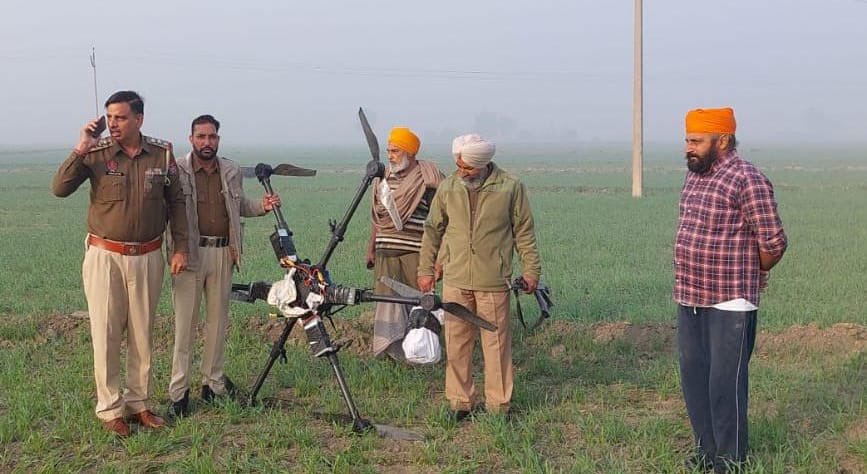
Many drones from Pakistan have been shot down in the Indian territory while carrying drugs and weapons. A women squad of the BSF recently foiled a cross-border drug-smuggling attempt in Amritsar district of Punjab by shooting down a drone, which was flying into Indian territory from Pakistan. It was carrying around 3.1 kg of narcotics.

The troops fired at the drone when they noticed it entering Indian territory, around 40 km north of Amritsar city. The BSF recovered partially damaged hexacopter aerial vehicle rotors. The drone’s weight was found to be around 18 kg. It was trying to smuggle around 3 kg of narcotics from Pakistan to India. The drug was wrapped in a polythene bag and was attached to the drone. In many similar instances the drone shot down in India by the security forces had similar bags attached to them.

Interestingly, since the year 2019, the Punjab Police have busted as many as 24 terror modules resulting in the recovery of a huge number of terror-related hardware, narcotics, and foreign currency. These had been reportedly sent through drones from Pakistan.

According to sources in the Punjab police, only five drones were shot down in the three-year period between 2019-2021, but this year, more than 15 drones have been shot in 11 months. The problem is such drone incursions are increasing day by day.

Most of the drones sent by Pakistan into India are Chinese-made. For example, the drone manufactured by Da-Jiang Innovations, Shenzhen, China, can carry  a 9 kg weight. It has a maximum flight time of 31 minutes and its maximum speed is around 82.8 km/per hour.

There is a deep connection between the drones from Pakistan and terrorism in India. The drugs and arms sent into the Indian territories are reportedly used by the terrorists to foment trouble in India. The National Investigation Agency (NIA) recently carried out raids at 10 places in Punjab which also confirmed that gangsters turned terrorists who are operating from Pakistan are making increased use of China-made drones to send arms, ammunition and drugs across the border into Punjab.

The NIA raided the residences of several gangster-linked suspects in the border districts of Fazilka and Tarn Taran of Punjab. The suspects were found to be engaged in collecting arms and drugs supplied through the drones and passing them on to other parts of the country.

The drugs are reportedly pushed from across the border to the conduits of Khalistani terrorists in India. These conduits are said to be providing money to some modules in Punjab to perform terrorist activities. The Punjab Police suspect that  the ammunition and arms used in the RPG attack on Punjab Police’s intelligence headquarters in Mohali earlier this year were also provided by the Khalistanis operating from within Pakistan who want to create trouble in India.

Pakistan has been spending a lot on these drones. A large hexacopter drone, which does not have the capacity to lift more weight, costs around Rs 14-16 lakhs in Pakistan. According to reports, to reduce the cost of the expensive Chinese drones, Pakistani smugglers have started using old drones assembled in Pakistan instead of new ones made in China to send them to India. This helps them reduce the economic loss due to the constant actions taken by the Indian security forces. Most of the drones that come from Pakistan to India are said to be made in China such as the hexacopter and quadcopter drones.


Apathy to plight of human beings has crept into system

Basic human rights seem denied to the human being. There’s violence and brutality unleashed all over. Biases and prejudices and communal slants worsen the situation.

I’m filing this column just before the start to the Human Rights Day – 10  December. Time to think aloud: What’s become of human beings? A  large  percentage are living so very pathetically, just about surviving in dismal circumstances, with uncertainty hovering around about what the future could hold out.

Here in our country it is not just the sheer poverty that’s eating into lives but also the various traumas denting psyches. There’s also crept in, into the system, a strange sort of indifference and insensitivity to the plight of the human beings. During  my  journalistic  journeys  to  the  various parts of this country, I have met families who have horrifying stories to recount how their  young  went missing, picked up for  interrogation and then either declared  missing/ thrown in the  missing  registers, or else remain untraceable. Yes, there  are  missing human forms in every part of  this  land yet  the state is seemingly unaccountable. This is an absolutely harsh reality of the times we are living in.

Where are our missing? No clue! Taking you  still further…Correct me if I’m wrong  but  a  high percentage of  the young found loitering around unescorted along the lanes and by-lanes  could be sexually exploited; raped or  near-raped  and  molested. And with that in the background or foreground, one can well imagine the level of tortures and disasters getting inflicted on the forms and psyches of the young.

The hapless young wouldn’t know how to get out of the clutches of their tormentors. They wouldn’t know where to go for counselling or care or for safe shelter. Their agony and plight only gets compounded as days pass by…and the very ruthlessness of the system and our systematic insensitivity wrecks their remains. Whatever remains to them and to their torn apart lives and forms and souls! Nothing! We are losing hundreds of our fellow citizens to the barbaric ways of today’s dark times.

Tell me, with all the security phobias hitting the rulers of the day, can a human being even think in terms of nearing any one of them to talk aloud, about his or her grievances or laments? No, they can’t. They could be booked, if not detained.

It is a truly grim picture, as the very basic human rights seem denied to the human being. There’s violence and brutality unleashed all over. Biases and prejudices and communal slants worsen the situation.


To compound the gravity, there is no curbing  and censoring of what’s screened  on the  big and  small  screens. Those  thrusts,  pelvic  and  bosomy,  are  disgustingly obscene, and also some  of the  dialogues  reek  of  perversion. Young  viewers  are  not to  be  blamed if  they feel that if  the so-called top film stars can  get  away  with those  pelvic thrusts and  moves  in that Dabang  way, so why  not  them!

All that glitters and shines in those gaudy ways on the big and small screens carries hollowness and obscenity with severely dangerous offshoots. The Who’s Who in the filmi setups might come across as dashing but not their utterances and moves and offloads!

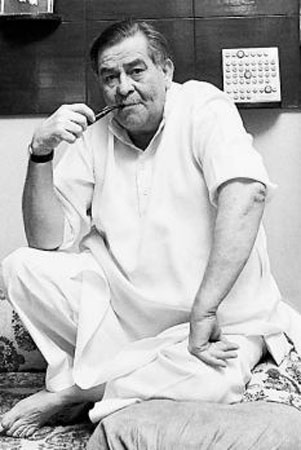
Raj Kapoor

And let me quote these lines from  Khushwant  Singh’s  autobiography –  Truth, love  &  a  little  malice  (Penguin ):

I  quote  Khushwant Singh –  “Being  the  editor of  a  popular  weekly, I was  much   sought  after by the film industry. I never was, nor am, much of a film-goer. And the  little I’d seen of  Hindi  movies  did  not  generate any respect for actors, directors, producers and  music   composers or playback  singers. Some  of  my Lahore friends  had  done well-  Balraj  Sahni, Uma  Kashyap (Kamini  Kaushal) and Dev Anand were  highly  rated  actors ; BR  Chopra  was among the top producers directors; Chetan Anand  had  many  flops to his credit …My  interest  in film  personalities  was  quickened  by Devyani Chaubal, the younger sister of  Nalini  who had worked with me briefly in London. I had  read  Devyani’s  bitchy  pieces on the  private lives of   film stars  written  in a brand of  Hindustan-English  (Hinglish) which I enjoyed. Devyani  took  me to Raj Kapoor’s private cinema to see the  opening shots of  Satyam, Shivam, Sundaram. I took along members of the Sindhi  family who lived  above  me  –  Sheila, her  daughter  Jyoti  and their  maid servant Fatima, all very eager to meet the  great actor. Zeenat Aman was present. I sat between  Raj  Kapoor and  Zeenat. Devyani was in the row behind, with my guests. We saw Zeenat  stepping out  of a  village  pond  with her  wet  sari clinging to her body and displaying her shapely bust … ‘I am a   bosom man’ said  Raj  to me with  enthusiasm, “Aren’t you?” I agreed that shapely bosoms had their points. ‘What’s your laal paree (red fairy) like?,’ he asked. He was referring to Sheila who was draped in a bright red sari. He assumed she was my mistress.

‘I have no idea.’ I replied

‘Go on, you so and so!,” he insisted. ‘She looks all right to me. But one can’t really tell what’s inside the blouse, can one?’ “


What is keeping govt from holding election in valley?

For the Modi-led central government, announcing assembly election in J-K wiil be a tightrope walk as it doesn’t want its decision to undo Article 370 to be in any way challenged by an Assembly dominated by the parties that have a contrary view on the issue, reports Riaz Wani

With  Assembly elections in Himachal Pradesh and Gujarat over, there is hope that the centre might call Assembly polls in Jammu and Kashmir.  But even as 2022 is approaching its end, there is no sign that J&K is any closer to holding an election. It is still not known whether polls will be held early next year or not.

J&K has not had an elected government since June 2018 when Governor’s rule was imposed after the PDP-led coalition government lost its majority following the withdrawal of support by the BJP. The last four years have witnessed a drastic political makeover of the state-turned-union territory, so much so that in many aspects, the current J&K bears little resemblance to what it was pre-August 2019.

Many observers in Kashmir are hoping that elections may be held by April-May. Things on this score, however, are likely to get clearer in the weeks to come. 2023 will be the last year when the polls could be held in the union territory as in 2024, the country is due to hold general elections.

Meanwhile, people in Kashmir are eagerly waiting for elections, as the exercise is expected to lead to restoration of statehood.  No less than union home minister Amit Shah has made it clear that the statehood of J&K would be restored only after elections are held and a representative government is formed.

“It seems that the union government wants to first see how the future elected government would look like and what its political and governance priorities would be including its approach to the issue of the revocation of Article 370, before the UT is upgraded to a state,” said a Kashmir University professor not wishing to identify himself as he was not authorized to speak to media. “Also, it is as yet unclear if the centre would be inclined to restore complete statehood or a truncated one on the pattern of Delhi.”

There is an apprehension in Kashmir that after the abrogation of Article 370, the centre would be loath to let go of the control of security and also probably of the information, the two critical components of state apparatus in the conflict-ridden region.

One thing however is clear: the J&K statehood seems subordinate to the circumstances thrown up by a future elected UT government. The centre, as seems obvious, doesn’t want its decision to undo Article 370 to be in any way challenged by an Assembly dominated by the parties that have a contrary view on the issue.

“It is expected that a government led or influenced by the BJP could lead to statehood being restored in J-K than a non-BJP government,” read an editorial in a local daily. “But, for now, this is all in the future. All we can hope for now is that the elections are announced earlier than later, and April-May will be an ideal time considering it will be spring.”

As things stand, the situation appears conducive for Assembly elections. More so, after the BJP’s landslide win in Gujarat which has effectively put the saffron party on the road to a third successive triumph in the 2024 parliament election. This apparently gives the party confidence that it could continue to control the course of events in J&K.

So, should we expect the announcement of Assembly elections in the near future, now that the exercise of drawing up fresh electoral rolls has been completed?

“Jammu and Kashmir is primed for the Assembly election. But it remains to be seen whether the centre would actually go and call them,” said Naseer Ahmad, a columnist. “As of now, it is clear that New Delhi is a bit reluctant about holding polls in the union territory.”


Can mere numbers in House guarantee women empowerment?

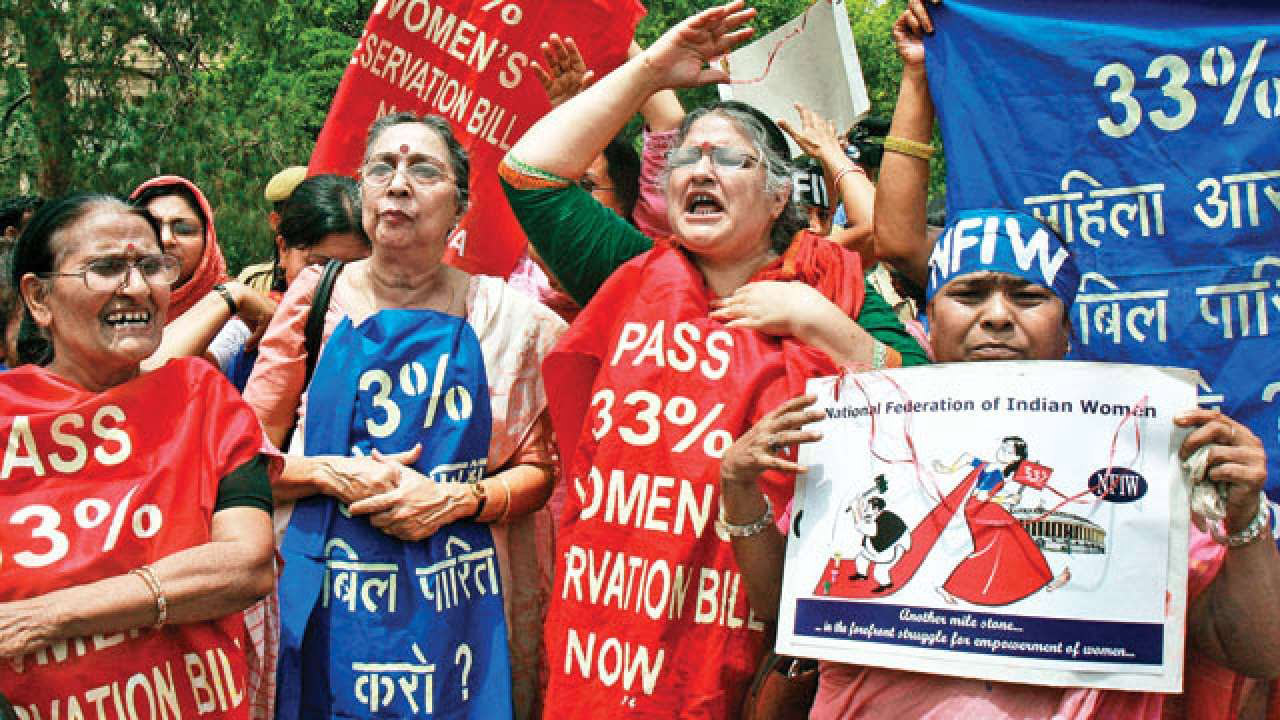
There is a glimmer of a hope for the long-pending Women Reservation Bill with leaders of TMC and JD (U) demanding its introduction in the current session of parliament. Notably, SP and RJD, who were once staunch opponents of the bill, now favour the bill.  A report by Amitabh Srivastva

The time for the long-pending bill for Women reservation in parliament seems to have come.

With a generational change in political leadership, most evident in the Samajwadi  Party and the Rashtriya Janata Dal, there is hope that this winter session could complete the task that was started by the United Front Government of Deve Gowda in 1996.

Later, the bill that promises one third seats in Lok Sabha and State Assemblies for women was introduced again in 1998, 1999 and 2008 amidst frayed tempers and attempts to tear the bill in the house. It was finally passed by the Rajya Sabha in 2010 and sent to Lok Sabha but it lapsed when the Lok Sabha term was over in 2014.

Hopes about the bill have brightened with leaders of various opposition parties such as the TMC and JD (U) demanding its introduction in the current session of parliament.

Old timers recall a time when Mulayam Singh Yadav and Lalu Prasad Yadav were so hostile to the idea of women reservations that the Congress was mortally scared of introducing the Bill fearing that their supporters would tear the Bill.

There was a time when Union Minister Renuka Chowdhury literally pushed away a Samajwadi Party member as he tried to snatch a copy of the bill from then law minister HR Bhardwaj. He had to take his seat between two women ministers to ward off these attacks.

But now that Akhilesh Yadav has taken over the reigns of SP (whose wife Dimple Yadav is all set to enter the Lok Sabha after a resounding victory from Mainpuri) and Tejashvi Yadav in the RJD  the perspective towards women has undergone a sea change. Sharad Yadav of the JD(U) was another bitter critic of the move but his party MP Rajiv Ranjan is now all for the bill. Priyanka Gandhi of the Congress was the only leader to give a call for ‘Beti Hoon Lad Sakti Hoon’ in the last elections in Uttar Pradesh, even though it did not work for them but it did vibe well with leaders like Mamata Banerji who gave maximum tickets to vocal women in the TMC.

With barely 14.3 per cent women in Parliament, India lags way behind countries like Rwanda (61 per cent), Cuba (53 per cent),Nikaragua (51 per cent),Mexico (50 per cent) and the United Arab Emirates (50 per cent) women representation.

Another 27 countries have got more than 40 per cent representation including 15 countries in Europe, five in Latin American and the Caribbean, five in Africa, one in Asia and one in the Pacific.

More than two-third of these countries have officially declared gender quotas which allows a scope for gender equality.

India however did permit gender-based reservations much earlier in local government (Panchayats) because it did not seem a big deal to politicians who thought they were controlling the bigger budget strings.

That is the problem with India.

There is no guarantee that even if women have the numbers with them they would be able to bring about a change in perception.

For instance, the current BJP government led by Modi has the largest number of women ministers since Independence.But are they making an impact collectively?

Some recent examples should prove. Only  very recently, on August 15, 2022 to be precise, criminals arrested in the infamous Bilkis Bano case in Gujarat were released  after spending years in jail for serious offences like murder and rape.They were  not only released sending shock waves across the country, but were also welcomed with Tilak and Arti by their family members as if they had returned after winning a war.

This should have brought an instinctive repulsive reaction from the women parliamentarians of the ruling party. But nothing of the sort happened.

And that tells a story. Does that mean that women think the same way as men? Both yes and no.

When we talk about major issues affecting their personal choices they tend to support  their families even if they are criminals.

In the much abhorred honour killings for instance, the women heads of families belonging to the Khaps are much more cruel than their male counterparts about interfaith or out of caste marriages.

In most patriarchal families in rural India the women think the same way as the male members in deciding whether girls have to be sent to co-ed institutions for studies.The fears and biases that have been imbedded in their minds minds for decades will not go away so easily though perceptions have started changing slowly as women achievers in sports and other fields are winning international laurels.

On the plus side, women do have different priorities as far as public issues are  concerned.

At a program to train the elected women Panchayat Chiefs (Mukhiyas who have come through reservations) in Rajasthan about five years ago, I had the chance to interact with many of them for three days in as many as nine sessions and we could notice how their minds worked differently than men.

Even though much against the rules, all the women Mukhiyas attended the session accompanied by their husbands or the male elders in the family (they said they had to reach the training site on tractors driven by men) and the men were seated in the same room all through the interaction the women  did have their different life values.

For instance, when we asked  both men and women what they would do if they were given a certain amount of money for public spending, the men mostly said they would open Akharas, sports stadiums or banquet halls for  marriages and other programs.

The women, on the other hand, wrote that they would set up maternity hospitals, health clinics or schools for girls with toilets for them (such an important issue in villages).

And after this they went back home on the tractors driven by their husbands, faces covered in long Ghunghats  as if they were newly-wed wives.

It is this hidden side of their priorities that has to be brought to the fore if we want to see women empowerment in the real sense of the term.

A UN study has reported and I quote “research on Panchayats (local councils) in India discovered that the number of drinking water projects in areas with women led councils was 62 per cent higher than in those with men led councils.”

The study goes on to show there is hope that if women take their roles seriously. ” “Women demonstrate political leadership by working across party lines through parliamentary women’s caucuses – even in the most political  combative environments – and by championing issues of gender equality, such as the elimination of gender based violence, parental leave and childcare, pensions, gender equality laws and electoral reforms,” the study said.

These are significant issues for any country and in India each of these will be relevant in the coming years.

In India, women legislators have so far remained insulated from most of  these issues, except for gender-based violence. But here too, they have followed the party directives which have normally not taken much interest in these issues even when specific issues related to women and children are discussed and debated.

The attendance record of both Houses of Parliament when bills on the amendment of Juvenile Justice Act, human trafficking or for lowering of the age of juveniles is discussed, will be an eye opener.

In most of these debates it is the women MPs who have come better prepared which is a very good sign.

But when the women get one-third seats in parliament under the new amendment in the 2024 elections  they would be expected to take up a much more informed stand not only on gender issues but also on issues like electoral reforms where women have to be dependent on money power or Mafia power for making an entry.


Facing RERA heat, Gurugram builders knock at CM’s door


Gurugram Police is caught in a tussle between, RERA, Gurugram Bench and powerful builders’ lobby as the former issued non-bailable warrants against top 18 developers of the country requiring the police to execute the warrants and arrest the developers, writes Pawan Kumar Bansal

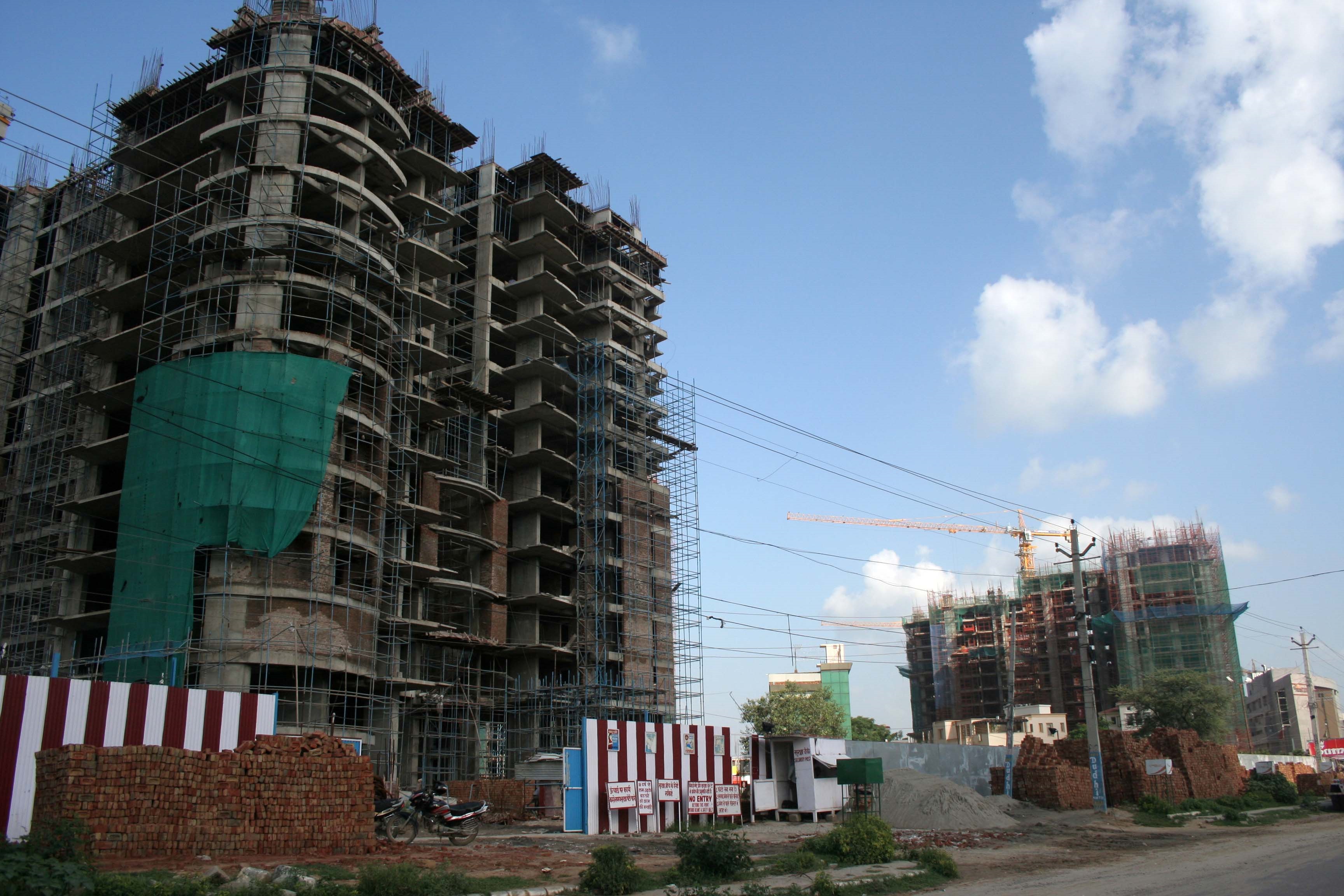
The builders have sought the intervention of Haryana Chief Minister Manohar Lal, accusing the RERA, Gurugram, of harassing them and the Gurugram Police is in a dilemma as to how to act in the matter considering the sensitive nature of the issue. The issue is heading for a major confrontation between the developers and the RERA, Gurugram, which enjoys judicial powers under the Real Estate Regulatory Act, 2016, passed by the Centre to give relief to the home-buyers. The non-bailable warrants have sent a panic wave among the builders and they have shot an urgent letter to Haryana Chief Minister, Manohar Lal seeking his intervention. Non-bailable warrants  have been issued by the Adjudicating Officer, Rajinder Kumar of the Gurugram RERA, Bench for violating his orders. The cases pertain to non-refund of the money and delay in handing over the possession of the flats in the promised period.

The non-bailable warrants have been issued in as many as 86 contempt cases filed by 86 complainants for non-execution of RERA court orders before the Adjudicating Officer.

To cite an example, the developer has not paid to the decree holder a sum as mentioned in the order of the adjudicating officer to his satisfaction. The RERA, Gurugram has accused  the developers of deliberately disobeying its orders.

Gurugram Police is to execute the non-bailable warrants against the developers who are big shots of the country enjoying considerable clout in corridors of the power. Kalaramchandran, Commissioner Police, Gurugram refused to comment on the issue.

Developers in their representation to CM, have levelled serious allegations against the RERA, Gurugram accusing it of harassing them, adding that it will lead to the collapse of building activities and all pending projects. It has sought his immediate intervention requesting for some “middle way” for tackling the situation as they are ready to pay refund money as ordered by the Adjudicating Officer.

This has put the CM in a very embarrassing position. As RERA enjoys judicial powers, hence he cannot intervene in the matter. While on one hand, the builders are pleading that even if they go to jail, the home-buyers will not get any relief as the pending projects will come to halt, on the other hand, RERA is bent upon getting its orders implemented.

S.P. Gupta, former chief administrator of Haryana Urban Development Authority, Gurugram, said, “Orders of RERA must be implemented as it enjoys judicial powers and the developers are free to appeal against the judgement of RERA,Gurugram, adding that the CM has no role in the matter as it was not an executive order.”

Abhay Jain, advocate dealing with home-buyers cases at Gurugram and Panchkula bench dubbed the entire exercise as an eye wash. He said that RERA should adopt a practical approach while implementing  its own orders, adding that the  home buyers are running from pillar to post to get justice.

Parveen Jain, Chairman of National Real Estate Developers Council, convened an urgent meeting of developers to chart out the strategy .

The state government cannot intervene in the matter as the RERA Act, 2016 has added only the words developers, home-buyers and the property agents in its jurisdiction. Hence neither the  RERA, established under the Act can issue any directions to the concerned state government  nor can the state government interfere in its functioning.

Recalled that under the Act, two benches of RERA, one at Gurugram having jurisdiction of Gurugram district and the other at Panchkula having jurisdiction all over the state barring Gurugram were set by the Haryana government and the Gurugram bench is headed by K.K.Khandelwal, retired IAS officer of Haryana.


A must read to grasp political complexities hitting nations

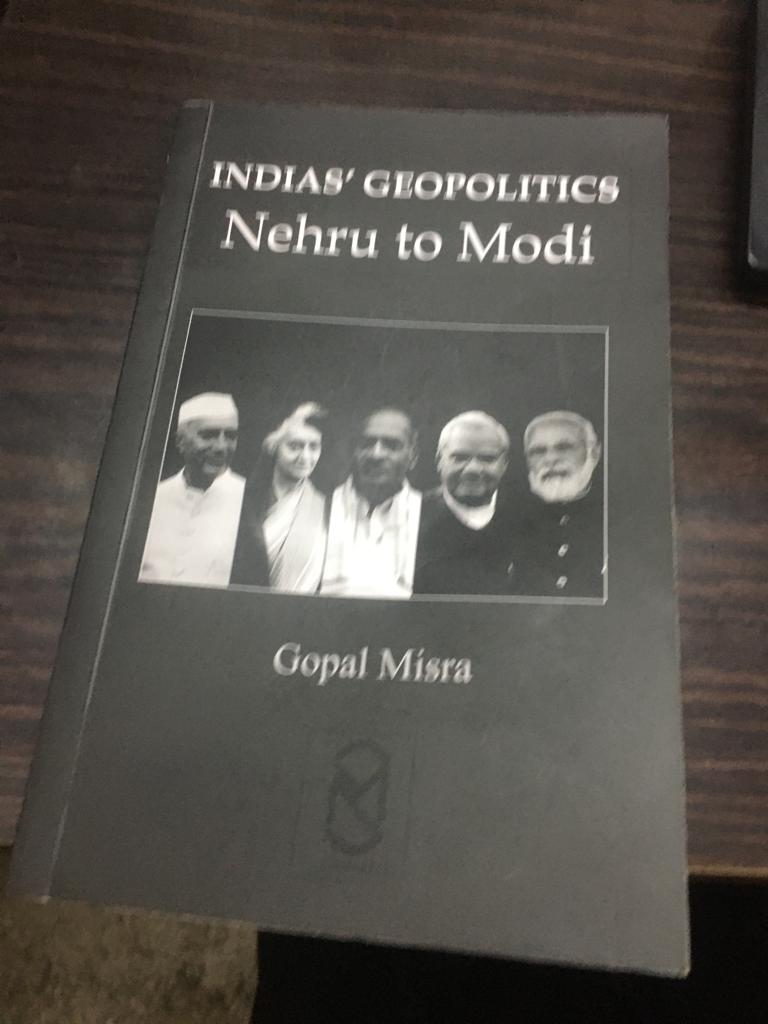
As the very title suggests and relays, this book covers an entire expanse. The author, Gopal Misra, manages to focus on the various aspects to the political realities of the day.  A book review by Humra Quraishi

As the very title suggests and relays, this book covers an entire expanse. The author, Gopal Misra, manages to focus on the various aspects to the political realities of the day. To quote this veteran journalist from the preface of this  book, “Few in India were surprised, when the  United  States failed to bail out Ukraine in 2022. The  Indian  policy  makers know and have realized that the  five  permanent members of the  high-table of the UN Security Council, do not fight  amongst themselves, but  unleash conflicts across the  globe through  proxies. They make alliances by penetrating in their rival camps, and thus the power game for  keeping  their respective influences continue  unabated.”

With this in the backdrop or foreground, Gopal Misra takes you through the various political  complexities hitting nations and with that us, the citizens. As he elaborates, “The texture of these rivalries has undergone  paradigm changes during the  past 100  years but the suspicion of the big  powers against each other continues to  haunt the world.”

He furthers, “If the WW-II had led to the end of the Tsars in Russia, the WW-II had enabled the USSR comprising Russia and the countries of  Eastern  Europe and  Eurasia, to emerge as a  new power block challenging the hegemony of  the  erstwhile colonial powers. The baton of  leadership was shifted  from  Britain to the USA but the medieval rivalries were re-named as the fight  against the totalitarian regime of  the communists.”

And Misra has hit at the reality of the day, when he writes, “During this fight against the  communists, the ‘democratic world’ led by America is seen supporting military dictatorships across the continents.”

As I have mentioned right at the  start of this book review, this book is  laced with details, which do need to be read to grasp the complexities of the day. Facts and factors got to be out there, in public domain! Yes, it is absolutely crucial that we know what’s going on in the name of diplomacy and development.

Title of the book –   India’s Geopolitics Nehru to Modi

Author –  Gopal  Misra

Publisher – Sumiruna Media  Private  Limited

Pages  – 274

Price – rs 785


MOST POPULAR

HOT NEWS