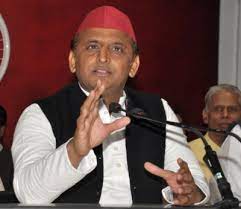
Lucknow : Samajwadi Party president Akhilesh Yadav has said that he is ready to walk an extra mile when it comes to seat sharing with the Congress because his main concern is to defeat the BJP.
Akhilesh, so far, has been maintaining a studied silence on his relationship with the Congress, giving rise to speculations about the fate of INDIA alliance in Uttar Pradesh.
Former UPCC chief Brijlal Khabri’s statements that party cadres in the state were not in favour of alliance with SP, further strained the relationship.
On July 6, Brijlal Khabri had issued a statement in Lucknow saying that Congress workers in the state were open to alliance with any party but SP in the 2024 polls.
The SP leadership took exception to such a strong statement by the then UPCC chief and that, too, days before the opposition alliance was to get together in Bengaluru for their second meeting on July 19.
Thereafter the SP went silent on alliance with the Congress party in UP for the 2024 polls. SP’s displeasure over Khabri’s statement was apparently noticed by the Congress leadership in Delhi.
Finally, on August 17, Khabri was removed from the post of UPCC chief after a short stint of 10 months. He was replaced by party’s regional president Ajay Rai. The development comes days before the opposition alliance is all set to meet again, this time in Mumbai on August 31 where SP and Congress are expected to discuss the final seat-sharing formula in the state for the 2024 polls.
“UP mein Congress ko kya dena hai ye koi bada sawal nahi hai. Bada sawal ye hai ki BJP ko harana hai, ” Akhilesh Yadav said, responding to a specific query posed to him at a function in Delhi on Saturday.
On his past experience of SP’s alliance with the Congress in 2016 assembly polls and with the BSP in 2019 Lok Sabha elections, Akhilesh said that both the alliances were a great learning experience.
“I have always entered into an alliance to defeat the BJP as the prime objective. Samajwadi Party has always decided on the seat-sharing formula with a big heart, ” he said.
“The problem with the Congress is that most of its ticket seekers from UP, like Jitin Prasada (Dhaurahra), RPN Singh (Kushinagar), Imran Masood (Saharanpur), Ratna Singh (Pratapgarh) and Harendra Malik (Muzaffarnagar) are no longer with the Congress while its leaders in Kanpur and Unnao are no longer active in politics.
“In such a scenario, the Congress is not in a position to drive a hard bargain, ” said a party leader.
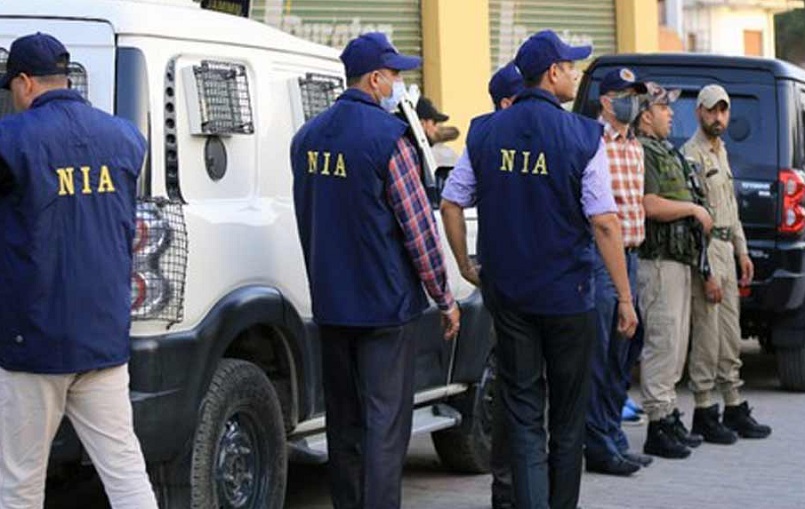
The National Investigation Agency (NIA) carried out a series of raids in Jammu and Kashmir’s Bathindi area and Shopian on Friday as part of an ongoing investigation into a case involving a criminal conspiracy to carry out terrorist and subversive activities.
The NIA had started the investigation into the case on June 21, 2022, focusing on uncovering potential terrorist plots and subversive operations within the region. In a coordinated effort, the agency conducted searches at eight different locations across Jammu and Kashmir.
Specifically, the raids in Shopian targeted a terror-related case, with a particular focus on the residence of Mohammad Yousuf Wani. Wani, a resident of Chotigam area in the Shopian district of south Kashmir. He is identified as a farmer by occupation.
Earlier, a successful operation by Sopore Police resulted in the arrest of two individuals affiliated with the Lashkar-e-Toiba (LeT) militant group. These individuals were identified as Over Ground Workers (OGWs) for the LeT. During their apprehension, law enforcement authorities confiscated eight rounds of pistols and grenades from their possession.
An FIR has been filed against the arrested suspects, and investigation has been launched. The authorities remain committed to maintaining security and combating any potential threats to peace and stability within the region.
The NIA’s efforts to uncover and address instances of terrorism and subversive activities underline the continued dedication of law enforcement agencies to safeguarding the well-being of citizens and maintaining public safety.
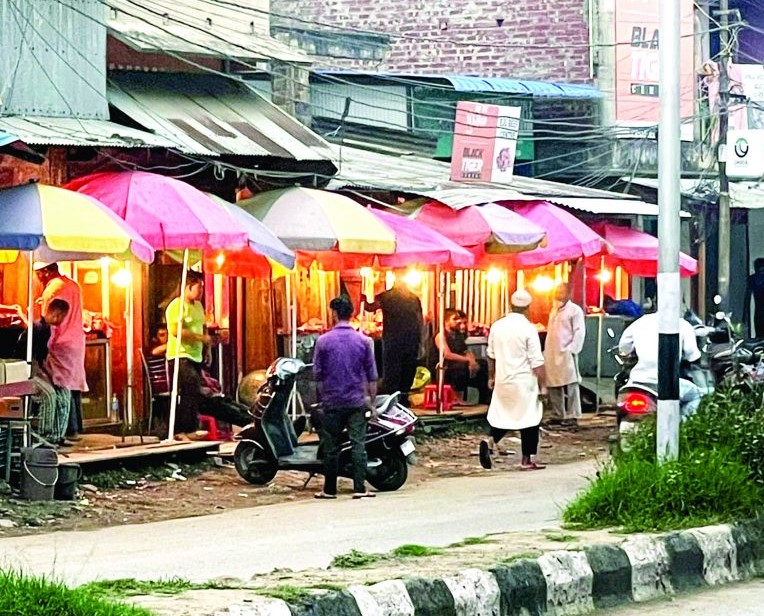
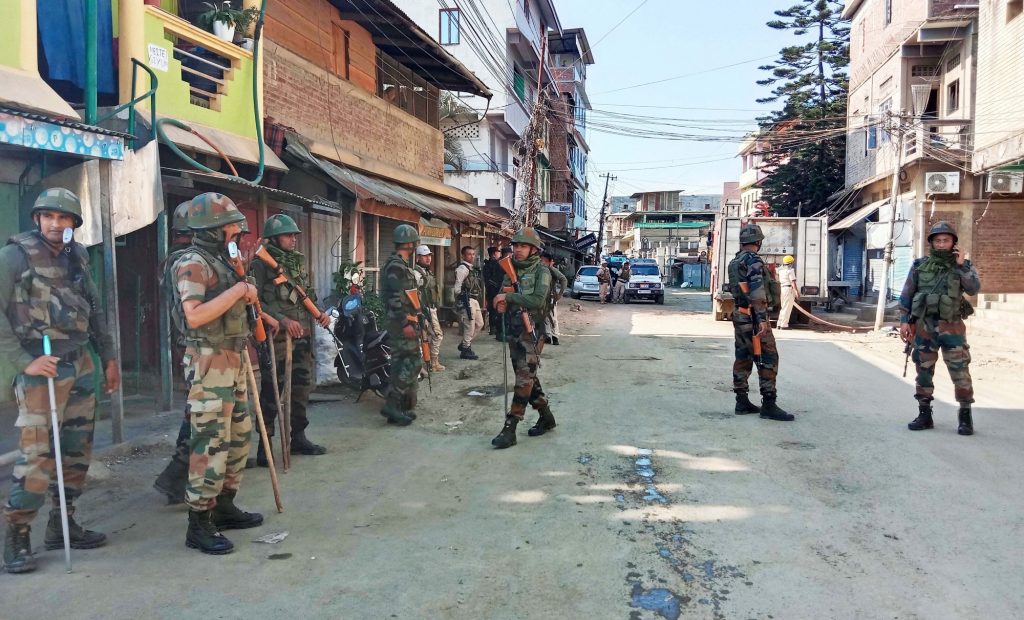
As Tehelka SIT embarked upon a journey to understand the fault lines in Manipur, it uncovered an intriguing revelation — how Muslims in the strife-torn state have emerged as a unique bridge between warring Meitei and Kuki communities
“There are ways to identify Muslims. As Kukis and Meiteis live alongside them, they can discern Muslims from their appearance. Also, as Meitei boys wear ear rings since their childhood, they can be identified by their ear marks. As Muslims do not wear ear rings, so they don’t have ear marks. Aadhaar and identity cards also come in handy sometimes for establishing the identity. Muslims are now friends of both Kukis and Meiteis.” This is Longjam Ratan Kumar, an Assistant Coordinator of Coordinating Committee on Manipur Integrity [COCOMI ]. Ratan Kumar belongs to Meitei community and lives in Imphal.
While talking to Tehelka, he explained that a border has been delineated around the Imphal valley, situated in the heart of Manipur. Meiteis cannot go up onto the mountains and Kukis cannot come down to the valley. Those violating this unwritten rule risk the possibility of getting killed. This physical gulf between Meitei and Kuki communities can only be traversed only by those who are neither friends nor adversaries of the two communities, adds Ratan. People travelling between the Hindu-majority Meitei and Christian-dominated Kuki areas can thus take the help of members of Muslim community, which has emerged as a unique buffer. It is safe to be a Muslim in Manipur these days, says Ratan.
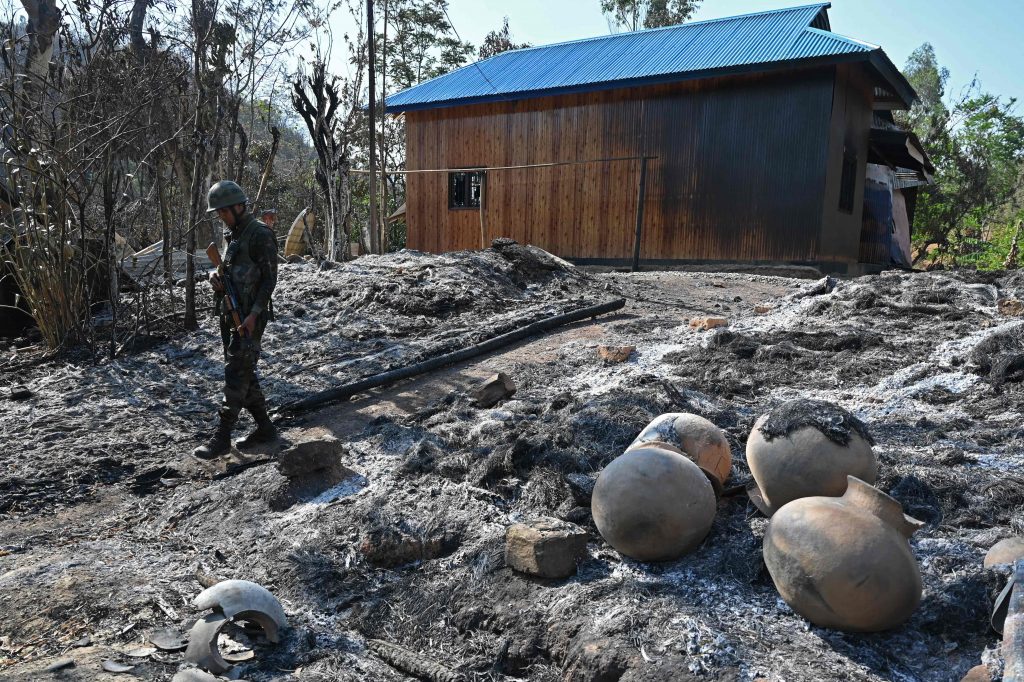
Bikramjit Raj Kumar, a Meitei himself, and a secretary of “Youth Welfare Front” from Imphal, Manipur, told Tehelka that there are many communities like Nepalis, Bengalis etc who live in Imphal, but Muslims are a dominant community in the state’s capital city. So people coming from Delhi and other parts of India post-violence, seek Muslim drivers as they feel safe in their company while travelling towards Kuki-dominated areas. If a Meitei goes into Kuki area, he will be killed. But Muslims are not targeted, said Bikramjit, adding that the division is like India-Pakistan border. “We Meiteis cannot enter their area, and they cannot enter our area. We can see our burned houses from a distance in the areas under their occupation now, but we cannot visit there,” he said.
“Yes, I admit that in Meitei-dominated Imphal valley, some Meiteis looted arms and ammunition from police armoury, but they did so because they had no other option. Actually, the members of the opposite community, who were armed, were attacking Meitei civilians.
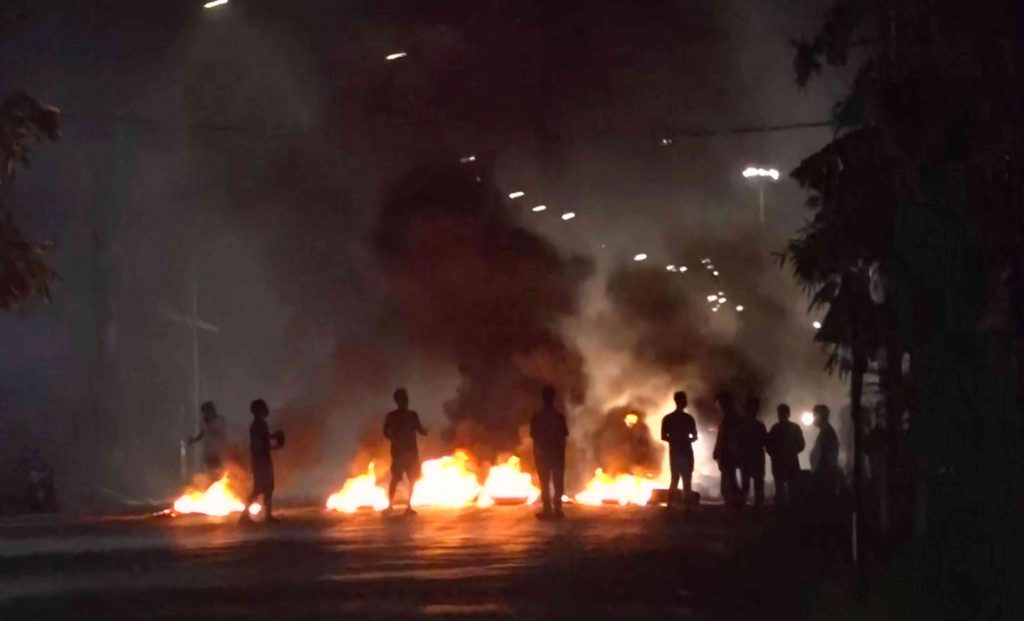
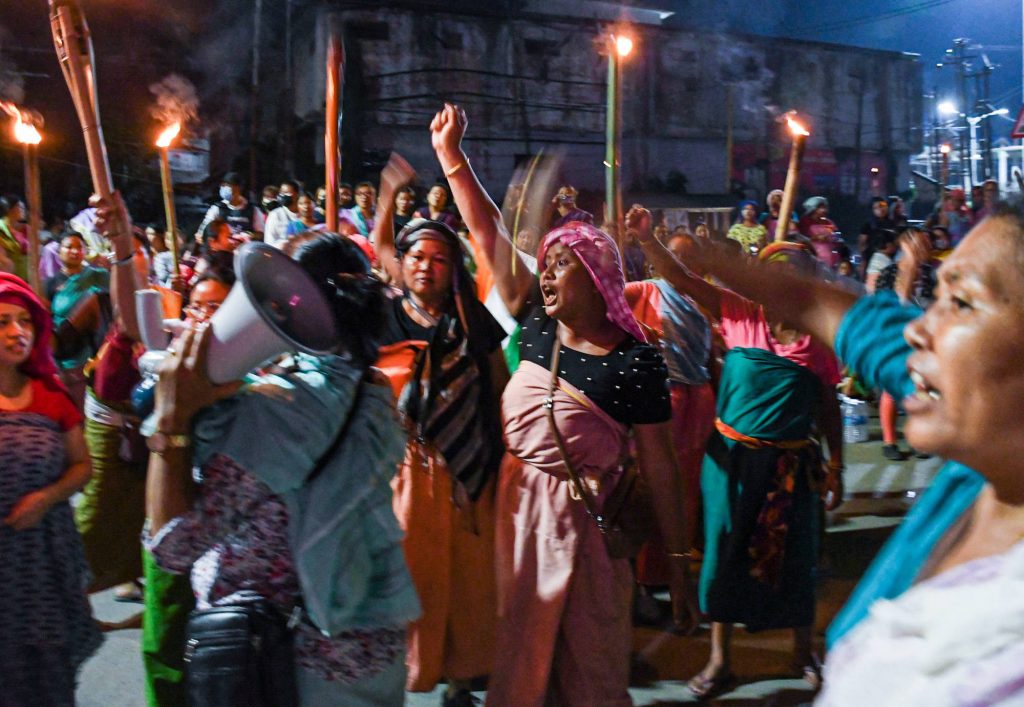
The security forces were not also found wanting as they utterly failed to stop them. So the Meiteis had no other option but to loot arms from the police stations,” said Ratan Kumar. He argued that since the violence still continued, Meiteis should not return all the arms back to the respective police armouries. Many, however, have returned the weapons, he added. This is today’s strife-torn Manipur for you, where at least 160 people have been killed so far in the clashes between the Meitei and Kuki ethnic groups. Thousands have been injured and more than 60,000 displaced in the violence that has engulfed India’s north-eastern state of Manipur, situated on the border with Myanmar. The violence broke out in Churachandpur, a town just in the south of the state capital Imphal, on May 3, following a Kuki-led tribal solidarity march in ten of the state’s sixteen districts. As the Meiteis organized counter-protests and blockades, clashes broke out across Manipur. Women were part of some of the mobs. More than 12,000 have fled to the neighbouring state of Mizoram following the violence.
Then, just a day before the Monsoon session of Parliament was to start, a 26-second video from Manipur, in which two women, who had been stripped naked, were seen being assaulted and paraded by a mob, triggered an outrage in the whole country. According to the First Information Report [FIR] filed in the case, one of the two women of a family was gang raped while a mob of 800-1000 men killed her brother and father on May 4. The Ministry of Home Affairs [MHA] officials have informed that Central Bureau of Investigation [CBI] will probe Manipur viral video case. The opposition, in order to corner the Modi government and make the Prime Minister speak on Manipur violence, which has rocked the Monsoon session of Parliament since it began on 20 July, filed a no-confidence motion in the Lok Sabha. A delegation comprising 21 Members of Parliament [MPs] belonging to opposition alliance, I.N.D.I.A, also visited Manipur. There was a logjam in Parliament on the Manipur issue.
After nearly three-month-long ethnic violence in Manipur, the lines of division have become sharper than ever before with both communities expressing mistrust, anger and even hate against each other. In this atmosphere of hate and mistrust, Tehelka exclusively touched an issue which no other media organization has raised so far. The issue of Muslims being ‘in demand’ in Manipur. Tehelka spoke to several people from all walks of life in Manipur. They all had a common refrain: “It is safe to be a Muslim in Manipur”. Such is the division between Meitei and Kuki communities that even the state Chief Minister, Biren Singh, has not yet gone to meet the people of Kuki areas. It is said that Biren Singh being a Meitei himself, his going there entails a risk. On the other hand, Governor Anusuiya is not from Manipur. She has visited the relief camps of both Meitei and Kuki areas. The drivers of vehicles in the convoy accompanying her were changed at the entry check points of the valley and the mountains keeping in mind the ethnic divide.
The boundary between the Kuki and Meitei communities is not a simple line. There is a buffer area of several kilometers. There are many check points on the road in this space between existing Meitei area and Kuki-dominated area. At the first check point, there are people from the Meitei community and at the last there are people from the Kuki community.
There are also check points of army and police in between. The people of the community have barriers by piling up sacks, at some places with barbed wires, and at others with big pipes. The people posted at these check points are armed with weapons. Here, every vehicle is frisked to ensure that there is no weapon in the car. By asking for the identity card of the driver of the vehicle, information about his caste-religion is gathered, so that it can decided whether he has the right to cross the border or not. If the driver is Muslim, he is allowed to cross the border.
To know the truth, Tehelka spoke to various people in Imphal. In this chain, we first spoke to Ratan Kumar, an assistant coordinator of COCOMI, who told us that Muslims are in big demand in Manipur. People travelling from majority Meitei community in Imphal to the Kuki dominated areas in the hills in Manipur seek Muslim drivers to take them to their destination. He said that Muslims are taking advantage of the opportunity by significantly increasing the fares.
Reporter– I heard Muslims are not facing any hurdle while visiting the Kuki areas.?
Ratan– Yes, Kukis are not targeting Muslims. They are targeting Meitei civilians. Because of the atmosphere of fear, they do not go to areas dominated by Kukis.
Reporter– I have heard all journalists are moving in Kuki areas with Muslim drivers?
Ratan- Yes.
Reporter– Only Muslims drivers can go in Kukis areas…?
Ratan– Yes.. Nagas can go, Muslims can go, except Meiteis, all other communities can go.
Reporter– All Muslim drivers have increased the fare also.?
Ratan- Haan.. they are making most of the opportunity arising out of this conflict situation.
[Ratan told Tehelka that Muslim drivers are in high demand in Manipur because they are the only ones who can travel through both Meitei and Kuki-dominated areas without any fear of harm. Ratan said that taking advantage of this situation, Muslim drivers have increased their fare]
When asked as to how both the communities are identifying whether the driver is a Muslim or not, Ratan told Tehelka reporter that Muslims are not hard to identify. Both Meitei and Kuki communities have been living with Muslims for years in Manipur. So they can easily identify them from their appearance. Secondly, Meitei community boys wear earrings, so they have ear marks, which Muslims don’t have. There is Aadhar card and other identity cards also available to determine the identity, he said.
Reporter– How the Kukis identify the Muslims?
Ratan-There are some methods. The Kukis have been staying alongside them for so long, so they can easily know from physical appearance, whether a person is a Muslim or not.
Reporter– I am asking about Muslims drivers who are visiting Kukis areas, how they identify whether they are Meiteis or Muslims ?
Ratan– Yes..by physical appearance, and ear mark. Meiteis have ear mark, Meitei’s boys start wearing ear rings from childhood. …so they carry an ear mark while Muslims don’t have ear mark. Other than this, there are Aadhar cards, Identity cards.
Reporter– So Muslims don’t figure in the ethnic divide.
Ratan– No.. they are friends.
[According to Ratan, Muslims are identified by Kukis by the absence of ear marks because unlike Meiteis, they don’t wear ear rings. Furthermore, they can identify Muslims based on their appearance, having lived alongside them for decades. Moreover, Aadhar and other identity cards come in handy for identification.]
During the conversation, Ratan rued that today, Manipur is also known for its drug trade. Kukis allegedly grow opium poppy in large area and also produce poppy in great amount. According to Ratan, Kukis, Muslims, Meiteis, and Nagas are all involved in the drug trade..
Reporter– What you have to say about the drug menace in Manipur?
Ratan– Yes.. drugs are readily available here. Even more easily available nowadays because opium poppy is grown in Kuki-dominated areas and it is grown in large area. Opium is also produced in large quantity. Heroine is manufactured from the opium..so drugs are easily available and main drug traffickers in our state are from Kuki community, next are Muslims, then Meiteis and Nagas..
Reporter– Which community is involved in drug trafficking more than others?
Ratan– No 1 is Kuki community, and no 2 . is Muslim community. Then comes Meiteis and Nagas.. but Kukis are far more involved as far as number of people engaged in this illegal trade are concerned.
[ Ratan gave a rough idea as to what extent the different communities in the state are involved in the drug business in Manipur. According to his assessment, Kukis are number one followed by Muslims at number two, with Meiteis and Nagas coming at number three and four, respectively]
Ratan argued that people from Meitei community looted arms from the police stations when they ran out of options after the violence broke out on May 3. He alleged the opposite side was using sophisticated weapons against the Meiteis. Therefore, the unarmed Meiteis were compelled by circumstances to loot weapons from the police stations to counter the onslaught.
Reporter– Why Meitei people looted arms from the police station?
Rattan- All Kuki militants groups were targeting civilians and Meitei groups and on 3rd May at the site of violence, these Meitei people did not have arms and ammunition because they are civilians. On the other hand, the Kuki people broke the rules and used sophisticated weapons to attack Meiteis and their villages. So Meteis were compelled to get hold of arms by any means. The easiest way, they thought, was to snatch weapons and ammunition from the nearby police stations.
Reporter– Why don’t you trust security personnel to save you from Kukis.?
Ratan – These paramilitary forces are not ready to control these Kukis. We ask them why you are not controlling these armed Kuki groups and why are you remaining silent. Kuki people burn houses. These Kuki people are not attacking the security personnel; they are just attacking civilians, the Meiteis only.
Reporter– So you are saying these paramilitary forces are not taking action against Kukis because they are under SOO?
Ratan– On 3rd May when conflict started, some Meitei people started running here and there. Some Meiteis took shelter at some camps of Assam Rifles.
[Ratan admitted that some Meitei people looted arms from the police station for defending themselves, because they were unarmed and Kuki were attacking them with modern weapons. And paramilitary forces were not sufficient enough to control them. So Meiteis were left with no other option than to snatch the arms from the police stations.]
We asked Rattan whether Meiteis have deposited all the looted weapons at the police stations. In response to this, Ratan said as the fighting is still going on, it is not the right time to return all the arms. However, many have returned the looted weapons.
Reporter– Have the Meiteis returned the arms to police stations or not?
Ratan– Many of looted arms have been returned, but some have not been returned. Also, it is not the right to return all arms because fighting is still going on, and the security forces are not sufficient enough to stop Kuki forces. I think, this is not the right time to return all the weapons.
[ According to Ratan, as the fighting is still going on in Manipur, it would not be prudent to return all the arms looted from the police stations, although some Meiteis have already returned the arms.]
Tehelka now spoke to Bikramjit Raj Kumar, an activist from Imphal, Manipur. Bikramjit also echoed the same sentiment: in Kuki areas, traveling with Muslim drivers is a safe choice. If Meitei goes there, they will kill him. According to Bikramjit, Manipur has been divided between Meiteis and Kukis, akin to the India-Pakistan border. “We can see our burnt houses over there, but we cannot go there,” he lamented.
Bikram– Jahan Kuki inhabited area hai na wahan jaane ko aapko Muslim driver chahiye.
Reporter-Aisa Kyun ?
Bikram- Hum Meitei ja nahi sakte khule aam.. maar denge humko.. Terrritory bana kar hilly area ko occupy kar liya hai wo log.. Poora alag kar liya geographically alag ho chuke hai hum.
Reporter: Acchha ?
Bikram– Inke banda ko poore hilly area par bula liya hai, hamare area ko push karke, ghar jala ke.. Imphal area par push kar liya hai. Jaise Jammu-Kashmir mein hota hai na.. BSF k bande hain… Waise kheechke tar bandha hua hai… Hum unke pass nahi jaa saktey.
Reporter– Border ban gaya India-Pakistan ka wahan ?
Bikram– Border ban gaya. Hamara ghar dikh raha hai par hum jaa nahi sakte. Ghar jala diya na.
[Bikram told Tehelka that in Kuki-dominated areas, only Muslim drivers can travel. Meiteis are not allowed. If they dare to go there, they could face fatal consequences. Manipur is divided between Meiteis and Kukis, akin to the Indo-Pak border. We can see our houses from a distance in the area now under their control, but we are unable to access them.]
Bikramjit now told Tehelka that Muslims are charging hefty amount for carrying passengers from Metei dominated area to Kuki area. They are charging somewhere around Rs 7-8K per trip from Imphal to Kuki-dominated area of Churachandpur. He also revealed that Muslims also charged exorbitant amount from people of both Kuki and Meitei communities for rescuing their cars from each other’s territory after the violence.
Reporter– Bahut costly hai bhai, Churachandpur ka bata raha tha 7-8 hazaar ?
Bikram– Lekin wo jaan jokhim mein lekar ja raha hai.
Reporter – Ek visit 7-8 hazar.. usmein to poori visit ho jati hai taxi mein..?
Bikram– Wo to normal time mein hogi, ye log to profit kama rahe hain.. Muslim kya karte hain jo Meitei ki gadi wagera reh gaye hai na churachandnpur mein.. ye log bahar lekar aatey hain.. 10-20 hazar letey hain.. Jo samaan reh gaya wo bhi lekar aatey hain paisa kama letey hain..
Reporter– Matlab ?
Bikram– Jaise k aap Meitei ho aur dange ki wajah se aapka koi samaan wahan par reh gaya.. to jo Muslim log hain wo transport ka kaam karte hain.. Jaise wo Imphal mein lekar aatey hain to bahut mota charge karte hain.. 10-20 hazar.. Jaise ki aapki koi badi gadi ho, Thar ho, Mahindra ho.. to wo Muslim log ko hi contact karte hain.. Muslim log jab lekar aatey hain to mote paise letey hain.. 10-20 hazar.. 50 hazar
Reporter- Accha aap ye keh rahe hain ki Kuki k area mein Meitei ka koi samaan reh gaya to Muslim driver se contact kartey hain laney k liye..
Bikram– Kai baar opposite party mein karte hue, dono side mein karte hue bahut baar pakda hai… Abhi ruk gaya hai.. Shuru mein bahut mota kamai kiya hai.. Jo Nepali ho gaya, Bengali ho gaya aur Muslim community.. bahut kamai hua hai inka.. Bahut mota kamai hua shuru shuru mein..Dono side mein pakda gaya.. Kuki ka samaan lejatey hue bhi aur Meitei ka bhi..
Reporter– Aap ye keh rahe ho Meitei Kuki k area se apna samaan le aaya aur Kuki Meitei ke..?
Bikram– Haan aur ye kaam Muslim community ne kiya..
Reporter– Kitna charge kiya uska?
Bikram– Paise ka fix nahi hai.. Koi 50K, koi 20K to koi 10K leta hai..
Reporter – Driver community sirf Muslim hi hai ya aur bhi hai.. ?
Bikram– Muslim zyada hai Imphal mein to ye kaam wahi uthata hai.. Nepali, Bengali bhi hai.. par wo community itna strong nahi hai..
[Now, Bikramjit told Tehelka that Muslims who are into transport business are earning good profit after the Meitei-Kuki conflict in Manipur. According to him, they are charging big amount from passengers for carrying them to Kuki-dominated area from Metei area.
They are charging between Rs 7-8K per trip, from Imphal to Churachandpur, a Kuki-dominated area. He also revealed that Muslims charged exorbitant amount for retrieving cars and other vehicles of Kukis from Meitei area and vice versa. These cars had been left behind by people while fleeing to safety after the riots broke out.]
Now, Tehelka got the information from the horse’s mouth. E spoke to Zia-ur-Rehman, a 44-year old Muslim driver from Imphal, Manipur, who has travelled to Kuki-dominated area umpteen times. He said only Muslim, Nepali and Bengali drivers can travel to Kuki and Meitei territories. Any violation can bring trouble for both the communities. Zia said Kukis check his Aadhar card when he enters into their area to see whether he is Muslim or not.
Reporter– Aap kuki k ilakey mein jaatey ho aapko to kuch nahi kiya ye kuki?
Zia -Humko kuch nahi karta hai.
Reporter– Because you are a Muslim ?
Zia– Haan.. I am a Muslim.
Reporter -Aapka kya Aadhar check karta hai, ya driving licence, usko kaise pata chalta hai aap Muslim ho ?..
Zia -Aadhar check karta hai…
Reporter– Ye kuki k log aapka adhar check karta hai…?
Zia– Haan
Reporter– Aap paisa zyada mang rahe ho aap keh rahe ho na Imphal se Churachandpur le jaonga, 7-8000 rupee lunga..
Zia -Zyada ho ya kum , pehle aap aa jao phir dekehngey.
[ Zia told Tehelka that only Muslims, Nepalis and Bengalis can visit Kuki area. He said he had been to the Kuki area for a number of times after the violence broke out. He said Kukis check his Aadhar card before allowing him to enter their territory.]
Zia again told Tehelka that the divide between Meitei and Kuki communities has become so wide that no Meitei can go into Kuki area and no Kuki can enter Meitei area. But people from Muslim, Nepali and Bengali communities have been exempted from the ban. According to him, the situation is so grim that even Biren Singh, the Chief Minister of Manipur, being from Meitei community, has so far not visited Kuki-dominated area. Zia said that he charges between Rs 7-8K for one visit to Churachandpur from Imphal. Reporter– Accha ye batao Kuki k ilakey mein koi Meitei nahi ja sakta..?
Zia-Koi bhi nahi ja sakega, officer bhi nahi.
Reporter– kaun nahi ja sakega..?
Zia– State ka CM hai to bhi nahi ja sakega..is situation mein.
Reporter– Aapko kuch nahi kehtey hain.?.
Zia– Nahi.
Reporter– Sirf Muslim driver ja sakta hai ?
Zia– Haan Muslim ja sakta hai, bahar ka Nepali, doosra community ja sakta hai.. sirf Meitei ko mana hai.
Reporter– Aapke saath koi pareshani nahi ?
Zia– Main media walon ko lekar jaa raha hoon, media wale ko kaun rokega.
Reporter– Aap Kuki k elakey mein kitni baar ja chukey hain jab se jhagda shuru hua hai.?.
Zia– 3rd May ko jo hua tha bawaal, to agle din 4 May se…aajtak jaa raha hoon. Koi dikkat nahi hui…aur waise bhi media walon ko kaun rokta hai, war zone mein bhi.
Reporter– Aapka charges kya hoga wahan tak jaane ka ?
Zia– Charges alag-alag hai, Churachandpur k liye 7-8 thousands leta hai…
Reporter– 7-8 thounsads ek din ka ?
Zia– Haan.
[Zia told Tehelka that only a Muslim can go into Kuki area. He said that in today’s situation, even the Chief Minister cannot go to Kukis’ area. According to Zia, he charges between Rs 7 to 8 thousands per visit to Churachandpur area from Imphal.]
After Zia, Tehelka spoke to Ningthoujam Ajit Kumar from Meitei community, who is also a member of COCOMI. Ajit Kumar also told Tehelka that since the ethnic violence broke out, only Muslims are allowed into the Kuki area.
Reporter– Accha ye bataiye kuki ke ilakey mein Meitei ja saktey hain abhi ?
Ajit – Nahi abhi koi bhi nahi ja raha hai…
Reporter– To ye patrkar, journalists kaise ja rahe hain taxi le kar ?
Ajit – Taxi le kar Muslim log jate hain, Muslim banda ja raha hai, wo log taxi le kar jata hai, unko rok tok nahi hai…baki community jaise Naga ho gaya, Nepali ho gaya, aur Muslims.. unko jaaney deta hai.. waise checking hota hai.. magar jane deta hai…
Reporter– Accha Muslims ko Kuki kuch nahi kehtey ?
Ajit – Haan.. kuch nahi.. magar, wahan ek Muslim ladki k peeth mein goli laga hai. Uska operation bhi hua hai….Churachandpur aur Bishnupur ke beech mein ek basti rehta hai Muslims ka, us taraf bahut firing chal raha tha raat mein, bahut bomb wagera…sab Kuki log ne Meitei ka basti jala ke khadedh diya hai.
Reporter– Accha ye bataiye sirf Muslim driver hi allowed hain Kuki k elakey mein ?
Ajit – Haan
[ Ajit also confirmed to Tehelka that only Muslim drivers are taking passengers to Kuki area]
Now, Ajit told Tehelka how Muslims are making a killing through their transport business during these turbulent times in the state.
Ajit– Haan paisa bhi bahut kama rahe hain wo log
Reporter– Wo kaisey ?
Ajit– Aane jaaney mein bahut paisa leta hai na..
Reporter– Kitna le raha hai.?.
Ajit– Around Rs 10,000 le raha hai..
Reporter– Kahan jaaney ka..?
Ajit – Imphal se Churachandpur jaaney ka…aaney janey ka..
Reporter– Aur kitna km hai..Imphal se Churachandpur
Ajit– Around …80 km k aas pass hoga…
Reporter– Aur aapke hisab se kitna hona chahiye normal ?
Ajit -Waise passenger log jata hai to itna hota nahi hai, Rs 500 k aas pass hota hai.
Reporter– Rs 500 aaney jaane ka..?
Ajit– Aane ka jaaney ka Rs 1000 to leta hai… abhi 5000-10,000 k beech leta hai..
Reporter– Violence se pehle kitna leta tha ?
Ajit– Pehle to Rs 1000 leta tha..only 1000.
Reporter– Rs 1000 Imphal se Churachandpur aaney jaaney ka violence se pehle ?
Ajit – Haan.
Reporter– Ab itna mehnga.. Rs 10,000 ?
Ajit– Abhi to situation aisa hai na.. to risk lekar wo log ja raha hai…isliye.
Reporter– Accha Kuki ko pata kaise lagta hai ke ye Muslims hain…?
Ajit – Naam pooch kar, identity card wagera dekhkar, Aadhar card ho.. wo identify karta hai.
Reporter– To ye Kuki license check kartey hain ?…
Ajit– Mere khayal se check karta hoga…kuch bande log bola tha check kiya hai, uske baad hamne poocha nahi hai…
[Ajit told Tehelka that only Muslims can travel to Kuki and Meitei areas after proving their identity. He said that Muslims by jacking up prices unreasonably are burning a hole in the passengers’ pockets. They are charging between Rs 5 to 10K per visit. Before the violence, the fare for the round trip was Rs 1,000. ]
According to Ajit, drugs were easily available on streets of Imphal earlier. But since the outbreak of violence, drug smuggling has ceased. Consequently, drugs are now hard to come by on the streets. He mentioned that there are areas in Imphal where drugs used to be readily available before.
Reporter– Abhi drugs mil raha hai kya Imphal ki sadkon par ?
Ajit – Wo to pata nahi, pehle easily available tha, bahut milta tha..abhi to kuch ruka hai, violence ki wajah se, transportation nahi aa raha hai…
Reporter– Transportation nahi ho raha hai ?
Ajit– Haan smuggling nahi ho raha hai Imphal se.
Reporter– Violence se pehle drugs kaise mil rahi thi Imphal mein..?
Ajit – Jagah -jagah par basti hota hai drug ka, udhar se jakar leta hai..aise hi smuggling hota hai, bahut bade- bade consignment hota hai, to Imphal hokar hi jata hai…highway se jata hai to Imphal hokar hi jata hai…abhi to sab band hai.. to koi bhi nahi jaa raha hai..
Reporter– Matlab sadak par ladke mil jatey they sadak par bechtey hue?
Ajit– Nahi kuch basti hai, kuch area hai udhar milta hai…
Reporter– Wo kaun si basti, area hai Imphal mein ?
Ajit– North Imphal mein ?
Reporter– Aap kahan rehtey ho, North, east, south or west ?
Ajit– Mein east mein hoon..yahan bhi violence hua hai periphery mein…
Reporter– Aur west Imphal mein ?
Ajit– Haan wahan bhi hua hai bahut violence…
[Ajit told Tehelka that due to the on-going violence, drug smuggling is not happening in Imphal, with the result that drugs are not available now. But before the violence, drugs were easily available. There are particular areas in Imphal where drugs were readily available before the current turmoil started.]
Ajit also disclosed that after the internet ban in Imphal, he has found temporary solution for the connectivity crisis. He said that he was getting access to internet from the agencies, where the net is available, with due permission by paying them money at the rate of Rs 100 per hour.
Reporter– Aapka net chal raha hai ?
Ajit– Nahi abhi wo subah 10 baje se chalega, ha ha.
Reporter– Kitni der k liye chalega..?
Ajit– Mein institution se wahan jakar mark karta hoon, public k liye nahi hai. Jo govt. institutions hain wahan jakar leta hai, wo ek hour ka Rs 100 leta hai.
Reporter– Kaun leta hai ?
Ajit– Institution se XXXX , aur Manipur mein ek XXXXX centre hota hai
Reporter– Kaunsa ?
Ajit– All India ka learning institution hota hai.. computer ka wahan istemaal karta hai…
Reporter– Accha aur government organizations bhi paisa leti hain aapko net service dene ki ?
Ajit– Wo log to apna administration alag hota hai na, XXXX hai,
Reporter– Aap kahan se net letey ho ?
Ajit– Mein XXXX se leta hoon.. Rs 100 per hour..ye around 3 kilometer hai mere ghar se.
[ Ajit confessed to Tehelka that he has found a way out after the government had imposed a ban on internet in Manipur. He said he is paying Rs 100 per hour to the agencies where net is available with certain permission and is getting access to internet from there.]
After this exclusive report of Tehelka, if you’re considering traveling to the conflict-affected region of Manipur, particularly in the Metei and Kuki dominated areas, it’s recommended to have a Muslim driver accompany you. Muslim drivers are so much in demand in Manipur following the recent violence. Nearly everyone our reporters interviewed was unanimous in their assertion: it is safe to be Muslim in Manipur.
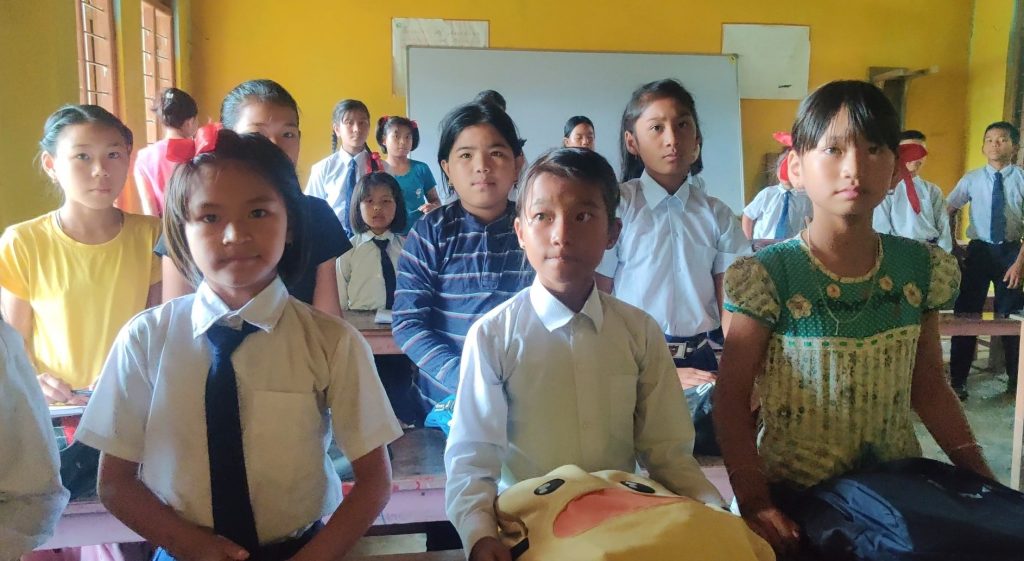
In the school, students spanning from grades 1 to 5 are grouped together in a single classroom, where they receive instruction from the only available primary teacher dedicated to their education.
Nestled a mere three kilometers from the conflict zone in Manipur, where Meitei community’s ‘village defence volunteers’ have endured numerous tragic losses to suspected Kuki militants, Phayeng High School emerges as a symbol of strength and hope. Positioned strategically near the Uripok-Kangchup main road, this institution serves students from regions like Phayeng, Kadangband, Kangchup, Ireng, and other neighboring areas. Despite the adversity, approximately 140 students continue their pursuit of education here daily.
In an environment once characterized by nature’s serenades, the school’s surroundings are now marred by the disturbing cacophony of gunshots, blasts, and sirens. The violence engulfing Manipur has left an indelible mark on the psyches of these students. As multiple schools in areas like Kangchup and Singda, including Little Seed and Smartstalk, have fallen victim to the fiery wrath of mobs, Phayeng High School has witnessed an influx of students. Its location, within a predominantly Meitei region, has provided a semblance of safety from potential Kuki onslaughts.
However, the challenges plaguing Phayeng High School extend beyond the external strife. A burgeoning crisis is the significant staffing shortage that has deterred many parents from admitting their children here, even though it’s a government-endorsed institution.
Angom Tomba, Phayeng High School’s diligent Headmaster-in-charge, is deeply perturbed by this internal crisis. Operating with a slender team of ten teachers, including himself, the establishment faces immense challenges in delivering quality education. Astonishingly, a single primary teacher is saddled with the responsibility of teaching five grades. Tomba expressed, “We’re in dire need. While we should have five primary teachers, we’ve managed with just one. The authorities have yet to provide reinforcements.” Taking proactive measures, Tomba has even employed a local teacher, covering her wages from his own finances.
Tomba, who walked the corridors of Phayeng as a student, harbors ambitions of propelling the school to unparalleled heights. “This institution is close to my heart,” he reflected, “My vision is to uplift Phayeng to match the state’s top-tier schools. But to realize this dream, we urgently need an influx of educators,” he emphasized, noting the school’s requirement for arts, science, and primary teachers.
While the school boasts a roll call of 180 students, the recent wave of violence meant that 60 of these pupils hail from institutions crippled by the ongoing conflict. Tomba shared, “We distributed 100 admission forms. However, the realization of our limited teaching staff meant only 60 enrollments. The teacher shortage is palpable, affecting our credibility.”
Moreover, logistical challenges compound the school’s problems. Students from places like Kadangband village, situated about three kilometers away, now face perilous commutes. The route to Phayeng High School from Kadangband has transformed into a high-risk zone, with crossfires becoming all too common. For the Meitei community, this has meant complete isolation from certain areas, like the Uripok Kangchup road to Kadangband village.
Amid these pressing challenges, it’s the students who bear the brunt. Telheiba, a determined tenth-grader, gave voice to the students’ concerns. “The glaring gaps in faculty, especially in pivotal subjects, jeopardize our future. We urgently appeal to the authorities for timely intervention,” he passionately conveyed.
Phayeng High School’s narrative underscores the broader issues gripping the region: a fervent desire for education battling against the twin adversities of conflict and internal shortages. The question echoing in every classroom and household is simple: Will the authorities rise to ensure that education, the bedrock of the future, remains unshaken?
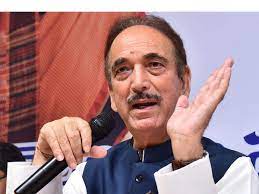
Former top Congress leader Ghulam Nabi Azad, and head of the Democratic Azad Party, has ignited a social media frenzy with his recent comments about the historical religious landscape of Kashmir. In a viral video addressing the people, Azad asserted that Hinduism predates Islam saying while the introduction of Islam to the region might have occurred from outside influences, those who converted were Hindus and didn’t come from outside.
The majority of conversions, Azad said, took place within the borders of India itself.
Referring to the Mughal period, Azad mentioned that only a small number of conversions can be attributed to individuals from the Mughal army, emphasizing that the broader population which embraced Islam came from Hindu and Sikh backgrounds.
The veteran leader further emphasized the inclusive nature of the Indian nation, asserting that it was established to unite individuals from diverse backgrounds, including Dalits, Muslims, and Hindus.
“10-20 people from the Mughal army. The rest have converted from Hindus and Sikhs,” he said.
Azad recounted his interactions in parliamentary sessions, recalling a debate with a fellow MP who claimed that some citizens were outsiders. He argued against this view, highlighting the long-standing presence of both Islam and Hinduism within India’s borders.
Referring to Kashmir, Azad said those who converted to Islam were Kashmiri Pandits.
The comments made by Ghulam Nabi Azad have sparked vigorous discussions across social media platforms, with netizens engaging in debates about the historical evolution of religious beliefs in Kashmir.
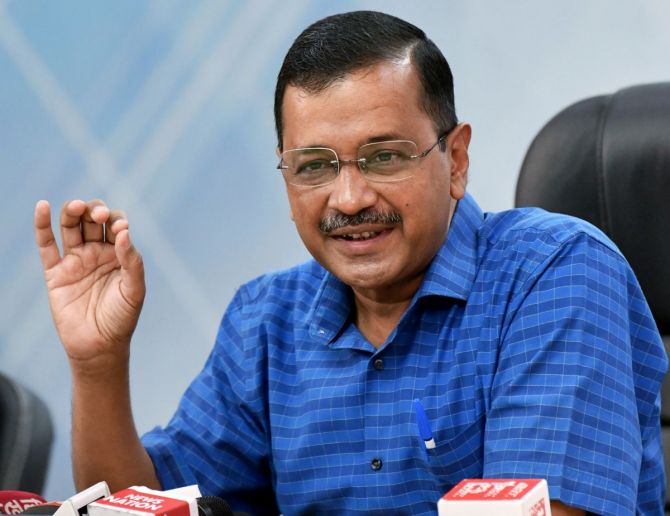
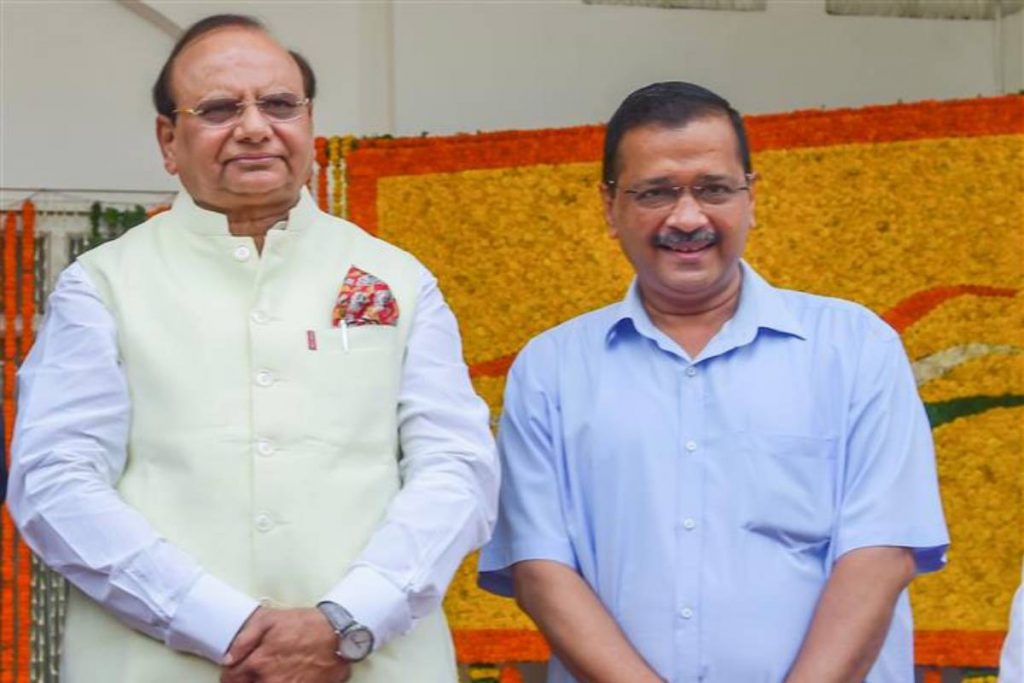
New Delhi- Delhi Chief Minister Arvind Kejriwal on Wednesday said that the inflation rate in Delhi was very low compared to the entire country.
On Wednesday, he wrote on his X account (formerly Twitter), “Central govt data shows that Delhi has the lowest inflation in the country.”
During his address at Chhatrasal Stadium on Independence Day, Kejriwal had mentioned that Delhi has only a two per cent inflation rate, while other states experienced an inflation rate of about six per cent.
“In Delhi, we have the lowest inflation rate. Why? Because we provide free electricity, free education, and free water. We also offer free bus rides to women, and treatment is free. These are the reasons Delhi has the lowest inflation, ” Kejriwal stated.
He said that for the lowest inflation rate in the entire country, there was a need to provide free education, free electricity, free bus rides, and free medical facilities to everyone.
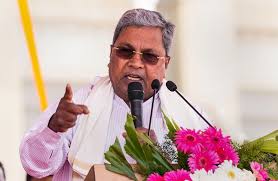
Bengaluru : Karnataka Chief Minister Siddaramaiah said, at Karnataka Pradesh Congress Committee (KPCC) meeting at the party office that Karnataka will scrap the National Education Policy 2020 (NEP) from the next academic year. CM said,” The NEP must be abolished after the necessary preparations, which could not be done on time this year. By the time the election results were out (this may) and the new government formed, the academic year has already started. And making changes to NEP in the middle of the academic session would have created problems”. He added.
Students, parents and lecturers have raised their objections to NEP. Siddaramiah accused the BJP of hindering the interest of students by implementing NEP in Karnataka, even before the other state could do so. However, Academics in the state had mixed reactions to the CM’s announcement.
An Educationist sharing his view said, the government should form a new committee as soon as possible as policy formation takes time. “The policy should clearly spell out the vision for the next 15-20 years,” he said. Adding that the focus should be on quality and equitable distribution of educational facilities in the large context of human rights, constitutional values and mainly Right to Education.
Madangopal M, who headed task force for the implementation of NEP in the state, said “ There are some good points in NEP, The government should have continued with those, rather than decard it completely, without understanding the nitty gritties”. According to him NEP includes many structural and academic reforms, along with incorporation of progressive measure in teacher education, skill development, a multi-disciplinary approach towards education and flexibility in choosing subjects, which should have been retained.
Meantime,All-India Democratic Students Organisation (AIDSO) welcomed the government’s decision to scrap the four-year degree course rule proposed under NEP.
There is no doubt in any sane mind that the N Biren Singh government in Manipur has failed. It failed to act when women were publicly disrobed, raped and a video clip showing two women being paraded naked in the presence of policemen became viral. Again it failed when 4,000-odd weapons were forcibly snatched, along with ammunition from its police armoury. The men in khaki too failed as they did not offer any resistance at all while Manipur has been on the boil for close to three months. There are allegations that the policemen were complicit in allowing the criminals to loot the weapons. It also failed to protect citizens when over a hundred people had been killed and thousands displaced.
The barbarity of the crime – the Chief Justice of India questioned: What if there had been no video? It is up to the government to ensure the safety of citizens more so when it knows that the North-East, for decades, has been a hotbed of insurgency. To cite cases of violence in other states in the same breath as the Manipur incident is an insult to the women. Manipur is an instance of an absent government and an ineffective Police. Manipur incidents reflect badly on the state government and its police force.
Tehelka’s Special Investigation Team embarked upon a journey to understand the fault lines in Manipur as the situation went from bad to worse. During the investigation, Tehelka SIT uncovered an intriguing revelation — how Muslims in the strife-torn state have emerged as a unique bridge between warring Meitei and Kuki communities.
Our Cover Story in the current issue, ‘It is Safe to be a Muslim in Manipur’ finds that Muslims in Manipur are now friends of both Kukis and Meiteis. Locals point out that a border has been delineated around the Imphal valley, situated in the heart of Manipur where Meiteis cannot go up onto the mountains and Kukis down to the valley. Those violating this unwritten rule risk the possibility of getting killed. This physical gulf between Meitei and Kuki communities can only be traversed by those who are neither friends nor adversaries of the two communities. It is here that members of the Muslim community have emerged as a unique buffer and it is safe to be a Muslim in Manipur these days. Little doubt those visiting strife-torn states keep a Muslim acquaintance or a Muslim driver for their safety.
After nearly three-month-long ethnic violence in Manipur, the lines of division have become sharper with both communities expressing mistrust, anger and even hate against each other. In this atmosphere of hate and mistrust, Tehelka exclusively touched on an issue which no other media organization has raised so far. The common refrain is: “It is safe to be a Muslim in Manipur”!
The animals seem to be thriving in certain landscapes of the country and disproportionately adding on to the increasing count, writes Deepanwita Gita Niyogi
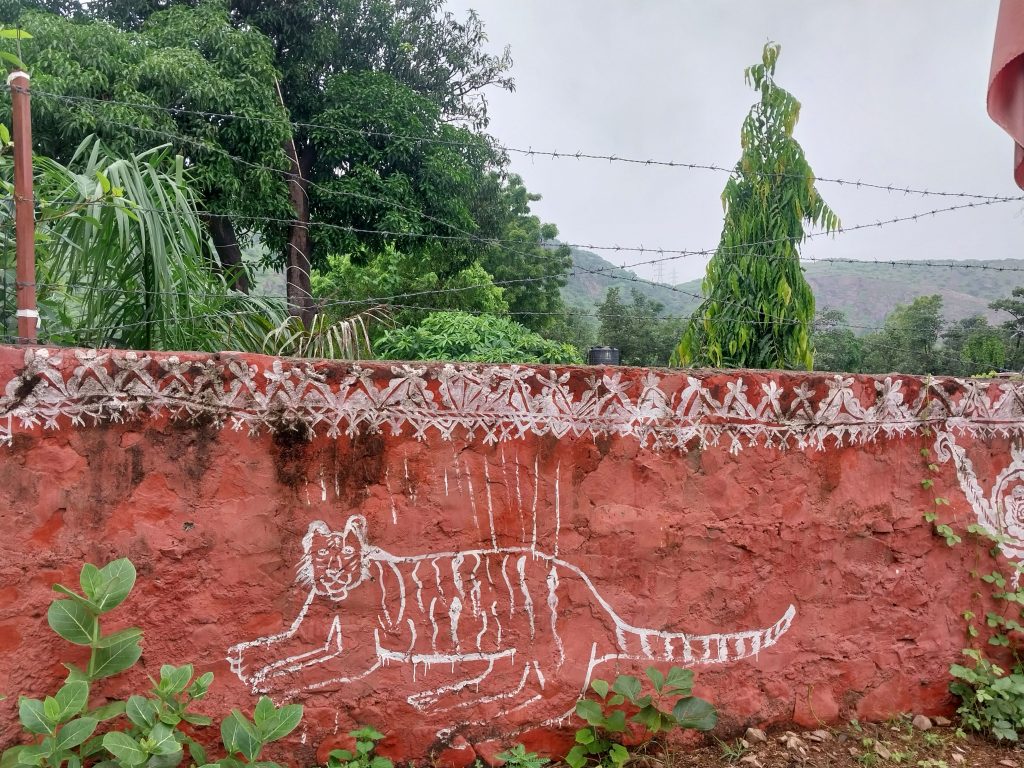
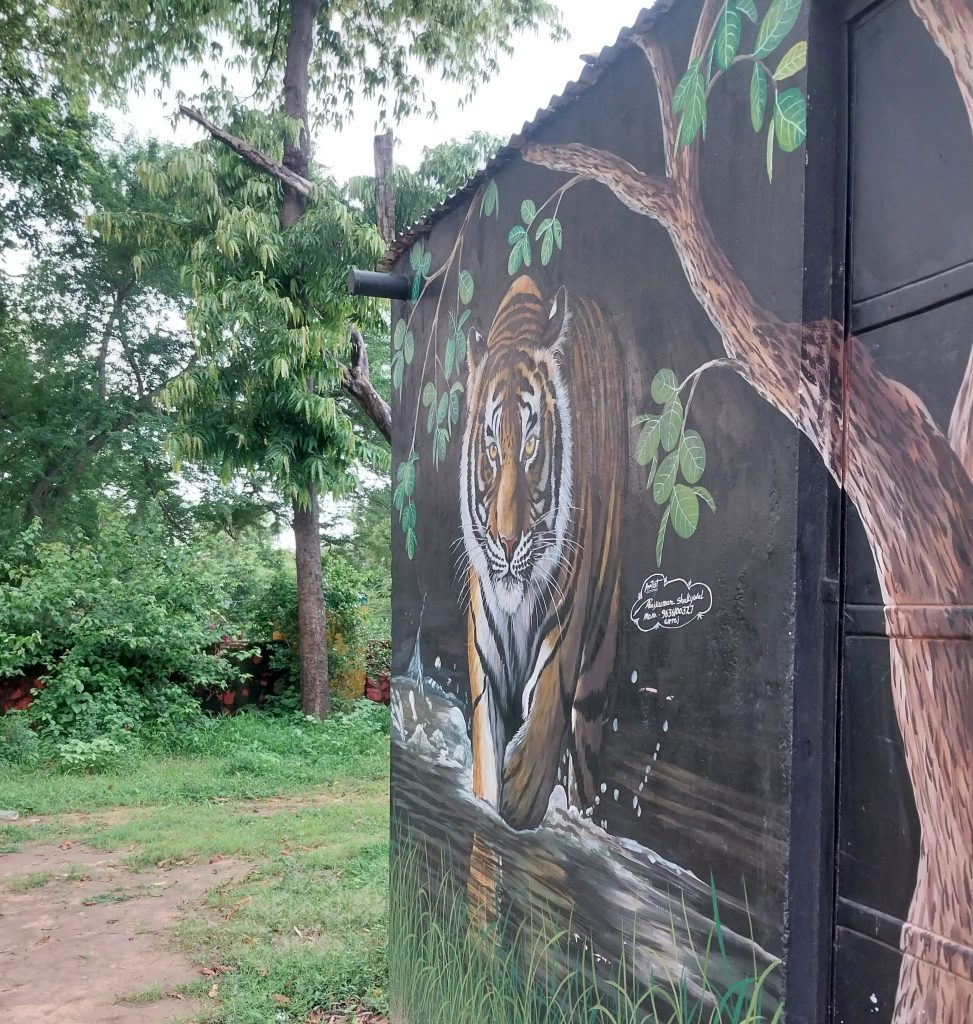
The latest Status of Tigers, Co-Predators and Prey in India census report 2022 by the National Tiger Conservation Authority is out. Though it is good news that the country now has 3682 tigers compared to 2967 mentioned in the 2018 report, there is a need to achieve balance in the distribution of tigers across the country.
Tigers seem to be thriving in certain landscapes of India and disproportionately adding on to the increasing tiger count. At the same time, other vast former tiger landscapes have either lost all, or most of their tigers. The Palamau Tiger Reserve in Jharkhand has only one tiger.
Wildlife historian and conservationist Raza Kazmi said if one were to observe India’s tiger distribution map, the divide is clear. “Over the past 50 years, tigers have increased in numbers in the western half of the country while their numbers and occupancy have collapsed in the eastern half save for a couple of exceptions.”
Kazmi added that this is in glaring contrast to the situation in 1972 when tigers, numbering 1827 according to the 1972 census, were more or less evenly distributed across the length and breadth of India.
Over the years, tiger populations have completely collapsed across five east-central Indian states — Jharkhand, Chhattisgarh, Odisha, Telangana and Andhra Pradesh – except for two isolated tiger meta populations in this region. These are Similipal in Odisha and Nagarjunasagar Srisailam-Amrabad spread over Andhra Pradesh and Telangana. “If we were to revive all these huge tracts of former tiger habitats and create conditions that allow tigers to return to these forests, India can definitely harbour more tigers,” Kazmi pointed out.
Problem states
The National Tiger Conservation Authority report mentions four states where the number of tigers have reduced. Incidentally, all four of them also have insurgency issues. The 2018 report mentioned that census work is hampered in the Indravati Tiger Reserve in Bijapur district of Chhattisgarh due to Maoist disturbance.
Chhattisgarh has now 17 tigers down from 19 in 2018. Odisha’s number has reduced to 20 from 28, Jharkhand has touched one from five and Telangana has 21 tigers compared to 26 counted in 2018. Though Andhra improved from 48 to 63 in four years, in 2006 it had 95 tigers.
India’s leading tiger expert Ullas Karanth said some regions are becoming empty of tigers mainly because of continuing hunting pressure from communities for meat and other body parts. “Such commercial hunting and captures are mainly for illegal export to other Asian countries.” He added that the solution lies in ensuring that protected wildlife reserve areas are increased from about five percent now to three times.
To make locals conservation partners, the Nagarjunasagar- Srisailam tiger reserve has engaged Chenchu tribals, who were once traditional hunters, for protection jobs inside the reserve. The community is a primitive tribal group. The management employed them for protection and it has given good results.
A forest officer from Madhya Pradesh said on the condition of anonymity that for decades there was a strong political will for the cause of tiger conservation in the state. “It takes years to understand the dynamics of a wildlife area. In many reserves of the state, the tenure of forest officers is as long as six years even and not the usual three.” The state has the highest number of tigers at 785.
“All officers are trained at one place and they are capable as well as knowledgeable. Eastern states are populist in nature. Their forests are devoid of wildlife due to the hunting tradition. Maoist insurgency can also be a factor in these states not having that many tigers,” he said.
Though there is not adequate proof that Maoists are helping poachers, often in their areas of control, there is hardly any enforcement of wildlife laws. Satnam Singh Badhawan, retired principal chief conservator of forests (development) who worked in Bihar’s Kaimur Wildlife Sanctuary for a few years and then Jharkhand, said poverty on the fringes of national parks like Similipal in Odisha can sometimes push people towards poaching. “Due to insurgency issues in Bihar, many forest staff and officers could not move inside areas rich in wildlife.”
Attempts for a turnaround
Chhattisgarh is already trying to increase tiger numbers with the help of reintroduction in the Achanakmar Tiger Reserve which has five tigers according to the census report.
Principal chief conservator of forests (wildlife) of Chhattisgarh Sudhir Kumar Agrawal said a tigress was released on the night of April 28 in Achanakmar. Two more tigresses and one tiger will be possibly released around December-January.
“This is the plan for tiger recovery in the state. Relocation of villages will be an important part of the tiger recovery process. The shifting of three and more villages is in an advanced stage out of the 19 remaining inside the reserve,” Agrawal added.
The Chhattisgarh top officer added that villagers will be consulted before the release. The tigress already released in Achanakmar is from Guru Ghasidas National Park of the state and she is five and a half years old. “For this too, we consulted people and most of them agreed.”
Other plans are also afoot. “Within a span of three to four years, I am planning to put up 70-80 patrolling camps in all the three tiger reserves as well as Guru Ghaisdas. Rs 15 lakh will be spent on each. Guru Ghasidas in time will become a tiger reserve,” Agrawal said.
In Odisha, the Satkosia Tiger Reserve, now empty of tigers, is planning reintroduction possibly by next year. Badhawan pointed out that scientific management of grasslands is poor in many places. “Though the canopy density of Betla National Park falls under the dense to very dense category, it lacks grasslands. Tigers from Palamau (a part of Betla) may have migrated to adjoining areas with better prey base.”
Delhi Chief Minister Arvind Kejriwal railed against the BJP as the Rajya Sabha passed the Delhi Services Bill. Kejriwal labeled it a “black day for democracy of India” even as AAP government in Delhi vowed to fight against the bill in Supreme Court, writes Mudit Mathur
Both the Houses of Indian Parliament passed the Government of National Capital Territory of Delhi (Amendment) Bill, 2023, replacing the earlier Ordinance issued in the matter on 19th May this year with certain changes. Amid rival contentions of treasury and opposition benches with regard to violation of principles of federalism – an unamendable feature of the basic structure of the Constitution of India.
The bill will come into force once the Presidential assent is received as both the houses have already passed it with majority. The Bill provides for indirect control of central government through Lieutenant Governor Delhi over the bureaucrats serving under the various departments functioning under the democratically elected Delhi government led by chief minister and Aam Aadmi Party chief Arvind Kejriwal.
Earlier on May 19, the Centre promulgated the Government of National Capital Territory of Delhi (Amendment) Ordinance, 2023 to set up a National Capital Civil Service Authority for transfer and posting of Group-A officers in Delhi. The Chief Minister is one of the three members of the Authority, while the two others are bureaucrats. The decisions by the Authority are to be taken by a majority and, in the event of a dispute, the matter will be referred to the L-G whose decision will be final.
The AAP government in Delhi has challenged the constitutional validity of the ordinance in the Supreme Court, which has, after deliberations, referred the plea to a Constitution Bench.
Introducing the contentious Bill replacing the Ordinance in the Monsoon session of parliament, the Union government pleaded the necessity of the legislation it its Statement of Objects and Reasons, which explains, “In view of the special status of the National Capital Territory of Delhi, a scheme of administration has to be formulated by a Parliamentary legislation to balance both local and national interests to reflect the aspiration of the people through the joint and collective responsibility of the Government of India and the Government of National Capital Territory of Delhi”.
Home Minister Amit Shah while presenting the Bill denied that it is contradictory to the Supreme Court’s judgment and said that the Court has recognized the power of the Parliament to make law in relation to services in Delhi. “The Constitution has given the House power to pass any law regarding the state of Delhi. The Supreme Court judgement has clarified that Parliament can bring any law regarding the state of Delhi. All objections are political”, he said. The Supreme Court has clarified that Parliament can make law relating to services in Delhi, he emphasised.
Replying to a debate on the Bill in the Lok Sabha, Shah launched a sarcastic attack on the Opposition, saying it was not worried about democracy or the people, but only about saving its newly formed alliance. Taking aggressive jibes at the Opposition coalition, he said, “After the bill is passed, Arvind Kejriwal will again take a U-turn.” He ridiculed the alliance between the Left parties and TMC, and JDU and RJD, calling them opportunistic to save their alliance. He claimed that despite any Opposition alliance, Prime Minister Narendra Modi would return with “complete majority” after the 2024 elections.
Opposing the Bill in the Rajya Sabha, Congress MP Dr Abhishek Manu Singhvi said, “This bill is wholly unconstitutional, fundamentally anti-democratic and a frontal assault on the regional voice and aspirations of Delhi. It violates all principles of federalism, all norms of accountability, models of assembly-based democracy, it hits the basic structure.” The Bill covers all vigilance and non-vigilance cases for initiation of disciplinary actions for these officers. “The objective is clear to create an environment of fear and hysteria, to intimidate civil servants to exercise control over them,” he added.
Raising the question on what is the collective consequence of all these provisions, Singhvi said that the Bill reduces the NCT government, each Minister, and the Chief Minister to a cipher-at the mercy of not only the central government but any secretary appointed by it. It makes the elected government hollow.
The Delhi services bill is a “political fraud” and “constitutional sin” aimed at taking away the powers of an elected government in the national capital, AAP leader Raghav Chadha said in Rajya Sabha. “I am standing today for not representing two crore people of Delhi but 135 crore people of this country,” he said. Invoking the Mahabharata, he said his party seeks justice in the House.
Speaking against the Bill, Chadha said bringing the Ordinance within days of passing the Supreme Court judgement, the Government has challenged the majesty of the Court. The Bill undermines the principle of collective responsibility, he added. Chadha said it was the BJP which fought hard to get statehood for Delhi from 1977 to 2015. He also cited the BJP’s election manifestos demanding full statehood for Delhi.
“This bill is an insult not only to democracy and the Constitution but also to stalwart BJP leaders, including Lal Krishna Advani, Atal Bihari Vajpayee, Madan Lal Khurana, Sushma Swaraj, Arun Jaitley and their 40 years of struggle,” said Chadha. The real reason for bringing this bill is that the BJP has lost six elections in Delhi in the last 25 years, he reminded.
Dissenting the passing of the Bill, Chadha said that “the Ordinance is under challenge in the Supreme Court, which vide its order dated 20 July 2023 has referred the question of whether an Act of Parliament (and not just an Ordinance) can violate the substantive requirements of Article 239AA to a Constitution Bench. As the constitutionality of any Act that may be passed by the Parliament is already before a Constitution Bench of the Supreme Court, it will be proper to await the outcome of the decision before introducing the Bill.”
Supporting the Bill, former CJI and nominated MP Ranjan Gogoi while giving his maiden speech said, “What is sub judice before the Court is the validity of the ordinance and what the house is debating is validity of the law, the question which has been referred to the constitutional bench has nothing to do which has been debated in the House.” “The Bill takes away Article 3A from the ordinance, so the questions which have been referred is self-answered…in my opinion the entire judgement was on Article 3A of the Ordinance, so it is the right of the members to debate on the Bill.
Gogoi said that for NCT Delhi, the state legislature makes the law on the state subjects except three subjects, by virtue of Article 239 (3) (b)- parliament has power to frame laws beyond these three, that is exactly what the Bill is seeking to do, therefore there is no question of overreaching.”
He further said that this law will be bad in law only if it violates the fundamental rights, any provision of the constitution and if it violates the basic structure. The only fundamental right that can be violated is Article 14 if the law is arbitrary. Asking whether the Bill is arbitrary, he said, “It doesn’t appear to be so.” Adding that since Delhi is not a state, he said the Bill is not in violation of Federalism.
Meanwhile Delhi Chief Minister Arvind Kejriwal strongly criticized the BJP as the Rajya Sabha passed the Delhi Services Bill. Kejriwal labeled it a “black day for democracy of India” and questioned the integrity of the bill’s passage. He Kejriwal asserted that the BJP aimed to undermine the Delhi government through backdoor governance. Arvind Kejriwal referred to the passage of the bill as a “black law” and said that it had weakened democracy in the country.
Besides, the BJP’s allies, both the YSRCP and the BJD supported the Bill, as was announced earlier. The BJD and YSRCP have nine members each in Rajya Sabha. With their support, the ruling side has crossed the halfway mark in Rajya Sabha too. The combined Opposition along with the Bharat Rashtra Samithi, which has declared that it will oppose the Bill, could muster the figure of 110 but BJP strategists drained out eight votes from them. The Bill mustered the majority of 131 votes while the opposition tally reduced to just 102.
Now the AAP government may challenge the new legislation afresh before the Supreme Court as its grievance remains unaddressed on the issue of back door governance of the Union government over the elected legislature of Delhi by giving overriding powers to the Lieutenant Governor.