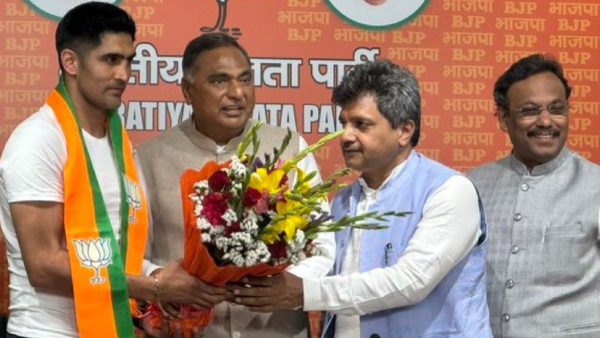
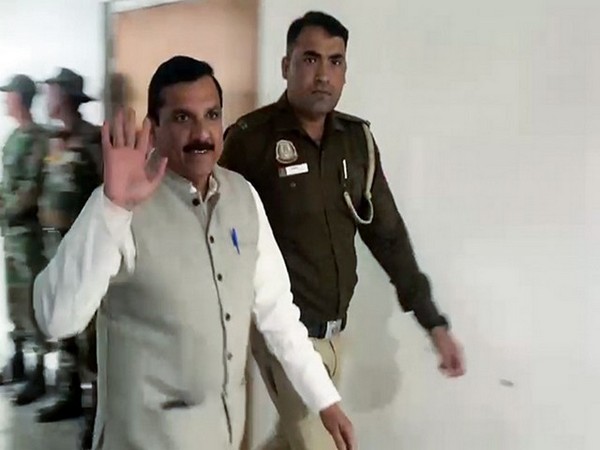
New Delhi: Ahead of the Lok Sabha elections, Olympic medallist boxer and Congress leader Vijender Singh on Wednesday joined the BJP here.
Earlier, speculation was rife that Vijender Singh might be fielded by the Congress from Mathura against BJP’s Hema Malini, who is in the fray for the third time in a row.
Vijender Singh is currently a professional boxer and fights in various countries.
“It’s a homecoming for me after five years as I had contested the poll in 2019, ” he said, adding “he is inspired by the honour given by the BJP government to the players”.
The boxer joined the BJP in the presence of the party’s national General Secretary Vinod Tawde.
Last week, the boxer in a post on X, wrote, “Wherever the public wants, I am ready.”
Singh walked with Congress leader Rahul Gandhi after joining the ‘Bharat Jodo Yatra’ first in Khargone in Madhya Pradesh and later in Haryana’s Karnal district.
In Madhya Pradesh, the two were seen talking to each other and also twirling their moustaches — a nod to the boxer’s native Haryanvi style — in a video shared by the Congress Twitter handle.
After the foot march in Haryana, Vijender Singh and the Congress shared photos of the Yatra. “Haryanvi Ha Dabya Koni Karde, ” tweeted the boxer in the local language along with a photo, which also had Priyanka Gandhi Vadra’s pet dog ‘Luna’ in the frame.
“Ek punch nafrat ke khilaaf (A punch against hatred), ” the Congress had written and the post was re-tweeted by Vijender Singh where both Rahul Gandhi and him were seen posing with fists for the camera.
Hailing from the dominating Jat community in Haryana, Vijender Singh’s move may have political ramifications in regions like western Uttar Pradesh and Rajasthan as well.
He belongs to Bhiwani district in Haryana and had fought the last Lok Sabha election from South Delhi and stood third. He has two silvers and one bronze in the Commonwealth Games.
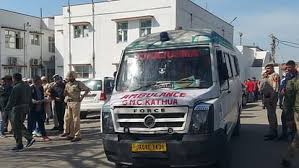
A dramatic shootout unfolded near the Government Medical College (GMC) hospital In Kathua, resulting in the death of a notorious gangster identified as Vasudev, reports said.
The shootout took place at around 10:30 pm on Tuesday, prompting an exchange of gunfire between the police team and Vasudev, who was a prime suspect in a murder case registered at the Ramgarh police station.
The Probationary Sub-Inspector Deepak Sharma sustained critical injuries during the encounter. He later succumbed to his injuries.
Besides, Special Police Officer Anil Kumar also suffered injuries during the shootout. Vasudev’s associate also sustained injuries in the crossfire but survived the ordeal.
The authorities have launched a comprehensive investigation into the incident to ascertain the circumstances surrounding the shootout near the medical facility.
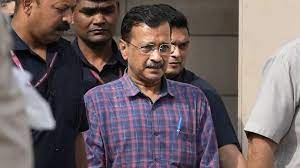
After the arrest of Delhi CM Kejriwal and ex-Jharkhand CM Soren, fears are being expressed that at the rate the Opposition is getting targeted, will there be any elections — fair and free from fear ? ! by Humra Quraishi
Will there be any Opposition left before the general elections? Unease and apprehensions are spreading out amongst the masses with the arrest of Arvind Kejriwal – the Delhi chief minister who is also heading the AAP political party. Not to be overlooked is the significant fact that prominent AAP politicians have already been arrested and sit jailed.
In fact, pointers to the hounding of the Opposition leaders got writ large weeks back, after hurdles were thrown in the Rahul Gandhi-led Bharat Jodo Nyay Yatra. Though Rahul Gandhi was determined to carry on against all possible risks and threats, the big question that loomed large was this: Was the right-wing government rattled to see the masses participating in the Yatra and doing so, so very spontaneously and eagerly!… And with the arrest of Jharkhand chief minister Hemant Soren of the Jharkhand Mukti Morcha, apprehensions had spread out. Doing the rounds the obvious – at the rate the Opposition is getting targeted, will there be any elections! Fair and free from fear! Or will democracy be throttled, paving way for dictatorship.
Also, stands out the fact that senior Opposition leaders are forewarning that violence could be used by the ruling brigades to create an atmosphere of fear. Though let me hasten to add that fear laden atmosphere already well exists! Every single day, the common man is the target. Where does he or she go for help! Who’s there to hear those cries of our fellow citizens in these homeless-jobless-penniless-bulldozing times, as homes and shops and age old structures of the poorest of the poor are getting bulldozed!
Unease and apprehensions are coming to the fore as hundreds of activists and retired civil servants and lawyers are coming up with doubts about the EVMs and the connected aftermath…coming up with the relevant questions – will there be transparency and accountability?
Women ought to be heard!
Women’s Day has come and gone! Women surviving how they were! Promises of their well-being, safe and sound upkeep remain confined to the stale political speeches of the rulers of the day. Nothing concrete can be expected to take place in a situation, where reported cases of targeted assaults and attacks against them are on the rise.
I don’t attend Women’s Day functions, for no specific reason except for the basic fact that in spite of all the hyped propaganda, the condition of our women hasn’t improved in recent years. But last fortnight, I did attend one of the discussions, hosted by Om Books International’s editor-in- chief, Shantanu Ray Chaudhuri. The interactive session with three eminent writers- Aruna Chakravarti, Harshali Singh and Nandini Sen, revolved around – The Art of Storytelling!
I was drawn to the very concept – the art of storytelling. Here I’d like to focus on the fact that perhaps the only viable option that can bring about some level of relief to women is to tell and offload their stories in whichever form they can! Those who cannot write their stories should try to relay them in the vocal mode – Dastangoi. Yes, why not! It’s our traditional and age old style of relaying stories. Let language or regional barriers not come in the way. In this day and age of translations and translators there are several options to help bridge gaps and boundaries. Above all, human emotions remain unchanging whether you are here or there!
And as I moderated the session, I asked the panellists to comment of this reality that bothers me: why is it that though each one of us has hundreds of stories to offload but only a handful actually manage to do so …the rest carrying all their untold tales with them till their dying day! Why? Also, a connected factor or call it an offshoot: Much against the myth that storytelling or writing could be easy going, it isn’t. It’s tough. But stories ought to be told. Should be told a hundred times; relayed from one generation to the next. One ought to be prepared that storytelling could be emotionally draining and involves much effort and time but it’s all worth it …I would go the extent to say that let storytelling be encouraged right from the school and college level. This is essential for emotional upkeep and survival, in these turbulent times.
A tribute to Talat Mahmood
New Delhi-based media personality Sahar Zaman has brought out this well detailed and well researched volume on her grand uncle, Talat Mahmood, titled “Talat Mahmood – The Definite Biography.” It’s brimming with just about any and every aspect to the life and times of the legendary singer.
To quote Sahar from the book: “Inching closer to his centenary year in 2024, my wish was to have this exclusive work of non-fiction in the hands of music lovers across the world, to enjoy and marvel at his pioneering journey. This is my gift in lieu of all the love and pride. It’s the story of an artist whose career cuts across the history of India. From being a pre-independence celebrity to being Independent India’s film star. Coming from an educated and cultured Muslim family that supported our freedom movement, this is a musical journey in which the birth and evolution of India is closely entwined. The biography explores his indelible mark on the Golden Era of films by taking you behind the scenes of moments from the recording studio, personal friendships with colleagues and the impact of his stardom…”
She also comments, “I feel blessed to be his grand-niece where members of my family have dug into their archives of old letters, diaries and incidents to revisit his younger days and help recreate exclusive insights. My brother Samar, an aficionado of old film songs, has been the constant ‘fact-checker’ of dates, names and events in his life. This is an attempt to discover Talat as a person and rediscover his music. But it does not claim to be a music analysis of his work. That task is best left to the people who are well-versed in the rich heritage of India’s classical and folk traditions.”
It is a volume written not just with abundance of facts and details but also with a lot of intense involvement and passion and emotions.
The cross-matching of electoral bond data has perhaps exposed one of the biggest quid pro quo scams, uncovering the alleged money trail in awarding huge government contracts, both before and after receiving donations from corporate business houses. A report by Mudit Mathur
The cross-matching of electoral bond data has perhaps exposed one of the biggest quid pro quo scams in Independent India, indicting the Narendra Modi-led Union government of the BJP and regional parties-led state governments, exposing a ‘corporate-political nexus.’ This revelation uncovers the alleged money trail in awarding huge government contracts, both before and after receiving donations from corporate business houses.
Following the Supreme Court’s decision to strike down the Electoral Bond Scheme as unconstitutional, the Election Commission has finally made all data related to scrapped electoral bonds public on its website. The Court ruled that the scheme’s opacity violated voters’ right to information about political funding. It further directed both the Election Commission and the State Bank of India to release all previously concealed data.
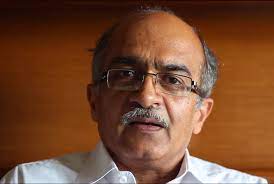
Demanding an SIT investigation into the role of investigators in a joint press conference along with petitioner, Jagdeep Chhokar, Founder Member and Trustee of poll rights’ NGO, Association of Democratic Reforms (ADR), RTI activist Anjali Bhardwaj and Lawyer Prashant Bhushan, who appeared in the apex court on behalf of the petitioner, stressed that the electoral bonds data points to corporates purchasing bonds in return of “kickbacks”, which needs to be investigated to establish quid pro quo.
Bhushan also claimed that 41 companies that faced raids by the Enforcement Directorate (ED), Central Bureau of Investigation (CBI) and the Income Tax Department, gave Rs 2,471 crore to the BJP, and Rs 1,698 crore was given after these raids, and Rs 121 crore was given in the three months immediately after the raids. In at least 49 cases, Bhushan alleged, Rs 62,000 crore in post-paid contracts/project approvals were given by the Centre or BJP-led state governments, for which Rs 580 crore in “kickbacks” in the form of electoral bonds were given to the BJP within a three-month span.
Bhushan claimed Kalpataru Group gave Rs 5.5 crore to the BJP within three months of an I-T Department raid on it on August 3 last year. “Future Gaming gave Rs 60 crore to the BJP within three months of I-T and ED raids on November 12, 2023, and December 1, 2021, respectively, “ he said.
“Aurobindo Pharma gave Rs 5 crore to the BJP within three months of the ED raid on November 10, 2022,” he added. Calling the electoral bonds scheme the biggest scam of independent India, Bhushan alleged four categories of corruption were done through it. The first is “Chanda Do, Dhanda Lo” (give donation and get business), the second is “Hafta-Vasuli” (extortion), the third is “Theka Lo, Rishwat Do” (bag contract, give bribe), and the fourth is “Farzi company,” (Shell Company).
Jagdeep Chhokar remarked that the data revealed after the Supreme Court verdict is ‘just the tip of the iceberg.’ He emphasized, “No one can deny the existence of the corporate-political nexus in the country after this verdict.”
RTI activist Anjali Bhardwaj, also a petitioner in the case, demanded an independent probe into the matter. She urged, ‘Who will investigate the investigator? An independent SIT should be formed to investigate corruption through electoral bonds.
Senior Congress leader and MP Jairam Ramesh said that the electoral bonds are “pre-paid”, “post-paid” and “post-raid” bribes, through which the central government had given Rs.3.8 lakh crore in projects and contracts to private companies in exchange for Rs.2,004 crore in donations to the Bharatiya Janata Party (BJP).
Ramesh said that Prime Minister Narendra Modi had promised to shut shell companies within and outside the Parliament before 2014, but 16 shell companies donated Rs 419 crore to the BJP, out of total Rs.543 crore donated by shell companies, according to the recently released electoral bond data. “Rs 551 crore in donations were given to the BJP in exchange for Rs 1.32 lakh crores in contracts and project approvals that were provided by the Central or BJP state governments within three months after the donation,” Ramesh claimed, as evidence of both “pre-paid” and “post-paid” bribery.
Intro : With only a few weeks left before the General Election 2024, Tehelka SIT uncovers the troubling reality of booth capturing and other electoral malpractices in J-K.
“For the right price, I’m willing to do anything. I have orchestrated booth capturing in the past elections. The cost of such operations varies from booth to booth. It can range from one lakh to two lakh, or even escalate to five lakh and ten lakh, depending on the booth’s size. In Kashmir, when candidates realize they’re losing elections, they take recourse to a staged stone pelting. They employ youth to throw stones, followed by their supporters seizing control of the booths.”
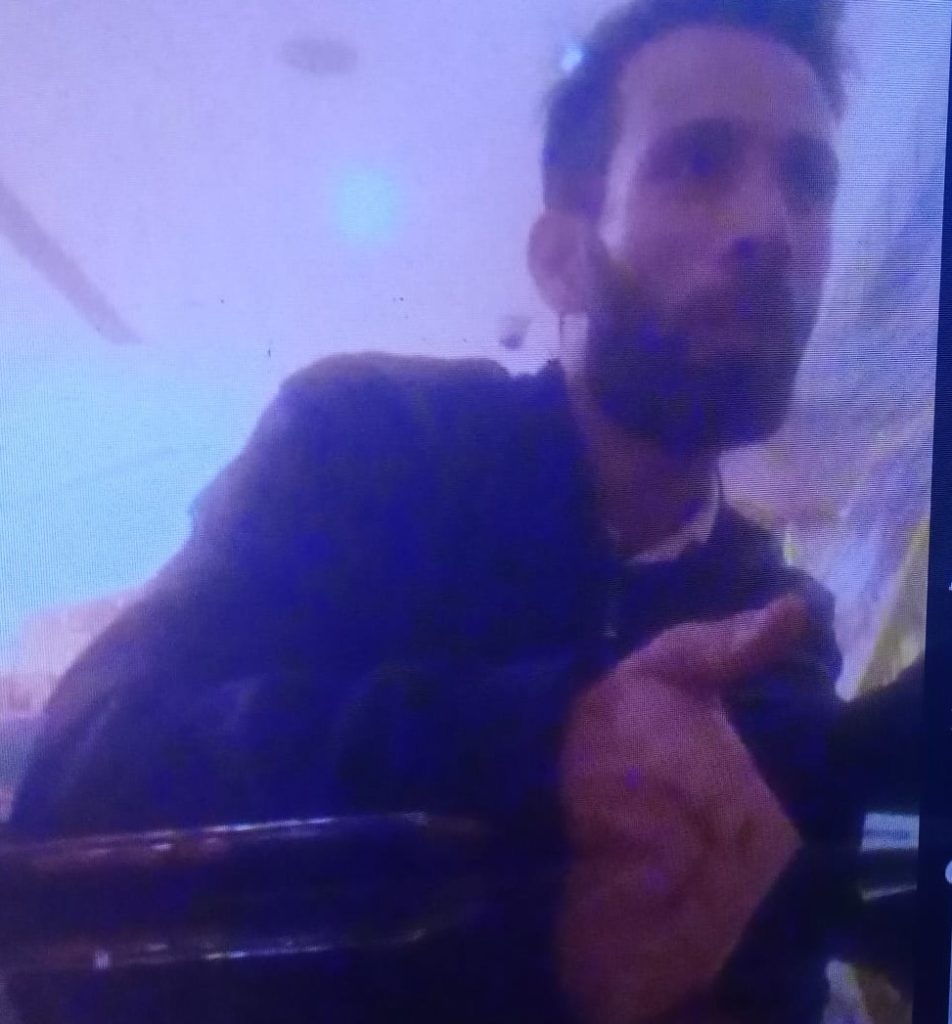
Meet Aijaz Ahmad Dar – a Kashmiri activist and a seasoned agent who specializes in “poll management”, including booth capturing, promising candidates a guaranteed victory. Long before the Election Commission of India announced the dates for the 2024 General Election, Aijaz arrived in Delhi from Kashmir and confessed on Tehelka’s camera to have used his muscle power to influence result in many elections in the past.
The misuse of muscle power in election, it may be mentioned, was extensively discussed by the Chief Election Commissioner of India, Rajiv Kumar, during the announcement of the 2024 Lok Sabha election schedule. Rajiv Kumar had highlighted the “four Ms” that posed critical challenges leading up to this summer’s General Election: muscle power, money, misinformation, and model code of conduct (MCC) violations; while adding that the Election Commission is strategically devising plans to address each of these issues. “Just as some states are more prone to using muscle, others are more susceptible to financial abuse,” Kumar had remarked.
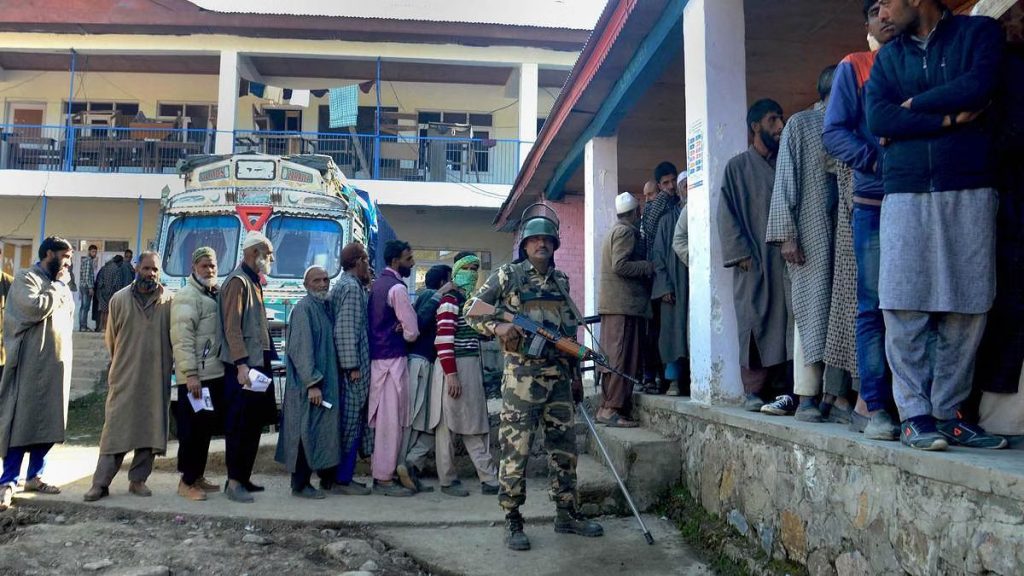
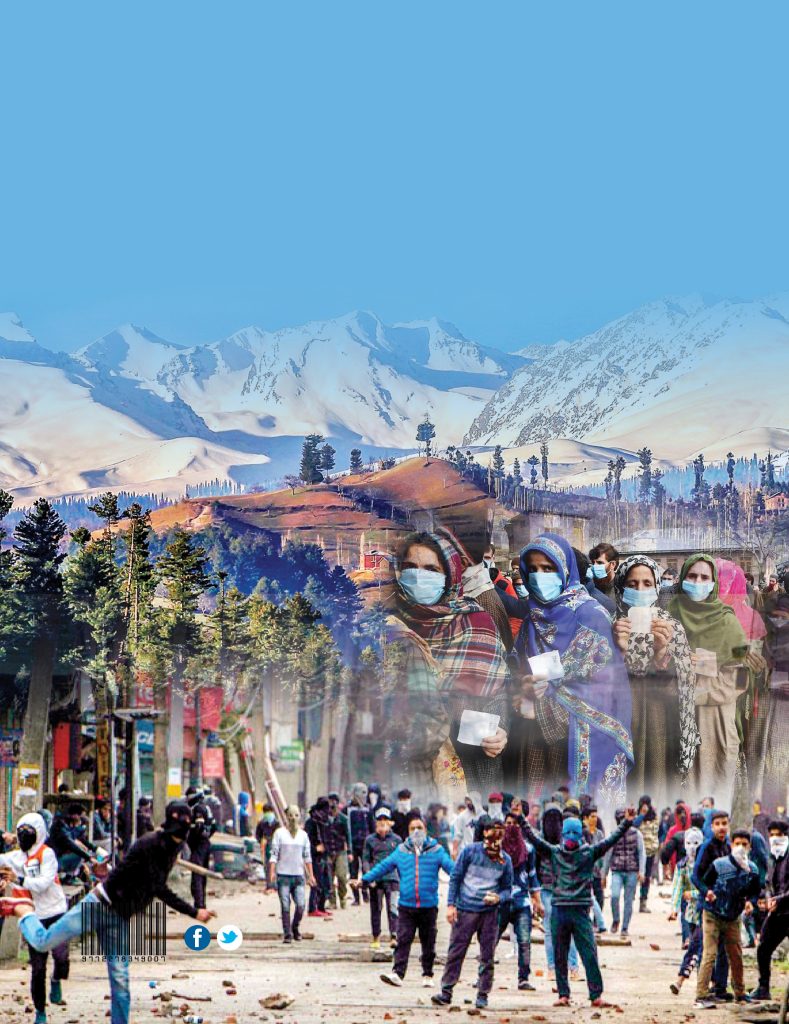
The polling for five Lok Sabha seats in Jammu & Kashmir will take place in five phases, commencing on April 19 and concluding on May 20. Besides, the sole Lok Sabha seat in the adjoining Ladakh region will also go to poll on the same day. The Union Territory, which is poised to witness its first significant electoral battle since the abrogation of Article 370 and 35-A, has a history of electoral violence. In 2017, eight people lost their lives during clashes with security forces in the Srinagar Lok Sabha by-election, which, as per media reports, registered a dismal turnout of 7.14%. In 2019, the Jammu and Kashmir Pradesh Congress Committee (JKPCC) vehemently protested against the alleged booth capturing by supporters of PDP leader Abdul Haq Khan in Devar Lolab during the polling. The JKPCC had urged the Chief Electoral Officer and District Election Officer, Kupwara, to take a stringent action against PDP workers and polling staff. Furthermore, in 2020, National Conference (NC) President Farooq Abdullah demanded re-polling in the Garoora District Development Council (DDC) constituency in J-K’s Bandipora, citing alleged instances of booth capturing and other irregularities. During the same year, at least six government employees were suspended in the Poonch district of Jammu region owing to similar allegations of booth capturing during the District Development Council (DDC) elections
Conducting elections in Jammu and Kashmir and the Naxal-hit region of Bastar in Chattisgarh is going to be among the key challenges facing the Election Commission of India while holding the General Election a couple of weeks from now. In light of the security challenges it might encounter, the ECI has decided against holding Assembly elections concurrently with the LS polls in the Union Territory of Jammu and Kadhmir, opting instead to schedule them shortly after the general election.
The Election Commission claims to have devised plans to crack down on the “4Ms”. With the announcement of the 2024 General Election schedule, Tehelka has also kicked off an investigative series on the “4Ms,” starting with this edition’s focus on muscle power.
Aijaz Ahmad Dar
As part of our investigation, we first met Aijaz Ahmad Dar, who traveled to Delhi from Kashmir to meet with our undercover reporter. Posing as a client, the reporter struck a deal with Aijaz to manage the poll campaign for a fictitious candidate supposedly contesting the elections in Jammu & Kashmir. Aijaz assured the reporter of success of our candidate. He also let out a trade secret: in Kashmir, if a candidate feels he is losing, he would instruct supporters to start hurling stones to distract security forces, allowing for potential booth capture.
Reporter- Kitna paisa kharch ho jayega usmein..?
Aijaz- Usmein to kafi paisa lagega aur Kashmir ki agar baat karen, wahan par ek masla ye bhi hota hai ki…aaram se agar kisi ko lagta hai ki yahan par hum nahi jeet payenge..to wahan par patthar ..stone pelting karwa ke..
Reporter- Ji kya keh rahe hain aap..?
Aijaz- Wahan stone pelting karwa ke booth capturing.
Reporter- Stone pelting karwa ke..booth capturing..? … Lekin mujhe guarantee do kaam ho jayega..
Aijaz- Haan ho jayega, aaram se ho jayega.
[Aijaz’s revelations expose a dangerous underbelly of electoral tactics in J-K, where desperation drives candidates to seek outside help to influence the results in their favour, going to the extent of hiring dubious elements to capture booths to ensure their victory]
Now, Aijaz named a major political party of Kashmir, for whom he claimed to have organised booth capturing in 2014 poll. To finance the dubious act, the party had to dive deep into its pocket and spend in lakhs of rupees. However, according to him, Kashmir is no stranger to this phenomenon as it has been a feature of almost every election held in the state so far.
Reporter- Khul ke batao na.. baat karo..kis party ke liye…?
Aijaz-XXXX ke liye
Reporter- Stone pelting karwa ke ?
Aijaz- Haan ye sab to chalta hai wahan par ..aisa kuch nahi hai
Reporter- Ye kab karwaya aapne XXXXX k liye ?
Aijaz- 14 k baad..
Reporter- 2014 mein..?
Reporter- Kitna paisa laga usmein..?
Aijaz- Usmein bahut sara paisa laga, lakhon mein usmein paise lagtey hain ek-ek jagah ke..
Reporter- Deta kaun hai aapko, paisa mil jata hai..?
Aijaz- Haan..
[Aijaz’s stunning assertion of having worked for a major political party in Kashmir unveils the intricate web of electoral corruption. In the region, desperation compels candidates to resort to dubious means in their pursuit of victory.]
When asked how much they get paid for booth capturing, Aijaz told our undercover reporter that it depends on the situation. Discussing the risks involved, Aijaz said they negotiate an assurance from the concerned political party that it would secure their release from jail in case they are arrested following thebooth capturing attempt. When asked about the responsibilities he can take in our poll management, Aijaz nonchalantly replied that for money, he would do anything.
Reporter- Lekin booth aap capture kawaogey..usmein aap par koi action nahi hoga.. police aapko arrest nahi karegi…?
Aijaz- Wo hai na ladke band ho jatey hain…wo paison k liye hotey hain, unko pata hota hai…
Reporter- Jo patthar phaiktey hain..?
Aijaz- Unko pata hai bilkul..
Reporter- Unko paisa mil jata hai..? Kitna-kitna mil jata hai..?
Aijaz- Wo bhi depend karta hai situation par…
Reporter- Phir bhi kam se kam kitna..?
Aijaz- Ek to unko chudwaney k paise, unko jo lagtey hain…guarantee leni padti hai wahan pe…chudwaney k liye paisa jitna lagega wo hum denge…
Reporter- Uski guarantee kaun leta hai..?
Aijaz- Uske liye bande rakhey hotey hain…
Reporter- Jo politician hain jinke liye wo booth capturing kar rahe hain.. wo hi guarantee letey hain…?
Aijaz- Haan
Reporter- Aap zimmedari kis cheez ki le saktey hain, ye bataiye..?
Aijaz- Dekhiye bhai mein aapko clear bolta hoon..jahan par paise honge wahan par mere ko kuch bhi bolo mein karunga…
[After delving into the candid revelations of Aijaz, it’s evident that electoral tactics in Kashmir are entangled in a complex web of desperation and dubious methods. Aijaz’s casual air, as he expressed his willingness to take on any task in exchange for financial compensation, reflects his confidence in navigating the system.]
Then, we inquired of Aijaz how he planned to execute the plan, given that stone-pelting incidents were no longer being reported from the valley. In response to it, Aijaz said that it was a mistaken belief that stone-throwing incidents had ceased. He explained that the decrease in such incidents was due to a drying up of funds for orchestrating such incidents. He further asserted that, with the right amount of money, one could still incite crowds to pelt stones in Kashmir. He claimed to know boys who were willing to engage in stone-throwing upon request.
Reporter- Lekin ab stone pelting wagera to band ho gayi sab Kashmir mein…?
Aijaz- Band ho gayi..hahaha!..phir se karani hai to bol dijiye…
Reporter- Hain.?
Aijaz- Ismein kya.. paise lagtey hai…paise de do phir start..paise aaney band ho gaye..
Reporter- Ladke bhi to band hain phekney waley..
Aijaz- Kahan band hai…kisne kaha band hain..?
[In the intricate web of Kashmir’s unrest, Aijaz’s revelation sheds light on the covert transactions that continue to fuel stone-throwing incidents. Money, it seems, remains the silent player behind the scenes.]
Aijaz informed our reporter about boys who participate in stone-throwing for booth capturing. According to him, these boys typically spend nine months in jail followed by three months of freedom. During those three months, however, they manage to earn enough to sustain themselves for the entire year. Stone-pelting seems to be their regular source of income – if they don’t get jailed, they don’t earn money.
Aijaz- Ladke to hain saath mein unko to aadat hi hai.. saal mein wo 9 mahiney to jail mein rahtey, 3 mahine bahar..wo 3 mahiney kaam karengey ek saal ke barabar…
Reporter- Kis cheez se kamatey hain wo.?.
Aijaz- Paisey leker stone pelting wagera…saal bhar betho 3 mahine kamao..ye to kaam hai na unka…unka roz ka hai…agar wo jail nahi jayengey to paise kahan se aayengey…?
Reporter- Jail se paise kaise aatey hain…?
Aijaz- Pehle se hi lekar rakhtey hain unko pata hai 6 months k liye jana hai ya 9 months.. ek saal k liye jana hai…2 saal ka kama liya chaley gaye jail…araam se..
[Aijaz’s revelations underscore the dire economic circumstances that drive individuals to engage in illegal activities like stone throwing for financial gain. Stone pelting becomes a perverse path to survival for these boys.]
When asked how much he had charged for booth capturing in the past, he said it depended on the size of the booth in question, besides other factors. He mentioned that the amount varied from Rs 1 to 2 lakh or Rs 5 to 10 lakh per booth. Regarding how many booths he could capture for us in the elections, Aijaz said that he could handle the entire South Kashmir, as he is an expert in the region and his ‘NGO’ also has a stronghold there.
Reporter- Kitna kharcha aa jayega ek booth ka…?
Aijaz- Ye ab dekhna padega booth kaisa hoga..
Reporter- Abhi tak jo aapne kiya hai usmein kitna kharcha aaya hai…?
Aijaz- 1-1 lakh…2-2 lakh
Reporter- Ek booth ka?
Aijaz- Haan..kahin kahin 5 lakh, 10 lakh bhi hoga..depend karta hai booth kitna bada hai…
Aijaz- Ji..jahan jahan aap target dengey wahan kar denge
Reporter- Number of booth bataiye..?
Aijaz- Mujhe lagta hai…wahan koi bhi aisa booth nahi hoga jahan par hamara control na ho…
Reporter- South Kashmir ke aap expert hain..?
Aijaz- Haan
Reporter- Booth capture ho jayenge sahi se.?.
Aijaz- Hamare NGO hain na wahan se ladke aatey hain…
Reporter- NGO se matlab samjha nahi ?
Aijaz- Matlab jo humse jude hain jinko hum help detey hain..kafi mehnat lagti hai booth capture karne mein
Reporter- Wo aapki NGO se jude hain..?
Aijaz- Haan..
[In a chilling portrayal of electoral manipulation, Aijaz’s disclosures highlight the insidious nexus between power, money, and exploitation in the democratic process. Aijaz’s booth-capturing expertise emerges as a formidable force. It comes out during the conversation that with a stronghold in south Kashmir, his NGO wields influence that could sway the poll result.]
Aijaz now discloses the method of booth capturing. According to him, when a candidate realizes that he is losing at a particular booth, he orders his supporters to start throwing stones to create unruly scene. As the stone pelting begins, the security deployed at the booth moves to control the situation. It is at this moment that the booths are captured.
Reporter- Kis cheez par kharcha aata hai ye..?
Aijaz- Wahan par pehle aata hai ki..voter kitne hain..maan lo 100 voter hain…ab ek andaza hota hai apna..ke 10 mein se hamarey kitne voters hain…agar ismein hame lage ke hamarey kam voters hain..kya hum unko kharid saktey hain phir..agar kharid nahi paaye to wahan par hum kya kare..taki wo voter wahan par na ja paaye..
Reporter- Uske liye kya kartey hain aap ?
Aijaz- Uske liye start hoti hai stone pelting….stone pelting..2-3 ladke hire kiye..unpar kharcha aata hai..lakh 1.5 lakh…2 lakh…
Reporter- 2-3 ladkon par ?
Aijaz- Haan..zyada bhi aa jata hai..maan lo koi ladka 1 lakh lega.. aur bolega halat kharab ho jayenge ..mein jail jaunga, doosra mujhe chudhana hai…kam se kam 6 mahine to unke lagne hain ander…aur un 6 mahino k liye mujhko 1 lakh..1.5 lakh chahiye..jo mujhe milna chahiye..phir wo bhi ho jata hai..sham ko voting band.. wo bhi saamne aa jata hai..
[Aijaz’s revelation unveils a disturbing strategy where chaos becomes a tool for capturing booths. He sheds light on a hidden mechanism, and exposes the lengths some will go to undermine democracy]
According to Aijaz, while booth capturing is his forte, he can also persuade people to switch loyalties through inducements. He mentioned his ability to organize election campaigns and buy votes by offering money to voters. However, he cautioned that all these actions come with significant expenses for the parties involved.
Reporter- To aapka jo kaam hai..jisme aap strong ho wo hai booth capturing..?
Aijaz- Booth capturing…logon ko kharidna …wo bhi hum kar saktey hain…aaram se..kar chukey hain hum…
Reporter- Ab aap mujhe jaldi se ye bata dijiye..aap election mein kya kya kartey hain aur kya kya kar saktey hain..?
Aijaz- Election main aap campaigining karwa saktey hain..logon ko judwa saktey hain..vote ko idhar udhar karwa saktey hain..
Reporter- Vote ko idhar udhar kaise karwaogey..?
Aijaz- Paise dekar logon ko, paise ya koi lalach, ya whatever jo need ho wo sab karkey..
Reporter- Kitna paisa kharch ho jayega usmein..?
Aijaz- Usmein to kafi paisa lagega.
Aijaz- Agar kahin pe jab bhi karna padega strike wagera….koi apna hota hai neta band ho jata hai..ya action liya jata hai tab…usko chudwaney k liye protest wo bhi karwa saktey hain…
Apart from booth capturing in elections, Aijaz told us that he can help in organising a protest for any political leader if he or she get arrested by the security forces.
[Aijaz’s boast about his expertise in booth capturing and influencing loyalties through inducements highlights his ability to orchestrate campaigns and buy votes, albeit for a significant fee.]
Aijaz now confessed that he has paid Rs 1,000 to 2,000 to voters to secure their votes in favor of the candidate he was working for. He also mentioned that in Kashmir, people are not enticed with liquor but with other means such as drugs like brown sugar etc.
Reporter- Liquor wagera, paise baatna?
Aijaz- Haan paise to baantey hain..
Reporter- Kitna- kitna..?
Aijaz- 1000 hazar… 2-2 hazar diye hain..
Reporter- Sharab?
Aijaz- Sharab nahi chalti wahan…
Reporter- Wahan drugs wagera chalti hain kya ?
Aijaz- Chalti hain…bahut..brown sugar hai wahan par..
Reporter- Kashmir mein..?
Aijaz- Haan bahut..
[Aijaz’s revelations shed light on the pervasive influence of monetary inducements and alternative enticements in electoral practices.]
When asked which political party he is associated with, Aijaz replied that he is affiliated with parties that pay him money. He stated that he does not align himself with any particular party based on its ideology; rather, the primary factor for him is money. So, Aijaz’ loyalty lies with the highest bidder, a reminder that ideology can sometimes take a backseat in the political game.
Reporter- Abhi aap kiske saath jude ho..?
Aijaz- Har kisi ke saath juda hoon..sach mein..
Reporter- Matlab jo paisa de de uske saath..?
Aijaz- Haan hamara kya hai…?
[The dialogue unravels the intricate dynamics of electoral tactics, highlighting the pervasive influence of monetary incentives over ideological allegiance.]
“In sum, our investigation has uncovered the troubling reality of booth capturing, a blatant form of electoral fraud that undermines the essence of democracy. This unethical practice, also known as booth looting, involves the manipulation of polling booths by party loyalists or hired criminals to ensure the victory of a specific candidate. Not only does it disenfranchise legitimate voters, but it also constitutes a serious form of voter suppression. As the Election Commission issues warnings of the ‘4Ms’ ahead of the 2024 Lok Sabha elections, our exposé has focused on the first ‘M’: the muscle power. It is crucial that robust measures be taken to combat such abuses of power and safeguard the integrity of our democratic process.
By addressing the root causes of booth capturing and implementing stringent regulations, we can foster a fair and transparent electoral environment. Only through collective efforts can we uphold the principles of democracy and ensure that every vote counts in shaping the future of our nation.
Hunger striker Wangchuk’s journey from endorsing Ladakh’s UT status and hailing the withdrawal of Article 370 to fervently opposing it marks a significant course correction for Ladakhis, who now find that the government’s Aug 2019 order has left them marginalized. A report by Riyaz Wani
Ladakh’s struggle for constitutional rights and identity highlights the challenges it faces following its transition to a Union Territory status in August 2019. Once celebrated as a milestone in its quest for autonomy, this transition has now disillusioned the people which is symbolized by the 21-day hunger protest of prominent climate activist Sonam Wangchuk, which ended on March 26 and caught the attention of the nation.
Wangchuk’s journey from endorsing Ladakh’s Union Territory status and supporting withdrawal of Article 370 to fervently advocating against it has a ring of irony to it: In 2019, Wangchuk was at the forefront of the activists in Leh, who celebrated the withdrawal of Article 370 and the granting of union territory status to Ladakh. In a tweet, Wangchuk had then thanked the prime minister Narendra Modi “for fulfilling Ladakh’s longstanding dream,” and termed the far-reaching constitutional changes as a step towards “democratic decentralization.”
Since then, he has increasingly grown disillusioned with Ladakh’s UT status and come to a conclusion that the region was “better off with being a part of Jammu and Kashmir,” something he told the media last year. And now his fast, second since last year, shows that Wangchuk has moved 180 degrees from his 2019 position. Not just him but also the people of the Leh district while those in the neighbouring Kargil had largely opposed the UT status from the day one.
It reflects a broader shift in sentiment within the region, particularly in Leh district. Now the two districts have closed ranks to demand the reinstatement of lost constitutional protections
The Leh Apex Body (LAB) and Kargil Democratic Alliance (KDA) have emerged as the vanguards of this unified struggle, echoing the collective voice of Ladakhi communities in their demand for special rights and recognition. This newfound solidarity between Leh and Kargil, once divided along religious and cultural lines, reveals the gravity of their shared concerns and aspirations. However, the transition to a Union Territory has effectively dissolved the previously empowered Ladakh Hill Development Councils, leaving the region under direct central governance—a development that has fueled sentiments of marginalization and loss among the local population.
Despite the continuing protests, Ladakhi leaders have encountered lukewarm response from the central government, which has yet to meaningfully address their demands. The calls for tribal status, inclusion in the Sixth Schedule, job reservations, and parliamentary representation reflect a growing urgency to safeguard Ladakh’s identity and resources amidst fears of demographic change and cultural erosion. Drawing parallels with other states under special constitutional provisions, such as Mizoram, Tripura, and Sikkim, Ladakhi leaders seek to legitimize their demands within the framework of Indian constitutional law.
Central to this struggle is the significance of the Sixth Schedule, which Wangchuk and others argue is essential for preserving Ladakh’s unique socio-cultural fabric and ensuring local autonomy in decision-making processes.
The Ladakh Tourist Trade Alliance (LTTA) has also voiced concerns over outside investments in the region’s tourism sector, highlighting broader apprehensions regarding the impact of external influences on local economies and livelihoods. Last year, the LTTA, a coalition of trade, tourism, religious, and political organizations in Leh, passed a resolution opposing investment by outsiders in the tourism sector of Ladakh. The alliance warned that if such investments continue, they would impose restrictions on these investors through non-cooperation from the local travel-trade fraternity, as well as community and political organizations.
The alliance, comprising several prominent associations such as the All Ladakh Tour Operators Association Leh, All Ladakh Hotel and Guest House Association Leh, Ladakh Taxi Operators Cooperative Union Leh, and others, has joined forces with various religious and political bodies. Their collective aim is to safeguard the tourism industry of Ladakh and protect the interests of the local people.
Opposition to a widely perceived threat to Ladakh’s identity has incrementally grown over the past five years. Looking ahead, the road to resolution appears fraught with challenges, particularly amid the looming specter of general elections and a potential change in government leadership. Ladakhi communities continue to grapple with existential fears regarding demographic changes and the loss of their land, jobs, and resources in the absence of credible constitutional safeguards.
The total population of Ladakh, according to the 2011 census, is 2.74 lakh. While Leh with a population of 1,33,487 is Buddhist majority, and Kargil with a population of 1,40,802 is Muslim majority. Despite the region’s demographic diversity, with a slender Muslim majority, the region has witnessed a remarkable convergence of interests between its Buddhist and Muslim communities, who have set aside historical divisions in pursuit of a shared vision for their future. This unity presents a delicate dilemma for the central government, which must navigate the complexities of addressing Ladakhi concerns while avoiding perceptions of unequal treatment vis-à-vis Jammu and Kashmir.
It remains to be seen how the central government will respond to the deepening alienation in Ladakh. In charting a path forward, it is imperative for the central government to acknowledge the legitimacy of Ladakh’s demands and engage in genuine dialogue with regional stakeholders, which it has so far half-heartedly done.
The quest for tribal status and inclusion in the Sixth Schedule is not merely a matter of preference but a fundamental right rooted in Ladakh’s rich cultural heritage and unique socio-political context. As Ladakh confronts economic and political uncertainties in the aftermath of constitutional changes, a nuanced and inclusive approach is essential to fostering sustainable development and preserving the region’s distinct identity and aspirations.
But would the BJP government which is also widely expected to win a third term choose to offer credible constitutional guarantees to Ladakh to prevent the prevailing sense of disillusionment in the union territory becoming more intensified is anybody’s guess. The Ladakh crisis has created a difficult situation for the union government. More so, at a time when it has no immediate plans to even restore statehood to Jammu and Kashmir, nor even announce Assembly elections. It can’t be seen extending constitutional safeguards to Ladakh and denying the same to Jammu and Kashmir where similar anxieties about identity and culture prevail – albeit, currently in a dormant state.
The agitation in Ladakh has thus come as a moment of reckoning for New Delhi for New Delhi’s post-Article 370 policy towards Jammu and kashmir as well as Ladakh. It has so far seen the issues in regard to the former state as done and dusted and doesn’t want to reopen Pandora’s box by engaging with the now bifurcated and downgraded region on the granting of constitutional rights. But the persisting agitation in Ladakh has brought it to this very point.
Meanwhile, Ladakh’s demands have grown. The demands put forth by LAB and KDA include tribal status for Ladakh, incorporation in the constitution’s Sixth Schedule, job reservation for locals, and a parliamentary seat each for Leh and Kargil districts. Ladakhis are citing the cases of the other states and regions in the country which are protected by special constitutional provisions, an argument that is not just persuasive but also legitimate.
While residents of cantonment areas are upbeat over the move, which is expected to boost tourism and create employment opportunities, the HP government has decided to fast track the process of denotifying various civil areas under the cantonment boards. A report by Nainu Rohtaki
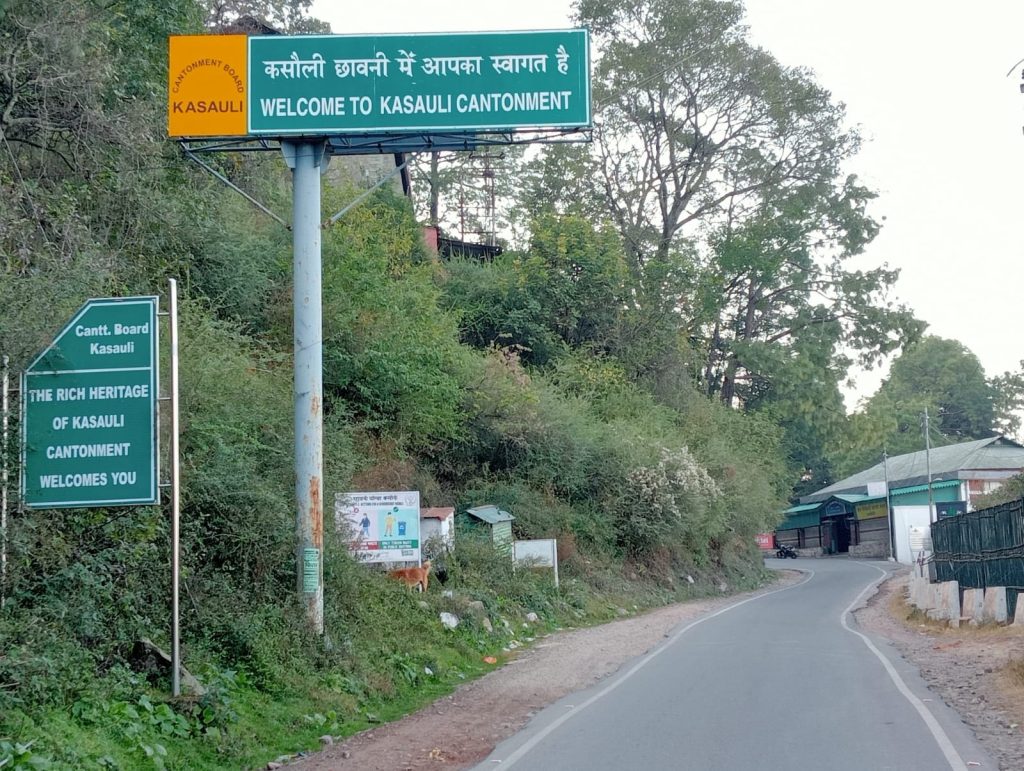
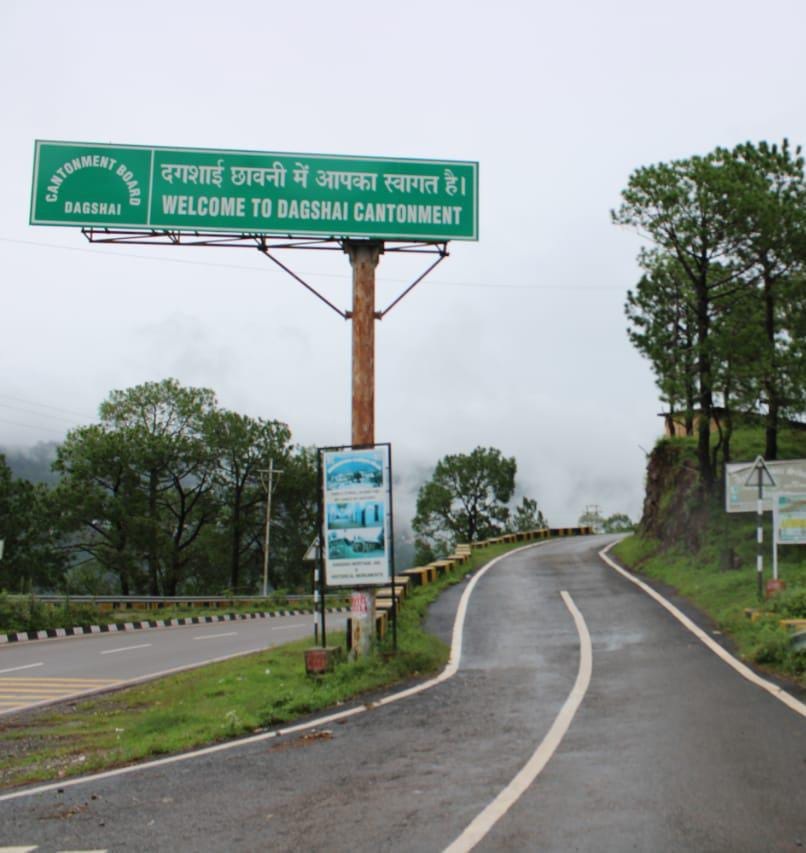
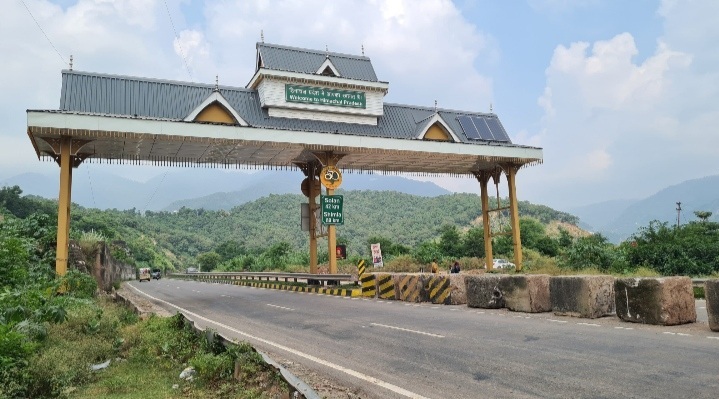
Moving away swiftly from the British Era cantonment rules, Himachal Pradesh with its six cantonment Boards, is fast heading towards the excision of its civil areas from the various cantonment boards that fall under this mountain state, also known as ‘Devbhoomi’. While the people of the state are all set to welcome the decision, the state government is fast tracking the denotifying process of various civil areas under the cantonment boards. Himachal Pradesh has altogether seven cantonments – Subathu, Dagshai, Kasauli (all three falling under the Solan district), Bakloh, Dalhousie, Jutogh, and Khas Yol. Barring Khas Yol, where the civil areas have already been denotified, the civil areas of the other cantonments are yet to be denotified.
It was recently in the month of March that the Government of India issued a gazette notification to denotify civil areas of 10 cantonments out of total 58 cantonments in the country. These areas will now be merged with the state municipalities (local bodies) concerned. The 10 states include Dehradun and Clement Town cantonments in Uttarakhand; Fatehgarh, Babina, Shahjahanpur and Mathura cantonments in UP; Deolali cantonment in Maharashtra; Ramgarh cantonment in Jharkhand; Ajmer and Nasirabad cantonments in Rajasthan. In the notification (a copy of which is with us), the Ministry of Defence (MoD) has given a time of eight weeks to raise objections, if any, in this regard.
How things are moving in HP
It was on July 24, 2023, that the MoD had notified the state governments (58 cantonments in different states of the country) to consider merging civil areas with neighbouring state municipalities. Khas Yol Cantonment (Himachal Pradesh) has already been denotified and its civil areas now fall under Municipal Corporation, Dharamshala.
After the Solan district administration, having given a go ahead for releasing the civil areas from the various cantonment boards of Kasauli, Subathu and Dagshai, the three cantonments that fall within the district, the process of moving away from the British Era concept of cantonment towns in Himachal Pradesh is in full swing.
According to the cantonment board officials, the consent letters for the same had been given to the Ministry of Defence by four states including Secunderabad in Telangana, Shillong in Meghalaya, Ramgarh in Jharkhand with Himachal Pradesh leading with consent letters for all 6 cantonments (three in Solan including Kasauli, Subathu and Dagshai cantonments besides Jutogh , Dalhousie and Bakloh cantonments). The Himachal Pradesh government then was leading the way with consent letters for all its cantonments.
It was on August 2, 2023, when the Ministry of Defence (MoD) formed a seven-member excision committee for six cantonments of Himachal Pradesh under the chairmanship of Joint Secretary (Land and Works), MoD, Rakesh Mittal. The committee that would be working on the various modalities in the process of excision was asked to submit its report in a month’s time.
A Letter from the Ministry of Defence, Sena Bhawan , New Delhi (a copy of which is with us) read: “A committee of seven members headed by Joint Secretary (Land and Works) is constituted to look into the details of proposed modalities, that is land and immovable assets, cantonment board employees, pensioners, cantonment funds, civil services, movable properties and stores, road management and traffic, records etc for excision of civil areas in Kasauli, Dagshai, Sabathu, Jatogh, Bakloh and Dalhousie cantonments and submit its report to the Ministry within a month’s time”.
Talking about this, General Secretary of Himachal Pradesh Cantonment Association, Manmohan Sharma, said, “The seven-member committee that is headed by the Joint Secretary (L and W), MoD, will have one representative from the Himachal state, Additional Director General (Land, works and establishments), Army headquarters, one member from the Director General Defence Estates (DGDE), Director, Defence Estates, Western Command, Chandigarh, the President, Cantonment Board of local cantonment and the Chief Executive Officer, Cantonment Board will be the Member Secretary of the committee formed”
But by then the Himachal government was yet to decide as to which local panchayats the civil areas after the excision from these cantonments will be merged into. For the Solan district, under which fell the three out of six cantonments, with Sabathu having Shadyana Pavi Panchayat close by, Dagshai having two panchayats – Ach panchayat and Chewa panchayat and it is yet to be seen to which panchayat they would be added to. Kasauli has three neighbouring panchayats – Nahri panchayat, Garkhal Sanawar and Garkhal Kasauli panchayats. This is still being considered as a challenge since the three cantonments are located in different areas.
It was on November 24, that taking a step further towards the process of excision of civil areas from the cantonments in Himachal Pradesh, the Governor, Shiv Pratap Shukla, under a notification, formed a 13-member committee headed by the respective deputy commissioners of the areas to conduct a final joint survey before the handing over of the civil areas takes place. This followed a series of meetings that took place between the chief executive officers of various cantonment boards with the Ministry of Defence, New Delhi.
The notification from the Governor, HP, read, “In pursuance of the decision taken by the Ministry of Defence, Government of India, to look into the proposed modalities for excision of civil areas from the limits of the cantonments, the Governor, Himachal Pradesh is pleased to constitute a committee under the chairmanship of the concerned Deputy Commissioners for the Joint Survey”. It also added, “The committee shall complete the exercise of joint survey within three weeks from the date of receipt of proposals from the Cantonment Boards”.
But the process of joint surveys for various cantonment boards took time and it was only recently that the joint survey of all the six cantonment boards was completed and the report submitted to the state government under the chairmanship of the respective deputy commissioners. After the joint survey, the report is given by the state government to the MoD. The residents of the state are now eagerly waiting for the final denotification by the Government of India.
Residents hail the move
As for the locals, they welcomed the move as for them this shift opens up opportunities for development and tourism in historically significant places like Dagshai, Sabathu, and Kasauli, which have been restricted due to their location in defence areas. The move is expected to boost tourism, create employment, and foster prosperity in the entire district.
Pradyuman Jain, a shopkeeper in the Kasauli Heritage market, said, “This move will be a big relief for the people as till date, even for a simple repair, they had to request the cantonment board which was not very congenial. The Board people were very strict and had difficult laws which made things even more difficult for us.”
While for the MLA, Kasauli, Vinod Sultanpuri, he said, “All the facilities since Independence that were available to the local residents of the various states were denied to the residents of the civil areas under cantonment boards. The areas being under the defence land, the people could never be part of the mainstream. With this move, the residents of these areas too will be eligible for all the benefits that that any other resident of the state enjoys. These people were the owners of the structures but not the land which belonged to the army. Now they will be the owner of their land with no extra cost. Even for a minor thing like any small repair to be done in their buildings, they were required to get permission from the cantonment board”.
He further added, “Solan has a very glorious past with a historical jail in Dagshai; Sabathu being the origin of Gorkha Regiment and Kasauli having given birth to many popular writers and authors. These are the places which deserve special effort to turn them into famous tourist spots. But nothing could be done due to them falling in the defence area. This move would help in the development of these areas into famous tourist spots bringing in further employment and prosperity in the entire district”.
Sultanpuri also added that he had a proposal, which he would soon take up with the state government, of putting the civil areas of all the three cantonments under one panchayat so that the semi-urban culture of these areas can be maintained. “Kasauli, Subathu and Dagshai being in the cantonment areas have a semi-urban culture. Putting them under village panchayats would not be fair to them. It is difficult for these semi-urban residents to fit in the panchayat system of the villages. We would be taking up the issue in this regard with the senior ministers of Himachal Pradesh so that these Himachalis who were denied all the rights of a state since independence, for being in the cantonment areas are not made to suffer again. Some of the rights they were denied were: no right to construct any house, or repair in the building, no ration depot etc. even the water cess in these areas was the highest till now”.
General Secretary of Himachal Pradesh Cantonment Association, Manmohan Sharma, a resident of Subathu said, “We in all these years were not the holders of occupancy rights. It was due to this, we could not mortgage or take loan against our property from the banks here. This move will bring back the ownership rights of the people. Till date, even for getting a small repair work done, we had to request the cantonment boards who would often not pay any heed to our requests”.
New Delhi : AAP leader Atishi on Tuesday welcomed the Supreme Court’s decision to grant bail to the party’s Rajya Sabha MP Sanjay Singh in a money-laundering case linked to the excise policy case.
The Delhi minister shared the news of Singh’s bail in a post on X and said in Hindi, “Satyameva Jayate.” Singh was arrested by the Enforcement Directorate (ED) in a money-laundering case linked to the Delhi government’s now-scrapped excise policy on October 4.
A bench of Justice Sanjiv Khanna, Justice Dipankar Datta and Justice PB Varale ordered Singh’s release. The ED said it had no objection if the AAP leader was given bail.
“Sanjay Singh should be released on bail during the pendency of the trial,” ordered an SC bench of Justices Sanjiv Khanna, Dipankar Datta and Prasanna B Varale.
The top court’s order comes hours after Delhi’s water minister Atishi claimed that she and three other leaders will be arrested by the ED if they refuse to join BJP.
The bench said that Singh would be able to carry out his political duties during the period of his bail. However, it warned the leader to not make any comments on the case during this period.
‘No Recovery’
During the bail plea hearing, the bench observed that Singh was not found in possession of any money, while emphasizing that the accusation of him receiving a Rs 2 crore bribe could be examined during the trial.
“Nothing has been recovered, there is no trace,” the bench told Additional Solicitor General S V Raju, representing the central probe agency.
Why AAP leader Singh arrested?
AAP leader Sanjay Singh was apprehended by the Enforcement Directorate (ED) on October 4, 2023, in connection with a money laundering case linked to his alleged involvement in formulating and executing the now-defunct Delhi excise policy. According to the agency, the policy was purportedly designed to favor specific liquor manufacturers, wholesalers, and retailers.
In a notable development, Singh has become the inaugural Aam Aadmi Party (AAP) figure to secure bail in the Liquor Policy scandal, which led to the detention of three other party leaders, including Delhi Chief Minister Arvind Kejriwal, Manish Sisodia, and Satyendra Jain.
Reaction from AAP leaders
The granting of Singh’s bail plea brought immense relief to the Aam Aadmi Party, which has been entangled in legal challenges in recent months due to the Delhi Excise Policy case. AAP leader Raghav Chadha expressed, “Today marks a deeply emotional moment for every member of the Aam Aadmi Party. The joy of Sanjay Singh’s release is beyond words.”
The money laundering case pursued by the Enforcement Directorate (ED) originates from the FIR filed by the Central Bureau of Investigation (CBI). Both the CBI and the ED allege irregularities in the modification of the now-defunct Delhi Excise Policy 2021-22, claiming that undue favors were granted to license holders.
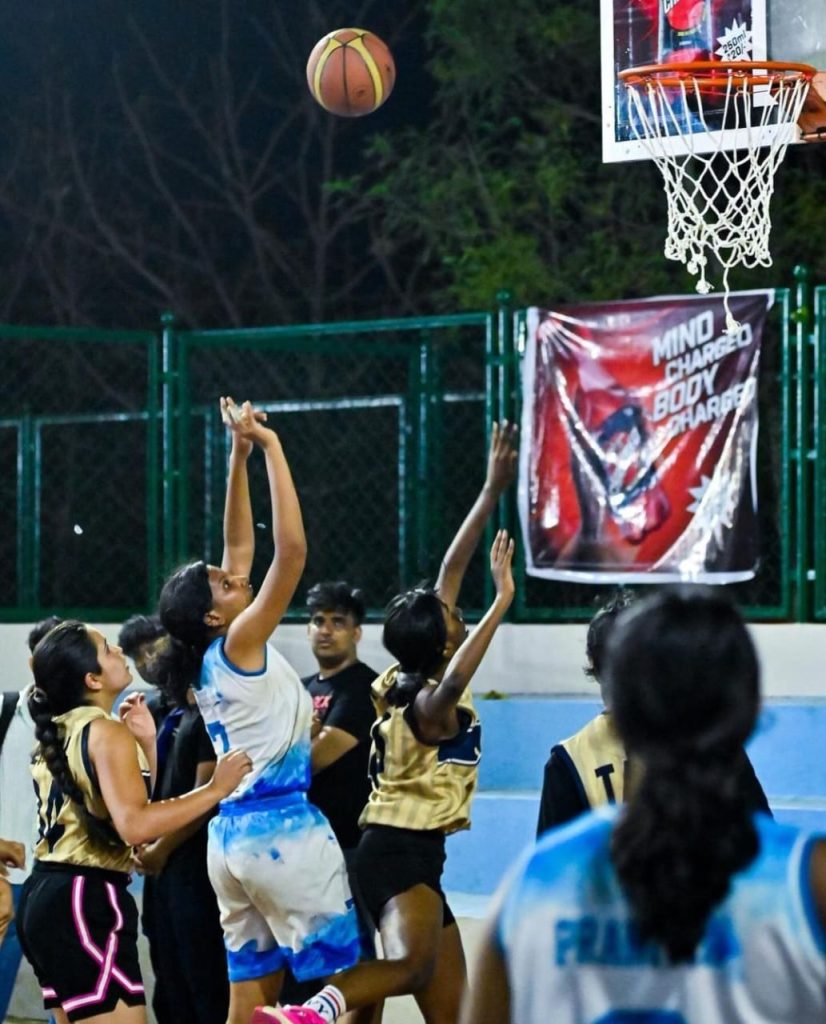
For five exhilarating days, from the 27th to the 31st of March, the sprawling campus of BITS Pilani Goa transformed into a vibrant hub of activity as it played host to Spree’24, a grand celebration of sports, music, and cultural diversity, presented by OnePlus and co-powered by Coca-Cola. With over 1500 participants hailing from colleges across the nation, Spree’24 emerged as a monumental testament to the unifying power of sportsmanship, talent, and collective spirit.
At the heart of Spree’24 lay the pulsating rhythm of competition, as athletes showcased their prowess and determination across twelve diverse sporting disciplines. From the thunderous roar of the basketball court to the cerebral battles of the chessboard, each sport became a canvas for the expression of skill, strategy, and sheer passion, captivating audiences and participants alike.
The festivities commenced with an air of anticipation and excitement on the 28th of March, marked by a spectacular inauguration ceremony attended by esteemed guests and dignitaries. IM Rakesh Kulkarni, a revered figure in the world of chess from chess.com, graced the occasion as the Chief Guest, imparting words of wisdom and inspiration that set the stage for the days ahead. Following the inauguration, Spree Talk unfolded, featuring an enlightening discourse by a prominent sports personality, enriching the minds and souls of attendees with invaluable insights and perspectives.
Day 1 of Spree’24 witnessed a soul-stirring performance by acoustic singer Dikshant during the professional night, casting a spell of serenity and enchantment over the campus. His mellifluous melodies resonated with the hearts of all present, fostering an atmosphere of tranquility and camaraderie that laid the foundation for the ensuing festivities.
As the sun dipped below the horizon on Day 2, the campus was ablaze with the vibrant colors and infectious rhythms of Bollywood night, headlined by the musical virtuoso Mithoon, along with the dynamic duo Mohammad Irfan and Bhoomi Trivedi. The night came alive with the pulsating beats of Bollywood music, as students danced with unbridled enthusiasm, their spirits soaring amidst a kaleidoscope of lights and laughter.
Day 3 of Spree’24 saw the campus pulsating with the raw energy and lyrical brilliance of rap music during the rap night, featuring the charismatic artist Krsna. His electrifying performance ignited the crowd, as they immersed themselves in the rhythm and rhyme of his compositions, transcending barriers of language and culture to unite in a collective celebration of artistry and expression.
Yet, Spree’24 was not merely a confluence of sports and music; it was a celebration of cultural diversity and inclusivity, with participants from various backgrounds and regions coming together to share their talents and forge lasting bonds of friendship and camaraderie. Beyond the arena of competition, Spree’24 served as a platform for cultural exchange and dialogue, fostering a deeper understanding and appreciation of the rich tapestry of human experience.
As the curtains drew to a close on Spree’24, participants bid farewell to an unforgettable journey filled with moments of triumph, camaraderie, and inspiration. Yet, amidst the echoes of applause and the memories etched in their hearts, the spirit of Spree’24 lives on as a beacon of hope and unity, reminding us of the transformative power of collective endeavor and the boundless potential of the human spirit. Until we meet again, Spree’24 will continue to inspire and captivate, beckoning all to embrace the spirit of sportsmanship, creativity, and unity that defines the essence of this extraordinary event, presented by OnePlus and co-powered by Coca-Cola.
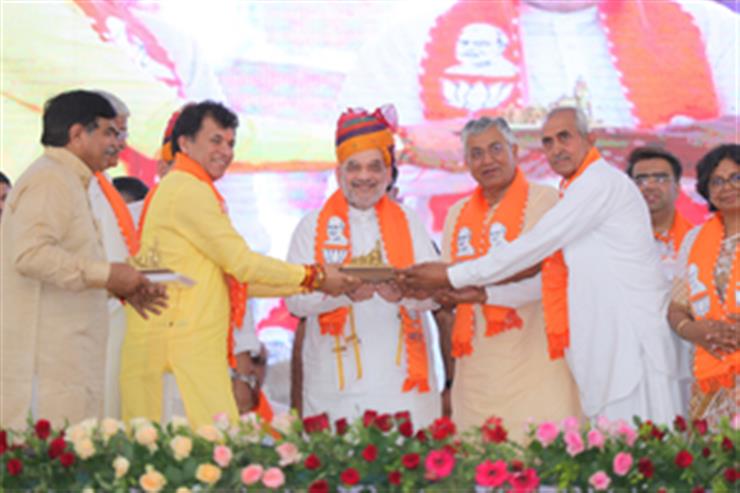
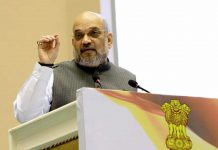
Jaipur: Union Home Minister Amit Shah said on Monday that the Bharatiya Janata Party (BJP) will register a hat-trick of victories in Rajasthan in the upcoming Lok Sabha polls by winning all 25 seats with 70 per cent votes.argeting the Opposition during a programme in Jaipur, he said: “INDIA bloc has come together to save the corrupt, not democracy.”
The Union Minister, who in the home constituency of former Rajasthan chief minister Ashok Gehlot, also targetted the veteran Congress leader over several issues.
Addressing the Shakti Kendra Pramukh Sammelan in Jodhpur, HM Shah said “neither Gehlot nor Sonia Gandhi is worried over the problems of the common people”.
“Ashok Gehlot wants to make his son the Chief Minister. Sonia Gandhi wants to make her son the Prime Minister. They are not worried about the common people, ” he said.
HM Shah also spoke about the work done by the BJP-led Central government in the last 10 years and challenged Ashok Gehlot to stay prepared to participate in a debate on the work front.
“Ashok Gehlot ji, if you are free… then answer my question. I have given the details of our work done publicly today. Now, you can decide the date for the debate to discuss your work, I will send our Yuva Morcha president to discuss it, ” HM Shah said.
Taking a dig at Gehlot regarding the Eastern Rajasthan Canal Project (ERCP) — a drinking water and irrigation programme, HM Shah said: “When I promised ERCP, everyone was laughing… Ashok Gehlot was asking how it would be implemented? Gehlot ji, Bhajan Lal Sharma has become Chief Minister for the first time and within five months, he took steps towards the ERCP.”
The Union Minister also criticised Congress MP Rahul Gandhi, saying the former has no right to talk about democracy.
“They are talking about saving democracy. Rahul Gandhi, your grandmother had put lakhs of people in jail during the Emergency and had banned political parties. You have no right to talk about democracy, ” HM Shah said.
Commenting on Congress joining the rally against AAP convenor and Delhi Chief Minister Arvind Kejriwal’s arrest, HM Shah again criticised Rahul Gandhi, saying: “Yesterday, he said ‘save democracy’. Why? What happened to democracy? Why are you talking about saving democracy? If we commit a scam of Rs 12 lakh crore, will we go to jail or not? Why are you complaining? We had contested elections in 2014 and 2019 saying that whoever commits corruption will go behind the bars. Here too (in Rajasthan), those who committed corruption in the paper leak matter were put in jail”.
Further attacking the Opposition leaders, HM Shah said: “Lalu Yadav wants to make his son the CM, Uddhav Thackeray wants to make his son CM, Mamata Banerjee wants to make her nephew CM and M.K. Stalin wants to make his son the CM. How can one who thinks about his son, daughter, daughter-in-law and nephew, think about the youth of India? Only Prime Minister Narendra Modi and BJP think for the youth of India.”