Militants have largely limited their area of operation to Jammu over the past year or so, with terrorism dwindling into insignificance in Kashmir. However, two successive terror attacks in the Valley this October suggest that the situation may be changing in J-K. A report by Riyaz Wani
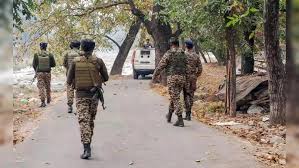
On October 20, just two days after the newly elected NC-Congress government was sworn in, militants struck at the construction site on Srinagar-Ladakh highway, killing seven employees including a doctor. The attack once again hurtled militancy to the centre stage of the political discourse in Jammu and Kashmir. The killings followed the peaceful elections which brought the NC-Congress coalition to power and are thus a source of deep concern for not just the newly elected J&K government but also the centre. The attack was also the biggest in terms of killings after the June 9 shooting on a pilgrims’ bus in Reasi district of Jammu region in which seven pilgrims, the driver, and the conductor died, while 41 others were injured.
In addition to the scale of attack on the Kashmir highway, its target was equally deserving of attention. The construction site belonged to Apco Infratech, a UP-based firm building the 6.5 km Z-Morh tunnel for all-weather connectivity between Gagangir on the side of Ladakh and the tourist hub of Sonamarg in Kashmir. When completed, the tunnel will not just shorten the distance between Kashmir and Ladakh but make the connectivity between the two regions all-weather. This gives the project significant strategic importance. The attack’s real intent thus seems to have been to harm the project. If anything, it shows the militancy is getting more ambitious and choosing to hit the targets that are of strategic value to the country.
The Resistance Front (TRF), has claimed responsibility for the attack. The TRF, banned by the Union Home Ministry in January 2023 under the Unlawful Activities (Prevention) Act, is classified as a terrorist organization for its links to Pakistan-based Lashkar-e-Taiba.
Four days after the tunnel attack on October 24, the militants struck again, this time at the Valley’s prominent tourist hub Gulmarg, killing three soldiers and two porters. In over three decades of the turmoil in the Valley, even when militancy was at its peak in the nineties, it is rare that Gulmarg has witnessed a militancy-related incident. This has created a difficult situation for the government.
Is militancy reviving in Kashmir too after its resurgence in Jammu region. The tunnel and Gagangir attacks seem to point in this direction.
This is not to downplay the gains made on the security front in the valley in recent years. Militancy has by and large shrunk into insignificance in the region. Jammu division, on the other hand, has been in the news this year mainly for security reasons. Militancy in the region has revived after over a decade of absence. Recurrent attacks have brought Jammu to the edge.
It is believed that the militants mounting these attacks – both in Jammu and now also in Kashmir – have infiltrated from across the border, although their exact number is not known. The dense forests of the region have made it difficult for security forces to track them.
The situation is made even more concerning by the fact that the forest area where the militants are hiding extends to Shopian in South Kashmir, the district that until 2020 was a hotbed of militancy. But up until now the militants have largely chosen to stay in Jammu only, possibly because the region has a lower concentration of security forces than the Valley and also a warmer climate throughout the year. Now this seems to be changing as the two successive attacks in the Valley seem to suggest.
“The Gagangir attack shows that the militants now threaten peace in the Valley. This calls for the government to rethink its security strategy,” read an editorial in a local daily. “After the return of militancy in Jammu, the government can ill-afford to let the violence return to the Valley.”
The opposition parties in Valley have dubbed the resolution passed in the new state government’s first cabinet meeting for restoration of statehood for the UT as “utter surrender,” accusing the NC of reneging on its promise to strive for reinstatement of J&K’s special constitutional position. A report by Riyaz Wani
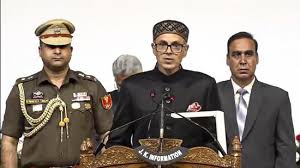
Soon after the newly elected J&K government was sworn in on October 18, the cabinet led by Chief Minister Omar Abdullah in its first meeting passed a resolution urging the central government to restore statehood for the union territory.
The following day, Lieutenant Governor Manoj Sinha cleared the resolution that called for the restoration of Jammu and Kashmir’s statehood “in its original form.” The Chief Minister travelled to New Delhi to handover the draft of the resolution to the Prime Minister and urged him to restore statehood as it existed before August 4, 2019.
However, the opposition parties in the Valley have termed the statehood resolution as “utter surrender”, saying it was a climbdown from Omar’s promise to pass a resolution seeking reinstatement of J&K’s special constitutional position in the first transaction of the new government’s business.
The PDP leader, Iltija Mufti, said that scaling back the demand to just statehood was a “huge setback” for the region. The PDP MLA, Waheed Parra, termed the passing of the resolution on restoration of statehood nothing less than ratification of the August 5, 2019, decision- when J&K special status was scrapped.
Awami Ittehad Party leader and Member of Parliament Engineer Rashid questioned why Omar had asked for statehood when the BJP had already promised its restoration, suggesting that the omission of Article 370 showed the NC was playing into the BJP’s hands.
The People’s Conference chief, Sajad Lone, also referred to the NC manifesto for 2024 Assembly elections, which said that the party would strive for the full implementation of the Autonomy Resolution passed by the Jammu and Kashmir Assembly in 2000 and strive to restore Article 370-35A, and statehood as prior to August 5, 2019.
But the NC has chosen to lie low, apparently not to antagonize the BJP so early on in its term and also in a bid to reach out to the central government. On the statehood, both the parties are on the same page, so are the other regional and national parties including the Congress, Omar’s alliance partner.
However, addressing his party workers in Jammu, a day after being sworn in, Omar reassured them that his government will make every effort to get back what was snatched from J&K.
“We are a Union Territory, but don’t be disheartened. We will regain what has been snatched from us,” Omar said.
In fact, Omar modified his position on Article 370 after his party gained a majority of seats in the Assembly election. He explained that the expectation of getting Article 370 reinstated under the same Central government that scrapped the former state’s special status would be ‘foolishness’. Subsequently, his father and NC President Farooq Abdullah also played down the immediate need to restore Article 370, emphasizing instead that “addressing people’s everyday problems was the top priority.”
New govt’s dilemma
The new government’s silence on Article 370 is understandable. With predominant powers vested in the Lieutenant Governor, it is placed precariously. Omar’s conciliatory tone towards the BJP reflected the NC-Congress alliance’s formidable challenges in the union territory. He wouldn’t be just dealing with the BJP government at the centre and its powerful Lieutenant Governor in J&K but he would also be up against the BJP as a regional opposition party with the second largest number of seats. The saffron party increased its tally in the Jammu division from the 25 seats in 2014 to 29 now, making it the majority party from the Hindu-dominated region.
The situation now is that both the regions have chosen ideologically divergent parties to represent them. While the NC-Congress alliance has won a majority of seats, the BJP, on its own, and even with the support of its purported allies in the Valley couldn’t secure the majority.
This makes the NC-Congress coalition amenable to accusations of leaving out Jammu region from any credible representation in the new elected government. Already such voices have reared their head in Jammu. Social media in Jammu is abuzz with the people expressing resentment at being left out of the government, even after consolidating in favour of the BJP.
Going forward, the new government will need to perform a tough balancing act to survive. With the BJP controlling the Union government and the LG wielding considerable authority in the Union Territory, the NC-Congress coalition will have a tough time asserting its power, if any. The coalition has over 50 seats between them which makes for a secure majority. The BJP, which was hoping to form a government, by roping in the smaller parties and the independents from Kashmir Valley doesn’t have many options. And for now, the party has settled for a role in the opposition but it would be there to make the most of every opportunity to highlight the failure of the NC-Congress coalition.
A waiting game
Will the Centre restore statehood is an open question. It is, however, believed that New Delhi may take its own sweet time, during which it will closely monitor the behaviour of the Omar-led coalition. It is believed that the centre would expect the government to remain “well-behaved” in order for it to take steps in the direction of returning the statehood. New Delhi, analysts in Kashmir reckon, wouldn’t take kindly to the adoption of an aggressive stance on Article 370, a reason that may explain the downplaying of the NC rhetoric on Article 370, contrary to what the party has set out in its manifesto.
“It is unlikely that statehood will be restored anytime soon.” said Naseer Ahmad, author of Kashmir Pending. “There is little indication that the centre is inclined to let go of the control just yet.”
On October 24, the Chief Minister Omar Abdullah presented the cabinet resolution to Prime Minister Narendra Modi advocating the reinstatement of J&K’s statehood. The resolution underlines the J&K government’s commitment to safeguarding the identity and constitutional rights of the region’s residents. He also met Union Home Minister Amit Shah. Although Omar has reportedly been assured about the restoration of the statehood, no action on the assurance is expected in the near future.
“There is nothing new in the HM or the PM reiterating that statehood will be restored. They said this in the parliament,” the People’s Conference chief Sajad Lone wrote this on X, formerly Twitter. “What they never gave was a timeline.”
There is another catch: Even if the statehood is granted somewhere down the line, it is expected to be more or less a truncated one just like that of Delhi. Centre, it is believed will be loath to let go of control on the security agencies and the allied security related matters.
Meanwhile, responding to growing public pressure, the NC has decided to bring a resolution on Article 370 in the upcoming session of the Legislative Assembly and also restore the practice of ‘Darbar Move’, NC MLA and party spokesperson, Tanvir Sadiq said.
Sadiq, NC MLA from Srinagar’s Zadibal constituency and the party spokesman, said that the government will bring a resolution on Article 370 in the upcoming Assembly session and the government will also restore the practice of six-monthly shuttling of top government offices between the twin capitals of Jammu and Srinagar.
“The NC government is committed to fulfilling its 12 guarantees and 26 promises outlined in the election manifesto,” Sadiq said. “Omar Abdullah means business this time and people will witness a sea of change.”
With delimitation exercise looming, southern states fear their success in population control may cost them political representation. Southern CMs Naidu and Stalin have urged action fearing a shift in power toward northern states that lagged in family planning. A report by Mudit Mathur
Failure of family planning programmes in northern states of India has become crucial for southern states. It may result in a reduction in political representation in the Lok Sabha due to population control and low fertility rates after the successful implementation of family planning programmes. It will possibly change the political balance of power in favour of largely populated northern states that failed to implement family planning policies of the Union government. How can the southern states be politically penalised for successfully achieving family planning targets set by the Union government?
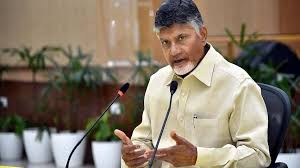
The president of the Telugu Desam party, an NDA ally, and Andhra Pradesh chief minister N. Chandrababu Naidu and his counterpart from Tamil Nadu, M.K. Stalin of DMK, have anticipated the problematic aspects of the impending delimitation exercise. Delimitation involves the affixation of the number of seats and boundaries of territorial constituencies in each state for parliamentary and assembly seats, which may change the political dynamics of their states. The root cause is the dipping fertility rate below the national replacement level, thereby increasing the elderly population and possible reduction of its representation in the Lok Sabha.
The lower fertility rates in southern states could translate to diminished political power after delimitation. Both leaders have pleaded with their populace to produce more children as the southern states have done better in checking their populations than the northern states. All South Indian states are staring at an irreversible crisis of falling fertility rates far below the national average of 2.1. Tamil Nadu has the lowest fertility rate at 1.4, followed by 1.5 in Andhra Pradesh (AP), Telangana and Kerala, and 1.6 in Karnataka. The National Family Health Survey findings have proved that the country’s total fertility rate has dipped below the replacement level. Roughly, while the proportion of the elderly in the population will increase between 2021 and 2036 by 6-7% in the South, this will be about 3-4% in the North.
“No country in the world has succeeded in revoking birth rates, despite huge financial incentives to have children. South Indian states are equivalent to many developed countries in the world, but not in terms of per capita income, standard of living and human development indicators like health and education. Fertility rate below 1.8 for a very long time will have a negative bearing on their economy,” said the demographer Srinivas Goli, associate professor in demographics at the IIPS, Mumbai.
“The problem is worsened by the fact that India has reduced its fertility rates pretty quickly. The same amount of fertility transition – that is to come down from six children to 2.1 children per female adult – France took 285 years, England took 225 years, whereas India took just 45 years. The only country which took less time to reach this fertility transition is China, due to its very rigorous one-child policy,” Goli added.
Tamil Nadu Chief Minister M K Stalin had termed the 2026 delimitation a “Sword of Damocles” hanging over the heads of the southern states, as they face the prospect of their numbers going down in Parliament. Other chief ministers have raised similar concerns, asking whether the South was being “punished” for successfully controlling its population, and accomplishing population control targets set by the Centre itself.
Delimitation is a Constitutional exercise under Article 81 that is required to be carried out after every Census to readjust the number of seats and their boundaries based on the latest census data. However, the number of seats for the Lok Sabha and state assemblies has remained frozen for the last 50 years because of opposition from political parties from the South. The delimitation exercise had been frozen after the 1971 census, through the 42nd Amendment Act till the year 2000, and was extended by the 84th Amendment Act till 2026. Now TDP chief Naidu would pressurise Prime Minister Modi to further freeze the delimitation exercise after the 2026 census through the passage of a constitutional amendment.
As the BJP begins its historic third consecutive term in Haryana, CM Nayab Singh Saini faces no serious challenge as of now. But he will have to rein in some of his cabinet ministers and colleagues who apparently take pleasure in bashing the officers. A report by Pawan Kumar Bansal
The BJP has formed a government in Haryana for the third consecutive term after securing an incredible victory in the assembly elections. Though they were dependent on Dushyant Chautala-led JJP in the second term, this time CM Nayab Saini enjoys the confidence of PM Narender Modi and Union Minister,Amit Shah, besides support of fifty one legislators including three independents. Though Saini faces no serious challenge, he has to act cautiously and judiciously as people have high hopes from this government.
The biggest challenge before Nayab Saini is to tame his cabinet colleagues Rao Narbir Singh and Anil Vij who take pleasure in bashing the officers. After taking over as Cabinet minister Rao Narbir Singh, while addressing a meeting of Gurugram district officers, shouted at them “You have looted Gurugram during the last five years. Now, I will not allow this loot”. Interestingly, during the meeting, dozens of his supporters were also present and were making videos.
All senior officers including Vikas Arora, Police Commissioner, and Deputy Commissioner Nishant Yadav were present when Narbir Singh was hauling the officers over the coal. Female officers, in particular, were feeling embarrassed. Narbir Singh called names of two officers belonging to a particular community and told them that he had received a lot of complaints against them.
Officers in Gurugram were posted either on recommendation of the then CM, Manohar Lal or of present one Nayab Saini. Thus, according to Narbir Singh, they have appointed those officers who allegedly indulged in ‘loot’.
Narbir Singh alleged that in a case of change of land use, even he was not spared, apparently alluding to the fact that he too had to pay a bribe to get the work done. Haryana Police and Anti-Corruption Bureau should register a case for probing serious allegations of corruption levelled by Narbir Singh. This is a very serious allegation and has been levelled publicly hence it becomes the duty of Police and ACB to take cognizance of it and record statements of Narbir Singh and he should also co-operate in the investigation. Admittedly, although Narbir was neither minister nor MLA during the last five years, he was a former minister and close to the then CM Manohar Lal.
Then why he didn’t bring it to the notice of the CM. It is rumoured that if Narbir Singh created the brouhaha to convey to the officers that now he is “super CM” of Gurugram and they should appease him if they have to survive.
Anil Vij, on the other hand, is claiming that DC, Ambala, tried to get him defeated in the just concluded assembly elections and now he will fix him.
Political analyst Devinder Surjewala said that if Anil Vij has any proof, he should have complained to the Election Commission of India. Munish Grover, former minister and close associate of Union Minister Manohar Lal, who was defeated in the recent assembly elections had threatened Rohtak SP Himanshu Garg of dire consequences ‘once elections are over’.
Furious over the inaction of Rohtak Police in taking action against certain Congress workers who had allegedly manhandled BJP’s female members, Munish Grover had stated, “Due to the model code of conduct, we are helpless. Once our government comes into power, I will teach you a lesson which you will remember for your whole life.”
Now, about the Chief Minister’s office. Principal Secretary to CM, V. Umashankar is going on central deputation and Chief Secretary T.V.S.N Parshad is retiring by the end of this month.
Presently, Rajesh Khullar, a retired IAS and close associate of Manohar Lal, is calling shots by holding the post of Chief Principal Secretary. There was seventy two-hour drama regarding his appointment. He was appointed Chief Principal Secretary but at midnight, his orders were kept in abeyance as three cabinet ministers objected to giving him cabinet rank. After two days, the orders were re-issued denying him the cabinet rank.
While the by-elections offer CM Yogi Adityanath a chance to redeem his honour after BJP’s dismal UP show in the 2024 Lok Sabha elections, these polls will also test whether the Samajwadi Party can maintain its winning momentum from the general elections. A report by Mudit Mathur
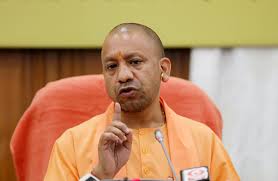
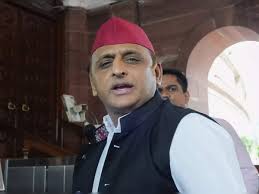
The battlelines have been drawn for the by-elections for nine assembly seats in Uttar Pradesh on 13 November. The INDIA bloc is trusting the Samajwadi Party chief Akhilesh Yadav to throw a direct challenge to firebrand chief minister Yogi Adityanath of the BJP.
These elections have in a way brought Yogi on the front foot after the humiliating setback in the recently held Lok Sabha election. While the Congress party has decided not to contest the by-elections and throw its weight behind the Samajwadi party candidates, Bahujan Samaj Party has decided to contest all nine seats. By-election results will be a pre-indicator of the making of the political landscape of Uttar Pradesh ahead of the 2027 assembly elections.
Samajwadi Party chief Akhilesh Yadav emerged as a champion after he managed to change the public perception of his party being a Yadav-based outfit with the unique experiment of inclusion of other castes of backward, Dalits and upper castes and minorities under his umbrella, and secured 37 seats in Lok Sabha. The ticket distribution of the BJP is reflective of toeing the same footprints to counter him in the ongoing by-elections. All the senior BJP leaders are focussing unanimously that these elections are to be fought and won under the leadership of Chief Minister Yogi Adityanath.
It would be interesting to observe if the pattern of voter sentiment from the recent Lok Sabha elections will remain the same with the changing dynamics within the BJP. Amid discussions of the displeasure of parent ideologue, Rashtriya SwayamSevak Sangh (RSS) chief Dr Mohan Bhagwat, over Lok Sabha results, the recent long meeting of Yogi with him at Mathura ahead of two-day long Akhil Bhartiya Karyakari Mandal meet assumed political significance in view of by-elections.
Yogi will continue to aggressively pitch the Hindutva agenda with his divisionary slogan, “batenege to katenge”– concerning attacks on Hindus in Bangladesh, implying that a division of votes may have a disastrous impact in the polls. RSS Sarkaryavah Dattatreya Hosabalealso endorsed his statement at a press conference in Mathura emphasising promoting unity among Hindus.The RSS meeting was held to further strengthen Hindu unity, social harmony and inclusion.
In the 2022 UP assembly elections, the SP won four of these seats — Sisamau, Katehari, Karhal, and Kundarki. The BJP also bagged four —Phulpur, Ghaziabad, Majhawan, and Khair. The ninth seat, Meerapur, was won by the Rashtriya Lok Dal (RLD), which was then allied with the SP. The RLD is now an NDA partner.
The Congress said it would support the candidates of Samajwadi Party’s in the upcoming byelections for the Assembly seats in the state. At a press conference held at the AICC headquarters, AICC general secretary and UP Congress in-charge Avinash Pande and State President Ajay Rai said the party workers and leaders would unconditionally work to ensure the victory of Samajwadi Party candidates or that of other INDIA bloc parties.
Pande said the prevailing political circumstances were not about strengthening the organisation or the party but about protecting the Constitution. “It’s not about contesting on two or four seats. It’s about contesting together to achieve our aim. A mutual agreement was reached between the two parties against the power which is trying to weaken the Constitution,” Pande said.
The decision was arrived at after consultations among Rai, Congress Legislature Party leader Aradhna Mishra, AICC general secretary organisation KC Venugopal, Leader of Opposition in the Lok Sabha Rahul Gandhi, Congress president Mallikarjun Kharge, together with the Samajwadi Party leadership.
On the other hand, Akhilesh Yadav got the full backing of the INDIA alliance and its major constituent, the Congress party whose leadership decided not to join the fray on the two seats offered by the Samajwadi Party where it had a very bleak chance to win. This large-heartedness is seen as a course correction from the Congress Party, which took a lesson from its unexpected defeat in the Haryana assembly polls. Now, stakes are high for Akhilesh Yadav to prove his political acumen in the by-elections.
Enthusiastic over the response from the Congress leader, Rahul Gandhi, Akhilesh posted on his X handle a photo of Rahul, saying, “We have decided to save ‘Constitution, Reservation, Harmony.’ We have to build the country of Bapu-Babasaheb-Lohia’s dreams.” “It is not about seats but about winning”. Under this strategy, the joint candidates of ‘India Alliance’ will contest on all the 9 seats on the Samajwadi Party’s election symbol ‘cycle’. Akhilesh claimed.” “Samajwadi Party’s strength has increased manifold with the support of Congress party’s top leadership and booth level workers,” he added.
Karhal: Akhilesh Yadav’s cousin and former MP Tej Pratap Yadav is contesting as SP candidate from the family stronghold in Mainpuri. The BJP has fielded Anujesh Yadav as its candidate. Akhilesh Yadav won the Karhal assembly seat in 2022. The by-poll was necessitated after Akhilesh won the Lok Sabha election from Kannauj in 2024.
Meerapur: The SP has announced Sumbul Rana as its candidate from Meerapur seat in Muzaffarnagar. She is the daughter-in-law of former Muzaffarnagar MP Kadir Rana and daughter of BSP leader Munkad Ali. The BJP ally, RLD, has fielded Mithilesh Pal as the candidate from here.
Ghaziabad: The BJP has given the ticket to Sanjeev Sharma from the Ghaziabad seat, which neighbours Delhi. Ghaziabad is one of the five assembly seats in the Ghaziabad district. The SP has fielded Singh Raj Jatav from here. BJP’s Atul Garg won the seat in 2022. Garg won the Lok Sabha polls in 2024 from Ghaziabad.
Sisamau: The SP has fielded Naseem Solanki from the Sisamau seat in Kanpur Nagar. She is the wife of disqualified SP MLA Irfan Solanki, who won the seat in 2022, and was disqualified after his conviction in a criminal case. The BJP has fielded Suresh Awasthi from the seat.
Phulpur: The SP has fielded Mohd Mustafa Siddiqui from the Phulpur seat won by BJP’s Praveen Patel in the 2022 assembly polls. Patel is now a Lok Sabha MP from Phulphur. The BJP has fielded former Karchana MLA Deepak Patel from Phulphur in by-election.
Katehri: Shobhawati Verma is the SP candidate from Katehri seat in Ambedkarnagar. She is the wife of SP MP from Ambedkarnagar, Lalji Verma, who won the Katehri assembly seat in 2022. The BJP has fielded Dharmraj Nishad, a three-time former MLA and former minister in the earlier BSP government, who joined the BJP two years ago.
Kundarki: The SP has fielded former MLA, Haji Mohd Rizwan here. The BJP has once again fielded Ramveer Thakur from Kundarki seat in Moradabad . Thakur lost the seat twice in the past
Majhawan: Suchismita Maurya is the BJP candidate from the Majhawan seat in Mirzapur. The SP has fielded Jyoti Bind, daughter of former Majhawan MLA and former Bhadohi MP, Ramesh Bind.
Khair: The SP has announced Dr Charu Kain as its candidate from Khair seat in Aligarh. The BJP has fielded Surendra Diler, the son of former MP Rajveer Diler from here.
Taking the reins as Haryana’s Chief Minister after the BJP’s stunning win in state assembly elections, OBC leader Nayab Saini has returned to office with a 13-member council of ministers, striking a careful caste and regional balance as his new term begins. A report byRajesh Moudgil
Headed by chief minister Nayab Saini, the Haryana BJP government 3.0 run has just begun. It is Saini’s second term as CM as he was the chief ministerial face declared by the BJP which has formed the government in the state for a historic third consecutive year after a notable win of 48 out of total 90 seats in the recently held assembly election. Saini had replaced chief minister Manohar Lal Khattar in March this year, a few months ahead of assembly polls. Khattar fought the Lok Sabha election from Karnal and is a Union minister.
This saffron party’s stunning win – notched despite a strong anti-incumbency wave – is all set to have an impact on the upcoming assembly polls in Maharashtra and Jharkhand and thus, the grand swearing-in ceremony was attended by several top leaders of the saffron party including Prime Minister Narendra Modi.
In Saini’s council of ministers, the OBC community has the maximum representation – five ministers including CM; Aside from the chief minister himself, other four leaders from the OBC include Rao Narbir Singh (Ahir), who is MLA from Badshahpur assembly seat, and Ranbir Gangwa (Prajapati) from Barwala, Rajesh Nagar (Gujjar) from Tigaon and Arti Rao (Ahir) from Ateli seat.
Besides, the House Speaker, Harvinder Kalyan, a three-time MLA from Gharaunda, district Karnal, also belongs to OBC.
The chief minister Saini, a three-time MLA, who is from Ladwa seat in Kurukshetra, has kept 12 key departments including home and finance, planning, excise taxation, town and country planning and urban estates, crimination investigation, law and legislative and housing for all.
While Rao Narbir Singh, a four-time MLA has been allotted industries and commerce, environment, forests and wildlife departments, the first-timer Arti Rao has been allocated the health, medical education and research and Ayush departments.
Likewise, while Ranbir Gangwa, a two-time MLA has been given the public health engineering department, also a two-time MLA Rajesh Nagar has been allocated food, civil supplies and consumer affairs (independent charge).
The party’s senior most leader and the 7-time legislator Anil Vij, who represents the Punjabi community and is from Ambala Cantt seat has got energy, transport and labour department.
The two Jat leaders are Mahipal Dhanda from Panipat (Rural) and Shruti Choudhry, Tosham. While Dhanda, a three-time MLA, got the school education department, first timer Shruti, got the women and child department.
Among the two Brahmin leaders are Arvind Sharma, the MLA from Gohana and Gaurav Gautam from Palwal; Sharma, a four-time MP and first-time MLA, has been allocated jails and cooperation departments, while Gautam, also a first timer, will handle youth empowerment and entrepreneurship and sports departments. Gautam would also be attached with the CM as a minister of state for law and legislative department.
Among the two Dalit leaders are Krishan Panwar, the MLA from Israna and Krishan Bedi from Narwana; while Panwar, a six-time MLA has been allotted development and panchayat and mines and geology departments, Bedi, a two-time MLA, will handle the social justice, empowerment and SCs and BCs welfare departments.
Likewise, while Vipul Goel, the MLA from Faridabad who belongs to Baniya community, is a second time MLA has got the revenue and disaster management, urban local bodies and civil aviation departments, Shyam Singh Rana, also a two-time MLA from Radaur, who belongs to Rajput community, has got the agriculture and farmers welfare department.
Region-wise, while chief minister Saini, Vij, Rana, and Krishan Panwar represent GT road belt (Kurukshetra, Ambala, Yamunanagar and Panipat districts) of the state, Vipul Goel, Rajesh Nagar and Gaurav Gautam represent Faridabad and Gurugram districts of national capital region (NCR) region.
While Rao Narbir Singh and Arti Rao represent Ahirwal belt (Gurugram and Mahendergarh districts) and Shruti Choudhry represents district Bhiwani of Bagri belt. Arvind Sharma has won Gohana seat of Jat heartland Sonepat district and Krishan Bedi was elected from Narwana seat in Jind district and Ranbir Gangwa from Nalwa seat in Hisar district (Bangar region).
For the record, the BJP had won 48 of the total 90 seats of Haryana in the assembly polls held on October 5, last; while the Congress could win 37 seats, another opposition party, Indian National Lok Dal (INLD) won two seats. The remaining three seats were won by independents, who later extended support to the saffron party.
The first day of the newly elected Jammu and Kashmir Assembly session erupted into chaos on Monday as the People’s Democratic Party (PDP) pushed for the restoration of Article 370, the provision that previously granted the region special status.
PDP leader Waheed Para, representing Pulwama, introduced a resolution opposing the 2019 abrogation, drawing sharp criticism and protests from Bharatiya Janata Party (BJP) members, who demanded the resolution’s rejection and the expunging of Para’s comments.
PDP President Mehbooba Mufti expressed support for Para’s stance, posting on X that she was “proud” of his initiative.
However, Jammu and Kashmir’s Chief Minister Omar Abdullah dismissed the move as a symbolic gesture without genuine intent, claiming it lacked prior discussions with his party, the National Conference.
Omar argued that if the resolution had real substance, collaborative talks would have taken place, further suggesting that the effort was aimed at gaining public attention rather than achieving substantive change.
The assembly session, the first in six years, is scheduled to conclude on November 8.
As schools have come up even in remote villages, tribal youths, who used to visit gotuls (youth dormitories) during evenings, are now skipping them. A report by Deepanwita Gita Niyogi
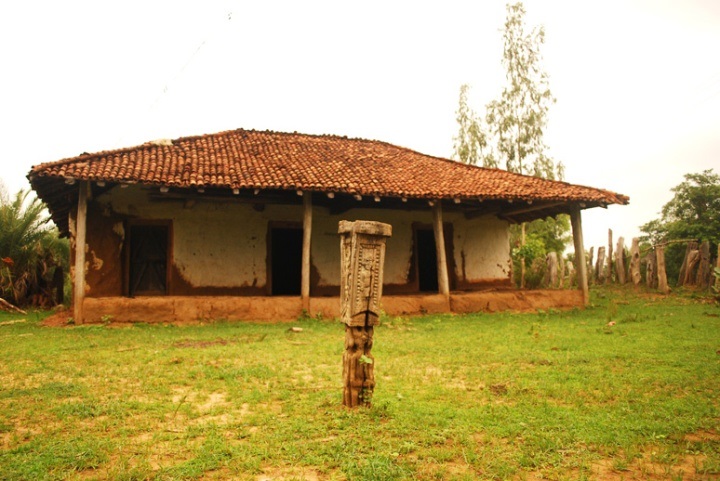
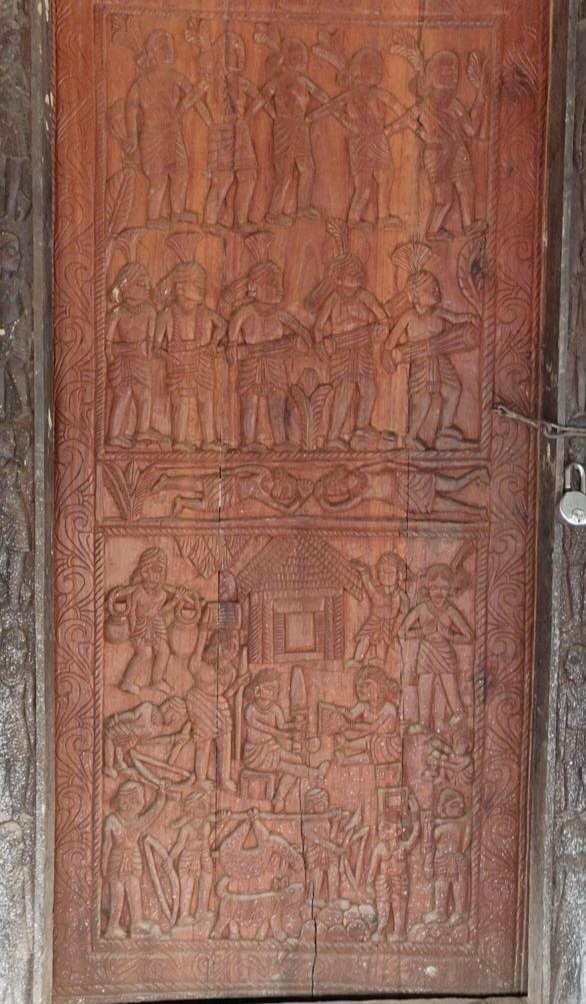
Gotuls, traditional tribal youth dormitories once extensively found in several villages of Narayanpur and Kondagaon districts in Chhattisgarh, are on the decline. There are several reasons behind the disappearance of gotuls.
While the modern school education system is primarily to be blamed for the decline in the popularity of gotuls where songs and dances were the order of the day, according to a few sources, the protracted battle between security forces and insurgents is also responsible to an extent.
With the dominance of schools even in interior villages, tribal youths, who used to visit gotuls during evenings, are now giving them a miss. Many are opting for college education in cities and becoming detached from their culture. Adolescents, especially those above 15 years, used to maintain gotuls, along with elderly people.
Famous wood carver and painter Pandiram Mandavi is a resident of Garh Bengal village in Narayanpur where a few gotuls still exist. He belongs to the Muria tribal community. “Sometimes, when a village is big, there are more than one gotul. Now, many of them have almost closed down. In my youth, I had been to gotuls. I used to go in the evening after having my meal. The tradition continued for eight years and during this time I learnt how to sing and dance. But when people of my community started school education, gotuls ceased to exist,” Mandavi said.
Reviving gotuls
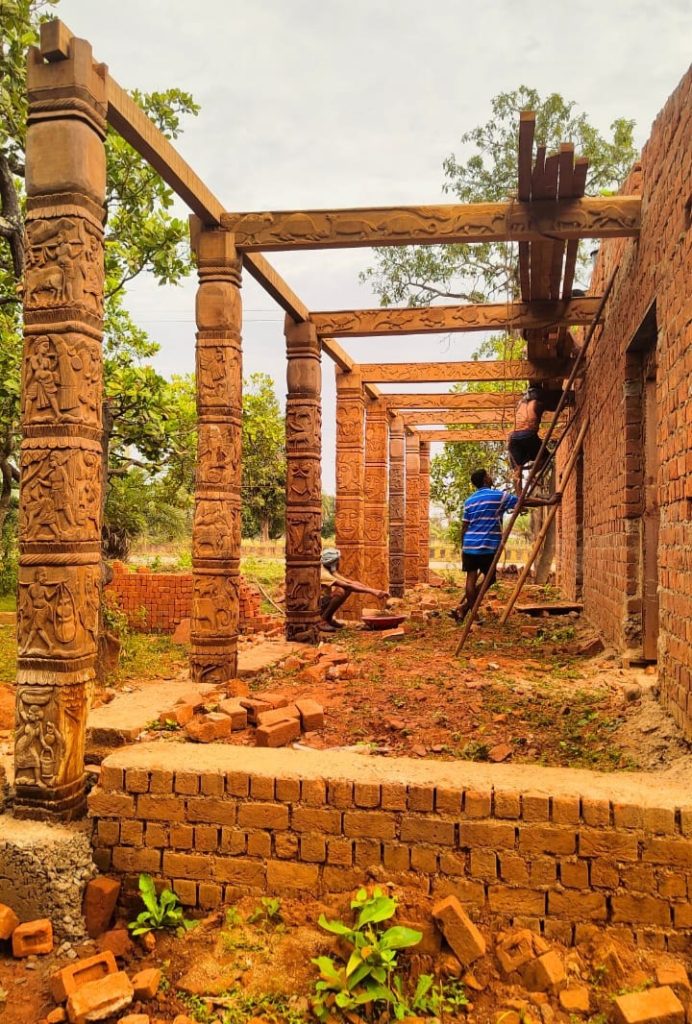
Today, a few gotuls still exist in the district. Sensing the disintegration of the gotul culture, a few years back, the state government had ordered the renovation of old gotuls and the construction of new ones to keep this unique tradition alive. Work towards this also happened in some tribal villages.
In many tribal villages of Chhattisgarh, development is taking place at a rapid pace. Though a positive change, it is making tribal communities alienated from nature on which they depend for economic, social and cultural sustenance. Even today, some tribal dance forms are practised inside forests. People’s cultural practices are linked to the environment. Protecting gotuls can safeguard the tribal way of life at a time when environmental degradation is on the rise.
In Mandavi’s village Garh Bengal, the forest department is funding the construction of a new gotul. Right now, it is not yet complete and will take a few more months. According to the department, local residents are involved in the work based on old gotul models. The fund amounts to about Rs 20 lakh. Garh Bengal is famous for Chendru Mandavi, who is known as Bastar’s tiger boy.
Individuals and organisations have also taken active interest in the revival of gotuls. Jeet Arya of Bastar-based travel start-up Unexplored Bastar, said that his company worked on a gotul project in the past. “My guides take tourists to gotuls. The start-up is now working on one gotul in Kondagaon and another in Narayanpur.” Describing his experience, Arya said that the location of a defunct gotul was identified in Narayanpur. It was then revived with the help of the community. Clothes and jewellery were also introduced in it.
Old gotuls used to be constructed with mud and wood. However, the new ones look more like bhawans in concrete and perhaps erected, keeping in mind the need for space for meetings and other social purposes.
According to Bangaram Sori, while work is complete at some sites, it remains pending in others. “Gotuls must be maintained according to the tribal culture,” said Sori, who heads the Sarva Adivasi Samaj.
Tribal cultural identity
In Garh Bengal village, local leader Rupsai Salam is assisting in the process of the gotul construction. “Earlier, the people themselves constructed the gotuls. I started going to gotul at the age of 12 and continued the practice till I was 25.”Apart from being a politician, Salam is also an artist and a farmer.
An important part of the tribal cultural identity, especially that of the Muria tribe, apart from adolescents, even children under the age of 10 used to go to gotuls. Narayanpur has the maximum number of gotuls.
Manish Panigrahi, who works for Unexplored Bastar, said that apart from modernisation, which impacted the gotul culture, non-tribals also did not pay adequate respect.
Chherku Netam, a resident of Kondagaon, blamed anti-social elements for dismantling and damaging gotuls. “People belonging to other cultures did not want our gotuls to flourish as they viewed them in a different light. This happened mostly in the 80s and 90s. But conscious Adivasis tried to construct gotuls again.”
Netam, the block president of Kondagaon’s Pharasgaon, belongs to the Gond Samaj where the focus is on the promotion of the Gondi language and culture. The Muria tribe is a sub-group of the Gond. “Youths still gather in gotuls which are considered centres of learning. Those who were in charge of gotuls lived together in deep forest areas. Discipline was foremost in gotuls and punishment meted out for delinquency,” Netam said.
Though the word gotul is linked to the Muria and the Abujhmadia tribes of Chhattisgarh, the Dhurwa tribe too has same concept, explained B Bindu, who runs her travel start-up, Culture Devi. Just like the gotul, the Dhurwas have the gurgal. When Bindu takes visitors to the anthropological museum situated in Bastar district, she talks about gotuls.
Baliram Nag, who works for the Chhattisgarh State Renewable Energy Development Agency, recalled his experience of attending perhaps a gurgal as a youth.
According to Abhay Minz, assistant professor of anthropology at Dr. Shyama Prasad Mukherjee University in Ranchi, the concept of the youth dormitory was a strong structure of socialisation among tribals. In Dhumkudiya (youth dormitory developed on the basis of age and gender), the youth used to learn about their religious tradition, indigenous knowledge and oral history, apart from songs and dances. “Here, they were prepared for life’s challenges. They received sex education and an opportunity to choose the right life partner.”
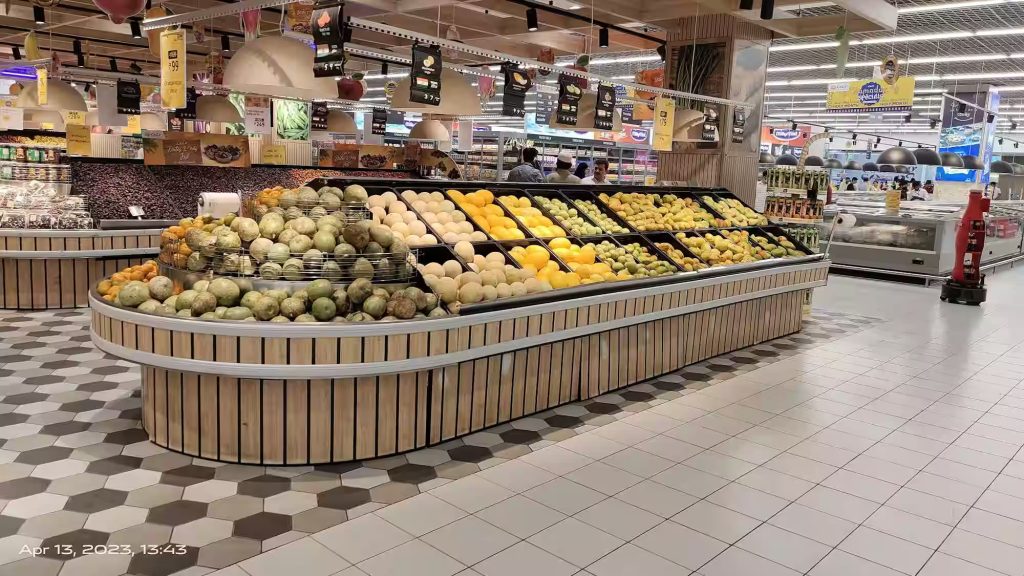
The recent release of pan-India surveillance data by the Food Safety and Standards Authority of India (FSSAI) in the Lok Sabha has raised serious concerns about food safety in the country. In the 2022-23 analysis of 172,687 food samples, a staggering 44,421 were found non-compliant with safety standards, leading to the registration of 38,053 civil and 4,817 criminal cases. As a media organization committed to public interest journalism, Tehelka’s Special Investigation Team was already preparing to expose a major retail scam when, in September 2024, a controversy erupted over the alleged use of adulterated ghee in the preparation of Tirupati Laddu Prasadam. Andhra Pradesh Chief Minister N. Chandrababu Naidu claimed that during the previous administration led by former CM Y.S. Jaganmohan Reddy, substandard ingredients, including animal fat, were used in the sacred offering to Sri Venkateswara in Tirumala. Having just passed through the Diwali season, which saw a surge of reports on food adulteration across India, the situation poses a significant health risk to consumers. A troubling observation is that the raw materials for sweets in some markets are often more expensive than the finished products. Tehelka’s cover story, “What is in Store,” investigates how franchise owners of a prominent retail chain in Delhi-NCR are flouting regulations by selling unauthorized and substandard products, jeopardizing consumer health. This investigation reveals an entrepreneur running franchise retail stores in the region who is engaged in these unethical practices. The retail chain, India’s largest organized network for fruits and vegetables, operates 400 outlets in the National Capital Region and 23 in Bengaluru, serving over 150,000 customers daily. Owned by a brand under the Ministry of Fisheries, Animal Husbandry and Dairying, Government of India, this chain was initially launched to support urban consumers and farmers. However, the owner of two stores in Noida, caught on Tehelka’s camera, confessed to selling substandard products without the knowledge of the chain’s senior officials. He remarked, “Honesty doesn’t pay. To make a profit, one has to resort to dishonesty.” He admitted to stocking unauthorized items sourced from outside markets, earning Rs1.5 lakh a month—a stark contrast to the meager profits from selling only the company’s approved products. Even if caught during a raid, he noted that the fines imposed are minimal.
This situation highlights the ineffectiveness of current FSSAI measures, including consumer awareness campaigns such as the DART (Detecting Adulterants with Rapid Testing) safety manual available on YouTube. Despite these efforts, issues like the adulteration of milk—using harmful substances such as detergents, urea, starch, glucose, and formalin—persist. Two critical questions arise: Are food safety authorities doing enough to combat these malpractices? And is there sufficient consumer awareness regarding these health hazards? Food safety agencies must take a proactive stance, conducting rigorous inspections and enforcing strict penalties for non-compliance. Every failure to act not only undermines public health but also emboldens those who profit from compromising food safety.
Tehelka SIT exposes franchise owners of Delhi-NCR’s renowned retail chain flouting regulations by selling unauthorised and substandard products illegally sourced from outside markets, jeopardizing consumers’ health.
In September 2024, a controversy erupted over the alleged use of adulterated ghee in the preparation of Tirupati Laddu Prasadam. Andhra Pradesh Chief Minister N. Chandrababu Naidu claimed that substandard ingredients, including animal fat, had been used in the prasadam offered to Sri Venkateswara at Tirumala in Tirupati district during the previous state regime headed by former CM Y.S. Jaganmohan Reddy.
While we are through the Diwali season,which brought numerous reports of adulteration from across India, posing a serious health risk to consumers,Tehelka’s investigation uncovers a new facet of the issue—an entrepreneur running franchise retail stores in Delhi-NCR involved in substandard practices. This retail chain, the largest organised network for fruits and vegetables in India, operates 400 outlets in the National Capital Region and 23 in Bengaluru, serving over 1.5 lakh customers daily. It is owned by another brand under the Ministry of Fisheries, Animal Husbandry and Dairying, Government of India.
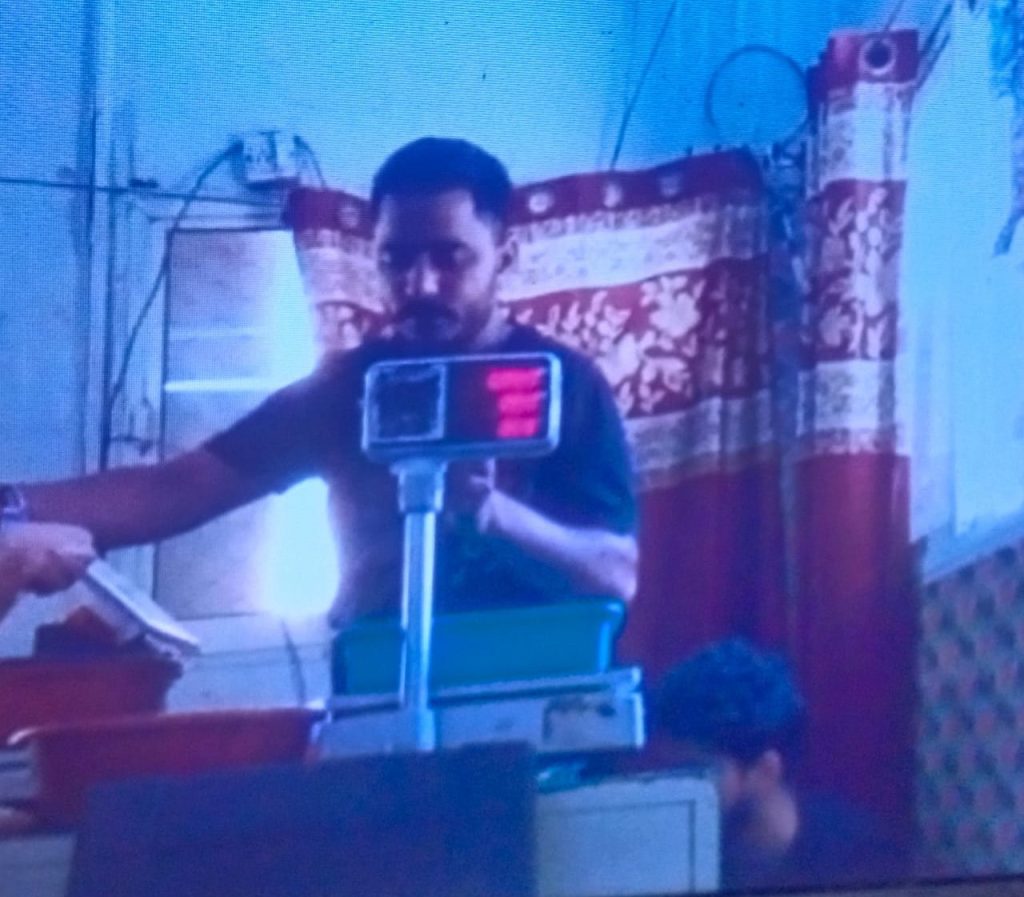
The store owner has been caught on Tehelka’s camera confessing to selling substandard products at his two stores in Noida without the knowledge of the retail chain’s senior officials.These stores, launched in 1988 to support urban consumers and farmers, are run by ex-servicemen or their dependents through franchise ownership. But today, the owner is betraying this mission by selling substandard products while keeping the retail chain’s officials in the dark.
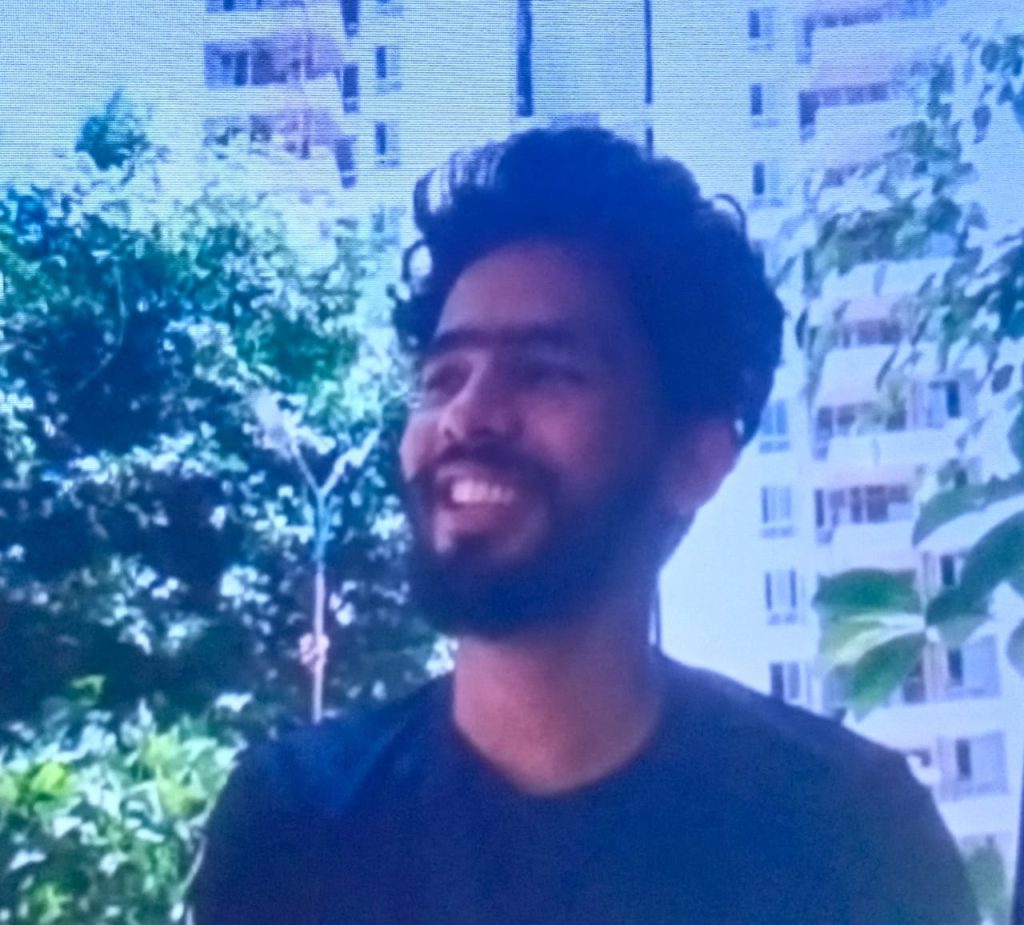
“Honesty doesn’t pay. To make a profit, one has to resort to dishonesty. I’ve stocked many unauthorised items ferried in from outside markets, and that’s how I’m earning Rs 1.50 lakh a month. If I stick to selling only the company’s items at their prices, I will make nothing. Now, even if the company raids my stores and catches me violating guidelines, they’ll only impose a small fine,” said Sudhir Chaudhary, owner of two retail stores in Noida, while speaking to Tehelka’s under cover reporter.
“We don’t permit unauthorised items, sourced externally, in our stores. We have our own network of farmers in Bengaluru who supply vegetables and fruits. Our franchises are exclusively given to ex-servicemen or their dependents. However, in your case, despite being a civilian, we’re willing to offer you a franchise,” said the Noida supervisor of the retail chain, while speaking to our reporter.
“If you play smart, you can get around the rules and keep unauthorised items brought in from outside in the store. The supervisor only checks the invoices, not the actual items stocked in the store,” said Shiva Chaudhary, Sudhir’s younger brother, on another occasion
These retail stores are supposed to provide fresh products sourced directly from farmers, with competitive daily rates based on seasonal availability. They uphold strict food safety standards, accurate weighing, fixed prices, and a comprehensive product range all under one roof. With daily delivery schedules [365 days, 24×7], each customer receives a printed bill for purchases. The stores strictly prohibit the sale of unauthorised items, focusing exclusively on fresh fruits, vegetables, and value-added products.
However, franchise owners like Sudhir Chaudhary flagrantly violate these guidelines as sub-standard fruits, vegetables, and other products are sold at his two franchise stores in Noida. Our reporter, posing with a fictitious proposal to secure a franchise for another outlet through him, met Sudhir at his Noida store. Sudhir explained to the reporter that to make a good profit, one must resort to dishonesty, as there’s no profit in following the rules.
Reporter– Imaandari se kaam karenge to kitna kama lenge?
Sudhir- Imaandaari se kuch bhi na kama paogey, aur kisi bhi kaam mein na.
Sudhir (continues) – Imaandari ka zamana gaya.
Reporter- To percentage itna kam de rahi hai XXXX…9 %. ?
Sudhir- Jab tum agree ho jaogey to badha bhi saktey hain, kaiyon ka badha diya hai…. hamara 12% kar diya hai.
[This excerpt from our reporter’s conversation with Sudhir Chaudhary reveals how in the world of food adulteration, ethical choices often clash with the harsh realities of profit. As financial pressures mount, the temptation to abandon honesty becomes hard to resist. What emerges from this exchange is the erosion of ethical business practices.]
Although this renowned retail network for fruits and vegetables prohibits the sale of unauthorised products—those sourced from general markets instead of the chain’s procurement office—Sudhir candidly confessed on Tehelka‘s camera that he routinely sells such items at his two stores. He disclosed that every night around 2 a.m., he procures fruits and vegetables from an outside mandi at rates lower than the company’s, allowing him to make a substantial profit. From just one store, he currently earns Rs 1.50 lakh per month.
Reporter- Kitna kama letey ho aap is wale store se xxxx ke, imaandari se batao?
Sudhir- Is wale se kam se kam 1.5 lakh.
Reporter- 1.5 lakh mahina?
Sudhir- Sab kharche warche kaat ke!
Reporter- Bura nahi hai.. par usmein bahar ka samaan le rahe ho aap?
Sudhir- 2 baje samaan lata hoon, 2 baje jaata hoon mandi.
Reporter- Tum phir wahan se?
Sudhir- Wo khadi meri Eco (vehicle)…white wali.
Reporter- Jismein…jismein us din agarbatti laga rahe they.?
Sudhir- Ji.. usmein maal aata hai..
Sudir (continues) – Jo tumhein company ki gobhi 1 kilo hai, aaj Rs 39/kilo gobhi hai.
Reporter- Company ka rate?
Sudhir- Jo hum pay karenge company ko… Rs 35 per kg hai.
Reporter- 4 rupees tumhara ho gaye.?
Sudhir- Hum chale gaye mandi, wahan se Rs 20 kilo ke hisab se le aaye.
Reporter- Aur sasti le li..
Sudhir- Wahan se Rs 20 per kg le li..aur yahan Rs 39 kg mein bech di, kitne rupees bach gaye Rs 19.
Sudhir (continues) – Hamara jo samaan bik raha hai, hamari 2 crate bik rahi hai ek company ka maal, ek yahan ka maal.
[From the above exchange, we learn that Sudhir exploits the system by selling unauthorised goods that offer higher margins. He admits to knowingly violating the company’s rules, as long as he can evade detection.]
Now, Sudhir, a franchise owner, openly admitted that his stores are stocked with numerous unauthorized items for sale, a clear violation of the retail network’s strict guidelines. Despite the network’s policy of sourcing only authorised products, Sudhir disclosed that he procures goods from external suppliers to increase his profit margins. He even confessed to regularly bypassing company supplies, stating that after initially purchasing from the company, he turns to outside vendors for cheaper alternatives. The lure of higher profits, it seems, outweighs any obligation to follow the rules.
Reporter- To abhi kya kya samaan aapke store par bahar ka hai..?
Sudhir- Is bar ek to seb (apple) bahar ke hain, baingan, gobhi hai. Torai aadhi company ki hai aur aadhi bahar ki hai.
Reporter- Matlab 4-5 items bahar ke hain..?
Sudhir- 4-5 nahi.. bahut item bahar ke hain.
Reporter- Kitne item?
Sudhir- Bahut item hai.
Reporter- Coffee etc bhi bahar ki hai?
Sudhir- Coffee hamne ek baar company se mangwa li..uske baad hum bahar se latey hain.
[What we learn from this conversation is that Sudhir has no hesitation in flouting store policies, as he finds it more profitable to rely on external sources. The pattern is clear: dishonesty thrives when profit becomes the priority.]
When we asked Sudhir if he could provide us with the contacts of outside distributors supplying items to his stores, given that we were considering taking a store in Noida through him, he readily agreed. Not only did he offer to share the distributor details, but he also revealed how to discreetly sell banned items like pan masala and cigarettes, in violation of the retail network’s policies. Sudhir made it clear that while such activities are risky, they can be profitable if handled with caution.
Reporter- To bhai ek kaam karo maan lo hum 128 wala le letey hain, to hamare liye bhi bahar ka mangwa dena phir.
Sudhir- Hum aapko distributor ke number de denge.
Reporter- Log pan masala , cigarette rakhtey hain?
Sudhir- Wo kaam agar tum chup kar ke kar saktey ho to kar lo..ab by chance customer hai wo betha hai, tum cigarette de rahe ho, kal kisi customer ke saamne maang liya, bhaiya cigarette de do, ab tum kahogey hum nahi bechtey, wo kahega kal to mein le kar gaya , to wo us cheez ko catch kar letey hain.
Reporter- Us kaam mein kya karna padega..?
Sudhir- Kuch nahi…jo mein bata raha hoon.
Reporter- Aap 1.5 lakh kama rahe ho lekin sara samaan bahar ka?
Reporter (continues) – Sudhir bhai tum jab bahar ka samaan latey ho to hamara bhi la dena.
Sudhir- Dekho mein Rs 20 ki coffee laya… tumhe Rs 25 mein bech raha hoon, to jo kaam tum khud kar saktey koi aur nahi kar sakta.
Reporter- To tum hame distributor ke number de dena.
[It emerges that Sudhir is not only willing to violate company rules but is eager to guide others on how to do the same for personal gain. Here, profit takes precedence over principles, finding ways to bend the rules time and again.]
According to Sudhir, honesty is a thing of the past; dishonesty, he insists, is essential for profit. He explained to our reporter how he procures unauthorised items for his store, despite it being against company’s policy. Additionally, he revealed the commission he receives from the retail network on the sale of products. Sudhir hinted that by building a relationship with the company, the percentage of commission could even increase, as it had for him.
Sudhir- Tum subah uthkar Bhangel chale jao, gadi to hogi na tumhare pass.?
Reporter- Haan.
Sudhir- Bhai subah 5 baje supply aa rahi hai, wahan se uthakar 5-5 kilo la kar yahan mix kar do.
Reporter– Imaandari se kaam karenge to kitna kama lenge?
Sudhir- Imaandari se kuch bhi na kama paogey, aur kisi bhi kaam mein na….imaandari ka zamana gaya
Reporter- To percentage kitna kam de rahi hai XXXX….9 %. ?
Sudhir- Jab tum agree ho jaogey to badha bhi saktey hain, kaiyo ka badha diya hai, hamara ka 12 % kar diya hai.
[Sudhir sees dishonesty as a necessary strategy for success. He believes that honesty leads to no gain, and bending the rules is the only path to profit. The erosion of ethics in pursuit of financial rewards is stark.]
The retail network regularly sends supervisors to inspect the items in the stores, ensuring compliance with their guidelines and preventing unauthorised outside products. However, Sudhir revealed that his brother had gone as far as threatening the supervisor to ensure he kept quiet about the unauthorised goods being sold. It seems that fear, coupled with occasional appeasement, is their chosen strategy to keep things under control and safeguard their profits.
Reporter- Accha isko set kaise kare… supervisor XXXX ko ?
Sudhir- Set to sab ho jayega, papi pet ka sawaal hai, tum kuch khane ko dogey to hoga, abhi ye company ke gun ga raha hai, kal tumhare gayega, magar tootna mushkil se hai.
Reporter- Aapne kaise set kiya XXXX ko ?
Sudhir- Hamne dhamka kar set kiya hai.
Reporter- Dhamka kar kaise ?
Sudhir- Chote bhai ne bahar pakad liya tha isko, khoob baat sunai thi isko, ek to issey ye baat ki ke jitna maal mangwaonga utna maal aana chahiye, agar tumhara company se agreement sign hai, to company se agreement hamara bhi sign karwao. Aur jo hum maal mangwayenge, wo hi maal aayega. Company apni taraf se kuch nahi bhejegi, 1-2 crate to hum bhi jhel lenge, par itna nahi ke 4-5 crate bhej do…kuch bhi maal bhej do.
[From this exchange, we learn that intimidation is sometimes employed by franchisees to influence company-appointed supervisors. In this case, Sudhir’s brother has resorted to threats to ensure the supervisor remains silent. Thus, profit here is derived not from compliance but from coercion.]
Sudhir openly admitted that he stocks outside items at both of his Noida stores, in direct violation of the retail network’s policies. The company enforces stringent rules to maintain a vegetarian-only product range, but Sudhir flouts these regulations by selling unauthorised products for higher margins. He not only sells prohibited goods but has also devised ways to work around the system, including selling items like eggs and specific kinds of flour that are not allowed. His disregard for the rules stems from a desire to maximise profit, regardless of ethical considerations.
Reporter- To aap jo bahar ka samaan latey ho…wo 93 wali store ke liye bhi latey ho ?
Sudhir- Haan ji..
Reporter- Kuch aisa item rakh saktey hain jo allowed nahi hai yahan ?
Sudhir- Haan bahut se item hain, andey nahi bech saktey yahan.
Reporter- Company ki taraf se allowed nahi hai ?
Sudhir- Vegetarian hain yahan. Aap nahi bech saktey…aap side mein bech lo magar ander nahi bech sakte.
Reporter- Aap kya bech rahe ho jo allowed nahi hai ?
Sudhir- Gold ke rusk bech raha hoon, bahar ke bech raha hoon jo allowed nahi hai. Bahar jo fan, rusk rakhe hain inmein bahut margin hai.
Reporter- Ye isko pata hai ?
Sudhir- Haan ye isko pata hai.. usko kehna hai ander tum hamara maal bechogey bahar tum kuch bhi becho.
Reporter- Wo jo tum kuttu aata bechtey ho?
Sudhir- Wo hum sab bahar se latey hain.
Reporter- Kuttu aata allowed nahi hai
Sudhir- Nahi.
Sudhir (continues) – Agar aap checking par aa jao, aap ne dekh liya ye kya cheez hai, bhai hamne bahar rakh rakha hai.
Reporter- Bahar agar tum 2 item rakh do to koi dikkat nahi hai.
Sudhir- Aadmi chori karega hi, aur har booth wala karta hai.
[It is clear that Sudhir exploits the system by selling unauthorised goods that offer higher margins. He admits to knowingly violating the company’s rules, as long as he can evade detection. The drive for profit here comes at the expense of integrity and transparency.]
Now, Sudhir openly admitted that running a franchise retail outlet involves selling unauthorised items sourced from outside markets. He explained that this practice is widespread among those managing such outlets, with many taking advantage of the higher profit margins these external products offer. To substantiate his claim, Sudhir invited us to visit Delhi’s Gazipur mandi, where numerous vehicles from similar retail outlets can be seen purchasing outside items. According to him, the profit margins are significantly higher in Delhi compared to Noida, making this practice even more prevalent in the capital.
Reporter- Har booth wala bahar ka samaan bech raha hoga warna to profit hi nahi hai ?
Sudhir- Haan tum Gazipur mandi chalna… itni gadi dikhaonga tumhe XXXXX ki.
Reporter- XXXXX ki gadi Gazipur mein ?
Sudhir- Matlab jaise hum chale jaawe, meri gadi hai personal ye hota hai, ab jab tum XXXX mein aa jaogey tumhe pata chal jayega wo is dukaan se lata hai, phir tum retire ho jaogey maano, yahan kam margin milega, Delhi jaogey zyada margin milega sabzi mein.
[Sudhir highlights the widespread practice of selling unauthorised goods in retail outlets, with vehicles from these stores frequently sourcing items from Gazipur mandi. It emerges that profit margin in buying outside items is more in Delhi, than Noida. ]
Then, Sudhir was asked about the potential risks of being caught red-handed while bringing unauthorised items into his store. He confidently dismissed the possibility of such a raid happening, reflecting his belief that the system is either lenient or complicit in turning a blind eye to these practices.
Reporter- Agar tum maal bahar se la rahe ho raat mein.. dukan mein rakh rahe ho.. usi samay kisi ne chaapa maar diya.. ?
Sudhir- Aisa nahi hota.
[It seems that the system’s lax oversight gives Sudhir the assurance that no one will raid or question their operations, making it easy to continue such practices without fear of repercussions.]
Now, Sudhir provided a glimpse into how the system could be manipulated. He advised us a way out: ‘Start pleading and complaining to the supervisor about not making enough profit’. This tactic, he claims, will make the supervisor turn a blind eye and allow the sale of unauthorised outside items in the store. While bribery may not work, Sudhir believes emotional appeals can do the trick.
Reporter- Kitni tankha hogi iski XXXX ki.
Sudhir- Iski hogi 40K.
Reporter- Central govt job hai, ab to retire hone wala hoga ?
Sudhir- Ji, waise ye bahut mushkil time mein khata hai, iske saamne royo bas, jitna ho sakta hai, jab bhi aaye rona shuru kar do: “arey sir ji kahan phasa diya. Sir ji ye na bik raha, wo na bik raha”. Phir wo sochta chalo bechne do bahar ka..kuch to kama le bhai.
Reporter- Accha aisa hai, chai pani pila do jab aaye.
Sudhir- Haan abhi to cold drink pilai.
[Sudhir’s advice on manipulating the supervisor through emotional appeals is interesting. It emerges that playing the victim can lead to bending the rules!]
Sudhir now shared how retailers, even when caught engaging in unauthorised practices, face minimal consequences. He explained that authorities avoid sealing stores because of the financial loss it would cause because of the perishable items kept in the store. Instead, retailers are usually given a warning or asked for a nominal fine, reflecting a system that prioritises preserving stock over enforcing rules. Sudhir’s insight exposes the lenient measures taken in such scenarios, allowing violations to continue with little deterrent.
Reporter- Agar phas gaye to kya hoga zyada se zyada store seal ho jayega.?
Sudhir- Nahi hoga seal.
Reporter- Kya hoga ?
Sudhir- Inka nuksan hai seal karne mein. Utna kilo maal waste hoga.
Reporter- To ye kya kartey hain ?
Sudhir- Kuch nahi..ye warning detey hain, 2000 ka cheque le lenge kabhi kabhar…cancelled cheque. Inka kehna ye hai meri ankhon ke aagey kuch nahi hoga chahe peeche kuch bhi karo.
[Sudhir’s conversation sheds light on how lenient the enforcement is when it comes to breaches in store policies. The upshot is that violators face minimal consequences; often just a warning or a fine of a small amount, highlighting the ineffectiveness of deterrence in this system.]
Now, Sudhir recounted an incident where he deployed one of his employees to watch for a supervisor while they unloaded unauthorised goods for the store. He revealed that by monitoring the supervisor’s arrival time, they were able to move the goods discreetly, avoiding detection. Such actions reflect a calculated approach on the behalf of retailer to circumvent regulations
Sudhir- Ab kabhi- kabhi kya hota hai hamne mangwai nahi supply XXXX se. Mandi se lakar subah hi bhar di sari crate, ab hame pata hai 9.30 se 10 baje tak aa jata hai ye, ek banda bahar beth gaya, ek car mein, gate par beth gaya, wahan se bata diya bhai ye aa gaya, crate gadi mein rakh do, gadi basement mein, aayega dekhega, kuch hai nahi.
Reporter- Roz aata hai ye?
Sudhir- Nahi ek din chod ke ek din.
[Sudhir’s conversation reveals a well-orchestrated system to evade supervision. He says that careful planning allows them to bypass oversight.]
Sudhir candidly discussed the challenges of getting caught for selling unauthorised items at his franchise. He revealed a method of mixing company-supplied goods with outside products, making it difficult for the supervisor to detect any wrongdoing. By ensuring that a minimum quantity is sourced from the company, Sudhir explained, they can bring in additional stock from external suppliers without raising suspicion.
Reporter- Ye pakad to nahi pata samaan ?
Sudhir- Ab Parle Ji ka biscuit kya pakdega. Matlab ek cheez ek haftey mein ek baar company se, do baar bahar se. Mangwana zaroor padega company se.
Reporter- Matlab 10 packet company se mangwaye aur 10 apne rakh diye ?
Sudhir- Haan us mein kaise pakdega. Kuch nahi check karta.
Reporter- Wo ye to check kar sakta hai 10 bheje they 20 kaise reh gaye ?
[Sudhir’s remarks illustrate a clever system of mixing company goods with outside stock, making detection nearly impossible. It emerges that these tactics have become an accepted norm, allowing retailers to manipulate inventory unnoticed.]
Now, Sudhir sheds light on how stores are typically assigned to ex-servicemen, but he revealed that, in reality, securing one often relies on “jugaad”—an informal, resourceful approach.
Reporter- Accha ye ex armyman ko milta hai store.. humko kaise milega.?
Sudhir- Jugad se jaise milta hai.
Reporter- Wo kar dega jugaad.
[This highlights the lengths to which individuals will go to navigate bureaucracy and gain access to opportunities that should be reserved for veterans.]
After speaking with Sudhir, our reporter met his younger brother, Shiva Chaudhary, who manages one of the Noida stores in his absence. Shiva explained that selling unauthorised items is easy because the inspecting supervisor only checks invoices, not the actual stock. According to Shiva, his store has a daily demand of 30 kg of tomatoes. He orders one crate (10 kg) from the company and sources the remaining two crates externally. To avoid detection, he transfers the tomatoes from crates to polybags before inspections.
A supervisor, responsible for inspecting stores to ensure they sell only company-approved items, told our reporter that these franchises are allocated exclusively to ex-servicemen. However, since some civilians are also performing well, he could consider allotting a store to us. According to him, selling unauthorised items is strictly prohibited, and violations would result in the forfeiture of the store’s security deposit. Managing 25–26 stores in Noida, he claims he can easily identify unauthorised items stocked for sale. He however admitted that some store owners do sell outside items for quick profit.
How does one acquire a franchise of this leading organised retail chain? In response, the supervisor told us that applicants must apply directly to the retail chain. After passing an interview, the applicant is required to pay a security deposit of Rs 2 lakh and maintain Rs 1.50 lakh as working capital in their account. The retail chain then provides 5–10 days of training before handing over the store.
According to the supervisor, the chain provides the store space and manages all infrastructure needs. Product supply is handled by the chain, with fixed pricing for all items sold to customers. Stores are expected to remain open [365 days, 24×7], with the retirement age set at 58. The supervisor mentioned that the chain has third-generation workers among its franchisees and guarantees 200% purity of its products, sourced directly from farmers who supply exclusively to this retail chain.
Providing quality products to consumers is the core mission upon which this renowned retail chain was founded, promising fresh, reliable, and safe produce for households across India. Yet, some franchise owners, driven by the lure of higher profits, are compromising this promise by selling unauthorised and substandard products, potentially endangering consumers’ health over time. In a thorough investigation, Tehelka has brought one such violator to light, exposing the serious breach of trust. It’s now imperative for the retail chain’s officials to step up and take decisive action against these unscrupulous operators, whose actions not only jeopardize consumer safety but also tarnish the brand’s reputation. Consumers, too, must remain vigilant to these hidden risks and demand accountability.