Sunday, December 28, 2025

Pollution triggers public health crisis in Indo-Gigantic Plains

The poor air quality in Northern India has evolved from ‘bad air days’ to an annual ‘airpocalypse,’ becoming the region’s biggest public health crisis. The rising pollution is now causing lasting ophthalmic and pulmonary ailments, threatening life expectancy. A report by Aayush Goel
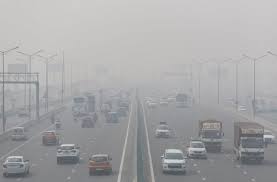
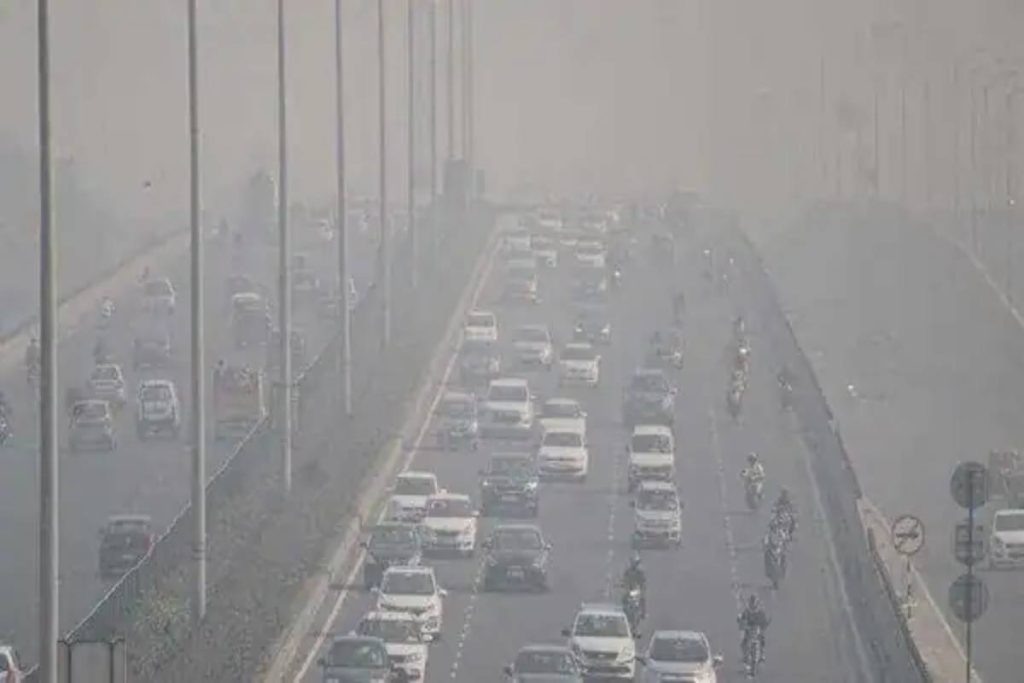
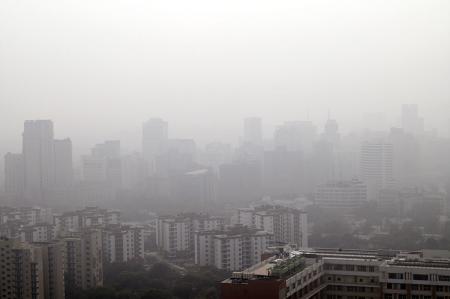
It’s that time of year again. The festivities have given way to a hazy November. North India and the Indo-Gigantic plains are out battling the perennial smog. Graduating from ‘bad air days’ to annual ‘aerpoclypse,’ the poor air quality is emerging as the biggest public health crisis in Northern India which from causing temporary illness is now converting into permanent ophthalmic, and pulmonary ailment and attacking the life expectancy, especially amongst children. Delhi, which is worst impacted, has already instituted special ‘Pollution’ Out Patient Departments (OPDs) in hospitals. Over the last decade, the problem has only grown more serious, with newer studies presenting deadlier statistics.

It found that one out of every eight deaths in India were attributable to air pollution and the average life expectancy in the country would have been 1.7 years higher if the air pollution level was less than the minimal level causing health loss. The average life expectancy of those living in the Indo-Gangetic Plain (IGP) is seven years shorter than those in other regions in India as found in an analysis of the Air Quality Life Index (AQLI) by the Energy Policy Institute at the University of Chicago (EPIC).

Air pollution soared 72 percent from 1998 to 2016 in these northern plains where 40 percent of India’s population live. The level didn’t meet the World Health Organization’s (WHO) guideline for fine particulate pollution. In 1998, the impact on people’s lives would have been half of what it is today, with residents losing an average of 3.7 years in life expectancy. The states and Union Territories affected by higher pollution include Chandigarh, Delhi, Haryana, Punjab, Uttar Pradesh, Bihar and West Bengal.

In 2019, India launched its National Clean Air Programme (NCAP). The programme aimed to reduce particulate pollution by 20-30 percent nationally and set goals for the next five years. However, the country has visibly failed to meet its goals.

Stubble Burning Key culprit

The first and foremost culprit is the paddy stubble being burnt by farmers in states like Punjab, Haryana and (western) Uttar Pradesh. The stubble has to be removed so that the fields can be prepared for growing wheat, a legacy of the Green Revolution which made the paddy-wheat cycle the norm across much of the north Indian plains.

Since burning is the easiest way to remove stubble, farmers do that. Over the past decade, several schemes have been launched by the government to wean farmers away from the paddy-wheat cycle, quicken the harvesting of paddy as well as provide farm implements to ease the removal of stubble. According to a recent report by the Ministry of Environment, the average contribution of stubble burning to the concentration of PM2.5 in Delhi-NCR during the peak phase has increased from 10% in 2019 to over 15% this year with Punjab reporting an increase of 48% in fire incidents while these declined by 28% in Haryana. The analysis has been done based on inputs from the CPCB (Central Pollution Control Board) and institutions of the Ministry of Earth Sciences, which also shows that the number of days observed with more than 10% contribution of stubble-burning to PM 2.5 has increased from 21 days in 2019 to 26 days this year. The maximum contribution of 42% was observed on November 5 this year. Stating that crop residue burning in northwest regions was “one of the sources of air pollution for Delhi-NCR during October-November”, the ministry noted that Punjab during September 21-November 22 period reported a substantial increase of over 46% in its total count of active fire events (AFE) this year compared to the corresponding period in 2019. On the other hand, Haryana almost during the same period (September 25-November 22) reported a decline in cases of stubble-burning by over 28%. It may be noted that not just North India but even Pakistan blames stubble burning in Punjab as CM Bhagwant Mann defends the state saying pollution needs to be dealt with collectively. “There should be no blame game over the pollution issue”, said Mann and stressed that its solution should be found in cooperation with other states. “It is also the problem of Madhya Pradesh, Uttar Pradesh and Haryana. Its solution has to be found by sitting together and promoting crop diversification”, he added.

Punjab, Haryana fail to Act against stubble burning: Supreme Court

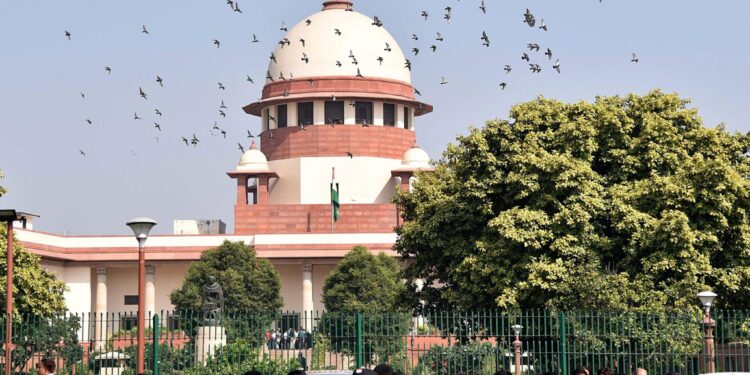
The Supreme Court, while hearing an ongoing petition, noted that the governments in Punjab and Haryana remained reluctant to act against farmers who resort to stubble burning in the fields, leading to a rise in air pollution.

A Bench of Justices Abhay S Oka and Augustine George Masihalso asked how the stubble-burning incidents had seen a rise on the day of Diwali recently.

“How can this happen? How come this increased in Diwali? Why are you sparing your officers? They are sparing the farmers. Farmers are filing IA [Intervention Application] before us because they are fearing things. And now you all are sparing your officers,” the Court asked. In the order, the Court said the States must explain the non-prosecution of farmers accused of stubble burning.

“Even today, we find reluctance on the part of governments in taking action under Section 14 of the CAQM Act, 2021.  We have observed in earlier orders that instead of direct prosecution, States are still busy in just issuing show-cause notices despite flagrant breaches. States owe an explanation to us on non-prosecution,” it said.

The Court directed strict compliance of the rules in this regard. The Bench was hearing the case concerning pollution in Delhi. It is specifically examining the action taken by authorities across Punjab, Haryana and Uttar Pradesh to curb stubble-burning incidents. In October, the Court had taken a prima facie view that the Union government was not taking any penal action to curb stubble burning. It had directed the authorities to amend the law to increase the fines against stubble burning. Since then, the fines have been increased. The Court questioned the States of Punjab and Haryana for lack of action against the officials who had not properly carried out their duties to enforce the ban on stubble burning.

“Please see – 1,037 erring officials have been sent show cause notice. There has to be due process. Also, we have to look into the present, the past is gone,” the counsel representing Punjab replied.

However, the Court took an exception to the statement. “How can the past be forgotten? Look at the past first. Only 56 officials have been prosecuted. What about else? Nothing has been done by you people on continuous stubble burning,” Justice Oka said.

Then, the Centre told the Court that it had rejected the Punjab government’s demand for funds for tractors and other materials for farmers to tackle stubble burning. “Let Advocate General for Punjab respond to this,” the Court said.

The other key culprits

 Many leaders and environmentalists argue that stubble burning cannot be solely held responsible for pollution crises in Delhi NCR. Unchecked rampant construction, construction and demolition waste dumping and dust pollution along with vehicular emissions are cited as other key choking agents. These factors, especially during the colder months when pollutants remain trapped closer to the ground, contribute heavily to the toxic air that residents are forced to breathe. Data from October 12 to 21, 2024 indicated that over half of the city’s PM2.5 pollution comes from vehicles. Delhi’s roads are choked with over one crore registered vehicles and this number continues to grow each year. The city’s public transport system, though extensive, has not kept pace with the expanding population and economic activity, leading to an increased reliance on private vehicles, which worsens the city’s air quality. This is compounded by other local sources, including construction dust, industrial emissions, and the open burning of waste, which further contribute to the city’s high PM2.5 concentrations. “Delhi is doing the best it can to battle pollution. Anti-pollution measures are being strictly deployed in Delhi. We have formed 99 teams who are carrying out dust control measures across Delhi. The government has started the process of deploying more than 325 smog guns. Our key concern is areas bordering UP which have the poorest AQI. We will talk to the UP government as well. The major cause of pollution in Anand Vihar is the buses coming from UP”, says Delhi CM Atishi.
Women’s groups short-changed in climate aid allocations

A study by Rights and Resources Initiative shows that inherent prejudice and prevailing gender bias define global funding to women-led grassroots groups. A report by Deepanwita Gita Niyogi

Women bear the brunt of a changing climate. And yet, indigenous and Afro-descendant women’s rights organisations face marginalisation in financial aid when it comes to addressing this urgent global issue. This has been highlighted by a study launched by the Rights and Resources Initiative (RRI), a global coalition of about 200 organisations, and the Women in Global South Alliance (WiGSA). The latter advances women’s empowerment.

A study, “Is Global Funding Reaching Indigenous, Afro-descendant and Local Community Women?”, launched at COP16 at Cali, Colombia, which concluded on November 2, states that between 2019 and 2022, a two percent decrease occurred in the Official Development Assistance funding for organisations working on gender issues and women’s rights. The aid decreased from $891 million in 2019-2020 to $631 million in 2021-2022. This is a serious lapse, as land and forest resources are directly connected to gender equality.

Ketty Marcelo, an indigenous Asháninka leader from the central jungle region of Peru, is also the president of the National Organization of Andean and Amazonian Women. She is concerned over this. Marcelo feels that biodiversity continues to be discussed without taking into account women’s voices.

Deep-rooted prejudice

According to the study, most funding mechanisms are not responsive to the needs of community members. They lack gender inclusivity, flexibility, transparency and mutual accountability between donors and recipients. In addition, there is an absence of a long-term vision to address the needs of a diverse community which are neither timely nor accessible to community-driven organizations.

When it comes to Afro-descendant women, data on resource allocation is limited, according to the Black Feminist Fund. It notes that funds received in 2018-2019 for girls, women and trans people were less than 0.5 percent of the global funding of foundations.

There are gender stereotypes and biases in funding, and these are among major barriers to equitable access to financial aid. Women face greater scrutiny and lower expectations for results compared to male-driven organizations.

“Women have been excluded because of assumptions. Doubt exists about their capacities to manage projects. However, even without financial support, women have been effectively protecting forests,” said Omaira Bolaños, RRI’s director of gender and justice.

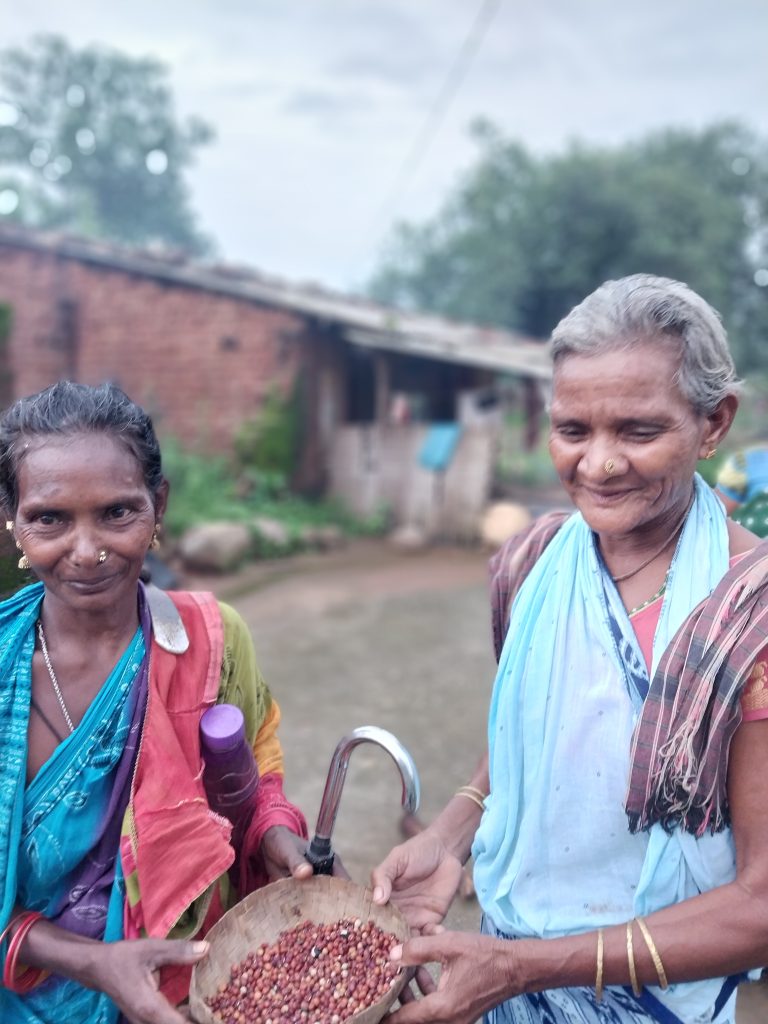
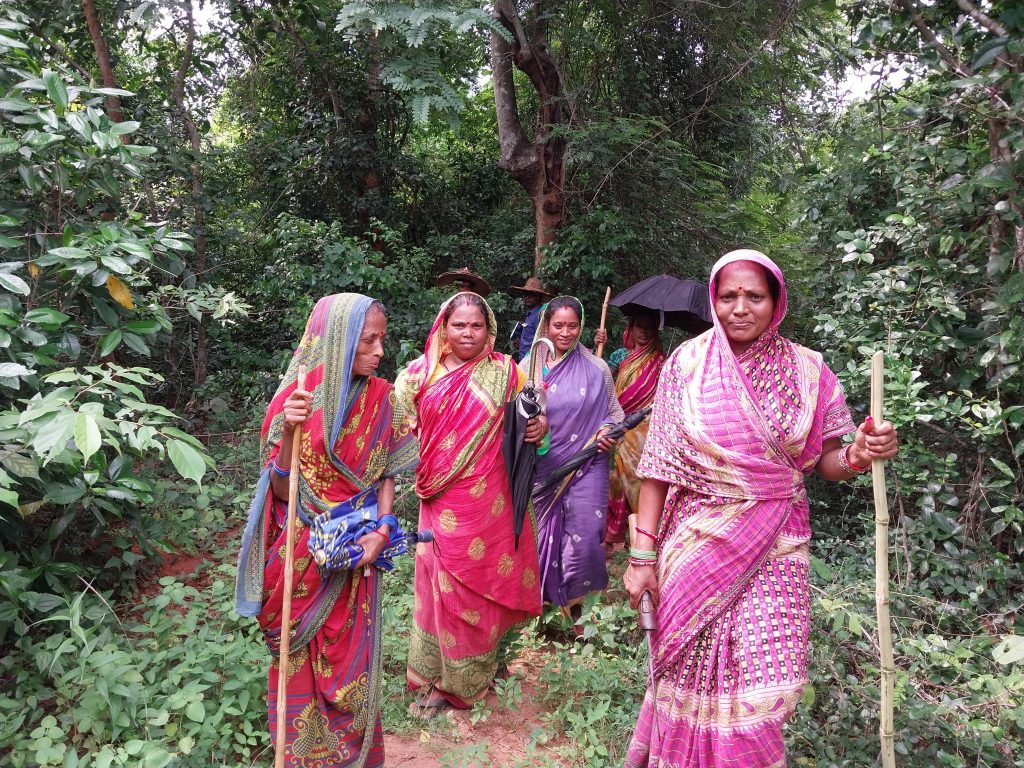
A notable example in this case of forest management is from the Odisha state of eastern India. In a village called Kodalpalli, indigenous women have carried out a revolution for forest conservation since 1999. Their dedication culminated in the village receiving community forest resource rights under the historic Forest Rights Act passed in 2006.The Act allows tribals (Indigenous Peoples) and forest dwellers rights over forest resources. The Ministry of Tribal Affairs is the nodal agency for its implementation.

Today, the women patrol the forest on a rotational basis after standing up to the timber mafia. Instead of men, they took up the responsibility of protecting the forest.

Despite such examples, stereotypes and barriers still hinder women’s access to funding and participation in conservation efforts. One of the key issues is donors’ limited understanding of the realities faced by women in their territories. Many funding opportunities are available only in English or French, making it difficult for grassroots women’s organizations to apply for support.

Bolaños added that the main issue is that there have been no changes in terms of funding for women at the global scale. Women from the grassroots are severely underfunded. It is also difficult to find data on funding reaching communities. “Most studies are talking about gender equity or women in general without specifying their communities or without focusing on women from grassroots organisations.”

To prepare the report, 17 organisations from Africa and Latin America under WiGSA, participated in the research process. Annual budgets managed by these organizations reveal that most women-led groups do not exceed $500,000 in funding.

Women-led initiatives in South Asia

Measuring progress by the number of hectares conserved under the Global Biodiversity Framework poses a challenge for women on the ground, the RRI study says. Many do not have formal land rights or access to land ownership data. This makes it difficult for women to meet such criteria. This also reflects a gap in recognizing women’s rights to land tenure and a lack of understanding of the realities of on-the-ground conservation work.

This fact is borne by women in India who have been largely left out of the Forest Rights Act process in India. Exclusion of women not only posed challenges when it came to claiming community forest resource rights, but even halted the process of claims as part of individual rights. Most land titles in India are held by men.

In the neighbouring country, Bharati Pathak is the former chairperson and advisor to the Federation of Community Forestry Users Nepal. She is also the adviser of Green Foundation Nepal, a non-profit, and represents the WiGSA.

Pathak has been working in the sectors of women, children, youth rights, natural resources, climate and social justice for the past 30 years. “Women’s organisations are few which are working in climate change and natural resources rights,” she said over Whatsapp.

“Though there are over 1000 community forestry user groups led by women in Nepal, there is inadequate funding to support women and women’s organisations to fight climate change in South Asia. Funding can help women adapt to and mitigate climate change at the grassroots.”

A growing corporate control of land in South Asia is responsible for human rights abuses, conflicts between companies and communities and denial of women’s rights. This is a genuine problem in India where large-scale mining in mineral-rich states has reduced women’s entry inside forests and access to resources.

In India, indigenous communities have been historically marginalised. In many areas, they have been displaced from their ancestral lands in large numbers to pave the way for development.

SC directs J&K to frame policy for premature prisoner release

The Supreme Court of India has directed the Jammu and Kashmir administration to draft a policy for the premature release of prisoners, a report said.

The order came after a plea from a former security personnel, convicted in 2006 for killing three colleagues, sought early release after spending over 18 years in prison. The J&K government opposed the request, citing the absence of a policy governing premature releases in the region

The court instructed the Union Territory to coordinate with the relevant authorities, develop the required policy, and submit a compliance report.

Jammu and Kashmir, which was reorganized into a Union Territory in 2019, held its first election in 2024 to establish its union territory government.

Trump’s comeback saga and its global impact

Donald Trump’s return to the White House is poised to have significant, wide-ranging consequences for international relations, especially impacting countries like India, China, Pakistan, Russia, and the West Asian region. By Dr Anil Singh

The latest triumph of Donald Trump over the 2024 U.S. presidential election is shaking the world system to compel the nations to recall their diploma and strategic political position in the world. Trump’s return to the White House is surely going to be a much big and wide-ranging consequence for international relations, more specifically the superpowers like India, China, Pakistan, Russia, and the West Asian region. This will depend on how the policies of Trump configure the geopolitical landscape and power and conflict dynamics around the world. In India, Trump’s return has evoked optimism and caution in equal measure.

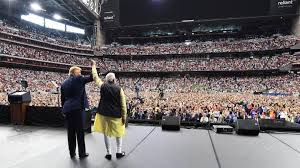
Certainly, traditional friendship relations exist between Modi and Trump. Events like “Howdy, Modi!” and “Namaste Trump” were one-time lifetime experiences in this regard. And this cannot but raise prospects for further cooperation regarding trade, defence, and security. Trade tensions will still be there because Trump has scalded India with his words over trade policy and has imposed tariffs on Indian goods. This defence relationship has gone up quite significantly, and today, India has emerged as one of the largest importers of weapons from the United States. According to the Stockholm International Peace Research Institute, India has been a clear leader in the global arms-importing nations during the past five years, and the U.S. has emerged as one of its biggest suppliers. This is likely to be continued and increased more during the Trump administration, which will, in turn, further solidify this strategic alliance between the two countries.

Impact on China

China has much to fear from a Trump victory. In his first term, Trump took a hardline position on China and went to a trade war, imposing tariffs on many Chinese goods. Re-election could mean more of the same: bullying China to change its unfair trade practices and further reducing America’s trade deficit. The Trump agreement of Phase 1 was largely regarded as a failure, and this deal also may be renegotiated and reformed. More importantly, all the steps taken by Trump to enhance U.S. defence and its alliances in Asia can be regarded as a constraint on China’s rise in the region because the U.S. has also been Taiwan’s leading weapons supplier, which has always put Beijing in an awkward position. Under pressure from China, the United States has finally approved $2 billion in arms sales by 2024 which includes advanced air defense missile systems for Taiwan. This sale will only heighten the tension with Taiwan within the Taiwan Strait and put more pressure on U.S.-China relations.

Influence on Pakistan

Pakistan and U.S. policy under Trump will be pretty intricately loaded. Even if the Trump administration has been very prudent not to jeopardize good relations with India as well as Pakistan, they have already been stern with Pakistan on many issues, especially their role in fighting terrorism. The U.S. recently cleared the sale of 450 million dollars’ worth of fighter jets to Pakistan, which New Delhi had also objected to. Military sales to Pakistan by the Trump administration may continue along with this policy of building up the capacities of Pakistan to counter terror threats. In the past, this has escalated tensions with India, which regards these sales as harming its security. The Obama administration may also insist that Pakistan do more to make the country’s counterterrorism operations more transparent and accountable, a step that risks tension.

Relations with Russia

Relations between Russia and the United States under Trump are likely to be a mix of cooperation and competition. In his first term, Trump had genuinely attempted to mend ties with Russia which came under tremendous criticism and accusations of collusion. A return to the presidency may mean renewed efforts toward dialogue with Russia on arms control on anti-terrorism issues. However, simultaneously, there are questions about Russia’s aggressive movements in Ukraine and election-interfering activities in the politics of the USA. The USA has enforced sanctions against Russia as it reacts to those movements, but it is still unknown if Trump will continue or deter those sanctions. Moreover, Russia has remained one of the large arms sellers, and it sells to countries like India and Syria. Thus, Russia’s arms sales are possibly influenced by U.S. policies whose intention is trying to contain Russian influence.

Impact on West Asia

In West Asia, the victory of Trump will have crucial consequences for the U.S.-Israel, Saudi Arabia and Iran relations. During his government, there was one unshakable supporter – Israel, whom he recognised as its capital and, what is more, created the Abraham Accords; normalization agreements between Israel and several Arab states directed to the peace treaty in them. It would most probably stay that way, centralizing efforts to consolidate the U.S.-Israel alliance and remove security threats in the region. Saudi Arabia, too, is one of America’s closest allies and is likely to get the same treatment, with added arm deals and strategic cooperation. The largest importer between 2016 and 2020 was Saudi Arabia, and its biggest supplier was the United States, according to SIPRI. In contrast, Trump’s hardest-line views on Iran, including his stance on withdrawing from the nuclear deal with Iran and imposing sanctions, are most likely to enhance tensions in the region. Therefore, the response from Iran to the Trump victory will be critical in ascertaining the stability and security of West Asia.

The election of Trump is likely to further the notion that the United States is an instrument of war and for this reason, militarily and in terms of arms sales. According to reports from SIPRI, the United States has from 2016 up to 2020 been the world’s biggest arms exporting country with a share of 37% of the global total, and it is expected to be so in the future with more arms sales to allies and strategic partners. These policies will have a great deal to do with the balance of power and conflict in regions like South Asia, East Asia, and West Asia. The world nervously waits for the tide his presidency would make in globalization vis-a-vis global stability and security in the years ahead.

Trump’s victory in the recent election will have far-reaching implications in international relationships, especially if one looks at their relationship with key players: Israel, Saudi Arabia, and Iran. The administration of Donald Trump has been a huge ally of Israel. It recognized Jerusalem as the capital and facilitated the Abraham Accords which normalized the relationship between Israel and some Arab states. It is understood that there will be continued support, though more attention is to be paid to consolidating the alliance between the U.S. and Israel in the coming years while reducing overall security threats to the region. Probably, the strategic and key ally of the U.S. will also benefit from Trump’s return in the form of further arms sales and strategic cooperation. Saudi Arabia is the largest arms importer between 2016 and 2020 while the U.S. remains its top supplier.  Yet with his hardline stand on Iran about withdrawal from the Iran nuclear deal and imposed sanctions, this may even escalate tensions in this region. This is going to be an interesting time to see how Iran reacts to a Trump victory since this will also determine the stability and security situation of West Asia.

Trump’s victory will likely blow the perception of the U.S. as an arm for wars, especially in arms sales and military intervention. The United States is the world’s largest arms exporter-the country has accounted for 37% of global deliveries in the period between 2016 and 2020, the SIPRI reports indicate. This trend is also likely to continue with the Trump government, the sale of armaments to allies and strategic partners is likely to soar. These policies are going to cut very deep into the world of international relations because they set a benchmark while defining the dynamics of power and conflict in numerous regions such as South Asia, East Asia, and West Asia. The world would be waiting with bated breath to see how Trump’s leadership may soon alter the apparent paradigm of global stability and security in the years to come.

(The author is Editor STAR Views and currently in Washinton D.C., USA.)

Delhi-NCR Residents Face Severe Health Risks as Air Quality Remains Hazardous

New Delhi :  Air quality in Delhi and the NCR remains at hazardous levels, with the Air Quality Index (AQI) in Delhi reaching 409 early Friday morning. This marks the third consecutive day of severely poor air conditions, creating substantial health risks for the region’s residents.

The Central Pollution Control Board (CPCB) reports that Delhi’s AQI has been consistently high, with 25 neighborhoods, including Jahangirpuri, Bawana, and Wazirpur, recording AQI values between 400 and 500—classified as “severe.” Notably, AQI levels in nearby cities like Faridabad (283), Gurugram (314), and Ghaziabad (332) are also above the threshold for healthy air, adding to the regional pollution crisis.

Within Delhi, areas like Anand Vihar, Ashok Vihar, and the IGI Airport vicinity reported AQI levels above 440, reflecting the widespread nature of the pollution. Additional neighborhoods saw “very poor” AQI readings, impacting residents’ health and daily life with respiratory issues, eye irritation, and coughs on the rise.

Residents are increasingly relying on masks and air purifiers to mitigate the effects of the toxic air, as the capital braces for worsening conditions with the onset of winter.

Rahul, Priyanka to Join Delhi Congress’ Nyay Yatra Soon

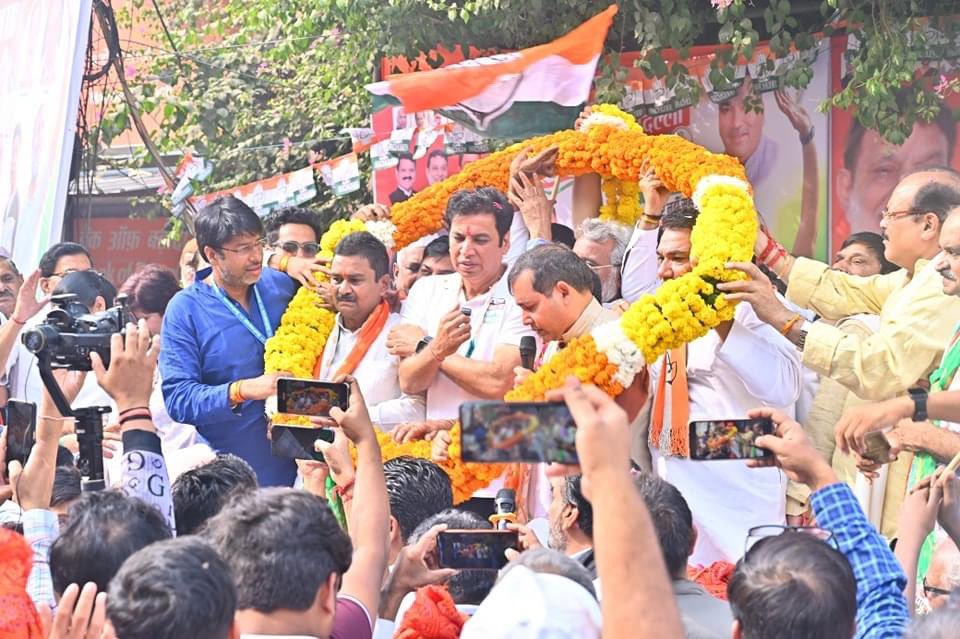
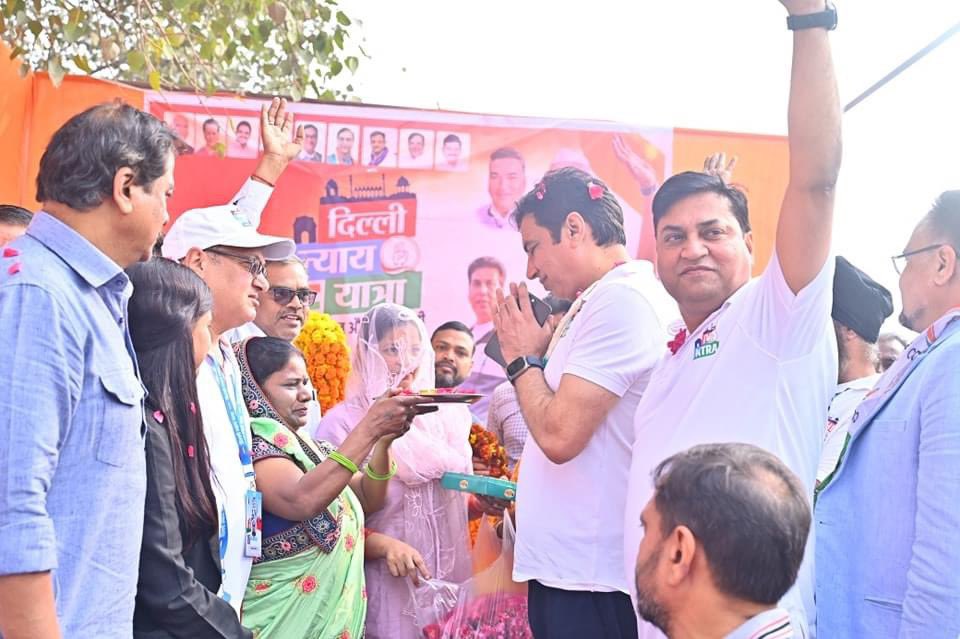
The third and fourth phase of Delhi Congress’ Nyay Yatra is expected to witness the participation from the senior leaders of the party including senior leaders Rahul Gandhi, Priyanka Gandhi Vadra, and Mallikarjun Kharge among others, Delhi Congress chief Devender Yadav said.

Speaking to Tehelka.com, Yadav said, “Rahul Gandhi and several other senior leaders Including Priyanka and party chief Mallikarjun Kharge will be joining the yatra immediately after November 25.”  Most of these leaders are currently occupied in campaigns for Maharashtra and Jharkhand Assembly polls. While Priyanka is herself in the fray from Wayanad Lok Sabha, where a by poll is being held. 

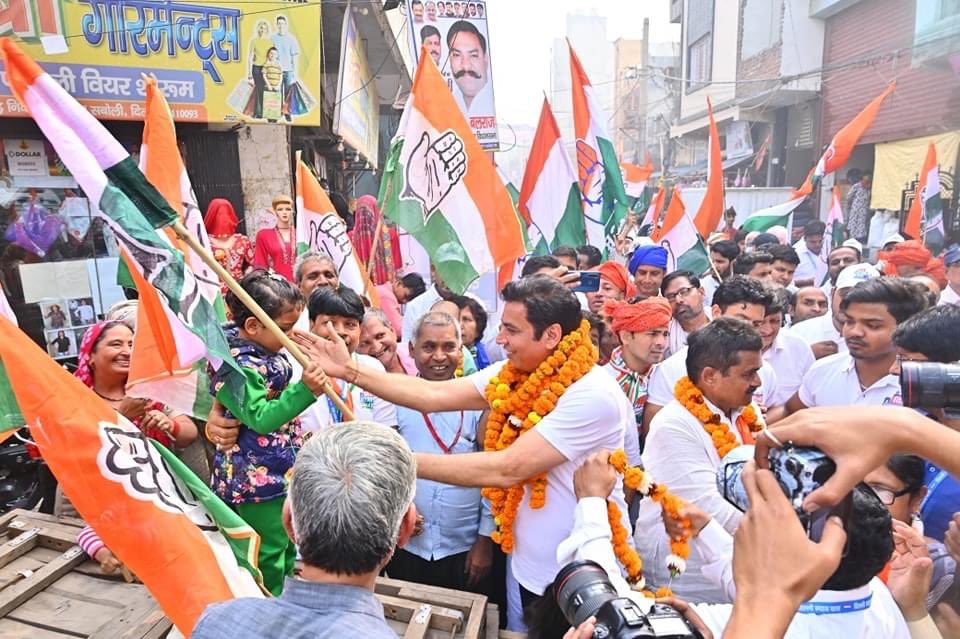
The Delhi Congress’ yatra has entered into the second phase today starting from Delhi’s Gokulpur area. Around 16 Assembly constituencies are expected to be covered in this phase.

The first phase of the month-long ‘Delhi Nyay Yatra’ began on November 8 from Rajghat which was concluded after covering 125 kms spanning 15 Assembly constituencies, on November 12.

The DPCC chief said that the experience in the yatra has been good and people in general are enthusiastic.

“The response from the yatra is good and people in general are enthusiastic. I have met several people during the yatra and heard their plight. They want change,” he said.

He said that the Congress party is in favour of uplifting street vendors and improving their conditions.

“We will be making provisions for street vendors where they will be allotted dedicated zones to improve their livelihood. We have already implemented this in Himachal Pradesh and we will definitely implement this in Delhi if we come into power,” he said.

The yatra aims to put pressure on the Aam Admi Party (AAP) government in the national capital on various issues in the run-up to the upcoming Assembly polls.

This march will pass through all the 70 Assembly constituencies in the city and conclude at Timarpur on December 4.

Speaking about the alliance with Aam Admi Party (AAP) for the upcoming poll in Delhi, he said that the party will not make a mistake again.

Considering the alliance a mistake he said, “We have faced consequences and we don’t want to make any such mistake again. There will be no alliance with AAP.”

He said that the AAP has come up with only 39 schools in these 11 years after promising 500 new schools in Delhi. “When we were in power, we identified around 80 to 90 sites where new schools were to be open but this government has come up with only 39 schools in these 11 years. We will also expose their hospital models,” Yadav said.  

“If you ask people, the picture gets clear. People want change. I challenge Arvind Kejriwal to come with me to a rally and see what people want. I’m looking at the same change which happened in 2013, but that happened because of the public. So it’s more about people’s reaction and I am very hopeful,” he added.

Meanwhile, senior leader Jagjivan Sharma said that a ‘Health Card’ for every marginalized resident in Delhi is on the table. “We are thinking about the people of Delhi and we will include health cards for people under which treatment for them will be free upto Rs 25 lakh.”

Devender Yadav took over as the president of Delhi Congress in May this year.

The Delhi Assembly polls are due to be held in February 2025. Besides the ruling AAP, the BJP and the Congress will be in the fray.

Congress, which ruled Delhi for 15 years under Sheila Dikshit, has been facing continuous defeat for two previous terms with not even opening its account, in the year 2015 and 2020. The forthcoming polls are being keenly watched to see whether the party is able to secure a foothold in the city again. 

President Murmu and PM Modi extend greetings on Guru Nanak’s Prakash Parv

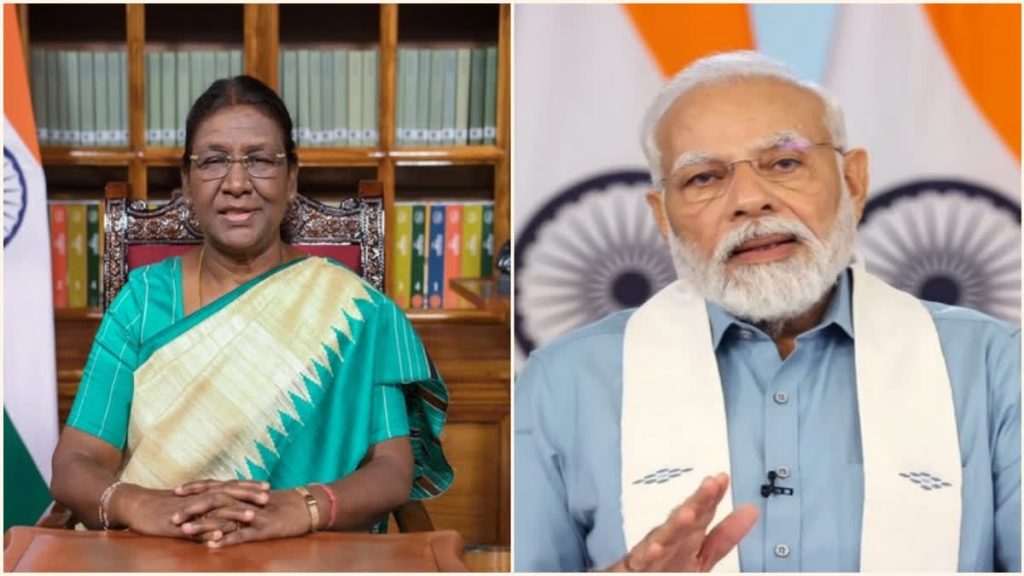
New Delhi : President Droupadi Murmu and Prime Minister Narendra Modi, on Friday conveyed their warm wishes to the nation on the 555th birth anniversary of Guru Nanak Dev also known as ‘Prakash Parv,’ highlighting his teachings, which continue to inspire millions worldwide with messages of truth, compassion, and service.

Taking to the social media platform X, President Murmu shared a heartfelt post honouring Guru Nanak’s enduring legacy.

“On the auspicious occasion of Guru Nanak Dev Ji’s birthday, I extend my heartfelt greetings to all Indians living in India and abroad, especially to the Sikh community,” she wrote.

“Guru Nanak Dev Ji has shown us the path of spirituality based on hard work and has taught us to build a society based on truth, contentment, kindness, and love. He emphasised sharing in social life, which is the path to social harmony,” she said.

The President urged people to adopt Guru Nanak’s ideals, stating, “It is our collective responsibility to embody his teachings and work toward a harmonious and egalitarian society.”

PM Modi also conveyed his wishes, emphasising Guru Nanak’s guidance toward compassion and unity. “Congratulations on the birth anniversary of Sri Guru Nanak Dev Ji,” PM Modi posted on X.

“May the teachings of Guru Nanak Dev Ji inspire us to carry forward the spirit of compassion, kindness, and humility. His message motivates us to serve society and contribute positively to the world,” he added.

In a special video message, PM Modi expanded on the profound impact of Guru Nanak’s teachings. “The learning from the Guru leads us to God, and once the ego is destroyed it leads us to the light which spreads,” he noted.

Reflecting on Guru Nanak’s transformative role, he said, “At a time when the country was weakened by divisions of caste and religion, Guru Nanak Dev Ji taught us that the divine light resides in everyone, and that caste is not an identity. He urged us to live a life dedicated to chanting the name of the divine, earning honestly, and sharing with others.”

PM Modi further extended his wishes for Dev Deepawali, a festival observed with great fervour in Varanasi, where thousands of diyas are lit in devotion.

“On this auspicious day, I extend my greetings for both Prakash Parv and Dev Deepawali,” he said, recognising the significance of both celebrations.

Union Home Minister Amit Shah echoed the tributes, honouring Guru Nanak as a symbol of truth, mercy, and equality.

“Best wishes to all the countrymen on the Prakash Parv of Shri Guru Nanak Dev Ji,” he wrote on X.

Centre likely to push through Waqf Bill in upcoming winter session


Photo : Naveen Bansal

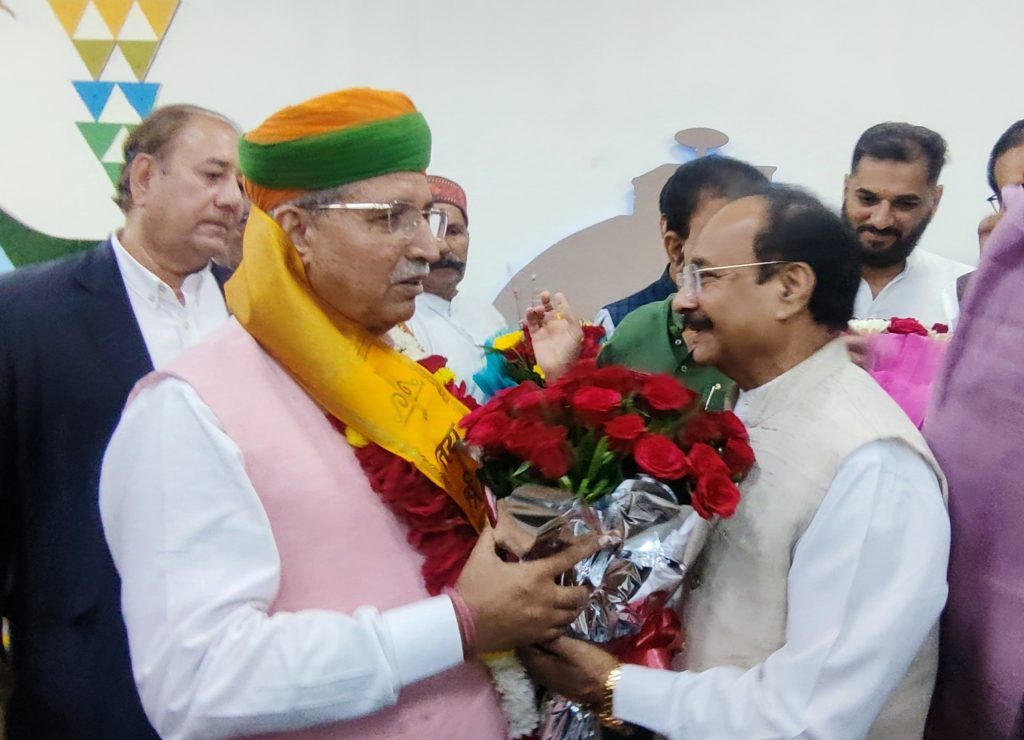
Bhopal (Madhya Pradesh) : The Central government is preparing to take up Waqf Bill in forthcoming winter session of Parliament after the Joint Parliamentary Committee submits its report. 

Speaking to Tehelka.com, Union Law and Justice Minister Arjun Ram Meghwal stated that the government is waiting for report to be submitted by the Jagdambika Pal-headed JPC. 

“As soon as the report is submitted, we plan to study it thoroughly and try for passage of Bill in forthcoming winter session, ” the Law Minister said. 

The winter session of Parliament will commence on November 25 and  is scheduled to continue till December 20.

During the session, the Narendra Modi government is expected to muster numbers to pass the Waqf Amendment Bill, which is currently with the Joint Parliamentary Committee. 

A JPC was formed to look into the proposed amendments to the Waqf Act after opposition’s objections to the current form of the proposed legislation. 

The JPC on Waqf Amendment Bill 2024 has been holding wide ranging discussions on the issue over the past few weeks and has also visited various regions of the country to hear the views of different stakeholders.

The meetings are being held to resolve queries of stakeholders and political leaders and find a consensus on the Bill, sources said. 

The JPC has been working on the Waqf (Amendment) Bill since August, holding 25 meetings and consulting 123 stakeholders, including representatives from six states, eight Waqf boards, and four minority commissions. 

The committee has reviewed input from six central ministries to ensure a comprehensive understanding of the proposed amendments, which aim to reform the management and regulation of Waqf properties across India. The committee’s report, anticipated for presentation in the Winter Session of Parliament from November 25 to December 20, will reflect these findings and provide recommendations for amendments to the Waqf Act.

J&K Police attach property of terror associate in North Kashmir’s Sopore

Jammu and Kashmir Police on Thursday attached a property valued at approximately Rs one crore in the Sopore area as part of ongoing efforts to curb terror-related activities in the region.

The property, a two-story residential house along with a 15-marla (4,080 square feet) plot, belonged to Aamir Rashid Lone, identified by authorities as a terror associate. The attachment took place in the Rasheedabad locality of Bomai.

According to a police spokesperson, the action was conducted under Section 25 of the Unlawful Activities (Prevention) Act (UAPA), 1967, with the approval of the competent authority. The attachment order pertains to case FIR No. 26/2024, registered under sections 18, 20, 23, 38, and 39 of the UAPA, in addition to Section 7/25 of the Arms Act at Bomai Police Station.

The spokesperson added that the move is part of a broader crackdown to disrupt financial and logistical networks supporting terrorist organizations and their associates.

 “This operation sends a strong message that law enforcement will remain unyielding in its commitment to safeguarding peace and stability,” he said.

Delhi-NCR chokes under dense smog as AQI peaks to ‘severe’ level

New Delhi: Delhi woke up to smog-laden air on Thursday, with residents grappling with an Air Quality Index (AQI) classified as ‘severe.’

As of 7:30 a.m., the city’s average AQI reached 430, marking a second day of hazardous pollution levels.

Data from the Central Pollution Control Board (CPCB) indicated that AQI readings across numerous parts of Delhi surpassed 400, signalling critical pollution levels. The highest recordings included Anand Vihar at 473, Ashok Vihar at 474, Dwarka Sector 8 at 458, and Jahangirpuri at 471.

Several areas reported similar readings — Patparganj (472), Punjabi Bagh (459), RK Puram (454), Rohini (453), Major Dhyanchand Stadium (444), IGI Airport (435), ITO (434), Jawaharlal Nehru Stadium (408), NSIT Dwarka (425), Okhla Phase 2 (440), Mundka (407), Najafgarh (457), Narela (438) and Sonia Vihar (468).

While in a few locations of the national capital, including DTU (398), Mathura Road (395), Dilshad Garden (385), Lodhi Road (370), and Sri Aurobindo Marg (345), the AQI level remained at ‘very poor’ level.

In the National Capital Region (NCR), other cities also faced elevated AQI levels, with Faridabad at 284, Gurugram at 309, Ghaziabad at 375, Greater Noida at 320, and Noida at 367.

On Wednesday, Swiss-based monitoring organisation IQAir reported AQI levels in certain areas of Delhi as high as 1, 133, designating the air as ‘hazardous’ with PM2.5 as the primary pollutant.

The smog, attributed in part to ongoing stubble burning in neighbouring Punjab and Haryana, has kept Delhi’s AQI in the ‘very poor’ category since October 30, indicating the persistent health risk for residents.

The CPCB defines AQI levels as — 0-50 ‘good’, 51-100 ‘satisfactory’, 101-200 ‘moderate’, 201-300 ‘poor’, 301-400 ‘very poor, ‘ 401-450 ‘severe’, and above 450 ‘severe plus’

MOST POPULAR

HOT NEWS