Saturday, December 27, 2025

Delhi Assembly poll: Bracing for Battle Royale

Incumbent AAP faces a tough triangular contest as BJP emerges as the main challenger amid Congress’s spirited bid to revive its fortunes in the national capital. A report by Nitin Mahajan
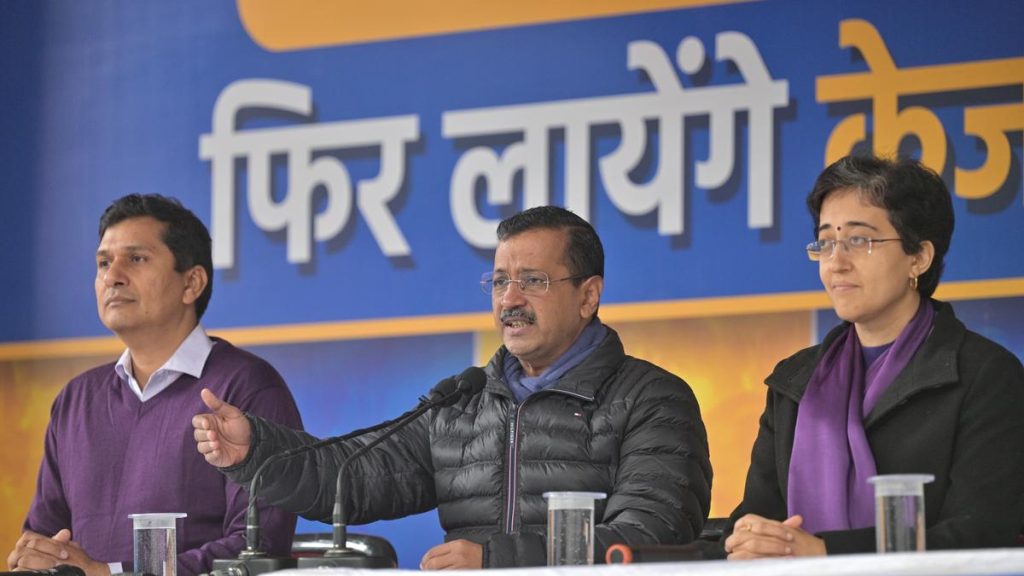
The forthcoming Legislative Assembly contest in the national capital is being keenly observed in political circles. At stake is the political future of former Delhi chief minister and Aam Aadmi Party (AAP) convenor Arvind Kejriwal, who has risen from grassroots and enabled the party to secure a “national” tag in only about a decade’s time. 

Delhi is considered to be the power centre of AAP, from where the party began its political journey. However, over the past few years, the nation’s youngest political party has been facing a tough time as several of its ministers and top leaders have been battling serious allegations of corruption. Several of its senior leaders, including Kejriwal, Manish Sisodia, Satyendar Jain and Sanjay Singh, have faced extensive grilling by the investigative agencies and judicial custody over these past months. 
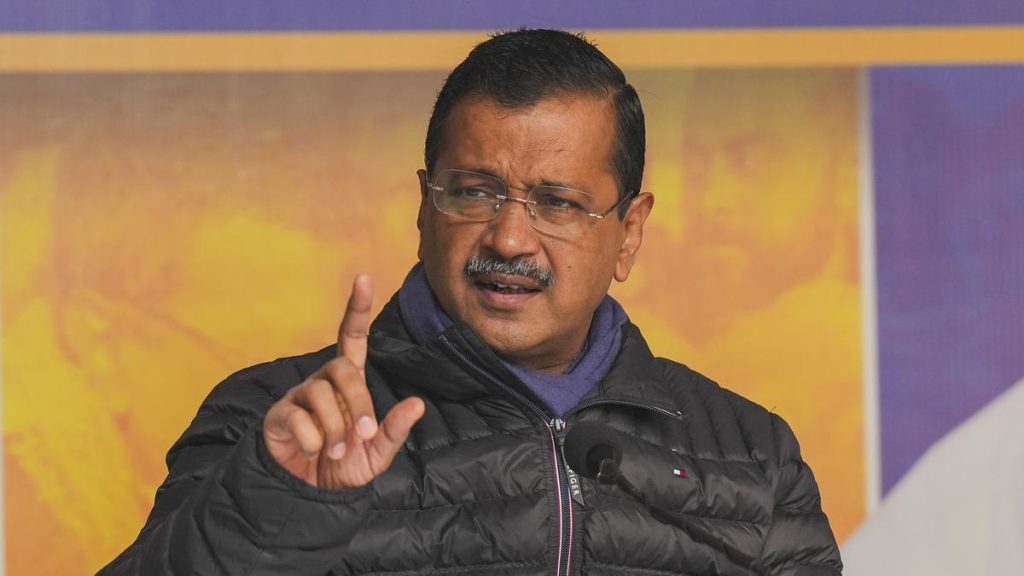
Arvind Kejriwal

Delhi is considered to be the power centre of AAP, from where the party began its political journey. However, over the past few years, the nation’s youngest political party has been facing a tough time as several of its ministers and top leaders have been battling serious allegations of corruption. Several of its senior leaders, including Kejriwal, Manish Sisodia, Satyendar Jain and Sanjay Singh, have faced extensive grilling by the investigative agencies and judicial custody at different times over the past few months.

 Winning Delhi is crucial for Kejriwal and AAP as they want to remove the perception that the party is in any way linked to corruption. A victory  will also ensure that the party would project it as an endorsement by voters and hence show that they still enjoy the confidence of masses and that cases against them are all fabricated. 

A win in Delhi would also be a significant morale booster for the party, which can be projected as an endorsement for the AAP’s governance model. 

The AAP government has implemented several initiatives such as the Mohalla Clinics, which provide free healthcare services to residents. It has also introduced free bus transit for women, which has been a popular move. A win in Delhi would allow Kejriwal to continue and expand these initiatives. 

Also, the AAP’s victory in Delhi would be a significant blow to the BJP, which has been trying to make inroads into the national capital. The BJP has been critical of Kejriwal’s governance, and a loss here would be a major setback for the party.

On the other hand, the AAP’s loss in Delhi would be a major blow to his personal reputation and could potentially harm Kejriwal’s national ambitions.

With the Delhi election being a high-stakes battle, Kejriwal is not leaving any stone unturned to ensure a win for the AAP.

Fearing heavy anti-incumbency, the Arvind Kejriwal-led Aam Aadmi Party has announced several schemes promising freebies to various sections of society in an attempt to consolidate its vote base in the forthcoming polls.  

The former Delhi Chief Minister has announced Pujari Granthi Samman Yojana, Sanjivini Yojana and Mahila Samman Yojana aimed to woo various sections of the society. Under the Pujari Granthi Samman Yojana, the AAP has proposed to provide a salary of Rs 18,000 to all temple pujaris and gurdwara granthis in the city.

Under Sanjivini Yojana, all senior citizens of the national capital have been promised free medical treatment in all hospitals and while the Mahila Samman Yojana proposes grants worth Rs 2,100 every month to all women citizens, respectively. The only catch being that the voters of the city need to re-elect the Kejriwal-led party to see the implementation of these schemes. 

Over the past few weeks, ever since the AAP convener Arvind Kejriwal started to address rallies and meetings, the party has changed its strategy after getting ground level feedback and is now promising more freebies to the voters, sources said.

The Kejriwal-led outfit believes that these freebies will play a pivotal role in securing victory in the upcoming polls.
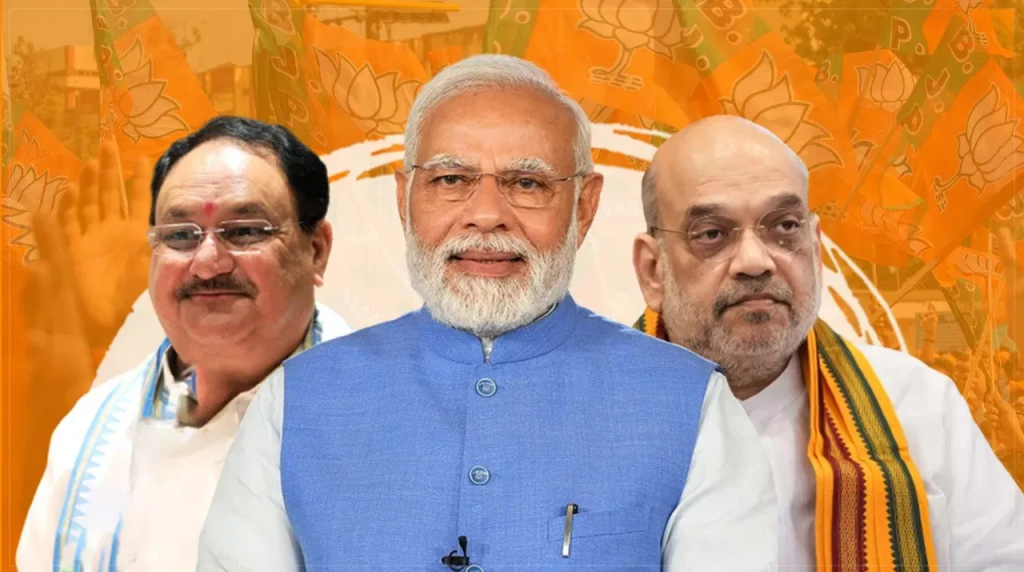
Meanwhile, the Bharatiya Janata Party (BJP) appears to be struggling with a lack of suitable leadership to effectively challenge Kejriwal. Many perceive the party’s alleged attempts to influence the office of Delhi’s Lieutenant Governor (LG) VK Saxena as part of its strategy to counter the AAP-led government.

The AAP government has accused the Delhi LG of interfering in the city’s governance and trying to undermine its efforts to implement welfare measures, including free bus travel for women and marshals in buses. The party has also alleged that the LG is working at the behest of the Central government to destabilize the AAP-led government in Delhi.

Meanwhile, as the standoff continues, Delhi’s citizens are bearing the brunt as AAP claimed that implementation of several schemes has been delayed due to this interference. 
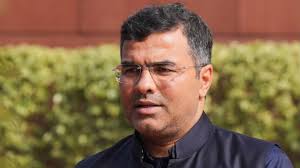
Parvesh Verma

The BJP’s dilemma is that it doesn’t have any leaders in the local unit to take on Kejriwal, hence the need to go after AAP through the LG, sources said. Interestingly, unlike former MPs like Parvesh Verma and Ramesh Bidhuri, senior saffron leaders from the city have continued to stay away from the contest, apparently fearing an electoral  loss at the hands of Kejriwal. 

The BJP has been out of power in the Delhi Assembly since December 1998, when then Chief Minister Sushma Swaraj lost to the Congress, which brought Sheila Dikshit to power. Dikshit went on to lead the capital for three consecutive terms.

With ongoing allegations and intensified attacks against the Aam Aadmi Party over the excise policy corruption issue, the BJP’s efforts are clearly focused on tarnishing AAP’s carefully cultivated clean image ahead of the Assembly polls in the national capital.

The BJP is targeting AAP over excise policy and liberalisation of liquor sales, an emotional issue, as the saffron unit feels that it can lead to an overwhelming support among the women voters in the national capital.

“Alcoholism, domestic violence and crime related to alcohol is considered as a major reason for women to support a more restrictive excise policy. And by establishing that the Kejriwal government is trying to liberalise the excise regime, the saffron party is trying to win over the women voters to its camp,” a senior BJP leader said. 

The party feels that if it is able to establish a perception that the AAP government was indulging in corrupt practices, it would be able to wrest an advantage ahead of the crucial polls. 

The 70-member Delhi Assembly is scheduled to go for polls on February 5 and the results will be announced on February 8. 

Challenges loom over AAP

For AAP, the forthcoming electoral contest will not be easy as Delhi Congress leaders have decided to reclaim the city, where it ruled for three consecutive terms in the past. The grand old party has decided to put up strong candidates against several top leaders of AAP, in an effort to regain political respect and lost ground in the national capital. This essentially means that the city will witness triangular contests on several seats, potentially compounding AAP’s challenges in the national capital. 
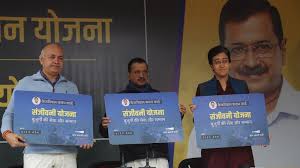
In this new political manoeuvring, Kejriwal is now facing a tough triangular contest in the New Delhi Assembly constituency.

The most interesting and tough contest is being played out in the New Delhi Assembly constituency, where AAP convenor Kejriwal is pitted against the sons of two former chief ministers of Delhi. While the Congress has fielded Sheila Dikshit’s son, Sandeep Dikshit, the BJP has put up Sahib Singh Verma’s son, Parvesh Verma.

Kejriwal has triumphed in three consecutive elections from New Delhi—2013, 2015, and 2020—with commanding margins. However, AAP insiders reveal that following the BJP and Congress announcements of their candidates, some within the party believe a ‘safe’ seat for the former CM might need to be identified in the national capital. “The New Delhi area is cosmopolitan in nature, where the voters are well educated and upwardly mobile. The party is trying to shortlist another constituency where the percentage of minority population is higher and may be considered safe for the party leader,” sources added.  

If Kejriwal suffers a loss in the forthcoming Assembly polls, it is expected to create political roadblock for the AAP supremo as his claim to the Chief Minister’s post will weaken. Hence, the need to look for a safe seat, sources added.  

In the closely fought battle, Sandeep Dikshit is trying to reclaim the legacy of the former Chief Minister and his mother, who had represented the area in the Assembly repeatedly. By fielding Sandeep, Congress has sent a clear message in Delhi Assembly elections that it wants to reclaim the legacy of the party stalwart, Sheila Dikshit.  This move shows the seriousness of the party to reclaim power in the national capital.

In 2013, Aam Aadmi Party led by Arvind Kejriwal defeated Sheila Dikshit to become the chief minister of Delhi.
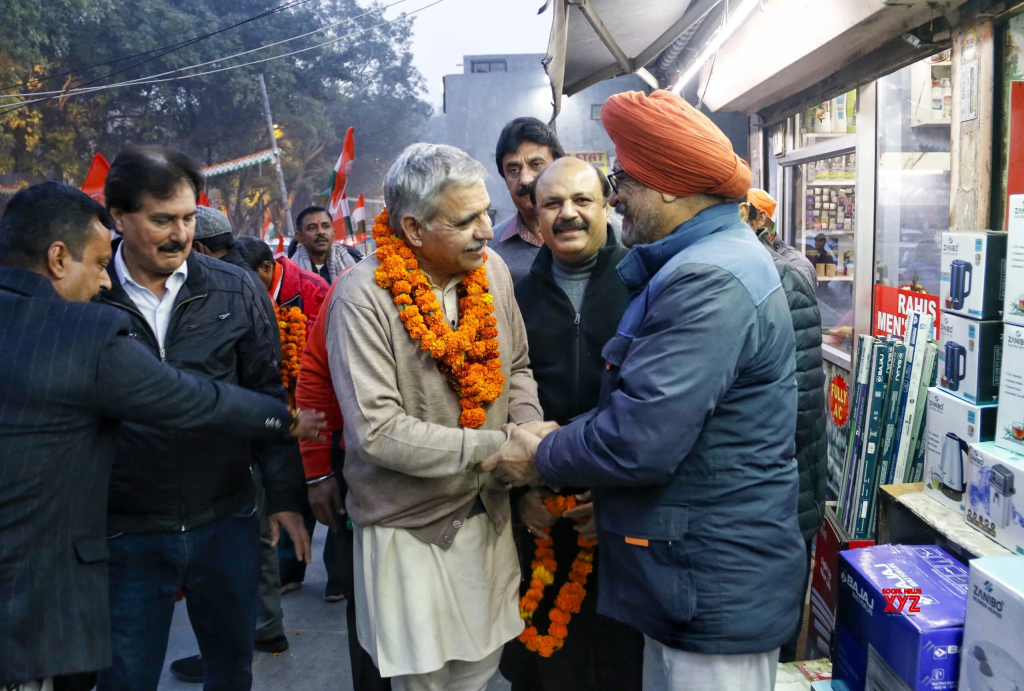
For Sandeep Dikshit, and the Delhi Pradesh Congress Committee, the fight is personal at some levels. The Congress is now pointing out the flawed way that Kejriwal targeted the tallest leader in Delhi, Sheila Dikshit. 

It must be pointed out that the massive public outrage fuelled by Kejriwal’s movement had almost derailed the political careers of several of Sheila Dikshit’s proteges including Ajay Maken, Arwinder Singh Lovely, Raj Kumar Chauhan besides Sandeep Dikshit. 

Senior Congress leaders have repeatedly pointed out that though there was no case against Sheila Dikshit, the duo of Kejriwal and Anna Hazare had steadfastly continued to demand the resignation of Dikshit and came to power riding on these allegations.

Sources stated that there is a section of leadership in the Congress who want to utilize this opportunity to regain the lost ground in the national capital. “Instead of backing Kejriwal in the name of opposition unity – both Congress and the AAP are members of the INDIA bloc, an opposition front — the focus of the party high command should have been on distancing itself from the AAP leader,” sources said.

They pointed out that despite being in government twice, the AAP has not been able to prove any charges that it had levelled against Dikshit or her ministers. 

“Sheila Dikshit, perceived as one of the best CMs in our country, had to face repeated allegations of corruption by Kejriwal,” sources added.

There is anger among the party cadre that while the Congress ceded its space in Delhi and Punjab to the AAP, its top leadership is seemingly unwilling to fight back and regain its rightful share in these regions.

The BJP is also in no mood to give a walkover to Kejriwal and his candidates. A similar triangular contest is also being witnessed in Kalkaji constituency of incumbent CM Atishi Marlena. She is facing senior Congress leader Alka Lamba, while the BJP has fielded Ramesh Bidhuri from the seat. Both these candidates are grassroots leaders and are street fighters, making it tough for the CM to get elected again. 

Over the years, AAP has seen a decline in winning seats in 2020 as compared to 2015. The party won 67 seats in Delhi for the year 2015 and 62 in 2020.

And the BJP and the Congress are trying hard to bring down the AAP numbers by a significant level this time in an effort to have a shot at forming a government in the national capital. 

Rumblings in BJP 

Though the BJP has been trying to project a united face, all is not well in the saffron camp. The anger among BJP cadre stems from the party’s decision to grant tickets to outsiders, including former AAP minister Kailash Gehlot and Congress turncoat Tarwinder Singh Marwah, who recently joined the party. This move is seen as a snub to loyal party workers who have been toiling for years to strengthen the party’s grassroots presence. 
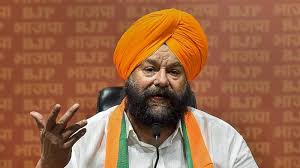
Tarwinder Singh Marwah

Many BJP cadres feel that these newcomers are being given preference over them, despite their own hard work and dedication to the party. This perception of favoritism has led to resentment among the party’s rank and file. Party workers feel that they are being overlooked, with money and influence playing a significant role in the selection of candidates.

Furthermore, the BJP’s emphasis on attracting high-profile leaders from other parties has created a sense of unease among its own leaders and workers. Some feel that the party is compromising its core values and ideology by inducting outsiders who may not share its vision. According to them, these recent entrants have no real connection with the party or its local leadership. 

The BJP’s leadership, however, is claiming that the inclusion of outsiders is a strategic move to expand the party’s base and appeal to a broader audience. Nevertheless, the discontent among BJP cadres is a significant challenge for the party to address as it prepares for the crucial electoral battle ahead.
AAP plays ‘sympathy card’ in front of public: BJP

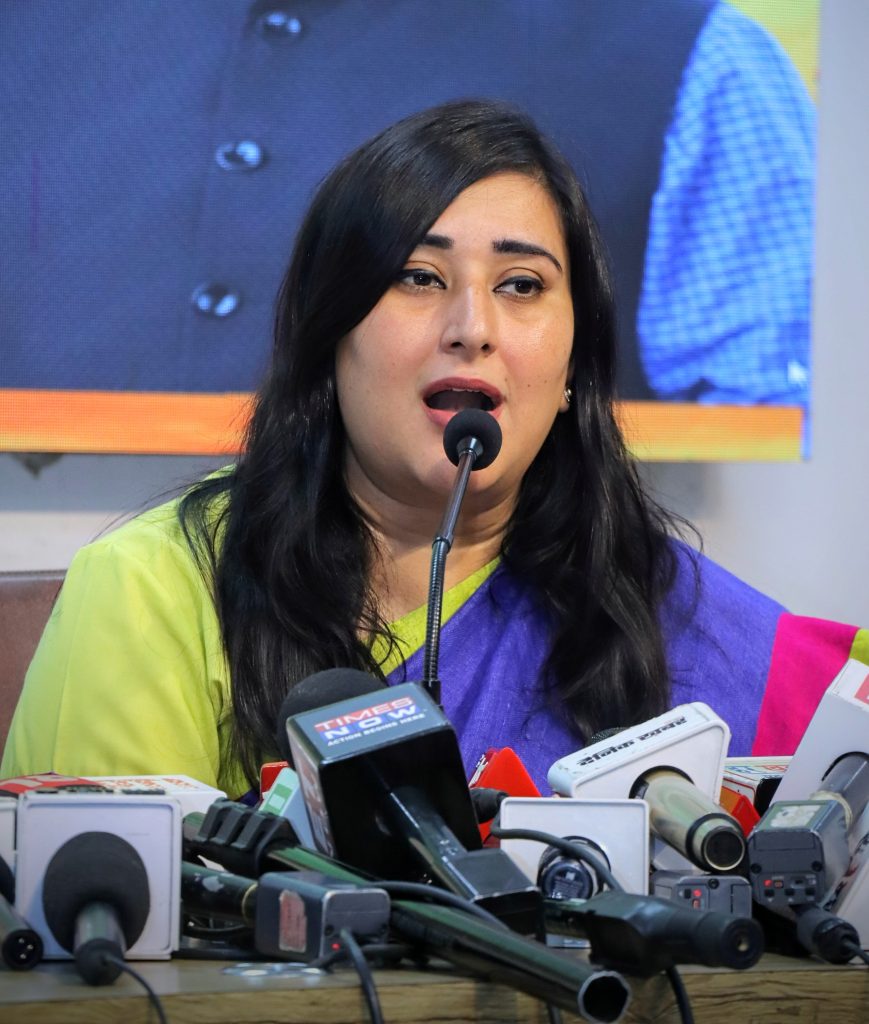
BJP Delhi Secretary and MP Bansuri Swaraj said that Aam Aadmi Party plays ‘sympathy card’ and issues statements to portray themselves as helpless and victims in front of the public to gain political sympathy.

She said that AAP leaders tried to create an impression after the Home Ministry’s approval for prosecution of Arvind Kejriwal, as if his arrest was done illegally.

“Arvind Kejriwal has a team of top lawyers. It would have been better if AAP leaders had consulted those lawyers before making comments on the legality of his arrest so that they could understand the law,” Swaraj said.

She emphasized that AAP leaders should understand from their lawyers that the Home Ministry’s permission to prosecute a Chief Minister is required only when the Court takes cognizance of the chargesheet.

Meanwhile, AAP MP Sanjay Singh said that Prime Minister Narendra Modi should apologize to Arvind Kejriwal publicly as the entire case of excise policy was false and the arrest of AAP leaders was illegal.

He said, “It has been proved yesterday that the excise policy scam was orchestrated by Prime Minister Narendra Modi, Amit Shah. The arrest of then chief minister of Delhi Arvind Kejriwal was illegal and false.”

“You have been running this false case for three years and now you know that you need sanction to prosecute Arvind Kejriwal,” he added.

Yesterday, the union home ministry gave the go ahead to the Enforcement Directorate (ED) to take action against them in the Delhi liquor policy scam case.

The development which comes days ahead of the Delhi assembly elections, will pave the way for the ED to prosecute Kejriwal under the anti-money laundering law.

The 70-member Legislative Assembly in Delhi is scheduled to go for polls on February 5, 2025. Besides the ruling AAP, the BJP and the Congress are the main contenders. Over the years, AAP has seen a decline in winning seats in 2020 as compared to 2015. The party won 67 seats in Delhi for the year 2015 and 62 in 2020.

Managing menstrual hygiene through Jal Jeevan Mission

Water plays a crucial role in ensuring overall hygiene. Piped water supply in villages can help women properly clean reusable menstrual products like cloth pieces and cloth pads. A report by Deepanwita Gita Niyogi

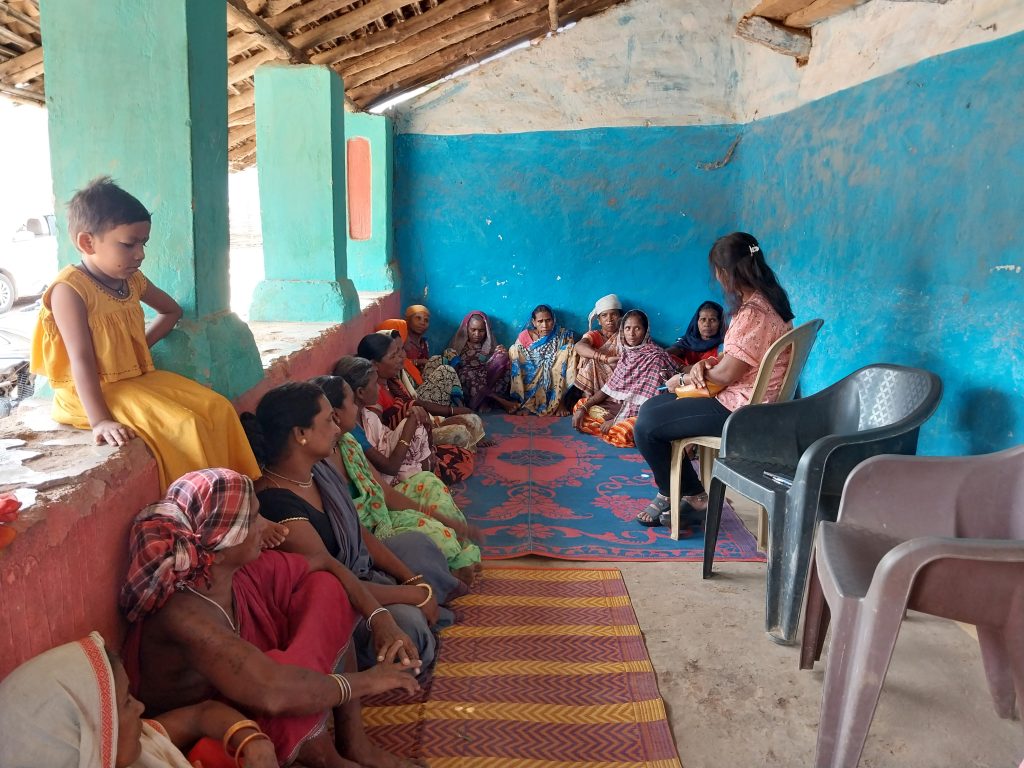
Social worker Harish Chhattri regularly conducts awareness campaigns on menstruation in Mohla-Manpur-Ambagarh Chowki district of Chhattisgarh. Through his campaigns, Chhattri emphasises on the importance of water availability and its judicious usage for ensuring menstrual hygiene.

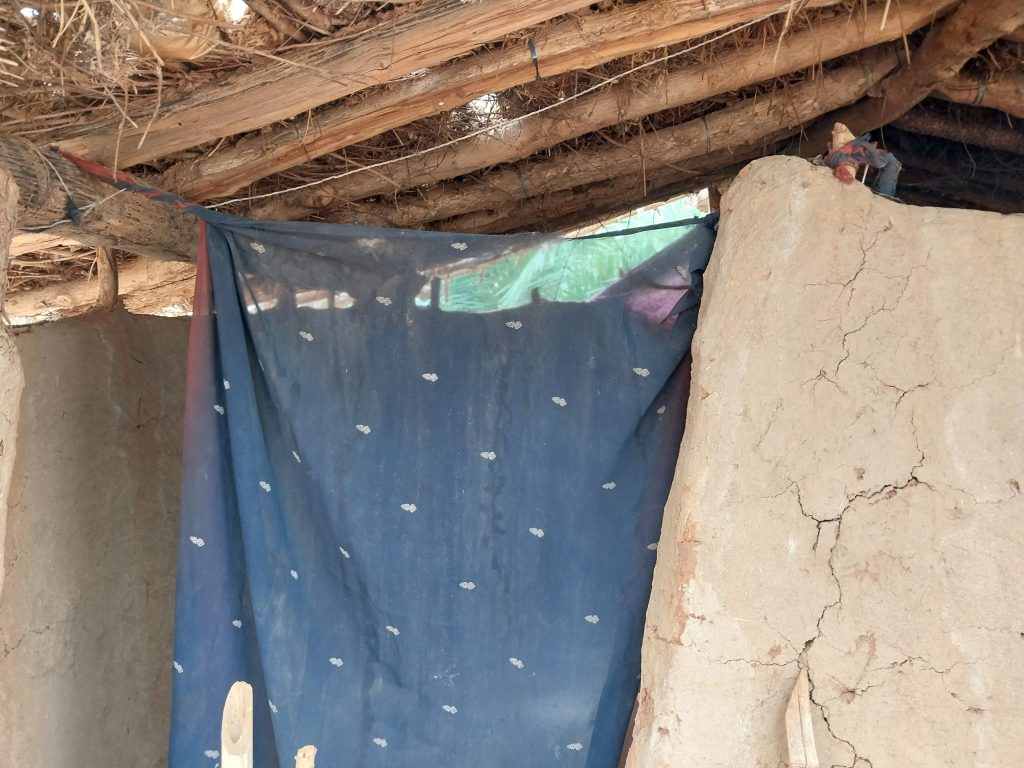
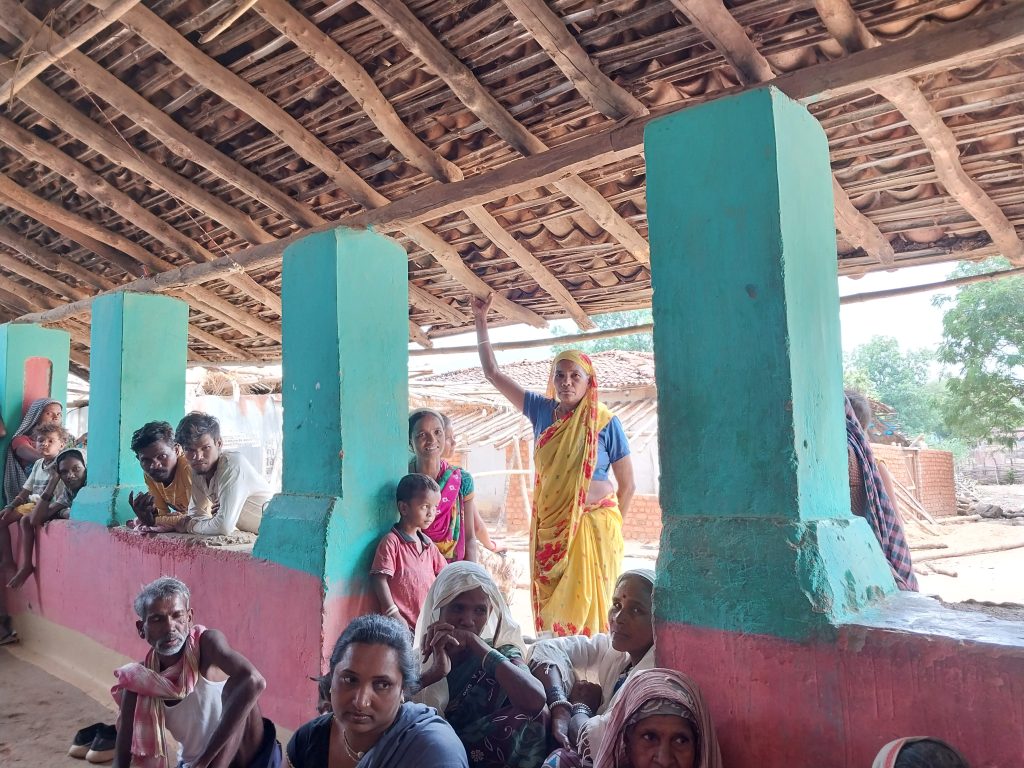
In India’s rural areas, cloth pieces are mostly used during menstruation even though sanitary napkins have entered the scene. But these are not always affordable. In places where door-to-door waste collection is absent, disposing pads is problematic. Social taboos exist. In some villages of the district, menstruating women are forced to reside in makeshift huts. Till date, many households lack access to piped water supply. Women rely on water bodies for household needs. All these factors make menstrual hygiene a difficult thing to maintain.

“When I discuss the issue of menstrual hygiene with women, I urge them to desist from washing soiled cloth pieces or pads in water bodies. Instead, I tell them to fetch water and store it. Though piped water supply has arrived through the Jal Jeevan Mission, individual supply through taps has not started at every house in the villages,” Chhattri said.

The Jal Jeevan Mission is being run by the Ministry of Jal Shakti, Government of India. The programme is aimed at connecting every rural household in India with tap water connection. The Press Information Bureau says that till August 12, 2024, Jal Jeevan Mission has provided tap water connections to 11.82 crore additional rural households, bringing the total coverage to more than 15.07 crore households. This accounts for 77.98 percent of rural households in India.

Menstruation and access to water

According to the World Bank, an estimated 500 million women worldwide lack access to either menstrual products or do not have facilities for menstrual hygiene management. Access to water helps women effectively manage their menstruation.

In villages, access to clean and adequate water has always been a problem, and this Chhattisgarh district is no exception. “Like many drought-prone areas, this district faces water shortage in the summers when water bodies run dry. Climate change will impact water availability in the future,” Chhattri added.

While the central government has introduced commendable policies related to menstrual hygiene management, there is a need to address gaps in implementation to make a difference in the lives of women. The social worker agrees that piped water supply through the Jal Jeevan Mission can help women in rural areas meet hygiene standards effectively. But he sounded caution. People also misuse water by keeping taps running. This should be prevented.

“As the onus of fetching water falls on women, they experience difficulty on a daily basis, and more so, during periods. Apart from household chores, water is needed to wash cloth pieces and cloth pads. Cloth use is being encouraged for environmental sustainability. But for washing them, there is a need to store and save water.”

Sandy Khanda runs the Green Pencil Foundation, a non-profit, based in Haryana. His organisation has worked with schoolgirls in Gurugram on menstrual hygiene management, including the correct disposal of daily use sanitary pads.

According to him, water plays a crucial role in maintaining menstrual hygiene and health. So, like Chhattri, Khanda also advocates water-saving techniques.

Khanda pointed out that cloth pads can be used multiple times in a year but require proper washing and drying. “Adding a few cloth pads to the laundry doesn’t significantly impact water consumption. In contrast, single-use sanitary pads end up in landfills or in open fields, especially in remote areas, where proper waste management systems are sometimes absent. This harms the environment.”

However, there are challenges of using cloth pads in water-scarce areas, such as certain villages of Maharashtra and Rajasthan, especially in summers.

Piped water supply makes a difference

Yogendra Pratap, who runs non-profit Jankalyan Samajik Sansthan in adjoining Rajnandgaon district, said that the Jal Jeevan Mission is yet to reach the entire Mohla-Manpur. “There are certain issues in its implementation. Some far-flung areas have been left behind. Contractors have been blacklisted for non-completion of work.”

Kanta Verma, a resident of Jamdi, informed that piped water supply has arrived in her village. But residents have to rely only on one tank. The other tank does not have water for some reason. That is why water is not always available. Verma explained that when the Jal Jeevan Mission was not there, it was difficult for women to manage menstrual hygiene. “Many of us had to fetch water from water bodies. But tap water connection has made it easy to manage periods. Some of us are also able to afford disposable sanitary pads.”

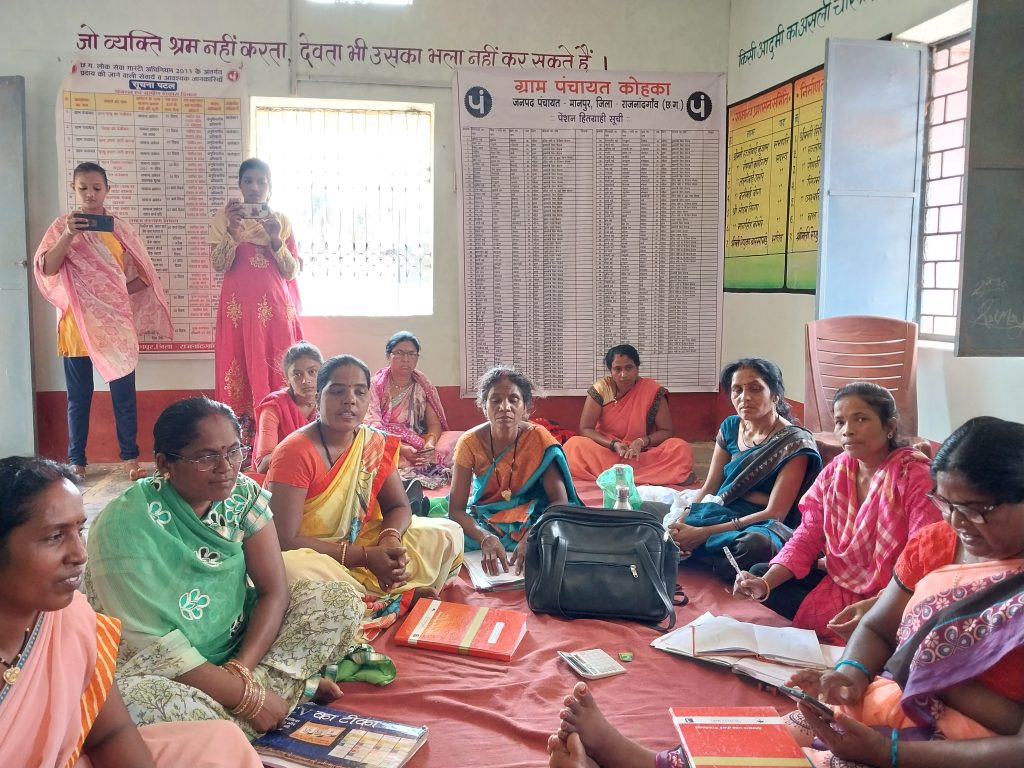
In Mohla-Manpur’s tribal-dominated villages where women spend their days in isolated huts while menstruating, the topic of menstrual hygiene is discussed during meetings. Anganwadi worker Puja Bhandari of Kohka village said that in some villages, the water connection is yet to come. Apart from judicious water usage during menstruation, adolescent girls are urged to follow strict hygiene. “But many of them cannot put to dry cloth pieces and cloth pads in sunlight due to taboos. Thus, good practices are not followed. Women should not stay in isolated huts which are dirty. They should avoid bathing in rivers and ponds while menstruating.”

Renu Prakash, who works for the women and child development department of Chhattisgarh, said that once a week-long menstrual hygiene campaign was organised during which women were urged to use pads and follow correct disposal methods.

Punjab on tenterhooks as fasting farmer leader’s health worsens

Amid Punjab farmers’ ongoing stir at the Punjab-Haryana border for a legal MSP guarantee, and SKM (non-political) leader Jagjit Singh Dallewal’s prolonged hunger strike, the movement underscores enduring farm discontent and evolving protest dynamics. A report by Aayush Goel

As the dense winter fog grips Punjab, thousands of its farmers are on Punjab-Haryana border fighting for a legal guarantee for Minimum Support Price (MSP) for their crops. This seemingly simple ask has sparked one of the most significant agricultural protests in recent Indian history. The current movement, while reminiscent of the 2020-21 farmers’ protest that successfully led to the repeal of three controversial farm laws, has its unique character. The absence of Haryana farmers, who were crucial allies in the previous protest, has changed the dynamics.

The ongoing farmers’ protests being held under the aegis of the Kisan Mazdoor Morcha (KMM) and the Samyukt Kisan Morcha (non-political) at Khanauri and Shambhu on the Punjab-Haryana border since February 13 last year have so far not created a resonance like the 2020-21 agitation.

But the continuing hunger strike of SKM’s (non-political) 70-year-old convener Jagjit Singh Dallewal, whose fast-unto-death is nearing 50 days, has kept the Punjab and Central government on the tenterhooks. Dallewal’s hunger strike has drawn national attention and even the Supreme Court intervention. Resham Singh, a 54-year-old farmer from Pahuwind in Punjab’s Tarn Taran district, died by suicide at the protest site on the Shambhu border. The protest site at Khanauri has transformed into a small township, with makeshift kitchens serving langar (community meals), medical camps, and areas where farmers gather to discuss their strategies. Tractors lined up along the highways serve as temporary homes for these agricultural warriors, many of whom have left their fields during the crucial sowing season to participate in the protest.
The Supreme Court’s intervention in the matter, particularly regarding Dallewal’s health, has added another layer to the ongoing saga. The court directed Punjab officials to provide medical aid to the fasting leader, leading to a flurry of activity from the state administration.
However, Dallewal’s response to these efforts remains unchanged. “If the BJP is genuinely concerned about my health,” he stated in a video message, “they should approach Prime Minister Narendra Modi to accept our legitimate demands rather than seeking intervention from the Akal Takht.” The reference to the BJP’s appeal to the Akal Takht, the highest temporal seat of Sikhism, to intervene and make Dallewal end his fast has added a religious dimension to the protest. However, farmer leaders maintain that their movement is purely about agricultural economics and the survival of India’s farming community.

Who is Dallewal?

 Born on October 4, 1958, in a farmer-family at Dallewala village in Punjab’s Faridkot district Jagjit Singh Dallewal is the leader of a farmers’ group that is loosely allied with SKM, a coalition of dozens of unions that coordinated the protests in 2020. Dallewal has a Master’s degree in political science but chose farming. An agriculture activist since 1989, ‘sit-ins’ and ‘hunger strikes’ are a hallmark of Dallewal’s way of agitation over the years.

In recent years, he had held hunger strikes in March 2018, January 2019, January 2021, November 2022 and June 2023, all in support of farmers. However, the ongoing fast is his longest. In a letter to Modi, he has written that he is prepared to “sacrifice his life” to stop the deaths of farmers. His fast unto death has become a symbol of farmer’s grit as despite all efforts of the state government and authorities, he has refused to end the fast even as doctors have raised an alarm of possible cardiac arrest. “My life is not important,” Dallewal declared during a recent Kisan Mahapanchayat (farmers’ congregation), his voice weak but determined. “What matters is the future of millions of farmers across India who need guaranteed prices for their crops to survive.” Dallewal transferred his properties to his son, daughter-in-law and grandson, indicating his willingness to sacrifice his life for the cause of the farming community.

What sets this farm stir apart

 In terms of demands, not much has changed from earlier protests. The Punjab farmers are pushing for a legal guarantee for the minimum support prices, a loan debt waiver, pensions for both farmers and agricultural labourers, no increase in electricity tariffs, the reinstatement of a land acquisition law, and compensation for families of farmers who died during previous protests. What however has changed is the absence of the majority of farm unions, Haryana farmers and the attitude of the central government towards the protest. The Punjab farmers’ failure to take their Haryana counterparts on board is being attributed to a host of reasons, including their ‘hurried’ “Dilli Chalo” call and the BJP’s surprise return to power in Haryana after the Assembly elections in October last year. The proactive approach of the new Nayab Singh Saini government coupled with schemes like the Bhawantar Bharpayee Yojana, a price deficiency payment initiative, and the state government’s December 2024 decision to procure 24 crops at MSP are being seen as potential reasons for a chunk of farmers from the state staying away from the ongoing protest.

During the protests in 2020, the union government held multiple rounds of talks with the farmers. Top officials, including India’s then agriculture and food ministers, were part of the negotiations. Even in February 2023, union ministers held two rounds of talks with their leaders but failed to achieve a breakthrough. But this time, the government is being cautious to prevent a repeat of what happened in 2020. That year, a key meeting between the then agriculture secretary and farmers’ unions backfired badly, catalyzing the following year-long protest. The core SKM has so far distanced itself from the protest and now with Dallewal’s deteriorating health, the protesting forums have sought a meeting at the protest site. The request came a day after a six-member committee of SKM visited the Khanauri protest site and invited the SKM (Non-Political) and KMM for a meeting on January 15 in Patiala for unity among farmer bodies.

‘MSP no panacea for Punjab farmers’

While the legal MSP regime has been the core demand of farmers since 2020, Punjab BJP chief Sunil Jakhar has questioned the benefits of a legal MSP regime for Punjab farmers and demanded a debate on the issue in the state Assembly. Jakhar has accused local politicians of playing with Dallewal’s life. “MSP guarantee was not a surety of income enhancement, which the farmers of Punjab needed. It will be detrimental to the interests of Punjab.

A national-level MSP regime would mean Punjab farmers would need to squander their special advantage under the present system where the entire wheat and paddy stocks are procured at MSP. In the case of a pan-India legal MSP regime, the Centre would be obligated to procure crops from across states and Punjab too would come under the per acre procurement rule, which is not the case today. We should be aware of what we seek because we might just get it and then we might regret it,” said Jakhar. He has asked the AAP-led Punjab Government to clarify why the state was not drafting its agriculture policies after rejecting the Centre’s policy. “Why don’t you have your own policy? After all, agriculture is a state subject. The farmers of Punjab need to ask themselves what is in their best interests. Whose battle are we fighting and why?”

Delhi’s civic woes: AAP’s Achilles heel?

Photo : Naveen Bansal

From sanitation and water supply to waste management and drainage, Delhi’s civic issues paint a picture of systemic neglect. The larger failures in governance and infrastructure remain glaringly evident.

Our national capital holds the unique distinction where successive governments led by the BJP, Congress, and AAP have failed to provide basic civic amenities to the people

As the February 2025 Delhi Assembly elections draw closer, civic issues across the city have come under the spotlight, revealing a glaring gap between political promises and ground realities. From improper sanitation in VIP areas to water contamination in the outskirts, the city’s residents continue to struggle with challenges that compromise their health, safety, and quality of life. Despite some noteworthy initiatives like Mohalla Clinics, systemic problems in waste management, drainage, and water supply continue to persist, leaving voters increasingly frustrated.

Photo : Naveen Bansal

 Slum dwellers in this constituency face the brunt of poor waste management, with garbage often dumped indiscriminately and left unattended for days. 

In almost one third of the city, there has been an ambitious project to provide sewerage and potable water facilities. However, to no avail as most roads in unauthorised parts of Delhi are still dug up or awaiting water and sewerage connection.  Years after sewer lines were laid, they remain non-operational, forcing locals to rely on unsafe methods for waste disposal. Adding to the woes are poorly maintained roads riddled with potholes, making everyday commutes hazardous. 

Opposition parties have been quick to criticize the AAP government as the Municipal Corporation of Delhi, Delhi Jal Board and Public Works Department are all directly controlled by the Delhi government. Both the Congress and BJP are expected to highlight these issues as they seek to sway voters ahead of the 5 February polling.

Whether voters decide to make civic mismanagement a key issue, however, will only become clear on 8 February, the day the results will be declared.

INDIA wilting as the battle for Delhi splits the bloc

When Jammu & Kashmir Chief Minister Omar Abdullah raised doubts about the INDIA bloc’s unity suggesting that it was formed only for the parliamentary elections, most political pundits took the observation with a pinch of salt. However, the upcoming Delhi assembly election has split the opposition bloc with alliance partners like the Trinamool Congress (TMC), the Shiv Sena (UBT), and Samajwadi Party (SP) lending support to the Aam Aadmi Party (AAP) much to the discomfiture of Congress. The move means bloc members are working at a cross purposes.  Already there were fissures within the group during the election in Haryana where Congress and AAP had fought separately. At the same time, the relationship of the former with the Shiv Sena (UBT) does not seem as sweet as it used to be following the debacle in Maharashtra. The isolation of Congress can be understood from RJD leader Tejashwi Yadav’s snide remark that the bloc was formed specifically for the 2024 Lok Sabha polls. The cracks have raised doubts about the ability of the grand old party to lead a coalition to take on the mighty BJP, for which it would be a win-win situation.

Tehelka’s cover story “Bracing for battle royal” by Nitin Mahajan explains why the forthcoming Legislative Assembly contest in the national capital is being keenly watched in political circles because at stake is the political future of former Delhi chief minister and Aam Aadmi Party convenor Arvind Kejriwal, who has risen from grassroots and enabled the party to secure a “national” tag in only about a decade.  Delhi is considered to be the power centre of AAP, from where the party began its political journey. However, over the past few years, the nation’s youngest political party has been facing a tough time as several of its ministers and top leaders have been battling serious allegations of corruption. Several of its senior leaders, including Kejriwal, Manish Sisodia, Satyendar Jain, and Sanjay Singh, have faced extensive grilling by investigative agencies and judicial custody over these past months. A victory will also ensure that the party would project it as an endorsement by voters and hence show that they still enjoy the confidence of the masses and that cases against them are all fabricated.  On the other hand, the AAP’s loss in Delhi would be a major blow to his reputation and could potentially harm Kejriwal’s national ambitions. Tehelka’s Priyanka Tanwer gives another twist to the cover story with her write-up “Delhi’s civic woes: AAP’s Achilles heel?”.

Interestingly, the Delhi election at least for once has brought the BJP and the Congress on the same page on the issue of renovation of CM’s official residence at a whopping cost, ironically in the middle of the Covid-19 pandemic allegedly pointing to misplaced priorities. The BJP and Congress are now targeting the very image of AAP and its convener who has projected himself as a commoner. Well, February 8 would be awaited as Shakespeare coined in ‘Merchant of Venice’ with bated breath!

Serial killer thrived as Punjab police overlooked critical leads

For nearly a year, a serial killer rampaged across three Punjab districts, claiming nine lives. Lapses by police in Hoshiarpur and Fatehgarh Sahib fecilitated accused Sodhi’s grisly spree, during which he enticed victims into homosexual acts before killing them, to persist.  A report by Raju William

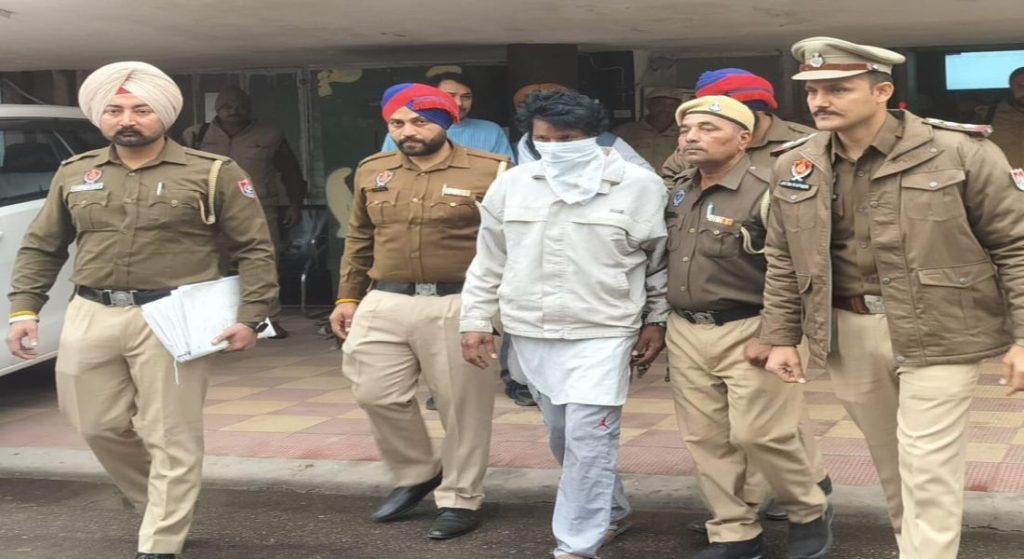
On a murder spree since January 2024 in three districts of Punjab, the rampaging serial killer Ram Saroop alias Sodhi, finally landed in the police net after eleven months. He hails from village Chaura in the jurisdiction of police station Garhshankar in Hoshiarpur district of Punjab.

Before his arrest by the Rupnagar district police last month, he allegedly murdered nine persons single-handedly and without using any sharp-edged weapon. Of these, three murders were committed in the jurisdiction of Rupnagar district and other six in the neighbouring Hoshiarpur and Fatehgarh Sahib districts.

During the investigation, he confessed to having used crude methods like hitting his victim with a piece of wood and strangulating with either a piece of cloth or a muffler. It has been revealed that the alleged accused is a homosexual and all his victims were of the same sexual orientation.  

Notably, the trail of murders came to light during the investigation by the Rupnagar police using scientific and human intelligence methods in cracking this case which probably is considered to be the first of its kind involving a serial killer.

However, sources said that had the police in Hoshiarpur and Fatehgarh Sahib districts acted with due diligence, there was a possibility of the serial killer having been apprehended earlier.

After his arrest, the police from other two districts have been reworking on the murder cases about which he has made revelations during his interrogation by the Rupnagar police.  

About the alleged killer’s modus operandi, Senior Superintendent of Police (SSP) Gulneet Singh Khurana said he used to take car and motorist drivers for lifts and have sexual intercourse with them and later on, he would rob and kill them.

The Rupnagar police had registered all the three cases reported in its jurisdiction under murder charges. One was registered under 103 (1) of the BNS because it was reported in August 2024 after the new laws came into effect in July 2024. Other two cases were registered under section now defunct 302 of the IPC in January and April 2024.

In other two districts, FIRs were not registered and only the inquest proceedings were done in as many as five cases reported from there. For instance, no FIR was done despite recovery of the body of the deceased identified as Negi in the case reported at the police station Fatehgarh Sahib in February 2024, said sources.

In another case reported in May 2024 in the jurisdiction of the police station Sirhind in Fatehgarh Sahib district, the alleged accused confessed to have strangulated a young victim Sanjeev Kumar alias Lucky to death. The police had registered a case under section 304 of the IPC amounting to culpable homicide instead of murder.

As per the established law, if a body is recovered, there must be a cause of death and the same has to be investigated. In the cases where the bodies have been recovered, the concerned district police allegedly failed to initiate adequate action.

Sources further said that identification of the victims has been done in nine cases. In the tenth case, the investigation revealed he was not sure whether his victim had died or not because he had fled from the scene of the crime sensing somebody coming. This took place near village Ganguwal under the police station Sri Anandpur Sahib in Rupnagar district. Currently, he is in the custody of the Rupnagar police. More revelations are expected in the heinous crime as the investigation progresses.  

Guwahati to host direct selling industry leaders and policymakers

IDSA Northeast Direct Selling Expo on January 21

Guwahati is set to become the epicenter of discussions and innovations in the direct selling industry on January 21, 2025, as eminent government dignitaries, top industry leaders, policymakers, academics, and social activists converge here for the 2nd Edition of IDSA Northeast Direct Selling Conference and Expo. 

The event, being organized by the Indian Direct Selling Association (IDSA), will witness brainstorming on crucial topics such as industry growth, regulatory frameworks, consumer awareness, reforms, policy advocacy, and empowerment of women and youth through direct selling opportunities.

The IDSA, in a press release issued here today, said the event will feature a grand exhibition showcasing products, services, and innovations from IDSA member companies. Other key attractions include recognition of women entrepreneurs for their achievements in the Northeast region to celebrate entrepreneurial success and interactive sessions with direct selling entrepreneurs and students of colleges and universities. The Expo will further witness a unique showcase of Northeast culture and innovation sin the direct selling industry through a product ramp walk by models adorned in northeast attire, it added.

The release highlighted India’s direct selling industry’s robust growth, with a market size exceeding ₹21,282 crore, ranking 11th globally. The sector demonstrated a 12% growth rate in 2022–23 and boasts a compound annual growth rate (CAGR) of over 8%. It has provided self-employment and micro-entrepreneurship opportunities to over 86 lakh individuals, including 32 lakh women, emphasizing its role in socio-economic transformation. 

The release underscores that the Northeast, with a market share of 8.7%, contributes over ₹1,800 crore to the national turnover while providing self-income opportunities to over 4.2 lakh direct sellers in the region. Assam, being the 9th largest direct selling market in the country, leads with ₹1,009 crore in sales and a 4.7% market share, supported by over 2.4 lakh direct sellers. The contribution of the other seven northeastern states includes Manipur (Rs 288 cr.), Nagaland (Rs 227 cr.), Mizoram (Rs 156 cr.), Arunachal Pradesh (Rs 78 cr.), Tripura (Rs 72 cr.), Meghalaya (Rs 19 cr.), and Sikkim (Rs 5 cr.). The industry contributes over ₹270 crore annually to the region’s state exchequer, reinforcing its role in the Northeast’s development.

IDSA is of the strong view that the 2025 Northeast Direct Selling Expo is expected to serve as a platform for fostering growth, innovation, and collaboration, further solidifying the Northeast’s pivotal role in India’s direct selling sector. 

For god’s sake, let them rest in peace

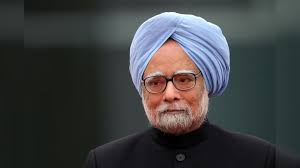
A low-key man that former Prime Minister Dr Manmohan Singh was, he would have preferred to go in silence rather than the ruckus created about his final resting place. By KUMKUM CHADHA

Dr Manmohan Singh

As the politics over Death played out in the national capital, the BJP seems to have scored over its arch rival: the Congress Party. 

Not only did it undo the damage done to the memory of former leaders of the Congress but went a step further in doing what the Congress should have done: honored its dead. 

Two names that stand out: former Prime Minister P.V.Narasimha Rao and former President of India Pranab Mukherjee. 

However, in the case of Dr Manmohan Singh, the Congress made an exception. Singh died last month. 

A Sikh, Singh was the first from the minority community to occupy the high office. 

An economist turned politician who rose to be India’s 13th Prime Minister, Singh liberalized the Indian economy and ushered in structural reforms that changed the face of the Indian economy which till then was in the throes of a crisis. 

Therefore, it is not without reason that when people remembered Singh and wrote obituaries, two things that stood out were: his humility and his turning around the economy. 

There were, of course, a few asides about his being a weak Prime Minister who was subservient to the “superpower”: the then Congress President Sonia Gandhi and a Government which was remote controlled by the National Advisory Council, also headed by Mrs Gandhi. 

Ostensibly, the relationship between the two was cordial: Singh visibly indebted to Sonia Gandhi for literally giving him an office he never in his lifetime had ever thought he would occupy. But there are reports of there being disagreements, often strong ones. But let those truths be buried with him. 

As for now, the Congress is demanding a separate memorial for Dr Manmohan Singh along the banks of the Yamuna river in New Delhi. 

 The Party also said that the late leader’s last rites should be conducted at the site designated to be the memorial at a later date. 

This, Congress President Mallikarjun Kharge wrote to the Government, would be in keeping with the tradition of “having memorials of statesmen and former Prime Ministers at the very place of their funerals”. 

The government, on its part, agreed to the request to allocate space for Dr Singh’s memorial but said it would do so at a later date. The Centre then told the Congress to conduct Dr Singh’s final rites at a public crematorium confirming that a space would be allocated for his memorial in the near future.

This was enough for the Congress to cry foul and allege that “the great son of Mother India and first Prime Minister of the Sikh community” to quote Congress leader Rahul Gandhi, has been “totally insulted”. 

Congressmen followed suit by alleging “mismanagement”; lack of space for Dr Singh’s family; and the general public being kept out of the venue and so on.  

For record, Dr Singh was given a state funeral. 

Not the one to take things lying down, the BJP hit back saying that the Congress was resorting to cheap politics. 

It dug into recent History by saying that except for Dr Singh, the Congress had disrespected former Prime Minister P.V.Narasimha Rao and former President Pranab Mukherjee. 

Rao’s rites, it said, were not allowed to be performed in the national Capital. It was the BJP that built a memorial and conferred the Bharat Ratna on Rao. 

Pranab Mukherjee’s daughter, Sharmistha too jumped in on grounds that the Congress did not even call a meeting to condole Mukherjee’s death. 

So, the BJP did one better: not only did it allocate land for Singh’s memorial but went a step further and announced a memorial for Mukherjee too. It sanctioned a dedicated site within the Rashtriya Smriti complex for Mukherjee’s memorial. The complex is part of the Rajghat precinct. 

Rashtriya Smriti Sthal is the designated spot for the last rites of Presidents, Vice Presidents and Prime Ministers. 

Mukherjee was the country’s 13thPresident. Till he attained the country’s highest office, he spent major part of his five-decade career in the Congress. That he had misgivings with the Party leadership headed by Sonia Gandhi is well known. If reports are anything to go by, Mukherjee was Sonia Gandhi’s last choice as the country’s President. But like one would say for Singh, such truths are best buried with the dead.  

As for memorials, the Government headed by Atal Behari Vajpayee had mooted a ban on converting bungalows into memorials. 

In 2013, the Congress-led UPA government under Dr Manmohan Singh decided that a common place would be developed for memorials of former Prime Ministers and dignitaries. At that point in time, VVIP samadhis were occupying over 245 acres of prime land in Delhi.

As for Singh, he would perhaps be turning in his grave at the hullabaloo, the mud-slinging and more importantly the dirty politics that has followed his death. 

A low-key man that Singh was, he would have preferred to go in silence rather than the ruckus created about his final resting place. 

When we say Rest in Peace or RIP for the dead, we pray for eternal peace for the departed. However, in modern times, like many things, this phrase too needs to be modified. Instead of Rest in Peace, it should be Let him Rest in Peace. 

And this is what politicians have not allowed Dr Manmohan Singh to do: they have not Let Him Rest in Peace. We Indians, each one of us, owe him at least that. 

In the face-off between the Congress and the BJP, it is, to put it mildly, politics at its ugliest. 

Therefore, the question that stares all of us in the face is: are our political parties so bankrupt that they stoop to non-issues? Is politics over the dead the new norm? Can’t they unite in respect for those gone? 

As things have panned out, this is how it appears. Be it a cremation site, a memorial or managing a state funeral those out of power find reasons to put those in power on the mat. And when it comes to the Congress versus the BJP it is clearly a no holds barred situation. 

At one level, politics is fine and it is the business of the Opposition to oppose. So, on that count the Congress is doing its job. 

But does this mean resurrecting its dead and indulging in petty politics? Does it mean pulling out people from their graves and using them to score political points? Does it mean we have reached a new low and will continue to dip further? And does it mean that we will continue ruffling feathers and not Let the dead rest in peace? 

The argument is not about who is right or which Party is making sense or driving logic. The question is one of propriety; of how far should one be allowed to go, rather stoop, to use the correct term? And more importantly, should the dignity of the dead be compromised for politics? 

 To say that Dr Manmohan Singh was a dignified man is to state the obvious. Politically, he may have made compromises but at a personal level he valued both dignity and integrity.  Therefore, to barter any of these when he is gone, is nothing short of besmearing his Memory. 

Congress office shifts to Kotla Road from Akbar Road after 47 years

Photo : Naveen Bansal

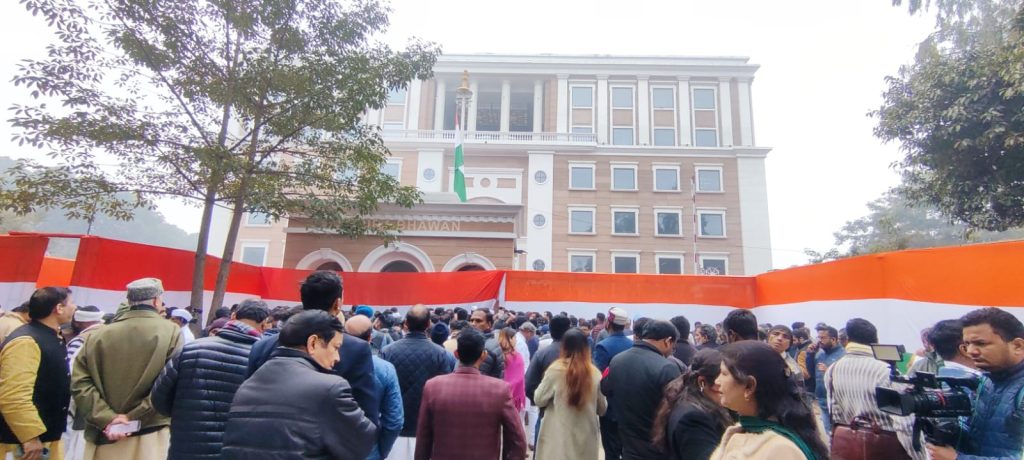
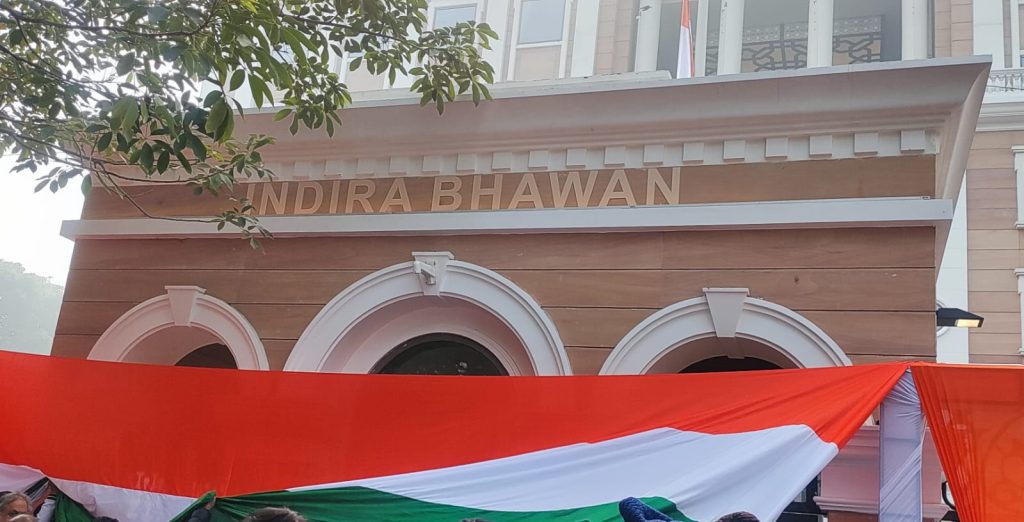
Congress president Mallikarjun Kharge and Sonia Gandhi on Wednesday inaugurated the new building of the Indian National Congress, Indira Bhawan at 9A Kotla Road, New Delhi.  

AICC general secretary said that this new state-of-the-art headquarters symbolizes the Congress party’s continuing mission to uphold the vision of its stalwarts.

He said, “This building is not a structure of bricks and mortar, but a testament to the dreams, dedication, and sacrifices of the millions of Congress workers who have tirelessly served the nation through this great party.”

The construction of the new AICC headquarters was started in 2016 when Sonia Gandhi was president of the party and was inaugurated in 2025 under the leadership of Kharge. There has been a delay of several years owing to the paucity of funds.

Photo : Naveen Bansal

Kharge said, “Congress party’s new headquarters ‘Indira Bhawan’ has been built on the foundation of Democracy, Nationalism, Secularism, Inclusive Development and Social Justice. Symbolising the 140-year-old glorious history of the Indian National Congress, the walls here narrate the great saga of truth, non-violence, sacrifice, struggle and patriotism.”

Leader of Opposition Rahul Gandhi said that  this party has always stood for a particular set of values, and we can see those values reflected in this building.

“This building is not an ordinary one. It has emerged from the soil of our country, and it is a result of the hard work and sacrifice of millions of people,” Gandhi said.  

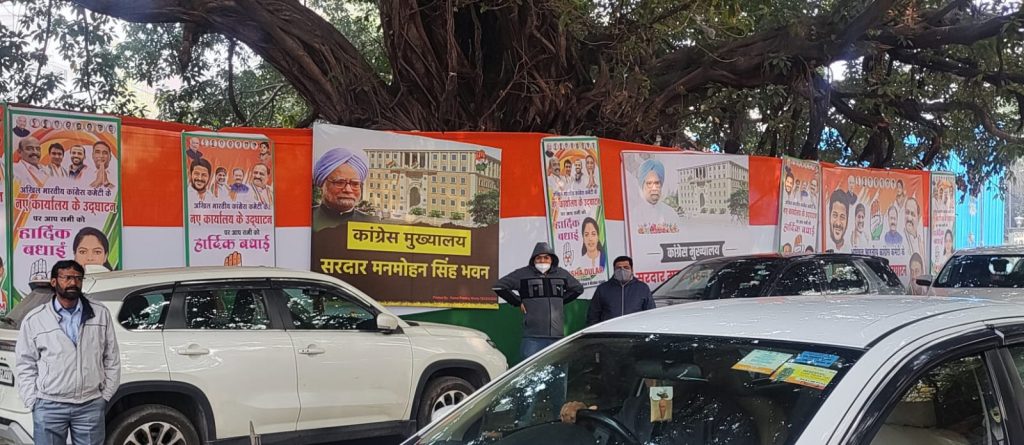
Meanwhile posters referring to the party’s new headquarters as Sardar Manmohan Singh Bhawan sparked a row.

Photo : Naveen Bansal

The posters of Manmohan Singh were highlighted by the BJP.  

BJP IT cell head Amit Malviya took to micro blogging site X and said, “Posters outside the new Congress headquarters call for it to be named Sardar Manmohan Singh Bhavan, as a tribute to the former Prime Minister. Rahul Gandhi once referred to him as a mentor, yet he chose to travel to Vietnam for the New Year while the nation mourned his passing.”

However, the party has decided not to vacate the present 24, Akbar Road office and it will continue to house some of its cells.

The Akbar Road bungalow once housed Sir Reginald Maxwell, who was a member of Viceroy Lord Linlithgow’s executive council. It was also home to a teen Aung San Suu Kyi in 1961 when her mother was appointed ambassador to India.

The Congress has been its mainstay though. More than just an office for the party, the premises set in expansive lawns was witness to the tenure of seven Congress presidents.

The BJP has also not vacated its old party headquarters at 11, Ashoka Road, even after shifting to its new headquarters at Deendayal Upadhyay Marg.

MOST POPULAR

HOT NEWS