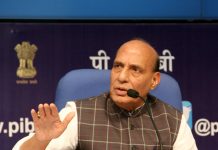
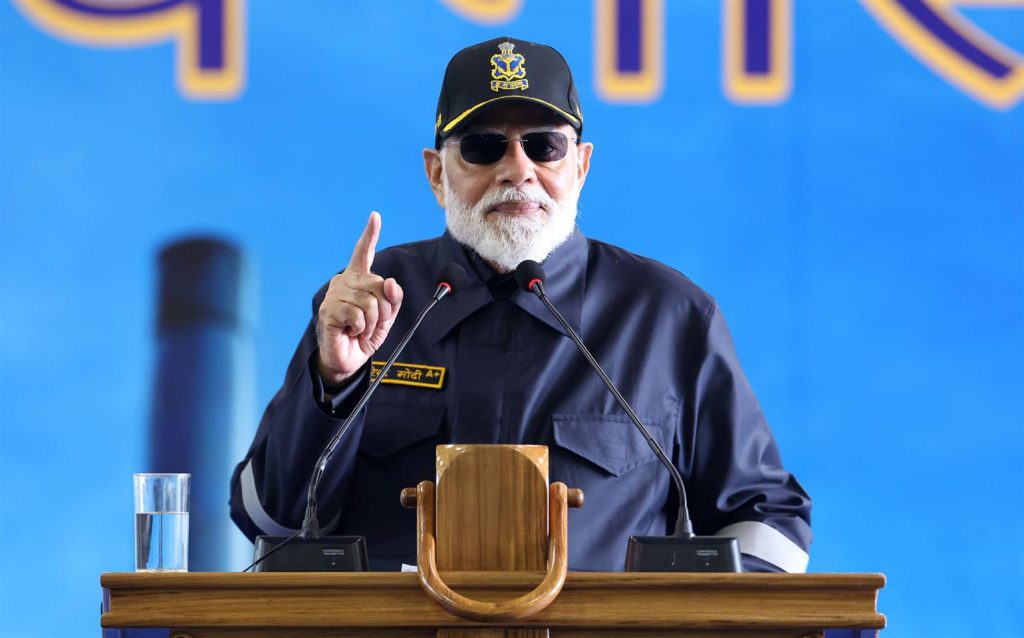
Prime Minister Narendra Modi is unlikely to attend the upcoming ASEAN Summit in Kuala Lumpur from October 26 to 28. According to reports, External Affairs Minister S. Jaishankar is expected to represent the country at the meeting. While there has been no official confirmation from the Indian government, sources suggest the decision is due to scheduling constraints and pressing domestic engagements.
PM Modi has traditionally led India’s participation in ASEAN and East Asia Summit meetings, reflecting India’s commitment to its “Act East” policy and the importance it places on ASEAN centrality in the Indo-Pacific region. His likely absence this year marks a shift from previous summits, though officials emphasize that India’s engagement with ASEAN remains strong. There are also indications that Modi may address the summit virtually, ensuring India’s continued high-level presence.
Analysts view Jaishankar’s representation as a signal of continuity in policy, even if not at the head-of-government level. India’s participation will likely focus on strengthening economic, connectivity, and security cooperation with Southeast Asia.
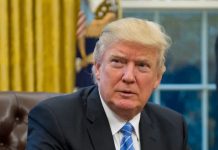
U.S. President Donald Trump has confirmed his attendance at the summit, according to Malaysian officials. His presence is expected to draw significant global attention, particularly as he is also set to witness the signing of a peace deal between Thailand and Cambodia during the event. Trump’s participation highlights Washington’s renewed engagement with Southeast Asia under his leadership and underscores the growing strategic importance of the Indo-Pacific region. His visit will likely include several bilateral meetings with ASEAN leaders, further shaping the geopolitical agenda of the summit.
Notably, this will be the second time in recent months that Modi and Trump will not share a global platform. Earlier, the Prime Minister skipped the Gaza Peace Summit in Egypt, where Trump, Egyptian President Abdel Fattah el-Sisi, and Pakistan’s Shehbaz Sharif were present. India was represented instead by Minister of State for External Affairs Kirti Vardhan Singh. The move was seen as a carefully calibrated diplomatic choice, underscoring New Delhi’s preference for selective engagement on sensitive multilateral issues.