Jagdeep Dhankhar’s resignation as Vice President of India late Monday night created a rare mid-term vacancy for the key Constitutional post, setting in motion the political process to elect his successor. Dhankar is the third Vice President in India’s history to resign before completing his term after VV Giri and R Venkataraman. However, Giri and Venkataraman had stepped down to contest presidential elections.
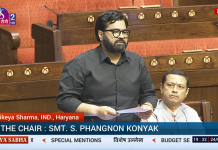
Since the Vice President is also the Chairman of the Rajya Sabha, Deputy Chairman Harivansh Narayan Singh will take over that part of his duties—running the House. His name is also one of the many doing the rounds for the second top Constitutional post of the country. What also goes in his favour is the fact the Janata Dal (United) MP is seen as a trusted ally of the BJP-led NDA government and comes from poll-bound Bihar, an added advantage for him
The buzz also is that the BJP may choose a state governor on the lines of Dhankhar who also served as West Bengal governor before becoming Vice President or perhaps a senior Union minister with parliamentary experience. A top BJP organisational leader is not being ruled out, according to reports. The name of Bihar Chief Minister Nitish Kumar is also doing the rounds
Many believe that current Bihar governor Arif Mohammad Khan fits the bill perfectly given his political experience and background. A member of the BJP, he previously served as Governor of Kerala from 2022 to 2025 and as a Union minister who held several portfolios. Last two Vice Presidents—Dhankhar and his predecessor M Venkaiah Naidu—were both seasoned BJP leaders.
However, there is also no hurry to fill the post. In the case of the President, the Constitution requires that a vacancy be filled within six months. However, for the Vice President there is said to be no such fixed deadline, the election should be held “as soon as possible” under the Presidential and Vice-Presidential Elections Act, 1952.
Dhankhar assumed office in August 2022 and was scheduled to serve until 2027. The new Vice President will serve a full five-year term from the date of assuming office.