New Delhi : Strong tremors were felt in Delhi-NCR on Tuesday at 2:51 p.m., after an earthquake measuring 6.2 on the Richter scale struck Nepal, said the National Centre for Seismology (NCS).
The epicentre was in Nepal and the depth was five kms, said NCS.
“Earthquake of Magnitude:6.2, Occurred on 03-10-2023, 14:51:04 IST, Lat: 29.39 & Long: 81.23, Depth: 5 Km, Location:Nepal, ” NCS tweeted.
Delhi and its peripherals felt strong tremors, lasting for several seconds.
Videos on social media showed people running out of their residential premises and offices.
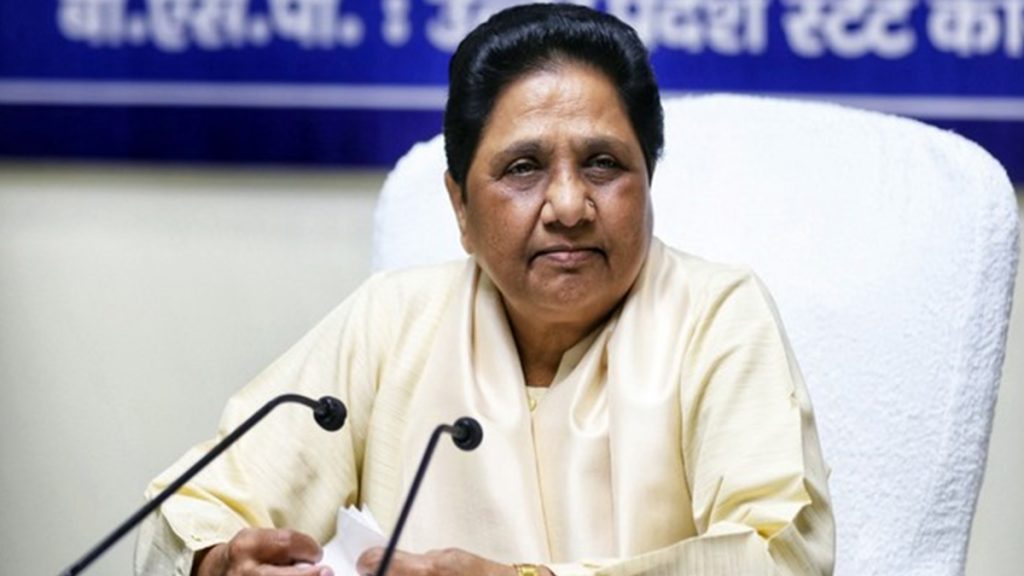
Lucknow : Bahujan Samaj Party Chief Mayawati, on Tuesday, demanded that the Uttar Pradesh government should start conducting the caste survey without delay.
She said that though some parties are against it, this is the only way to ensure justice for the OBCs.
“The news of the caste census data conducted by the Bihar government is in the news today and intense discussions are going on. Some parties are definitely uncomfortable with this, but for BSP this is the first step in the long struggle for the constitutional rights of OBCs, ” Mayawati said in her post on X.
She said BSP is happy that the country’s politics is taking a new turn in favour of the neglected ‘Bahujan Samaj’, as a consequence of which even the most extreme “anti-caste” and “anti-Mandal” sects have become worried for their future.
The BSP leader said although the Uttar Pradesh government should now start a caste census or survey immediately, keeping in line with sentiment of the public, “the right solution will be found only when the Central government conducts the caste census at the national level and gives them their due rights.”
The Nitish Kumar government in Bihar had on October 2 released findings of its much-awaited caste survey months ahead of the 2024 Parliamentary elections, which revealed that OBCs and EBCs constitute 63 per cent of the state’s total population.
According to the data, Bihar’s total population stood at a little over 13.07 crore, out of which the Extremely Backward Classes at 36 per cent were the largest social segment followed by the Other Backward Classes at 27.13 per cent.
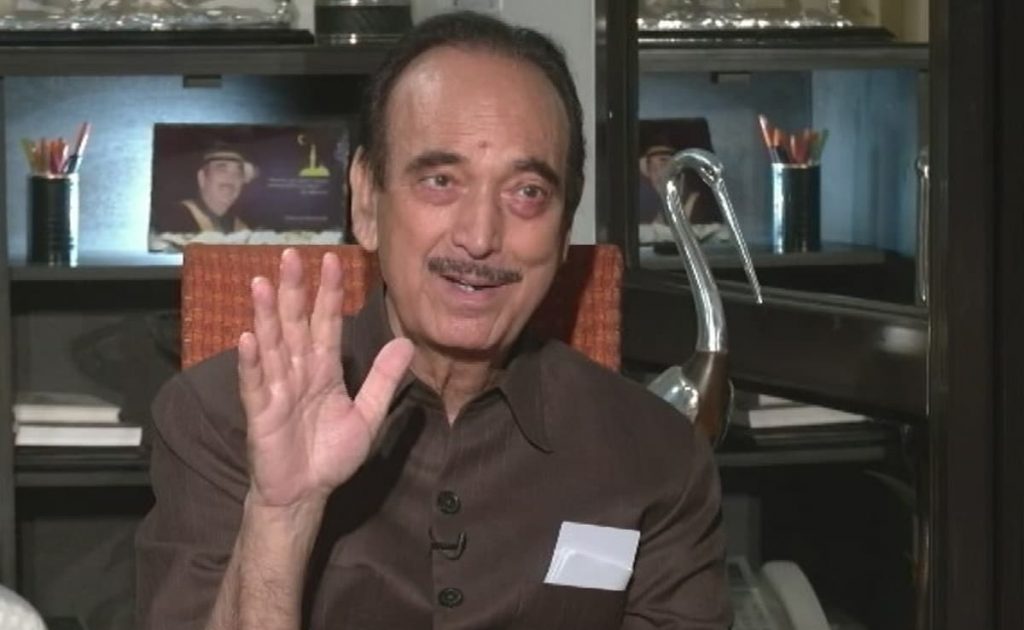
Former Chief Minister Ghulam Nabi Azad has refuted rumors about his potential appointment as the Lieutenant Governor of Jammu and Kashmir. He said his intentions were to serve the people of the Union Territory instead.
Azad made this statement during a rally held to commemorate the foundation day of his Democratic Progressive Azad Party (DPAP).
Addressing the crowd, Azad urged the public not to believe in the ongoing speculation regarding his supposed interest in rehabilitation. He stated firmly, “I will request people not to trust the rumour mills which are working overtime… There is a fresh rumour here that Ghulam Nabi Azad is going to be the next LG. I have not come to J&K for a job but to serve the people.”
Azad also emphasized his history of public service in the region, noting, “When I came here in 2005, I left two prized ministries to serve the people. It was not as if I was without work.”
Highlighting the critical issues faced by Jammu and Kashmir, Azad identified unemployment and inflation as significant challenges. He expressed his commitment to addressing these problems by harnessing the tourism potential of the region.
Azad pointed out, “Inflation is on the rise… Unemployment is on the rise. There are no jobs. Government is advertising posts but interviews are not held. Educated youth have no jobs, and their parents have exhausted their savings on their education.”
The former Congress leader underlined the potential of tourism as a means to provide livelihoods for various segments of the society. He cited the example of the Tulip Garden, which was established in 2007 and has since created employment opportunities for thousands of people. Azad shared his vision of developing 10 to 12 tourist destinations in each district of Jammu and Kashmir and offering loans to individuals for setting up homestay facilities.
Regarding the abrogation of Article 370 and Article 35A by the Central government in 2019, Azad labeled it a significant mistake. He acknowledged past political errors that had hindered the progress of the state and expressed regret over the removal of these articles.
Azad stated, “Article 35A, subsequently Article 35B, was not promulgated after Independence. It was brought by the Maharaja (Hari Singh) in 1925. I said this in Parliament that had the BJP known that they would not have touched Article 370 and Article 35A. This mistake pushed us further back. There is an uncertainty whether the land will stay with us or not.”
Every September, the state of Manipur is cloaked in remembrance for a leader who relentlessly championed the cause of the downtrodden, the impoverished, and the students. His indomitable spirit and commitment to social reformation in Manipur have etched an enduring legacy that continues to be celebrated and revered by many. Yet, this year’s commemorations took a distinct turn. Instead of the typical memorial events, the tribute paid to this great leader was more profound and resonant than in previous years. However, this heightened attention, while a testament to his significance, also raises concerns about the underlying reasons for this shift in sentiment, suggesting that not all changes signal positive developments.
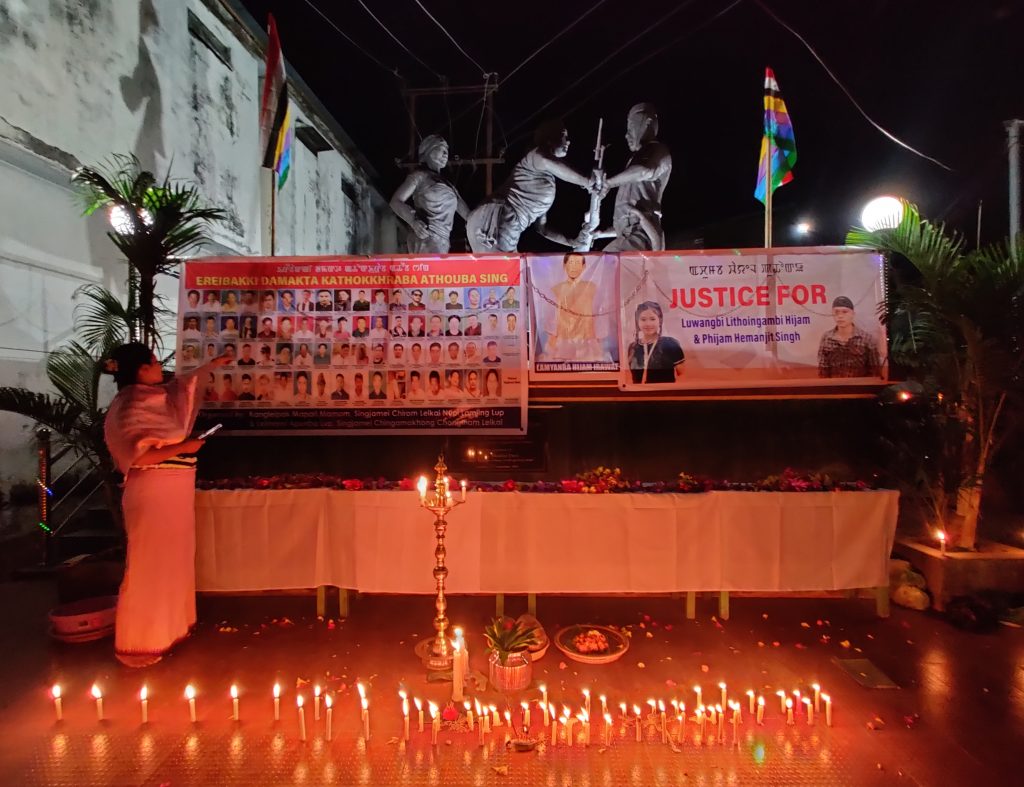
Among the sea of faces, portraits of Hijam Irabot prominently held their place, a testament to his undying legacy. Yet, this year, alongside his venerable image, two new faces emerged – those of 17-year-old Hijam Linthoingambi and 20-year-old Phijam Hemanjit. These two young Meitei students were tragically killed, allegedly by Kuki militants, an incident that sent shockwaves through the community. As the people of Manipur paid their tributes, it was evident that their grief was twofold: mourning the loss of these innocent lives and yearning for a stalwart leader like Hijam Irabot, whose presence they believe could have deterred such atrocities. The juxtaposition of these images was a poignant reminder of the continued struggle for peace and the desperate need for visionary leaders to pave the way for a harmonious future.
The turmoil that now engulfs Manipur has stretched on, unrelentingly, for nearly five months. The very fabric of the state’s law and order seems to have unravelled, with an intensity of discord not witnessed in recent history. The Meitei and Kuki communities, historically co-inhabitants of this beautiful state, have been locked in a brutal conflict. Encounters have escalated to the point where any opportunity is seized upon to inflict harm, be it through bloodshed or the destruction of property. The aftermath of these confrontations is grim, with over 50,000 individuals forced from their homes, now living as internally displaced persons. The conditions of these makeshift relief camps are heart-wrenching, with stories of suffering and despair echoing from within their confines.
Many view the spiralling situation as an indictment of the state’s leadership.
The poignant reflection on past leaders like Hijam Irabot becomes more than just an exercise in nostalgia; it underlines the yearning of the Manipuri people for a guiding force, someone capable of restoring peace and fostering understanding between warring communities. The anguish is not just over lost lives and burned homes but also the lost sense of unity and shared purpose. The question on everyone’s mind is: who will step forward to bridge this chasm and lead Manipur towards a brighter, more harmonious future?
The stark contrast between the leadership of yesteryears and today’s political scenario is palpable. Hijam Irabot’s legacy towers over contemporary leaders, and the current administration, led by Chief Minister N Biren Singh, seems to pale in comparison. The public demands a new leader – a leader who is capable, not a leader who fooled its people. While repeated assurances have been given by the government regarding the restoration of normalcy, the situation remains tense and volatile even after nearly five months.
True leadership is tested in times of crisis. The protracted unrest in Manipur, lasting for months on end, has been a litmus test for the state’s leadership—a test that, in the eyes of many, it appears to be failing. The fading optimism among the public is evident, and many yearn for the integrity, commitment, and vision that leaders like Irabot once brought to the table.
Irabot was not just a political figure; he was a multifaceted personality, revered as a poet, dramatist, journalist, and above all, a dedicated revolutionary. His journey is emblematic of the sacrifices one makes for the greater good. Irabot renounced personal comforts, titles, and privileges, transitioning from ‘Mamak Ibungo’ (Royal son-in-law) to Member of the Sadar Panchayat Court. His primary goal was to uplift the downtrodden and challenge the status quo. Irabot’s struggle against the systemic corruption, nepotism, and favouritism ingrained in the colonial and monarchical structures is legendary. He envisioned a society free from the shackles of exploitation, where equality and justice reigned supreme.
Yet, in stark juxtaposition to his enduring legacy, today’s representatives, the 60 MLAs of Manipur, frequently commute between Imphal and Delhi, funded by the taxpayer’s money. Their numerous trips, which should ideally culminate in decisive action, have yielded no tangible results. The recurring travels to the national capital underscore a disturbing implication—that the resolution to Manipur’s pressing issues lies not within the state but in Delhi. This not only undermines the autonomy and capabilities of the state’s leadership but also raises serious questions about their competence and intent in addressing internal challenges. The ongoing crisis serves as a glaring reminder of the need for visionary, compassionate, and decisive leaders who can navigate the complexities of such conflicts and guide the state towards a peaceful and prosperous future.
The reverence and longing for leaders like Hijam Irabot were palpably evident in yesterday’s observances of his birthday across the state. Amidst the customary tributes and respect for Irabot, the voices of the people raised demands for justice, particularly for the young Linthoingambi and Hemanjit. These observances have evolved beyond mere formalities; they have become a rallying cry for competent leadership, reflecting the deep-seated dissatisfaction and frustration with the current administration.
In Kakwa, a Meira Paibi woman, while immersed in the solemnity of the event, passionately shared her sentiments. She gestured towards the portrait of young Hijam Linthoingambi, noting the haunting gaze in her eyes—a gaze that seemed to challenge and question the very soul of the Meitei community. “Manipur now needs a great leader like Hijam Irabot,” she proclaimed, emphasizing the state’s dire need for guidance and visionary leadership.
The observance in Singjamei painted a somber picture. Beyond the portraits of the slain students, a banner displayed the faces of all those whose lives had been snuffed out in the current conflict by suspected Kuki militants. This poignant tribute echoed in places like Wangkhei, Keishamthong, Uripok, and many others, serving as a painful reminder of the price the state has paid.
As dusk settled over Singjamei, a somber procession formed. Hundreds of individuals took to the streets, holding aloft candles that pierced the night with their flickering glow. They were placed delicately before a banner bearing the faces of the conflict’s victims, interspersed with portraits of Linthoingambi, Hemanjit, and the revered Hijam Irabot. Amid this sea of mourning and remembrance, voices of discontent rose. A grieving woman expressed her anguish at the untimely deaths of the two students, firmly laying the blame on the government’s doorstep. Her sentiments echoed the general consensus:”Our history has never witnessed such an inept government and Chief Minister. If we let this leadership persist, the tears of countless mothers will continue to stain our land. The hour demands a change, a transition to a leader who embodies the spirit and resolve of Irabot.”
This outpouring of emotions underscores the critical juncture at which Manipur finds itself—a state craving decisive, compassionate leadership in these tumultuous times. This year’s observance sharply diverged from those of previous years. The commemorations served not only as a remembrance of Hijam Irabot’s legacy but also as a glaring spotlight on the perceived inadequacies of the current government. The collective longing for a leader of Irabot’s stature is palpable. Considering the prolonged five months of violence and upheaval, the people’s demands for competent leadership resonate deeply and appear entirely justified.
Despite lifting of restrictions on property purchase by non-domiciled Indian citizens in Kashmir after Article 370 abrogation, Tehelka SIT report reveals Kashmiris’ reluctance to sell their land to ‘outsiders’
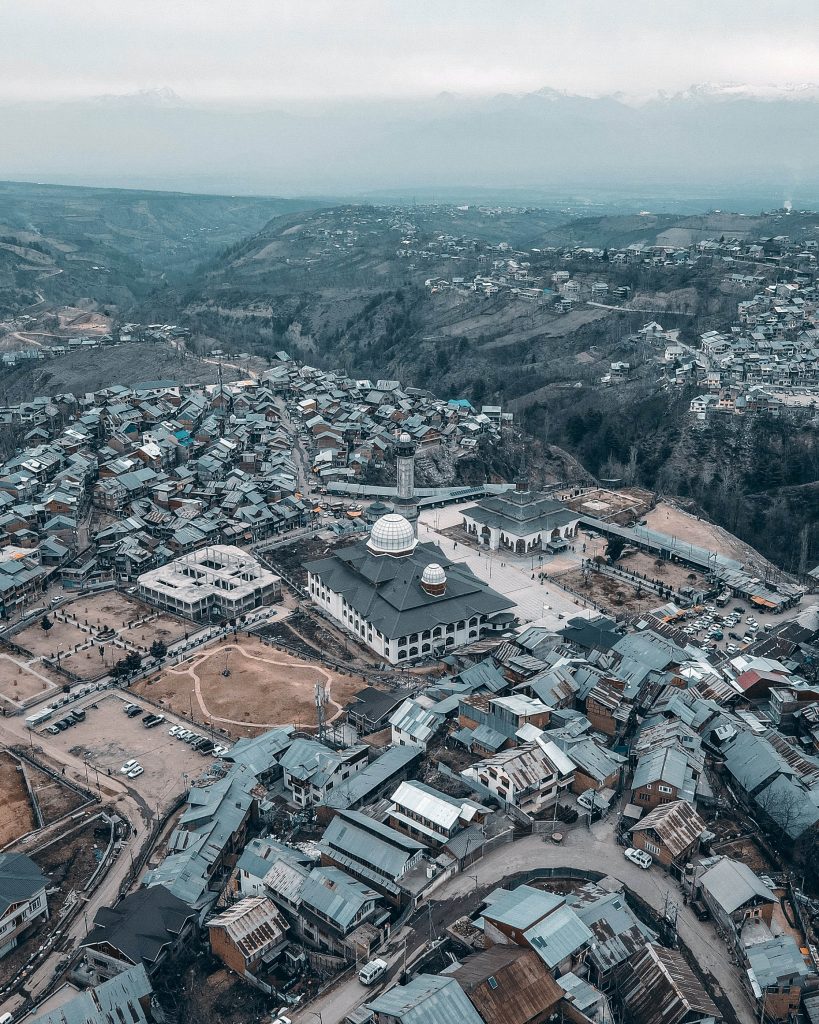
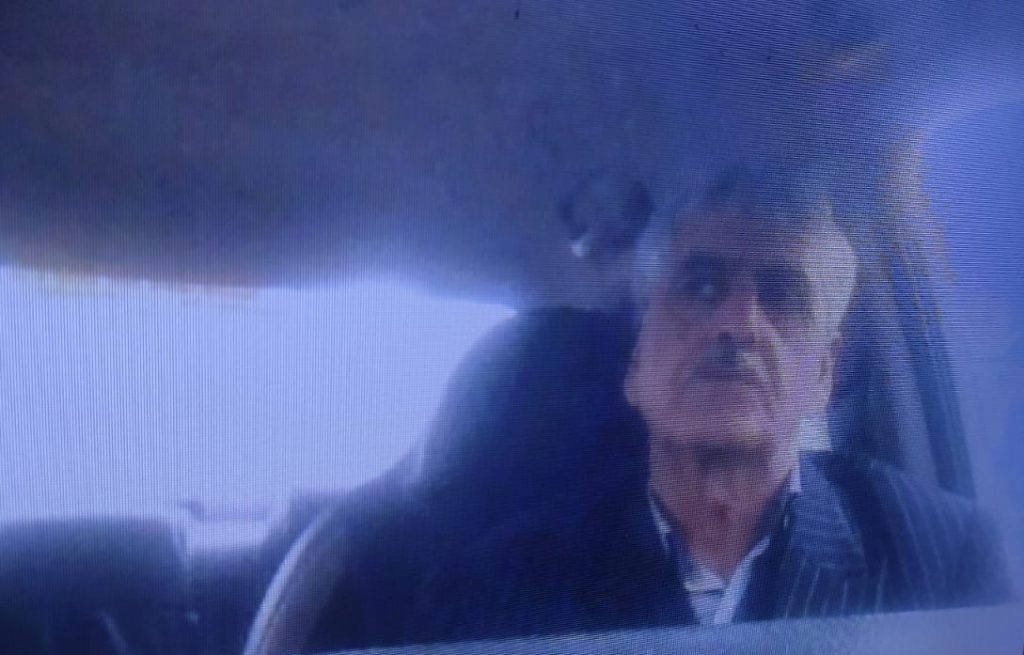
“If someone in Kashmir chooses to sell land to a non-Kashmiris, often referred to as ‘outsiders,’ out of greed following the abrogation of Article 370, they are likely to encounter resistance from their fellow Kashmiris. Moreover, the outsiders who will buy land in Kashmir will also face opposition from the people of Kashmir, who would be unwilling to permit outsiders to settle in Kashmir.” This is how Gulzar Ahmad Bhat, a tour operator from Kashmir, described the situation in Kashmir while speaking with Tehelka. Gulzar says that even if the outsiders pay them double the amount of our land, people of Kashmir will not sell their land to them. Gulzar contended that if people of Kashmir start selling their land to ‘outsiders’ after the scrapping of Article 370, a flood of outsiders would come and settle in the valley.This, he said, will not only change the demography of the valley, but will also pose serious threat to the identity of the Kashmiri people.
After the J&K Special status under Article 370 of the constitution was withdrawn on 5 August 2019, the Government of India issued a notification stating that any Indian citizen can now buy land, except agriculture land, in municipal areas of Jammu and Kashmir even if he or she is not the domicile of the state. After this notification, the union government told Rajya Sabha in April 2023 that 185 people from outside Jammu and Kashmir [J&K] have bought land in the Union Territory – including in Kashmir – in the last three years.
“As per the information provided by the government of J&K, a total of 185 persons from outside the State have bought land in the UT during the year 2020, 2021, and 2022. One person bought land in 2020, 57 in 2021 and 127 in 2022”, Union Minister of State [MOS] for Home Affairs, Nityanand Rai, informed the Rajya Sabha in response to a written question.
According to the figures provided by the government in the Rajya Sabha, 57 people from outside Jammu and Kashmir bought land in the Union Territory – including Kashmir – in the year 2021. But a Tehelka’s reality check done in the same year in 2021 in Kashmir valley, indicates that people in Kashmir are not willing to sell their land to non-Kashmiris.
We met Gulzar Ahmad Bhat, a transporter from Srinagar, while visiting Kashmir in 2021 after Article 370 was abrogated. We gave Gulzar a fictitious deal, saying that we wanted to buy land in Kashmir. Gulzar initially agreed to arrange land for us, but later denied it, saying that outsiders won’t find land to buy in the valley. According to Gulzar, though after the abrogation of Article 370, outsiders can legally buy land in Kashmir, no Kashmiri would sell his or her land to a non-Kashmiri, even if he gets double the market price of the land. Gulzar said that the residents fear that if outsiders start settling down in Kashmir in large numbers, the demography of the area will change, and Kashmiris will face threat to their identity.
Reporter- Ye bataiye 370 hatney k baad mein is elakey mein, yahan zameen lena chahta hoon , mil jayegi. ?
Gulzar- Kanoonan to aap le saktey hain kyunki 370 tod diya ye log, magar hum Kashmiri aapko zameen bechney k liye nahi taiyar hain, chahey aap humko double keemat dein..kyunki issey hamari pehchan hi nahi rahegi, itna bada mulk Hindustan, hamari population 1 crore 30 lakh hai J&K ki, usmein, 70-80 lakh total Kashmir mein hain, is mein agar bahar se 1 crore log basney aa gaye to hamari pehchan kaha rahi, hum to phir gum ho jayengey.
Reporter- Main to Muslim hoon, aap to keh rahe they aapko bech dengey kashmiri..?
Gulzar- Nahi wo to mainey aapko aisey hi bola, Muslim ho Hindu ho sab insaan hi hai, mujhe nahi lagta koi bechne ko taiyar hoga..ye to force k bal par toota na, hamari to razamandi nahi hai.
Reporter- To aap ye keh rahe hain, Kashmir mein koi bhi apni zameen non-kashmiri ko nahi bechega..?
Gulzar- Nahi bechega, jahan tak mera sochna hai, mera tajurba hai, nahi bechega…
[Gulzar rejected our proposal to buy a piece of land in Kashmir by trotting out an argument that with a mere 70-80 lakh Muslim population in the valley, Kasmiris will be overwhelmed and lose their identity if the they started allowing outsiders to settle down here. ]
Gulzar told us that he is a driver, and even if we offer him ten times the market price of his land, he would not sell it to us. Gulzar says that anybody with integrity would not sell his or her land to outsiders, no matter how high the price they offer. He says that he will not do anything which would spoil the future of the next generation.
Gulzar- Main to yahi keh raha hoon agar 10k ki cheez k aap 1 lakh dogey, to nahi bechega jiske pass zameer hai…seriously to koi nahi bechega. Main ek driver hoon..agar mere pass 1 lakh ki zameen hai.. aap kahogey 10 lakh dunga, mein to nahi bechunga… mein aisa kuch nahi karunga ki aaney wali generation ye boley ki hamarey purkho ne ye kiya…
[Gulzar said that even if we offer him 10 times the market price of his land, he would not sell his land to us. He said that he did not want the next generation to remember him as ill-doer.]
Gulzar then argued that non-Kashmiris can go anywhere in India and settle. “Why Kashmir?,” he wondered. He said that if someone out of greed decided to sell his land in the valley to outsiders he would have to face the wrath of the locals. And the outsiders also would face tough time here as locals will not allow them to settle down.
Reporter- To aap ye chahtey hain ki hum, yani non-Kashmiri kahin bhi jakar bas jaye magar Kashmir mein nahi…
Gulzar- Bilkul hum to nahi denge… mujhe nahi lagta jiska zameer hoga, achi soch hogi.. wo ye karega…baki lalach wale logon ki kami nahi hai…phir bhi agar koi karega, to usko apne logo ka samna karna padega…kyunki wo uska viroodh karenge…suppose karo ye elaka ho gaya yahan aapko koi zameen bech de…to pehle to aap hi nahi aa paogey…magar phir bhi agar aap aa gaye to log aapko alag nazar se dekhengey, aap settle nahi ho paogey…
[Gulzar explained that both seller and the buyer of the land in the valley will not have it easy in Kashmir]
Gulzar says it would be very tough for the outsiders to come and settle in Kashmir. Local area people will not let them settle into a groove. In cases where Kashmiri people sell their land to non-Kashmiris, these newcomers find themselves living among hundreds of locals who may not share their enthusiasm for settling in Kashmir. The resistance from local Kashmiri people can make the process exceedingly difficult. Shammi also points out that even Kashmiri Pandits, who are originally from Kashmir, have not returned, raising doubts about the acceptance of outsiders in the region.
Reporter- Kyun settle nahi ho payenge.?.
Gulzar- Aap to 2-3 log dekh rahe ho jo lalach mein aapko bech dein par 100 logon k beech mein aap kaise rahogey jo iska virodh kartey hain..nahi reh paogey na.
Reporter- Accha wo unko rehney nahi dengey..?
Gulzar- Jab unka virodh hoga aapki taraf to aap kaise reh paogey… jab 100 logon mein se 95 aisey hongey jo aapko accept nahi karengey apney ilakey mein, wo accept nahi karengey out of State k aadmi ko yahan basna, jaisey Kashmiri pandit hai wo yahan k apney log hain unki zameen hai wo aa saktey hai … hum to kehtey unse aap aa jao, par jab wo nahi aa rahe hain to out of the state ka koi aakar kaisey basega yahan par..370 todha. Kanooni to aap kuch bhi le saktey ho..aapkey documents bhi bann saktey hain, masla ye hai, yahan aakar rehney ka…wo bahut Mushkil hai.
[Gulzar believes that outsiders face significant challenges when trying to settle in Kashmir. The local residents may resist their presence, making it tough for them to integrate, he says]
The Government in 2023 told Parliament that 57 people from outside Kashmir bought land in Kashmir in 2021. In the same year, when Tehelka visited Kashmir to do a reality check, to see whether people from outside are actually able to buy property in Kashmir after the revocation of Article 370. We met Gulzar, who said that no Kashmiri, who care for their identity and future generation will sell his property to outsiders:
After meeting Gulzar in 2021, we spoke to another reality Estate agent, Asif Sheikh from Kashmir in 2023. When asked whether we can buy property in Kashmir after the abrogation of Article 370, Asif Sheikh replied that he has not seen any registry of outsiders being done in Kashmir. They only publicize in the news, but reality is different. Without holding Kashmir Aadhar card, registry of property is not possible in Kashmir, he avers.
Gulzar Ahmad Bhat
Asif – Samajh nahi aa raha property naam ho rahi hai ya nahi.?.
Reporter – Non-Kashmiri ki registry nahi ho rahi ?
Asif – Maine nahi dekhi hote hue, news mein to ye bolte hain magar papers aane chahiye na haath mein.. Papers to nahi aa rahe.
Reporter- Matlab registry nahi ho rahi hai ?
Asif – Registry ka abhi kuch samajh nahi aa raha, nahi ho rahi hai. Jo usmein main cheezein mangte hain wo to bahar wale ke pass hai nahi.. Kashmiri jo bahar rehta hai agar uske pass aadhar card bahar ka hai to wo nahi le paa raha hai.. Haan being a kashmiri wo nahi le pa raha kyunki uska aadhar card bahar ka hai..
Reporter- matlab agar kashmir mein property leni hai to aadhar card hona chahiye kashmir ka ?
Asif- nahi milegi
[When asked about buying property post Article 370 abrogation, Asif Sheikh, also a real estate agent, claimed that he hadn’t seen any outsider registrations in Kashmir. Contrary to news reports, the reality is stark: registering property in Kashmir is challenging without a Kashmir Aadhar card.]
Asif told us that to the best of his knowledge, no outsiders have purchased property in Kashmir. He said that he hasn’t come across any records of outsider property registrations in the region. Asif claimed that having a Jammu and Kashmir Aadhar card is a strict requirement for property transactions in Kashmir.
He also shared a case he knew of some Kashmiris residing in Goa who held Goa’s Aadhar card but were unable to buy property in Kashmir. They were advised to obtain a J&K Aadhar card instead. Asif argued that if even Kashmiris, without a J&K Aadhar card, faced hurdles in property purchases, it raised questions about outsiders without a Kashmir Aadhar card doing the same. He noted that a petition against the abrogation of Article 370 is pending in the Supreme Court.
Reporter- Lekin Aadhar card poore India mein valid hai kahin bhi kharid sakte hain.. ?
Asif- Janab sirf kashmiri hi kharid paate hain na.. Mere pass 3 kashmiri aaye hain maine bola pehle aadhar card banwao.. uske baad..
Reporter- Accha jo kashmiri hai usko mil jayegi, uski registry ho jayegi.?
Asif- Main ye bol raha hoon usko kashmiri hokar nahi mil rahi.. yaar samajh nahi rahe ho baat.. Client hai ek mera wo Goa mein rehta hai 3 saal se. Kashmiri hai wo, uska adhar card Goa ka hai, uski registry hi nahi ho rahi.
Reporter- Lekin mein ye pooch raha hoon agar Kashmiri aadhar card ho, to registry ho jayegi..
Asif- Us aadhar par to ho jaani chahiye.
Reporter- ji
Asif – Haan- haan
Reporter- Abhi koi non-Kashmiri ki registry nahi hui hai aapke hisab se.?
Asif – Hamare hisab se to nahi hui hai hamne poocha bhi tha bahut logon se kyunki iska to kuch case chal hi raha hai na.. Supreme Court kuch order dega.. Abhi nahi hue wo order.
Asif stated that as far as he knows, outsiders haven’t bought property in Kashmir, stressing the necessity of a Jammu and Kashmir Aadhar card for property transactions. He highlighted a case of Kashmiris in Goa facing similar challenges and mentioned the pending Article 370 petition in the Supreme Court.]
Asif mentioned that the Supreme Court is currently reviewing several Article 370 petitions, and the outcome regarding outsiders purchasing property in Kashmir will depend on those rulings. He also pointed out that investing Rs 4 crore in Kashmir property without proper registration involved a lot of risk, and could result in significant amount of money going down the drain.
Reporter- Haan 370 ki sunwai to abhi chal rahi hai kashmir ki..
Asif- Haan to wo to abhi chal hi raha hai na, dekho wo papers sab lagu hote hain, registry tab hoti hai jab wo case totally band ho jayega, case to abhi chal hi raha hai na.
Reporter- 370 hatne ka kuch fayda nahi hua non-Kashmiri ko.. nahi kharid sakta kashmir mein property. ?
Asif- Filhaal to nahi, wo news mein bolta hai kharidega magar baat hai na, on a broader level, mein bhi bol raha hoon haridunga mein magar paise to meri jeb se nikal rahe hain na.. Govt ki jeb se thodi nikal rahe hain.. Aur jab paise meri jeb se nikal rahe hain to paper mujhe milne chahiye na.. Wahan jab paper ki baat hai to har aadmi ye bolta hai hame nahi pata, ismein to banda phas hi jayega.. Jo 4 crore lekar aayega ya 10cr invest karega wo to phas hi jayega na..
[Asif said that court decision on Article 370 petitions in the Supreme Court will determine whether outsiders would be able to buy property in Kashmir or not. Investing a big sums of money without proper registration entailed a lot of risk, he cautioned.]
Now, Asif stressed that the willingness of Kashmiris to sell land to outsiders varies from person to person. He pointed out that if the government hasn’t managed to sell land to major industries, it’s unlikely that Kashmiris would easily part with their property to non-Kashmiris.
Reporter- Waise agar ye sab normalise ho jata hai to Kashmiri bech dega zameen non-Kashmiri ko ya nahi ?
Asif- Aise to nahi bechega.. Allah behtar jane kyunki you don’t know the future but aise to nahi bechega..
Reporter- Koi Kashmiri, non Kashmiri ko zameen nahi bechega. ?
Asif- Aise to nahi bechega.. Haan jahan abhi tak govt nahi bech payi hai to Kashmiri kahan bechega… Govt abhi industry ko nahi bech paya hai.. Suna aapne abhi tak kuch hua badi industry ko becha, nahi hua .. Wo to govt k pass hai wo to Kashmiri k pass nahi hai.. Abhi kuch samjh nahi aa raha kya kiya inhone kya nahi kiya.Normally to koi Kashmiri non-Kashmiri ko zameen nahi bechega, magar that depends person to person..
Reporter- Samajh gaya mein aapki baat Asif Saheb.
[Asif stressed that Kashmiris have varying attitudes towards selling land to outsiders, and he noted the government’s difficulty in selling land to major industries as evidence that Kashmiris are unlikely to readily sell their property to non-Kashmiris.]
Asif, a Kashmiri real estate agent, refrained from offering us any properties in the region following the Article 370 abrogation. He asserted that to his knowledge outsiders have not made any property purchases in Kashmir post the Article 370 revocation. Asif emphasized the necessity of possessing a Jammu and Kashmir Aadhar card for property transactions in the area and held a strong belief that no Kashmiri would willingly sell their property to non-Kashmiris, regardless of the circumstances.
Following our conversation with Asif, we engaged with Azhar Ibrahim, a Kashmiri MBBS doctor. We presented a hypothetical scenario, expressing our interest in purchasing property in Kashmir post Article 370 abrogation and seeking his assistance. In response, Azhar Ibrahim firmly stated, “Kashmiris will not sell their property to outsiders.”
Top of Form
Bottom of Form
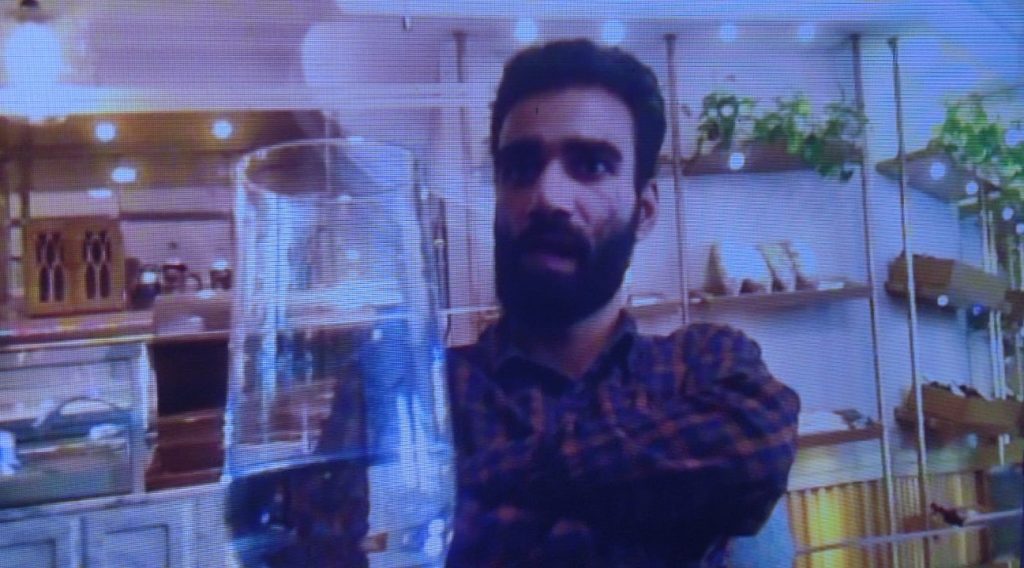
Azhar Ibrahim
Reporter- Accha ye batao Kashmir mein koi zameen mil jayegi ?
Azhar- Bahar walon ko to nahi bechenge.. Nahi bechte..
Reporter- Non-Kashmiri ko.. ?
Azhar- Nahi – nahi mushkil hai..
Reporter- Nahi ab to 370 hat gaya hai na ab to koi non-Kashmiri bhi Kashmir mein zameen kharid sakta hai na..?
Azhar-Ab koi bechna hi nahi chahega to usko kya bologey.. Wo masla hai..
Reporter- Dena kyun nahi chahega wajah kya hai uski. ?
Azhar- Kashmiri Kashmiri ko hi deta hai shuru se, trust issues hote hain,
Reporter- Matlab non-Kashmiri par trust nahi hai.. ?
Azhar- Bahut sare nahi karte.Wo prefer karte hai apne side k logon ko.
[When asked why Kashmiris will not sell their property to outsiders, Azhar said that there is a trust issue. According to him, Kashmiris are more comfortable dealing with Kashmiris than those from outside the state)
Azhar said he has no idea whether any outsider has purchased any property in Kashmir after the abrogation of Article 370. However, he offered to inquire on our behalf about the possibility of acquiring property in the Kashmir valley.
Reporter- Abhi tak 370 hatne k baad kisi ne non-Kashmiri ne zameen li hai Kashmir mein.?
Azhar- Koi idea nahi hai.
Reporter- Mujhe dilwa do zameen.?
Azhar- Poochna padega kisi se aise to idea nahi hai..
Reporter- Kis se poochogey ?
Azhar- Kisi se bolunga wo aagey poochega.
Reporter- Bol dena Muslim hai, aur non-Kashmiri hai..
Azhar- Theek hai.
[Azhar, while claiming to be unaware of outsiders buying property post Article 370, offered to inquire about our Kashmir property request.]
After Azhar, we spoke to Ghulam Mustafa, also a resident of Kashmir valley. Ghulam Mustafa is an activist and also a retired government servant. Ghulam also echoed the sentiments expressed by the others when we gave a fictitious deal that we wanted to buy a property in Kashmir valley. Ghulam says that the government’s decision of abrogating Article 370 has hurt the sentiments of Kashmiri people. They still have not accepted this decision and are in anger. So whoever decides to sell his property in Kashmir to non-Kashmiris, would do so clandestinely, in order to avoid potential social boycott from other Kashmiris.
Furthermore, he points out that, to the best of his knowledge, he hasn’t encountered any case of Kashmiri selling property to outsiders, at least not within his own locality. He explains that, following the abrogation of Article 370, non-Kashmiris indeed are legally permitted to purchase property in Kashmir. Additionally, Kashmiris who receive more favorable offers for their property from outsiders are also free to sell to them. However, those who make such sales are likely to face social ostracism from fellow Kashmiris.
Ghulam Mustafa
So, amid the controversy over the removal of restrictions on property purchase by non-domiciled Indian citizens in the Kashmir Valley following the abrogation of Article 370, we spoke to a cross-section of the population to get a reality check. We interacted with various people about buying a property in the Kashmir valley in order to gauge whether people in Kashmir are willing to sell their property to the “outsiders.” All the people we spoke to asserted that Kashmiris will not sell their property to the outsiders. One even went on to say that whoever will sell his property to the outsiders, will face a social boycott locally, and outsiders will also be not allowed to settle in Kashmir.
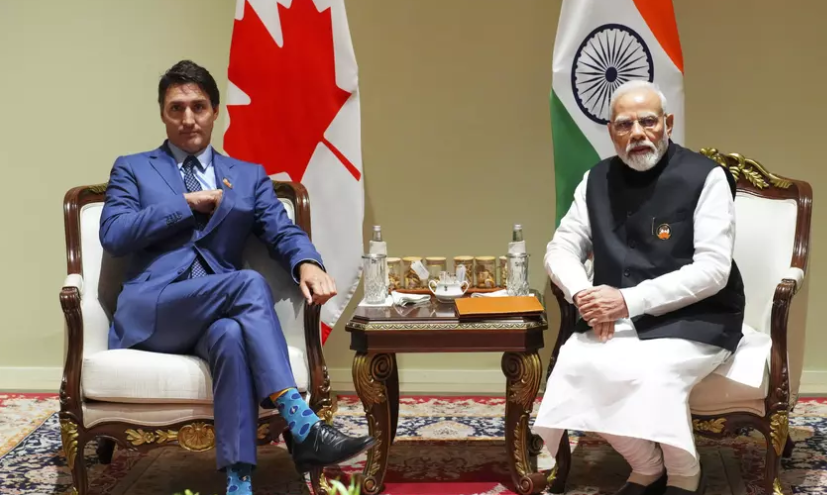
Canadian Prime Minister Justin Trudeau and PM Narendra Modi
“India is a growingeconomic power and important geopolitical player. And as we presented with our Indo-Pacific strategy, we’re very serious about building closer ties with India.” This is what Canadian Prime Minister Justin Trudeau had to say at a press conference in Montreal amidst a diplomatic fracas over the killing of pro-Khalistan terror accused Hardeep Singh Nijjar in Surrey. The response was in the aftermath of External Affairs Minister S Jaishankar retorting that the countries must not “cherry pick” when to respect territorial integrity and non-interference in internal affairs – refuting Canada’s allegations that Indian “government agents” were responsible for the killing.
The impasse between both countries continues since Canadian Prime Minister Justin Trudeau made his claims in the Canadian Parliament. In a tit-for-tat, after expelling each other’s diplomats, India and Canada have curtailed people-to-people ties including India’s suspension of visa processing services for Canadian nationals. There have been no signs that the two countries are taking steps to narrow the widening gap between them. Jaishankar has made it clear that such extra judicial inter-state killings are not the policy of the Indian government.
The stern message to Canada and its allies makes it clear that the onus is on Canada to defuse the situation to normalise ties with India. Addressing the 78th UN General Assembly session in New York, S Jaishankar reaffirmed India’s independent foreign policy, saying that the days when a few nations set the agenda and expected others to fall in line are over. He conveyed to Ottawa that it was open to looking at ‘specific’ and ‘relevant’ information concerning the case and if Canada provides specific information, the government will look into it.
At such a juncture when Canadian PM Trudeau seems to have toned down his tone, the US National Security Adviser Jake Sullivan has added fuel to the fire, ‘We will defend our basic principles and consult closely with allies like Canada as they pursue their law enforcement and diplomatic process.’ Trudeau reportedly had briefed the leaders of some of Canada’s closest allies about the case, including UK Prime Minister Rishi Sunak, French President Emmanuel Macron, and US President Joe Biden.
It is up to Canada to diffuse tension and allay the fears of the Indian diaspora and students since Indian students account for a bulk of the foreign students in Canada as in 2022, 2.26 lakh students out of 5.5 lakh international students, or 40 per cent of the total, were from India. It becomes all the more important in view of an advisory issued by Ministry of External Affairs (MEA) suggesting Indian nationals and students in particular to exercise utmost caution and remain vigilant.
Was the objective to hold a special session of Parliament was only to get the Women’s Reservation Bill passed or was the Modi government trying to create some bigger blast, which it could not do ? A report by Sunny Sharma
The layers of mystery regarding the purpose of the special session of Parliament called by the government are becoming deeper. Was the purpose of the special session only to get the Women’s Reservation Bill passed or was the government trying to create some bigger blast, which it could not do?
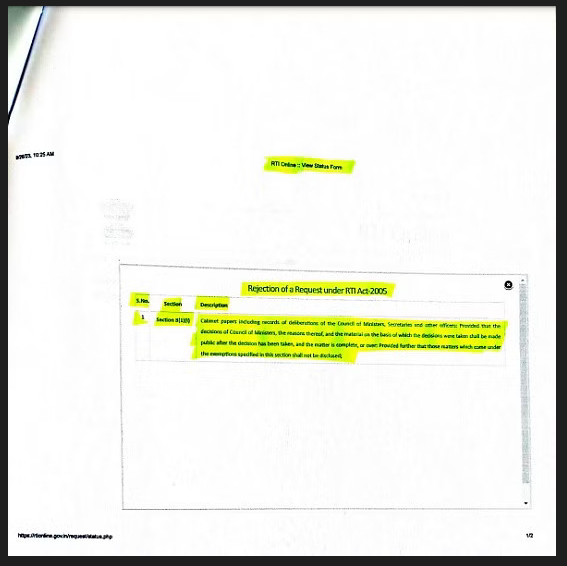
Was its purpose to manage headlines by diverting attention from the meeting of India Alliance in Mumbai or something else? The government has deepened this mystery by refusing to provide information under RTI about the President’s order regarding calling the special session and its agenda.
The eyes of the entire country were fixed on the special session of Parliament called between 18th and 22nd September, considering the possibility of something big happening. As the date approached, a sea of speculations began to stir. Then, after the passage of the Women’s Reservation Bill, the session was suddenly adjourned a day earlier, reinforcing the fact that there was actually something else on the agenda of the government. When she could not get it off the ground, the session was suddenly adjourned a day earlier.
To know the same thing, RTI activist PP Kapoor of Panipat filed an RTI in the Ministry of Parliamentary Affairs on 21st September, the day the House was adjourned. In this, he had asked for a copy of the President’s order calling a special session of Parliament from 18 to 22 September and a copy of the agenda along with file noting, so that the country could know why the Modi government had suddenly called this special session. What was the ultimate objective of the government?
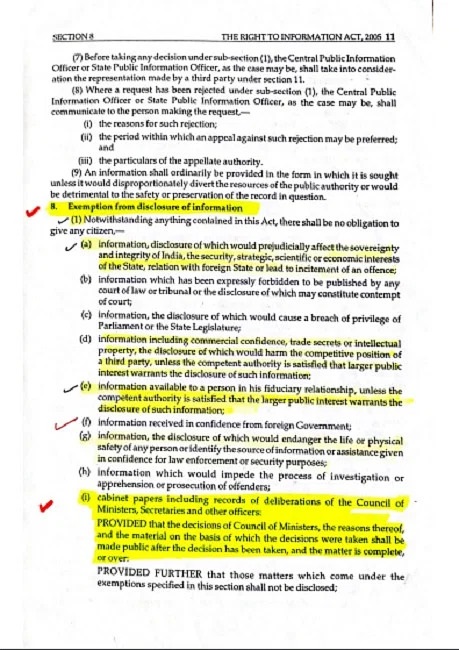
In response to this, SS Patra, Central Public Information Officer and Under Secretary, Ministry of Parliamentary Affairs, has given a very shocking answer in his letter dated 26 September. He flatly refused to give the requested information. Referring to Section 8(1)(i) of the RTI Act 2005, he said that the decisions of the Union Council of Ministers, Secretaries and other officers can be made public only after the decision has been taken and the work has been completed.
PP Kapoor expressed surprise over the Indian government’s refusal to provide information and alleged that the Modi government is deliberately hiding very important information of public interest by giving wrong interpretation of the RTI Act. The special session of Parliament, which started on September 18, has ended, but the country does not know why this special session was called. Was there any secret agenda of the government behind this?
The RTI activist said that the decision to call this special session and refusal to give a copy of the agenda shows the arbitrariness and dictatorship of the government. It is also clear from this that the government is hiding the secret behind suddenly calling this special session of Parliament from the public. It seems that this special session was called under some secret agenda, that is why the government is not making the information public.
After announcing the session, the Centre’s denial to spell out the agenda fuelled speculations in political circles speculating about simultaneous elections or a name change of the country to Bharat. The announcement without an agenda triggered a war of words, with the Opposition criticising the government for a lack of transparency and “distorting” parliamentary conventions, while the Centre accused Opposition leaders of “politicising” the functioning of Parliament.
The announcement of the surprise special session generated much curiosity with speculation about the change of name of the country from India to Bharat, fuelled by the repeated use of “Bharat” in multiple official communications during the G20 Summit. There were also murmurs about the possibility of introducing the Women’s Reservation Bill, Uniform Civil Code (UCC), and One Nation One Election, calling for simultaneous Lok Sabha and State Assembly polls across the country.
The special session also saw the formal shifting from the old Parliament building to the new one on September 19. While ambiguity remained over the expectation from the session after the government’s refusal to divulge any details, the government just lined up a discussion on the Parliamentary Journey of 75 years starting from Samvidhan Sabha — Achievements, Experiences, Memories and Learnings along with the presentation of five pending bills. Congress leader Jairam Ramesh credited Sonia Gandhi’s letter to Prime Minister Narendra Modi for making the government concede to announcing the agenda for the special session. Ramesh, however, said that there seems to be nothing substantial on the agenda and that the government could have waited for the winter session of Parliament. He added that Indian National Developmental Inclusive Alliance (INDIA) parties oppose such moves.
TMC Leader, Derek O’Brien tweeted, “Two working days to go before the Special Parliament Session begins and still not a word on the agenda. Only two people know! And we still call ourselves a Parliamentary democracy”. In a subsequent tweet, he wrote, seven hours after this dose, the government puts out an agenda for the Parliament Special Session. However, the agenda has a caveat ‘not to be taken as exhaustive’.
Significantly the new session of Parliament began to see a discussion on Parliament’s 75-year journey and take up for consideration four bills, including one on appointment of election commissioners. In fact the four bills included the Advocates (Amendment) Bill, 2023 that amends the Advocates Act, 1961, while the Press and Registration of Periodicals Bill, 2023 repeals the Press and Registration of Books Act, 1867. Besides, ‘The Post Office Bill, 2023’ has also been listed in the Lok Sabha business. The bill was earlier introduced in Rajya Sabha on 10 August 2023 and it repeals the Indian Post Office Act, 1898.
All said and done, the unusual timing of the session has left everyone wondering, even though the main standout feature on the listed agenda is a special discussion on Parliament’s journey of 75 years starting from the “Samvidhan Sabha” (Constituent Assembly). The government came out with a tentative agenda only when law experts and opposition leaders made their opposition known, suggesting that summoning a Special Session of the Parliament without revealing the agenda is improper and unprecedented.
And now comes the twist with RTI activist PP Kapoor after government’s refusal to give copy of the agenda and file noting of the special session of Parliament alleging the mystery over the motive has deepened. Senior journalist Dhirendra Awasthi observed that it seems that this special session was called under some secret agenda, that is why the government is not making the information public. It is also clear from this that the government is hiding the secret behind suddenly calling this special session of Parliament from the public.
Political messaging apart, the fact remains that the Bill is an eyewash. Because while it seeks to provide a 33 per cent quota for women in Lok Sabha and state assemblies, its time line is dubious.
The suspense is finally over: the much talked about “vishesh satra” or special session of Parliament, started and ended putting to rest all speculation of what could or would be.
Of course, the list was long starting from whether the Government would officially tell the Parliament that India had been rechristened Bharat; whether it would field its members to gloat over the success of the G-20 summit; whether it would seek a consensus on the issue of One Nation One Election whereby the Centre and all the States will go for election for the Assemblies and the Lok Sabha at one go; or whether the Government would move a Bill on the Uniform Civil Code.
Since the Government had not put out an agenda, the Opposition questioned the need for a special session, given that the last session had ended only last month.
Whether it was under pressure or a voluntary move, the Government put out a “tentative list” a few days prior to the commencement of the session. However it did not let the cat out of the bag because even while it mentioned routine bills and a discussion on “Parliamentary journey of 75 years” it made no mention of the Women’s Reservation Bill.
The Congress dismissed the agenda as “much ado about nothing” on ground that legislative business could have waited till the winter session slated for November this year.
In fact Congress General Secretary Jairam Ramesh was bang on when he said “legislative grenades are being kept up their sleeves to be unleashed at the last moment as usual”.
Opposition apart, even the members of the BJP did not know what was in the offing. Given its track record, this is not surprising because the Government is known to keep things under wraps even from its ministers, leave alone its MPs.
Rewind to the year 2016, when the Union Cabinet found out about demonetization hours before Prime Minister Modi announced it to the nation; or the national lock down in 2020. Reportedly in response to the Right to Information queries about the Government department’s preparedness about the lockdown, the departments of health, finance, disaster management said that they did not know and hence did not prepare.
Ditto 2023: Except for a handful, the majority were unaware that the “legislative grenade” which Jairam Ramesh spoke about would be to provide 33% reservation to women in the Lok Sabha and state legislative assemblies.
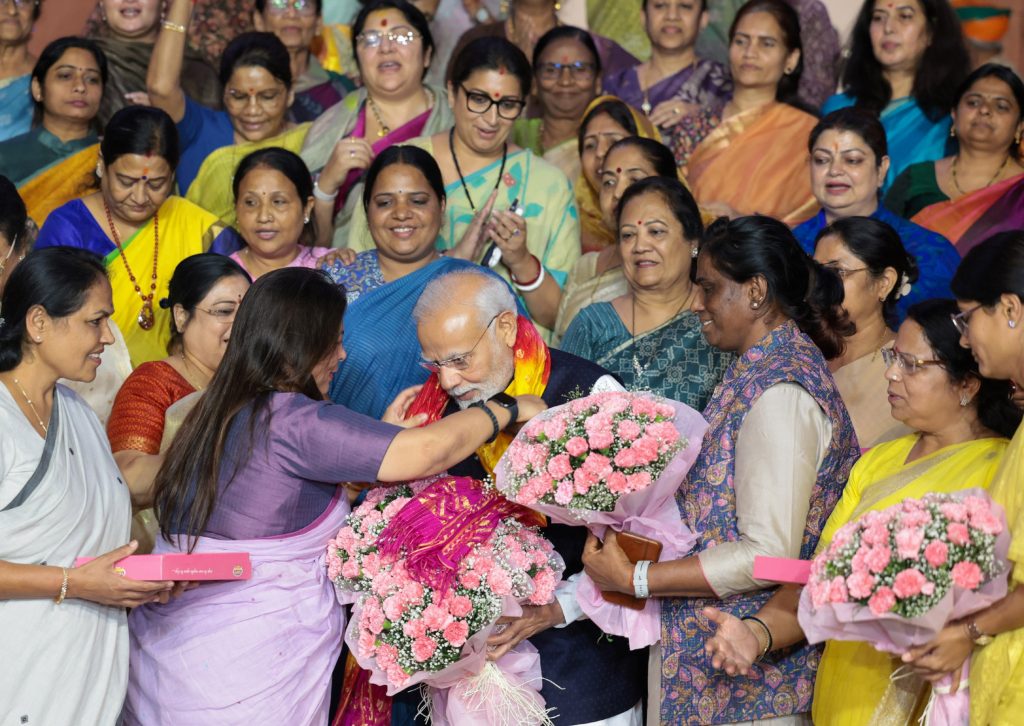
True to its grain of springing surprises, the Women’s Reservation Bill was pushed a little before Prime Minister Narendra Modi’s speech in the lower House of the new Parliament building.
For the Government to use the special session route was in one sense a masterstroke. It was quite similar to the Opposition giving its alliance the acronym I.N.D.I.A. which has perhaps hit the BJP where it hurt most. If sources are anything to go by, the Modi government’s push to the name Bharat was primarily to counter the I.N.D.I.A. nomenclature.
But back to the special session, this was the second such session that was convened during Prime Minister Modi’s tenure. The first was in 2017: a midnight session to discuss the historic GST roll out.
But Modi is not the first Prime Minister under whom a special session has been convened. In 2008, a special session was convened to conduct a trust vote in 2008 when Manmohan Singh was the Prime Minister.
For the uninitiated, even though the Constitution does not specifically mention the term, “special session”, it does give the Government the power to convene one.
The Modi government decided to use these powers and go for the kill as it were with the twin objective of bidding farewell to the old Parliament building and creating History by resurrecting the long pending Women’s Reservation Bill.
Quite expectedly, the BJP rechristened it from its original Mahila Arakshan Bill to Nari Shakti Vandan Adhiniyam, literally meaning paying obeisance to women’s empowerment.
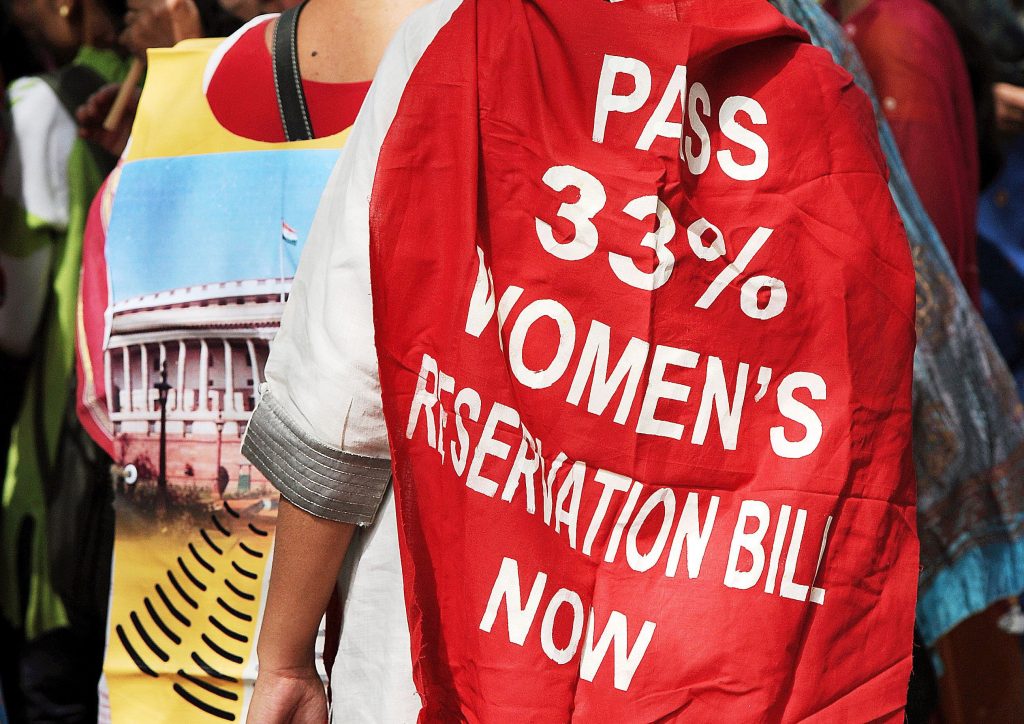
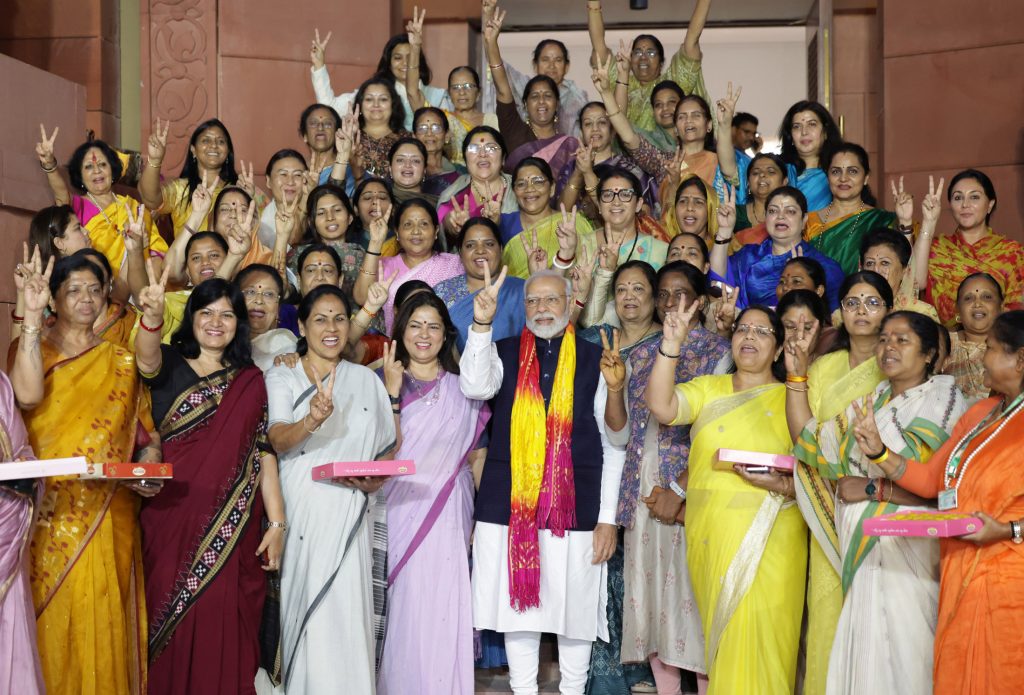
The bill was passed by both Houses of Parliament paving the way to reserve one-third of all seats for women in the Lok Sabha, the State Legislative Assemblies, and the National Capital Territory of Delhi. It had been hanging fire for nearly three decades.
However, neither the politics nor its underlying message was lost to the discerning.
For starters, the Bill was listed as the first order of business. This was perhaps to drive home the point that in Modi’s scheme of things, women top the agenda. If BJP sources are to be believed, the Modi government not only sees them as game-changers but a winning formula in the 2024 elections.
Add to this the move to introduce it in the new Parliament building which the Prime Minister called a “symbol of aspirations”. This twist is enough to make women feel that they are an important component in the BJP’s scheme of things. Remember the law declaring instant triple talaq illegal?
At another level, the date, September 19, is significant given that it coincided with Ganesh Chaturthi.
Religion being BJP’s USP, the Ganesh Chaturthi and the Bill linkage worked well particularly because the Bill is women centric.
However, the BJP is being slammed for bringing the Bill with an eye on the elections.
State and general elections are on the anvil and the Opposition is questioning the timing of bringing in the new legislation with the “why now” question staring hard. The Modi government has been in power at the Centre for nine years but did not move an inch to push the Women’s Bill.
The answer is simple: woo women electorate; project Modi as one who dares; flag the Party as pro-women and one committed to “women led development” and despite its fundamentalism showcase it as progressive.
Prime Minister Modi, too, seized the opportunity to showcase himself as the “chosen one”.
“God, he told Parliament, has given me the opportunity to take this forward,” he said referring to several failed attempts in the past to ensure a smooth passage of the Bill.
Equally, it is true that former Congress governments did try to pass the Bill during their tenures but the numbers were stacked heavily against them.
Political messaging apart, the fact remains that the Bill is an eyewash. Because while it seeks to provide a 33 per cent quota for women in Lok Sabha and state assemblies, its time line is dubious.
A new clause which has been inserted, among some others, says that the reservation will take effect after the delimitation exercise.
This caveat pushes it to 2029 because the delimitation exercise would follow after the Census.
As things stand, there is no clarity on when the Census will be completed given that it was due in 2021.
The government has already said that as per existing law, the next delimitation exercise may be conducted after the first census. Going by this, rough estimates put the Bill to take effect around 2029.
In fact it is this, more than anything else, that makes the move suspect. Because a push back by more than five years, makes this Bill as good as coming to a naught.
Therefore when Shiromani Akali Dal’s Harsimrat Badal spoke about “showing women ladoos which they cannot have” she hit the nail on the head. The Women’s Bill without a timeline is actually dangling a carrot to gullible women in the hope that it reaps electoral benefit in the Assembly elections this year and the general elections next year.
Both Houses of Parliament have cleared the long-anticipated Constitutional Amendment Bill, which seeks to reserve one-third of seats for women in the Lok Sabha and state assemblies, garnering near unanimous support from all opposition parties. A report by Mudit Mathur
The Indian Parliament, comprising both the Lok Sabha and the Rajya Sabha, has at last approved the long-anticipated Constitutional Amendment Bill, which seeks to reserve approximately one-third of seats for women in the Lok Sabha and state assemblies, including the National Capital Territory of Delhi. Notably, the Bill garnered unanimous support from all opposition parties, except the two Lok Sabha members of the AIMIM, Asaduddin Owaisi and Syed Imtiyaz Jaleel, who opposed it.
The reservation bill was passed 27 years after it was first presented in Parliament, but it still has a long way to go before it becomes a reality. The debate over the Bill by the both the ruling and the opposition parties was aimed at setting the political narrative to draw mileage in upcoming 2024 elections.
The women reservation shall come into effect after an exercise of delimitation is undertaken for this purpose after the relevant figures for the first census, taken after the commencement of the Constitution (106 Amendment) Act, 2023, are published and shall cease to have effect on the expiration of a period of 15 years from such commencement. Thus, no specific deadline has been given and women have to wait and watch for an indefinite period before they get to enjoy such empowerment.
At the fag-end of nine and a half years of his rule, Prime Minister Narendra Modi amid political speculation convened a special session of Parliament giving fresh boost to women empowerment. The move could prove to be a game changing exercise for the BJP in 2024 general elections and help it overcome anti-incumbency factor. However, opposition leaders questioned the government’s motive and seriousness due to vagueness in its implementation schedule as it is linked with the with population census and delimitation exercise which is not likely to happen before next elections.
The BJP’s 2014 Sankalp Patra (manifesto) had said: “Women’s welfare and development will be accorded a high priority at all levels within the government, and BJP is committed to 33% reservation in parliamentary and state assemblies through a constitutional amendment.” The 2019 Sankalp Patra repeated the same words.
Women have emerged as a politically significant constituency for the BJP, and the party has benefitted from the goodwill generated by women-focussed welfare schemes like the Ujjwala Yojna, health, hygiene, toilets and housing schemes. The Pune meeting of the RSS recently resolved to increase the representation of women in its organisations.
Just before the introduction of the Bill, Prime Minister Narendra Modi said the government was introducing the Constitutional Amendment Bill to increase the representation of women in legislatures, naming it ‘Nari Shakti Vandan Adhiniyam (literally, Act to worship women’s power). Congratulating all “mothers, sisters and daughters”, Modi urged members to get the amendment Bill passed unanimously.
“Delighted at the passage of the Constitution (One Hundred and Twenty-Eighth Amendment) Bill, 2023 in the Lok Sabha with such phenomenal support. I thank MPs across the party lines who voted in support of this Bill. The ‘Nari Shakti Vandan Adhiniyam’ is a historic legislation which will further boost women empowerment and will enable even greater participation of women in our political process”, tweeted PM Modi.
Congress leader Sonia Gandhi while extending her party’s support to the bill in Parliament, said that a provision should be made for the reservation for OBC women. “It is the demand of the Congress party that the bill be immediately implemented… but, along with that, provision should be made for the reservation of SC, ST, OBC women after conducting a caste census,” she said. “On behalf of the Indian National Congress, I demand from the government that the ‘Narishakti Vandan Adhiniyam 2023’ be implemented as soon as possible while clearing all roadblocks in its way. Doing this is not only necessary but also possible.”
Sonia also lauded the contribution of leaders like Sarojini Naidu, Sucheta Kripalani, Aruna Asaf Ali, Vijaya Lakshmi Pandit, Rajkumari Amrit Kaur and said they always ensured that the dreams of Mahatma Gandhi, Jawaharlal Nehru, Sardar Patel and Baba Saheb Ambedkar were realised on ground.
Earlier, speaking after the PM in Lok Sabha, Congress leader in the Lok Sabha Adhir Ranjan Chowdhury said it was the Rajiv Gandhi government that had in 1989 provided 33% reservation for women in local bodies. He said that subsequent Congress governments had tried to get the women’s reservation Bill passed, but it had “passed in either the Lok Sabha or the Rajya Sabha” but failed to get it passed in the other House.
Objecting to his statement, Home Minister Amit Shah said that the Bill had never been passed in the Lok Sabha. He added that it had been passed in the Rajya Sabha under the UPA government, but lapsed in 2014 as it could not be passed in the Lok Sabha. Shah asked Speaker Om Birla to either expunge Chowdhury’s statement or ask him to show factual proof of his claim.
Union Law Minister Arjun Ram Meghwal tabled the historic bill in both the houses of Parliament and called it “a bill towards women empowerment citing the ancient history of dominating intellectual women saints and warriors” and said that once passed, it will take the number of women MPs in the Lok Sabha, as per its present strength of 543, to 181. The current House has 82 women MPs.
Supporting the Bill in the Lok Sabha during debate, Congress leader Rahul Gandhi said it was “incomplete” without a quota for women from Other Backward Classes, adding that the legislation could be implemented immediately, without waiting for a census or delimitation. He also raised the issue of a caste census. “I think it is very important that a large chunk of India’s population and a large chunk of India’s women should have access to this reservation. And that is missing in this bill.’’
“There are also two things that seem strange to me. One is the idea that [you] require a new census to implement this bill. And the second is that you require a new delimitation to implement the Bill. In my view it is quite simple. This Bill can be implemented today, by giving 33 per cent of the seats in the Lok Sabha and the Vidhan Sabha to India’s women,’’ Gandhi remarked.
Rajya Sabha MP Kapil Sibal demanded the resignation of Prime Minister Narendra Modi and Union Home Minister Amit Shah if they do not complete the process of delimitation and implementation of the Women’s Reservation Bill by 2029. “The Census of 2021 has not been done yet… Covid happened in 2021, and the United States, China completed their Census. Delimitation has not happened since 2021,” he informed.
Samajwadi Party’s Jaya Bachchan on Thursday, speaking on the women’s reservation Bill, demanded reservations for the OBCs and Muslim women. “We support the Bill, but we have some conditions. If you are really serious about giving tickets to 33% in the upcoming elections, especially to the minority community, which you have shown great empathy towards Muslim women by bringing in the Triple Talaq, now give them tickets,” Bachchan said.
The BJP MP from Khajuraho and for chief minister of Madhya Pradesh, Uma Bharti, said: “My demand is that there should be reservation for backward-caste women also, as in the Panchayati Raj system. This should be incorporated in this Bill because women from the backward castes suffer the most.”
Stating that Indian women are playing a important and leading role in the fields like science, education and economy, BJP president JP Nadda said that the Modi government has taken several steps in the last nine years for women empowerment.
BJP president JP Nadda and Leader of Opposition and Congress party president Mallikarjun Kharge exchanged heated argument in Rajya Sabha over the implementation of the bill in Rajya Sabha. Kharge wanted to know the timeline for implementation of the proposed law and also demanded reservations for OBCs. He urged the Government to bring amendments to this effect in the next session and assured the Congress party’s support. He said the Congress party supports the Bill, but this law should not become another “Jumla” like the promise of “two crore jobs every year” and the “deposit of Rs 15 lakh in bank account of every citizen”.
While extending her party’s full support to the reservation bill in the Parliament, NCP leader Supriya Sule raised the issue of not extending the benefits of reservation to OBC women.“Let’s make a constitutional amendment and send a message to the nation that we are committed to SC/ST and OBC,” she said. Acknowledging the role of former Prime Minister Rajiv Gandhi for initiating the women’s policy in India, she also said that her father, Sharad Pawar, was the first one to implement the 33% reservation for women under the Panchayati Raj system.
Trinamool Congress leader Derek O’Brien said Mamata Bannerjee has been demanding immediate reservation for women since 1998. She was also a member of the Geeta Mukherjee Parliamentary Committee set up for women reservation. “And when bills didn’t get passed, she gave 41% of tickets to women candidates in her party. Today 39% of TMC MPs are women. It is one thing to give tickets and another to give them winnable seats. The BJP president said this is the shortest way of bringing women to Parliament. No, you don’t need a Bill. Bring them to Parliament,” he said.
Participating in debate another fire-brand speaker of TMC, Mahua Moitra confronted the government over the women’s reservation Bill, alleging that it was deliberately delaying reservation for women and that the Bill should be renamed the ‘Women’s Reservation Rescheduling Bill’.
“When this government wanted to protect cows…you did not wait to count the number of cows,” Moitra said in a scathing attack on the BJP. “Forget 2024, this may not even be possible in 2029,” she added, questioning the motives of the government behind delaying its implementation. “This is not a historic Bill as it is being flaunted. It is a sham. The question of women’s reservation requires action, not the legislatively mandated procrastination,” Moitra noted.
DMK leader Kanimozhi said the clause pertaining to ‘after delimitation’ in the bill should be removed because it would lead to a delay in its implementation.”How long should we wait to see this bill implemented? It can be easily implemented in the coming Parliamentary elections. This bill, you should understand, is not a reservation but an act of removing bias and injustice,” she remarked.
Shiromani Akali Dal leader Harsimrat Kaur Badal criticized the ruling BJP in the Lok Sabha and accused it of misleading women of the country by bringing a reservation bill for them that will take a long time to come into effect.”You can do demonetisation in hours, pass GST, why can’t you implement women’s reservation bill in the next election?” she asked. Referring to former Wrestling Federation of India president and BJP MP Brij Bhushan Sharan Singh, who has been accused of sexual harassment by several women wrestlers, Badal said, “A minister from Haryana is accused of sexual assault, but is enjoying a cabinet status.”
“Women wrestlers, who brought so many medals, have been sitting for months but the Bahubali is still sitting here,” she said. Badal alleged that 305 MPs in the Lok Sabha had criminal cases like rape and murder registered against them, with 45 per cent being from the ruling party. “And these people talk about Beti Bachao,” she said.
AIMIM’s Asaduddin Owaisi opposed the Bill on the ground that it had no quota for Muslims and OBCs. The two members of his party voted against the bill. “If the justification is that it is to give representation to women, then why is it not being extended to OBC and Muslim women? Muslim women are 7% of the population but their representation in this Lok Sabha is only 0.7%. This Modi government wants reservation for savarna women. The number of Muslim women has never gone beyond four in this House. This Bill will close doors for Muslim representation in Parliament and the Assembly. This is not inclusive legislation,” Owaisi said.
Responding to the Opposition parties’ demand for immediately implementing the Women’s Reservation Bill, Union Minister Smriti Irani questioned whether the parties wished to follow the constitutional process or not? “Is it the wish of opposition leaders that constitutional process is not followed? Should we not abide by the Constitution? Is that the position taken by the opposition parties?” she said.
Hitting out at the Samajwadi party for demanding reservation for minorities, Irani questioned if they did not know that reservation based on religion is “prohibited” by the constitution.
In a scathing attack on the Gandhi family, she said, “It was not one particular family which got the bill for reservation for women in local bodies, but the government of PV Narasimha Rao, whose mortal remains were not allowed to enter the Congress office here,” she said.
While most opposition parties back the bill for 33% women’s reservation in both houses of parliament, they also demand some modifications arguing that the current bill neglects the diversity and complexity of women’s representation in India.
The Modi administration has gained reputation for launching unexpected initiatives, from demonetization and the implementation of the GST to imposing lockdowns during the COVID-19 pandemic and calling for special sessions of Parliament. The most recent surprise move was the announcement of a special parliamentary session, leaving everyone speculating about the topics that would be discussed. However, the agenda was revealed on the opening day of the session when the Modi government introduced the Women’s Reservation Bill of 2023 in the Lok Sabha on September 20, 2023.
The 2023 Women’s Reservation Bill, also referred to as the Nari Shakti Vandan Adhiniyam, is a proposed constitutional amendment aiming to reserve one-third of seats in both the Lok Sabha and state assemblies for women, and on September 21, 2023, this bill garnered overwhelming support in both the Lok Sabha and Rajya Sabha, with 454 votes in favour and only two opposing votes. However, for the bill to become law, it must still receive ratification from at least half of the state legislatures.
The Bill aspires to embolden them to play a more pivotal role in shaping policy while addressing the critical issue of women’s under-representation in the realm of Indian politics. This endeavour not only carries the potential to elevate India’s standing in the global arena but is also driven by the sobering statistics presented in a March 2023 report from the Inter-Parliamentary Union. The stats say that currently, India languishes at the 148th position out of 193 nations when it comes to female representation in the Lower House of Parliament, with a mere 14.4% of seats occupied by women and this predicament assumes an even graver dimension within state assemblies, where the presence of women MLAs varies significantly, ranging from a stark absence to a maximum of 15 percent across states.
The key provisions of the Women’s Reservation Bill
The Women’s Reservation Bill of 2023 aims to achieve gender parity and social diversity in the Indian Parliament and state assemblies by reserving 33% of seats for women, including those from SCs and STs. The bill also introduced a rotational system that would change the reserved seats after every election, ensuring a varied representation of women from different constituencies. The bill is a bold vision that seeks to empower women and enhance democracy in India.
Crucially, the bill doesn’t merely stop at seat allocation; it delves into the very framework of constituency demarcation by proposing that the delimitation of constituencies should be thoughtfully crafted to ensure the equitable representation of women in these reserved seats, and these intricate provisions, woven into the fabric of the bill, reflect a resolute commitment to fostering a political landscape where women’s voices are not just heard but also elevated to positions of influence.
The Women’s Reservation Bill of 2023, which was introduced by the Modi government in a surprise move, has a long and turbulent history of being proposed and opposed by various governments and parties since 1996. The bill, which aims to reserve 33% of seats for women in Parliament and state assemblies, was passed by the Rajya Sabha in 2010 but failed to clear the Lok Sabha hurdle due to strong protests. The bill remained dormant until the Modi government revived it as part of their women’s empowerment agenda in 2023.
The majority of political parties, encompassing Congress, TMC, DMK, AAP, BSP, SP, CPI(M), NCP, Shiv Sena, and others, have thrown their weight behind the bill; however, a few parties have voiced concerns or requested adjustments to the proposed legislation.
Demand for Modifications in the Bill
Most opposition parties back the bill for 33% women’s reservation in both houses of parliament, but they also want OBC and Muslim women to get a share of this quota by arguing that these women are more disadvantaged and underrepresented than upper caste women and that this view is shared by parties like Congress, RJD, JD (U), AIUDF and AIMIM, and they claim that the current bill only helps the rich and powerful women and neglects the diversity and complexity of women’s representation in India.
Additionally, certain parties contend that postponing the implementation of the quota until after the census and delimitation processes, which may span several years, could unjustly deny the current generation of women their rightful representation, and they also argue that such a delay contradicts the fundamental intent of the Bill. Parties like TMC, AAP and BJD have voiced this concern and proposed that the quota should be promptly enacted using the existing electoral rolls and constituencies, with adjustments made subsequently once the census and delimitation procedures are finalized.
Some parties fear that women’s reservations could harm regional and smaller parties apprehending that the rotation of constituencies could make them lose seats and influence. Parties like TRS, YSRCP and LJP have these doubts, as they think that the reservation system could reduce their chances of winning seats or forming alliances, and affect their regional goals and interests.
In Defence of the Bill
The Modi government has defended the bill as a historic step towards ensuring gender justice and equality in Indian democracy. Apart from the government, proponents of the Bill aver that the main objective of the Bill is to promote gender equality and increase women’s representation in legislative bodies while increasing women’s political participation will lead to more inclusive and balanced decision-making processes and policies. While hailing it as a necessary step towards achieving gender equality and empowering women in the political sphere, they also believe that increased women’s representation will address issues that are of particular concern to women and result in better governance.
The government says that the bill is in line with constitutional provisions, and asserts that the reservation will start after a delimitation exercise based on the first census done after 2026. The government explains that the census and delimitation processes are necessary to ensure fair and equal representation for all regions and communities in both Parliament and state assemblies.
The government argues that the bill’s aim is not to harm or weaken any political entity but to strengthen democracy and empower women, and it stresses that the reservation system will work on a rotational basis, making sure that each constituency is reserved once every three general elections. Moreover, the government also promises that no party or candidate will lose their current seats because of the reservation policy.
While asserting that reservation is not an end in itself, but a means to an end, the government has hailed the bill as a historic step towards ensuring gender justice and equality in Indian democracy. While describing it as a means of empowering women, the government said that it will complement other measures such as education, skill development, social security and legal reforms for improving the status of women in India.
Conclusion
India’s recent adoption of the Women’s Reservation Bill has garnered recognition from the United Nations as a watershed moment in advancing gender equality and promoting women’s leadership in the country. Notably, India’s current standing in the Global Gender Gap Report 2022 places it at 48th out of 146 nations concerning political empowerment. The introduction of this bill is expected to have a positive impact on India’s global ranking while opening up more opportunities for women to engage in the nation’s governance. While the Women’s Reservation Bill signifies a commendable stride toward gender equality, it also underscores the existing challenges. The bill primarily focuses on reserving seats for women in the legislative bodies, leaving a broader need for representation in other decision-making bodies, including government and private sectors unaddressed. Furthermore, the successful implementation of the bill and the active participation of women in politics are pivotal factors for its effectiveness and impact.