06 June 2024 Amritsar
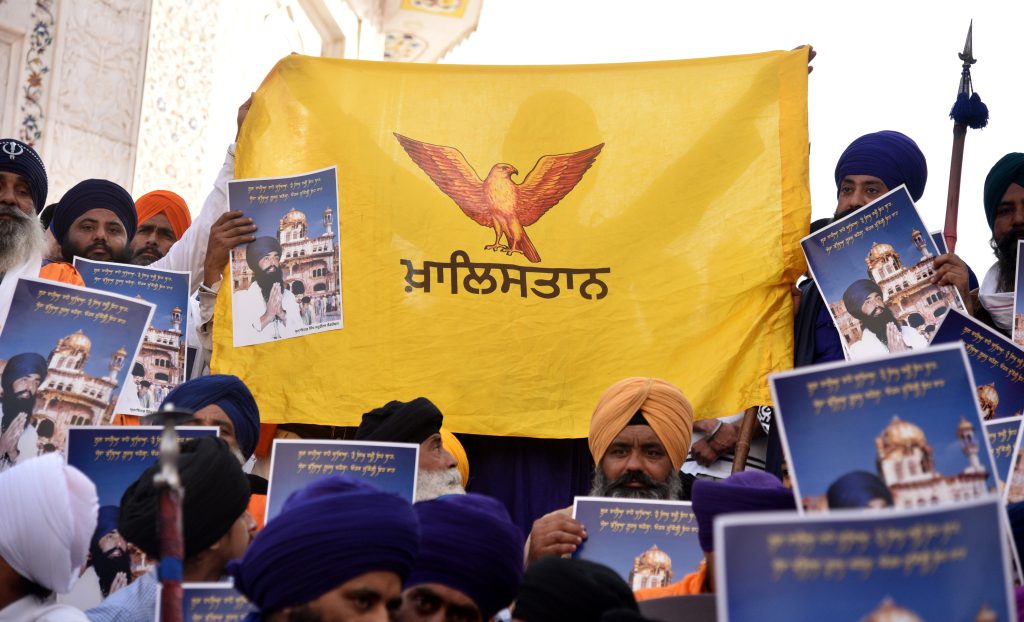
Activists from various Sikh organisations hold placards showing portraits of Jarnail Singh Bhindranwale, as they shout pro-Khalistan and anti-government slogans after offering prayers at the Golden Temple, on the commemoration of 40th anniversary of Operation Blue Star in Amritsar on Thursday. Bhindranwale and his supporters were killed in 1984 when the Indian army stormed the Golden Temple, the holiest shrine in the Sikh religion.
PHOTO-PRABHJOT GILL AMRITSAR
Amritsar: The 40h anniversary of Operation Blue star passed off peacefully amidst the slogans of Khalistahn Zindabad raised by supporters and activists of Radical Sikh outfits including activists of Shiromani Akal Dal Amritsar headed by former Member Parliament Simranjit Singh Mann and his associate former MP Dhian Singh Mand here today at the Akal Takht. Mann was also present on the spot.
Radical Sikh outfit Dal Khalsa’s activists were also seen holding placards bearing portraits of slain militant leader Jarnail Singh Bhidnrawala.
Sikh youth led by Dal Khalsa carrying Khalistani flags, photographs of damaged Akal Takhat and Sikh killed Sikh leaders who were in June 1984, declared June 6 as a Khalistan Day.
The Dal Khalsa activists were holding a placard in thier hands with the portrait of Sant Bhindranwale and the portrait of Hardeep Singh Nijhar, who was murdered on Canadian soil.
The entire marbled periphery of Golden Temple near Akal Takht rendered with the slogans of Khalistahn Zindabad. Numbers of Sikh youth were holding banners and placards of “Khalistahn Zindabad”.
Jathedar Akal Takht (highest Sikh temporal seat) Gyani Ragbir Singh in his message to Sikh community said the two Sikhs who won the Lok Sabha elections as an independent candidate should raise their voice in the parliament for the release of ‘Bandhi Singhs’.
Jatehdar said that need of the hour was Sikh preachers and scholars should visit to village to village to promote Sikhism to apprise the youth with rich Sikh tenets and Sikh history in order the unite them under the banner of Akal Takht.
On this occasion, Jathedar as usual once again, announced slain militant leader Jarnail Singh Bhdindrawall and his supporter who were killed during army action in June 6, 1984 as martyrs and honored their family families at Akal Takht.
On this occasion, the Shiromani Gurdwara Parbandhak Committee (SGPC), the apex Sikh religious body, displayed the bullet-ridden holy saroop (volume) of the Guru Granth sahib, the saroop, which was installed in the sanctum sanctorum at that time, was hit by a bullet during the army action in 1984.
There was peaceful bandh around the Golden Temple and interior walled city on the call of Radical outfit Dal Khalsa.
It may be mentioned here that thirty nine years back Indian Army had attacked on Golden Temple with code name Operation Blue Star to flush out hiding militants in the Golden Temple. The Three days operation ended up on June6th 1984 when the body of militant leader Jarnail Singh Bhindranwala was found and identified.
Bhindranwala during his life time was strongly demanding a separate Sikh home land .
Since then every year in anger SGPC observe Operation Blue Star anniversary as a genocide day and honor the family members of Sikhs who were killed during the Army attack. During the Operation Blue Star nearly 3000 people including army personnel were also reportedly killed. Operation Blue Star had also caused severe damage to the structure of Akal Takht.
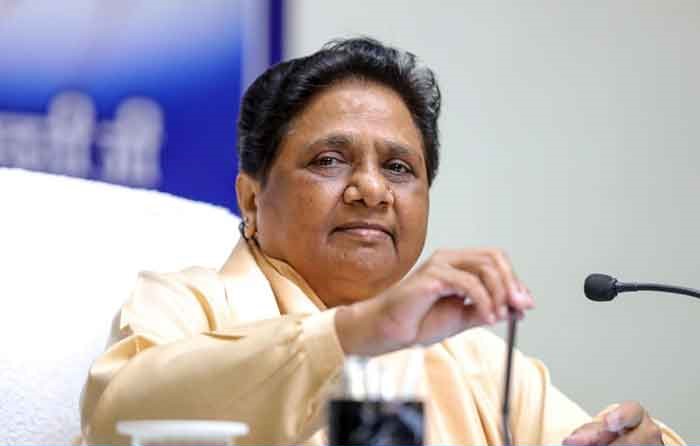
Lucknow: Bahujan Samaj Party (BSP) President Mayawati has said that Muslims had failed to understand her party even though it had been giving the community adequate representation.
In a statement, the BSP President said that in future she would think twice before giving tickets to Muslims so that her party does not have to suffer losses like it did this time.
She said that Dalits had played a crucial role in ensuring better performance of the BSP in the polls. She thanked her community for their continued support.
She pledged to continue working towards the mission of Dr B R Ambedkar and fulfilling his ideological goals.
Mayawati further said that the inclement weather conditions and extreme heat had adversely impacted the voting percentage.
“The Election Commission should ensure in future that these aspects are kept in mind while finalising dates for polls, ” she said. The BSP President stressed that the election process should not be stretched for long since it has an adverse impact on the voter’s mindset.
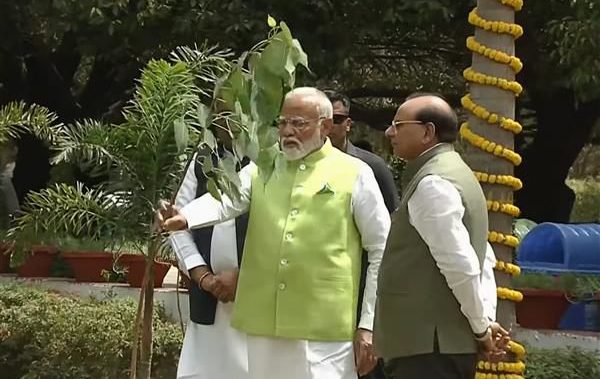
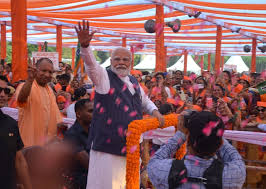
New Delhi: On the occasion of World Environment Day, Prime Minister Narendra Modi on Wednesday planted a Peepal sapling in the national capital.
Later in the day, PM Modi is scheduled to attend an event in Buddha Jayanti Park.
The theme of World Environment Day is ‘Land Restoration, Desertification, and Drought Resilience’.
With this theme, the children would be asked to plant saplings and also take care of them. Children in the household should be taught about global warming, sea pollution, ways to curb it and how the Earth can be saved.
With this video, the Prime Minister wants to highlight the significance of plants and trees in our lives and give a message to the world about it.
World Environment Day is celebrated every year on June 5.
The United Nations Environment Programme (UNEP) founded the World Environment Day in 1972 in a conference in Stockholm. The day has been celebrated since 1974.
New Delhi ; The National Democratic Alliance (NDA) will hold its first meeting in Delhi on Wednesday after the 2024 Lok Sabha election results to discuss the roles and ministerial quotas for the Modi government.
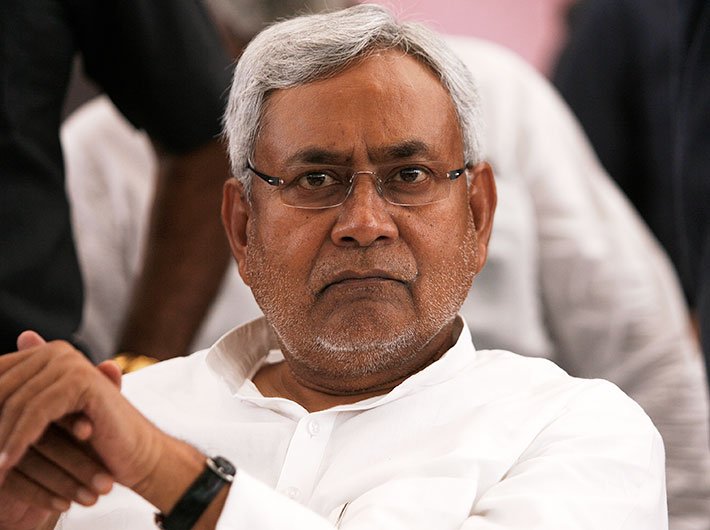
Bihar Chief Minister and JD(U) chief Nitish Kumar will also attend the meeting, along with Lok Janshakti Party (Ram Vilas) National President Chirag Paswan, and Hindustan Awam Morcha (HAM) National President Jitan Ram Manjhi.
Following the Lok Sabha election results, Prime Minister Narendra Modi and Union Home Minister Amit Shah spoke to Nitish on Tuesday, informing him of the meeting called at 4 p.m. on Wednesday. Nitish is once again at the centre of politics in the country.
It is worth noting that Bihar CM returned to Patna from Delhi on Monday after meeting with PM Modi.
Out of 40 Lok Sabha seats in Bihar, the NDA secured 30 seats and the INDIA bloc won nine seats. Independent candidate Pappu Yadav won the remaining one — the Purnia Lok Sabha constituency.
Within Bihar’s NDA, JD(U) secured 12 seats, BJP 12 seats, LJP (R) five seats, and HAM one seat. In the INDIA bloc, Rashtriya Janata Dal (RJD) secured four seats, Congress three seats, and CPI (ML) two seats.
Compared to the 2019 Lok Sabha elections, the NDA suffered a loss of nine seats in Bihar. In 2019, the NDA had won 39 seats.
JD(U) lost four, and the BJP lost five seats this time.
JD(U) lost in Kishanganj, Katihar, Purnia, and Jahanabad, while BJP faced defeat in Patliputra, Arrah, Buxar, Aurangabad, and Sasaram. LJP (R) won all five of its contested seats.
Meanwhile, last time, Congress had won only one seat (Kishanganj), and RJD and CPI (ML) did not win any seats.
Prominent winners in Bihar include Giriraj Singh, Nityanand Rai, Chirag Paswan, Lalan Singh, Misa Bharti, Radha Mohan Singh and Tariq Anwar.
Meanwhile, notable leaders, including RK Singh, Upendra Kushwaha, Rohini Acharya, Raj Kripal Yadav and Pawan Singh, lost the electoral battle.
Now all eyes are on the Delhi meeting, as allies in the NDA will decide on the third term of the BJP-led government at the Centre.
New Delhi : The Congress today described the 2024 General Election verdict as a moral and political defeat for the Prime Minister Narendra Modi who sought votes in his own name.
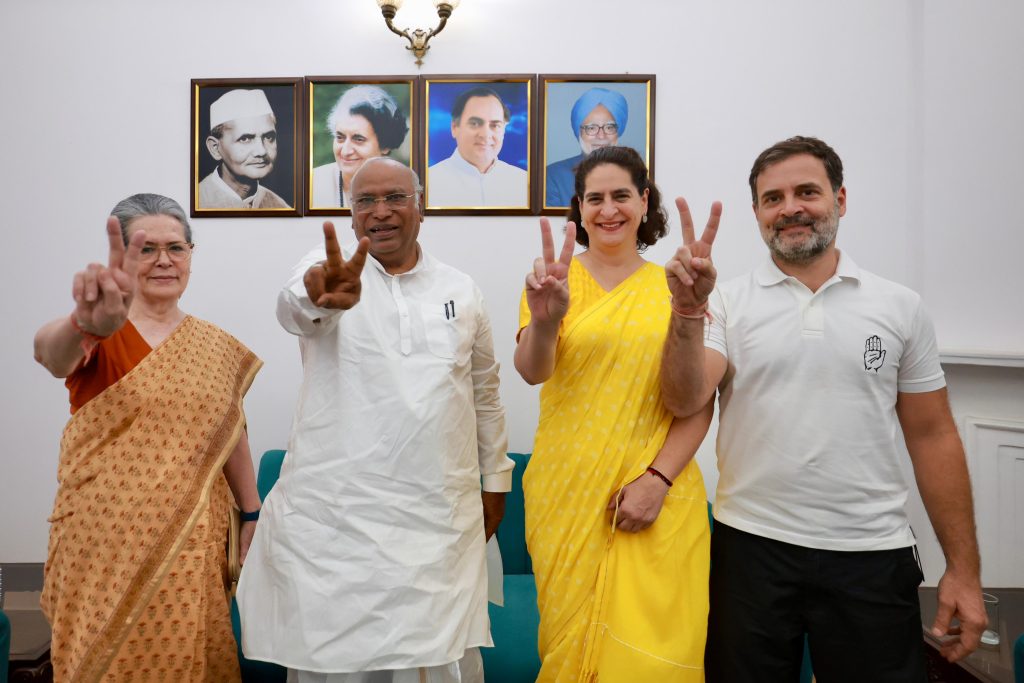
Congress President Mallikarjun Kharge and former party president Rahul Gandhi held a press conference in the presence of Congress Parliamentary Party Chaiperson Smt. Sonia Gandhi at AICC headquarters in New Delhi today evening. AICC General Secretary Smt Priyanka Gandhi, Mr Jairam Ramesh, Mr Mukul Wasnik and Mr Avinash Pande were also present on the occasion.
The Congress president observed that the people of the country had not given absolute majority to any one party, particularly the BJP, which sought votes in the name of a single person.
He said, this was a mandate against Modi and the defeat of a person who was seeking votes only in his own name.
Kharge pointed out, the Congress and the INDIA bloc campaigned with a positive agenda, raising the issues concerning the people of the country like inflation, unemployment, farmers’ distress and misuse of the central agencies.
He pointed out how the Congress party’s accounts were frozen, Opposition leaders intimidated and political parties broken.
The Congress president specially mentioned the Bharat Jodo Yatra and the Bharat Jodo Nyay Yatra led by Rahul Gandhi, which galvanized the public opinion.
He said, today’s achievement was also because of the united efforts by the INDIA partners and close coordination between them.
He said, the fight was not finished as yet as the Congress party will keep on fighting for protecting the Constitution and also ensure the proper functioning of the Parliament.
Speaking on the occasion, Rahul Gandhi said, the Congress party during the elections was not only fighting against a political party, but also against the institutions, which had been captured by the BJP and were being used against the political opponents.
Displaying a copy of the Constitution, Gandhi said, the fight was to save it. He said, he had realized long back that people of India will definitely rise and stand up against the way the BJP abused power, like freezing Congress party’s bank accounts and sending Chief Ministers to prison.
He said, the people of India have given a clear message that they do not want people like Narendra Modi and Amit Shah.
Gandhi specially thanked the poor people of the country for saving the Constitution.
Replying to a question whether the Congress will try to form the government, Gandhi said, they will be holding a meeting with the INDIA alliance partners on Wednesday.
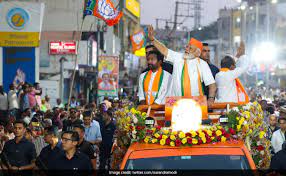
Varanasi (UP): Prime Minister Narendra Modi has won the Varanasi Lok Sabha seat for a third time.
The Prime Minister defeated his rival — Ajay Rai of Congress with over 1.5 lakh votes.
PM Modi polled 6, 12, 970 votes, according to the Election Commission data.
Bahujan Samaj Party’s Ather Jamal Lari, finished third and remained nearly 5.8 lakh votes behind the Prime Minister.
Ajay Rai — who has contested and lost each of the past three general elections from Varanasi, claimed that his victory lay in the results.
In 2019, there were a total of six candidates in the fray against PM Modi from Varanasi, which was his launchpad to the national political scene in 2014. PM Modi bagged 63.6 per cent of the votes, and after him, the second-highest vote-getter was Shalini Yadav of the Samajwadi Party.
In 2014, PM Modi got 56.37 per cent of the votes and his winning margin was 3.72 lakh. He had defeated Aam Aadmi Party (AAP) chief Arvind Kejriwal, who was his main rival.
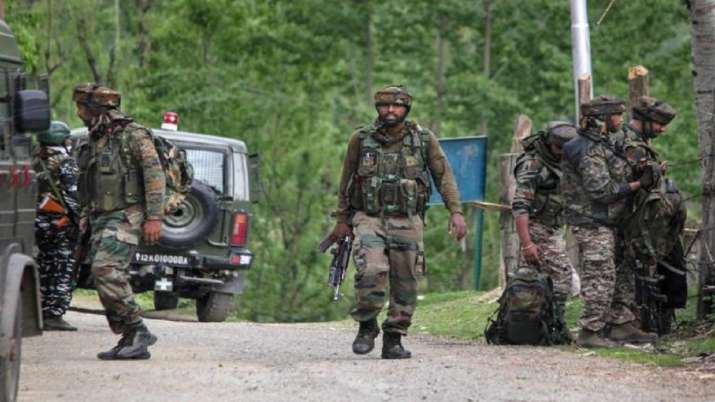
An encounter broke out between security forces and terrorists in Nihama Kakapora area of South Kashmir’s Pulwama district on Monday, officials said.
An official told a local news agency KNO that an encounter broke out at Nihama, Pulwama after security forces started a search operation on credible inputs in the area.
“Encounter has started at Nihama area of District #Pulwama. Police and security forces are on the job. Further details shall follow,” Kashmir Police Zone said in a post on ‘X’.
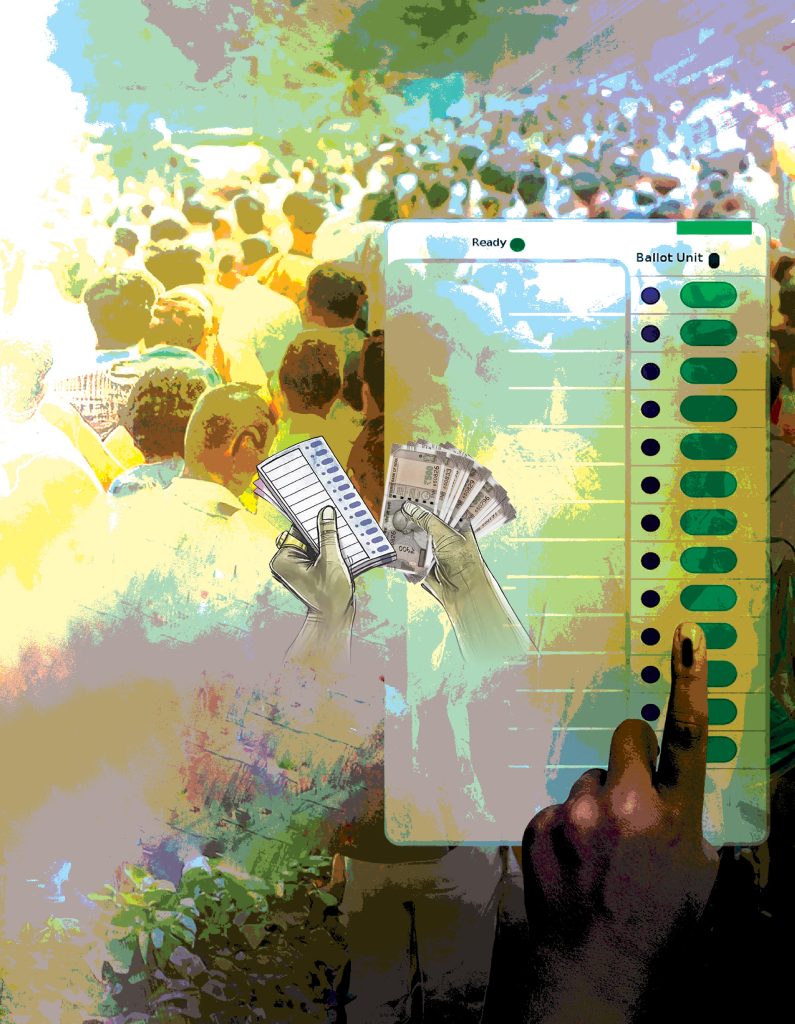
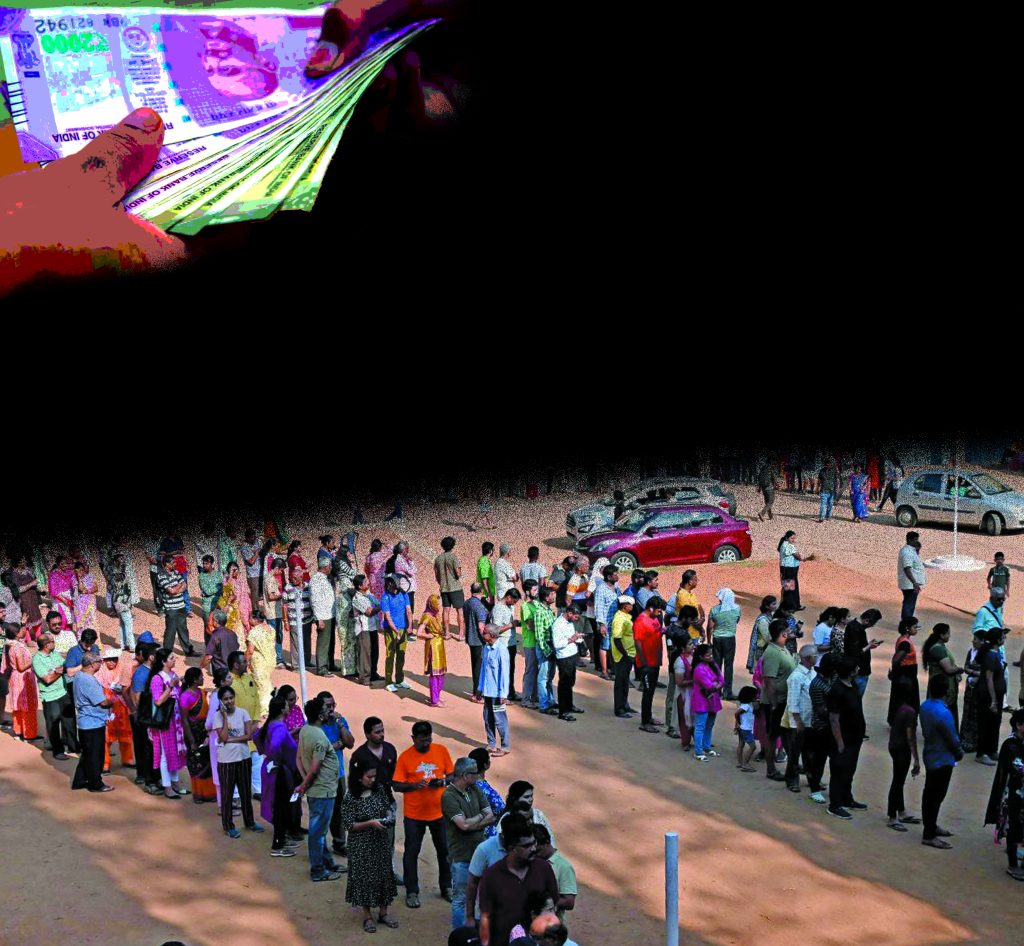
A Tehelka SIT report exposes a widespread racket involved in the illicit business of counterfeit currency, whose demand sees a surge during the election season
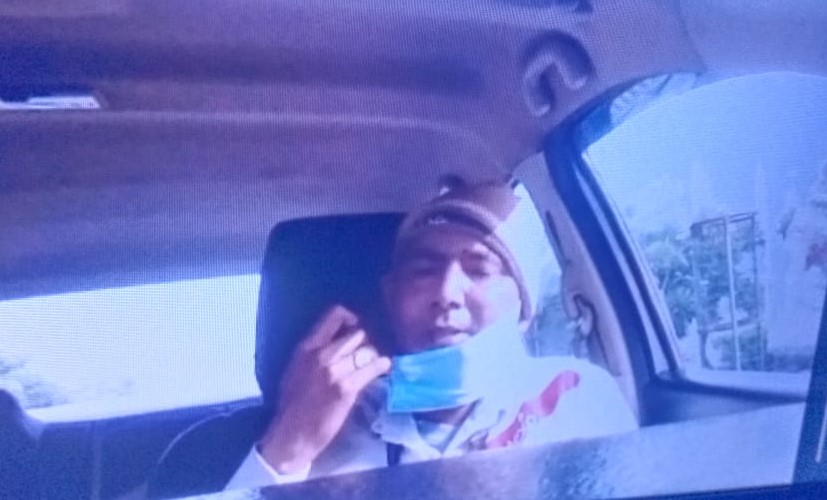
“I don’t want to be arrested because there is no one who would get me out on bail. I know there is nobody who would care for me while I am in jail. I apprehend that some people who know about my involvement in the fake currency business could get me arrested. So, please ensure that I don’t end up behind bars.”
Meet Sameer (he goes by his first name only), a barber by profession, who lives in Mangalore, Karnataka. In a candid phone conversation with the Tehelka reporter, Sameer revealed details about his illicit fake currency business. According to Sameer, he can connect us with a contact in Noida, Uttar Pradesh, who specializes in producing counterfeit currency “for election purposes.” All we need to do is provide an advance payment of Rs 50,000. Once the transaction is complete, the contact will procure a note-printing material and deliver fake currency worth double the value of the cash received within a couple of days. Sameer assured us that any additional currency requirements would also be met by his contact in Noida.
To expose this intricate fake currency network, our reporter posed as a client serving fictitious candidates contesting the general elections. Sameer informed our reporter that there was no need to travel to Mangalore; and he would arrange everything in Noida itself.
As the elections unfold, counterfeit currency remains a worst kept secret. It is believed that millions of fake notes flood the system during election season. Recently, the Gaya district police in Bihar apprehended a gang involved in printing counterfeit currency specifically for the 2024 elections. The Cherki police station seized fake notes with a total face value of Rs 4.73 lakh, along with the printing machine used for fabricating the fake currency. Counterfeit notes of Rs 500, 200, 100, and 50 were among the fake currency recovered. Authorities suspect that these fake notes were intended to be used during the Lok Sabha elections, which are drawing to close.
In the month of May this year, following the announcement of the general elections, the Motihari police in Bihar once again apprehended two individuals involved in the illicit fake currency trade. The police seized Rs 13 lakh worth of counterfeit currency intended to be used in the 2024 general elections. Meanwhile, in another incident in Jhansi, Uttar Pradesh, the police arrested four people in possession of fake currency amounting to Rs 2.50 lakh, along with a note printing machine. Additionally, in April, after the poll dates were announced, the Hyderabad Police busted a gang engaged in production and circulation of counterfeit Indian currency notes. Six people were arrested during the operation, and the police confiscated fake currency notes worth Rs 36.35 lakh, along with a net cash amount of Rs 28,000. The printing materials used in the fabrication process were also recovered from the gang.
During any election season in India, news reports about seized fake currency flood media outlets. Those involved in the fake currency business become active as soon as the election fervor sets in. And the current elections are no exception. This investigation by Tehelka into counterfeit currency has exposed a widespread racket. Consider the cash in your wallet—could it be fake currency? It’s possible. Some of these counterfeit notes are manufactured in Pakistan and routed through Bangladesh.
Despite demonetization, which aimed to eliminate fake currency from the system, the circulation of counterfeit notes continues to be a headache for the government. Even during the 2019 general elections, there were reports of fake currency being used.
This time, as the 2024 election process kicked off, we, during our investigation, stumbled upon individuals in the Hindi heartland who specialize in producing fake currency notes. Not only that, these individuals openly admitted their involvement in creating counterfeit money during almost every Indian election in the past too. They even claimed to have also supplied fake currency to the general public for day-to-day transactions.
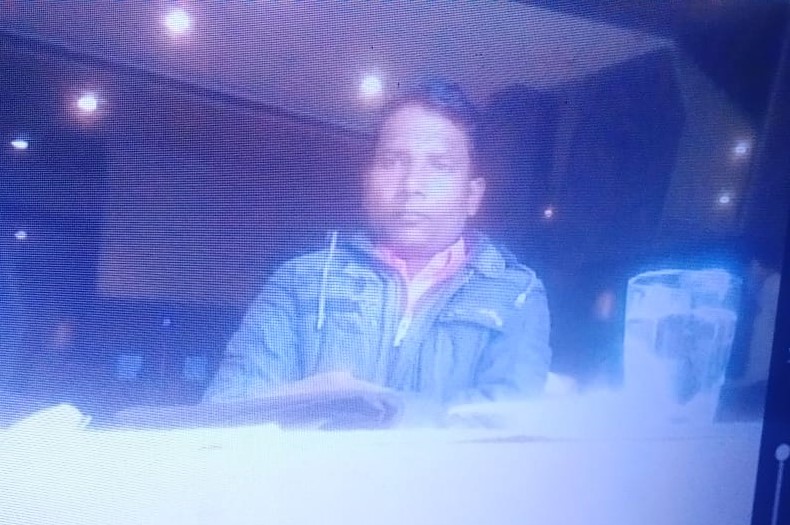
During the investigation, we first spoke with Rohit Sharma, a seasoned player in the fake currency trade. Upon meeting him, Rohit Sharma promptly disclosed his rate for counterfeit currency. According to his terms, we would need to provide him with Rs 1 lakh to receive Rs 3 lakh worth of counterfeit notes.
Rohit … “Ek ka teen milta hai”.
Reporter…. “Main apko ek lakh dunga…ek ka teen matlab?.
Rohit…. “Teen lakh rupay dunga main apko”.
Reporter…. “Main ek lakh dunga….Aap mujhey naqli note ke teen lakh dogey?”
Rohit…. “Haan”.
[In the conversation, Rohit reveals that for every Rs 1 lakh given to him, he will provide counterfeit notes with total face value of Rs 3 lakh. This uncovers the exchange rate and confirms Rohit’s involvement in the fake currency business.]
Rohit Sharma confessed that during elections, the demand for fake currency rises significantly, and he receives numerous orders for counterfeit notes. He noted that representatives and associates of MPs and MLAs frequently seek his services during this time.
Reporter…. “Abhi tumhara chunaav mein to kaam badh gaya hoga. Kitna badh gaya?”
Rohit…. “Abhi chalu honey wala hain. Dheerey-dheerey badh raha hai. Badega thoda-thoda. Election main to kaam aata hai”
Reporter… “Zyada aata hai”.
Rohit…. “Hmm”.
Reporter…. “Kaun log aatey hain zyada chunav main?”
Rohit…. “Sansad, vidhayak ke kaam aatey hain hamarey paas.”
[Rohit Sharma revealed that demand for fake currency increases during elections and he starts getting more and more work orders. The conversation reveals the scale and key clients of his illicit operations.]
Now, Rohit Sharma revealed the maximum number of fake notes he had supplied in a single day. He admitted to distributing up to 10 lakh rupees worth of counterfeit currency in just 24 hours. When probed further, Rohit confessed that his fake currency network spans across the entire country, and is capable of reaching any region in India.
Reporter… “Sabse zyada maal aapne ek din main kitna maal aapne supply kiya hai?”
Rohit… “10 lakh rupay ek din mein”.
Reporter…. “Karein hain?”
Rohit…. “Haan”.
Reporter…. “Desh main kahan-kahan supply kar sakte ho?”
Rohit…. “Hamara desh hain bahut bada network hai, kahin bhi kar sakte hai”.
Reporter…. “Kahin bhi kar sakte ho?”
Rohit…. “Haan”.
Reporter…. “Kashmir-South”.
Rohit…. “ Haan, note to yehi hai koi Hongkong ka note to hai nahin”.
Reporter…. “Hongkong kya?”
Rohit… “Hongkong desh ka hai nahin hamarey paas”.
[Rohit’s assertion that his counterfeit currency distribution network spans across India highlights the extensive reach and high volume of his operations.]
Rohit assured us that his fake currency worked seamlessly across India, with the exception of banks. He confidently claimed that his counterfeit notes could circulate undetected throughout the country.
Reporter…. “Matlab koi pakad na paye jo naqli note de rahe aap hamein?”
Reporter…. “Kis barey main hindustan main ghoom aaye?”
Rohit…. “Isi barey mein kahin par chala sakte ho.. bank chod kar”.
Reporter… “Noton ke barey mein”.
[Rohit asserts that the counterfeit notes could be used anywhere in the market without getting caught. This highlights the reliability and widespread usability of his fake currency, which should be a matter of concern for law enforcing authorities.]
Rohit also apprised us of the denominations of fake notes he would supply to us. He mentioned that the counterfeit currency would mostly include 50 and 100 rupee notes. He explained that higher denominations, like 500 rupee notes, are more likely to raise suspicion, especially when taken to banks.
Reporter…. “Ye maal jo lengey aapse.. ismein kaun-kaun se note hongey?”
Rohit…. “Yehi hongey 50 ka.. 100 ka”.
Reporter…. “500 ka nahin hoga?”
Rohit… “Nahin, bade maal par shaq hota hai..500 par”.
Reporter…. “Bade maal par kya hota hai?”
Rohit… “Shaq..500 par shaq hota hai. Jaisey aadmi bank mein jayega”.
Reporter… “500- waley main shaq zyada hota hai?”
Rohit…. “Haan”.
Reporter…. “100-50 mein kam hota hai?”
Rohit… “Haan”.
[So, we learn from the above conversation that smaller denominations are preferred for fabrication by fraudsters to avoid detection.]
But on our insistence, Rohit agreed to arrange 500 rupee fake notes for us. Initially hesitant due to the higher risk of suspicion, he assured us that he could still procure them alongside the 50 and 100 rupee notes.
Reporter… “Hamarey liye kaun-kaun sa manga sakte ho?”
Rohit… “Kaun sa mangana hai bataye?”
Reporter… “500?”
Rohit…. “500 Mangwa dengey”.
Reporter…. “50 aur 100.. wo to aa hi jayega?”
Rohit…. “Haan”.
[After his initial reluctance, Rohit finally agreed to our request to arrange fake notes of Rs 500 denomination. However the conversation highlights that Rs 50 and Rs 100 notes are more readily available.]
Rohit confessed that his reputation in the fake currency business has spread far and wide, attracting visitors from distant regions. However, he emphasized that, in our case, he personally visited our location to meet us.’
Rohit… “Mere paas log chalke aatey hain kahan-kahan se. Main aapke paas chalkar aaya hoon”.
Reporter…. “Log aatey hain?”
Rohit… “Haan, kahan-kahan se pata nahin?’
Reporter…. “Bahut-bahut dhanyawaad”.
Rohit…. “ Main aapke paas chalkar aaya hoon”.
[While Rohit brags about his clout, his claim shows the extent of his reputation and the demand for his services.]
Now, Rohit admitted to supplying fake notes during the XXXX Sarpanch’s elections, acknowledging the significant expenditure involved.
Rohit…. “XXXXXX main sarpanch ka chunaav hua tha. Paisa bahut jaata hai”.
Reporter…. “Uska order aaya tha aapke paas?”
Rohit…. “Haan”.
[Rohit admission about the use of fake notes for a Sarpanch’s election, indicates that his counterfeit currency services are utilized even in local elections.]
Rohit Sharma now revealed that many people are involved in the fake currency business, with commissions varying from Rs 10K to Rs 1 lakh depending on the amount involved. He also poo-poohed the suggestion that the involvement of more people would increase the risk.
[While confirming a large, interconnected network, Rohit dismissed our concerns about increased risk because of so many participants.]
Now, Rohit disclosed his income from illicit counterfeit business. He claimed that he had earned Rs 2-3 lakh monthly from the fake currency business.
Reporter…. “To aap isi kaam se paisa kamatey ho?”
Rohit… “Haan”.
Reporter…. “Mahiney main kitna kama lete ho. Lakh.. 2 lakh?”
Rohit…. “Haan 2-3 lakh kama leta hoon”.
[Rohit’s disclosure reveals the significant financial gain involved in the illegal operation, highlighting its profitability.]As the meeting with Rohit Sharma progressed, our reporter asked him how much time he needed to deliver fake notes of the face value of 10 lakh. In reply to this, he said that he needed only a day’s time to deliver fake notes.
Reporter… “Jaisey aaj hum order karte hai 10 lakh ka, kab de dogey humein?”
Rohit…. “Aaj dete ho to kal aa jana”.
Reporter…. “Kal aa jaye?”
Rohit… “Haan”.
[Rohit Sharma’s confidence in delivering fake notes within a day after receiving an order, indicates the efficiency and readiness of his counterfeit currency operation.]
After Rohit, Tehelka met Veerapal in Noida, who was introduced to us by Sameer. We spoke to Sameer who looked scared. He said that he did not want to be arrested, as there was no one who would care to furnish bail amount for his release, if he goes to jail. He apprehended that some people who know that I am into fake currency business can get me arrested.
Sameer- Wo mil jayega phir aapko jitni bhi zaroorat hai 2 ya 3 ki wo aap bata dein.
Reporter- Theek hai
Sameer- Aur kya bolte hain, Apna jo hai pervi karne wala koi nahi hai, bel karne wala bhi koi nahi hai.
Reporter- Accha
Sameer- Haan matlab jo janega wahi khel kar sakta hai
[Sameer’s fears about his possible arrest highlights the risks and uncertainties involved in illegal activities like counterfeit currency trading.]
Sameer now explained the modus operandi: we need to give his contact Veerpal Rs 50k upfront, and in 2-3 days, he’ll deliver fake notes worth double the amount. The initial amount covers the cost of the printing machine.
Sameer- Unko apna samaan lana padega, bas ek 50 k tak ka kharcha hai..
Reporter- 50 hazar ka ?
Sameer- Ji 50 hazar tak ka kharcha bataya tha wo chahiye hame advance mein. Wo samaan la ke..uske 2 din ya 3 din mein 50 ka doguna ho jayega
Reporter- Theek hai.
Sameer- Wo mil jayega phir aapko jitni bhi zaroorat hai 2 ya 3 ki wo aap bata dein.
Reporter- Theek hai
[This conversation with Sameer outlines the arrangement for procuring counterfeit currency.]
After meeting Rohit, we encountered Veerpal, introduced by Sameer, another individual involved in fake currency business. Veerpal, like Rohit, offered to provide Rs 2 lakh counterfeit for Rs 1 lakh. He assured that that he would provide counterfeits worth double the amount of genuine money he would receive.
Veerpal…. “ Wahan se milega ek ka double”.
Reporter…. “Kahan se?”
Veerpal…. “ Jahan se bhi ayega wahan se ayega ek ka double”.
Reporter…. “Ek ka double maaney to?”
Veerpal…. “ek lakh ke 2 lakh milengey”.
Reporter…. “Ek lakh ke hum asli note dengey aur 2 lakh ke aap naqli note dogey?”
Veerpal… “ Haan”.
[The conversation reveals Veerpal’s offer to exchange Rs 1 lakh worth genuine money for Rs 2 lakh counterfeits]
Now, Veerpal emphasized the need to exercise caution while using counterfeits as the notes will be of same serial number. He said these should not be used in bulk, at a time, to anyone, but should always be spent in parts, mixed with genuine currency, to avoid the risk of getting caught.
Veerpal…. “Jo main apko bata raha hoon wo hi clear rahega. Note naqli aapka chalega market mein.. ye nahin hain ab aap ek lakh kisi ko de do wo to pakda jayega. Aaj bhi ya kal bhi kyonki ek hi serial number ke hain. Agar usney dhyaan diya to.. aur dhyaan kyon nahin dega.. bada note hain. Har banda dhyaan dega”.
Reporter…. “Ismein to ye hai ki chotey-chotey note diye jaye. Ek saath gaddi de di”.
Veerpal…. “Gaddi main nahin de sakte. Gaddi main dikkat hai”.
Reporter…. “Gaddi main to pakda jayega na?”
Veerpal…. “Pakda jayega bhai. Aap kisi ko ek lakh rupya de rahe ho. Usmein 10 hazaar naqli mix karke de do. 50 hazaar de rahe ho usmein 10 hazaar mix kar do”.
Reporter….. “Poora nahin de sakte?”
Veerpal…. “Pakde jayogey aap. Ek bandey ko pakad liya khatm hain kahani”.
[As Veerpal cautioned against using counterfeit notes in bulk, he underscored the importance of discretion in handling counterfeit currency to evade scrutiny.]
Veerpal opened up as the meeting progressed. He revealed that he had supplied counterfeit currency in Delhi, Noida and Meerut, particularly emphasizing significant operations in Meerut and surrounding areas like Deoband.
Reporter…. “Veerpal ji, aapki supply waisey kahan-kahan rahi hai .. naqli noton ki?”
Veerpal…. “Sector 37 Noida main, Delhi ke kuch bandey they. Meerut kiya hai. Meerut mein kaafi kiya hai. Meerut ke aaspaas Deoband poora udhar kiya hai”.
[This conversation sheds light on the geographical reach of Veerpal’s counterfeit currency business.]
Now, Veerpal told us that he can supply us Rs 6 lakh counterfeit notes in a week without taking any risk. Fabricating counterfeit notes beyond this amount would be fraught with risk, he cautioned and he feared he might even land up in jail if he did so.
Reporter… “Ek baar main aap kitna de sakte ho naqli note?”
Veerpal…. “Ek baar mey kya batao bhai zyada ke lafdey main nahin padna. 2-3 lakh rupay kar dunga. 3 lakh rupay”.
Reporter…. “Ek din mein?”
Veerpal…. “Aap haftey mein 2 time laga lijiye”.
Reporter…. “ Matlab haftey main 6 lakh rupay, naqli note?”
Veerpal…. “Haftey main 6 lakh rupay naqli ke de sakta hoon. Kyonki mein itna bada risk nahin lunga ki mein paisey samet wahan pakda jao.. aapka to ho gaya dushman zindigi bhar ka. Main wahan pada raha hua hoon jail mein”.
[Veerpal stated he could supply only up to Rs 6 lakh in counterfeit notes weekly to avoid attracting undue attention and risking arrest. This conversation highlights the cautious approach taken due to the high stakes involved in the illegal business.]
Veerpal now confessed that the man who fabricated fake currency for him was flooded with work orders during election time. He indicated a surge in demand for counterfeit notes during the election time.
Reporter… “Achcha chunaav chal raha hai. Chunaav ki koi demand aayi aapke paas?”
Veerpal…. “Merey paas nahin aayi”.
Reporter…. “Uske paas?”
Veerpal…. “Uske paas to chal raha hai wo kahan khaali baitha hain”.
Reporter…. “Chal raha hai kaam uska?”
Veerpal…. “Wo kar raha hai apna”.
[Veerpal admitted that his contact is swamped with orders for fabricating fake currency during the elections. This conversation highlights the increased activity in the fake currency business during election season.]
Veerpal now confessed as to how he and his friends used fake notes at night in the market to purchase things.
Reporter…. “Aapka kisi ka bhi nahin pakda gaya aapka, na Sameer ka.. na teesrey ka?”
Veerpal…. “Pakda jaata kuch na kuch to hota. Hum shaam ko chalatey they. 9-10 baje free ho jaatey they apna. Kai-kai bori to sabzi ho jaati thi. Gutkey itney ho jaatey they”.
Reporter…. “Wo hi naqli note se?”
Veerpal…. “Haan”.
The counterfeiting receives sustained support from Pakistan, where the majority of the fakes originate, as per our security agencies’ findings. Our neighbours’ apparent objective is to destabilize the Indian economy. These counterfeit notes, printed in facilities across the border, are then smuggled into India through a well-established distribution network spanning Nepal, Bangladesh, Sri Lanka, Thailand, Malaysia and the United Arab Emirates. Notably, the China route was utilized last year to send a fake currency consignment into India.
Organized crime syndicates and terrorist groups such as Lashkar-e-Taiba and the Indian Mujahideen [IM] are integral parts of this well-oiled machine, alongside drug traffickers and arms smugglers. The interrogation of arrested terrorist operatives, including Yasin Bhatkal of the Indian Mujahideen (IM), has unveiled their exploration of utilizing proceeds from the fake currency business to fund other subversive activities such as arms and explosive purchases, recruitment, and infiltration of cadres. This nexus underscores the multifaceted threats posed by counterfeit currency beyond just economic destabilization.
It is a well-known fact that substantial sums of money are used in elections, with cash being utilized on a larger scale than ever before. In the absence of immediate action, we may witness a surge in fake currency circulation, contributing to chaotic economic conditions and exacerbating inflation. Despite ongoing efforts to engage in political dialogues with Pakistan, India must adopt a realistic and pragmatic approach to address the threat of economic instability posed by our neighbour’s notorious intelligence agency, the ISI.
A couple of years ago, Tehelka conducted an investigation on fake currency with the hope of rooting out perpetrators from the system. However, to our dismay, they continue to operate within our system, catering to those seeking counterfeit currency. Election season becomes their prime time, as they attract numerous political clients seeking their services. They only engage with trusted clients, turning away strangers with a simple message: “We are out of this business.”
The BJP, with Prime Minister Modi leading the party from the front, coined the slogan “Ab ki bar 400 par” just before the Parliamentary elections got underway. The INDIA bloc, on the other hand, has managed to draw attention through a show of solidarity of its leaders. By Dr. Anil Singh
The BJP’s prospects of scoring a hat trick at the Center still look fairly good after the completion of six out of seven stages of the 2024 Lok Sabha elections with the fate of the candidates at about 390 Lok Sabha seats sealed in the EVM machines. These phases have triggered a frenzy of analysis and discussions. The pre-poll surveys suggested a clear edge for the BJP over the INDIA Alliance, but the low voter turnout in the first phase and in subsequent five phases compared to the 2019 Lok Sabha elections have left experts and observers struggling to find out the reasons behind the phenomenon. The BJP, with Prime Minister Narendra Modi leading from the front, coined the slogan “Ab ki bar 400 par” before the 2024 Lok Sabha elections. The INDIA Alliance managed to draw attention through a show of solidarity of its leaders. The outcome on June 4 will decide the winner; however, it is appropriate to scrutinize the contemplations of the BJP and the responses of the INDIA Alliance to start with now.
The BJP’s prospects of scoring a hat trick at the Center still look fairly good after the completion of six out of seven stages of the 2024 Lok Sabha elections, with the fate of the candidates at about 390 Lok Sabha seats sealed in the EVM machines. These phases have triggered a frenzy of analysis and discussions. While pre-poll surveys suggested a clear edge for the BJP over the INDIA Alliance, the low voter turnout in the first phase and the subsequent five phases compared to the 2019 Lok Sabha elections have left experts and observers struggling to understand the reasons behind this phenomenon. The BJP, led by Prime Minister Narendra Modi, coined the slogan “Ab ki bar 400 par” before the 2024 Lok Sabha elections. The INDIA Alliance managed to draw attention through a show of solidarity among its leaders. The outcome on June 4 will decide the winner; however, it is appropriate to scrutinize the strategies of the BJP and the responses of the INDIA Alliance starting now.
Having been in power at the Centre since 2014, the stakes for the BJP are very high in the 2024 Lok Sabha polls. The top brass of the BJP, especially PM Modi, is very sanguine about achieving a hat trick by wresting power at the Centre for the third consecutive time. Even before the commencement of the 2024 Lok Sabha polls, PM Modi had given the slogan “Ab ki bar 400 paar”, denoting that the BJP will win 370 seats and NDA, including the BJP, will win over 400 seats in the 2024 Lok Sabha polls. To whet his electoral blitzkrieg, PM Modi embarked on ensuring the “Modi ki Guarantee” on various socio-economic issues to gain traction among voters.
Undeniably, the stakes for the BJP in the 2024 Lok Sabha polls are very high but the odds are not in its favour this time as compared to the 2014 and 2019 Lok Sabha elections. In the 2014 Lok Sabha polls, the BJP was the contender for power and in the 2019 Lok Sabha polls, the Pulwama terror attack and Balakot surgical air strike helped the BJP to ride the crest of power on the back of assertive nationalism, despite the prevailing anti-incumbency.
There is a section of experts who says that the recent shift of the Congress leaders to the BJP fold on the eve of elections is a positive sign as it can help it in achieving a significant success, especially in the constituencies where the saffron party expects to win the election by a huge margin. Others remain positive regarding the effect of active election campaigning and addressing multiple rallies by PM Modi in the final that probably left a favourable impression on undecided voters.
The BJP’s promises to take action on these issues may not entirely address the voters’ concerns as increased inflation and rising unemployment can significantly affect voting sentiment with these issues becoming critical factors for the BJP as well. First, the factionalism within the BJP, the ticket allocation disputes, and the Rajput and Kshatriya protests in the Hindi belt are also major factors that could affect the BJP’s 2024 LS poll prospects.
The Bharatiya Janata Party (BJP) has its share of internal squabbles and strains that have the potential to shrink the party in the next elections and erode its public trust. It is imperative to deal with these internal problems on the way to getting voters’ support. Moreover, the BJP decided to not stand for the major portion of seats. Five percent of the constituency members as party nominees is a strategic attempt to address any anti-incumbency feelings. Nevertheless, this decision has raised a lot of anger in the state heads, such that a lot of defections are being predicted. Additionally, regular demonstrations of the Kshatriya group in Gujarat, Rajasthan, and western Uttar Pradesh against the BJP. The party’s efforts to connect with the community notwithstanding their anger, most specifically towards Union Minister Parshottam Rupala’s comments, are unyielding. According to some reports, in certain localities, the Rajputs, a group that has strongly supported the BJP in the past, did not show up to vote which may hurt the party’s performance.
Prospects for INDIA Alliance
Whether the INDIA bloc can gain edge in the initial four stages of the 2024 Lok Sabha elections, a subject that has gained huge popularity is the one concern. The content and the promises made in the Congress manifesto and the commitments made by the alliance parties of INDIA can change the minds of voters. The central points of the manifesto of the Congress party, Nyaya Patra, constitute a total of 5 “planks of justice” which will have 25 promises falling under them. Some of the key commitments are a pan-India socio-economic and caste census, a constitutional amendment to raise the 50% cap of the reservation for poor, tribes and backward classes, a legal assurance for MSP, and the re-establishment of statehood of Jammu and Kashmir. The Indian National Congress has the same agenda as the INDIA alliance (Independence, Democracy, Inclusion and Reform)
It aims at the development of social justice, economic well-being, and good governance. When their common ground is put forward, the voters who yearn for change/ specific policies will likely be attracted to it.
Certain pundits are forecasting that the BJP’s share of the vote would fall short of what it was in the 2019 elections, but it would probably still get the highest number of votes. The storyline has now somewhat changed, and the opposition has now gained traction and has become the one that questions the BJP’s claim of a resounding win. The competition for BJP’s slogan of ‘400 paar’ (over 400 seats) is high. This implies there will be a more tighter race.
The BJP is still the most popular party but the majority of people also notice a decline in the satisfaction towards the government, especially in urban areas, as compared to 2019. The competitor’s offerings, especially those linked to economic relief and social justice, are likely to appeal to people with worries about price hikes and unemployment. The BJP is strong in the north and west and its influence in the south has not been much. Nevertheless, the betterment of Karnataka instances shows some positivity of the BJP which may supplant the benefit that the INDIA alliance might reap in other regions.
The opposition has learned from BJP’s tactics and has avoided being entangled by some issues but Modi’s relationship with Indian voters remains strong. The Congress and INDIA members have put forward grand commitments, but the real challenge is converting them to votes. The manifesto of the Congress party and the INDIA coalition’s promises have presented new factors that could affect the election, but PM Modi’s extensive support and appeal remain formidable competitors. The final results might be guided by the factors’ performance in the forthcoming stages of the election and the way people vote. It is essential to follow the up-to-date news and in-depth analysis to get the complete picture of the escalating political situation.
The Way Forward
These puzzling issues, if not resolved, will result in a loss of votes for the BJP in strategically important constituencies. How the party deals with these obstacles and keeps its electorate base intact will be crucial for its winning three straight elections in the middle. However, political dynamics are in a state of flux and ultimately the consequences will only be known when the outcome of the election is out. All through the election, these factors will unfold, and eventually, the result will be a choice of the majority vote.
The main objectives are to protect soil quality and water sources in and around the national park and create sustainable livelihoods for communities. A report by Deepanwita Gita Niyogi
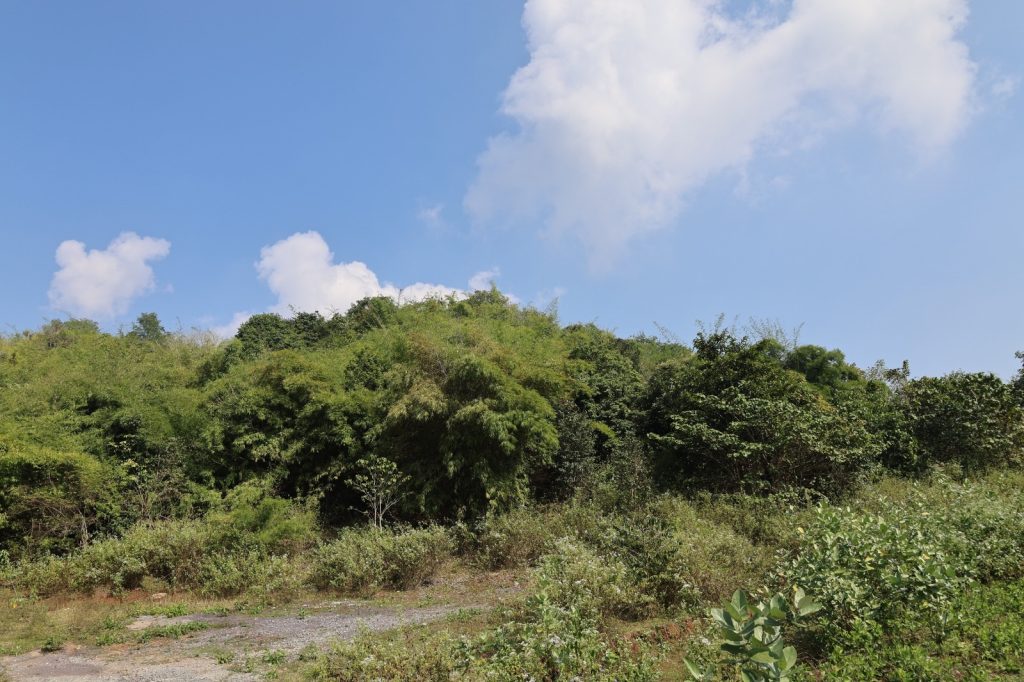
The Kanger Valley National Park situated in Bastar district of Chhattisgarh is famous for its biodiversity and mysterious caves. In this beautiful landscape dotted with numerous tribal villages, an ambitious plan, aimed at a holistic landscape restoration, has been planned.
“Generally, there is a lot of farming pressure in and around the national parks of India due to human settlements. So, the landscape level restoration project in Kanger Valley will focus on the catchment area of the Kanger river, which flows through the park, and is a point of tourist attraction,” said former park director Dhammshil Ganveer. The landscape project was conceptualised during his stint there.
One of the main objectives of the project is to protect the water sources in and around the national park. There are many rivulets which join the Kanger river. If chemicals are used by local farmers, water sources as well as the soil of the region will be severely impacted. However, farmers here mostly carry out natural farming.
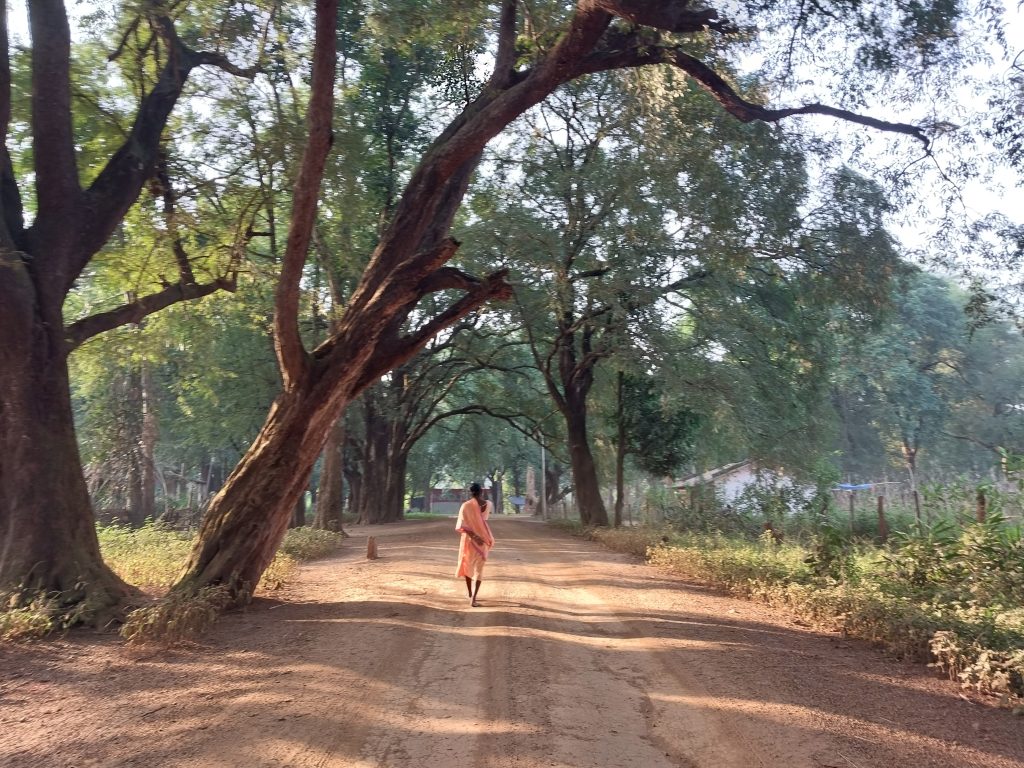
It is because of this reason that the project will include not only the national park, but also about 20 villages lying in the vicinity of the park. Several non-profits, roped in for the restoration work, are already working though the general elections have slowed down the progress. The main focus areas are community forest resource rights, watershed management and sustainable agriculture.
Pressure on a fragile ecosystem
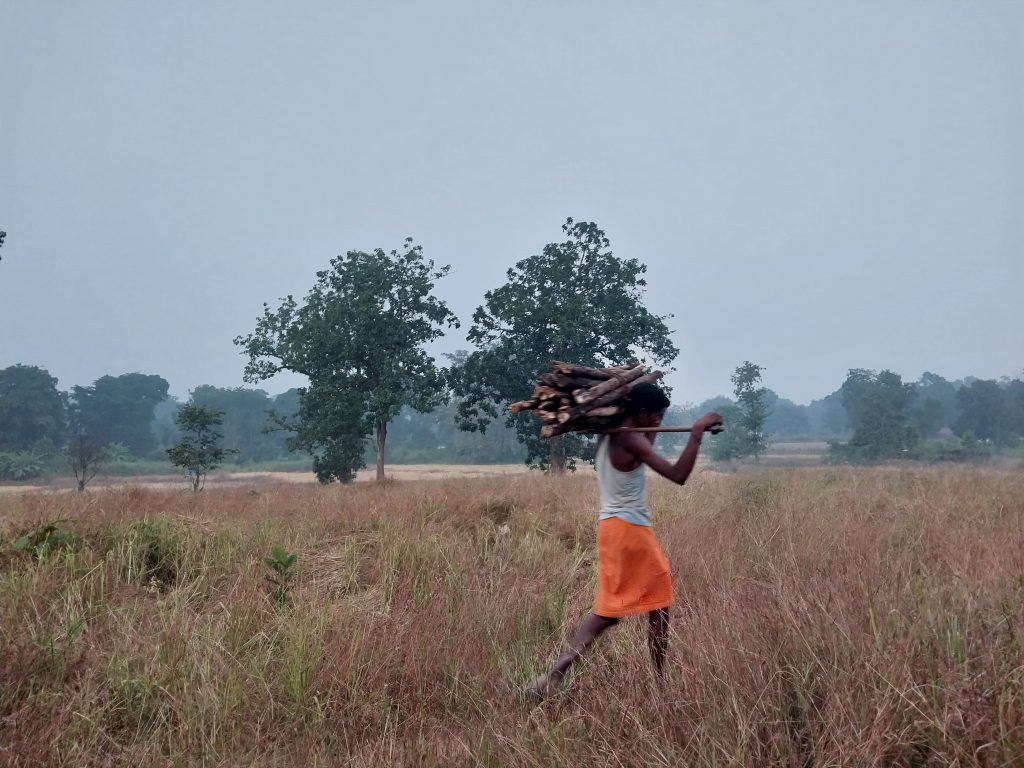
The pressure on natural resources is also increasing in Kanger Valley as there are villages inside the national park as well. Local communities depend on the collection of non-timber forest products (NTFPs) which ensure their survival and livelihood. To conserve natural resources, the plan is to gradually treat the entire landscape by covering a 2000 sq km area. As it involves a huge effort, several organisations are working in the area on various issues at present. The national park itself covers 200 sq km area.
The organisations working in the area have a common understanding about what all activities to carry out. Even the horticulture department of Chhattisgarh is thinking from the environmental point of view as part of the restoration activity.
Suresh Thakur, deputy director, horticulture department, said nutrition gardens are being set up on a model basis either on an acre of land or even less so that tribal households are able to grow whatever they like throughout the year.
“Last year, some 5,000 poshanbadisor nutrition gardens were set up on very small plots of land. These are in the villages in and around Kanger Valley. Tribal communities here have small land areas and mostly lack irrigation facilities. But the setting up of bigger nutrition gardens has also started.”
Working together for Kanger Valley
Manas Banerjee is from the Chhattisgarh Agricon Samiti, a non-profit, founded in 2007. According to him, the partnership is on with the forest department and other organisations. “Areas where work will be carried out have been finalised. This year, the focus will be on various stakeholders involved in the landscape,” Banerjee informed.
The Kanger Valley area has a mixed landscape. While there are agricultural lands here, in some areas there is a mixture of forest land as well as farm land and some areas are protected ones having reserved forests.
“The perception of the local people in all these areas will be different. The organisation is looking at a woman-based approach. Livelihood creation can be linked to women’s empowerment.” For Banerjee, the main focus is on the usage of natural resources without disturbing them, as a continuous process. The development professional, who is also working in Kabirdham district of Chhattisgarh close to the Kanha National Park, cited how the cultivation of three crops a year is exhausting the groundwater level. Watershed management is a vital aspect in Kanger Valley.
The Foundation for Ecological Security (FES) has also been roped in to work on the restoration project. Senior programme manager, Manjeet Kaur Bal said as there are fringe villages around national parks, the pressure gets transferred to core zones from these areas.
“The policy has been rehabilitation away from protected areas. But tribals have maintained forests and FES sees it as that way only. The organisation will restore the fringes so that the core area remains protected. This will ensure people’s dependence on forests is always maintained.”
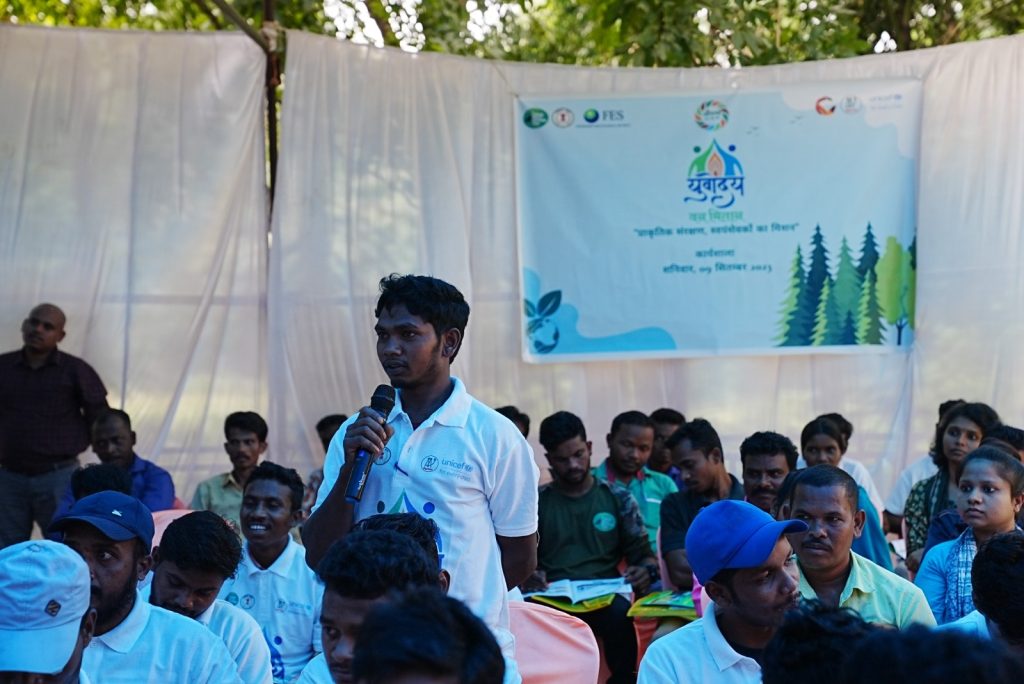
With this objective, FES has started working in villages on a priority basis where youths are advised to carry out talks on conservation during gram sabha meetings.
Non-profit Pradan has been working in the area for almost a decade and the main focus has been on community mobilisation. The organisation also works on the Forest Rights Act. One of the aims is restoration of forests in the backdrop of climate change, said Manoj Kumar.
According to Bal, tourism also creates pressure on fragile ecosystems. As tribals care for forests and depend on them for their livelihood, they want to ensure that it is always there.
It is Bastar’s forested landscape which is attracting visitors. The district, with its majestic waterfalls and mesmerising tribal culture, has opened up to tourists in a big way. This has accelerated post the Bastar tourism meet organised in 2021 which showcased the positive side of this place.