New Delhi: Days after his resignation, former Chief Minister Arvind Kejriwal will move on Friday from his 6 Flagstaff Road residence in North Delhi’s Civil Lines area where he had lived since 2015 after becoming the CM of Delhi.
The Aam Aadmi Party (AAP’s) National Convener will now move with his family, including his aged parents, to a bungalow near the party’s headquarters.
This house was officially allotted to the AAP’s Rajya Sabha MP from Punjab, Ashok Mittal.
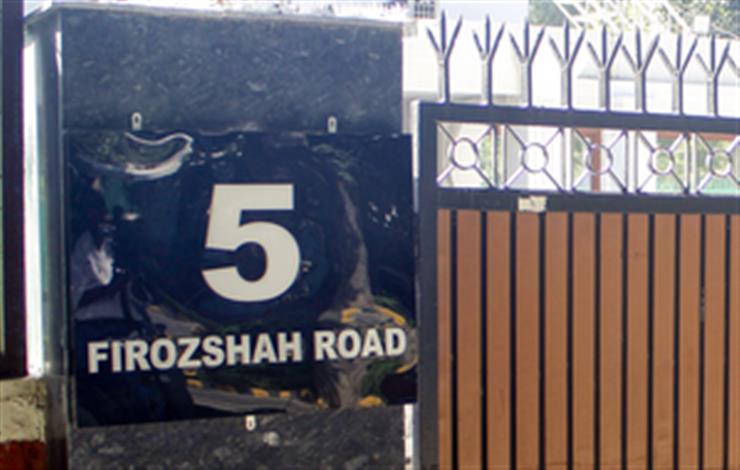
“Kejriwal will move into 5, Ferozeshah Road residence of AAP MP from Punjab Ashok Mittal on Friday, ” AAP leader Saurabh Bharadwaj told reporters at a press conference earlier.
He said that several party leaders including MPs, MLAs, and councillors, offered their houses to Arvind Kejriwal after he decided to leave 6 Flagstaff Road in North Delhi’s Civil Lines.
In a remarkable display of support for Kejriwal, even ordinary citizens offered their homes for his use, regardless of their political or socio-economic background.
Kejriwal, after becoming Delhi’s Chief Minister in 2013, initially resided at Tilak Lane and then in 2015, following his victory in the Assembly elections, he shifted to the official CM residence at 6 Flag Staff Road in the Civil Lines area.
Arvind Kejriwal will be overseeing the AAP’s campaign for the forthcoming Assembly polls in Delhi and in other states while living in the New Delhi area, which is also his Assembly constituency.
Meanwhile, Delhi’s former Deputy Chief Minister Manish Sisodia moved with his family from the AB-17 bungalow on Mathura Road, which had been previously allotted to him.
According to party sources, he has now moved to a bungalow on Rajendra Prasad Road, which is the official residence of AAP Rajya Sabha MP Harbhajan Singh. After Manish Sisodia’s arrest in the excise policy case in March 2023, the bungalow was reassigned to Atishi, who is the current Chief Minister of Delhi.
Lucknow: At least ten people were killed and three others injured after a truck collided with a tractor-trolley on GT Road at the Mirzapur-Varanasi border. Prime Minister Narendra Modi and Uttar Pradesh Chief Minister Yogi Adityanath expressed their condolences to the bereaved families.
According to police reports, the tractor-trolley was carrying 13 labourers returning from construction work in the Bhadohi district when it was struck from behind by the truck, which reportedly lost control. The injured individuals have been referred to the Trauma Centre in Varanasi for treatment.
Meanwhile, an FIR has been registered regarding the accident, and legal proceedings are underway. Authorities are conducting a thorough investigation to determine the circumstances surrounding the collision.
PM Modi expressed deepest condolences on his social media ‘X’ on Friday and said, “The road accident in Mirzapur, Uttar Pradesh is extremely painful. My deepest condolences to the bereaved families of those who lost their lives in it. May God give them strength to bear this pain. Along with this, I wish for the speedy recovery of all the injured. Under the supervision of the state government, the local administration is engaged in helping the victims in every possible way.”
CM Yogi also instructed district administration officials to ensure that the injured receive prompt and proper medical care, extending wishes for their swift recovery.
The UP CM also emphasised the need for expedited relief efforts at the accident site, urging officials to provide all necessary assistance to those affected.
Anupriya Patel, Union Minister of State for Health and Family Welfare, also expressed grief over the unfortunate incident in the Mirzapur district of Uttar Pradesh. Patel wished for the speedy recovery of those injured in the accident.
Earlier on August, 12, two men died and another was injured when their motorcycle collided with a tractor-trolly in Mirzapur, Uttar Pradesh.
New Delhi: Prime Minister Narendra Modi will on Friday deliver an address at the three-day Kautilya Economic Conclave, to be held from October 4 to 6 in the national capital.
The third edition of the Kautilya Economic Conclave will feature nearly 150 Indian and international academicians and policymakers discussing issues faced by India and other countries of the Global South.
The conclave, being organised by the Institute of Economic Growth in partnership with the Ministry of Finance, will be inaugurated by Finance Minister Nirmala Sitharaman on Friday. Prime Minister Modi will participate at around 6.30 p.m. and will address the gathering, an official statement said.
The conclave’s focus this year will be on themes such as reforming the international financial architecture, financing the green transition, geo-economic fragmentation and the implications for growth, India and the middle-income trap, jobs and skilling, artificial intelligence and public policy design, and the principles for policy action to preserve resilience.
Among those slated to attend are External Affairs Minister S. Jaishankar, who will address the closing session; Bhutan’s Finance Minister Lyonpo Lekey Dorji; PM Modi’s Principal Secretary P. K. Mishra; Centre for Global Development’s President Emeritus Masood Ahmed; Policy Research Institute’s (Bangladesh) founder Chairman and Chief Executive Zaidi Sattar; Peking University’s Institute of New Structural Economics Dean Justin Yifu Lin; Asian Infrastructure Investment Bank’s Chief Economist Erik Berglof; Pacific Economic Cooperation Council Secretary General Eduardo Pedrosa; NITI Aayog Vice Chairman Suman Beri; 16th Finance Commission Chairman Dr Arvind Panagariya; and World Bank’s Regional Vice President for South Asia Martin Raiser, among others.
Some of the discussions over the three days will range from how the Indian economy can create more regular jobs, how the rules-based multilateral system must adapt to prevent geo-economic fragmentation, and how progress through multilateral consensus can be made possible.
Besides, topics such as harnessing India’s comparative advantage in AI, ML, and Fintech for job creation; assessing India’s current growth trajectory and considering ways in which India can maintain productivity growth by maximising catch-up growth and developing innovation capabilities; studying the reforms needed to make the financial system more resilient as well as efficient; identifying the longer-term reforms needed to achieve the goals of sustainable development; and the challenge of managing climate change and achieving an energy transition to renewable energy will also be discussed during multiple sessions of the conclave.
The conclave will also showcase India’s increasing role as a bridge-maker of countries in the global south. The discussions in the conclave will serve as a precursor to the upcoming Annual Meetings of the IMF and the World Bank, COP 29, and the Brazilian G20 Leaders’ Declaration.
New Delhi: Congress supremos Priyanka Gandhi Vadra and Rahul Gandhi extended their greetings and best wishes on the commencement of the auspicious occasion of the nine-day Navratri festival on Thursday.
General Secretary of All India Congress Committee, Priyanka Gandhi took to X and expressed her wishes to the devotees.
“From today’s auspicious day, Sharadiya Navratri is starting – the great festival of worship of Shakti Swaroopa Maa Durga. Many congratulations to the devotees of Maa spread across the country and abroad on this series of festivals, ” she wrote, as translated from Hindi.
Adding to her greetings, she went on: “May the whole country be blessed with wealth and prosperity; people be free from diseases, grief, old age and death. May the loving blessings of Maa be showered on all the children.”
She concluded her message with the Sanskrit shloka in praise of the goddess: “Om Jayanti Mangala Kali Bhadrakali Kapalini. Durga Kshama Shiva Dhatri Swaha Swadha Namostu Te.”
Her brother and Leader of Opposition in Lok Sabha, Rahul Gandhi too took to X and wished devotees on the grand occasion.
“Best wishes to everyone on the auspicious festival of Navratri. May the blessings of Maa Durga always be upon you and your life be filled with happiness. Jai Mata Di, ” he wrote in Hindi.
The festival of Shardiya Navratri begins with the worship goddess Shailputri on the first day.
Shailputri, the daughter of the mountain king Himavat, is a form of the Hindu mother goddess Mahadevi, representing herself as the pure form of goddess Parvati.
Shailputri is the form the goddess takes on the first day of Navratri. Likewise, each day is dedicated to a certain form of the goddess and is celebrated with fervour. The festival concludes with the occasion of Dussehra at the end of the nine-day festivities.
New Delhi: Prime Minister Narendra Modi, on Thursday, extended wishes on the auspicious occasion of Navratri, a nine-day festival dedicated to Goddess Durga.
“I wish all my countrymen a very Happy Navratri. May this holy festival dedicated to Shakti Vandana prove to be auspicious for everyone. Jai Mata Di!”, PM Modi wrote on his X handle.
He also wished for blessings for all, saying, “On the first day of Navratri, I pray to Ma Shailputri with folded hands! May everyone be blessed by her grace. This prayer to the Goddess is for all of you…”
Home Minister Amit Shah prayed for the happiness and peace of the entire world. In his post on X, he wrote, “Heartiest greetings to all countrymen on the sacred festival of Navratri. Navratri is a great festival of worship of Shakti, accumulation of spiritual energy and worship of nine forms of Mother Ambe, the mother of the universe. I pray to Mother Durga for the welfare, happiness and peace of the entire world.”
As the 9-day Shardiya Navratri festival began, devotees thronged to various temples across the country to seek blessings of Goddess Durga
A large number of devotees had darshan at Mata Vaishno Devi temple in Jammu and Kashmir on the first day of Shardiya Navratri. The temple is one of the holiest sites for Hindu pilgrims, dedicated to ‘Vaishno Devi’, one of the forms of Goddess Durga.
In Uttar Pradesh’s Ayodhya, devotees in huge numbers prayed at the Badi Devkali Devi Temple carrying flowers and sweets. So did people in Prayagraj, Uttar Pradesh where a large gathering was seen at the Alopi Sankari Devi Shakti Peeth Temple. In Varanasi, the Ashta Bhuji Temple saw a hung convergence of devotees singing bhajans and offering flowers.
Himachal Pradesh saw devotees praying at various temples. At the Kali Bari Temple in Shimla, people gathered early morning to pray.
In Bengaluru, devotees in huge numbers gathered at the Sri Durga Parameshwari Temple on the occasion of the first day of Sharadiya Navratri.
A huge gathering was taking place at the Maa Kamakhya Temple in Assam’s Guwahati. Devotees have been queuing up since early morning to have darshan.
In Delhi, the first day of Shardiya Navratri saw devotees gather in huge numbers at Jhandewalan Mata Temple for the traditional aarti.
Sharadiya Navratri is the first day of the nine-day Hindu festival. Navrati involves the worship of nine forms of the Goddess with various rituals. On Thursday, Maa Shailputri, the first form of Maa Durga, is worshipped.
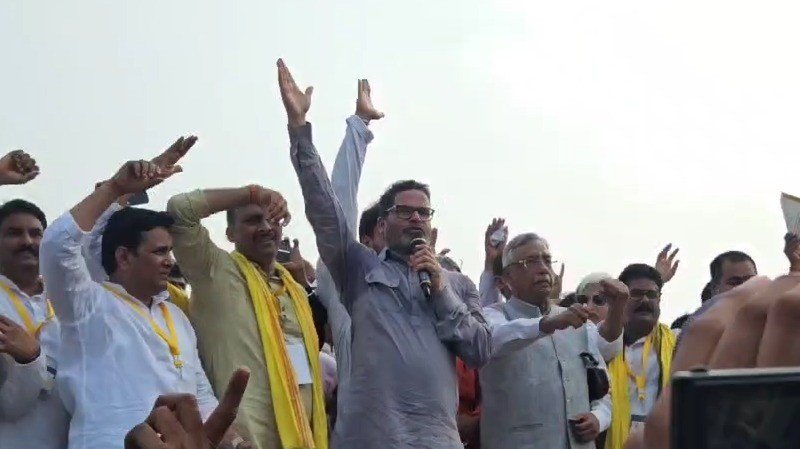
New Delhi: Political strategist Prashant Kishor launched his new political party, Jan Suraaj party, on Wednesday with ‘humanity’ as the ‘main ideology’ and quality education as the ‘supreme goal’.
Addressing a large gathering, he noted that people had been curious about when his ‘Jan Suraaj’ campaign would officially form a political party. With the Election Commission’s recognition of Jan Suraaj as an official party, he took the opportunity to present his vision for Bihar’s future.
Prashant Kishor said, “This party is a collective movement, representing all communities – Dalits, backward classes, Hindus, and Muslims.”
He claimed that the gathering signifies the commitment of people from every background to develop a state that had been neglected by traditional political forces. “People gathered here are focused on restoring the historic pride of Bihar, ” he added.
He addressed a key question on the party’s ideology, stating that “humanity” will be the core principle, drawing inspiration from Mahatma Gandhi, Rabindranath Tagore, and B.R. Ambedkar. “’Humanity First’ is Jan Suraaj’s guiding philosophy, ” he said.
Prashant Kishor also emphasised that the goal is to see Bihar so developed that people from states like Haryana and Gujarat come to Bihar seeking employment.
He also questioned the current state of Bihar’s leadership, saying, “What is the way forward? Leaders come here and demean each other without any blueprint for Bihar’s development.”
He shared his experience of travelling during the Jan Suraaj campaign, creating awareness among people to choose leaders who would work for the future of their children.
“Jan Suraaj’s top priority will be on quality education for children, ” he said. He urged people to think about their children’s future, stating, “How many times have you voted for the education and employment of your children? Education quality and employment were never prioritised in Bihar because you never voted for these things.”
He alleged that the people, for the greed of 5 kg of cereals, voted for PM Modi. “Loot was done, but cereals were given. The Ayodhya Mandir was built, but no factories or hospitals were built in Bihar, ” he said.
He said that many people voted for Lalu Yadav, and during his reign, there were no roadways, electricity, or water.
‘The poor and backward communities were promised progress and respect. Did they get it? Yes, but were their basic needs fulfilled, ” he said.
He further acknowledged that under Nitish Kumar’s reign, electricity reached every village, though citizens now face issues with smart meters.
He also noted that many people voted for PM Modi, seeing the work he did in Gujarat, where he established factories by leveraging funds from across the world. “Biharis are working in these factories, but what matters is the reason for which you vote, ” Prashant Kishor added.
Kishor asserted that his focus is not just on rhetoric but on actionable plans: “I am not just speaking about development; I am discussing the strategy as well.”
He reminded the audience that when people voted for a temple, it was built. When they voted for electricity, it came. “But none of you voted for the education of your children, and that is why no one provided it to Bihar.”
His key question to the people was: “Do you care about the future of your children or not? According to scholars, only through education, land, and wealth can poverty be eliminated.” He pointed out that Bihar lacks all three: “If you look clearly, Bihar has none of these. In the name of education, children go to school for khichdi (mid-day meals) and then leave. In colleges, degrees are being sold for money. Bihar needs quality education, and Jan Suraaj will invest in and prioritise improving education.”
Prashant Kishor proposed a significant investment plan to improve Bihar’s education system: “If Bihar’s education is to improve, ₹5 lakh crore is required over the next 10 years. If we lift the ban on alcohol, it will generate revenue that can be used to build the education system, instead of filling the pockets of politicians.”
“Jan Suraaj is not just daydreaming but showing you the way with a blueprint, and we will make Bihar a state with quality education. When education is promoted, it will lead to many other developments, ” he added.
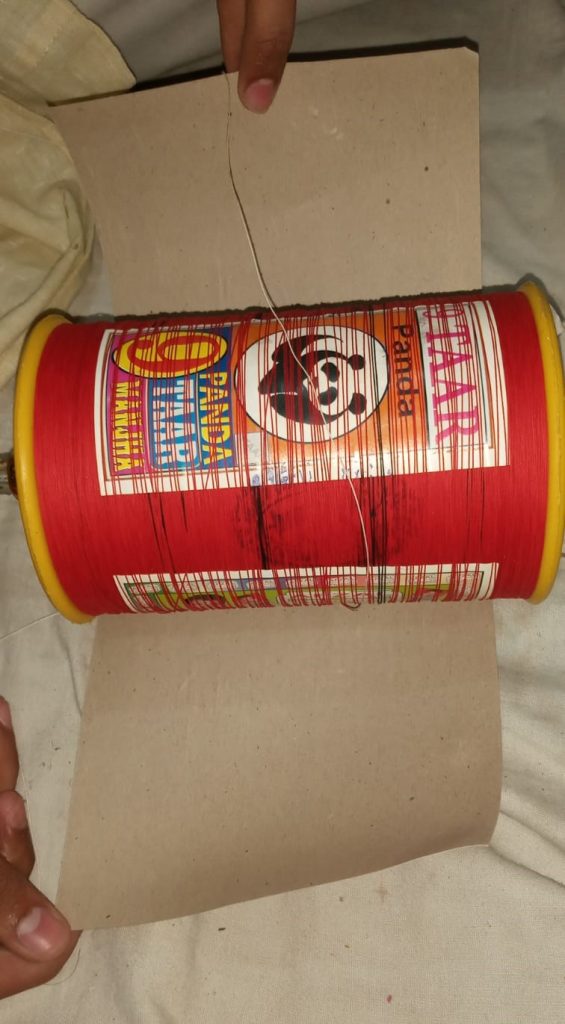
Tehelka’s SIT investigation into the alleged availability of the banned Chinese Manjha — a glass-coated string used for flying kites that endangers human lives — in markets across Agra, Kolkata and Delhi has reveals a disturbing reality that the ban has had little to no effect.
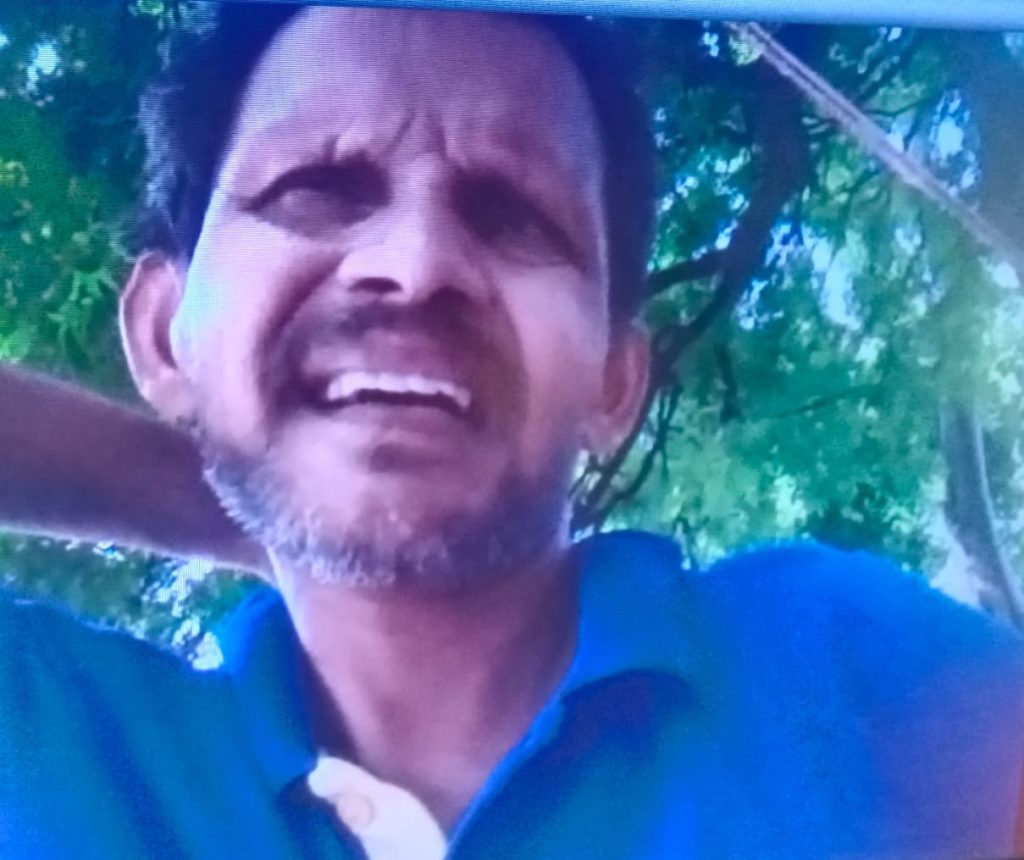
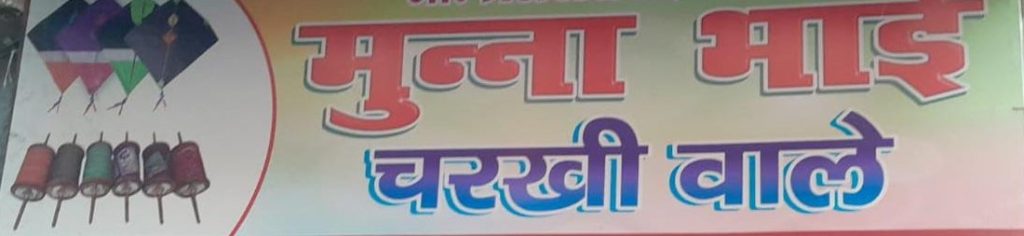
“I think you are recording our conversation. Are you doing a sting! If you want to buy Chinese Manjha from me, just buy it. Why are you asking so many questions? It feels like you’re recording me. Please make sure I don’t get into trouble,” says Nasir Khan, alias Munna, a kite supplier from Agra, Uttar Pradesh, while selling banned Chinese Manjha (glass-coated kite string) to the Tehelka reporter.
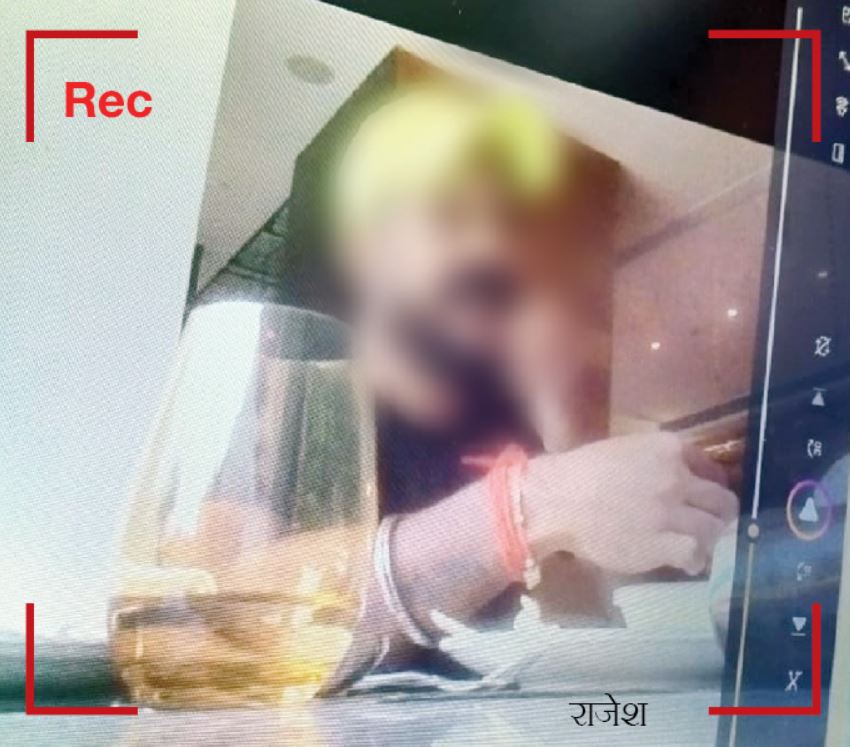
“I have supplied 5 kg of ganja [marijuana], a banned drug, from Kolkata to Bangalore through my courier. I wrote ‘medicine’ on the packet, and it passed through without any checks. In the same way, I will send Chinese Manjha from Kolkata to Delhi using my courier service. Chinese Manjha is also banned in Kolkata, but it is sold clandestinely to selected customers. I can supply it to Delhi on a regular basis,” said Rajesh Singh (name changed), another Kolkata-based supplier of banned Chinese Manjha, during the Tehelka investigation.
“Shyam Kumar, a supplier from Shahdara, Delhi, is ready to supply Chinese Manjha at Rs 500 per roll. However, he is wary of meeting unknown people and does not want to talk over the phone. He said he’s willing to deal through me,” said Javed Khan (name changed), from Delhi, while speaking to Tehelka.
In India, kite-flying holds significant nostalgic and sentimental value. However, the unchecked use of illegal glass-coated strings for flying kites has proven fatal for residents. Chinese Manjha, made from nylon thread that feels like plastic, is thin and helps fly kites easily. Experts suggest that while it is locally manufactured, the primary ingredient (synthetic polypropylene) is sourced from China.
India witnesses numerous deaths and injuries from Chinese Manjha every year. These instances typically spike in the weeks leading up to Independence Day and Makar Sankranti, when more people head to their rooftops to fly kites in the capital. According to police records, several people have died after their throats were slit by the string. The damage is not limited to humans, with animals also falling victim, and the environment also getting impacted. Over the decades, incidents involving Chinese Manjha have become a growing menace. As a result, in 2017, the National Green Tribunal (NGT) prohibited the sale, manufacturing, and supply of glass-coated threads across the country.
Yet, despite the ban, Chinese Manjha remains in high demand in India. It is cheaper and more effective in cutting competitors’ kites compared to Indian Manjha. Numerous arrests have been made across the country for selling the banned and potentially lethal string, but despite the claims of strict action by the police, the sale continues.
Tehelka conducted an in-depth investigation into the alleged sale of banned Chinese Manjha in Agra, Kolkata, and Delhi. The investigation found that the ban largely remains on paper. Kite suppliers in these cities were caught on camera selling the prohibited string. The first stop of the investigation saw a Tehelka reporter meet Nasir in Agra, posing as a client seeking a regular supply of Chinese Manjha for his kite business in Delhi. Nasir arrived in Agra with the illegal string to meet the reporter.
Reporter- Manjha kaunsa hai aapke pass ?
Nasir- Wahi hai jo aapne mangaya hai
Reporter- China ka?
Nasir- Plastic ka boltey hai..China ka.
Reporter- Boltey to china ka hi hai, nylon wala, plastic wala, wahi sheeshey wala
Nasir- Haan wahi wala.
[In this matter-of-fact conversation, Nasir nonchalantly confirms that he has brought the Chinese Manjha our reporter had asked for. It becomes clear that Chinese Manjha is also known by other names like nylon wala, plastic wala, and sheeshe wala.]
We told Nasir that we wanted a regular supply of Chinese Manjha from Agra to Delhi, as the ban on Chinese Manjha is much stricter in Delhi than in Agra. Nasir replied that he knew a supplier in Jaipur, Rajasthan, who could provide a regular supply of the banned Manjha. He mentioned that he had brought a sample of the Chinese Manjha for us, and since he has our contact number, he will inform us whenever he receives more
Reporter- Dekho aisa hai Delhi mein to hai nahi ye.
Nasir- Ban hai.
Reporter- Poore India mein ban hai….iski supply chahiye zyada.
Nasir- Dekhiye mein to chota mota dukandaar hoon.. abhi aap ye le jaiye, abhi iska ek distributor hai Jaipur mein.
Reporter- Kaun hai Jaipur mein?
Nasir- Ye mujhe maloom karna padega.
Reporter- Distributor hai Jaipur mein…China manjhe ka ?
Nasir- Haan
Nasir- Hum to chote mote dukandar hai, 1-2 lekar bechtey hain, aap chahe se le lijiye..aage se aapka number mere pass hai hi, jaise maloom padega aapko bata dunga..
[As the conversation between the Tehelka reporter and Nasir Khan continues, the supplier begins to reveal more details about the banned Chinese Manjha network. It emerges that despite the ban, the Chinese Manjha trade remains active, with larger players possibly active across India.]
In this exchange, our reporter seeks to confirm Nasir’s identity and the location of his shop in a key marketplace. As Nasir, casually shares his alias “Munna,” it is revealed how he operates in a close-knit, informal network.
Reporter- Aapki dukaan wahi hai na maal ke bazaar mein ?
Nasir- Haan.
Reporter- Kiske naam se hai?
Nasir- Mere hi naam se hai.. Nasir bhai ke naam se pooch lena.
Reporter- Poora naam kya hai?
Nasir- Nasir bhai.
Reporter- Khan, Ali kuch nahi?
Nasir- Haan…Khan laga lena.
Nasir (continues)- Aapka shubh naam kya hai?
Reporter- Mera naam Aamir Ali…aur aapka Munna….Munna ke naam se patang ki dukaan hai na?
Nasir- Ji.
[The conversation subtly reveals how Nasir, popular as Munna, operates with an informal, easily recognizable identity in the kite business. This perhaps is a pointer to the fact that sellers in the Chinese Manjha trade rely on local recognition to stay under the radar.]
Our reporter continues probing Nasir about the variety of Chinese Manjha he supplies. Nasir, while maintaining a low profile, insists that his stock is limited to a single type, a ‘gold’ variety, subtly conveying his cautious approach in dealing with customers.
Reporter- Filhaal batao manjhe kaun kaun se hain..?
Nasir- Ismein to ‘gold’ hi hai bas.
Reporter- Gold ki ek hi variety hai bas, aur kuch nahi hai..?
Nasir- Hum to ek-ek –do-do lekar hi bechtey hain, bhai.
[Nasir’s reluctance to disclose more than a single variety of Chinese Manjha perhaps indicates that smaller suppliers like him carefully manage their operations, staying within limits to avoid attention.]
When asked as to what quantity of Chinese Manjha he can supply to us on regular basiS, Nasir said he will check from his supplier and let us know. At present, he said, he had only one roll of Chinese Manjha.
Reporter- To ye batao hame kitna maal mil sakta hai ?
Nasir-Ab ye to pooch kar bataunga aise kaise bata sakta hoon.
Reporter- Aap kitna de saktey ho?
Nasir – Ek hi hai mere pass to.
Reporter- Abhi nahi aagey?
Nasir- Mein aapko pooch kar bata dunga.
[Nasir’s cautious approach highlights his reluctance to reveal details without confirmation. So, obtaining banned goods requires both persistence and patience, as the suppliers are careful about their dealings.]
Nasir became suspicious after our reporter posed a series of questions about Chinese Manjha to him. He pleaded that as his kids are very young, he didn’t want to get into any trouble. After getting assurance from the reporter about his safety, Nasir told us that he had brought a sample of Chinese Manjha for him, and demanded money for that.In a candid exchange, our reporter questions the pricing of the banned Chinese Manjha, probing whether Rs 600 is excessive.
Reporter- Filhal dikha do kaisa hai maal ?
Nasir- Ab aisi baat to nahi hai sir…ye laye hain.
Reporter- Kya baat kar rahe ho?
Nasir- Mere bhi chote chote 2 bacche hain.. aisi baat to nahi..koi darne wali baat.?
Reporter- Koi baat nahi hai aap kyun pareshan ho rahe ho. Suno manjha yahin dikhaogey ya kahan dikhaogey.?
Nasir – Yahan dekh lo aap paise de do?
Reporter – Mujhe paise bata do kitne hue?
Nasir- 600 rupiye de do mujhe aap.
Reporter- 600 rupees zyada nahi hai ?
Nasir- Tumhare liye aaya hoon mein yahan pe..ap mera petrol de dena..50 rupees aur de dena bhai. Doosre ki gadi lekar aaya hoon.
[Nasir’s concern over potential risks subtly surfaces, but the discussion swiftly returns to the financials. While justifying the price of Rs 600 he had quoted for the Manjha, Nasir citespersonal effort and costs he’d incurred in making the delivery, including petrol expenses.]
In this conversation, the reporter seeks clarity on the immediate availability of Chinese Manjha and the possibility of securing a consistent supply. Nasir, with limited stock at the moment, reassures the reporter that he can arrange future supplies and stay in contact for updates.
Reporter- Mujhe ye batao mujhe kitna maal mil jayega aapse abhi?
Nasir- Sir mere pass to abhi ek hi hai..aagey hoga to aap ko de dunga.
Reporter- Mujhe chahiye lagatar supply.
Nasir- Mere pass number to hai hi…mein aapko pooch kar bata dunga.
[Nasir admits to a temporary shortage but promises to source more soon. It has come to fore that in such clandestine markets, uncertainty of supply is a recurring theme.]
Now, Nasir asked our Delhi address and recommended a kite supplier from Jaffrabad or Nangloi, Delhi, who can supply Chinese Manjha to us in Delhi itself.
Reporter- Accha patange kaun kaun si hai aapke pass ?
Nasir- Patangey sab milengi..panni ki kagaz ki sab milengi..Delhi mein kahan hai aapki dukaan ?
Reporter- Delhi mein Mayur Vihar..Jamna paar.
Nasir- Acha wahan Jaffrabad mein bhi to hai.To Jaffrabad mein aap us se le lena Raz se, Lalu se, unpar mil jayega sab.
Reporter- Chinese manjha hai unke pass ?
Nasir- Hoga shayad.
Reporter- Aapke jaankar hain?
Nasir- Mere khayal mein Nangloi mein ho shayad.
[Nasir highlights multiple locations for obtaining kites, hinting at the underground market’s reach. Knowing the right contacts is crucial in navigating these illicit trades, ensuring access to restricted products.]
After a series of question from the reporter, Nasir again became suspicious and asked us whether we are recording him. After being assured that he is not being recorded, Nasir told reporter that he is taking Chinese Manjha from a supplier.
Reporter- Ye batao aapki supply kahan hai. Kaunse area se hai ?
Nasir- Hum to local hain, 10-20 rupees khol ke bechtey hain.
Reporter- Aapki supply kahan se hai, kahan se aata hai aapke pass ?
Nasir- Ek distributor dene aata hai..arey aap abhi recording kyun kar rahe ho..?
Reporter- Arey nahi..
Nasir- Dekho meri baat suno mein abhi dukaan se uthkar aaya hoon, aap mujhe record kar rahe ho ?
Reporter- Dekho daro mat ye dekho maine ander kar liya
Nasir- Nahi aap itna kyun pooch rahe ho.. aapne kaha patang ka…Baluganj se aaya hoon..
Reporter- Chalo chodho.
[Nasir’s reluctance to disclose information underscores the secrecy inherent in this trade. It emerges that in such dealings, maintaining a delicate balance between openness and caution is vital for both buyers and sellers.]
Third time again, Nasir raised question whether he is being recorded by us? This time, he asked us to swear on god that we are not recording him. He said we are just dilly-dallying and not serious in buying Chinese Manjha. Nasir became suspicious of us because we asked so many questions to him.
Nasir- Ab sir ye to aap formality poori kar rahe hain…aapko lena wena kuch nahi hai..
Reporter- Aisi baat nahi
Nasir- To aap itni cheezein kyun pooch rahe ho, ye bataiye aap…aap mujhe apna address de do mein aapke pass khud aaonga Mayur Vihar, poora address de do
Reporter- Accha likho.
Nasir- Aap likhkar de do aapke pass pen to hoga.
Reporter- Whatsapp par likh lo mobile kaunsa hai aapke pass.
Nasir- Aap likhar kar send kar do mujhe.
Nasir- Arey nahi bhai.
Reporter- Arey lo lo paise lo.
Nasir- Aap dekhiye pehle allah pak ki kasam khaiye, aap kuch kar to nahi rahe hain?
Reporter- Allah pak ki kasam.
Nasir- Sir pe haath rakho mere..chota bhai hoon.
Reporter- Haan lo paise lo.
[Nasir grows increasingly suspicious of the reporter’s intentions, perceiving his continuous questioning as dilly-dallying tactics to buy time. His wariness reflects the inherent distrust within illegal trades. It is held that in such environments, reassurance and personal connection play pivotal roles in securing transactions.]
We left Nasir with the Chinese Manjha after paying him Rs 700 for the Manjha he had brought. We didn’t take the Chinese Manjha from him because it is banned in India.
After Nasir, we met Rajesh Singh in Delhi. In a revealing conversation with Rajesh Singh, a Kolkata native, the reporter explores the availability of banned Chinese Manjha in the city. Rajesh, candidly, explains how shopkeepers adapt to police scrutiny, often concealing their stock but readily supplying it when the coast is clear, reflecting the underground market’s resilience.
Reporter- Ab bata Chinese manjha.. ki kahan kahan mil raha hai Kolkata mein..?
Rajesh- Chinese manjha Kolkata mein har jagah milta hai, ban hai par police aata hai to sab chupa deta hai.
[Rajesh’s insights illustrate the widespread availability of banned Chinese Manjha despite police enforcement. It emerges that in Kolkata’s markets, the dance between law enforcement and illicit supply is a daily reality for traders.]
In this exchange, Rajesh Singh provides a candid glimpse into Kolkata’s underground market for banned Chinese Manjha. He describes how shopkeepers cleverly conceal their stock from police patrols, creating a temporary display of Cotton Manjha before resuming sales of the illicit product when the coast is clear.
Reporter- kaun kaun sa market hai..?
Rajesh- Kolkata poora hi market hai..kolkata mein aap kahin par bhi chota sa dukan le lo bada sa dukan le lo..jab gadi dekhta hai sab chupajaata hai, dhaga wala saamne chalu ho jata hai, phir jab gadi gaya phir Chinese wala shuru ho jaata hai..
[Rajesh’s account reveals that Kolkata’s markets thrive on this illicit trade. It emerges that resourcefulness and adaptability are key for traders operating in this shadowy economy.]
In this insightful conversation, Rajesh Singh sheds light on the specific areas in Kolkata where banned Chinese Manjha can be found. He named Titagarh and Bada Bazaar, the two markets of Kolkata where Chinese Manjha is available. He said in Bada Bazaar, Chinese Manjha is available round the clock.
Reporter- Kaun-kaun se elake hain Kolkata ke..jahan Chinese manjha milta hai..?
Rajesh- Wahan humko Chinese manjha ka naam nahi pata..wo log lekar aata hai rang birangi..
Reporter- Lekin elaka kaun kaun sa hai ?
Rajesh- Accha elaka ho gaya Teetagarh.
Reporter- Ye Kolkata mein hai ?
Rajesh- Haan Kolkata mein.
Reporter- South-east ya north-west..kaun si jagah.?
Rajesh- South mein.. sab jagah mein hai, hadh se aadha ek ghante ka raasta hai..sab kuch milega…Titagarh ho gaya , Vada bazaar ho gaya….Bada bazaar mein to 24 ghante milega.
Reporter- Chinese manjha ?
Rajesh- 24 ghanta.
[Rajesh’s claim emphasizes the widespread availability of Chinese Manjha throughout Kolkata. It is clear that despite its ban, the product remains conveniently accessible, with some markets operating around the clock, showcasing the resilience of underground trade.]
In this brief exchange, the reporter questions Rajesh about the source of the charkhi he had sent on whatsapp. Rajesh reveals that it was sourced from Titagarh, indicating his local knowledge of the area while sharing that he lives just 15 minutes away from the airport.
Reporter- Tu ne kahan se liya tha jo mujhe charkhi bheji thi ?
Rajesh- Titagarh. Local hai.
Reporter – Local hai matlab tu wahin rehta hai..?
Rajesh – Hum to airport side mein rehta..wo 15 min ka raasta hai..
[Rajesh’sresponse highlights the close proximity of his residence to the source of the charkhi. It shows that local connections play a significant role in facilitating access to banned products in the area.]
In this exchange, the reporter probes Rajesh about the feasibility of supplying Chinese Manjha to Delhi. Rajesh confidently assures him that he can manage the task, outlining a straightforward plan to transport the goods by road within a few days, demonstrating his readiness for the illicit trade.
Reporter- To agar Chinese manjhe ka tujhe theka de diya jaye Delhi supply karne ka to tu kar lega?
Rajesh- Kar lunga.
Reporter- Kaise karega?
Rajesh- Wahi same..XXXX by road 3-4 din mein ke ander maal.
[Rajesh’s affirmative response underscores his willingness to engage in the supply of banned products. It emerges that the logistics of illegal trade are often simplified, relying on familiar routes and time frames to ensure delivery.]
In this startling conversation, Rajesh reveals the underbelly of drug trafficking. When asked whether he will be able to supply Chinese Manjha to Delhi through courier, Rajesh, in order to reassure us, revealed that through his courier company, he had supplied banned drugs, Ganja [Marijuana] from Kolkata to Bangalore, that too 5-6 kg in quantity.
Rajesh- Nahi …Ganja..wo bheja Banglore Kolkata se..XXXXX se.
Reporter- Courier se bheja?
Rajesh- Courier se bheja..kab bheja..wo mere is phone mein nahi hai us phone mein hai…1-2 mahina nahi 2-3 mahine pehle.
Rajesh (continues)- 5-5, 6-6 kg Ganjha bheja.
Reporter- 5-6 kg Ganjha bheja?
Rajesh- Haan aaram se le liya..
Reporter- Aapne XXXXX courier se Kolkata se Banglore bheja?
Rajesh -Haan..hum aapko slip bhi dikha denge..par hum log ko pata hai na kya likhna chahiye..kya checking hota hai kya naam likhna chahiye….ab jaise ye pyaz hai… hum is pyaz ko pack kiya aur isko koi medicine ka naam de diya..kagaz pe medicine likha diya gadi mein rakh diya aur wo nikal gaya.
[Rajesh’s candid admission showcases the audacity and ingenuity of those involved in illegal drug trade. It emerges how the unscrupulous elements do deceptive courier packaging for evading law enforcement in this perilous business.]
In this revealing conversation, Rajesh claims even illegal firearms and weaponry can be couriered! Rajesh’s claims underscore the alarming reality of illicit markets operating under the radar, further highlighting the challenges law enforcement faces in curbing such activities.
Reporter – Hatiyar wagera sab..revolver etc. ?
Rajesh- Haan chota samaan hoga nikal jayega.
Reporter- Revolver wagera nikal jayegi ?
Rajesh- Haan.
Reporter- Kaun kaun se item ?
Rajesh- Koi bhi item.
Reporter- Jo bhi ban illegal hain…saare. ?
Rajesh- Haan…wo hum bhijwa denge.
[Rajesh claimed that he could even supply arms and all illegal and banned items also through his courier company]
In the following exchange, Rajesh discusses the dangers associated with using Chinese Manjha, particularly its potential to cause serious injuries.He confessed that with his own eyes, he had seen people dying and getting injured by Chinese Manjha. But despite that, he is ready to supply the illegal product from Kolkata to Delhi.
Rajesh – Accident bhi hotey hain, jo helmet lekar chala raha hai, najdeek jiske nahi hota kaanch, uska yahan se lekar yahan tak katke nikal gaya..
Reporter – Gurden kat jati hai
Rajesh- Aankh ke saamne dekha hai maine ye sab..
[Rajesh’s vivid descriptions of accidents caused by Chinese Manjha reveal the tragic consequences of this seemingly innocuous pastime, underscoring the urgent need for creating awareness and enforcing regulation in kite flying practices.]
Now, Rajesh sheds light on the dark underbelly of the Chinese Manjha trade, alleging the local law enforcement’s role in its proliferation. “Have you ever been raided by Kolkata police for selling Chinese Manjha?” In response to this, Rajesh said the police take Rs 500 as bribe from the accused and release them!
Reporter- Kabhi pakde nahi gaye?..Police ne raid nahi ki Chinese manjhe ki ?
Rajesh- Pakadne ki kya…police to khud khata hai….by chance agar hota bhi hai to wo cell nahi hota bomb..wo bhi ban hai .
Reporter- Kaun sa cell..?
Rajesh- Cell ho gaya…rocket ek ho jata hai, charkhi warkhi, wo jo uper jakar phatta hai, wo sab banta hai.. wo kya hai…police ko pata hota hai ki ye yahan se sale hota hai, policewala khada rehta hai bahar..ke koi lekar nikle, hum usko pakde, wo kya karta hai 500 rupees le leta hai uska samaan le leta hai..phir usi ko jakar de aata hai charkhi wala ko, ab wo phir se bechta hai, yahi hai police sab mein rehta hai bhaiya..
[In this revealing conversation, Rajesh discusses the police’s complicity, highlighting how they turn a blind eye, perpetuating a cycle of illegal sales and corruption that endangers the community.]
After Rajesh Singh, Tehelka met Javed Khan (name changed), whose friend Shyam Kumar from Shahdara, Delhi, is ready to sell Chinese Manjha to us at the rate of Rs 500 per roll. But according to Javed, he will not deal directly with us, he will deal through him.
Tehelka’s investigation into the banned Chinese Manjha across Agra, Kolkata, and Delhi revealed a disturbing reality: the ban has had little to no effect. Suppliers blatantly defy the law, and continue to sell the dangerous product.
Aam Aadmi Party leader Rajendra Gandhi spearheaded a protest last year in Varanasi against the sale of Chinese Manjha, highlighting the growing public concern. Both the Delhi and Allahabad High Courts have issued orders in the past prohibiting its sale. Yet, despite these legal actions and community efforts, the sale of Chinese Manjha go on unabated, leading to tragic consequences as innocent lives continue to be lost. This ongoing crisis underscores the urgent need for stricter enforcement and greater public awareness to protect citizens from this perilous threat.
To effectively address the ongoing issue of banned Chinese Manjha, the government must take decisive action. This includes enforcing stricter regulations and penalties for suppliers defying the ban. Regular inspections and monitoring of kite string sales in markets should be conducted. Additionally, public awareness campaigns highlighting the dangers of using Chinese Manjha could help educate consumers and discourage its use, and safeguard lives.
The furor triggered by Delhi’s newly appointed CM Atishi’s act of placing an empty chair next to hers, symbolising the indispensability of AAP supremo Arvind Kejriwal, is not without merit. BY KUMKUM CHADHA
When it comes to religion, every political party takes the first opportunity to jump onto its bandwagon. Except, of course, the Left. Equally, it is true that religion in India pays political dividends and of course invokes a sentiment like nothing else does.
However, in the recent Lok Sabha elections, the tables were turned. The BJP, which was riding high on the Ram temple construction in Ayodhya, was in for a surprise. It did not reach the majority mark.
Worse still, it lost the Ayodhya turf to the Samajwadi Party. The religious card failed. What won were real and on ground issues.
Equally, it is true that one result cannot change mindsets. It may be indicative but never conclusive. Therefore, for parties to give up the religious plank on the result of one election would be a bit of a stretch.
On that score, Lord Ram continues to be an emotive issue among religion-driven Indians. Therefore, when political parties invoke him, it is called political sagacity. Recently, the Aam Aadmi Party, popular as AAP, did just that. It not only invoked Ram but his entire clan including Bharat.
Leading the charge was none other than newly sworn in Chief Minister of Delhi Atishi.
The youngest woman to take over as Chief Minister, Atishi’s rise has been meteoric.
She started off as a policy formulator for the Aam Aadmi Party; contested the 2019 Lok Sabha elections only to lose with a huge margin: with nearly five lakh votes to BJP’s Gautam Gambhir. But she bounced back a year later, winning, even though it was an Assembly election. Last year, she was inducted as a minister in Arvind Kejriwal’s Cabinet.
Since then, there has been no looking back. She has grown from strength to strength, particularly after the two heavyweights, Manish Sisodia and Kejriwal, were put behind bars. In their absence, she took up the cudgels and vociferously defended the duo, particularly Kejriwal.
Till he got married, Raghav Chadha was the face of the Aam Aadmi Party. Atishi was seen little and heard even less.
Therefore, when Kejriwal was jailed, it was expected that Chadha would steer the Party. But all through the tumultuous period, he was missing in action, ostensibly on medical grounds.
That was Atishi’s chance; she grabbed it with both hands and shone like few could. Not only did she defend Kejriwal but took on the BJP and sent it running for cover.
In the months that followed, she became the face of the Aam Aadmi Party. Kejriwal rewarded her by handpicking her as Chief Minister to succeed him.
Atishi was sworn in Chief Minister last week when outgoing Chief Minister Kejriwal put in his papers on grounds that he will take up the post after the people of Delhi repose faith in him: “Justice from the people’s court” to quote him.
Kejriwal zeroed in on Atishi amid speculation that the choice may narrow down to his wife Sunita.
Since her husband was jailed in the Delhi Liquor scam, Arvind Kejriwal’s wife, Sunita donned the mantle. She has been firefighting and accusing the BJP of “vendetta politics”. In the process, she attained a political hue to her erstwhile image of a domesticated woman and a housewife.
Therefore, when Atishi was handpicked as Chief Minister, there was a sense of relief that Kejriwal had not pushed his wife to the coveted Chair.
There can be no two opinions on Atishi’s choice and capability. That she is a doer and a competent one at that, is substantiated by her work in the past. As someone who worked tirelessly under the then Deputy Chief Minister Manish Sisodia, Atishi can be credited with giving a make-over to the government-run schools in Delhi. That she along with her mentor Sisodia completely transformed the face of the schools and the infrastructure is there for everyone to see.
But back to the politics of religion and Lord Ram: both of which Atishi used to the hilt after she was sworn in as Chief Minister of Delhi.
The controversy that has panned out has two aspects: one pre-swearing in and other after she was sworn in.
When Atishi was named Chief Minister by Kejriwal, she asserted that her “guru” Kejriwal will “remain CM of Delhi” immediately underlining the fact that she would be a Chief Minister only in name: in other words, she would act as Kejriwal’s proxy.
And this “devotion”, dubbed sycophancy, did not end here. It was merely a curtain raiser. Immediately after she was sworn in, Atishi touched Kejriwal’s feet. Whether that won hearts, is debatable.
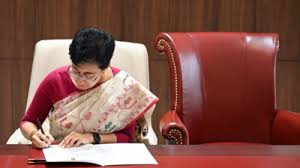
However, the shocker was when she took charge as Chief Minister and did the unexpected. She placed an empty chair next to her own even as she invoked Lord Ram.
Taking a leaf out of the famous epic Ramayana, Atishi said: “Today I have taken charge as Delhi CM. I am feeling the same as Bharat took the reign after Lord Ram went to Vanvaas”.
For the uninitiated, when Lord Ram’s sibling, Bharat, was asked to rule in his brother’s absence, he brought back Ram’s khadau, sandals. His logic: he will discharge the King’s duties as a mere representative till Ram’s exile period is over. In other words, he would be a caretaker ruler.
But then Delhi is not Ayodhya; nor is Kejriwal God. For that matter, neither is Atishi, Bharat.
But the drama has played out.
Taking charge as the Delhi Chief Minister, Atishi said she would run the government for four months, just like Bharat did by placing Lord Ram’s sandals on the throne for 14 years.
Mercifully, instead of Kejriwal’s footwear, Atishi placed an empty chair next to the one she herself occupied as Chief Minister. It was symbolism at its worst, to put it mildly.
Hell broke loose and quite expectedly. The chair story went viral and Atishi got more flak than she perhaps thought she ever would.
She was slammed for demeaning the office of the Chief Minister. Those who wished to be kind to her and saw this as a gesture of “immense loyalty” too, did not spare her. They justified her placing the empty chair but sparred over its height. Reportedly, the empty chair placed by Atishi is higher than the one that she, as Chief Minister, is currently occupying.
The furor is justified.
Any and every Chief Minister is accountable to the people and if he or she flags subservience to an individual rather than the office, then it compromises the dignity of that office and the post that is being held.
And this is exactly what Atishi has done. Her actions have, in one single stroke, demeaned the office and also besmeared the dignity of a Chief Minister.
Also, by putting loyalty over governance she has made known her subservience to an individual.
Nothing could be worse than this because no individual can be bigger than a public office, particularly one that is a Chief Minister’s.
Therefore, even while being hailed as the youngest Chief Minister, Atishi needs to take lessons in governance.
She needs to understand that there is a toss-up between responsibility to an office versus subservience to an individual.
Sadly, in her first day as Chief Minister Atishi, quite willingly let the lines between the two blur.
This is something the nation is unlikely to forgive her for.
Not only has she besmeared what could have been a laudable tenure, she has done disservice to the office that she has sworn to; she has compromised governance and worse still, made it known that she will willingly be a rubber stamp Chief Minister, whose puppet strings are in the hands of her “guru” Kejriwal.
It appears that the BJP is keen to showcase UP CM Yogi Adityanath’s ‘bulldozer justice’ in order to reap the dividends of polarisation, despite the Supreme Court repudiating this state act of razing properties belonging to individuals facing criminal offences. A report by Mudit Mathur
With a series of electoral rallies addressed by BJP’s star campaigner and UP Chief Minister Yogi Adityanath, the battleground in Haryana is heating up. Heavy demand for Yogi Adityanath is desired in those areas where the BJP sees dividends of communal polarisation and the Hindu-Muslim divide.
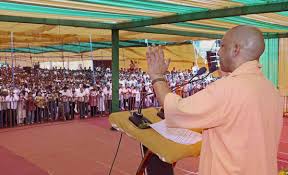
Yogi addressed a public rally in Jind where he slammed Abhay Chautala’s party, the INLD and the Congress, with the rhetoric that Hindu temples were looted during the Congress regime. “Whether it is Congress or INLD, they are happy with dynastic politics. They insult Babasaheb Bhim Rao Ambedkar, they insult Lord Ram, Lord Krishna. They only think of their political gains, not national security,” he said.
In a rally in the Narwana assembly seat in Jind on September 22, Adityanath publicised the UP model of tackling crime as he sought votes for the BJP. The party candidate, Krishan Bedi, a former minister, had placed at least six bulldozers near the rally’s venue to welcome Adityanath. It appears that the BJP is keen to showcase Yogi Adityanath’s ‘Bulldozer justice’ despite the strong disapproval of the Supreme Court regarding its discriminatory uses, without following due process of law as a tool against the persons facing criminal offences.
Adityanath claimed in the rally that not a single riot has happened ever since he took charge of UP in 2017 due to his policies. “Krishna Bedi ne pehle hi danga karne walon ke liye ye samne upkaran khada kar diye hain (Krishna Bedi has already parked in front of us the equipment for those involved in riots),” said Adityanath, in an oblique indication towards his much-publicised demolition drive against the property of accused persons by using bulldozers.
Boasting of his achievements during his tenure to handle the situation of bad law and order, Yogi said, “Rioters feared the consequences of their action. They knew that if they engage in any such act, the earnings acquired by seven generations of their family would be confiscated and be distributed among the poor,” said Adityanath in an indirect reference to killing and encounters of Mafia Atiq Ahmed and his family, whose confiscated property was allotted to poor after building EWS houses thereon.
In a rally at Karnal, Yogi remarked, “Rioters in UP either ran away from the state or left for their ‘Ram Naam yatra’, in a clear reference to their death in police encounters.
Slamming Congress for not building the Ram temple at Ayodhya, Yogi said during a rally in Jind, “If the Ram Mandir could not be built in Ayodhya immediately after independence, the party that wore the cloak of “secularism” were responsible for it.” “The Congress is trying to divide Hindu society and make people from different castes fight each other,” he alleged
Yogi also asked why during the recent political turmoil in Bangladesh, the Congress did not utter a single word for the Hindus who were killed and the temples that were demolished in the neighbouring country. “The Hindus facing oppression in Bangladesh, 90% of them are Dalits, but the Congress is worried about its vote bank and not Hindus,” added Adityanath in a highly charged speech.
Pitching for unity among Hindus, Yogi remarked, “I’m here to appeal to you. They want to divide you through caste politics. Remember, If you divide, you will suffer; if you stay united, you will succeed. No one can harm you.”
“Today, the structure of the Congress has become dilapidated like the Babri (mosque) structure in Ayodhya… when Lord Ram’s devotees had raised the slogan ‘Ek dhakka aur do, Babri dhanche ko tod do’. The Babri structure has been demolished forever. The structure of slavery was demolished, paving the way for the construction of the Ram temple in Ayodhya,” Adityanath said at a rally in the Assandh assembly constituency of Karnal district in support of BJP candidate and Karnal district president Yoginder Rana.
Yogi attacked the Congress for ‘obstructing’ the construction of the Nankana Sahib corridor and criticised the party for its handling of the 1984 anti-Sikh riots. Sharpening his attack on Rahul Gandhi for his recent assertions about Sikhs during his US visit, Yogi said, “What was Rahul Gandhi saying abroad, he was abusing Sikhs. He was defaming India. “When Gandhi visits abroad, he raises a question on the country’s constitutional bodies, attacks the country’s faith,” he added.
“Rahul Gandhi does not miss any opportunity to defame the country in the world. These people play with the security of the country. It will be meaningless to expect that they will make any effort for the security and prosperity of India,” Yogi remarked. He criticized the Congress in Haryana, alleging that it incites riots and promotes corruption even as he urged voters to support the BJP for development. Appealing to the voters to support the BJP, Yogi warned, “If they provide the Congress with oxygen, it will lead to riots in the country.”
Adityanath also attacked the INLD, stating that the party lacks relevance outside Haryana and cannot contribute to development. He praised the BJP for transforming Uttar Pradesh, claiming that riots and lawlessness have been curbed since 2017. He highlighted the role of the “double-engine” BJP government in driving development in both UP and Haryana.
Addressing a rally in the Narwana constituency in Jind, the UP Chief Minister alleged that the Congress worked to divide the society by promoting casteism and communalism. “The Congress has insulted Baba Saheb Ambedkar. But PM Narendra Modi started many schemes in the honour of Baba Saheb, like converting his house into a memorial to spread his teachings to the masses. Whenever the Congress came to power, it oppressed the scheduled castes,” Yogi alleged. “There is no lawlessness in UP today,” he claimed.
Addressing a rally at Jakholi village of Rai constituency in Sonipat district in support of BJP candidate Krishna Gahalawat, Yogi said this Assembly election was the battle to move the vision ‘Ek Bharat Shreshtha Bharat’ of Prime Minister Modi onward. The people have witnessed the transformation of Haryana in the last 10 years and also witnessed the change in the state.
UP Chief Minister Yogi Adityanath has earned a prime place among the BJP leaders of other states as his demand as a star campaigner in the poll-bound states has been growing tremendously as compared to others because of his firebrand oratory having capabilities to polarise voters to the BJP fold.
The gang rape of a Dalit girl in Ayodhya has shaken the conscience of the entire nation, as this dreadful act occurred in the high-security zone of the sacred temple town. The incident has once again spotlighted concerns about the women’s safety in India. A report by Mmudit Mathur
In a horrifying incident that has once again put a spotlight on women’s safety in India, eight individuals were arrested in Ayodhya on charges of gang-raping a college student, who is also employed as a cleaning staff member at the Ram Janmabhoomi temple. This alarming case has drawn national attention and sparked significant outrage on social media. It was more shocking as the victim works at the Ram Janmabhoomi temple, a high-security area in Ayodhya. The incident has also brought into focus the danger faced by women working in public spaces, and the poor safety conditions they encounter.
Amid big claims by the BJP government of maximum security for women in the state, the gang rape of a Dalit girl in Ayodhya shook the conscience of the entire nation over the dreadful act in the high-security zones of the sacred temple town. The incident gave ammunition to the opposition parties to expose the hollowness of its slogan “Beti Bacho Beti Padao”.
The victim alleged that she approached the local police on August 26 but her complaint was not registered. The in-charge of Cantt police station in Ayodhya, Amrendra Singh, said: “We registered the case on September 2 after an inquiry and eventually arrested all eight accused. They were sent to jail from the court.” The police have registered a case under sections 127(2) (wrongful confinement), 75 (sexual harassment) and 70(1) (gangrape) of the Bharatiya Nyaya Sanhita.
“When we went to the women’s police station on 31 August, the women cops refused to take our complaint at first. They asked why we had come 15 days after the incident. The FIR was lodged only when we approached the senior officers,” she said while talking to media persons.
The main accused, Vansh Chaudhary, is the son of a local BJP leader who was known to the victim for more than four years. Ayodhya Police have booked him as a juvenile. The complainant’s mother also alleged that family members of the main accused faked his real age to ensure he gets booked as a juvenile.
“He (the main accused) was known to my daughter for the past four years. They met when she was studying in Class 12. Now she is 20 years old, how can he be 16.5? His father is in the BJP, which is why no BJP leader came to our doorstep. Leaders of all other parties have reached and offered help but none from the BJP,” said the mother of the victim.
The victim narrated in her FIR to the police that Vansh Chaudhary, a resident of Sahadatganj in Ayodhya district, had promised her that he would take her to places in the district “for recreation.” The victim who had known him for the past four years trusted him and agreed. “I used to trust him a lot. He established physical relations with me several times on the pretext of marriage,” alleged the complainant who is a college student of BA third year in a degree college in Ayodhya town, and also employed by a contractor to work as a sanitation worker at the Ram Janmabhoomi temple.
“Instead of a pleasant outing, I was taken into a guest house in Angoori Bagh on August 16 and kept confined there. It was here that he along with two of his friends, Vinay Kumar and Mohd Shariq gang-raped me and then invited three more friends who molested me,” she said narrating her ordeal. “From the guest house, they took me to a garage in Banvirpur and again molested me. They released me on August 18,” she said. The victim was threatened by her abusers that they would do the same with her younger sisters and kill her family if she reported the matter to the police.
“As I feared for my family members and my life because they had threatened to kill all of us, I didn’t go to the police. But Vansh again abducted me on August 25 when I was going to the temple for duties. He was accompanied by Udit Kumar, Satram Chaudhary and two unidentified persons. They tried to molest me in the car pressing for unnatural sex but rammed into a divider and I found an opportunity to run away from their clutches,” she alleged in her complaint. The spots of crime identified by the victim come under high-security zones in the temple town.
The complainant is the eldest of three sisters. Her father is a sanitation worker at the office of the assistant municipal commissioner and her mother is a daily-wage labourer who works in the fields most days. While the eldest daughter started working even before she could complete her college due to financial constraints, the younger one is preparing for SSC examinations and the youngest is a Class 8 student. The family complains that the incident has ruined their lives as young boys of nearby localities pass vulgar comments on her younger sisters and harass them.
Samajwadi Party (SP) chief Akhilesh Yadav on 14 September demanded strict punishment for the accused and punitive action against “irresponsible policemen.” Yadav shared on X a 13-second clip of the woman narrating her ordeal, including the lack of cooperation from the police.
“The video statement of a gang-rape victim in Ayodhya has revealed the root cause of the increasing cases of harassment and atrocities against women in Uttar Pradesh. How the victim had to suffer to file a report due to some insensitive policemen,” he said in the post accompanying her video. “Due to the complexity of filing a report, many crimes are not even registered, which boosts the criminals’ morale,” Yadav added. “There should be justice with the victim and strict punitive action should be taken against the criminals as well as irresponsible policemen,” he demanded.
The Samajwadi Party which is gearing up for the high stakes Milkipur bye-election in the wake of its MLA Avdhesh Prasad winning prestigious Ayodhya Lok Sabha seat, this case gave ammunition to the Akhilesh Yadav-led party to attack the ruling dispensation. This has come as a counter to UP CM Yogi Adityanath’s remarks last month, that the SP is a part of “rioters” and “predators”. The chief minister made the remarks about the arrest of a 65-year-old SP worker, Moeed Khan, and his helper for allegedly gang-raping a 12-year-old girl.
“The CM came here and targeted Moeed Khan, but did not even mention the case of our daughter who works at the Ram temple because the accused in the case is the son of a leader from BJP. I want to ask if this is justice irrespective of the caste or religion of the accused?” the district president of Samajwadi Party, Paras Nath Yadav questioned.
Ayodhya SSP Raj Karan Nayyar said, “I came to know that when she went to the “Mahila Thana” (Women Police Station), the accused pressured her to resolve the matter and discouraged her from approaching the police. But as soon as I learned of the incident, the police swung into action,” he said, explaining about the delay in registering the FIR to the media persons.
The case has stirred outrage, as questions are being raised about the delay in registering the victim’s complaint and the implications of such a crime happening in a high-security area like Ayodhya. Authorities have assured a thorough investigation and stringent action against those involved.