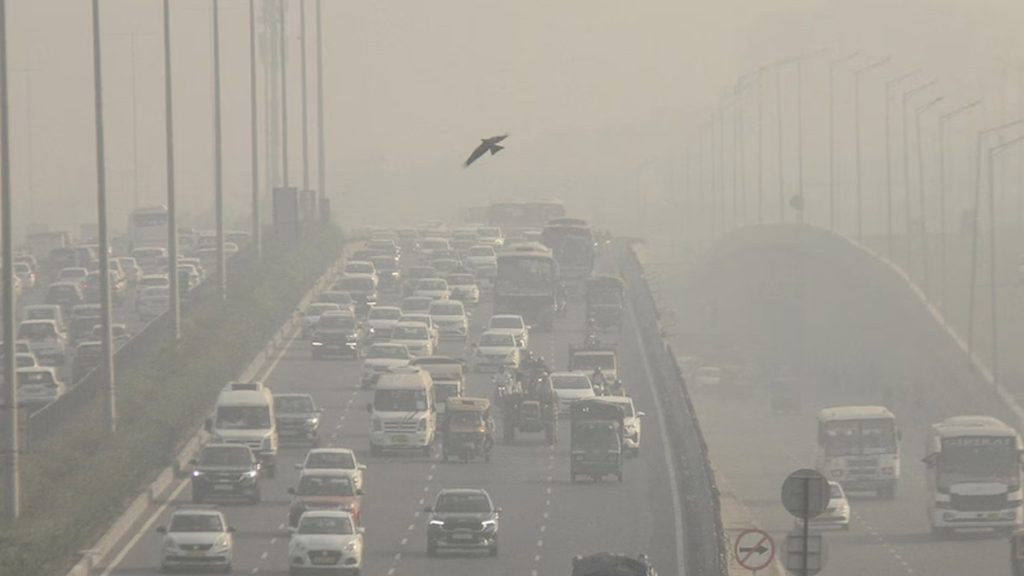
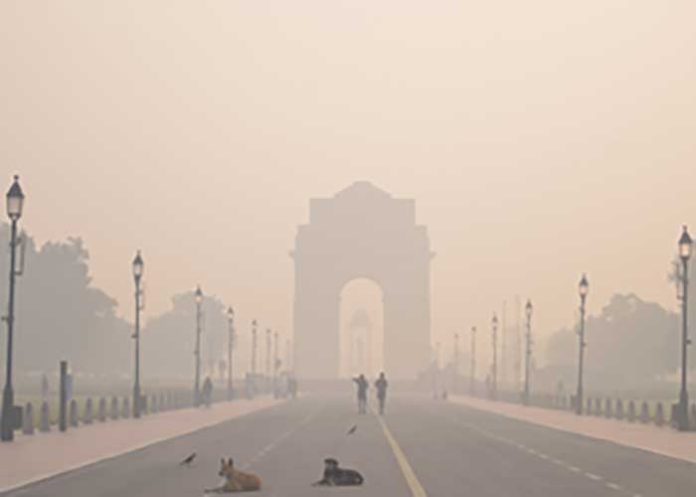
New Delhi :Air quality in Delhi-NCR has reached alarming levels, with the average AQI hovering around 355, classified as “very poor” by the Central Pollution Control Board (CPCB). The worst-affected areas include Anand Vihar (404), Jahangirpuri (418), and Wazirpur (424), placing them in the “severe” category. Surrounding NCR cities, such as Faridabad (205) and Gurugram (234), are also experiencing poor air quality.
In response, the Commission for Air Quality Management (CAQM) has activated the Graded Response Action Plan (GRAP), implementing stricter regulations on polluting sites, vehicles, and industries. Over 600 mechanical road-sweeping machines, anti-smog guns, and water sprinklers have been deployed.
The Delhi government’s Winter Action Plan introduces 21 targeted measures, including a month-long anti-open burning campaign, dust control efforts, drone surveillance, and roadside monitoring by 588 teams. Authorities have also requested that neighboring states intensify pollution control to support regional air quality improvements.With air quality in the “severe” range in parts of the city, citizens are advised to limit outdoor activities as the government ramps up actions to combat winter pollution.
Mumbai:Ahead of Maharashtra’s Assembly elections on November 20, BJP’s top leaders, including Prime Minister Narendra Modi and Home Minister Amit Shah, will spearhead rallies to support MahaYuti alliance candidates. PM Modi will address three major gatherings in Chimur, Solapur, and Pune, while Amit Shah is set to campaign in Mumbai’s Ghatkopar and Kandivali areas.
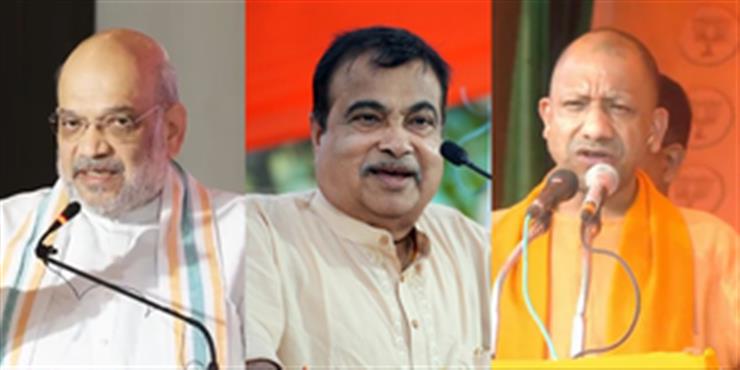
Union Minister Nitin Gadkari will undertake an ambitious seven-rally schedule, covering key locations like Devani, Killari, and Nagpur Central. Uttar Pradesh CM Yogi Adityanath and Haryana CM Nayab Singh Saini will also join the campaign, focusing on Akola, Amaravati, and Nagpur.
Deputy CM Devendra Fadnavis and Union Minister Smriti Irani are slated for multiple appearances, addressing crowds across the Mumbai Metropolitan Region. BJP’s Rashtriya Mahila Morcha president Vanathi Srinivasan will rally in Malad, showing the party’s reach into diverse constituencies.
In a recent address, Union Minister Piyush Goyal highlighted the BJP manifesto, promising rapid development across Maharashtra by 2029. He criticized the Maha Vikas Aghadi (MVA), calling it the “Maha Vinash Aghadi, ” and asserted that MahaYuti’s united front offers a clear path to progress for the state’s future.
New Delhi : Delhi Chief Minister Atishi yesterday put the ball back in Lieutenant Governor V.K. Saxena’s court over formulation of a policy for long-term engagement of 10, 000 Civil Defence Volunteers (CDVs) as bus marshals.
Intensifying the political tussle between the elected government and the Raj Niwas that reports to the Central government, CM Atishi urged the L-G to draft the policy which she claimed was beyond her domain.
She also urged Saxena to immediately reinstate 10, 000 bus marshals on “as-is-where-is basis” so that women safety in buses is not compromised over the next four-five months that might be needed to draft a policy for their permanent engagement.
As chances of long-term engagement of bus marshals continue to diminish with each passing day of the AAP government’s tenure, the latest move by the AAP government appears an attempt to shield itself from any blame for delay over the matter in an election year.
CM Atishi’s decision to ask the L-G to draft the proposal comes within a week of an advice given by Raj Niwas to her on similar lines for directing officials to formulate a policy for long-term engagement of CDVs and bus marshals.
For now, the L-G is considering a proposal from the AAP government to engage the 10, 000 out-of-job CDVs as green warriors for four months.
Pointing to rise in harassment of women in buses in the absence of bus marshals, CM Atishi said at a press conference that after a long discussion with officials she had come to the conclusion that the issue of re-engagement of bus marshals was related to service department and public order, both of which were reserved subjects that come under the domain of L-G Saxena.
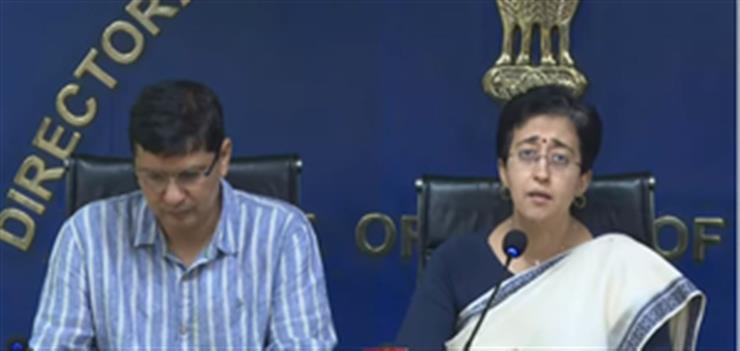
“We have requested the L-G to formulate a policy on the matter so that bus marshals can be deployed in two shifts in public transport buses, ” said CM Atishi at a joint press conference with Health Minister Saurabh Bhardwaj.
Reiterating the AAP government’s commitment to women’s safety, CM Atishi said travelling in public transport buses was a harrasing experience for women and to check this bus marshals were deployed in 2015 by then Chief Minister Arvind Kejriwal.
“But, the BJP through its officials raised objections to the scheme. In April 2023, the salary of bus marshals was stopped and from October 2023 Civil Defence Volunteers working as bus marshals were removed, ” she said.
For the past one year, bus marshals, supported by AAP ministers and leaders, were agitating on roads for re-engagement and finally the Central government had to bow before their demands, she said.
“As you know, the AAP government has decided to re-engage the CDVs for anti-pollution duties. But, the bigger question that needs to be addressed is that of women safety in public transport buses over the next four months, ” she said.
Bhardwaj said the L-G and Leader of Opposition Vijender Gupta of BJP were playing tricks and delaying the re-appointment of bus marshals. “My request to the L-G is not to delay the matter and use his powers to immediately reinstate the bus marshals, ” he said.
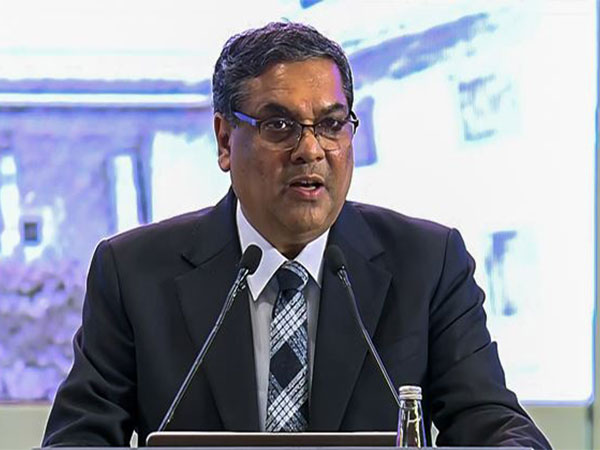
New Delhi : Justice Sanjiv Khanna was on Monday sworn in as Chief Justice of India. President Droupadi Murmu administered the oath of office to Justice Khanna at a brief swearing-in ceremony held at the Rashtrapati Bhavan at 10.30 AM. Justice Khanna succeeds Justice D Y Chandrachud, who demitted office on Sunday on attaining the age of 65 years.
Vice-President Jagdeep Dhankhar, Prime Minister Narendra Modi, Defence Minister Rajnath Singh, Law Minister Arjun Ram Meghwal ,outgoing CJI DY Chandrachud, ministers, sitting and former judges attended the five-minute ceremony.
Appointed as a Judge of the Supreme Court of India on January 18, 2019, Justice Khanna will have a six-month tenure as the CJI. He will retire on May 13, 2025. The Centre had notified his appointment as the next CJI on October 24, following Chief Justice Chandrachud’s recommendation on October 16.
Reducing pendency of cases and speeding up justice delivery are said to be his priorities. There has been a convention of the CJI recommending the senior-most judge of the Supreme Court as his successor. Only twice, it has not been followed — Justice AN Ray was appointed the 14th CJI on April 25, 1973, superseding three senior-most judges, and Justice MH Beg was appointed the 15th CJI on January 29, 1977, superseding Justice HR Khanna.
Justice HR Khanna–his uncle–was denied the appointment as CJI by the Indira Gandhi-led government for his sole dissenting opinion in ADM Jabalpur versus Shivkant Shukla (1976) on the suspension of fundamental rights during Emergency.
The majority had declared that the government could suspend fundamental rights and detain citizens without following due process during Emergency. Justice HR Khanna had resigned after the government notified the appointment of Justice HM Beg — a junior judge — as the CJI.
Son of Justice DR Khanna, a former Delhi High Court judge, Justice Sanjiv Khanna has been a part of many Constitution Bench verdicts, including the ones upholding the abrogation of Article 370 and the scrapping of electoral bonds scheme.
He headed the Bench which upheld the use of electronic voting machines (EVMs) in elections amid the 2019 Lok Sabha poll. A Bench led by him had granted an interim bail to former Delhi CM Arvind Kejriwal to enable him campaign in the 2024 Lok Sabha poll.
Born on 14th May, 1960, Justice Khanna got enrolled as an advocate with the Bar Council of Delhi in 1983 and initially practised in the District Courts at the Tis Hazari complex, Delhi, and later in the High Court of Delhi and tribunals in fields as diverse as constitutional law, direct taxation, arbitration, commercial law, company law, land law, environmental law and medical negligence.
He was appointed as an additional judge of the Delhi High Court in 2005 and was made a permanent judge in 2006. As a judge of the Delhi High Court, he held the position of Chairman/Judge-in-charge, Delhi Judicial Academy, Delhi International Arbitration Centre and the District Court Mediation Centres. He was elevated as a Judge of the Supreme Court on January 18, 2019. He is known to be an expert in taxation matters.
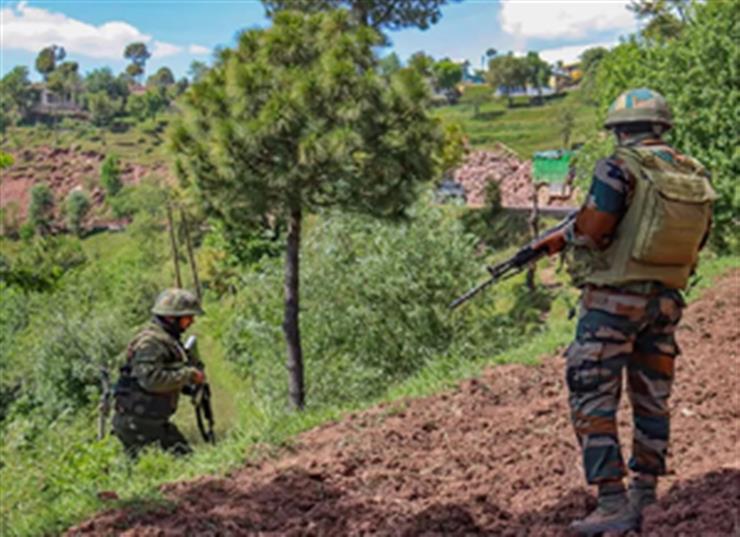
Two trekkers narrowly escaped potential harm during the Sunday’s encounter in Zabarwan hills of Srinagar after dialling 100 and alerting the senior Police officers to their perilous position.
The trekkers were close to the exchange of heavy fire when they realised the imminent danger and quickly contacted the Police Control Room (PCR) Kashmir.
Soon after the senior officers were alerted, they ordered the halting of the operation.
The trekkers were carrying bags, sticks, and other things. They hid themselves in rocks after the fire started.
“Fortunately one among them had an idea and he dialled 100,” a senior Police officer said.
The PCR (100) first alerted the SHO, who later alerted senior officers.
A rescue team led by SSP Srinagar under the guidance of IGP Kashmir reached the spot and rescued the trekkers.
Inspector General of Police (IGP), Kashmir Zone, Vidhi Kumar Birdi later stressed the importance of trekkers notifying local police stations before embarking on journeys in remote or sensitive areas.
“Trekkers and adventure enthusiasts should inform the nearest police station about their travel plans and expected routes, especially in areas where there could be security operations. This protocol ensures we can act swiftly to ensure their safety if unexpected incidents occur,” the IGP Kashmir told the media.
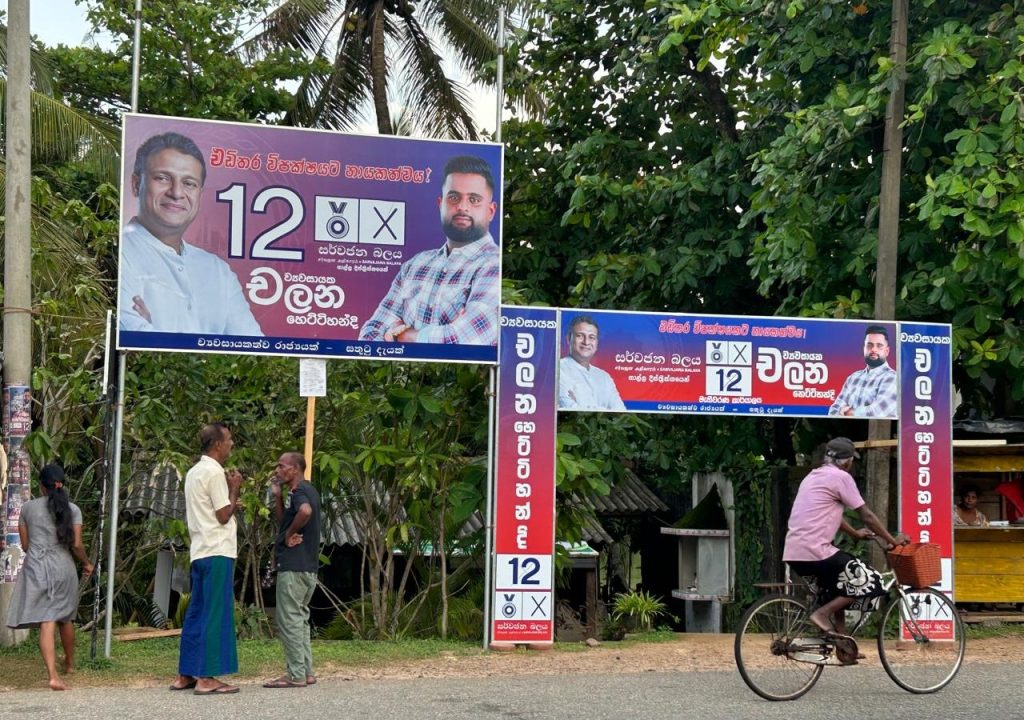
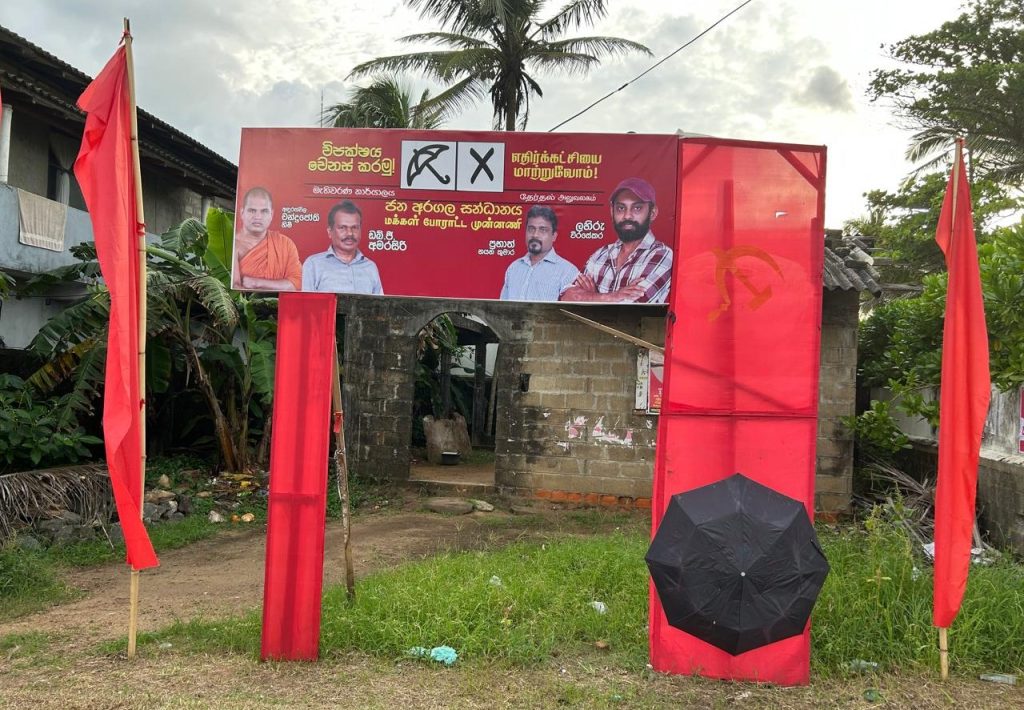
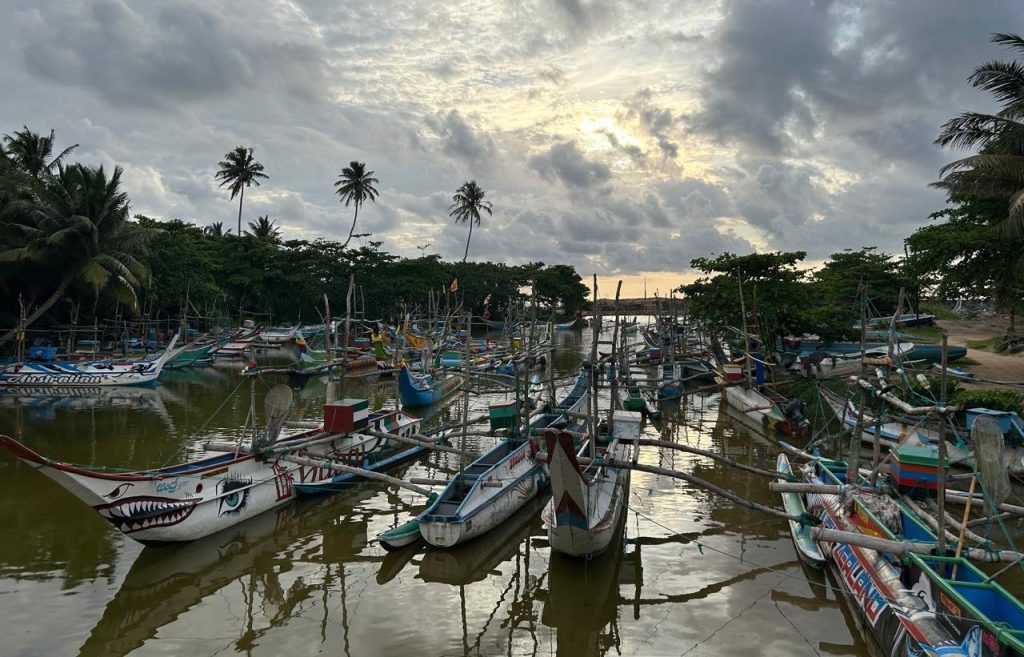
Colombo, Sri Lanka : Aspirational India is seemingly providing a lesson to Sri Lankan voters, who are now aiming to see development and economic growth in their nation as they prepare to vote in the national parliamentary polls on November 14. The voters in the island nation also want dynastic politics to end and appear to be leaning towards a political party that doesn’t promote family hold over political power. From violence of 2022 the country is now witnessing a largely peaceful election.
Incumbent President Anura Kumara Dissanayake of the National People’s Power is apparently leading the race as people gear up to vote. Even as the nation’s young voters speak openly against former president Ranil Wickremesinghe and the influential Rajapaksa family, who have been blamed for pushing the nation towards the current economic stress.
After decades electoral and political campaigns which were often filled with hate against India, the ongoing Sri Lanka parliamentary polls are seeing a welcome change. Most people that Tehelka.com spoke to, expressed their desire to see growth of Sri Lanka as a industry hub to bring in jobs for the younger generation and calling for a closer relationship with India. “We need to increase our business with India. The government has to bring more jobs and economic development to the nation, ” said Naved Sayeed, a gem stone businessman. He pitched for self reliance and improvement of manufacturing sector for job creation and long term sustainable growth of the nation.
Many claim growth of business between India and Sri Lanka would also help improve the economic situation of the country. “Most earlier leaders that have led Sri Lanka hail from political dynasties, who have only enriched themselves at the cost of the nation’s economy. There is a need to bring in jobs and industry to help prospects of young people, who mostly emigrate due to lack of opportunities here, ” said a tour operator, Lucion Pareira.
Interestingly, the electoral campaigns by political parties have been devoid of anti India rhetoric, and people want Sri Lanka to move towards improving its citizen’s economic condition.
It is understood that the change in perception about india came about after it stood by Sri Lanka in its time of need when the nation was pressed for funds in the aftermath of 2022 turmoil. India’s contribution towards healthcare needs of its neighbor during Covid-19 crisis also generated a lot of goodwill, sources in the Ministry of External Affairs pointed out.
Parliamentary elections in Sri Lanka are scheduled for 14 November to elect 225 members.
The 225 members are elected for a five-year term, of which 196 are elected from 22 multi-seat constituencies through an open list proportional representation.
The other 29 seats are elected from a national list, with list members appointed by party secretaries and seats allocated according to the island-wide proportional vote the party obtains.
Sri Lanka has been under a close watch of International Monetary Fund as it tries to recover from the economic stress, induced by the 2022 crisis. And the outcome of the Parliamentary polls will be keenly watched in India and rest of the world.
New Delhi : With the Air Quality Index (AQI) reading 409, the national Capital’s air remained in the ‘very poor’ category on Monday, while the air quality in the neighbouring states of Haryana and Uttar Pradesh also remained a cause for concern.
According to the Central Pollution Control Board (CPCB), Delhi’s average Air Quality Index (AQI) stood at 347 as of 7:30 A.M. on Monday.
The AQI levels in other cities within the Delhi-NCR region included Haryana’s Faridabad at 165, Gurugram at 302, and Uttar Pradesh’s Ghaziabad at 242, Greater Noida at 300, and Noida at 237.
The pollution hotspots in the city where AQI remains above the city’s average showed a marginal improvement from Sunday but are yet nowhere close to the safe margins.
Delhi’s Jahangirpuri recorded the highest AQI at 409. In most areas of the national Capital, AQI levels remained between 300 and 400, with some areas exceeding 400.
Several areas in the national Capital are experiencing dangerously high AQI levels. Anand Vihar recorded an AQI of 378, while Alipur reached 397 and Ashok Vihar hit 389. Bawana reported the highest in the city at 400, followed by Burari Crossing at 352 and Mathura Road at 316. Other affected areas include Dwarka Sector 8 (356), Dr Karni Singh Shooting Range (344), and IGI Airport (336).
ITO, Lodhi Road, and Major Dhyan Chand Stadium also saw AQI levels above 300. In addition, regions like Mundka, Narela, and North Campus at Delhi University reported AQI figures ranging between 352 and 363. The overall situation remains alarming, urging residents to take precautions to minimise exposure.
To address the escalating pollution levels, the Commission for Air Quality Management (CAQM) has implemented several initiatives to mitigate pollution, including the Graded Response Action Plan (GRAP).
Stringent penalties have been imposed on polluting construction sites, vehicles, and industries while road dust control efforts are underway, with approximately 600 mechanical road-sweeping machines, water sprinklers, and anti-smog guns deployed across the NCR.
As Delhi-NCR continues to witness worsening air quality with the onset of winter, the month-long anti-open burning campaign kicked off in the national capital on November 6.
The decision to kick off the anti-open burning campaign was made by the ruling Aam Aadmi Party (AAP) in Delhi after Environment Minister Gopal Rai held a review meeting of the Winter Action Plan with all stakeholders and officials concerned.
To strictly enforce the month-long anti-open burning campaign that will continue till December 6, as many as 588 patrolling teams will be deployed to tackle pollution, inspect construction sites and create awareness among farmers to prevent stubble burning.
Additionally, government departments, Resident Welfare Associations, and construction agencies have been instructed to provide electric heaters to security guards to reduce the need for open burning of biomass during winter. The Delhi government has urged neighbouring states of Uttar Pradesh and Haryana to intensify their pollution control efforts, emphasising that collective action will have a stronger impact.
Recently, the Delhi government announced a comprehensive 21-point Winter Action Plan to tackle pollution in the national Capital. Last year’s 14-point plan has been expanded to a broader 21-point strategy to combat the menace of air pollution, including emergency measures such as drone monitoring, anti-dust campaigns, road-sweeping machines etc.
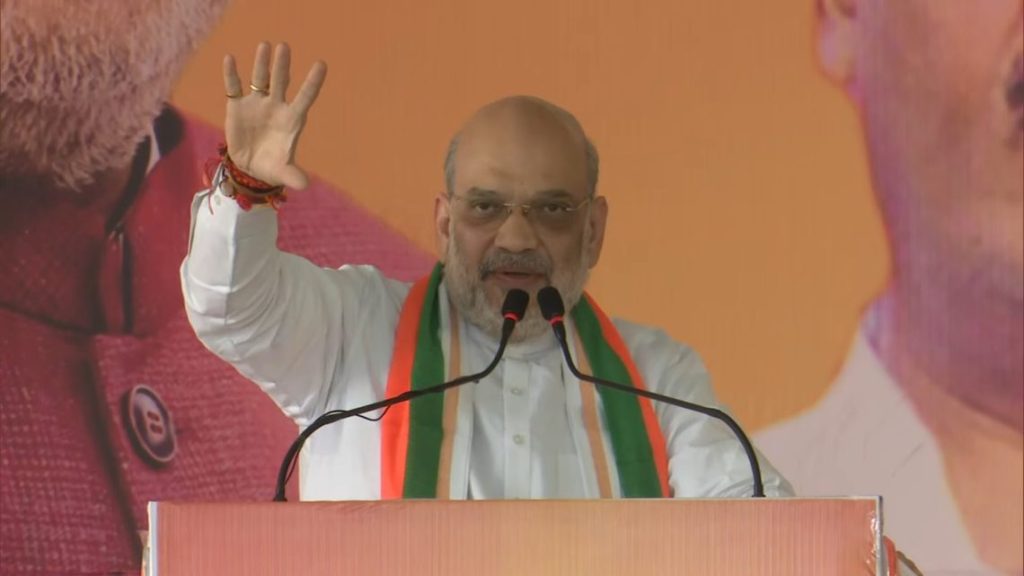
Raver: Union Home Minister Amit Shah on Sunday accused Maha Vikas Aghadi (MVA) of playing appeasement politics with the sole intention of achieving power in Maharashtra.
The Home Minister at the poll rally in Jalgaon district’s Raver for BJP and MahaYuti candidates, said: “An organisation of Ulemas demanded 10 per cent reservation for the Muslims in Maharashtra from the Congress. The Maha Vikas Aghadi has crossed all the limits of appeasement due to the greed for power. They cannot do good for Maharashtra.”
He added that at least 50 per cent of reservations have already been allocated and to give reservations to the minorities, they would have to take away reservations of the SCs, STs and backward class.
“The Aghadi (Maha Vikas Aghadi comprising Congress, Shiv Sena UBT and NCP-SP) is blinded by the power. However, I assure you that minorities will not be given reservations, ” the Home Minister said.
He asserted that the BJP’s alliance has been formed to protect the culture of Maharashtra, adding that the BJP’s alliance is an alliance of parties following the principles of Shivaji Maharaj which will make Maharashtra prosperous.
“November 10 is a very important day not only for Maharashtra but for the whole country as it is being celebrated as ‘Shiv Pratap Day’. In 1659, Chhatrapati Shivaji Maharaj hoisted the saffron flag after killing Afzal Khan, ” the Home Minister said.
He appealed to vote for the BJP and MahaYuti which will follow the principles of Chhatrapati Shivaji Maharaj.
Amit Shah strongly defended the Centre’s move to table the Waqf Board Amendment Bill saying that opposition parties are strongly opposing it.
“Recently, entire villages in Karnataka were declared as Waqf property. Many temples, farmers’ land, and houses of villagers became Wakf property. The same is going to happen in Maharashtra as soon as the Aghadi government is formed, but don’t worry, Modi has decided to amend the Waqf Act, ” the Home Minister said.
“When our coalition government named Aurangabad after Maharaj Sambhaji, the Aghadi people protested. When Ram Temple was built, they opposed it, they opposed the removal of Article 370 from Jammu and Kashmir, they opposed the abolition of triple talaq, ” he asserted.
The Home Minister led a scathing attack against the Maha Vikas Aghadi for accusing the MahaYuti government of industries not coming to Maharashtra.
“When the MVA government was in power and Uddhav ji was the Chief Minister, Maharashtra was in the fourth place in FDI. Devendra Fadnavis became Deputy Chief Minister and Eknath became Chief Minister. For the last two years, the highest FDI in the whole of India has come to Maharashtra. Maharashtra is number one in investment, ” he claimed.
The Home Minister also attacked the MVA for criticising the Ladki Bahin Yojana and said that as soon as the MahaYuti government is formed the monthly financial assistance under the scheme will be increased to Rs 2,100 from Rs 1,500.
“Under the Ladli Bahin Yojana, women get Rs 1500, and the Aghadi intends to stop it if they come to power. Be rest assured, that the MahaYuti government is going to be formed. As soon as the government is formed, Rs 1,500 will be increased to Rs 2100, ” the Home Minister said.
Further, Amit Shah said that the MahaYuti government through Pradhan Mantri Kisan Samman Nidhi (PM-KISAN) will give Rs 15,000 annually to every farmer and it will increase 20 per cent MSP.
“The pensions of the senior citizens, widows and divyangs will be increased to Rs 2,100 from Rs 1,500. Every year 25 lakh jobs will be created by the MahaYuti government, ” he said.
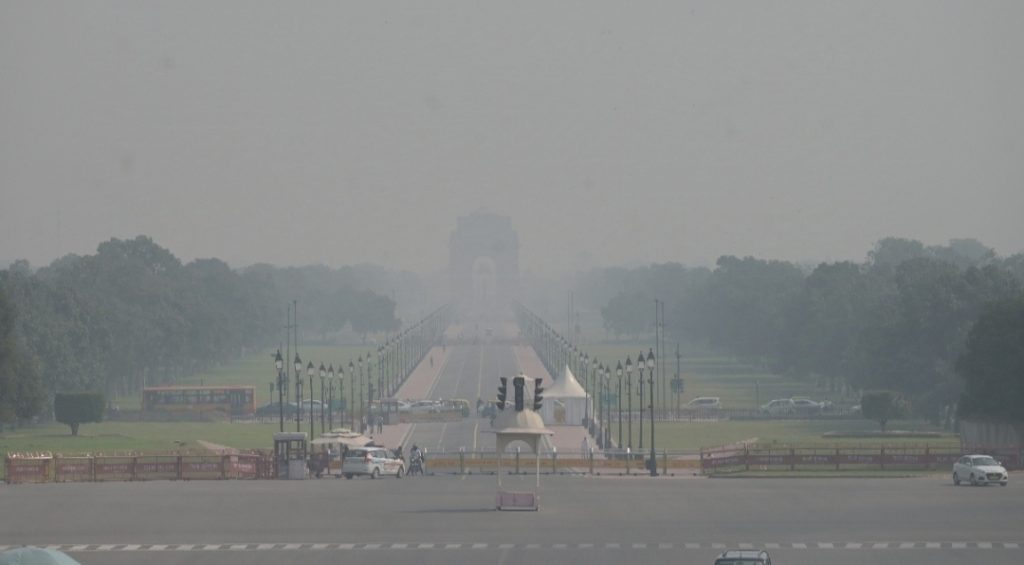
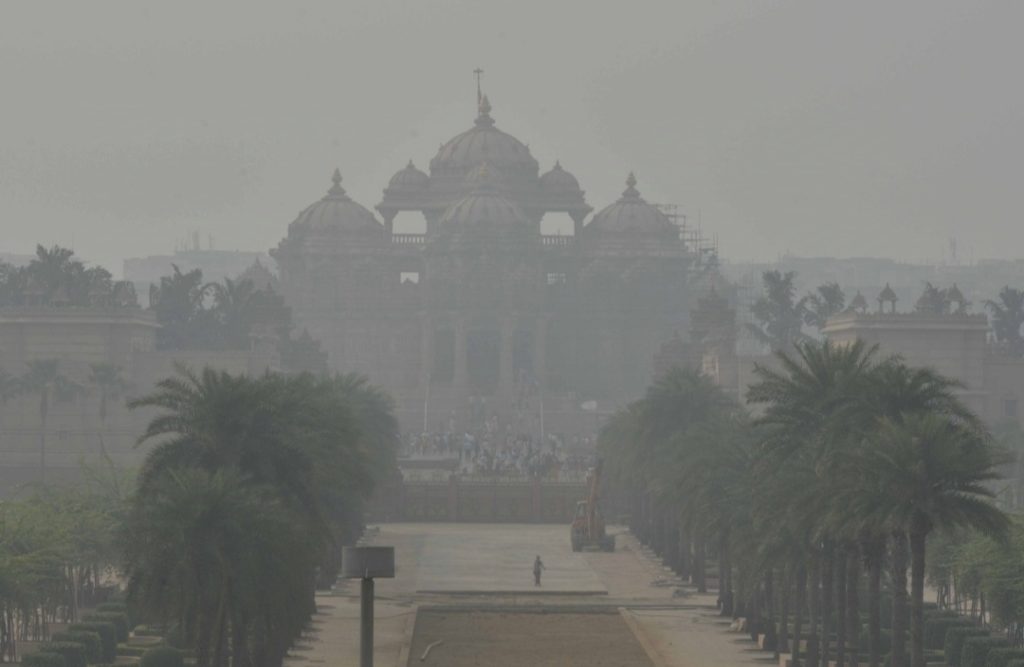
Poor air quality continued to affect the national capital even as doctors advised caution to the vulnerable section of society.
According to the System of Air Quality and Weather Forecasting And Research (SAFAR), the Air Quality Index (AQI) in the city was recorded at 360 under “very poor category’’.
The Central Pollution Control Board (CPCB) reported higher readings in certain areas. The air quality index reached 391 at Kartavya Path.
Locals reported various health issues due to ongoing pollution. “ Air quality is very poor as you can see the smog is getting dense everyday. Government is using water cannons and drones along with other measures to maintain the AQI but it is not working and now affecting citizens,”Amol Vishwakarma, a Delhi resident said.
Doctors confirmed a link between the worsening air quality and an increase in the in flow of the patients with respiratory problems.
Photo : Naveen Bansal
“Air pollution is a issue which is troubling all of us for a long time. And now it has reached dangerous levels. As an ENT surgeon, we are seeing increased number of young patients who are coming with breathing respiratory difficulty, irritation in the throat, nasal discharge and almost going on to asthma with breathing difficulty. This is in, even in young patients,” Dr. Ajay Swaroop, ENT Surgeon, Sir Ganga Ram Hospital, told Tehelka.
“You should try to avoid outdoor activities as much as possible. Even when somebody is moving out, they should use a mask. A face mask is a must. In case of any respiratory ailment or such problem, it should not be taken lightly. They should see their local, physician or ENT surgeon or whoever is close by, competent person so that he can be assessed how much is the problem and given some remedial measures, ” he cautioned.
The centre for Science and Environment (CSE) has shown in its latest analysis that vehicular pollution has emerged as the top polluter in the capital city of Delhi. It is more than stubble burning, road dust or bursting of fire crackers.
Speaking to Tehelka, Kalyani Tembhe, Deputy Programme Manager, Centre for Science and Environment said, “As per our recent study, Delhi’s own pollution is very high and within that around 50 per cent pollution is getting contributed through vehicular emission.”
“The rapid motorisation, congestion and the lack of use of public transport is contributing …the contribution is too high from these sources and not many actions have been taken so far to motorisation in the city. The efficiency of public transport needs to be improved. To see a good change in air pollution level, these actions needs to be taken at ground level and proper studies need to be done to estimate where the pollution is coming from and all the sources need to have mitigation actions implemented,” she added.
A recent analysis by Centre for Research on Energy and Clean Air (CREA) stated that Delhi was the most polluted city in India for the months of October with an average PM 2.5 level of 111 micrograms per cubic metre.
It highlighted that all the top 10 polluted cities during this period were located within the NCR.
The list of cities with the highest PM2.5 concentrations includes Delhi, with a reading of 110 micrograms per cubic meter, followed by Ghaziabad at 103, Muzaffarnagar at 98, Hapur at 93, Noida at 90, Meerut at 86, and both Charkhi Dadri and Greater Noida at 86. Gurugram and Bahadurgarh recorded 83 micrograms per cubic meter each.
In October, Delhi’s average PM2.5 concentration was significantly higher, more than 2.5 times the average of 43 micrograms per cubic meter recorded in September. The report also noted that stubble burning was responsible for less than 10 percent of the PM2.5 pollution in Delhi during that month.
Speaking on the residential emissions, Aditya Wadhokar, Founder, Fligen Systems, a startup for air quality monitoring through drones said that residential emissions are a combination of cooking, heating, and lighting emissions which contribute to 15-20 per cent of the total air pollution in Delhi.
Highlighting the several challenges that hinder effective solutions he said, “Enforcement of environmental regulations is often inadequate, with many industries failing to comply with emission standards. While awareness is growing, significant behavioural changes among the public and industries are still lacking.”
Earlier, the central government on November 6, 2024 amended the commission for Air Quality Management (CAQM) rules for the National Capital Region and adjoining areas. The government has increased the penalty on stubble burning to up to INR 30,000.
AQI remained at 377 at 7 am on November 8. The CPCB had recorded Delhi AQI at 382 at 6 pm.
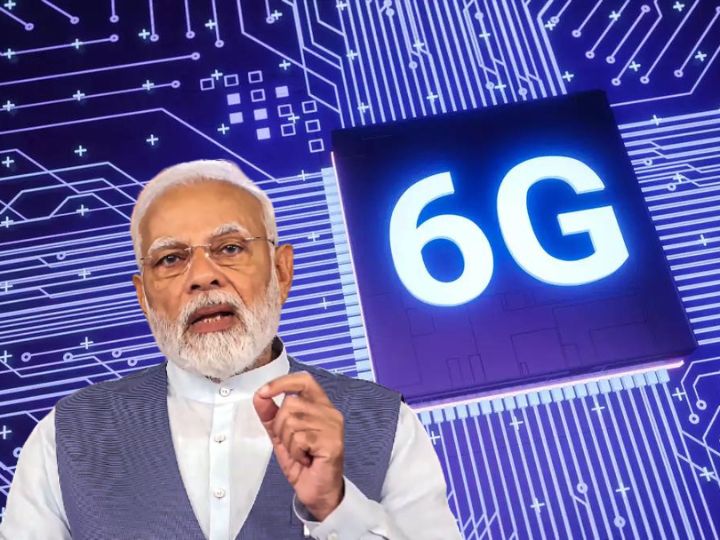
New Delhi: In a bid to boost the Bharat 6G Vision, the government is working towards the development of a multi-port switch for a single broadband antenna that can cover all 2G, 3G, 4G and 5G bands.
The developed technology can be used to cover all the bands like 2G, 3G, 4G, 5G and beyond in a single antenna without noise.
Towards this goal, the Centre for Development of Telematics (C-DOT), the telecom R&D centre of the Department of Telecommunications (DoT), has collaborated with CSIR-Central Electronics Engineering Research Institute (CEERI), Pilani.
The institutions would jointly develop the “Multiport Switch with Tuneable Impedance Matching Network for a Single Broadband Antenna”. The project is funded under the Telecom Technology Development Fund (TTDF) scheme of the DoT.
This scheme is designed to fund Indian startups, academia and R&D institutions and is a crucial enabler for designing, developing, and commercialising telecommunication products and solutions.
It will focus on developing a micro-electromechanical technology-based switching network to cover multiple communication bands with enhanced antenna performance.
This is aligned with Prime Minister Narendra Modi’s ‘Bharat 6G Vision.’ Under this, the government is already evaluating 470 proposals on ‘Accelerated research on 6G Ecosystem’. The DoT has funded two next-generation testbeds to advance the 6G research.
PM Modi has envisaged India to be a front-line contributor in the design, development and deployment of 6G technology by 2030.
After successfully deploying 5G across the nation in record time, the country is fast advancing on 6G technology, and now ranks in the top league when it comes to filing patents related to 6G.
According to a government-led panel, India can achieve a share of 10 per cent of all 6G patents along with one-sixth contributions to global standards in the next three years.
The first-ever International Telecommunications Union-World Telecommunication Standardization Assembly (ITU-WTSA 2024) concluded in the national capital last month. India has successfully proposed groundbreaking resolutions and contributed to the modification of existing ones, receiving widespread endorsement from member nations.