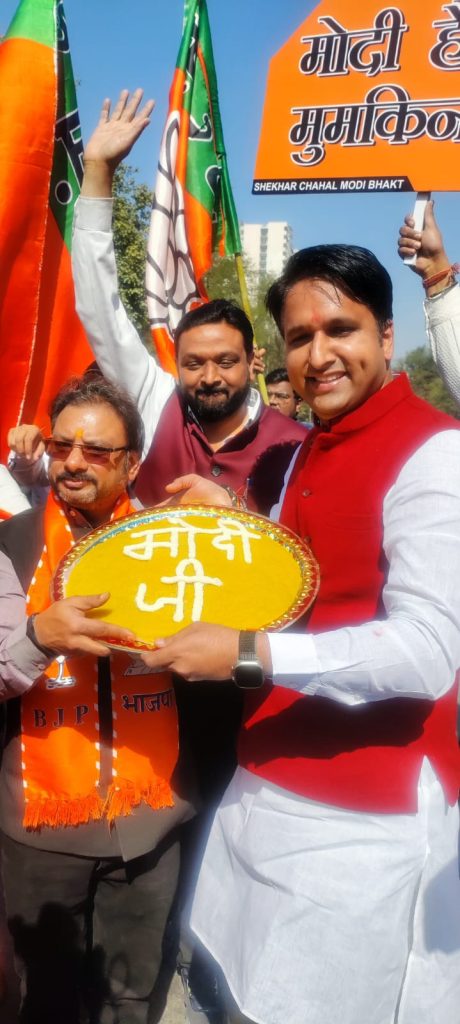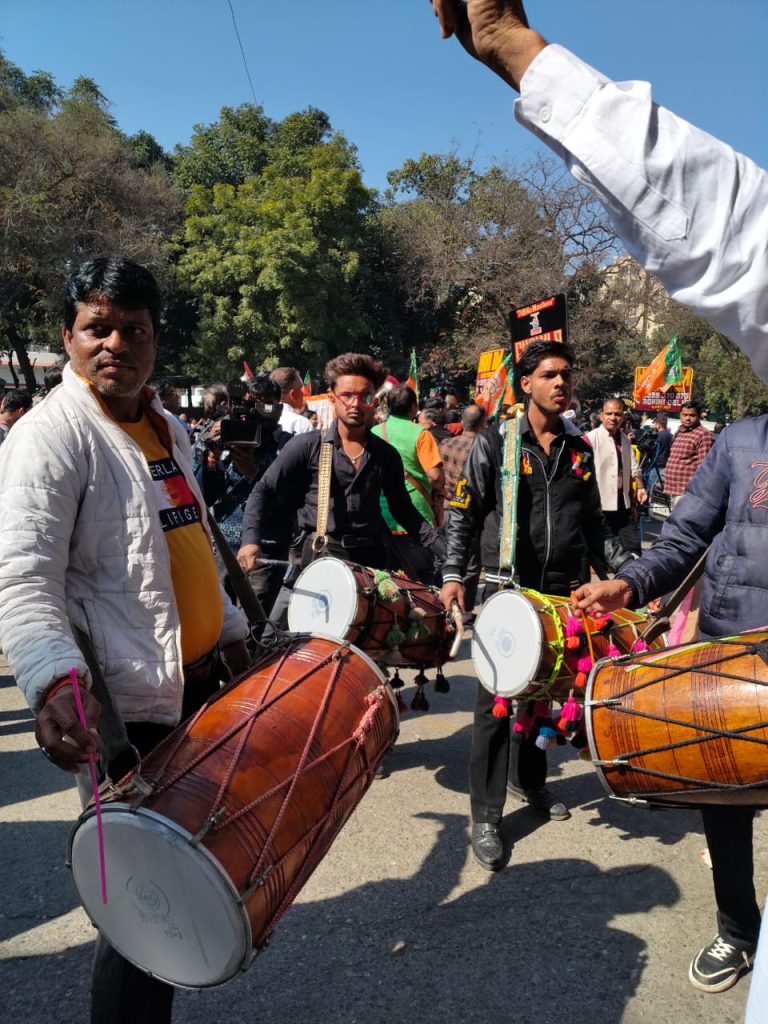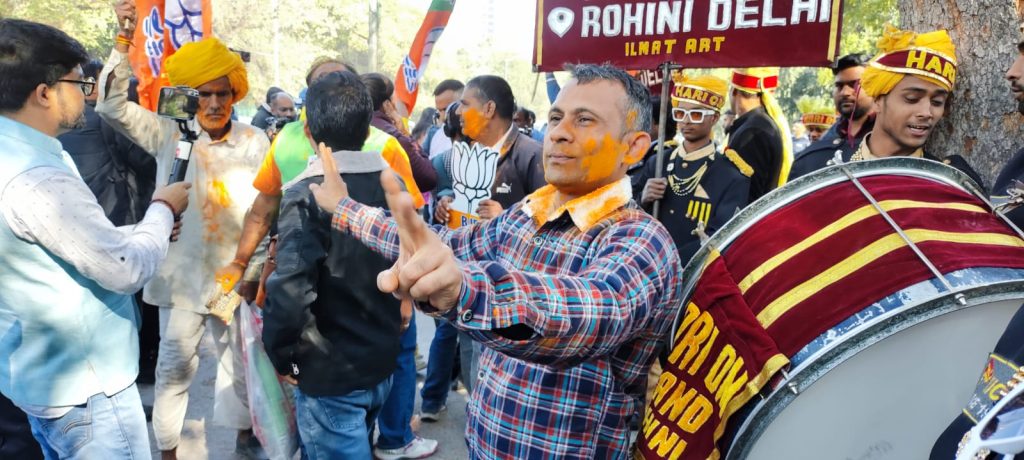
Decoding BJP-RSS’s mutual efforts winning the National Capital

by Yogesh Kant

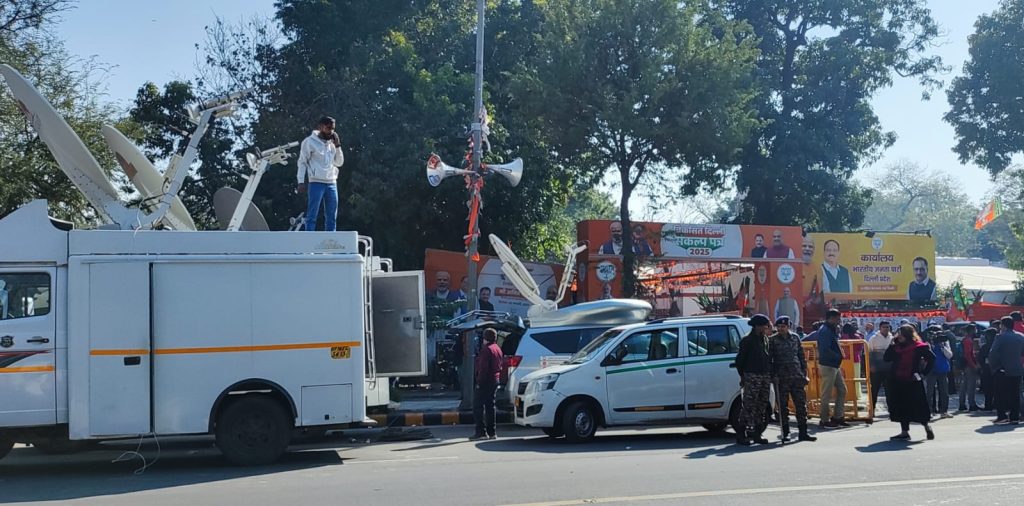
New Delhi : As the battle for Delhi’s political landscape unfolded, the Bharatiya Janata Party (BJP) executed a meticulously planned electoral strategy, led by Union Home Minister Amit Shah and Delhi BJP President Virendra Sachdeva. Sources reveal that an internal survey was conducted to assess the party’s standing before finalizing candidates, rejecting an initial list presented by the Delhi unit in December.

Following the Delhi polls, a follow-up meeting in January, attended by the top brass, ultimately shaped the final ticket allocations. The delay in announcing candidates—despite receiving a staggering 2,100 applications—was a calculated move to minimize internal conflicts and consolidate support.

From MCD loss to strategic resurgence:  BJP’s electoral playbook took shape soon after its defeat in the 2022 Municipal Corporation of Delhi (MCD) elections, where it won 104 out of 250 seats, losing to the Aam Aadmi Party (AAP), which secured 134 seats. A senior BJP strategist remarked, “The setback in civil polls prompted the party to shift its approach—moving away from communal rhetoric to a grassroots-driven model that expanded its vote share beyond 40%.”

The transformation hinged on building 27 specialized cells and seven fronts, tailored to engage caste, regional, and religious groups. An active member of the BJP noted, “The Purvanchal Morcha and the newly established Temple Cell played a pivotal role, fostering BJP’s connection with communities through religious outreach, including weekly Hanuman Chalisa recitations in residential welfare associations (RWAs).” More than 100 religious events, spanning Gurbani recitals to Shivratri celebrations, were strategically organised across the capital to attract youth and women voters.

Caste equation: BJP’s micro-targeting: Beyond religious outreach, the BJP fine-tuned its voter segmentation along caste and regional lines. The party categorized Delhi’s migrant population, recognizing the distinct political behavior of Purvanchali and Uttarakhandi voters. The Purvanchali electorate, comprising 25% of Delhi’s voters, had long been a stronghold for AAP leaders such as Sanjay Singh and Durgesh Pathak.

A BJP functionary explained, “We realized that retaining Manoj Tiwari as our key Purvanchali face, while replacing other candidates, would prove effective.” Uttar Pradesh Chief Minister Yogi Adityanath was roped in for rallies, and BJP leveraged alliances, allocating the Burari seat to JD(U) and the Deoli seat to LJP. Visual campaigns featured prominent Purvanchali leaders, and cultural touchpoints—like Litti-Chokha conferences and the Yamuna-cleaning promise before Chhath Puja—cemented BJP’s appeal among this voter base.

Similarly, the Uttarakhandi electorate was prioritized, with Mohan Singh Bisht and Ravindra Singh Negi securing tickets. A senior BJP leader stated, “By deploying Uttarakhand Chief Minister Pushkar Singh Dhami for targeted campaign rallies, we ensured a consolidated outreach to this crucial voting bloc.”

Jat-Gujjar mobilization- The key to outer-Delhi:  In rural and border constituencies, BJP orchestrated an aggressive Jat and Gujjar outreach by organising Mahapanchayat held on December 22, 2024, in Mangolpuri saw key community leaders declaring their demand for a “native Chief Minister” for Delhi. This sentiment was reinforced just two days before polling when Jat and Gujjar representatives met Amit Shah, leading to an endorsement from 360 villages and 36 community groups.

A political analyst noted, “Jats, in particular, were disillusioned with AAP’s sidelining of leader Kailash Gahlot, and BJP capitalised on this frustration.” The party allocated 14% of its tickets to Jats and 11% to Gujjars, contrasting with AAP’s 11% allocation for both groups. This shift impacted around 22 to 25 assembly seats directly. BJP’s OBC Morcha was instrumental in activating Ramesh Bidhuri and Parvesh Verma—both key Jat and Gujjar leaders—to bolster support.

Beyond Delhi, BJP drew reinforcements from neighbouring states. Alka Gujjar, former vice president of Rajasthan BJP, was called in to rally Gujjar voters, while senior OBC leaders from Uttar Pradesh campaigned in strategic constituencies.

Shift from Hindutva to Caste-based politics :  BJP’s strategy moved away from a broad Hindutva appeal to caste-based voter mobilization. While AAP held ground in Central Delhi, BJP dominated the outer and border areas, a pattern similar to its success in rural Haryana.

A senior BJP leader stated, “We tactically downplayed communal rhetoric in favor of welfare-driven messaging.” The party’s manifesto focused on social upliftment, with strategic outreach to Dalit groups. The defection of key AAP Dalit leaders—Sandeep Valmiki, Rajendra Pal Gautam, and Raj Kumar Anand—further weakened AAP’s influence in this segment.

BJP tailored its approach to Dalit subgroups, including Jatavs, Valmikis, and Dhobis. A BJP strategist revealed, “The Valmiki community, a traditional AAP stronghold, was targeted with direct welfare initiatives.” Amit Shah’s move to regularize 4,400 NDMC sanitation workers’ jobs in May 2023 was a strategic push to sway this voter base.

RSS factor- Silent but influential mobilisation : The Rashtriya Swayamsevak Sangh (RSS) emerged as an invisible but crucial force in BJP’s campaign. While its official stance remained the same—urging citizens to vote for the ‘best’ candidate and the ‘best’ party—its ground-level engagement significantly shaped voter sentiment.

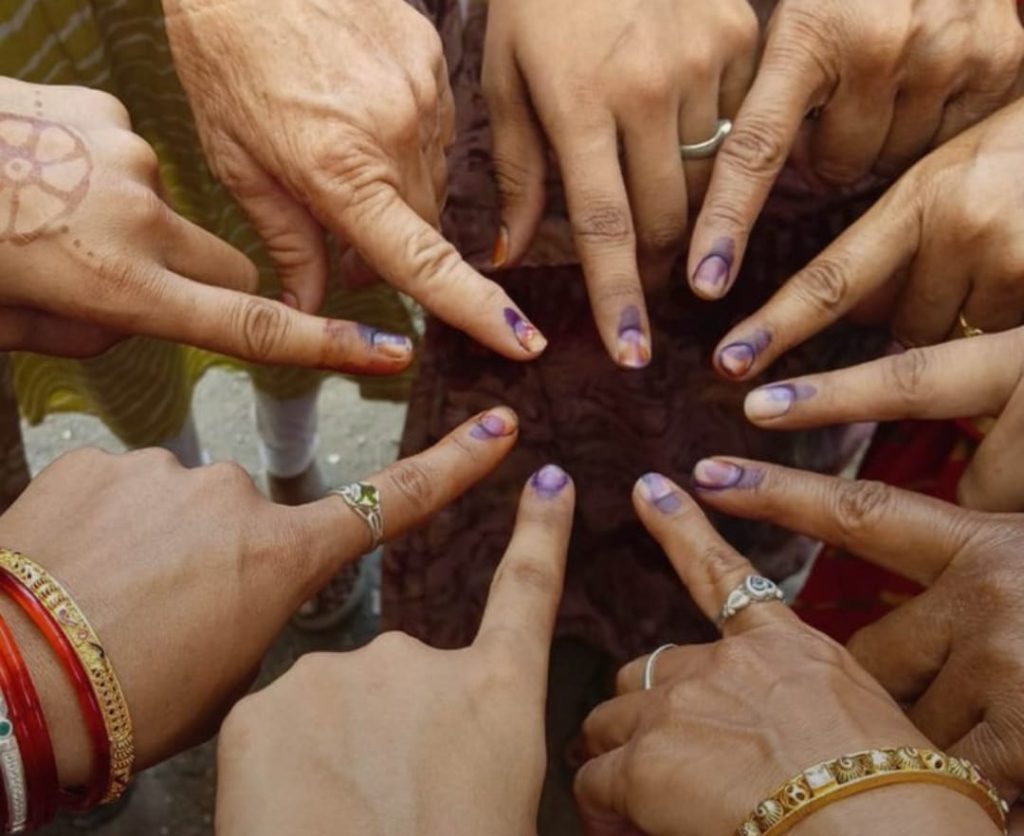
An RSS functionary commented, “Under the banner of the ‘Save Delhi Campaign,’ we mobilised voters with the tagline ‘Shat-Pratishat Matdaan Karein, Behtar Delhi, Behtar Bharat’ (100% Voting for a Better Delhi, Better India).” This call for maximum voter participation was not just a civic message; it was a calculated effort to ensure a high turnout among sections of society that traditionally lean towards BJP’s policies.

Key issues that tilted the scale: RSS strategists identified a set of hyper-local concerns that resonated deeply with voters. These included sanitation, access to clean water, healthcare services, women’s safety, road infrastructure, the deteriorating condition of the Yamuna River, air pollution, illegal immigration, sewage systems, and employment opportunities.

An RSS Karyakarta Delhi-based remarked, “One of the most potent issues raised was the worsening condition of the Yamuna over the past decade.” Similarly, the ‘water crisis’ emerged as a compelling concern. An RSS worker noted, “More than 43% of residents in Jhuggi-Jhopri clusters are forced to purchase potable water from private tankers or bottled water vendors.”

Another critical issue was the failure of Delhi’s healthcare infrastructure. “Seventy percent of patients are compelled to seek treatment in private hospitals,” an RSS volunteer stated, countering AAP’s much-hyped Mohalla Clinic model.

Strategy of positive engagement: Unlike conventional political campaigns, RSS cadres refrained from directly attacking AAP or Congress. A Karyakarta explained, “We focused on issue-based discussions rather than personal or party-based criticisms.”

Interestingly, on polling and counting days, no RSS functionary was visibly involved in BJP’s booth management. A BJP worker noted, “While BJP workers handled election logistics, the RSS had already ensured a robust groundwork by shaping voter perceptions well in advance.”

Takeaway- Winning combination of strategy and groundwork

The BJP’s electoral success can be attributed to a blend of strategic candidate selection, hyper-local issue targeting, and the silent but effective mobilization by RSS. By focusing on key pain points such as water, healthcare, security, and governance, BJP was able to dismantle AAP’s narrative in several crucial constituencies.

Ultimately, a BJP worker summarized, “The BJP-RSS ecosystem operated in a synchronized yet distinctly separate manner, with the former managing the electoral machinery and the latter shaping voter sentiment. This alignment of strategy, grassroots mobilization, and controlled messaging proved to be the formula for BJP’s success in the election.”
AAP to face challenges in MCD following recent election results

Photo : Naveen Bansal

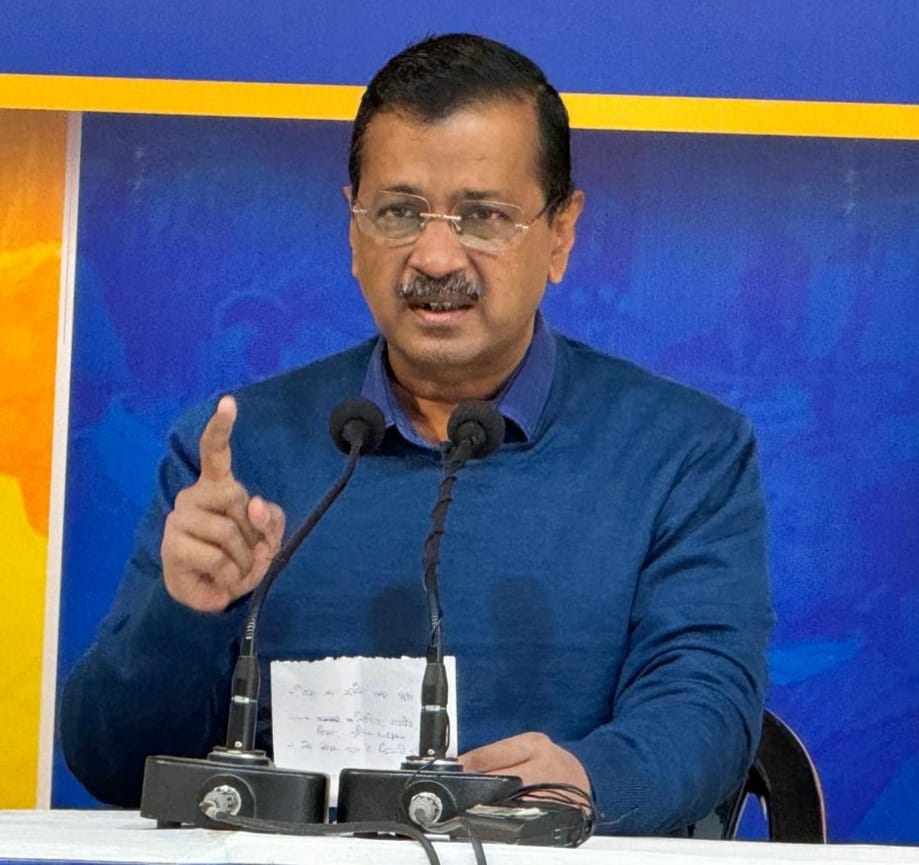
After the assembly election defeat, the major challenge APP faces is to secure its power in Municipal Corporation of Delhi (MCD).

In 2022, the AAP secured a majority winning 134 out of 250 wards. This result marked a shift in the political landscape of the capital, given the AAP’s success in the assembly polls just two years prior.

As of now, a total of 17 councillors contested in recently held Delhi assembly elections out of which 11 of BJP’s councillors seven won the assembly election while three AAP councillors became MLAs.

Now after the assembly elections, there are 239 councillors left in the MCD out of which AAP has 119 and BJP has 113 councillors. Current situation shows the majority of AAP but this situation could be changed if by-elections are held for 11 councillors. In order to secure its power in MCD, AAP will have to secure at least three seats.

Though there are less than three years in MCD elections, if by-polls are held this will be a crucial test for AAP’s political credibility and its ability to govern the capital at the civic level.

With BJP holding majority in assembly, it will be significantly more challenging for AAP to run the MCD even if it secures the mayor’s chair.

The stronghold of the BJP in the MCD underscores the challenges AAP faces in consolidating power at the local level. Additionally, the BJP’s robust organizational structure and influence within the MCD may complicate AAP’s efforts to sway key voters and party representatives.

As the mayoral elections approach, AAP faces the dual challenge of contesting a strong BJP presence in Delhi while managing expectations within its own ranks. The outcome of these polls will likely play a pivotal role in shaping the future political landscape of Delhi and will set the stage for upcoming state and national elections.

The recent electoral setback will force the party to recalibrate its approach, seek new alliances, and prioritize effective governance to have any chance of securing the mayor’s office in the upcoming polls.

Congress’ near perfect demolition job left AAP defeated in Delhi polls

It has been two days since the Delhi assembly elections results were announced. The Bharatiya Janata Party (BJP) has secured two-third majority, clinching 48 out of 70 seats leaving Aam Aadmi Party (AAP) at 22, a massive drop from 2020’s 62 tally.

In the recently held elections, though Congress could not perform for itself, it has done a near perfect task of demolition for AAP. With only 6.34 per cent vote share in the elections the party has damaged AAP’s possibility of winning the poll.

Sumanth Raman, political analyst said, “Vote share difference between AAP and BJP was just 2 per cent. That is not a huge anti-incumbency vote.”

If we look at the figures, it is clear that BJP has won ten seats with very low margins, all thanks to Congress which has worked to cut down the votes for AAP.

BJP won Sangam Vihar seat by only 344 votes. In the same constituency, Congress candidates garnered 15863 votes. Same goes for another nine seats in the national capital.

Rajinder Nagar seat was won by BJP with 1231 votes and Congress polled 4015 votes. Trilokpuri won by BJP by 392 votes. Cong polled 6,147 votes there.

Somnath Bharti seat Badli polled 26359 votes to Congress, giving BJP an edge of 6589 votes. Malviya Nagar, where BJP was leading by 1971 votes, Congress polled 7350 votes.

The New Delhi seat from where Arvind Kejriwal was contesting the poll, was won by BJP by 4099 votes. Congress accounted for 4541 votes in New Delhi.

Greater Kailash, BJP won by 3188 and Cong polled 6677 votes, Timarpur seat was won by BJP where Cong polling was 5754 votes.

On the other hand, Nangloi Jat, Congress polling was 24552 where BJP was leading by 17277 votes.

This is how Congress played a demolition role in the assembly elections leaving AAP in a shock. If these seats were won by AAP, it would only short four seats to secure a majority. 

After Delhi defeat, is Arvind Kejriwal moving towards Punjab or Rajya Sabha soon?

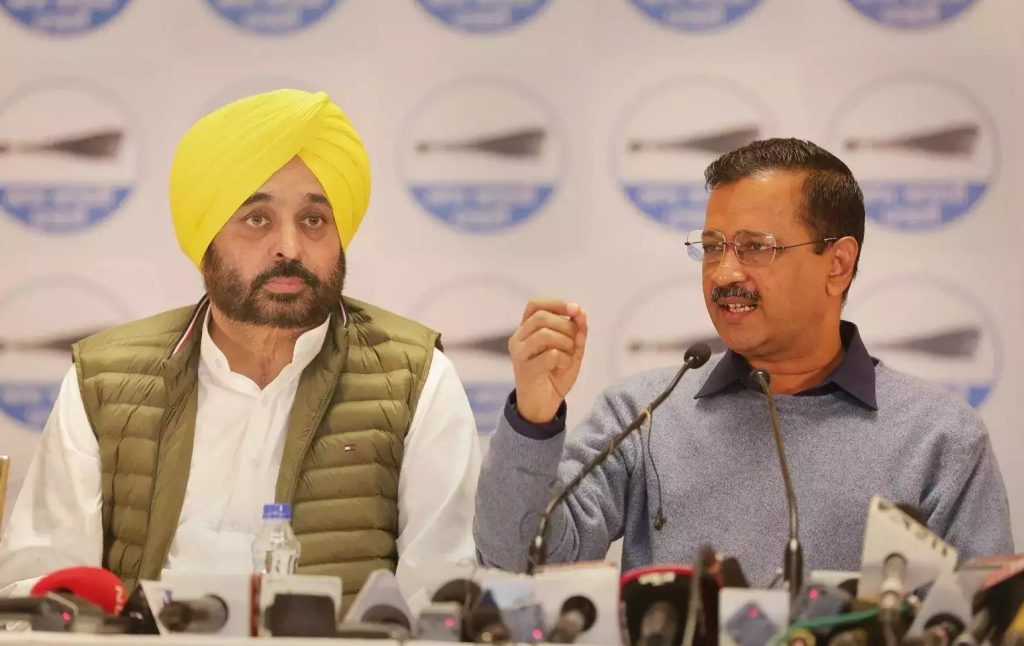
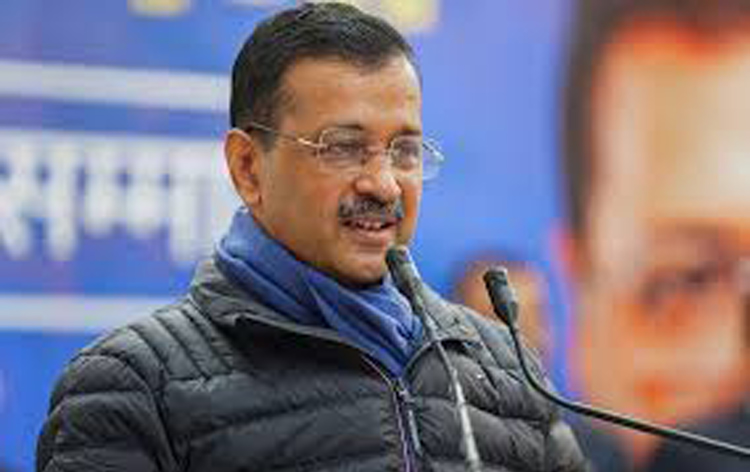
Days after receiving a crushing defeat in the Delhi Assembly polls, Aam Aadmi Party convener Arvind Kejriwal is seemingly eyeing two options, the first one being the Chief Ministerial position in Punjab and secondly a berth in Rajya Sabha, to maintain his political relevance at the national stage.  

The undisputed leader of AAP, who has himself lost his New Delhi Assembly constituency and saw the party reduced to a tally of 22 in the 70 member Delhi Assembly, is likely to hold a meeting with his top political leaders at Kapurthala House in the national capital to finalise the strategy on his future soon, sources said.

All AAP Members of Parliament, MLAs and senior leaders are likely to participate in the meeting, where the two options for Kejriwal’s future and the party’s future political strategy are likely to be discussed, sources added.  

The plan for saving the political future of the AAP supremo was necessitated after almost all top leaders, including Kejriwal, Manish Sisodia, Satyendar Jain and Saurabh Bharadwaj failed to secure a win in the Delhi polls.

There is strong speculation that Kejriwal may ask Punjab Chief Minister Bhagwant Mann to resign from his position and may take over. This, however, will only be done after taking a sense of the state’s AAP MPs, MLAs and senior leaders from the state.

Kejriwal’s potential entry into the Rajya Sabha, to ensure his political relevance at the national level, may be the second option. However, even for the implementation of this move an AAP MP from the Upper House will need to resign and make way for the party supremo.

Sources stated that Kejriwal might move to the Upper House as a way to maintain his political influence. The belief in the party is that by becoming a Chief Minister or a Rajya Sabha MP, Keriwal will be able to continue to serve the people of the nation.

The AAP, which recently secured the national party tag, currently holds 10 Rajya Sabha seats —three from Delhi and seven from Punjab. While the validity of Delhi’s Rajya Sabha seats is valid till 2030, the Punjab RS seats have tenure until 2028.

The most viable route for Kejriwal is being seen through Punjab, where the party’s Rajya Sabha MP may be asked to resign.

However, any move to dislodge Bhagwant Mann or an AAP Rajya Sabha MP will expose Kejriwal to further criticism. The opposition parties are expected to target Kejriwal and claim that he has continued in an official position to further his political ambitions.

Triangular Contests Pave Way for BJP’s Victory in Delhi Assembly Elections

Photo : Naveen Bansal

The results of the recently concluded Delhi Assembly elections have put a spotlight on the strategic advantages of triangular contests, which played a crucial role in ensuring a decisive victory for the Bharatiya Janata Party (BJP). While the Aam Aadmi Party (AAP) had dominated the state in recent years, the emergence of multiple contestants in key constituencies helped the BJP clinch several seats, tipping the scales in its favour.

In a number of constituencies, the election was not a straightforward battle between BJP and AAP. Rather, the presence of a third significant player from Congress injected a new dynamic into the contest. This divided the opposition vote, weakening AAP’s chances of retaining control in critical areas.

In many seats, AAP’s vote share was split between itself and BJP candidates who managed to draw away crucial votes.

Photo : Naveen Bansal

For example, in constituencies like New Delhi and Jangpura BJP took away a significant portion of vote that would otherwise have gone to AAP, enabling the BJP to overtake its rival. The presence of third party created a strategic advantage for BJP, which capitalized on the fragmented opposition.

The BJP’s national appeal also played a role in consolidating the vote. Many voters who were disillusioned with AAP but were not fully inclined towards the BJP found themselves opting for it further fracturing the AAP’s vote. These scenarios allowed the BJP to solidify its position.

In contrast, AAP, which had been expecting a strong showing, found its performance adversely affected by the fragmentation of votes. While the party still maintained strongholds in certain areas, the fragmented opposition votes made it difficult for AAP to make inroads into BJP-dominated regions.

The BJP’s success in exploiting fragmented opposition votes has solidified its position as the dominant political force in Delhi for the time being, highlighting the crucial role of contest dynamics in determining electoral outcomes.

Iltija Mufti claims house arrest, says ‘nothing has changed in Kashmir’

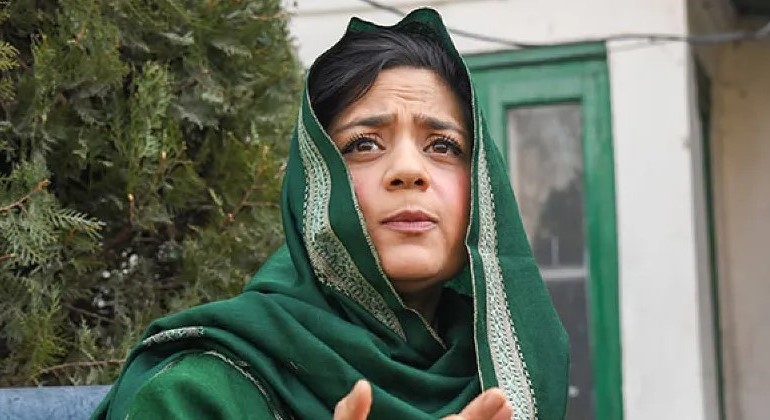
Srinagar: People’s Democratic Party (PDP) leader Iltija Mufti on Saturday alleged that she and her mother, party chief Mehbooba Mufti, were placed under house arrest in Kashmir.

Iltija said she had planned to visit Kathua, while Mehbooba intended to travel to Sopore to meet the family of Waseem Mir, a truck driver killed in an army firing incident on Wednesday. However, both were allegedly prevented from leaving their residence.

In a social media post, Iltija shared images of their locked front gate and accused the authorities of restricting their movement. “Our gates have been locked up because she was meant to visit Sopore, where Waseem Mir was shot dead by the army,” she wrote on X.

She also expressed disappointment over the political situation in Kashmir, saying, “Nothing has changed in Kashmir even after elections. Now, even comforting the families of victims is being criminalized.” Iltija tagged Jammu and Kashmir Chief Minister Omar Abdullah and Union Home Minister Amit Shah in her post.

The controversy comes after the killing of Waseem Majeed Mir, a truck driver, in army firing at Sangrama in Baramulla district. The army claimed that Mir had jumped a checkpoint and was shot after a 23-kilometer chase. Iltija questioned the army’s explanation, asking how a misfire could have resulted in his death.

She also raised concerns about the death of Makhan Din, a 26-year-old resident of Batodi village in Kathua. Din, accused of militant links, allegedly died by suicide following what his family described as police harassment. A video he recorded before his death, in which he denied any involvement with militants, has gone viral, leading to separate investigations by the police and local administration.

“Are Kashmiri lives so cheap? How long will you justify this unbridled impunity by pointing everyone with the needle of suspicion?” Iltija asked in her post.

Corruption Allegations, Sheeshmahal Controversy hurt AAP, trouble likely in Punjab

From an anti-corruption crusader to fighting a war against scores of corruption cases. The situation of the Aam Aadmi Party has turned into a nightmare over the past few months.  The perseverance by the Bharatiya Janata Party leadership, which continued targeting senior AAP leaders like Arvind Kejriwal, Manish Sisodia, Satyendar Jain and others over alleged corruption cases has immensely helped the saffron front in the forthcoming polls. 

AAP first made waves in Delhi in 2013 when it emerged as a strong contender, winning 28 seats in the assembly elections, before forming a short-lived government. The party’s breakthrough came in 2015 when it swept the polls, securing 67 of the 70 seats, largely due to its strong anti-corruption narrative, populist policies, and promises of better governance. 

The continued targeting of AAP leadership over alleged liquor scam, money laundering and unauthorised construction of official residence of Chief Minister of Delhi has ensured that big names lost in the Delhi battle. All three leaders , Arvind Kejriwal, Manish Sisodia, Satyendar Jain, who were sent to prison under these allegations have been rejected by the  people of the national capital as they lost their respective seats. 

The BJP has been out of power from the Delhi Assembly since December 1998, when the then BJP Chief Minister Sushma Swaraj lost to the Congress, which installed Sheila Dikshit at the helm for three consecutive terms.   

Fallout in Punjab

AAP’s troubles will not be confined to the national capital after its massive loss in today’s results. The party’s government in Punjab is likely to become a target of attack by its political opponents soon.

It is believed that the BJP and the Congress want to make gains in the border state and would now attack the Bhagwant Mann government. 

Interestingly, the Congress party’s leadership and cadre is desperate to regain the vote bank and lost glory of the party in the national capital. The refrain amongst Delhi Congress leaders is that AAP needs to be finished here to secure the Congress’ political space in Punjab as well. 

Over the next few months targeted political attacks on the AAP government in Punjab are expected to intensify. The AAP has itself expressed a fear that attempts may be made at breaking its political unit and weaning away its elected representatives. 

What lies ahead for INDI Bloc, will Congress now change strategy and go alone

The Delhi election results are likely to act as the final nail in the coffin of INDO bloc, as various partners seek to secure their respective states. 

The INDI bloc, formed ahead of 2024 Lok Sabha polls, is now seemingly headed towards cold storage.      

With the Aam Aadmi Party and Congress  unable to present a united face in the Delhi polls, the INDI bloc is soon likely to end unceremoniously. 

Congress and Aam Aadmi Party, were seen openly attacking each other in their attempts to secure votes ahead of Delhi Assembly polls, clearly indicating that the INDI bloc is heading towards a break up.

AAP had launched a scathing attack on its INDI bloc partner Congress, accusing it of working with BJP for the upcoming Delhi polls. AAP also sought Congress’s removal from the INDIA bloc if action is not taken against Congress leader’s Ajay Maken’s recent statement against the AAP supremo Arvind Kejriwal.

Ajay Maken has described the Congress’ decision to support AAP in forming the government in 2013 as one of the biggest “strategic blunders” that led to its decline in Delhi. 

The war between the two INDI bloc allies has escalated in the Delhi polls. Though several INDI bloc partners like Samajwadi Party and Trinamool Congress offered support to AAP, the fissures with Congress were clearly evident. 

Congress leaders in Delhi haven’t seemingly forgotten the insult of the then Chief Minister Sheila Dikshit and ensured that the party didn’t fight as allies with the AAP in Assembly polls. 

The state unit of the party is adamant that it was time for seeking payback from AAP ahead of the crucial polls and reclaiming the legacy and vote bank of the grand old party.

With none of the two INDI bloc partners backing down, the national alliance of parties, formed ahead of 2024 Lok Sabha polls, is now seemingly headed towards cold storage.

Delhi Assembly Elections: Exit polls get it right, BJP emerges victorious

Photo by Naveen Bansal

In a rare instance of accuracy, exit polls for the recently concluded Delhi Assembly elections have proven correct, with the Bharatiya Janata Party (BJP) emerging as the winner. After a contentious and fiercely fought election, the final results confirmed what several exit polls had predicted — a significant victory for the BJP, which will now form the next government in the national capital.

Exit polls, which have often drawn criticism for their inaccuracies in past elections, gained credibility this time as they accurately forecasted the BJP’s success in Delhi. Early trends of vote counting indicated that the party had secured a strong lead, surpassing the Aam Aadmi Party (AAP), which had hoped to retain power for a third consecutive term under the leadership of former chief minister Arvind Kejriwal.

The BJP’s victory is attributed to a number of factors, including a robust campaign focusing on local issues such as security, infrastructure, and economic development. The party also capitalized on growing discontent among certain sections of Delhi’s electorate with the AAP government’s performance over the past few years. Analysts point to the BJP’s stronghold in areas affected by anti-incumbency sentiments as key to their victory.

While Kejriwal and AAP campaigned vigorously, presenting their achievements in governance, it was clear that the public mood had shifted, as predicted by the exit polls. The BJP’s messaging around issues like national security and governance resonated with voters.

The results of the Delhi elections are significant not only for the capital but also for the larger national political scenario. 

For once, exit polls, which often come under scrutiny for their reliability, have demonstrated a level of accuracy that has been welcomed by political observers. The party’s victory in Delhi, along with the validation of exit poll predictions, may provide renewed confidence in these surveys moving forward.

The BJP is leading in 46 of Delhi’s 70 assembly seats while AAP was ahead in 24, according to the trends released by the Election Commission.

Amit Shah’s guidance, RSS support made victory possible in Delhi

Photo : Naveen Bansal

Even as the final results are awaited, the strategic planning by Union Home Minister Amit Shah has snatched a victory from the clutches of Arvind Kejriwal-led Aam Aadmi Party in the national capital. 

Sources stated that the Delhi unit of the BJP agreed to the political road map and strategy that Shah laid out for the campaign and ticket distribution. That was a first for the party in this city-state where they have always had a chief ministerial candidate and bitter fight over ticket distribution. Every local leader and party cadre was told to work on securing a win for the party, instead of fighting amongst themselves, sources added. 

This unified action by the state unit also reveal in early results that the BJP is leading not just in pockets, not just a particular class or caste. 

Across the city-state BJP has been doing way better than ever, and is set to secure its highest ever vote percentage in the national capital. The exact reversal of trends since five years ago so far shows that the AAP model has lost its relevance in the city, sources said.

How RSS came for help

The Rashtriya Swayamsevak Sangh has emerged crucial in securing power in the national capital, months after putting the BJP in the political saddle in Maharashtra and Haryana. 

Sources state that the RSS had put in place a grassroots campaign for the BJP in the Delhi polls. 

As part of its outreach, the RSS cadres held about 60,000 meetings across the city where issues related to nationalism and public welfare measures of the Narendra Modi government were discussed.

The campaign by Sangh was launched soon after the Maharashtra election and the city was divided among eight zones, catering to 30 districts and 173 nagars. 

Apart from RSS pracharaks, cadres of various associate organizations also took part in the outreach program in Delhi. 

MOST POPULAR

HOT NEWS