The Taliban government in Kabul has faced sustained global condemnation, including from the United Nations, for its curbs on women’s rights, education, and participation in public life
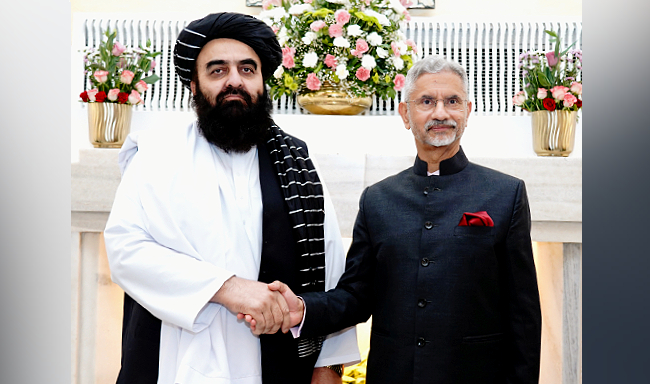
A press conference by Afghan foreign minister Amir Khan Muttaqi in New Delhi on Friday drew attention for all the wrong issues —women journalists reportedly asked to stay away from the event after talks with external affairs minister S Jaishankar. According to those familiar with the development the decision was taken by Taliban officials accompanying Muttaqi. Apparently, the Indian side suggested that women reporters should also be included among the invitees but it was not accepted.
Former Home Minister P Chidambaram expressed shock saying “men journalists should have walked out when they found that their women colleagues were excluded”. “I am shocked that women journalists were excluded from the press conference addressed by Mr Amir Khan Muttaqi of Afghanistan In my personal view, the men journalists should have walked out when they found that their women colleagues were excluded (or not invited),” Chidambaram wrote on X.
Congress MP Priyanka Gandhi Vadra sought Prime Minister Narendra Modi’s position on the issue. “Prime Minister @narendramodi ji, please clarify your position on the removal of female journalists from the press conference of the representative of the Taliban on his visit to India. If your recognition of women’s rights isn’t just convenient posturing from one election to the other, then how has this insult to some of India’s most competent women been allowed in our country, a country whose women are its backbone and its pride,” she wrote on X.
TMC MP Mahua Moitra accused the BJP-led government of “dishonouring” “every single Indian woman by allowing Taliban minister to exclude women journalists from presser. Shameful bunch of spineless hypocrites.”
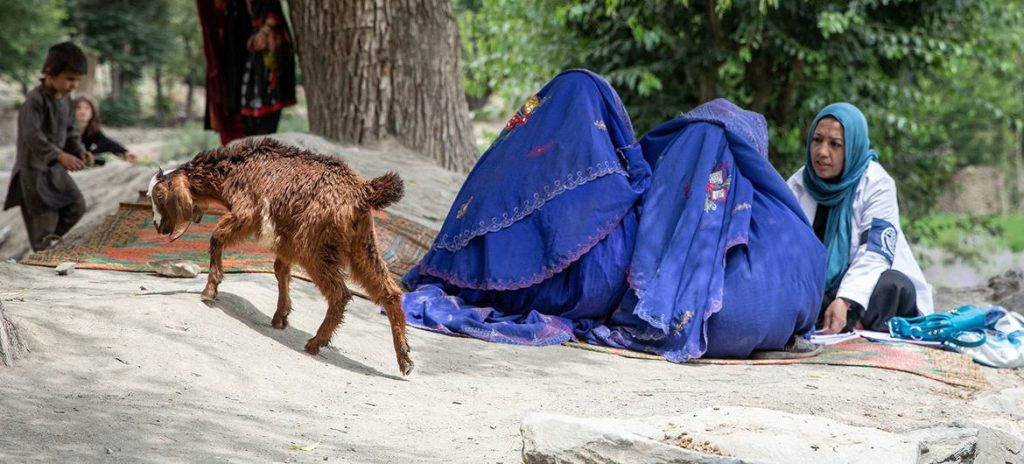
The Taliban government in Kabul has faced sustained global condemnation, including from the United Nations, for its curbs on women’s rights, education, and participation in public life. When asked about the condition of women in Afghanistan, Muttaqi sidestepped the question. Instead, he maintained that each country had its own systems and values that should be respected. “Every country has its own customs, laws and principles, and works according to those. It is not correct that people are not given their rights. If people were not happy with the system and the laws, why has peace returned?” he was quoted as saying
The UN mission in Afghanistan (UNAMA) in May 2025 again reported severe restrictions on women and girls under Taliban rule since their takeover in August 2021.
Women are being denied jobs, access to services without male guardians, and girls remain barred from education. UNAMA documented public floggings, shrinking civic freedoms, and violence against former officials. Women-led beauty salons and radio stations have been shut down, while shopkeepers in Kandahar were told to refuse service to unaccompanied women. In hospitals, unaccompanied female patients were reportedly denied treatment, it said
The Taliban have intensified media censorship, corporal punishment, and religious persecution. In Badakhshan, at least 50 Ismaili men were forcibly converted to Sunni Islam under threat, and over 180 people, including women and girls, were flogged publicly for adultery or homosexuality, according to the UN mission
“Despite global condemnation, Taliban spokesperson Zabihullah Mujahid insisted women’s rights are protected under Sharia and Afghan traditions. The International Criminal Court in January issued arrest warrants for Taliban leader Haibatullah Akhundzada and Chief Justice Abdul Hakim Haqqan for gender persecution, a crime against humanity. The Taliban dismissed the ruling, citing national sovereignty and religious law,” the UNAMA said calling for urgent international action to restore Afghan women’s rights and end systematic oppression