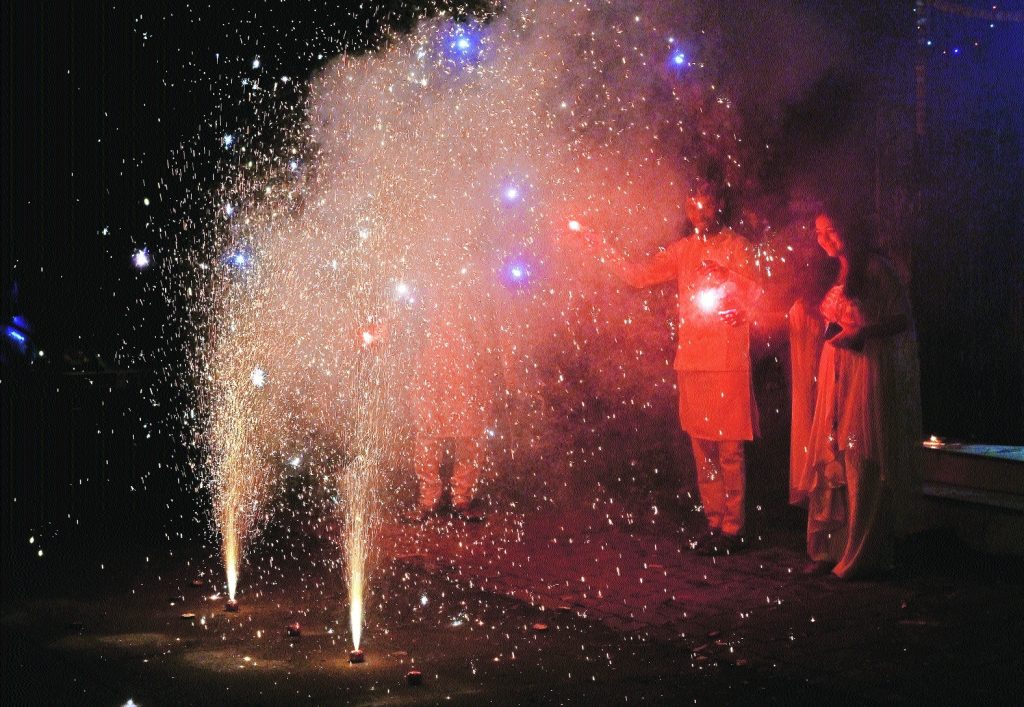
Diwali is over, but what is not over is Delhi-NCR’s air pollution. The city continued to choke under a “very poor” air quality index (AQI) for the third straight day after Diwali, thanks to the illegal sale of firecrackers and alleged violations of the Supreme Court’s guidelines on their use. This, even as the Delhi Police registered over 150 cases for bursting crackers beyond permitted hours and for illegal sales. At the time of writing, the police had registered more than 100 cases across Delhi over alleged violations of the Supreme Court’s directions on bursting firecrackers, and over 50 on charges of illegal sale of crackers during Diwali celebrations.
Despite all this, Delhi-NCR woke up to a post-Diwali haze so thick that buildings disappeared into the distance. The air, heavy with smoke, pushed air pollution levels deep into the “very poor” category, leaving residents coughing and their eyes burning.
On October 15, five days before Diwali, the Supreme Court permitted the sale of only green firecrackers in Delhi-NCR between October 18 and 20. Bursting was allowed in two slots — 6–7 a.m. and 8–10 p.m.— on Diwali eve and Diwali day. According to the Court, firecrackers must be approved by the National Environmental Engineering Research Institute (NEERI) and carry QR codes. Police and the pollution control boards were directed to form patrol teams for real-time checks. The Court also reiterated its ban on conventional firecrackers, which are often smuggled into Delhi-NCR. Crackers containing barium and series crackers, commonly called laris, remain banned. Online sale of firecrackers through platforms such as Amazon and Flipkart also continues to be prohibited.
But a Tehelka investigation exposed how the Apex Court’s directives on fire crackers were observed more in the breach than in the observance. We found that traders were openly flouting all Supreme Court guidelines by selling conventional firecrackers, commonly known as laris, banned by the Court, while ignoring the directive for green crackers. All traders, our reporter contacted in Noida, Uttar Pradesh, confessed to deceiving authorities by displaying low-intensity green firecrackers with fake NEERI logos or QR codes. In reality, these were not green. Vendors claimed legality by merely slapping “eco-friendly” or “green” labels on the boxes. Also, they kept fake green firecrackers on display at their stalls while hiding the high-intensity, banned firecrackers they were actually selling to customers.
“The firecrackers at my godown are all conventional, not green. The companies are also being crafty, passing them off as eco-friendly by using fake green labels and QR codes on the boxes. I’ve been selling banned crackers throughout the year, and you don’t have to worry about the police post next to my godown. No cop will say anything to you,” said Suraj, a wholesale supplier of banned firecrackers from Noida.
“We are paying less money to the police but more to some Noida Authority officials for selling banned firecrackers. The green firecrackers kept on display at my stall carry fake logos of green firecrackers—we keep them to deceive authorities. What we actually sell are banned crackers hidden under the table. We also provide home delivery,” said Sparsh Tiwari, another firecracker vendor in Noida.
“We have a godown in the next building from where we are selling banned crackers. Some are also kept at our stall. We pay money to the local police, but sometimes higher officials, to whom we are not paying, come for checking—or someone might complain that we are selling banned crackers. Then we may face problems. We also offer home delivery and sell firecrackers across Delhi-NCR,” said Roshan Gupta, another vendor from Noida.
“Since I have been running a tea stall in Noida for the last nine years with my parents, I am in touch with the local administration. I pay them money throughout the year. And now too, I am selling banned firecrackers after paying them. You can get banned firecrackers from me anytime, delivered right to your doorstep,” said Sunil Tiwari, another firecracker vendor in Noida.
The Tehelka investigation began with Suraj, a firecracker wholesaler from Noida, whose godown is located right in front of a police post. The recorded exchange below lays bare a casual market for banned crackers.
Suraj sells banned crackers round the year. Kuldeep, a salesman at Suraj’s godown, told us that they stock banned laris of 1,000, 2,000 and 5,000 bombs, each with different prices. Kuldeep also showed us packets of bombs branded “Nazi” and “Fauji.” Suraj said he supplies crackers for weddings and other functions as well. He claimed to have conventional rockets, sutli bombs, and balti bombs at his godown, along with a home delivery service. Suraj even asked us to circulate his phone number among parties interested in buying firecrackers. When asked whether these were green crackers allowed by the Supreme Court, Kuldeep replied, “No.”
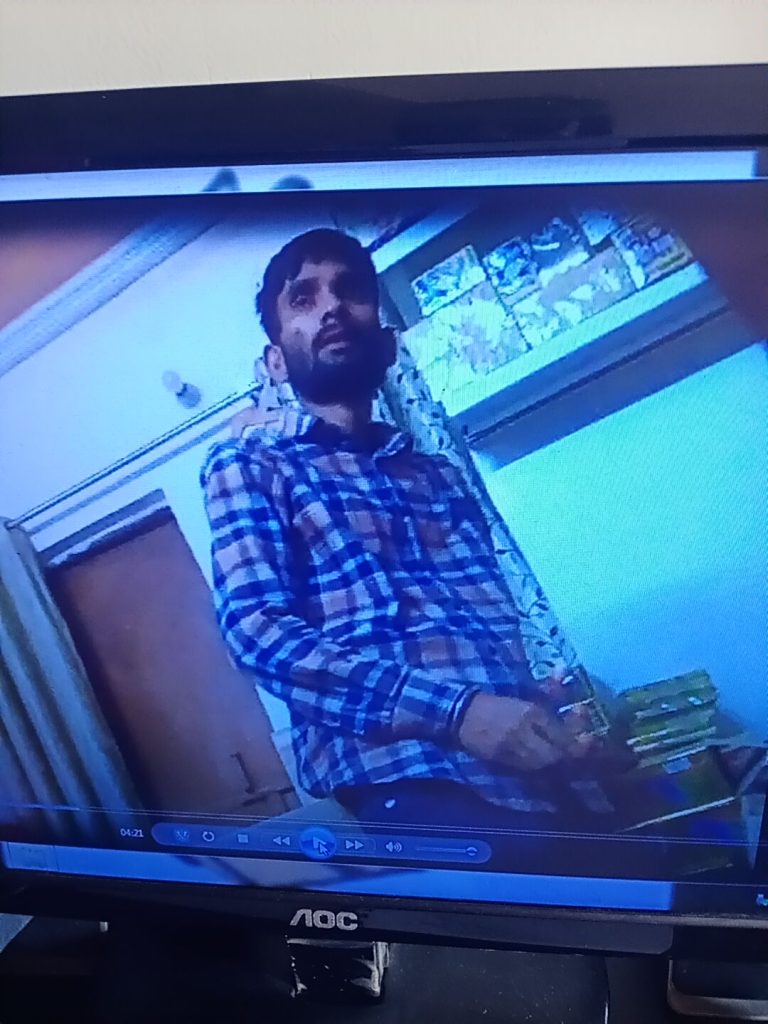
Reporter- Saari dikha do (referring to laris), kaun kaun si hai?
Kuldeep- 1000 ki, 2000 ki, 5000 ki…
Reporter- 1000 wala kitne ka milega?
Kuldeep- 950 ka mil jayega.
Reporter- 1000 wali 950 ki….. aur anaar?
Kuldeep- XXL ka milega.
Reporter- Double XL ka matlab ooncha jayega?
Kuldeep- Rs 1500 ka.
Reporter- Kitne piece honge?
Kuldeep- 10.
Reporter- Aur bomb?
Kuldeep- Nazi, Fauzi..
Reporter- Aur Nazi aur Marshal?
Kuldeep- Haan.
Reporter- Kya rate hai Nazi bomb ka… dikha de?
Kuldeep- Ye lo, 350 ka.
Reporter- Kitne piece hain?
Kuldeep- 10..
Reporter- Ismein green to koi bhi nahi hai bhai? Green pataka koi nahi hai ismein, normal hi hain na?
Suraj- Haan!. Ye aapke 750 ke ho gaye.
Reporter- Ye Diwali ke baad bhi rahenge?
Suraj- 12 mahine.
Reporter- Party mein, shaadi mein milenge? Aatishbazi karwani ho to?
Suraj- Sab ho jayega.
Reporter- Bomb ladi chahiye.
Suraj- Sab mil jayega.
Reporter- 12 mahine milenge?
Suraj- Haan… mera number save kar lena.
Reporter- Suraj tumhara hi naam hai? Tumhari hi dukan hai?
Suraj- Kabhi bhi kar lena.
Reporter- Home delivery bhi karte ho?
Suraj- Porter se karwa deta hoon…
Reporter- Home delivery ho jayegi patakho ki?
Reporter- Tumhari yehi dukan hai ya koi doosri bhi?
Suraj- 130 (sector) mein hai.. porter se chala jata hai kahni bhi.
Reporter- Accha tumhe phone par batana hai bas, paisa advance dena hoga.. ladi, bomb sab mil jayega?
Suraj- Haan.
Reporter- Rocket hai?
Suraj- Khatam ho gaye hain.
Reporter- Kab tak aa jayenge?
Suraj- Kal tak.
Reporter- Pehle wo aate they balti bomb, sutli bomb.. wo hain?
Suraj- Haan, hain.
[The exchange reveals how banned firecrackers are sold openly, with the promise of home delivery and requirement of advance payments, with sellers brazenly admitting evading checks. This shows how law on paper collapses without firm enforcement.]
Now, Suraj admitted to Tehelka’s reporter that the firecrackers he sells from his godown are not green crackers but conventional ones, which have been banned by the Supreme Court. He added that firecracker companies have been crafty—pasting fake “eco-friendly” and “green” logos on the boxes, along with counterfeit QR codes, to deceive authorities into believing they are selling green crackers. In reality, these are the conventional firecrackers prohibited by the country’s top court.
Reporter- Pata nahi (crackers) chalaney denge ya nahi is baar?
Suraj- Bol diya hai is baar chalaney ke liye, bol diya hai.
Reporter- Supreme Court ne green patakho ke liye bola hai na?
Suraj- Bhaiyya sab, green hi mohar lag kar aati hai par green hotey nahi. Lag ke sab par green hi aati hai.
Reporter- Accha hote nahi hain?
Suraj- Nahi…par sab par mohar to green hi lagkar aati hai!
Reporter- Aproved hai, tumhare QR code hai, ye QR code asli nahi hai?
Suraj- Sab hai, laga kar detey hain wo.
Reporter- Hotey nahi hain lekin?
Suraj- Company bhi to apna dimaag daurayegi.
[In the above exchange, the seller candidly admits that the so-called “green” crackers are anything but that. He explains how companies print fake green labels and QR codes on banned products to make them appear legal. The entire trade, he implies, runs on deception—with manufacturers and vendors working hand in hand to fool authorities and buyers alike.]
In the following brief exchange, Suraj brushes aside concerns about police presence near his shop. He assured us that the police post near his firecracker godown would not pose any problem while we carried banned firecrackers from his premises.
Reporter- Arey idhar police chauki hai dikkat to nahi hogi?
Suraj- Nahi.
Reporter- Kahin pakad le rastey mein kahan se la rahe ho?
Suraj- Arey nahi!
[The ease and confidence with which the seller dismisses the risk involved in buying banned crackers highlight the sense of impunity traders enjoy while violating the ban. The casual assurance of safety reveals silent complicity at the local level.]
After Suraj, the Tehelka reporter, met Roshan Gupta—another firecracker vendor from Noida—Roshan revealed that he too could supply conventional firecrackers banned by the Supreme Court, but not the government-approved green crackers. He claimed to have stock of all types of laris, including those with 1,000 and 2,000 bombs even as he spelt out their prices.
Roshan openly admitted that although the top court has prohibited conventional firecrackers, he continues to sell them by bribing the local police chowki in-charge. However, he avoids displaying the banned items at his shop. Instead, he stores them in a nearby godown, he explained. According to him, even though he pays off the local police post head, he remains cautious. If a senior officer—one not on his payroll—conducts a surprise inspection or if someone files a complaint, he could land in serious trouble. To avoid detection, Roshan said he calls customers to his godown for delivery. The firecrackers displayed at his shop are merely samples.
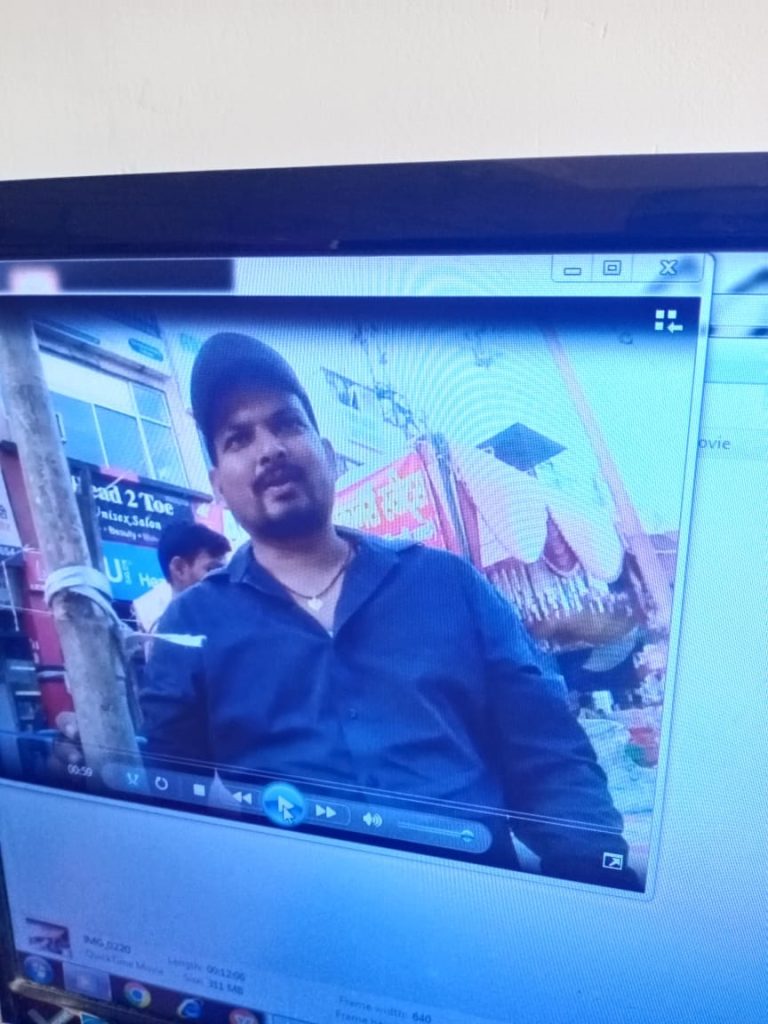
Reporter- Green patakhe nahi chahiye humko.
Roshan- Kaun de raha hai? Jaisa aapko chahiye waisa milega, befikar rahiye.
Reporter- Hame normal jo pehle miltey they, wo chahiye. Green wale nahi chahiye.
Roshan- Wahi dunga, bhaiya. 1000 wali ladi aapko padegui 600 ki, 2000 wali padegi 1100 ki, ek padegi 1500 ki.
Reporter- Jab tum police ko hafta de rahe ho to kya darr hai patakhe rakhne ka?
Roshan- Darr isliye hai ki choti Diwali, badi Diwali fully hum log yahi se bech letey hai. Inko to hum de rahe hain, magar kabhi inse upper bhi koi aa gaya to?
Reporter- Accha, chauki incharge ko to aap de rahe ho? Kabhi koi inse upper wala aa gaya, isliye?
Roshan- Haan….kabhi aa gaye round maarne, pata chala kisi ne complaint hi kar diya.. isliye problem ho sakti hai. Isliye yahan ek hi sample rakhtey hain, aur baki just is building ke peeche.
[We learn that sellers openly deal in banned crackers by bribing local officials, and they only worry about inspections by higher ups or potential complaints. When rules are enforced unevenly, illegal trade grows. Without steady and honest checks, laws remain just words on paper.]
Roshan further admitted that the green logos printed on the firecracker boxes—meant to indicate compliance with environmental norms—are entirely fake. He claimed to be supplying these banned crackers across the entire Delhi-NCR region. Roshan also pointed out that his name and contact details are easily searchable on Google and Just Dial. He assured us that he could deliver the firecrackers directly to our home using a porter service. To avoid detection, he emphasized that the packaging would be clever enough to prevent the police from stopping or inspecting the delivery.
Reporter- Ab to maine suna hai patakho ke dibbey ke oopar scanner aa raha hai bana hua?
Roshan- Haan.
Reporter- Wo asli hai nakli hai?
Roshan- Aise hi hai, nakli hai. Aapko rate list bhej diya, dekh lena.
Reporter- Theek hai. Lekin tum jis rider ke haath bhejogey, usko koi police wala na pakad le?
Roshan- Nahi pakdega, mein porter se bhejta hoon na.
Reporter- Porter ko bhi to police wala pakad sakta hai?
Roshan- Pata hi nahi chalega, uske pass us tarah ka bag hota hai, mein keh raha hoon Vaishali, Ghaziabad, Pitumpura, Dwarka, Delhi…. sab jagah bhej raha hoon.
Reporter- Har jagah Noida se supply ho raha hai?
Rosha- Mere pass Gurgaon se bhi customer hai. Google par search mariye, mere naam se aa jayega. Just Dial par bhi mera hai.
[The exchange shows sellers treating verification measures as hollow rituals. QR scanners and labels exist on boxes, but Roshan admits they are fake and sends a price list on our phone. It emerges that counterfeit certification and covert delivery networks make enforcement ineffective. It is evident that unless monitoring targets supply chains and platforms, bans will remain cosmetic.]
Roshan now sends us the list of banned crackers he has, along with their rates, on our phone. In the ensuing brief exchange, Roshan lays out the full range of banned firecrackers he’s offering—from basic phuljharis to high-powered skyshots.
Roshan- Aapka number hai… is number par hi likh dijiyega, sab 1000, 2000, 5000 tak ki ladi, aapko phuljhari se lekar saare item, skyshot tak, jo jo item hai uska rate yahan par likha rahega naam ke saath, total item ka rate, kis company ka hai, 12 shot ho gaya, 30 shot, 130 shot, Nazi, Babar… sab ka rate likha rahega.
[We learn how openly banned items are being marketed, with full catalogues and brand names. The tone of the seller is casual, but the scale of illegal trade is unmistakable. When illegality becomes routine, it’s not just lawbreaking—it’s normalization.]
After Roshan Gupta, Tehelka met Sparsh Tiwari, another firecracker vendor from Noida. Sparsh showed us banned crackers hidden beneath the table at his shop. In order to probe the seller, our reporter asserts that he’s not looking for children’s firecrackers but the powerful, banned ones. Sparsh Tiwari responds confidently, offering “mardon wale” items—bombs, ladis, and other traditional explosives. He told us he wouldn’t give us green crackers, but only traditional ones that have been banned by the Supreme Court.
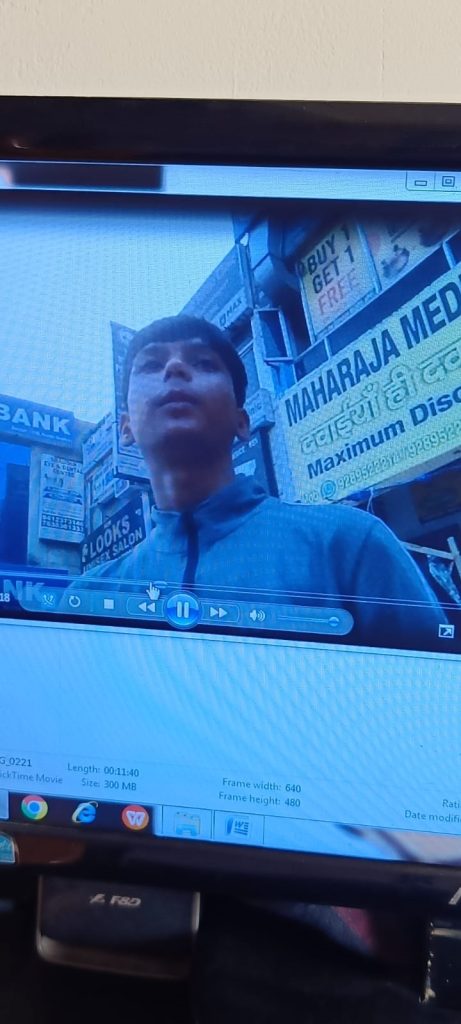
Reporter- Bhaiya patakhe hain? Hame bacchon wale nahi chahiye!
Sparsh- Mardon wale bhi hain!
Reporter- Ye baat kari na! Mardon wale dikhao, humne kaha bacchon wale nahi chaiye keh raha hai mardon wale bhi hain…kya naam hai tera?
Sparsh- Sparsh Tiwari
Reporter- Sparsh, dikhao kaun kaun se patakhe hain, tumne to khazana rakha hua hai chupa ke. Bomb wagera hain sab?
Sparsh- Haan hain.
Reporter- Ladi?
Sparsh- Haan, ye lo mini bullet.
Reporter- Ye kya bomb hai?
Sparsh- Haan, ye sabse chota hai.
Reporter- Bahar nikal loo na?
Reporter (continues)- Ye green patakhe to nahi hain? Green wale nahi chahiye hame.
Sparsh- Nahi, koi nahi hai green.
Reporter- Jo pehle biktey they, traditional.
Sparsh- Wahi hain.
Reporter- Supreme Court ne kaha hai na ke green patakhe chalao, par hame nahi chahiye.
Sparsh- Green nahi hai, ye dikhane ke liye chipka diya hai, green nahi hain ye.
[Sparsh admits that the green labels are just pasted on for show, and the products are the same old banned ones. We see how banned crackers are being sold openly, with fake green labels to dodge the law. What emerges is that rules exist, but sellers know how to bend them.]
When asked if the nearby police chowki might cause trouble while carrying banned crackers from his shop, Sparsh confidently assured us there would be no such issue. Sparsh brushes off the worry, saying some of his customers carried Rs 50,000–Rs 60,000 worth of crackers without any hassle. Sparsh explained that the crackers are expensive because they are banned, and agreed to send them to our home via porter, guaranteeing that the police wouldn’t stop the delivery since all boxes carry fake green logos.
Reporter- Accha ye batao saamne police chauki hai, patake lekar jayenge, dikkat to nahi hogi hame?
Sparsh- Arey aap le jao, koi dikkat nahi hogi.
Reporter- Kyun hamko kyun nahi hogi?
Sparsh- 50-60 hazar ke le jaatey hain log.
Reporter- 50-60 hazar ke patakhe?
Sparsh- Haan…le jaatey hain log.
Reporter- Ye wale mehnge kyun hain.
Sparsh- Kyun ki ye ban hai, bade wale.
Reporter- Wo to saare patakhe ban hain, isliye mehnge hain?
Sparsh- Haan, peeche se jo maal aayega, waise hi to bechenge.
Reporter- Mujhe home delivery karwa dega?
Sparsh- Haan, porter karega.
Reporter- Porter kar dega, apna number de.
Reporter (continues) – Maine tujhe hi likhkar bheja hai, porter-ke through bhijwa diyo, aisa na ho koi police wala pakad le?
Sparsh- Nahi porter ko nahi pakdenge, kyunki unmein stamp lagi hoti hai na… isliye nahi pakadtey.
[We learn how banned goods are moved with confidence, even near police stations. When sellers start offering delivery with built-in evasion tactics, it shows the system isn’t just weak—it’s being misused.]
In this brief exchange, Sparsh admitted to the Tehelka reporter that the green crackers displayed at his shop are all fake. He admitted they were kept only to mislead authorities into thinking he sells eco-friendly crackers. He also revealed that the green logos on the boxes are completely counterfeit.
Reporter- Accha, jo tune green patakhe rakhe hue hain, wo sahi mein green hai ya dikhane ke liye hain?
Sparsh- Dikhane ke liye.
Reporter- Dikhane ke liye… nakli wale?
Sparsh- Haan, bas mohar laga rakhi hai, tabhi to sab dhuaan chodhtey hain.
[The dialogue reveals that fake green crackers are openly sold with just a fake green stamp to fool people. The reporter’s probing reveals how easily rules are bypassed and labels misused.]
Sparsh made another confession to our reporter. In this revealing exchange, the seller casually admits to paying regular bribes to the local police station, ranging from Rs 5,000 to Rs 20,000 a month until Diwali. When asked if this amount is low, he clarifies that the police take less, while the higher share goes to “the authority,” alluding to officials of the Noida administration.
Reporter- Police chauki par to hafta ja raha hoga tera?
Sparsh- Haan.
Reporter- Kitna?
Sparsh- Wahi batate hain, kabhi 5 hazar, kabhi 10 hazar, 20 hazar diwali tak.
Reporter- 5k-20k mahina?
Sparsh- Mahina hai, Diwali tak.
Reporter- Kum hai ye to?
Sparsh- Ha, inka kum hai. Authority ka zyada hai.
Reporter- Authority ka zyada hai?
Sparsh- Haan.
[Worryingly, we learn that bribery is not just routine—it’s structured, with different levels of officials taking their cut. The brief dialogue uncovers a layered system of illegal payments that helps sustain the illegal trade.]
Our reporter then met Sunil Tiwari, a firecracker vendor from Noida. Sunil said he could supply all traditional crackers banned by the Supreme Court, including Ravan bomb, Nazi bomb, Hydrogen bomb, and lari. He mentioned that he lives with his parents and runs both a tea stall and a cracker shop in Noida. He claimed he sells crackers throughout the year. When asked about his cracker shop, he jokes that it runs “24 months a year,” hinting at its uninterrupted illegal operation. He also promised doorstep delivery.
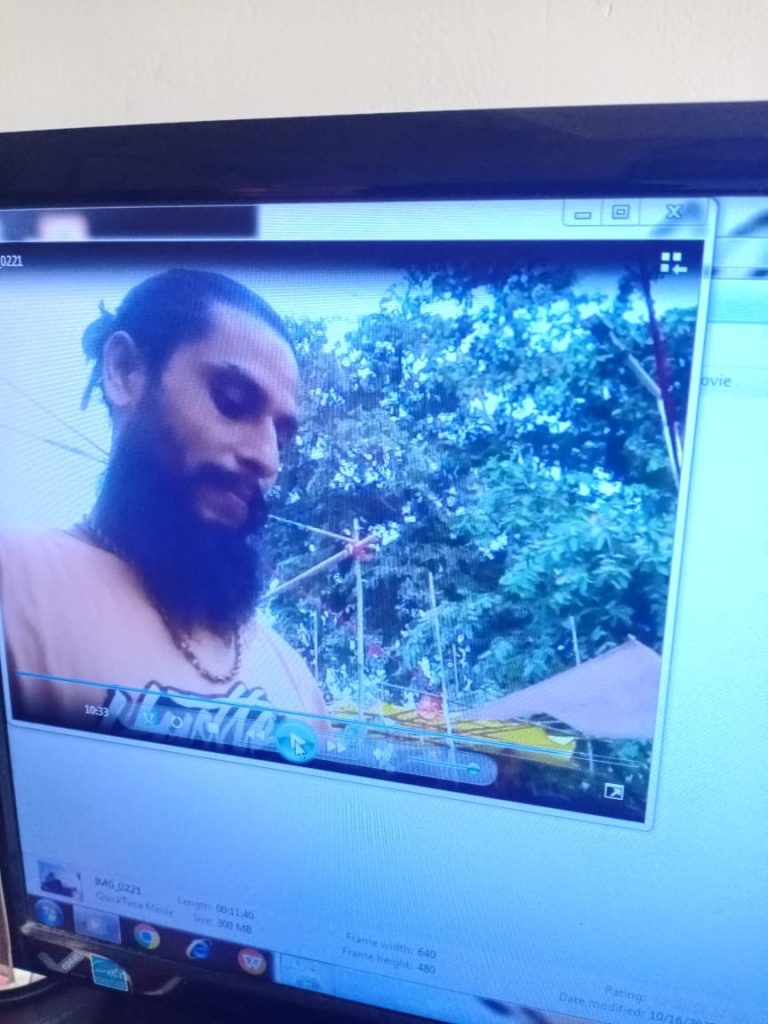
Reporter- Patakha kaun kaun se hain? Hame to asli wale chaiye, jo pehle chaltey they, dhamake wale. Green wale nahi chahiye hamko.
Sunil- To ye lo Ravan bomb.
Reporter- Ravan bomb, arey wah! Aur kaun kaun se hain?
Sunil- Aur mil jayega Nazi bomb, Hydrogen bomb, ladi.
Reporter- Ladi mil jayegi?
Sunil- Haan 1000, 2000, 5000 wali mil jayegi
Reporter- Home delivery karwa dogey, 128 sector, Noida, mein?
Sunil- Pahuch jayega; aur bataiye?
Sunil- Ye mera card hai, neeche wala mera number hai. Chai ki dukan par permanent milega.
Reporter- Chai ki dukan aapki hai?
Sunil- Haan, Mummy-papa ki.
Reporter- Aur patakho ki dukan aapki hai?
Sunil- Haan 24 mahiney milegi.
Reporter- Mahiney to 12 hote hain?
Sunil- Ha ha ha! Ye sab to chale jayenge, hum yahi hain.
[In this candid exchange, a seller proudly offers banned, high-intensity firecrackers, and promises doorstep delivery. We learn that banned crackers are not just available—they’re marketed with flair and delivered like any regular product. Enforcement seems absent.]
Sunil now promised to send us traditional crackers, the kind banned by the Supreme Court, instead of green ones. He said he would personally deliver them to our house and claimed that the local administration in Noida knows him well, as he has been running a tea stall there for the past nine years. So, he believes nothing will happen to him while delivering the banned crackers.
Reporter- Kya naam hai aapka?
Sunil- Sunil Tiwari.
Reporter- Hame green nahi chaiye jo Supreme Court ne kaha hai na, hame green nahi chahiye.
Sunil- Theek hai ji.
Reporter- Wahi chahiye traditional, jo pehle chaltey they.
Sunil- Sab mil jayega.
Reporter- Bhejogey kaise?
Sunil -Mein khud aaunga, bhaiya aayenge.
Reporter- Koi dikkat to nahi hogi rastey mein, police wale pakad lein?
Sunil- Sab apne hain. Prashasan se juda hua hoon. Chai ki dukan hai 9 saal se to aas pass Commissioner office hai, jitna thana, chauki hain, sab jaantey hain…
[In this exchange, Sunil Tiwari, assures us that traditional, banned firecrackers are readily available with him. He promises personal delivery and confidently brushes off any fear of police action. We learn that banned crackers are sold with full confidence, seemingly backed by local connections.]
Sunil further admits that he pays bribes to the local police to keep his firecracker shop running, even though it sells banned items. He added that, since he runs a tea stall, officials “eat well all year,” implying they regularly receive free refreshments and tea from him. His long-standing tea stall seems to add to his confidence and local influence.
Reporter- Rocket hain tumhare pass? Yahan to police wale pareshan kar rahe honge?
Sunil- Abhi to halka phulka bech rahe hain, bol rahe hain parson se laga lo.
Reporter- Parson se bola hai laga lo. Kuch nahi kahenge?
Sunil- Paisa ja raha hai.
Reporter- Kitna?
Sunil- Hum bataye to hamari jaankari hai poore saal khatey peetey hain to hamare liye to samajh lo aap.
Reporter- Accha aap ki chai ki dukaan bhi hai na permanent?
Sunil- Haan.
[Sunil admits that he pays bribes to the local police to keep his firecracker shop running, even though it sells banned items. So, bribery ensures smooth illegal sales, with sellers feeling secure under informal protection.]
Tehelka’s investigation exposed vendors openly selling firecrackers banned by the Supreme Court. These sellers were caught on camera not only dealing in illegal crackers but also doing so beyond the court-permitted dates—October 18 to 20—and that too, only for green crackers. On October 24, four days after the court’s deadline had expired, we contacted Suraj, Roshan Gupta, Sparsh Tiwari, and Sunil Tiwari — and found they were still willing to supply banned crackers, even after Diwali.
All four were found selling banned crackers right under the nose of a police post, situated barely 50 meters from their stalls. They admitted to bribing local police and confessed that they sell banned crackers not just during Diwali, but throughout the year—at weddings, birthday parties, New Year’s Eve, anniversaries, and other celebrations. On Diwali night, crackers were burst till 3 a.m., violating the Supreme Court’s strict time slots of 6–7 a.m. and 8–10 p.m.
Rampant sale of illegal crackers and blatant disregard for court orders contributed to a sharp rise in post-Diwali air pollution across Delhi-NCR, leaving residents coughing, sneezing, and suffering from burning eyes. The gravity of the situation is evident from the Delhi government’s decision to induce artificial rain through cloud seeding to combat toxic air.
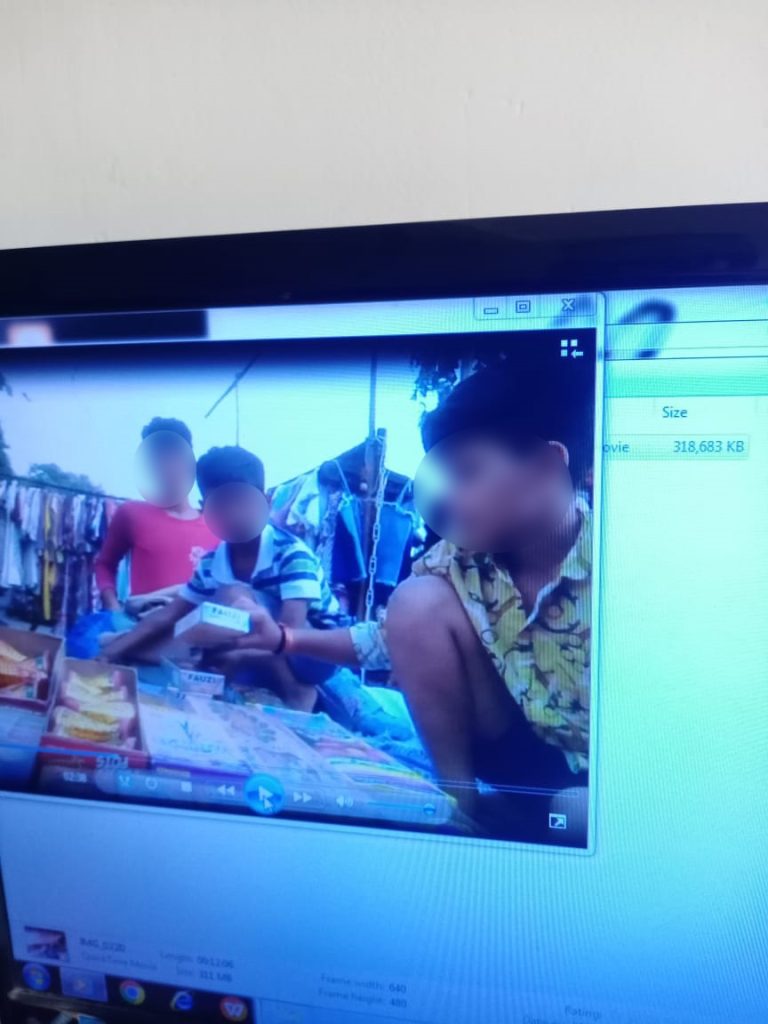
Now, unscrupulous traders like Suraj, Roshan Gupta, Sparsh Tiwari, and Sunil Tiwari must be held accountable for selling banned crackers year-round and worsening air quality. Shockingly, minor children were also caught on camera selling high-intensity ‘Fauji bombs’ at one of the stalls—a serious legal violation. None of the vendors Tehelka approached was selling genuine green crackers; instead, they admitted to deceiving authorities by displaying fake green boxes with counterfeit logos.